Movies to See Right Now

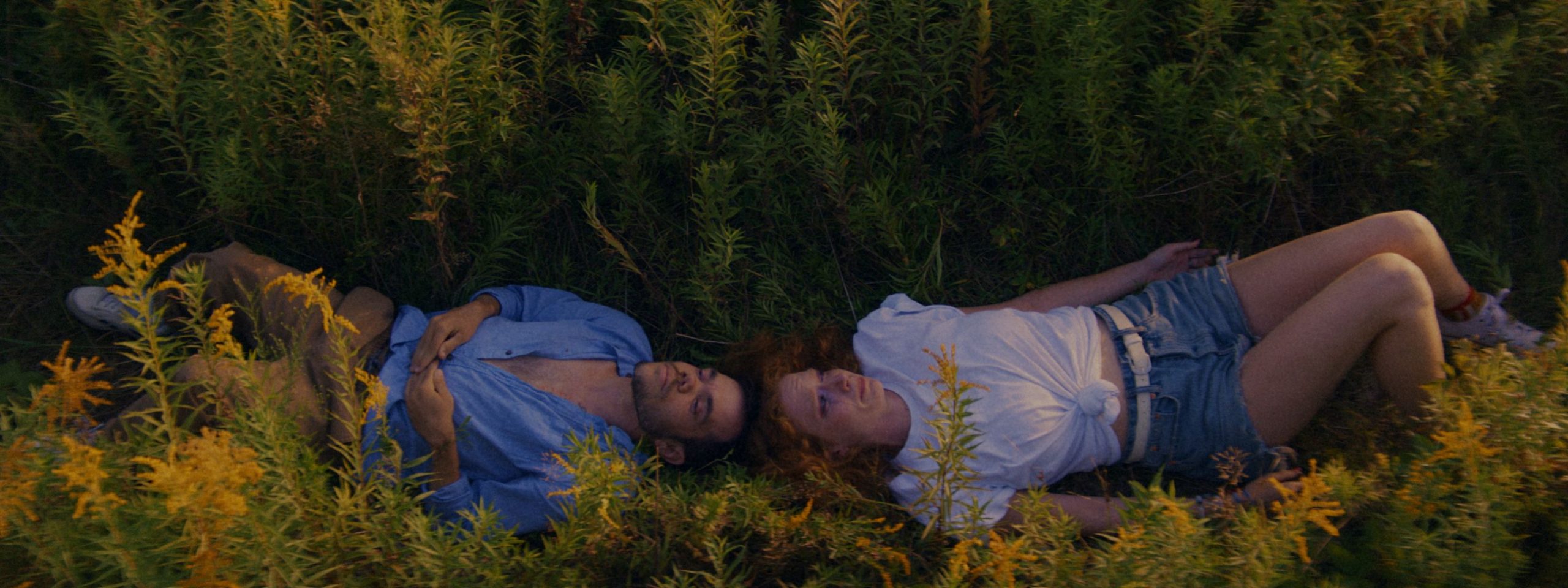
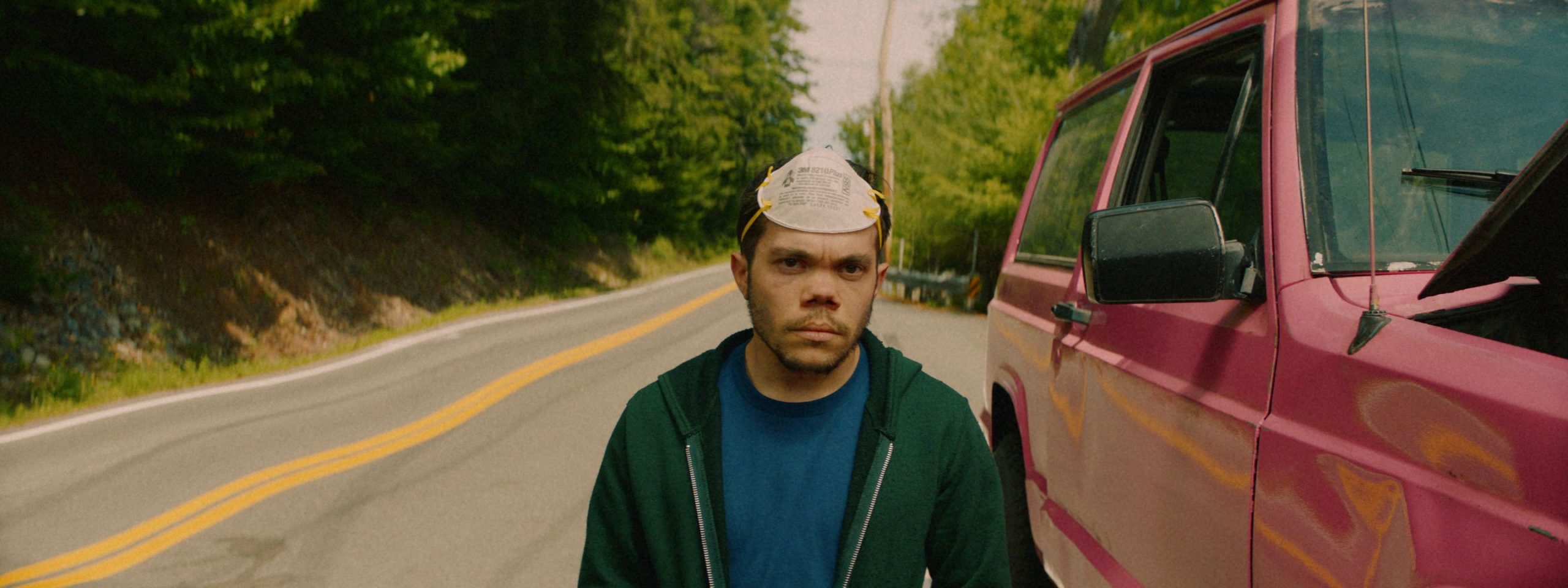
Katia Pascariu in BAD LUCK BANGING OR LOONY PORN. Courtesy of Magnolia Pictures.

This week: New reviews of Bad Luck Banging or Loony Porn, the Alanis Morissette biodoc Jagged. Coming up on TV – an under-appreciated movie filmed in Stockton.

CURRENT FILMS

  • Drive My Car: director and co-writer Ryûsuke Hamaguchi’s engrossing masterpiece about dealing with loss – and it’s the best movie of 2021. Layered with character-driven stories that could each justify their own movie, this is a mesmerizing film that builds into an exhilarating catharsis. In theaters.
  • Nightmare Alley: enough burning ambition for a thousand carnies. In theaters.
  • Belfast: a child’s point of view is universal. If you have heartstrings, they are gonna get pulled. In theaters.
  • The Power of the Dog: One man’s meanness, another man’s growth. Netflix.
  • Don’t Look Up: Wickedly funny. Filmmaker Adam McKay (The Big Short) and a host of movie stars hit the bullseye as they target a corrupt political establishment, a soulless media and a gullible, lazy-minded public. Netflix.
  • The Tragedy of Macbeth: No surprise here: Joel Coen, Denzel Washington and Frances McDormand deliver a crisp and imaginative version of the Bard’s Scottish Play. AppleTV.
  • Bad Luck Banging or Loony Porn: completely different than any movie you’ve seen. AppleTV, Drafthouse On Demand.
  • Parallel Mothers: Pedro Almodovar gives us a lush melodrama, sandwiched between bookend dives into today’s unhealed wounds from the Spanish Civil War. In theaters.
  • Jagged: clear-eyed, but not that angry after all. HBO.
  • House of Gucci: Lady Gaga and Adam Driver shine in this modern tale of Shakespearean family treachery. In theaters.
  • Licorice Pizza: When nine years is a big age difference. In theaters.
  • The Hand of God: Filmmaker Paolo Sorrentino’s own coming of age story – and a time capsule of 1986 Naples. Netflix.
  • Being the Ricardos: a tepid slice of a really good story. Amazon (included with Prime).

Remember to check out all of my Best Movies of 2021.

MORE RECOMMENDATIONS ON VIDEO

ON TV

Stacy Keach and Jeff Bridges in FAT CITY

On February 9, Turner Classic Movies presents John Huston’s under-appreciated Fat City (1972). Stacy Keach plays a boxer on the slide, his skills unraveled by his alcoholism. He inspires a kid (a very young Jeff Bridges), who becomes a boxer on the rise. Keach and Susan Tyrrell give dead-on performances as pathetic, sad sack barflies. Tyrrell was nominated for the Best Supporting Actress Oscar. Filmed in Stockton.

Susan Tyrrell in FAT CITY

JAGGED: clear-eyed, but not that angry after all

Photo caption: Alanis Morissette in JAGGED. Courtesy of HBO.

Jagged is a surprisingly addictive biodoc of singer-songwriter Alanis Morissette, packed with Morissette’s own reflections. Jagged traces Morissette’s beginnings as a child prodigy and teen pop princess (big hair and all) to the point where she matured into an innovative songwriter and groundbreaking stadium act.

The deepest dive is appropriately on Morissette’s debut album Jagged Little Pill and the 18-month concert tour to support it. With sales of over 33 million, Jagged Little Pill is still the number one selling album by a woman. It’s amazing to reflect that Morissette was only 19-20 when writing the songs and only 20-21 on the tour.

Alanis Morissette in JAGGED. Courtesy of HBO.

Of course, Morissette’s breakthrough came with one of the bitterest of all breakup songs, You Oughta Know, raising the question of just how angry is she? Not at all, says Morissette, who notes that she released her anger in the writing of You Oughta Know and moved on.

Director Alison Klayman (Ai Weiwei: Never Sorry) takes us back to the 1994 media coverage, by male music writers, of Morissette as Angry Young Woman. Jagged takes advantage of lots of candid backstage/tour bus footage from the tour; and that Morissette is an even-tempered and playful person, not even temperamental, let alone raging.

In her years a teen pop singer, Morissette was allowed to tour the world without parental protection, which predictably made her vulnerable to exploitation by older men. It’s really worth watching Jagged to hear Morissette’s framing of how women publicly discuss sexual abuse years afterwards: “They weren’t silent. The culture wasn’t listening.”

Oddly, Morissette herself is unhappy with the documentary, calling it “salacious”. I thought that Klayton handled Morissette’s own words about her sexual abuse in a way that was the opposite of salacious. Klayton has Morissette present herself as insightful and well-grounded, which adds up to a flattering impression.

Jagged is streaming on HBO.

BAD LUCK BANGING OR LOONY PORN: completely different than any movie you’ve seen

Photo caption: Katia Pascariu in BAD LUCK BANGING OR LOONY PORN. Courtesy of Magnolia Pictures.

The Romanian absurdist comedy Bad Luck Banging or Loony Porn is unlike anything feature film you’ve ever seen. For one thing, it begins with a three-and-a-half minute amateur sex video. The couple is having sex that is playful, enthusiastic and highly verbal. The sex is not simulated.

The couple turns out to be married. The wife is Emi (Katia Pascariu), a teacher of Romanian history at an upscale private school in Bucharest. Unfortunately, her husband takes their laptop to a tech shop for service and the sex video appears on the Internet – and goes viral within her school’s community.

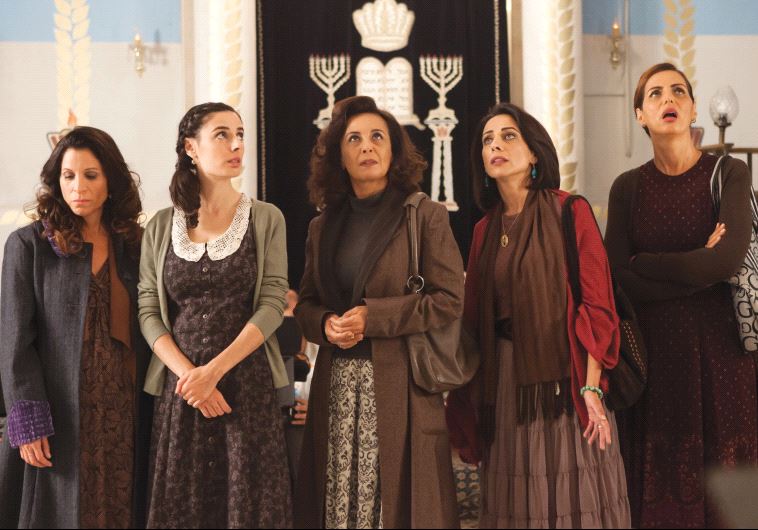
Bad Luck Banging or Loony Porn is divided into three chapters, each approximately 30 minutes. In the first, Emi leaves their crowded apartment and walks, COVID-masked, through Bucharest to her boss’ apartment and then to school, stopping to receive a series of phone calls with ever worsening news about the video.

Beginning with the chaos of daily family life crammed in tight quarters, and spilling out through the city, this is deadpan comedy at its best. Writer-dirctor Radu Jude’s camera wryly points out the mixed martial arts studio Super Kombat Romania next door to a more aspirational Caffe Le Strada.

Jude depicts Bucharest street life as boisterous and earthy, with everyone unleashing torrents of foul invective at the slightest annoyance.  I’m an aficionado of vulgarities, and the best in this film comes from the driver of a vehicle whom Emi points out is illegally parked.

Part 2 takes a break from Emi’s story – it’s a series of brief vignettes highlighting the most ridiculous and outrageous excesses of Romanian history, including Nazi collaboration and the Ceaușescu communist dictatorship. Most of the vignettes are funny, and most are wickedly pointed. Some are just refreshingly silly, like a socially-distanced folk dance and the funniest elevator doors I’ve ever seen. 

In part 3, the school hosts a meeting of the parents to discuss the sex video – and whether Emi should keep her job. Of course, this is mortifying for Emi.

[MILD SPOILER IN THIS PARAGRAPH] The parents insist on playing the sex video at the meeting, so Emi is subjected to watching them watch her have sex – with a running commentary from the audience. Of course, if the video is offensive, then the parents are offending new viewers or re-offending those who have already seen it. But this is not about reason – it is about slut shaming.

Context completely escapes the parents. Emi’s consensual sex in her home with her husband is entirely her right; she didn’t publish the video, and she is the victim of its publication. Nevertheless, the parents plunge ahead into a witch trial that would have made colonial Salem proud, worsened by a dose of jawdropping antisemitism. That everyone is masked for the pandemic adds another layer of ridiculousness.

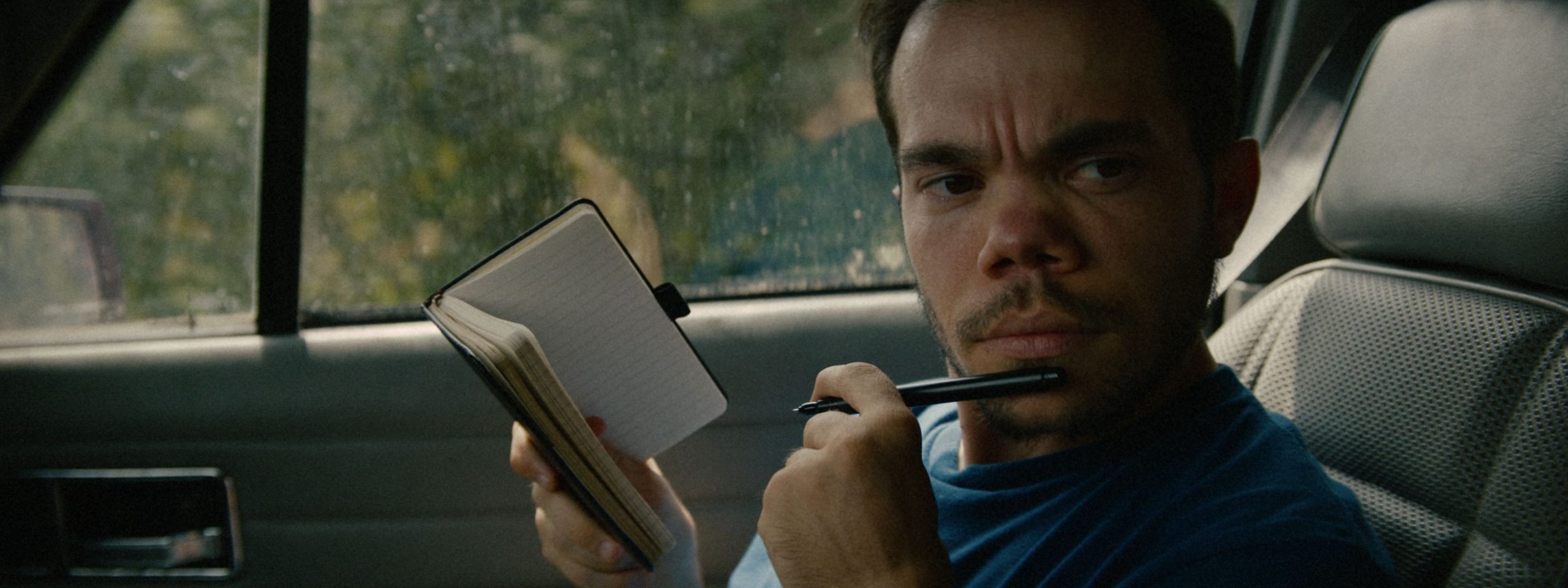
Katia Pascariu in BAD LUCK BANGING OR LOONY PORN. Courtesy of Magnolia Pictures.

Through it all, Emi steadfastly tries to salvage her dignity and impose some measure of intellectual consistency on others. She is the last stand of rationality. As Emi, Katia Pascariu is on camera in every scene of the first and third segments of Bad Luck Banging or Loony Porn, and her performance is superb. Pascariu’s Emi is a strong and confident woman thrust into a most humiliating and desperate situation, who keeps her poise…until even she cannot any longer.

What does it all amount to? Writer-director Radu Jude is zeroing in on human foibles, some specific to Romanian society and some universal. Jude has an unsparing, clear-eyed view of human nature, and Bad Luck Banging or Loony Porn nails sexism and misogyny in particular.

Jude’s previous features were the much acclaimed Aferim! (which I didn’t like) and I Do Not Care If We Go Down in HIstory as Barbarians. He was the assistant director of Cristi Pulu’s high brow art house hit The Death of Mr. Lazarescu.

Beyond its title, Bad Luck Banging or Loony Porn is unusual for its hardcore prologue and the mid-movie diversion from the plot. Those aspects may not be enjoyed by everyone; I also recognize that not everybody dials into deadpan absurdism as I do. Nevertheless, Bad Luck Banging or Loony Porn is continuously engaging and very funny.

Bad Luck Banging or Loony Porn is Romania’s submission for the Best Intentional Picture Oscar, and I believe that it will be nominated. It appears on at least 20 critic’s top ten lists, including #1 on J. Hoberman’s and #2 on A.O. Scott’s. I streamed Bad Luck Banging or Loony Porn on Drafthouse On Demand; it is also streaming on AppleTV.

Movies to See Right Now

Did Meat Loaf star in The Rocky Horror Picture Show?
Photo caption: Meat Loaf, with Nell Campbell in THE ROCKY HORROR PICTURE SHOW

The return of the in-person Noir City film festival, which had been Omicron-delayed, is now set for March 24-27. I’ll be publishing a complete preview on March 21.

REMEMBRANCE

Meat Loaf unforgettably burst into cinema in the 1975 cult favorite The Rocky Horror Picture Show. Often credited as Meat Loaf Aday, he also acted in a series of character roles, most notably in Fight Club.

CURRENT FILMS

This image has an empty alt attribute; its file name is parallel-baby.jpg
Penelope Cruz in PARALLEL MOTHERS. Courtesy of Sony Pictures Classics.
  • Drive My Car: director and co-writer Ryûsuke Hamaguchi’s engrossing masterpiece about dealing with loss – and it’s the best movie of 2021. Layered with character-driven stories that could each justify their own movie, this is a mesmerizing film that builds into an exhilarating catharsis. In theaters.
  • Nightmare Alley: enough burning ambition for a thousand carnies. In theaters.
  • Belfast: a child’s point of view is universal. If you have heartstrings, they are gonna get pulled. In theaters.
  • The Power of the Dog: One man’s meanness, another man’s growth. Netflix.
  • Don’t Look Up: Wickedly funny. Filmmaker Adam McKay (The Big Short) and a host of movie stars hit the bullseye as they target a corrupt political establishment, a soulless media and a gullible, lazy-minded public. Netflix.
  • The Tragedy of Macbeth: No surprise here: Joel Coen, Denzel Washington and Frances McDormand deliver a crisp and imaginative version of the Bard’s Scottish Play. AppleTV.
  • Parallel Mothers: Pedro Almodovar gives us a lush melodrama, sandwiched between bookend dives into today’s unhealed wounds from the Spanish Civil War. In theaters.
  • House of Gucci: Lady Gaga and Adam Driver shine in this modern tale of Shakespearean family treachery. In theaters.
  • Licorice Pizza: When nine years is a big age difference. In theaters.
  • The Hand of God: Filmmaker Paolo Sorrentino’s own coming of age story – and a time capsule of 1986 Naples. Netflix.
  • Being the Ricardos: a tepid slice of a really good story. Amazon (included with Prime).

Remember to check out all of my Best Movies of 2021.

ON TV

Dennis O’Keefe and Ann Sheridan in WOMAN ON THE RUN

On February 2, Turner Clasic Movies presents the taut 77 minutes of Woman on the Run, one of my Overlooked Noir. When the police coming looking for a terrified murder witness, they are surprised to find his wife (Ann Sheridan) both ignorant of his whereabouts and unconcerned. And the wife has a Mouth On Her, much to the dismay of the detective (Robert Keith), who keeps walking into a torrent of sass. She starts hunting hubbie, along with the cops, a reporter (Dennis O’Keefe) and the killer, and they all careen through a life-or-death manhunt. Another star of Woman on the Run is San Francisco itself, from the hilly neighborhoods to the bustling streets to the dank and foreboding waterfront.

PARALLEL MOTHERS: moms and babies, mostly

Photo caption: Milena Smith, Penélope Cruz and Aitana Sánchez-Gijón in PARALLEL MOTHERS. Photo courtesy of Sony Pictures Classics.

In Parallel Mothers, Pedro Almodóvar gives a lush melodrama, sandwiched between bookended dives into today’s unhealed wounds from the Spanish Civil War.

Two women meet in a Madrid maternity ward, each about to give birth to her first child. Neither is in a relationship and neither pregnancy was planned, although the circumstances differ strongly. Both are haunted – one by a family tragedy and the other by her parents’ dysfunction.

Janis (Penélope Cruz) is in confident middle age, a fashion photographer. She is worldly and independent, with a support system led by her bestie (Almodóvar veteran Rossy de Palma).

Ana (Milena Smit) is a teenager tossed from her throw-up-his-hands father in Granada to her self-absorbed actress mother in Madrid.

Janis and Ana bond with their babies and with each other. It’s difficult to write about their story because there’s a Big Reveal which I will not spoil.

The story of mothers and babies makes for a compelling 100-minute or so movie on its own. But the film begins and ends with segments in which a war crime from the Spanish Civil War touches characters. When Spain suddenly transitioned from the Franco dictatorship to a democracy, the nation addressed accountability for the Civil War’s atrocities differently than did, say, South Africa or North Ireland, and Parallel Mothers is Almodóvar’s comment on the continuing wounds.

And here’s my quandary: although the characters overlap, I just don’t see the unity that Almodovar intends between the mom/baby story and the Civil War legacy story. Sorry, Pedro – this just looks like two different (good) movies cobbled together to me.

Penélope Cruz in PARALLEL MOTHERS. Photo courtesy of Sony Pictures Classics.

Penélope Cruz is entering her fourth decade of Big Screen luminosity. She remains one of the most compelling presences in cinema.

Milena Smit as excellent as the troubled and immature Ana, who grows and changes more than any character in Parallel Mothers. It’s an impressive breakthrough performance, and Smit bears watching.

Penélope Cruz had already made the American art house faves Jamón Jamón and Belle Epoque before she joined the Almodóvar repertory, but it’s worth reflecting on the Spanish actresses, like Smit, that Almodóvar has introduced us to: Carmen Maura, Victoria Abril, Marisa Paredes, Cecilia Roth, Rosario Flores, Assumpta Serna and Chus Lampreave. (Plus Antonio Banderas and Javier Cámara, as well!)

Aitana Sánchez-Gijón is very good as Ana’s mom, who is initially is reflexibly insufferable, but whose role becomes more complicated as we learn about her.

Israel Elejalde is excellent as the one significant male character. It’s always great to see Rossy de Palma, who is unchallenged by her role as sympathetic sidekick. Julieta Serrano, another Almodóvar favorite also appears.

After beginning his career with two decades of subversively hilarious comedies, Almodóvar has made some of the most profound work in recent cinema. Parallel Mothers is well-crafted and engaging, but doesn’t rank with Almodóvar’s best: Talk to Her, Bad Education, Broken Embraces.

DANCE OF THE 41: overreaching while gay

In the rapturously filmed period drama Dance of the 41, Mexican politician Ignacio de la Torre (Alfonso Herrera), a political Icarus if there ever were one, marries President Porfirio Diaz’s daughter Amada (Mabel Cadena). It’s the turn of the 20th Century, and de la Torre starts scheming with breathtaking recklessness.

The risk comes from the fact that de la Torre is in a secret club of gay aristocrats, closeted in plain sight in the most macho and homophobic mainstream culture. He has married Amada so she can be his beard, but his new bride, unaware of her new hubbie’s secret, was expecting her own sexual awakening. Instead, he spurns her for a torrid love affair with Evaristo (Emiliano Zurita).

De la Torre had married the boss’ daughter in a bid for advancement, expecting her to submit to being his pawn. But, hurt at not being desired, she calls on her dad’s capacity as an enforcer. It all culminates in a formal queer bacchanal that turns heartbreaking.

Dance of the 41 is a fictionalized (but very plausible) telling of a historical event, the salacious scandal called the “Dance of the Forty-One” or the “Ball of the Forty-One”.

I found the century-old story of Mexican LGBTQ history and the forbidden love between the men to be less interesting than the story between the husband and the young bride he had wildly underestimated. He is trapped because he’s gay and ambitious, but he is also a dick who is relying on male privilege to dismiss a young woman’s needs and aspirations and to cynically use her.

Director David Pablos and cinematographer Carolina Costa have created a visually extravagant film that makes use of its architecturally stunning locations. Much of Dance of the 41 takes place in gorgeously lit – candlelight.

I screened Dance of the 41 for the 2021 SFFILM. It is now streaming on Netflix.

OUT OF THE BLUE: when there is no redemption

Linda Manz in OUT OF THE BLUE. Courtesy of Discovery Productions, Inc..

Newly restored for re-release, Dennis Hopper’s 1980 Out of the Blue is an anti-redemptive parable of alienation. It features both an unforgettable performance and an unforgettable ending.

The spirited teenager Cebe (Linda Manz) has the worst parents in her British Columbia town, maybe in the entire province. Her dad (Dennis Hopper), is a drunk, deservedly in prison for an act of irreparable harm. (Cebe bears a facial scar from this incident – and lots of emotional damage as well).

Her chirpy mom (Sharon Farrell) can’t keep a needle out of her arm or guys out of her pants. Ever impulsive, she ruefully observes that there are two kinds of men – the sexy, adventuresome types and the good providers; it’s evident that she hasn’t bet her life on the good providers.

After five years in prison, the dad is released and gets a job operating heavy machinery at a garbage dump overrun by sea gulls. But he’s still sucking on his ever-present pint bottle, and the town won’t forget why he was incarcerated.

Cebe is full of life and has a gum-chewing swagger. She’s comfortable leading her teen peers in some rowdiness, but she also has a rich imagination and she spends a lot of time in her room alone, acting out her interests in Elvis and punk music.

But Cebe doesn’t know in what direction to channel her exuberance; she can’t tell her sympathetic, court-appointed psychologist (Raymond Burr) what she wants.

The one thing that Cebe doesn’t want is what’s best for her – to be separated from her parents. As is common with neglected and abused children, she clings to the bad situation that she is familiar with.

Cebe acts out in mildly rebellious mischief at school, and she runs away for a night of adventure in Vancouver, somehow emerging unscathed from risky situations.

Back home, she hides from her parent’s arguing in her room. Suddenly, the audience is shocked by something the father says (what??!!), and it is revealed that the parents’ dysfunction is MUCH darker, more twisted than previously apparent.

Cebe erupts, and Out of the Blue ends with a stunning, utterly unpredictable climax. Hopper follows Billie Wilder’s screenwriting advice – “don’t hang around”; the ending is not even one second too long.

Dennis Hopper wrote and directed Out of the Blue, pacing the film well and delivering verisimilitude from the Vancouver-area setting. The camera swirls around the actors at times, and Hopper makes good use of the thousands of seagulls populating a garbage dump.

Out of the Blue is really all about Linda Manz’s singular performance as Cebe. Often improvised, her performance is naturalistic and unpredictable. When she is in her room or walking through a Vancouver night, she acts like no one is watching her, and it’s riveting.

By the time she was 19 in 1980, Linda Manz had acted in and narrated a masterpiece (Terence Malick’s Days of Heaven) and appeared in two cult films (Philip Kaufman’s The Wanderers and Dennis Hopper’s Out of the Blue). Then she retired to raise a family. Manz died at 59 in 2020.

Don Gordon (left) and Dennis Hopper (center) in OUT OF THE BLUE. Courtesy of Discovery Productions, Inc.

As the dad, Hopper is able to demonstrate the charm that attracted the mom and the playfulness that endears him to Cebe. In a scene where the dad dramatically gets himself fired, Hopper shows a man so enjoying his ballsy action, and then, his visage changes as the consequences of his impulsivity sink in, reflecting on his helplessness when he is once again done in by his own impulses.

As the mom, prolific television actress Sharon Farrell excels in a rare movie role.

Don Gordon plays Charlie, the dad’s marginally more functional pal. Gordon had key supporting roles in Bullitt and Papillon and over a hundred appearances in the episodic TV of the 60s and 70s.In Out of the Blue, Gordon displays his gift for playing drunk convincingly. Gordon really understood the essence of drunk thinking and behavior, and has an even more compelling drunk scene in Hopper’s The Last Movie).

Out of the Blue premiered at Cannes and enjoyed praise from Roger Ebert (“Bitter, unforgettable. An unsung treasure.“) and other critics. But the ending is so shocking and emotionally desolate, that it wasn’t released in the US; no distributor wanted to bet on its acceptance by a US audience. John Alan Simon acquired the distribution rights for a 17-week art house tour in 1982 with Hopper. Now Simon and Elizabeth Karr have digitally restored Out of the Blue from the only two 35mm prints in existence.

Out of the Blue has only recently become available to stream; (I own the DVD.) In late 2021, the 4K restoration opened at a New York City screening presented by Chloë Sevigny and Natasha Lyonne. Now you can find Out of the Blue on the Criterion Channel, AppleTV, YouTube and Fandango.

Movies to See Right Now

Photo caption: Denzel Washington and Frances McDormand in THE TRAGEDY OF MACBETH. Photo courtesy of A24.

This is simple: stream The Tragedy of Macbeth, Don’t Look Up or The Power of the Dog. If you’re game for a theater experience, see Drive My Car, Nightmare Alley or Belfast.

IN THEATERS

  • Drive My Car: director and co-writer Ryûsuke Hamaguchi’s engrossing masterpiece about dealing with loss – and it’s the best movie of 2021. Layered with character-driven stories that could each justify their own movie, this is a mesmerizing film that builds into an exhilarating catharsis.
  • Nightmare Alley: enough burning ambition for a thousand carnies.
  • Licorice Pizza: When nine years is a big age difference.
  • Belfast: a child’s point if view is universal. If you have heartstrings, they are gonna get pulled.
  • Red Rocket: a genius at burning bridges.
  • C’mon C’mon: In Mike Mills’ charming and authentic film, Joaquin Phoenix plays a well-intentioned, emotionally intelligent guy who gets an immersion course in parenting.
  • House of Gucci: Lady Gaga and Adam Driver shine in this modern tale of Shakespearean family treachery.
  • Benedetta: Paul Verhoeven’s entertaining parable of belief and class, wrapped in scandal and sacrilege.

ON VIDEO

The Tragedy of Macbeth: No surprise here: Joel Coen, Denzel Washington and Frances McDormand deliver a crisp and imaginative version of the Bard’s Scottish Play. AppleTV.

Styx: In this gripping drama, a skilled and resourceful woman embarks on an open-sea solo voyage, and we think we’re about to watch a survival tale. But then she is confronted with a situation that presents all bad choices – and, this time, she can’t fix it by herself. Amazon, AppleTV, Vudu.

Western: In the evocative and thought-provoking German drama, an alienated man goes native. Western played the Cannes and Toronto film festivals in 2017, and then five US film fests, but never got a US theatrical release.  Western can be streamed from The Criterion Channel, AppleTV, Vudu and YouTube.

Some of my choices for Best Movies of 2021 are already on video:

  • Riders of Justice: Thriller, comedy and much, much more. Amazon, AppleTV, Vudu and YouTube.
  • The Power of the Dog: One man’s meanness, another man’s growth. Netflix.
  • Don’t Look Up: Wickedly funny. Filmmaker Adam McKay (The Big Short) and a host of movie stars hit the bullseye as they target a corrupt political establishment, a soulless media and a gullible, lazy-minded public. Netflix.
  • Roadrunner: A Film About Anthony Bourdain: Bad ass romantic. Amazon, AppleTV, Vudu, YouTube and redbox.
  • Lamb: This dark, cautionary fable of karma is a brilliant and unsettling debut by writer-director Valdimar Jóhannsson. Amazon, AppleTV, Vudu, YouTube and redbox.

More 2021 movies on video:

ON TV

Spencer Tracy and Robert Ryan in BAD DAY AT BLACK ROCK

On January 24, Turner Classic Movies serves up the John Sturges masterpiece Bad Day at Black Rock. Spencer Tracy investigates a disappearance in an especially hostile, racist and sinister town. Besides having Tracy at his best and being a great looking movie, Bad Day at Black Rock is notable for its menacing crew of Bad Guys – Robert Ryan, Ernest Borgnine and Lee Marvin.

WESTERN: alienated man goes native

Meinhard Neumann in WESTERN

In the evocative and thought-provoking German drama Western, a crew of German hardhats sets up a construction camp on a remote Bulgarian mountainside to build a water power plant.  They aren’t cultural tourists and certainly not diplomats, and they see the nearby Bulgarian village as a distraction from, even an impediment to, their project.  Of the Germans, only Meinhard (Meinhard Neumann) seeks out contact with the Bulgarians.

Writer-director Valeska Grisebach lets the audience connect the dots about what’s going on. The Germans and the Bulgarians have encounters at the camp, at the riverside swimming hole and in the village.  As one would expect from any modern German filmmaker, Grisebach shines a harsh light on the German sense of superiority and entitlement.  One German even says, “They know we’re back. 70 years later, but we’re back.”  But the characters have dimension.  The blustery project boss Vincent (Reinhardt Wetrek) is an asshole, but even he has his own personal and job problems.

Of the Germans, only Meinhard makes Bulgarian friends.  Meinhard is a loner among his co-workers, yet he seems to be searching for something among the Bulgarians and their alien language and culture.  Meinhard is well-traveled and looks like he Has Lived a Life.  He’s not a misfit (he’s very functional), but he hasn’t found where he DOES fit.

What has caused Meinhard’s alienation?  That’s not clear, but it doesn’t need to be.  Hell, Jack Nicholson just shows up alienated in every movie from Five Easy Pieces through The Passenger, and that works out just fine.

Meinhard has no ties.  Asked if he is homesick, he queries, “what is homesick?” He thrives in the simpler culture, and this solitary man finds himself becoming social.  He develops a deep trusting friendship with a local leader, Adrian (Syuleyman Alilov Letifov).

We have the advantage of subtitles, so we know what is being said in German and in Bulgarian. The characters are not understanding about 90% of what is spoken in the other language.  The friendship between Meinhard and Adrian transcends language. The highlight of Western is a beautiful dialogue in which the two don’t understand all (or even most) of each other’s words.

Meinhard goes native.  Will it work out for him?  The Germans and the Bulgarians learn that they are competing for the same scarce resource.  The Germans are always on the verge of provoking a riot.  The insular Bulgarians are wary of strangers.

Western is not a brisk movie, but Grisebach paces it just about perfectly.  This character-driven story is a sequence of revelations, and we need Grisebach to take her time. Grisebach uses the handheld camera effectively to plunge us right into the experience of the characters, who are often trying to discover something about the other guys.

Meinhard Neumann and Syuleyman Alilov Letifov in WESTERN

So that’s what is on the screen. I was astounded to learn that Grisebach used no professional actors in Western.  She reportedly auditioned 600 working folks to get her cast.  She snagged two sublime natural talents in Meinhard Neumann and Syuleyman Alilov Letifov. Not only that, but Grisebach did not use a script.

Quoted by Stefan Dobroiu in Cineuropa, Grisebach said, “I wanted to get closer to the solitary, inflated, often melancholic male characters of the western.”  Grisebach may not have intended it, but she nailed the Going Native subgenre of Westerns, where a first world man becomes immersed into a native culture, which he ultimately embraces.  Examples include A Man Called Horse and Dances with Wolves.

Western played the Cannes and Toronto film festivals in 2017, and then five US film fests, but never got a US theatrical release.  Western can be streamed from The Criterion Channel, AppleTV, Vudu and YouTube.

THE TRAGEDY OF MACBETH: driven, then haunted

Photo caption: Denzel Washington in THE TRAGEDY OF MACBETH. Photo courtesy of A24.

Director Joel Coen brings us the best of Shakespeare in The Tragedy of Macbeth. Of course, he has two of our finest screen actors as his leads – Denzel Washington as Macbeth and Frances McDormand as Lady Macbeth. They are both great. McDormand has played Lady Macbeth on stage at the Berkely Rep.

Vaulting ambition. Macbeth has always been my favorite Shakespearean play because my own life’s work has been a study of political ambition. Ambition raises one essential question, will you do what it takes? At first, Lady Macbeth worries that Macbeth is too decent to do what it takes, but then…

Coen is very faithful to Shakespeare’s original version, although he compresses some minor characters. Coen tells the story in a brisk one hour, forty-five minutes. The play is usually performed in well over two hours, and Roman Polanski’s fine 1971 Macbeth ran almost two-and-a-half hours.

Coen has chosen to use black-and white to bring out the darkness of the plot, the gloominess of dank medieval Scotland and the supernatural aspects. His staging reflects that the original work is a play.

Frances McDormand in THE TRAGEDY OF MACBETH. Photo courtesy of A24.

Bertie Carvel brings the needed gravitas and decency to Banquo, an accomplished man betrayed. Harry Melling (Dudley Dursley in the Harry Potter franchise) is perfectly cast as Malcom, as is Brendan Gleeson as Duncan.

Coen has enhanced the role of Ross, plugging him in to some situations that add ambiguity to his intentions. Alex Hassell is very good as Ross, maintaining the mystery of whether he is a good guy or a villain.

Kathryn Hunter in THE TRAGEDY OF MACBETH. Photo courtesy of A24.

The most extraordinary performance in The Tragedy of Macbeth is that of Kathryn Hunter as the Witches and the Old Man. Hunter’s intensity and the contortions of her body bring a startlingly credible supernatural cast to these characters, which Coen enhances even more with his staging. Look for a Best Supporting Actress Oscar nomination for Hunter.

I’ll be adding The Tragedy of Macbeth to my Best Shakespeare Movies, along with Roman Polanski’s 1971 Macbeth.  Polanski set Shakespeare’s definitive study of vaulting ambition in an especially dank and gloomy medieval Scotland.  Unsurprisingly for a Polanski film, the witches and Macbeth’s visions are nightmarishly trippy.  And Polanski makes Birnam Wood march on film as Shakespeare could not have dreamt of doing on stage. As Lady Macbeth, Francesca Annis played the sleepwalking scene nude.

The Tragedy of Macbeth is brilliant. It is streaming on AppleTV and playing in a few art house theaters.