A GREAT AWAKENING: good religion and bad history

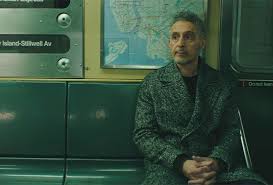
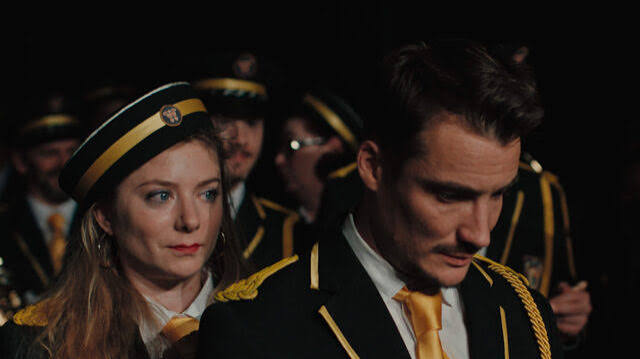
Photo caption: Jonathan Blair (center) in A GREAT AWAKENING. Courtesy of Sight and Sound Films.

A Great Awakening has two good stories to tell, but muddles a third. In 18th century England, and then America, George Whitefield (pronounced Whitfield) founded the Methodist denomination, along with John and Charles Wesley, and became the leading public evangelist in England and America. A charismatic orator who could draw crowds of thousands, he was an important figure in the first of what America historians call the Great Awakening. The life and times of George Whitefield is the first good story.

Here’s the second good story – the unlikely friendship between Whitefield and no less an American icon than Benjamin Franklin. Whitefield was drawn to Franklin’s genius and humor, and Franklin admired Whirefield’s passion and ability to attract the masses. The two shared a close personal bond, with the science-minded Franklin resisting Whitehead’s attempts to spiritualize him, and with Franklin’s needling Whitefield about using slaves to run his orphanage.

As near as I can tell, A Great Awakening accurately depicts the life of George Whitefield and the relationship between Whitefield and Franklin. But then, the movie takes on a key moment in American political history and tries to embed a soapy religiosity. Indeed, A Great Awakening comes from Sight & Sound Films, a Christian movie studio whose mission is telling faith-based stories.

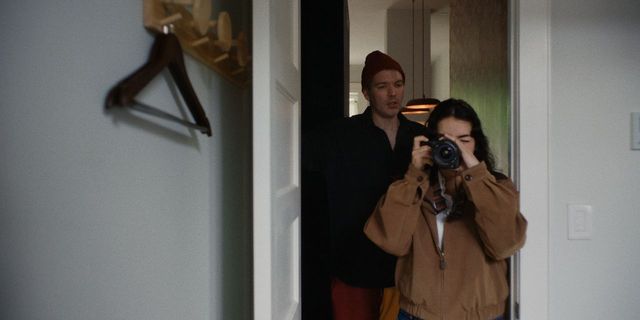
John Paul Sneed (center) in A GREAT AWAKENING. Courtesy of Sight and Sound Films.

Here, A Great Awakening takes on a third story, Franklin’s participation in America’s Constitutional Convention, where the Founders battled each other to reach a compromise solution to the American nation’s framework of government. This was well after Whitefield’s death, and A Great Awakening has Franklin, remembering his old friend, and suggesting that every session of negotiations be opened with a prayer. A Great Awakening asserts that these morning prayers were instrumental in the final success of the Constitutional Convention.

Indeed, the notoriously nonreligious Franklin did propose a daily prayer. But no real historian credits the birth of the Constitution to a ritual prayer instead of the creative thinking and hard-fought compromises that finally satisfied the disparate States. Students of American government will note that this is why we have checks and balances, power divided between small States (the Senate) and populous States (the House of Representative) and a political boost to slave states (the heinous, since rescinded, three-fifths rule). So, as political history, A Great Awakening is just not credible, and is even misleading.

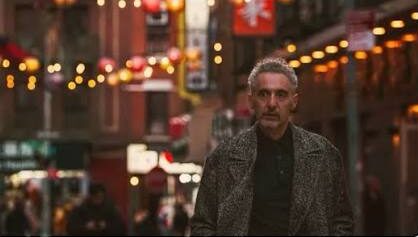
The cast is neither well-known or well-seasoned, with the leads sharing only seven screen credits between them. Whitefield is played by a co-writer of the movie, Jonathan Blair, who has the ringing voice and gleaming passion that Whitefield must have had. John Paul Sneed plays Franklin, as Franklin ages from his forties through his eighties.

A Great Awakening’s biggest flaw.however, is that all the actors deliver virtually every line with fervent passion. Admittedly, actual religious passion and actual political passion are important elements of these stories, but the emoting is just unrelenting. It’s like a compendium of auditions for a soap opera.

So, the hackneyed over-earnestness and the bit of Fake History sink this movie. A Great Awakening can be streamed on Amazon, AppleTV, YouTube and Fandango.

HEADS OR TAILS?: a spaghetti western goes off the rails

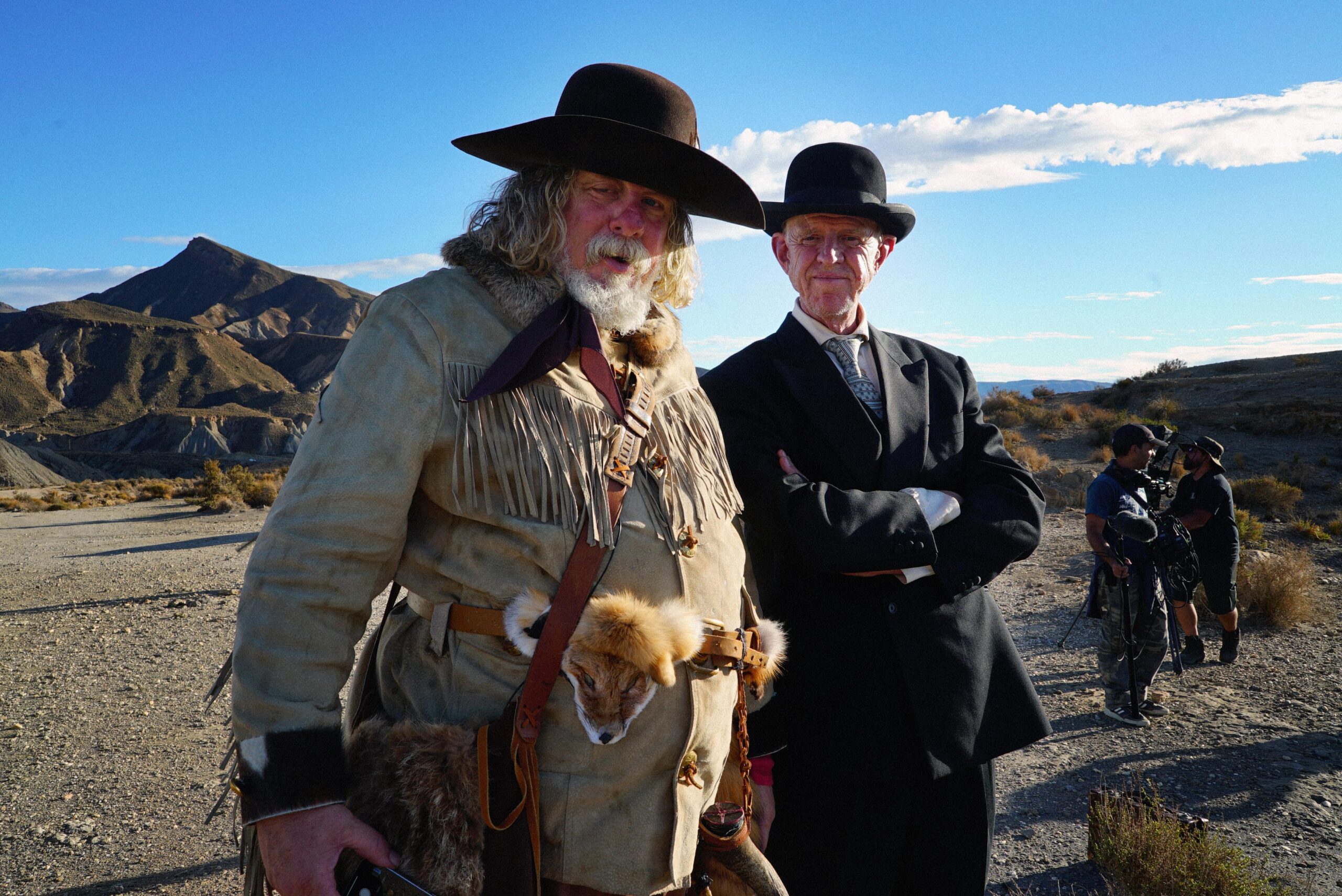
Photo caption: John C. Reilly in HEADS OR TAILS? Courtesy of Samuel Goldwyn Company.

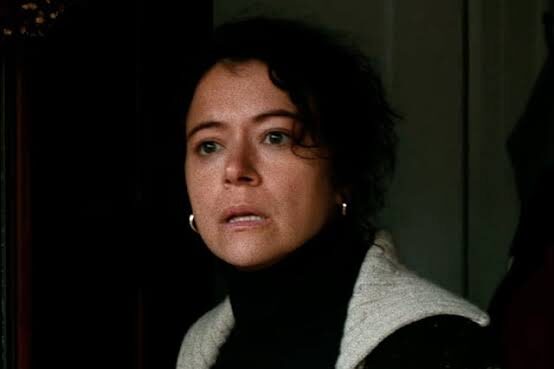
Well, this was a disappointment. One of my personal favorite sub-genres is the Spaghetti Western. I really admired The Tale of King Crab, the first narrative by writer-directors Alessio Rigo de Righi and Matteo Zoppis, and I was delighted to see these guys riffing off Sergio Leone in a movie starring Nadia Tereszkiewicz, with her sexy magnetism and feral unpredictability, Allesandro Borghi of the acclaimed The Eight Mountains, and the always hilarious John C. Reilly. This looked really good.

Heads or Tails? begins with a bizarre, but historical event – Buffalo Bill Cody (John C. Reilly) putting on his Wild West Show, a live spectacle of cowboys and Indians, for an Italian audience circa 1900. Buffalo Bill lived through the most exciting phase of the Old West, having been a Pony Express rider, buffalo hunter and a scout in the Indian Wars. A remarkable showman and entrepreneur, he capitalized on his experiences by creating the Wild West Show, which entertained Easterners and Europeans with riding, roping, shooting, real life bison and an Indian “battle”. Indigenous cast members even included Sitting Bull. Of course, Cody himself knew that the show was filled with hokum, but he happily became rich by playing the role. The Wild West Show did tour Italy twice, once performing for the Pope.

A local aristocrat, a scummy wife-beater, has hosted Buffalo Bill’s performance, and afterwards, tries to further enrich himself with a crooked wager. Santino (Borghi), a dim but virile cattle worker, screws up the wager, and, the furious nobleman suspects that Santino has also been involved with his young wife Rosa (Tereszkiewicz). The aristocrat is killed, and Santino and Rosa go on the run.

At this point, Heads or Tails? leaves conventional Spaghetti Western territory, adds a heavy dose of surrealism, and becomes less coherent – and less watchable.

John C. Reilly, who captures Buffalo Bill’s performative bluster and worldly cynicism, is brilliant, but 80% of the story follows Rosa and Santino without Buffalo Bill.

I streamed Heads or Tails? on Amazon Prime, and most of the dialogue, except for Reilly’s, seemed dubbed in English. I found it off-putting, and didn’t understand it because Tereszkiewicz, who is French, speaks both Italian and English. Besides Amazon, you can also stream Heads or Tails? on AppleTV, YouTube and Fandango.

Movies to See Right Now

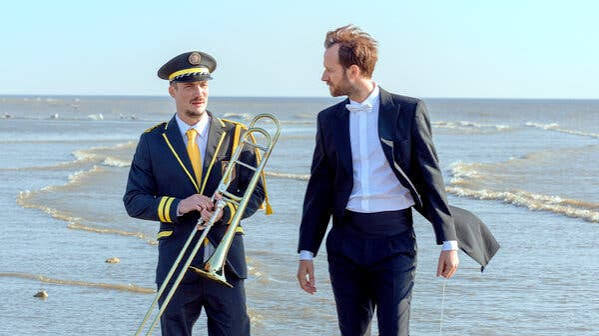
Photo caption: Sergio Romano and Pierpaolo Capovilla in THE LAST ONE FOR THE ROAD. Courtesy of Music Box Films.

This week on The Movie Gourmet – new reviews of the genial Italian comedy The Last One for the Road and the French melodrama Two Pianos.

CURRENT MOVIES

  • The Last One for the Road: the party never ends. In art-house theaters.
  • Two Pianos: he doesn’t know what he should want, but the women do. In theaters.
  • The Drama: the darkest romantic comedy that I’ve ever seen. In theaters.
  • Is This Thing On? uncoiling the bewilderment of a break-up. Hulu (included,) Amazon, AppleTV.
  • Heel: don’t try this at home. Amazon, AppleTV, YouTube, Fandango.
  • La Grazia: it’s time to get past his malaise. Amazon, AppleTV.
  • The Bride!: a funnier Bonnie and Clyde, with monsters.In theaters and VOD.
  • A Private Life: a shrink and her own issues. Amazon, AppleTV, YouTube.
  • Mercy: not as good as the premise. Amazon (included with Prime), AppleTV.
  • Magellan: slower than the slowest slow boat. Criterion.

ON TV

Laurence Tierney and Clair Trevor in BORN TO KILL

On May 10, Turner Classic Movies offers Born to Kill (1947). Lawrence Tierney (no cupcake in real life, either), plays the nastiest, most predatory and savage male character in film noir history. Set in the world of Reno quickie divorces, the characters seem to compete in demonstrating the most venal behavior; (spoiler: the psychopath played by Tierney wins.) Claire Trevor, the Queen of Noir, often wore flamboyant hats, but she just keeps topping herself in this film. Walter Slezak and Elisha Cook, Jr., play dregs of the underworld.

THE LAST ONE FOR THE ROAD: the party never ends

Photo caption: Filippo Scotti (center front) in THE LAST ONE FOR THE ROAD. Courtesy of Music Box Films.

In the genial Italian comedy The Last One for the Road, we get to meet two cheerful reprobates, whose only ambition is for their next drink. On the downside of middle age, Carlobianchi (Sergio Romano) and Doriano (Pierpaolo Capovilla) employ their wily charms to cadge free drinks from a bachelorette party and even impersonate a team of architects expert in historical preservation. Bill Clinton said he represented the folks who “work hard, follow the rules and pay their taxes“; Carlobianchi and Dori are not those people.

Carlobianchi and Dori have a close friend returning home after decades abroad, and they resolve to meet him at the airport. Because they’ve never been to any airports in the province of Venice, this precipitates a meandering road trip to find the right one. While crashing a college graduation party, the two meet a straitlaced architecture grad student Giulio (Filippo Scotti), and take him along.

Giulio protests that he has an important academic presentation the next day, but Carlobianchi and Dori insist on dragging him along on their hazy mission. Giulio really does need to loosen up, he’s blowing it with the young woman he likes by being just too uptight. Will the two old slackers succeed in debauching him? The road trip evolves into a semi-voluntary kidnapping. 

Sergio Romano and Pierpaolo Capovilla in THE LAST ONE FOR THE ROAD. Courtesy of Music Box Films.

The lengths that Carlobiachi and Dori will go to get another drink are funny; so is Giulio’s insistence that he is disembarking from their tour, despite never getting out of their car and calling an Uber, which any grown ass adult would do to “escape”.

The Last Round for the Road is a fun comic road trip, but there’s more here than it seems. The film begins with a factory worker’s entire work life rewarded with a Rolex, followed by a glimpse of how little that luxury watch really means to him. The industry of Carlobianchi and Dori’s old buddy Genio in masterminding a heist is not rewarded. Giulio’s passion for architecture and his academic discipline will surely pay off in professional success, but he takes notice that Carlobianchi and Dori, as aimless and irresponsible as they are, are enjoying a stress-free life. The party never ends.

The Last One for the Road, the second feature for director and co-writer Francesco Sossai, opens tomorrow at the Laemmle Royal in Los Angeles and releases more widely next weekend.

TWO PIANOS: he doesn’t know what he should want, but the women do

Photo caption: Nadia Tereszkiewicz and Francois Civil in TWO PIANOS. Courtesy of Kino Lorber.

In the well-crafted French melodrama Two Pianos, concert pianist Matthias (three-time César nominee Francois Civil) returns to his hometown of Lyon after a decade abroad. Matthias is already in a mid-career malaise, but things get more complicated when he re-encounters his formidable mentor Elena (Charlotte Rampling) and his best friend’s wife Claude (Nadia Tereszkiewicz). Matthias, who had dated Claude just before his self-exile, is further rocked when he sees that her ten-year-old son looks exactly like him. A well-crafted melodrama ensues, albeit one with unconventional turns.

Two Pianos is the latest from French director Arnaud Desplechin, who made the delightful My Golden Days, which I loved, and then Ismael’s Ghosts, which although it was generally favorable critical buzz, I loathed. Desplechin has received uneven notices for his recent narrative features. He co-wrote Two Pianos.

The plot of Two Pianos pivots on an unforeshadowed surprise which clears the way for a conventional ending, which Desplechin thankfully avoids. This plot point is so unabashedly convenient that some viewers have found it off-putting. I uneasily went with it and was relieved when Desplechin steered the story away from what would have been corny.

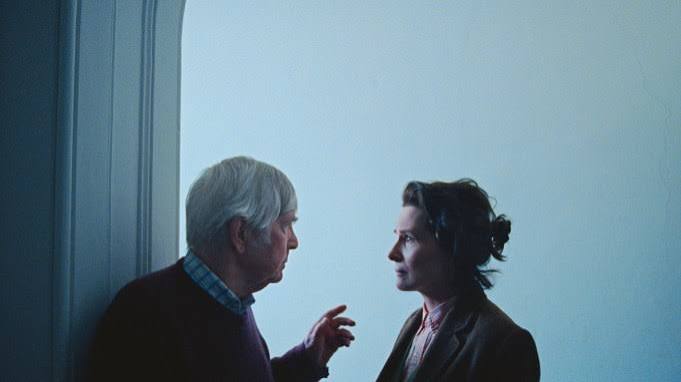
Charlotte Rampling in TWO PIANOS. Courtesy of Kino Lorber.

Civil has the challenge of playing a protagonist of uncertain will, who spends much of his screen time hand-wringing and naval gazing. The audience will see that, in contrast to Matthias’ dithering, all of the female characters know exactly what they want – the iron-willed Elena, Matthias’ unsentimental mother (Anne Kessler), Claude’s bestie Judith (Alba Gaia Bellugi) and, eventually, even the vulnerable and temperamental Claude.

Nadia Tereszkiewicz has a sexy magnetism and a feral unpredictability that serves her well in Two Pianos and in the underappreciated Only the Animals.

Charlotte Rampling is a treasure, and her performance as the exacting Elena is one of the pleasure of Two Pianos.

I especially appreciated that the story is set in Lyon, a city underrepresented in cinema. Lyon, after all, is the third largest city in France and the place where Parisian foodies go to experience the best of French cuisine. It’s a wonderful city.

I screened Two Pianos for the 2026 SFFILM festival. It opens in theaters this weekend.

Movies to See Right Now

Photo caption: Nathalie Baye in BEAUTIFUL LIES.

This busy week on The Movie Gourmet – new reviews of the emotionally gutting indie Omaha and the playful, dialogue-free Gondola, plus a remembrance of the great French actress Nathalie Baye.

And my coverage of both the SLO and SFFILM film festivals:

CURRENT MOVIES

  • The Drama: the darkest romantic comedy that I’ve ever seen. In theaters.
  • Is This Thing On? uncoiling the bewilderment of a break-up. Hulu (included,) Amazon, AppleTV.
  • Heel: don’t try this at home. Amazon, AppleTV, YouTube, Fandango.
  • La Grazia: it’s time to get past his malaise. Amazon, AppleTV.
  • Omaha: in the best interest of the children. In theaters.
  • The Bride!: a funnier Bonnie and Clyde, with monsters. Amazon, AppleTV, YouTube, Fandango.
  • Fackham Hall: silly, low-brow, and that’s okay. HBO Max (free), Amazon, AppleTV.
  • A Private Life: a shrink and her own issues. Amazon, AppleTV, YouTube.
  • Mercy: not as good as the premise. Amazon (included with Prime), AppleTV.
  • Magellan: slower than the slowest slow boat. Criterion.

ON TV

Stacy Keach and Jeff Bridges in FAT CITY

On May 2, Turner Classic Movies presents John Huston’s under-appreciated Fat City (1972). Stacy Keach plays a boxer on the slide, his skills unraveled by his alcoholism. He inspires a kid (a very young Jeff Bridges), who becomes a boxer on the rise. Keach and Susan Tyrrell give dead-on performances as pathetic, sad sack barflies. Tyrrell was nominated for the Best Supporting Actress Oscar. Filmed in Stockton.

Susan Tyrrell in FAT CITY

OMAHA: in the best interest of the children

Photo caption: Molly Belle Wright, Wyatt Solis and John Magaro in OMAHA. Courtesy of Greenwich Entertainment.

In the concise, searing drama Omaha, an especially devoted dad (John Magaro) has been financially ruined by his late wife’s final illness. He bundles their two kids into his barely drivable car for a road trip across the Great Basin toward Nebraska. The purpose of the road trip is mysterious, and even the whip-smart nine-year-old daughter can’t guess it. The emotionally powerful ending is shattering.

Omaha is a showcase for John Magaro (Past Lives). His inability to provide for his kids has filled him with desperation and profound shame, but he is determined to insulate his kids from his stress.

Magaro’s performance is in the same ballpark as his extraordinary turn in Past Lives, where his character, waiting to see if his girlfriend will run off with a childhood crush, puts on a mask of stoicism and civility while practically vibrating with anxiety. Before Past Lives, I had seen Magaro in The Big Short, The Many Saints of Newark and 18 1/2 without any appreciation that he was capable of work like this. Fortunately for us, Magaro is now getting even more high profile work (The Mastermind, Materialists, The Bride!).

Omaha is the first feature for director Cole Webley, working off a screenplay from Richard Machoian (God Bless the Child, The Killing of Two Lovers). Webley has a gift for portraying those seemingly minor life moments that tell the audience so much about relationships and motivations. Omaha is only 83 minutes long – and that’s perfect for this story.

I screened Omaha for the Nashvlle Film Festival and included it in my Must See at NashFilm. Omaha released theatrically last weekend in New York and more widely this Friday.

GONDOLA: funny, sweet, imaginative – and silent

Photo caption: GONDOLA Courtesy of Frameline.

This charming comedy Gondola is the work of a unique filmmaker, German writer-director Veit Helmer, who has been making dialogue-free films in Central Asian nations for a decade. A gondola links two mountainsides in rural Georgia, and the two female gondola operators fall in love as they pass each other high above the valley.

It’s remarkable how Helmer is able to pack so many story elements into a film without dialogue. (I also love Helmer’s The Bra, which I tagged as just your average silent Azerbaijani comedy.) Gondola is ever funny, sweet and imaginative.

I screened Gondola for the 2024 Frameline film festival. Gondola can be streamed for free from kanopy and can be rented inexpensively from Amazon, AppleTV and YouTube.

Three Faces of Nathalie Baye

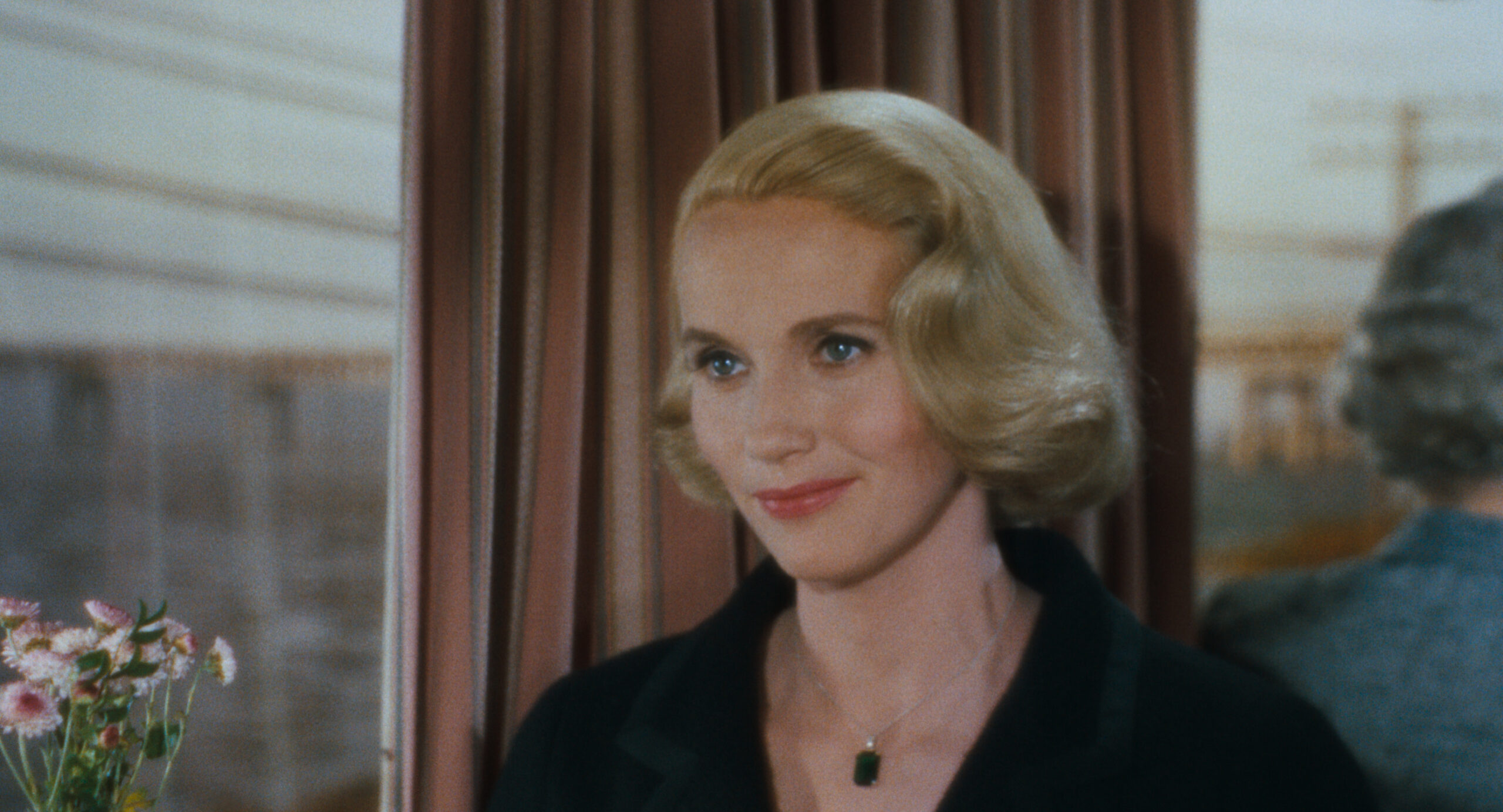
Photo caption: Nathalie Baye in THE RETURN OF MARTIN GUERRE

Nathalie Baye, one of the world’s most distinguished screen actors, died this week, leaving a formidable body of work. She was nominated ten times for a César, France’s Oscar-equivalent and won four times. Her over 100 screen credits included work with the greatest directors and in the most aspirational films, but also smaller movies and smaller roles.

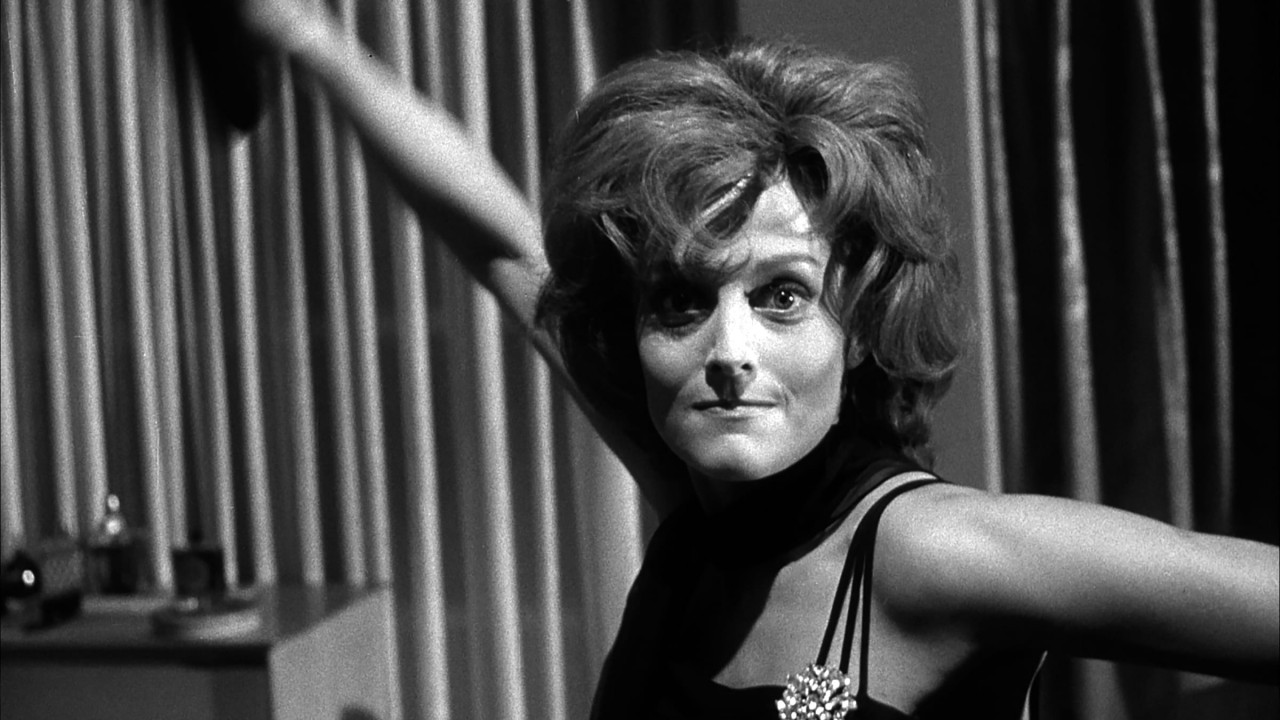
Nathalie Baye in DAY FOR NIGHT

Here are three Baye roles that illustrate both the sweep of her career and her acting range:

  • Day for Night, Francois Trauffaut (1971). Truffaut himself plays a movie director trying to ride herd on a cast and crew whose egos, neuroses and libidos are running amok, and leads a strong ensemble cast with Jacqueline Bisset, Valentina Cortese and Tauffaut’s leading-man-in-residence Jean-Pierre Leaud. At age 25, Baye plays the script girl Joelle (a job now termed the script supervisor), who persists in her assignment while chaos swirls about her. They say that acting is reacting, and Baye’s performance as the focused cinephile brought her widespread notice. “I’d drop a guy for a film. I’d never drop a film for a guy.”(Currently hard to find, despite its place in Truffaut’s oeuvre.)
  • The Return of Martin Guerre, Daniel Vigne (1982). AT 34, Baye plays the 16th-century peasant Bertrande, whose husband had left a decade earlier. When the villagers hail the return of her husband after all those years, Bertrand, despite complicated feelings, takes up with him. After the couple is settled in and has had a child, the village is shocked by the appearance of Bertrande’s actual husband, revealing that the first guy is an imposter, and that Bertrande must have known. The imposter is put on trial. Amazingly, these are actual historical events and characters. This is the greatest of the Baye performances that I have seen; more on this later. (Amazon, AppleTV, YouTube.)
  • The Flower of Evil, Claude Chabrol (2003). The 55-year-old Baye plays Anne, the second wife of a business mogul living in an estate outside Bordeaux. He presides over a family rife with poisonous relationships. Smugly entitled, Anne seeks local elective office, but her campaign becomes derailed by both a family secret about Nazi collaboration in the past and a real-life homicide in the present. As Baye’s Anne moves from petty status-seeking to desperation, Chabrol deliciously skewers the upper class. (AppleTV, YouTube.)

The marvel of Baye’s performance in The Return of Martin Guerre is that the audience needs to accept the possibility that Bertrande recognizes the returnee as her husband, and THEN realize that she knowingly embraced the imposter as her husband. She had to play the character both ways at once. These events occurred 300 years before photography, and people physically change over a decade, which explains the villagers accepting the resemblance between the imposter and the husband. Because the husband was a nogoodnik who abandoned Bertrande, we would expect her to greet his return with complicated feelings at first. Baye’s Bertrande was a triumph of ambiguity.

The Return of Martin Guerre matched France’s two biggest stars in their prime at age 34. The imposter is played by 17-time César nominee Gerard Depardieu, before he plunged enthusiastically into all seven deadly sins and disgraced himself with boorish comments about and behavior toward women.

Baye herself severely glammed down to play a medieval peasant. Baye was living with Johnny Hallyday (France’s greatest pop singer and the French Elvis) at the time and was part of France’s most sensational celebrity couple.

Baye liked to work a lot. I recently was surprised to see her as a minor character in some forgettable fluff (Downton Abbey: A New Era) and exclaimed “hey’,that’s France’s Meryl Streep!,

Nathalie Baye (left) in THE FLOWER OF EVIL

Movies to See Right Now

Photo caption: Britt Lower in SENDER, playing at both the SLO Film Fest and at SFFILM festival. Courtesy of SLO Film Fest.

This week on The Movie Gourmet – a new review of the historical epic Magellan and my continued coverage of the film festivals in San Francisco and San Luis Obispo – both under way now:

CURRENT MOVIES

  • The Drama: the darkest romantic comedy that I’ve ever seen. In theaters.
  • Is This Thing On? uncoiling the bewilderment of a break-up. Hulu (included,) Amazon, AppleTV.
  • Heel: don’t try this at home. Amazon, AppleTV, YouTube, Fandango.
  • La Grazia: it’s time to get past his malaise. Amazon, AppleTV.
  • The Bride!: a funnier Bonnie and Clyde, with monsters.In theaters and VOD.
  • Fackham Hall: silly, low-brow, and that’s okay. HBO Max (free), Amazon, AppleTV.
  • A Private Life: a shrink and her own issues. Amazon, AppleTV, YouTube.
  • Mercy: not as good as the premise. Amazon (included with Prime), AppleTV.
  • Magellan: slower than the slowest slow boat. Criterion.

ON TV

Alain Delon in ONCE A THIEF

On April 27, Turner Classic Movies presents a sadly forgotten 1965 neo-noir, Once a Thief. In his first American movie, French leading man Alain Delon plays Eddie, an ex-con trying to go straight. He’s a got a wife (Ann-Margret), a daughter and an apartment in a downscale San Francisco neighborhood. Supporting his family is hard because an obsessively vindictive cop (Van Heflin) is harassing him and causing him to lose job after job. As Eddie becomes more and more desperate, his estranged brother Walter (Jack Palance) shows up with two equally scary confederates, trying to enlist Eddie in a heist.

You might reasonably think that Once a Thief is all about the dream pairing of Delon and Ann-Marget, then the two most gorgeous human on planet earth. Indeed, we see the two adoring each other in various states of undress, but their love is very innocent. It’s the supporting performances that elevate Once a Thief:

  • As his cop persecutes Eddie, the usually relatable Heflin makes Inspector Javert look kind.
  • Character actor John Davis Chandler, unsurpassed at playing weaselly psychos, plays the most unhinged fiend since Richard Widmark’s Tommy Udo in Kiss of Death.
  • Screenwriter Zekial Marko plays a dodgy beatnik who casts off lines like, “Lickity split talk talk jazz“. and, grilled about heroin use at his apartment, says “If they want a shoot a bit, that’s their bag, not mine. I’m clean. Check my lines. Just boo, grass, juice, straight, you know.”

The ending is suitably noirish. Along with the Anthony Quinn/Jackie Gleason/Mickey Rooney version of Requiem for a Heavyweight, Once a Thief is probably the darkest film directed by Ralph Nelson (Lillies of the Field, Father Goose, Charly). The French movie title translates as Killers of San Francisco.