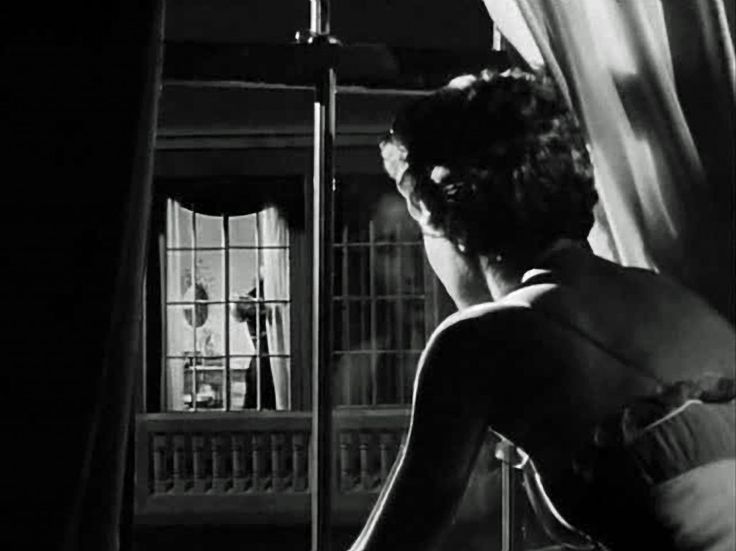
Photo caption: Geoff McFetridge in GEOFF MCFETRIDGE: DRAWING A LIFE. Credit: Andrew Paynter; courtesy of Gravitas Ventures.
The thoughtful documentary Geoff McFetridge: Drawing a Life examines a great artist who is decidedly not tortured. No ear-slicing, overdoses or bratty rampages here, just a guy whose disciplined lifestyle and commitment to his family subvert the stereotypes of an artist fueled by torment.
Where’s the interest in a movie about someone who creates without turbulence? This is a guy who is unusually fierce with both his artistic and family lives. He refuses to compromise his art; his attitude is, take it or leave it (although, as a good Canadian, he is polite about it). Just as tenaciously, he safeguards his family time.
At one point in Drawing a Life, McFetridge makes it explicit. He sees it as too easy to make everything else – good behavior, responsibilities – subservient to art. The achievement is to do great art while maintaining life balance.
You may not know McFetridge’s name, but you’ll recognize his art. McFetridge has exhibited in major cities around the world, collaborated with filmmakers like Spike Jonz and Sofia Coppola, and designed for brands like Apple, Hermes, Vans and Patagonia.
Director and co-writer Dan Covert has filled Drawing a Life with McFetridge’s art, and viewing the film is to be immersed in the art. The editing, by Covert and co-writer Eric Auli, is magnificent. Geoff McFetridge: Drawing a Life won the 2023 Audience Award for Documentary Feature at SXSW.
Geoff McFetridge: Drawing a Life opens in NYC theaters tomorrow, in LA next week and digitally on July 2.
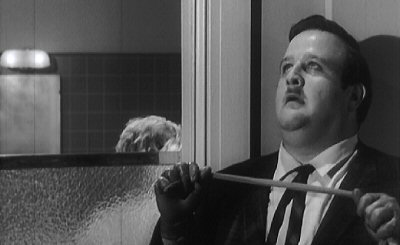
On June 21, Turner Classic Movies will air one of my Overlooked Neo-noir – and it’s not available to stream. The 1964 serial killer movie The Strangler is the masterpiece of director Burt Topper, who specialized in low-budget exploitation movies. It’s pretty perverse.
First, we see that lonely lab tech Otto Kroll (Victor Buono in an especially brilliant and eccentric performance) is twisted enough to murder random women and return to his lair to fondle his doll collection. Then we learn his motivation – he dutifully visits his hateful mother (Ellen Corby – later to play Grandma Walton) in her nursing home room; she heaps abuse on him in every interaction. Pretty soon, even the audience wants to kill Mrs. Kroll, but Otto sneaks around taking out his hatred for his mom by strangling other women. Because Otto is outwardly genial to a fault, it takes a loooong time to fall under the suspicion of the cops. The character of Otto and Buono’s performance elevate The Strangler above its budget and launches it into the top rank of serial killer movies.
Frameline, the oldest and longest-running LGBTQ+ film festival in the world, opens tomorrow, June 19 and runs through June 29. The program includes over 120 screenings from around the globe, curated from over 1,600 submissions and invitations. Frameline films will be presented in San Francisco’s Roxie Theater, the Palace of Fine Arts Theatre, the Herbst Theatre and the Vogue Theatre, and Oakland’s The New Parkway Theater.
As always, Frameline’s program is very rich. I’ve selected three films to highlight – two highly inventive nuggets from international cinema and the restoration of a groundbreaker.
Gondola: This charming comedy is the work of a unique filmmaker, German writer-director Veit Helmer, who has been making dialogue-free films in Central Asian nations for a decade. A gondola links two mountainsides in rural Georgia, and the two female gondola operators fall in love as they pass each other over the valley. It’s remarkable how Helmer is able to pack so many story elements into a film without dialogue. (I also love Helmer’s The Bra, which I tagged as just your average silent Azerbaijani comedy.) Gondola is ever funny, sweet and imaginative.
Bruna Linzmeyer and Mirella Façanha in CIDADE; CAMPO. Courtesy of Frameline.
Cidade; Campo: Frameline hosts the North American premiere of this third feature by Brazilian auteur Juliana Rojas, which won her the Encounters Best Director prize at the Berlinale. There are two female-centered stories of relocation between city and countryside. One woman, forced from her rural home by a flood, moves to Sao Paolo with her sister and her vulnerable, floundering grandson; she takes an office cleaning job and joins her so-workers to push for better conditions. In the other story, a woman inherits her estranged father’s farm and moves to the sticks with her partner. She discovers that he was working with ayahuasca in an impossible business climate. The lengthy, robust sex scene will be talked about, both for its duration and its body positivity. Rojas anchors each story in in often harsh reality, but but explores grief by dotting them with the supernatural.
Guinevere Turner and V.S. Brodie in GO FISH. Courtesy of Frameline.
Go Fish: This pioneering lesbian classic by writer-director Rose Troche and writer-star Guinevere Turner exploded at the 1994 Sundance. Funded by Frameline’s Completion Fund Grant, a new 4K restoration will screen at the Palace of Fine Arts to celebrate its 30th anniversary. (BTW, if you get a chance to see the new doc Chasing Chasing Amy, not at Frameline, Guinevere Turner discusses the Go Fish experience at Sundance.) Both Troche and Turner are expected to appear at the Frameline screening.
There are over 100 other offerings in the Frameline48 program. Peruse the program and purchase tickets at Frameline48. Here’s the trailer for Gondola.
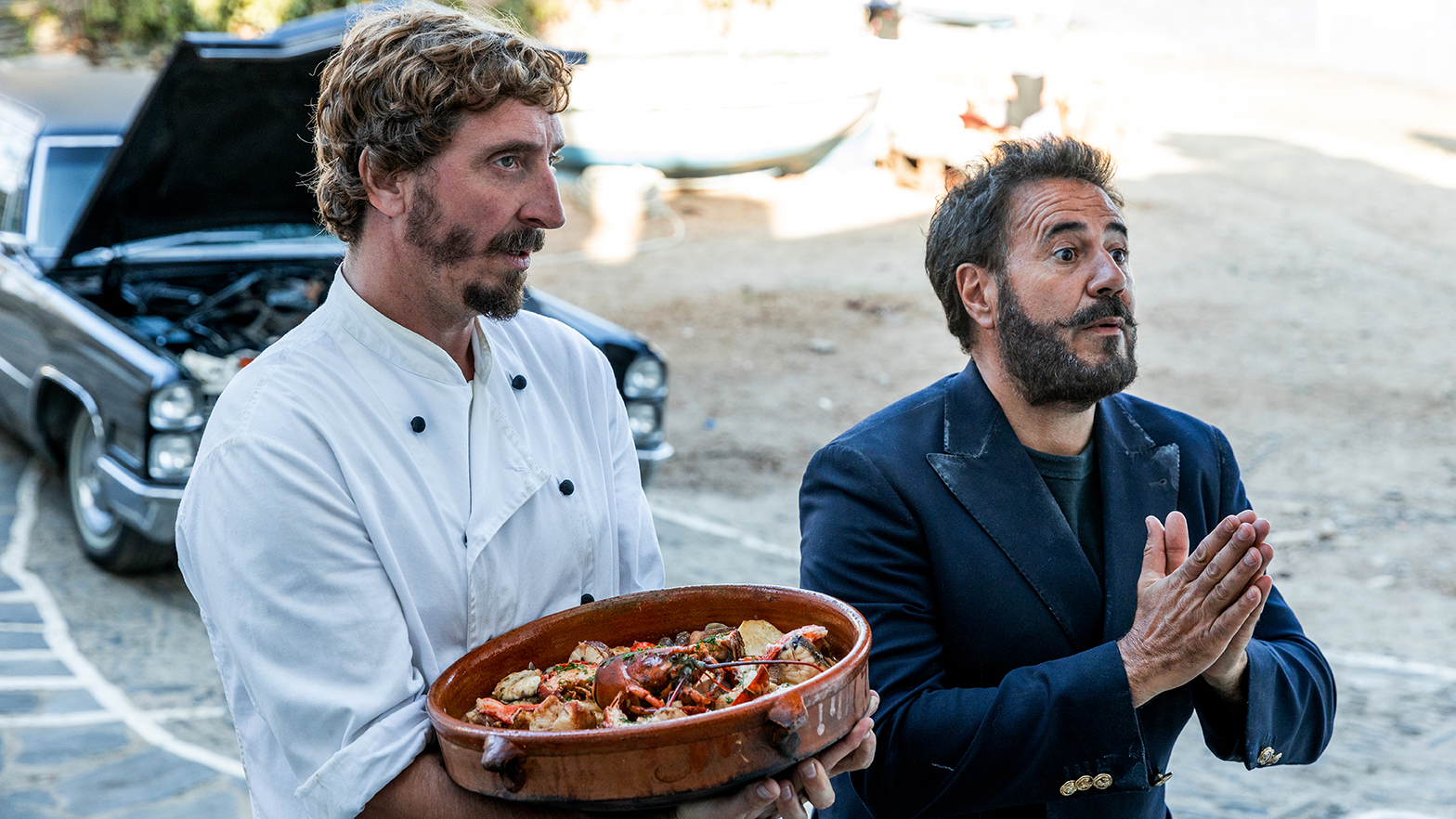
Photo caption: Ivan Massagué and José Garcia in WALITING FOR DALI. Courtesy of Music Box Films.
The good-hearted Catalan farce Waiting for Dali features plenty of delectable cuisine and a reclusive surrealist.
There’s turbulence in1972 Barcelona as the Franco dictatorship nears its end, and the two young Catalan hotheads Alberto (Pol López) and François (Nicolas Cazalé) must flee the Guardia Civil. The father of François’ girlfriend owns a restaurant in the quiet beach town of Cadaqués, so they seek sanctuary there, along with Alberto’s much more responsible brother Fernando (Ivan Massagué). They find a battalion of foreign hippies living on the beach at Cadaqués, not far from the town’s most famous resident, the artist Salvador Dali.
Restauranteur Jules (José Garcia) worships Dali and has turned his restaurant into a Dali shrine. Unfortunately, Dali has never deigned to patronize the bistro, and Jules is obsessed with getting Dali to visit, both to meet his idol and to leverage the celebrity cachet. Jules has the good fortunate to have Fernando, an innovative and talented chef, fall into his lap.
Jules, like Alberto and François, is always a few seconds away from a meltdown. Fernando, as passionate as he is about cuisine, is restrained, disciplined and taciturn. Fernando attracts the interest of Jules’ fiery daughter Lola (Clara Ponsot). Alas, Lola finds herself amidst men acting stupidly – her father is on a madman’s quest, her boyfriend François can’t manage any of his impulses and Fernando can’t get out of his own way and woo her.
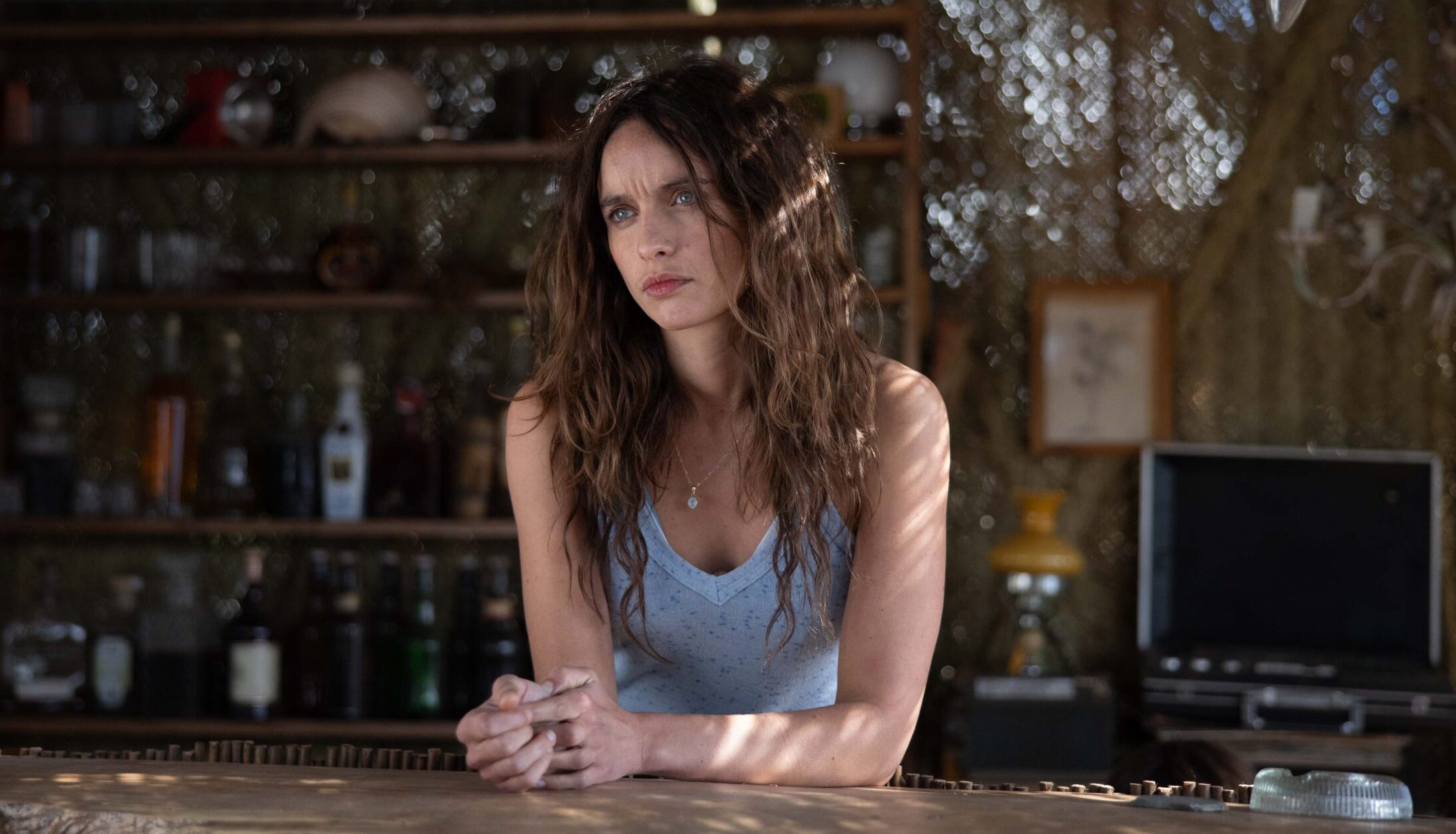
Clara Ponsot in WALITING FOR DALI. Courtesy of Music Box Films.
Will Jules ever meet Dali? Will François and Alberto idiotically get themselves arrested? Will Lola choose Fernando over François? And what about those hippies? Antics ensue, including one very funny face-shaming with permanent marker.
Clara Ponsot is strikingly vibrant and sexy as Lola.
Waiting for Dali was written and directed by David Pujol, who has directed documentaries on Cadaqués, the nearby restaurant El Bulli and three docs on Dali. This is his third narrative feature.
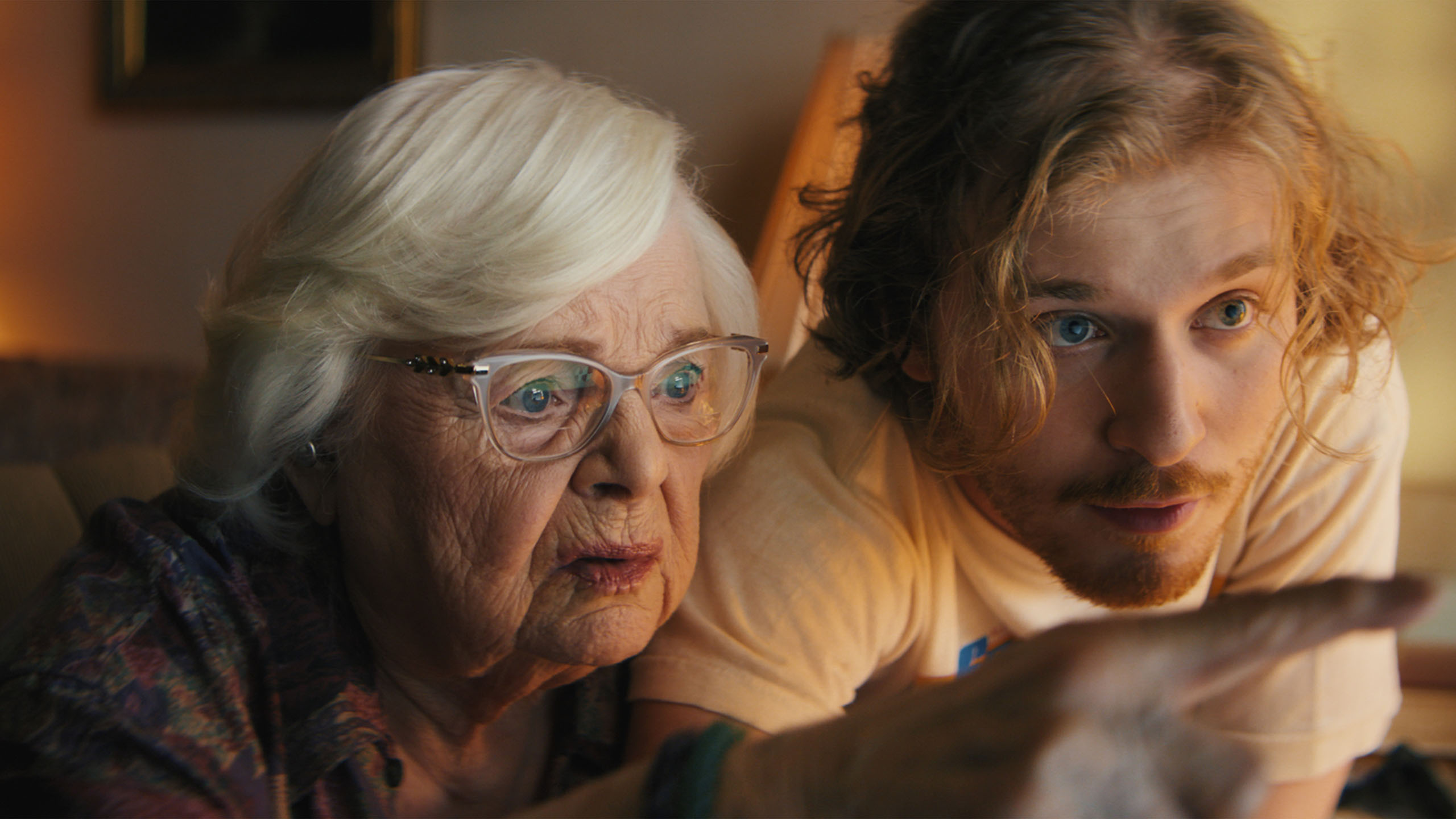
Photo caption: June Squibb and Fred Hechinger in THELMA. Courtesy of Magnolia Pictures | photo by David Bolen.
Thelma stars 93-year-old June Squibb (Oscar-nominated for Nebraska) in an action picture. Squibb plays a scammed senior who goes on a quest to recover her money from the scammers. To accomplish that, she’s got to go on the run from her frantic family, bust her friend (Richard Roundtree) out of his rest home and master some 21st century technology.
Thelma is much more than a geezer comedy, and has something to say about every generation. She has a very sweet relationship with her grandson (Fred Hechinger), who may not find himself by age thirty, much to his self-loathing and the angst of his parents (Parker Posey and Clark Gregg). Those parents have found them in the sandwich generation, leading very busy lives, from which they are sometimes distracted to worry about their elderly parents and their floundering offspring. Thelma herself is one tough cookie, who lives independently and knows how to ask for help, unless she happens to be too proud or too embarrassed.
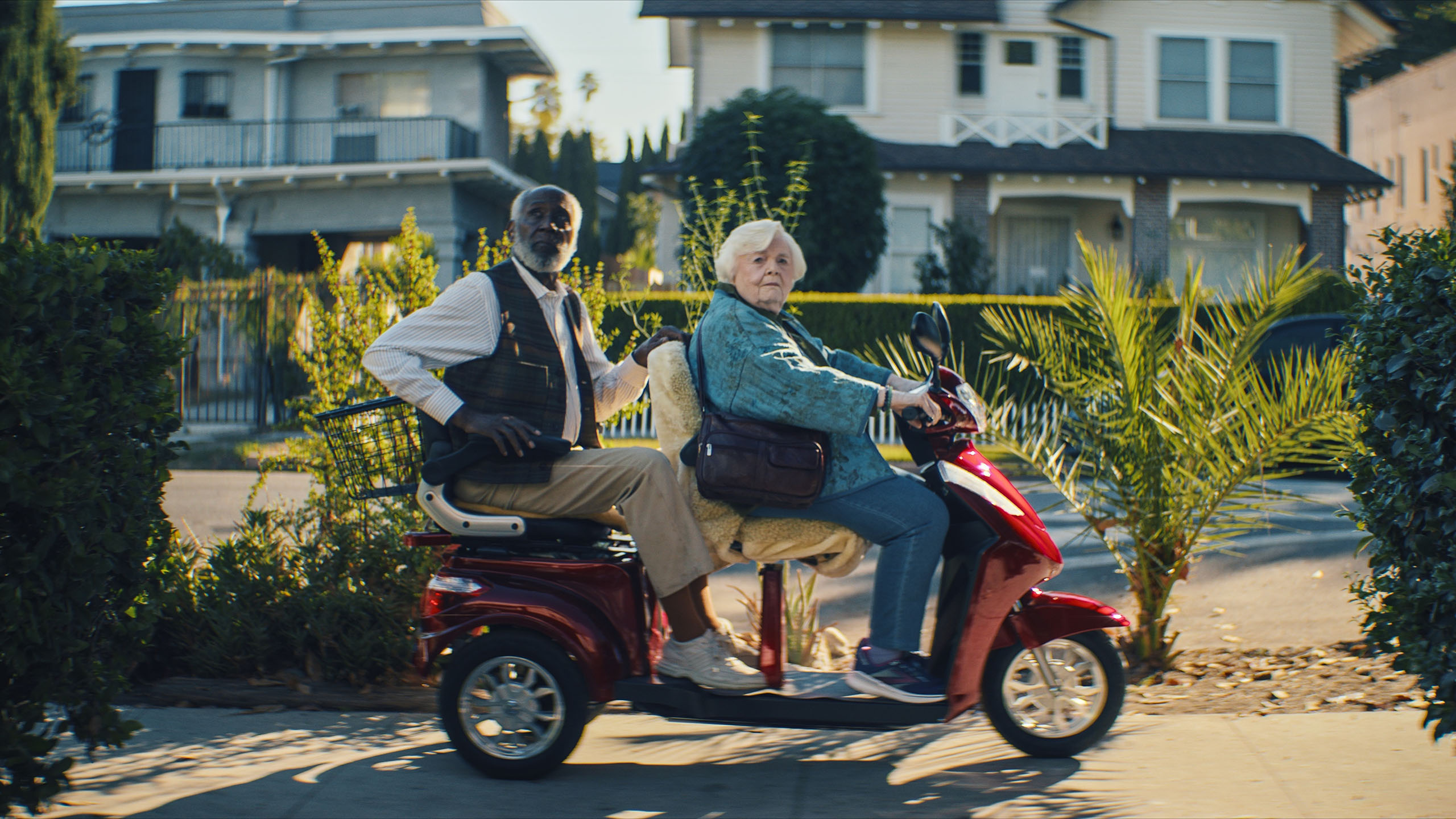
Richard Roundtree and June Squibb in THELMA. Courtesy of Magnolia Pictures | photo by David Bolen.
June Squibb is wonderful as Thelma. This was the final performance of Richard Roundtree (Shaft), and it’s a very sweet one. Hechinger is very, very good. Even a small dose of Parker Posey is delightful. There’s even a cameo by Malcom McDowell, 53 years after A Clockwork Orange.
Writer-director Josh Margolin was inspired by an incident in his own family.
I screened Thelma for the SFFILM; it was the closing night film of both the San Luis Obispo International Film Festival and SFFILM. It’s an absolute hoot, and it opens in theaters this weekend.
Otis Day, Antonio Fargas and Darrow Igus in CAR WASH. Courtesy of Universal Pictures.
Here’s a jubilant good time at the movies. On June 19, Turner Classic Movies will air the unpretentious ground-breaker Car Wash from 1976. Car Wash portrays the raucous hijinks and foibles of the crew at a downtown LA car wash, the Dee-Luxe, and explores a diversity of contemporary African-American perspectives. And the title song became a major disco hit.
The mostly African-American crew of the Dee-Luxe is very aware that they are at the bottom rung of the economic ladder. The work is menial and boring, and they have no stake in the enterprise. To pass the time, they resort to teasing and pranks. Some of the antics are sophomoric, and many are politically incorrect.
Car Wash samples a range African-American perspectives, from an angry African nationalist to a flamboyantly corrupt preacher. Mostly, we have guys getting by in a dead end job, so they can survive and maybe have fun after work. There’s an openly gay character, which was a big deal in 1976; (he has the best and most quoted line in the movie)..
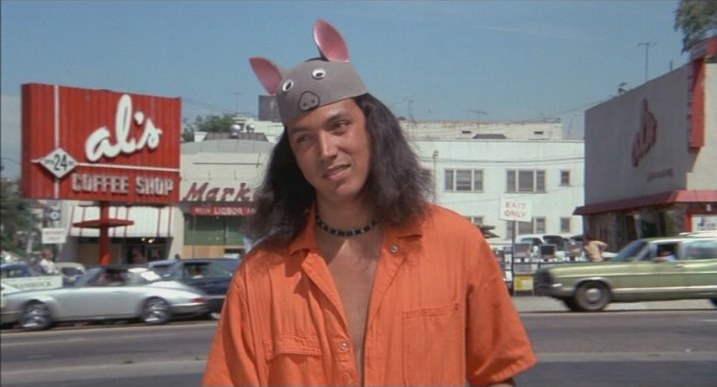
Henry Wingi in CAR WASH. Courtesy of Universal Pictures.
Car Wash is not a message picture. It does make observations, and lets you form your own social criticism. The white carwash owner is unimaginative, cheap and resistant to change, and his son, the heir-apparent, is well-meaning, but he’s a cannabis-addled buffoon. The foreman’s hard work and initiative is not rewarded. It’s hard to maintain dignity in the face of overtly racist attitudes from customers and symbols of institutional racism, like a parole officer. This America is not a meritocracy.
The guys in the crew are played by a bonanza of African-American acting talent: Bill Duke, Ivan Dixon, Franklyn Ajaye, Antonio Vargas, Otis Day, Leonard Jackson, Garrett Morris, Arthur French, Darrow Igus and Ray Vitte, along with Clarence Muse, who acted in his first Hollywood movie in 1929. Native-Americans and Latinos are represented by Henry Wingi (one of Hollywood’s great stunt men) and Pepe Serna, respectively.
Comedians George Carlin, Richard Pryor and “Professor” Irwin Corey have cameos. Brooke Adams and Danny DeVito were in the cast, too, but had their scenes cut.
Melanie Mayron in CAR WASH. Courtesy of Universal Pictures.
Car Wash was the first film by an African-American director shown in competition at Cannes (and possibly the most unabashedly low brow Cannes entry). Director Michael Schultz was already a veteran television director and was the most prolific African-American director of Hollywood films before Spike Lee.
Three cast members – Bill Duke, Ivan Dixon and Melanie Mayron – became prolific directors themselves. Those three, not a white man among them, have amassed over 160 directing credits between them. Screenwriter Joel Schumacher, one of the few white males with a major creative role in Car Wash, would also go on to direct feature films.
If you miss Car Wash on TCM, you can stream it from Amazon, AppleTV and YouTube.
Photo caption: Adria Arjona and Glen Powell in HIT MAN. Courtesy of Netflix.
This very busy week on The Movie Gourmet – new reviews of the enormously fun Hit Man, the Senegalese fable Banel and Adama, the searing coming-of-age drama How to Have Sex, and the re-release of the most kinetic movie you’ll ever see, Run Lola Run.
La Chimera, one of the year’s best films, may now be watched at home on Amazon, AppleTV or YouTube. So is the Jessie Buckley/Olivia Colman comedy Wicked Little Letters.
CURRENT MOVIES
Hit Man: who knew self-invention could be so fun? Netflix.
Challengers: three people and their desire. In theaters.
La Chimera: six genres for the price of one.Amazon, AppleTV, YouTube.
Run Lola Run: still sprinting after 25 years. In theaters and Amazon, AppleTV and YouTube.
Banel and Adama: we want to be together and left alone. In arthouse theaters.
Relative: a loving, but insistent investigation. Amazon (included with prime), AppleTV, Vudu, YouTube.
The Origin of Evil: the angry, the unhinged and the evil. Amazon, AppleTV.
Wicked Little Letters: a sparkling Jessie Buckley and an interesting take on repression. Amazon, AppleTV, YouTube.
The Rider: a life’s passion is threatened. Amazon, AppleTV, Vudu, YouTube.
The Lost City of Z: the historical adventure revived. Amazon (included with Prime), AppleTV, Vudu, YouTube.
ON TV
Otis Day, Antonio Fargas and Darrow Igus in CAR WASH. Courtesy of Universal Pictures.
On June 19, Turner Classic Movies will air a 1970s time capsule, the unpretentious ground-breaker Car Wash. Car Wash portrays the raucous hijinks and foibles of the crew at a downtown LA car wash and samples a range of African-American perspectives, from an angry African nationalist to a corrupt preacher. Car Wash was the first film by an African-American director shown in competition at Cannes (and possibly the most unabashedly low brow Cannes entry). Three cast members – Bill Duke, Ivan Dixon and Melanie Mayron – became prolific directors themselves. Comedians George Carlin, Richard Pryor and “Professor” Irwin Corey have cameos. And the title song became a major disco hit. This is a very fun movie. I’ll be posting a complete review on Sunday, but go ahead and DVR it. now
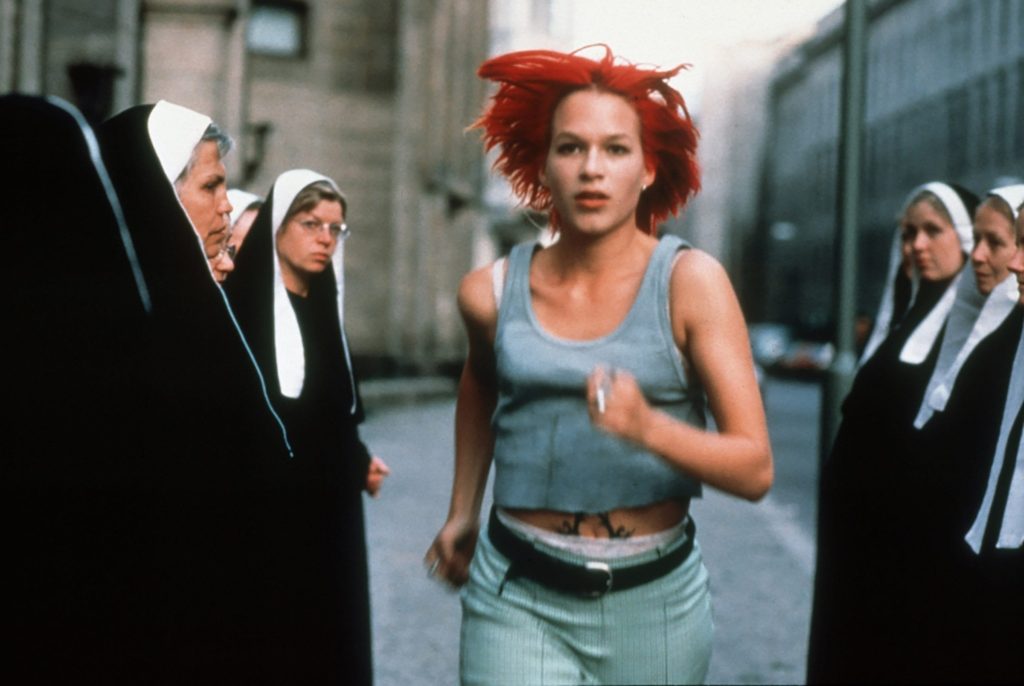
Photo caption: Franka Potente in RUN LOLA RUN. Courtesy of Sony Pictures Classics.
You’ll never see a more kinetic movie than Run Lola Run, the 1998 German indie thriller which has been remastered in 4G and re-released into theaters. Lola (Franka Potente) has only 20 minutes to raise 100,000 Deutschmarks and save her boyfriend’s life from his gangster boss. In only 81 white knuckle minutes, writer-director Tom Tykwer has Lola desperately sprinting around Berlin in three different scenarios.
Lola’s desperation and the ticking clock make for a pedal-to-the-metal performance by Potente. This also a physically challenging performance. Incidentally, Potente is now a director, and her new film Home with Kathy Bates played at last year’s SFFILM.
Run Lola Run is Tykwer’s masterpiece, and it’s one of the great stories told in real time (which I love).
This is a wonderful movie to see in a theater. Run Lola Run is also available to stream on Amazon, AppleTV, Vudu, YouTube and Google Play.
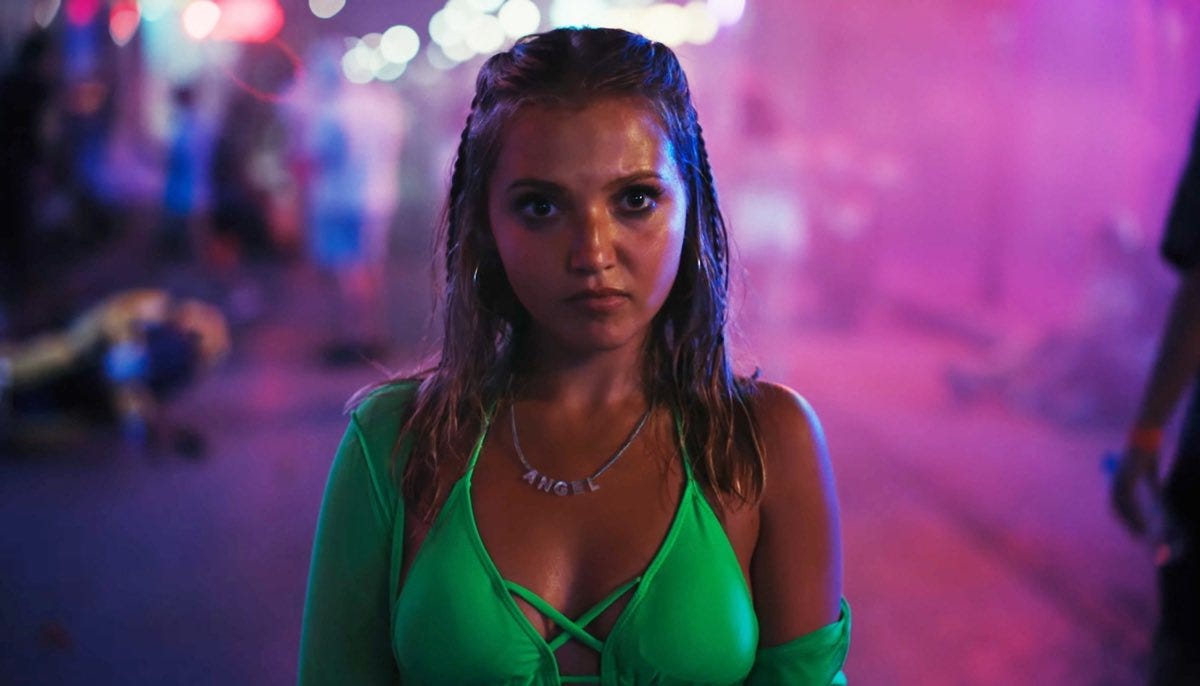
Photo caption: Mia McKenna-Bruce in HOW TO HAVE SEX. Courtesy of MUBI.
In the searingly realistic How to Have Sex, three British teen girls glamorize a holiday week of binge drinking, clubbing and casual sex, so they head for the beach town of Malia on the island of Crete. Malia’s hotel and bar scene caters to British teenagers, producing a kind of a Cabo San Lucas/Daytona Beach/South Padre Island spring break culture with a lot less restraint. In Britain, kids can move on from high school at age sixteen, so this is like American Spring Break with a heavy dose of sixteen- and seventeen-year-olds in the mix.
All three are gung ho on partying, but the lone virgin, Tara (Mia McKenna-Bruce), has the additional goal of her first sexual experience. Obviously, if a sixteen-year-old girl is determined to get as drunk as possible and lose her virginity in an unsupervised party frenzy with hundreds of drunk teenage boys, her quest can go painfully wrong in many easily imaginable ways. Hence, the joyous exuberance of the girls’ partying, is underpinned by the audience’s escalating sense of dread.
The three besties immediately self-intoxicate, meet some guys in their hotel and party essentially non-stop, cycling between poolside, beach and disco, stopping only to pass out. Rinse and repeat. How to Have Sex narrows its focus on Tara’s experience, which becomes more fraught, more emotionally isolated and devastating.
In her first feature, writer-Director Molly Manning Walker achieves remarkable verisimilitude in the weeklong party rampage, so much so that Mick LaSalle wrote, “The great strength and slight weakness of “How to Have Sex” is that it’s just like being there — except you might not want to be there.”
Anchoring herself in authenticity, Manning Walker is comfortable with ambiguity, whether in the relationships between the girlfriends or their attitudes, behaviors and feelings. She has not made a message picture, a political screed or a cautionary tale, but her audiences certainly notices organized beach games that are premised on females as sex objects and circumstances that beg the question of what constitutes acceptable consent.
The performance of Mia McKenna-Bruce as Tara is astonishingly raw, nuanced, heartbreaking and hopeful. Other critics describe it as “star-making”, which will depend on her getting material this good in the future.
The actresses playing Tara’s friends, Lara Peake and Enva Lewis, are also very, very good.
(Manning Walker was the cinematographer for Scrapper, another debut coming of age film by a female British writer-director, Charlotte Regan).
How to Have Sex is an impressive directorial debut for Molly Manning Walker, who is not afraid to make her audience uncomfortable. This is a movie more to be admired than enjoyed. How to Have Sex is streaming on MUBI.
Photo caption: Glen Powell in HIT MAN. Courtesy of Netflix.
Richard Linklater’s sexy, funny thriller Hit Man is all about self-invention, and the story, with its twists and turns, is one of the year’s great crowd-pleasers.
Gary Johnson (Glen Powell) is a FAKE hit man for the police; when the cops are tipped off that someone wants to arrange a murder-for-hire, they send in Gary wearing a wire, pretending to be a professional assassin, to record the incriminating words and collect the payoff.
This is Gary’s side gig – he is a decidedly uncool philosophy professor, who drives a Civic and is essentially a male cat lady. His personal life is so non-existent that his sympathetic ex-wife suggests that he “see someone”; Gary thinks she means a therapist, but she explains that he should see “a woman”.
Obviously, he pretends to be someone else when he acts a a faux killer. Once, he adopts the supercool persona of fictional hit man Ron. Dressing in a cool leather jacket with new haircut and stylish shades, Gary learns that life is a lot more fun as Ron. He attracts the attention of beautiful Madison (Adria Arjona) in circumstances where he can’t reveal his true identity as Gary. Gary, as Ron, and Madison begin a torrid affair, and then things get out of hand…I won’t spoil the plot, but it becomes a twisty thriller.
Hit Man is plenty enjoyable as a comic thriller, but co-writer and director Richard Linklater also probes the process of self-invention. Gary is a good guy himself, but he is more popular with his colleagues and his students as the fictional Ron, and wouldn’t otherwise be able to attract Madison. And just who is Madison – has she reinvented herself, too?
There existed a real Gary Johnson. Linklater and Powell co-wrote the screenplay from Skip Hollandsworth’s magazine profile of the real Gary in Texas Monthly, and, of course, add plenty of invented sex and murder for embellishment.
The actual Gary Johnson worked in Houston, but Linklater set Hit Man in New Orleans, and those who love the Crescent City as I do will recognize many locales. There really is an intersection of Piety Street and Pleasure Street in New Orleans, and Linklater playfully drops in a shot of the street sign without comment.
Adria Arjona and Glen Powell in HIT MAN. Courtesy of Netflix.
Glen Powell is exceptionally good as an Everyman plunged into, first, a scary cops and robber game, and then a real life-or-death entanglement that he must navigate with his wits in real time. Of course, Powell has lots of fun portraying a character who is himself a master of disguise, immersing himself in a bevy of fictional characters.
Adria Arjona is a real discovery. She’s able to play Madison so that Gary/Ron and we see her as a needy and vulnerable victim, then as an independent bad ass, and we finally wonder if she is a femme fatale. It’s a smart and secy performance as a smart and sexy, smokin’ hot, character.
Austin Amelio is hilarious as the unrepentantly sleazy, crooked cop Jasper.
Richard Linklater, is unsurpassed as an American filmmaker. After all he made Boyhood, which I rate as the best film so far in the 21st century, and our greatest romantic trilogy (Before Sunrise, Before Sunset, Before Midnight). Not to mention his groundbreaking use of interpolated rotoscope in Waking Life and one of the trippiest drug movies, A Scanner Darkly. He kicked off the whole body of work with the generational time capsule Dazed and Confused, along with the infectious comedy School of Rock and the underrated Bernie.
Linklater isn’t trying to top Boyhood or the Before movies here, but he’s at the top of his game with Hit Man. I can’t imagine anyone not enjoying Hit Man. Must See.,