Wrapping up Cinequest

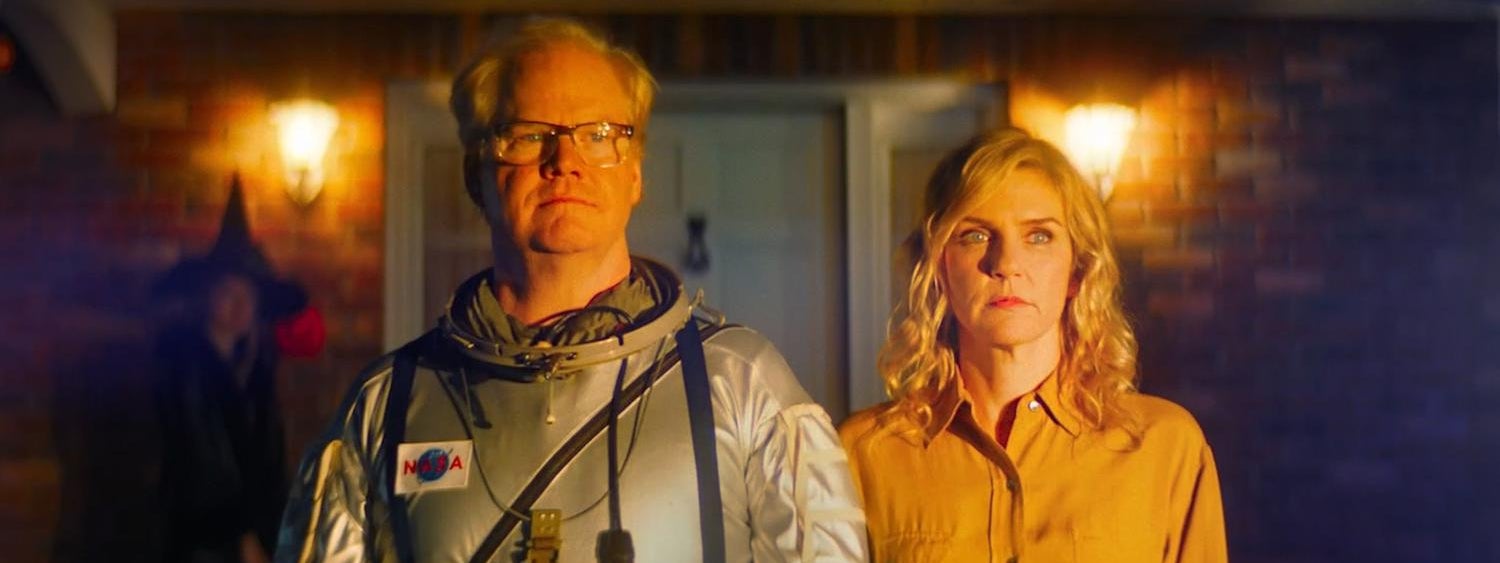
Photo caption: Jim Gaffigan and Rhea Seehorn in LINOLEUM. Courtesy of Blue Fox Entertainment.

Cinequest ran through this August 29. Here are the films that I hadn’t posted about yet:

Linoleum: Colin West’s gentle story of a lovable loser with a nose-diving kid’s science TV show is superficially about the guy’s eccentric attempt to build a real rocket in his garage; but it’s really three love stories – or are they one love story? Although West peppers some clues throughout, it’s not until the final act that the audience connects the dots about what is going on. Linoleum is hard to review – or even describe – without spoilers, but let’s just say that it is a highly original and sweet film.

Spin Me Round: The crowd at a well-attended screening loved this unpretentious and delightful comedy, a showcase for the comic talents of, among others, Alison Brie, Aubrey Plaza, Zach Woods and Molly Shannon. It’s a very zany comment on corporate sexual predators with a withering send-up of The Olive Garden. There are wild pigs, too. Spin Me Round is now streaming on AppleTV.

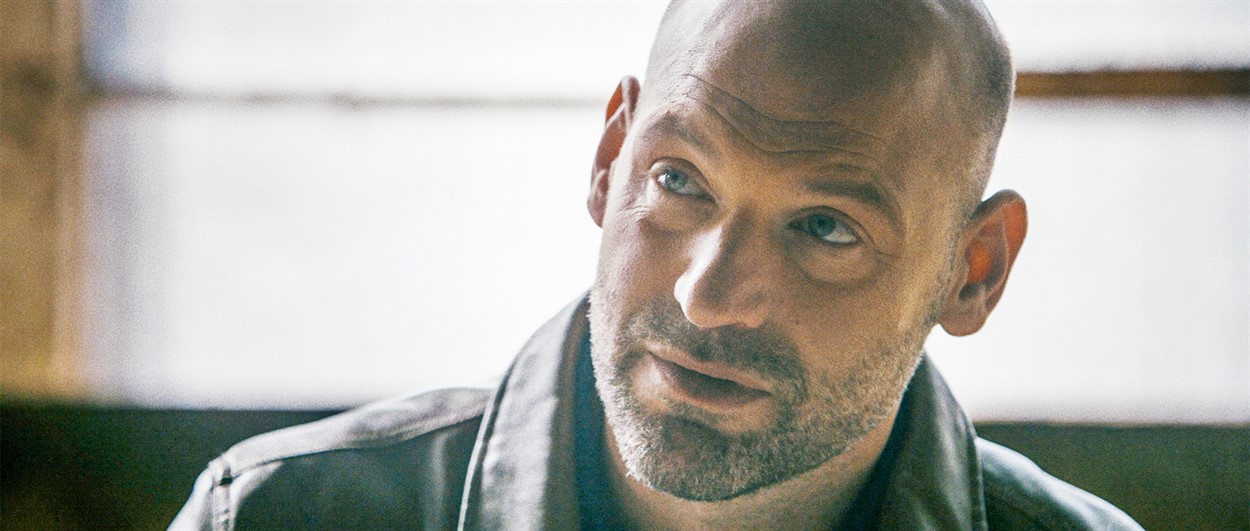
What We Do Next: Stephen Belber’s taut drama featured the best acting ensemble at Cinequest, with searing performances by Karen Pittman, Michelle Veintimilla and Corey Stoll. The story unfolds in seven segments over a a span of years, initially dealing with how an innocent miscalculation years ago could erupt into a career-killing political scandal. Each of the characters becomes more entangled by the choices of the others, and the dominoes fall.

Medusa: In this French drama, two adult sisters live in a house on a woodsy lane. Brain injury from a car crash has crippled one sister’s capacity to walk and to speak, and her sibling cares for her. The caregiving sister brings home her new, hunky boyfriend, who becomes fascinated with occupational therapy for the injured sister. As he helps her recover her speech and mobility (her libido has not been impaired), sexual tension and jealousy simmer. This is the first feature from writer-director Sophie Lévy, and she depicts sexual playfulness from a female perspective. There are several recent films with the same title, so it’s best to search for this movie under its French title, Méduse.

Shoebox: This sweet film is about a man who refuses to accept that his city is changing around him; he persists in trying to run a tiny neighborhood movie theater – kind of an Indian Cinema Paradiso. As it meandered predictably, I lost interest.

Free Renty: This earnest advocacy documentary has one thing going for it: one of the very most searing images from slavery in America. It’s a daguerreotype of Renty Taylor, a slave whose demeanor blares that he is fiercely expressing his human dignity. The film is about litigation by one of Renty Taylor’s descendants to recover the property rights to the image from Harvard University. The family is very sympathetic, but the doc loses credibility when it casts off all objectivity in the final act.

The Dinner Parting: This purported screwball comedy is actually an exercise in dark deadpan humor as three people try to foist a brazen lie on their acquaintances. The humor is supposed to stem from the absurd lengths they use to pull off the deception. But the premise is too obviously contrived, and some actors seem to be working in a different tone than the others. It’s a misfire.

Ghosting Gloria: This Uruguayan comedy was my biggest disappointment of the fest, because I so enjoyed the filmmakers’ witty entry at the 2017 Cinequest, The Moderns (Los Modernos). Here, the protagonist has lived to 30 without an orgasm until she moves to a haunted residence. She is then faced with a choice between a ghost and a real human guy. It’s uncommon that I find a sex comedy to be a yawner, but this was too predictable.

Bottom line: Linoleum and Spin Me Round join Trust, Charm Circle, 12 Months, The Grand Bolero, Out in the Ring and Tell Me a Memory as the Best of Cinequest. In 2023, Cinequest returns to its usual in-person time slot in late February.

Aubrey Plaza and Alison Brie in SPIN ME ROUND, Courtesy of IFC Films.

LINOLEUM: highly original and sweet

Jim Gaffigan and Rhea Seehorn in LINOLEUM. Courtesy of Blue Fox Entertainment.

Colin West’s Linoleum, a gentle story of a lovable loser with a nose-diving kid’s science TV show, is superficially about the guy’s eccentric attempt to build a real rocket in his garage; but it’s really three love stories – or are they one love story? Although West peppers some clues throughout, it’s not until the final act that the audience connects the dots about what is going on. Linoleum is hard to review – or even describe – without spoilers, but let’s just say that it is a highly original and sweet film.

Our TV host Cameron (Jim Gaffigan) is an astronomer who seems overqualified for his charmingly corny children’s show. He takes the science seriously, but not himself. Cameron is the kind of affable guy who always gets run over by the more self-interested among us.

Cameron is married to Erin (Rhea Seehorn) a smarty pants aeronautical engineer who is direcying programs at a provicial air and space museum. Like Cameron, she started out as a whiz kid and is wondering. Unlike Cameron, who is placidly content, she is wondering how she got stuck in the bush leagues. Erin’s dissatisfaction with her career, and with Cameron’s lack of ambition, is threatening their marriage.

The teenage girl in the story meets the new boy in high school, and they tentatively stumble into a guileless friendship. This thread in Linoleum is especially charming.

The comedian Jim Gaffigan has shown that he’s also a fine actor (Light from Light), and Rhea Seehorn (Better Call Saul, Veep) is one of our finest TV actors. Both are very good in Linoleum.

The first two acts of Linoleum are fairly easy-to-follow, with a couple small mysteries that could be imagined or hallucinated. The third act, which I will not spoil, becomes more confusing until West connects the threads of the story and we understand what we’ve been watching ll along. Viewers who need linear stories may be frustrated, but the payoff is splendid.

I saw Linoleum at the opening night of Cinequest, with Gaffigan and West in attendance.

WHAT WE DO NEXT: searing performances, as the dominoes fall

Corey Stoll in WHAT WE DO NEXT. Courtesy of Magano Movies and Media.

Writer-director Stephen Belber’s taut drama What We Do Next featured the best acting ensemble at Cinequest, with searing performances by Karen Pittman, Michelle Veintimilla and Corey Stoll.

I was familiar with Corey Stoll’s work since his turns in House of Cards and Homeland, but Karen Pittman (The Morning Show, Yellowstone) and Michelle Veintimilla (Seven Seconds, Gotham) were revelations.

The story unfolds in seven segments over a a span of years. It opens with Sandy (Pittman) compassionately counseling a teenage Elsa (Veintimilla) to survive abuse from Elsa’s father. Years later, the lawyer Paul (Stoll) reconnects with Sandy, now a rising NYC politician; the two game out how an innocent miscalculation years before could erupt into a career-killing political scandal today. Each of the characters becomes more entangled by the choices of the others, and the dominoes fall.

What We Do Next explores the difficulty that those traumatized and ill-equipped by upbringing have navigating the legal system and making constructive choices.

I am not unfamiliar with political crisis management, and most segments of the story rang true.

I attended What We Do Next’s world premiere at Cinequest, with Stephen Berber in attendance. After four days rehearsal in the producer’s backyard, What We Do Next was shot in six days – in a COVID bubble in Louisville. I’ll let you know when What We Do Next is released theatrically or on demand.

SPIN ME ROUND: unpretentious and delightful

Aubrey Plaza and Alison Brie in SPIN ME ROUND, Courtesy of IFC Films.

In the unpretentious and delightful comedy Spin Me Round, Alison Brie plays the assistant manager of an Italian chain restaurant who wins a corporate junket – a week at the CEO’s villa in Tuscany. She arrives in Italy with a cadre of peers, misfits all, to discover that they aren’t exactly at the villa and the corporate retreat isn’t exactly what it seems. The charismatic zillionaire CEO (Alessandro Nivola) seems to be grooming them – but not for corporate advancement. Many laughs ensue.

Alison Brie, so good as Trudy Campbell in Mad Men, has proven to have a wonderful gift for comedy. She ably works her Girl Next Door quality to reflect the more overtly zany characters around her. Brie co-wrote Spin Me Round’s screenplay with director Jeff Baena. Baena and Brie had worked together on The Little Hours and Horse Girl (which they also co-wrote).

Spin Me Round is a showcase for comic actors:

  • If you can’t get enough of Zach Woods’s Silicon Valley character, he returns with his naive, overly nice, worshipful devotee – with the capacity for a massive meltdown.
  • Aubrey Plaza (director Baena’s wife) plays archly cynical and dangerously edgy better than anyone.
  • Molly Shannon can convincingly play a deranged, over-the-top character because she just commits so entirely.
  • Fred Armisen is as we rarely, if ever, see him – as a macho, oily Silvio Berlusconi type.
  • Nivola, known mainly for his dramatic roles (The Many Saints of Newark), can be very funny.
  • Ego Nwodin, in the tiniest of roles as Brie’s Skypeing roommate, is just perfect.

One of the funniest threads in Spin Me Round is the send-up of The Olive Garden, the restaurant chain so obviously parodied here, The chain’s managers know shockingly little about Italian cuisine. And you may never eat alfredo sauce again.

In real life, wild pigs are not funny; here, they are very, very funny.

I saw Spin Me Round, before its release, at a well-attended screening at Cinequest, where the crowd loved it. It opens this weekend in LA, but I haven’t located a screen in the Bay Area.

THE OUTFIT: no one is just what they seem to be

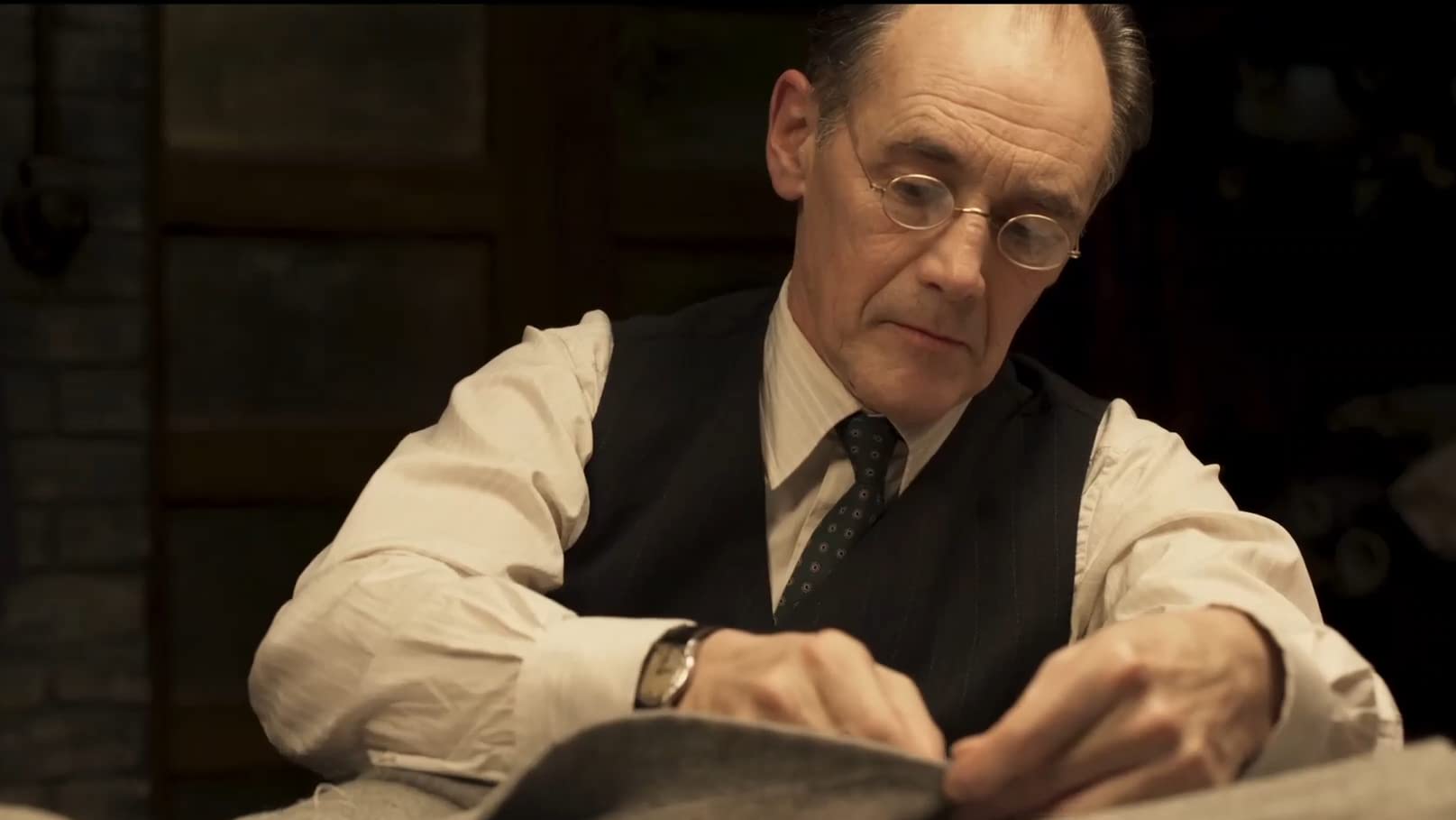
Photo caption: Mark Rylance in THE OUTFIT. Courtesy of Focus Features.

The Outfit is a satisfying period crime thriller with some big surprises. We’re in 1956 Chicago, and the accomplished actor Mark Rylance plays a very proper British maker of bespoke men’s suits, who allows local gangsters to have a secret drop box in the back of his modest shop. He and his assistant (Zoey Deutch), a young woman from the neighborhood, ask no questions.

Astonishingly polite, he does insist that everyone knows that he has been a Savile Row cutter, the more skilled artisan who cuts the fabric for men’s suits, not a tailor, who sews on the buttons.

The gangsters who own the drop box, however, come under a triple threat – the FBI, a competing mob and an inside rat. There’s an incriminating audiotape out there somewhere, which becomes the Macguffin in this story. Circumstances converge to trap our hero and his young assistant in the shop, where murderous gangsters are certain to do them in.

But, no one is just what they seem to be, and major plot twists tumble forth.

This is the directing debut for co-writer Graham Moore, who won a screenwriting Oscar for The Imitation Game, which starred Benedict Cumberbatch as mathematical genius Kenneth Turing. This time, Moore sets the entire film, every single shot, inside the same interior location; that makes for economic filmmaking, and the claustrophobia heightens the tension.

Mark Rylance is perfect as the very contained and ever civil craftsman plunged. into a desperate situation. Rylance, one of Britain’s seemingly endless stream of superb actors, came to broad attention (and to mine) in 2015 with the Thomas Cromwell historical series Wolf Hall and Bridge of Spies wth Tom Hanks. Since then, he’s starred in Dunkirk, The Trial of the Chicago 7 and Don’t Look Up.

Zoey Deutch is likewise excellent as the saucy shopgirl with her own secrets. She was the best thing in the raucous comedy Zombieland: Double Tap, in which she practically reinvents the Dumb Blonde.

The rest of the cast is good, too. Simon Russell Beale, known for playing erudite Englishmen, gets to play a mid-century Chicago hood.

Don’t confuse this film with the 1974 neo-noir The Outfit with Robert Duvall, Linda Black and Joe Don Baker (which is also good). The 2022 The Outfit is streaming on Amazon, AppleTV, Vudu, YouTube and redbox.

Laughs at Cinequest

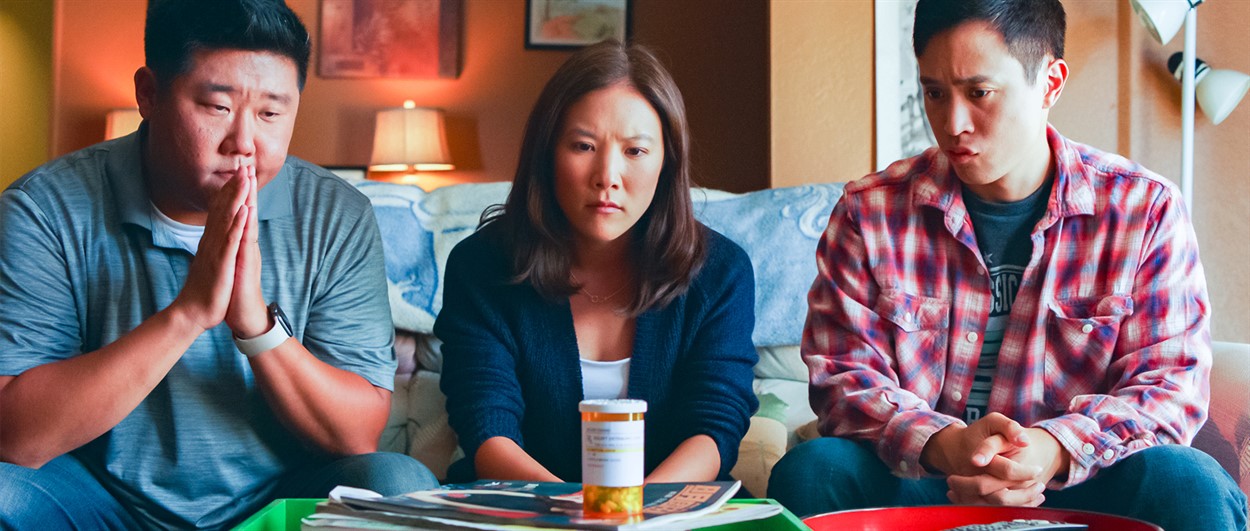
Peter S. Kim, Ally Maki and Hayden Szeto in DEALING WITH DAD. Courtesy of Cinequest.

Comedies abound at this year’s Cinequest. Here are four:

  • Dealing with Dad is a topical family comedy with an Asian-American cast. Three adult siblings – the super-achiever oldest sister, the passive middle brother and the infantilized youngest brother, a gaming slacker – meet at their parents’ home. The dad, whose harsh and never-bending expectations battered them as kids, has become paralyzed (and defanged) by severe depression. Their differences spawn lots of laughs, but Dealing with Dad addresses both depression and the issues that many second-generation Asian-Americans face because of their immigrant parents’ parenting styles. Cinequest audiences will appreciate that Dealing with Dad is set in MILPITAS.
  • 18 1/2 is a dark comedy that sends up the paranoid thriller genre. A low-level government clerical worker (an excellent Willa Fitzgerald) finds herself in possession of the infamous 18 1/2 minute gap in the Watergate Tapes. Of course, co-writers Daniel Moya and Dan Mirvish had to devise a way to get this MacGuffin in her hands; given the paranoia, deviousness and clumsiness of the Nixon White House, their solution is surprisingly plausible. Double crosses and red herrings escalate, as does the dark, dark humor. Richard Kind and Vondie Curtis-Hall sparkle in supporting roles.
  • Sweet Disaster, from Germany, is driven by the protagonist’s ever-unleashed impulsiveness and utter lack of boundaries. Frida (Friederike Kempter) encounters and falls for an airline pilot and audaciously charms him into a relationship; their affair lasts just long enough for her to become impregnated and for him to abandon her for his ex. Consumed by the urge to win him back, Frida throws propriety to the winds. Frida’s zany roller coaster is tempered by sweet relationships with her apartment neighbors, a precocious teenage neighbor and a Greek Chorus of card-playing older women.
  • Alpha Male, from Poland, is another dark comedy. A feckless young man has been dispatched by his girlfriend to a smoking cessation self-help group. Given the chaos of the community center, he ends up in the wrong room, among a men’s support group headed by a charismatic instructor. He hangs around anyway – and even returns – because this group has better food. The group focuses on their resentment of women, which seems silly and harmless at first, but descends into a paranoid fixation on an imagined organization of women seeking to emasculate them. Both the misogyny and their submissiveness to their bullying leader are taken to absurd levels.

Here’s the Cinequest program, the schedule and the passes and tickets. My CINEQUEST page links to all my coverage. 

Vondie Curtis-Hall, John Magaro, Willa Fitzgerald and Catharine Curtin in 18 1/2. Credit Elle Schneider (c)2021, Waterbug Eater Films, LLC.

OUT IN THE RING: macho and flamboyant, wrestling is also queer

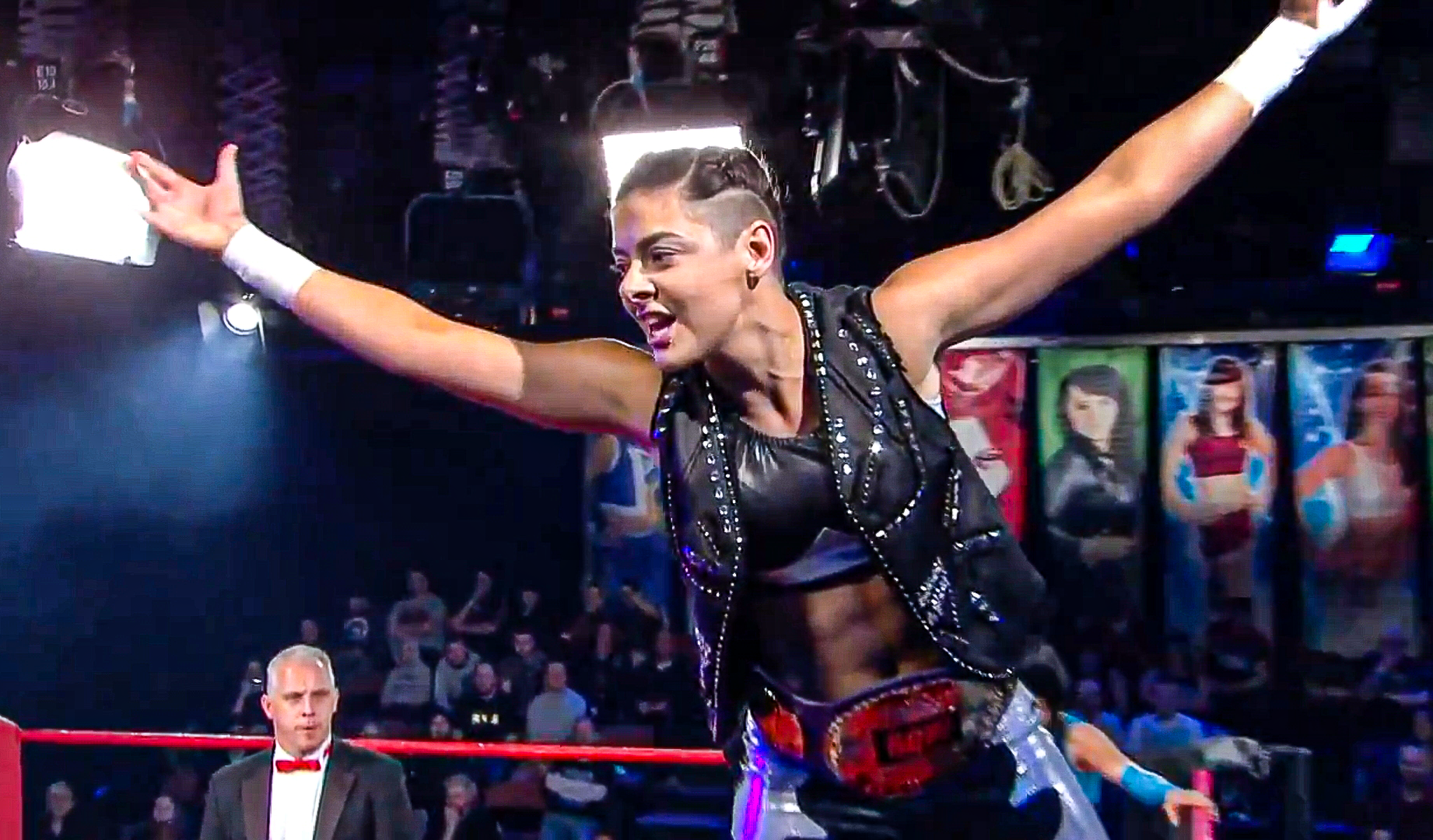
Charlie Morgan in OUT IN THE RING. Courtesy of Ryan Bruce Levey.

Out in the Ring is Ryan Bruce Levey’s encyclopedic yet irresistible documentary history of LGBTQ professional wrestlers. There is no sports entertainment that is more macho than pro wrestling. Or more flamboyant. Or, as it turns out, more queer.

Out in the Ring takes us back to the 1940s, when the straight journeyman wrestler Gorgeous George became a star and transformed wrestling by affecting a gay pose as his gimmick. George was just the first to do so, and Out in the Ring traces the many straight wrestlers who have pretended to be gay.

At the same time, many of wrestling’s best performers were closeted, notably the great Pat Patterson. Out in the Ring focuses on Patterson’s career and personal life, and how he grew into an important executive in the business. Out in the Ring surveys a long list of LGBTQ wrestlers who were forced to stay in the closet, like Patterson and Susan Tex Green.

[Personal note: The Movie Gourmet is a Boomer who, as a child, was glued to the TV for KTVU’s Saturday pro wrestling broadcasts, announced by Walt Harris. (Harris also called also roller derby.) In that era, Pat Patterson was a dominant presence in Bay Area pro wrestling.]

Out in the Ring showcases the panoply of today’s Out wrestling stars, led by Charlie Morgan and Mike Parrow. The variety is astounding: gay men, lesbians, bisexual women and men, transsexual men and transsexual women, asexual and nonbinary. There are those who make their queerness a signature of their act and those that don’t. They tell us about the homophobia that they have faced and their relief and joy from coming out.

Ry Levey has brought many films to Cinequest as a publicist, especially Canadian indies. The exquisitely sourced Out in the Ring is his first feature as a director.

I screened Out in the Ring for its US premiere at Cinequest. Both unflinching and uplifting, it’s a documentary as fun to watch as pro wrestling.

CHARM CIRCLE: you think YOUR family has issues?

Raya Burstein and Uri Burstein in CHARM CIRCLE. Photo courtesy of Cinequest.

In the superbly structured documentary Charm Circle, writer-director Nira Burstein exquisitely unspools the story of her own bizarre family. At first, we meet Burstein’s father, a sour character who inexplicably is about to lose his rented house, which has become unkempt, even filthy. He is mean to Burstein’s apparently sweet and extraordinarily passive mother, and the scene just seems unpleasant.

But then, Nira Burstein brings out twenty-year-old videos that show her dad as witty, talented and functional. We learn a key fact about the mom, and then about each of the director’s two sisters.

Some of the publicity about Charm Circle describes the family as eccentric, but only one daughter is a little odd – three family members are clinically diagnosable. Charm Circle is a cautionary story of untreated mental illness and the consequences of failing to reach out for help.

This is Nira Burstein’s first feature, and she has two things going for her: unlimited access to the subjects and a remarkable gift for storytelling. Charm Circle works so well because of how Burstein sequences the rollout of each family member’s story.

I attended a screening of Charm Circle, with a Nira Burstein Q&A at the Nashville Film Festival. In July and August, it will play both the San Francisco Jewish Film Festival and Cinequest.

HEARTWORN HIGHWAYS: like desperados waitin’ for a train

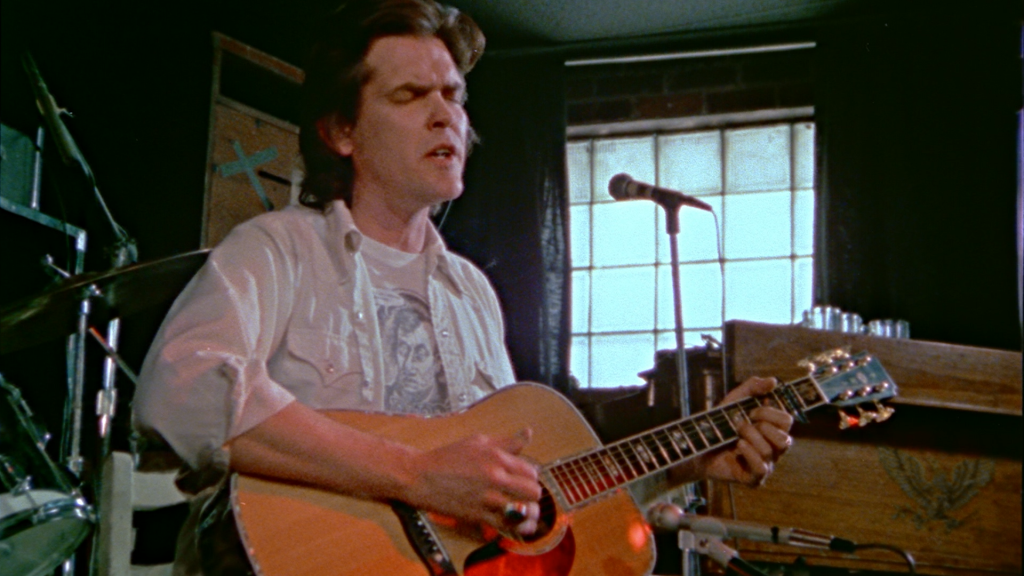
Photo caption: Guy Clark in HEARTWORN HIGHWAYS. Courtesy of Kino Lorber.

Heartworn Highways documents an early moment in the Outlaw Movement of country western music, with candid footage of Outlaw pioneers Guy Clark, Townes Van Zandt, David Allan Coe and Charlie Daniels, and also Clark’s very young mentees  Steve Earle and Rodney Crowell. (Earle was only 22 and Crowell was 25 – Heartworn Highways includes the first recordings of their songs.)

There are lesser-known artists, too, including Steve Young (who wrote Seven Bridges Road) and the storyteller Gamble Rogers. Larry Jon Wilson records one of his songs after a rough night (he was 35 and looked 55). Peggy Brooks contributes a risque barroom ditty.

Guy Clark, his painter/songwriter wife Susanna Clark, and Townes Van Zandt were the subjects of the fine 2021 documentary Without Getting Killed or Caught. The three held a salon in their Nashville home, and mentored the likes of Crowell and Earle. You can the flavor of the salon in Heartworn Highways.

Heartworn Highways begins with Clark’s anthem LA Freeway and ends with a group sing of O Holy Night.

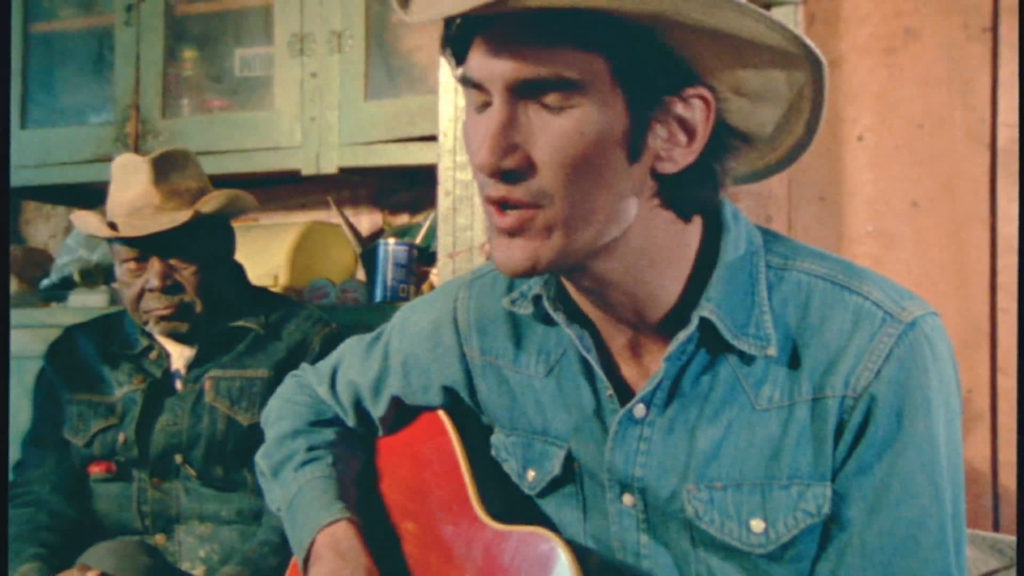
Townes Van Zandt (right) with Sylvester Washington in HEARTWORN HIGHWAYS. Courtesy of Kino Lorber.

One unforgettable moment is Townes Van Zandt’s rendition of his Waitin’ Round to Die, which brings 79-year-old horse shoer “Uncle” Seymour Washington to tears. Van Zandt did not survive his alcoholism, and there is also a now poignant clip of him very drunk.

Written and directed by James Szalapski, Heartworn Highways was filmed 1975 and 1976 but it didn’t find its way into theaters until 1981. What appear to be outtakes from the filming can be found on YouTube.

Heartworn Highways is just an assortment of cinéma vérité clips, with the only relation to each other being this cadre of musicians and their art, but it works. It is available to stream from AppleTV, Vudu, YouTube and Showtime.

DREAMING WALLS: INSIDE THE CHELSEA HOTEL: the artsy and the quirky

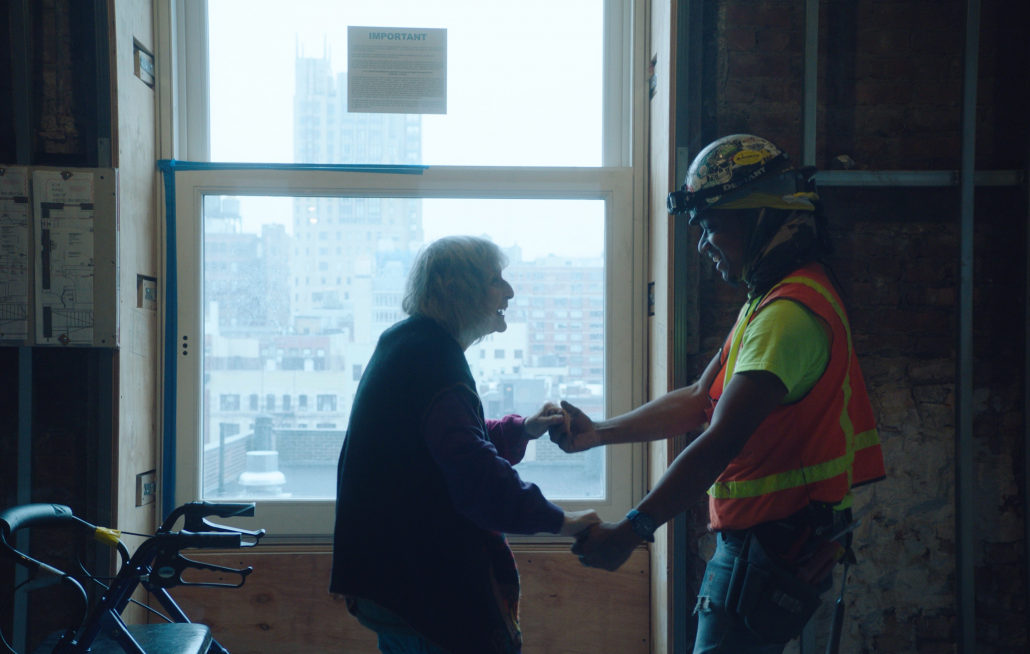
Photo caption: DREAMING WALLS: INSIDE THE CHELSEA HOTEL. Credit: Merle Lister. Courtesy of ©Clindoeilfilms.

The documentary Dreaming Walls: Inside the Chelsea Hotel is set inside an institution with a remarkable cultural history. Residents of New York City’s Chelsea Hotel have included:

  • writers Mark Twain, Arthur C. Clarke, Jack Kerouac and William C. Burroughs,
  • playwrights Arthur Miller, Tennessee Williams and Sam Shepherd,
  • poets Dylan Thomas and Allen Ginzberg,
  • painters Diego Rivera, Willem de Kooning and Jasper Johns,
  • singer-songwriters Bob Dylan, Patti Smith and Tom Waits,
  • musicians Edith Piaf, Janis Joplin, Jimi Hendrix, Jim Morrison, Cher, Iggy Pop and Madonna,
  • film directors Milos Forman and Stanley Kubrick,
  • actors Dennis Hopper, Elaine Stritch and Jane Fonda.

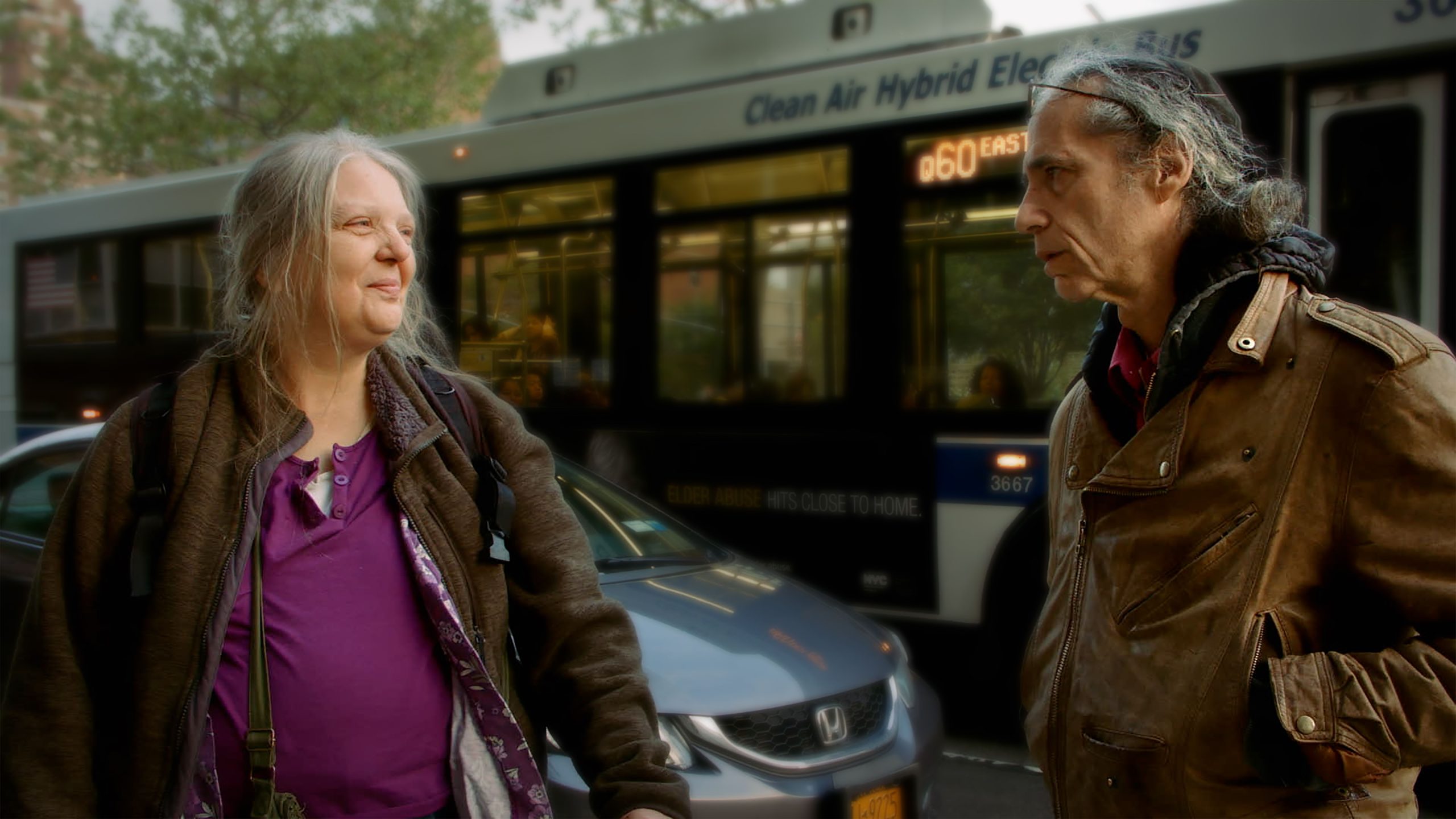
But that history is not what Dreaming Walls: Inside the Chelsea Hotel is about – at least not directly. And neither is the now bedraggled hotel’s transition into yet another upscale Manhattan retreat for the wealthy. Writer-directors Maya Duverdier and Amalie van Elmbt have focused on the current residents, who embody the last remnants of the Chelsea’s quirky, artistic flavor.

Those tenants are ten years into a nightmare of a renovation, essentially living in a construction zone in their hallways, outside their windows and, sometimes, inside their own apartments.  Some of the tenants are very old and some are very, very, very old. There’s a clip of an interview with the painter Alphaeus Philemon Cole, who was the world’s oldest verified person when he died at the Chelsea at age 112.

And they are artsy. It’s the kind of place where one can turn the corner and be met with “Hey, we have a dance performance is underway”.  Dreaming Walls: Inside the Chelsea Hotel is a cinéma vérité observation of these folks.

Dreaming Walls: Inside the Chelsea Hotel braids them into the hotel’s storied history by splicing in visual bits of the famed artists and art that are the Chelsea’s legacy. It’s impressionistic and ghostly, and the editing by Alain Dessauvage and Julie Naas elevates Dreaming Walls: Inside the Chelsea Hotel from the standard cinéma vérité doc.

How much you enjoy Dreaming Walls: Inside the Chelsea Hotel depends on how much you enjoy the company of artists and whether you find their eccentricities and self-absorption charming or annoying.

The film includes a passage of Dylan Thomas”: Do not go gentle into that good night. Indeed, the long artistic period of the Chelsea is going into the good night, but certainly not gently.

Dreaming Walls: Inside the Chelsea Hotel is streaming on Amazon, AppleTV, Vudu, YouTube and redbox.