Movies to See Right Now

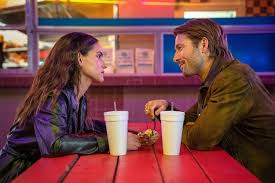
Photo caption: Adria Arjona and Glen Powell in HIT MAN. Courtesy of Netflix.

This very busy week on The Movie Gourmet – new reviews of the enormously fun Hit Man, the Senegalese fable Banel and Adama, the searing coming-of-age drama How to Have Sex, and the re-release of the most kinetic movie you’ll ever see, Run Lola Run.

La Chimera, one of the year’s best films, may now be watched at home on Amazon, AppleTV or YouTube. So is the Jessie Buckley/Olivia Colman comedy Wicked Little Letters.

CURRENT MOVIES

  • Hit Man: who knew self-invention could be so fun? Netflix.
  • Challengers: three people and their desire. In theaters.
  • La Chimera: six genres for the price of one. Amazon, AppleTV, YouTube.
  • Run Lola Run: still sprinting after 25 years. In theaters and Amazon, AppleTV and YouTube.
  • Banel and Adama: we want to be together and left alone. In arthouse theaters.
  • Relative: a loving, but insistent investigation. Amazon (included with prime), AppleTV, Vudu, YouTube. 
  • The Origin of Evil: the angry, the unhinged and the evil. Amazon, AppleTV.
  • Wicked Little Letters: a sparkling Jessie Buckley and an interesting take on repression. Amazon, AppleTV, YouTube.
  • How to Have Sex: searing and authentic. MUBI.
  • Wildcat: often admirable, rarely fun. In theaters.
  • Civil War: a most cautionary tale. Amazon, AppleTV, YouTube, Fandango, but still expensive.
  • Ennio: the good the bad and the transcendent. Amazon, AppleTV, YouTube.
  • The Taste of Things: two passions – culinary and romantic. Amazon, AppleTV.
  • Golden Years: when dreams diverge. Amazon, Vudu, YouTube.
  • Chasing Chasing Amy: origins of love, fictional and otherwise. Waiting for release.
  • The Woman Who Ran: is the payoff worth the slow burn? AppleTV, YouTube.

WATCH AT HOME
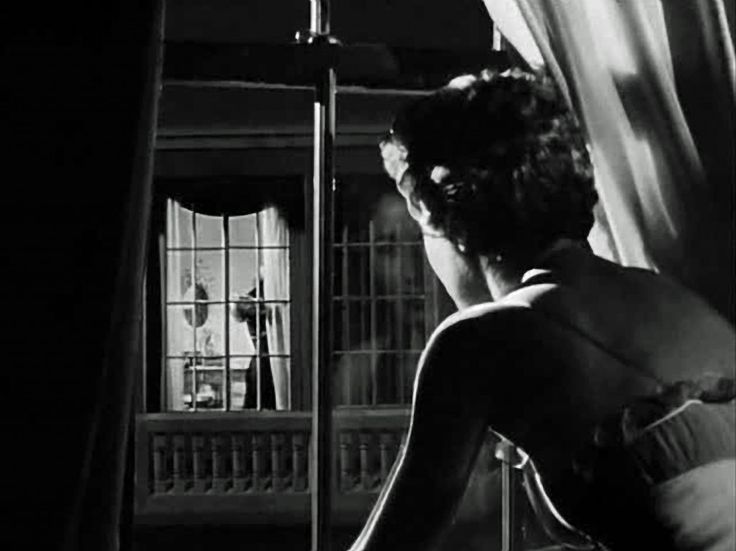
Barbara Stanwyck in WITNESS TO MURDER

The most eclectic watch-at-home recommendations you’ll find ANYWHERE:

ON TV

Otis Day, Antonio Fargas and Darrow Igus in CAR WASH. Courtesy of Universal Pictures.

On June 19, Turner Classic Movies will air a 1970s time capsule, the unpretentious ground-breaker  Car Wash. Car Wash portrays the raucous hijinks and foibles of the crew at a downtown LA car wash and samples a range of African-American perspectives, from an angry African nationalist to a corrupt preacher. Car Wash was the first film by an African-American director shown in competition at Cannes (and possibly the most unabashedly low brow Cannes entry). Three cast members – Bill Duke, Ivan Dixon and Melanie Mayron – became prolific directors themselves. Comedians George Carlin, Richard Pryor and “Professor” Irwin Corey have cameos. And the title song became a major disco hit. This is a very fun movie. I’ll be posting a complete review on Sunday, but go ahead and DVR it. now
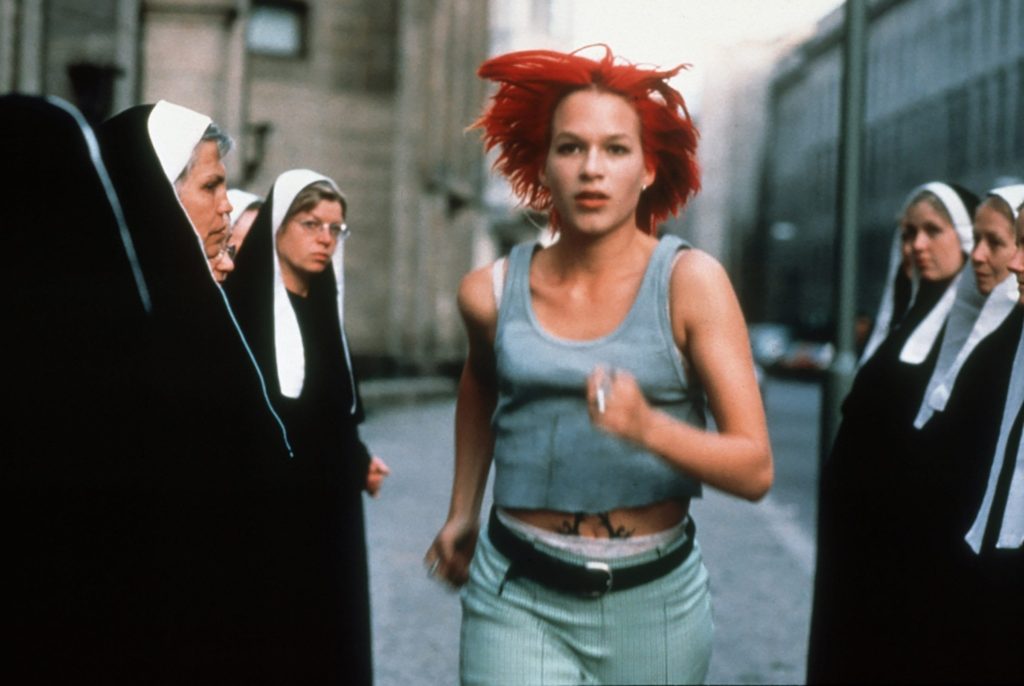

RUN LOLA RUN: still sprinting after 25 years

Photo caption: Franka Potente in RUN LOLA RUN. Courtesy of Sony Pictures Classics.

You’ll never see a more kinetic movie than Run Lola Run, the 1998 German indie thriller which has been remastered in 4G and re-released into theaters. Lola (Franka Potente) has only 20 minutes to raise 100,000 Deutschmarks and save her boyfriend’s life from his gangster boss. In only 81 white knuckle minutes, writer-director Tom Tykwer has Lola desperately sprinting around Berlin in three different scenarios.

Lola’s desperation and the ticking clock make for a pedal-to-the-metal performance by Potente. This also a physically challenging performance. Incidentally, Potente is now a director, and her new film Home with Kathy Bates played at last year’s SFFILM.

Run Lola Run is Tykwer’s masterpiece, and it’s one of the great stories told in real time (which I love).

This is a wonderful movie to see in a theater. Run Lola Run is also available to stream on Amazon, AppleTV, Vudu, YouTube and Google Play.

HOW TO HAVE SEX: raw and authentic

Photo caption: Mia McKenna-Bruce in HOW TO HAVE SEX. Courtesy of MUBI.

In the searingly realistic How to Have Sex, three British teen girls glamorize a holiday week of binge drinking, clubbing and casual sex, so they head for the beach town of Malia on the island of Crete. Malia’s hotel and bar scene caters to British teenagers, producing a kind of a Cabo San Lucas/Daytona Beach/South Padre Island spring break culture with a lot less restraint. In Britain, kids can move on from high school at age sixteen, so this is like American Spring Break with a heavy dose of sixteen- and seventeen-year-olds in the mix.

All three are gung ho on partying, but the lone virgin, Tara (Mia McKenna-Bruce), has the additional goal of her first sexual experience. Obviously, if a sixteen-year-old girl is determined to get as drunk as possible and lose her virginity in an unsupervised party frenzy with hundreds of drunk teenage boys, her quest can go painfully wrong in many easily imaginable ways. Hence, the joyous exuberance of the girls’ partying, is underpinned by the audience’s escalating sense of dread.

The three besties immediately self-intoxicate, meet some guys in their hotel and party essentially non-stop, cycling between poolside, beach and disco, stopping only to pass out. Rinse and repeat. How to Have Sex narrows its focus on Tara’s experience, which becomes more fraught, more emotionally isolated and devastating.

In her first feature, writer-Director Molly Manning Walker achieves remarkable verisimilitude in the weeklong party rampage, so much so that Mick LaSalle wrote, “The great strength and slight weakness of “How to Have Sex” is that it’s just like being there — except you might not want to be there.”

Anchoring herself in authenticity, Manning Walker is comfortable with ambiguity, whether in the relationships between the girlfriends or their attitudes, behaviors and feelings. She has not made a message picture, a political screed or a cautionary tale, but her audiences certainly notices organized beach games that are premised on females as sex objects and circumstances that beg the question of what constitutes acceptable consent.

The performance of Mia McKenna-Bruce as Tara is astonishingly raw, nuanced, heartbreaking and hopeful. Other critics describe it as “star-making”, which will depend on her getting material this good in the future.

The actresses playing Tara’s friends, Lara Peake and Enva Lewis, are also very, very good.

(Manning Walker was the cinematographer for Scrapper, another debut coming of age film by a female British writer-director, Charlotte Regan).

How to Have Sex is an impressive directorial debut for Molly Manning Walker, who is not afraid to make her audience uncomfortable. This is a movie more to be admired than enjoyed. How to Have Sex is streaming on MUBI.

HIT MAN: who knew self-invention could be so fun?

Photo caption: Glen Powell in HIT MAN. Courtesy of Netflix.

Richard Linklater’s sexy, funny thriller Hit Man is all about self-invention, and the story, with its twists and turns, is one of the year’s great crowd-pleasers.

Gary Johnson (Glen Powell) is a FAKE hit man for the police; when the cops are tipped off that someone wants to arrange a murder-for-hire, they send in Gary wearing a wire, pretending to be a professional assassin, to record the incriminating words and collect the payoff.

This is Gary’s side gig – he is a decidedly uncool philosophy professor, who drives a Civic and is essentially a male cat lady. His personal life is so non-existent that his sympathetic ex-wife suggests that he “see someone”; Gary thinks she means a therapist, but she explains that he should see “a woman”.

Obviously, he pretends to be someone else when he acts a a faux killer. Once, he adopts the supercool persona of fictional hit man Ron. Dressing in a cool leather jacket with new haircut and stylish shades, Gary learns that life is a lot more fun as Ron. He attracts the attention of beautiful Madison (Adria Arjona) in circumstances where he can’t reveal his true identity as Gary. Gary, as Ron, and Madison begin a torrid affair, and then things get out of hand…I won’t spoil the plot, but it becomes a twisty thriller.

Hit Man is plenty enjoyable as a comic thriller, but co-writer and director Richard Linklater also probes the process of self-invention. Gary is a good guy himself, but he is more popular with his colleagues and his students as the fictional Ron, and wouldn’t otherwise be able to attract Madison. And just who is Madison – has she reinvented herself, too?

There existed a real Gary Johnson. Linklater and Powell co-wrote the screenplay from Skip Hollandsworth’s magazine profile of the real Gary in Texas Monthly, and, of course, add plenty of invented sex and murder for embellishment.

The actual Gary Johnson worked in Houston, but Linklater set Hit Man in New Orleans, and those who love the Crescent City as I do will recognize many locales. There really is an intersection of Piety Street and Pleasure Street in New Orleans, and Linklater playfully drops in a shot of the street sign without comment.

Adria Arjona and Glen Powell in HIT MAN. Courtesy of Netflix.

Glen Powell is exceptionally good as an Everyman plunged into, first, a scary cops and robber game, and then a real life-or-death entanglement that he must navigate with his wits in real time. Of course, Powell has lots of fun portraying a character who is himself a master of disguise, immersing himself in a bevy of fictional characters.

Adria Arjona is a real discovery. She’s able to play Madison so that Gary/Ron and we see her as a needy and vulnerable victim, then as an independent bad ass, and we finally wonder if she is a femme fatale. It’s a smart and secy performance as a smart and sexy, smokin’ hot, character.

Austin Amelio is hilarious as the unrepentantly sleazy, crooked cop Jasper.

Richard Linklater, is unsurpassed as an American filmmaker. After all he made Boyhood, which I rate as the best film so far in the 21st century, and our greatest romantic trilogy (Before Sunrise, Before Sunset, Before Midnight). Not to mention his groundbreaking use of interpolated rotoscope in Waking Life and one of the trippiest drug movies, A Scanner Darkly. He kicked off the whole body of work with the generational time capsule Dazed and Confused, along with the infectious comedy School of Rock and the underrated Bernie.

Linklater isn’t trying to top Boyhood or the Before movies here, but he’s at the top of his game with Hit Man. I can’t imagine anyone not enjoying Hit Man. Must See.,

BANEL AND ADAMA: we want to be together and left alone

Photo caption: Khady Mane and Mamadou Diallo in BANEL AND ADAMA. Courtesy of Kino Lorber.

In the well-crafted and beautifully shot Senegalese drama Banel and Adama, a 19-year-old couple live in a remote village, happily in love with each other, but chafing at cultural traditions. Banel (Khady Mane) suffers her nightmare of a mother-in-law, and Adama (Mamadou Diallo) resists the burdens of community leadership that he knows he isn’t ready for. Can they find happiness in their village? Will they leave together?

Their personal stories are set in a dramatic, drought-stricken landscape with houses buried in sand and dust. Writer-director Ramata-Toulaye Sy, in her first feature, and cinematographer Amine Berrada deliver one of the most visually singular films of the year.

Sy gets fine performances out of cast of non-actors. Mane is especially charismatic as Banel.

I screened Banel and Adama for this year’s SFFILM, where I highlighted it in my Under the radar at SFFILM. It’s now been released into arthouse theaters by Kino Lorber.

Movies to See Right Now

Photo caption: A scene from Tracey Arcabasso Smith’s RELATIVE. Courtesy of Gravitas.

This week on The Movie Gourmet – new reviews of the psychological thriller The Origin of Evil, the irresistible documentary Chasing Chasing Amy and the Hong Sang-soo character study The Woman Who Ran.

CURRENT MOVIES

  • Challengers: three people and their desire. In theaters.
  • La Chimera: six genres for the price of one. In arthouse theaters.
  • Relative: a loving, but insistent investigation. Amazon (included with prime), AppleTV, Vudu, YouTube. 
  • The Origin of Evil: the angry, the unhinged and the evil. Amazon, AppleTV.
  • Wicked Little Letters: a sparkling Jessie Buckley and an interesting take on repression. In theaters.
  • Wildcat: often admirable, rarely fun. In theaters.
  • Civil War: a most cautionary tale. In theaters.
  • Ennio: the good the bad and the transcendent. Amazon, AppleTV, YouTube.
  • After Antarctica: one man, two poles. Amazon, AppleTV, YouTube.
  • Matter of Mind: My Parkinson’s: real, uplifting, essential. On PBS and the PBS App.
  • Monkey Man: a massacre, one bad guy at a time. In theaters.
  • The Taste of Things: two passions – culinary and romantic. Amazon, AppleTV.
  • Golden Years: when dreams diverge. Amazon, Vudu, YouTube.
  • Chasing Chasing Amy: origins of love, fictional and otherwise. Waiting for release.
  • The Woman Who Ran: is the payoff worth the slow burn? AppleTV, YouTube.

WATCH AT HOME

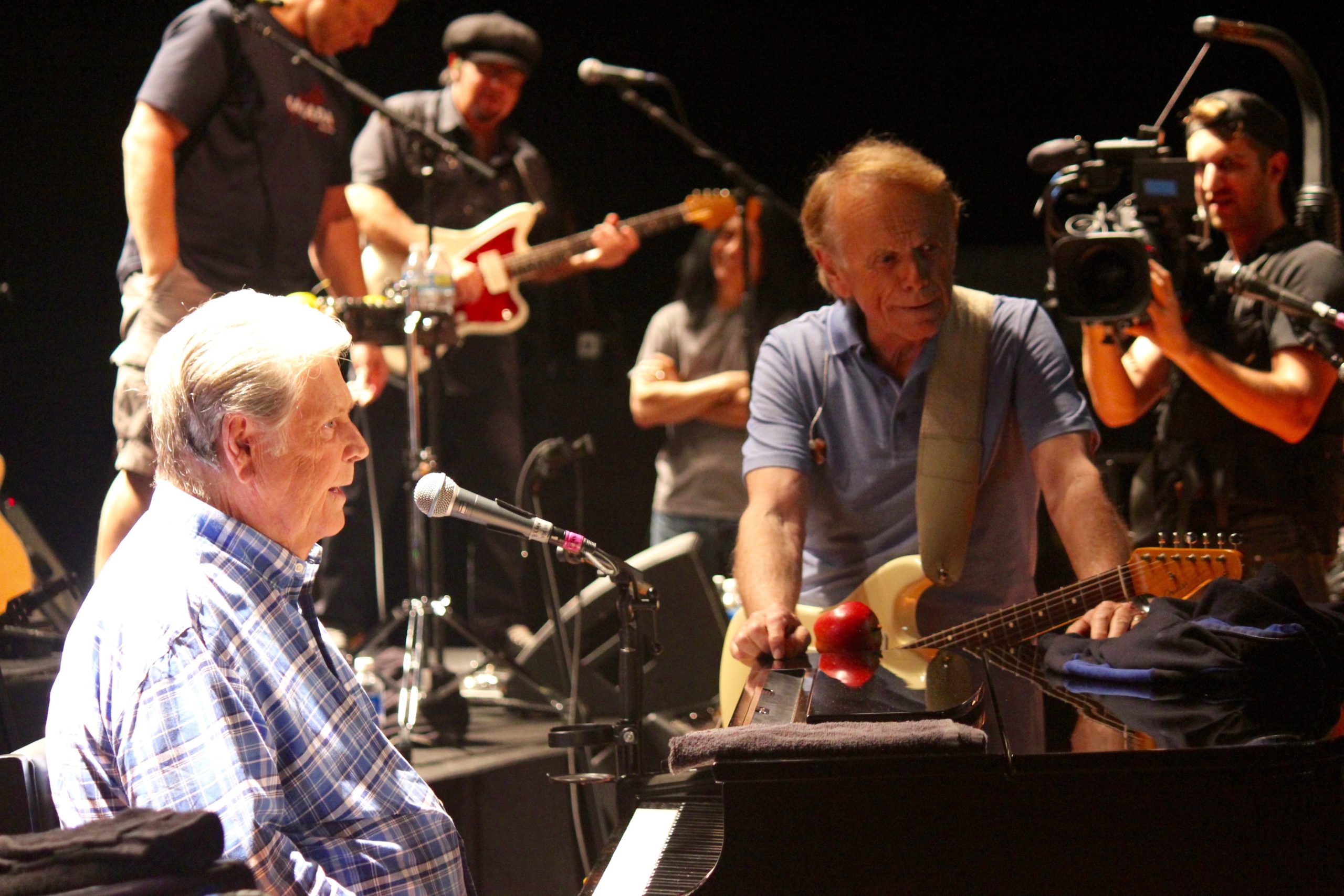
Brian Wilson (seated left) in BRIAN WILSON: LONG PROMISED ROAD. Courtesy of Nashville Film Festival.

The most eclectic watch-at-home recommendations you’ll find ANYWHERE:

ON TV

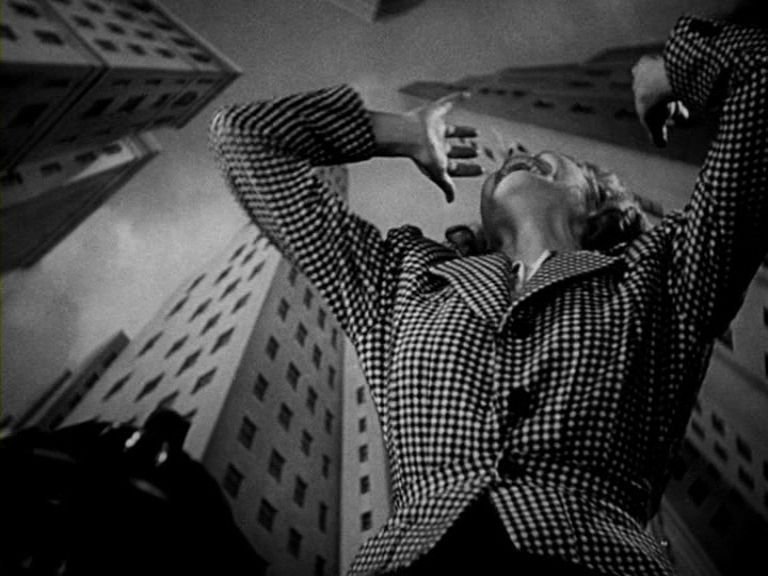
Margaret Tallichet in STRANGER ON THE THIRD FLOOR

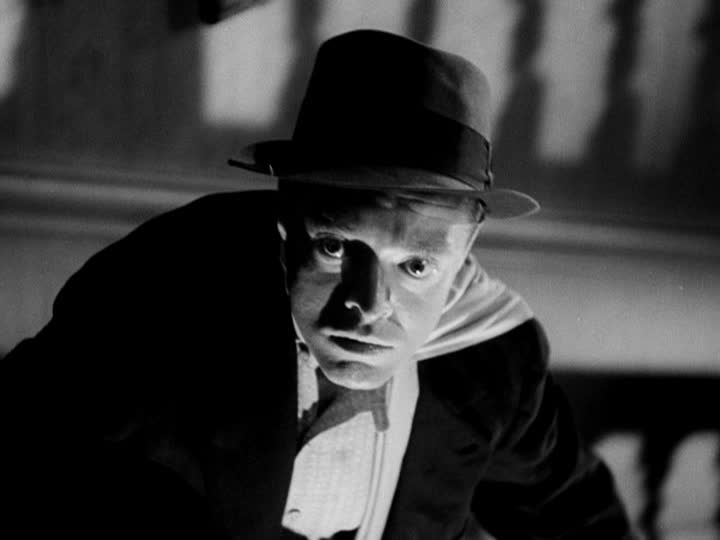
On June 12, Turner Classic Movies Stranger on the Third Floor named as the first film noir by more scholars than any film. (Personally, I go with the more popular and influential The Maltese Falcon, released 14 months later.) Indeed, due to the groundbreaking cinematography of Nicholas Musaraca, Stranger on the Third Floor did pioneer the look of German Expressionism in an urban American crime drama – so it has the look of a film noir. An indifferent justice system convicts a loser (Elijah Cook, at his most loserly) while an obvious psycho killer (Peter Lorre as a malevolent elf) scurries free.

Even the bland reporter (John Maguire) hates his obnoxious neighbor so much that he has his own murder fantasies. His torment leads to a surreal nightmare. Most of the 1940 audience had probably never seen anything as bizarre as this dream sequence.

Stranger on the Third Floor has its corny aspects. But it’s worth watching for Musaraca’s cinematography – what was in 1940 an entirely fresh look.

Peter Lorre in STRANGER ON THE THIRD FLOOR

THE ORIGIN OF EVIL: the angry, the unhinged and the evil

Photo caption: Laure Calamy in THE ORIGIN OF EVIL. Courtesy of IFC Films.

The surprises just keep coming in The Origin of Evil, a family drama that morphs into a psychological thriller. Laure Calamy plays a blue collar woman in her forties who is finally ready to meet the father who has never been in her life. She finds a man (Jacques Weber) of immense wealth, who has had a stroke and is fighting his wife and (other) daughter’s attempts to take control of his estate in conservatorship. He takes to her, although the rest of the family is hostile, and we think we’re watching a dad-daughter reunification story. She tells a lie about her job, which is just the first domino in a series of revelations about who these people are, and how evil and/or unhealthy they may be.

It’s not long before we think we’re watching a story in which all the people are terrible; but then we see that, while all may be behaving very badly, some may be angry, some damaged, some unhinged, and at least one is evil. Perhaps the biggest reveal is about how long one character has known about another’s fraud. Two other big plot twists come at the end.

This is a fantastic and highly original story. Director Sébastien Marnier wrote the screenplay in collaboration with Fanny Burdino 

Laure Calamy is brilliant as the protagonist, a shifting character whom we are always trying to figure out and to guess what she’s going to do next. The Origin of Evil is a dramatic showcase for Calamy, who is one of my favorite international comic actresses (Sibyl, My Donkey My Lover and I, My Best Part, Only the Animals).

Jacques Weber is excellent as the patriarch. The rest of the cast (Dominique Blanc, Doria Tillier, Suzanne Clément,Celeste Brunnquell, Veronique Ruggie) is solid.

The Origin of Evil can be streamed from Amazon and AppleTV. 

THE WOMAN WHO RAN: is the payoff worth the slow burn?

Photo caption: Kim Min-hee and Song Seon-mi in THE WOMAN WHO RAN. Courtesy of Cinema Guild.

In The Woman Who Ran, even after a few years of marriage, Gam-hee (Kim Min-hee) has never been apart from her husband until he takes a business trip; she takes advantage of the opportunity to visit each of three old friends to catch up. In each of the three vignettes, Gam-Hee gets a tour of the friend’s house, sits for a meal and covers much the same ground in conversation. The audience settles in, and gleans a few nuggets about each of the women. It’s pretty low-key until the eruption of a final simmering confrontation.

Writer-director Hong Sang-soo cranks out little, intimate, clever films like Woody Allen did in his heyday and is kind of his own genre. As he demonstrates in Yourself and Yours, Claire’s Camera, Walk-up and The Woman Who Ran, Hong is a droll observer of human behavior. There’s usually a lot of drinking and eating in his films; there’s far less drinking than usual in The Woman Who Ran, but the gals do devour the food.

The acting is first-rate, especially Kim Min-hee, whom we also saw in Hong Sang-soo’s Claire’s Camera, You may remember her riveting performance in The Handmaiden.

I’m such a fan, I’ll watch any Hong-Sang-Soo movie. Even though The Woman Who Ran is only 77 minutes long, I won’t recommend it to a general audience because the payoff is not worth such slow burn. I do recommend that you sample Hong Sang-soo by watching his You, Yourself and Yours, which I tagged as “Buñuel meets Seinfeld”; you can find it as Yourself and Yours on AppleTV and YouTube.

The Woman Who Ran is available to stream from AppleTV and YouTube.

CHASING CHASING AMY: origins of love, fictional and otherwise

In the irresistible documentary Chasing Chasing Amy, filmmaker Sav Rodgers tells his own highly personal story of finding sanctuary in a romantic comedy, a movie that ultimately spurs a both a filmmaking career and his transition to trans man. Rodgers weaves in parallel tracks, the origin story of the 1997 movie Chasing Amy, and thoughtful discussion of how that film, after 25 years of cultural evolution, has aged. Chasing Chasing Amy seamlessly braids together the fictional love story in Chasing Amy with the stories of real life relationships, including his own.

Chasing Chasing Amy‘s writer-director Savannah Rodgers, grew up a bullied lesbian in small town Kansas, and found lesbian representation in an old DVD of Chasing Amy, which became a lifesaver. When Kevin Smith himself heard Rodgers’ TED Talk, he connected with Rodgers and supported her (and then his) filmmaking career. All this is contained in Chasing Chasing Amy along with some revelations.

The novelty of Chasing Amy is a straight man and a lesbian as inseparable soulmates, and we learn that Kevin Smith modeled this after his real life friends, his producer Scott Mosier and the screenwriter Guinevere Turner. Turner had written the lesbian coming of age film Go Fish, which was on the festival circuit along with Smith and Mosier’s Clerks; Turner later wrote the screenplays for American Psycho and The Notorious Bettie Page.

But the core of Chasing Amy’s narrative is a love affair sabotaged by the guy’s insecurities, mirroring Smith’s own less-than-two-year relationship with Joey Lauren Adams, who plays Alyssa, the main female character.

Rodgers meets Smith himself, who becomes a mentor, and we get current on-camera interviews with Smith, Adams and other principals. There’s a shoulder-to-shoulder joint interview with Smith and Adams, followed by a sobering solo interview with Adams. Along the way, Rodgers matures from a gushing fan girl to a grownup who recognizes the personal flaws that complicate other people’s relationships. Smith comes off well here, and if Rodgers seems too adoring of Smith in most of the film, just wait until her final interview with Joey Lauren Adams.

Chasing Amy was director Kevin Smith’s 1997 masterpiece, with a groundbreaking lesbian/bi-sexual leading lady; but, after 25 years of cultural evolution, some elements now seem stale and even embarrassing. The leading male character is Holden, played by Ben Affleck. His buddy and wingman is Banky, played by Jason Lee, and Banky (to Lee’s off camera discomfort) is unspeakably vulgar and homophobic, a whirlpool of toxic masculinity. But of course, Banky is there to highlight Holden’s comparative evolved tolerance and openness. As an exasperated Kevin Smith says, ‘Banky id the idiot“. But, were Smith to make the same movie today, he would certainly still make Banky offensive, but so much over-the-top offensive.

Some viewers saw in Chasing Amy a toxic male fantasy of a “the right” straight male being able to “convert” a lesbian to heterosexuality. But Alyssa is a bisexual character, as is explicitly depicted in the movie when her lesbian friends react to her fling with Holden. She’s just a bisexual who is more than he is emotionally able to handle.

The story of Sav Rodgers winds from Kansas and the TedTalk, through her long relationship and now marriage, and final, the transitioning into a he/him trans man. Rodgers grows from a naïf into a grown ass man, albeit one that is still earnest, sweet and wears his emotions on his sleeve.

That Rodgers tells such a highly personal story along with the origin story of Chasing Amy and subsequent film and cultural criticism is impressive and ever watchable. I screened Chasing Chasing Amy for the San Luis Obispo International Film Festival where it led my Best of the SLO Film Fest. I’ll let you know when it’s available to stream.

Movies to See Right Now

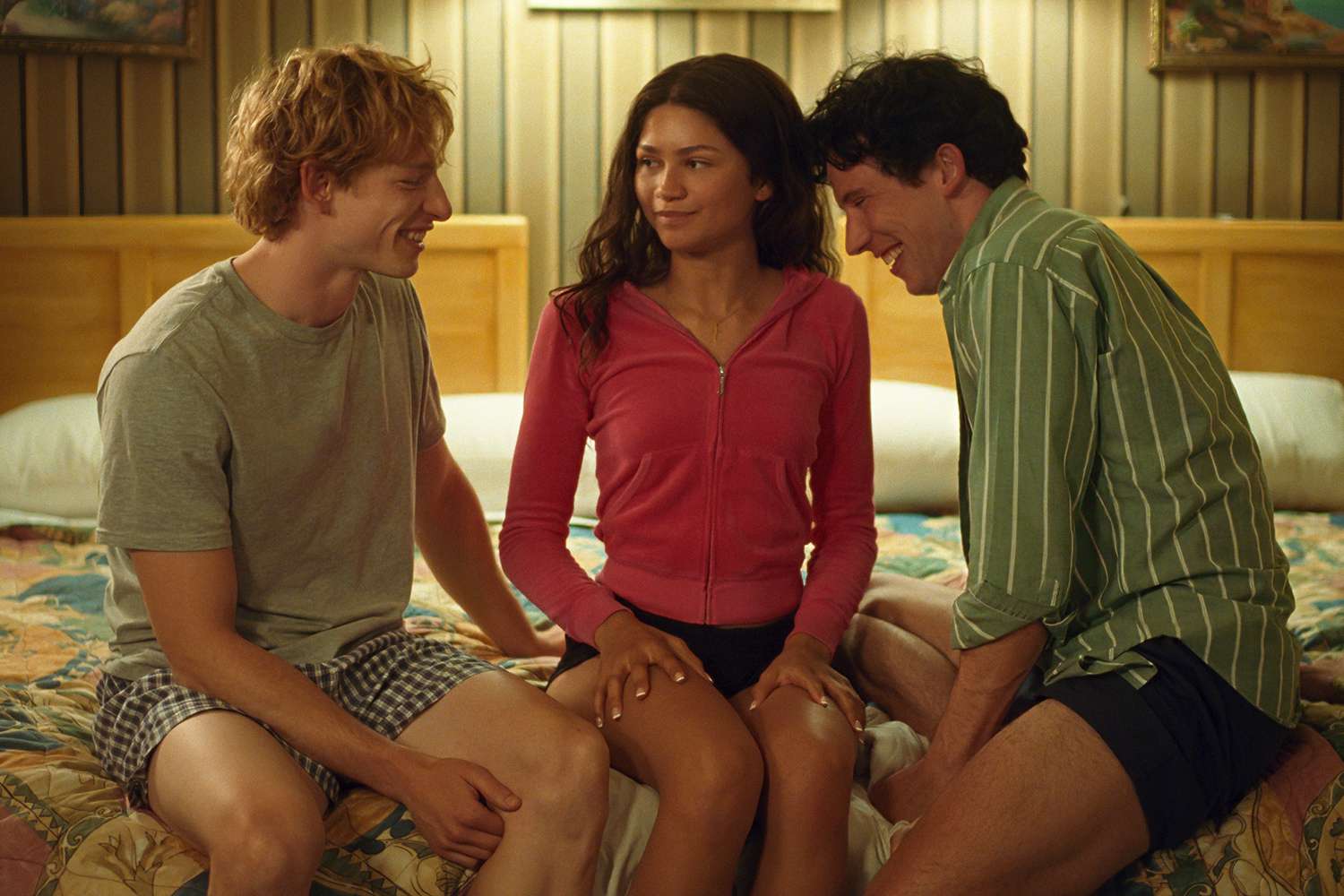
Photo caption: Bill Faist, Zendaya and Josh O’Connor in CHALLENGERS. Courtesy of MGM.

This week on The Movie Gourmet – a new review of Wicked Little Letters. I also recently added Take Aim at the Police Van (wild title, wild movie) to my collection of Overlooked Neo-noir.

REMEMBRANCES

Documentarian Morgan Spurlock broke through with his McDonalds exposé Super Size Me.

Casting director and producer Fred Roos enhanced the films of Francis Ford Coppola and George Lucas by advocating for then unknown actors like Al Pacino, Harrison Ford, Tom Cruise, Carrie Fisher, Richard Dreyfuss, Rob Lowe, Cindy Williams, Patrick Swayze, Matt Dillon and Mackenzie Phillips.

CURRENT MOVIES

  • Challengers: three people and their desire. In theaters.
  • La Chimera: six genres for the price of one. In arthouse theaters.
  • Relative: a loving, but insistent investigation. Amazon (included with prime), AppleTV, Vudu, YouTube. 
  • Wicked Little Letters: a sparkling Jessie Buckley and an interesting take on repression. In theaters.
  • Wildcat: often admirable, rarely fun. In theaters.
  • Civil War: a most cautionary tale. In theaters.
  • Ennio: the good the bad and the transcendent. Amazon, AppleTV, YouTube.
  • After Antarctica: one man, two poles. Amazon, AppleTV, YouTube.
  • Matter of Mind: My Parkinson’s: real, uplifting, essential. On PBS and the PBS App.
  • Monkey Man: a massacre, one bad guy at a time. In theaters.
  • The Taste of Things: two passions – culinary and romantic. Amazon, AppleTV.
  • Golden Years: when dreams diverge. Amazon, Vudu, YouTube.
  • The Woman Who Ran: is the payoff worth the slow burn? AppleTV, YouTube.

WATCH AT HOME

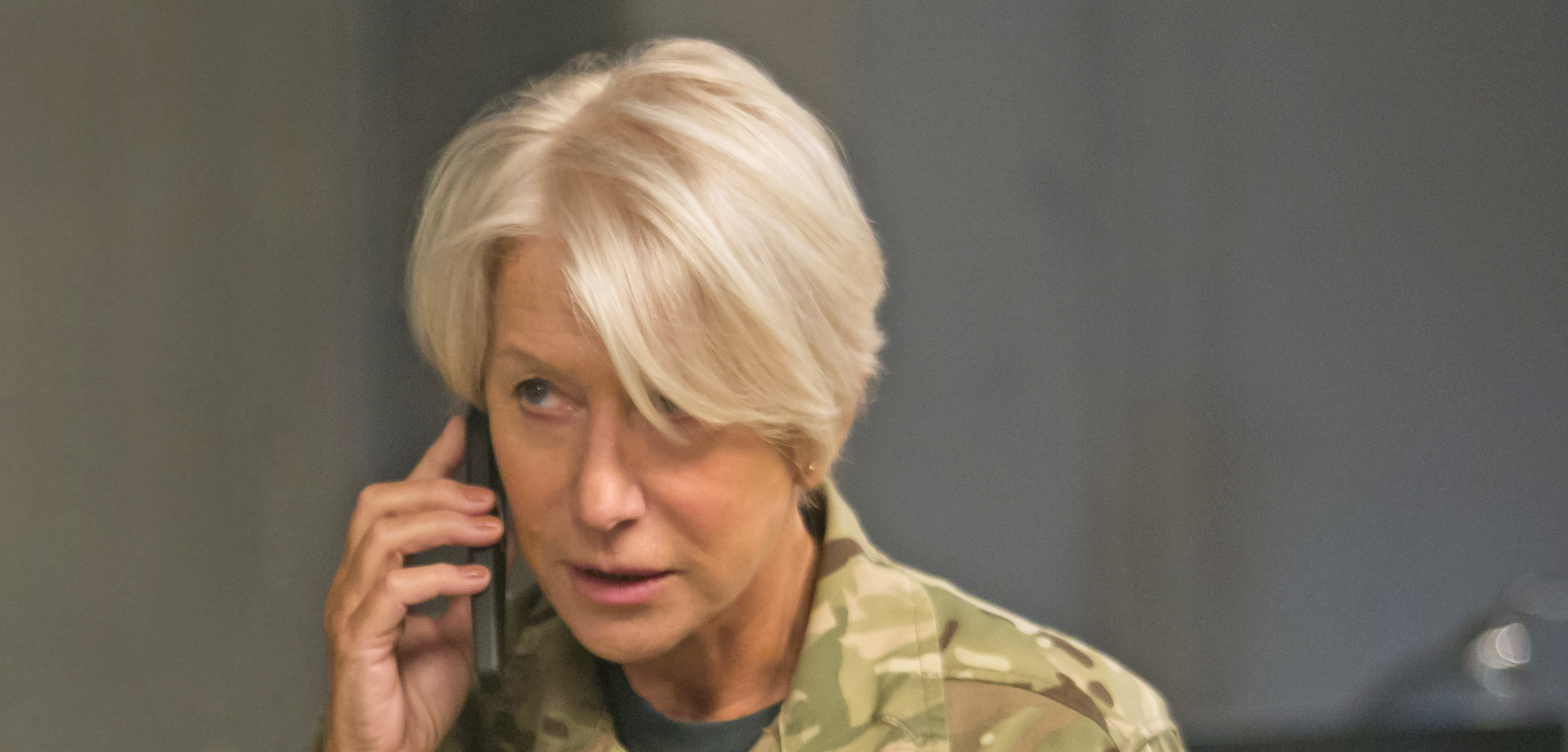
Helen Mirren in EYE IN THE SKY

The most eclectic watch-at-home recommendations you’ll find ANYWHERE:

ON TV

Roger Livesey in THE LIFE AND DEATH OF COLONEL BLIMP

On June 1, Turner Classic Movies will air the 1943 masterpiece The Life and Death of Colonel Blimp, a remarkably textured portrait of a man over four decades and his struggles to evolve into new eras. Written and directed by the great British filmmakers Michael Powell and Emeric Pressburger, this is a movie with a sharp message to 1940s audiences about modernity, as well as a subtle exploration of privilege that will resonate today.