D.A> Pennebaker invents the music video in BOB DYAN: DON’T LOOK BACK
The influential filmmaker D.A. Pennebaker has died at age 94. Among Pennebaker’s innovative achievements:
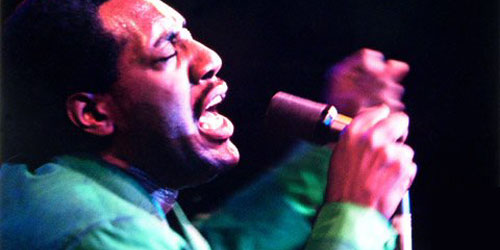
His 1968 Monterey Pop is in the conversation as the best ever concert film, and it undeniably influenced the other great concert movies that have followed (Woodstock, The Last Waltz, Stop Making Sense). This is one of the few DVDs that I still own, for the performances by Mamas and the Papas, Jimi Hendrix, Janis Joplin, Otis Redding, Canned Heat, Simon and Garfunkle, Jefferson Airplane, Eric Burdon and the Animals, Country Joe and the Fish and The Who. Pete Townsend and Jimi Hendrix had a guitar-destroying competition, which Hendrix, aided by lighter fluid, undeniably won. The Otis Redding set is epic.
Pennebaker’s 1993 The War Room, about the 1992 Bill Clinton campaign, sets the standard for the insider political campaign documentary.
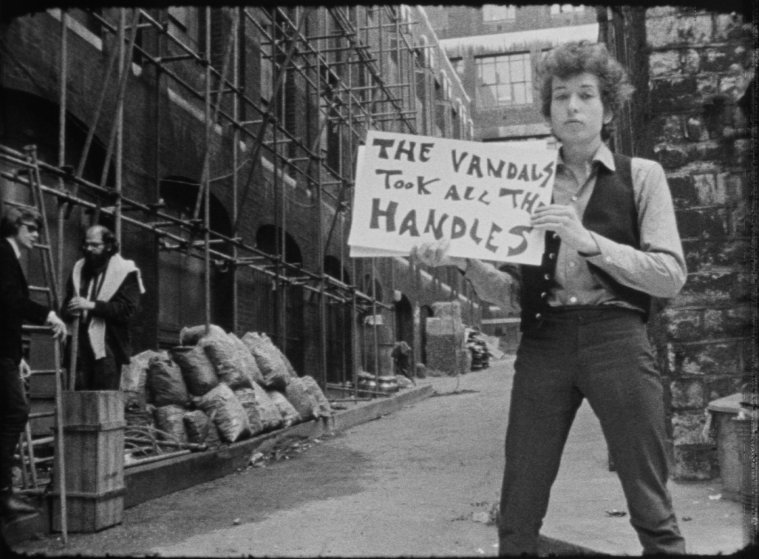
Pennebaker directedBob Dylan: Don’t Look Back(1967), the story of Bob Dylan’s 1965 tour of England, when he was transitioning from an acoustic to an electric artist. In the film’s opening, Pennebaker invented the music video, as Dylan holds up cards with the lyrics for Subterranean Homesick Blues. The pump don’t work ‘Cause the vandals took the handles
In the heartfelt family dramedy The Farewell, Awkwafina plays Billi, a Chinese-American woman whose grandmother in China is diagnosed with a terminal illness. The Chinese wing of the family decides not to tell the grandmother the bad news, and opts to rush a wedding as a pretext to gather the extended family to say farewell. The American branch of the family is not OK with the deception, but goes along, in varying degrees of reluctance.
Writer-director Lulu Wang based the story on her own family, and opens the film with the title, “Based on an actual lie“.
Indeed, ALL of the family members are constantly telling lies to each other, mostly to avoid conflict or social awkwardness. Is the film’s central Big Lie to avoid unpleasantness? To foster denial? Or, as one uncle posits, to let the entire family absorb the burden of the grandmother’s illness?
Naturally, there’s all the usual forms of family conflict, enhanced – when the grandmother isn’t present – by the stress of grieving. When the grandmother IS present, we have all these very sad people acting artificially happy with ridiculous enthusiasm. The Japanese bride doesn’t understand Chinese, and her reactions to what’s going on are frequently hilarious.
Awkwafina is a tremendous talent; she’s very good here, but underutilized. She only gets one brief, emotionally powerful speech, and the role could have been written into an acting tour de force (like Virginia Madsen’s in Sideways). Too bad. The rest of the cast, especially Hong Lu as the pepper pot grandma, is excellent, too.
Still, this is a very funny and emotionally evocative film. The family dynamics in The Farewell are authentic and universal, and this is a sure-fire audience-pleaser.
I’m still thinking about Quentin Tarantino’s Once Upon a Time…in Hollywood and why it is so wonderful. That’s why I haven’t written about it yet, but I will this weekend. Don’t wait for my review – just go see it now.
OUT NOW
Once Upon a Time…in Hollywood (link to go live this weekend) is a Must See – one of Quentin Tarantino’s very, very best.
Sword of Trust is a wickedly funny comedy with an emotionally powerful personal story embedded. Great performances by Marc Maron and Lynn Shelton.
The family dramedy The Farewell (link to go live this weekend) is an audience-pleaser.
The Last Black Man in San Francisco is an absorbing exploration of inner lives reacting to a changing city – and it’s one of the best films of the year.
The wildly successful comedy Booksmart is an entirely fresh take on the coming of age film, and a high school graduation party romp like you’ve never seen. Directed and written by women, BTW.
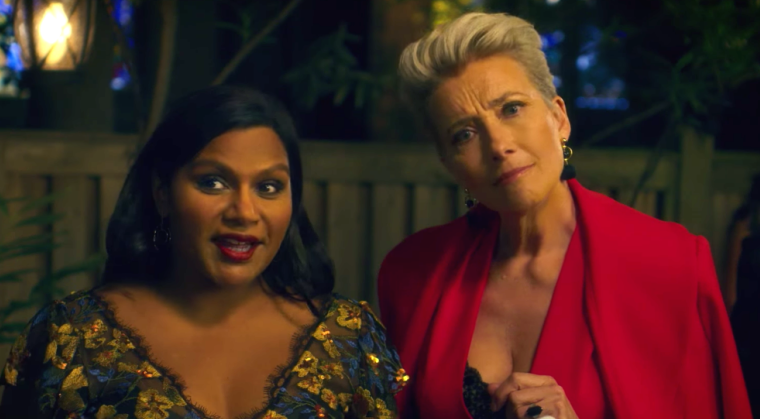
Mindy Kaling’s very smart, privilege-skewering comedy Late Night stars Emma Thompson (and contains a performance gem by John Lithgow).
ON VIDEO
My streams of the week are the Australian crime dramas Mystery Road and Goldstone. Both feature writer-director Ivan Sen’s wholly original protagonist, Detective Jay Swan (Aaron Pederson). Both movies can be streamed from Netflix, Amazon, iTunes, Vudu, YouTube and Google Play; Mystery Road is also available on DVD from Netflix.
ON TV
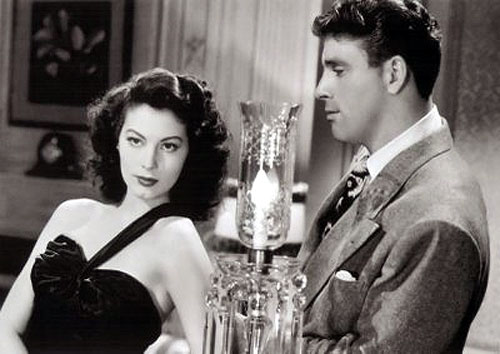
Screenwriter Anthony Veiller fleshed out a very brief Hemingway short story, resulting in Robert Siodmak’s compelling 1946 film noir The Killers, which Turner Classic Movies airs on August 8. The Killers was the screen debut of former circus acrobat Burt Lancaster and the breakthrough for the 23-year-old Ava Gardner. The toughest of noir tough guys – Charles McGraw and Broderick Crawford – are hunting down Lancaster for offending their mob boss…and the clock is ticking.
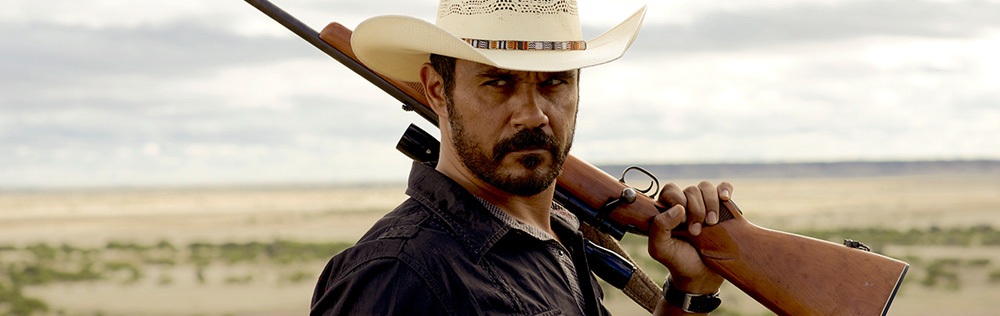
Writer-director Ivan Sen’s Australian crime dramas Mystery Road and Goldstone both feature Sen’s wholly original protagonist Detective Jay Swan (Aaron Pederson). Swan is an indigenous police investigator who must face racist locals and his own demons. Pederson’s performances in both movies are very strong, bringing out the inner conflict within a guy who needed to leave his hometown and his marriage but is tormented by the consequences of those decisions.
In the contemporary murder mystery Mystery Road, Detective Swan returns to his small town in the Australian outback to encounter racist co-workers, a drunk and shiftless ex-wife and a resentful teenage daughter. The daughter is a concern because her gal pals are starting to turn up murdered one by one. Mystery Road is a solid but unexceptional police procedural except for two things: the movie’s climactic gun battle between guys using hunting rifles through telescopic sights – a real show stopper .
Hugo Weaving chews up some scenery with a supporting role as a cop with ambiguous motivation. Weaving, with his supporting roles in The Matrix, V for Vendetta, Lord of the Rings, Transformers, etc., may be the world’s most financially successful character actor.
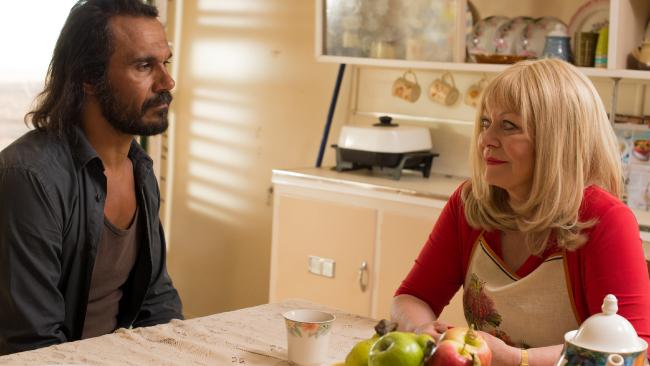
Aaron Pederson and Jacki Weaver in GOLDSTONE
In Goldstone, Swan is still reeling from a family tragedy when he finds a dark personal tie to the latest crime scene. Alcohol doesn’t help. A missing persons case brings Swan to a remote mining outpost. There’s a young local cop of ambiguous motivation – will he obstruct Swan, compete with him or become an ally? The local cop is working a human trafficking case, and the two cops pursue their investigations on dueling separate tracks until they inevitably converge.
Once again, the great Jacki Weaver (Animal Kingdom, Silver Linings Playbook) plays a peppy, ever-pleasant cutthroat as only she can.
The dialogue and most of the plot in Goldstone are pretty paint-by-the-numbers, but just as with Mystery Road, the character of Jay Swan and the performance by Aaron Pederson, along with the Outback setting, make Goldstone very watchable.
Both Mystery Road and Goldstone played at Cinequest. Mystery Road is available to rent on DVD from Netflix and can be streamed from Netflix, Amazon, iTunes, Vudu, YouTube and Google Play. Goldstone can be streamed on Netflix, Amazon , iTunes, Vudu, YouTube and Google Play.
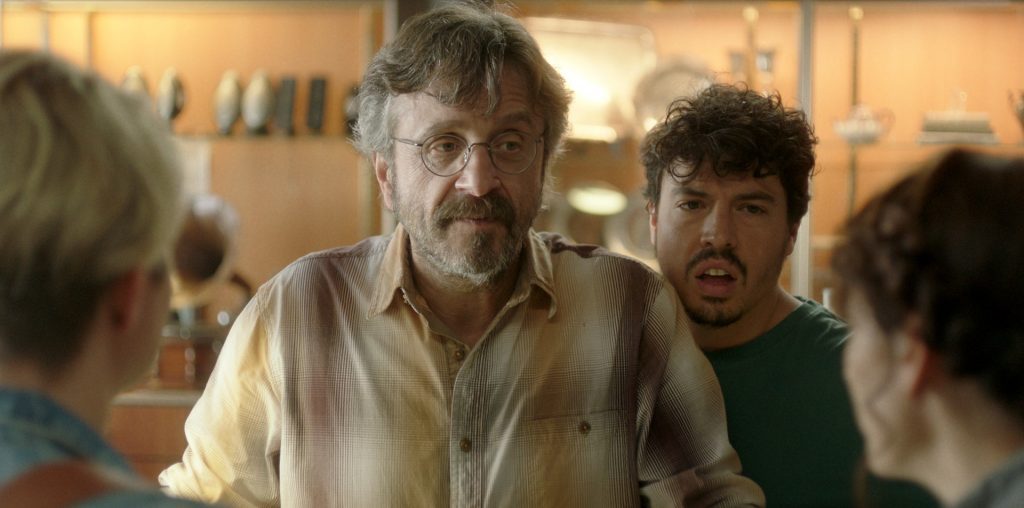
In Lynn Shelton’s brilliant comedy Sword of Trust, Mel (Marc Maron) runs a Birmingham, Alabama, pawnshop with his worthless Millennial assistant Nathaniel (Jon Bass – very funny). Cynthia (Jillian Bell) has returned to Alabama, with her partner Mary (Michaela Watkins), to claim an inheritance that disappointingly turns out to be a single antique sword. But the grandfather’s incoherent letter about the sword fits the Internet ravings of a White supremacist cult called the “Provers” (like “Truthers”), who are hunting for artifacts that “prove” that the Conderacy really won the Civil War. The four resolve to cash in an a windfall by dealing the sword to the scary underground racist cult. Comic situations, naturally, ensue.
There’s plenty of grist for comedy here, and Shelton bores in on the widespread absence of critical thinking that meshes with the Internet to give platforms to crackpot conspiracy theories. From Anti-vaxxers to Truthers, folks are now somehow comfortable with denying scientific or historical fact to fit a narrative that they prefer. In Sword of Trust, that idiocy ranges to denying the Union victory in the Civil War and even the roundness of the Earth.
Sword of Trust is very successful as a comedy, but there’s another, very emotionally powerful story in here. Mel’s ex Deirdre drops by the shop in an attempt to extract some cash for a modest ring. It’s clear that Deidre has had a toxic and near-ruinous impact on Mel’s life that he can’t – and perhaps won’t – escape. This story takes up less than ten minutes, essentially book-ending the sword comedy, but it’s the meat of Maron’s performance and the heartfelt core of the film.
Maron’s performance as Mel is a tour de force. When Mel first sees Diedre, he silently freezes for an instant and takes the long way around the shop to gather himself before reaching the counter. He listens to Deidre’s story with a knowing weariness in his eyes. When Deidre says “I’m good for it” and Mel replies, “No, you’re not”, it is with the quiet certainty of a man scarred. Later, Maron’s Mel relates his own back story, and it’s all the more heartbreaking because of his matter-of-factness. This is one of the best performances of the year.
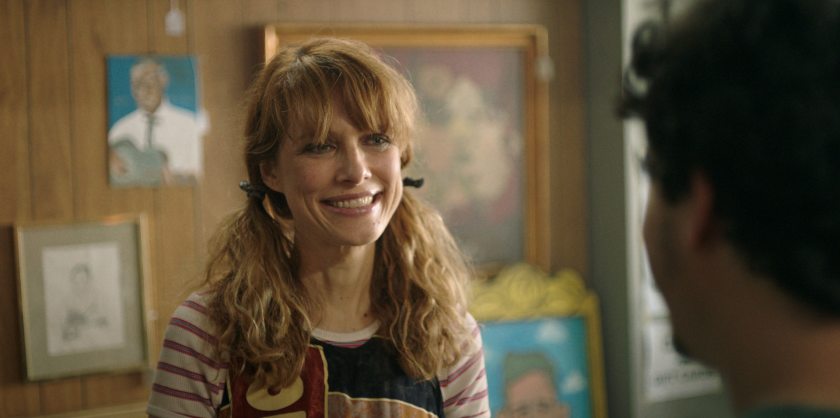
Lynn Shelton in SWORD OF TRUST
And, Deidre, what a mess! The fidgety desperation just underneath her sad story du jour just nails the manipulative addict. I made a note to look up the actress playing Deidre with such compelling authenticity – and it is Lynn Shelton herself.
The entire cast is good, especially Dan Bakkedahl (Life in Pieces) as the White supremacist kingpin and prolific character actor Toby Huss as his henchman.
Sword of Trust is a very smart and funny comedy with a bonus – a rich and moving character study.
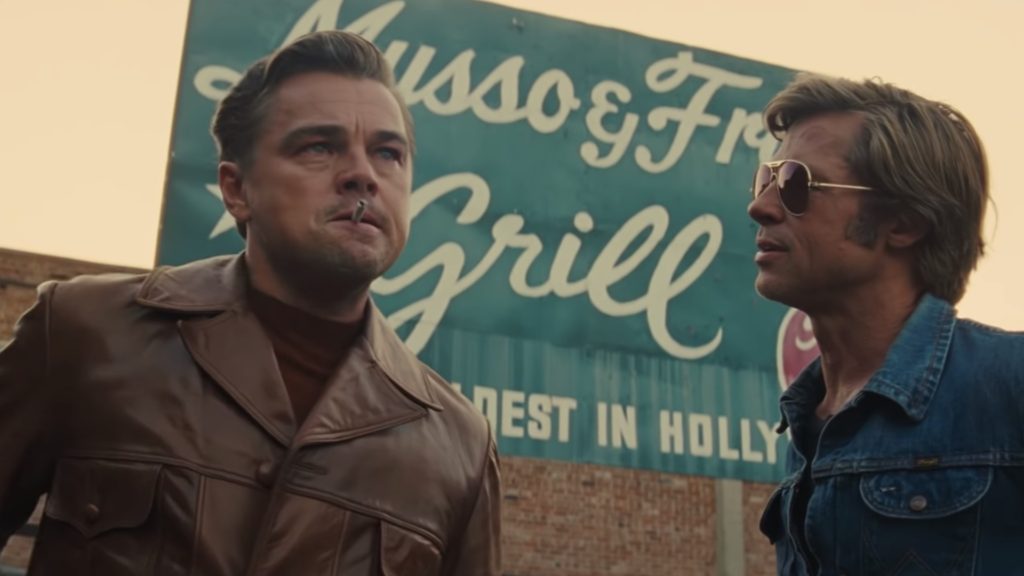
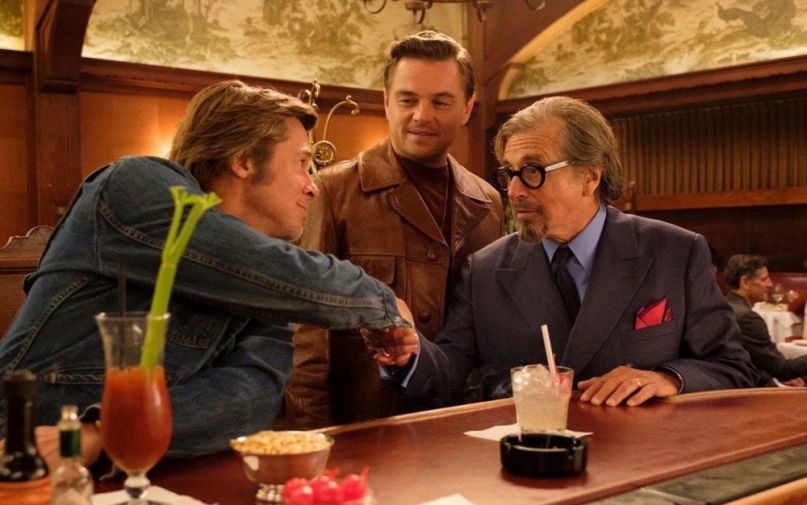
Brad Pitt, Leonardo DiCaprio and Al Pacino in ONCE UPON A TIME…IN HOLLWOOD
The Movie Gourmet is having a busy week: Wednesday night at the San Francisco Jewish Film Festival for Curtiz, last night with the remarkable Once Upon a Time…in Hollywood and a date with The Wife tonight for The Farewell. I’ll be writing these up soon – stay tuned.
OUT NOW
The Last Black Man in San Francisco is an absorbing exploration of inner lives reacting to a changing city – and it’s one of the best films of the year.
The wildly successful comedy Booksmart is an entirely fresh take on the coming of age film, and a high school graduation party romp like you’ve never seen. Directed and written by women, BTW.
Mindy Kaling’s very smart, privilege-skewering comedy Late Night stars Emma Thompson (and contains a performance gem by John Lithgow).
The Kid is a little movie that works, chiefly because of Dustin DeHaan’s performance, for fans of Westerns. The Kid can be streamed from Amazon, iTunes, Vudu, YouTube and Google Play.
ON VIDEO
My stream of the week is Mud, a great film to watch with middle schoolers and teens on summer vacation. At its heart, Mud is a coming of age story in which the kids get a big dose of realism about love and human constancy. You can stream Mud on Amazon (free on Prime), iTunes, Vudu, YouTube and Google Play; it’s also available on DVD from Netflix.
ON TV
I’m recommendingAnatomy of a Murder, which I featured yesterday; it airs tomorrow on TCM.
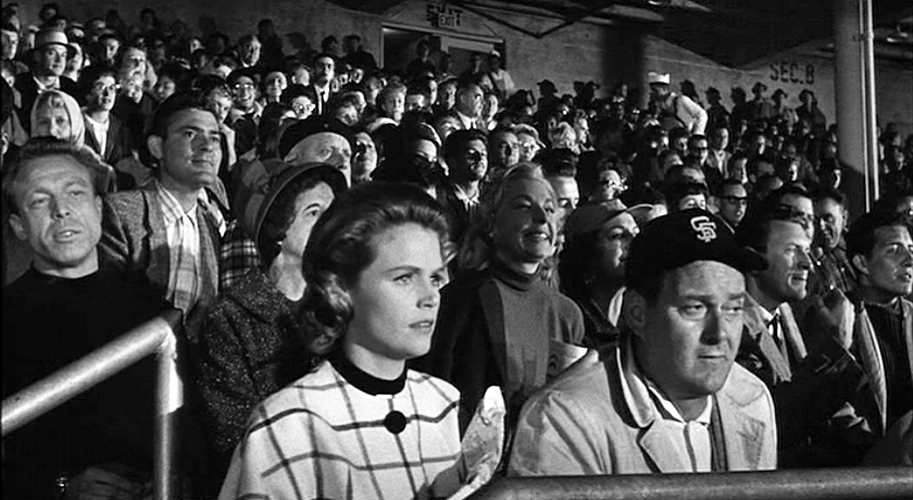
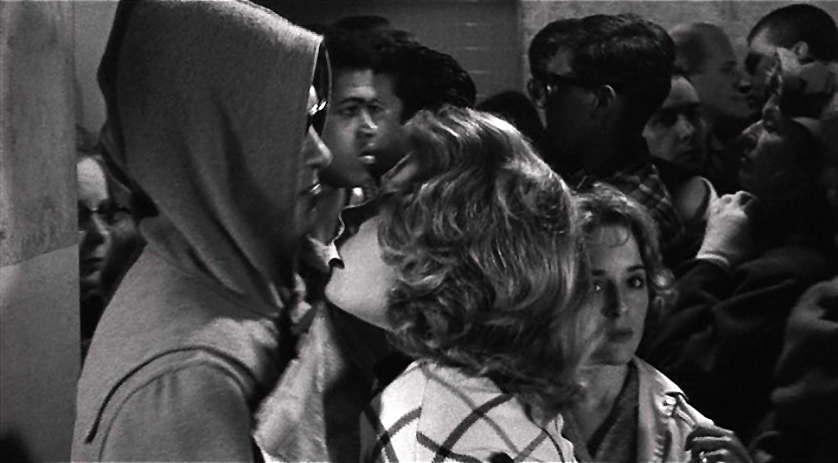
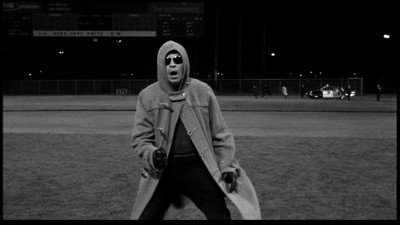
There’s also an early neo-noir on TCM on July 27 – 1962’s Experiment in Terror. It’s not one of the great noirs, but it’s a nailbiter with some high points and some curiosities. A criminal (Ross Martin) tries to heist a bank by threatening a bank teller’s little sister; he’s stalking her and scaring her over the phone, so the FBI leader (Glenn Ford) only has the crook’s asthmatic voice as a clue. The bank teller is played by Lee Remick, who is always worth watching, and the role of the little sister was one of the first for 20-year-old Stefanie Powers. Like Stefanie Powers (The Girl from U.N.C.L.E. and Hart to Hart), Ross Martin became a well-known TV star (Artemus Gordon in The Wild, Wild West). The climax is a chase in San Francisco’s Candlestick Park – right where the departing throngs bottle-necked at the entrance to the long escalator – a point always to be remembered by Giants fans; oddly, the bad guy is trying to be inconspicuous by being the only person in the crowd to wear a hoodie – not yet ubiquitous ballpark fashion. Blake Edwards, much more well known for comedies, directed.
Lee Remick catching a Giants game at Candlestick in EXPERIMENT IN TERRORRoss Martin and Lee Remick in EXPERIMENT IN TERRORRoss Martin in EXPERIMENT IN TERROR
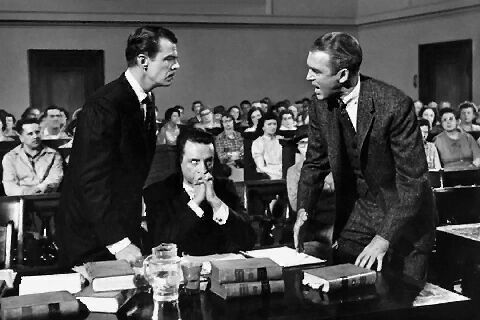
George C. Scott (center) seethes while James Stewart (right) lawyers in ANATOMY OF A MURDER
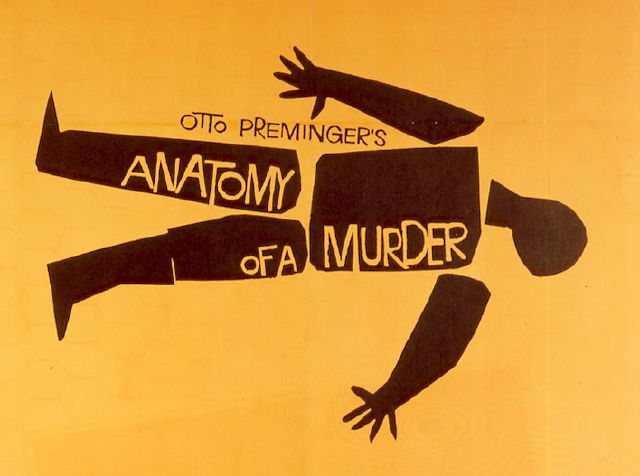
Turner Classic Movies is broadcasting Anatomy of a Murder on July 27. I love this film for its great courtroom scene, for the great performances by James Stewart, George C. Scott, Ben Gazzara and Lee Remick, and for its exquisite pacing by director Otto Preminger.
Jimmy Stewart plays a lawyer who has exiled himself to the remote Upper Peninsula of Michigan precisely to avoid the high-pressured rat race by settling into a leisurely rural practice. But circumstances force him into an all-consuming, high-stakes trial. It’s a murder case, and he must defend a hot-tempered soldier who has killed a local businessman. The defendant is not sympathetic (Ben Gazzara at his most smoldering). The defense – rage at the rape of his wife – rests on whether there WAS a rape, and the wife (a sizzling Lee Remick) isn’t an ideal witness, either. The local DA brings in a hotshot, big city prosecutor (George C. Scott) to nail down the conviction.
You take your clients and facts as you find them, and this makes for a gripping courtroom battle. The canny local lawyer pulls out all the stops. The cynical ending plants Anatomy of a Murder firmly into the film noir/neo-noir genre.
The supporting performances, especial Arthur O’Connell and Eve Arden as Jimmy’s team, are remarkably good.
The prolific character actor Murray Hamilton plays Al the bartender, and this is my favorite Murray Hamilton performance. Hamilton is best known for his performances as Mr. Robinson in The Graduate and as the mayor in Jaws. Here, his line reading of “bare-legged” practically cries ” SLUT SLUT SLUT”.
Real-life lawyer Joseph Welch plays the judge. In the televised McCarthy hearings, Welch emasculated the bullying Joseph McCarthy with “Have you no sense of decency, sir? At long last, have you left no sense of decency?“
I also recommend Anatomy of a Murder for its great jazz soundtrack by none other than Duke Ellington. It’s one of the few movie soundtrack CDs that I own. The music perfectly complements the story of a murder investigation that reveals more and more ambiguity as it proceeds. Stewart’s character relaxes by dabbling in jazz piano, and Duke himself has a cameo leading a bar band in the Upper Peninsula of Michigan (of all places).
In the brilliant drama Mud, two Arkansas boys venture onto a river island and discover a man named Mud (Michael McConaughey) hiding from the authorities. Ellis (Tye Sheridan of The Tree of Life) is a hopeless romantic, consumed by an ideal view of love. His more hard-eyed buddy Neckbone (Jacob Lofland) is on the outlook for cool stuff. Both are ready for the excitement of a secret adventure.
Mud is another triumph for writer-director Jeff Nichols (Shotgun Stories, Take Shelter). The story has aspects of a boyhood adventure and of an escape thriller which hook the audience. But Mud is, at its heart, a coming of age story in which Ellis (primarily) gets a big dose of realism about love and human constancy.
Neckbone doesn’t have many illusions about human nature. His parents aren’t in the picture, and he lives with his wacky uncle Galen (Michael Shannon) in a trailer. Neckbone has a knack for immediately getting to the core of situation by bargaining an errand for a pistol or asking “Didja feel her titties?”.
A step down from Neckbone’s trailer lifestyle, Ellis lives on a floating shack tied to the riverbank. His parents are together, but, it seems, not for long. Somehow, Ellis believes in an ideal and forever love. There are many relationships for Ellis to observe: his parents’ troubled journey, the sacrifices Mud makes for his lover (Reese Witherspoon), the mysterious relationship between Mud and another houseboat dweller (Sam Shepherd), a rich man’s (Joe Don Baker) own obsession with his sons, his partnership with Neckbone and Ellis’ own first foray into dating. It’s all a bigger mouthful than Ellis was expecting.
The two kid actors are great. So are McConaughey, Shepherd, Witherspoon, Baker and Nichol’s favorite actor, Shannon. Mud primarily succeeds because Nichols has created compelling characters and woven a top-rate story, both gripping and thoughtful. I listed Mud as one of the best movies of 2013. You can stream Mud on Amazon (free on Prime), iTunes, Vudu, YouTube and Google Play; it’s also available on DVD from Netflix.
The Last Black Man in San Francisco is an absorbing exploration of inner lives reacting to a changing city – and it’s one of the best films of the year.
The wildly successful comedy Booksmart is an entirely fresh take on the coming of age film, and a high school graduation party romp like you’ve never seen. Directed and written by women, BTW.
Mindy Kaling’s very smart, privilege-skewering comedy Late Night stars Emma Thompson (and contains a performance gem by John Lithgow).
ON VIDEO
My stream of the week is the neo-noir Elena, a superbly crafted film that vividly peeks into a dark, very dark contemporary Russia. Elena is available to be streamed from Amazon (free with Prime), iTunes and Google Play.
ON TV
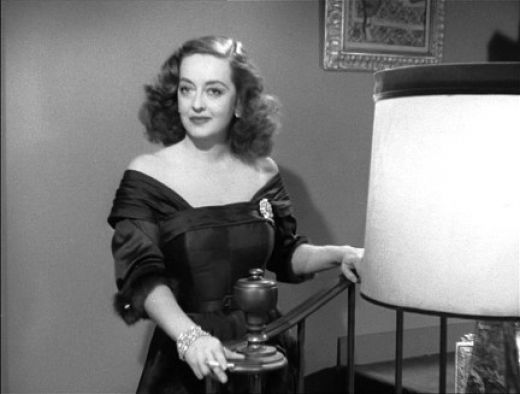
On July 24, Turner Classic Movies will broadcast one of the greatest movies of all time – All About Eve (1950). Bette Davis plays the middle-aging Broadway superstar Margot Channing, who fears losing her popularity with age. Who can eclipse her in the dog eat dog world of show biz? George Sanders is wonderful as the cynical critic Addison DeWitt, whose bimbo de jour is played by Marilyn Monroe. All About Eve was nominated for fourteen Oscars and won six.
Bette Davis in ALL ABOUT EVE: “Fasten your seatbelts, it’s going to be a bumpy night!”
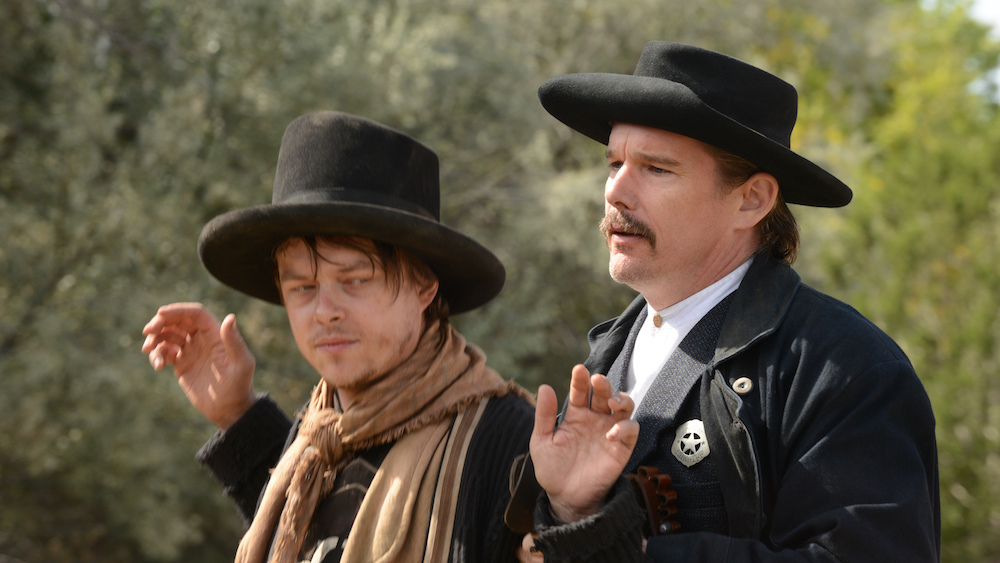
In Vincent D’Onofrio’s western The Kid, a boy (Jake Schur) escapes with his sister from a murderous uncle, but runs right into the Billy the Kid-Pat Garrett finale. The core is the lesson that the boy learns from his relationships with both Western icons – Billy (Dane DeHaan) and Pat (Ethan Hawke).
I recommend this Vincent D’Onofrio /Film interview, in which he discusses how the boy’s relationships with Billy and Pat echo the male role models from his own childhood.
The fine actor Dane DeHaan is the first movie Billy the Kid that I’ve seen who actually looks like Billy the Kid; he also behaves as I imagine the real Billy the Kid to behave – as a charismatic but psychopathic punk. No handsome, sardonic Kris Kristoffersson or misunderstood Paul Newman here. Ethan Hawke, of course, is excellent as a man imparting an important truth to a boy – that life may be complicated, but that reliability is always damn important.
The Kid is a little movie that works, chiefly because of DeHaan’s performance, for fans of Westerns. The Kid can be streamed from Amazon, iTunes, Vudu, YouTube and Google Play.