Lots of new recommendations this week. My biggest takeaways from the Mill Valley Film Festival: 1) Marriage Story is an almost perfect film – right at the top of 2019 movies; 2) Jojo Rabbit is going to be immensely popular. And here’s my remembrance of the late Robert Forster.
OUT NOW
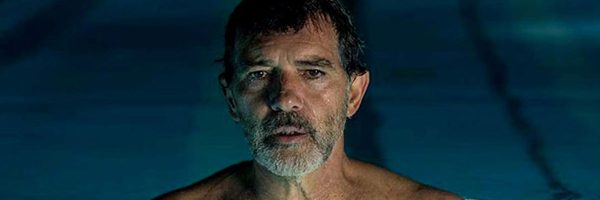
In his Pain and Glory, master filmmaker Pedro Almodovar invites us into the most personal aspects of his own life, illuminated by Antonio Banderas’ career-topping performance.
Where’s My Roy Cohn? is Matt Tyrnauer’s superb biodoc of Roy Cohn – and is there a more despicable public figure in America’s 20th Century than Cohn?
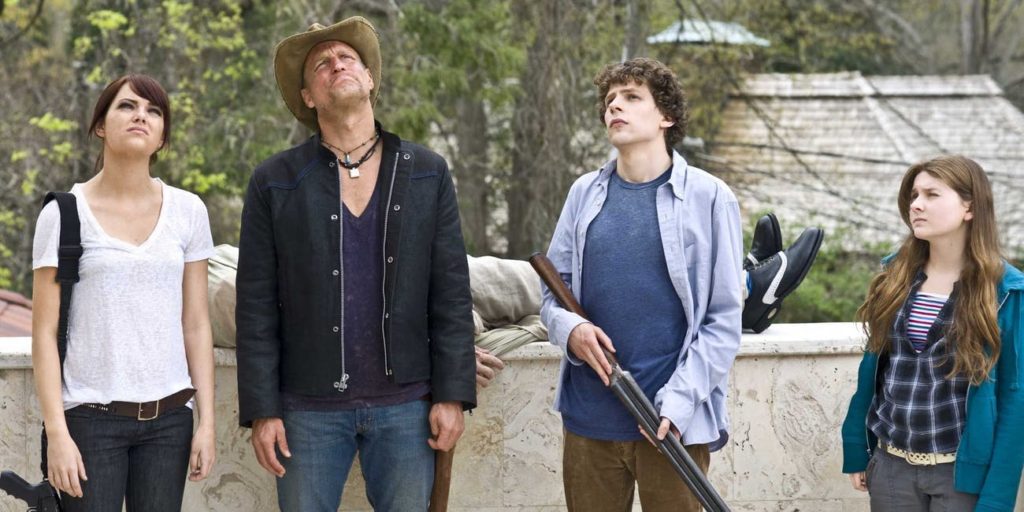
Because its sequel is coming out this weekend, my video pick is the riotously funny Zombieland, number one on my list of Zombie Movies for People Who Don’t Like Zombie Movies. It’s available on DVD from Netflix and streaming from Amazon, iTunes, Vudu, YouTube and Google Play.
ON TV
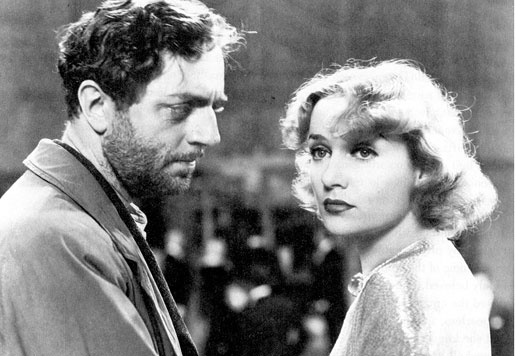
On October 20, Turner Classic Movies is airing the timeless and fantastic comedy, My Man Godfrey (1936). An assembly of eccentric, oblivious, venal and utterly spoiled characters make up a rich Park Avenue family and their hangers-on during the Depression. The kooky daughter (Carole Lombard) brings home a homeless guy (William Powell) to serve as their butler. The contrast between the dignified butler and his wacky employers results in a brilliant screwball comedy that masks searing social criticism that is still sharply relevant today. The wonderful character actor Eugene Pallette (who looked and sounded like a bullfrog in a tuxedo) plays the family’s patriarch, who is keenly aware that his wife and kids are completely nuts.
William Powell and Carole Lombard in MY MAN GODFREY
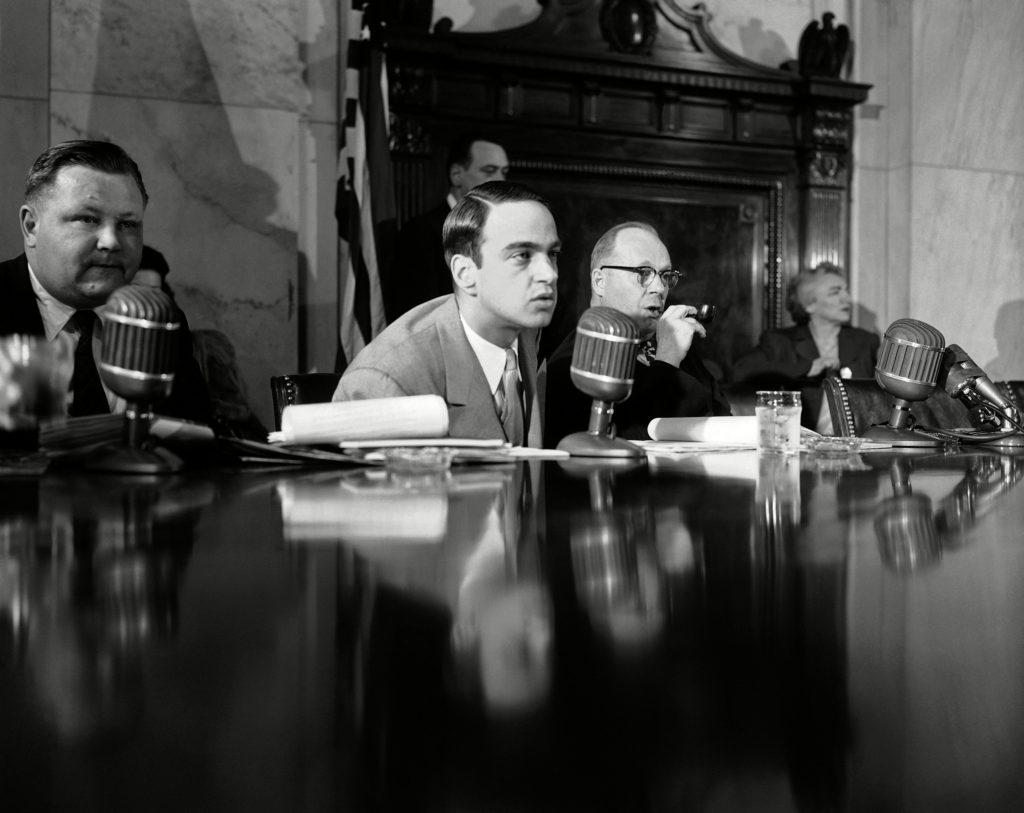
Roy Cohn (center) in WHERE’S MY ROY COHN? Credit: Photo by Henry Burroughs/AP/REX/Shutterstock. Courtesy Sony Pictures Classics.
Where’s My Roy Cohn? is Matt Tyrnauer’s superb biodoc of Roy Cohn – and is there a more despicable public figure in America’s 20th Century than Cohn? Has there been a more shameless hypocrite? A bully more cruel? A crook more craven?
It would be accurate but unhelpful to say that Roy Cohn didn’t invent scorched earth tactics, like saying that Hitler didn’t invent genocide. Cohn and his proteges certainly popularized what Bill Clinton called “the politics of personal destruction”.
I can’t remember ever before quoting movie publicity materials, but I can’t improve on this trenchant description of Cohn’s legacy from Sony Pictures Classics:
“Cohn formulated his playbook in the 50s, but it is all too familiar today: always attack; never admit blame or apologize; use favors and fear to ensure support for your objectives; expertly manipulate the media to gain advantage and destroy your opponents; lie shamelessly, invalidating the idea of truth; weaponize lawsuits; evade taxes and bills; and, most importantly, inflame the prejudices of the crowd by scapegoating defenseless people.”
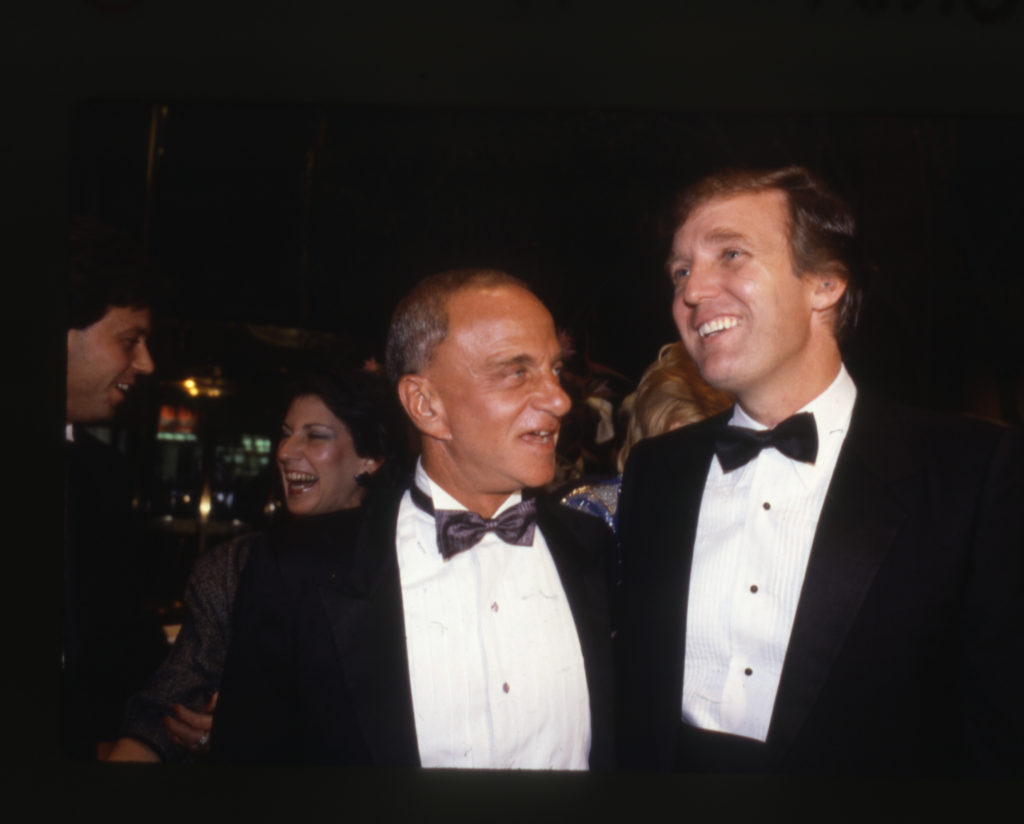
Cohn’s central role in McCarthyism is well known, as is his role as a storied, self-promoting fixer (or legal terrorist) in the 1970s and 1980s. More recently, Cohn’s formative mentorship of the young Donald Trump has come to light.
Roy Cohn and Donald Trump in WHERE’S MY ROY COHN? Courtesy Sony Pictures Classics.
In Where’s My Roy Cohn?, Tyrnauer provides us with less well-known revelations. Cohn’s cousins and his longtime boyfriend are key witnesses. We learn about Cohn’s father, who exposed him to the seamy world of a political machine, and Cohn’s mother, from whom Cohn seems to inherited his ruthlessness. There’s an absolutely jaw-dropping anecdote about how far Mrs. Cohn would go to avoid interrupting her Seder. And there’s the important story of his Uncle Bernie’s financial ruin and public disgrace, which seems to have taught Cohn all the wrong lessons. Tyrnauer also brings us Cohn’s wresting control of the Lionel Train company from family members. And there’s an “insurance fire” on Cohn’s Florida yacht, which resulted in a homicide.
Cohn was the chief henchman leading Joseph McCarthy’s Lavender Scare to persecute LGBTQ Americans in public and military service. The famous Army-McCrthy hearings were sparked by Cohn’s seeking favorable treatment for David Schine, Cohn’s assistant and the object of his infatuation, as they cavorted across US bases in Europe, making life hellish for American gay soldiers. Despite a legendary reputation for same-sex encounters and relationships, Cohn always denied being gay himself or having AIDS, of which he died.
And, for good measure, one of his cousins also pegs Cohn as a self-loathing Jew.
There are also clips of Cohn on The Late Late Show with Tom Snyder. (Man, I haven’t thought of Tom Snyder in decades.) In one clip, Cohn defines “tough” as “vicious”, and says that his clients “buy scare value”.
Why spend almost two hours with Roy Cohn? Because Roy Cohn’s story is important to our understanding of 20th Century American history and of our current public culture.
Where’s My Roy Cohn? played at the Mill Valley Film Festival and opens in Bay Area theaters this weekend.
In his Pain and Glory, master filmmaker Pedro Almodovar invites us into the most personal aspects of his own life, illuminated by Antonio Banderas’ career-topping performance. Almodovar calls Pain and Glory “auto-fiction”, and Banderas’ central character is a filmmaker clearly modeled after Almodovar himself.
Although Almodovar is known for a fun personality and makes the most exuberant films, we learn that this filmmaker is shy and introverted. He is suffering privately from an assortment of maladies, most importantly with chronic back pain, migraine headaches and depression. Because of the chronic pain and the depression, he has isolated himself in his apartment, blocked from his work and avoiding all social engagement.
The restoration of an early film prods him into planning a public appearance with the film’s star, an actor that he has been estranged from for thirty years; that encounter plunges him into an entirely new strategy of pain management. Almodovar inserts vignettes from his childhood which illuminate his respect and adoration of women and his artistic and sexual awakenings. These flashbacks are brilliant.
Pain and Glory is as beautiful as any Almodovar film. The color palette is far less lushly vibrant than usual for Almodovar, but the more somber look is just as rich.
Banderas has never been better. His longtime close friendship with Almodovar clearly informed this searing performance, both with his close observation of his friend and because he cares for him. This performance will certainly earn Banderas an Oscar nomination.
Pain and Glory is an exquisite film. Some audiences may not want to invest in such a sometimes painful story, deliberately paced as it is. But those who settle in will be rewarded.
Zombieland brings several nice touches. Our young heroes (Jesse Eisenberg, Emma Stone and Abigail Breslin – very early in their careers) band together with the a master zombie killer (Woody Harrelson). The zombie killer’s astonishing skills and unwholesome enthusiasm are very funny. After many close calls, the group finds shelter in Bill Murray’s LA mansion where Bill Murray (playing himself) is surviving by impersonating a zombie. The climax is a showdown in an amusement park where the zombies have cornered the heroes.
Zombieland is also on my list of Woody Harrelson’s Overlooked Gems. It’s available on DVD from Netflix and streaming from Amazon, iTunes, Vudu, YouTube and Google Play.
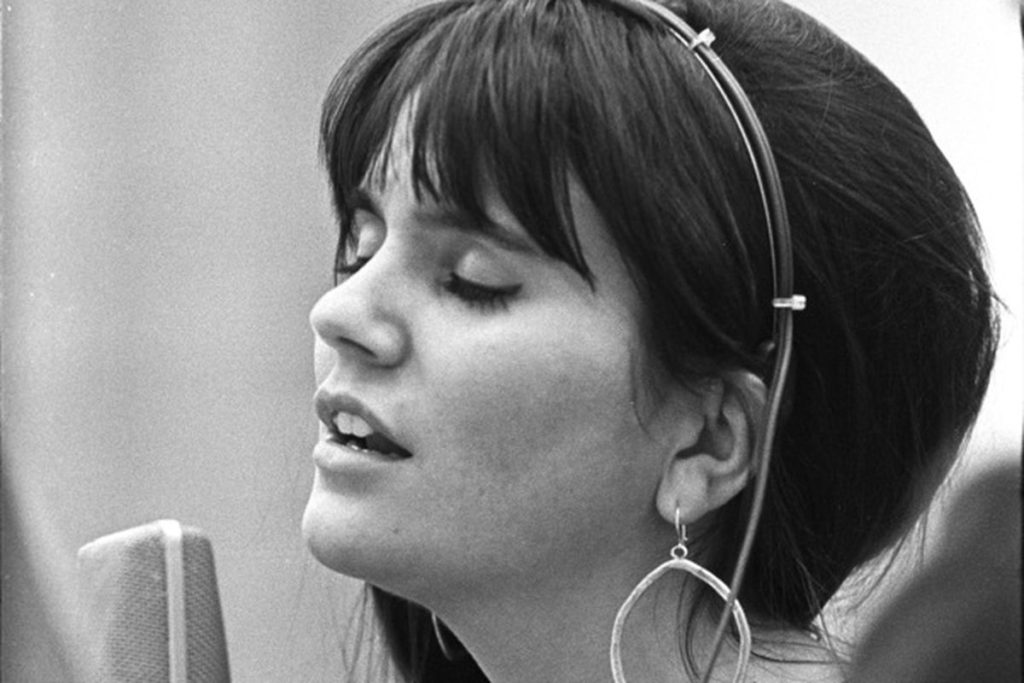
Linda Ronstadt: The Sound of My Voice is the insightful biodoc, based on Ronstadt’s own memoir, and narrated by Ronstadt herself. Ronstadt was the first female mega-rock star, and her story touches on feminism, the Counterculture and pivotal changes in the music industry. The film is comprehensive, tracing her upbringing and her romances with songwriter JD Souther and Governor/Presidential candidate Jerry Brown. The story is also poignant – her Parkinson’s disease has kept her from singing since 2007.
Ronstadt has been the auteur who is able to take someone else’s song and make it into her own art. She’s not a mere cover singer. I recommend listening to the Everly Brothers’ When Will I Be Loved, the Eagles’ Desperado, Dee Dee Warwick’s You’re No Good, Buddy Holly’s It’s So Easy and Little Feat’s Willin’ – and then matching them with Ronstadt’s versions.
Ronstadt is also unusual in that her interests and talent span the genres of pop and rock and country, various subgenres of Mexican music (earning Grammies across musical types) and even Gilbert and Sullivan (Tony nomination).
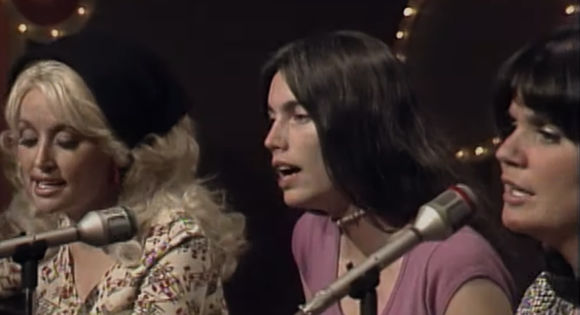
Dolly Parton, Emmylou Harris and Linda Ronstadt in LINDA RONSTADT: THE SOUND OF MY VOICE
Linda Ronstadt: The Sound of My Voice brings us a deep reservoir of witnesses: Ronstadt family members, Souther, former bandmates Don Henley and Waddy Wachtel, friends and collaborators Emmylou Harris and Dolly Parton. Both Emmylou and Dolly credit Ronstadt with helping them in critical career moments, Emmylou when she was paralyzed by grief and shock from the death of Gram Parsons.
Here’s a wonderful nugget from the film: Ronstadt had grown up in a family that sang Mexican music together, but her interest was rekindled by listening to the late night canciones of Harry Dean Stanton who was living in the garage behind Ronstadt and Souther.
It’s hard to imagine someone who wouldn’t enjoy Linda Ronstadt: The Sound of My Voice. And about that final scene of Linda with her nephew and cousin in the living room – just try to hold back the tears.
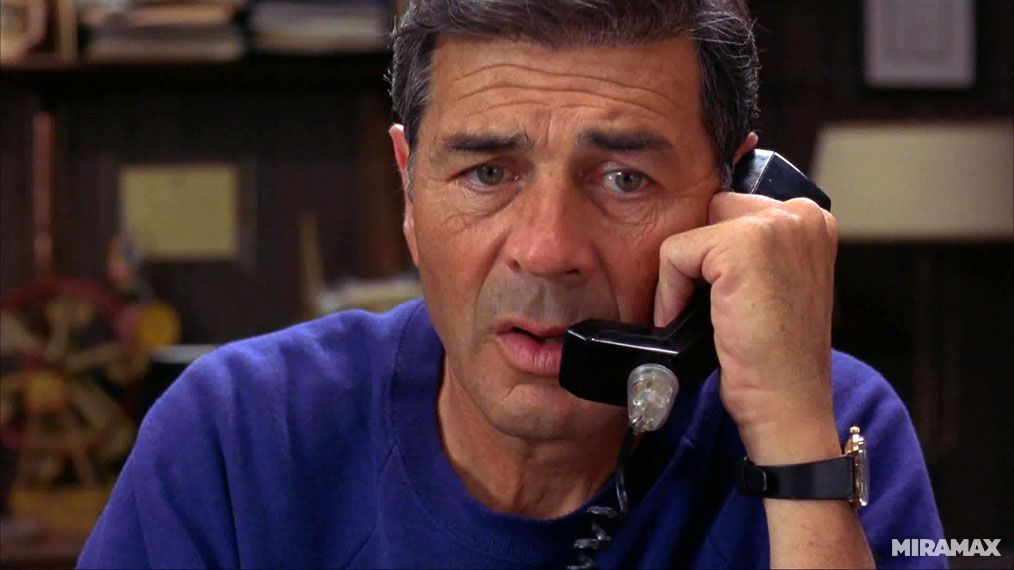
The actor Robert Forster has died at 78. Amassing 186 screen credits, Forster was a stalwart of 70s and 80s TV, starring in his owned short-lived period detective series Banyon and then Twin Peaks. But thank God for Quentin Tarantino, who revived Forster’s career with the character of Max Cherry in Jackie Brown; Max’s streetwise strength and basic Midwestern decency was a perfect fit for Forster. Forster went on to close his career with excellent material, worthy of his talent, including The Descendants and last year’s What We Had.
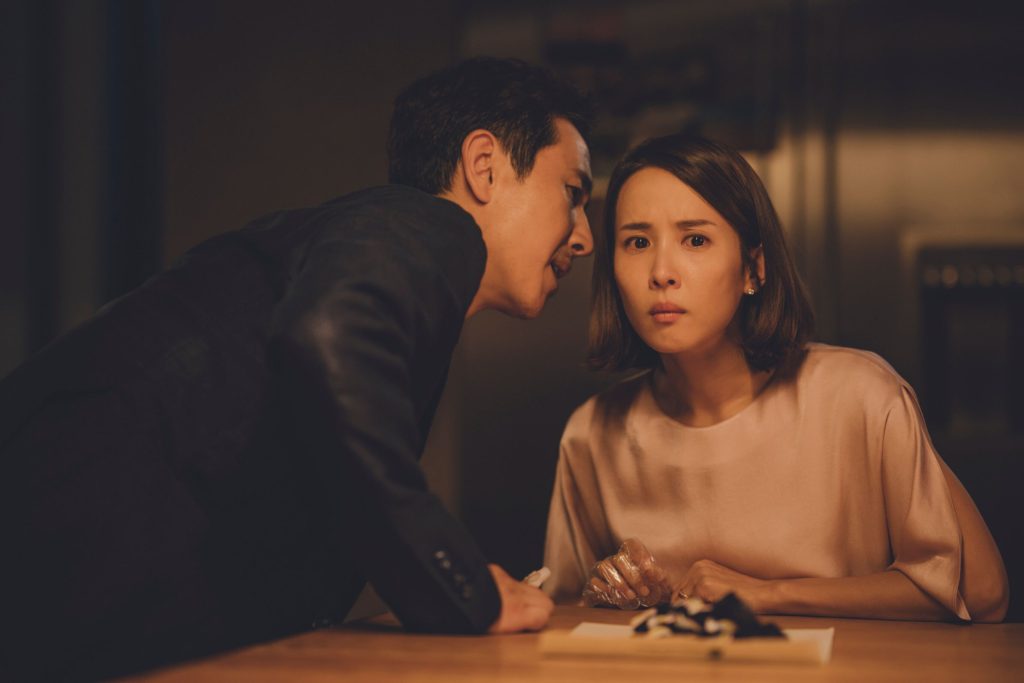
PARASITE, playing at the Mill Valley Film Festival (MVFF). Photo courtesy of MVFF.
I’m at the Mill Valley Film Festival for 63 Up, Jojo Rabbit, Frankie and Marriage Story. Some of the most promising movies of the year will come out in the next two weeks: Parasite, Jojo Rabbit, The Lighthouse and Pain and Glory. Until then, you can at least stream some of the Best Movies of 2019 – So Far – The Last Black Man in San Francisco, They Shall Not Grow Old, Amazing Grace and Booksmart.
OUT NOW
Downtown Abbey is a satisfying wrap-up for fans of the beloved PBS series.
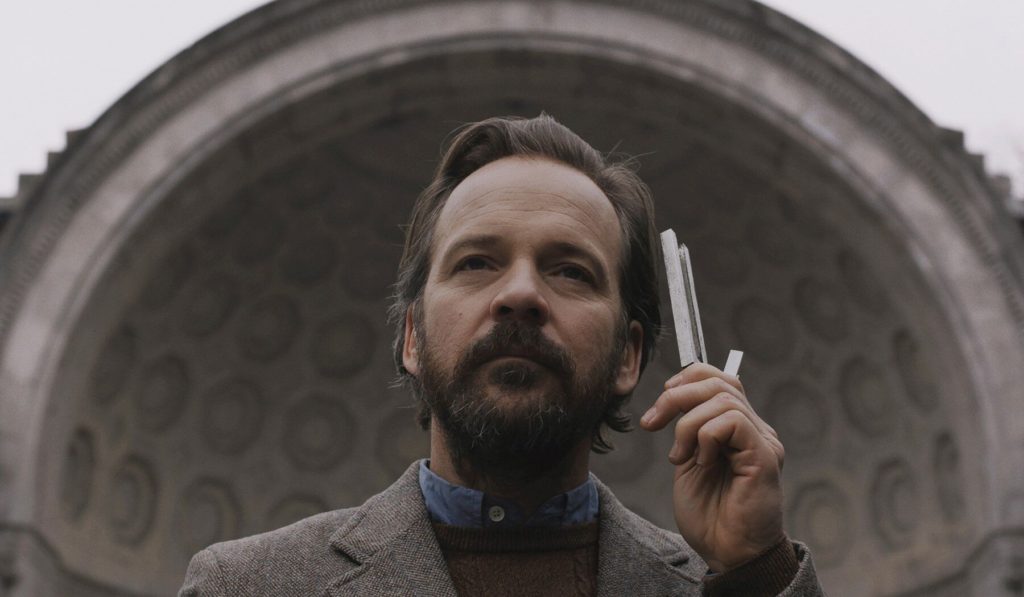
The Sound of Silence is an engrossing character study starring Peter Sarsgaard as a man confident in his obsession until… You can stream it on Amazon, iTunes and Vudu.
ON VIDEO
My Stream of the Week is the superb indie Auggie with Richard Kind, about artificial intelligence which is able to see your fantasies even before you can imagine them. I saw Auggie at its world premiere at Cinequest. It can be streamed from Amazon, iTunes and Vudu.
ON TV
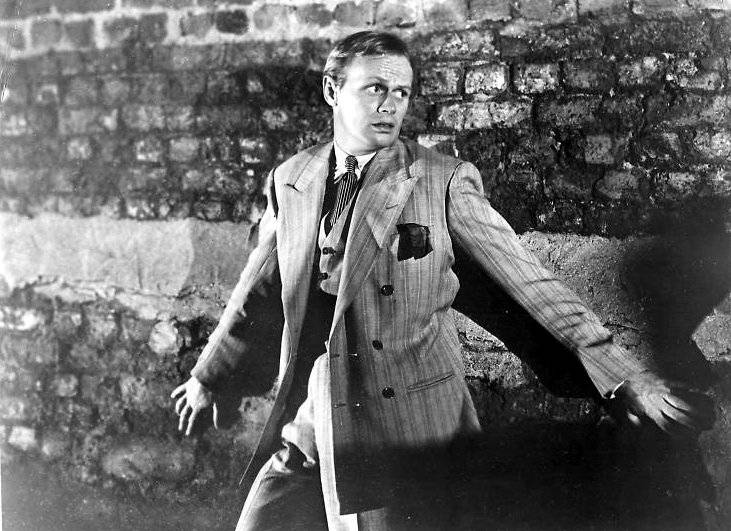
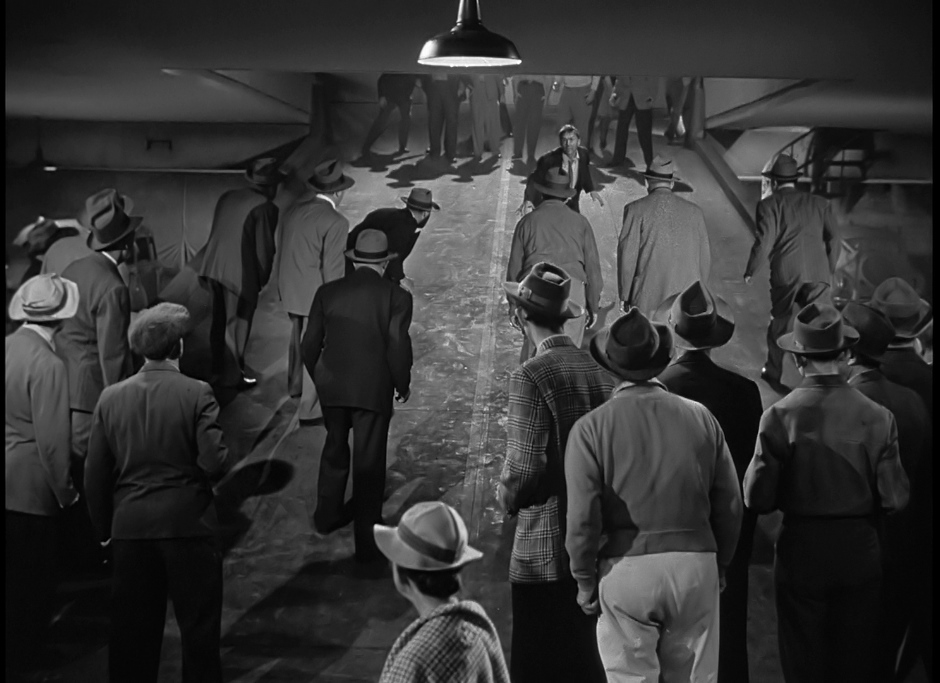
On October 13, Turner Classic Movies presents the under-appreciated 1950 Night and the City, with one of the great characters in film noir. Richard Widmark is superb as Harry Fabian, a loser who tries to corner the pro wrestling business in post-war London. The one thing that Harry Fabian is good at is finding suckers, but he doesn’t realize that the biggest sucker is Harry Fabian.
Richard Widmark running out of luck in THE NIGHT AND THE CITY
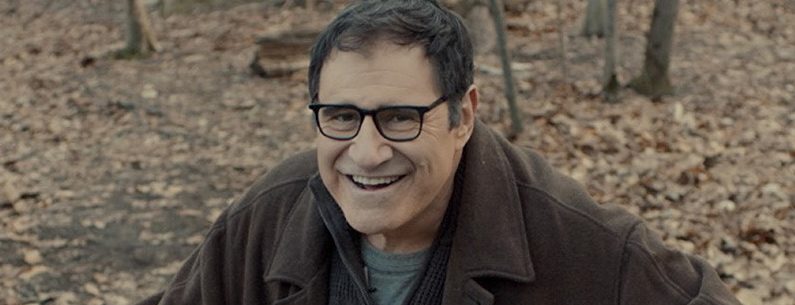
In the superb indie Auggie, Felix (Richard Kind) is pushed into retirement before he wants. He’s given a goodbye gift that he never would have thought to wish for, augmented reality glasses. Suddenly plunged into inactivity just as his wife Anne’s career is thriving, Felix finally gets around to putting on the glasses. The glasses give him a virtual companion, Auggie, equipped with the artificial intelligence to give the wearer his craved-for experiences. Most insidiously, Auggie even delivers individually customized emotional support. Everyone’s digital companion takes the form of what they desire, and Felix’s Auggie is a smoking hot and adorable young woman.
The more Felix wears the glasses, the more Auggie is able to fulfill his every need, even triggering more inner desires that he was aware of. This isn’t quite a Doctor Faust who knowingly opts into his fantasy; Auggie’s artificial intelligence is able to see Felix’s fantasies even before he can imagine them. All things in moderation, of course, but Auggie’s infinite availability becomes additive. This is no longer healthy for Felix or his family.
When a character asks, “Who do you see when you put on the glasses?”, it’s a devastating moment.
Auggie is the first feature for director and co-writer Matt Kane. Kane has avoided writing Felix as a stereotypical clumsy old grouch. As written by Kane and co-writer Marc Underhill and played by Richard Kind, he’s very smart and perceptive. He just isn’t ready for unimaginable temptation.
You’ll recognize Richard Kind, a reliable character actor and voice artist with 221 screen credits. My favorite Kind performance was the moving portrayal of a man seeking closure after the death of his wife in Clint Eastwood’s Hereafter.
Susan Blackwell is perfect at Felix’s wife Anne. Blackwell has had small parts in some very fine films and hosts her own Broadway interview show on YouTube, Side By Side with Susan Blackwell. Cristen Harper is suitably seductive as Auggie.
I saw Auggie at its world premiere at Cinequest. It can be streamed from Amazon, iTunes and Vudu.
Peter Sarsgaard in Michael Tyburski’s THE SOUND OF SILENCE. Courtesy of SFFILM
This week, I’ll be at the Mill Valley Film Festival: it’s an early look at the most prestigious movies of the year. Watch for my coverage of 63 Up, Jojo Rabbit, Frankie, Where’s My Roy Cohn? and Marriage Story. If you miss the big movies at the MVFF, you can at least stream some of the Best Movies of 2019 – So Far – The Last Black Man in San Francisco, They Shall Not Grow Old, Amazing Grace and Booksmart are all available to be streamed.
OUT NOW
Downtown Abbey is a satisfying wrap-up for fans of the beloved PBS series.
The Sound of Silence is an engrossing character study starring Peter Sarsgaard as a man confident in his obsession until… It’s had a limited run at San Jose’s 3Below, and you can stream it on Amazon, iTunes and Vudu.
ON VIDEO
My Stream of the Week is the evocative and thought-provoking German drama Western.Western can be streamed from Amazon (included with Prime), iTunes, YouTube and Google Play.
ON TV
On October 5, Turner Classic Movies will air the 1950 version of M, directed by Joseph Losey. This is a remake of Fritz Lang’s great 1931 M with Peter Lorre. The Losey version is not a masterpiece like the original, and I find it pretty odd. However, Los Angeles’ storied Bradbury Building, which has been in many a movie, was never been as gloriously revealed from basement to roof as in M. The Bradbury Building and the film as a whole benefit from the cinematography of Ernest Laszlo; Laszlo also shot D.O.A., The Well, The Steel Trap, Stalag 17, The Naked Jungle, Kiss Me Deadly and While the City Sleeps, before being Oscar-nominated eight times for more respectable, but lesser films. The cast is filled with film noir faves – Raymond Burr, Norman Lloyd, Howard Da Silva, Steve Brodie and Luther Adler.
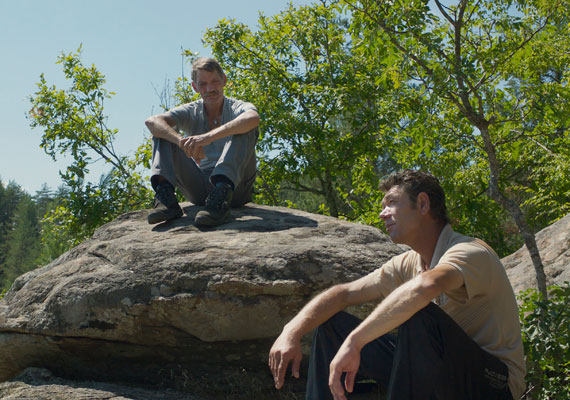
In the evocative and thought-provoking German drama Western, a crew of German hardhats sets up a construction camp on a remote Bulgarian mountainside to build a water power plant. They aren’t cultural tourists and certainly not diplomats, and they see the nearby Bulgarian village as a distraction from, even an impediment to, their project. Of the Germans, only Meinhard (Meinhard Neumann) seeks out contact with the Bulgarians.
Writer-director Valeska Grisebach lets the audience connect the dots about what’s going on. The Germans and the Bulgarians have encounters at the camp, at the riverside swimming hole and in the village. As one would expect from any modern German filmmaker, Grisebach shines a harsh light on the German sense of superiority and entitlement. One German even says, “They know we’re back. 70 years later, but we’re back.” But the characters have dimension. The blustery project boss Vincent (Reinhardt Wetrek) is an asshole, but even he has his own personal and job problems.
Of the Germans, only Meinhard makes Bulgarian friends. Meinhard is a loner among his co-workers, yet he seems to be searching for something among the Bulgarians and their alien language and culture. Meinhard is well-traveled and looks like he Has Lived a Life. He’s not a misfit (he’s very functional), but he hasn’t found where he DOES fit.
What has caused Meinhard’s alienation? That’s not clear, but it doesn’t need to be. Hell, Jack Nicholson just shows up alienated in every movie from Five Easy Pieces through The Passenger, and that works out just fine.
Meinhard has no ties. Asked if he is homesick, he queries, “what is homesick?” He thrives in the simpler culture, and this solitary man finds himself becoming social. He develops a deep trusting friendship with a local leader, Adrian (Syuleyman Alilov Letifov).
We have the advantage of subtitles, so we know what is being said in German and in Bulgarian. The characters are not understanding about 90% of what is spoken in the other language. The friendship between Meinhard and Adrian transcends language. The highlight of Western is a beautiful dialogue in which the two don’t understand all (or even most) of each other’s words.
Meinhard goes native. Will it work out for him? The Germans and the Bulgarians learn that they are competing for the same scarce resource. The Germans are always on the verge of provoking a riot. The insular Bulgarians are wary of strangers.
Western is not a brisk movie, but Grisebach paces it just about perfectly. This character-driven story is a sequence of revelations, and we need Grisebach to take her time. Grisebach uses the handheld camera effectively to plunge us right into the experience of the characters, who are often trying to discover something about the other guys.
Meinhard Neumann and Syuleyman Alilov Letifov in WESTERN
So that’s what is on the screen. I was astounded to learn that Grisebach used no professional actors in Western. She reportedly auditioned 600 working folks to get her cast. She snagged two sublime natural talents in Meinhard Neumann and Syuleyman Alilov Letifov. Not only that, but Grisebach did not use a script.
Quoted by Stefan Dobroiu in Cineuropa, Grisebach said, “I wanted to get closer to the solitary, inflated, often melancholic male characters of the western.” Grisebach may not have intended it, but she nailed the Going Native subgenre of Westerns, where a first world man becomes immersed into a native culture, which he ultimately embraces. Examples include A Man Called Horse and Dances with Wolves.
I saw Western in October at Cinema Club Silicon Valley. It played the Cannes and Toronto film festivals in 2017. Western can be streamed from Amazon (included with Prime), iTunes, YouTube and Google Play.