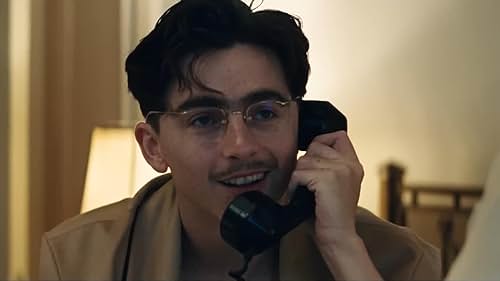
Photo caption: Timothee Chalamet in MARTY SUPREME. Courtesy of A24.
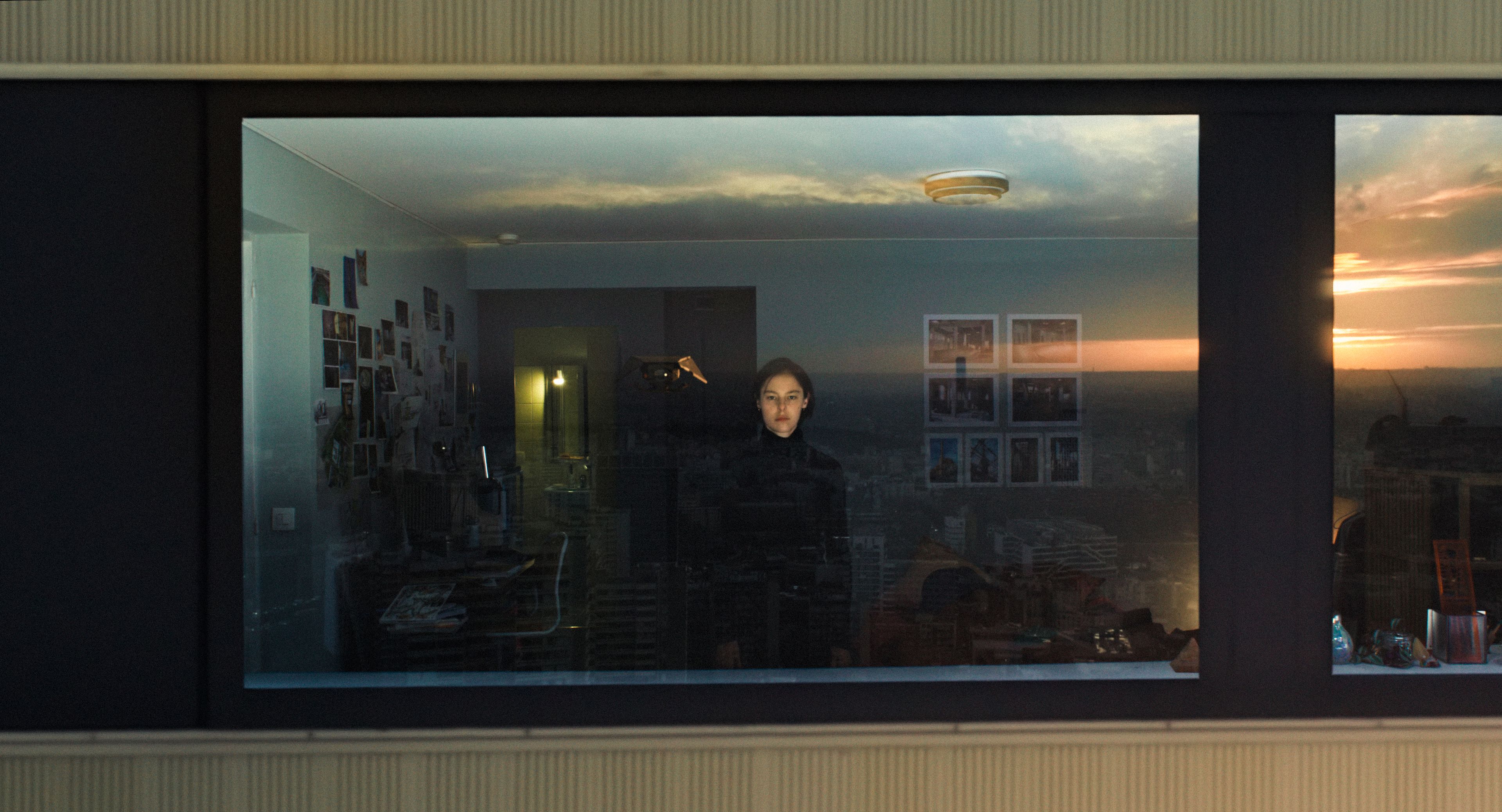
In the superficially entertaining Marty Supreme, Timothee Chalamet plays Marty Mauser, a young 1950s New Yorker obsessed by an imagined future that everyone else finds most unlikely. Marty sees his path to fame and fortune as becoming a world ping pong champion, elevating the sport and monetizing his competitive success. This is not a delusion, because Marty is good enough to compete at the highest level, ping pong was a rising sport, and world champs can garner money from sponsorships and merchandising. All Marty has to do is to bend everyone else to his will – and, ay, there’s the rub.
(In the 1950s, ping pong was generally thought of as a game one played at summer camp, so no other character thinks that Marty’s dream is possible. But, the Marty Mauser character is based on a real guy, Marty Reisman.)
Narcissism and irascibility is a bad combination. Marty sees every human interaction in light of how it can advance his dream, and he’s always ready to embrace mendacity and disloyalty to hurdle an obstacle. Accordingly, he leaves a wake of burned bridges in his wake. The humor in Marty Supreme stems from his ridiculous entitlement and the outrageous lengths to which he will go.
Marty lives life at a frenetic pace, and director Josh Safdie, as he did in Uncut Gems, has the audience frantically keeping pace. It’s a two-and-a-half hour movie, but it feels substantially shorter.
Chalamet is very good at playing monomania, as he showed in A Complete Unknown, and he’s fun to watch here. Gwyneth Paltrow is excellent as a jaded former movie star. So is Odessa A’zion as Marty’s childhood friend, who at first seems like a victim, but turns out to equal Marty in moxie and resourcefulness.
I’ve read that Chalamet trained in ping pong for four years, and his ping pong skills are impressive. The ping pong scenes are mostly shown in long sot, with both players’ full bodies visible, so Chalamet is performing the sport without a double. It’s high level ping pong, and one scene where Marty and a partner are showing off with trick shots is especially cool. (BTW I know my ping pong, having once been a serious player, and even having played a match against someone from the US team’s 1971 ping pong diplomacy trip to China.)
Marty Supreme enjoys a very high Metacritic rating and some Oscar buzz. It is certainly well-crafted, but I didn’t like it that much. MILD SPOILER: I think the problem is, after watching Marty think of no one but himself and treat everyone else badly for two hours plus, I didn’t buy the final 90 seconds,in which Marty finally cares about another human.
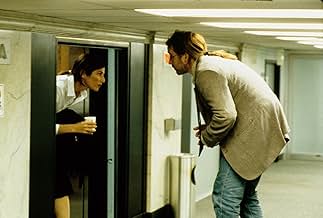
Photo caption: Catherine Keener and John Cusack in BEING JOHN MALKOVICH. Photograph: Allstar/PROPAGANDA FILMS.
Happy 25th Anniversary to The Wife, also known as Lisa, The Love of My Life! Yes, this is a Big One – our twenty-fifth. One of our very successful early movie date nights featured Being John Malkovich in December, 1999.
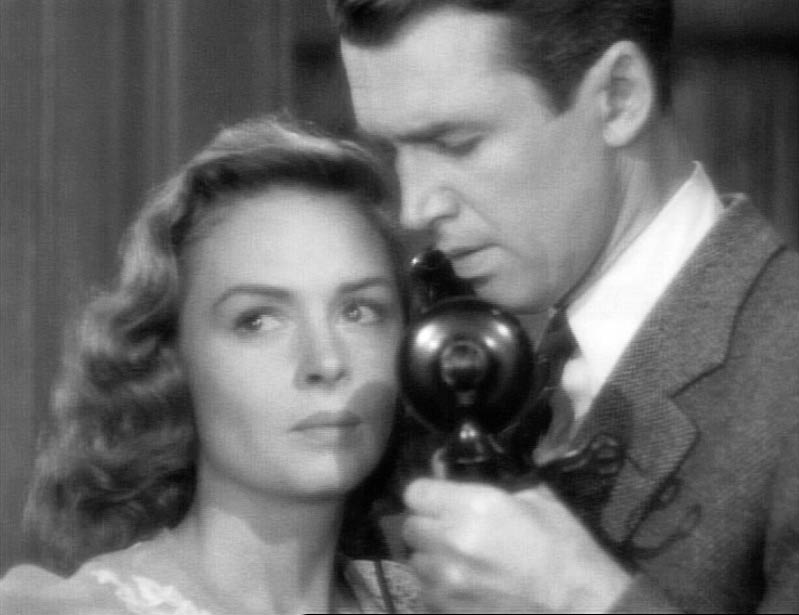
We started out 2025 by binge-watching Shetland and ended, as is our beloved Holiday tradition, watching It’s a Wonderful Lifeon the big screen. And we remembered her father with the very last episode of Vera.
In January, she joined me in Oakland for the Noir City film festival, where it was a real treat to see 99 River Street on the big screen, especially because she had allowed the movie’s poster to hang in her house without having seen the movie before.
We ended April together at the SLO Film Fest, attending personal appearances by Jay Duplass and Bob Mackie, and especially enjoying the Irish thriller Aontas, the short film Motorcycle Mary, and Duplass’ wonderful holiday rom com The Baltimorons.
I really enjoyed introducing her to my favorite French film noir, Touchez pas au grisbi, featuring the seasoned, cool magnetism of Jean Gabin. Together, we revisited Rob Reiner’s Princess Bride and – with the family at Thanksgiving – Love, Actually and Plans, Trains and Automobiles. And we continued watching episodic television: Ludwig, The Studio, Department Q, Shrinking, The Tower, The Tourist, Entrapped, Hostage, The House of Guinness (having just returned from Ireland) and Karen Pirie. (We watch the Scottish shows with subtitles.)
Once again, she tolerated my spending huge chunks of time covering Noir City and the San Luis Obispo International Film Festival in person and Cinequest, Slamdance, Frameline, San Francisco International Film Festival (SFFILM), Nashville Film Festival and San Francisco Jewish Film Festival virtually. She was also OK with my helping out Cinequest and SLO Film Fest by screening about 80 film submissions. I’m getting ready now to again cover Noir City in person and Slamdance virtually in January.
She’s the biggest fan and supporter of this blog DURING ALL OF ITS FIFTEEN YEARS, and I appreciate her and love her. Happy Anniversary, Honey!
Donna Reed and James Stewart in IT’S A WONDERFUL LIFE
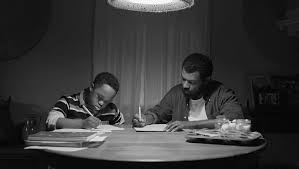
Photo caption: Jeremiah Daniels and William Catlett in COLOR BOOK. Courtesy of NashFilm.
As a blog, The Movie Gourmet has evolved to specializing in film festival coverage, with a concentration in filmmakers’ first feature films. The most exciting payoff from my coverage of this year’s Slamdance, Cinequest, San Luis Obispo, Frameline and Nashville film festivals were these discoveries. The first four are listed on my Best Movies of 2025 , Although I saw most of these at film festivals, before their releases, you can already stream seven of them now.
Shih-Ching Tsou (US/Taiwan), Left-Handed Girl: Although this is Shih-Ching Tsou’s directorial debut, you’ve already been seeing her filmmaking work. She met Sean Baker in film editing class, and the two have since collaborated as filmmaking partners. They co-directed their first film, she produced his Starlet, Tangerine, The Florida Project and Red Rocket, and Baker and Tsou co-wrote Left-Handed Girl.Left-Handed Girl is a character-driven dramedy about family foibles that we all recognize, and with a pointed critique of traditional gender roles in Taiwan. Netflix.
Alexandra Simpson (US), No Sleep Till: A hurricane is about to hit downscale Florida beach towns; the tourists are already gone, and workaday Floridians prepare to evacuate or hunker down. The storm is merely the setting for a compendium of short stories, as Simpson reveals essential truths about her characters, one or two at a time – a lost crush, a solitary obsession, a resuscitated friendship. Each chapter is so authentic, I had to keep reminding myself that I wasn’t watching a cinema verité documentary. Simpson also wrote, edited, produced and collaborated on the sound design, and she is a writer of uncommon economy. Simpson and cinematographer Sylvain Froidevaux capture the ominous weather, which mirrors the turbulence in the lives of the characters. hoopla.
Simon Bouisson (France), Drone: A woman is stalked through Paris by a mysterious drone, in a thriller that explores issues of privacy and the male gaze. A magnificent 4-minute opening sequence, introduces us to the vulnerability caused by the voyeur drone. There are exhilarating set pieces in a parking garage, a motorcycle chase and an abandoned factory, as writer-director Simon Bouisson and cinematographer Ludovic Zulli keep their drone camera in pursuit of the story’s stalker drone. In his first theatrical feature, Bouisson keeps the tension pounding, all the way to the ingenious ending.
Cris Tapia Marchiori (Argentina), Gunman: A minor hoodlum goes on the run in a 75-minute, real-time thrill ride. Based on a true story and shot in its actual setting, the drug-plagued Buenos Aires neighborhood of Isla Maciel, Gunman is brimming with verisimilitude.
Giovanni Tortorici (Italy), Nineteen (Diciannove): .Diciannove is the singular and imaginative calling card of a new auteur; Tortorici may be a visual show-off, but he has an uncommon gift for creating a realistic, but compelling and unpredictable character. He maintains visual interest by throwing everything at the screen – disco scenes with an operatic score, slow motion, animated dreams and every kind of fancy cut. Nighttime scenes in a cold and hard London give way to lovingly beautiful shots of tranquil Siena. .AppleTV.
David Fortune (US), Color Book: After the sudden death of his wife, Lucky is left to parent their son Mason, who has Down syndrome. Now grieving and trying to make ends meet on a one income, Lucky faces the unrelenting struggles of single parenting – why does everything have to be so hard? Although he has a hard time asking for help, in many ways, Lucky is the ideal dad – affectionate, patient and consistent. Lucky wants to thrill Mason with his first major league baseball game, but the two get a bigger dose of Atlanta’s transit system than they would ever want. The journey is far more more meaningful than is the destination. Atlanta writer-director David Fortune has won eight festival awards in the US and France with his inaugural film. The black and white cinematography by Nikolaus Dummerer is exquisite. Without a hint of sentimentality, Color Book is authentic and endearing.
Woody Bess (US), Portal to Hell: In this witty, dark comedy, a hangdog bill collector named Dunn (get it?) discovers a portal to hell, replete with hellfire and brimstone, in his local laundromat, and he strikes a bargain with its proprietor. Dunn is too nice for his wretched job, but just what is he capable of? And how about the insipid pop band who sings your least favorite earworm – who wouldn’t want to consign THEM to hell? Portal to Hell considers the question, what is a good person? but never too seriously. This is an imaginative, comic triumph for writer/director/cinematographer Woody Bess.
Richard Melkonian (UK), Universe25: This thoughtful, ever-surprising and mysterious film embeds a fable of self-discovery in a dystopian sci-fi framework. Mott the Angel is sent to Earth, essentially on a cleanup mission, by a Creator who is ready to pull the plug on our world. In a singular and impressive feature debut, writer-director Richard Melkonian has imagined a look at humanity from an space alien’s point of view. As he careens from Britain to Romania, Mott questions just what/who he aspires to be. Hilariously, the story is revealed when the scroll that Mott writes for the Creator ends up in the lost mail bin, where it is read by a bitter postal clerk.
Erica Xia-Hou’(China), Banr: In this marvel of innovative storytelling, an elderly husband (Sui Li) is struggling to hold on to his wife as she sinks into Alzheimer’s, with the support of their adult daughter (Xia-Hou herself). That main story is told in a cinéma vérité documentary style, but that’s just what the husband and daughter see in their lucidity. Those segments are interwoven with fragments of the wife’s memory and her delusions and dreams. In depicting the most ordinary daily activities, Xia-Hou keeps us continually off-guard by shifting the points of view between the clear-eyed and the muddled. weaving together the lucis and the confused With the exception of herself, Xia-Hou used all non-professional actors.
Freddy MacDonald (US, Sew Torn: The young protagonist is a mobile seamstress and her super power is rigging Rube Goldberg solutions with needle and thread to face any emergency situation. It doesn’t take long before she’s entangled in a fight to the death between two gangs of crooks, and we’re asking just what are we watching here? There’s a surprise in the construction of the story, which I won’t spoil, except to say that it involves the reimagining of outcomes. Amazon, AppleTV, YouTube.
Kate Beecroft (US), East of Wall: In the engrossing indie family drama, a grieving widow struggles to support her family and a brood of foster kids by training horses. Beecroft handles the central thread of the story – the highly charged relationship with the mom’s rodeo champion teen daughter – with remarkable authenticity. What is most impressive is that, with the exception of supporting players Scoot McNairy and Jennifer Ehle, Beecroft is doing this with non-professional actors in all the main roles. These are all rural South Dakotans playing fictionalized versions of themselves. Amazon, AppleTV, Fandango.
Kelsey Taylor (US), To Kill a Wolf: In this character-driven indie drama, a reclusive woodsman in the Pacific Northwest finds a seventeen-year-old runaway collapsed in the forest. He brings her back to his isolated cabin, nurses her back to health and tries to learn how he can return her to her home. She’s not forthcoming, so he has a mystery to solve. Meanwhile, the audience is on to other mysteries – why is the Woodsman (that’s the character’s appellation in the credits) living such an isolated life and why is his relationship with local community members so charged? As the Woodsman takes Dani on a road trip to her most recent residence, the answers, one by one, are revealed. A superb story-teller, Taylor doesn’t explain behaviors before you need to understand them. We’re continually wondering about the characters and about what will happen next, and are usually surprised about what the Woodsman is doing and why. Music is unusually important to the characters and to the film itself. The way Taylor ends the film is perfect – the final shot is not even a half-second too long. Amazon, AppleTV, YouTube.
Xinyan Yu (China) and Max Duncan (US), Made in Ethiopia: This scintillating documentry is a brilliant exploration of clashing cultures and economic imperialism. PBS, PBS POV.
Gala del Sol (Spain/Columbia):,Rains Over Babel: In an imagined Cali, Columbia, bars connected to the Underworld (not the just criminal underworld), are ruled by a sexy loan shark who is the Grim Reaper. Among the denizens are a sleek and smarmy bartender, a prudish preacher, a gangland enforcer who’s been dead for twenty years, a talking salamander and more drag queens than you can shake a stick at. The story, fraught with desperation and Faustian bargains, flies by. Del Sol says she marries magic realism with gritty realism, and Rains Over Babel is visually orgiastic. The intricate production designs of the interiors could be by a demented Wes Anderson. The sound design is jarring and totally original. As an auteur, Gala del Sol is thinking so far outside of the box that you can’t tell that there’s a box.
Raul Sebastian Quintanilla (Mexico), The Move In (Mudanza): A couple moves into a new home and, the first night, think someone has broken in; it turns out to be only the clang of an old window, but it’s a really scary experience, and the man, heading off to defend them, suffers a panic attack. As they unwind from the incident, it appears like they can get past it, but can they? In his first feature, writer-director-producer RS Quintanilla gradually reveals more about the origin and underpinnings of their newish relationship, as the incident’s impact lingers. It’s a similar premise to Ruben Ostlund’s Force Majeure, but The Move In is more subtle and perhaps even better. This a profoundly clever screenplay, and The Move In was one of the very best films at Cinequest.
Photo caption: Laura Elena Harring and Naomi Watts in David Lynch’s MULHOLLAND DRIVE.
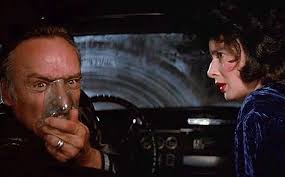
It’s hard to think of a filmmaker more influential than David Lynch. His Eraserhead became the first arthouse cult film, and no one had ever seen anything on TV like his Twin Peaks. He had a popular and critical success with Elephant Man, but remained defiantly artistic with his masterpieces, Blue Velvet and Mulholland Drive. His last film work was a hoot – an acting cameo as John Ford in The Fabelmans.
Dennis Hopper and Isabella Rosselini in David Lynch’s BLUE VELVET.Meg Ryan and Billy Crystal in Rob Reiner’s WHEN HARRY MET SALLY.
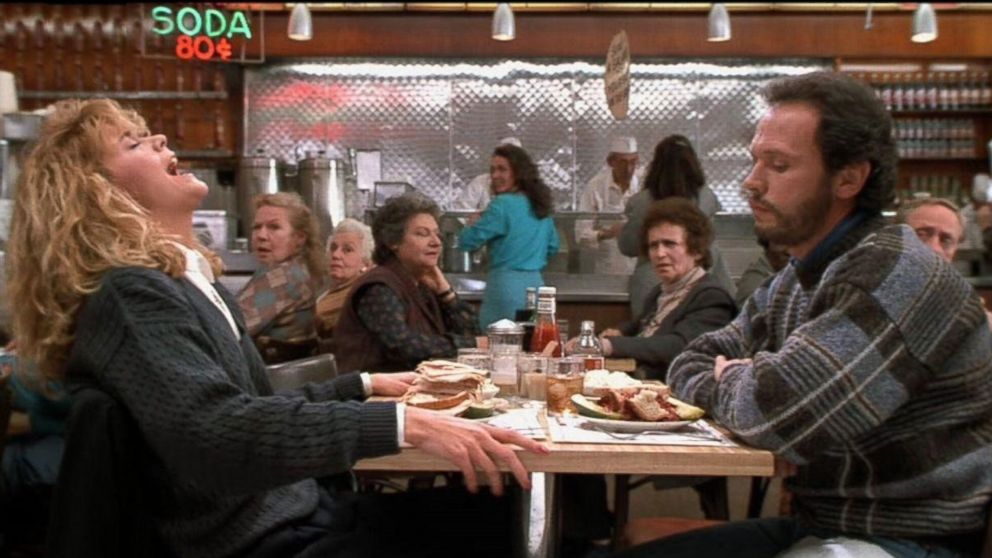
In the period between 1984 and 1996, few directors had as impressive and as varied a body of work as did Rob Reiner: This Is Spinal Tap, When Harry Met Sally, Princess Bride, A Few Good Men, Misery and Ghosts of Mississippi.
Mariko Kaga in Masahiro Shinoda’s PALE FLOWER
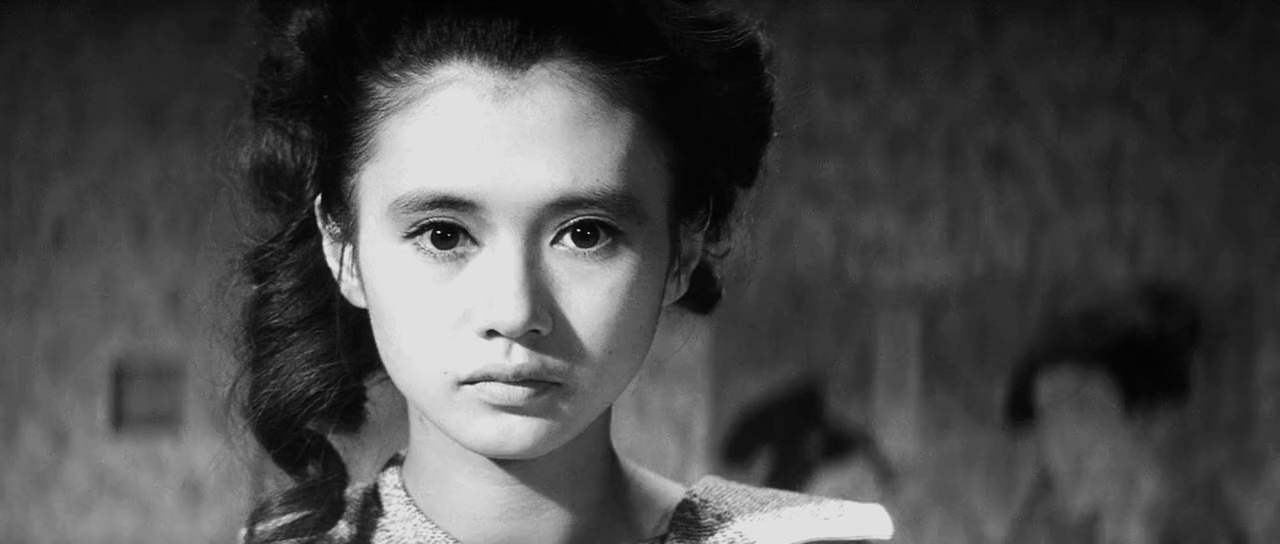
Director Masahiro Shinoda was a groundbreaking auteur, best known for his bracing neo-noir Pale Flower.
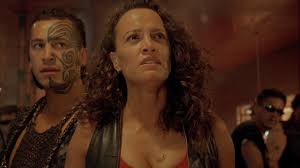
Lee Tamahori directed the intense and authentic Once Were Warriors, perhaps the best contemporary film on the Māori people and widely considered the greatest New Zealand film, and several Hollywood films, involving the James Bond Die Another Day.
Indie writer-director Henry Jaglom was known internationally among cinephiles for his artsy, individualistic, women-centered films like Eating and Venice/Venice. I attended an in-person Jaglom presentation of his film Hollywood Dreams.
Temeura Morrison and Rena Owen in Lee Tamahori’s ONCE WERE WARRIORS.
Photo caption: Jessie Buckley in HAMNET. Courtesy of Focus Features.
This Holiday week on The Movie Gourmet – I posted my Best Movies of 2025, and you can watch ALL of them them now, either in theaters (Hamnet, Sentimental Value) or on home video! Four of the top eight are even on Netflix.
Here are capsules on two highly advertised (but nor very serious) movies:
Wake Up Dead Man: It’s all in good fun when Ryan Johnson sends up the conventions of murder mysteries with his Knives Out series. This one is a heavily plotted locked room mystery with a moving finger on various suspects. Unfortunately, it’s at least 30 minutes too long and just not compelling. The brightest light is an engaging lead performance by Josh O’Connor. Netflix.
Downton Abbey: The Grand Finale. The once-beloved series cashes in one last time on tropes from its first season: a Lady Mary scandal, a dire threat to the family’s wealth and the inevitable ill-adaptation of a lifestyle based on a medieval economic model. So predictable;le that The Wife and I turned it off midway through. Amazon, etc.
CURRENT MOVIES
Hamnet: a grieving couple finally aligned. In theaters.
It Was Just an Accident: trauma, justice and complications. Amazon, AppleTV, YouTube, Fandango.
Train Dreams: quietly thinking and quietly feeling. Netflix.
Orwell: 2+2=5: we didn’t get the message. In arthouse theaters, but hard to find.
Nouvelle Vague: a subversive trickster bets that he is an artist, too. Netflix.
Jay Kelly: finding that the ship has sailed. Netflix.
Frankenstein: who is the real monster? In theaters and on Netflix.
A House of Dynamite: a master filmmaker reminds us of the terrifyingly plausible. Netflix.
One Battle After Another: sometimes hilarious, sometimes thrilling, always outrageous. Amazon, AppleTV, YouTube, Fandango.
The Baltimorons: vulnerability, recovery, good-hearted laughs. Amazon, AppleTV, YouTube Fandango.
ON TV
Myrna Loy and William Powell as Nora and Nick Charles during the Holidays
Once again, Turner Classic Movies is giving us a wonderful New Year’s Eve present – an all-day Thin Man marathon. William Powell and Myrna Loy are cinema’s favorite movie couple for a reason – just settle in and watch Nick and Nora Charles in The Thin Man and its sequels do what they do best – banter, canoodle, solve crimes and, of course, tipple.
Stars abound in supporting roles in the series. James Stewart had only made one feature film before 1936, the year, he appeared in After the Thin Man. Dean Stockwell played Nick and Nora’s son Nick Charles Jr in Song of the Thin Man. Film noir goddesses Gloria Grahame and Marie Windsor also both appear in Song of the Thin Man.
The pre-notoriety Tom Neal has a key role in in Another Thin Man. Classic film aficionados will also recognize Maureen O’Sullivan, Keenan Wynn, Leon Ames, Sheldon Leonard, C. Awbrey Smith, Joseph Calleia and Sam Levene.
These six movies from 1934-47 (The Thin Man, After the Thin Man, Another Thin Man, The Shadow of the Thin Man, The Thin Man Goes Home and Song of the Thin Man) are still first-rate escapist entertainment. Love ’em.
This year we bade farewell to many famous faces, including some iconic ones.
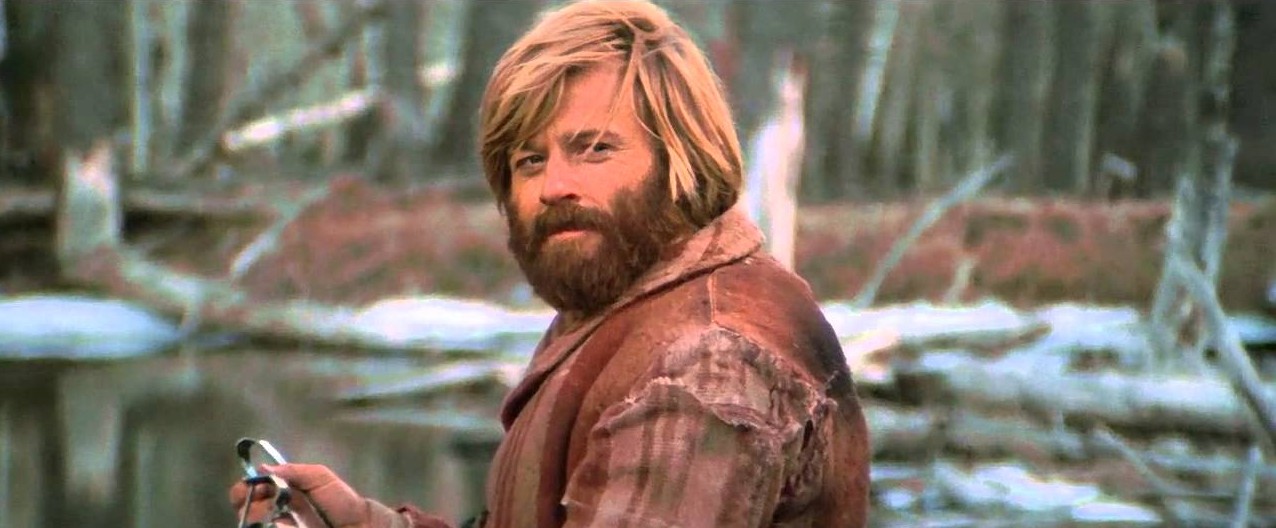
Robert Redford was one of the very most significant filmmakers of his generation. With his stunning good looks, magnetism and wry charm, he could have “settled” for mega stardom with the acting roles that he is justifiably best remembered for, in Butch Cassidy and the Sundance Kid and The Sting, along with a slew of romance movies. But his own artistic aspirations and his flinty contempt for the phony and the superficial took him to even greater heights. Redford’s first effort at directing, Ordinary People, won the Best Picture Oscar. He directed nine more films, some of them excellent (A River Runs Through It, Quiz Show, The Horse Whisperer) and none of them bad. But Redford’s biggest contribution was his developing the Sundance Institute and the Sundance Film Festival as incubators for other people’s independent filmmaking. His NYT obit highlights Steven Soderbergh, Quentin Tarantino, Darren Aronofsky, Nicole Holofcener, David O. Russell, Ryan Coogler, Robert Rodriguez, Chloé Zhao and Ava DuVernay as directors whose careers were accelerated by Sundance. That would have constituted an indelible legacy, even if he hadn’t become an iconic movie star. My own favorite Redford acting roles were in Jeremiah Johnson, All the President’s Men and Downhill Racer.
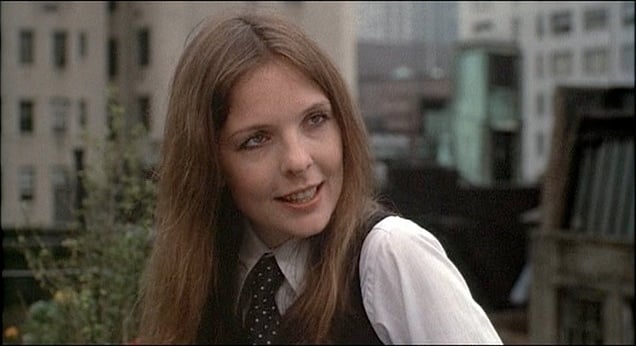
Diane Keaton in ANNIE HALL
The beloved Diane Keaton earned her status as a cinema icon with unforgettable performances in three of the 50 Greatest Movies of All Time. She won her Oscar for her completely idiosyncratic portrayal of the title character in Annie Hall, my choice as the best romantic comedy ever. In The Godfather, her Kay Adams book-ended the story of Michael Corleone, first accepting his “That’s my family, Kay, It’s not me.” and then ending the movie with the door to Michael literally closing in her face. The most searing moment in The Godfather Part II was Kay’s ferocity in telling Michael about a miscarriage that wasn’t. 72 more movies and three more Oscar nominations filled out Keaton’s 54-year screen career, but those three performances were indelible. A further note – my best pal in LA occasionally ran into Keaton around town, and she liked to dress like Annie Hall in real life.
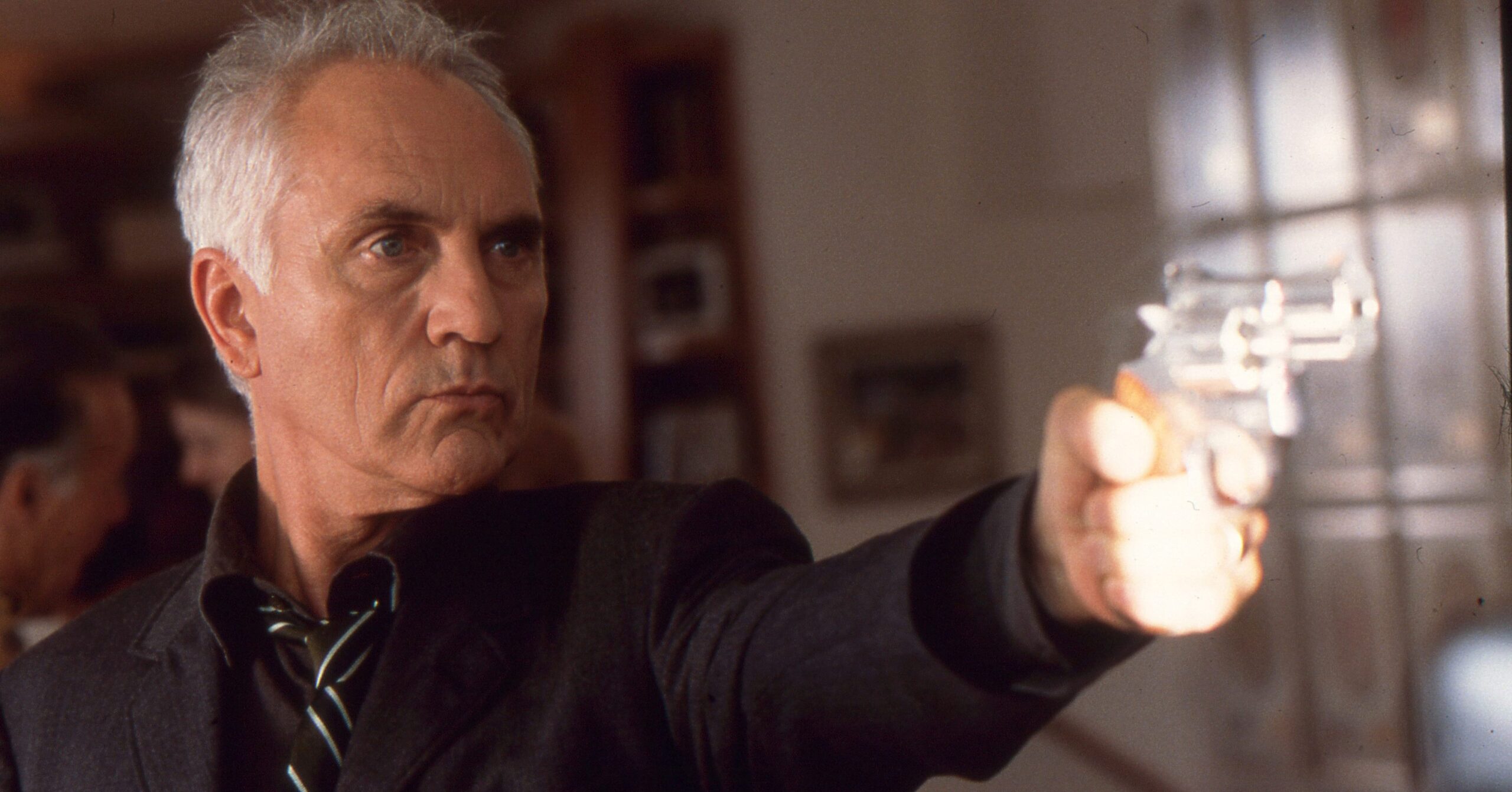
Terence Stamp in THE LIMEY.
I loved Terence Stamp. Stamp, of course was a 1960s British star as a dreamy leading man (Billy Budd, The Collector, Far from the Madding Crowd). I’ve felt that his best work was in his middle age and since: still magnetic in The Hit, The Limey, and The Adjustment Bureau. And as recently as 2021, in Last Night in Soho, with his still striking features and dead-cold eyes, he looked dangerous from at the first glimpse.
Olivia Hussey was only 15 when she began filming Franco Zeffirelli’s Romeo and Juliet. Zeffirelli had decided to tell the story of impulsive, over-dramatic teenage love with actual teenage actors, and Hussey rewarded him with a rapturous and genuine performance. She worked with Zeffirelli again in the best-ever biblical epic, Jesus of Nazareth, as Mary, mother of Jesus.
Richard Chamberlain burst into the culture as TV’s dreamy Dr. Kildare, went to the English stage to hone his acting skills and returned to dominate the genre of television miniseries with Centennial, Shogun and The Thornbirds. Chamberlain made his share of movies, and my favorite is his role as Aramis in Richard Lester’s The Three Musketeers and The Four Musketeers.
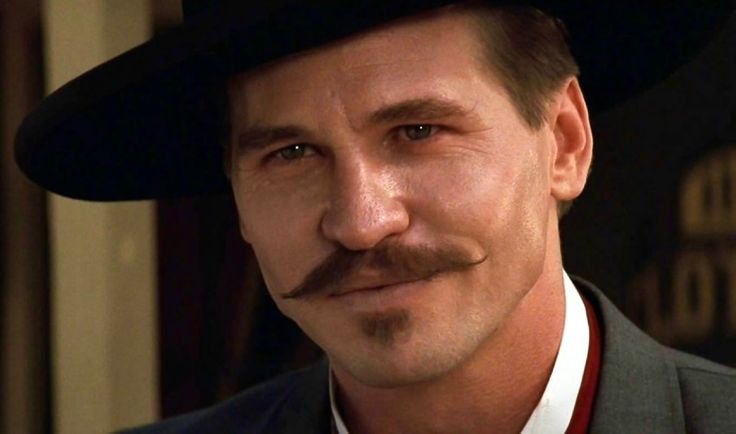
Val Kilmer in TOMBSTONE.
Val Kilmer applied his magnetism in unforgettable performances: Iceman in Top Gun, Jim Morrison in The Doors and Batman in Batman Forever. My favorite Val Kilmer turn was as an insouciant Doc Holliday in Tombstone.
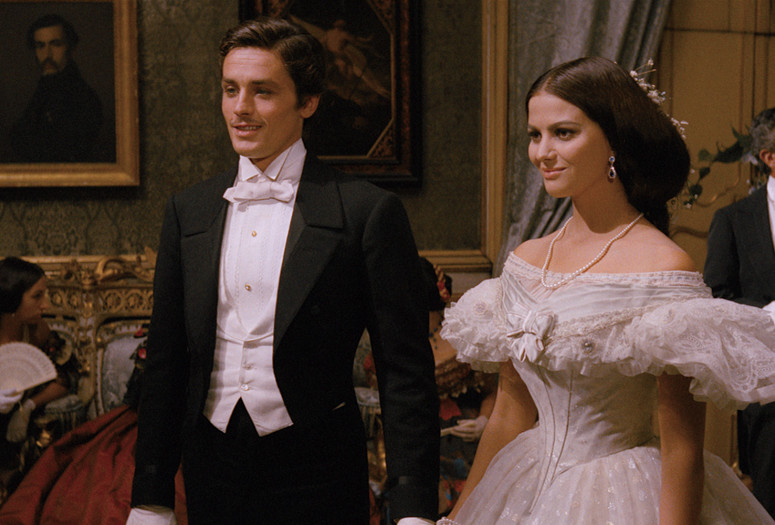
Claudia Cardinale (right) in THE LEOPARD
Claudia Cardinale was first noticed in the Italian comedy Big Deal on Madonna Street and had a key role in Fellini’s 8 1/2, one of the greatest movies ever. Popularly seen as a voluptuous bombshell in the 1960s, she worked in 128 films through 2022. The scene in which she is re-introduced to the local nobleman (Burt Lancaster) as a nubile adult in The Leopard is one of the most stunning entrances in cinema.
Three-time Oscar nominee Diane Ladd is known for Chinatown, Alice Doesn’t Live Here Anymore, Ghosts of Mississippi (she was a Mississippi native) and Primary Colors. She worked with her real life daughter Laura Dern in five movies, and in Rambling Rose, they became the first mom and daughter to be nominated for Oscars for the same movie. Early in her career, she appeared in Roger Corman’s biker exploitation film, The Wild Angels.
Tatsuya Nakadai starred in Akira Kurosawa’s two great color epics Ran and Kagemusha, and played the foil to Toshiro Mifune’s hero in Yojimbo.
Joan Plowright was primarily a star of the English stage, but she worked in movies, too, including Tea with Mussolini and earning an Oscar nod for Enchanted April. My favorite Plowright performance was in a gentle Irish comedy, Widows Peak.
Tony Roberts had a gift or playing characters with relaxed confidence, perfect foils for Woody Allen’s trademark nervous anxiety. Roberts’ pairing with Allen began with Play, It Again, Sam, and carried through Annie Hall, Stardust Memories, A Midsummer Night’s Sex Comedy and Hannah and her Sisters. Roberts worked plenty without Allen (Serpico, The Taking of Pelham One Twi Three and Dirty Dancing), mostly on the Broadway stage, where he was nominated for multiple Tony awards.
Joe Don Baker, with his physicality and country demanor was the perfect Sheriff Buford Pusser in Walking Tall, a little indie that became a mega hit. No one would be surprised that Baker hailed from a small town near Waco, nut I didn’t know that he studied at the Actor’s Studio. His best work was in Charley Varrick, The Outfit, George Wallace and Mud.
Every time I hear Stuck in the Middle with You by the one-hit wonder Stealer’s Wheel, I think of Michael Madsen. Madsen was a fine character actor who was good in all of his work, and he amassed 344 screen credits, often as a physically imposing bad guy. But, for anyone who has seen Reservoir Dogs, Madsen’s performance – especially his torture dance to Stuck in the Middle with You – is indelible.
Dignified yet down-to-earth Canadian actor Graham Greene, a member of the Oneida First Nation, garnered almost 200 screen credits, including Dances with Wolves, Powwow Highway, The Green Mile, Longmire and Wind River.
Character actor Harris Yulin brought intensity and authenticity to characters that ranged from authoritative to kindly to venal ones. He appeared in lots of big movies (Scarface, the 24 series and the Ghostbusters, Star Trek and Rush Hour franchises) and smaller, even better ones (Victory at Entebbe, Night Moves, St Ives, Truman, The Place Behind the Pines).
Udo Kier proved that one can have a prolific career (275 IMDb credits) as a character actor in both art and cult cult movies. He worked with directors like Werner Rainier Fassbinder, Werner Herzog, Wim Wenders and Lars Von Trier, and in Hollywood films like Johnny Mneumonic, My Own Private Idaho, Armageddon, Halloween and Ace Venture: Pet Detective. His visage, scarier as he aged, worked well in horror movies, and he did many, beginning with Jim Morrisey’s Andy Warhol’s Frankenstein and Blood for Dracula.
Belgian actress Emelie Dequenne was a force of nature in her debut, as an alienated young woman in Rosetta, the 1999 film that mad the Dardennes brothers famous auteurs. For that performance, Dequenne won the Best Actress at Cannes, and she won a Cesar in 2020.
Character actor Craig Richard Nelson’s first film role was as a snobby, fastidious preppy in The Paper Chase (1973), and he nailed a similar character in Robert Altman’s A Wedding (1978). In this period, he had small roles in Altman’s 3 Women (1977) and Tony Bill’s My Bodyguard (1980). Even though he worked in TV and film through 1998, his performances were increasingly less memorable.
George Wendt played the beloved Norm! in 269 episodes of Cheers and appeared in well over 150 titles, mostly on television. But his career began with small roles in good movies: A Wedding, Bronco Billy and The Bodyguard.
Rebekah Del Rio’s rendition of Llorando, the Spanish language version of Roy Orbison’s Crying, was one of the most transfixing scenes in Mulholland Drive.
Character actor Peter Greene excelled at playing scary villains and was the cretinous Zed in Pulp Fiction.
Photo caption: Luisa Huertas in WE SHALL NOT BE MOVED. Courtesy of Varios Lobos Produccions.
Pierre Saint Martin’s brilliant debut feature We Shall Not Be Moved (No nos moverán) is about a lifelong obsession and an unexpected catharsis.
The salty, grumpy Socorro is an elderly Mexico City attorney with a decidedly downscale clientele. She lives with family members in an apartment stacked with decades of case files. Her life has been defined by the traumatic loss of her brother, killed in 1968 in the police repression of student demonstrations just before the 1968 Olympic Games known as the Tlatelolco massacre. Shortly after, she secured a photo of the soldier who killed her brother, but his identification eluded her.
For over five decades, Socorro has been consumed by the thirst for unfulfilled, and apparently impossible, vengeance. Her bitterness has resulted in deeply dysfunctional relationships with her roommates – her doddering sister and her floundering middle-aged son.
Just when it looks like Socorro’s health will end her quest for revenge, she is surprised by new information. Ever resourceful, she enlists a network of shady associates to launch a man hunt. It doesn’t turn out as she, or we, would expect.
Of course, an old lady is an unlikely assassin, especially one who can barely climb the stairs to her apartment, and most of her crew is just as decrepit, so there’s an underlying absurdity to her quest. There’s plenty of humor here, stemming from Socorro’s unrepentant irascibility and clever resourcefulness, and the foibles of the quirky folks in her life.
She may be a lawyer, but Socorro navigates an informal legal system and an informal economy, where every transaction seems to be off-the-books. We Shall Overcome is filled with the cynicism with which Mexicans regard their national institutions.
We Shall Overcome is an impressive first feature for director and co-writer Pierre Saint Martin. Despite the griminess of the settings, it’s a beautiful, sometimes magical-looking, black-and-white film. Saint Martin is also able to bring uncommon depth to the supporting characters, especially Socorro’s depressed and defeated son Jorge (Pedro Hernández), her zany gofer Sidarta (Jose Antonio Patiño), her dying old colleague Candiani (Juan Carlos Colombo), and her Argentine daughter-in-law Lucia (Agustino Quinci), who finds herself way too normal for this family.
We Shall Not Be Moved won four Ariels (the Mexican Oscar) for Best First Feature, Best Actress, Best Original Screenplay, and Best Breakthrough Performance, and is Mexico’s submission for the Best International Film Oscar. We Shall Not Be Moved is rolling out in American theaters, including San Francisco’s Roxie this week.
Photo caption: Jacob Elordi in FRANKENSTEIN. Courtesy of Netflix.
Every year, I keep a running list of the best movies I’ve seen this year. By the end of the year, I usually end up with a Top Ten and another 5-15 mentions. To get on my year-end list, a movie has to be one that thrills me while I’m watching it and one that I’m still thinking about a couple of days later.
I usually publish this post on December 31, but my list is already pretty much ready. The only two contenders that I still haven’t seen are No Other Choice and Marty Supreme.
Leonardo DiCaprio in ONE BATTLE AFTER ANOTHER. Courtesy of Warner Bros.
Here are my Best Movies of 2024 (topped by Anora, A Complete Unknown and The Bikeriders) and my Best Movies of 2023 (headed by Oppenheimer, Anatomy of a Fall and Past Lives) lists.
I HAVE seen 144 2025 films so far. BTW that 144 total for 2025 doesn’t include the 78 festival submissions that I’ve screened (those will be 2026 films) nor the 54 movies from earlier years that I watched this year.
Tao Zhao in CAUGHT BY THE TIDES: Photo courtesy of Janus Films.
The first thing you’ll notice on this year’s list is the four-way tie for the top spot. I’m embarrassed that I just can’t rank these films that are so, so different from each other. Here we go:
1. (tie)Frankenstein: who is the real monster? Netflix.
1. (tie)It Was Just an Accident: trauma, justice and complications. Amazon, AppleTV, YouTube, Fandango.
1. (tie) Caught by the Tides: China evolves, she persists. Amazon, AppleTV, Fandango, Criterion.
1. (tie) One Battle After Another: sometimes hilarious, sometimes thrilling, always outrageous. Amazon, AppleTV, YouTube, Fandango.
5.A House of Dynamite: a master filmmaker reminds us of the terrifyingly plausible. Netflix.
6.Train Dreams: quietly thinking and quietly feeling. Netflix.
7.Hamnet: a grieving couple finally aligned. In theaters.
My list of Best Movies of 2025 – So Far has solidified to the point where I have taken off the So Far. I plan to see No Other Choice and probably Marty Supreme before New Year’s, but those are the only two films that could still make my year-end top ten. I’m still having a very hard time ranking the top four films: Frankenstein, It Was Just an Accident, Caught by the Tides and One Battle After Another. It may end in a four-way tie.
REMEMBRANCES
Meg Ryan and Billy Crystal in Rob Reiner’s WHEN HARRY MET SALLY.
In the period between 1984 and 1996, few directors had as impressive and as varied a body of work as did Rob Reiner: This Is Spinal Tap, When Harry Met Sally, Princess Bride, A Few Good Men, Misery and Ghosts of Mississippi.
Character actor Peter Greene excelled at playing scary villains and was the cretinous Zed in Pulp Fiction.
CURRENT MOVIES
Hamnet: a grieving couple finally aligned. In theaters.
The Mastermind: when selfishness exceeds talent. In theaters.
Orwell: 2+2=5: we didn’t get the message. In arthouse theaters, but hard to find.
Nouvelle Vague: a subversive trickster bets that he is an artist, too. Netflix.
Jay Kelly: finding that the ship has sailed. Netflix.
Frankenstein: who is the real monster? In theaters and on Netflix.
A House of Dynamite: a master filmmaker reminds us of the terrifyingly plausible. Netflix.
Eleanor the Great: grief, an appalling lie, redemption. Amazon, AppleTV, YouTube, Fandango.
One Battle After Another: sometimes hilarious, sometimes thrilling, always outrageous. Amazon, AppleTV, YouTube, Fandango.
Death By Lightning: a statesman, a hack, a lunatic and one great story. Netflix.
The Baltimorons: vulnerability, recovery, good-hearted laughs. Amazon, AppleTV, YouTube Fandango.
ON TV
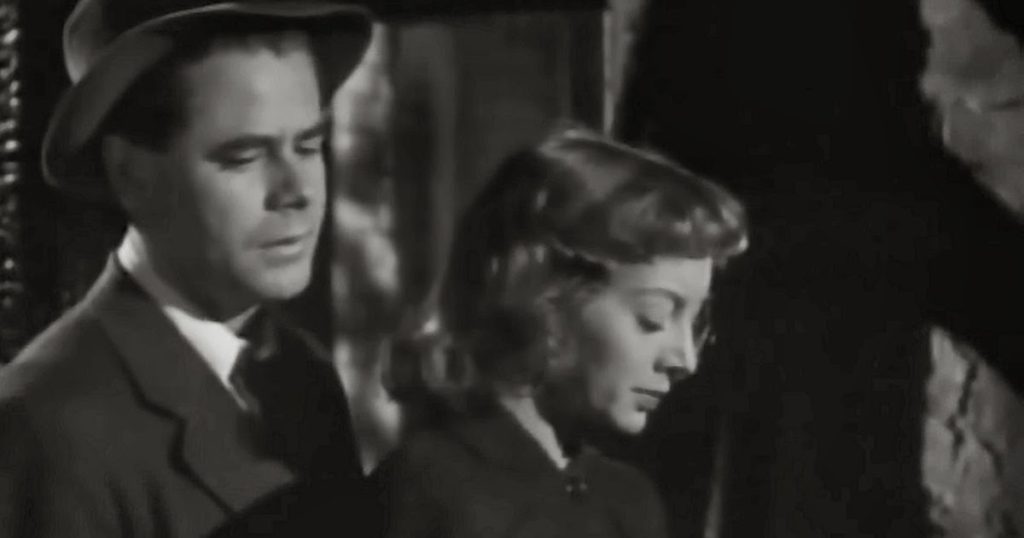
Glenn Ford and Evelyn Keyes in MR. SOFT TOUCH
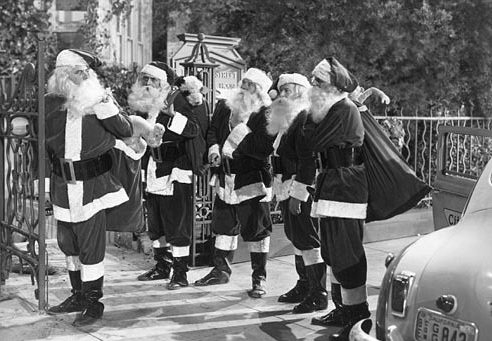
On December 23, Turner Classic Movies is airing the little-seen Mr. Soft Touch from 1949, which is undeniably Christmas film noir. The Holiday season is integral to the plot, which revolves around a Christmas tree, a Christmas party, Christmas decorations and a horde of ne’er-do-wells in Santa suits.
Nightclub owner Joe Miracle (Glenn Ford) returns from WWII to find that the mob has looted his nest egg. He’s able to rob it back, but now he’s got to hide out from the gangsters until his ship literally sails. As circumstances develop, he pretends to be a down-and-outer so he can stay in in the settlement house (isn’t that quaint?) run by social worker Jenny Jones (Evelyn Keyes).
MR. SOFT TOUCH. Photo Credit: Underwood and Underwood Corbis.
Mr. Soft Touch has many of the elements of classic film noir:
a cynical underworld where shady characters are robbed by even shadier types.
the WWII vet who has gotten screwed, and his only option to make himself whole is illegal.
a protagonist whose actions are driven to please a beautiful woman.
a hero who takes a bullet in the street.
a cast packed by recognizable characters of the period: John Ireland, Beulah Bondi, Percy Kilbride and Ted de Corsia.
gritty 1949 San Francisco locations.
That being said, Mr. Soft Touch is light comic noir and often silly. We accept the plot contrivances because the film doesn’t take itself too seriously.
Here, Evelyn Keyes isn’t a femme fatale for once; she’s a naïve do-gooder, but she’s sexy all the same, and sparks fly between Ford and Keyes as she inches him toward altruism and redemption.
Mr. Soft Touch is not available to stream. so set your DVR for a rarity.
Photo caption: Paddy Chayefsky in PADDY CHAYEFSKY: COLLECTOR OF WORDS. Courtesy of HBO Max.
Paddy Chayefsky: Collector of Words brings thought-provoking insights into the life and work of the great screenwriter Paddy Chayefsky. Chayefsky is the only person to win three solo Oscars for Best Original Screenplay, for Marty, The Hospital and Network.
Those three films, along with the grievously overlooked The Americanization of Emily, the biting satire Wall Street (“Greed is good“) and the very trippy Altered States make up an essential body of work.
It’s hard to think of a film with more aching humanity than Marty. The titular character in Marty is a guy who no one notices, but Chayefsky shows us his yearnings, disappointments and inner pain in a searing and heartbreaking portrait. To bring that empathy to Marty and to spotlight the human foibles satirized in The Americanization of Emily, The Hospital, Network and Wall Street, Chayefsky had to be an uncommonly penetrating observer of human behavior. In Paddy Chayefsky: Collector of Words, one of Chayefsky’s colleagues says that he was “X-raying us all the time.”
Most folks see Network as Chayefsky’s masterpiece. Paddy Chayefsky: Collector of Words reminds that, as well as poking at the greed and cowardice of TV networks and the slide of television journalism into infotainment, Network probed the midlife crisis rocking the character played by William Holden and the impact on his wife, played by the Oscar-winning Beatrice Straight.
And, most of all, Paddy Chayefsky: Collector of Words shows us Network as a work of prophecy. The cynical executive played by Faye Dunaway directs her team to chase demographic research thusly:
Well, in a nutshell, it said: “The American people are turning sullen. They’ve been clobbered on all sides by Vietnam, Watergate, the inflation, the depression; they’ve turned off, shot up, and they’ve fucked themselves limp, and nothing helps.” So, this concept analysis report concludes, “The American people want somebody to articulate their rage for them.” I’ve been telling you people since I took this job six months ago that I want angry shows.
Guess who comes to mind? And when the exec makes a pitch to the network CEO (Robert Duvall), he responds with:
For God’s sake Diana, we’re talking about putting a manifest irresponsible man on national television.
Paddy Chayefsky: Collector of Words also brings us some nuggets: how the son of Russian Jews got and adopted the nickname Paddy, about his longstanding lunches with Bob Fosse at the Carnegie Deli, and about a mistaken line reading of one of the most iconic lines of dialogue in cinema history,
The director of Paddy Chayefsky: Collector of Words is Michael Miele, who also directed this year’s Bob Mackie: Naked Illusion. Miele lets us know in the opening titles that he agreed not to include discussion of Chayefsky’s family and personal life. No matter – it what Chayefsky put on the screen that counts.
Paddy Chayefsky: Collector of Words is streaming on HBO Max and on the HBO Max YouTube channel.