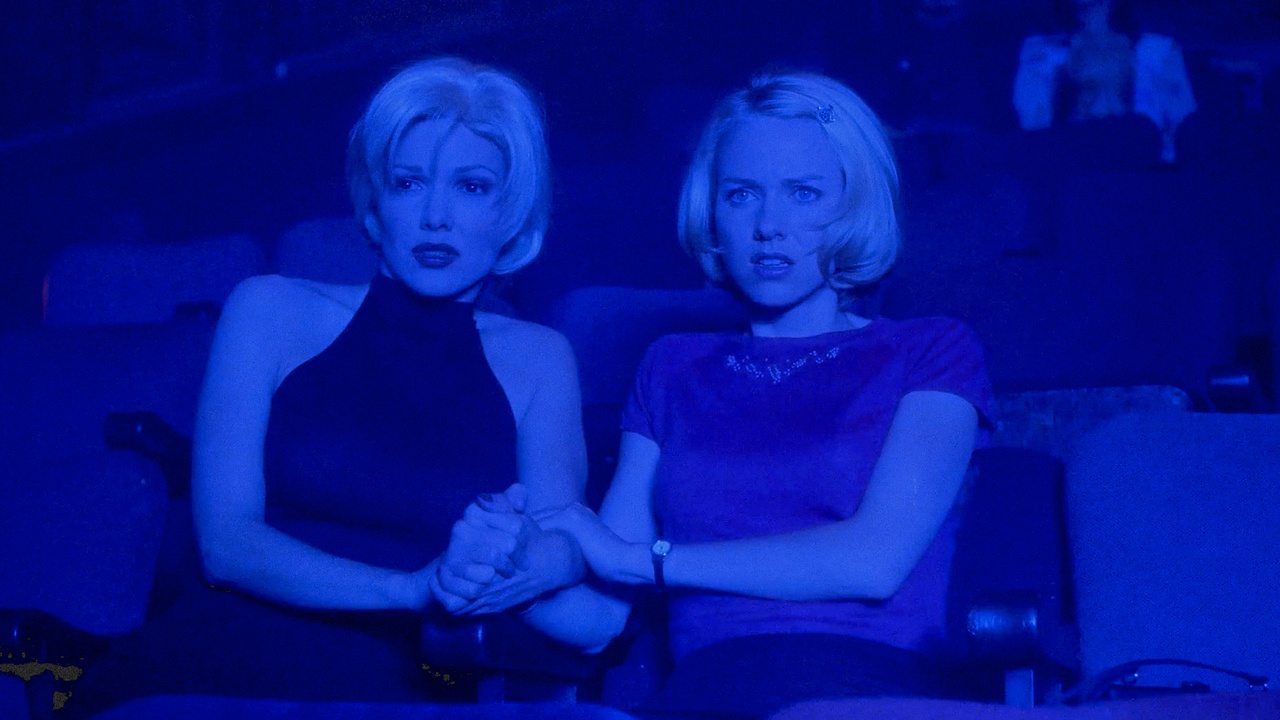
Photo caption: Laura Elena Harring and Naomi Watts in David Lynch’s MULHOLLAND DRIVE.
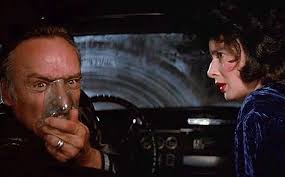
It’s hard to think of a filmmaker more influential than David Lynch. His Eraserhead became the first arthouse cult film, and no one had ever seen anything on TV like his Twin Peaks. He had a popular and critical success with Elephant Man, but remained defiantly artistic with his masterpieces, Blue Velvet and Mulholland Drive. His last film work was a hoot – an acting cameo as John Ford in The Fabelmans.
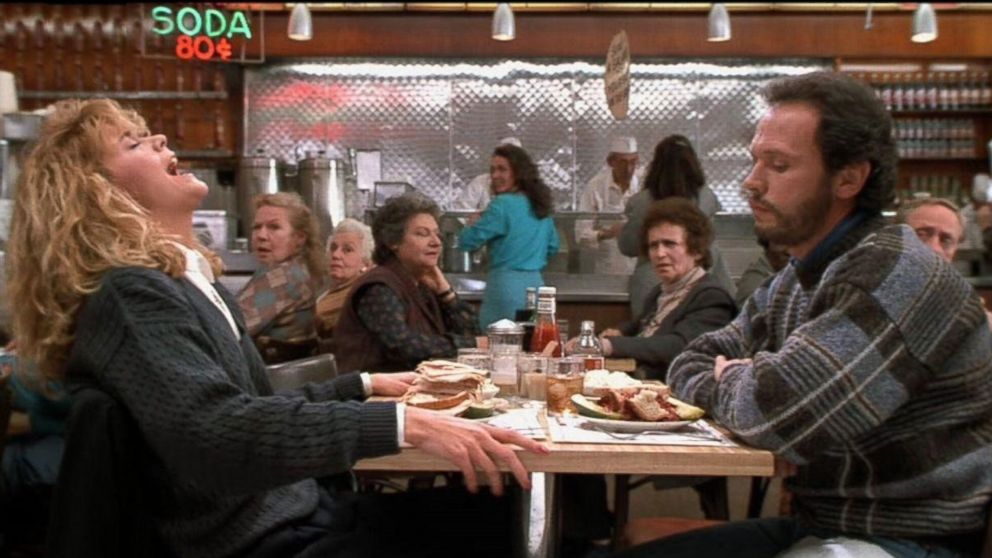
Dennis Hopper and Isabella Rosselini in David Lynch’s BLUE VELVET.Meg Ryan and Billy Crystal in Rob Reiner’s WHEN HARRY MET SALLY.
In the period between 1984 and 1996, few directors had as impressive and as varied a body of work as did Rob Reiner: This Is Spinal Tap, When Harry Met Sally, Princess Bride, A Few Good Men, Misery and Ghosts of Mississippi.
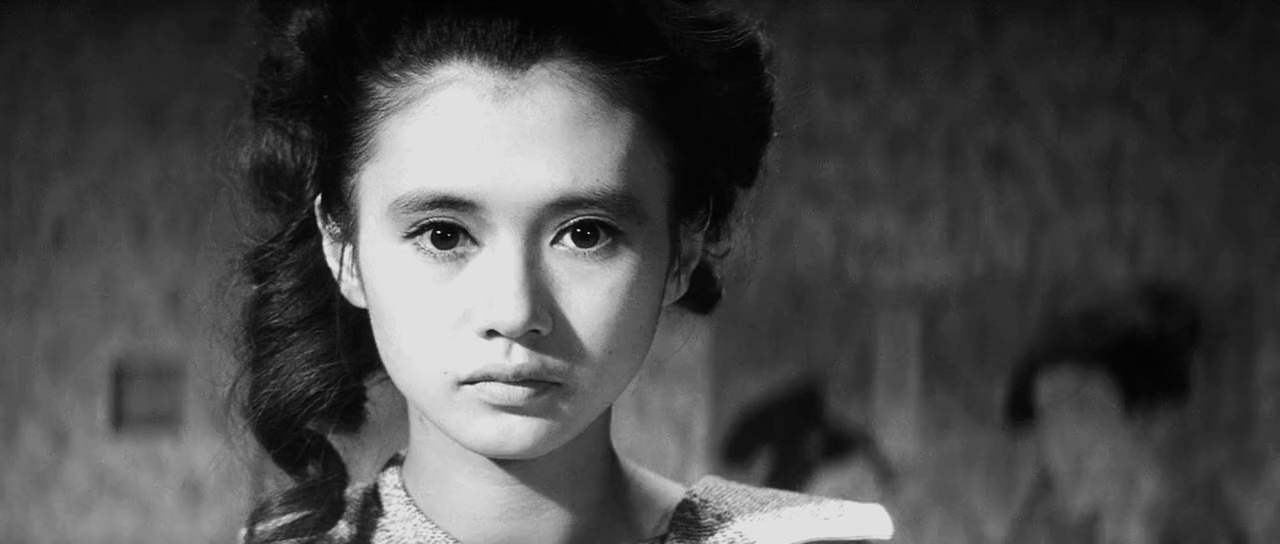
Mariko Kaga in Masahiro Shinoda’s PALE FLOWER
Director Masahiro Shinoda was a groundbreaking auteur, best known for his bracing neo-noir Pale Flower.
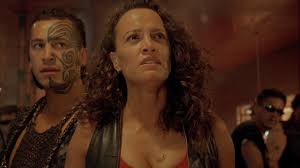
Lee Tamahori directed the intense and authentic Once Were Warriors, perhaps the best contemporary film on the Māori people and widely considered the greatest New Zealand film, and several Hollywood films, involving the James Bond Die Another Day.
Indie writer-director Henry Jaglom was known internationally among cinephiles for his artsy, individualistic, women-centered films like Eating and Venice/Venice. I attended an in-person Jaglom presentation of his film Hollywood Dreams.
Temeura Morrison and Rena Owen in Lee Tamahori’s ONCE WERE WARRIORS.
Coming up this Saturday and Sunday on Turner Classic Movies’ Noir Alley with Eddie Muller, the Japanese neo-noir Pale Flower is a slow burn that erupts into thrilling set pieces. This is pioneering neo-noir. Pale Flower is writer-director Masahiro Shinoda’s masterpiece; its look and feel is as different from classic noir as are Elevator to the Gallows and Blast of Silence.
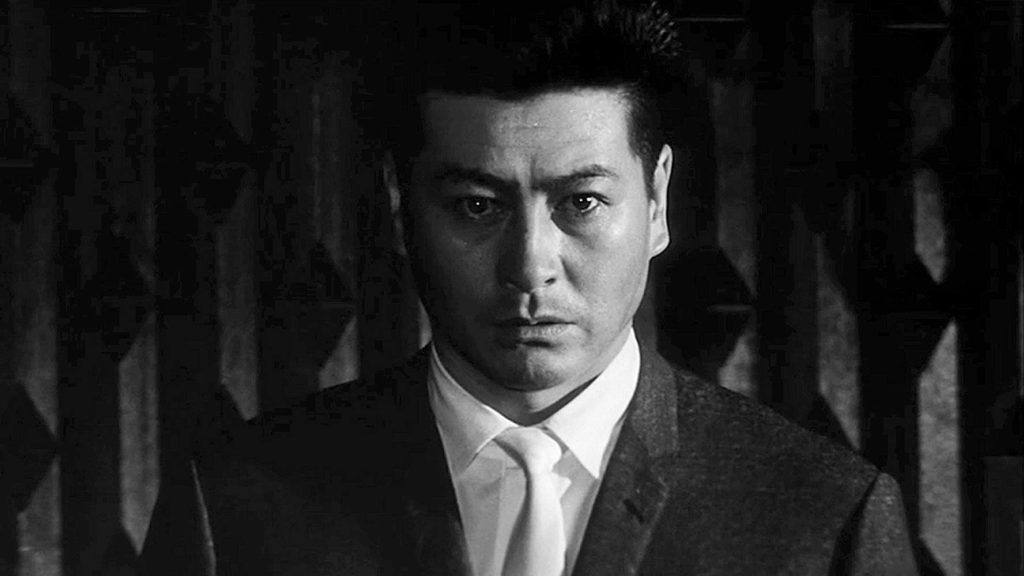
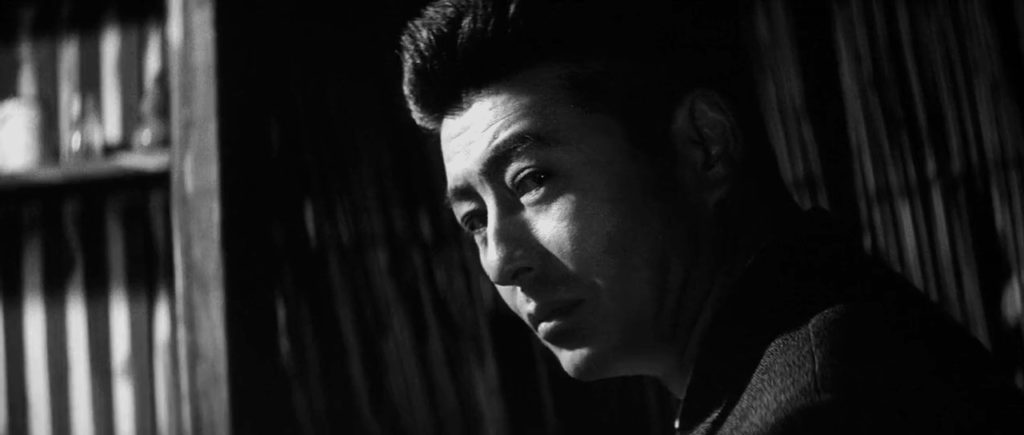
Maraki (Ryô Ikebe) is a fortyish Yazuka hit man, just released from loyally serving a prison term. He went away for offing a gangland rival, but now the two gangs have become allies. Out gambling with fellow Yakuza, he encounters the much younger woman Saeko (Mariko Kaga). The stoic and completely self-contained Maraki becomes fascinated by – and then obsessed with – Saeko, who lives her life seeking thrill after thrill.
PALE FLOWER
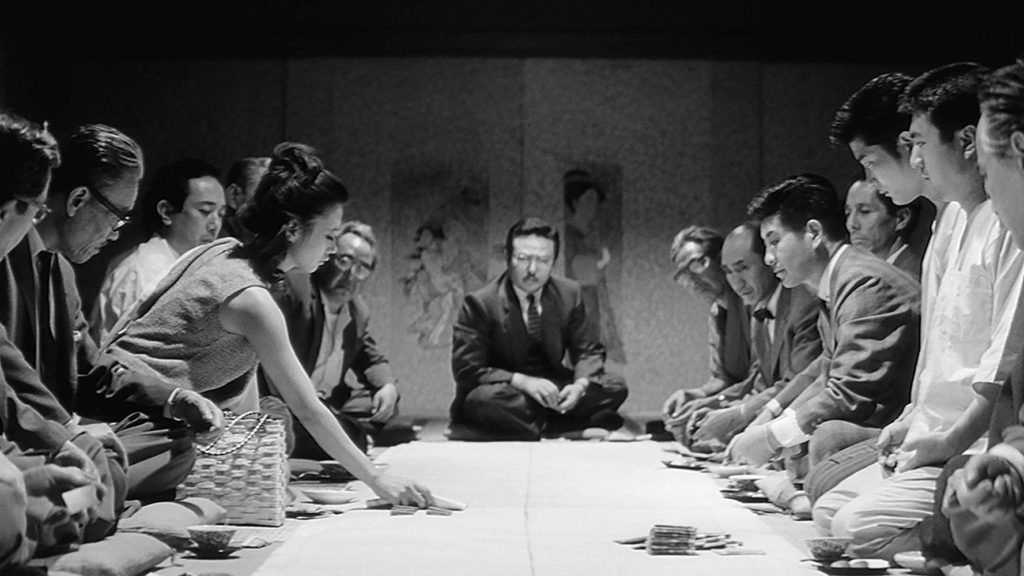
Maraki and Saeko meet gambling on the Japanese card game of hanafuda (flower cards). She is the only woman at a table surrounded by male gangsters. Shinoda makes the tension of card games resemble that of walking into a hostile bar or waiting an Old West quick draw gunfight. The card games are silent but for the ritual betting and the players clicking their cards. The film’s title refers to both hanafuda and Saeko.
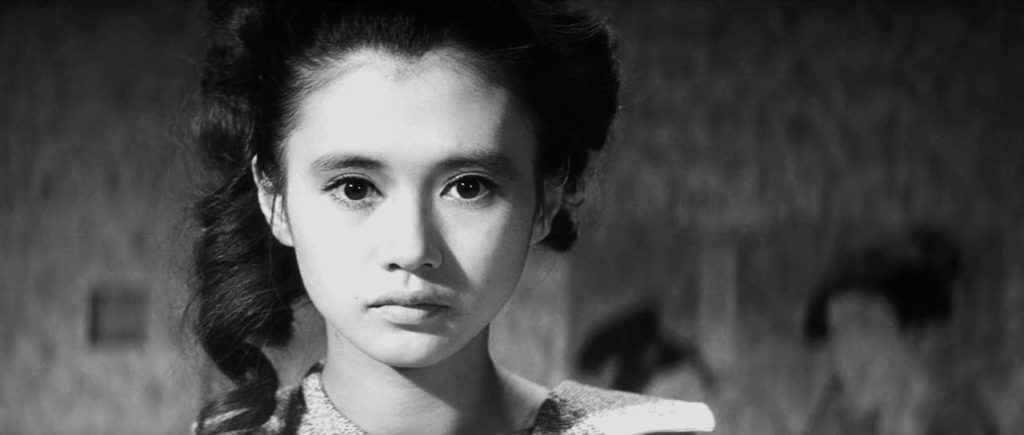
Mariko Kaga in PALE FLOWER
Just who is this mystery woman? Muraki is snagged, but he is too cool to search out her background. His obsession is more complicated than sexual passion alone, although there is a sexual element (watch whether he acts on it when he can). The mystery makes Saeko (the then 20-year-old Mariko Kaga in only her fourth movie) all the more captivating.
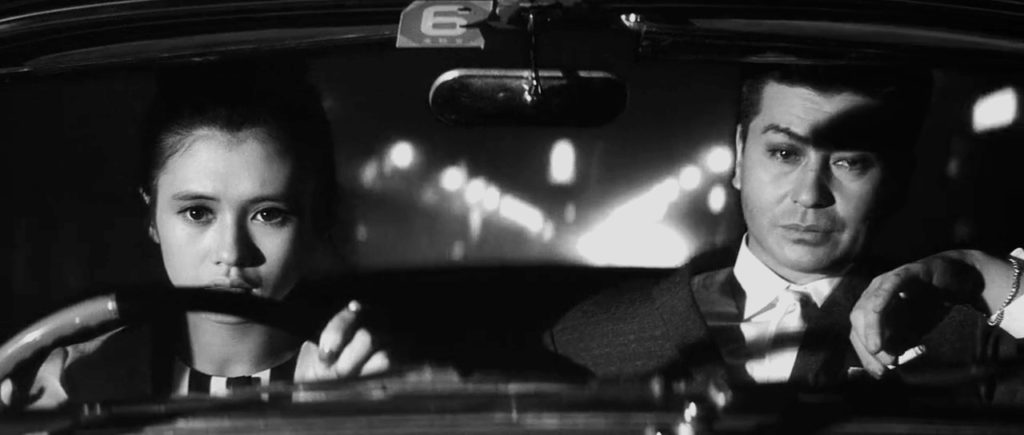
In another gripping set piece, Saeko races her sports car through Tokyo’s tunnels and overpasses at 2:30 AM. In the passenger seat, Muraki is transfixed by her recklessness. He’s not thrilled by the careening wild ride, he’s thrilled by Saeko’s compulsion to seek the thrill.
Mariko Kaga and Ryô Ikebe in PALE FLOWER
The ultimate thrill might be to accompany a hit man on the job. The climactic three-minute scene is a mob hit in a church, set to an aria, Henry Purcell’s Dido’s Lament. It is operatic – and remarkably similar to Francis Ford Coppola’s later montage in The Godfather where Michael Corleone’s assassins kills all his enemies while he is standing in church at the christening of his sister’s baby. Muarki’s murder-for-hire is up-close-and-personal.
When Maraki and Saeko are on-screen, Pale Flower is dramatically and stylistic Stylistic – the card games, the car race, the final killing, In contrast, we see the mundane plotting of the Yazuka bosses (but not their crimes) as they kibbitz at the horse races. Their underlings go bowling.
Does it all matter? is a central theme in film noir. Pale Flower’s powerful final prison scene is the the ultimate neo-noir ending.
Pale Flower is included in Roger Ebert’s Great Movies. Pale Flower is challenging to find; it can be streamed with a subscription to Criterion Collection or kanopy, and it plays occasionally on TCM, including on June 21-22.
Coming up on Turner Classic Movies on June 18, the Japanese neo-noir Pale Flower is a slow burn that erupts into thrilling set pieces. This is pioneering neo-noir. Pale Flower is writer-director Masahiro Shinoda’s masterpiece; its look and feel is as different from classic noir as are Elevator to the Gallows and Blast of Silence.
Maraki (Ryô Ikebe) is a fortyish Yazuka hit man, just released from loyally serving a prison term. He went away for offing a gangland rival, but now the two gangs have become allies. Out gambling with fellow Yakuza, he encounters the much younger woman Saeko (Mariko Kaga). The stoic and completely self-contained Maraki becomes fascinated by – and then obsessed with – Saeko, who lives her life seeking thrill after thrill.
PALE FLOWER
Maraki and Saeko meet gambling on the Japanese card game of hanafuda (flower cards). She is the only woman at a table surrounded by male gangsters. Shinoda makes the tension of card games resemble that of walking into a hostile bar or waiting an Old West quick draw gunfight. The card games are silent but for the ritual betting and the players clicking their cards. The film’s title refers to both hanafuda and Saeko.
Mariko Kaga in PALE FLOWER
Just who is this mystery woman? Muraki is snagged, but he is too cool to search out her background. His obsession is more complicated than sexual passion alone, although there is a sexual element (watch whether he acts on it when he can). The mystery makes Saeko (the then 20-year-old Mariko Kaga in only her fourth movie) all the more captivating.
In another gripping set piece, Saeko races her sports car through Tokyo’s tunnels and overpasses at 2:30 AM. In the passenger seat, Muraki is transfixed by her recklessness. He’s not thrilled by the careening wild ride, he’s thrilled by Saeko’s compulsion to seek the thrill.
Mariko Kaga and Ryô Ikebe in PALE FLOWER
The ultimate thrill might be to accompany a hit man on the job. The climactic three-minute scene is a mob hit in a church, set to an aria, Henry Purcell’s Dido’s Lament. It is operatic – and remarkably similar to Francis Ford Coppola’s later montage in The Godfather where Michael Corleone’s assassins kills all his enemies while he is standing in church at the christening of his sister’s baby. Muarki’s murder-for-hire is up-close-and-personal.
When Maraki and Saeko are on-screen, Pale Flower is dramatically and stylistic Stylistic – the card games, the car race, the final killing, In contrast, we see the mundane plotting of the Yazuka bosses (but not their crimes) as they kibbitz at the horse races. Their underlings go bowling.
Does it all matter? is a central theme in film noir. Pale Flower’s powerful final prison scene is the the ultimate neo-noir ending.
Pale Flower is included in Roger Ebert’s Great Movies. Pale Flower is challenging to find; it can be streamed with a subscription to Criterion Collection or Kanopy, and it plays occasionally on TCM, including on June 18.