This year we bade farewell to many famous faces, including some iconic ones.
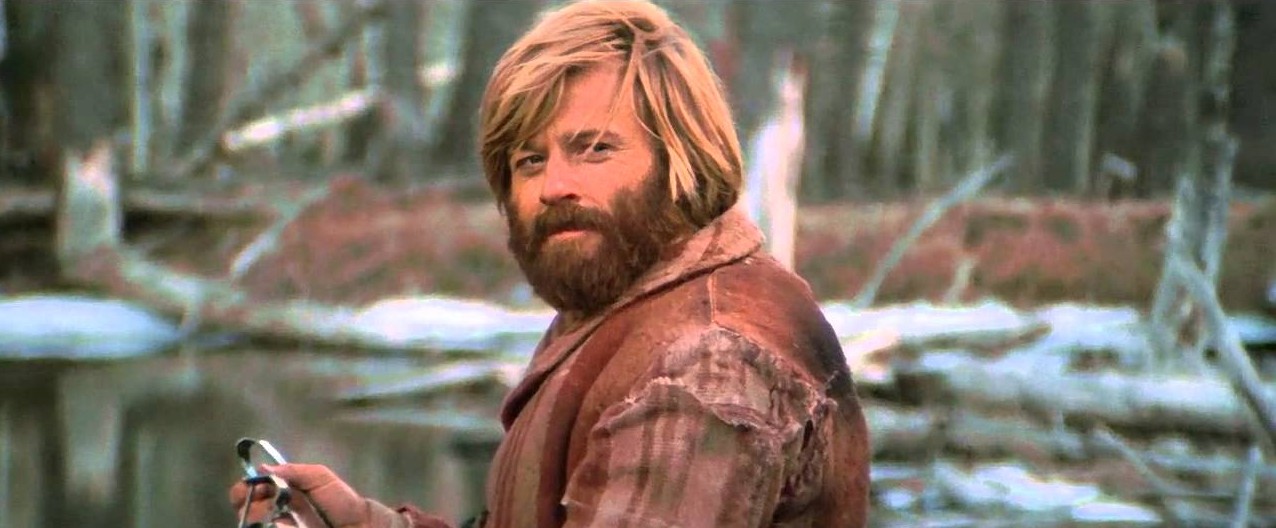
Robert Redford was one of the very most significant filmmakers of his generation. With his stunning good looks, magnetism and wry charm, he could have “settled” for mega stardom with the acting roles that he is justifiably best remembered for, in Butch Cassidy and the Sundance Kid and The Sting, along with a slew of romance movies. But his own artistic aspirations and his flinty contempt for the phony and the superficial took him to even greater heights. Redford’s first effort at directing, Ordinary People, won the Best Picture Oscar. He directed nine more films, some of them excellent (A River Runs Through It, Quiz Show, The Horse Whisperer) and none of them bad. But Redford’s biggest contribution was his developing the Sundance Institute and the Sundance Film Festival as incubators for other people’s independent filmmaking. His NYT obit highlights Steven Soderbergh, Quentin Tarantino, Darren Aronofsky, Nicole Holofcener, David O. Russell, Ryan Coogler, Robert Rodriguez, Chloé Zhao and Ava DuVernay as directors whose careers were accelerated by Sundance. That would have constituted an indelible legacy, even if he hadn’t become an iconic movie star. My own favorite Redford acting roles were in Jeremiah Johnson, All the President’s Men and Downhill Racer.
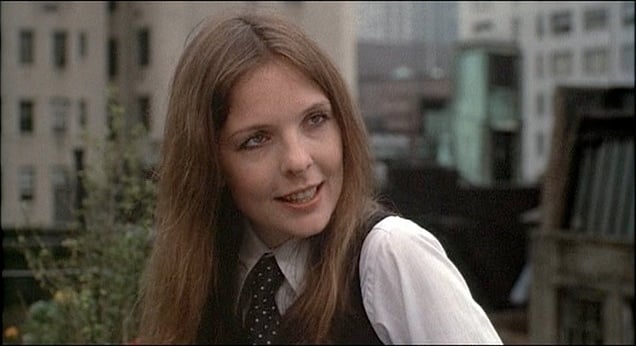
The beloved Diane Keaton earned her status as a cinema icon with unforgettable performances in three of the 50 Greatest Movies of All Time. She won her Oscar for her completely idiosyncratic portrayal of the title character in Annie Hall, my choice as the best romantic comedy ever. In The Godfather, her Kay Adams book-ended the story of Michael Corleone, first accepting his “That’s my family, Kay, It’s not me.” and then ending the movie with the door to Michael literally closing in her face. The most searing moment in The Godfather Part II was Kay’s ferocity in telling Michael about a miscarriage that wasn’t. 72 more movies and three more Oscar nominations filled out Keaton’s 54-year screen career, but those three performances were indelible. A further note – my best pal in LA occasionally ran into Keaton around town, and she liked to dress like Annie Hall in real life.
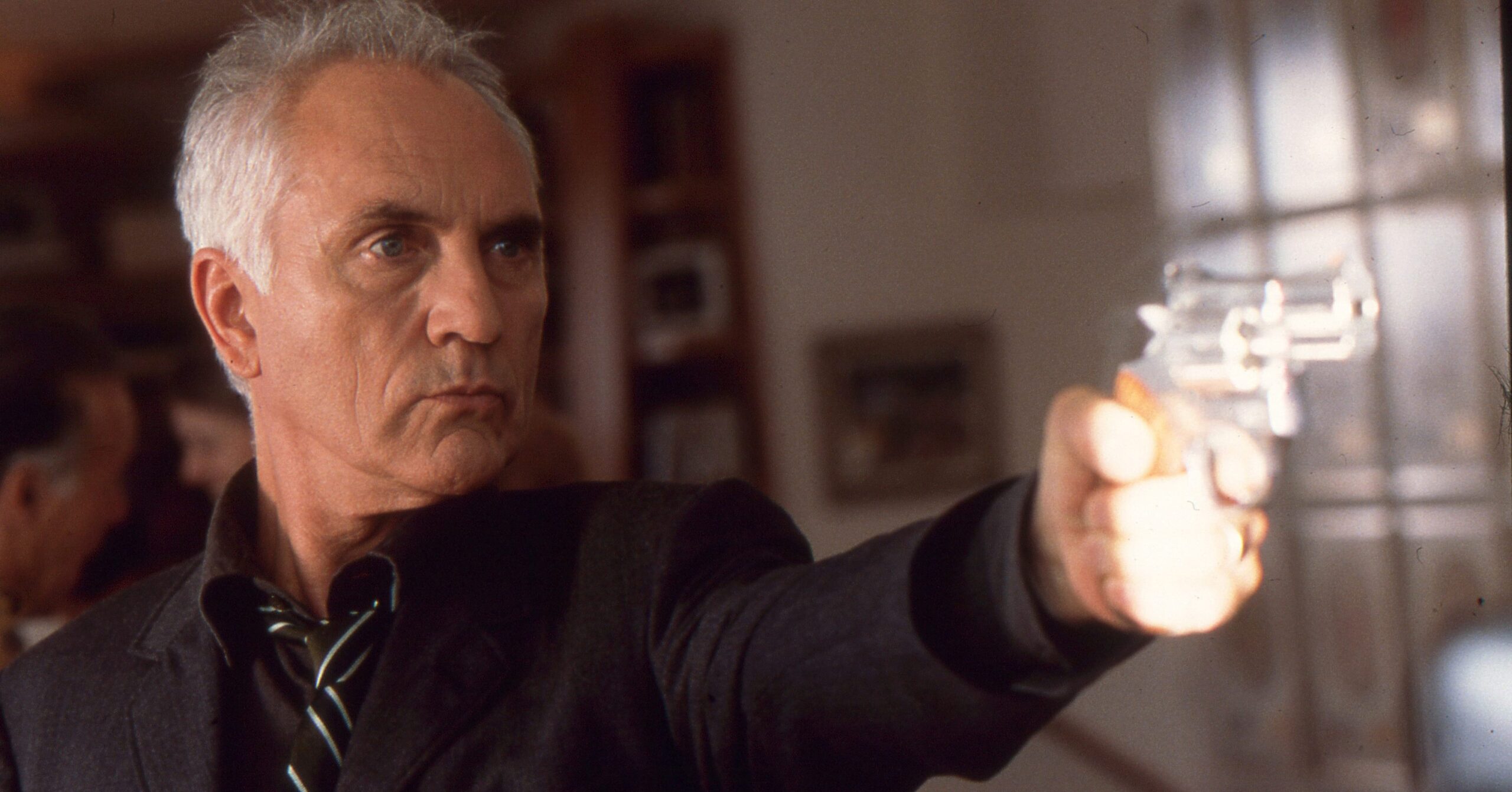
I loved Terence Stamp. Stamp, of course was a 1960s British star as a dreamy leading man (Billy Budd, The Collector, Far from the Madding Crowd). I’ve felt that his best work was in his middle age and since: still magnetic in The Hit, The Limey, and The Adjustment Bureau. And as recently as 2021, in Last Night in Soho, with his still striking features and dead-cold eyes, he looked dangerous from at the first glimpse.
Olivia Hussey was only 15 when she began filming Franco Zeffirelli’s Romeo and Juliet. Zeffirelli had decided to tell the story of impulsive, over-dramatic teenage love with actual teenage actors, and Hussey rewarded him with a rapturous and genuine performance. She worked with Zeffirelli again in the best-ever biblical epic, Jesus of Nazareth, as Mary, mother of Jesus.
Richard Chamberlain burst into the culture as TV’s dreamy Dr. Kildare, went to the English stage to hone his acting skills and returned to dominate the genre of television miniseries with Centennial, Shogun and The Thornbirds. Chamberlain made his share of movies, and my favorite is his role as Aramis in Richard Lester’s The Three Musketeers and The Four Musketeers.
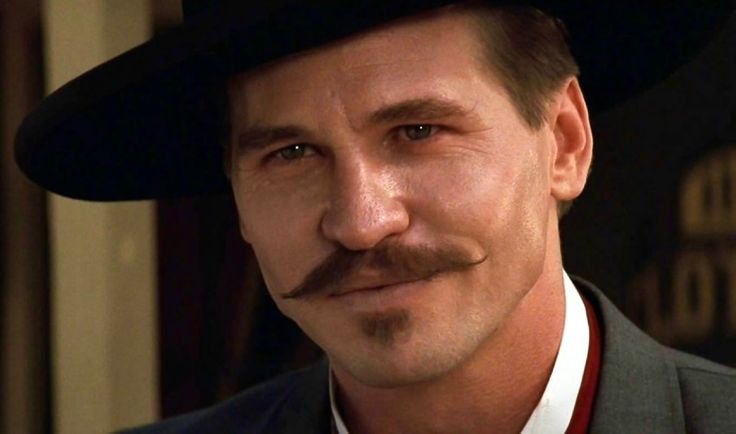
Val Kilmer applied his magnetism in unforgettable performances: Iceman in Top Gun, Jim Morrison in The Doors and Batman in Batman Forever. My favorite Val Kilmer turn was as an insouciant Doc Holliday in Tombstone.
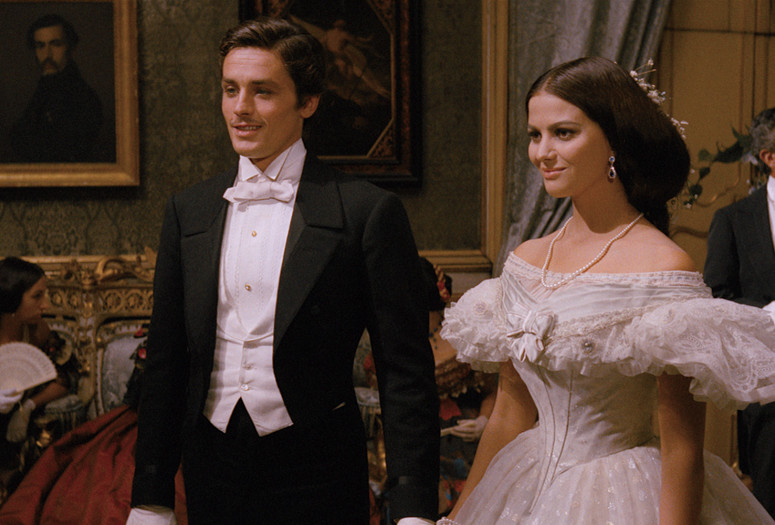
Claudia Cardinale was first noticed in the Italian comedy Big Deal on Madonna Street and had a key role in Fellini’s 8 1/2, one of the greatest movies ever. Popularly seen as a voluptuous bombshell in the 1960s, she worked in 128 films through 2022. The scene in which she is re-introduced to the local nobleman (Burt Lancaster) as a nubile adult in The Leopard is one of the most stunning entrances in cinema.
Three-time Oscar nominee Diane Ladd is known for Chinatown, Alice Doesn’t Live Here Anymore, Ghosts of Mississippi (she was a Mississippi native) and Primary Colors. She worked with her real life daughter Laura Dern in five movies, and in Rambling Rose, they became the first mom and daughter to be nominated for Oscars for the same movie. Early in her career, she appeared in Roger Corman’s biker exploitation film, The Wild Angels.
Tatsuya Nakadai starred in Akira Kurosawa’s two great color epics Ran and Kagemusha, and played the foil to Toshiro Mifune’s hero in Yojimbo.
Joan Plowright was primarily a star of the English stage, but she worked in movies, too, including Tea with Mussolini and earning an Oscar nod for Enchanted April. My favorite Plowright performance was in a gentle Irish comedy, Widows Peak.
Tony Roberts had a gift or playing characters with relaxed confidence, perfect foils for Woody Allen’s trademark nervous anxiety. Roberts’ pairing with Allen began with Play, It Again, Sam, and carried through Annie Hall, Stardust Memories, A Midsummer Night’s Sex Comedy and Hannah and her Sisters. Roberts worked plenty without Allen (Serpico, The Taking of Pelham One Twi Three and Dirty Dancing), mostly on the Broadway stage, where he was nominated for multiple Tony awards.
Joe Don Baker, with his physicality and country demanor was the perfect Sheriff Buford Pusser in Walking Tall, a little indie that became a mega hit. No one would be surprised that Baker hailed from a small town near Waco, nut I didn’t know that he studied at the Actor’s Studio. His best work was in Charley Varrick, The Outfit, George Wallace and Mud.
Every time I hear Stuck in the Middle with You by the one-hit wonder Stealer’s Wheel, I think of Michael Madsen. Madsen was a fine character actor who was good in all of his work, and he amassed 344 screen credits, often as a physically imposing bad guy. But, for anyone who has seen Reservoir Dogs, Madsen’s performance – especially his torture dance to Stuck in the Middle with You – is indelible.
Dignified yet down-to-earth Canadian actor Graham Greene, a member of the Oneida First Nation, garnered almost 200 screen credits, including Dances with Wolves, Powwow Highway, The Green Mile, Longmire and Wind River.
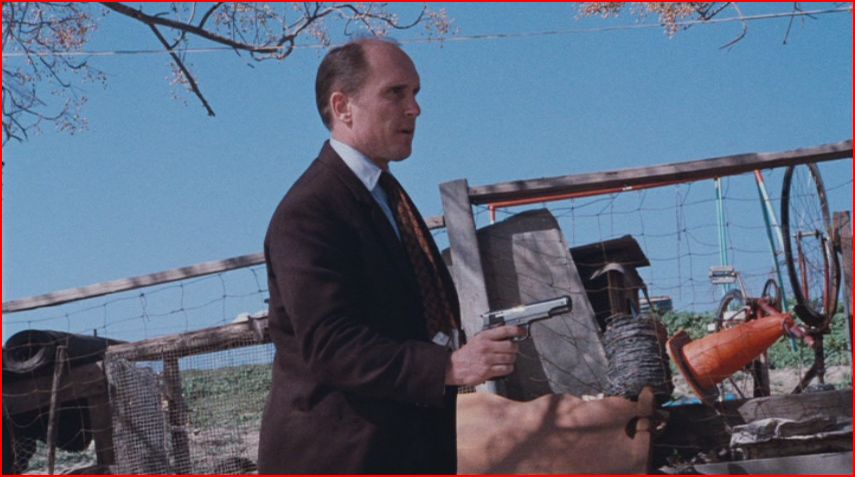
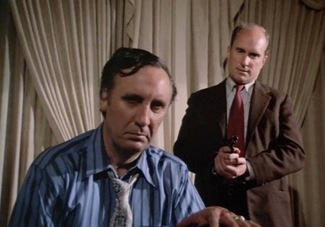
Character actor Harris Yulin brought intensity and authenticity to characters that ranged from authoritative to kindly to venal ones. He appeared in lots of big movies (Scarface, the 24 series and the Ghostbusters, Star Trek and Rush Hour franchises) and smaller, even better ones (Victory at Entebbe, Night Moves, St Ives, Truman, The Place Behind the Pines).
Udo Kier proved that one can have a prolific career (275 IMDb credits) as a character actor in both art and cult cult movies. He worked with directors like Werner Rainier Fassbinder, Werner Herzog, Wim Wenders and Lars Von Trier, and in Hollywood films like Johnny Mneumonic, My Own Private Idaho, Armageddon, Halloween and Ace Venture: Pet Detective. His visage, scarier as he aged, worked well in horror movies, and he did many, beginning with Jim Morrisey’s Andy Warhol’s Frankenstein and Blood for Dracula.
Belgian actress Emelie Dequenne was a force of nature in her debut, as an alienated young woman in Rosetta, the 1999 film that mad the Dardennes brothers famous auteurs. For that performance, Dequenne won the Best Actress at Cannes, and she won a Cesar in 2020.
Character actor Craig Richard Nelson’s first film role was as a snobby, fastidious preppy in The Paper Chase (1973), and he nailed a similar character in Robert Altman’s A Wedding (1978). In this period, he had small roles in Altman’s 3 Women (1977) and Tony Bill’s My Bodyguard (1980). Even though he worked in TV and film through 1998, his performances were increasingly less memorable.
George Wendt played the beloved Norm! in 269 episodes of Cheers and appeared in well over 150 titles, mostly on television. But his career began with small roles in good movies: A Wedding, Bronco Billy and The Bodyguard.
Rebekah Del Rio’s rendition of Llorando, the Spanish language version of Roy Orbison’s Crying, was one of the most transfixing scenes in Mulholland Drive.
Character actor Peter Greene excelled at playing scary villains and was the cretinous Zed in Pulp Fiction.