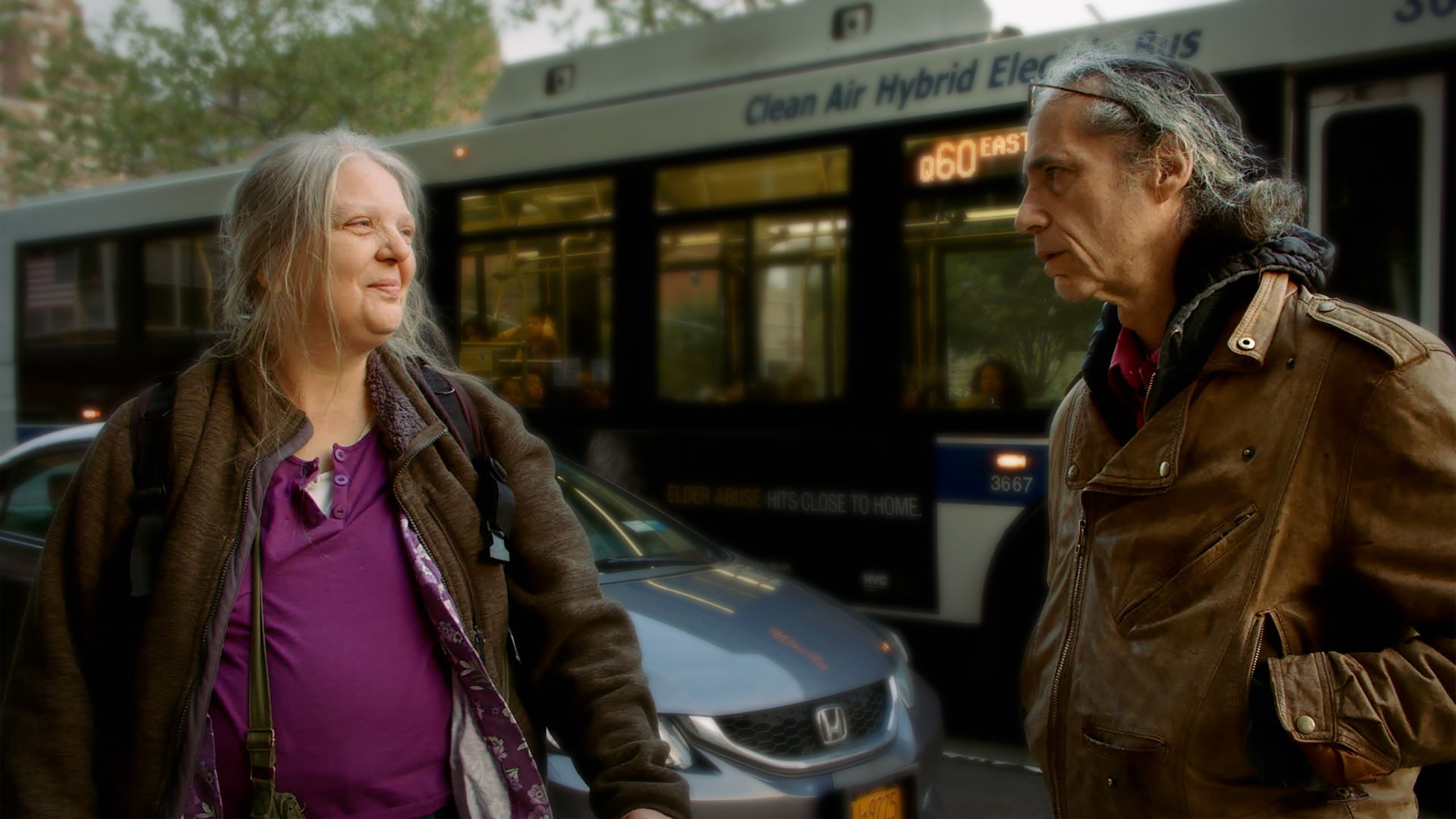
CHARM CIRCLE: you think YOUR family has issues?

Raya Burstein and Uri Burstein in CHARM CIRCLE. Photo courtesy of Cinequest.

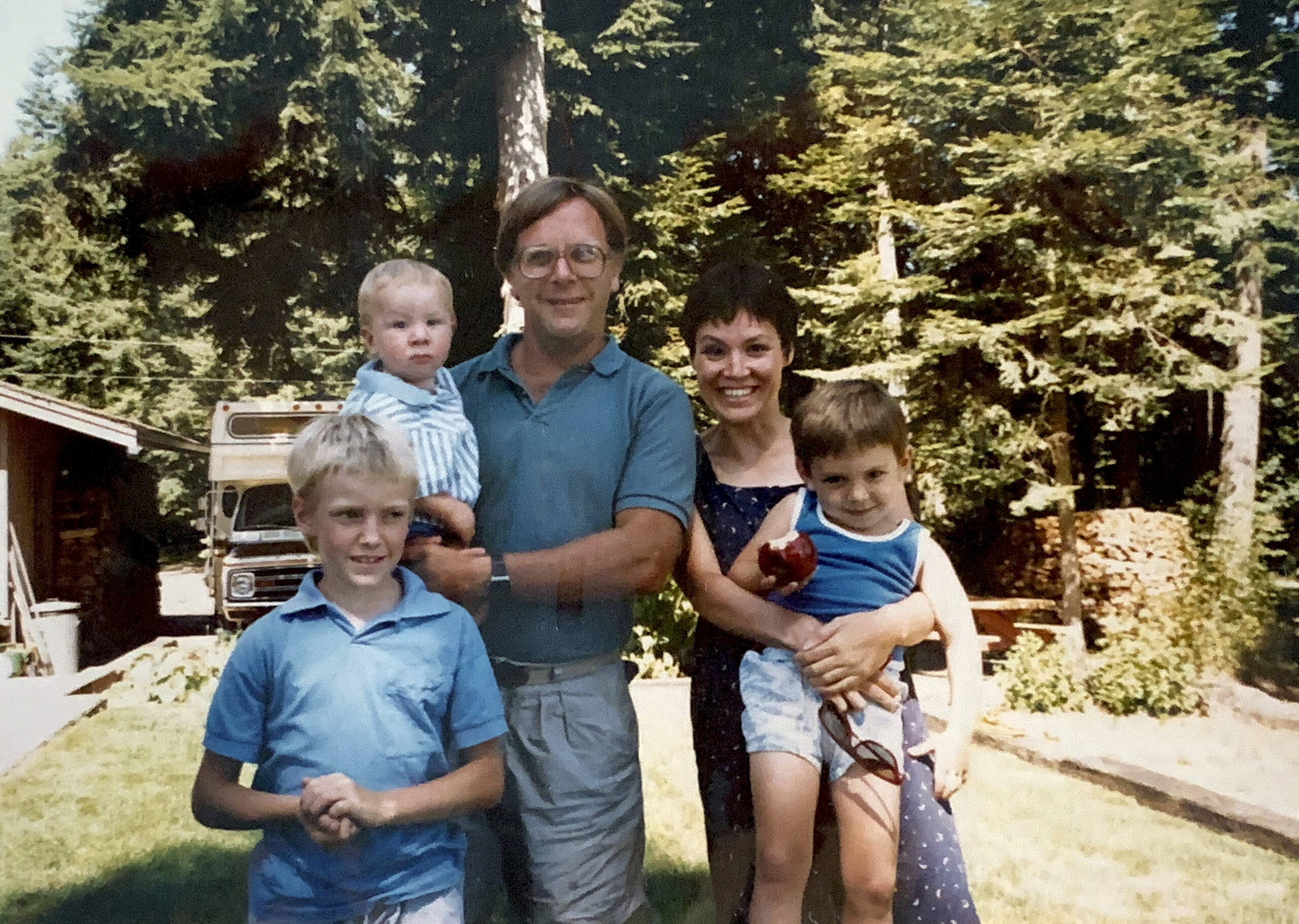
In the superbly structured documentary Charm Circle, writer-director Nira Burstein exquisitely unspools the story of her own bizarre family. At first, we meet Burstein’s father, a sour character who inexplicably is about to lose his rented house, which has become unkempt, even filthy. He is mean to Burstein’s apparently sweet and extraordinarily passive mother, and the scene just seems unpleasant.

But then, Nira Burstein brings out twenty-year-old videos that show her dad as witty, talented and functional. We learn a key fact about the mom, and then about each of the director’s two sisters.

Some of the publicity about Charm Circle describes the family as eccentric, but only one daughter is a little odd – three family members are clinically diagnosable. Charm Circle is a cautionary story of untreated mental illness and the consequences of failing to reach out for help.

This is Nira Burstein’s first feature, and she has two things going for her: unlimited access to the subjects and a remarkable gift for storytelling. Charm Circle works so well because of how Burstein sequences the rollout of each family member’s story.

The Nashville Film Festival returns in a few days, and I attended a screening of Charm Circle, with a Nira Burstein Q&A at NashFilm two years ago. It went on to play both the San Francisco Jewish Film Festival and Cinequest, and can now be streamed on the Criterion Channel.
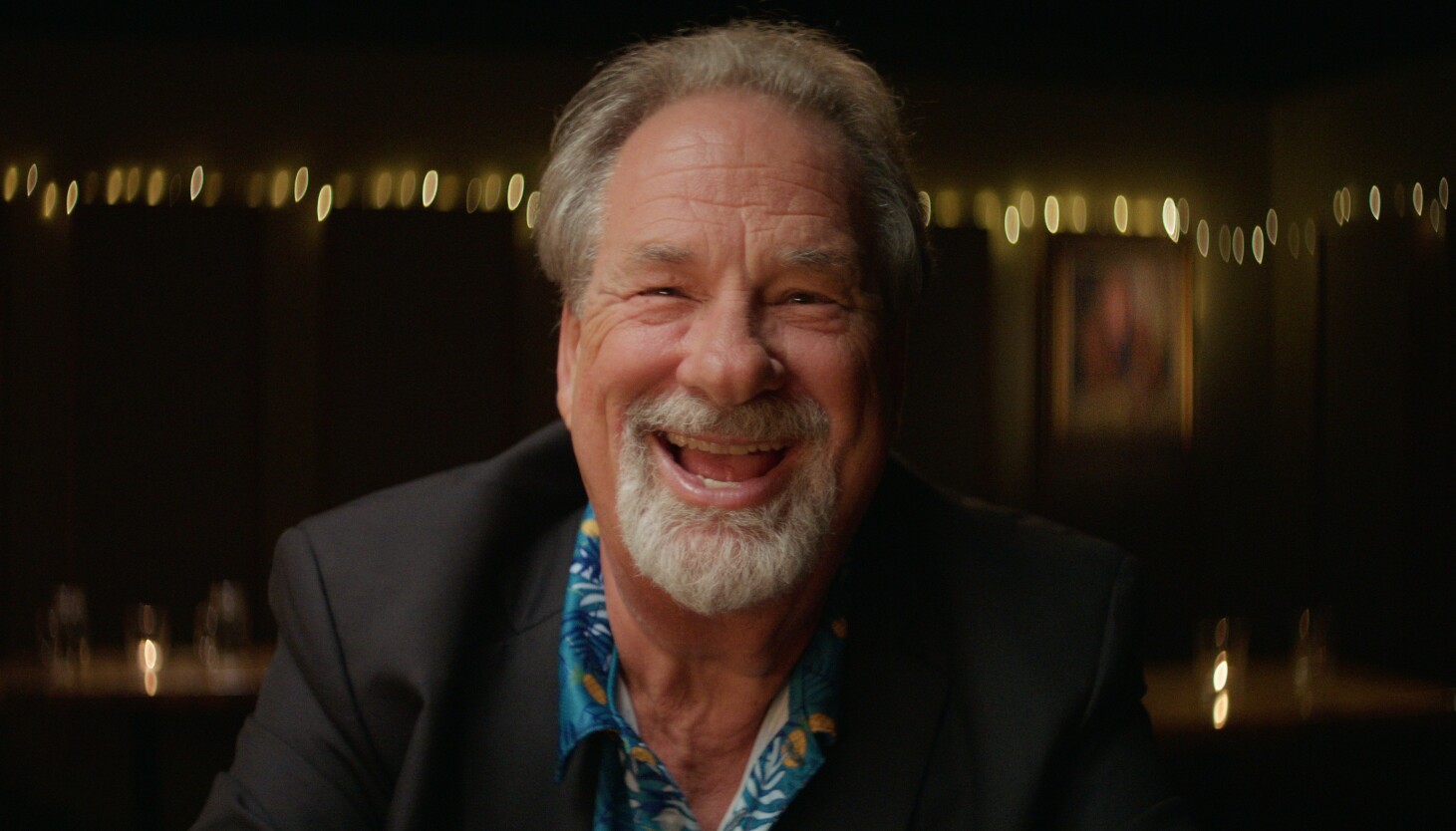
THE SAINT OF SECOND CHANCES: irrepressibility, ingenuity and audacity

Photo caption: Mike Veeck in THE SAINT OF SECOND CHANCES. Courtesy of Netflix.

The endearing documentary The Saint of Second Chances is about a guy who is both a character himself and the son of another character. Mike Veeck, the film’s subject, is the son of the legendary Bill Veeck, who was kind of the P.T. Barnum of baseball, known for the many gimmicks he used to draw paying fans into the ballpark. Unlike his father, Mike Veeck is not in the Hall of Fame, but he has earned his place in his self-described “family of baseball hustlers”.

This a movie about baseball people that really isn’t about baseball itself. It’s about Mike’s irrepressibility, ingenuity and audacity in conjuring up publicity stunt after publicity stunt. The story, cleverly divided into innings, traces Mike’s life through his very high highs and his very low lows. You may already know about his most famous low point – the Chicago White Sox’s “Disco Sucks Night” in 1979 that turned into a riot. That disaster drove Mike out of baseball, until, years later, he started promoting obscure minor league baseball teams with wacky novelties like the St. Paul Saints and their baseball-delivering pig, their nun masseuse and their blind radio broadcaster.

Like anyone’s life, Mike’s has had his share of heartaches, and The Saint of Second Chances‘ wistful moments are genuine and touching.

The Saint of Second Chances is co-directed by Morgan Neville, director of Roadrunner: A Film About Anthony Bourdain, Won’t You Be My Neighbor and 20 Feet from Stardom, for which he won an Oscar.

The Saint of Second Chances is streaming on Netflix.

THE LEAGUE: untold stories

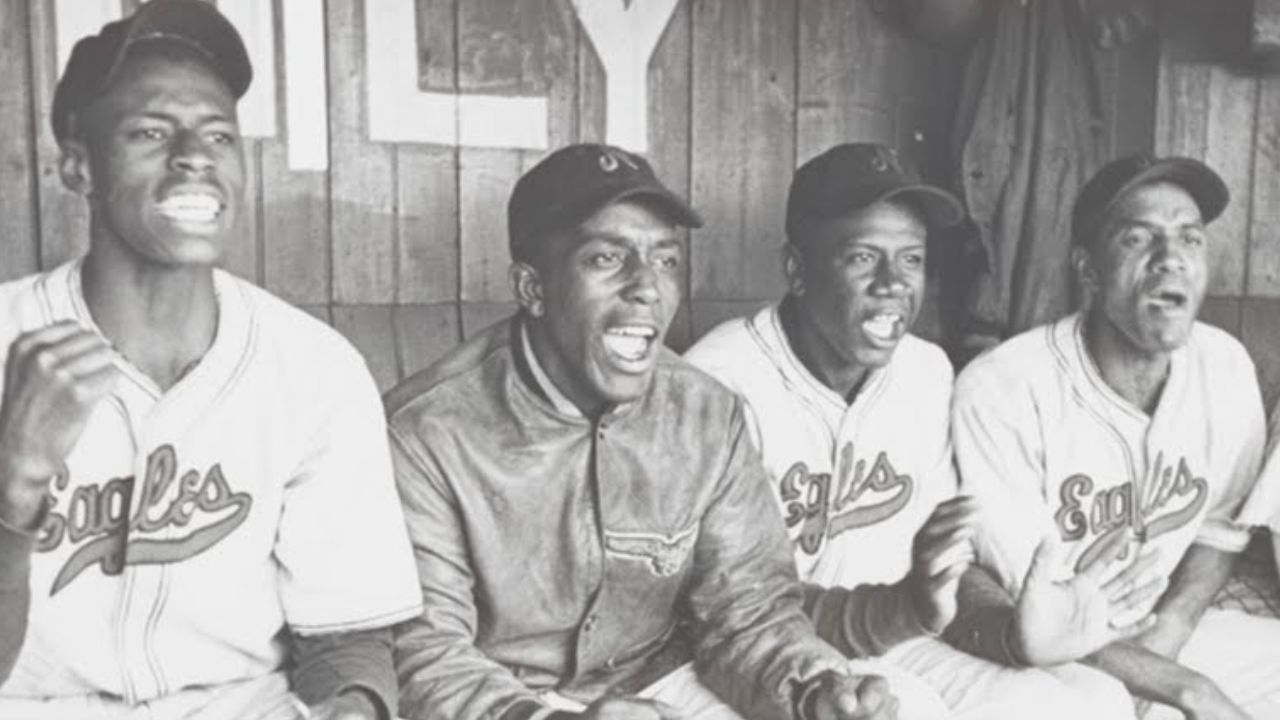
Photo caption: THE LEAGUE, courtesy of Magnolia Pictures.

The League is a comprehensive documentary on the history of Negro League baseball.  As one would expect from a Sam Pollard doc, it’s well-sourced and reveals some less well known history:

  • Rube Foster, remembered as a pitching great and inventor of the screwball, was the impresario and strategic mind behind the first Negro League.
  • Effa Manley, the canny co-owner of the Newark Eagles, was a pioneering female AND African-American businesswoman with the spunk, if not the resources, to stand up to MLB.
  • The Negro Leagues’ surprisingly brief lifespan and even briefer glory days.
  • Why the immensely talented, even Ruthian, Josh Gibson wasn’t put forward to integrate MLB (like Jackie Robinson was).  
  • How MLB execs like Branch Rickey and Bill Veeck worked with the Negro Leagues (or not).
  • The painful trade-offs from the long-awaited integration of MLB.

The League is the work of filmmaker Sam Pollard, who directed the more compelling MLK/FBI.  The League will appeal to those with interests in baseball and/or civil rights.  The League is streaming on Amazon.

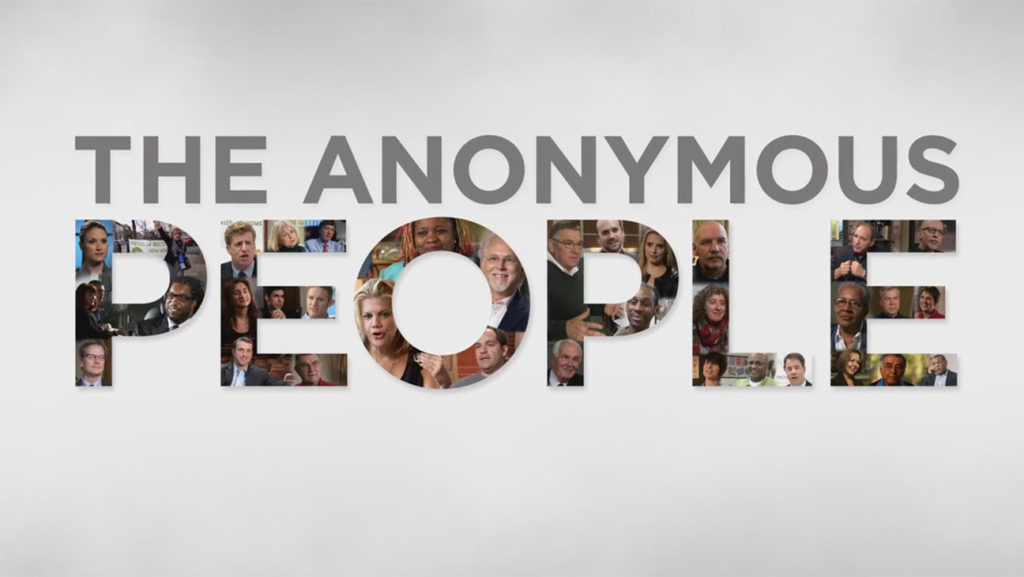
THE ANONYMOUS PEOPLE: bringing long term recovery out of the closet

Over 23 million Americans are living in long-term recovery from addiction. How many (or how few) of us know this, is the core of the thought-provoking 2013 advocacy documentary, The Anonymous People.

We all know about Alcoholics Anonymous, where anonymity makes it possible for alcoholics to work on their recovery without stigma. Anonymity is an integral pillar of AA, but some in AA interpret this to preclude publicizing their own recoveries. The Anonymous People challenges that orthodoxy.

The anonymity of those in long-term recovery also keeps the manifestations of recovery invisible to the general public, including the addicts who need it and the policy makers who need to know about it.

The carnage of celebrity addiction, as with Lindsay Lohan and Charlie Sheen, is high profile fodder for the popular media. But comparatively few of us know the stories of Samuel L. Jackson and Russell Brand, who are open about their own long term recovery.

The Anonymous People is about the open recovery movement (or public recovery movement). We hear from John Shinholser, President of The McShin Foundation, a leader in the movement, and others in long term recovery like actress Kristen Johnson of Mom. They advocate that folks come out of anonymity to say, “I am a person in long term recovery, and for me that means that I have been sober for X years.”

After all, who needs a role model more than someone struggling with addiction?

There is a strong parallel to the AIDS activists in the 1980s who defeated the stigma of AIDS by shedding the secrecy.

I saw The Anonymous People at a special screening, in an audience with over 90% people in recovery, and they loved it; (I am what people in recovery call a “Normie”). The Anonymous People will also resonate with anyone also for anyone interested in public policy issues like treatment and incarceration.

The Anonymous People can be streamed from Amazon, AppleTV, Vudu and YouTube.

SAM NOW: solving a mystery…only part of the story

Reed Harkness in SAM NOW. Courtesy of HA/HA Productions.

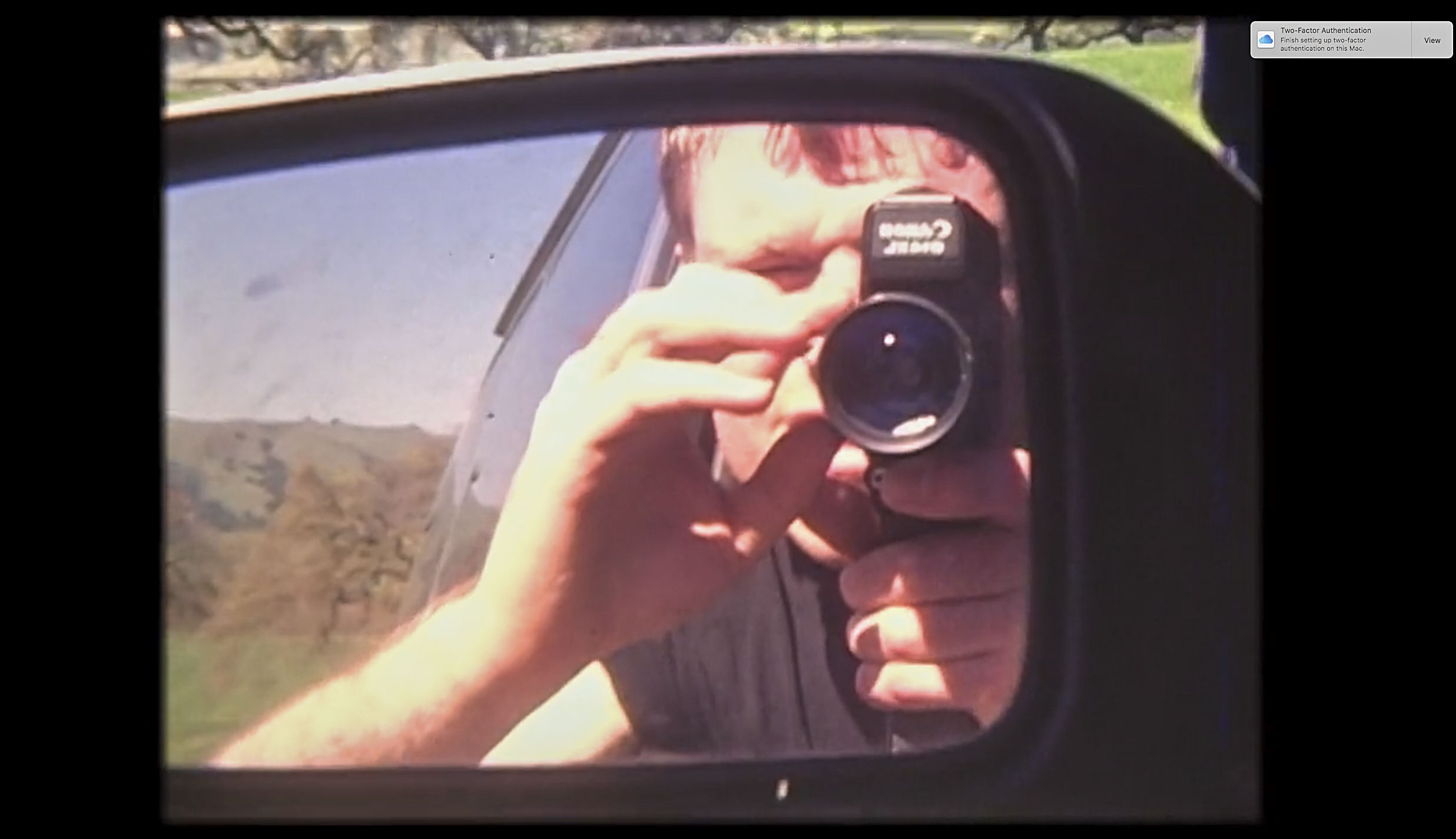
In the surprisingly complex documentary Sam Now, two brothers go on a road trip to solve a family mystery – but that’s only part of the story. Beginning as a teenager, writer-director Reed Harkness spent his teen years shooting movie projects that starred his younger half-brother Sam. Reed and Sam grew up in a blended family of spirited brothers, a family with one striking anomaly – Sam’s mother had suddenly vanished.

Shortly after the disappearance, the family learned that the mom was alive, having left of her own volition. She was choosing to live elsewhere secretly, severing all contact with her family. Reed and Sam’s family went on with their lives, and the subject of the missing mom was no longer discussed.

Years later, as young men, Reed and Sam decide to get in the car with Reed’s cameras and track down Sam’s mom. Will they find her? Why did she abandon her children? Can they resume/salvage their relationship or work out a new one?

The subject Harkness famiy in SAM NOW. Courtesy of HA/HA Productions.

Those are compelling questions, but the quest to find the mom isn’t the whole movie. Once the initial mystery is solved, Reed Harkness kept his camera focused on the participants over the next decade.

Beginning with home movies when the brothers were kids, Sam Now documents 25 years of family life and individual personal growth. It’s all complicated, as we might expect with multigenerational trauma.

Reed Harkness’ use of music in Sam Now is particularly strong. Reed and Sam’s rowdy boyhood and the brother’s road trip is accented with boisterous garage rock. More contemplative music accompanies the personal reflections later in the film.

Sam Now garnered various film fest awards, aired on PBS’ POV, and releases on streaming platforms, including Amazon and Vudu, on June 6.

32 SOUNDS: a concept movie, and the concept is kinda boring

32 SOUNDS. Courtesy of Abramorama.

The documentary 32 Sounds strives to be an immersive dive into sounds of all types and the impact of sounds on humans. It’s an anthology of 32 bits, each related to sound in different way.

The immersive quality is where 32 Sounds falls short. After seeing the trailer, I made an effort to see 32 Sounds in a theater with surround sound. But, after the filmmakers address the audience at the beginning, the surround sound is not really necessary to enjoy (or, in my case, NOT enjoy) the film.

The two most powerful scenes don’t have much to do with the technical or artsy stuff that comprise much of 32 Sounds. In one, a scientist listens to a long-forgotten letter to his future self that he taped as an 11-year-old. Later, a man muses on “ghost voices” – how he can ALMOST recall the voices of his dead loved ones.

Overall, the 95 minutes I invested in slogging thru 32 Sounds was wasted, except for the ten minutes that I drifted into a deep, blissful nap.

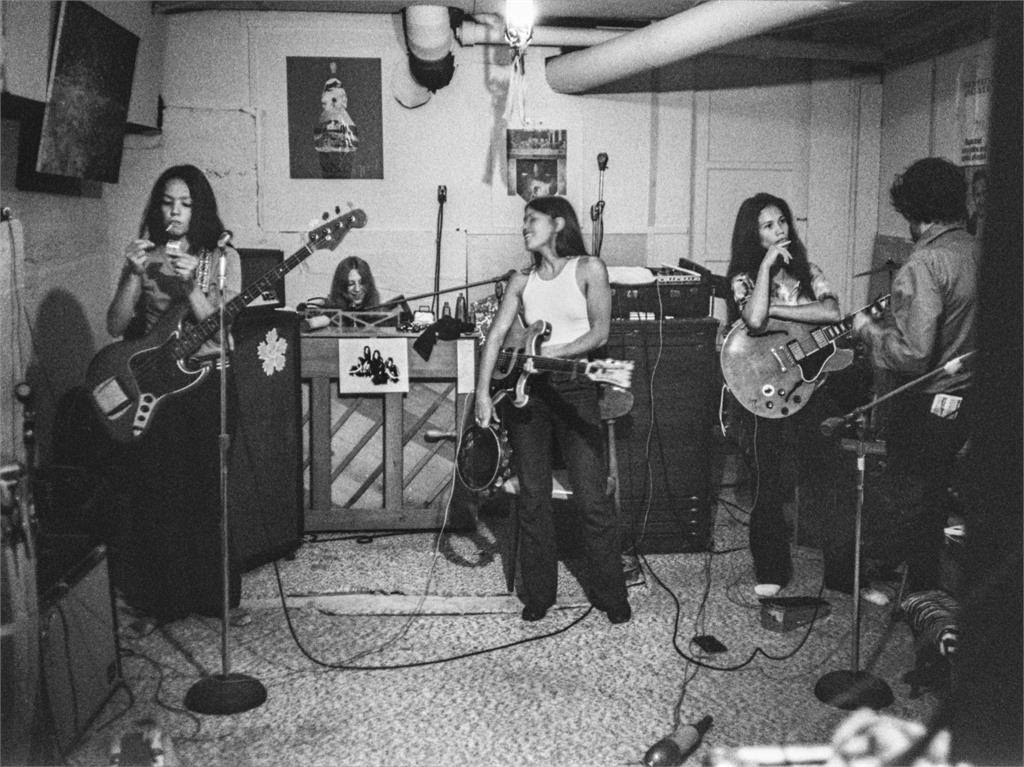
FANNY: THE RIGHT TO ROCK: triple-threat trailblazers

Photo caption: Fanny in FANNY: THE RIGHT TO ROCK. Courtesy of PBS.

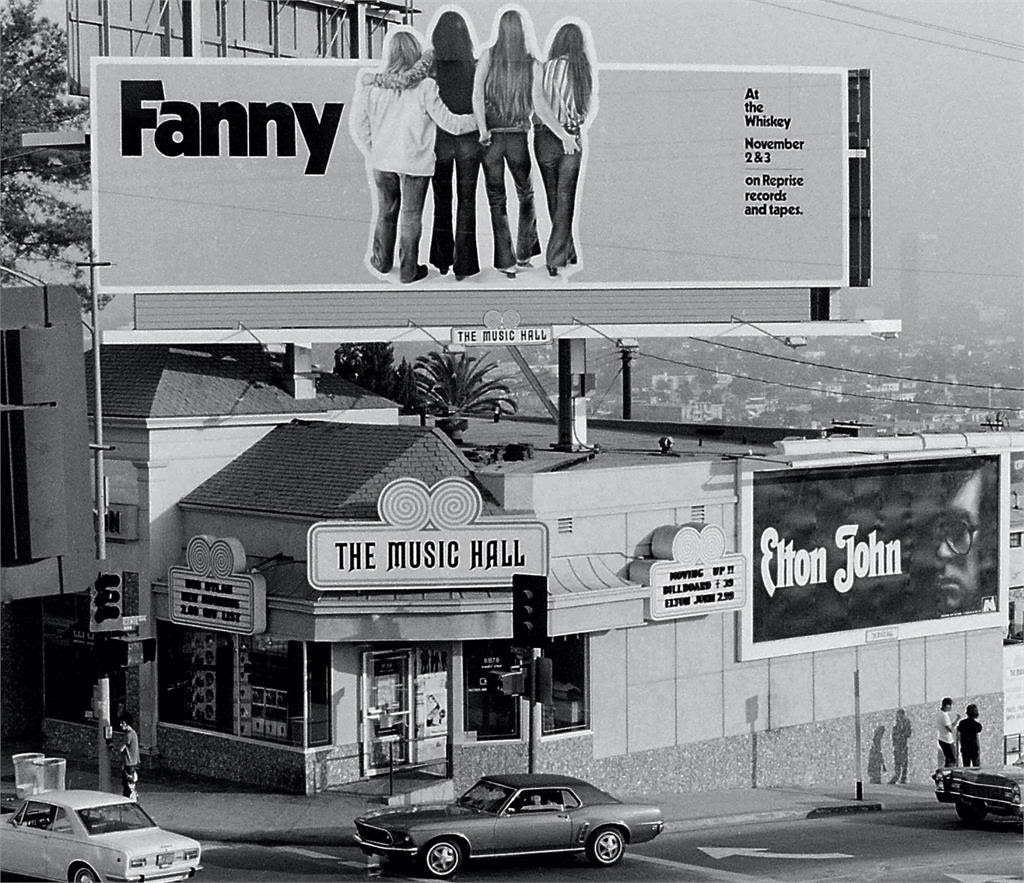
Fanny: The Right to Rock documents the first all-female rock band to get signed by a major record label and churn out five albums. Fifty years ago, the band Fanny was breaking ground for women musicians – and for lesbians and Filipinas. Women rockers were a novelty in the early 1970; imagine layering on LGBTQ identity and Asian-American heritage.

Although you probably haven’t heard of them, this was no garage band. They had a major label record deal, European tours, and hung out with big name peers. Unlike many male bands of the period, Fanny didn’t crash and burn due to drug use or clashing egos. They just never caught on with record-buyers.

FANNY: THE RIGHT TO ROCK. Courtesy of PBS.

It’s pretty clear that sexism in the music industry and media, combined with maybe being a little ahead of their time to deny Fanny stardom. Too bad – I would have loved to listen to them in their heyday.

Their music fits right into the stuff I was listening to in the 1970s. I’m guessing that the reason why I hadn’t heard of them is that they didn’t get played on FM radio in the Bay Area.

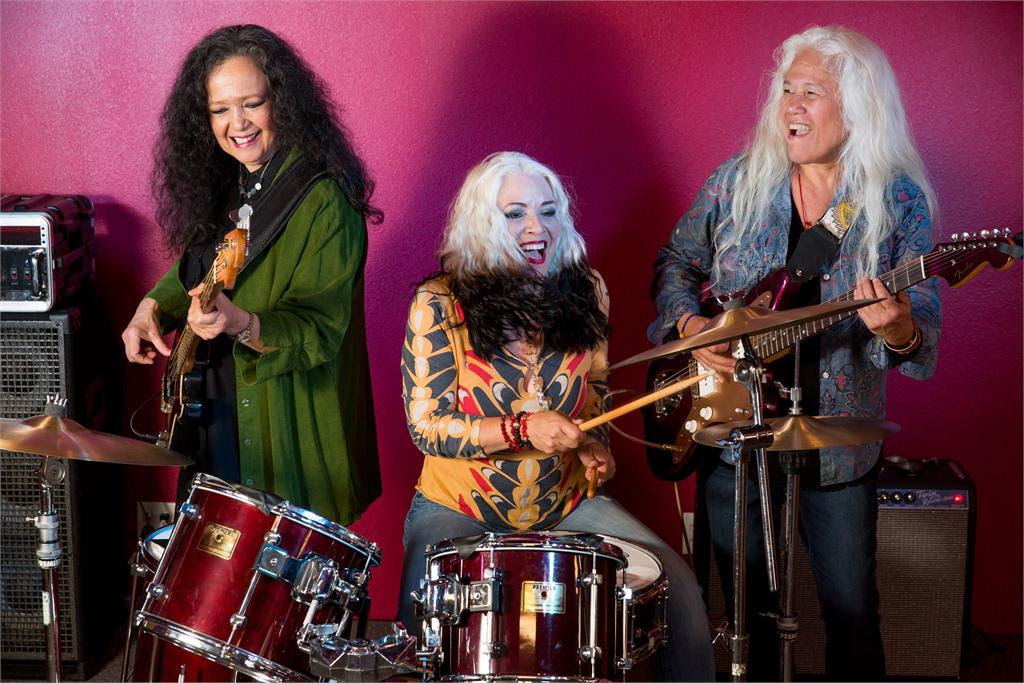
These women can still really rock in their 70s, and they’re a hoot. Tomorrow night, May 17, they’ll perform for one time at the Whisky A-Go-Go to commemorate the 50 year anniversary of their now infamous club performance at the Whisky.

Fanny in FANNY: THE RIGHT TO ROCK. Courtesy of PBS.

Fanny: The Right to Rock is filled with colorful anecdotes from back in the day. Todd Rundgren, an important early associate of Fanny, and Bonnie Raitt appear as eyewitnesses. Cherie Curry of the Runaways, Cathy Valentine of the Go-Go’s and Kate Pierson of the B-52s testify to Fanny’s trailblazing status.

I screened Fanny: The Right to Rock last year at the Nashville Film Festival. On May 22, you can watch it on your very own television when It will be broadcast on PBS and begin streaming on on PBS.ORG and the PBS APP.

BEST WORST MOVIE: a romp through cinematic awfulness

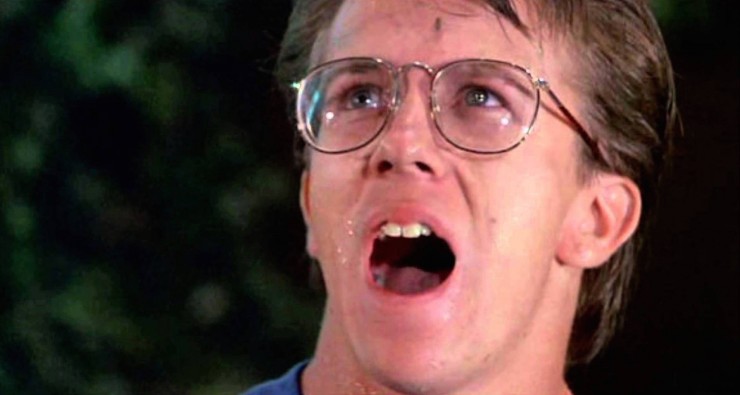
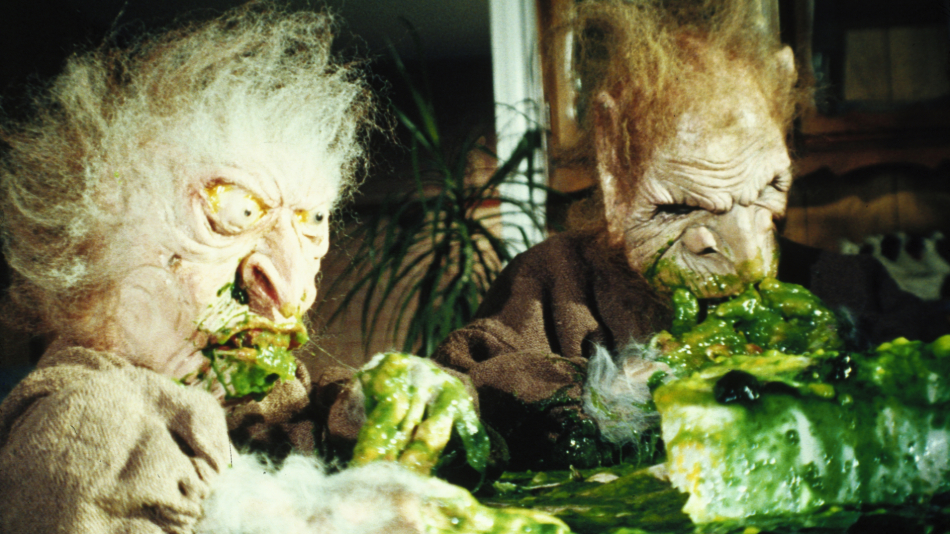
The notorious “O My God” TROLL 2 scene in BEST BAD MOVIE

Troll 2 was so bad that it earned its very own documentary, Best Worst Movie. Despite its title, Troll 2 was completely unrelated to the earlier movie Troll – and has no trolls in it.

Troll 2 is about a white bread suburban family that vacations in the mountain village of Nilbog (“Goblin” spelled backwards, get it?). The family doesn’t know that all of the locals are vegetarian predator goblins who can take the form of regular humans. The goblins are able to turn humans into vegetative matter (a green slime) that the goblins can ingest.

TROLL 2 scene in BEST WORST MOVIE

Troll 2 was made in 1990 with very primitive production values – and by a non-English speaking Italian crew and a non-Italian speaking Z-list American cast. Best Worst Movie showcases the inept acting and directing aside, but Troll 2’s screenplay is probably the source of the most laughs:

  • Dead Grandpa Seth keeps appearing to the boy.
  • The boy saves his family by urinating on the family dinner.
  • There’s a teen make out scene so “hot” that it literally pops popcorn.

You can see some of the finer bits by doing a YouTube search for “You can’t piss on hospitality” and “Troll 2 O my God”.

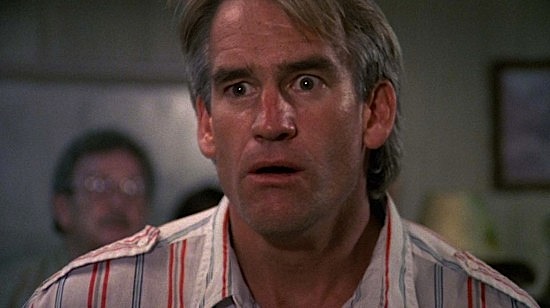
Best Worst Movie contains some squirmy scenes with cast members whose mental health issues have since worsened. And the Italian director is a jerk who is narcissistically unwilling to acknowledge its badness, but is all to happy to bask in Troll 2‘s new found cult status. But the goodhearted goofiness of star George Hardy, a cast of good sports and Troll 2‘s cult following dominates.

George Hardy in a TROLL 2 scene in BEST WORST MOVIE

Troll 2 is one of the films in my Bad Movie Festival. Best Worst Movie can be streamed from Amazon (included with Prime) and AppleTV.

JEWS OF THE WILD WEST: desperadoes, cowpunchers…and Jews

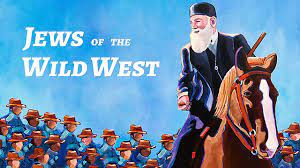
Okay, so this is one of those rare movies that had me at the title. One doesn’t automatically think of Jews among the wagon trains, desperadoes and cowpunchers of the Wild West. But, in Jews of the Wild West, documentarian Amanda Kinsey brings us an anthology of impressively well-researched Jewish experiences on the Western frontier.

Kinsey starts off with a saloon girl who married an iconic gunslinger (and buried him in Colma’s Jewish cemetery) and the marketer of the clothing item most identified with the American West (hint – not Wranglers). As a Western history buff, I was familiar with those first two stories, but then I started learning a lot:

  • Why many of the first mayors of frontier towns were Jewish;
  • How Eastern European occupational restrictions on Jews prepared them for a pivotal role in the development of the great Denver and Greeley, Colorado, cattle stockyards;
  • That most Jews found markedly less antisemitism in the West than in the East;
  • That teenage Golda Meir ran away to high school in Denver.

My jaw dropped at the shocking story of the Hebrew Emigrant Aid Society, which in 1881-84, until taken over by the reputable United Hebrew Charities, was helping new Jewish emigrants resettle in the remote West. The seeming benevolence, it turns out, was motivated by an earlier wave of now prosperous Jews who didn’t want the impoverished Orthodox arrivals from Eastern Europe to challenge capitalism and make them look bad.

Interestingly, filmmaker Kinsey, a longtime NBC News producer and five-time Emmy winner, is NOT herself Jewish.

I attended a screening of Jews of the Wild West at the San Luis Obispo Jewish Film Festival that included a Q&A with Kinsey and local historians. Jews of the Wild West is streaming on Amazon, AppleTV, Vudu and YouTube.

HALLELUJAH: LEONARD COHEN, A JOURNEY, A SONG: a reflective artist, a reflective movie

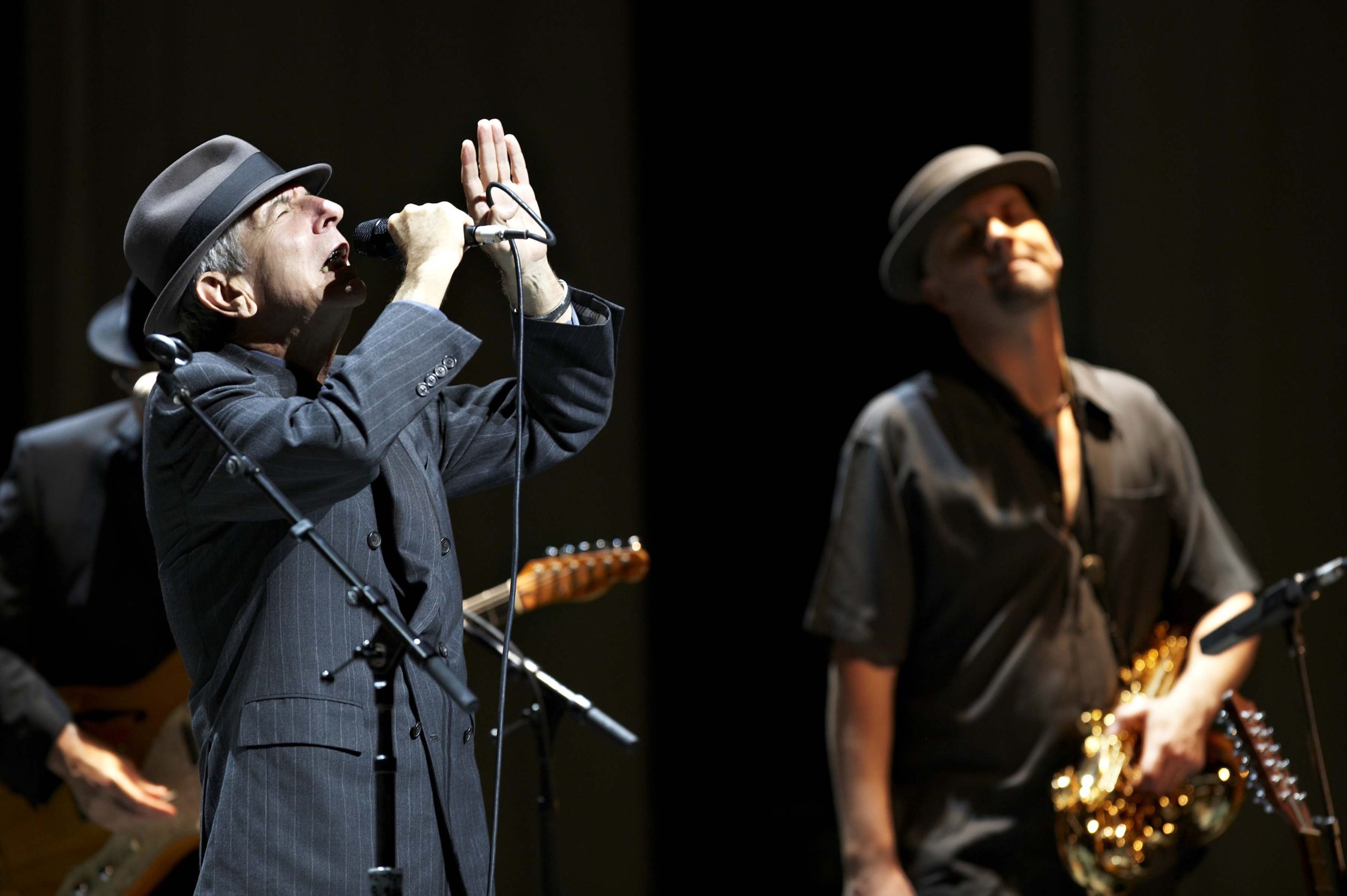
Photo caption. Leonard Cohen in HALLELUJAH: LEONARD COHEN, A JOURNEY, A SONG. Courtesy of Leonard Cohen Family Trust.

Hallelujah: Leonard Cohen, a Journey, a Song is a biodoc as reflective as the subject himself. That subject is poet/singer/songwriter Leonard Cohen, creator of profound verse and ear-worm melodies. Cohen was such a seeker that he secluded himself for five years at a Buddhist monastery on Mount Baldy. I’m reposting about this film because it is finally widely available to stream.

Co-writers and co-directors Daniel Geller and Dayna Goldfine have comprehensively sourced the film with Cohen intimates and a substantial dose of Cohen himself. Geller and Goldfine have braided together Cohen’s journey with that of his most sublime song, Hallelujah.

One doesn’t think of a song even HAVING a journey, but Cohen wrote Hallelujah over years and years, possibly composing over 150 verses, only to have Columbia refuse to issue the album that it had commissioned. Then the song was rescued by John Cale, rejuvenated in the animated movie Shrek, and became iconic with the spectacular cover by Jeff Buckley. Along the way, Cohen himself would reveal alternative lyrics in live performance. Helluva story.

I’ve seen splashier documentaries – this is, after all, about a poet. The one forehead-slapping shocker for me was the initial rejection of Hallelujah. At almost two hours, Hallelujah: Leonard Cohen, a Journey, a Song is a settle-in-and-be-mesmerized experience.

(BTW, could there be a bigger producer/artist mismatch than Phil Spector and Leonard Cohen?)

Hallelujah: Leonard Cohen, a Journey, a Song is now available to stream from Amazon, AppleTV, Vudu, YouTube and redbox.