AMY: emotionally affecting and thought-provoking

AMY
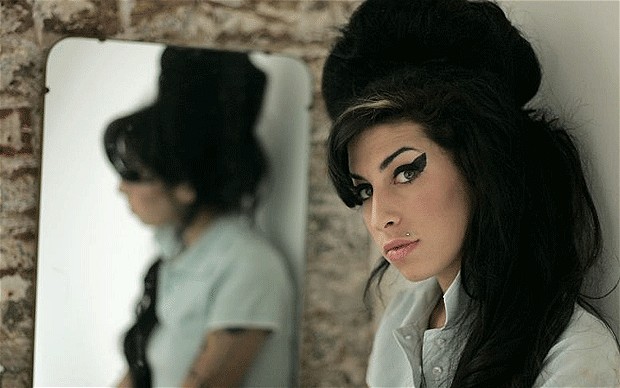
Photo caption: Amy Winehouse in AMY. Courtesy of A24.

An Amy Winehouse movie (Back to Black) is coming out this weekend, but I’m not aware of any reason to go see it, when you can watch a great Amy Winehouse movie, an Oscar winner, at home. Amy, documentarian Asif Kapadia’s innovative biopic of the singer-songwriter, is heart-felt, engaging and features lots of the real Amy Winehouse.

In a brilliant directorial choice, Amy opens with a call phone video of a birthday party.  It’s a typically rowdy bunch of 14 year-old girls, and, when they sing “Happy Birthday”, the song is taken over and finished spectacularly by one of the girls, who turns out to be the young Amy Winehouse.   It shows us a regular girl in a moment of unaffected joy and friendship, but a girl with monstrous talent.

In fact ALL we see in Amy is footage of Amy.  Her family and friends were devoted to home movies and cell phone video, resulting in a massive trove of candid video of Amy Winehouse and an especially rich palette for Kapadia.

We have a ringside seat for Amy’s artistic rise and her demise, fueled by bulimia and substance addiction.  In a tragically startling sequence, her eyes signal the moment when her abuse of alcohol and pot gave way to crack and heroin.

We also see when she becomes the object of tabloid obsession. It’s hard enough for an addict to get clean, but it’s nigh impossible while being when harassed by the merciless paparazzi.

Amy makes us think about using a celebrity’s disease as a source of amusement – mocking the behaviorally unhealthy for our sport.  Some people act like jerks because they are jerks – others because they are sick.   Winehouse was cruelly painted as a brat, but she was really suffering through a spiral of despair.

The Amy Winehouse story is a tragic one, but Amy is very watchable because Amy herself was very funny and sharply witty.  As maddening as it was for those who shared her journey, it was also fun, from all reports.  Everyone who watches Amy will like Amy, making her fate all the more tragic.

Amy, which won the Oscar for Best Documentary Feature can be streamed from Amazon, AppleTV, YouTube and is included in Max and Hulu subscriptions.

RELATIVE: a loving, but insistent investigation

Photo caption: A scene from Tracey Arcabasso Smith’s RELATIVE. Courtesy of Gravitas.

Relative is filmmaker Tracey Arcabasso Smith’s reflective exploration of intergenerational sexual abuse in her own family.   As Smith lovingly, but insistently, interviews her family members, she uncovers an epidemic of abuse in generation after generation.  Relative becomes ever more powerful as Smith refuses to sensationalize, but stays centered on the strength and humanity of the women on camera.  Finally, Relative takes us to how the cycle of abuse can be broken. 

This is a brilliantly edited film (by Jeremy Stulberg, Ian Olds and Natasha Livia Motola) – first person testimonies are inter-cut with the home movies of a lively family – a family we now understand was stained with corrosive secrets. 

Relative is the first feature for director Arcabasso Smith. (BTW the unadorned word Relative is a great title for this story.)

I screened Relative for the 2022 Nashville Film Festival. It’s now available to stream on Amazon (included with prime), AppleTV, Vudu and YouTube. 

ENNIO: the good, the bad and the transcendent

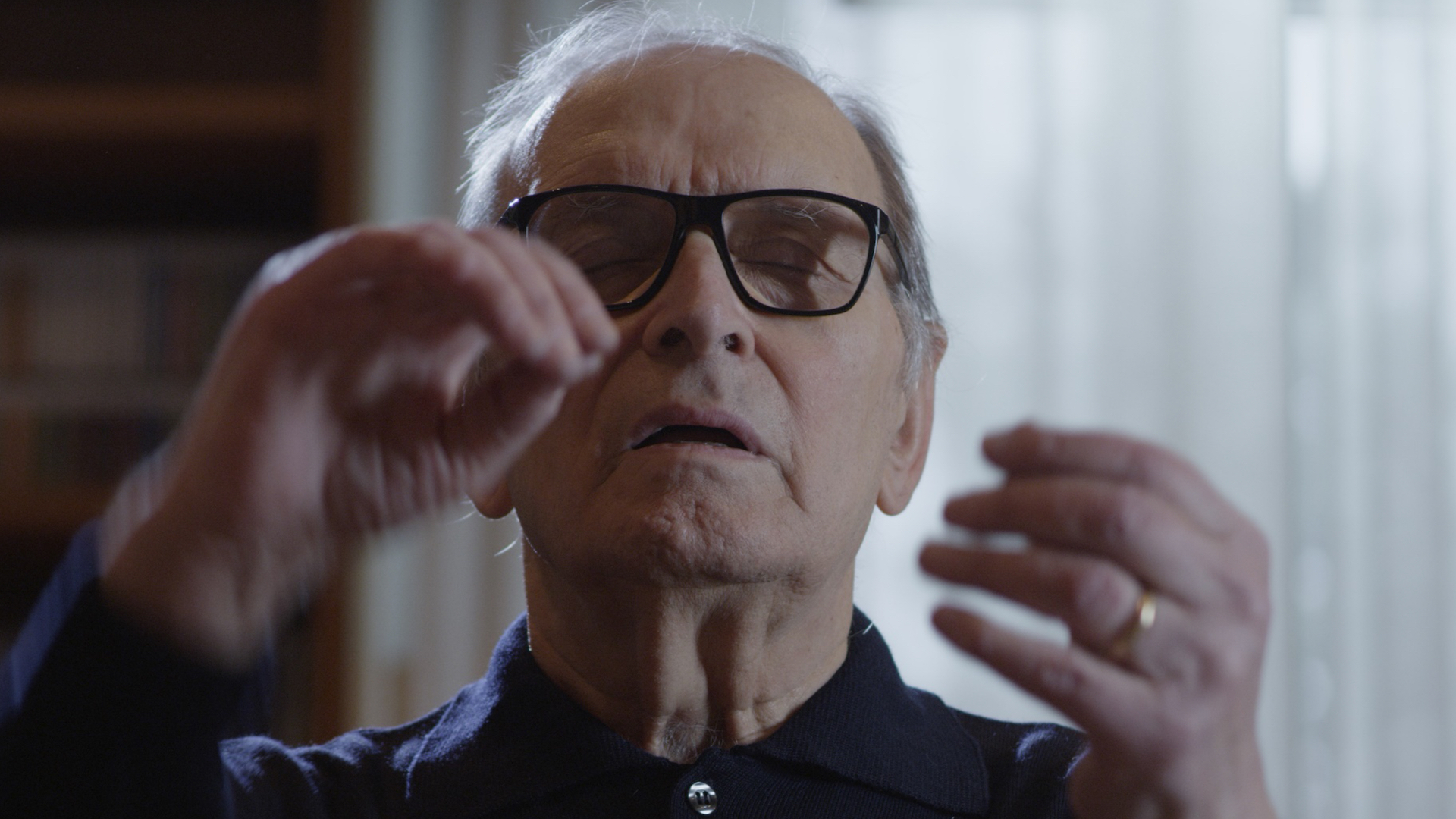
Photo caption: Ennio Morricone in ENNIO. Courtesy of Music Box Films.

Ennio Morricone is one of the greatest composers of movie music and certainly the most original, and the thorough and well-sourced documentary Ennio traces his life and body of work. We hear from Morricone himself and plenty of talking heads – many film directors, composers and musicians, from Clint Eastwood to Bruce Springsteen.

Morricone is the first artist I’ve heard of who aspired to become a doctor, but was forced by his father to play trumpet. During WW II in Italy, the Morricone family business was a small town brass band that entertained occupying German, then American troops, which the young Ennio found humiliating. Nevertheless, he followed his talent into a music conservatory, and evolved into composing.

Circumstances brought him a gig writing movie music and led to his groundbreaking scores for Sergio Leone’s spaghetti westerns A Fistful of Dollars, For a Few Dollars More and The Good, the Bad and the Ugly. Beginning with the whistle in A Fistful of Dollars, this now iconic music is described in Ennio as “cultural shock” “operatic” and a “whole new language”. We learn how Morricone built his score for The Good, the Bad and the Ugly around his interpretation of a coyote howl. Great stuff.

Ennio’s other highlights include:

  • His work with Joan Baez for Sacco & Vanzetti in 1971.
  • His 9/11 symphony.
  • How he was snubbed by the Oscars for The Mission and The Untouchables before wining for The Hateful Eight.

Ennio takes two hours and 36 minutes to comprehensively survey Morricone’s entire career, and I would have preferred a shorter film more focused on the highlights. There is an unnecessarily long exit ramp of accolades at the end.

BTW I recommend listening to Morricone himself conduct an orchestra’s performance of his music from The Mission; search YouTube for “morricone conducts the mission”

Ennio is now available to stream on Amazon, AppleTV and YouTube.

MATTER OF MIND: MY PARKINSON’S: real, uplifting, essential

Photo caption. Isa and Veronica Garcia-Hayes in MATTER OF MIND: MY PARKINSON. Courtesy of PBS Independent Lens.

The surprisingly uplifting documentary Matter of Mind: My Parkinson’s shines a light on Parkinson’s disease, and what we need to know about it. An estimated one million Americans are living with Parkinson’s, and the key to Matter of Mind’s success is in introducing us to three of them – a Brooklyn optician, a San Francisco fitness trainer and an Alaskan cartoonist – and their families. On April 8, Matter of Mind: My Parkinson’s becomes available on PBS’ Independent Lens and the PBS App..

Parkinson’s is incurable and degenerative, and attacks motor abilities. Matter of Mind does not sugar coat the symptoms, ranging from from tremors, falling and speech impairment to dementia and depression. Nevertheless, there are now medicines and surgeries ((including deep brain stimulation)) that can impact the symptoms.

We watch the three subjects and their families, all engaging and relatable, explore the medical treatments, with their risks and tradeoffs, and adapt to getting the most out of their lives, even with Parkinson’s. Matter of Mind emphasizes the impacts on family members and the importance of family in supporting each sufferer’s response.

The 54-minute format of Independent Lens fits this subject matter exceptionally well – long enough to explain the science without becoming an eat-your-broccoli slog.

This is the second in a series of three documentaries on neurodegenerative diseases from co-writers and co-directors Anna Moot-Levin and Laura Green; the others are on ALS and Alzheimer’s. I’m usually not keen on disease movies, but Matter of Mind: My Parkinson’s is so good, and Parkinson’s so prevalent and inadequately understood, that this is essential viewing.

PAIN AND PEACE: forgiving the unforgivable

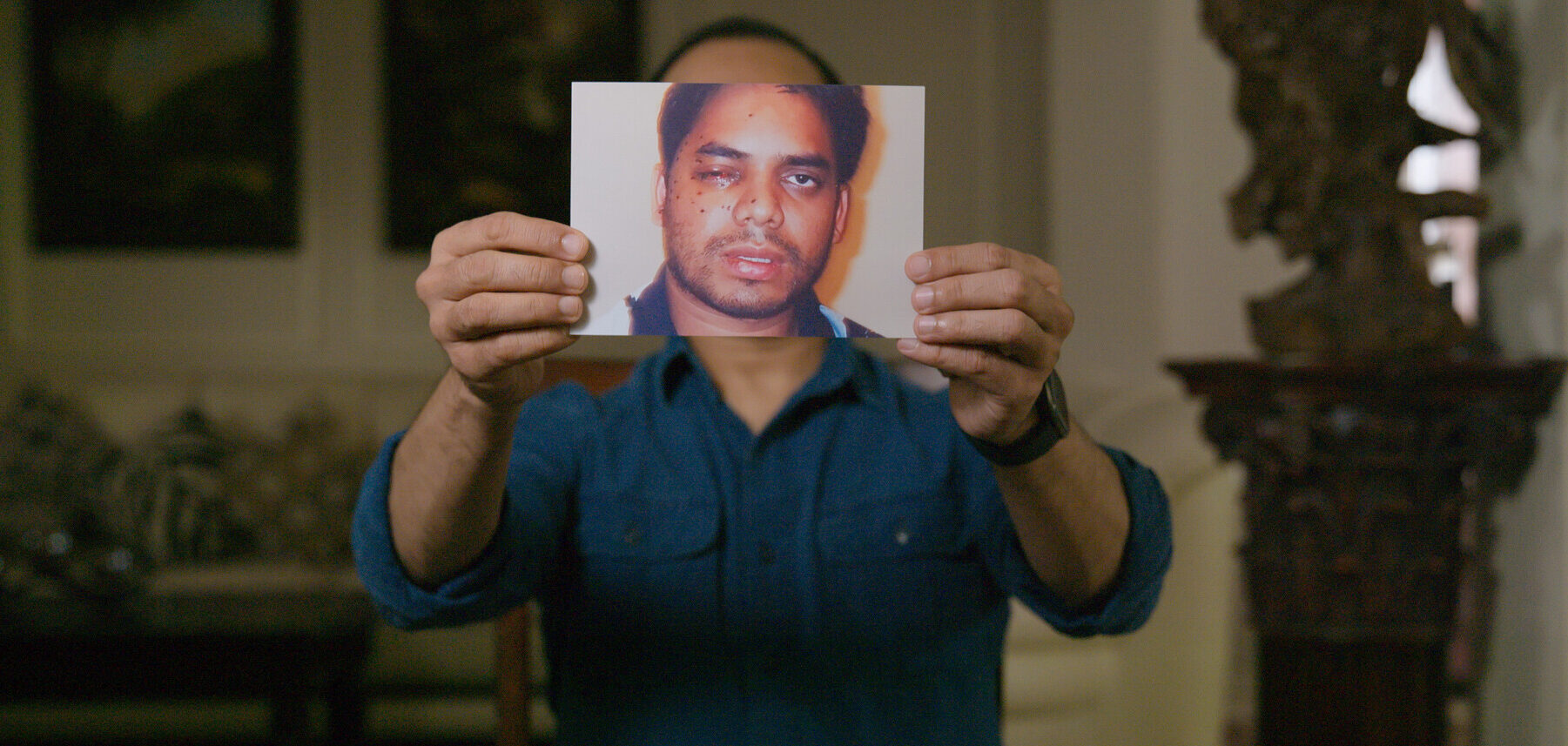
Rais Bhuiyan in PAIN AND PEACE. Courtesy of Cinequest.

The extraordinary and emotionally powerful documentary Pain and Peace begins with the story of Rais Bhuiyan. In the wake of the 9/11 attacks, an attacker who was looking to kill Muslims, any Muslims, shot two convenience store clerks to death and then entered the workplace of Bangladeshi immigrant Bhuiyan and shot him in the face with a shotgun; Bhuiyan somehow survived and then, perhaps even more remarkably, began a campaign of forgiveness for his perpetrator. What follows is an exploration of forgiveness as a necessary prerequisite to reconciliation and ending the cycle of demonizing other people.

Bhuiyan interviews other survivors of hate crimes, many of the highest profile, like the Georgia church shooting, the Buffalo supermarket shooting, the Orlando nightclub shooting, and more. It’s riveting when they retell their experiences and talk about forgiving their attackers.

Bhuiyan, as a hate crime survivor himself, brings major credibility as an interviewer and is superb as the narrator/guide of the film.

Pain and Peace also introduces us to some perpetrators of hate crimes, and that brings some surprises, too.

Pain and Peace is the first feature for director Mark Feijó.

I screened Pain and Peace for its world premiere at Cinequest. I highlighted it as one of two Must See films in my Best of Cinequest. It’s not very often that I see a movie as potentially life-changing, but this one is.

QUIXOTE IN NEW YORK: an artistic master’s bucket list

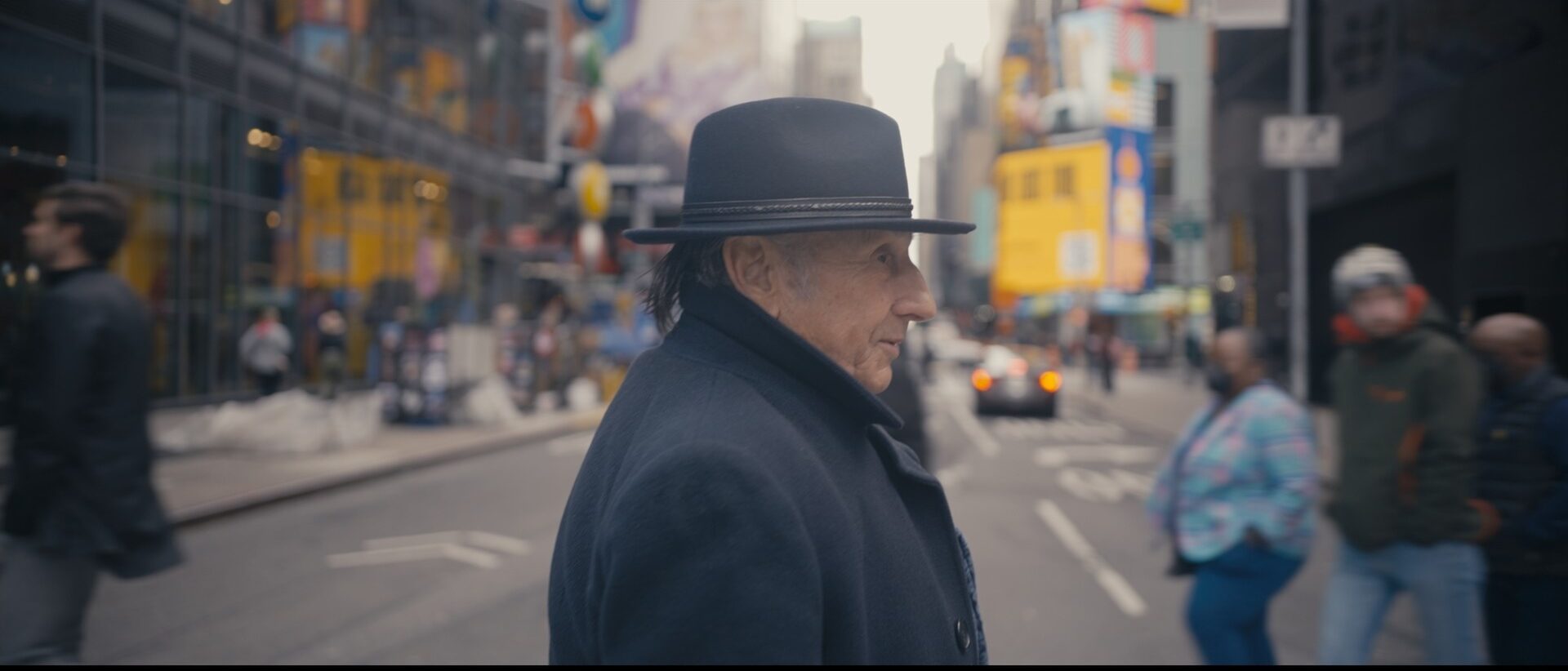
Carrete in QUIXOTE IN NEW YORK. Courtesy of Cinequest.

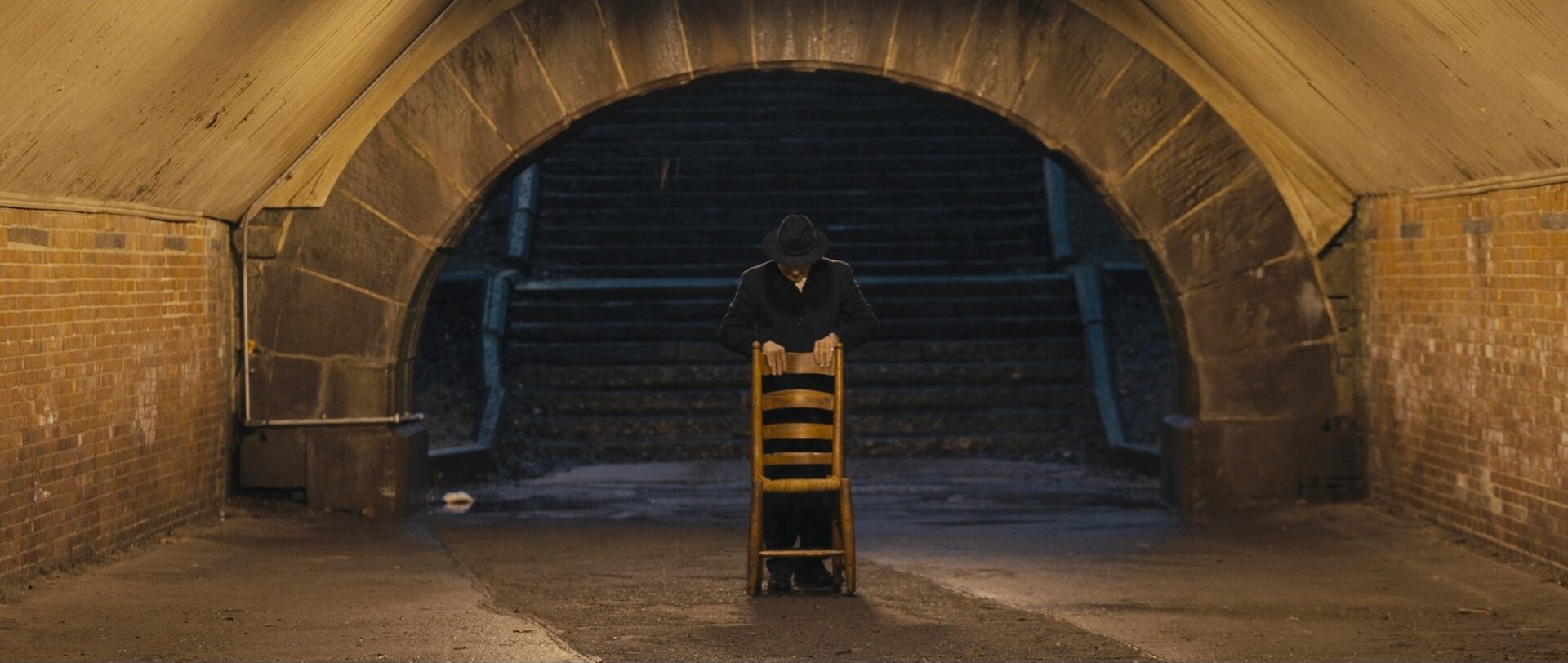
The charming documentary Quixote in New York follows the 82-yer-old Spanish flamenco dance master El Carrete, who wants to cap his career by performing in a major NYC theater. It’s not that easy to mount a theater production, and he doesn’t have unlimited time to pull it off.

El Carrete himself is a hoot, funny AF and even makes rehearsals fun for everybody. Director Jorge Peña Martín has the good sense to give us a big dose of El Carrete. It’s a well-crafted film, especially the cinematography.

There’s a Can’t Miss seen where El Carrete watches a projection of Fred Astaire dance, and then dances himself in front of the screen, mirroring Astaire’s moves-flamenco-style.

This is an audience-pleaser. Cinequest hosts the US premiere of Quixote in New York.

Carrete in QUIXOTE IN NEW YORK. Courtesy of Cinequest.

DEMON MINERAL: environmental justice, indigenous voices

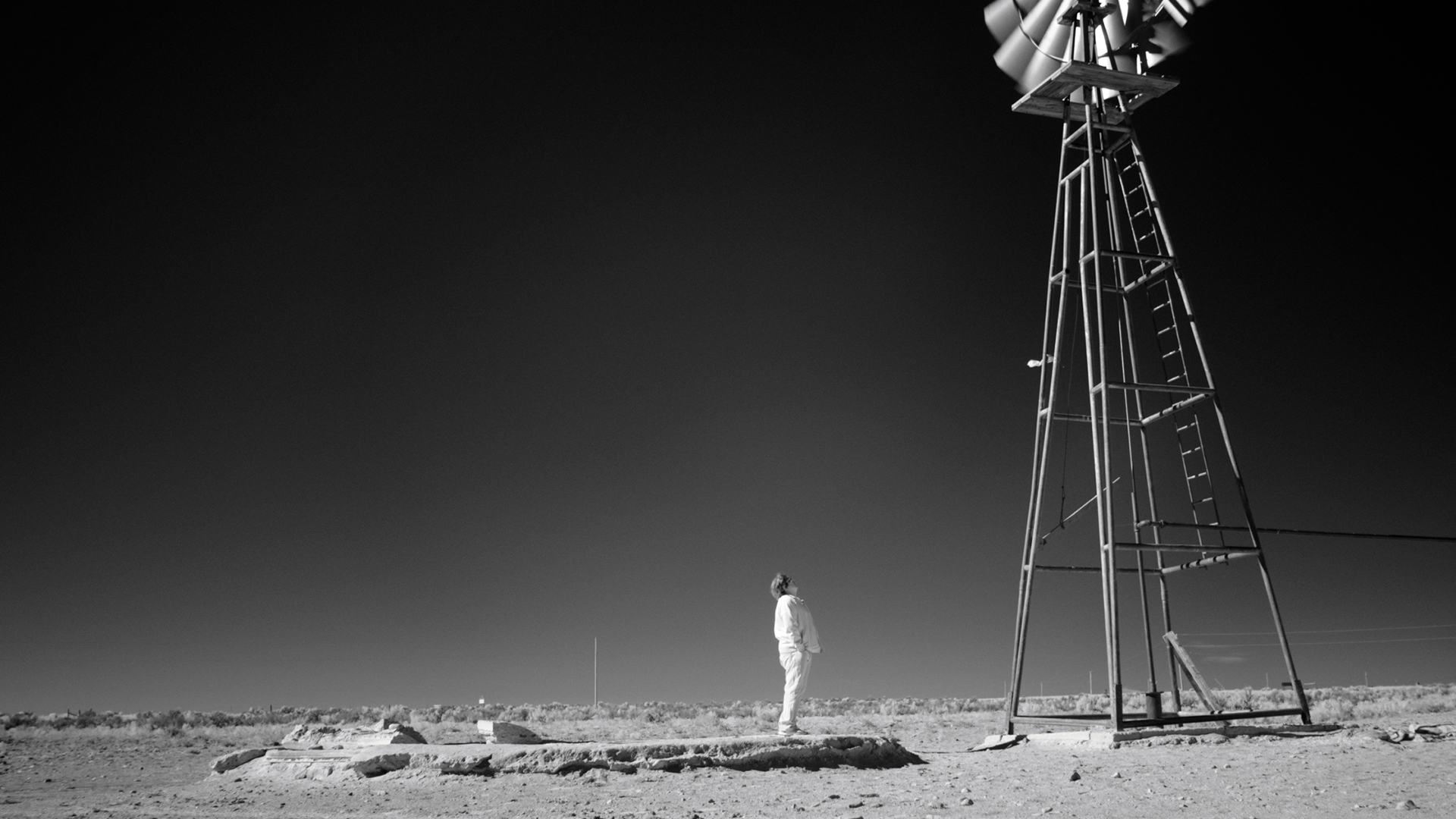
DEMON MINERAL. Courtesy of Slamdance.

The environmental justice documentary Demon Mineral explores the impact of uranium mining on the Navajo people. In her first feature, director and co-writer Hadley Austin uses indigenous voices to tell the story, including her co-writer, environmental scientist Dr. Tommy Rock. It’s the testimony of Navajo people themselves that traces the history of uranium mining, subsequent health problems and the science connecting the dots. Some of the first-person narratives are heart-breaking.

This real life story takes place in one of the most iconic locations in American cinema – Arizona’s Monument Valley. (The Navajo themselves have complicated feelings about the legacy of John Ford Westerns made in their homeland.) Cinematographer Yoni Goldstein’s black-and-white photography soars, bringing out the majesty of the harsh landscape and imparting a gravitas to the story.

There’s even a cameo by hard right Congressman Paul Gosar, who is so stupid that he doesn’t comprehend just how stupid he is.

Demon Mineral has enjoyed a robust film festival run and won the Audience Award for Documentary Feature at the 2024 Slamdance.

DESPERATE SOULS, DARK CITY AND THE LEGEND OF MIDNIGHT COWBOY: a movie and its time

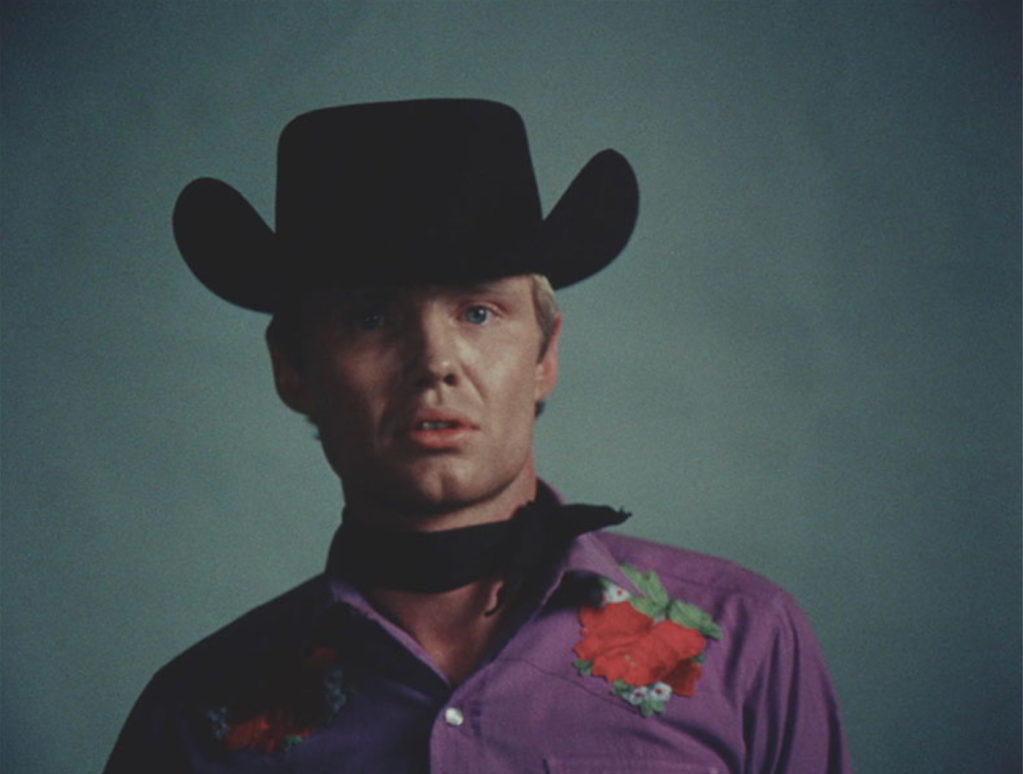
Jon Voight in his screen test for Midnight Cowboy from DESPERATE SOULS, DARK CITY AND THE LEGEND OF MIDNIGHT COWBOY. Courtesy of Kino Lorber.

The remarkably insightful documentary Desperate Souls, Dark City and the Legend of Midnight Cowboy explores the making of Midnight Cowboy and its place both in cinema and in American culture. 

Midnight Cowboy won Oscars for Best Picture, Director and Adapted Screenplay, all with an X-rating. Sure, we know Midnight Cowboy as a groundbreaking film, but Desperate Souls argues that it both reflected the zeitgeist of the moment and opened new possibilities in American filmmaking.

This was a transitional period in Hollywood and in the culture. Midnight Cowboy won its Oscars at the same Academy Award ceremony that honored John Wayne as Best Actor. Midnight Cowboy’s protagonists were completely unDukelike, one a would-be gigolo and the other an almost homeless conman.

So, we have two marginal anti-heroes and their unconventional bond, along with, shockingly, incidents of gay sex, heterosexual impotence and incontinence. The director John Schlesinger himself was a closeted gay man. Anyone who was alive in 1969 can tell you that this was extraordinarily transgressive content to penetrate the cultural mainstream.

Besides the unsettling themes, Midnight Cowboy, along with The Graduate (1967) and Butch Cassidy and the Sundance Kid (1969) pioneered the effective use of popular music on the soundtrack. Midnight Cowboy is notable for both John Barry’s Emmy-winning score and for the use of Fred Niel’s Everybody’s Talkin’, which Schlesinger used as the theme.

Filmmaker Nancy Buirski, who died in September, builds her case with superb sourcing. She hit gold with the unique perspective of Jennifer Salt, who observed her father, screenwriter Waldo Salt, and the director John Schlesinger birth the film; she also acted in the movie and came to date its star, Jon Voight. Voight himself bookends the film with emotionally powerful reflections.

Desperate Souls, Dark City and the Legend of Midnight Cowboy also includes Voight’s screen test, and I dare you to explain why the filmmakers, after watching it, said THAT’S THE GUY.

As I write, Desperate Souls, Dark City and the Legend of Midnight Cowboy is number 21 on my carefully curated list of Longest Movie Titles.

This is a strong film, and a Must See for cinephiles, especially Jon Voight’s intro and outro. saw Desperate Souls, Dark City and the Legend of Midnight Cowboy, Midnight Cowboy at the San Francisco Jewish Film Festival, and you can stream it now on Amazon, AppleTV, Vudu and YouTube.

THE LADY BIRD DIARIES: essential history

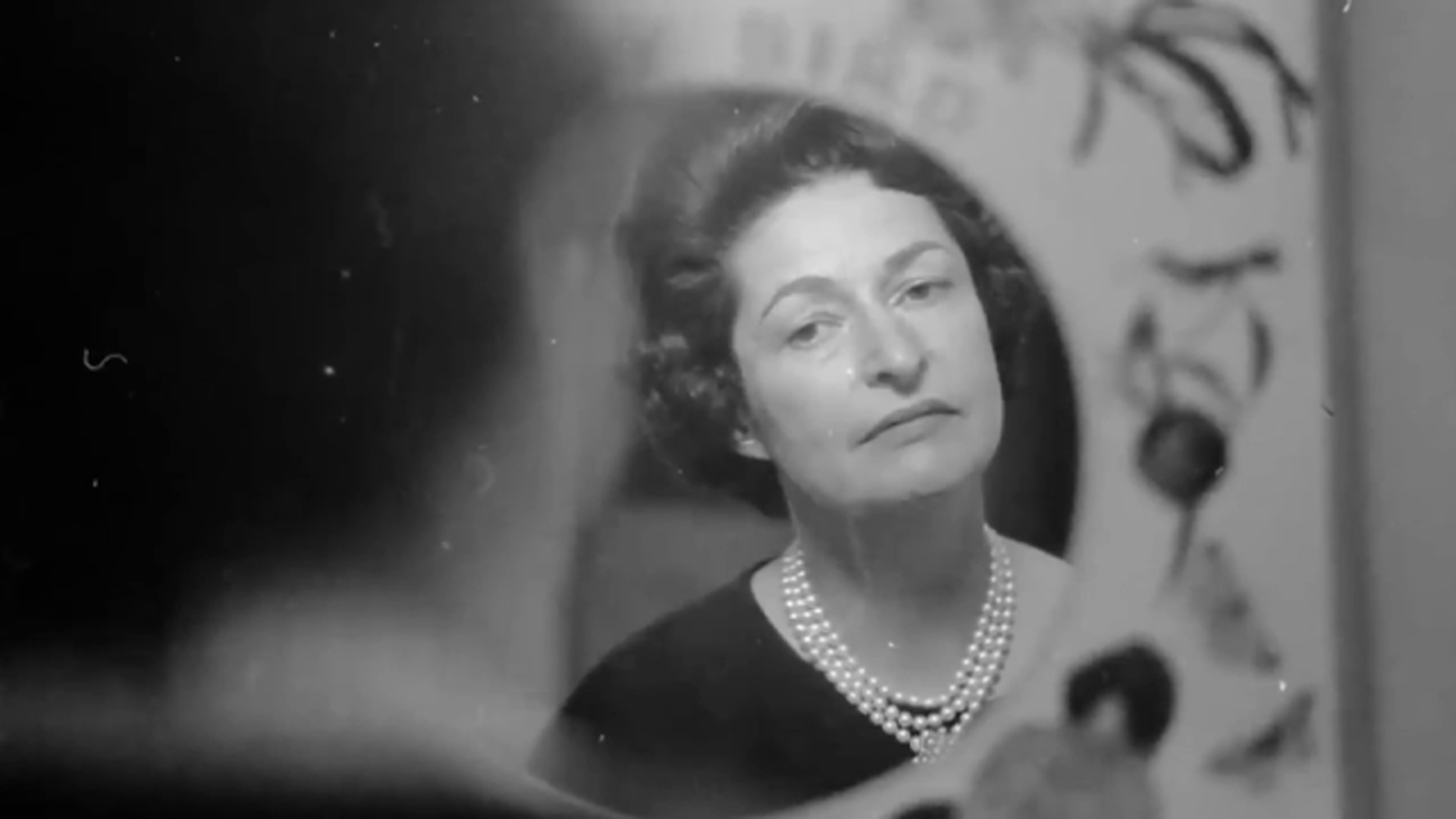
Photo caption: Lady Bird Johnson in THE LADY BIRD DIARIES. Courtesy of Hulu.

For students of 29th Century American political history, The Lady Bird Diaries is essential. In her time as First Lady, Lady Bird Johnson audio-recorded her candid observations of some of the nation’s most dynamic and turbulent years. The 123 hours of those recordings, now released after her death, have been excerpted into the core of this singular documentary.

We hear Lady Bird’s unique point of view on the JFK assassination, LBJ’s battles with depression, the infamous White House luncheon Eartha Kitt incident and RFK. And, after all, she was living in the White House with LBJ through his Civil Rights triumphs and the morass of Vietnam. LBJ’s presidency was so jampacked, we get the tiniest mention of Medicare (Oh, yeah, THAT was LBJ, too).

Lady Bird’s first-person perspective would be valuable enough in a written document, but hearing her actual voice brings even deeper insights into the events, LBJ and Lady Bird herself.

Indeed, The Lady Bird Diaries Lady Bird’s own voice is almost the entire film, annotated only by director Dawn Porter’s exceptional use of explanatory titles, archive clips and photos. Porter’s use of images is as brilliant as I’ve seen in a doc.

Lady Bird’s narration, combined with recorded phone calls between the Johnsons, makes clear Lady Bird’s involvement in her husband’s career. She gave him advice on matters both tactical, critiquing his speeches, and strategic (including whether to seek re-election). LBJ was notoriously thin-skinned, came closest to welcoming criticism only from Lady Bird. One of the most sharp and insightful segments is a disagreement between the Johnsons on how to handle the Walter Jenkins scandal (LBJ’s chief of staff caught in a homosexual haunt) days before the 1964 presidential election. Clearly, Lady Bird was determined to give LBJ her best thinking, whether he wanted it or not.

The Lady Bird Diaries also reminds us of:

  • Lady Bird’s groundbreaking work on the environment, then known as the “beautification” campaign.
  • Her gameness to campaign in a 1964 whistlestop tour through the South, facing down White voters howling about LBJ’s Civil Rights Act of 1964.
  • The toll on the Johnsons from the the unrelenting public scorn about Vietnam.

This is fantastic history and an extraordinary film. The Lady Bird Diaries is streaming on Hulu.

THE PIGEON TUNNEL: a great storyteller’s story, told at last

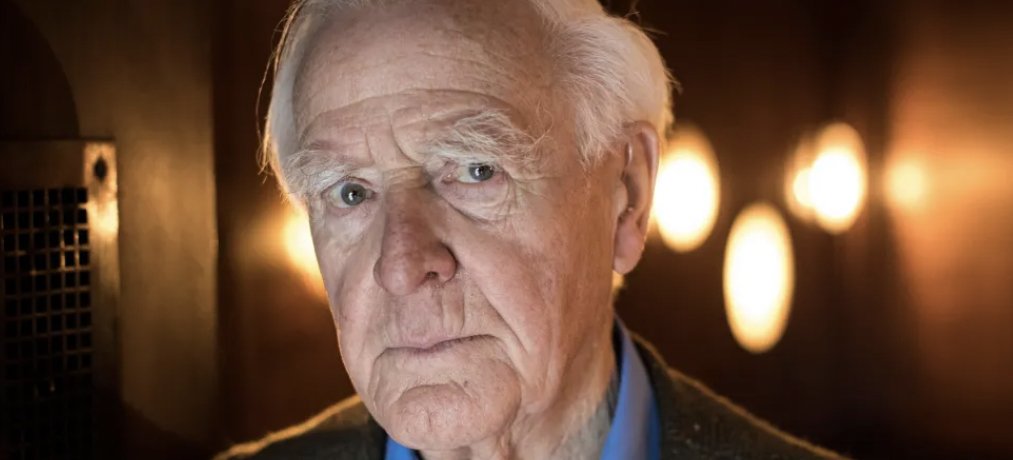
Photo caption: John le Carré in THE PIGEON TUNNEL. Courtesy of AppleTV.

The espionage novelist John le Carré was one of our greatest storytellers over the past sixty years, and, in The Pigeon Tunnel, the great documentarian Errol Morris cajoles le Carré (real name David Cromwell) to tell his own life story – and what a story it is.

I love the twists and turns in le Carré’s stories, which are set in the world which le Carré himself experienced in his youth as a Cold War British spy. But the underlying theme of le Carré’s work is that his characters are engaged in the highest stakes when it really doesn’t matter who wins;. The comic strip character Pogo wisely told us: We have met the enemy and he is us. The spymasters are incented by their own bureaucratic imperatives and the gamesmanship itself, not by righteousness or utility. His credo seems to be, rage against the machine, with futility.

Indeed, the title of the film stems from a most unsettling and revelatory image from the young le Carré’s trip with his father to Monaco – a grim analogy about the hopeless position of those who are pawns in the games of others.

What formed the cynical rage behind the cultured and ever so pleasant le Carré? As Morris probes le Carré’s childhood, we learn of his father, a sociopath and career con artist, a man so psychotically selfish that his mother abandoned her sons as the only way to escape their father.

Le Carré also explains the impact on him of the British traitor Kim Philby, the pivotal moment of his time in British espionage, which cemented Le Carrie’s own fascination with betrayal.

It is important for le Carré to take the measure of Morris as interviewer/interrogator. It is so interesting that le Carré/Cromwell’s storytelling (the means? the depth? the very content?) depends on whom he is engaged with.

Erroll Morris has created some of the best ever American documentary films, including Gates of Heaven and The Thin Blue Line. He is the master of the interview doc, where he uses a gizmo to photograph his subjects while they maintain direct eye contact with him; he has employed the technique to let Robert McNamara (The Fog of War) and Donald Rumsfeld (The Unknown Known) reveal more of themselves than they intended and to introduce us to the woman who kidnapped a Mormon missionary as a sex slave and later cloned her pet dogs (Tabloid) and the designer of execution techniques who denied the Holocaust (Mr. Death: The Rise and Fall of Fred A Leuchter, Jr.).

Many le Carré novels and stories have been made into excellent films, which are available to stream, including

My favorite is the 1979 Alec Guinness version of Tinker Tailor Soldier Spy, which is not currently available to stream, but you can find the DVD.

The Pigeon Tunnel is streaming on, AppleTV.