Walter Mercado in MUCHO MUCHO AMOR: THE LEGEND OF WALTER MERCADO
Just about every Spanish speaker knows who Walter Mercado is – and almost no non-Spanish speaker has heard of him. To describe him as a TV astrologer is profoundly inadequate.
Decades ago, I was flipping through TV channels and happened upon Walter’s astrology show and found him mesmerizing. He was so UNUSUAL, that, late at night, I just couldn’t change the station. The documentaryMucho Mucho Amor: The Legend of Walter Mercado will explain the phenomenon better than I can describe it.
For one thing, 99% of the show’s production value must have been in costume cost. Walter just stood in front of the camera and recited horoscopes, but he was always clad in capes that Liberace and Elvis would have considered WAY over the top. And Walter, for all the machismo in traditional Latino culture, was what we call today non-binary; Walter emanated a singular combination of androgyny and asexuality.
In Mucho Mucho Amor: The Legend of Walter Mercado, we get to meet the elderly Mercado, and find out about his life before and after his 25-year reign as the Spanish language TV ratings king. And why he suddenly disappeared from television.
While often jaw-droppingly flamboyant, Walter possessed a serene gentleness and warm-hearted demeanor that makes this documentary a Feel Good experience. Mucho Mucho Amor: The Legend of Walter Mercado is streaming on Netflix.
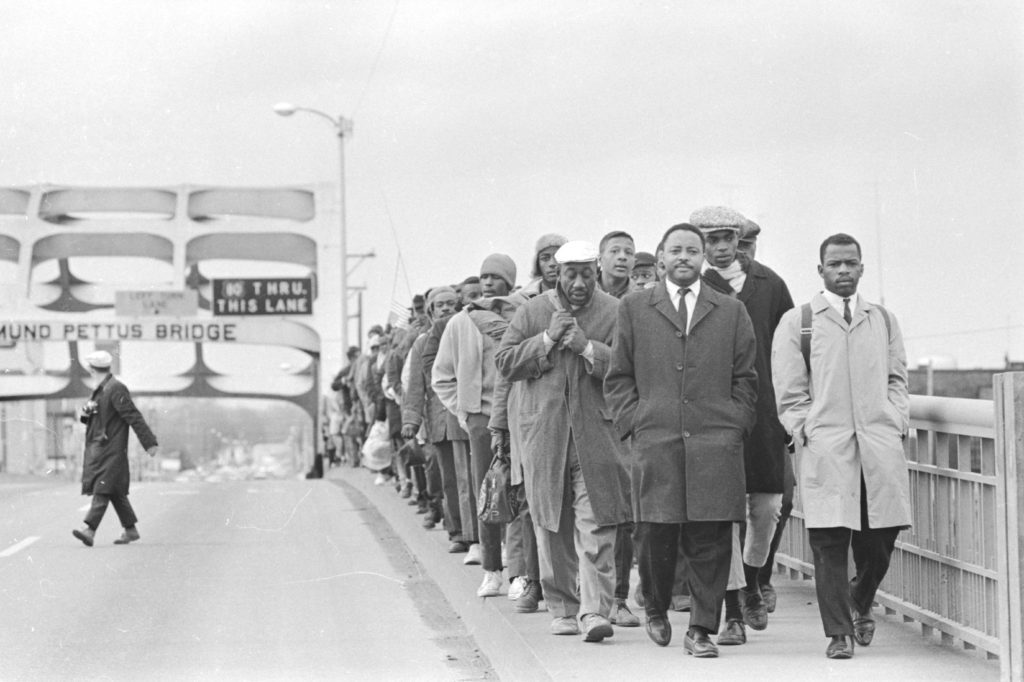
John Lewis (on far right) in JOHN LEWIS: GOOD TROUBLE. Courtesy of Magnolia Pictures.
John Lewis, that most profoundly American of American heroes, has died at age 80. Released just nine days ago, the documentary John Lewis: Good Trouble traces the life of the civil rights icon. I usually don’t buy reverential biodocs, but when the subject is a freaking saint, I guess you have to go with it. The rest of the title comes from Lewis’ mantra – if you see injustice, make good trouble, necessary trouble.
US Representative John Lewis, of course, was a real hero. As a very young man in 1965, he had been leading efforts to register Blacks to vote in Selma, Alabama, including a peaceful march to the State Capitol in Montgomery. On March 7, 1965, the march got as far as the Edmund Pettus Bridge on the outskirts of Selma when they were attached by local law enforcement and Ku Klux Klan members under the command of Sheriff Jim Clark. Lewis was in the very first rank and was beaten, shedding his own blood on “Bloody Sunday”. Two subsequent marches on the bridge and the LBJ speech that followed led directly to the Voting Rights Act of 1964, the most important civil rights legislation since 1867.
In John Lewis: Good Trouble, we see footage from the Edmund Pettus Bridge. We see a young John Lewis being beaten in 1965, and we see an elderly Lewis in an anniversary march with President Barack Obama and former Presidents Bill Clinton and George W. Bush.
John Lewis: Good Trouble is well-sourced by director Dawn Porter, even though only a few of Lewis’ contemporaries survive. When the first Black president was elected, Lewis says he wept for JFK, RFK, Dr. King and the others who hadn’t lived to see it. Fortunately, Lewis had sisters still alive who participated in the documentary.
We get an inside glimpse at Lewis’ childhood. We get to see Lewis watching footage of himself at a pivotal Nashville sit-in that he had “never seen”. And, this intimate portrait shows us some dry Lewis humor and some impressive octogenarian dance moves.
How did Lewis get to Congress? John Lewis: Good Trouble shows us the race against his longtime friend and fellow Civil Rights icon Julian Bond. My day job is in politics, and I understand that, to win, you have to do what you have to do to win; others may find this episode bracing and unsettling.
John Lewis: Good Trouble is an insightful view of a man and of a critical point in American history. You can stream it on Amazon, iTunes, Vudu, YouTube and Google Play.
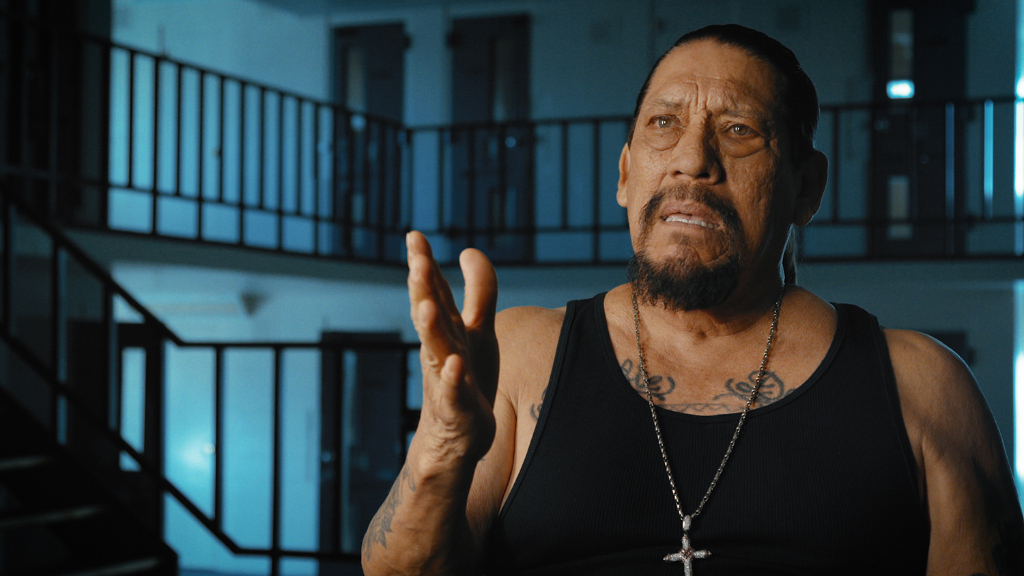
Inmate #1: The Rise of Danny Trejo is a satisfying documentary on an extraordinarily redemptive life. A vicious criminal addicted to heroin like his gangster uncle, Danny Trejo got one lucky break in San Quentin and used the opportunity to go into recovery. Working as a drug counselor, he happened on to a movie set, and, what do you know, Danny’s got over 300 screen credits and 50 years of recovery,
There’s plenty of Danny and his friends and family in Inmate #1: The Rise of Danny Trejo, and there’s remarkable detail about his journey from the tough streets of Pacoima to, well, to Pacoima. Emphasizing an essential point of 12-step programs, Danny points out that every good thing that has happened to him has come when he has been in service to others.
Yeah, this is a feel-good story, but I didn’t find it corny. We really can’t have too much redemption these days.
Inmate #1: The Rise of Danny Trejo can be streamed from Amazon, Vudu, TouTube and Google Play.
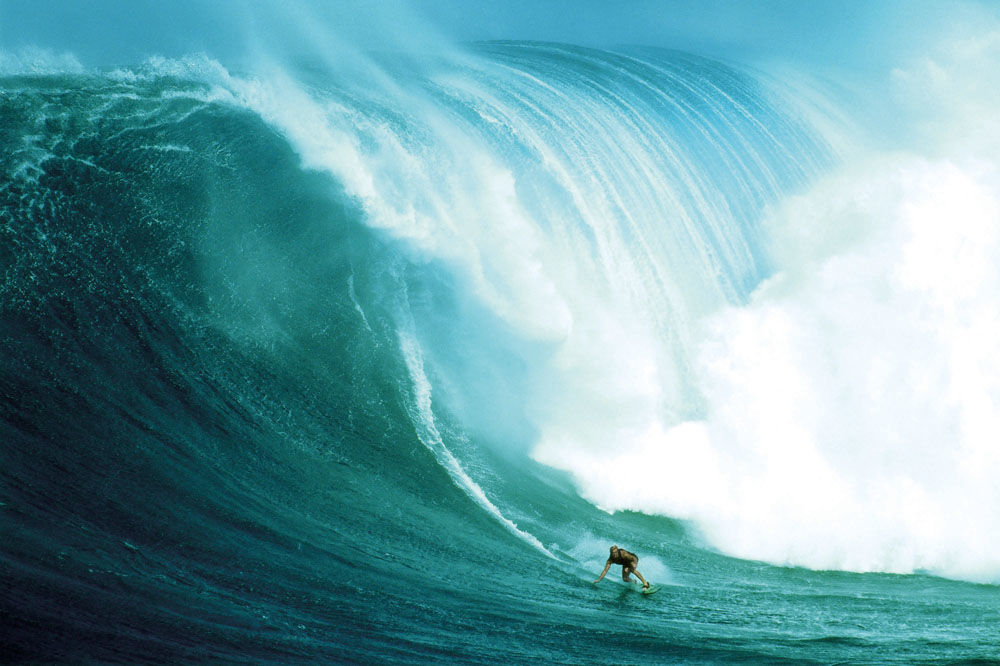
It’s a great time to get stoked with the two most bitchin’ surfing movies, the documentaries Step Into Liquid and Riding Giants.
In Step Into Liquid (2003), we see the world’s best pro surfers in the most extreme locations. We also see devoted amateurs in the tiny ripples of Lake Michigan and surfing evangelists teaching Irish school children. The cinematography is remarkable – critic Elvis Mitchell called the film “insanely gorgeous”. The filmmaker is Dana Brown, son of Bruce Brown, who invented the surf doc genre with The Endless Summer (1966) and The Endless Summer II (1994).
Riding Giants (2004) focuses on the obsessive search for the best wave by some of the greatest surfers in history. We see “the biggest wave ever ridden” and then a monster that could be bigger. The movie traces the discovery of the Half Moon Bay surf spot Mavericks. And more and more, all wonderfully shot.
The filmmaker is Stacy Peralta, a surfer and one the pioneers of modern skateboading, (and a founder of the Powell Peralta skateboard product company). Peralta also made Dogtown and Z-boys (2001), the great documentary about the roots of skateboarding, and wrote the 2005 Lords of Dogtown.
Both Step into Liquid and Riding Giants can be streamed from Amazon, iTunes, Vudu, YouTube and Google Play.
John Lewis (on far right) in JOHN LEWIS: GOOD TROUBLE. Courtesy of Magnolia Pictures.
The documentary John Lewis: Good Trouble traces the life of civil rights icon, US Representative John Lewis. I usually don’t buy reverential biodocs, but when the subject is a freaking saint, I guess you have to go with it. The rest of the title comes from Lewis’ mantra – if you see injustice, make good trouble, necessary trouble.
John Lewis, of course, is a real American hero. As a very young man in 1965, he had been leading efforts to register Blacks to vote in Selma, Alabama, including a peaceful march to the State Capitol in Montgomery. On March 7, 1965, the march got as far as the Edmund Pettus Bridge on the outskirts of Selma when they were attached by local law enforcement and Ku Klux Klan members under the command of Sheriff Jim Clark. Lewis was in the very first rank and was beaten, shedding his own blood on “Bloody Sunday”. Two subsequent marches on the bridge and the LBJ speech that followed led directly to the Voting Rights Act of 1964, the most important civil rights legislation since 1867.
In John Lewis: Good Trouble, we see footage from the Edmund Pettus Bridge. We see a young John Lewis being beaten in 1965, and we see an elderly Lewis in an anniversary march with President Barack Obama and former Presidents Bill Clinton and George W. Bush.
John Lewis: Good Trouble is well-sourced by director Dawn Porter, even though only a few of Lewis’ contemporaries survive. When the first Black president was elected, Lewis says he wept for JFK, RFK, Dr. King and the others who hadn’t lived to see it. Fortunately, Lewis has sisters sill alive who participate in the documentary.
We get an inside glimpse at Lewis’ childhood. We get to see Lewis watching footage of himself at a pivotal Nashville sit-in that he had “never seen”. And, this intimate portrait shows us some dry Lewis humor and some impressive octogenarian dance moves.
How did Lewis get to Congress? John Lewis: Good Trouble shows us the race against his longtime friend and fellow Civil Rights icon Julian Bond. My day job is in politics, and I understand that, to win, you have to do what you have to do to win; others may find this episode bracing and unsettling.
John Lewis: Good Trouble is an insightful view of a man and of a critical point in American history. You can stream it on Amazon, iTunes, Vudu, YouTube and Google Play.
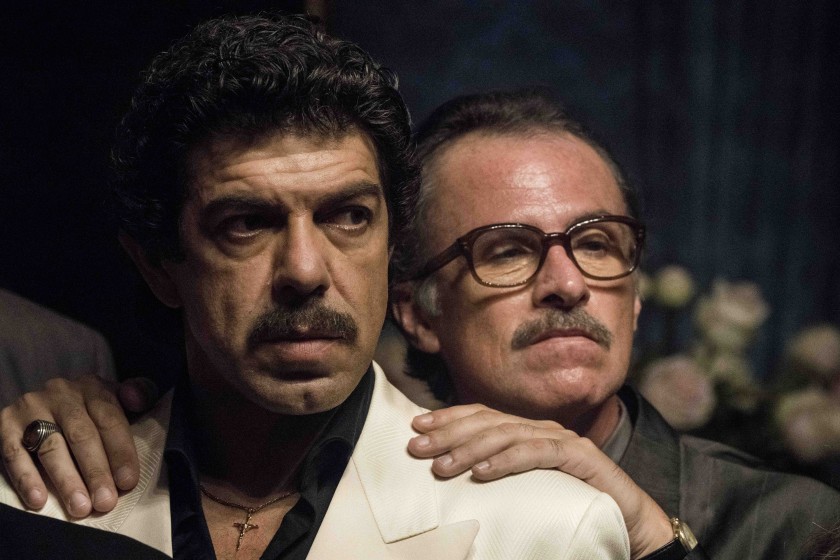
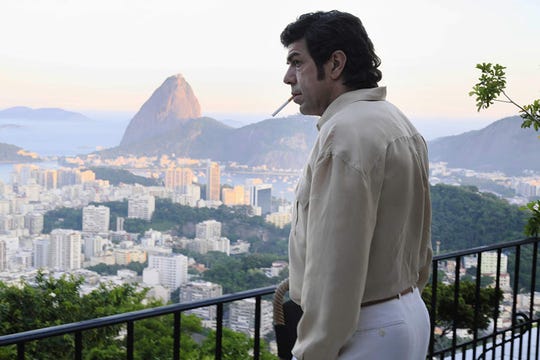
Pierfrancesco Favino and Totò Riina in THE TRAITOR, Photo courtesy of Sony Pictures Classics
Mafia movies have long been a cinematic staple and two current films explore the original Sicilian Mafia, the Cosa Nostra. The true life epic The Traitor and the documentary Shooting the Mafia cover the same territory – the Cosa Nostra‘s utter domination of Sicily until prosecuting judges Giovanni Falcone and Paolo Borsellini convicted almost 400 mafiosi in the bizarre Maxi Trial in 1986-87, the Mafia War on the State and assassination of the judges, leading to public outrage and arrests which have somewhat tamed the Cosa Nostra. Both films even feature the real village of Corleone, the home village of the fictional Godfather.
Pierfrancesco Favino in THE TRAITOR, Photo courtesy of Sony Pictures Classics.
The Traitor chronicles the career of Tommaso Buscetta, a mafia figure who traded in billions of dollars worth of heroin. Then, an internal gangland power grab led to the murders of his sons and to his arrest by very harsh Brazilian authorities. Buscetta retaliated by turning state’s evidence and testifying against his former Mafiosi, becoming the first and most important Sicilian Cosa Nostra informer.
The Traitor opens at a Mafia party where Buscetta (Pierfrancesco Favino) is sniffing out betrayal by his colleagues. It’s poker wisdom that, if you can’t spot the player who is :”the fish”, then it’s you. Or, as Victor Mature said in Gambling House, “You know what I think, Willie? I think I’m the fall guy.”
Written and directed by Marco Bellocchio, The Traitor is a two-and-a-half hour epic that spans decades and three continents. The highlight is the Maxi Trial, held in a super-secure fortified arnea, ringed by over 400 defendants caged around the top.
Pierfrancesco Favino is very, very good as Buscetta, a guy who is firmly devoted to his personal code. Luigi Lo Cascio from The Best of Youth also appears as a Buscetta friend.
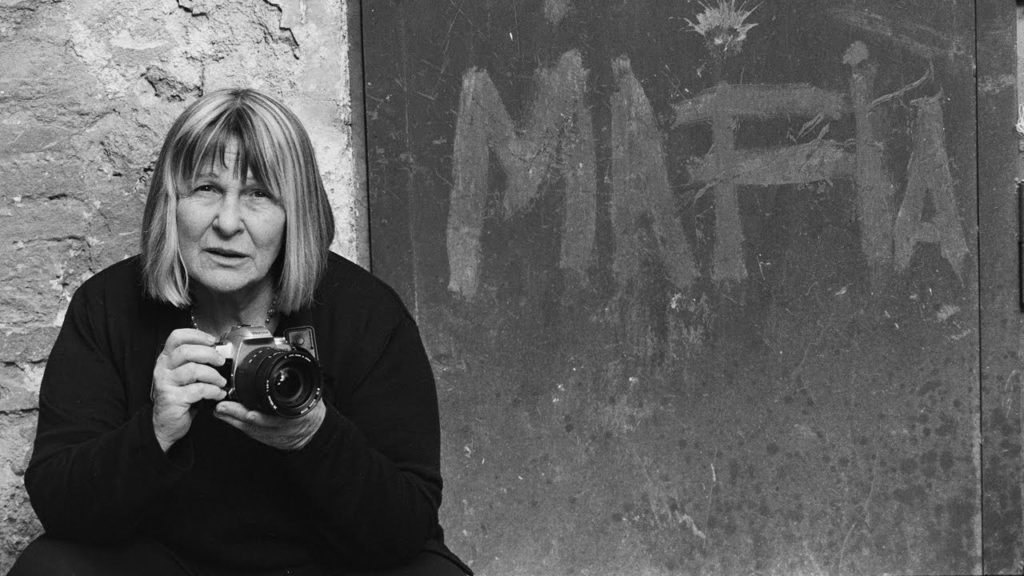
Letizia Battaglia in SHOOTING THE MAFIA
The documentary Shooting the Mafia introduces us to Letizia Battaglia, a talented Palermo photographer, whose photojournalistic specialty became photographing murder victims – scores, perhaps hundreds of corpses, bullet-riddled and bomb-mangled, in pools of blood. Her work also documented the grief. trauma and outrage of the Sicilian population.
Battaglia is open and unapologetic about her lusty personal appetites – and she over-shares. She would be an interesting subject for a biodoc even if she photographed ears of corn.
A Letizia Battaglia photograph in SHOOTING THE MAFIA
Shooting the Mafia, an Irish and US production, is directed by Kim Longinotto.
The Traitor can be rented from all the major streaming services. Shooting the Mafia can be streamed on iTunes, YouTube and Google Play.
I very much admired Disclosure, the insightful – and even revelatory – documentary about the depiction of trans people in film and television and the impacts of that depiction.
The best thing about Disclosure is the unfiltered trans voice – near as I can tell, 100% of the subjects and talking heads are trans or non-binary people, and it’s an uncommonly articulate bunch. I found the most compelling to be Emmy-winning actress Laverne Cox (Orange Is the New Black), actress/writer Jen Richards (Tales of the City), producer Zackary Drucker (Transparent) and actress Candis Cayne (Dirty Sexy Money).
The first 25 minutes – tracing depiction of trans people in film since D.W. Griffin’s silents – is not riveting. But stay with it – Disclosure pays off big time with these moving personal stories. Near the end, Jen Richards comments on an accepting parent that she saw in another documentary – get out the Kleenex for this moment.
I had always thought of Jaye Davidson’s Oscar nomination for her performance as Dil in The Crying Game as a step forward for trans people. It’s complicated. I had always viewed Stephen Rea’s reaction in the Big Reveal scene from my straight male perspective (cis, if you insist); Disclosure made me consider the trans woman’s lens, too.
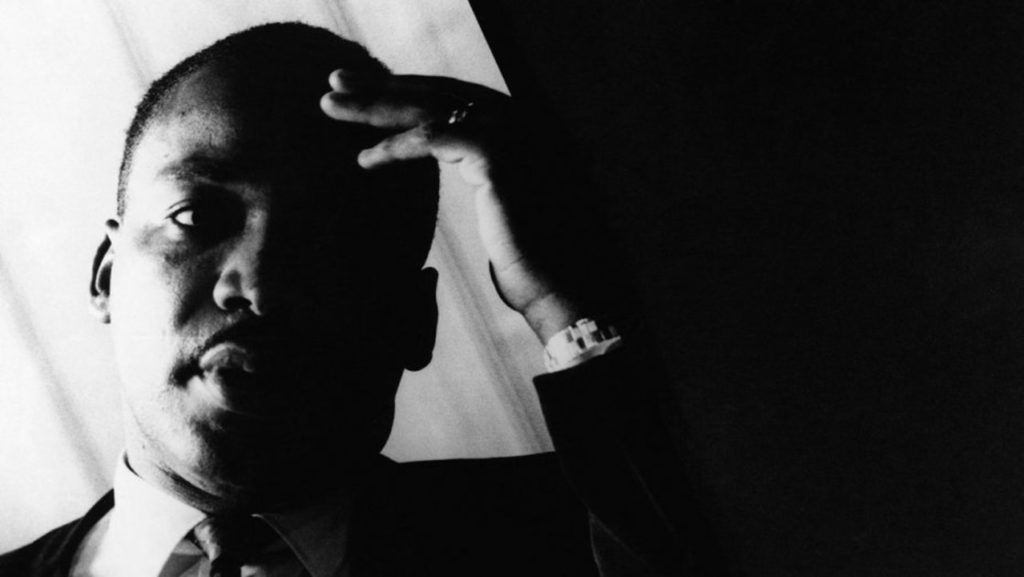
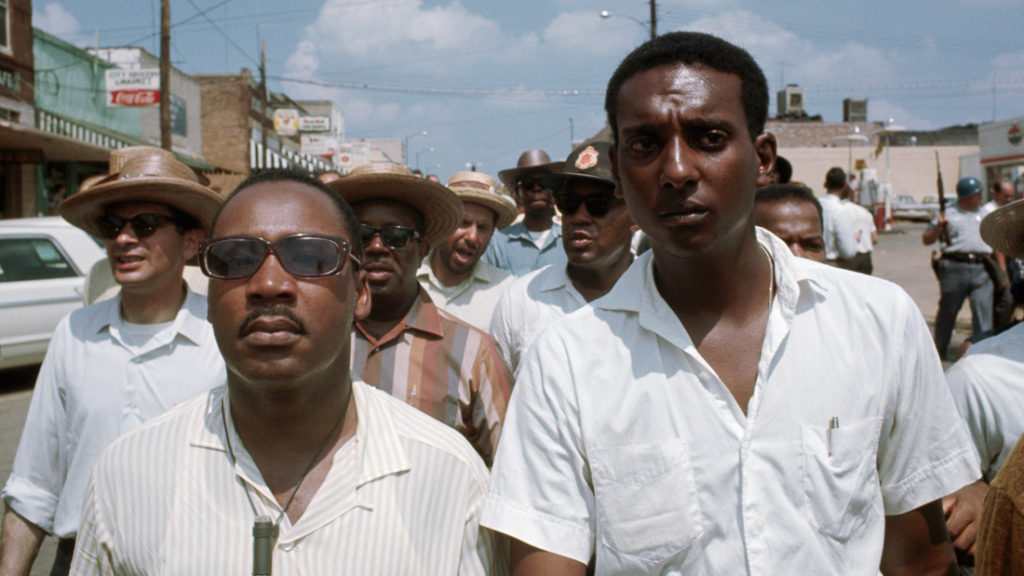
The superb documentary King in the Wilderness follows Martin Luther King, Jr., through his turbulent final two years. Although King had already become an icon, he was facing the challenges of a new political and societal landscape that King himself had helped create. And he was foundering.
King’s approach, which overcame the overt cultural racism and statutory segregation in the South, was not working against the de facto segregation and urban riots in the North. Nor was King gaining traction to expand the movement against bigotry into a movement against poverty.
His leadership in the Black community was being usurped by younger, more militant, leaders. Stokely Carmichael and his peers were quick to discard longtime White Civil Rights workers and to alienate White America with a message of Black Power, which resonated in the Black community. King refused to use the weaponized term, while trying to hang on to his base.
King was under pressure to make public his opposition to the Vietnam War. King’s strong anti-militarism came naturally from his study of Gandhi and his commitment to non-violence. But campaigning against the War would be seen as a betrayal by King’s most effective ally and benefactor, President Lyndon B. Johnson. King was genuinely grateful to LBJ, and LBJ was famously vindictive.
King was just off the Civil Rights Act of 1964 and the Voting Rights Act of 1965, the two greatest legislative Civil Rights victories since the 13th Amendment prohibiting slavery one hundred years before. In King in the Wilderness, it’s only a year later, and Martin Luther King, Jr. is facing a big fat case of What Have You Done For Me Lately?
It’s easy for us to forget just how young King was:
He was only 26 when he led the Birmingham Bus Boycott.
King wrote the Letter from Birmingham Jail and led the the March on Washington at 34.
He won the Nobel Peace Prize at 35.
He led the march from Selma to Montgomery at 36.
After a great historic victory, it can be difficult to find a new objective. It’s hard to gain political power, and it can be just as hard to keep it. It’s difficult for a public figure to remain relevant in changing times. These are the challenges of leadership.
By focusing on this period of King’s life and career, director Peter Kunhardt and writer Chris Chuang have made an inspired choice. They have also sourced it brilliantly, with the remembrances of King intimates, most notably Andrew Young and Henry Belafonte, along with Stokely Carmichael’s fellow SNCC leader Cleveland Sellers. King family confidante Xernona Clayton bookends the movie with the two most poignant anecdotes.
King in the Wilderness was originally aired on HBO and won an Emmy for best historical documentary. It’s now widely available on streaming platforms.
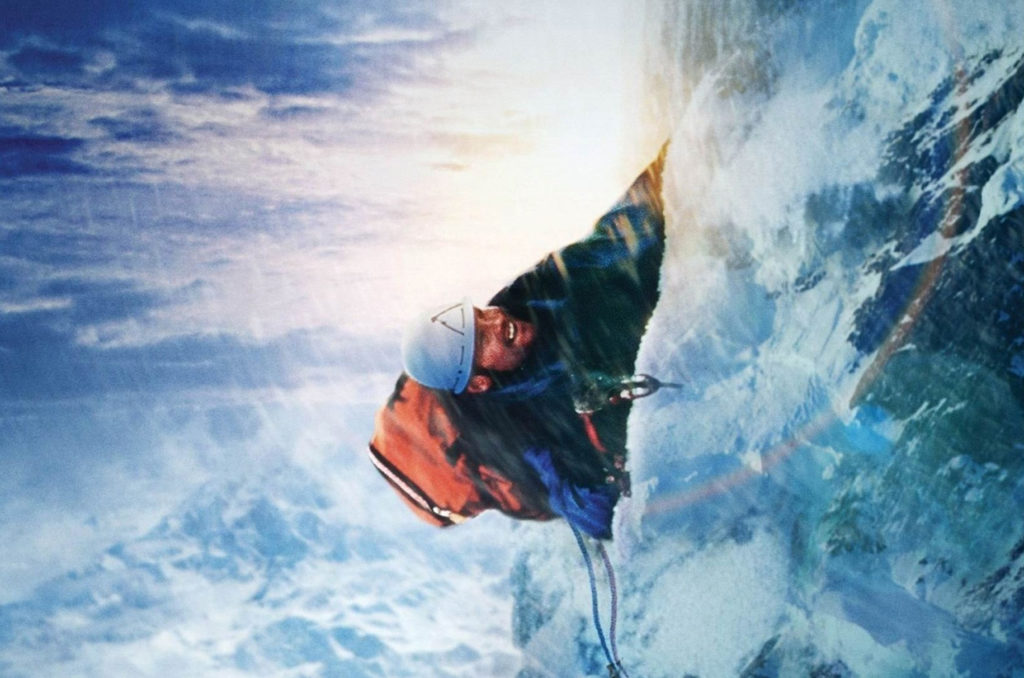
Mountain climbing partners tie a line between themselves so – if one of them falls – he can be saved by the other. But what if an accident puts BOTH of them at mortal risk? What if the fallen climber can’t be pulled up? What if one climber’s fall has doomed the other? The gripping documentary Touching the Void retraces that situation in real life – what happens if you cut your partner’s line?
In 1985, this happened to expert climbers Joe Simpson and Simon Yates in the Peruvian Andes. The 2005 film Touching the Void re-enacts the incident with the reflections of participants.
There’s no more life-or-death decision than “Should I cut the rope?” Although the issues of betrayal and guilt naturally arise, it turns out to be lot more complicated than that.
That moment of decision is dramatic, of course, but it’s only one segment of Touching the Void, which includes multiple survival stories in one adventure. One of them is absolutely epic.
Touching the Void was directed by Kevin Macdonald, who won the Best Documentary Oscar for 2000’s One Day in September, about the terrorist attack at the 1976 Munich Olympics. Touching the Void has been acclaimed as“the most successful documentary in British cinema history”. Touching the Void can be streamed from Amazon and iTunes.
The latest from Silicon Valley native documentarian Matt Wolf, Spaceship Earth traces an audacious scientific quasi-experiment of the 1990s, the Biosphere 2, perhaps the Last Stand of the Renaissance Man.
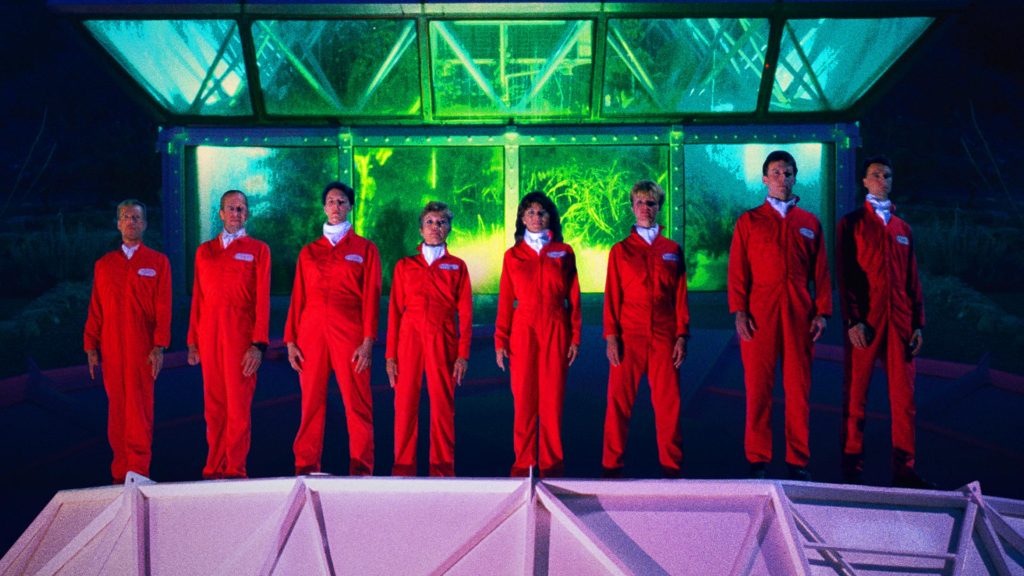
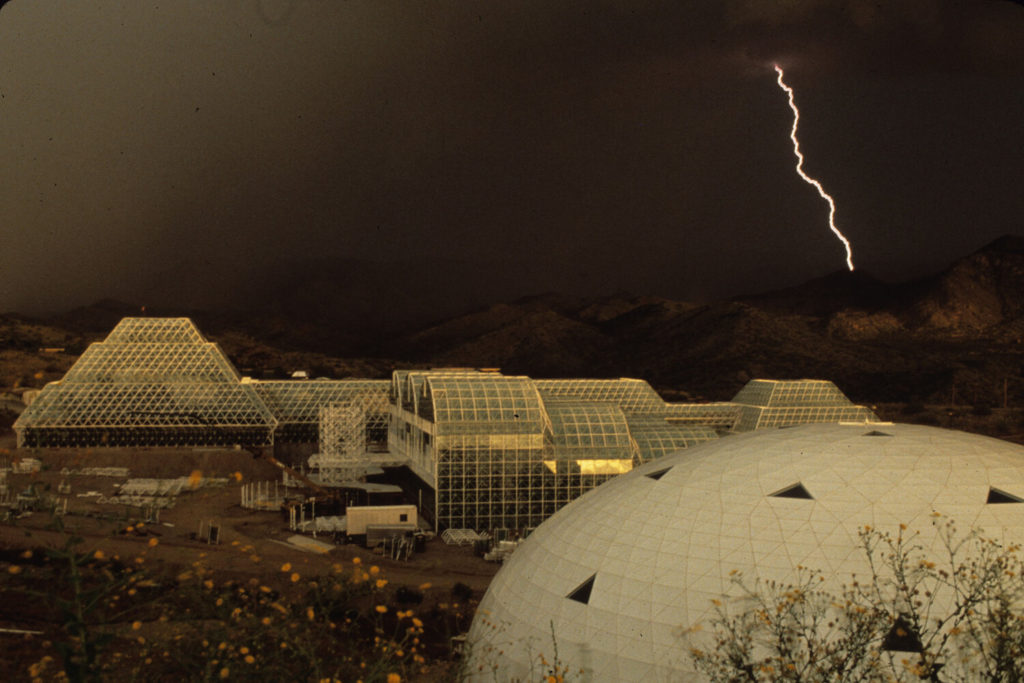
How ambitious was Biosphere 2? (Biosphere 1 is Earth.) It was the construction of an enormous structure – big enough to host a series of ecosystems – jungle, desert, etc. And to fill it, like Noah’s Ark, with an array of plant and animal species. And then sealing a team of eight humans inside for two years to survive (don’t underestimate Job 1 in this experimental artificial environment), tend the agriculture and conduct scores of scientific experiments. The promise was to learn about how humans could survive in future space colonies.
Biosphere 2 in SPACESHIP EARTH.. Courtesy of ecotechnics.edu and Spaceship Earth.
Scientists quibble about how closed and controlled the experiments really were. Ultimately, the experiment itself is not as meaningful a story as who did it and why. Wolf could have made this a procedural, or an expose about a cult or a fiasco.
Instead, Wolf made the inspired choice to begin 25 years earlier, with the San Francisco hippie commune that became the core leadershop of Biosphere 2. Led by the charismatic John Allen and a cadre of very smart and able women, they moved to rural New Mexico, then Berkeley and then around the world. These were unusually highly functioning hippies because they didn’t dive into drugs, and they focused on tangible projects like building a seaworthy ship and a hotel in Nepal – and always experimental theater.
Along the way, billionaire-with-a-B Ed Bass took a shining to Allen and the group and became their benefactor and sponsor. That made it possible for a pipe dream about sustainability to become a real project with a budget in the hundreds of millions.
SPACESHIP EARTH, Courtesy of Spaceship Earth
Here’s what is stunning about this story. If someone, say NASA, had undertaken to create an Earth-like closed environment in preparation for space colonization, these are the LAST people who would have been asked to be involved. None of these hippies had academic or professional credentials or experience that even remotely would qualify them, in an objective sense. But they got there first with the idea and with Ed Bass’ money.
That’s what I found so amazing about the folks behind Biosphere 2 – they weren’t specialists, like the folks who build spaceships. Think of the generalist Renaissance Man who works across disciplines. These folks had a profound commitment to sustainability and said “what if?”, much like Da Vinci designing buildings, bridges and fortification, conceptualizing parachutes, helicopters and deep sea diving bells while painting great art. Or like the 18th Century gentleman inventors/scientists/industrialists/collectors.
The resultant 1990s media circus, certainly enough to scar the participants, seems almost quaint today. With an instantaneous and never ending news cycle, tribal and agenda-driven commentary and viral social media, God help them if they tried this today. It didn’t turn out to be the New Age Garden of Eden that was advertised.
Of course, there was hubris and tone deaf PR from the organizers, and the inevitable personality clashes between any eight nonconformists locked up together in a fish bowl for twp years. And then there was that sudden soaring of the CO2 level, threatening the lives of many species, including the humans.
What happened? In Spaceship Earth, it’s not treated as a catastrophe or a self-immolation or a betrayal, although you could make the argument for any of those characterizations. What’s more important is what these folks aspired to do and how far they got.
This was a genuine quest for sustainability, with some valid scientific experiments embedded in grand performance art.
Just released this weekend, Spaceship Earth can be streamed from iTunes, Vudu, YouTube and Google Play.