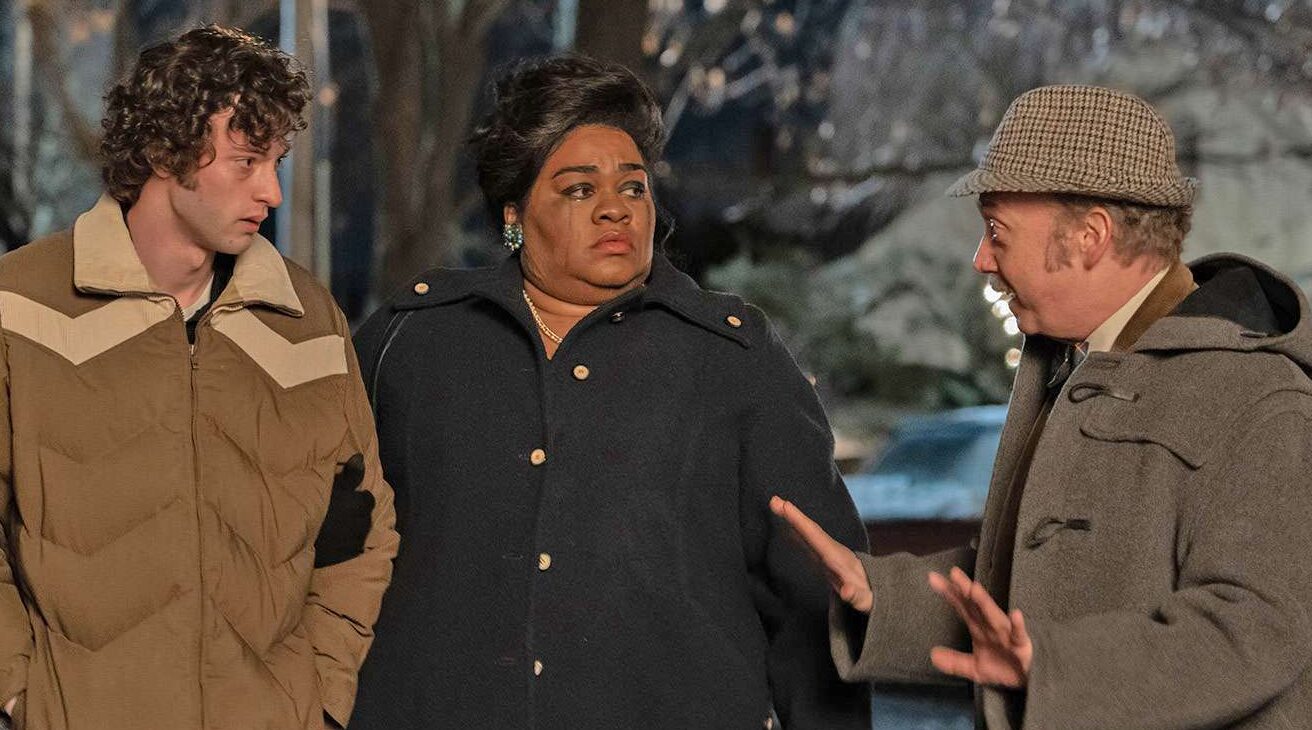
THE HOLDOVERS: three souls must evolve beyond their losses

Photo caption: Dominic Sessa, Da’Vine Joy Randolph and Paul Giamatti in THE HOLDOVERS. Courtesy of Focus Features.

As we meet Paul (Paul Giamatti) in Alexander Payne’s The Holdovers, he’s teaching ancient Greek and Roman civilization at a New England boarding school, a place where the very rich stashed their inconvenient sons in 1970. Paul appears to be grossly overqualified for his job and is an intellectual bully. Not only does Paul detest the entitled twits in his classes, he is a full-blown misanthrope who doesn’t engage with his adult peers, either.

Not one to curry favor, even with his boss, Paul is punished with the assignment of staying on campus during the Christmas break with a few students stranded by their parents. He is joined by Mary (Da’Vine Joy Randolph), who runs the school’s kitchen. Circumstances narrow his small band of student wards to one – Angus (Dominic Sessa) , a boy whose mother is concentrating her attentions on her new husband.

All three are emotionality wounded. Mary is grieving the loss of her only son, killed in Vietnam. Angus, having lost his father and not fitting in his mother’s new family, has essentially been orphaned. Much later, we learn that Paul wasn’t born to be the martinet that he has become; his personality and his self-isolation have also been formed by traumatic events.

So, a movie that starts out looking like a comedy of manners evolves into a three-track journey of emotional recovery, as each main character must learn how to navigate life beyond the losses they have suffered.

The acting is superb. As we expect in every performance, Giamatti is pitch perfect as a man much more complicated than he first seems. Yale-trained Broadway and West End actress Randolph is excellent here; (she also plays Mahalia Jackson at the March on Washington in Rustin.) Dominic Sessa is a revelation in his first movie appearance – charismatic, sly, canny and soulful as Angus. Carrie Preston really sparkles as one of Paul and Mary’s co-workers.

The Wife noted The Holdovers’ period verisimilitude, with every detail perfect for the 1970 setting. At Christmastime, Paul and Angus go to a famous movie; I checked, and it was released on December 23, 1970!

At first, I saw The Holdovers as a much smaller film than Payne’s masterpieces Sideways and Nebraska, but, the more I think about it, it’s uncommonly thoughtful and insightful. The Holdovers is in theaters and already streaming on Amazon.
CYPHER: the year’s most original movie?

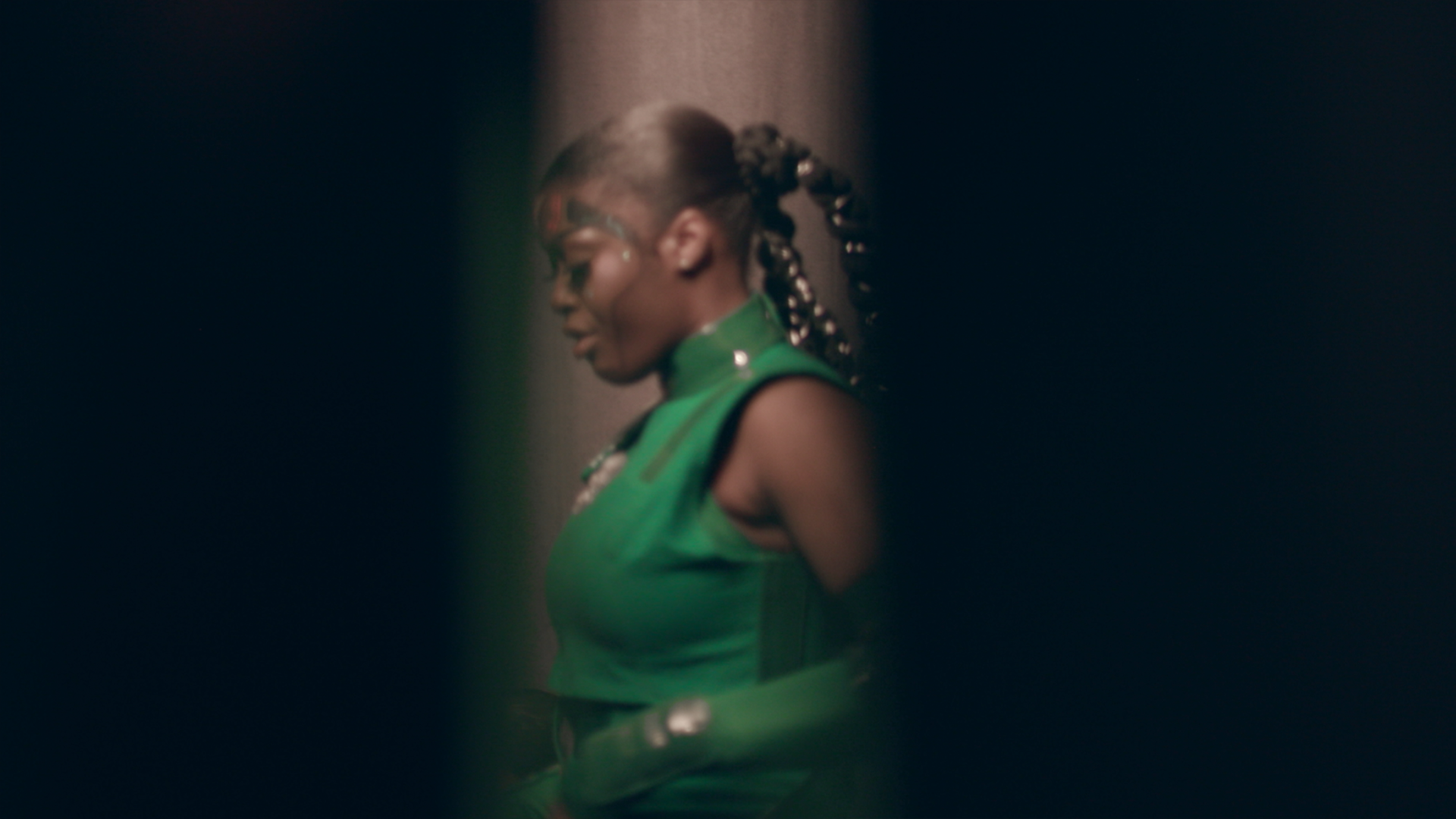
Photo caption: Tierra Whack in CYPHER. Courtesy of Hulu.

Filmmaker Chris Moukarbel toys with us in Cypher, an ingenious narrative in the form of a pseudo documentary about rapper Tierra Whack.

As in any music doc, we meet Whack (smart, genuine and naturally charming) and trace her artistic emergence. Whack’s real life team and Moukarbel’s real-life crew play themselves. Fifteen minutes in, they meet a fawning fan in a diner, an interesting woman who soon veers into conspiracy talk. Whack continues with a world tour, on the road to shooting a music video. Whack and Moukarbel are unsettled when secretly-filmed video of them shows up on social media. Moukarbel is hounded by the unbalanced daughter (Biona Bradley – perfect) of the woman in the diner. The intrusions become increasingly menacing, and are tied to the same conspiracy theory. Reeling, the film crew visits the daughter, but the threats only escalate, all the way to a showdown on a video shooting set.

It’s hard to tell when the story dips in and out of fiction, and this is definitely not a movie you’ve seen before. Cypher reminds us that we can enjoy and appreciate moies, even when we’re not sure what’s going on.

I screened Cypher for the Nashville Film Festival. Cypher is now streaming on Hulu.

THE STONES AND BRIAN JONES: casualty of rock

Photo caption: Brian Jones in THE STONE AND BRIAN JONES. Courtesy of Magnolia Pictures.

The Stones and Brian Jones tells the story of the ill-fated co-founder of The Rolling Stones. Most of us remember that Jones was fired from the band when his abuse of alcohol and drugs kept him from being able to record and perform with the band. This film delves into:

  • Jones’ unhappiness with Mick Jagger and Keith Richard’s diversification of the Stone’s portfolio beyond American Blues.
  • Jones’ insecurity about his role in the Stones being eclipsed by the band’s primary songwriters, Jagger and Richards.
  • Jones’ complex relationship with his parents.
  • The essential testimony of Jones’ girlfriends and those of other Stones (but not from the late Alita Pallenberg, who emerges as a villain in the story).

The most revelatory moments in The Stones and Brian Jones come from Jones’ bandmate, bassist Bill Wyman, who explains Jones’ musical contributions by pointing them out as we hear Stones songs.

Wisely, The Stones and Brian Jones doesn’t spend much time on Jones’ very unmysterious death. Somebody who mixes large amount of barbiturates and alcohol daily just isn’t going to survive very long, especially when they also get in swimming pools alone at night. Jones’ death occurred before premature substance abuse deaths of celebrity music figures (Jimi Hendrix, Janis Joplin, Mama Cass, Jim Morrison, Gram Parsons, Keith Moon) became more commonplace.

This is a competent and extremely well-sourced doc, which helps us understand someone who played a key role in forming an iconic band, but it’s not a Must See rock documentary. The Stones and Brian Jones is streaming on Amazon, AppleTV, Vudu and YouTube.

MAY DECEMBER: a seat-squirmer of a psychodrama

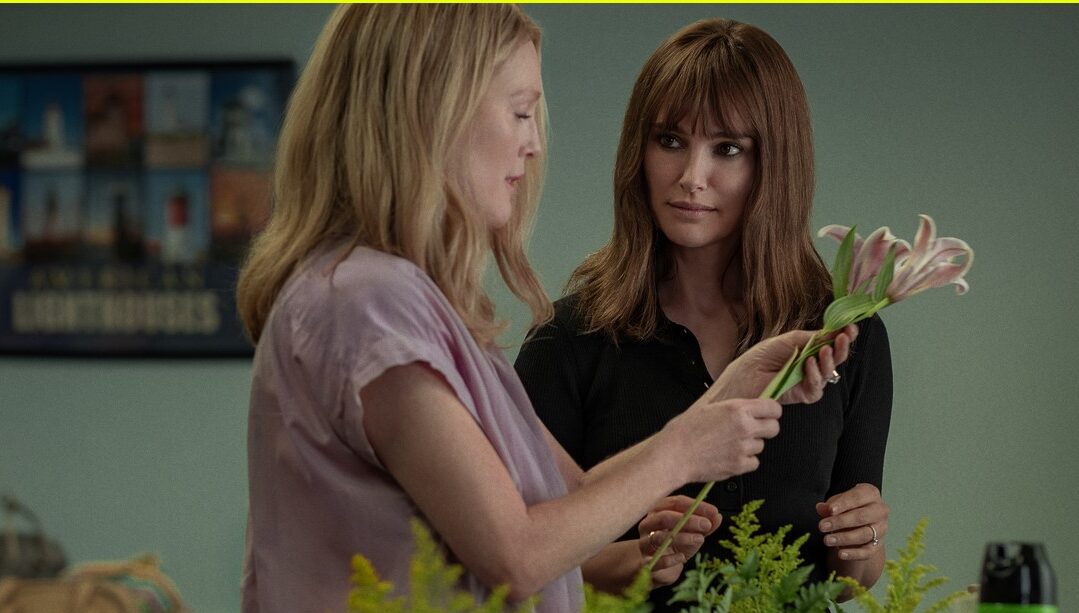
Photo caption: Julianne Moore and Natalie Portman, in MAY DECEMBER. Courtesy of Netflix.

Todd Haynes’ May December is both absorbing and unsettling. The TV actress Elizabeth (Natalie Portman) has been cast in a movie to play a real-life person Gracie (Julianne Moore) who,20 years before, had been embroiled in a tabloid scandal. that made her notorious. To research the role, Elizabeth visits the hometown of Gracie and her husband Joe (Charles Melton) to meet them and other people touched by the scandal. I’m not going to spoil that original scandal because Haynes unspools the story so skillfully; it’s a jaw-dropper.

Right off the bat, we notice two things. First, Elizabeth and Joe are both 36 years old, and Joe’s wife Gracie is much older. Second, although Joe and Gracie’s home and family seem very vanilla, Gracie’s behavior is a little off.

Haynes is known for visually rich, female-centered melodramas like Carol and Far from Heaven. This is far more psychodrama than melodrama.

As we and Elizabeth see Gracie with her children (the youngest are graduating from high school this week), she seems a little more than just a socially awkward bossy mom. She can act like a bossy mom with her husband, too. It’s not long before she veers from oddball quirks into the indisputably inappropriate.

As we consume news, we occasionally ask ourselves, What kind of person would do THAT? Or What kind of person would even THINK of doing that? Some people have a blind spot and feel no shame for something shameful they’ve done, justifying their own behavior and firmly seeing it as misunderstood by others. May December is a movie about such an abnormal personality, and the carnage she has wreaked.

Julianne Moore keeps us squirming in our seats throughout the film. Portman, who initially brought the story to Haynes, is equally superb in a role that grows from reacting to Gracie’s dysfunction into her own issues with boundaries. Both Moore’s and Portman’s performances are awards-worthy. Cory Michael Smith is also outstanding as Gracie’s son from an earlier marriage. It’s a vivid and memorable performance.

Casting director Samy Burch wrote the screenplay, her first feature, from her own story co-written with Alex Mechanix. Burch’s pacing in revealing more and more of the backstory is the key to May December’s effectiveness. When she drops in some exposition, it meshes with the behavior we’ve already seen from Gracie. Burch gives Gracie a couple stunning lines and Elizabeth has a killer line, too. When a characters say, “This is what grown-ups do“, it’s devastating.

Incidentally, for those who find the story farfetched, it is clearly based on an 1996 occurrence in Burien, Washington.

May December is in theaters, just before it streams on Netflix on December 1.

Movies to See Right Now – Thanksgiving Weekend Edition

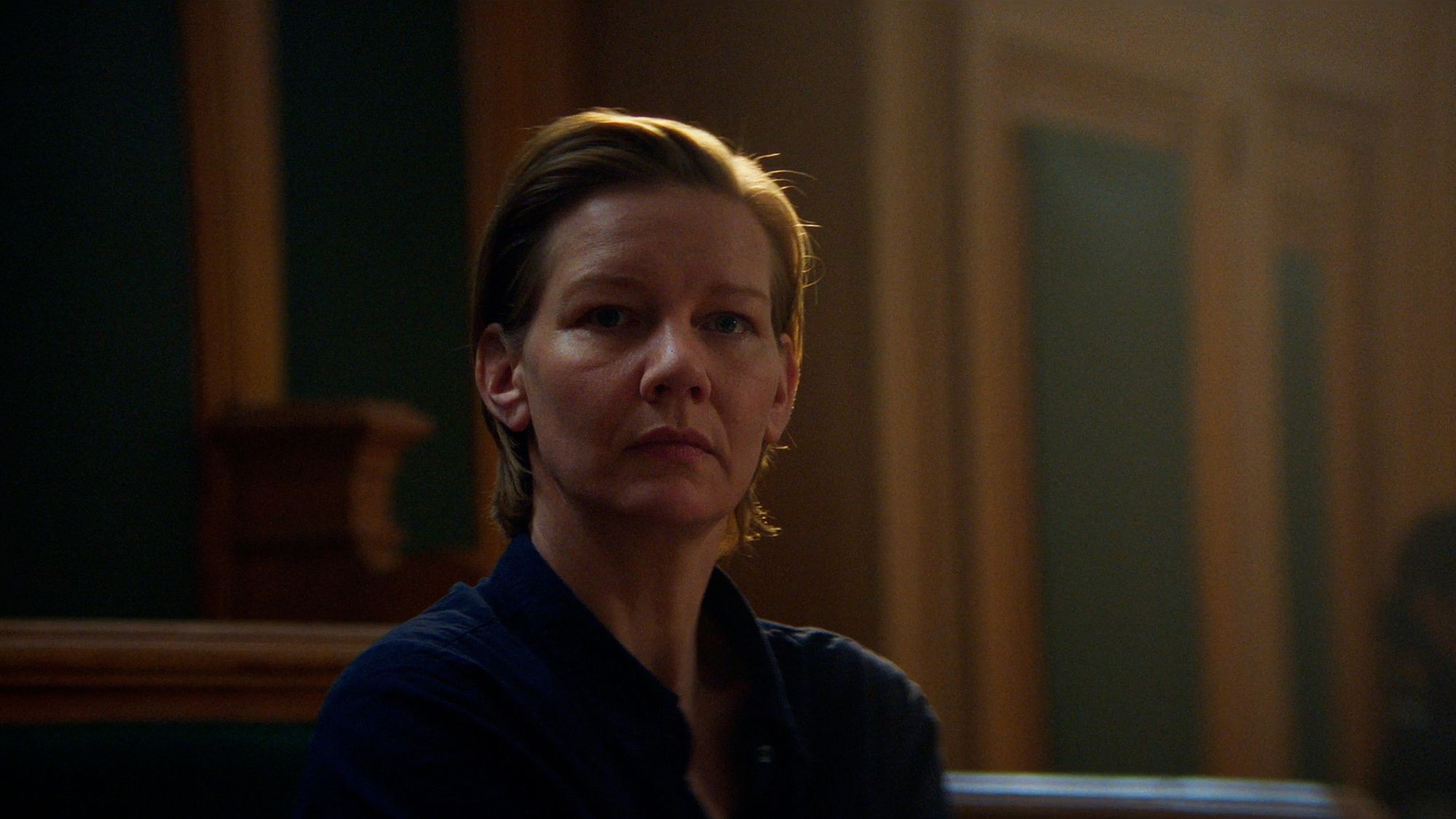
Photo caption: Sandra Huller in ANATOMY OF A FALL. Courtesy of NEON.

This week on The Movie Gourmet – we’re in that time of the year when we’re flooded with eagerly anticipated movies, and I’ve posted new reviews of Napoleon, The Lady Bird Diaries, The Killer and Alan Pakula: Going for Truth. Plus a recommendation of tomorrow’s TCM telecast of the classic film noir The Narrow Margin, one of my favorites.

And, we’re not done yet. I’ve also seen May December and The Stones and Brian Jones. I’ll be writing about them soon, along with The Holdovers, which I hope to see this weekend.

When we get to the Holidays, I pause my regular WATCH AT HOME feature The most eclectic watch-at-home recommendations you’ll find ANYWHERE) and replace it with the movies from my Best of 2023 list that are already available to stream.

CURRENT MOVIES

WATCH AT HOME

From my Best Movies of 2023 – so far:

  • OPPENHEIMER: creator of a monster controlled by others. Amazon, AppleTV, Vudu, YouTube.
  • PAST LIVES: a profound and refreshing romance. Amazon, AppleTV, Vudu, YouTube.
  • THE MAN WHO DID NOT WANT TO SEE TITANIC: wow – laughs, thrills, love. Amazon, AppleTV, Vudu, YouTube.
  • RETURN TO SEOUL: brilliantly crafted and emotionally gripping. Amazon, AppleTV, Vudu, YouTube.
  • BARBIE: a marriage of the intelligent and the silly. Amazon, AppleTV, Vudu, YouTube.
  • FREMONT: self-discovery and a fortune cookie. Amazon, Vudu.
  • HANNAH HA HA: what makes for human value and fulfillment? Amazon, AppleTV, Vudu, YouTube.
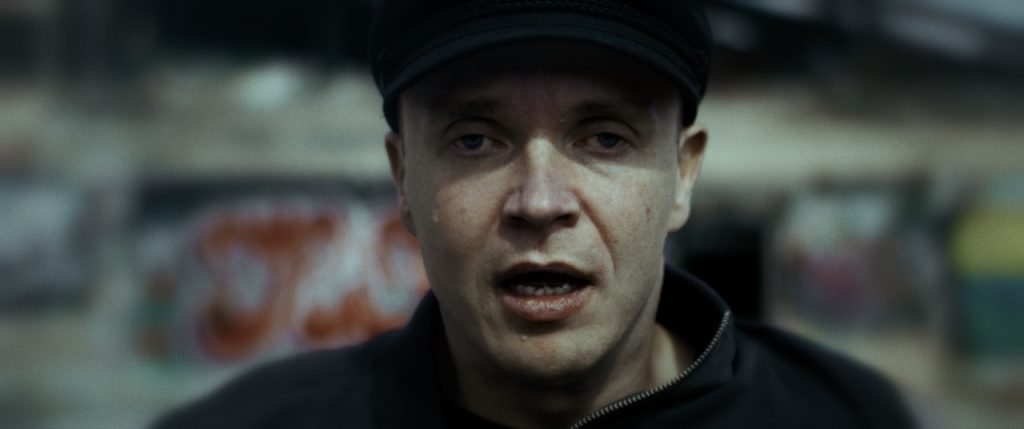
Photo caption: Petri Poikolainen in THE MAN WHO DID NOT WANT TO SEE TITANIC. Courtesy of Cinedigm Entertainment Group.

NAPOLEON: but didn’t they name a complex after this guy?

Photo caption: Joaquin Phoenix in NAPOLEON. Courtesy of AppleTV.

Of all living filmmakers, Ridley Scott would seem the most well-equipped to pull off a boundless EPIC, but his Napoleon, other than three spectacular battle scenes and a little sex, is boring, underwhelming and a little confounding. As The Wife said exiting the theater, it’s a slog, and she wasn’t referring to the winter retreat from Moscow.

For better or worse, Napoleon covers Napoleon Bonaparte’s entire public career – from his emergence in 1793 at age 24 to the beginning of his final captivity on St. Helena in 1815 at the age of 46. It’s kinda like a college survey course in the Napoleonic Era. Napoleon’s historical accuracy is solid, and, for a Hollywood movie, remarkably unusual.

Even with a running time of 2 hours and 38 minutes, there’s a lot of ground to cover. He did fight 61 battles, and it took the SEVENTH Coalition of opposing nations to defeat him. So, we get the briefest of glimpses of Napoleon’s mother, his second wife and other major figures in his life and times.

Here’s what is great about Napoleon – three extraordinarily spectacular battle scenes, depicting the Siege of Toulon, and the famous Battles of Austerlitz and Waterloo. They are amazing to watch, and the first two help us to understand Napoleon’s military genius (and the third, Wellington’s military genius). A segment of Austerlitz where Napoleon orders cannon fire to break the ice under enemy forces is one of greatest and most unforgettable battle scenes in cinema history.

Napoleon also does a pretty fair job with the the relationship between Napoleon (Joaquin Phoenix) and his first wife Josephine (Vanessa Kirby). It was a very uncomplicated one: he was utterly captivated by and devoted to her, and she just wasn’t that IN to him. Josephine was a survivor and an adventuress, who navigated through her misogynistic environment with a gift for canny manipulation. He finds that even making her an empress isn’t enough to quell her promiscuity. Phoenix and Kirby do a good job with this part of the story.

But, oddly for a biopic, Napoleon fails to help us understand Napoleon. Sure, he’s ambitious from the start, but why? And why does he need to keep conquering, at the risk of overreaching and losing everything? After all, didn’t they name a complex after this guy?

Joaquin Phoenix was so vivid as Johnny Cash in Walk the Line, as Commodus in Gladiator, and as Freddie in The Master; he was so original and authentic in Her and C’mon C’mon. But, in Napoleon, his performance doesn’t unwrap the package of Napoleon’s psyche. I can’t say it’s Phoenix’a fault, but the collaboration between Phoenix, Scott and screenwriter David Scarpa doesn’t pay off.

Scott does point out in an end title that 3 million lost their lives during the Napoleonic Wars, which raises the question, to what end? This guy with an insatiable appetite for power and conquest was starting wars with some twits who had been born into underserved monarchy.

Here’s a random digression from the movie Napoleon. Was Napoleon’s military prowess overrated? This is ironic, because Napoleon rose on his merits. But the forces he was defeating were led by royalty and aristocrats, who were given command of armies, not by their own training and demonstrated skills, but by the accident of birth. Alexander I of Russia, for example, started out as an immature, headstrong nitwit and aged into a fullblown nutcase. Maybe Napoleon was analogous to MLB Hall of Famers who never had to face black ballplayers. Hmmm.

Napoleon is now in theaters, and will stream on AppleTV on a date TBD.

THE NARROW MARGIN: murderous hide and go seek on a train

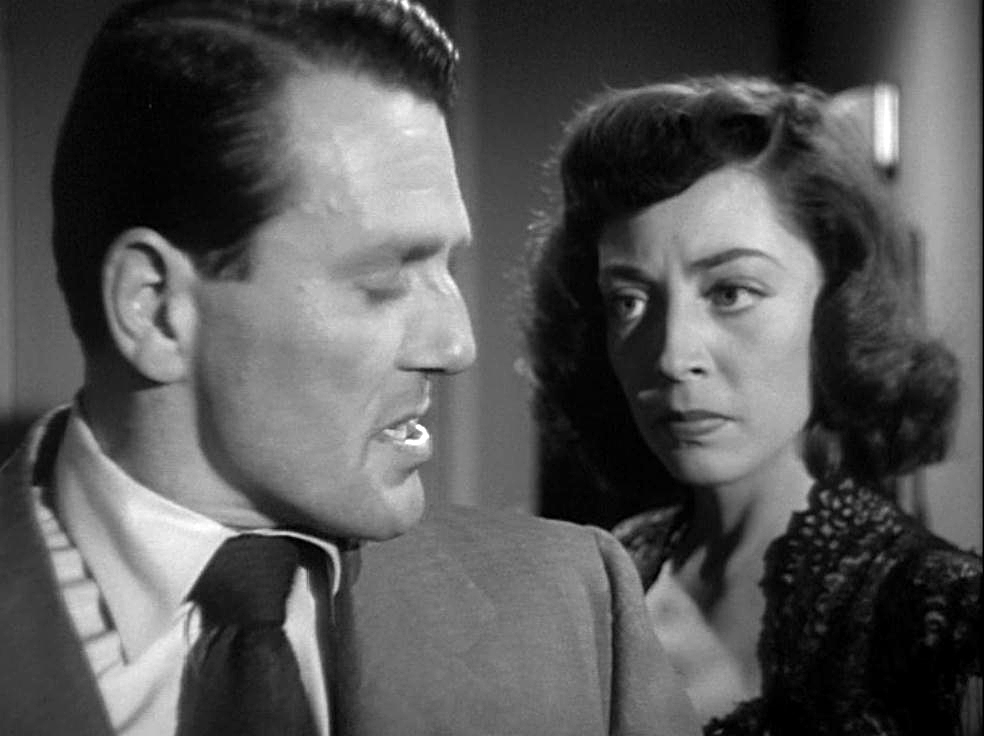
Charles McGraw and Marie Windsor in THE NARROW MARGIN
Photo caption: Charles McGraw and Marie Windsor in THE NARROW MARGIN

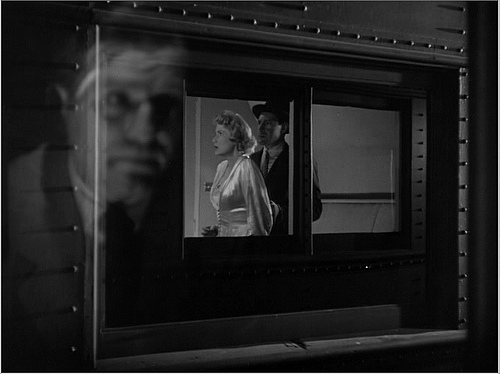
The overlooked film noir masterpiece The Narrow Margin (1952) is a taut 71 minutes of tension. Growly cop Charles McGraw plays hide-and-seek with a team of hit men on a claustrophobic train. Marie Windsor is unforgettable as the assassins’ target. It’s on my list of Overlooked Noir, and it’s coming up on Turner Classic Movies on Friday, November 27 – set your DVR.

McGraw plays a cop assigned to protect a gangster’s widow on her way to testify against the mob. He immediately loses his partner to an ambush and will have to protect his cargo all the way from Chicago to Los Angeles by himself. His only edge is that the hit men don’t know what his target looks like.

The Narrow Margin has two very special elements. The first is the hardboiled dialogue between McGraw and Windsor and their performances. The second is director Richard Fleisher’s imaginative staging of the woman-hunt up and down the tight corridors and compartments of the train.

The screenplay is easily the best of veteran Earl Felton’s career, and he was nominated for an Oscar for this B picture. When McGraw, still in shock, reflects on the sudden death of his longtime partner, Windsor hisses, “Some protection they send me – an old man who walks right into it and a weeper”. McGraw resents having anything to do with her: “Sister, I’ve known some pretty hard cases in my time, but you make ’em all look like putty”. Later he snarls, “He’s dead and you’re alive. Some exchange.” But they’re both trapped together, and they’re not the kind to make the best of it – the great lines just keep coming: “Relax, Percy, I wouldn’t want any of that nobility to rub off on me”.

The Narrow Margin opens with trench coats and fedora, cigarettes and shadowed faces; when there’s gunfire, we know for sure that we’re in a noir. But then Fleischer moves it all onto the train, and we hear the sound from railroad airbrakes. Fleischer makes an early use of handheld cameras to maneuver around the tight spaces. There’s an especially innovative moment when a fight breaks out in a cramped train restroom – the bottom of a shoe flies up to camera level, then we’re under the sink as head is banged into wall.

The cast is uniformly good. I especially like David Clarke as a (gay?) hit man and Paul Maxey as a very fat traveler who keeps blocking the narrow corridors.

Of course, this is all fifty years before cell phones, and there’s a retro lo-tech moment where a slow-moving train leaves a message via hook to be wired.

Fleischer was a very versatile (and underrated director). When he shot The Narrow Margin, he was a 35-year-old rising director. The Narrow Margin was his sixth noir in five years. After The Narrow Margin, he moved to epics (20,000 Leagues Under the Sea, The Vikings, Barabbas). He later made one of the very best WW II movies, Tora! Tora! Tora!, and the ahead-of-its-time dystopian sci-fi cult favorite Soylent Green. He even made the second Schwarzenegger Conan movie. His noir body of work (Bodyguard, Follow Me Quietly, Trapped, Armored Car Robbery, His Kind of Woman) is impressive, and, in my opinion, The Narrow Margin is his masterpiece.

The Narrow Margin plays frequently on Turner Classic Movies. It’s available to stream from Amazon, AppleTV, Vudu and YouTube.  (Don’t confuse it with the inferior 1990 remake, Narrow Margin.)

xxxx
Director Richard Fleischer’s use of reflection

THE LADY BIRD DIARIES: essential history

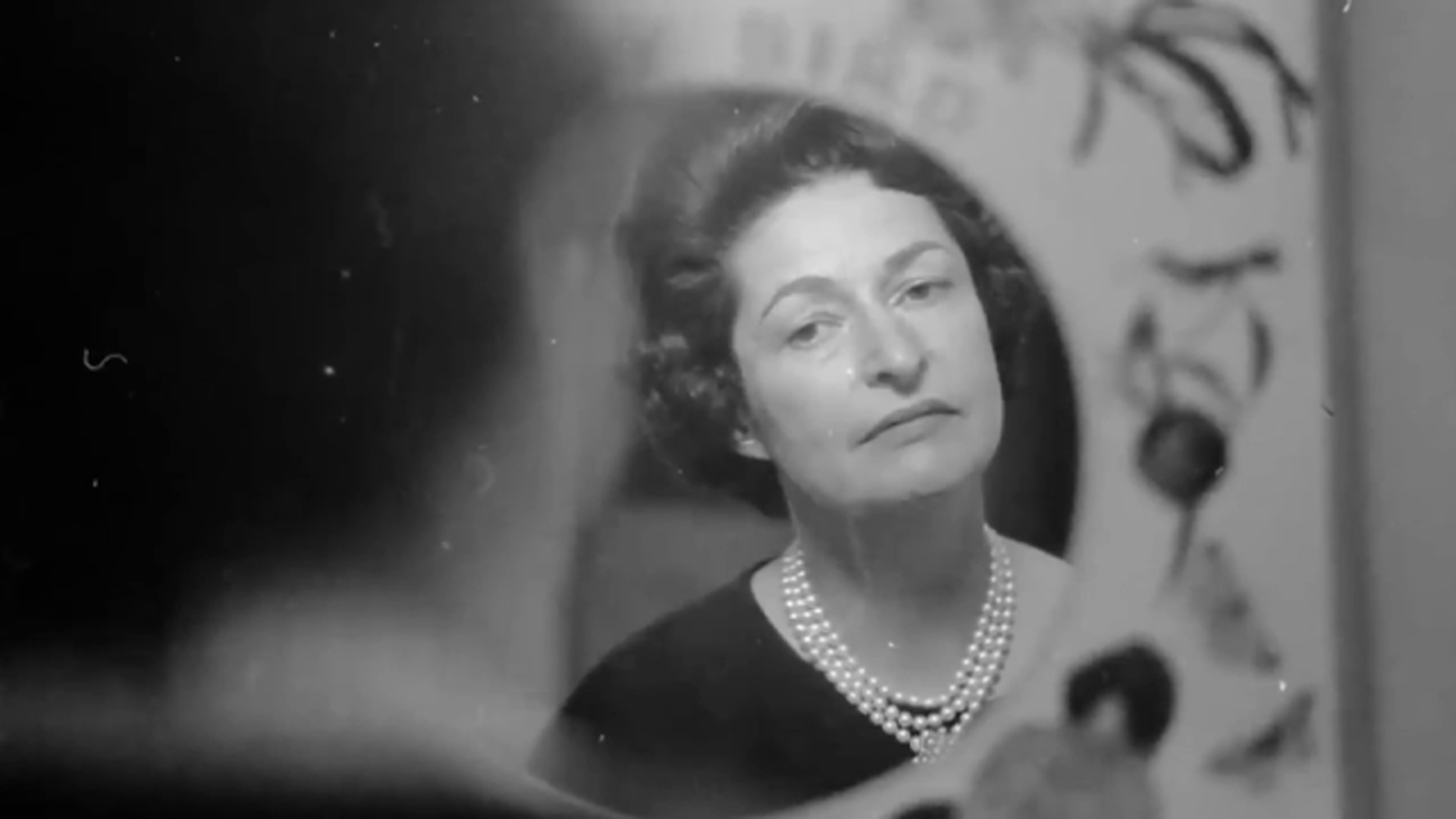
Photo caption: Lady Bird Johnson in THE LADY BIRD DIARIES. Courtesy of Hulu.

For students of 29th Century American political history, The Lady Bird Diaries is essential. In her time as First Lady, Lady Bird Johnson audio-recorded her candid observations of some of the nation’s most dynamic and turbulent years. The 123 hours of those recordings, now released after her death, have been excerpted into the core of this singular documentary.

We hear Lady Bird’s unique point of view on the JFK assassination, LBJ’s battles with depression, the infamous White House luncheon Eartha Kitt incident and RFK. And, after all, she was living in the White House with LBJ through his Civil Rights triumphs and the morass of Vietnam. LBJ’s presidency was so jampacked, we get the tiniest mention of Medicare (Oh, yeah, THAT was LBJ, too).

Lady Bird’s first-person perspective would be valuable enough in a written document, but hearing her actual voice brings even deeper insights into the events, LBJ and Lady Bird herself.

Indeed, The Lady Bird Diaries Lady Bird’s own voice is almost the entire film, annotated only by director Dawn Porter’s exceptional use of explanatory titles, archive clips and photos. Porter’s use of images is as brilliant as I’ve seen in a doc.

Lady Bird’s narration, combined with recorded phone calls between the Johnsons, makes clear Lady Bird’s involvement in her husband’s career. She gave him advice on matters both tactical, critiquing his speeches, and strategic (including whether to seek re-election). LBJ was notoriously thin-skinned, came closest to welcoming criticism only from Lady Bird. One of the most sharp and insightful segments is a disagreement between the Johnsons on how to handle the Walter Jenkins scandal (LBJ’s chief of staff caught in a homosexual haunt) days before the 1964 presidential election. Clearly, Lady Bird was determined to give LBJ her best thinking, whether he wanted it or not.

The Lady Bird Diaries also reminds us of:

  • Lady Bird’s groundbreaking work on the environment, then known as the “beautification” campaign.
  • Her gameness to campaign in a 1964 whistlestop tour through the South, facing down White voters howling about LBJ’s Civil Rights Act of 1964.
  • The toll on the Johnsons from the the unrelenting public scorn about Vietnam.

This is fantastic history and an extraordinary film. The Lady Bird Diaries is streaming on Hulu.

ALAN PAKULA: Going for Truth: notable for quality and versatility

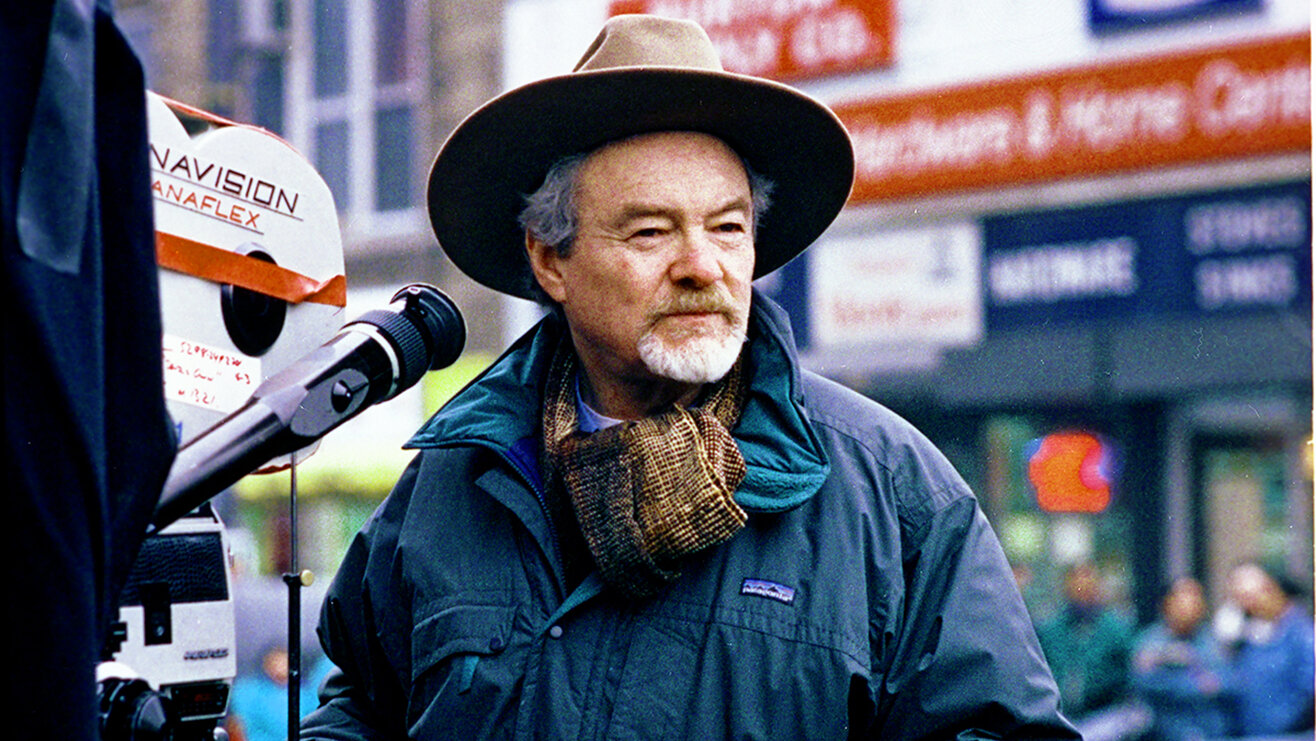
Alan Pakula in ALAN PAKULA: Going for Truth. Courtesy of Magnolia Pictures.

Alan Pakula: Going for Truth is the fine biodoc of the filmmaker Alan Pakula, who received Oscar nominations for producing To Kill a Mockingbird, directing All the President’s Men and writing Sophie’s Choice.

Pakula demonstrated very high standards, and, as entertaining as his films are, his filmography doesn’t contain anything cheap and popular or any dumbed-down content. Famous for his “paranoia trilogy” of the 1970s (Klute, The Parallax View and All the President’s Men), he was remarkably versatile, also mastering the psychological thriller (Presumed Innocent) and the heart-wrenching, high-brow drama (Sophies Choice). Pakula was also responsible for launching the directing career of screenwriter James Brooks (Terms of Endearment, Broadcast News).

Alan Pakula: Going for Truth is exceptionally well-sourced. We see plenty of clips of and interviews with Pakula himself. We hear from his colleagues and widow, along with Jane Fonda, Harrison Ford, Robert Redford, Meryl Steep, and Harrison Ford.

Alan Pakula: Going for Truth can be streamed from Amazon, AppleTV, Vudu and YouTube.

THE KILLER: interior monologue

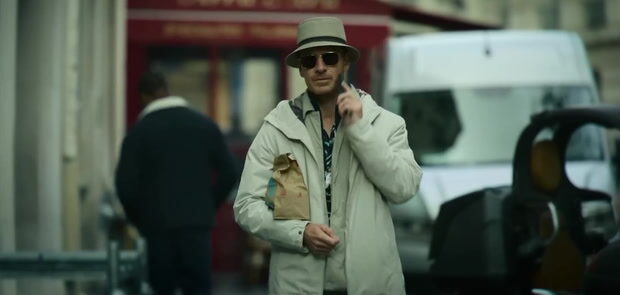
Photo caption: Michael Fassbender in THE KILLER. Courtesy of Netflix.

In The Killer, a professional hit man (Michael Fassbinder) goes about a revenge quest silently, but we, the audience, hear his constant interior thinking.  Directed by David Fincher, the thriller aspects are superbly executed, but the novelty here is the protagonist’s nonstop patter, some reminding him of the basics of his craft and some wittily snarky observations of others.

The one brilliant note is that the hit man is constantly using false identities to transverse the globe, and he has chosen the names of iconic tv characters and the actors who play them.  Very funny (and no spoilers from me).

Still, this is an ultimately empty film, and, although I enjoyed it, it’s very, very minor Fincher (Zodiac, Se7en, The Social Network, Gone Girl, Mindhunters).

Fassbinder is very good, as is Tilda Swinton, who elevates her turn in this genre film.

The Killer is streaming on Netflix.