Ando Sakura, Sasaki Miyu, Jyo Kairi, Lily Franky, Matsuoka Mayu and Kiki Kirin in SHOPLIFTERS, a Magnolia Pictures release. Photo courtesy of Magnolia Pictures.
Shoplifters is a witty, and finally heartbreaking, look at a family that lives on the margins – and then is revealed to be not what it seems. Everyone in this contemporary Japanese family – dad, mom, teen girl and even grandma – has some shady job or outright scam. The dad has taught the 10-year-old boy to become a skilled shoplifter and tells him that he isn’t sent to school because he’s too smart. The dad and son rescue a lost and neglected four-year-old girl from a harsh winter night; the family decides to adopt her into the family. Of course, we wonder if the little girl’s biological parents will report her missing and whether the authorities will track her down.
Other than informally adding a child, not much seems to happen as the family goes on with its daily life – “work”, “shopping”, meal prep, bedtime and the rest, even a beach excursion. These lovable scoundrels are a hoot, and Shoplifters is very funny.
Writer-director Hirokazu Koreeda reveals – character by character – how each came into the family. Eventually that becomes critically important to the family’s survival – and leads to an emotionally powerful ending. The closest families are chosen by each other.
Lily Franky and Jyo Kairi in SHOPLIFTERS, a Magnolia Pictures release. Photo courtesy of Magnolia Pictures.
Shoplifters features a magnificent performance by Sakura Andô as the family’s mother figure – pretty understated until she gets to a knock-your-socks-off seduction scene. Her two jailhouse interviews at the end of the film are heartbreaking.
Jyo Kairi, with one of the best child performances of the year, is also superb as the boy.
Shoplifters just won the Palm d’Or, the top award at this year’s Cannes Film Festival. Koreeda is known for the 1995 art house hit Maborosi, one of the best movies of 2008, Still Walking and this year’s The Third Murder. I saw Shoplifters in early October at the Mill Valley Film Festival.
The fine Lynn Shelton drama Outside In begins when a man (Jay Duplass of Transparent) returns to his small town community after 20 years in prison. Having been incarcerated since he was a teenager, he’s a bit emotionally stunted; he was a good kid who is now trying to be a good man. He tries to negotiate his way among his not-so-supportive family, some former friends who share a secret and suspicious townspeople.
He’s free only because of a persistent campaign for justice by one of his high school teachers (Edie Falco). The case has been an obsession for the teacher, much to annoyance of her blue-collar husband. Now that the campaign has ended, the teacher must fill that vacuum with another passion.
There isn’t much passion in her marriage. Shelton brilliantly depicts a husband who has expectations of their relationship and their future – he just doesn’t communicate them to his wife, or check to see if those expectations are shared. He’s not a terrible person, and the relationship isn’t abusive – it’s just lapsed into staleness.
The freed convict and the teacher are comforted by each other. There are several ways that this story could go, several of them trite. Let’s just say that Shelton takes us in some unpredictable directions, while maintaining authenticity.
Outside In is a story of self-discovery. The teacher must assess what will make her happy and make some hard choices. In a tour de force, Falco takes us through her confusion, dissatisfaction, longing, passion and, finally, determination.
Kaitlin Dever (Justified) is also excellent as the teacher’s teen daughter. Outside In is an acting showcase for Falco, Duplass and Dever. Falco’s performance, however, is stunning.
I saw Outside In before its release at Silicon Valley’s Cinema Club. It can be streamed on Netflix, Amazon, Vudu, YouTube and Google Play.
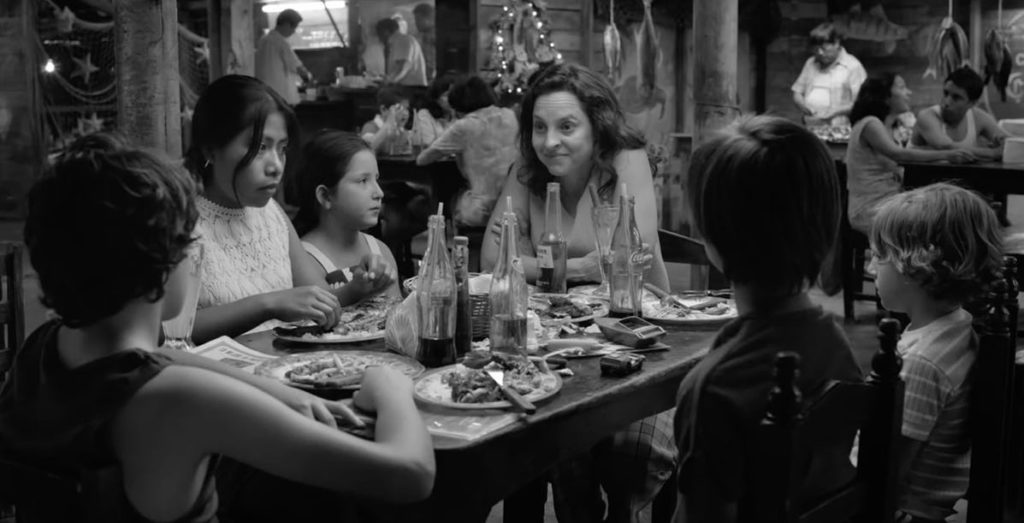
Yalitza Aparicio (second from left) and Marina de Tavira (center) in ROMA
In the powerful and sublimely beautiful Roma, Cleo is the cheerful and ever-on-duty domestic servant in the Mexico City home of Sofia, her doctor husband, their four kids and Sofia’s mother. Sofia’s upper middle class family are light-skinned gueros and Cleo is indigenous. Sofia’s husband leaves her, and she tries to hold her household and her emotions together without letting on to the kids. Sofia and Cleo’s relationship changes and is forged closer when each faces a personal crisis.
That distillation of the story doesn’t begin to capture the profound depth of Roma. Despite their differences in race and class, Cleo and Sofia are in the same situation – facing life’s travails and the responsibilities of family without any help. They are isolated and they must find ways to endure.
Cleo (Yaritza Aparicio) encourages and nurtures the imagination of the youngest child, Pepe. She is playful and adored by the children. This is Aparicio’s first acting gig; she was chosen from among 3000 candidates for the role. Sofia, who is balancing on a knife-edge throughout the story, is played by veteran actress Marina de Tavira, who found Sofia’s story to be the same as her own mother’s. These are two wonderfully authentic performances.
Roma is written, directed and edited by master filmmaker Alfonso Cuarón (Gravity, Children of Men and Y Tu Mama Tambien). This may be his masterpiece. Cuarón won two Oscars For Gravity, in which he conveyed the terrible and unforgiving enormity of outer space. In Children of Men, he created one of the longest, most intricate and compelling action shots in cinema history.
Shot in glorious black and white, Roma is packed with amazing set pieces, both with long static shots and even longer tracking shots. There’s a nighttime tracking shot that follows Cleo through several blocks of a bustling Mexico City downtown street. In another extended single, dolly shot, the camera follows characters from the beach into the surf, beyond the surf break and then back to shore.
Emergencies in the surf of a beach resort and in a hospital are among the most harrowing movie scenes that I’ve seen this year – even more intense than climactic scenes in thrillers.
As heartbreaking as Roma can get, there’s a great deal of humor here. Much is centered on the family dog and his massive production of excrement. There’s also the repeated ordeal of an oversized Ford Galaxy inching its way into an undersized car park. A rural hacienda contains some very unusual wall decorations. And there’s an unexpected and remarkably inappropriate naked martial arts performance.
According to those who would know, Roma is an evocative time capsule of Mexico City at the beginning of the 1970s.
The characters of the mom and the domestic, along with the events – the riot, the forest fire, the earthquake, etc. – are recreated from Cuarón’s most vivid and enduring memories of his own childhood. It’s a deeply personal and individual story, but one which is universal – that of women carrying on without the support of (and even despite) the men in their lives.
I saw Roma at the Mill Valley Film Festival in October at a screening with Aparicio, de Tavira and producers Gabriella Rodriguez and Jonathan King. Cuarón shot the film in sequence over 108 days and only showed the cast the script one day at a time, directing them to “surrender” to the story. Rodriguez confirmed that the family sees Marooned at the movie in a nod to Gravity.
Roma takes its title from the family’s neighborhood in Mexico City.
Roma will be released in New York, LA and Mexico City theaters this weekend and will open more widely on November 29. Having been financed by Netflix, it will stream to Netflix subscribers on December 14. This is one of the year’s very best films, and it will receive multiple Oscar nominations.
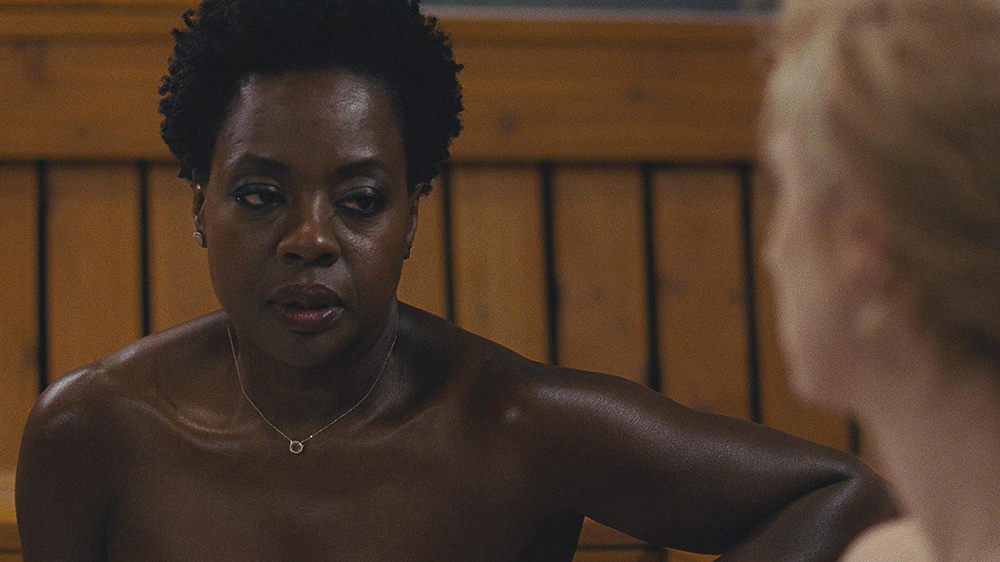
Viola Davis in WIDOWS. Photo Credit: Courtesy Twentieth Century Fox.
This week I’m featuring an absolute MUST for Silicon Valley film lovers, Silicon Valley’s Cinema Club. The Club is wrapping up its 22nd season this weekend and looking forward to 2019. A 2019 Club membership can also be a treasured Holiday gift.
And I’ll be trying to figure out how, despite ten solid days of family and job commitments, I can see three of the most promising movies of the year: Green Book, Widows and Burning.
OUT NOW
The sci fi coming of age adventure Prospecthas a one week run in the Bay Area at San Jose’s 3Below and is well worth seeking out..
The masterful documentary Monrovia, Indiana is a fascinating movie about a boring subject.
The Great Buster: A Celebrationis Peter Bogdanovich’s biodoc of the comic genius Buster Keaton, filling in what we need to know of Keaton’s life and body of work.
Just in case you haven’t gotten around to seeing it yet – Lady Gaga illuminates Bradley Cooper’s triumphant A Star Is Born. Don’t bring a hankie – bring a whole friggin’ box of Kleenex.
What They Had is an authentic and well-crafted dramatic four-hander with Hilary Swank, Michael Shannon, Blythe Danner and Robert Forster.
The Outlaw King, with Chris Pine as Robert the Bruce, exists for those who need a dose of medieval slaughter and a spunky queen, but there’s not enough there for the rest of us.
Skip First Man – a boring movie about a fascinating subject.
ON VIDEO
My stream of the week is the searing French thriller Custody, in which writer-director Xavier Legrand paints the most elemental and realistic depiction of domestic violence that I’ve seen. Custody won Legrand the Silver Lion (Best Director) at the Venice film festival. It can be streamed from Amazon, iTunes, Vudu, YouTube and Google Play.
ON TV
On November 20, Turner Classic Movies presents what I considered the very best movie of 1996, Secrets & Lies. Written and directed by Mike Leigh (Life Is Sweet, Naked, Topsy-Turvy, All or Nothing, Vera Drake, Another Year), this is Leigh’s masterpiece.
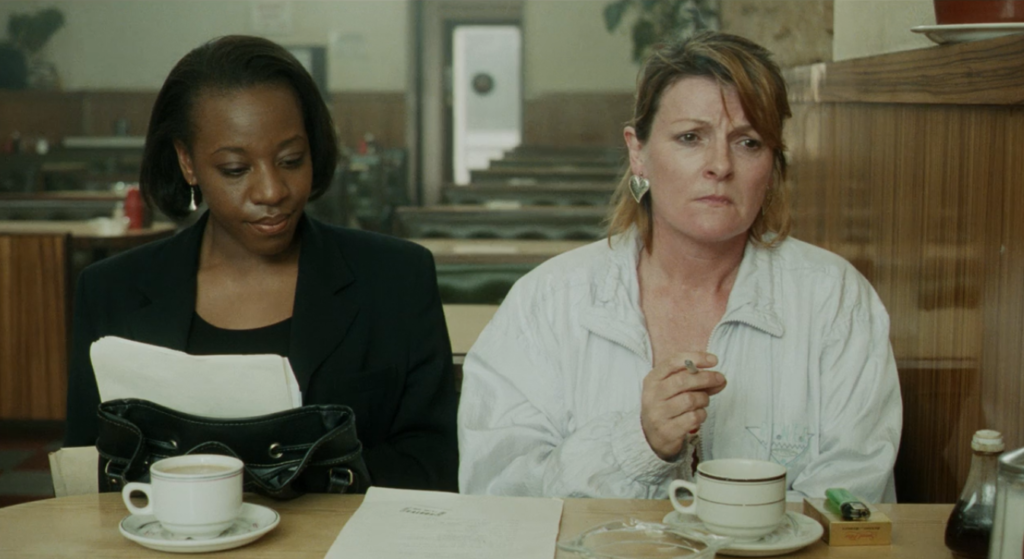
Hortense (Marianne Jean-Baptiste) is an accomplished young British woman who has been raised by middle-class adoptive parents. She decides to track down her birth mother, who turns out to be the working class hot mess Cynthia (Brenda Blethyn). This triggers Cynthia’s emotional damage from giving up baby Hortense, her panic at explaining this to her family – with the complicating factor that Hortense is Black. All kinds of family complications ensue. Cynthia’s underachieving daughter (Claire Rushbrook) is not at all comfortable with the emergence of an over-achieving sibling. Cynthia’s sister-in-law (Penelope Logan) faces this through her own child-related anguish. And Cynthia’s brother (Timothy Spall), who has clawed his way to respectability, has to juggle these developments.
There’s a searing emotional authenticity to Secrets & Lies, but there’s plenty of humor, too. (The montage of the brother’s portrait photography clients is hilarious.)
Blethyn’s fine performance is the showiest, but this is the movie where I recognized the greatness of Timothy Spall. Secrets & Lies, Leigh, Blethyn and Jean-Baptiste were all nominated for Academy Awards, with Secrets & Lies and Fargo losing the Best Picture Oscar to The English Patient (only because The English Patient was far, far more pretentious), This is a film of uncommon humanity.
Marianne Jean-Baptiste and Brenda Blethyn in SECRETS & LIES
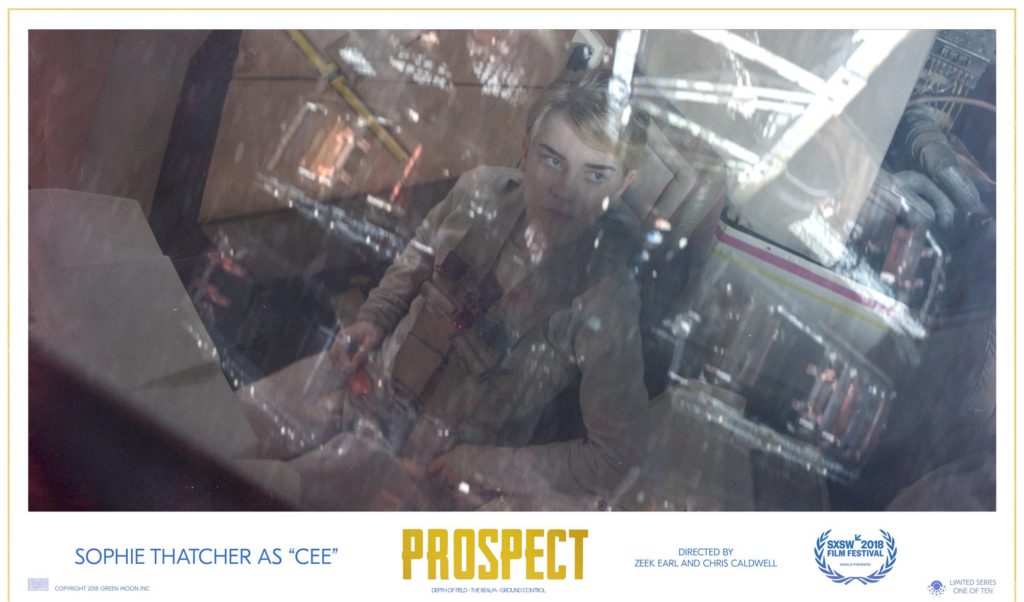
The ingeniously original Prospect is a frontier coming of age movie. It’s just set in space, not in the Old West. The teenage girl Cee (Sophie Thatcher) accompanies her dad (Jay Duplass) as he pilots their tired spaceship from planet to planet, seeking to extract something precious (hence the title Prospect as in prospectors). It’s an enterprise for misfits and hustlers. She has grown into an able assistant. He is a skilled pilot and prospector, but is very erratic in his judgment.
Sure, this is a future version of our world, but these characters live in a bottom-feeding sub-culture; their space travel hardware comes from the surplus store and has the look of NASA’s Mercury program – far less sleekly hi tech than the dashboard of a 2013 Prius. It’s a choice by co-writer and co-directors Christopher Caldwell and Zeek Earl to reinforce that we’re dealing with folks living on the margins.
Isolated by circumstance on a planet that is only populated by a few other sketchy transients and some disturbing settlers, Cee is thrown into a series of life-and-death situations. She must depend on her wits to survive a sequence of that can only be resolved through negotiation. I saw Prospect before its release at Silicon Valley’s Cinema Club. In the screening’s Q&A, co-writer filmmakers Caldwell and Earl affirmed that the story is centered on negotiation and that they drew from that under-recognized subgenre, the “loquacious Western”.
Pedro Pascal and Sophie Thatcher in PROSPECT
A key character that Cee must deal with is another rogue prospector Ezra (Pedo Pascal), a man of wit, charm, lethality and devoted self-interest. Pascal (Oberyn Martell in Game of Thrones) makes Ezra one of the most compelling and funniest movie characters of the year.
Someone has labeled Prospect at “True Grit in space”, which isn’t far off. The Treasure of the Sierra Madre is also evoked. A consistently unpredictable plot and superb performances by Pascal and young Ms. Thatcher make Prospect well worth seeking out. It’s currently in a one-week run at San Jose’s 3Below.
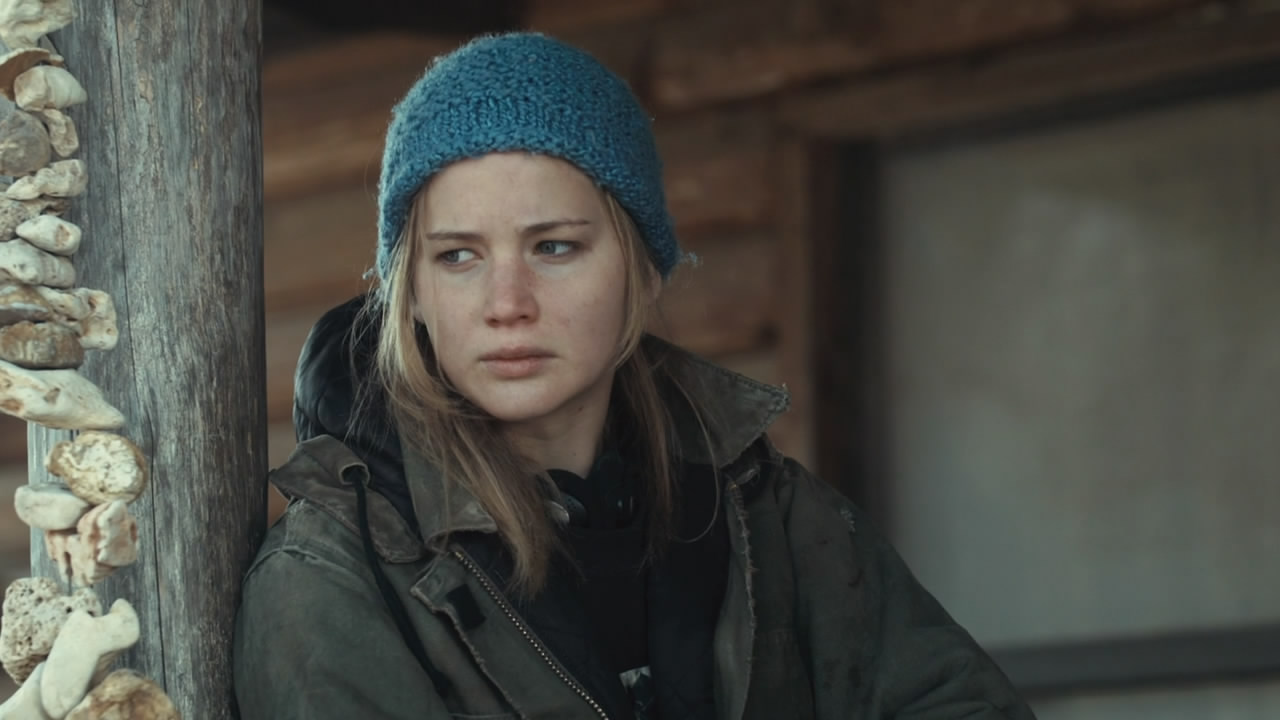
Jennifer Lawrence breaks through in WINTER’S BONE, featured at Silicon Valley’s Cinema Club
An absolute MUST for Silicon Valley film lovers, the Cinema Clubis wrapping up its 22nd season this weekend and looking forward to 2019. A 2019 Club membership can also be a treasured Holiday gift.
It’s your chance to see ten as-yet-unreleased films for $160. There’s usually an post-screening Q&A with a filmmaker, either live or via Skype. It’s like seeing ten movies at a film festival – except it’s a manageable one per month instead of all at once.
Here’s how it works. The club meets monthly on Sundays (you can choose between the morning or afternoon screenings) in downtown San Jose’s 3Below. The house lights go off and a movie appears on the screen. Until this moment, we don’t know which movie it is. The mystery is part of the club’s appeal, and, as a result, I’ve seen some wonderful films that I otherwise never would have chosen to see. Afterwards, there’s a discussion about the film – almost always with at least one of the filmmakers.
The movies range from indie gems to Oscar Bait and are selected by Alejandro Adams and Sara Vizcarrondo. Alejandro is a noted filmmaker (scroll down this NYT article). Sara is a film writer and film professor.
I first saw my pick for the top movie of 2010, Winter’s Bone (four Oscar nominations, including for Jennifer Lawrence’s breakthrough performance), at the Cinema Club. Here are some other Cinema Club films that have made my Best of the Year lists:
Me and Earl and the Dying Girl, I’ll See You in My Dreams, Two Days One Night, Alive Inside, Bernie, Beasts of the Southern Wild, Rabbit Hole, Project Nim, The Messenger, The Tillman Story, Wendy and Lucy, Goodbye Solo, Taxi to the Dark Side, Shotgun Stories, American Splendor, Maria Full of Grace.
Cinema Club members get to see (before their release):
Crowd pleasers like Meet the Patels, Cloudburst, Once and Mad Hot Ballroom;
Challenging cinematic ground breakers like Shane Carruth’s Upstream Color and Gus Van Zant’s Last Days;
Unknown gems like The Grief of Others and In the Family by the as yet undiscovered genius Patrick Wang, the hitherto forgotten neo-noir The Woman Chaser and the delightful Bay Area indie Colma: The Musical.
And I have to admit that, otherwise, I never would have seen The September Issue (I have no interest in the fashion world) or The Tillman Story (I thought I already knew the whole story). Both were rewarding movie experiences.
Cinema Club members also get invited to special previews and events. This year, Alejandro and Sara curated:
The Bay Area premiere of the documentary Dark Money featuring appearances by two of the film’s subjects – Obama-appointed Chair of the Federal Elections Commissions Ann Ravel and journalist John S. Adams; and
A double feature of Dennis Hopper’s lost film The Last Movie and the Hopper documentary Along for the Ride with a panel of critics and the doc’s director.
In a rare revival showing, the Cinema Club also screened an almost lost film, the 1981 They All Laughed – and I found myself sitting next to its director, the legendary Peter Bogdanovich!
Alejandro and Sara are building on the work of previous club programmer Tim Sika, host and producer of the movie magazine radio show Celluloid Dreams, movie reviewer for KGO radio and recent president of the San Francisco Film Critics Circle.
I’ve been a Club member since its 2003-04 season. If you love movies and live in Silicon Valley, you need to be in the Cinema Club. Sign up for the new season here.
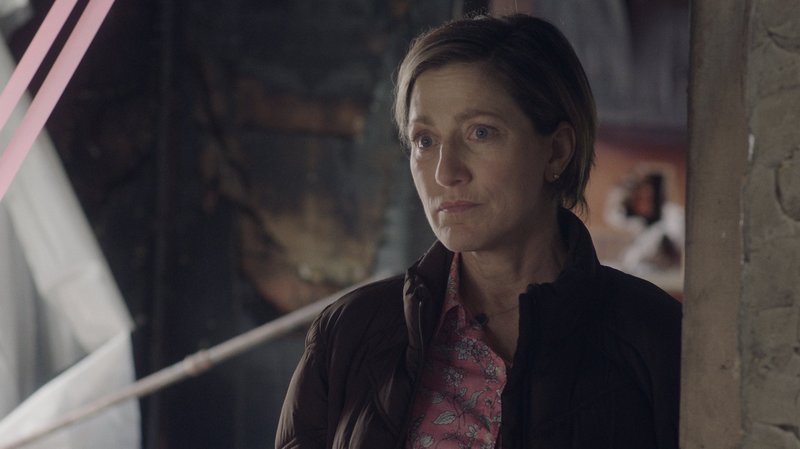
Edie Falco in OUTSIDE IN, screened in the 2018 Cinema Club program
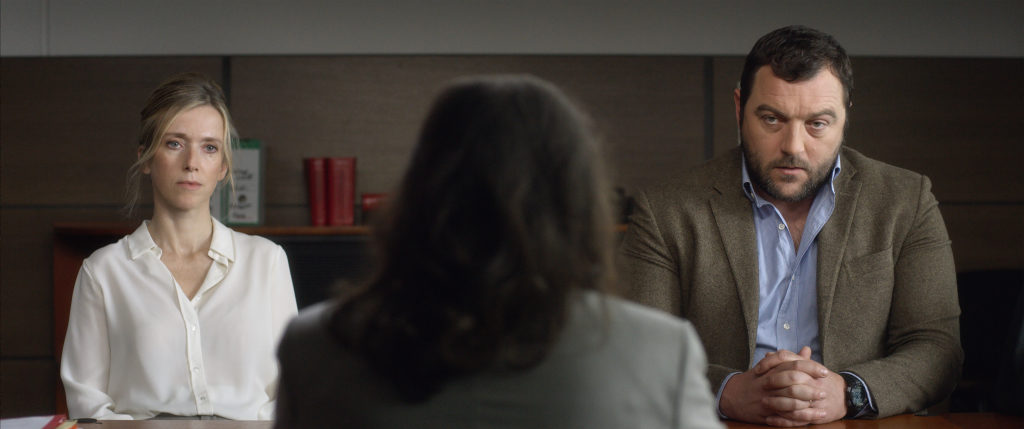
In his searing French thriller Custody, writer-director Xavier Legrand paints the most elemental and realistic depiction of domestic violence that I’ve seen. Custody begins with a child custody hearing over an almost 18-year-old daughter and an 11-year-old son. Neither kids wants anything to do with the dad, and there’s more than a hint of spousal abuse in their past, but the court awards the father weekend visits with his son.
The father (Denis Ménochet) is acting very reasonably at the custody hearing, of course, but we soon see signs of the need for domination and control that is the core of domestic violence. He can’t bear not knowing where his ex-wife (Léa Drucker) lives. He needs to be the “winner” in every transaction. With naked entitlement, he says “I get an extra hour because I picked you up an hour late”. Too vile even for his own parents, the father is an insistent stalker.
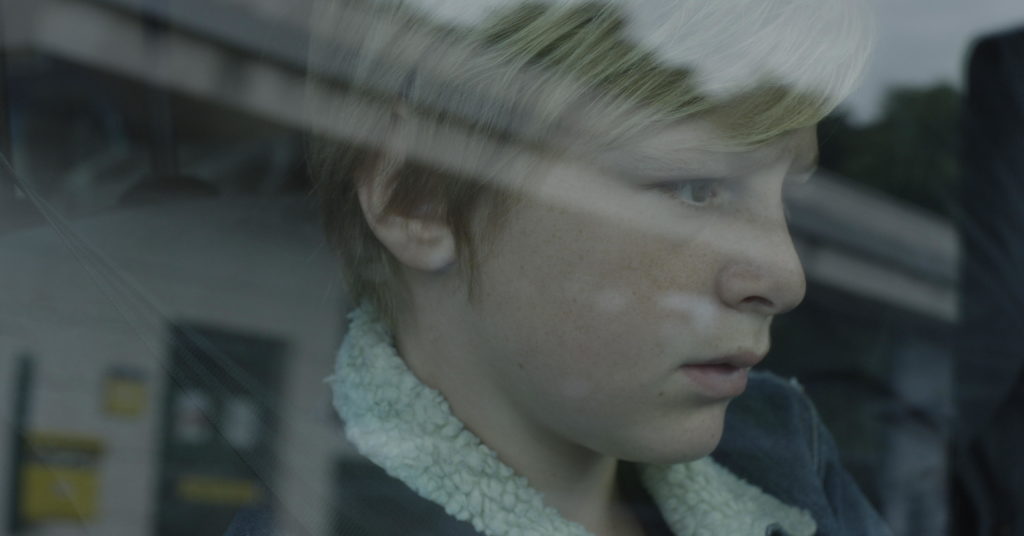
Especially through the eyes of the son (Thomas Gioria in a miraculous performance), Legrand helps the audience understand the traumatization of family violence. Every family member lives with dread of the father surprising them like a bogeyman. The boy takes on responsibility to protect his mom and sister by keeping the dad away from them – it’s an emotionally wracking burden that no child should bear. The mom is not a hero or a feminist icon – she just wants to survive and not be a victim.
Intimate partner violence is about power and control. In Custody, the father doesn’t react physically until the movie’s midpoint, and he doesn’t touch another character until almost the end. But, without hitting anyone, he is successful in terrorizing the family. By buzzing the mom’s doorbell in the middle of night, he proves that he really is a terrorist. And his lethality emerges in the thriller ending. LeGrand says that the thriller aspect of Custody comes organically from fear.
Léa Drucker and Denis Ménochet, in CUSTODY. Courtesy Kino Lorber.
Every performance is excellent, and Menochet’s has received plaudits. But the child actor Thomas Gloria goes places you don’t expect a child to go; his performance is stunning. Menochet discusses his performance and Gioria’s in this Inside Picturehouse interview on YouTube.
As the sister, Mathilde Auneveux delivers a mesmerizing performance of Proud Mary at her birthday party. She is clearly distracted by at least one event in her life, but which is it?
In Custody, Legrand has also filmed the most perfectly shot pregnancy test scene ever.
Custody is the remarkable first feature from Xavier Lagrand. The story grew out of his Oscar-winning short film with the same actors, Just Before Losing Everything. Custody won Legrand the Silver Lion (Best Director) at the Venice film festival. I saw it at Silicon Valley’s Cinema Club months before its release.
Custody can be streamed from Amazon, iTunes, Vudu, YouTube and Google Play.
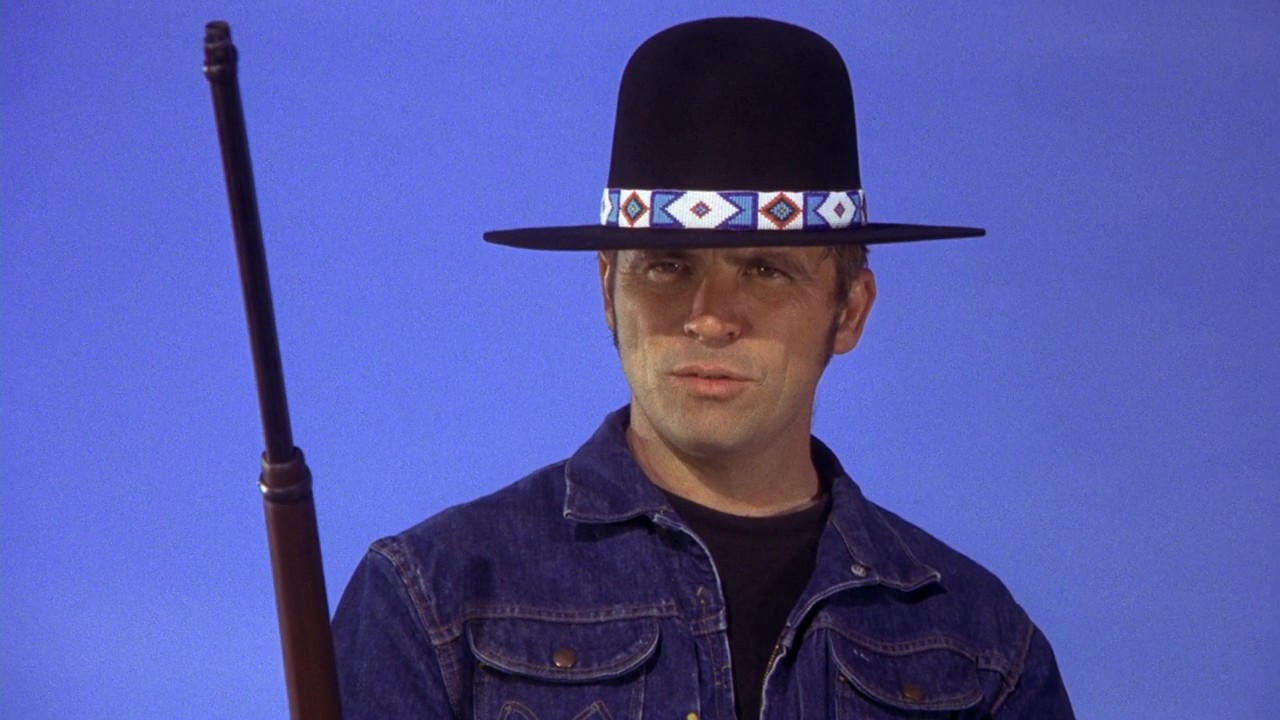
On November 14, Turner Classic Movies will present the Billy Jack trilogy. The iconic character of Billy Jack was created by the groundbreaking independent filmmaker Tom Laughlin. Laughlin originated the character in his biker exploitation movie Born Losers (1967), and then fully unleashed him in Billy Jack (1971), The Trial of Billy Jack (1974) and Billy Jack Goes to Washington (1977).
Billy Jack is a Vietnam vet who embraces his own combo of New Age mysticism and Native American spiritualism. Billy Jack uses martial arts to kick the crap out of the bad guys who bully women, Native Americans and teenagers. Laughlin played a character along similar themes in his The Master Gunfighter (1975), only bearded and wielding a samurai sword.
The prickly Laughlin made and distributed his films independently, and Billy Jack and Trial were huge box office successes, among the most financially successful indies ever. For The Trial of Billy Jack, Laughlin engineered the then-unheard-of simultaneous release on 1500 screens. This excellent Bill Gibron article in Pop Matters describes this precursor of the Hollywood blockbuster strategy. Billy Jack was also the first widely seen martial arts movie in America.
Despite his innovations in the movie business, Laughlin never succeeded in making a good movie. Filled with clumsy acting and hackneyed dialogue, the films are still pompous, self-important and humorless.
Laughlin’s signature as a screenwriter is heavy-handedness. It’s never enough for the bad guys in the Billy Jack movies to be bad. They also have to be racist AND mean to animals AND sexually perverted. Billy Jack opens with the bad guys illegally raiding an Indian reservation to steal a herd of wild mustangs and to herd them to a corral where they will be shot at pointblank range to bring in six cents per pound as dog food. One of the Billy Jack villains seduces a 13-year-old, insists on forcing a willing floozie at knifepoint and, for good measure, stakes a saintly teacher to the ground for a ritual rape. In The Trial of Billy Jack, a government henchman shoots a child – in the back – while he is cradling a bunny.
I have a Bad Movie Festival that features unintentionally bad movies that are fun to watch and mock. The Billy Jack movies are too painful for this list. While bad enough, they are gratingly platitudinous.
Laughlin died at age 82 in 2013. Laughlin was married since 1954 to his Billy Jack co-writer and co-star Delores Taylor, who died earlier this year.
Chris Pine has the title role in Netflix’s The Outlaw King. It’s the story of Robert the Bruce, who wrested control of Scotland from the English and became the Scottish king in the early 1300s. I like Chris Pine, and he makes a medieval warlord very relatable, but this movie is pretty flat. I was especially disappointed because I admired director David Mackenzie’s last movie (Hell or High Water – also with Chris Pine) so much.
I’m guessing from Mackenzie’s surname that he was drawn to Bruce as an icon of Scottish nationalism. But all these historical struggles of conquest and rebellion in the feudal era were really just tugs of war between rival warlords – the moral equivalent of the Soprano Family. To its credit, The Outlaw King (as do Shakespeare’s histories) does not overly romanticize the self-serving motivations of the nobility
The Outlaw King is kinda historically accurate – it captures the overall arc of the story, although Bruce’s archenemy, the future Edward II, was not at the battle of Loudin Hill and, hence did not engage in a mano a mano showdown with Bruce there as depicted.
On the other hand, there isn’t much in the historical record about most women in the early 1300s, particularly Bruce’s second wife, Elizabeth (Florence Pugh). The filmmakers have constructed a pretty interesting character in Elizabeth, so that’s all to the good.
We do know that Edward II was a pretty interesting cat (not a complement), but, while The Outlaw King portrays Edward’s problems with Dad and hints at his narcissistic bravado, it misses the chance to go deeper.
There is a lot of the hacking and hewing of medieval combat a la Braveheart, in The Outlaw King, chiefly in Bruce’s pivotal victory at the battle of Loudon Hill. But the overall emptiness of the movie leaves the battle scenes, as well-crafted as they are, less thrilling than those in Orson Welles’ Chimes at Midnight and Kenneth Branagh’s Henry V.
The Outlaw King exists for those who need a dose of medieval slaughter and a spunky queen, but there’s not enough there for the rest of us.
The film I’m most excited about is The Other Side of the Wind, a great Orson Welles film from the 1970s finally completed after his death. I’ll be writing about it and two companion documentaries soon.
OUT NOW
The masterful documentary Monrovia, Indiana is a fascinating movie about a boring subject.
Skip First Man – a boring movie about a fascinating subject.
The Great Buster: A Celebrationis Peter Bogdanovich’s biodoc of the comic genius Buster Keaton, filling in what we need to know of Keaton’s life and body of work.
Lady Gaga illuminates Bradley Cooper’s triumphant A Star Is Born. Don’t bring a hankie – bring a whole friggin’ box of Kleenex.
What They Had is an authentic and well-crafted dramatic four-hander with Hilary Swank, Michael Shannon, Blythe Danner and Robert Forster.
Quincyis Rashida Jones’ intimate biodoc of her father, that most important and prolific musical figure Quincy Jones.
ON VIDEO
My Stream of the Week is the wonderfully dark comedy I Don’t Feel at Home in this World Anymore. Melanie Lynskey plays a workaday schlub who suffers one indignity too many and goes postal. This movie is available to stream on Netflix Instant.
ON TV
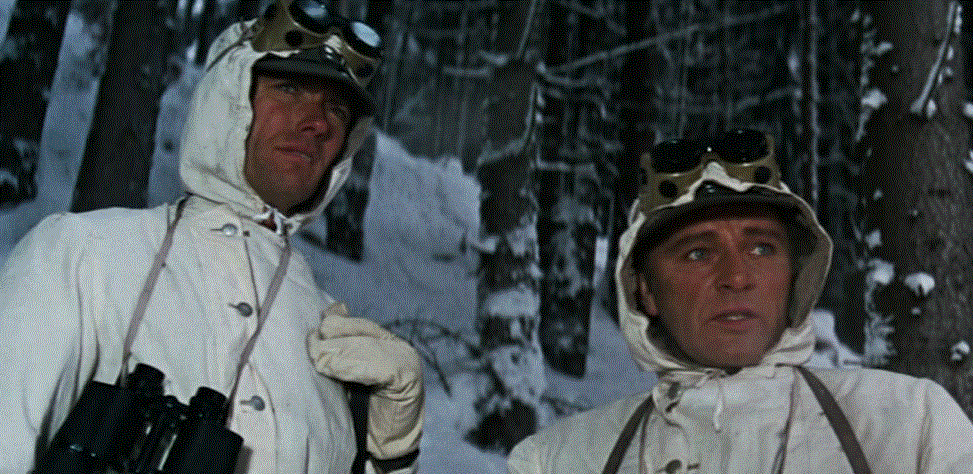
On November 10, Turner Classic Movies presents Where Eagles Dare, a crackerjack thriller from the WWII commando subgenre (think The Guns of Navarone and The Dirty Dozen). The seemingly impossible target is a cliff-side Nazi stronghold only accessible via a funicular. And not all the commandos understand the true mission. The oddly matched stars are Richard Burton (nearing the end of his second marriage to Elizabeth Taylor) and Clint Eastwood (after the Leone spaghetti westerns but before his Dirty Harry franchise). It all works.
Clint Eastwood and Richard Burton in WHERE EAGLES DARE