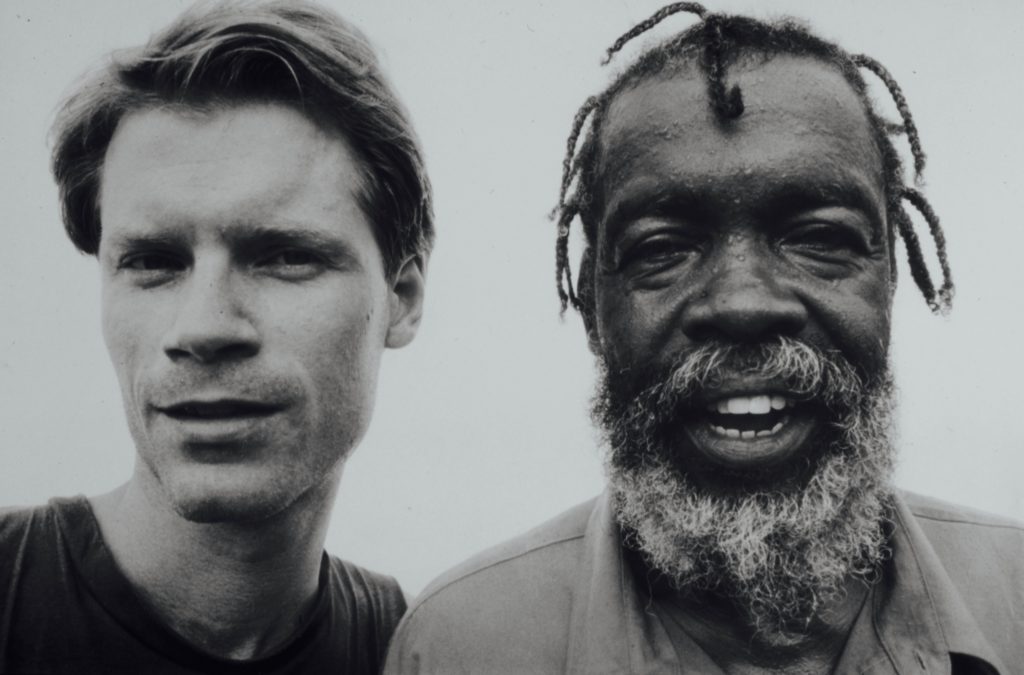
From L:R – Subjects Adam Gussow and Sterling “Mr. Satan” Magee in a still from SATAN & ADAM. Photo courtesy JFI
In the engaging documentary Satan & Adam, Adam, a young white Ivy Leaguer, takes a stroll through Harlem and encounters an older African-American street guitarist, who calls himself Mr. Satan. Adam, a talented amateur blues harmonica player sits in, and soon the odd couple are a busking team, a popular attraction at their regular sidewalk venue in Harlem.
“Mr. Satan” is an alias for an artist of note. Mr. Satan’s talent and the odd couple novelty allows the act to soar to totally unexpected heights. But Satan has emotional and medical issues, and Adam might be a better fit for a career in academia, so this is a story with plenty of unexpected twists and turns. Let’s just say that, over the past 23 years, there have been some significant detours on this journey.
The core of the film is about this unusual relationship and the peculiarities of these two guys, but it also traces the evolving race relations in NYC.
Satan & Adam is told primarily from Adam’s point of view, which is understandable because of Mr. Satan’s periodic unavailability and, when we see him unfiltered, his oft puzzling inscrutability.
I saw Satan & Adam at the San Francisco Jewish Film Festival (SFJFF), a fest noted or its especially rich documentaries. It has finally been released in at least one Bay Area theater.
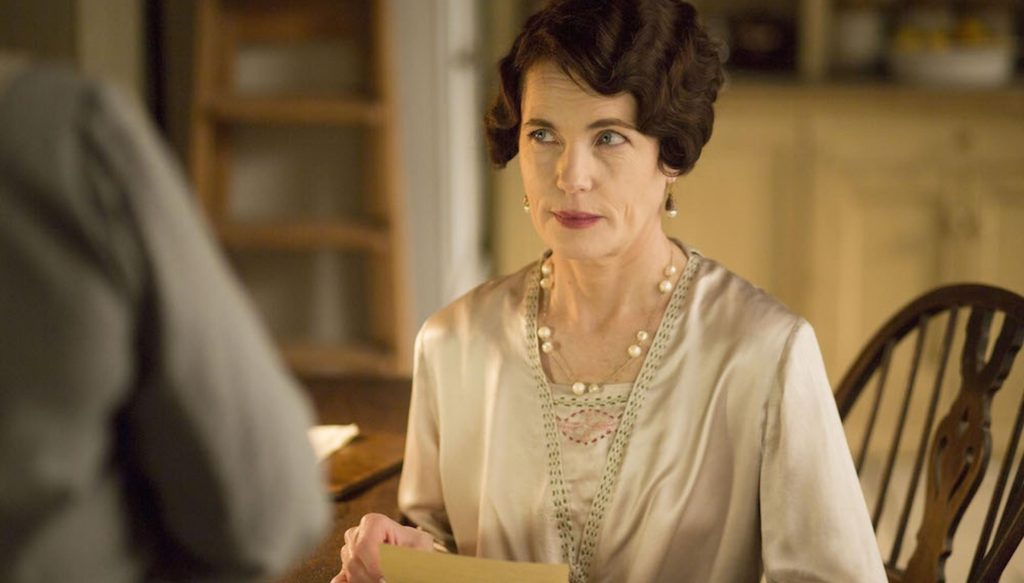
In The Chaperone, Downton Abbey’s writer Julian Fellowes and star Elizabeth McGovern reunite for a pleasing character study of self-discovery in 1921 America – it’s deeper than it first appears to be.
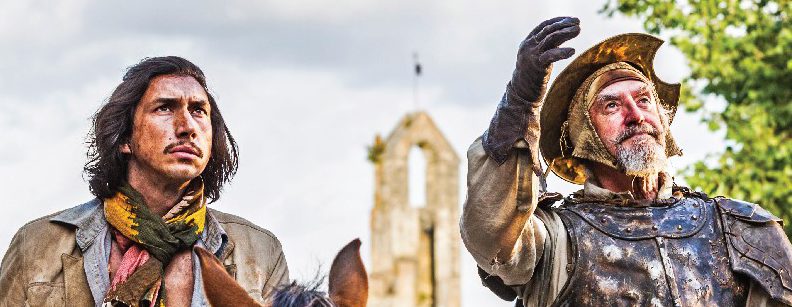
The Man Who Killed Don Quixote: after 25 years of misfortune and missteps, Terry Gilliam has succeeded in making a Don Quixote movie – and it’s good. (link to full review will be live later.)
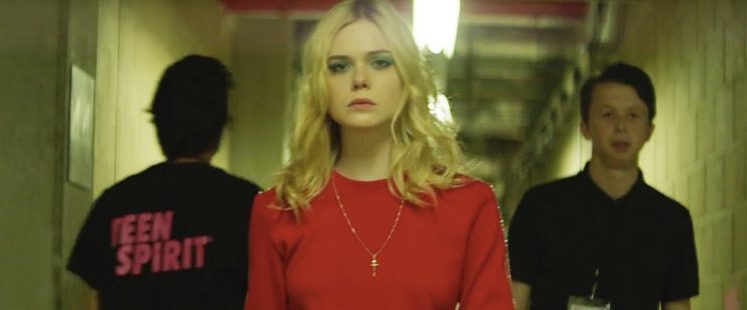
In Teen Spirit, Elle Fanning plays an underdog teenager who has the chance to win a talent contest and become an instant pop star – yes, it’s a genre movie, but it’s a pretty fair one.
The Brinkis documentarian Alison Klayman’s up-close-and-personal portrait of Steve Bannon, the outsized personality who coached Donald Trump’s race-baiting right into the White House. As Bannon unintentionally reveals himself to be pathetically craving relevance, I found The Brink to be irresistible, and I watched with fascination.
You can still stream Tre Maison Dasan, the unwavering and emotionally powerful documentary about boys with incarcerated parents from PBS.
For the first hour-and-a-half of Sunset, I was convinced that I was watching the best movie of the year. Then the coherence unraveled, but I still recommend Sunset, even with its flaws, for its uncommon artistry.
The puzzling thriller Transit, with all its originality, just isn’t director Christian Petzold’s best.
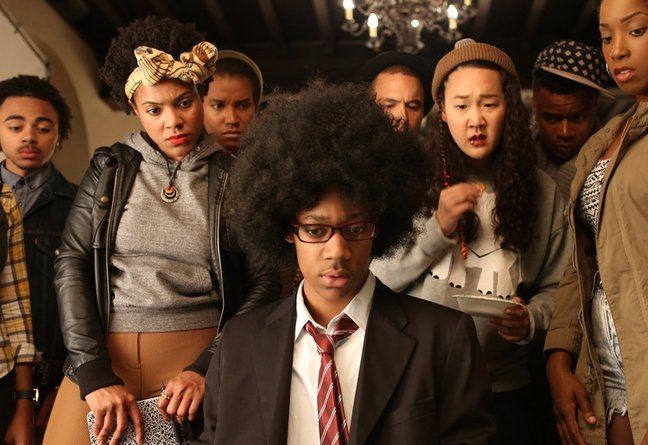
The San Francisco International Film Festival (SFFILM) in underway, and this week’s video pick comes from the 2014 festival. On its surface, the brilliant comedy Dear White People seems to be about racial identity, but – as writer-director Justin Simien points out – it’s really about personal identity (of which race is an important part). Dear White People, which has been spun off into a popular Netflix series, is available on DVD from Netflix and Redbox and streaming on Amazon Instant, iTunes, Vudu, YouTube, and Google Play.
ON TV
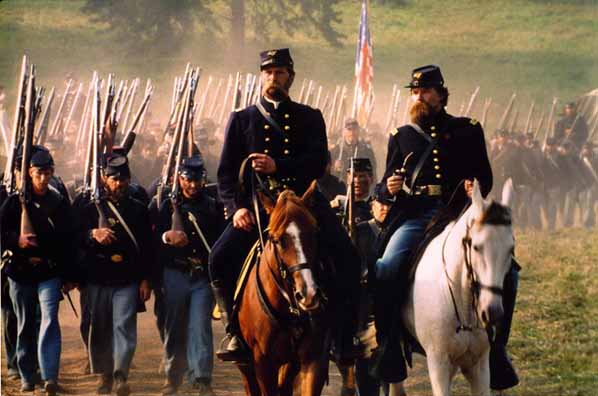
On April 16, Turner Classic Movies presents the gold standard of Civil War films, Ron Maxwell’s 1994 Gettysburg. It follows Michael Shaara’s superb historical novel The Killer Angels and depicts the decisive three day battle. It was filmed on the actual battlefield with re-enactors. Maxwell took great care in maintaining historical accuracy. Civil War buffs will recognize many lines of dialogue as historical, as well as shots that recall famous photographs. In addition, Gettysburg is especially well-acted, especially by Jeff Daniels, Tom Berenger, Stephen Lang, Sam Elliott and Brian Mallon.
Jeff Daniels (center) in Gettysburg
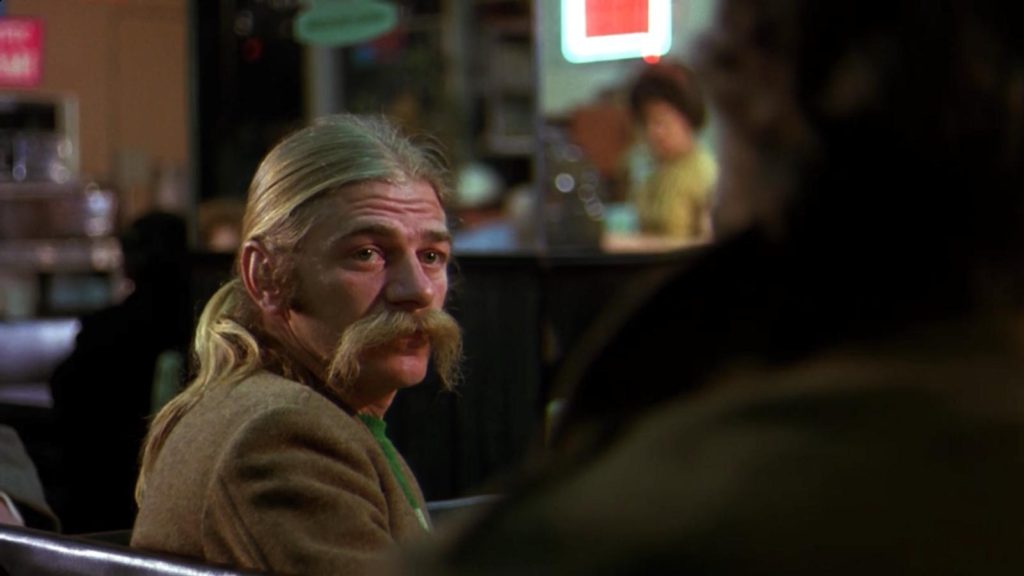
Actor Seymour Cassel’s dies this wek at age 84. His singular performances were often eccentric and exuberant – and always no bullshit. The most recent of Cassel’s 213 screen credits was in 2015, but he is best remembered for his association with writer-director John Cassavetes. Two of my favorite Cassel performances are in Cassavetes’ Minnie and Moscowitz (1971) and The Killing of a Chinese Bookie (1976).
The Chaperone is a pleasing period tale of self-discovery in 1921 America. Louise Brooks (Haley Lu Richardson) is not yet the silent movie sex symbol that she would become; she’s a 15-year-old from Wichita who has a wonderful opportunity – she can attend a cutting edge NYC dance school, if only she can get a chaperone. Local Wichita matron Norma (Elizabeth McGovern) volunteers to be that chaperone. Highly spirited and supremely confident, Louise is a Wild Child who can shock Norma’s sensibilities. But we learn that Norma has a secret reason for leaving Wichita and another secret reason to visit New York City…
This could have been a standard Odd Couple-type romp, but it’s surprisingly deeper. That’s because it centers on the adult character of Norma and benefits from McGovern’s performance. She has a sense of decorum, but she’s not a garden-variety prude. She doesn’t really appreciate her own inner strength and what that strength has helped her survive already. Now, for the first time, she reflects on what it would take to achieve happiness for herself.
Of course, adoptees longing to find out about their biological parents, child sexual abuse, closeted homosexuality and passionless marriages all existed in 1921, but American society was ill-equipped to deal with (or even acknowledge) them. Those are the pivot points in this screenplay written by Downton Abbey’s Julian Fellowes.
Richardson’s persona as Louise does not resemble the sensuous adult Brooks, but she captures the youthful exuberance and confidence of the role. This is only the second American film for Hungarian actor Géza Röhri (from the brilliant but impossibly grim Son of Saul). Röhri is able to project a fundamental decency that is very appealing.
The Chaperone is a satisfying and easy watch, which I would expect to end up on PBS after its theatrical run. The Chaperone played at Cinequest in March.
In the appealing Teen Spirit, Elle Fanning plays a Polish working class girl on the Isle of Wight who competes in a fictional British version of American Idol. Even though she is immensely talented, she is not one of the popular kids. And, recognizable as a teenager – she is bored and she resents being bored. Seemingly a hopeless underdog, she finds a mentor in the local barfly Vlad (Zlatko Buric), a former opera singer fallen on hard times.
Yes, Teen Spirit is firmly in the underdog competition genre – and we know that the story will climax in the Big Game, the Big Match or – as here – the Big Sing-off. As with any genre, one of these movies can be an empty, cliche-ridden formula or a masterpiece (Rocky) or something in between. Teen Spirit may not be a Rocky, but, thanks to writer-director Max Minghella, it is well-crafted and has a heart.
It should be noted that Elle Fanning actually does the singing in Teen Spirit – and sings very well. Given that Rami Malek just won an Oscar for lip-syncing, we should bestow a Nobel upon Fanning. She has an ethereal voice and has shown herself to be a fine actress who can carry a more challenging story than this. Both she and Buric are excellent.
First time director Minghella paces the film very well and delivers some flashy movie making, with fast cuts and pounding soundtrack, sometimes giving the effect of being inside a disco ball. All for the good. To his credit, Minghella also follows Billy Wilder’s screenwriting advice – when your story is finished, don’t hang around.
I saw Teen Spirit at Cinequest, and Elle Fanning appeared for a post-screening interview. Teen Spirit opens this weekend in the Bay Area.
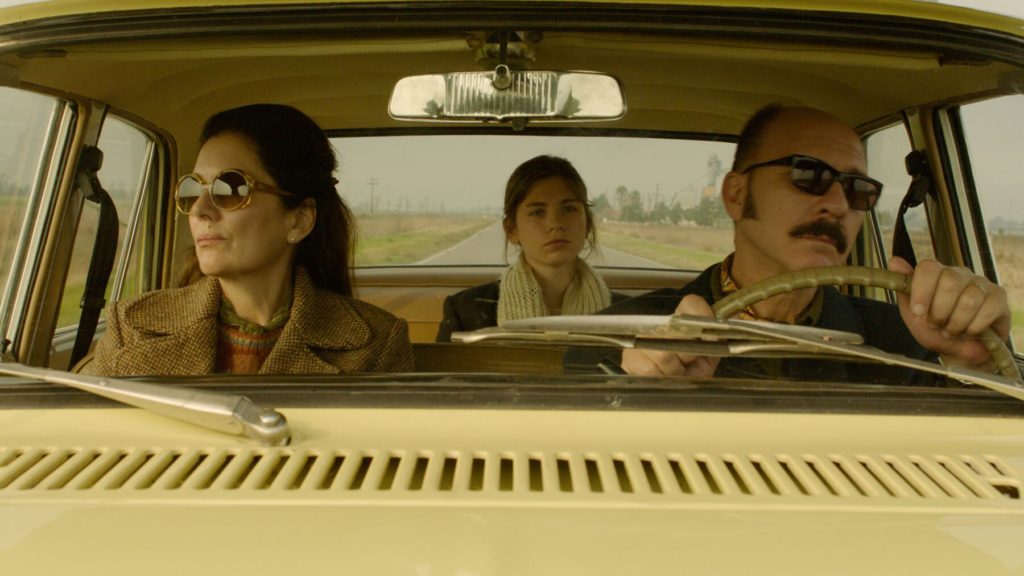
Rojo is Argentine writer-director Benjamín Naishtat’s slow burn drama. Rojo is set just before the 1970s coup that some characters expect – but no one is anticipating how long and bloody the coup will be. Several vignettes are woven together into a tapestry of pre-coup moral malaise. Watch for the several references to desaparecida, a foreboding of the coup.
Ramen Shop is about a family’s reconciliation in light of troubled Singaporean-Japanese history. There’s a metaphorical foodie angle here, too, in the fusion of Singaporean pork rib soup with Japanese ramen stock.
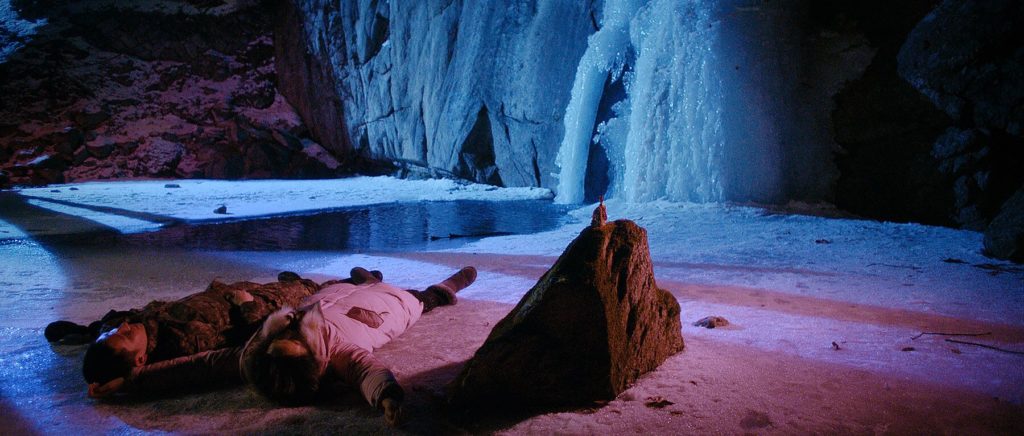
Winter’s Night is Korean director Woo-jin Jang’s contemplation on a longtime marriage in which one partner has grown profoundly dissatisfied and both partners have become very confused about what to do about it. They are addressing this – or not – on a winter vacation to a remote monastery. This especially visual film (see the still below) makes full use of the frigid nights and the stark landscape to emphasize the wife’s emotional isolation.
I haven’t yet seen Loro, but master filmmaker Paolo Sorrrentino’s take on Italian scoundrel/prime minister Silvio Berlusconi is very promising. Sorrentino has already created two of the most brilliant films of this decade – The Great Beauty and Youth.
The San Francisco International Film Festival (SFFILM) opens tomorrow, and this week’s video pick comes from the 2014 festival. On its surface, the brilliant comedy Dear White People seems to be about racial identity, but – as writer-director Justin Simien points out – it’s really about personal identity (of which race is an important part). Set at a prestigious private college, Dear White People centers on a group of African-American students navigating the predominantly white college environment.
Each of the four primary characters has adopted a persona – choosing how they want others to view them. Middle class Sam is a fierce Black separatist (despite her White Dad and her eyes for that really nice White boy classmate). Coco, having made it to an elite college from the streets, is driven to succeed socially by ingratiating herself with the popular kids. Kyle, the Dean’s son, is the college BMOC, a traditional paragon, but with passions elsewhere. Lionel is floundering; despite being an African-American gay journalist, he doesn’t fit in with the Black kids, the LGBT community or the journalism clique. All four of their self-identities are challenged by campus events.
This very witty movie is flat-out hilarious. The title comes from Sam’s campus radio show, which features advice like “Dear White People, stop dancing!” and “Dear White People, don’t touch our hair; what are we – a petting zoo?”. While the movie explores serious themes, it does so through raucous character-driven humor. It’s a real treat.
It’s the first feature for writer-director Justin Simien and it’s a stellar debut. Dear White People is on my list of Best Movies of 2014. Dear White People, which has been spun off into a popular Netflix series, is available on DVD from Netflix and Redbox and streaming on Amazon Instant, iTunes, Vudu, YouTube, and Google Play.
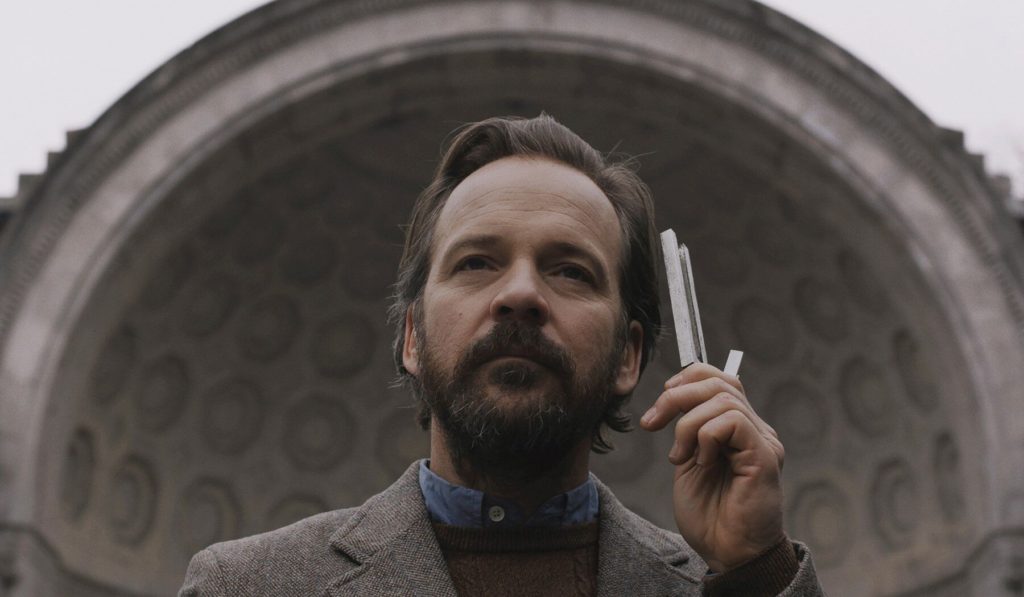
Peter Sarsgaard in Michael Tyburski’s THE SOUND OF SILENCE, playing at the San Francisco International Film Festival April 10-23. Courtesy of SFFILM
In the engrossing character study The Sound of Silence, Peter Lucian (Peter Sarsgaard) is obsessed with the musical tonality of the built environment. Having assigned each area of Manhattan its own distinct musical key, Lucian prowls the city, tuning forks in hand, to map its sounds.
Lucian pays the bills as a house tuner, bringing well-heeled apartment-owners a kind of auditory feng shui. Lucian is sought after to isolate the hum of a problem refrigerator or toaster that can make a living space depression-inducing. He’s even been profiled in The New Yorker.
But we sense that Peter Lucian is a little too confident in his expertise. He is disdainful of the corporate suits trying to monetize his discoveries. “This is about universal constance, not commerce.” In a mistake of hubris, Lucian takes on a research assistant (Tony Revolori – Zero the bell boy in The Grand Budapest Hotel). Lucian is jarred by corporate espionage, and starts to unravel when a respected scientist views him as a crank. Can he recover?
Peter Sarsgaard is a marvelous choice to play a cool obsessive who seems, at time, both blissfully above validation and desperate for it. In spite of his handsome, regular features, Sargaard’s gift for uncanny stillness helps him play creepy. Sarsgaard’s Lucian has the unintended capacity of reassuring other characters, but making then even more uncomfortable.
Rashida Jones plays Ellen, a Lucian client who is not just garden-variety neurotic, but has been so rocked by a tragedy that she remains profoundly unsettled. Jones is so talented as a comic actress, a voice artist, a documentarian and the writer of that rarest of things, a smart romantic comedy (Celeste and Jess Forever). Here, she shows her dramatic chops with a character who starts the movie adrift, but grows able to offer emotional safe harbor.
There’s even a welcome appearance by Austin Pendleton as a Lucian mentor of uncertain reliability. I’ve loved Pendleton since his turn in 1972’s What’s Up, Doc?. (Come to think of it, that movie had a musicologist obsessed with the inherent tonal qualities of igneous rocks.)
The Sound of Silence is the first feature for director and co-writer Michael Tyburski, and it’s a promising debut. Despite using an understated color palette, Tyburski delivers some stirring cinema with his use of sound. As Lucian looks over the city early in the morning, we hear a few musical notes, and then a full orchestra tuning up as the city awakens into its workday. When Lucian takes Ellen for a drink, it is to the quietest possible venue – a club with a decibel level somewhere between a library and a morgue; afterwards, Lucian emerges into urban cacophony. When an academic treats him like a crackpot, we all hear ringing, not just Lucian.
As one would hope, the sound design of The Sound of Silence is remarkable, and the score works very well. The April 14 San Francisco International Film Festival (SFFILM Festival) screening is at the Dolby Cinema, which should be a real treat.
The Sound of Silence premiered at Sundance, has distribution through Sony Pictures, and screens twice at the 2019 SFFILM.
The menu at SFFILM includes 86 feature films and 70 shorts from 52 countries, impeccably curated by Director of Programming Rachel Rosen and her team. 72 of the films have female directors. At last year’s fest, I was introduced to the movie that became my choice as 2018’s best film, Leave No Trace.
This year’s program is especially loaded. Here are some enticing festival highlights:
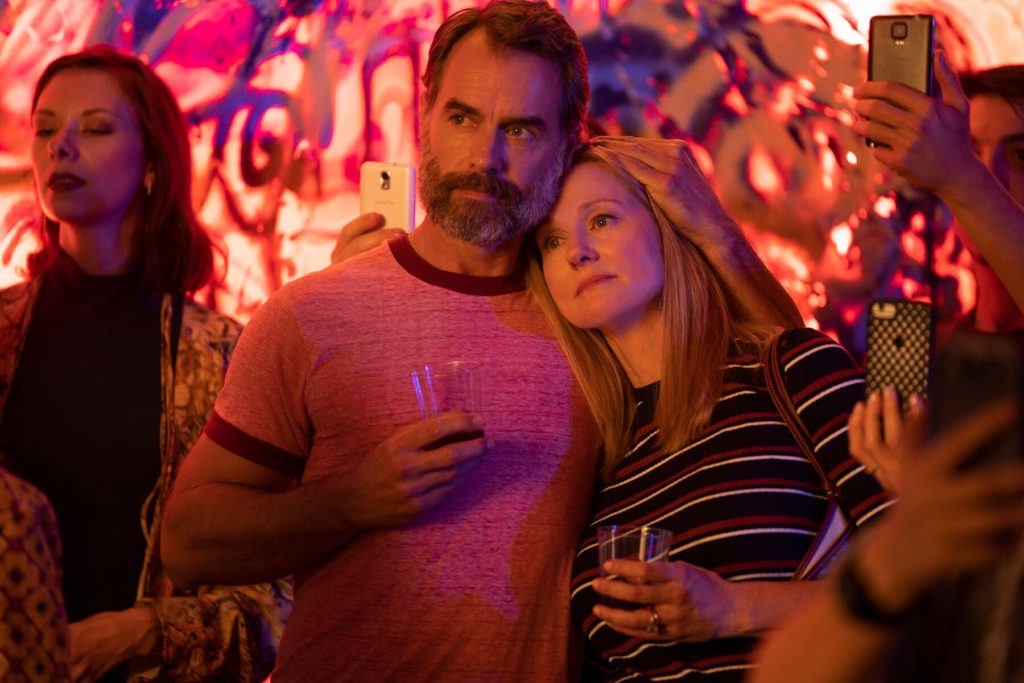
The premiere of the upcoming Netflix series Amistead Maupin’s Tales of the City. Nothing is more San Francisco than the Tales of the City saga, first serialized in the Chronicle in 1978 and adapted into the 1993 PBS episodic series that made Laura Linney a star. The Netflix series continues the story into today’s San Francisco, with Linney’s Mary Ann returning to 28 Barbary Lane. Laura Linney will attend the screening.
Linney will make a second personal appearance to receive an award at a screening of her film The Savages.
French director Claire Denis will present her venture into sci-fi, High Life. The word among critics is that High Life is a doozy – and both the sex and violence are unforgettable.
Laura Dern will appear with her latest film, Trial by Fire.
Fresh from its premiere at SXSW, actress Olivia Wilde will attend the screening of the film she has directed, Booksmart, starring Kaitlyn Dever.
Documentarian Jennifer Siebel Newson will present her latest, The Great American Lie. Siebel Newsom, also the First Lady of California, is not a dilettante, as anyone can tell her previous film, Miss Representation.
John C. Reilly will receive an award at a screening of last year’s The Sisters Brothers.
The world premiere of Q-Ball, the documentary about the basketball team at San Quentin. (Yes, they play all their games at home.) The film is produced by Warriors star Kevin Durant.
Boots Riley, the Bay Area director of last year’s iconoclastic hit Sorry to Bother You, will make the State of Cinema Address.
Loro, master filmmaker Paolo Sorrrentino’s take on Italian scoundrel/prime minister Silvio Berlusconi, will screen. Sorrentino has already created two of the most brilliant films of this decade – The Great Beauty and Youth.
My under-the-radar recommendation is the quietly engrossing The Sound of Silence, which just premiered at Sundance, starring Peter Sargaard. It’s the feature debut for director and co-writer Michael Tyburski, and it’s exceptional.
The 2019 San Francisco International Film Festival (SFFILMFestival) opens this Wednesday. Here’s SFFILMFestival’s information on the program, the schedule and tickets and passes.
Throughout SFFILMFestival, you can follow me on Twitter for the very latest coverage.
Peter Sarsgaard in Michael Tyburski’s THE SOUND OF SILENCE, playing at the San Francisco International Film Festival April 10-23. Courtesy of SFFILM.
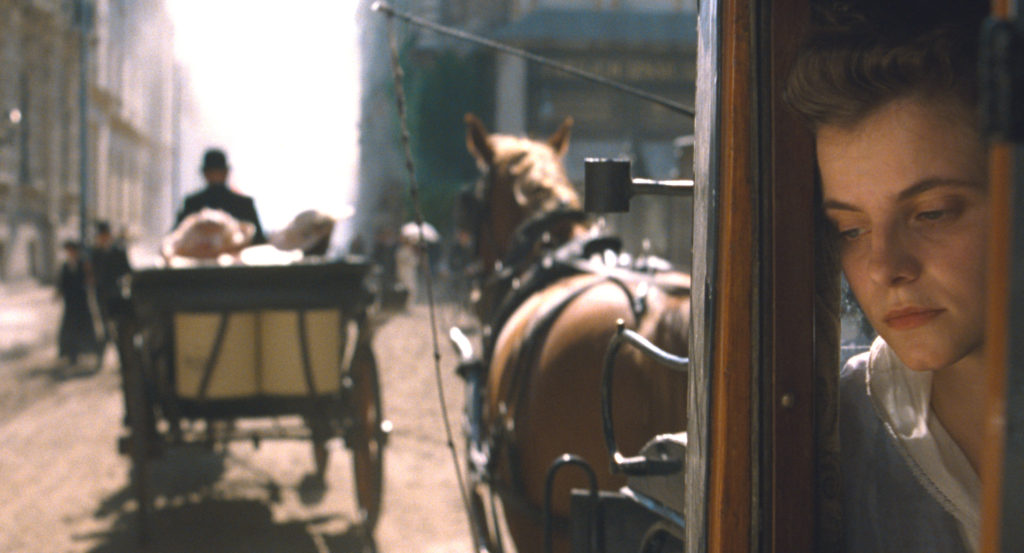
Right: Juli Jakab as Irisz Leiter Courtesy of Sony Pictures Classics
OUT NOW
The Brinkis documentarian Alison Klayman’s up-close-and-personal portrait of Steve Bannon, the outsized personality who coached Donald Trump’s race-baiting right into the White House. As Bannon unintentionally reveals himself to be pathetically craving relevance, I found The Brink to be irresistible, and I watched with fascination.
You can still stream Tre Maison Dasan, the unwavering and emotionally powerful documentary about boys with incarcerated parents from PBS.
For the first hour-and-a-half of Sunset, I was convinced that I was watching the best movie of the year. Then the coherence unraveled, but I still recommend Sunset, even with its flaws, for its uncommon artistry.
The puzzling thriller Transit, with all its originality just isn’t director Christian Petzold’s best.
This week’s Stream of the Week is the riveting psychodramaPhoenix. It’s better than director Christian Petzold’s Transit, and you can stream it from Netflix Instant, Amazon, YouTube and Google Play.
ON TV
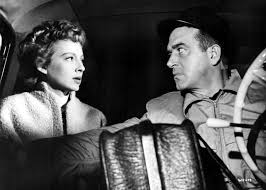
Tonight and again on April 7, Turner Classic Movies airs one of my Overlooked Noir. Film noir tends to be about guys with bad luck, but NOBODY would trade their luck with Ernie Driscoll, the anti-hero of 1953’s 99 River Street. Driscoll (John Payne) was leading in a championship boxing match before a fluke cut ends both the fight and his pugilistic career. Now he’s driving a hack, and his highest aspiration is to open a gas station. But the wife he adores (the movie’s Bad Girl) hurls hurtful invective at him constantly. At the same time, she’s cuckolding him with a hood. If that weren’t enough, he gets framed for a murder. And, mid-movie, he even gets set up by the Good Girl! That Good Girl is played by Evelyn Keyes, who knocks it out of the park in two scenes, one on a darkened theater stage and one in a dive bar
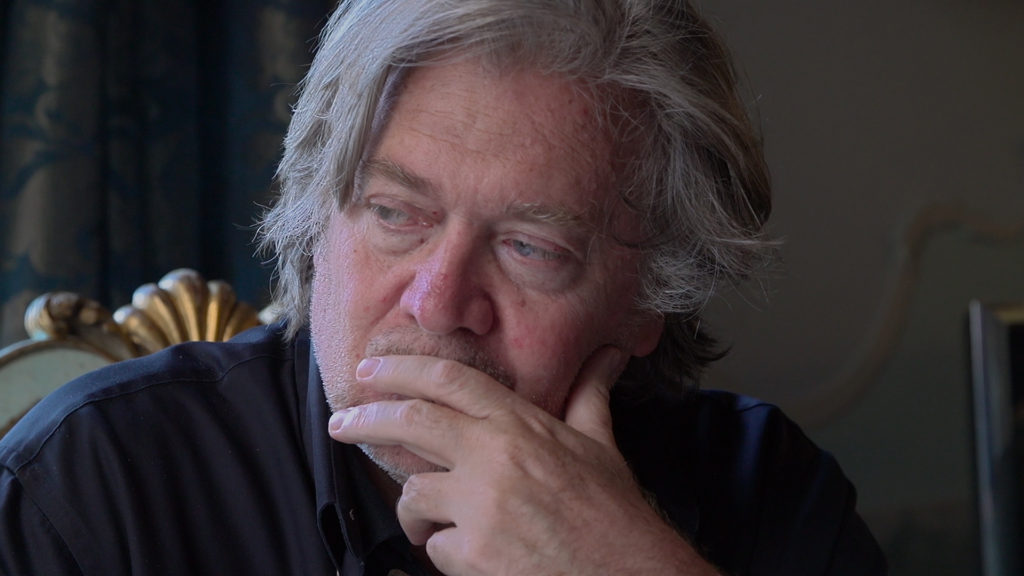
Steve Bannon in THE BRINK, a Magnolia Pictures release. Photo courtesy of Magnolia Pictures.
The Brinkis documentarian Alison Klayman’s up-close-and-personal portrait of Steve Bannon, the outsized personality who founded Breitbart as a “platform for the alt right” and who encouraged Donald Trump’s race-baiting right into the White House.
But even Trump is not shameless enough to keep Bannon around – as The Brink opens, Bannon has just been fired from the Trump Administration in the wake of the wake of the Charlottesville disgrace (“very fine people on both sides“). Bannon is now embarking on a campaign of uniting the European populist Right around a common racist/ white supremicist/anti-immigration message.
Bannon, of course, is a genius at political messaging, and his major outcome was the once unthinkable re-emergence of public white supremicism – voicing those who lived under the dark, damp underside of rocks and logs with the other creepy-crawlies, and making them feel like they can walk the earth erect like other vertebrates.
Bannon is a major ham, and all too happy to let the world watch him in action. Bannon, of all people, is savvy enough to understand that Klayman is hostile to his beliefs and career,yet he granted her intimate access. His ego must not have allowed him to resist a movie about himself – or he learned from Trump that no publicity is bad publicity.
For her part, Alison Klayman (Ai Wei-wei: Never Sorry) is clever enough to let Bannon himself reveal his flaws. As he thinks he is showing us his skills, he is also showing himself to be an attention-craving blowhard. The horror isn’t that Bannon is some invincible evil mastermind but it’s in the masses (only glimpsed) that are so consumed by the fear and hatred that he peddles.
In the riveting opening sequence, Bannon describes how German technocrats designed the Birkenau death camp to be masterfully efficient. The banality of evil is not an original thought, but Bannon’s insights are more than a little scary (and his appreciation of Nazi efficiency is uncomfortable).
I found The Brink to be irresistible and watched with fascination. To those who have had their fill of the propagandists of the Right in Divide and Conquer: The Story of Roger Ailes and Get Me Roger Stone(with Paul Manafort as bonus, I say that The Brink still offers insights – and more satisfaction. Bannon wants his political skill to be validated, but The Brink reveals how pathetically he craves relevance.