Stream of the Week: WE BELIEVE IN DINOSAURS – denying science on a monumental scale

WE BELIEVE IN DINOSAURS

In the thought-provoking documentary We Believe in Dinosaurs, filmmakers Clayton Brown and Monica Long Ross introduce us to Ark Encounter, a Kentucky attraction with a full-size replica of Noah’s Ark.  Explicitly pro-creationism and anti-evolution, Ark Encounter is filled with interpretive exhibits that illustrate the Biblical story of Noah as historical fact, kind of a fundamentalist, evangelical Smithsonian.   Ark Encounter is 45 miles from its sister attraction, the Creation Museum.

There’s a lot to think about – and even marvel about – here.  First of all, the Ark Encounter is an impressive spectacle.  In Genesis, God directed Noah to build the ark to be 300 cubits long, 50 cubits wide, and 30 cubits high.  That means that this thing is a football field-and-a-half long and over four stories high.  We get to meet and observe the technicians and artists as they build the animatronic Noah family and the reproduced animals.

The bigger story here, though, is the massive investment in anti-science propaganda.  To justify their literal acceptance of Biblical content that is inconsistent with scientific fact, these folks behind the Ark Encounter believe that they need to discredit science itself.  And they’re not just defending the literal occurrence of every Bible story, but also the chronology of Bishop Ussher who, in the mid 1600s, calculated that the earth was created in 4004 B.C.  That means that the Ark Encounter aggressively explains that the Earth and the human race, despite fossil evidence, are each 6,000 years old – and that dinosaurs lived alongside humans (and voyaged on the Ark). It also means that they seek to discredit the Theory of Evolution and the scientific method itself (while enjoying its byproducts – vaccines, for example).

When you distill their beliefs, these neo-creationists are essentially turbanless Taliban.   Just for perspective, after suppressing Galileo’s 1615 discovery of the earth-centered solar system, the Catholic Church started backpedaling in 1718.  That means that 300 years ago, even the reactionary Church decided not to double down on denying scientific discoveries.

And what about the scientists? And people of faith who accept science?  We Believe in Dinosaurs brings us the perspectives of Ark Encounter opponents, most notably a geologist, and a former neo-creationist, both native Kentuckians.  There’s also a local Baptist minister, who thinks that people of faith can also accept science.

One of the stunning aspects of We Believe in Dinosaurs is the unexpected David-and-Goliath story.  We might expect the science-deniers to be outmatched.  But the folks with most primitive beliefs are the creative masters.  Anti creationists are the Goliath, supported by hordes of believers, massive private investment, capacity for technical wizardry and even state support.  On the other hand, scientists are not often skilled in or equipped with tools for political persuasion and mass communications.  The pro-science folks are, like John the Baptist, a lone voice in the wilderness, losing the optics battle.

Brown and Long Ross have a point of view (that science is good), but they don’t make the Ark Encounter people ridiculous.  We directly hear the Ark Encounter leadership’s public pronouncements, and we meet the earnest and often sympathetic folks who are using their considerable talents to build and fill the attraction.  Brown and Long Ross let us hear from both sides and let us connect our own dots.  Watch the closing credits to the very end to get the subjects’ unfiltered view of the filmmakers. And wait for the film’s super-creepy money shot – that of an animatronic figure reflecting on the fate of others.

I saw We Believe in Dinosaurs at its world premiere at the San Francisco International Film Festival (SFFILM).  We Believe in Dinosaurs can be streamed from Amazon, Vudu, YouTube and Google Play.

WHAT SHE SAID: THE ART OF PAULINE KAEL – the drive for relevance

Pauline Kael in WHAT SHE SAID: THE ART OF PAULINE KAEL

What She Said: The Art of Pauline Kael is the remarkably thorough and insightful biodoc of the iconic film critic Pauline Kael and her drive for relevance.

Documentarian Rob Garver has sourced What She Said is well-sourced with the memories of Kael’s colleagues, rivals and intimates. Garver’s portrait of Kael helps us understand her refusal to conform to social norms as she basically invented the role of a female film critic and what today we might call a national influencer on cinema.

Of course, one of Kael’s defining characteristics was her all-consuming love of movies, a trait shared by many in this film’s target audience. Fittingly, Garver keeps things lively by illustrating Kael’s story with clips from the movies she loved and hated. Garver’s artistry in composing this mosaic of evocative movie moments sets What She Said apart from the standard talking head biodocs.

Kael was astonishingly confident in her taste (which was not as snooty as many film writers). For the record, I think Kael was right to love Mean Streets, Band of Outsiders, Bonnie and Clyde, and, of course, The Godfather. It meant something to American film culture that she championed those films. She was, however, wrong to love Last Tango in Paris. She was also right to hate Limelight, Hiroshima Mon Amour and The Sound of Music. But Kael was just being a contrarian and off-base to hate Lawrence of Arabia and Shoah.

Kael was by necessity an intrepid self-promoter and filled with shameless contradictions. She famously dismissed the auteur theory but sponsored the bodies of work of auteurs Scorsese, Peckinpah, Coppola and Altman. She loved – even lived – to discover and support new talent.

Most of the people we like and admire possess at least some bit of selflessness and empathy. Kael’s daughter Gina James says that Kael turned her lack of self awareness into triumph,. This observation, of course, cuts both ways.

I saw What She Said: The Art of Pauline Kael at the 2019 San Francisco Jewish Film Festival. It’s now playing in theaters in San Francisco and Berkeley.

Movies to See Right Now

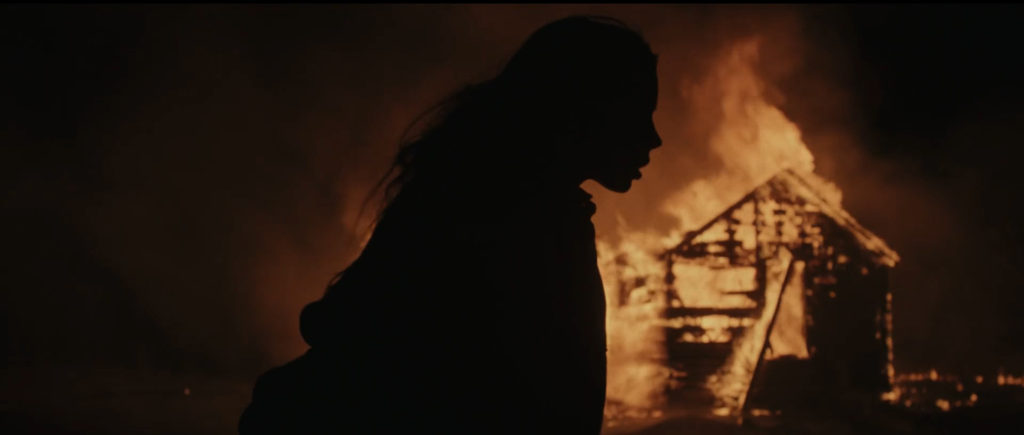
Jenna Lyng Adams in BEFORE THE FIRE, an indie thriller premiering at Cinequest

This time of year, there are good movie-viewing choices – they’re just not the ones being newly released into theaters. Now it’s the time to catch up on unseen Oscar-winners and to binge good episodic TV.

For example, this week’s new Will Ferrell/Julia Louis-Dreyfus release Downfall (which I haven’t seen) is by all reports a very dumbed-down remake of the sharp Swedish Force Majeure. Stream the original instead.

I’m currently buried in screening films from the upcoming Cinequest (March 3-15). The best of this year’s festival is pretty good, and here’s a teaser – I’ll be recommending at least three premieres:

  • the world premiere of a gripping thriller, written by its female star and the first feature by its female director. Hang on to your seats.
  • the world premiere of a gay Muslim romantic comedy.
  • the North American premiere of the year’s best Czech film.

Stay tuned.

OUT NOW

  • The masterpiece Parasite explores social inequity, first with hilarious comedy, then evolving into suspense and finally a shocking statement of the real societal stakes. This is one of the decade’s best films.
  • Adam Driver and Scarlett Johannson are brilliant in Noah Baumbach’s career-topping Marriage Story. A superb screenplay, superbly acted, Marriage Story balances tragedy and comedy with uncommon success. Marriage Story is streaming on Netflix.
  • Martin Scorsese’s gangster epic The Irishman is tremendous, and features performances by Al Pacino and Joe Pesci that are epic, too. It’s streaming on Netflix.
  • Rian Johnson’s Knives Out turns a drawing room murder mystery into a wickedly funny send-up of totally unjustified entitlement. Knives Out is streaming.
  • Refusing to play it safe, director Francisco Meirelles elevates The Two Popes from would have been a satisfying acting showcase into a thought-provoker. It’s streaming on Netflix.
  • 1917 is technically groundbreaking, but the screenplay neither thrilled me nor moved me.

ON VIDEO

My Stream of the Week is Jirga, from my list of 10 Overlooked Movies of 2019. A man goes on a quest in this parable of atonement. The film was shot guerilla-style, under cover in wartorn, terrorist-infested Afghanistan. Stream from Amazon, iTunes, Vudu and Redbox.

ON TV

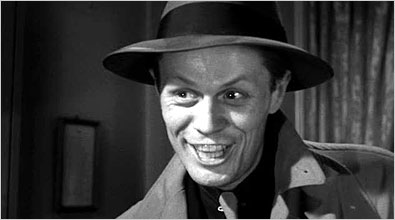
Turner Classic Movies’ 31 Days of Oscar continues on February 27 with the classic film noir Kiss of Death. Victor Mature plays an ex-con with horrific luck – he gets caught on a heist and takes the rap for his cohorts; this leads to a long sentence and a double-cross with impacts to his wife and kids. Seeking to see his kids again, he is released back on the streets to set up the double-crossers for the DA. Mature, too often dismissed for his campy sword-and-sandal movies, did his finest work in film noir – especially I Wake Up Screaming, Kiss of Death and The Long Haul. Kiss of Death includes Richard Widmark’s breakthrough performance as psychopath Tommy Udo.

Richard Widmark in THE KISS OF DEATH

Stream of the Week: JIRGA – a quest to atone

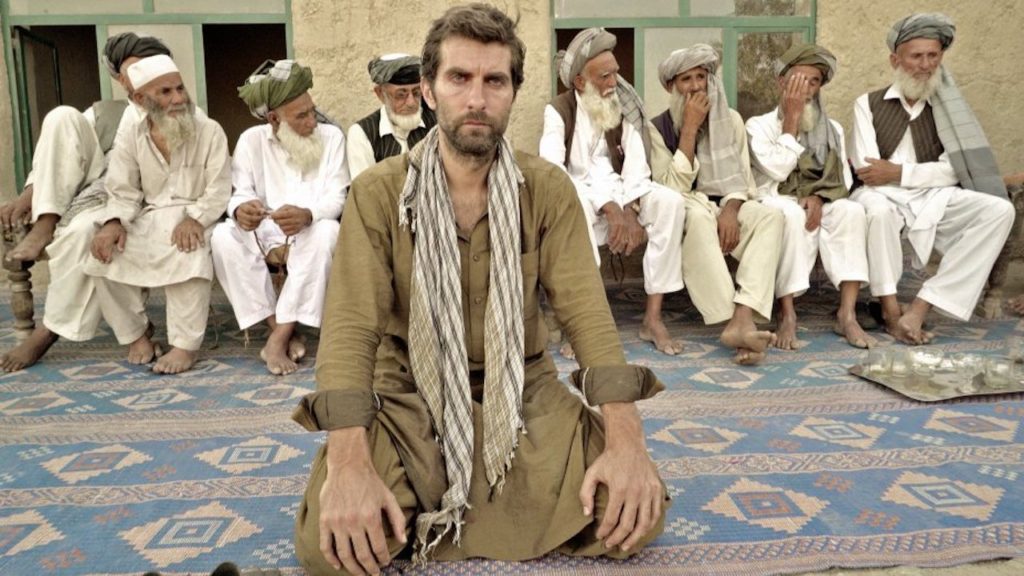
Sam Smith in JIRGA

In Jirga, the Australian soldier Mike (Sam Smith) returns alone to Afghanistan three years after his tour of duty. Mike begins a quest that takes him into the stark desolation of the hinterlands, where he must survive both the unforgiving elements and the Taliban. We don’t know his objective until it is revealed 44 minutes into the film. What we do immediately understand is that the stakes are very high.

The tension builds as we wonder if Mike will survive, but Jirga is a contemplation. How do you redress a wrong that you’ve committed? By paying compensation? By asking for forgiveness? By an act of atonement? Or of self-sacrifice?

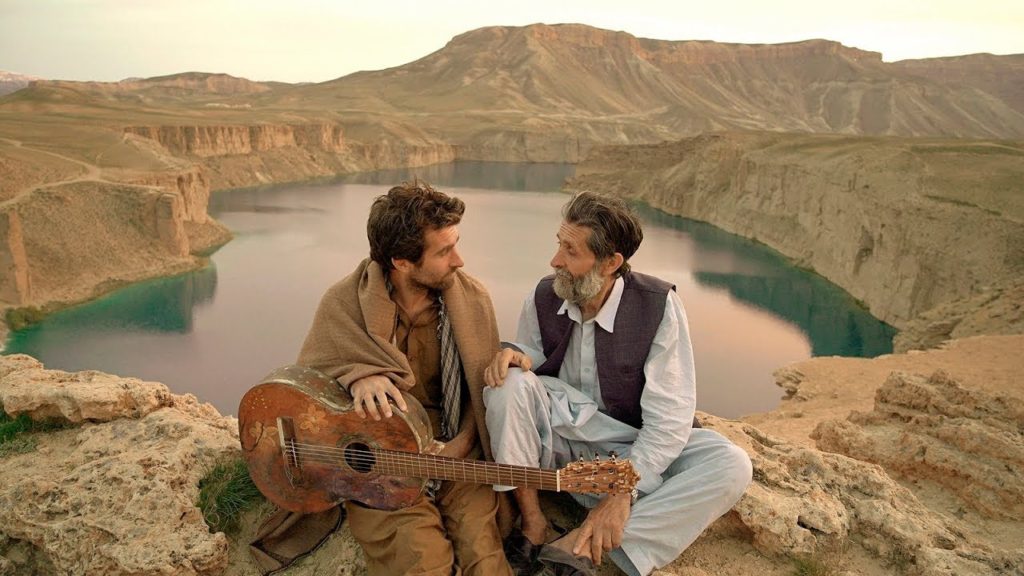
The Afghanistan in Jirga is as dramatic a desolate landscape as I’ve ever seen, often starkly beautiful. At one point, Gilmour relieves the severity of the desert by dropping in a totally incongruous and unexpected paddle boat in the form of a pastel swan.

Sam Smith is in almost every frame of Jirga, and his performance is impeccable.

Jirga is a notable achievement in filmmaking. Gilmour had received permission to film among the Pashtun in Pakistan’s tribal areas, but was frustrated (and finally harassed) by the ISI, Pakistan’s notorious intelligence force. Gilmour bought a small Sony camera in Islamabad and flew himself and Smith to Kabul. There, under the constant protection of bodyguards, Gilmour was able to shoot the film on the fly; conditions were safe enough to shoot during 20 days of a two-month sojourn. Only two of the Afghan cast had ever been in a movie. Gilmour’s previous film Son of a Lion was also set among the Pashtun and is available on Amazon Prime.

JIRGA

I saw Jirga at Cinema Club Silicon Valley, with a Q&A with writer-director-camera operator Benjamin Gilmour. Gilmour got the idea for the film in his other work as a paramedic, encountering the PTSD of Australian veterans of the Middle East wars.

Gilmour observed that “male bravery is taught as how well you can fight”, and focused Jirga on Mike’s non-violent courage in risking – and even offering -his life. Gilmour developed Mike’s story so the “moral injury he suffered doesn’t take the tragic path” of alcoholic self-medication or suicide that Gilmour has observed firsthand in combat vets.

Jirga was Australia’s submission to the Academy Awards. It made my list of 10 Overlooked Movies of 2019. You can stream Jirga from Amazon, iTunes, Vudu and Redbox.

Movies to See Right Now

PARASITE

Well, the Oscars were, for once, a happy surprise. As I wrote last week, I knew Parasite would win the Best International Oscar and I was rooting for Bong Joon Ho to win either for screenplay or directing, but I never dreamed that Parasite would sweep four major awards. As a bonus, the lovable Bong made the most classy and generous acceptance speech. Parasite is now streaming widely (and only $3.99 on Amazon Prime right now).

I do have two friends with good movie taste who, surprisingly, did not like Parasite. The film’s ending is shattering and not for everyone, I very much admired and enjoyed it. As I’ve been saying since I saw it on October 24, it’s a masterpiece.

Chaos caused by a family medical emergency kept The Wife and I from our traditional Oscar Dinner. But if we had, we would have taken advantage of our friend Keifer’s wicked suggestion of featuring shaved peach fuzz from Parasite. Since it’s February and I’m in North America, the challenge would have been to source a fresh fuzzy peach.

OUT NOW

  • The masterpiece Parasite explores social inequity, first with hilarious comedy, then evolving into suspense and finally a shocking statement of the real societal stakes. This is one of the decade’s best films.
  • Adam Driver and Scarlett Johannson are brilliant in Noah Baumbach’s career-topping Marriage Story. A superb screenplay, superbly acted, Marriage Story balances tragedy and comedy with uncommon success. Marriage Story is streaming on Netflix.
  • Martin Scorsese’s gangster epic The Irishman is tremendous, and features performances by Al Pacino and Joe Pesci that are epic, too. It’s streaming on Netflix.
  • Rian Johnson’s Knives Out turns a drawing room murder mystery into a wickedly funny send-up of totally unjustified entitlement. Knives Out is streaming.
  • Refusing to play it safe, director Francisco Meirelles elevates The Two Popes from would have been a satisfying acting showcase into a thought-provoker. It’s streaming on Netflix.
  • 1917 is technically groundbreaking, but the screenplay neither thrilled me nor moved me.

ON VIDEO

My video pick, John Sayles’ City of Hope, is almost thirty years old, still searingly relevant on race in America and still one of the most incisive films on American politics.  Life is complicated, so is America and so are politics.  Most political films are NOT complicated, but Sayles respects the audience enough to give us a realistic story in a realistic community setting. City of Hope may be streamed from iTunes, Vudu, YouTube and Google Play.
ON TV

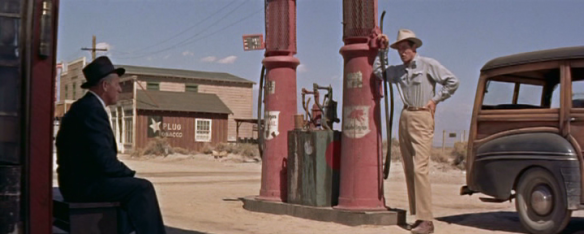
Turner Classic Movies’ 31 Days of Oscar continues on February 15 with the John Sturges masterpiece Bad Day at Black Rock. Spencer Tracy investigates a disappearance in an especially hostile, racist and sinister town. Besides having Tracy at his best and being a great looking movie, Bad Day at Black Rock is notable for its menacing crew of Bad Guys – Robert Ryan, Ernest Borgnine and Lee Marvin.

Spencer Tracy and Robert Ryan in BAD DAY AT BLACK ROCK

Stream of the Week: CITY OF HOPE – life is complicated, so are American cities

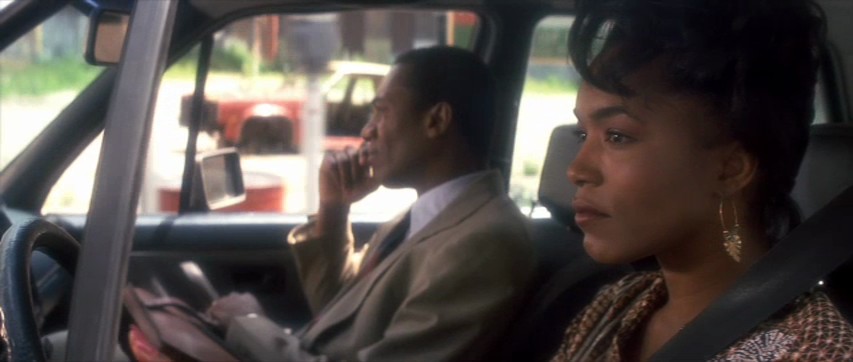
Joe Morton and Angela Bassett in CITY OF HOPE

John Sayles’ City of Hope, almost thirty years old, is still searingly relevant on race in America and is still one of the most incisive films on American politics.  Life is complicated, so is America and so are politics.  Most political films are NOT complicated, but Sayles respects the audience enough to give us a realistic story in a realistic community setting.

City of Hope features over twenty characters braided together in interlocking story threads.  It’s set in an Eastern US City very much like Newark, New Jersey.  An Italian-American business and political establishment is still clinging to the levers of power, as an emerging black and brown majority pushes for inclusion.  There is racial tension and everyday political corruption – and people must get on with their lives. 

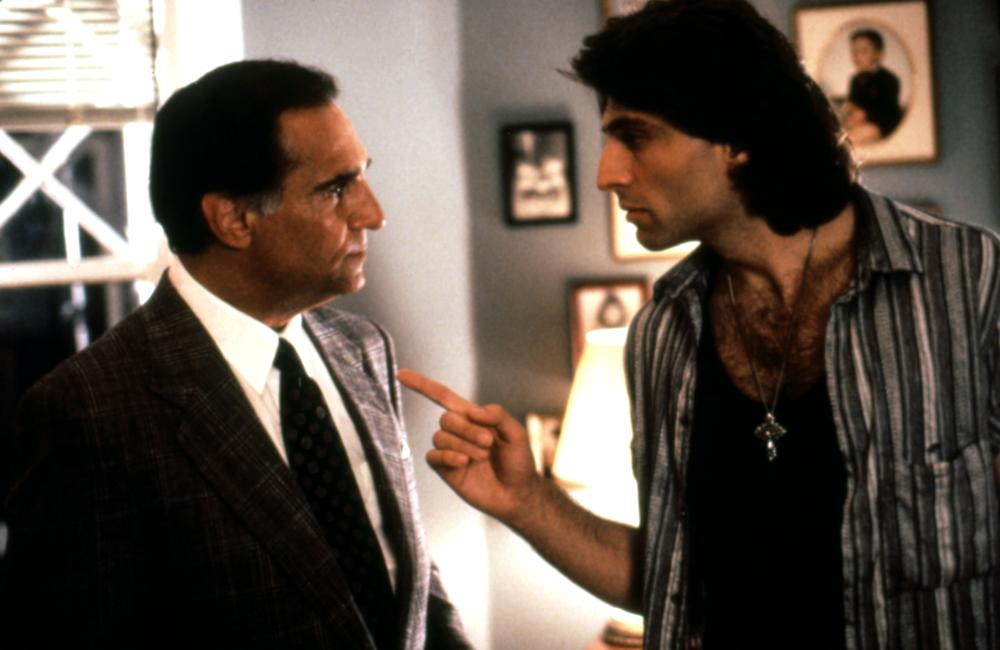
Tony Lobianco and Vincent Spano in CITY OF HOPE

A self-made contractor (Tony Lo Bianco) is trying to finish a big project but the driving forces of race and politics intervene, just as his troubled and immature son (Vincent Spano) is flaming out.  An African-American professor-turned elected official (Joe Morton) is trying to keep his integrity, maintain credibility with the black community and be effective – which is hard to do at the same time.  And that really just kicks things off.

City of Hope has an extraordinary cast that includes many stars early in their careers:  Angela Bassett, Chris Cooper, Gina Gershon, Frankie Faison, Miriam Colon.  Kevin Tighe is absolutely brilliant as a police union official whose every personal interaction is designed to increase his political leverage (this is a guy that I’ve met many times on my day job).  Tom Wright is compelling as Malik, a distrustful activist.  The great David Strathairn, who has appeared in six of Sayles’ films, is unforgettable as Asteroid, a schizophrenic street dweller.

Sayles and Sayles’ life partner Maggi Renzi, who has produced all his films, carved out juicy – and the least sympathetic roles – for themselves. In a hilarious turn, Renzi plays a Greek Chorus in the form of an Italian homemaker (They don’t LISTEN!).  Sayles himself plays Carl, a treacherous and reptilian scumbag of a local crime lord.

City of Hope was released in 1991, right on the heels of 1989’s Do the Right Thing – both remain as insightful on America’s race issues as they were thirty years ago.   City of Hope is said to have influenced The WireCity of Hope may be streamed from iTunes, Vudu, YouTube and Google Play.
Tony Lobianco and John Sayles in CITY OF HOPE

Movies to See Right Now

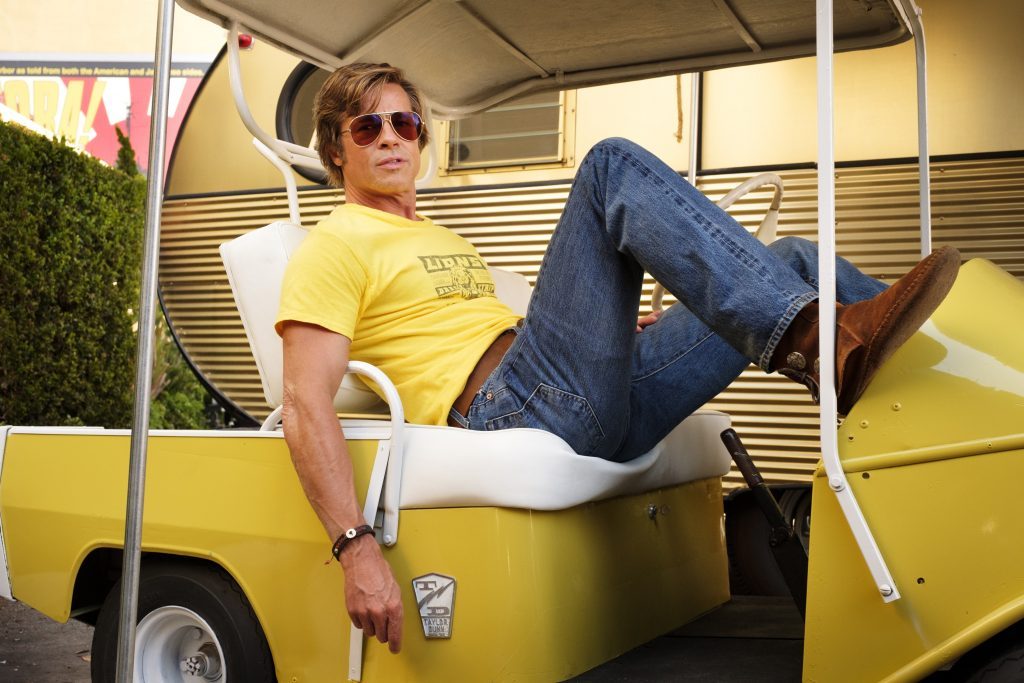
Brad Pitt in ONCE UPON A TIME…IN HOLLYWOOD

It’s time for the Oscars, and The Movie Gourmet will be rooting for Once Upon a Time…in Hollywood and Parasite, which lead my Best Movies of 2019. I’ll be rooting for Adam Driver (actor), Brad Pitt (supporting actor), Laura Dern (supporting actress), Bong Joon Ho or Quentin Tarantino (director and original screenplay) and Taika Waititi (adapted screenplay for Jojo Rabbit).

Roger Deakins should win the cinematography Oscar for 1917; overall, I wasn’t impressed with 1917, except for the technical achievements, so I would be OK with 1917 winning some technical Oscars. I haven’t yet seen the favorite for best documentary, American Factory, which is streamable.

If Honeyland or The Joker win anything, I will become nauseous. If 1917 takes Best Picture, it will be projectile vomit.

OUT NOW

  • The masterpiece Parasite explores social inequity, first with hilarious comedy, then evolving into suspense and finally a shocking statement of the real societal stakes. This is one of the decade’s best films.
  • Adam Driver and Scarlett Johannson are brilliant in Noah Baumbach’s career-topping Marriage Story. A superb screenplay, superbly acted, Marriage Story balances tragedy and comedy with uncommon success. Marriage Story is streaming on Netflix.
  • Martin Scorsese’s gangster epic The Irishman is tremendous, and features performances by Al Pacino and Joe Pesci that are epic, too. It’s streaming on Netflix.
  • Uncut Gems is a neo-noir in a pressure cooker. Adam Sandler channels a guy racing through a gambling addiction and the resultant financial desperation. It’s the most wire-to-wire movie tension in years.
  • Rian Johnson’s Knives Out turns a drawing room murder mystery into a wickedly funny send-up of totally unjustified entitlement.
  • Refusing to play it safe, director Francisco Meirelles elevates The Two Popes from would have been a satisfying acting showcase into a thought-provoker. It’s streaming on Netflix.
  • 1917 is technically groundbreaking, but the screenplay neither thrilled me nor moved me.
  • The earnest documentary Honeyland failed to keep me interested.

ON VIDEO

The character-driven suspenser The Gift is more than a satisfying thriller – it’s a well-made and surprisingly thoughtful film that I keep mulling over. The Gift is available to rent on DVD from Netflix and Redbox and to stream from Amazon Video, iTunes, Vudu, YouTube and Google Play.
ON TV

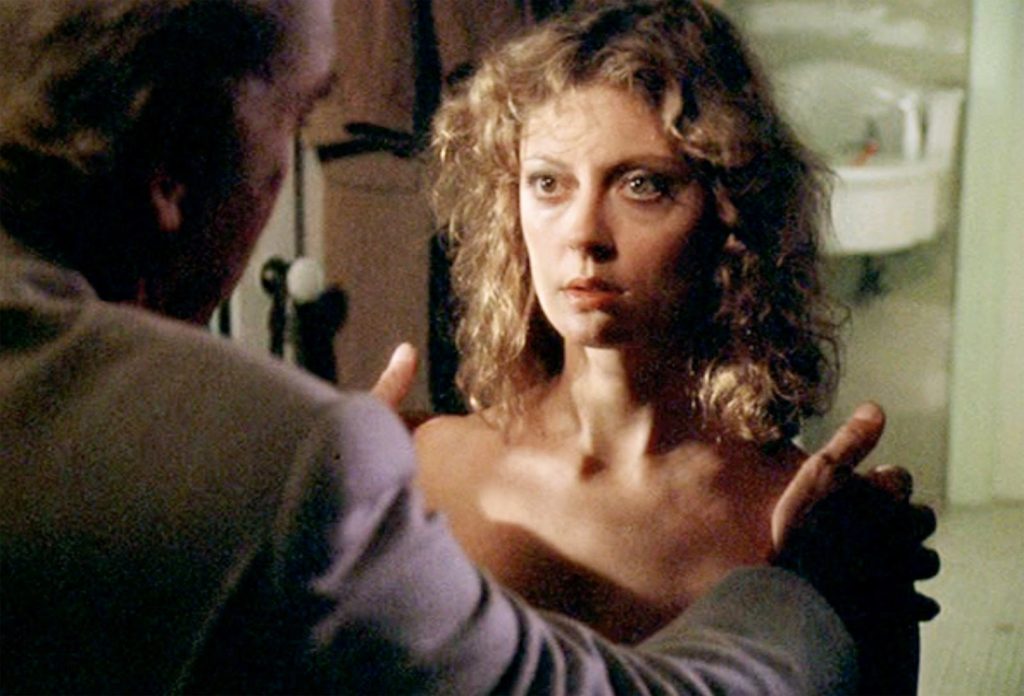
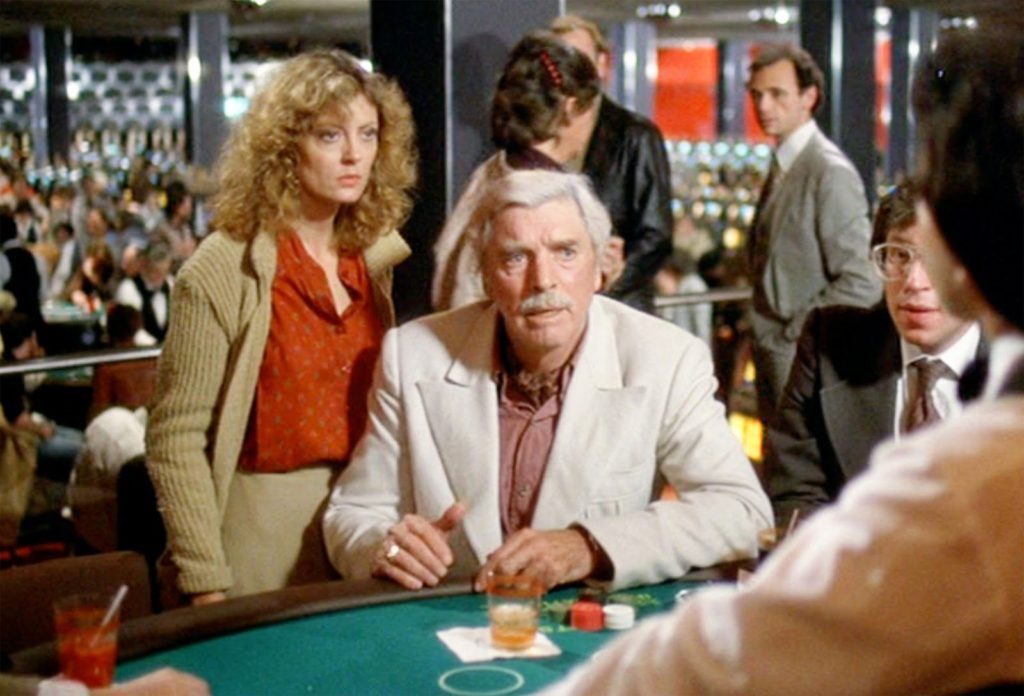
Burt Lancaster and Susan Sarandon in ATLANTIC CITY

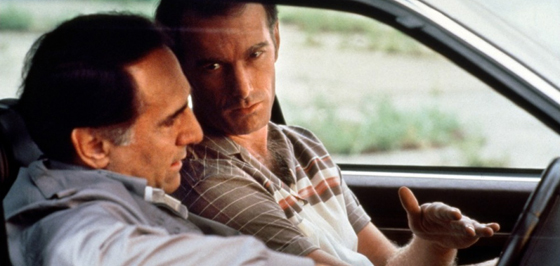
Turner Classic Movies continues its 31 Days of Oscar on February 8 with Atlantic City, one of only 43 movies that have been nominated for all of the Big Five Oscars (Best Picture, Director, Actor, Actress and Screenplay). Susan Sarandon plays Sally, a hard luck waitress in Atlantic City at its shabbiest. She’s never met anyone like her neighbor Lou (Burt Lancaster), an elderly small-time hood, who behaves as if he’s mob royalty, despite the fact that he lives across the alley from Sally. Despite his station, Lou has the confidence that comes from having seen every situation before. Sally’s nogoodnik ex entangles the two in a life or death drug buy. Top rate.

Susan Sarandon and Burt Lancaster in ATLANTIC CITY

REMEMBRANCE

Here’s my tribute to Kirk Douglas.

KIRK DOUGLAS: icon of explosive virility

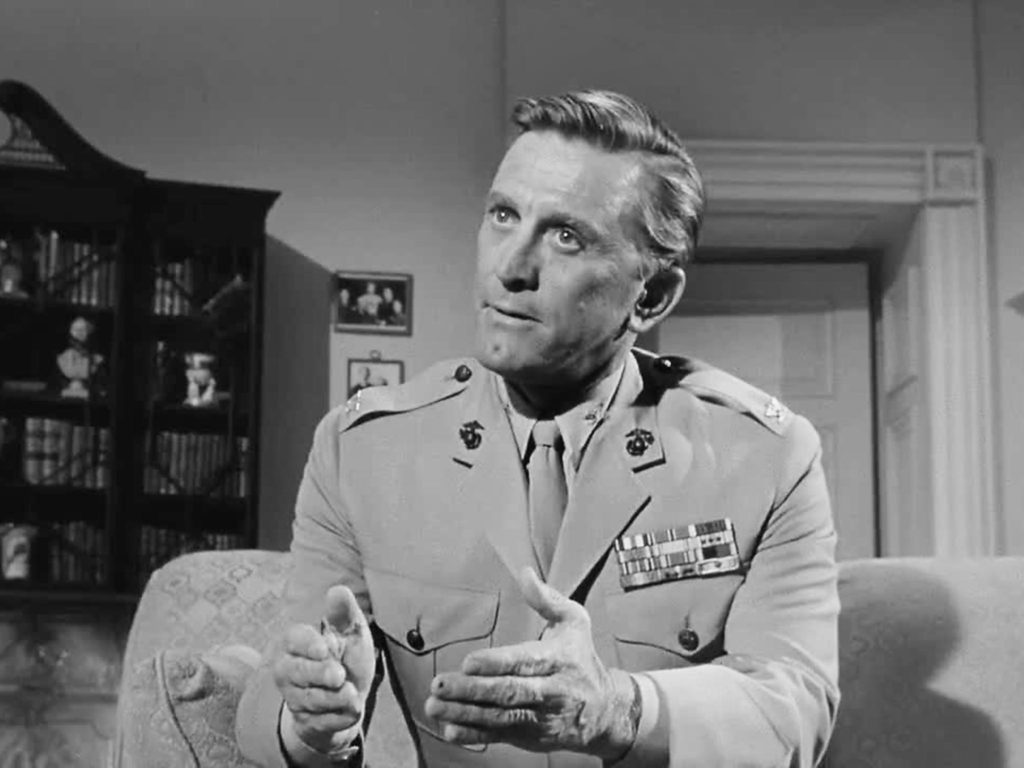
Kirk Douglas in SEVEN DAYS IN MAY

Kirk Douglas has died at age 103, having outlived his co-stars John Wayne, Burt Lancaster, Ava Gardner, Barbara Stanwyck, Henry Fonda, Anthony Quinn, Laurence Olivier, Lana Turner, Robert Mitchum, Dick Powell, Gloria Grahame, Jean Simmons, Tony Curtis, Fredric March and Patricia Neal.

Douglas’ distinctive talent was the intensity and power that he could project. He was an icon of explosive virility. It seemed that ferocity was always about to erupt from his buffed chest and piercing eyes. This was one dangerous dude.

Douglas was recruited from the New York stage for The Strange Love of Martha Ivers in 1946, and followed it with Out of the Past, a masterpiece of film noir. Those performances soon got him leading roles that took advantage of his ability to be sexy and despicable at the same time – the news media noir Ace in the Hole and the showbiz noir The Bad and the Beautiful.

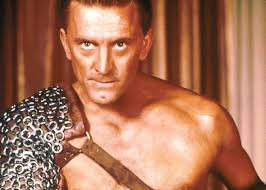
As a pioneering indie producer, Douglas made – and starred in – the blockbuster epic Spartacus. His decision to openly credit screenwriter Dalton Trumbo helped to end the Hollywood blacklist (and also it really helped that Spartacus was a massive financial success).

Along with Spartacus and Ace in the Hole, my two favorite Kirk Douglas performances came in the 1960s:

  • Seven Days in May (1964): In this political thriller, Douglas showd his range by playing a profoundly decent man, for whom “patriotic” meant “devoted, dutiful and loyal to the nation’s principles”, not “jingoistic”.
  • In Harm’s Way (1965): Douglas dominates this star-studded WW II epic, playing a heroic guy who does something really, really bad and then seeks to redeem himself with an act of sacrifice.

Douglas filled Spartacus, Ulysses and The Vikings with shirtless virile charisma. There’s really nothing to The Vikings except for action adventure (and a scary contact lens for Kirk), but it’s been a guilty pleasure of mine since the first time it played on TV.

Kirk Douglas in SPARTACUS

Stream of the Week: THE GIFT – three people revealed

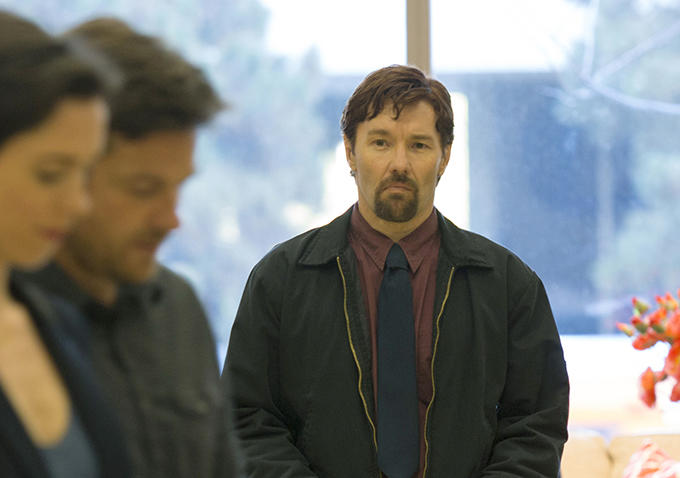
Rebecca Hall, Jason Bateman and Joel Edgerton in THE GIFT

The character-driven suspenser The Gift is more than a satisfying thriller – it’s a well-made and surprisingly thoughtful film that I keep mulling over. It’s a filmmaking triumph for writer-director-producer-actor Joel Edgerton, the hunky Australian action star (the Navy Seal leader in Zero Dark Thirty).

Simon (Jason Batemen), a take-no-prisoners corporate riser, has moved back to Southern California with his sweetly meek and anxiety-riddled wife Robyn (Rebecca Hall). In a chance encounter, they meet Gordo (Edgerton), who knew Simon in high school. Gordo is an odd duck, but the couple feels obligated to meet him socially when he keeps dropping by with welcome gifts. At first, The Gift seems like a comedy of manners, as Jason and Robyn try to figure out a socially appropriate escape from this awkward entanglement. But then, the audience senses that Gordo may be dangerously unhinged, and it turns out that Simon and Gordo have more of a past than first apparent. Things get scary.

Edgerton uses – and even toys with – all the conventions of the suspense thriller – the woman alone, the suspicious noise in the darkened house, the feeling of being watched. And there’s a cathartic Big Reveal at the end.

But The Gift isn’t a plot-driven shocker – although it works on that level. Instead it’s a study of the three characters. Just who is Gordo? And who is Simon? And who is Robyn? None of these characters are what we think at the movie’s start. Each turns out to be capable of much more than we could imagine. I particularly liked Bateman’s performance as a guy who is masking his true character through the first half of the movie, but dropping hints along the way. Hall is as good as she is always, and Edgerton really nails Gordo’s off-putting affect.

And, after you’ve watched The Gift, consider this – just what is the gift in the title?

The Gift is available to rent on DVD from Netflix and Redbox and to stream from Amazon Video, iTunes, Vudu, YouTube and Google Play.
NOIR CITY’S fiesta of Mexican noir

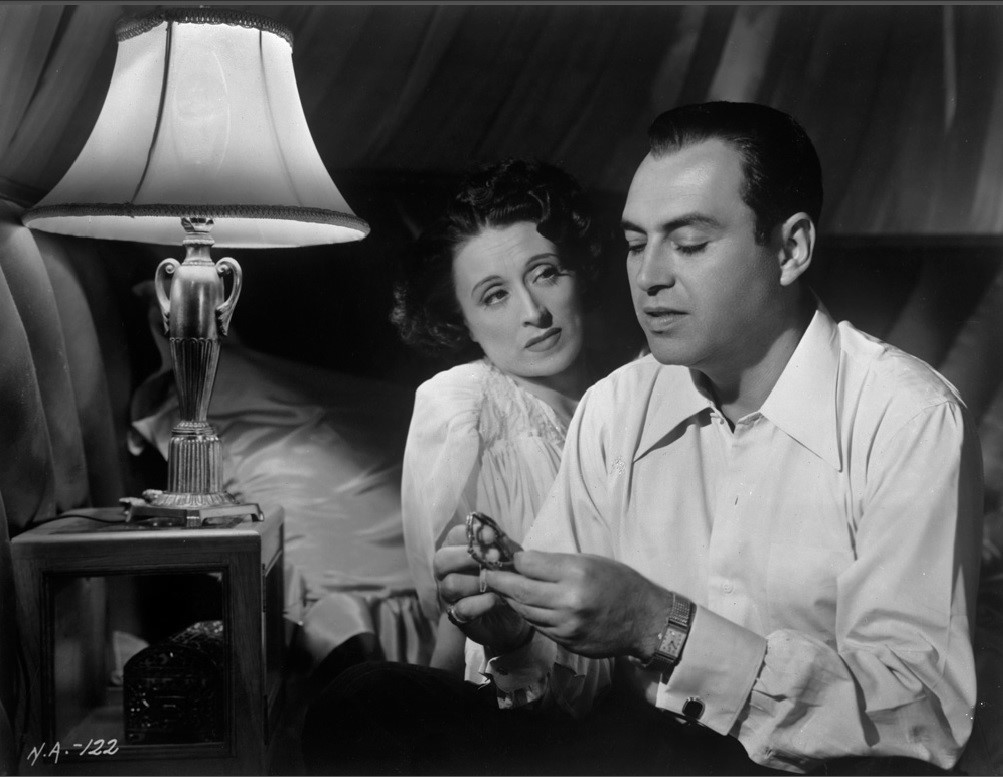
Anita Blanch and Pedro Armendáriz in NIGHT FALLS (LA NOCHE AVANZA)

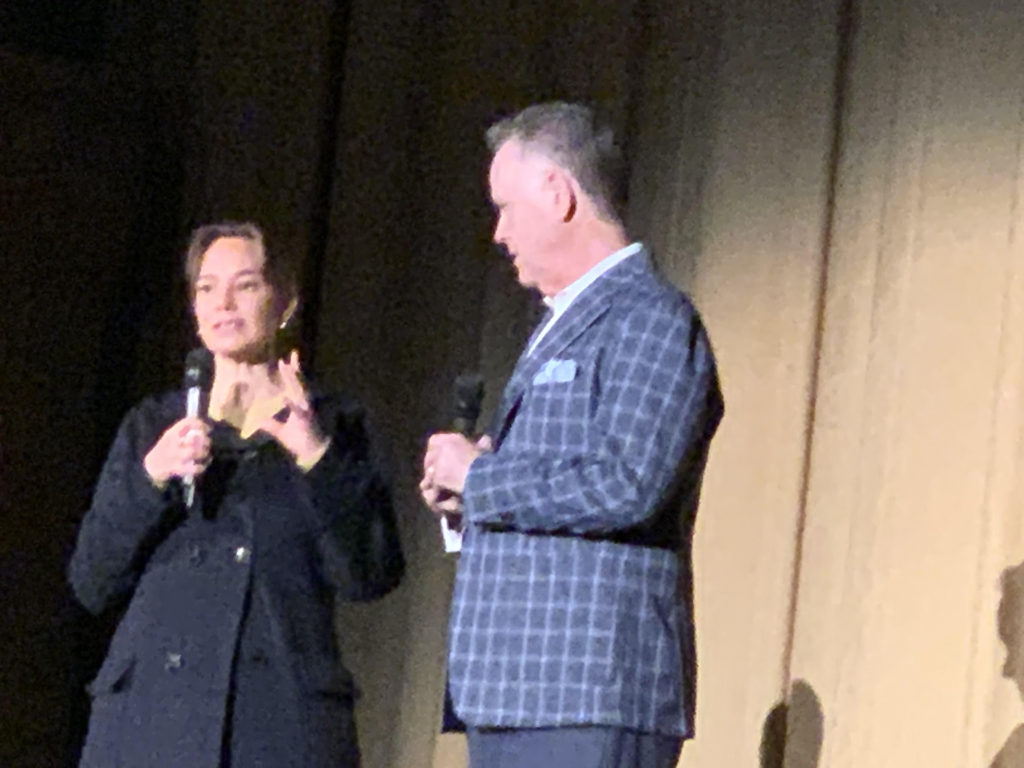
This year’s Noir City had an international theme and was highlighted by an all day noirathon of four, count ’em, FOUR classics from a storied era in Mexican cinema. This Fiesta of Mexican Noir was hosted by the Film Noir Foundation’s Eddie Muller and Daniela Michel, an expert preservationist and historian of Mexican cinema and the founder and Director General of the Morelia International Film Festival.

Michel presented films by all three of the pillars of the Golden Age of Mexican cinema – Julio Bracho, Emilio Fernandez, and the Mexican director most identified with noir – or cine negro – Roberto Gavaldón.

Daniela Michel and Eddie Muller

Here’s the program:

  • In the deliriously entertaining Night Falls (La Noche Avanza) (1952), Pedro Armendáriz plays a ladykiller who treats his women horribly – and is begging for a noirish downfall. Night Falls was directed by Roberto Gavaldón, the Mexican director most well-known for film noir. In a uniquely Mexican touch of noir torture, waterboarding is performed with tequila. Stay to the end for for cinema’s act of greatest canine revenge.
  • Julio Bracho’s Another Dawn (Distinto Amancer) (1943) is a paranoid thriller about a heroic labor organizer (Pedro Armendáriz again) who has the evidence to expose corruption by the PRI, Mexico’s ruling party for 70 years.
  • In Bracho’s Twilight (Crepusculo) (1945), a surgeon is tormented by an obsession, and then by guilt. When former lovers – now married to others – are isolated together in a weekend house party during a thunderstorm, it’s inevitable this concentrated passion, obsession and betrayal is going to explode.
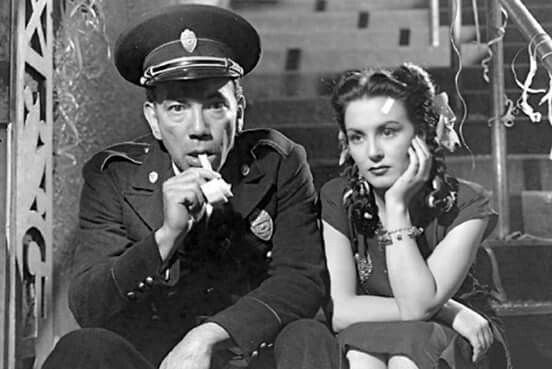
  • Salón México(1949) is an unusual contemporary noir directed by Emilio Fernandez, more often known for movies with rural and historical settings, Salon Mexico is a cabaretera, a uniquely Mexican genre about a woman with a heart of gold (Marga López here) who is forced by poverty to work as a singer in a sketchy nightspot or even as a prostitute. It’s also a time capsule of 1949 Mexico City.

Follow the links for my commentary on the films, images and where to find them.

Miguel Inclán and Marga López in SALON MEXICO