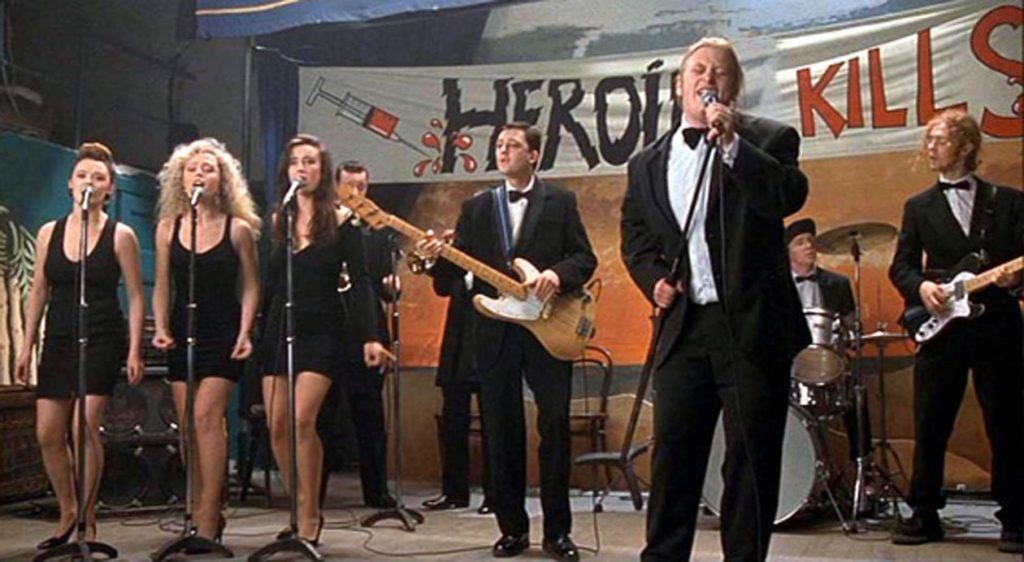
The infectious We Got the Beat by the Go-Go’s is fun itself, distilled into a song. The documentary The Go-Go’s tells the story of the all-female band.
There is a familiar arc to every documentary about a rock band. Scrappy and hungry musicians perform the music they love in obscurity, before being suddenly thrust into worldwide fame and more cash than they could have imagined. Then the bubble is burst by some combination of drug abuse, internal jealousy, creative differences, personality conflicts and fights over money. Usually the survivors look back with pride in the music, nostalgia about the good times and regrets that they didn’t handle it all with more maturity.
The Go-Go’s fits in that framework, to be sure, but it’s about women. The Go-Go’s have been the only all-female band to write their own music and play their own instruments ever to have a number one Billboard record. They achieved that in 1982, and it hasn’t been duplicated since.
All five Go-Go’s thankfully have survived and each shares her experiences in The Go-Go’s. They are an open, engaging and likeable lot.
There’s a tidbit about the gentlemanly class shown by The Police. And we learn why none of the Go-Go’s is proud of their appearance on Saturday Night Live.
This is a modest film about a singular moment in popular music. The Go-Go’s is available on Showtime.
This week: The most eclectic watch-at-home recommendations you’ll find ANYWHERE, two remembrances and a wonderful essay on drive-ins.
That most literary of critics, the Bay Area’s own Richard von Busack, writes on the Golden Age and the COVID Era resurgence of drive-in movie theaters in SF Weekly: At the Drive-In: A Remembrance. This is a MUST READ.
REMEMBRANCES
Alan Parker had a gift for directing modern musicals (Bugsy Malone, Fame, Pink Floyd’s The Wall, Evita) but he was Oscar-nominated for two harrowing dramas, Midnight Express and Mississippi Burning. He also directed the deliciously trashy Angel Heart. My favorite Alan Parker film is the ever-delightful The Commitments.
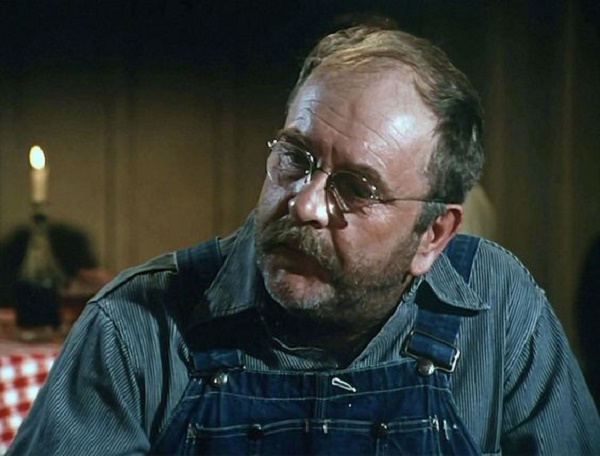
Wilford Brimley in THE CHINA SYNDROME
Actor Wilford Brimley started out in life as a real cowboy. At age 45, he broke through as an actor playing Jack Lemmon’s loyal assistant engineer in The China Syndrome. More good curmudgeon performances followed on TV and in movies (Cocoon, Absence of Malice). Ironically, this fine actor is most well-known for a Quaker Oatmeal commercial.
ON VIDEO
Natalia Dyer in YES, GOD, YES
The most eclectic watch-at-home recommendations you’ll find ANYWHERE:
The Bandit: A Hollywood buddy documentary that features some amazing movie stunts.
ON TV
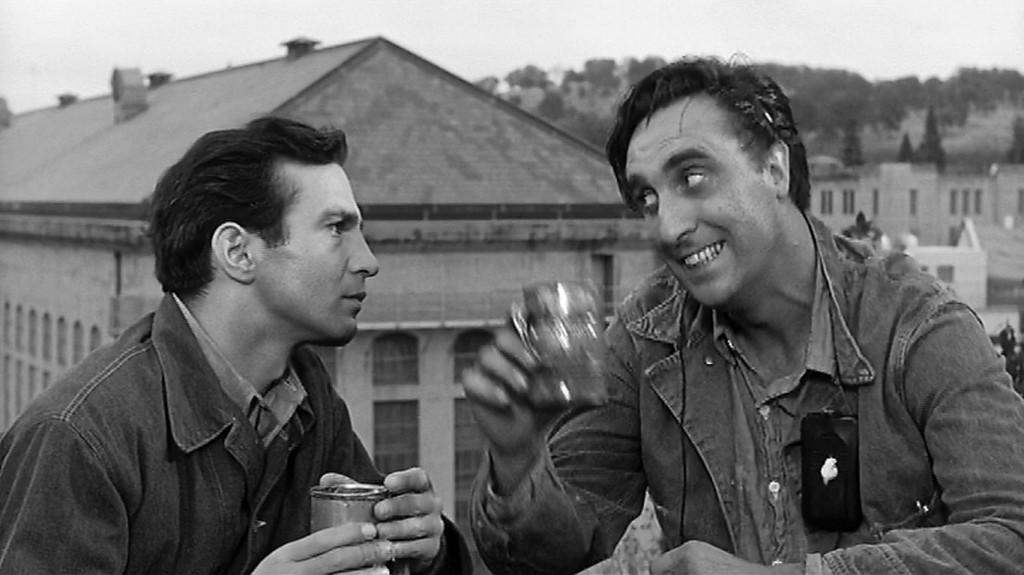
Ben Gazzara and Timothy Carey in CONVICTS 4
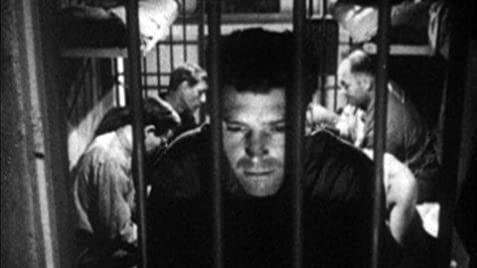
On August 11, Turner Classic Movies is airing the very idiosyncratic Convicts 4, the true-life tail of one convict, played by Ben Gazzara, who develops into a fine artist while in prison. There’s a particularly unforgettable supporting turn by one of my favorite movie psychos, Timothy Carey, here in one of his most eccentrically self-conscious performances. The rich cast includes Stuart Whitman, Vincent Price, Rod Steiger, Jack Albertson, Ray Walton, Brodrick Crawford and Sammy Davis Jr.
This week: a sweet coming of age comedy and a pointed religious satire – all in the same movie. Plus art house cinema comes to your home and remembrances of two wonderful screen actors – one a mega-star and one not so much.
REMEMBRANCES
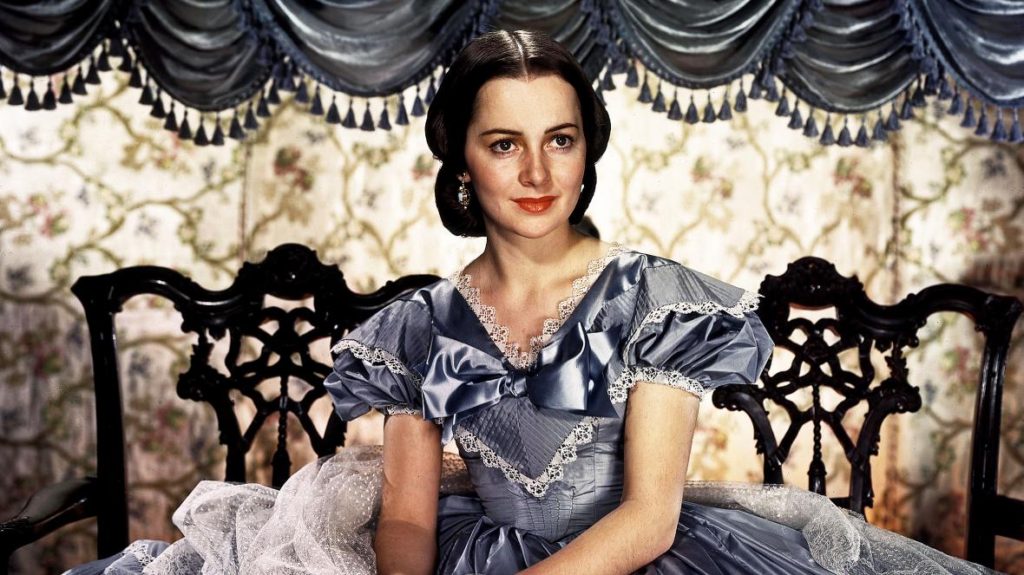
Olivia de Haveilland in GONE WITH THE WIND
Silicon Valley native and icon of classic Hollywood, Olivia de Havilland (her real name) was raised in Saratoga and went to Los Gatos High. Her performance in A Midsummer’s Night’s Dream in the Saratoga Community Theater led directly to her appearing in the Hollywood film version of the play at age 19. She starred as the leading lady in her next film, Captain Blood, the first of a series of Warner Brothers costume romances that matched her with Erroll Flynn, with whom she had undeniable chemistry: The Adventures of Robin Hood, The Charge of the Light Brigade, The Santa Fe Trail, Dodge City, They Died with Their Boots On and The Private Lives of Elizabeth and Essex. In this period, she was loaned to David O. Selznick for her most remembered role, that of the profoundly sweet and decent Melanie in Gone with the Wind.
De Havilland won her contractual freedom from Warner Brothers through landmark litigation in 1943. She went on to more serious fare and earned three Oscar nods in the next six years, winning for To Each His Own and The Heiress.
And here’s my remembrance of versatile and prolific actor John Saxon.
ON VIDEO
Yes, God, Yes: A sweet coming of age story and pointed jab at religious hypocrisy; based on writer-director Karen Maine’s own youthful experiences. Yes, God, Yes has been available to stream on Virtual Cinema and is available from the usual VOD platforms.
The Women’s Balcony:. A community of women in a traditional culture revolt in the delightfully smart and funny Israeli comedy. You can stream it on Amazon, Vudu, YouTube and Google Play.
The most eclectic watch-at-home recommendations you’ll find ANYWHERE:
The Bandit: A Hollywood buddy documentary that features some amazing movie stunts.
ON TV
Burt Lancaster in BRUTE FORCE
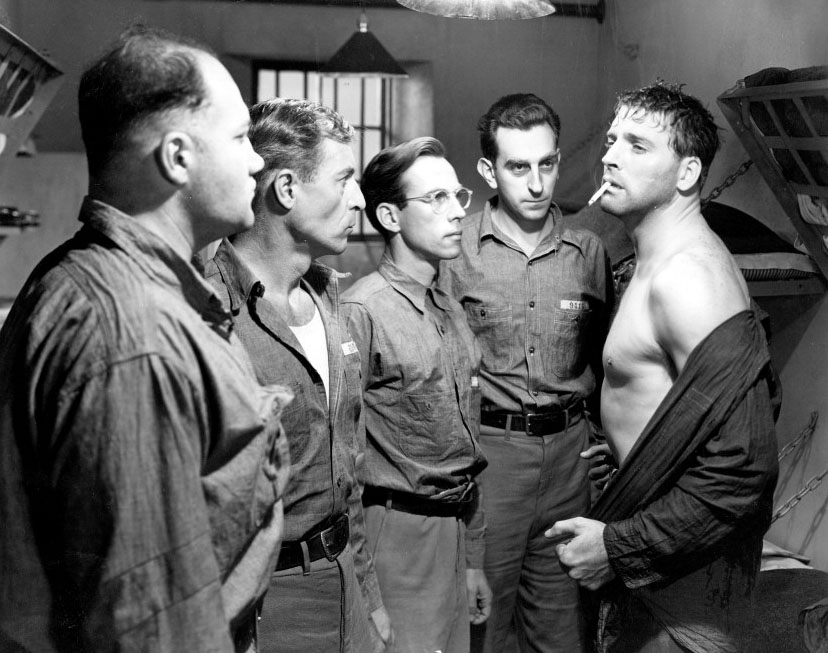
On August 6, Turner Classic Movies will present Brute Force(1947), the Jules Dassin noir that is by far the best of the Hollywood prison dramas of the 30s and 40s. A convict (Burt Lancaster) is taunted by a sadistic guard (Hume Cronyn) and plans an escape. It’s a pretty violent film for the 1940s, and was inspired by the 1946 Battle of Alcatraz, in which three cons and two guards were killed. Charles Bickford, Whit Bissell and Sam Levene are excellent as fellow cons. On my list of Best Prison Movies.
THE WHISTLERS, which I watched at the Roxie Virtual Cinema
Independent films are still here, even though we can’t go to the art house theater in the Age of COVID. Not all the top acclaimed indies can be streamed right away from the major VOD services, but you watch them now at home on platforms like Virtual Cinema. Expect to pay $8-10; yes, that’s more than the $5-7 you pay at Amazon and iTunes, but it’s often the only source, and your ticket purchase supports your own local art house theater.
If you want to support a Silicon Valley theater, the Pruneyard Cinemas has just launched its own Pruneyard Virtual Cinemas through eventive.
Notably, the Laemmle Theaters in Los Angeles has jumped in, too. In my book, this is the best art house chain in the US, and a whopping 32 films are now available to stream from its Laemmle Virtual Cinema.
I’m not planning to go to a real indoor movie theater anytime soon. Some film festivals and film society film series are pivoting to on-line screening, with uneven success. Right now, the best bet is Virtual Cinema at your own own favorite theater.
THE 11TH GREEN, which I watched on Theatrical-at-home
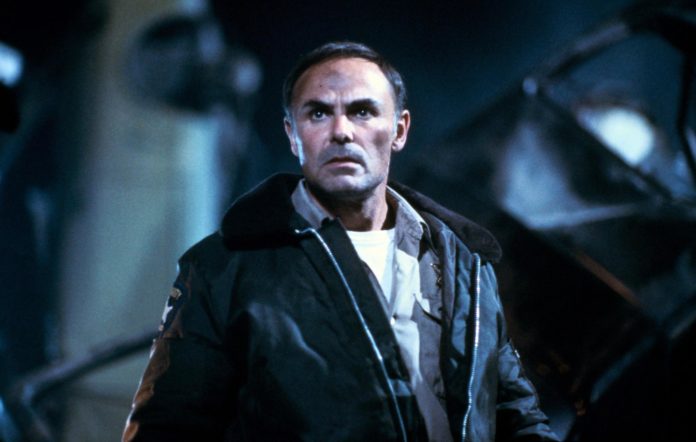
John Saxon in A NIGHTMARE ON ELM STREET 3: DREAM WARRIORS
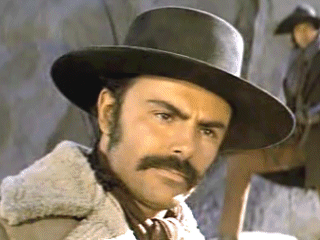
Versatile. Prolific. Intense. Such was the late actor John Saxon, who amassed over 200 screen credits, mostly on TV. Saxon was the handsome, swarthy, character actor who you would come to recognize when he showed up on Dr. Kildare, The Fantastic Journey, Mary Tyler Moore Show, Ironside or Murder, She Wrote. Saxon’s ethnic ambiguity (he was an Italian-American from Brooklyn, born Carmine Orrico) led him to play lots of Latinx roles – and an Israeli general in Raid on Entebbe.
Saxon appeared five times over ten seasons of Gunsmoke, playing guys named Gristy Calhoun, Pedro Manez, Virgil Stanley, Dingo and Carl Stram, Jr., and in 32 episodes of Falcon Crest (plus Dynasty and Melrose Place).
In 1976 ALONE, Saxon appeared on The Rockford Files, The Bionic Woman, The Six Million Dollar Man, Starsky and Hutch and Wonder Woman, acted in seven movies. and starred in the miniseries Once an Eagle.
Saxon’s best known movie roles were as Jackie Chan’s martial arts buddy Roper in Enter the Dragon (Saxon had already studied karate for years) and as police Lieutenant Don Thompson, who repeatedly battled Freddy Kreuger in the Nightmare on Elm Street franchise.
Saxon was always reliable, but he could handle quality roles when he got them. One was in an obscure Korean War film, War Hunt (1962), where Saxon played the psycho killer in the platoon, and another was in the Clint Eastwood western Joe Kidd (1972), where Saxon played Mexican revolutionary Luis Chama.
Drawn from the experience of writer/director Karen Maine’s own youth, the sweet coming of age comedy Yes, God, Yes, aims pointed jabs at religious hypocrisy. Bobbing in a sea of peer pressure, Catholic high schooler Alice (Natalia Dyer) heads off with the popular kids to a four-day retreat.
The retreat center is buried in the woods, and the retreat itself has some cultish aspects, with overly smiley/huggy teen youth leaders squeezing out highly personal confessions Authority-with-a-capital-A is present in the form of the high school’s stern young priest. The entire program is designed to make kids feel guilty about their normal, healthy feelings and to scare them from doing what everyone does naturally.
Amusing throughout, this is not a broad comedy, and there aren’t many guffaws. Instead, it’s a piercing satire based on arch observation of human behavior. The moment where Alice is able to leverage an adult’s hypocrisy against him is very satisfying,
The ironic title, of course, is something someone cries while literally coming a age.
Susan Blackwell is a low-profile character actor who just shows up and steals movies, as she did in last year’s Auggie. In Yes, God, Yes, she’s the character Gina, who owns a lesbian bar and rides a motorcycle, and it’s another great performance.
The Wife was raised Catholic, and she enjoyed this film. Yes, God, Yes is available to stream on Virtual Cinema and will be available from the usual VOD platforms after July 2
A community of women in a traditional culture revolt in the delightfully smart and funny Israeli comedy The Women’s Balcony. The balcony in a small Jerusalem synagogue collapses, and the building is condemned. The old rabbi’s wife is seriously injured, and he suffers a trauma-induced psychotic breakdown. Just when it looks like the leaderless congregation will die, a young and charismatic rabbi (Avraham Aviv Alush) appears, enlivens the congregation and repairs the building. But he rebuilds the synagogue WITHOUT the women’s section. Profoundly disrespected, the synagogue’s women strike in protest.
The women live in a culture where males have all the power and religious authority trumps all. The women all have their individually distinct gifts, personalities and rivalries. But they all appreciate the injustice of the situation, and they are really pissed off. They are very creative in finding way to leverage the power that they do have, and the result is very, very funny.
This could have been a very broad comedy (and a Lysistrata knock-off). Instead, it’s richly textured, with an examination of ethical behavior and loving relationships. It’s also dotted with comments on the relations between Israeli Orthodox and Ultra-Orthodox and on the importance of food in this culture. It’s the first – and very promising – feature for both director Emil Ben-Shimon and writer Shlomit Nehana.
THE WOMEN’S BALCONY
There are plenty LOL moments, including a scene where one of the congregants masquerades as the demented old rabbi to secure the needed psychotropic meds.
We soon understand that the young rabbi has a very unattractive side – grossly sexist and power-hungry. But he has seduced the men and then cows them by manipulating his religious authority. He’s tearing apart a closely bound community braided together by decades of deep friendship and inter-reliance. The movie turns on whether the men can recognize when his supposed righteousness veers into what is really unethical and, in one pivotal scene with the old rabbi, indecent.
Two of the male characters, deeply in love with their women, step up and do the right thing. This overt comedy has a very a romantic core.
Most of all, The Women’s Balcony is about mature relationships. Most of these couples have been married for decades, especially the couple at the core of the story, Ettie (Evein Hagoel) and Zion (Igal Naor). Ben-Shimon and Nehana prove themselves to be keen and insightful observers of long-lasting relationships.
A righteous man must keep his woman happy. This may not be written in the Holy Scriptures, but it’s damn useful advice. (It also helps, we learn, if he can make a mean fruit salad.) The longer you’ve been married, the funnier you’ll find The Women’s Balcony. You can stream it on Amazon, Vudu, YouTube and Google Play.
This COVID Era is taking a toll on all of us. I’ve found that my movie taste hasn’t changed, but my appetite has. I’m having a tougher time selecting movies that are pessimistic or which have unsympathetic protagonists. And I’m watching many more Feel Good movies than usual. It brings to mind the popularity of escapist movies during the Great Depression.
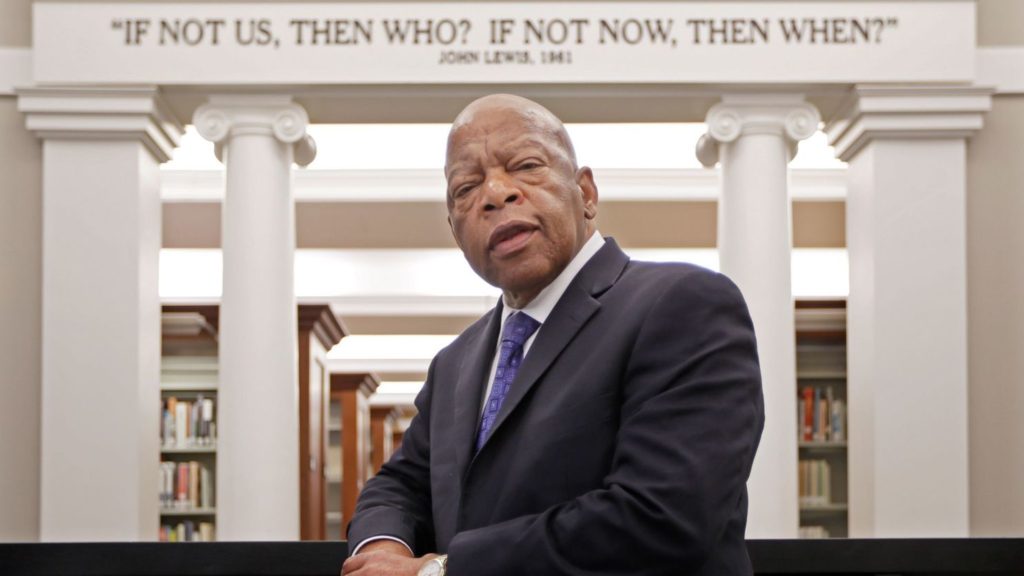
I’m also relating more intensely to real life stories of heroism (John Lewis), redemption (Danny Trejo) and gentleness (Walter Mercado).
ON VIDEO
Dateline-Saigon: documents the efforts of five journalists to cover the Vietnam War in the face of a US government which did not want the facts to be told. Streaming on iTunes.
Mucho Mucho Amor: The Legend of Walter Mercado: the biodoc of the mesmerizing Spanish language TV phenomenon, with his singular combination of flamboyance and gentleness. Streaming now on Netflix.
Our Kind of Traitor: a robust globe-trotting thriller, enlivened by a lusty Stellan Skarsgård and played out in a series of stunning set pieces. If you’re looking for an intelligent summer thriller for adults, this is your movie. You can stream it on Amazon, iTunes, Vudu, YouTube, Google Play and Redbox.
When Jews Were Funny: Documentarian Alan Zweig interviews an impressive collection of Jewish comedians from an earlier generation (Shelly Berman, Jack Carter, Norm Crosby, Shecky Greene) and more recent stars (David Brenner, Super Dave Osborne, Howie Mandel, Judy Gold, Gilbert Gottfried, Marc Maron, David Steinberg). Unfortunately, Zweig himself sucks out the energy with his own midlife naval gazing, which engages, confuses, bemuses and annoys his interviewees. Some great Jewish humor does seep through, including the jokes with the famous punchlines He had a hat. and Is anything alright? When Jews Were Funny can be streamed from Amazon (included with Prime) and a couple more obscure services.
The most eclectic watch-at-home recommendations you’ll find ANYWHERE:
Radio Dreams: stranger in a strange and funny land.
ON TV
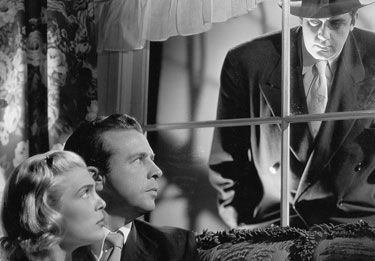
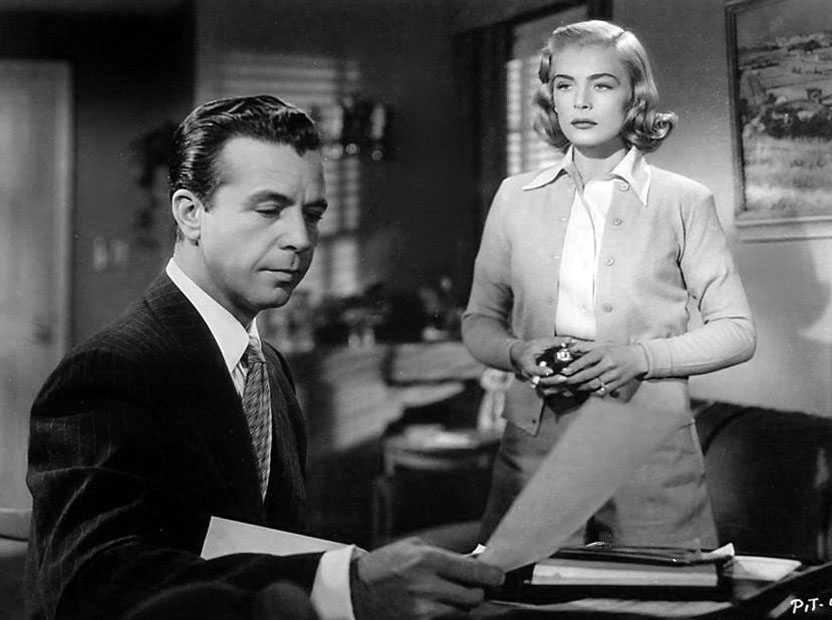
Lizabeth Scott, Dick Powell and Raymond Burr in PITFALL
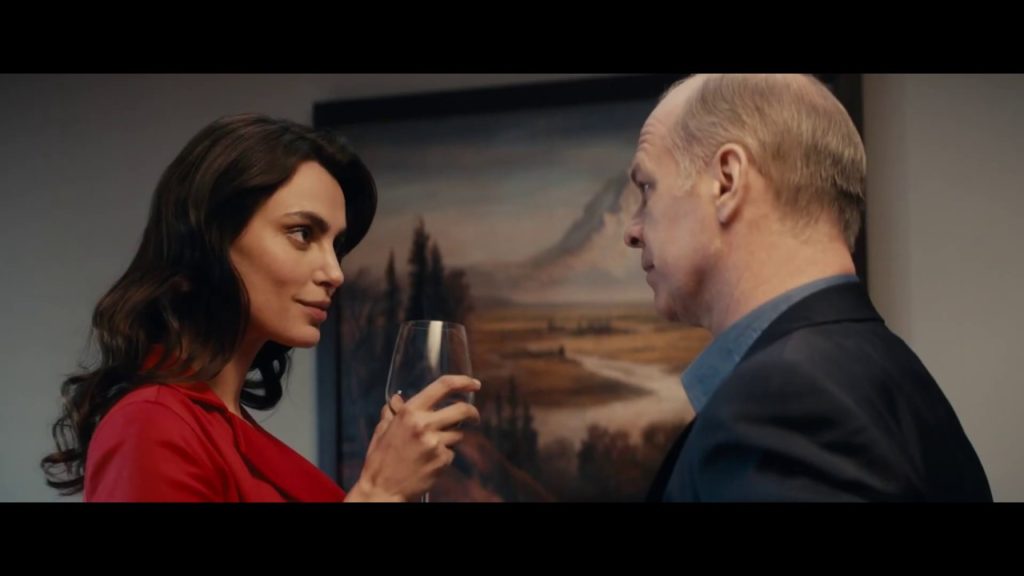
On July 28, Turner Classic Movies features one of my Overlooked Noir, Pitfall (1948), a noir thriller without either a conventional sap or a conventional femme fatale. Dick Powell plays a WW II vet who is bored with the post-war suburban humdrum, and Lizabeth Scott plays a gal with terrible taste in boyfriends. Neither deserves to be gragged into a thriller, but they are. Raymond Burr, again, makes for a menacing sicko stalker.
David Halberstam (left) and Malcolm Browne (center) in DATELINE-SAIGON
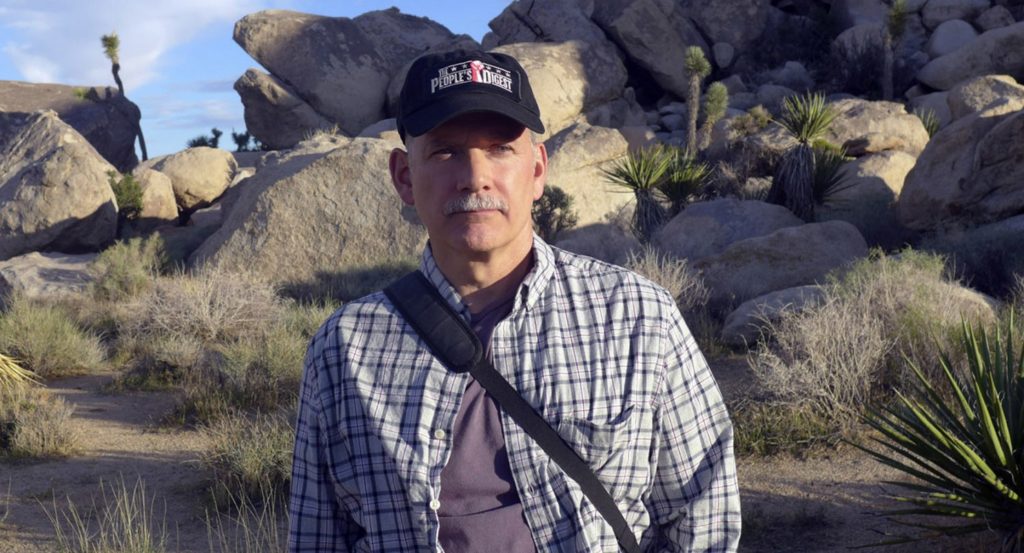
Dateline-Saigon documents the efforts of five journalists to cover the Vietnam War in the face of a US government which did not want the facts to be told. The five were Malcolm Browne, Neil Sheehan, Horst Faas, David Halberstam and Peter Arnett, who amassed a bucket of Pulitzers between them.
What they found in Vietnam was that American policy was not working, because (among many factors) the Diem regime was alienating most of its own population, the South Vietnamese Army was less motivated to fight than the Viet Cong, and that Americans were more directly involved in combat than had been acknowledged. And the US government didn’t want any of this reported.
As Dateline-Saigon says, “When these patriotic journalists arrive in Vietnam, they had no idea they would become the enemy“, meaning the truth-wielding enemy of the US government propaganda. The reporters describe the government efforts to obscure, mislead, spin, hide and controvert the facts as a “vast lying machine” and the “Truth Suppressors”.
Quang Lien and Malcolm Browne (center) in DATELINE-SAIGON (AP Photo)
All television news viewers (especially a ten-year-old The Movie Gourmet) were shocked by the 1963 Buddhist monk’s self-immolation to protest the Diem regime in 1963. No one was more shocked than Browne, who was covering the Buddhist march, and, to his surprise and horror, had this unfold a few steps in front of him.
Sheehan is famous for uncovering the Pentagon Papers. Beginning with The Best and the Brightest, Halberstam banged out bestseller after bestseller on 20th century American history. Arnett went to cover dozens of conflicts interview Osama Bin-Laden and was a major media face of the Iraq War.
This is a Must See for students of journalism and of the Vietnam War Era of American History. You can stream Dateline-Saigon on iTunes.
Walter Mercado in MUCHO MUCHO AMOR: THE LEGEND OF WALTER MERCADO
Just about every Spanish speaker knows who Walter Mercado is – and almost no non-Spanish speaker has heard of him. To describe him as a TV astrologer is profoundly inadequate.
Decades ago, I was flipping through TV channels and happened upon Walter’s astrology show and found him mesmerizing. He was so UNUSUAL, that, late at night, I just couldn’t change the station. The documentaryMucho Mucho Amor: The Legend of Walter Mercado will explain the phenomenon better than I can describe it.
For one thing, 99% of the show’s production value must have been in costume cost. Walter just stood in front of the camera and recited horoscopes, but he was always clad in capes that Liberace and Elvis would have considered WAY over the top. And Walter, for all the machismo in traditional Latino culture, was what we call today non-binary; Walter emanated a singular combination of androgyny and asexuality.
In Mucho Mucho Amor: The Legend of Walter Mercado, we get to meet the elderly Mercado, and find out about his life before and after his 25-year reign as the Spanish language TV ratings king. And why he suddenly disappeared from television.
While often jaw-droppingly flamboyant, Walter possessed a serene gentleness and warm-hearted demeanor that makes this documentary a Feel Good experience. Mucho Mucho Amor: The Legend of Walter Mercado is streaming on Netflix.