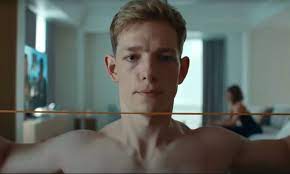
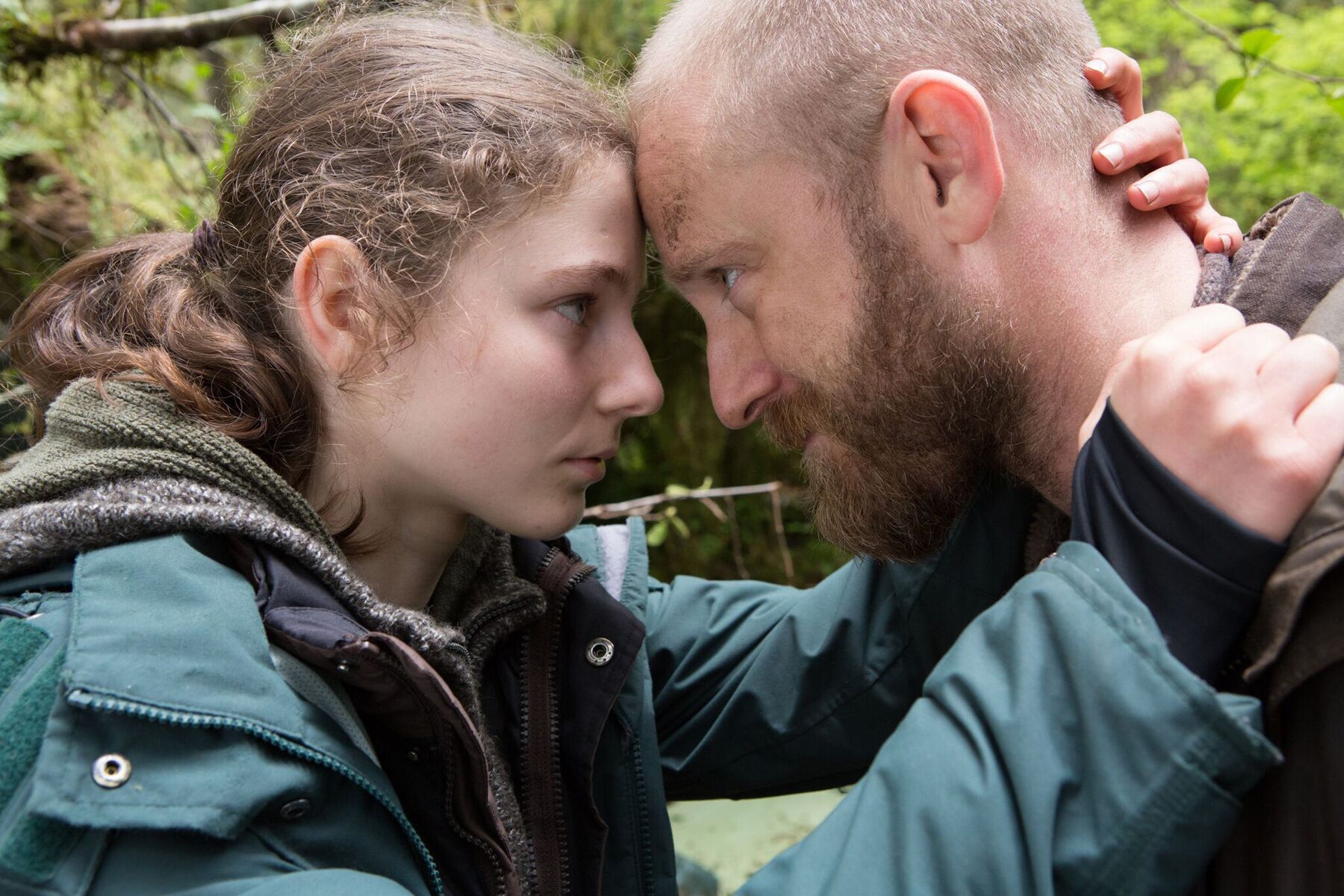
Tasha Van Zandt’s AFTER ANTARCTICA. Photo courtesy of SFFILM.
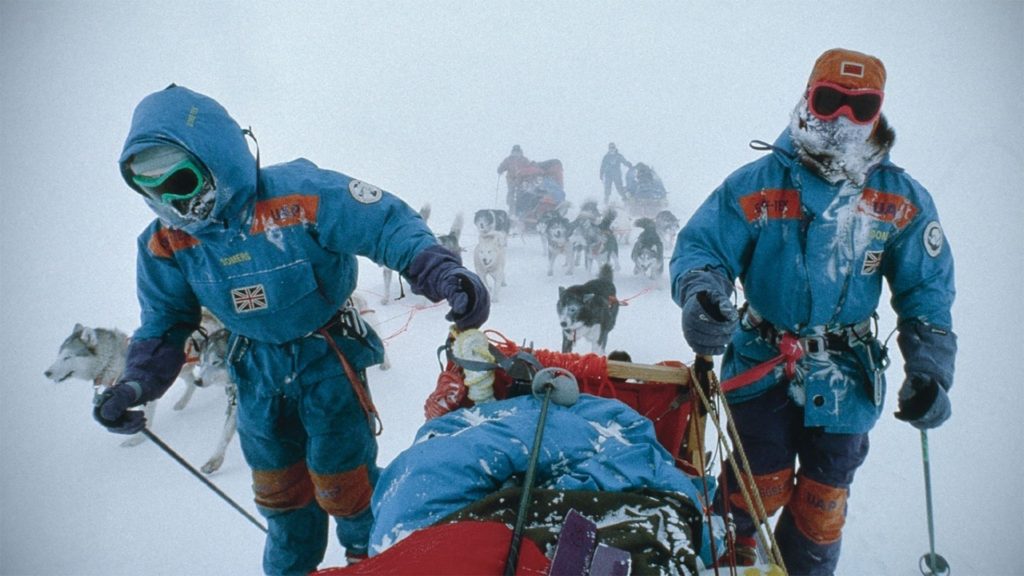
The fine documentary After Antarctica follows ecological adventurer Will Steger on two polar expeditions – different poles and twenty-five years apart.
In 1989-90, Steger led the first non-mechanized expedition to cross continent of Antarctica (the LONG way – from one coast to the other). This was a grueling and risky endeavor. The international team needed to avoid terrifying crevasses; (check out the beginning of the trailer below.) The volatility of the weather was brutal. Steger noted, “Antarctica doesn’t want us here, and is making every effort to remind us”.
The team faced a crisis of supplies and exhaustion just 16 miles from the end of their 3700 mile journey. They knew that the earlier Antarctic explorer Robert F. Scott had died only 12 miles from a supply cache. Steger’s leadership, informed by zen discipline and sheer force of will, brought them through.
The Steger team’s achievement will not be matched – due to climate change, the 4000 square mile Larsen ice shelf that they traversed is no longer there.
Tasha Van Zandt’s AFTER ANTARCTICA. Photo courtesy of SFFILM.
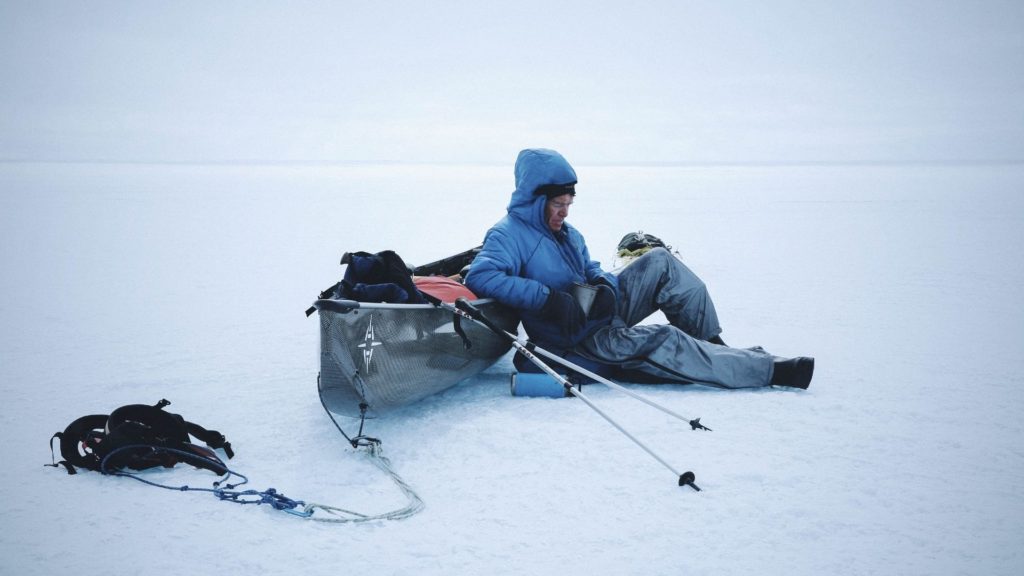
A quarter of a century later, After Antarctica follows a 75-year-old Steger as he undertakes a solo expedition above the Arctic Circle – contemplating the effects of climate change and and his own mortality. In contrast with the global celebrity of the Antarctic expedition, the Arctic march is solitary.
Will Steger, who has survived both a lethal mountain climbing accident and cancer, has lived a life on the extreme. He is self-focused, crusty and open, without defensiveness, about own personal flaws.
The two polar journeys, the examination of climate change and Steger’s own life are told through the voice of Will Steger himself.
After Antarctica is the first feature for director Tasha Van Zandt. We see never-before-seen file footage of the Antarctic expedition. The Arctic cinematography by Van Zandt and DP Sebastian Zeck is extraordinary. Van Zandt has said that the icy ground and the grey sky of the Arctic hindered depth perception, making the piloting of drones for aerial photography especially difficult.
I screened After Antarctica for the 2021 San Francisco International Film Festival (SFFILM), where it won a jury award. It’s finally available to stream on Amazon, AppleTV and YouTube.
The Rider: a life’s passion is threatened. Amazon, AppleTV, Vudu, YouTube.
The Lost City of Z: the historical adventure revived. Amazon (included with Prime), AppleTV, Vudu, YouTube.
ON TV
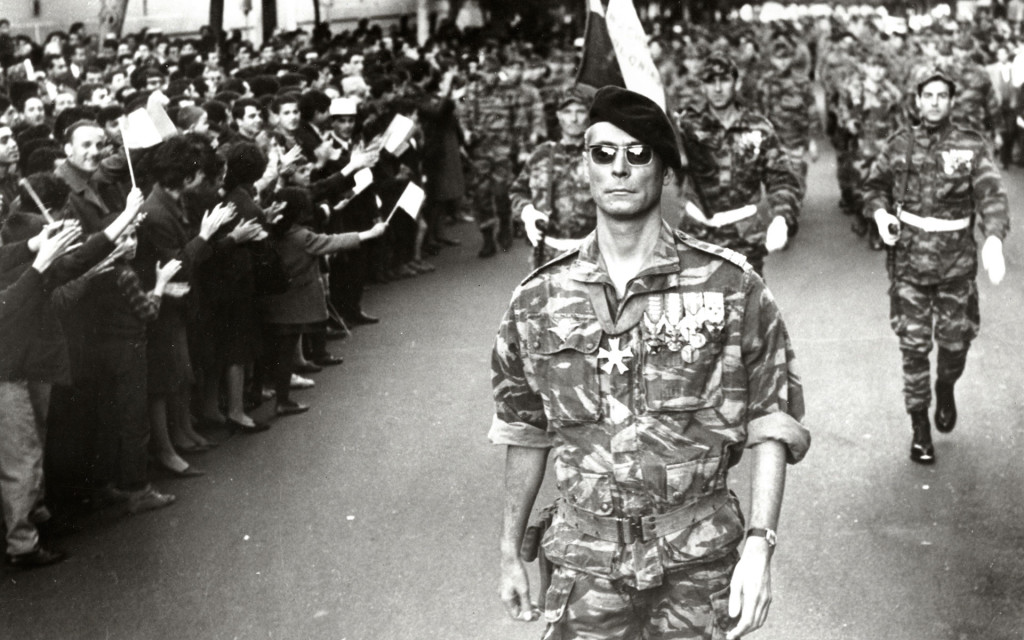
THE BATTLE OF ALGIERS
On May 23, Turner Classic Movies airs The Battle of Algiers, the story of 1950s French colonialists struggling to suppress the guerrilla uprising of Algerian independence fighters. Although it looks like a documentary, it is not. Instead, filmmaker Gillo Pontecorvo recreated the actual events so realistically that we believe that we are watching the strategy councils of each side. Among the great war films, it may be the best film on counter-insurgency. In 2003, the Pentagon screened the film for its special operations commanders.
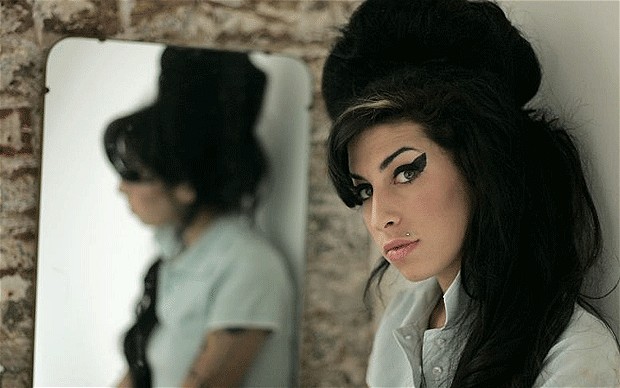
Photo caption: Amy Winehouse in AMY. Courtesy of A24.
An Amy Winehouse movie (Back to Black) is coming out this weekend, but I’m not aware of any reason to go see it, when you can watch a great Amy Winehouse movie, an Oscar winner, at home. Amy, documentarian Asif Kapadia’s innovative biopic of the singer-songwriter, is heart-felt, engaging and features lots of the real Amy Winehouse.
In a brilliant directorial choice, Amy opens with a call phone video of a birthday party. It’s a typically rowdy bunch of 14 year-old girls, and, when they sing “Happy Birthday”, the song is taken over and finished spectacularly by one of the girls, who turns out to be the young Amy Winehouse. It shows us a regular girl in a moment of unaffected joy and friendship, but a girl with monstrous talent.
In fact ALL we see in Amy is footage of Amy. Her family and friends were devoted to home movies and cell phone video, resulting in a massive trove of candid video of Amy Winehouse and an especially rich palette for Kapadia.
We have a ringside seat for Amy’s artistic rise and her demise, fueled by bulimia and substance addiction. In a tragically startling sequence, her eyes signal the moment when her abuse of alcohol and pot gave way to crack and heroin.
We also see when she becomes the object of tabloid obsession. It’s hard enough for an addict to get clean, but it’s nigh impossible while being when harassed by the merciless paparazzi.
Amy makes us think about using a celebrity’s disease as a source of amusement – mocking the behaviorally unhealthy for our sport. Some people act like jerks because they are jerks – others because they are sick. Winehouse was cruelly painted as a brat, but she was really suffering through a spiral of despair.
The Amy Winehouse story is a tragic one, but Amy is very watchable because Amy herself was very funny and sharply witty. As maddening as it was for those who shared her journey, it was also fun, from all reports. Everyone who watches Amy will like Amy, making her fate all the more tragic.
Amy, which won the Oscar for Best Documentary Feature can be streamed from Amazon, AppleTV, YouTube and is included in Max and Hulu subscriptions.
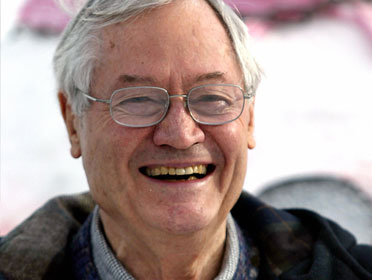
The prolific low-budget producer Roger Corman has died at 98, leaving behind a legacy far greater than the 491 titles that he produced. Corman’s great gift to us all is his mentorship of young and talented filmmakers. Filmmakers who got their first assignment from Corman (called “the Corman Film School”) include Oscar winning directors James Cameron, Francis Ford Coppola, Jonathan Demme, Curtis Hanson, Ron Howard and Martin Scorsese. Not to mention cult directors Paul Bartels and Monte Hellman. And Chinatown screenwriter Robert Townsend.
Jack Nicholson first got some attention playing the masochistic dental patient in Corman’s 1960 Little Shop of Horrors. Nicholson showed up again in Corman’s 1967 The Wild Angels (biker gangs), 1967 The Shooting (trippy Western) and 1967’s LSD flick The Trip (psychedelics), all before Easy Rider sparked his stardom in 1969..
Corman’s formula was to make lots of cheap exploitation films for the teenage audience. Low cost meant low risk, and low risk attracted financing.. In one four-year period, he produced The Student Nurses, Private Duty Nurses, Night Call Nurses and Candy Stripe Nurses – and 21 other movies! The signatures of Corman’s mostly shameless and delicious exploitation movies are that 1) they don’t have fancy production values; 2) they are fast-paced and not too long; and 3) they’re a kick.
As a teen myself, I remember seeing Corman’s Boxcar Bertha, a tale of a Depression Era labor organizer, at a drive-in, chiefly motivated by the urge to see Barbara Hershey’s breasts (nudity was then unusual in American movies). With Boxcar Bertha as his calling card, its young director (Martin Scorsese) had the cred to make his breakthrough film Mean Streets and to follow it with Taxi Driver, New York, New York, The Last Waltz and Raging Bull.
Probably the best movie that Corman has produced was Saint Jack (1976), directed by Peter Bogdanovich. Corman had given Bogdanovich his start, and in the intervening twelve years Bogdanovich’s star had risen (The Last Picture Show, What’s Up, Doc?, Paper Moon) and fallen (Daisy Miller). Ben Gazzara and Denholm Elliott delivered great performances in this story of a hustling American expat running a GI brothel in Singapore during the Vietnam War.
In the 70s, Corman combined making lowbrow American movies with distributing highbrow foreign films, including Bergman’s Cries and Whispers, Fellini’s Amarcord, Kurosawa’s Dersu Uzawa and Schlondorff’s The Tin Drum. In one decade, he distributed more Best Foreign Film Oscar winners than all the Hollywood studios combined.
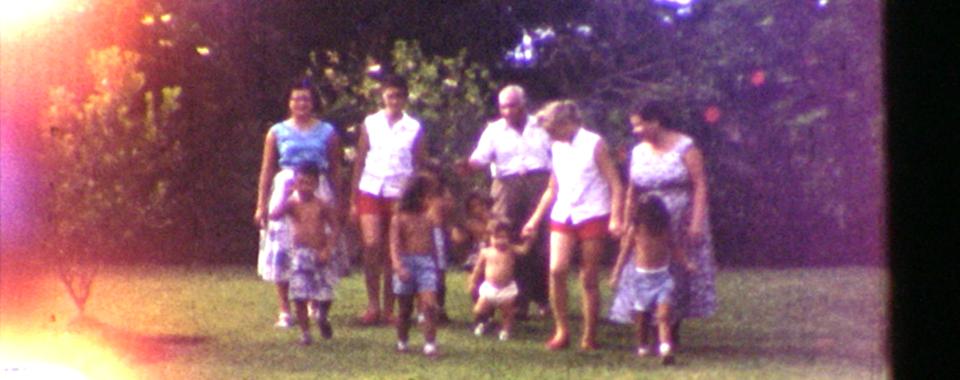
Photo caption: A scene from Tracey Arcabasso Smith’s RELATIVE. Courtesy of Gravitas.
Relative is filmmaker Tracey Arcabasso Smith’s reflective exploration of intergenerational sexual abuse in her own family. As Smith lovingly, but insistently, interviews her family members, she uncovers an epidemic of abuse in generation after generation. Relative becomes ever more powerful as Smith refuses to sensationalize, but stays centered on the strength and humanity of the women on camera. Finally, Relative takes us to how the cycle of abuse can be broken.
This is a brilliantly edited film (by Jeremy Stulberg, Ian Olds and Natasha Livia Motola) – first person testimonies are inter-cut with the home movies of a lively family – a family we now understand was stained with corrosive secrets.
Relative is the first feature for director Arcabasso Smith. (BTW the unadorned word Relative is a great title for this story.)
I screened Relative for the 2022 Nashville Film Festival. It’s now available to stream on Amazon (included with prime), AppleTV, Vudu and YouTube.
Photo caption: Zendaya in CHALLENGERS. Courtesy of MGM.
This week on The Movie Gourmet – new reviews of Challengers, Civil War and Ennio. It’s May, and we finally have two movies in theaters that will rank with 2024’s best: Challengers and La Chimera.
CURRENT MOVIES
Challengers: three people and their desire. In theaters.
La Chimera: six genres for the price of one. In arthouse theaters.
The Rider: a life’s passion is threatened. Amazon, AppleTV, Vudu, YouTube.
The Lost City of Z: the historical adventure revived. Amazon (included with Prime), AppleTV, Vudu, YouTube.
ON TV
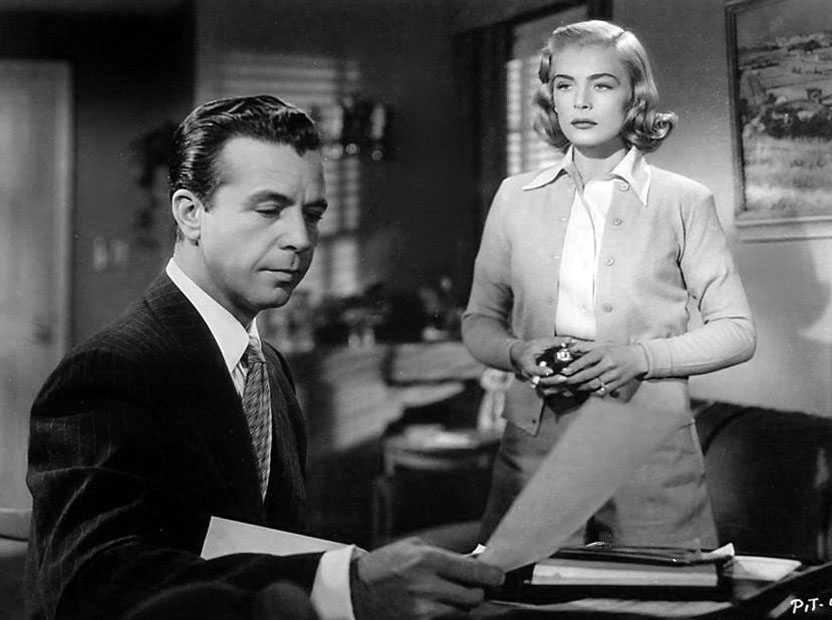
Lizabeth Scott, Dick Powell and Raymond Burr in PITFALL
On May 16, Turner Classic Movies features one of my Overlooked Noir, Pitfall (1948), a noir thriller without either a conventional sap or a conventional femme fatale. Dick Powell plays a WW II vet who is bored with the post-war suburban humdrum, and Lizabeth Scott plays a gal with terrible taste in boyfriends. Neither deserves to be dragged into a thriller, but they are. Raymond Burr, again, makes for a menacing sicko stalker.
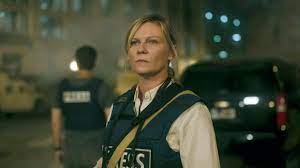
Photo caption: Kirsten Dunst in CIVIL WAR. Courtesy of A24.
Alex Garland’s unsettling thriller Civil War is a different movie than anyone expects.
An America in the near future is embroiled in a civil war, but it’s NOT sectarian violence along the Red State/Blue State axis that divides America today. Writer-director Garland never explicitly explains the cause of the war, but he leaves enough clues, especially when a blowhard, propagandist President (Nick Offerman) refers to his “third term”, which he must have seized unconstitutionally. A band of journalists are dispassionate about what the two sides are fighting about, but forecast that the President is about to be deposed like despots Nicolae Ceausescu and Muammar Ghaddafi.
We see the civil war through the eyes of the journalists, led by two veterans from Reuters, war photographer Lee (Kirsten Dunst) and her writing partner Joel (Wagner Moura). They are joined by an old school New York Times political reporter, Sammy (Stephen McKinley Henderson) and a young free-lance photographer, Jessie (Cailee Spaenee of Priscilla), who idolizes Lee and is covering her very first conflict.
The four are on a quest for a journalistic holy grail, to secure what they will believe will be the very last interview with the President. They drive to DC from New York on a circuitous route, navigating through battle-torn upstate New York, western Pennsylvania, West Virginia and Virginia. Essentially, the plot of Civil War is their harrowing road trip through the war zone, moving from vignette to vignette, which range from terrifying to surreal.
Civil War‘s substantial impact comes from the depiction of the familiar in an unfamiliar setting. We are used to seeing the atrocities of insurgency wars, both in news reports and fictional stories. Accordingly, we may be inured to the horror of a mass grave of executed civilians – if it is in, say, Serbia or Sudan. The same is true of an encounter with a fighter with an assault weapon-bearing fighter who can kill you on a whim. Indeed, Civil War has much the same feel as movies like The Killing Fields, Salvador or Hotel Rwanda.
The shocking difference is these horrors are taking place in the old U S of A. (There’s a brief, jarring shot of a red, white and blue flag with only two stars.) At one point, Lee says that she has been sending home photos of other people’s civil conflicts as a warning to Americans – avoid this at all costs. Civil War is a message picture, and this is the message. Lee is used to witnessing nightmarish things and compartmentalizing them so she can go about her job amid the horrors. But seeing them in her home nation brings her anguish, which she is less and less able to contain.
The most surreal scene is when the journalists drive into a hamlet where life goes on as if there is no civil war, and an apathetic store clerk will only observe “from what we see on TV, it’s all for the best.”
Kirsten Dunst’s performance as Lee carries Civil War; she’s our moral center, a bad ass whose soul is crushed before our eyes.
Stephen McKinley Henderson, as usual, projects warmth, canniness and lived experience; he’s really a treasure. Cailee Spaenee is 26, but looks much younger (young enough to play a 14-year-old in Priscilla); unlike in Priscilla, her character in Civil War has a lot of agency, and she’s very good. Jesse Plemons (Dunst’s real life husband) is brilliant in a cameo as the random judge-and-jury soldier with an assault weapon.
Like many who had seen the trailer, I was expecting a much different movie – one I really didn’t want to experience. When I found that it was the creation of Alex Garland and had gotten some rave reviews, I decided to see it. But I put it off until I could go to the theater with my buddy Keith, who shares many of my sensibilities, for support.
As it turned out, Keith didn’t like Civil War, primarily because the source of the conflict is not explicitly explained, and the idea of a California-Texas alliance is so absurd. And, as a photographer himself, he was distracted by Jessie shooting with a film camera that she never reloads. Those criticisms, while reasonable, weren’t a problem for me.
This is only Garland’s fifth feature as a director, but he directed Ex Machina, my pick as the top film of 2014. Before that, Garland wrote 28 Days Later, which I would rate as the best and most thoughtful zombie movie of all time.
We’re used to rooting for one side or the other in a war movie, but Civil War is not about why a war is fought, it’s about the experience of civil war itself, and why it should be unthinkable.
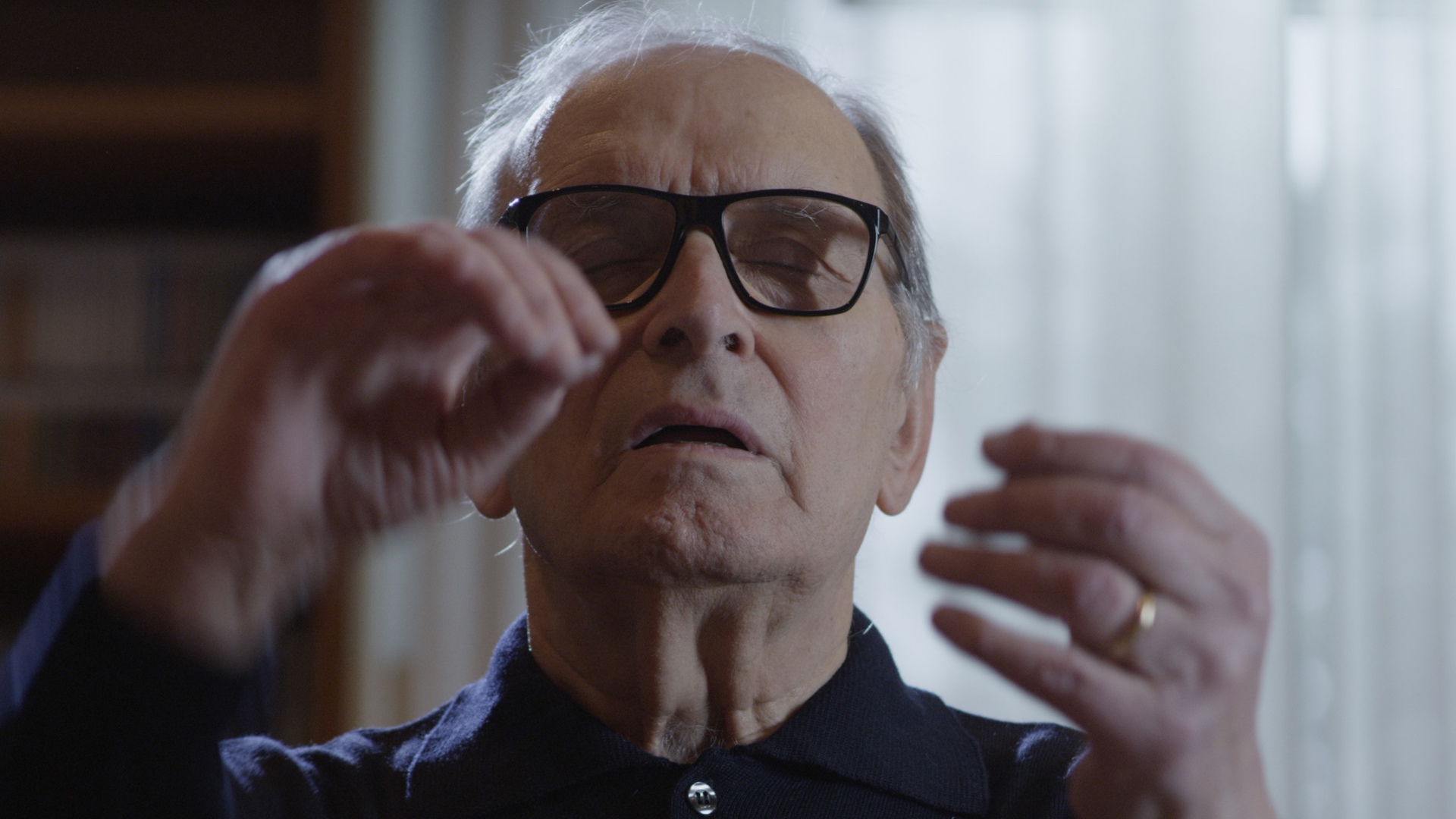
Photo caption: Ennio Morricone in ENNIO. Courtesy of Music Box Films.
Ennio Morricone is one of the greatest composers of movie music and certainly the most original, and the thorough and well-sourced documentary Ennio traces his life and body of work. We hear from Morricone himself and plenty of talking heads – many film directors, composers and musicians, from Clint Eastwood to Bruce Springsteen.
Morricone is the first artist I’ve heard of who aspired to become a doctor, but was forced by his father to play trumpet. During WW II in Italy, the Morricone family business was a small town brass band that entertained occupying German, then American troops, which the young Ennio found humiliating. Nevertheless, he followed his talent into a music conservatory, and evolved into composing.
Circumstances brought him a gig writing movie music and led to his groundbreaking scores for Sergio Leone’s spaghetti westerns A Fistful of Dollars, For a Few Dollars More and The Good, the Bad and the Ugly. Beginning with the whistle in A Fistful of Dollars, this now iconic music is described in Ennio as “cultural shock” “operatic” and a “whole new language”. We learn how Morricone built his score for The Good, the Bad and the Ugly around his interpretation of a coyote howl. Great stuff.
Ennio’s other highlights include:
His work with Joan Baez for Sacco & Vanzetti in 1971.
His 9/11 symphony.
How he was snubbed by the Oscars for The Mission and The Untouchables before wining for The Hateful Eight.
Ennio takes two hours and 36 minutes to comprehensively survey Morricone’s entire career, and I would have preferred a shorter film more focused on the highlights. There is an unnecessarily long exit ramp of accolades at the end.
BTW I recommend listening to Morricone himself conduct an orchestra’s performance of his music from The Mission; search YouTube for “morricone conducts the mission”
Ennio is now available to stream on Amazon, AppleTV and YouTube.
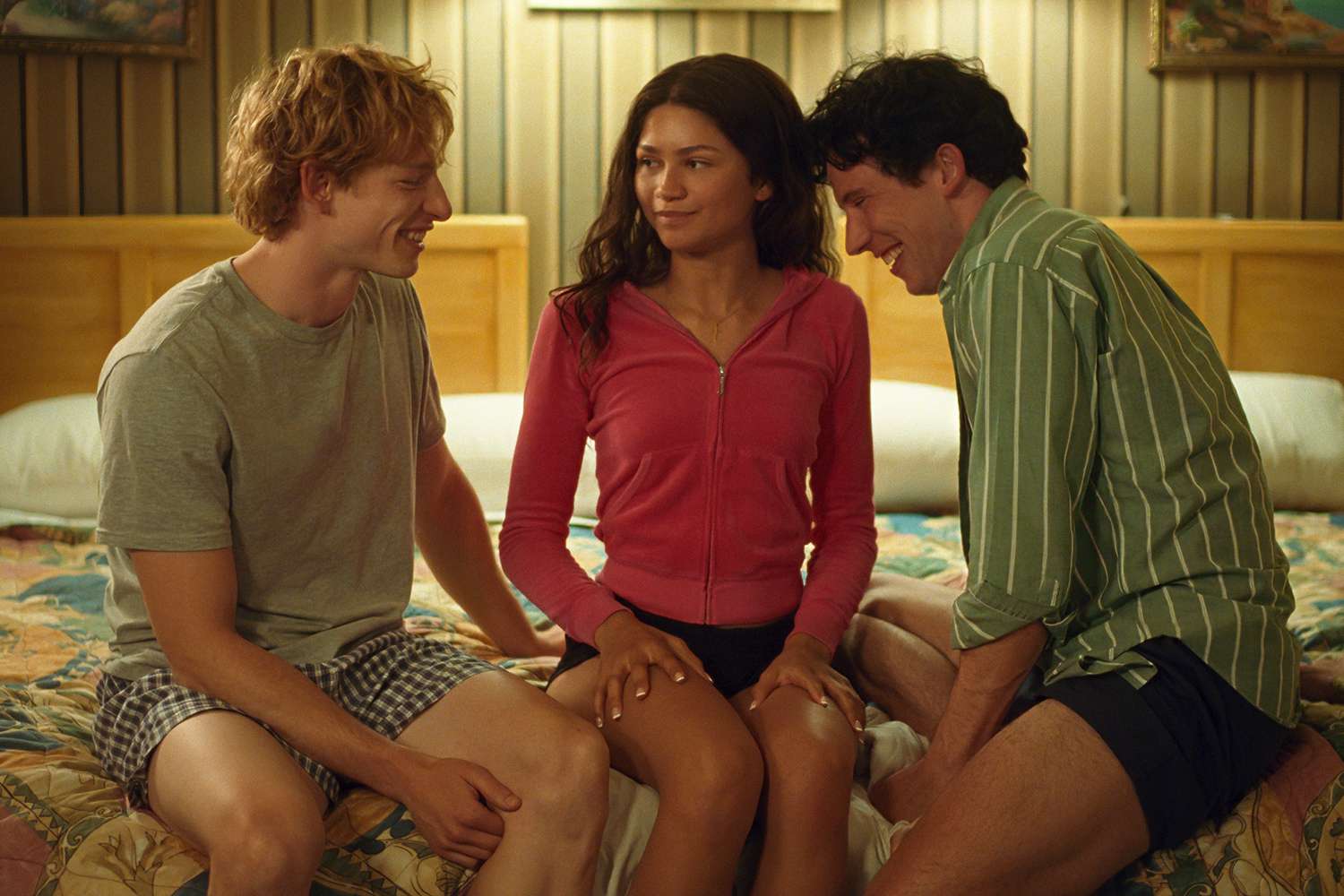
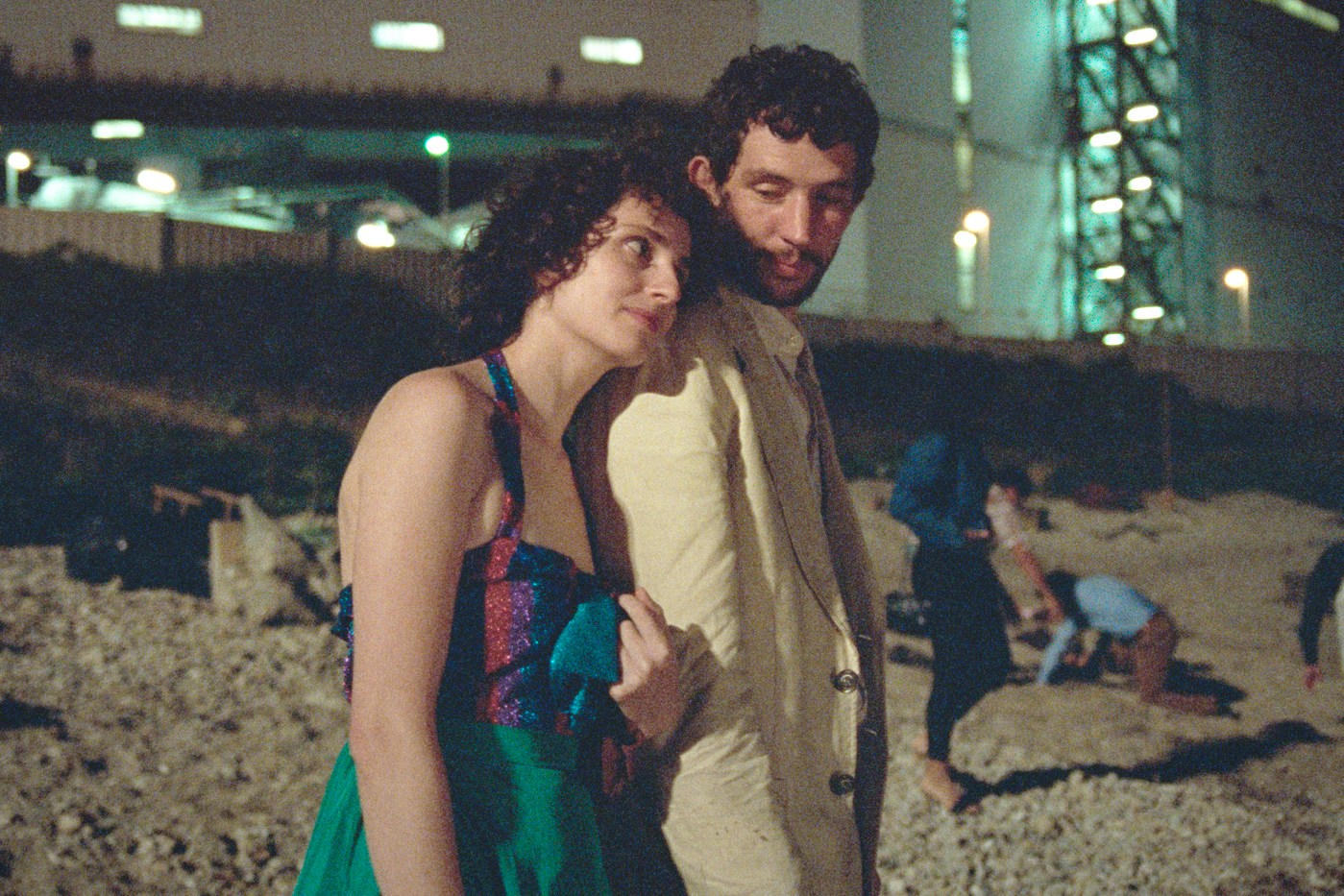
Photo caption: Bill Faist, Zendaya and Josh O’Connor in CHALLENGERS. Courtesy of MGM.
Challengers is an absorbing and entertaining set of character studies, wrapped in a love triangle and set in the world of tennis. Anything but a conventional sports movie, Challengers is remarkably insightful about what it takes to be successful in any competitive endeavor. Director Luca Guadagnino tells his story of three people over 13 years, flashing back and forth between their encounters in the present and roughly 8, 11, 12 and 13 years before.
When we first meet Tashi (Zendaya), she is a juniors champion about to dominate collegiate tennis and already a celebrity; she is clearly headed for Tiger Woods/Michael Jordan territory, where she will be the headliner whenever she competes and her endorsement revenue will dwarf her winnings. Tashi is highly intelligent, beautiful, driven and confident, and, as a teen, is already an astute and clear eyed observer of human character.
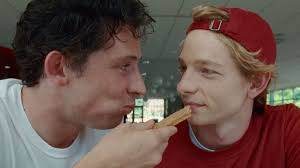
Patrick (Josh O’Connor) and Art (Bill Faist) are, as most teen boys, much simpler. They are classmates and besties. Their tennis is not in Tashi’s stratosphere, but they are good enough to contend for the U.S. juniors doubles championship, and to realistically aspire to pro careers.
As tennis players, Patrick and Art are very equally matched. But, then there is the matter of testosterone – too much (Patrick) and perhaps not enough (Art).
Patrick has swagger – sometimes that of a charming rogue and sometimes that of a boor or bully. There’s a saying in sports that is usually applied to baseball pitchers and football quarterbacks – “He has a million dollar arm and a ten cent head“. That describes Patrick, who is too undisciplined to keep his temper in check and who has too much misplaced pride to accept coaching.
Art, on the other hand, is so fundamentally decent that we wonder where his ambition comes from. (Hint: it’s not from within Art himself.)
That’s what we come to learn about the three characters. One of the keys to Challengers is when each character figures out the other two. Tashi takes the measure of Patrick and Art with breathtaking rapidity. Patrick and Art come to understand the others, but much later and at different times. When the last light switch is toggled on, there’s an explosion.
Guadagnino’s previous three films (I Am Love, A Bigger Splash,Call Me by My Name) form what we calls his Desire Trilogy, and all three abound in sensual desire. Challengers could have been titled Desire, in the sense that competitive success pivots on who has the most desire, who wants it more than their peers, who has enough drive to fuel the grueling training and who has the killer instinct in competition.
Guadagnino is known for sensual films, set in beautiful places (a palazzo-like house in Milan, a glorious Mediterranean island and the Northern Italian countryside) and with abundant, tantalizing gourmet food. In contrast, Challengers takes place in hotel and motel rooms, tennis courts and locker rooms and the moment closest to food porn involves churros in a Stanford campus cafe. Guadagnino focuses the sensuality on the tennis scenes and the closeups of his actors as they hunger for victory or for sex.
There’s a constant undercurrent of lust, but calling Challengers primarily a love triangle would be too pat. It’s just such a rich depiction of the strengths and weaknesses of the characters, their respective vulnerability to manipulation and their relative levels of ambition.
Zendaya in CHALLENGERS. Courtesy of MGM.
One key to the story in Challengers is when the characters figure each other out. One takes the measure of the other two immediately; each of the other two finally get the others, but at different times.
Challengers is superbly acted. Zendaya’s performance is a revelation, both in the way she hides Tashi’s thoughts from the guys and in her remarkable physicality. Guadagnino uses closeups and quick cutting to make Faist and O-Connor look like they’re playing high level tennis. Zendaya, ripping the ball in long shots, looks like she is ready for the U.S. Open.
Josh O’Connor – the feckless marriage-age Prince Charles in The Crown and the surly protagonist of La Chimera (by another Italian filmmaker, Alice Rohrwacher) – finally gets to play a character with joie de vivre, and he’s excellent.
Bill Faist in CHALLENGERS. Courtesy of MGM.
I hadn’t seen Bill Faist (West Side Story) before, and his performance in Challengers is often the most interesting. Affable, malleable and conflict-avoidant, the young Art knows when unrequited love is causing his unhappiness. But then, he’s also unhappy when he seems to have it all, and he doesn’t understand why.
Challengers is a wonderful two-hours-and-eleven minutes movie, but I think that there’s an even better one-hour-and-fifty-five minute movie inside; Guadagnino invests too much time in the final confrontation, drawing it out with plenty of slow-motion and house music. Still, this is one of the best films of 2024.
The Rider: a life’s passion is threatened. Amazon, AppleTV, Vudu, YouTube.
The Lost City of Z: the historical adventure revived. Amazon (included with Prime), AppleTV, Vudu, YouTube.
ON TV
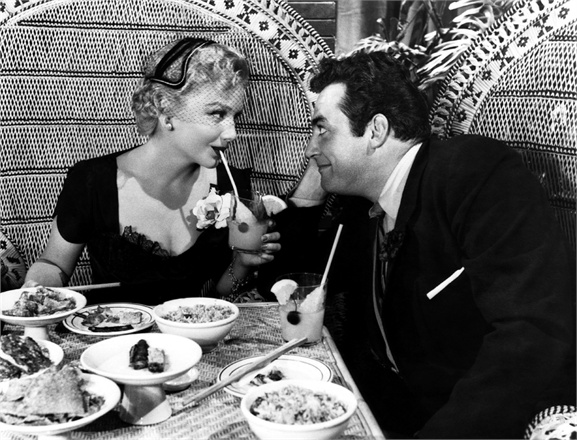
Anne Baxter, sipping a Polynesian Pearl Diver, with Raymond Burr in THE BLUE GARDENIA.
On May 7 on Turner Classic Movies, The Blue Gardeniapresents a 1953 view of date rape, with lecherous Raymond Burr getting Anne Baxter likkered up into a blackout drunk with Polynesian Pearl Divers. There’s a very nice twist on the whodunit: when she wakes up, she doesn’t remember killing him, but he sure is dead. There’s even a cameo performance by Nat King Cole.