Movies to See Right Now

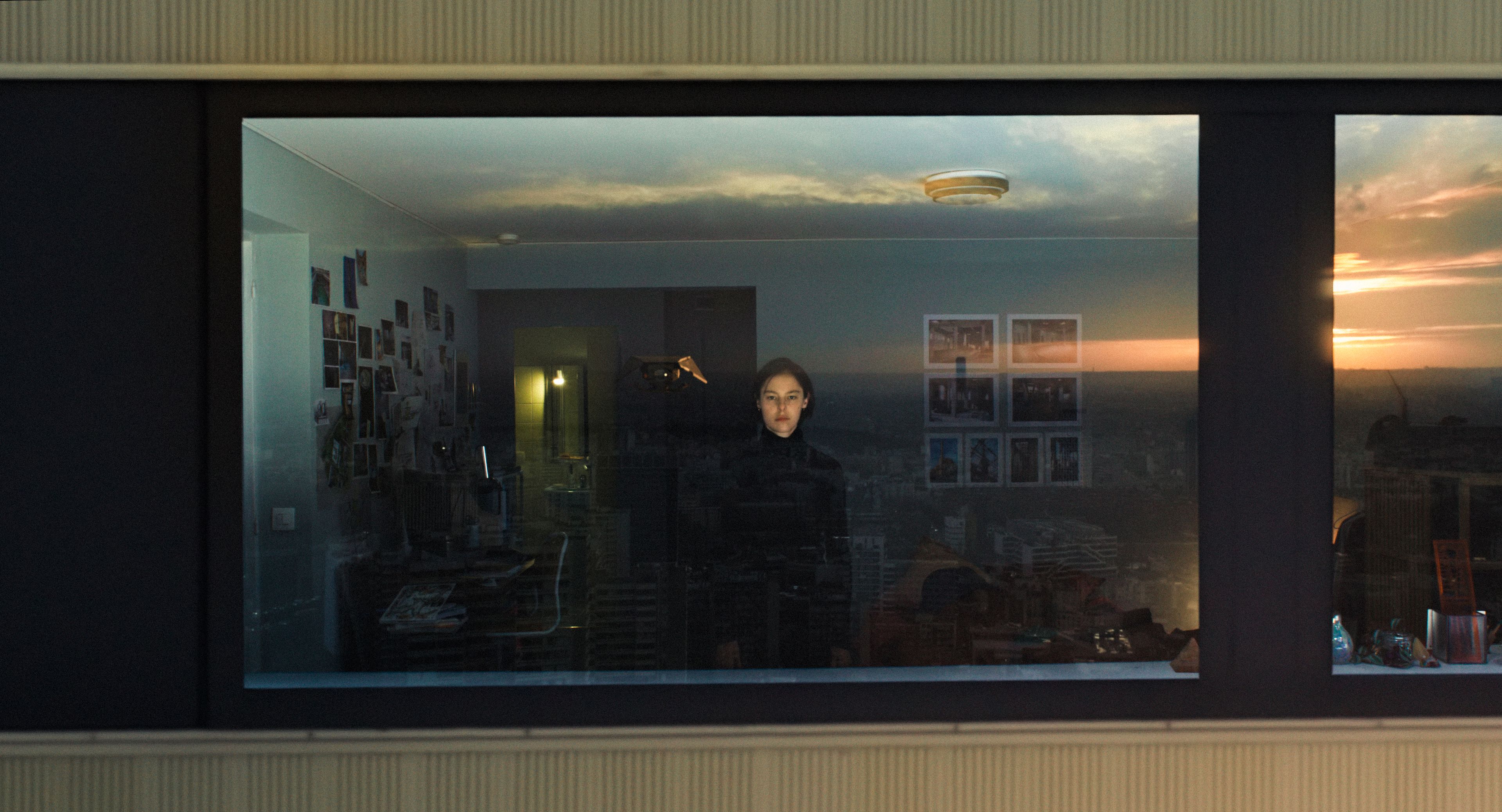
Photo caption: Eve Connolly in SEW TORN. Courtesy of Vertigo Releasing.

This Week on The Movie Gourmet – a new review of the totally original indie thriller Sew Torn, plus a republished review of the fine biodoc Janis Ian: Breaking Silence, now playing on PBS American Masters.

I have also commented in depth on the New York Times’ The Best 100 Movies of the 21st Century. My critique of the NYT list in in Part 1; Part 2 is my own stab at the 50 best movies of the century.

I’ve also published full reviews of some as yet unreleased films that I saw at the SLO Film Fest and Frameline.

CURRENT MOVIES

ON TV

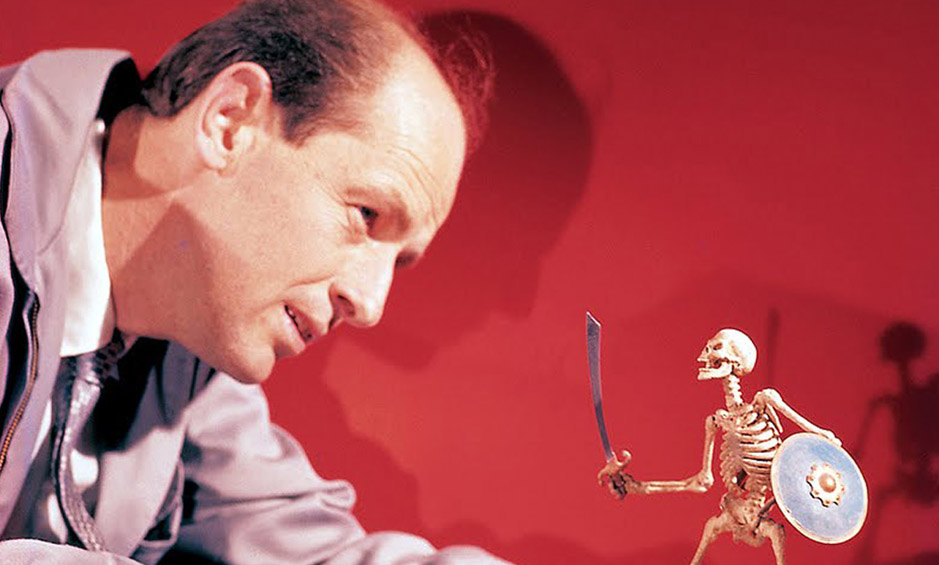
Ray Harryhausen with one of his sword-fighting skeletons from JASON AND THE ARGONAUTS

On July 9, Turner Classic Movies airs Jason and the Argonauts, the 1963 masterpiece of Ray Harryhausen, a unique genius of movie special effects.  His stop-motion animation created the vivid creatures that made possible movies about ancient mythology (from the 1958 The 7th Voyage of Sinbad through the 1981 Clash of the Titans) and fantasy literature (The Three Worlds of Gulliver).  His pioneering work in stop-motion animation has influenced the field since, all the way to today’s Aardman Animation and Wallace and Gromit.

Jason and the Argonauts packs one action adventure sequence after another in its one hour, 44 minutes, Typical of sword and sandal movies shot in Italy in this era, the dialogue and acting are lame. The voice of the forgettable American star, Todd Armstrong, is dubbed by a British actor. But that’s why you’re watching Jason and the Argonauts – the hooks are the ancient adventure story and the special effects that bring the mythology to life.

In Jason and the Argonauts, Harryhausen created the Harpies, Talos, the Clashing Rocks, Triton, the Hydra and the sword-fighting skeletons that emerge from the Hydra’s teeth.  I still watch Jason and the Argonauts whenever it’s on TV, and I often gave the DVD to kids (back in the DVD era).   
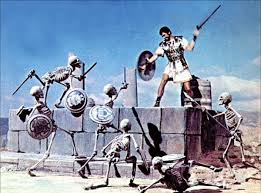
Todd Armstrong and Harryhausen’s skeletons in JASON AND THE ARGONAUTS

NYT’s The Best 100 Movies of the 21st Century (part 2)

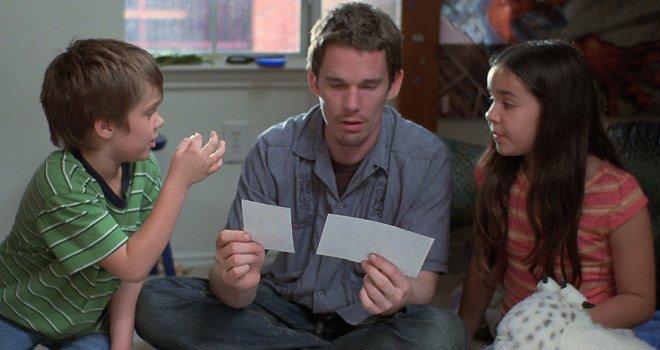
Photo caption: Eller Coltrane, Ethan Hawke and Lorelei Linklater in BOYHOOD.

Earlier this week, I reveled in ruminating on the New York Times’ recently published The Best 100 Movies of the 21st Century. Of course, I can’t resist weighing in myself on the best movies of the century so far. I just couldn’t take the time to get to 100, but here are The Movie Gourmet’s 50 best movies of the 21st Century.

  1. Boyhood (2014, Richard Linklater, US)
  2. Parasite (2019, Bong Joon Ho, South Korea)
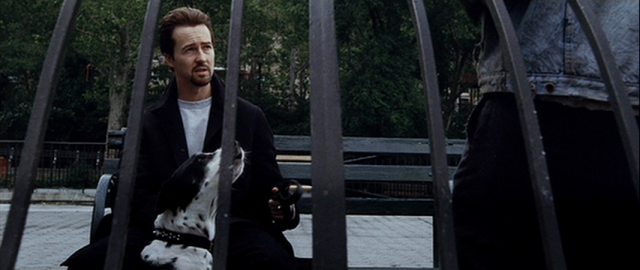
  3. 25th Hour (2002, Spike Lee, US)
  4. Mulholland Drive (2001, David Lynch, US)
  5. Oppenheimer (2023, Christopher Nolan, US)
  6. Anatomy of a Fall (2023, Justine Triet, France)
  7. Spirited Away (2001, Hayao Miyasaki, Japan)
  8. In the Mood for Love (2000, Wong Kar-Wai, Hong Kong)
  9. Best in Show (2000, Christopher Guest, US)
  10. Nomadland (2020, Chloe Zhao, US)
  11. Nope (2023, Jordan Peele, US)
  12. Once Upon a Time…in Hollywood (2019, Quentin Tarantino, US)
  13. Before Sunset and Before Midnight (2004 and 2013, Richard Linklater, US)
  14. Lost in Translation (2003, Sophia Coppola, US)
  15. Sideways (2004, Alexander Payne, US)
  16. Winter’s Bone (2010, Debra Granik, US)
  17. Stories We Tell (2012, Sarah Polley, Canada)
  18. Zodiac (2007, David Fincher, US)
  19. A Serious Man (2009, Joel and Ethan Coen, US)
  20. Barbie (2023, Greta Gerwig, US)
  21. Hell or High Water (2016, David Mackenzie, US)
  22. The Hurt Locker (2008, Kathryn Bigelow, US)
  23. Minority Report (2002, Steven Spielberg, US)
  24. Ex Machina (2014, Alex Garland, UK/US)
  25. The Power of the Dog (2021, Jane Campion, New Zealand)
  26. Children of Men (2006, Alfonso Cuarón, US)
  27. Ida (2013, Pawel Pawlikowski, Poland)
  28. Shoplifters (2018, Hirokazu Koreeda, Japan)
  29. Million Dollar Baby (2004, Clint Eastwood, US)
  30. Riders of Justice (2020, Anders Thomas Jensen, Denmark)
  31. Talk to Her (2002, Pedro Almodovar, Spain)
  32. Broken Embraces (2009, Pedro Almodovar, Spain)
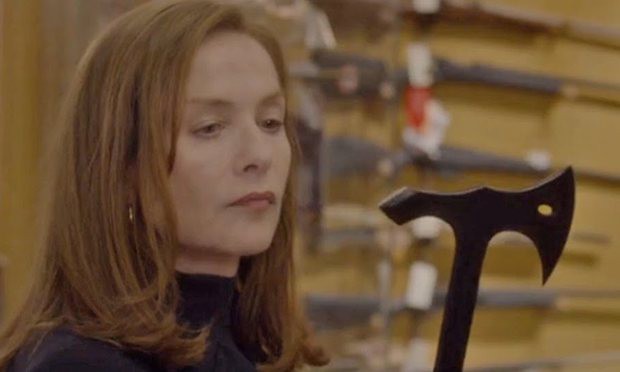
  33. Elle (2016, Paul Verhoeven, France)
  34. The Shape of Water (2017, Guillermo del Toro, US)
  35. Y Tu Mama Tambien (2001, Alfonso Cuarón, Mexico)
  36. Past Lives (2023, Celine Song, US)
  37. Wendy and Lucy (2008, Kelly Reichardt, US)
  38. Zero Dark Thirty (2012, Kathryn Bigelow, US)
  39. Memento (2000, Christopher Nolan, US)
  40. The Act of Killing (2012, Joshua Oppenheim, UK)
  41. 49 Up, 56 Up and 63 Up (2005, 20012 and 2019, Michael Apted, UK)
  42. Ash Is Purest White (2018, Jia Zhang-ke, China)
  43. Roma (2018, Alfonso Cuarón, Mexico/US)
  44. Gone Girl (2014, David Fincher, US)
  45. Take Shelter (2011, Jeff Nichols, US)
  46. Incendies (2010, Denis Villenueve, Canada/France)
  47. The Big Short (2015, Adam McKay, US)
  48. The Secrets in Their Eyes (2009, Juan José Campanella, Argentina)
  49. Margaret (2011, Kenneth Lonergan, US)
  50. The Aura (2005, Fabian Bielinsky, Argentina)

About half of these are American movies, with contributions from South Korea, France, Japan, Hong Kong, Canada, New Zealand, Poland, Denmark, Spain, Mexico, China, Argentina and the UK). Ten of the fifty have female directors, all since 2008.

I am aware that I admire Stories We Tell, Elle and Hell or High Water more than most folks, but I really see them as great movies. The one movie that you won’t find on any else’s list is Riders of Justice – but just give it a chance.

By the way, I took a swing at this list in 2017, rand I see that my list this year is pretty consistent.

OK, that’s me – what do you think?

Isabelle Huppert in ELLE

DRONE: stalked by a mystery

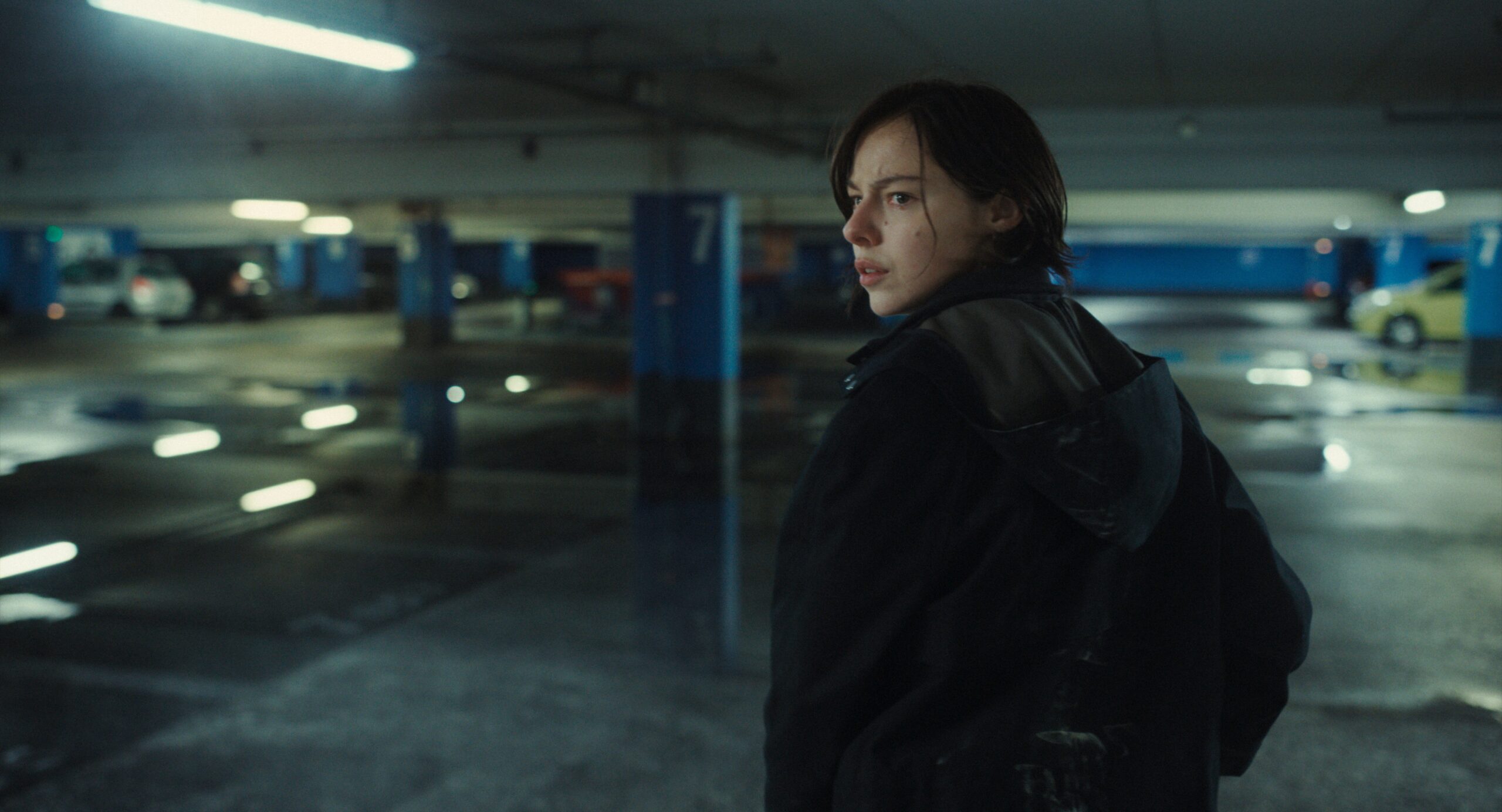
Photo caption: Marion Barbeau in DRONE. Courtesy of Frameline.

Émilie (Marion Barbeau) is stalked through Paris by a mysterious drone, in Drone, a thriller that explores issues of privacy and the male gaze. A magnificent 4-minute opening sequence, introduces us to the vulnerability caused by the voyeur drone. Émilie is funding her architecture studies by working as a cam girl, a situation where she is physically detached and in control of her male customers. But there is no detachment or control whenever the paranoia-inducing drone suddenly appears.

There are exhilarating set pieces in a parking garage, a motorcycle chase and an abandoned factory, as writer-director Simon Bouisson and cinematographer Ludovic Zulli keep their drone camera in pursuit of the story’s stalker drone. In his first theatrical feature, Bouisson keeps the tension pounding, all the way to the ingenious ending.

Marion Barbeau in DRONE. Courtesy of Frameline.

Émilie is a recent architecture graduate from Lilles who has earned a high-powered fellowship in Paris. As her fellowship project, she chooses an adaptive reuse of an abandoned factory. Of course, even without the drone, we would fear for Émilie’s safety as she wanders around the dark, creepy, abandoned factory and takes long solo jogs through the city at night.

Who is flying the drone? Is it a camgirl customer who has hacked the firewall? Is it her toxic male classmate? Or her swaggering, entitled boss? Or, perhaps most terrifying, nobody at all?

Émilie is relationship-shy, but reluctantly intrigued by a DJ. Will the budding romance put both women in drone-jeopardy?

Marion Barbeau, a former ballet dancer, is superb as Émilie. Émilie, so vulnerable throughout the movie, is remarkably strong and determined, which lifts Drone above the ordinary woman-in-peril genre. Barbeau is able to project Émilie’s fundamental badassness.

I’ve listed Drone in the special Festival Films category of my Best Movies of 2025 – So Far. I screened Drone for Frameline (where it was my favorite film), and I’ll let you know when it has a theatrical or VOD release in the US.

BOB MACKIE: NAKED ILLUSION: the man who invented the red carpet

If ever a fashion designer dominated the Hollywood red carpet, it is Bob Mackie The biodoc Bob Mackie: Naked Illusion tracks his remarkable life and career, and his impact on the evolution of the red carpet.

Director Michael Miele had the cooperation of Mackie and Mackie’s design director Joe McFate (one of the producers). That leveraged access to Mackie clients Cher, Carol Burnett, Bernadette Peters, Pink, Mitzi Gaynor and Miley Cyrus, and to fashion icons RuPaul and Tom Ford, who all appear in this biodoc. So do members of Mackie’s very complicated family. Cher alone is worth the ticket price.

I saw Bob Mackie: Naked Illusion at a SLO Film Fest screening with Bob Mackie and Joe McFate in person; Bob Mackie: Naked Illusion won the SLO Film Fest’s Best Documentary Feature.

MR. NOBODY AGAINST PUTIN: the first casualty of war is truth

Pavel Talankan in MR. NOBODY AGAINST PUTIN. Courtesy of the SLO Film Fest.

Nothing has changed since Aeschylus observed that the first casualty of war is truth, as revealed in Mr. Nobody Against Putin, the blistering exposé of Putin’s outrageous domestic propaganda about his Ukraine War.

Pavel Talankan is an unassuming, goodhearted guy with a small-time job as the events coordinator at the school in a remote Russian industrial town. That also makes him the school videographer, so no no one notices that, as he films school assemblies, award ceremonies and performances, he is also capturing the blatant Big Lie propaganda. It’s a surreptitious documentary filmed in plain sight.

Pavel is an unlikely muckraker. He is a free-thinking nebbish who loves Russia and loves his hometown of Karabash in the Ural region, putrefied by a noxious copper plant and called “the most toxic place on earth”.

More than anything, Pavel cares about his students, and he is increasingly disgusted as Putin ramps up the propaganda. First, a cadaverous party hack, whose heroes are the most vile Commie hitmen in history, spreads empirically false information about Ukraine being the aggressor in the war. Then, horrifyingly, Wagner mercenaries are brought in as classroom guest speakers. Silently, Pavel continues to film, letting the propagandists defile themselves for history.

Pavel is a hero, albeit a non-violent one, who risked his life to gather this material. David Borenstein exquisitely formed Pavel’s footage into a searing exposé of Putin’s soul-crushing impact on Russia. The secret audio from the funeral of a former student killed in Ukraine is heart-rending. The film begins with video of Pavel’s midnight escape from Russia,

I saw Mr. Nobody Against Putin at the SLO Film Fest; I’ll let you know when it gets a theatrical or VOD release.

SEW TORN: a thriller like none you’ve seen before

Photo caption: Eve Connolly in SEW TORN. Courtesy of Vertigo Releasing.

Sew Torn is the first thriller (or movie) I’ve seen where the main character’s day job isn’t detective or writer or architect, but mobile seamstress. Barbara (Eve Connolly) is a seamstress and her super power is rigging Rube Goldberg solutions with needle and thread to face any emergency situation. It doesn’t take long before she’s entangled in a fight to the death between two gangs of crooks, and we’re asking just what are we watching here?

We’re watching a compelling thriller, a genre film with a gimmick, albeit a sui generis gimmick, and it’s the calling card of its talented auteur. Writer-director Freddy MacDonald made the first version of Sew Torn as a 6-minute short while in high school, which led him to being accepted as the youngest ever Directing Fellow at the AFI Conservatory. After winning a student academy award, he and his father Fred MacDonald worked the screenplay of Sew Torn into a feature. Freddy MacDonald has yet to turn 25.

Both Barbara and Joshua (Caleb Worthy), a young hood embroiled in the gangland shootout, need to escape from the domination of their parents. Barbara’s mother is dead, but Barbara, struggling with depression, is trapped living her mother’s life. Joshua’s father (a bloodcurdling John Lynch) is very much alive and threatening the survival of everyone he encounters.

Barbara is glum and passive, and sure doesn’t look like the hero of a thriller, until she whips out a spool and a thimble to MacGyver herself out of a lethal jam.

There’s a surprise in the construction of the story, which I won’t spoil, except to say that it involves the reimagining of outcomes. You’ve certainly never seen this movie before.

I saw Sew Torn at the SLO Film Fest, where it won the Best Narrative Feature. After a successful festival run that began with a debut at SXSW, Sew Torn is available to stream on Amazon, AppleTV and YouTube.

NYT’s The Best 100 Movies of the 21st Century (part 1)

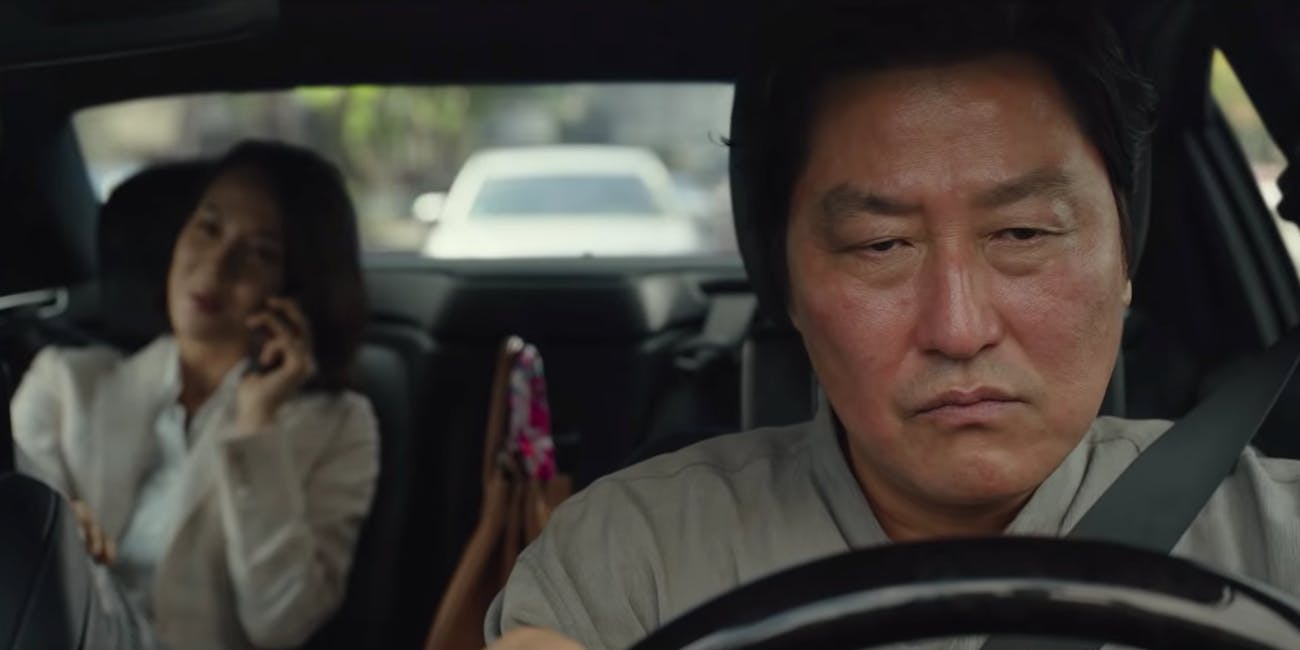
Photo caption: Song Kang-Ho in PARASITE, justifiably on the NYT’s Best Movies of the Century.

Naturally, The Movie Gourmet has thoughts about the New York Times’ recently published The Best 100 Movies of the 21st Century. First of all, I’m glad that the NYT did it – it demonstrates that one of our most credible institutions thinks that cinema is important to the culture and that people should take it seriously. Movies matter.

And, it’s a pretty good list. I can weigh in because I’ve seen all 100 except for Portrait of a Lady on Fire (#38), Let the Right One In (#70) and Interstellar (#89), and I’ve written about most of them. There’s solid representation of animated films and international cinema, with a few comedies and only one comic book movie (The Dark Knight). Parasite is a worthy choice for #1 on the NYT list, although I would place it at #2 behind Boyhood (#23 on the NYT list).

ACCOLADES

I am absolutely delighted to see some deserving films on the list that aren’t often included in the Great Movies conversation: In the Mood for Love (#4), Children of Men (#13), Memories of Murder (#99), Spirited Away (#9), A Serious Man (#36), Y Tu Mama Tambien (#18), Anatomy of a Fall (#26), Her (#24), A Prophet (#35), Aftersun (#78), The Act of Killing (#82) and Grizzly Man (#98). Lately, In the Mood for Love has been getting more buzz from cinephiles.

Identifying good filmmaking is one thing, but personal taste is pivotal in ranking films. I rank the Coen Brothers’ A Serious Man (#36) higher than their There Will Be Blood (#3), Jordan Peele’s Nope higher than his Get Out (#8), Quentin Tarantino’s Once Upon a Time in Hollywood…(#44) than his Inglorious Basterds (#13), Denis Villaneuve’s Incendies higher than his Arrival (#29), Pedro Almodovar’s Broken Embraces higher than his Volver (#80), Greta Gerwig’s Barbie higher than her Lady Bird (#39). I can’t imagine how the NYT panel overlooked Adam McKay’s The Big Short and Don’t Look Up in favor of his Anchorman: The Legend of Ron Burgundy (#85).

SOME QUIBBLES

A few movies should have been ranked much higher: Before Sunset (#49), Best in Show (#57), Oppenheimer (#65), Minority Report (#94).

There are only two lousy movies on the whole list: The Tree of Life (#79) and The Favourite (#52). And the panel generally resisted including Eat Your Broccoli Movies, except for Yi Yi (#40) and The Gleaners & I (#88). I just don’t like The Royal Tenenbaums (#21), Frances Ha (#90), Inside Llewyn Davis (#83), Melancholia (#84) and City of God (#15).

With only three documentaries (The Act of Killing, Grizzly Man, The Gleaners & I), the list is pretty light on docs. On any list of 100 films, I would have added An Inconvenient Truth, They Shall Not Grow Old, Stories We Tell, and the three films in the Seven Up series (49 Up, 56 Up and 63 Up).

BIG MISSES

The NYT panel whiffed on six movies that should be in the century’s top 30, let alone 100, films: 25th Hour, Million Dollar Baby, Nomadland, The Power of the Dog, Shoplifters and Sideways. What were they thinking?

And there’s not a single film from Clint Eastwood (Mystic River, Million Dollar Baby, Flags of Our Fathers, Letters from Iwo Jima), Spike Lee (25th Hour), Alexander Payne (Sideways, The Descendants, Nebraska), Debra Gralnik (Winter’s Bone, Leave No Trace), Sarah Polley (Away from Her, Take this Waltz, Stories We Tell), Kelly Reichardt (Wendy and Lucy) the Dardennes brothers (The Son, The Kid with the Bike), Hirokazu Koreeda (Shoplifters, Broker), Jane Campion (The Power of the Dog), Chloe Zhao (The Rider, Nomadland), or Jeff Nichols (Take Shelter, Mud, The Bikeriders). Given the inclusion of work from Yorgos Lanthimos, Lars Von Trier and the way overrated Wes Anderson, that’s pretty shocking.

THE CONVERSATION BEGINS

Thanks, NYT. Now it’s our turn. I’m working on my own list (much shorter than 100) of the century’s best. Watch this space.

Edward Norton in Spike Lee’s 25TH HOUR – regrettably not on the NYT list..

JANIS IAN: BREAKING SILENCE: she stepped onto the roller coaster at 16

Photo caption: Janis Ian in JANIS IAN: BREAKING SILENCE. Courtesy of Greenwich Entertainment.

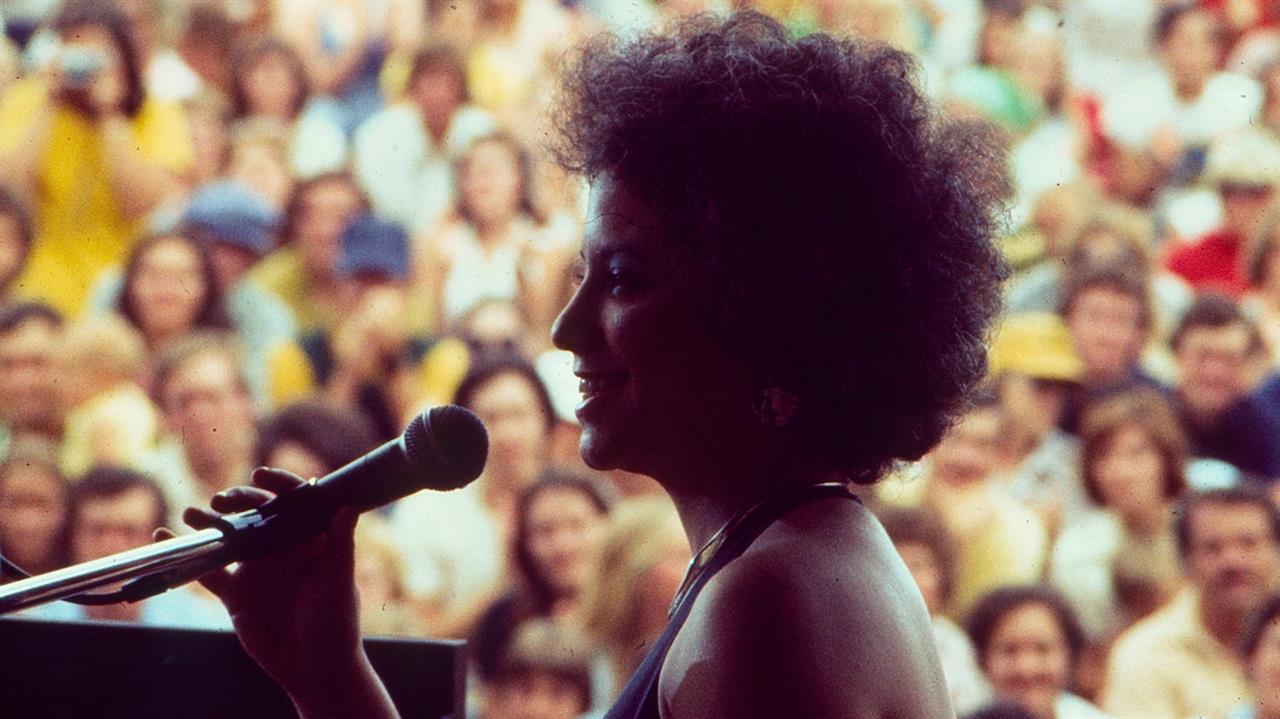
In Janis Ian, Breaking Silence, the biodoc of the earnest pop-folk singer-songwriter, a teen prodigy steps onto the roller coaster of the music industry at a tender age and experiences the highest highs and the lowest lows. And, it turns out that there’s more to Janis Ian than Society’s Child and At Seventeen.

The word prodigy is overused, but accurately describes Ian, who was doing professional-level song-writing at age 14. Her dad answers a booking request on the home phone with with, “You know she’s only 15, right?

We’re not surprised that Ian experiences the shock of instant national stardom, the vicissitudes of record companies, the proverbial crooked business managers, (but not as MANY drugs as in most music biodocs).  But it’s insightful to hear from Ian herself about how all this seemed and felt as it happened. Ian recounts her relationships while touring, with both men and women, and the impact of being outed involuntarily.

When Ian is unexpectedly confronted by someone who broke her heart years before, she blurts out the perfect last laugh.

Janis Ian: Breaking Silence was made with Janis Ian’s cooperation, and takes a very sympathetic point of view; that’s okay because Ian herself is clear-eyed, self-deprecating and maintains a solid, often wry, perspective on her experience. Janis Ian herself testifies, along with others close to her (including old pals Arlo Guthrie and Joan Baez). 

This is the third feature for director Varda Bar-Kar, who is aided by excellent editing from Ryan Larkin in his first feature.

I originally reviewed Janis Ian: Breaking Silence for its brief thetricl release earlier this year. It’s now playing on PBS American Masters; you can find American Masters on your PBS channel or watch the film on the American Masters website.

Movies to See Right Now

Photo caption: Marion Barbeau in DRONE, one of Must See films at Frameline. Courtesy of Frameline and StudioCanal.

This Week on The Movie Gourmet – my coverage of Frameline, which is running through June 28, centers on directorial debuts in international cinema.

I also posted a reminder to catch the bracing neo-noir Pale Flower this Saturday and Sunday on Turner Classic Movies’ Noir Alley with Eddie Muller. This Japanese slow burn erupts into thrilling set pieces, and you shouldn’t miss it.

REMEMBRANCE

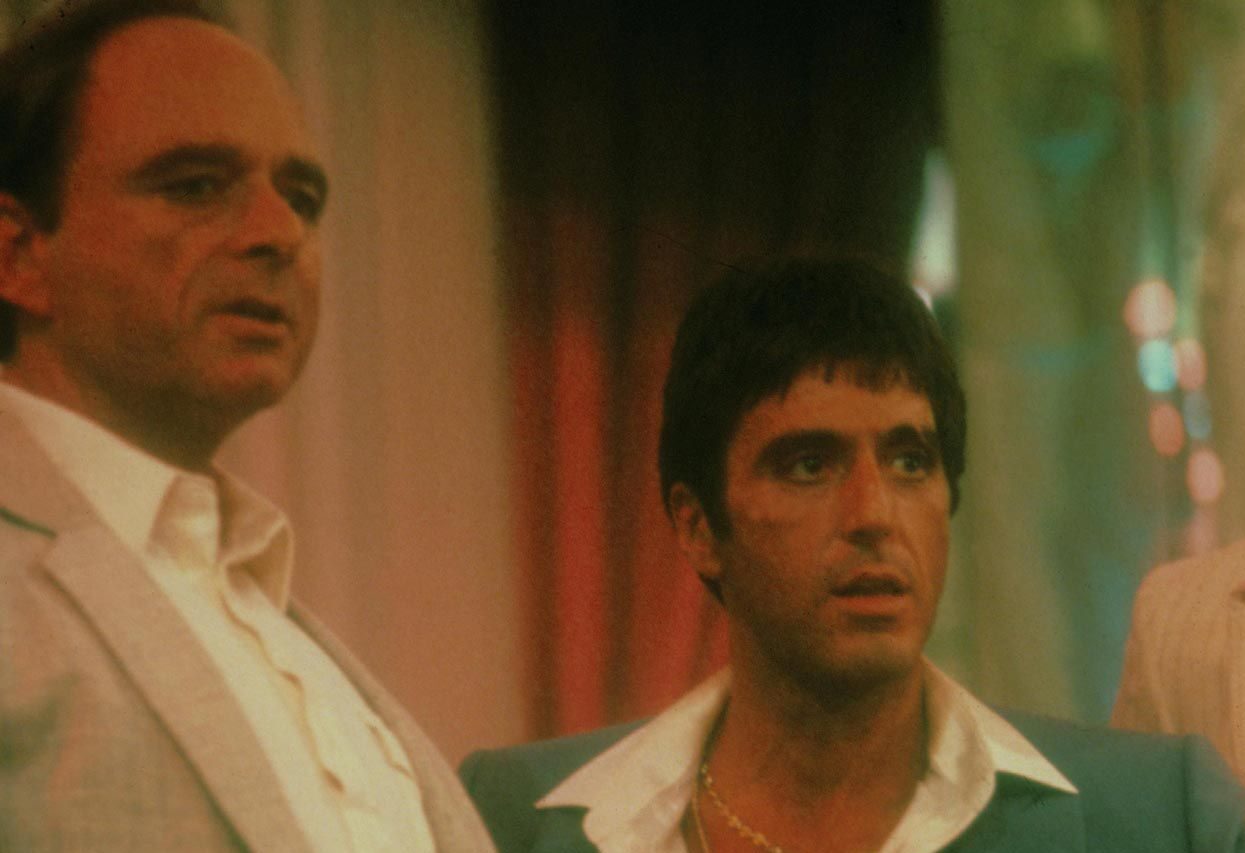
Harris Yulin, with Al Pacino, in SCARFACE.

Character actor Harris Yulin brought intensity and authenticity to characters that ranged from authoritative to kindly to venal ones. He appeared in lots of big movies (Scarface, the 24 series and the Ghostbusters, Star Trek and Rush Hour franchises)  and smaller, even better ones (Victory at Entebbe, Night Moves, St Ives, Truman, The Place Behind the Pines).

CURRENT MOVIES

ON TV

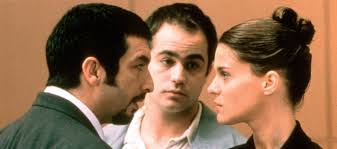
Ricardo Darín, Gastón Pauls and Leticia Brédice in NINE QUEENS.

As I alerted you to last week, tonight Turner Classic Movies is airing the rarely-broadcast Argentine neo-noir Nine Queens. Nine Queens has a great con artist plot, kind of midway between House of Games and The Sting. And it stars one of my favorite actors, Ricardo Darin, the Argentine Joe Mantegna. Sadly, the writer-director Fabián Bielinsky died at 47, right after his masterpiece The Aura, ending a very promising career.

And, as I wrote this week, TCM is presenting the bracing Japanese neo-noir Pale Flower this Sat/Sun Pale Flower on Noir Alley with Eddie Muller. Don’t miss this one.

This image has an empty alt attribute; its file name is pale-flower-saeko-1024x435.jpg
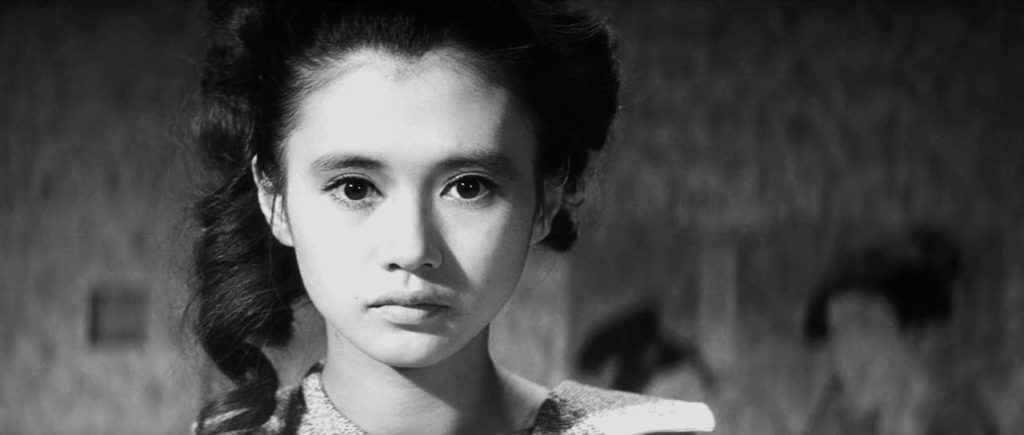
Mariko Kaga in PALE FLOWER

Coming up on TV – the bracing neo-noir PALE FLOWER

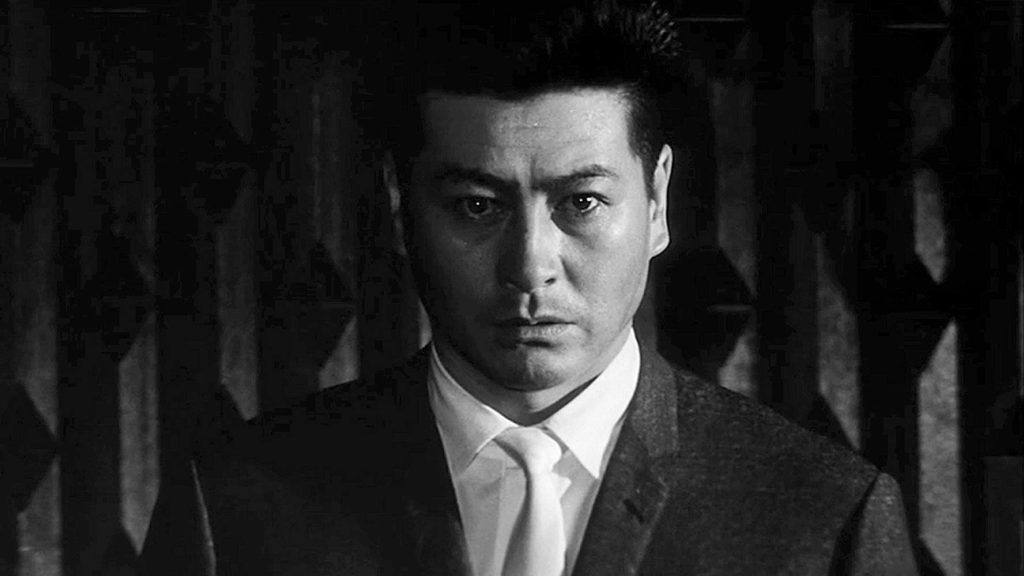
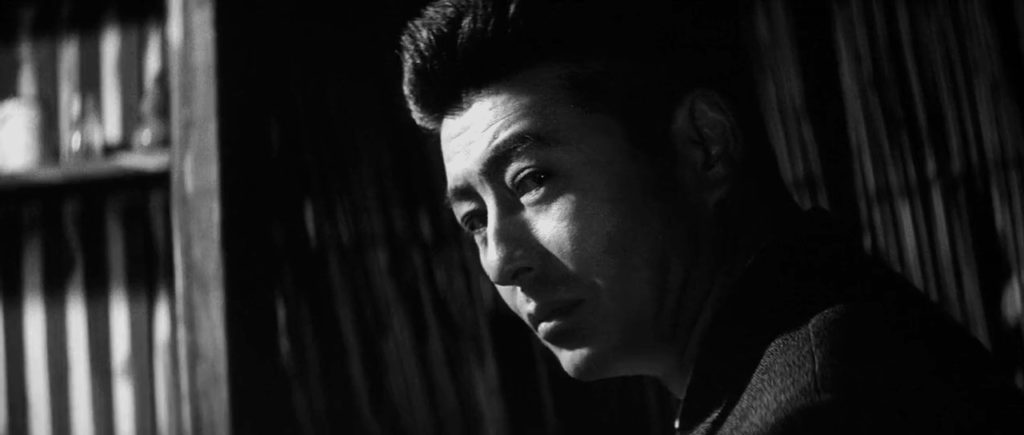
Ryô Ikebe in PALE FLOWER

Coming up this Saturday and Sunday on Turner Classic Movies’ Noir Alley with Eddie Muller, the Japanese neo-noir Pale Flower is a slow burn that erupts into thrilling set pieces. This is pioneering neo-noir. Pale Flower is writer-director Masahiro Shinoda’s masterpiece; its look and feel is as different from classic noir as are Elevator to the Gallows and Blast of Silence.

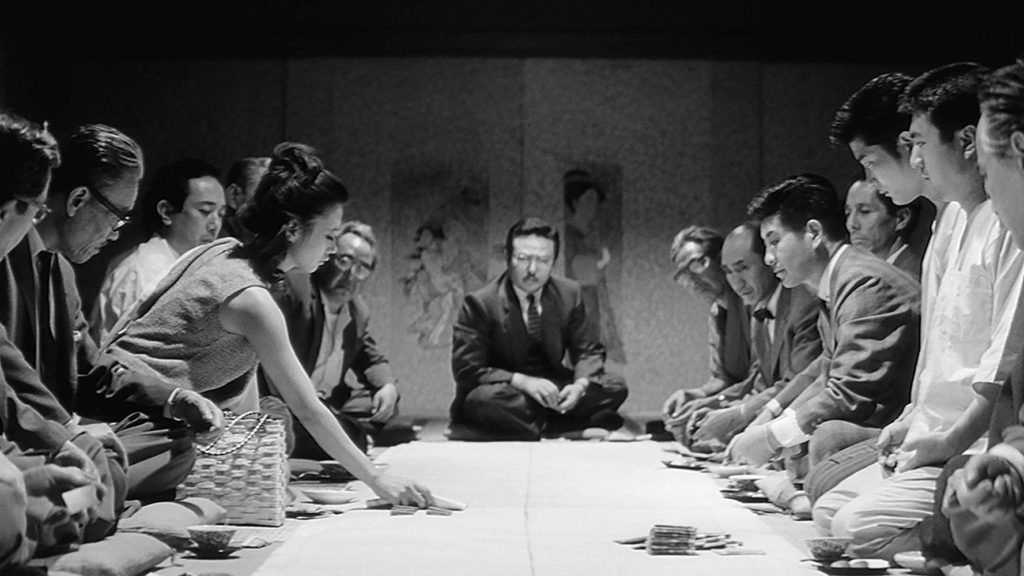
Maraki (Ryô Ikebe) is a fortyish Yazuka hit man, just released from loyally serving a prison term. He went away for offing a gangland rival, but now the two gangs have become allies. Out gambling with fellow Yakuza, he encounters the much younger woman Saeko (Mariko Kaga). The stoic and completely self-contained Maraki becomes fascinated by – and then obsessed with – Saeko, who lives her life seeking thrill after thrill.

PALE FLOWER

Maraki and Saeko meet gambling on the Japanese card game of hanafuda (flower cards). She is the only woman at a table surrounded by male gangsters. Shinoda makes the tension of card games resemble that of walking into a hostile bar or waiting an Old West quick draw gunfight. The card games are silent but for the ritual betting and the players clicking their cards. The film’s title refers to both hanafuda and Saeko.

Mariko Kaga in PALE FLOWER

Just who is this mystery woman? Muraki is snagged, but he is too cool to search out her background. His obsession is more complicated than sexual passion alone, although there is a sexual element (watch whether he acts on it when he can). The mystery makes Saeko (the then 20-year-old Mariko Kaga in only her fourth movie) all the more captivating.

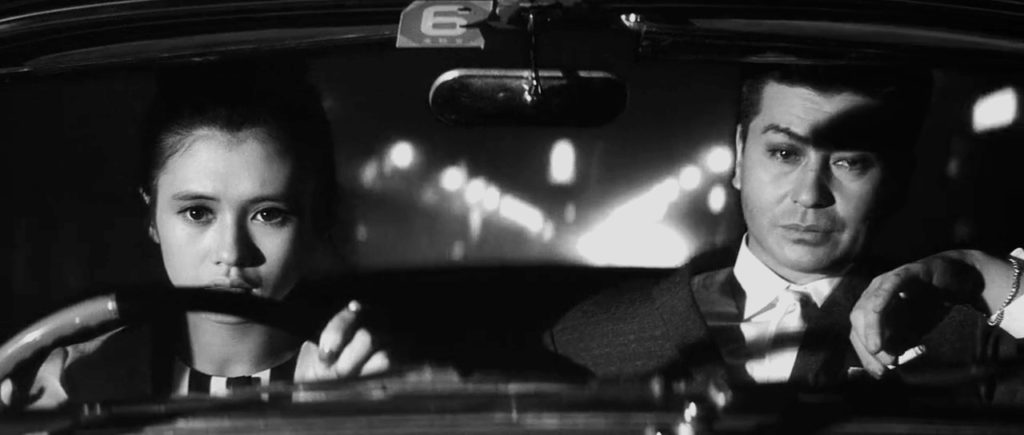
In another gripping set piece, Saeko races her sports car through Tokyo’s tunnels and overpasses at 2:30 AM. In the passenger seat, Muraki is transfixed by her recklessness. He’s not thrilled by the careening wild ride, he’s thrilled by Saeko’s compulsion to seek the thrill.

Mariko Kaga and Ryô Ikebe in PALE FLOWER

The ultimate thrill might be to accompany a hit man on the job. The climactic three-minute scene is a mob hit in a church, set to an aria, Henry Purcell’s Dido’s Lament. It is operatic – and remarkably similar to Francis Ford Coppola’s later montage in The Godfather where Michael Corleone’s assassins kills all his enemies while he is standing in church at the christening of his sister’s baby. Muarki’s murder-for-hire is up-close-and-personal.

When Maraki and Saeko are on-screen, Pale Flower is dramatically and stylistic Stylistic – the card games, the car race, the final killing, In contrast, we see the mundane plotting of the Yazuka bosses (but not their crimes) as they kibbitz at the horse races. Their underlings go bowling.

Does it all matter? is a central theme in film noirPale Flower’s powerful final prison scene is the the ultimate neo-noir ending.

Pale Flower is included in Roger Ebert’s Great MoviesPale Flower is challenging to find; it can be streamed with a subscription to Criterion Collection or kanopy, and it plays occasionally on TCM, including on June 21-22.

Ryô Ikebe in PALE FLOWER