KURT VONNEGUT; UNSTUCK IN TIME: when tragedy begets humor

Kurt Vonnegut: Unstuck in Time” Review – Music City Drive-In
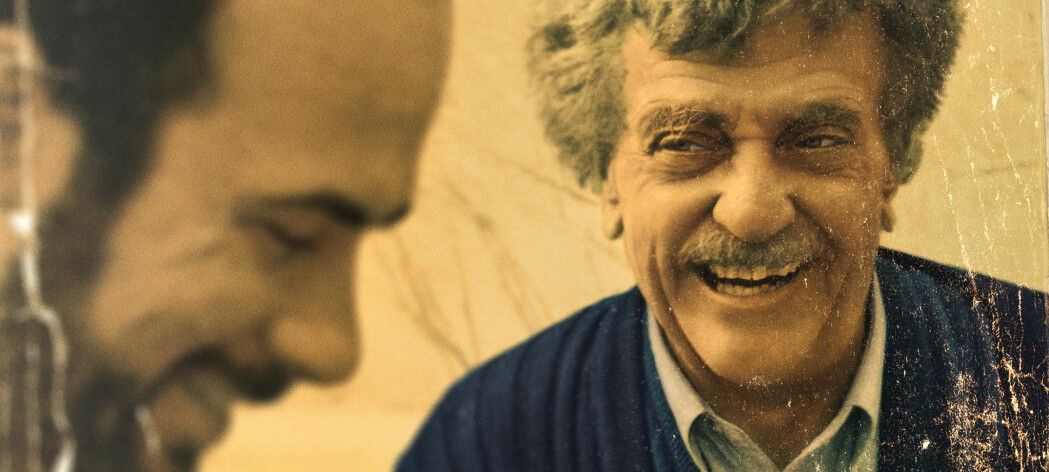
Photo caption: Filmmaker Robert Weide and Kurt Vonnegut in KURT VONNEGUT: UNSTUCK IN TIME. Courtesy of IFC Films.

Kurt Vonnegut: Unstuck in Time is an uncommonly rich biodoc of the social critic/humorist/philosopher Kurt Vonnegut. Most importantly, there’s a heavy dose of Vonnegut himself, which is very entertaining because Vonnegut was so damn funny.

All of the Vonnegut is because filmmaker Robert Weide, early in his career, began to make this documentary of his literary hero, with Vonnegut’s participation. The film had to be paused and restarted several times, mostly due to the usual indie film obstacle of funding. Finally, Weide became very successful as the producer and director of Larry David’s Curb Your Enthusiasm and didn’t have the time to finish. As a result, Weide collected hours of filmed interviews with Vonnegut in different decades.

Over the years, Weide and Vonnegut developed a personal friendship that facilitated even more access and allowed Vonnegut to be even more forthcoming.. Weide filmed Vonnegut in visits to the homes in which he had pivotal experiences (including the one where he found his mother after her suicide on Mother’s Day).

In Unstuck in Time, Weide adds lots of file footage and interviews with all of Vonnegut’s kids (he sired three and raised his sister’s four sons).

(Incidentally, Vonnegut’s hometown is Indianapolis, which has embraced him posthumously to the extent there is a multi-story Vonnegut mural in downtown Indy.)

Vonnegut’s anti-war attitude came out of his especially horrific experiences in WWII, and he had his share of peacetime family tragedies. But I need to emphasize that Unstuck in Time is anything but grim because of Vonnegut’s humor. Kurt Vonnegut: Unstuck in Time is in some art house theaters and streaming on Amazon and AppleTV.
JULIA: cooking right through the glass ceiling

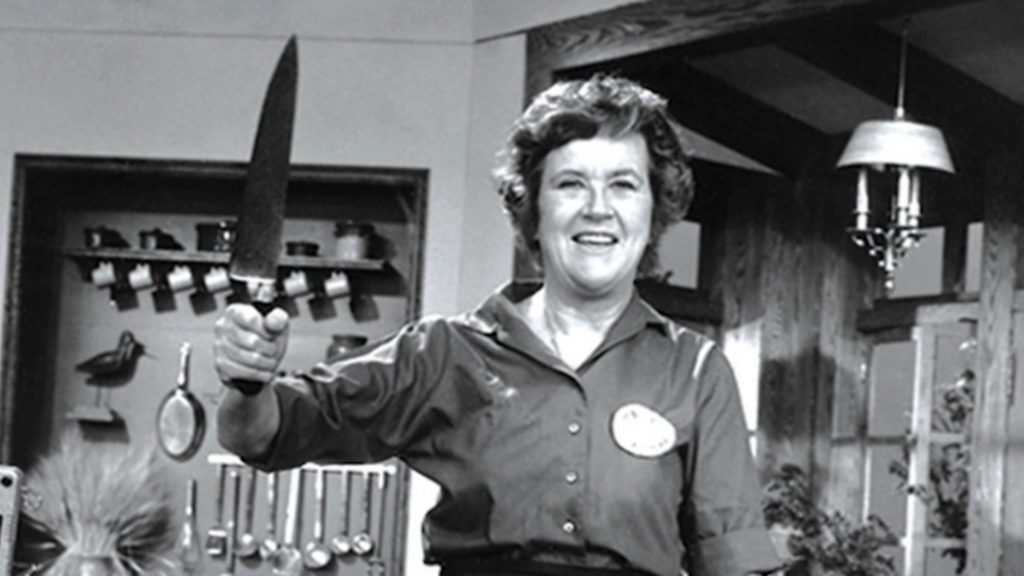
Photo caption: Julia Child in JULIA. Courtesy of Sony Pictures Classics.

The charming documentary Julia is an affectionate but clear-eyed portrait of the iconic Julia Child. Child became a best-selling author and TV star in her fifties; besides outlining her importance, Julia tells the unlikely story of how she got to that point.

Indeed, one of the most remarkable aspects to Julia Child was how she broke through every expectation of her gender, class and upbringing. She was liberated by WW II, which gave her the chance to reject the societal limitations of her background.

To mark her impact, Julia shows us both pre-Julia educational TV and pre-Julia American cuisine (think TV dinners and jello salad).

Julia is very well-sourced and based on no fewer than THREE books. We get to hear from some of Julia’s family and friends, and a slew of celebrity chefs.

Julia highlights Julia Child’s life-changing first French meal – sole meunière at La Couronne in Rouen. Through TripAdvisor, I found the restaurant online, and it still offers the dish on a Julia Child menu.

Julia was directed by Julia Cohen and Betsy West, the team behind the excellent Ruth Bader Ginsberg biodoc RBG. Julia is now playing in theaters.

KING OF COOL: penetrating the unknowable

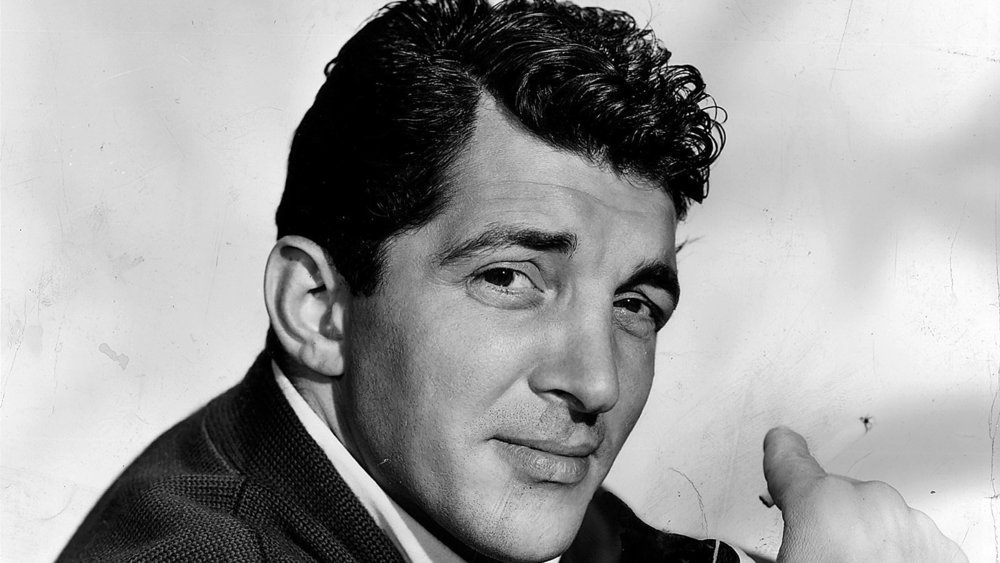
Photo caption: Dean Martin in KING OF COOL. Courtesy of Turner Classic Movies.

Turner Classic Movies has premiered the Dean Martin documentary King of Cool, and it’s coming back to TCM on November 26. King of Cool is filled with insight into an icon who was extremely successful at being unknowable.

Dean Martin used his charm to mask his detachment. Universally beloved, his internal life was still never understood by his closest friends and colleagues – and even by his family.

Director Tom Donohoe and producer Ilan Arboleda, who had teamed for the essential filmmaking doc Casting By, faced this challenge – how does one create a biodoc on an enigma? Donohoe and Arboleda turned to the device from Citizen Kane – what was the “Rosebud” that drove and explained Dean Martin? (There’s one very fitting answer to that question in King of Cool.)

Superbly sourced, we get to hear from Martin’s closest associates, plus friends and co-workers like Bob Newhart, Angie Dickinson, Norman Lear, Carol Burnett, Barbara Rush, Florence Henderson, Lainie Kazan, Tommy Tune, Frankie Avalon and Dick Cavett,. The clearest – and most poignant – testimonies come from Martin’s daughter Deana Martin and Jerry Lewis’ son Scotty Lewis.

Despite Martin’s unknowability, King of Cool reveals a lot, including what Dino was really drinking on stage in his nightclub act, his close friendship with Montgomery Clift, and his rebuke of the JFK inauguration. There’s a wonderful firsthand account of his hosting big Hollywood parties and sneaking out to watch TV. We also get reading from Mark Rudman’s 2002 poem about Martin, The Secretary of Alcohol and hear how no less than Elvis Presley described Martin as “King of Cool”.

On a personal note, Dean Martin is on my own very short list of the most perpetually cool humans to ever walk the planet, along with Ben Gazzara, Joan Jett, Jean Gabin, Dr. John and Barack Obama.

TCM will replay King of Cool on November 26. Set your DVR.

KEEP SWEET: a traumatized community, a decade after

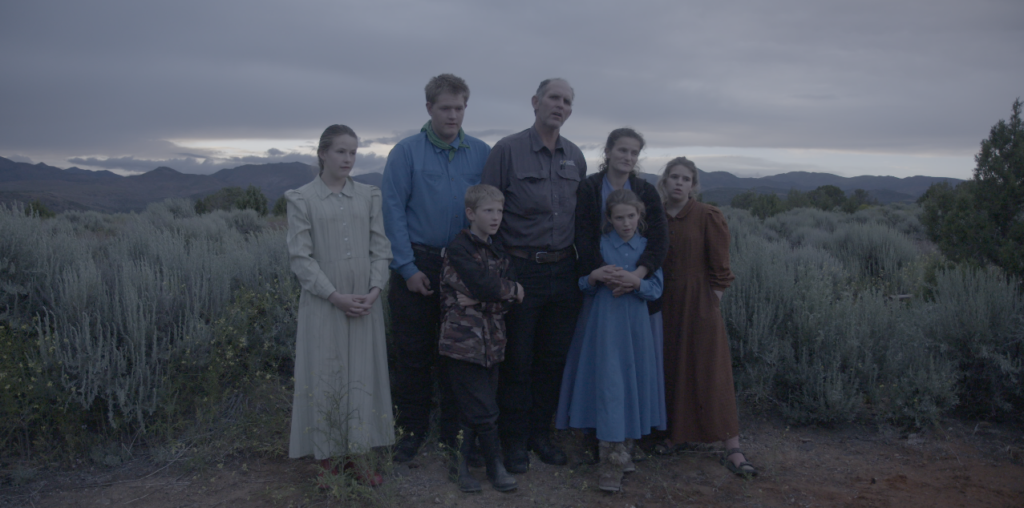
Photo caption: KEEP SWEET. Courtesy of discovery+.

The documentary Keep Sweet traces the remarkable aftermath of the Warren Jeffs child sexual abuse scandal in an isolated settlement of fundamentalist Mormons. A decade after, a tiny community tries to wrangle a new future.

Fundamentalist Mormons broke from the mainstream Church of Latter Day Saints, chiefly over the practice of polygamy, which they call plural marriage, and founded settlements in remote corners of the Great Basin. The Fundamentalist Church of Jesus Christ of Latter-Day Saints (FLDS) created a community in the adjoining border hamlets of Hildale, Utah, and Colorado City, Arizona.

In 2002, Warren Jeffs took over as the FLDS’ “prophet”, became the community’s absolute dictator, and implemented a reign of terror that included forcing child marriages to older men and expelling anyone who disagreed with him. This ended in 2006 with Jeff’s conviction on child sexual abuse charges. Warren Jeffs’ DNA established that he had impregnated a 15-year-old “wife”, and there was audio recording of sex with a 12-year-old. The title of this film comes from one of Warren Jeffs’ creepiest exhortations.

Keep Sweet returns to Hildale and Colorado City to find a community traumatized and torn asunder. Many of those victimized by Jeffs have returned to live among Jeffs loyalists, and the power dynamic has shifted. Of course, those on both sides grew up together in the intimacy of a tiny, isolated community.

Keep Sweet is directed by Don Argott (Framing John DeLorean, Art of the Steal, Kurt Vonnegut: Unstuck in Time). It benefits from footage of the community shot by producer Glenn Meehan a decade earlier; Meehan was documenting the “lost boys” – teenage boys forced to leave Hildale and Colorado City by Jeffs so older men would have less competition for teenage “brides”.

Some of the residents are nostalgic for the Jeffs regime, in denial of Jeffs’ misdeeds, and even ready to lose their homes rather than submit to legal authority. In what I find a sometimes stunning exercise in even-handedness, Argott allows these folks to have their voice and lets the audience members make their own assessments. Argott is sympathetically protective and respectful of everyone’s humanity, no matter how misguided.

For more depth on the Warren Jeffs case itself, I recommend Amy Berg’s fine documentary Prophet’s Prey (Showtime, Amazon, Vudu and YouTube). And for an offbeat fictional narrative on fundamentalist Mormons, there’s Electrick Children (Amazon, AppleTV, YouTube); it’s a story of magical Mormon teen runaways in Vegas (and it was my first look at Julia Garner of Ozark and The Assistant). And there’s the fictional Juniper Creek compound in Big Love, led by characters played by Harry Dean Stanton and Matt Ross.

This is a compelling true story of those who choose to heal – and those who deny that there was any wound to heal. Keep Sweet opens November 24 on discovery+.

BRIAN WILSON: LONG PROMISED ROAD: a genius opens up

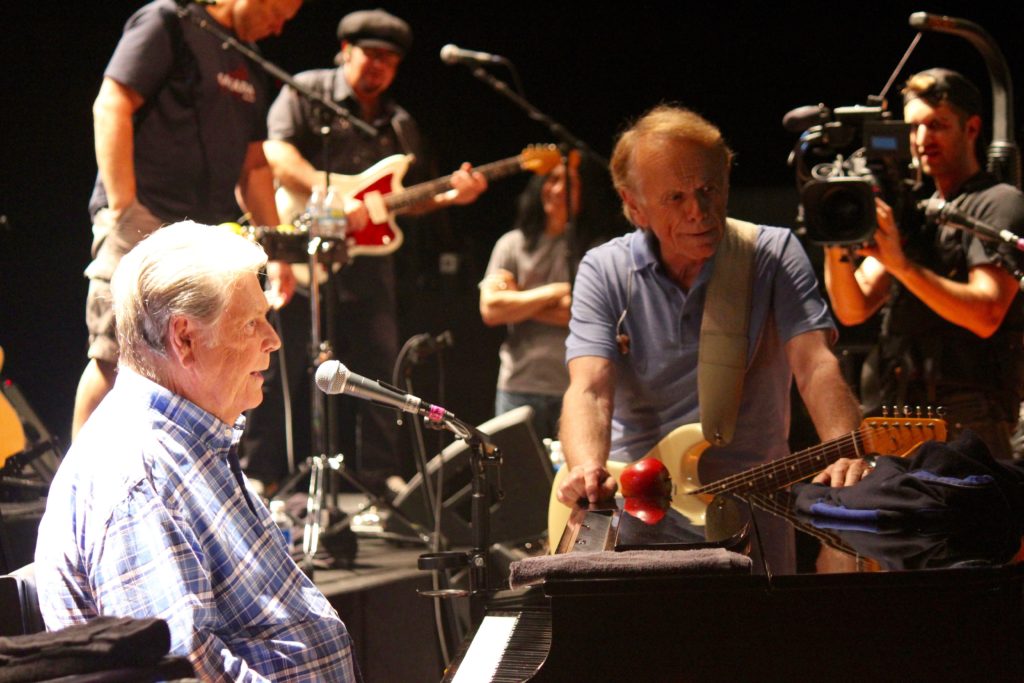
Photo caption: Brian Wilson (seated left) in BRIAN WILSON: LONG PROMISED ROAD. Courtesy of Nashville Film Festival.

A musical genius opens up in Brian Wilson: Long Promised Road, an unusual documentary about an unusual man.  Brian Wilson. The Beach Boys’ songwriting and arranging master weighs in on his life and work. 

As depicted in the film Love & Mercy, Wilson was afflicted with auditory hallucinations at 21, triggering painful years of what was essentially captivity at the hands of a quack doctor.  Because Wilson’s affect is oddly flat and he he favors the briefest of answers, he would not be the ideal subject of a conventional interview documentary. 

Instead, the filmmakers have Wilson’s old and trusted friend, rock journalist Jason Fine, drive him around important places in Wilson’s life; it’s the format of Comedians in Cars Drinking Coffee, and it pays off with oft emotional revelations.  It turns out that Wilson is remarkably open about his travails and his creative process.

Completely at ease cruising Southern California with with Fine, Wilson matter-of-factly replies to very personal questions and even blurts some revelations of his own – as how he detoxed from alcohol, cocaine and cigarettes simultaneously (giving up cigarettes was the toughest).

Remarkably, some of the places in the Beach Boys origin story are now actually adorned with civic historical monuments, including the site of the Wilson family homeplace and the spot of the band’s photo shoot for their Surfer Girl album cover.

We get to see which of his songs that Brian himself listens to when he is feeling grief or nostalgia.   And there are indelible moments of great feeling when Brian listens to his own music.

The film also brings in assessments of Brian’s work from master songwriters that include Elton John, Bruce Springsteen and Linda Perry; Perry says, “Brian Wilson is still trying to beat God Only Knows.  Can you imagine?”

I saw Brian Wilson: Long Promised Road when it opened the Nashville Film Festival. It’s opening this weekend, including at the Landmark Shattuck in Berkeley.

AN AMERICAN STORY: NORMAN MINETA AND HIS LEGACY

AN AMERICAN STORY: NORMAN MINETA AND HIS LEGACY

An American Story: Norman Mineta and His Legacy traces the life and times of Norman Mineta, who amassed a startling number of “firsts” and other distinctions in America history:

  • The first Asian-American mayor of a major U.S. city.
  • The first Japanese American member of Congress elected from the 48 Continental states.
  • A Cabinet Secretary in both Democratic and Republican Administrations.
  • The nation’s longest-serving Transportation Secretary.

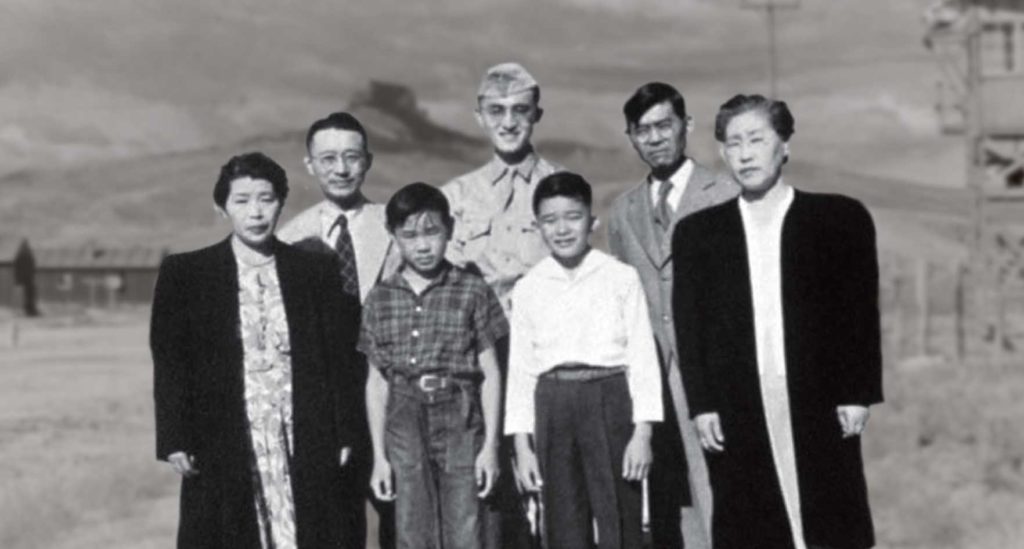
The achievements were even more remarkable given that, as a child, Mineta was imprisoned by his own US government in a WW II internment camp. And given that his political base had, during his career, an Asian-American population of far less than ten percent.

This didn’t happen by accident.  Norm Mineta is a driven man. At the same time, his ambition and will is tempered by his buoyancy and ebullience.

Documentarians Dianne Fukumi (director and co-producer) and Debra Nakatomi (co-producer) embed the story of Japanese-Americans, from immigration through internment, and on to reparations.

AN AMERICAN STORY: NORMAN MINETA AND HIS LEGACY

The defining event for Mineta’s Nissei generation was the WW II internment of 120,000 Americans by their own government. The central thread in the Mineta story is that the injustice of Mineta’s internment informed George W. Bush’s resistance to treating American Muslims that same way in the aftermath of the 9/11 attacks.

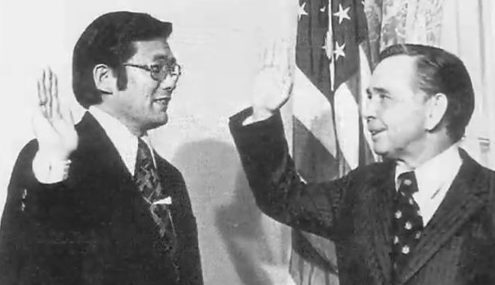
Mineta being sworn into the US House of Representatives by House Speaker Carl Albert in AN AMERICAN STORY: NORMAN MINETA AND HIS LEGACY

The film’s most delightful moment may be the octogenarian Mineta sunnily taking his luggage through security at Norman Y. Mineta San Jose International Airport.

[Full disclosure: I have known Norm since I served in his 1974 primary campaign and interned for him on Capitol Hill in the mid 70s. I saw An American Story: Norman Mineta and His Legacy at an October 2018 special screening with Norm Mineta, Fukumi and Nakatomi in San Jose.]

Norm Mineta is turning 90 years old this month, so, to celebrate his birthday, the film is streaming it for free during November at An American Story: Norman Mineta and His Legacy.

THE VELVET UNDERGROUND: immersing us in a cultural moment

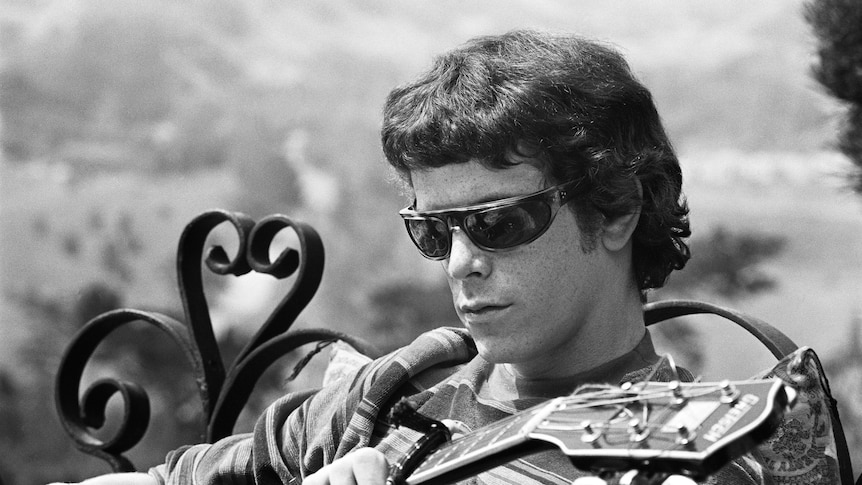
Photo caption: Lou Reed in THE VELVET UNDERGROUND. Courtesy of AppleTV.

It’s rare for a documentary film to immerse the audience as deeply into a time and place as does Todd Haynes’ The Velvet Underground. Even if you’re not a fan of the band, you’ll appreciate this sensory dive into a cultural moment.

Haynes takes the time to bio the two artistic driving forces of the Velvet Underground, the avant-garde musicologist John Cale and the troubled song-writing prodigy Lou Reed. Equally essential is the world of Andy Warhol’s The Factory.

The Velvet Underground is exceptionally richly sourced, with load of file footage and photos and a host of eyewitnesses, especially the surviving band members John Cale and Maureen Tucker. and in this cultural moment.

But it’s the LOOK and FEEL and SOUND of the film which is so singular. That’s because Haynes, a filmmaker known for the lush and evocative Far from Heaven and Carol, has brought his sensibilities to bear on a documentary. And because the artists in Warhol’s circle left such a film record.

The Velvet Underground is in theaters and streaming on AppleTV.

BECOMING COUSTEAU: amazing guy, pedestrian biodoc

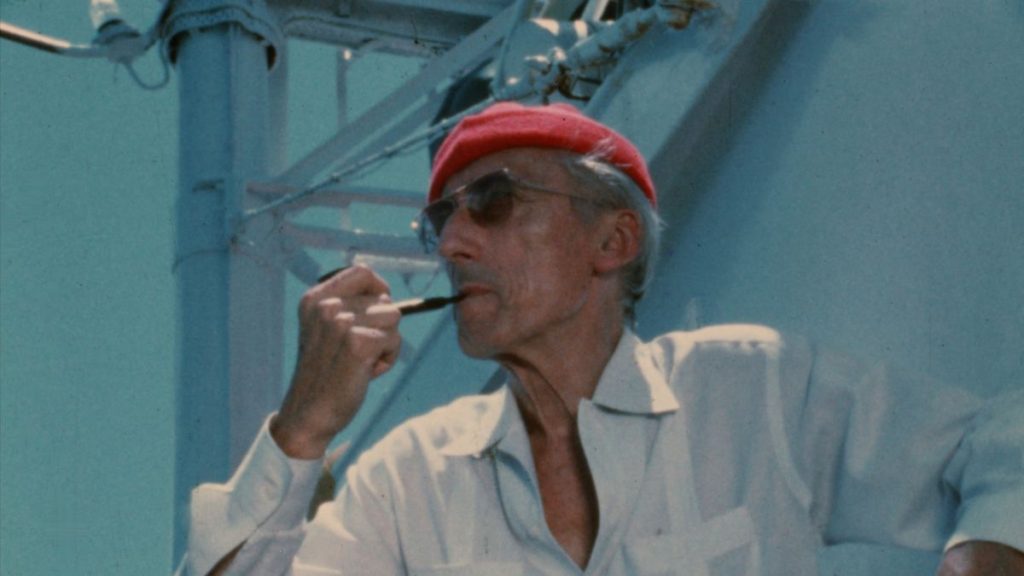
Photo caption: BECOMING COUSTEAU. Courtesy of National Geographic.

The educational if not scintillating biodoc Becoming Cousteau traces the world-changing career of Jacques-Yves Cousteau.

This was an important man. Before Cousteau, we looked at the oceans the way that humans had regarded them for centuries – based on what was on their surface and at their edges. The vastness of the oceans gave them a mask of invulnerability.

Becoming Cousteau tells how Cousteau, a pilot recovering from a motoring accident, became one of one three free divers in France before WWII, and how he was involved with or responsible himself for the invention of the aqualung, undersea stations, the underwater movie camera and his scientific ship Calypso.

Fortunately, Cousteau’s second passion was cinema, which allowed him to reveal the undersea world to the general public. He strongly preferred to call his work adventure film instead of documentary. (The cinematographer for Cousteau’s breakthrough 1956 film was Louis Malle, only two years before Malle’s own breakthrough masterpiece Elevator to the Gallows.)

That allowed Cousteau to become the great popularizer of ocean science through his ABC series The Undersea World of Jacques Cousteau.

Becoming Cousteau shows us how, at first, Cousteau had the explorer’s outlook of conquering the elements – but evolved into an ecologist. Cousteau canoodled with the oil industry in the 1950s, which he regretted in the 1970s. The preservation of Antarctica may be his enduring legacy.

Becoming Cousteau is dotted with some revealing tidbits such as how his first wife Simone was in love with Calypso and lived there, while Cousteau was on the road and their sons were in boarding school.

I am usually entranced by documentaries as superbly sourced and revelation-filled as Becoming Cousteau, but I found it a bit of a yawner. Twice Oscar-nominated director Liz Garbus packs a lot into 94 minutes, but it seems longer. Vincent Cassel voices Cousteau’s written words.

WITHOUT GETTING KILLED OR CAUGHT: her soul and her heart

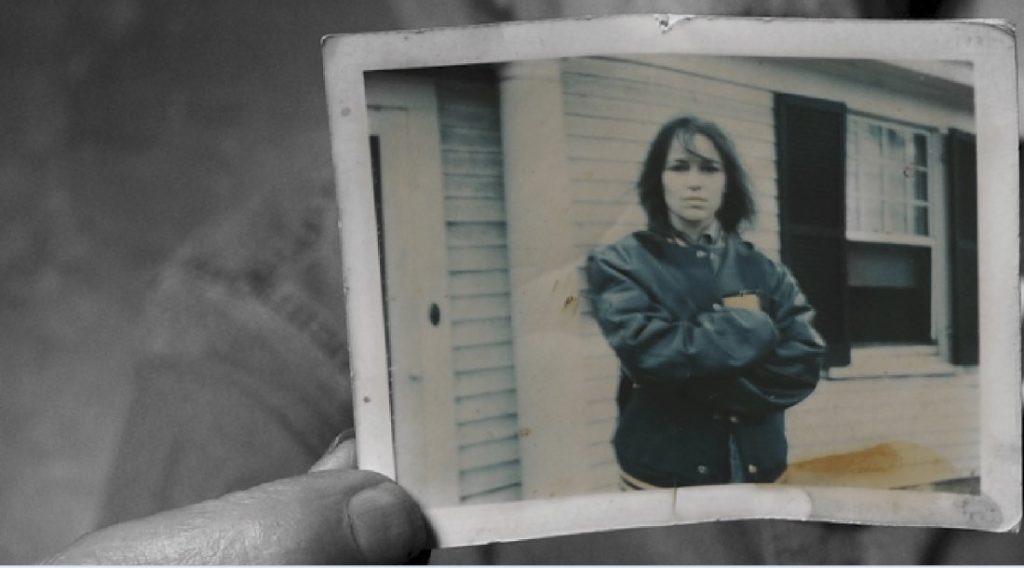
Guy Clark holds his favorite photo of Susanna Clark in WITHOUT GETTING KILLED OR CAUGHT

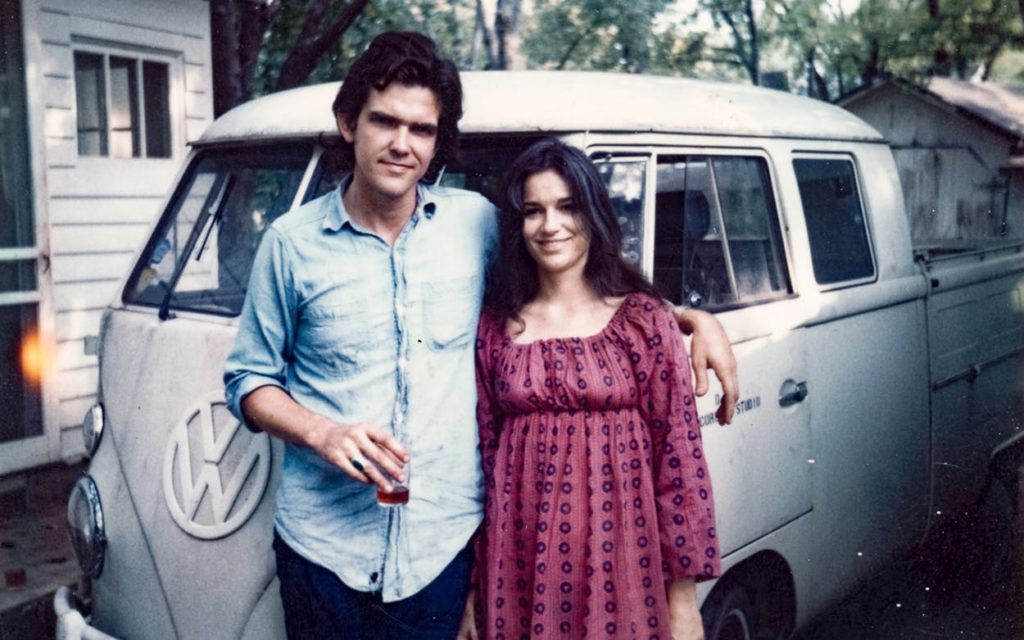
The lyrical documentary Without Getting Killed or Caught is centered on the life of seminal singer-songwriter Guy Clark, a poetic giant of Americana and folk music. That would be enough grist for a fine doc, but Without Getting Killed or Caught also focuses on Clark’s wife, Susanna Clark, a talented painter (album covers for Willie Nelson and Emmylou Harris) and songwriter herself (#1 hit I’ll Be Your San Antone Rose). What’s more, Guy’s best friend, the troubled songwriter Townes Van Zandt, and Susanna revered each other. Van Zandt periodically lived with the Clarks – that’s a lot of creativity in that house – and a lots of strong feelings.

Susanna Clark said it thus, “one is my soul and the other is my heart.”

The three held a salon in their Nashville home, and mentored the likes of Rodney Crowell and Steve Earle. You can the flavor of the salon in the 1976 documentary Heartworn Highways (AppleTV, Vudu and YouTube). It features Townes Van Zandt’s rendition of his Waitin’ Round to Die. (Susanna was also a muse for Rodney Crowell, who, after her death, wrote the angry song Life Without Susanna.)

Documentarians Tamara Saviano and Paul Whitfield, have unearthed a great story, primarily sourced by Susanna’s diaries; Sissy Spacek voices Susanna’s words. These were artsy folks so there are plenty of exquisite photos of the subjects, too. It all adds up to a beautiful film, spinning the story of these storytellers.

Guy and Susanna Clark in WITHOUT GETTING KILLED OR CAUGHT

I loved this movie, but I’m having trouble projecting its appeal to a general audience, because I am so emotionally engaged with the subject material. I’m guessing that the unusual web of relationships and the exploration of the creative process is universal enough for any audience, even if you’re not a fanboy like me.

The title comes from Guy’s song LA Freeway, a hit for Jerry Jeff Walker:

I can just get off of this L.A. freeway

Without gettin’ killed or caught

There is plenty for us Guy Clarkophiles:

  • the back story for Desperados Waiting for a Train;
  • the identity of LA Freeway’s Skinny Dennis;
  • Guy’s final return from touring, with the declaration “let’s recap”.

There’s also the story of Guy’s ashes; the final resolution is not explicit in the movie but you can figure it out; here’s the story.

Without Getting Killed or Caught is in very limited theatrical run; I saw at the Balboa in its last Bay Area screening.

BEING A HUMAN PERSON: this is what I mean

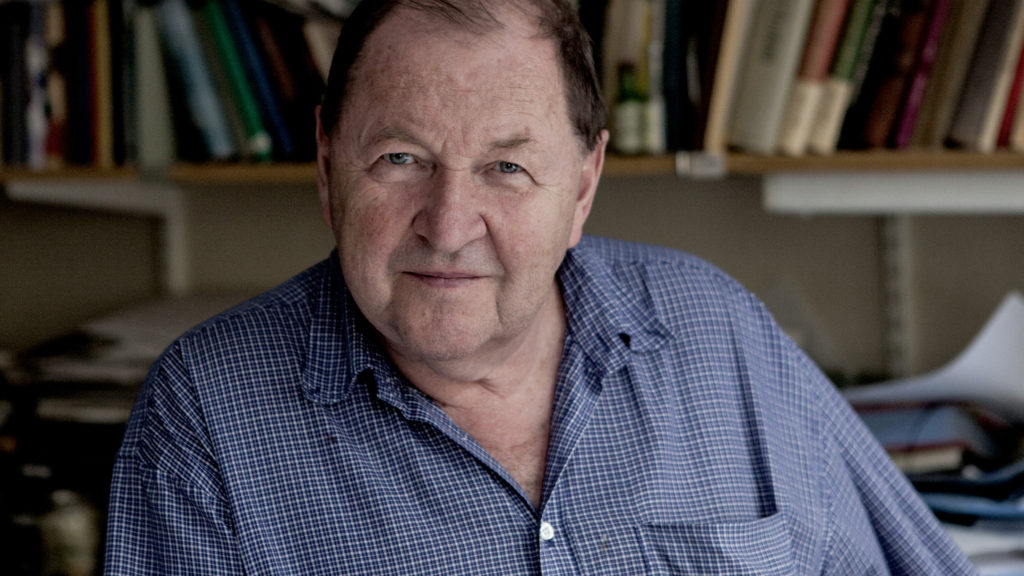
Roy Andersson in BEING A HUMAN PERSON

In the documentary Being a Human Person, we meet the filmmaker Roy Andersson as he makes what he acknowledges to be his final film at age 76. Andersson is an auteur who makes very, very odd movies that are humanistic, deeply profound and mostly funny. The movies, like A Pigeon Sat on a Branch Contemplating Existence and this year’s About Endlessness, are comprised of apparently random tableaus in which ordinary-looking Scandinavians do very little.

In thinking about Being a Human Person, I was initially going to recommend it to folks who have seen Andersson’s films. But then it occurred to me that it really a perfect vehicle to introduce newbies to Andersson’s work.

Now, I treasure watching Andersson’s films, but if you’re looking for movies that immediately make sense, then Andersson, most assuredly, is not your guy. In each film, Andersson curates a range of human behavior and lets the audience try to connect the dots. But when he is interviewed for Being a Human Person, he’s happy to tell you what he intends the movies to mean.

Andersson does not equate success and happiness. A wunderkind, Andersson directed a hit movie at age 28, and then plunged into depression. He bought a central Stockholm warehouse in 1981 to “develop my own language”. He built his studio inside and lives in an apartment above.

Andersson’s process is as peculiar as are his movies. He builds the set for each vignette one at a time in his studio. He expertly deploys a range of old school techniques like trompe-l’œil.

Andersson’s movies are about the foibles of everyday humans. They show people’s moments of fragility, vulnerability, confidence and lack thereof. One of his colleagues observes, “Roy sees people who aren’t in the movies.  It’s people who who haven’t been very successful in life. He gives them dignity .” For research, Andersson sits in sidewalk cafes to people-watch (“so I can see the menu“).

Andersson himself notes, “When you think there’s no escape, you are a prisoner in your own mortality.“ Overusing alcohol to combat boredom, Andersson struggles to finish his movie.

Director Fred Scott made excellent use of his access to Andersson, Andersson’s coworkers and family to tell this story. Being a Human Person is streaming from Laemmle.