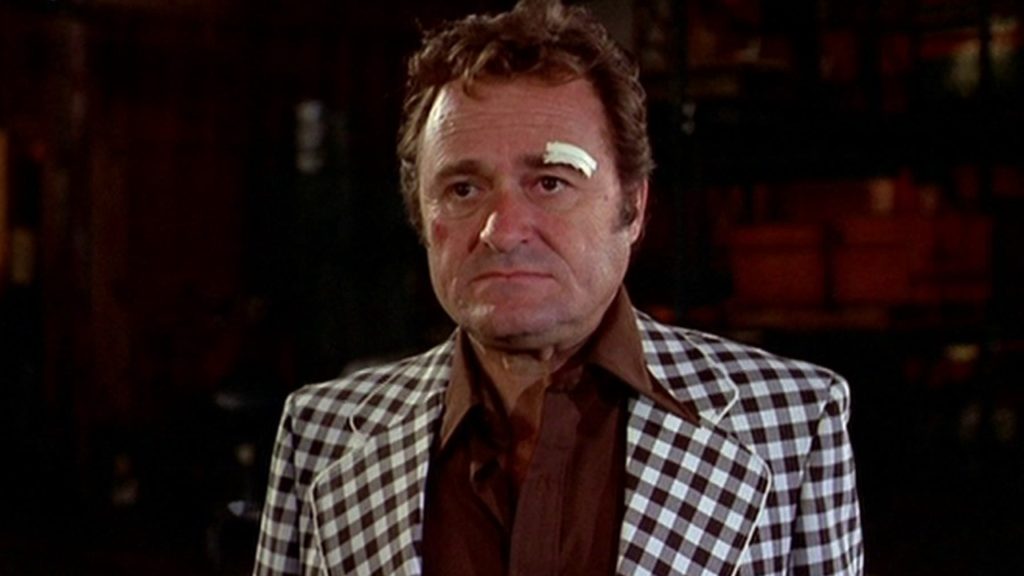
THAT GUY DICK MILLER: putting the “character” in “character actor”

Photo caption: THAT GUY DICK MILLER

The entertaining documentary That Guy Dick Miller is about an actor whose name you may not place, but that you’ve seen. It’s a straight-ahead documentary about a delightfully offbeat guy.

Dick Miller amassed 184 screen credits as a protégé of legendary independent filmmaker and schlockmeister Roger Corman.  Along the way, he rubbed shoulders with indie film icons Jack Nicholson, Paul Bartel and Mary Woronov, John Sayles, Martin Scorsese and Quentin Tarantino.

Miller’s career started in 1955 as an Indian in the Roger Corman-directed Western Apache Woman and then Corman’s The Little Shop of Horrors, The Terror, The Wild Angels and The Trip. Continuing as the king of the low budget movies, Miller went on to work for a second generation of Corman acolyte directors and then plunged full throttle into horror films.  Miller was the unfortunate Murray Futterman in Gremlins and Uncle Willie in Tales from the Crypt: Demon Knight.

On the screen and off, Dick Miller was glib and Bronx-accented, the quintessential wiseacre. In That Guy Dick Miller, we get to meet Miller and his wife Lainey; it’s clear the the two of them were lots of fun to be around. Irresistibly a card, Miller is even bawdy when he recalls his appearance in Night Call Nurses, a 1972 sexploitation film (that I actually saw in a drive-in 1972). 

On screen, Miller always swung for the fences, no matter how small the part.  Lots of actors play the ticket-taker or the security guard, but it’s Dick Miller that you remember for those minuscule roles.
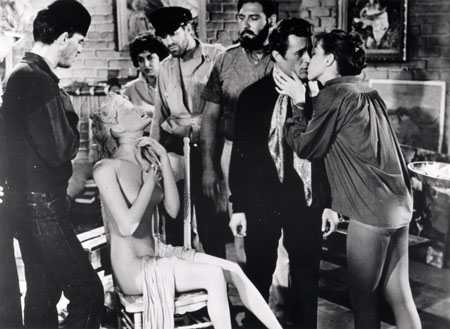
Dick Miller as Walter Paisley, getting smooched in A BUCKET OF BLOOD

Miller is most well known for the lead character, Walter Paisley, in the beatnik-flavored cult film A Bucket of Blood. Miller appeared over ten more times as different characters named with some version of Walter Paisley. In fact, his final role was as Rabbi Walter Paisley in Hannukah, which opened after his death in 2019.

That Guy Dick Miller was recommended to me by Sandy Wolf, who had screened it as a Cinequest submission. However, That Guy Dick Miller premiered at SXSW instead of at Cinequest.

That Guy Dick Miller can be streamed from Amazon (included with Prime).
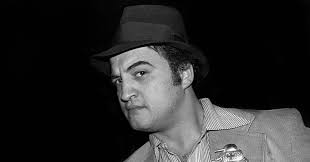
BELUSHI: more texture to the story that you already know

John Belushi in BELUSHI

We all know the story of John Belushi – a career soaring like Icarus, propelled by comic genius and then death by drug overdose at age 33. The new biodoc Belushi brings us more texture because of unprecedented access to Belushi’s friends and widow and to Belushi’s own letters, notes and journals.

There are many insights into Belushi’s family and his upbringing, the fodder for some of his unhappiness. We learn about a year of white-knuckle sobriety when he was protected by a bodyguard named Smokey. Friend and fellow addict Carrie Fisher weigh in regarding that unsupported year of sobriety.

And their are some new stories of Belushi’s zaniness, like when he wandered off a movie set to be found in a house across the street by Dan Aykroyd – Belushi had convinced the resident, a total stranger, to feed him a sandwich and milk and to let him stretch out for a nap.

Belushi is streaming on Showtime.

coming up on TV: WHAT SHE SAID: THE ART OF PAULINE KAEL – the drive for relevance

Pauline Kael in WHAT SHE SAID: THE ART OF PAULINE KAEL

What She Said: The Art of Pauline Kael is the remarkably thorough and insightful biodoc of the iconic film critic Pauline Kael and her drive for relevance. Set your DVRs for it on Turner Classic Movies on December 12.

Documentarian Rob Garver has sourced What She Said is well-sourced with the memories of Kael’s colleagues, rivals and intimates. Garver’s portrait of Kael helps us understand her refusal to conform to social norms as she basically invented the role of a female film critic and what today we might call a national influencer on cinema.

Of course, one of Kael’s defining characteristics was her all-consuming love of movies, a trait shared by many in this film’s target audience. Fittingly, Garver keeps things lively by illustrating Kael’s story with clips from the movies she loved and hated. Garver’s artistry in composing this mosaic of evocative movie moments sets What She Said apart from the standard talking head biodocs.

Kael was astonishingly confident in her taste (which was not as snooty as many film writers). For the record, I think Kael was right to love Mean Streets, Band of Outsiders, Bonnie and Clyde, and, of course, The Godfather. It meant something to American film culture that she championed those films. She was, however, wrong to love Last Tango in Paris. She was also right to hate Limelight, Hiroshima Mon Amour and The Sound of Music. But Kael was just being a contrarian and off-base to hate Lawrence of Arabia and Shoah.

Kael was by necessity an intrepid self-promoter and filled with shameless contradictions. She famously dismissed the auteur theory but sponsored the bodies of work of auteurs Scorsese, Peckinpah, Coppola and Altman. She loved – even lived – to discover and support new talent.

Most of the people we like and admire possess at least some bit of selfishness and empathy. Kael’s daughter Gina James says that Kael turned her lack of self awareness into triumph. This observation, of course, cuts both ways.

I screened What She Said: The Art of Pauline Kael while covering the 2019 San Francisco Jewish Film Festival. It’s coming up on Turner Classic Movies this Friday.

GORDON LIGHTFOOT: IF YOU COULD READ MY MIND: no, I hadn’t though of him for decades, either

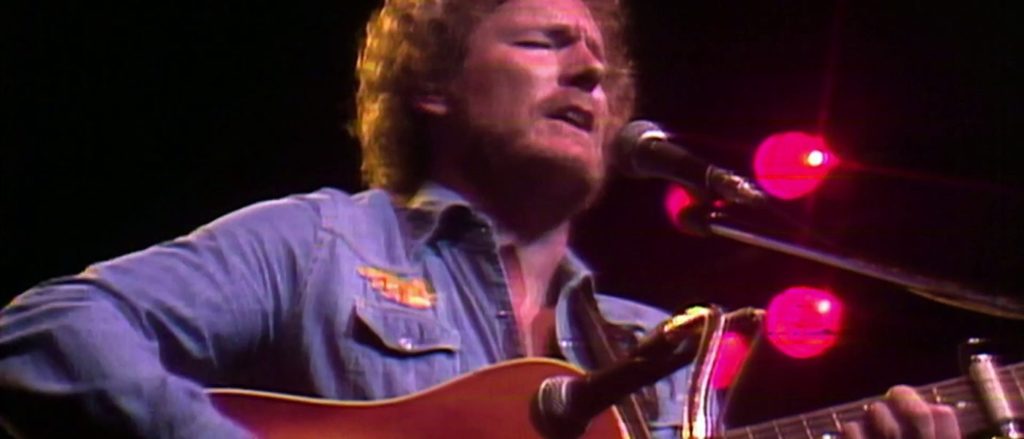
Gordon Lightfoot in GORDON LIGHTFOOT: IF YOU COULD READ MY MIND

Gordon Lightfoot: If You Could Read My Mind is a surprisingly interesting documentary about a now genial singer-songwriter that I hadn’t thought of for decades.

The biodoc emphasizes Lightfoot’s talent as a songwriter and his importance to Canadian music scene. Just when it starts getting too reverential, the more lively tidbits from his career and personal life start rolling out.

Notably, the inspiration for the lyrics of Sundown is revealed:

I can see her lyin’ back in her satin dress

In a room where ya do what ya don’t confess

Sundown you better take care

If I find you been creepin’ ’round my back stairs

Amazingly, The Wreck of the Edmund Fitzgerald was recorded not only on the first TAKE, but the on first time Lightfoot’s band had ever PLAYED the song.

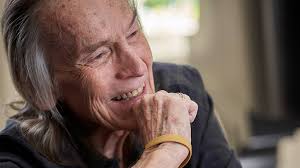
Gordon Lightfoot in GORDON LIGHTFOOT: IF YOU COULD READ MY MIND

Physically unrecognizable from his hey day, the 81-year-old version of Lightfoot is pretty likeable. He is modest and irreverent about his own work (I hate that fuckin’ song). He is also grateful for his blessings, sober, open and regretful about the mistakes in his personal life.

Heck, I enjoyed spending an hour-and-a-half with the guy. Gordon Lightfoot: If You Could Read My Mind is available on Virtual Cinema; I watched it at the Laemmle.

MUCHO MUCHO AMOR: THE LEGEND OF WALTER MERCADO – gentleness and flamboyance

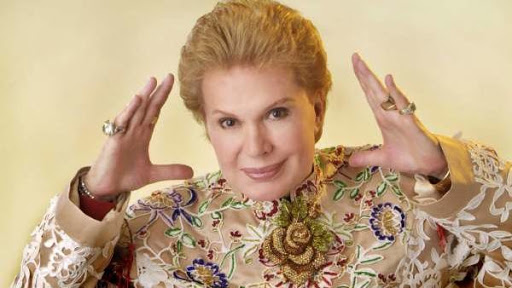
Walter Mercado in MUCHO MUCHO AMOR: THE LEGEND OF WALTER MERCADO

Just about every Spanish speaker knows who Walter Mercado is – and almost no non-Spanish speaker has heard of him. To describe him as a TV astrologer is profoundly inadequate.

Decades ago, I was flipping through TV channels and happened upon Walter’s astrology show and found him mesmerizing. He was so UNUSUAL, that, late at night, I just couldn’t change the station. The documentary Mucho Mucho Amor: The Legend of Walter Mercado will explain the phenomenon better than I can describe it.

For one thing, 99% of the show’s production value must have been in costume cost. Walter just stood in front of the camera and recited horoscopes, but he was always clad in capes that Liberace and Elvis would have considered WAY over the top. And Walter, for all the machismo in traditional Latino culture, was what we call today non-binary; Walter emanated a singular combination of androgyny and asexuality.

In Mucho Mucho Amor: The Legend of Walter Mercado, we get to meet the elderly Mercado, and find out about his life before and after his 25-year reign as the Spanish language TV ratings king. And why he suddenly disappeared from television.

While often jaw-droppingly flamboyant, Walter possessed a serene gentleness and warm-hearted demeanor that makes this documentary a Feel Good experience. Mucho Mucho Amor: The Legend of Walter Mercado is streaming on Netflix.

INMATE #1: THE RISE OF DANNY TREJO – redemption never gets old

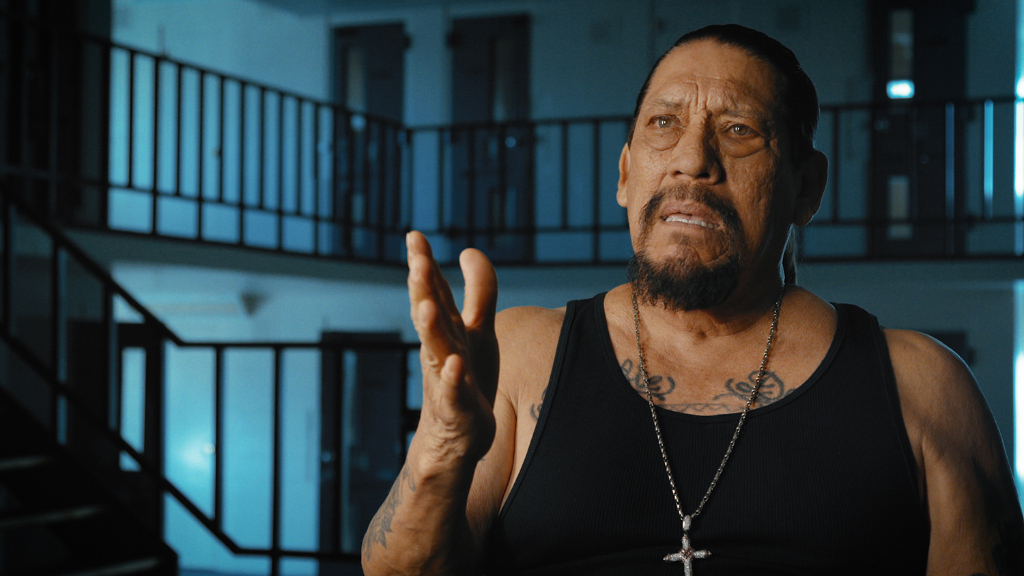
Danny Trejo in INMATE #1: THE RISE OF DANNY TREJO

Inmate #1: The Rise of Danny Trejo is a satisfying documentary on an extraordinarily redemptive life. A vicious criminal addicted to heroin like his gangster uncle, Danny Trejo got one lucky break in San Quentin and used the opportunity to go into recovery. Working as a drug counselor, he happened on to a movie set, and, what do you know, Danny’s got over 300 screen credits and 50 years of recovery,

There’s plenty of Danny and his friends and family in Inmate #1: The Rise of Danny Trejo, and there’s remarkable detail about his journey from the tough streets of Pacoima to, well, to Pacoima. Emphasizing an essential point of 12-step programs, Danny points out that every good thing that has happened to him has come when he has been in service to others.

Yeah, this is a feel-good story, but I didn’t find it corny. We really can’t have too much redemption these days.

Inmate #1: The Rise of Danny Trejo can be streamed from Amazon, Vudu, TouTube and Google Play.

a Sicilian Mafia double bill: THE TRAITOR and SHOOTING THE MAFIA

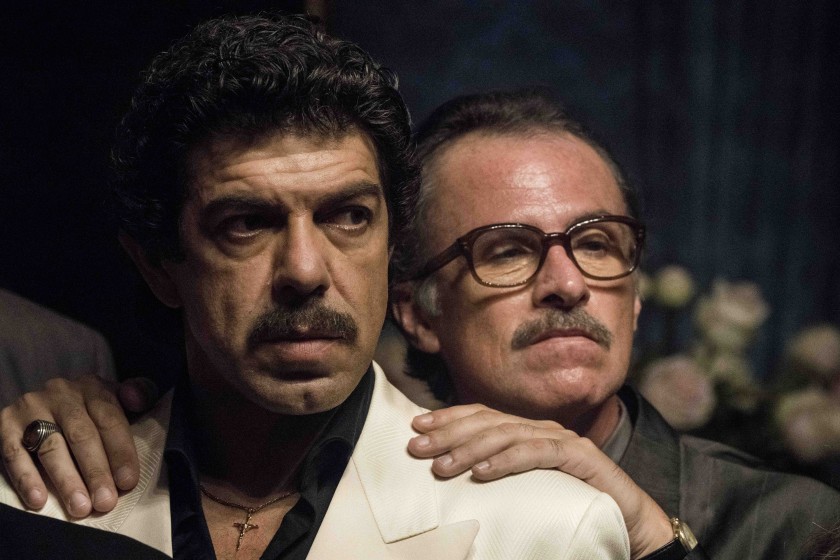
Pierfrancesco Favino and Totò Riina in THE TRAITOR, Photo courtesy of Sony Pictures Classics

Mafia movies have long been a cinematic staple and two current films explore the original Sicilian Mafia, the Cosa Nostra. The true life epic The Traitor and the documentary Shooting the Mafia cover the same territory – the Cosa Nostra‘s utter domination of Sicily until prosecuting judges Giovanni Falcone and Paolo Borsellini convicted almost 400 mafiosi in the bizarre Maxi Trial in 1986-87, the Mafia War on the State and assassination of the judges, leading to public outrage and arrests which have somewhat tamed the Cosa Nostra. Both films even feature the real village of Corleone, the home village of the fictional Godfather.

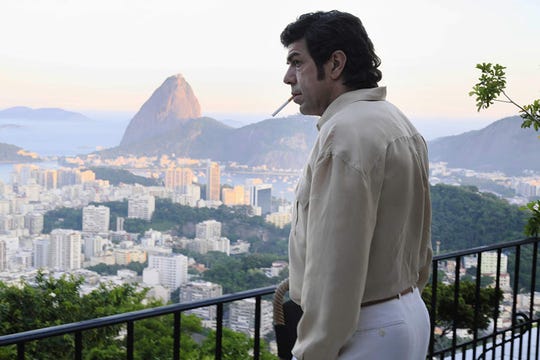
Pierfrancesco Favino in THE TRAITOR, Photo courtesy of Sony Pictures Classics.

The Traitor chronicles the career of Tommaso Buscetta, a mafia figure who traded in billions of dollars worth of heroin. Then, an internal gangland power grab led to the murders of his sons and to his arrest by very harsh Brazilian authorities. Buscetta retaliated by turning state’s evidence and testifying against his former Mafiosi, becoming the first and most important Sicilian Cosa Nostra informer.

The Traitor opens at a Mafia party where Buscetta (Pierfrancesco Favino) is sniffing out betrayal by his colleagues. It’s poker wisdom that, if you can’t spot the player who is :”the fish”, then it’s you. Or, as Victor Mature said in Gambling House, “You know what I think, Willie? I think I’m the fall guy.

Written and directed by Marco Bellocchio, The Traitor is a two-and-a-half hour epic that spans decades and three continents. The highlight is the Maxi Trial, held in a super-secure fortified arnea, ringed by over 400 defendants caged around the top.

Pierfrancesco Favino is very, very good as Buscetta, a guy who is firmly devoted to his personal code. Luigi Lo Cascio from The Best of Youth also appears as a Buscetta friend.

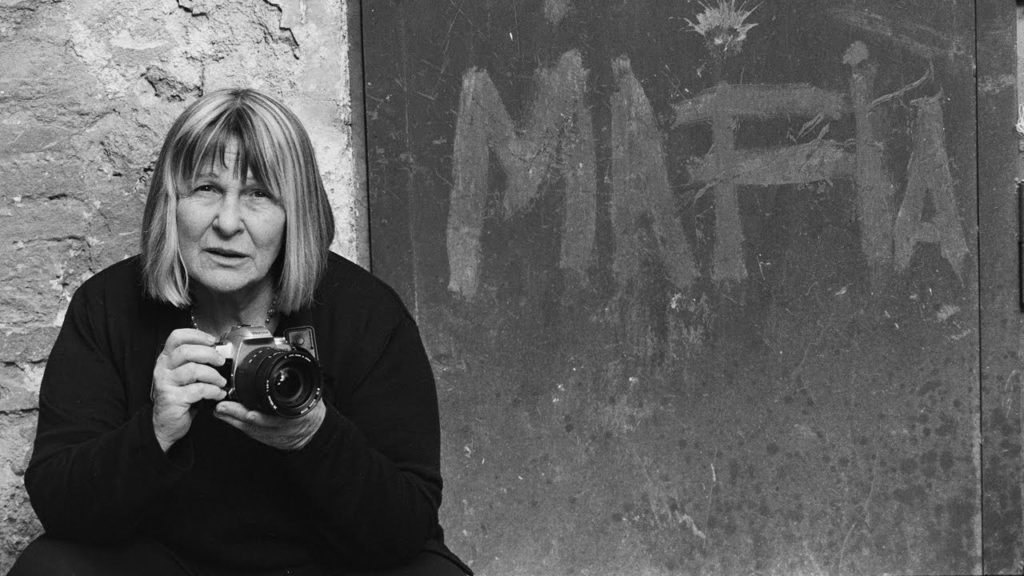
Letizia Battaglia in SHOOTING THE MAFIA

The documentary Shooting the Mafia introduces us to Letizia Battaglia, a talented Palermo photographer, whose photojournalistic specialty became photographing murder victims – scores, perhaps hundreds of corpses, bullet-riddled and bomb-mangled, in pools of blood. Her work also documented the grief. trauma and outrage of the Sicilian population.

Battaglia is open and unapologetic about her lusty personal appetites – and she over-shares. She would be an interesting subject for a biodoc even if she photographed ears of corn.

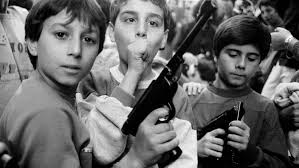
A Letizia Battaglia photograph in SHOOTING THE MAFIA

Shooting the Mafia, an Irish and US production, is directed by Kim Longinotto.

The Traitor can be rented from all the major streaming services. Shooting the Mafia can be streamed on iTunes, YouTube and Google Play.

KING IN THE WILDERNESS: an icon, foundering

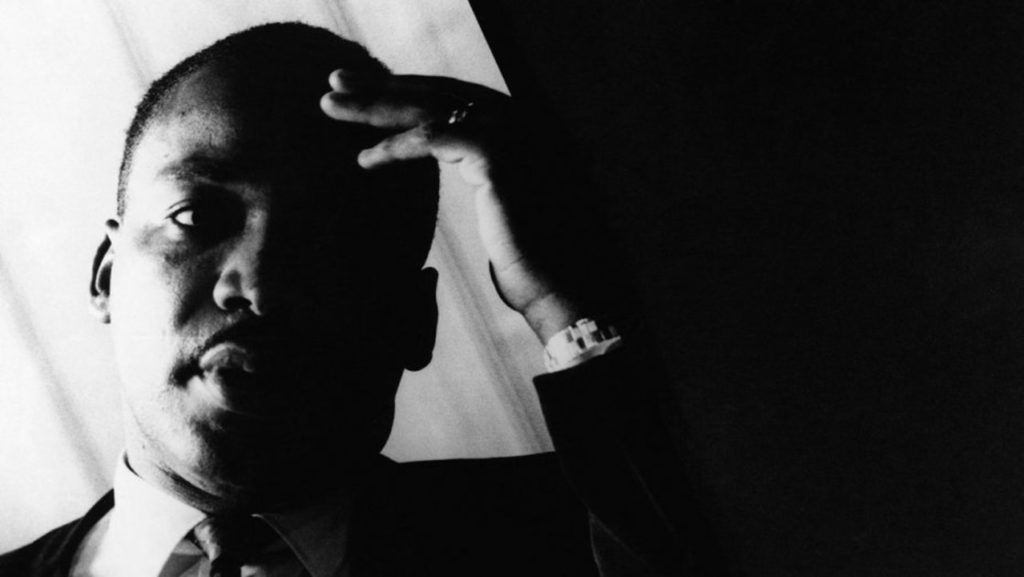
KING IN THE WILDERNESS. Photo by Flip Schulke Archives – ©. Courtesy of Sundance Institute.

The superb documentary King in the Wilderness follows Martin Luther King, Jr., through his turbulent final two years. Although King had already become an icon, he was facing the challenges of a new political and societal landscape that King himself had helped create. And he was foundering.

  • King’s approach, which overcame the overt cultural racism and statutory segregation in the South, was not working against the de facto segregation and urban riots in the North. Nor was King gaining traction to expand the movement against bigotry into a movement against poverty.
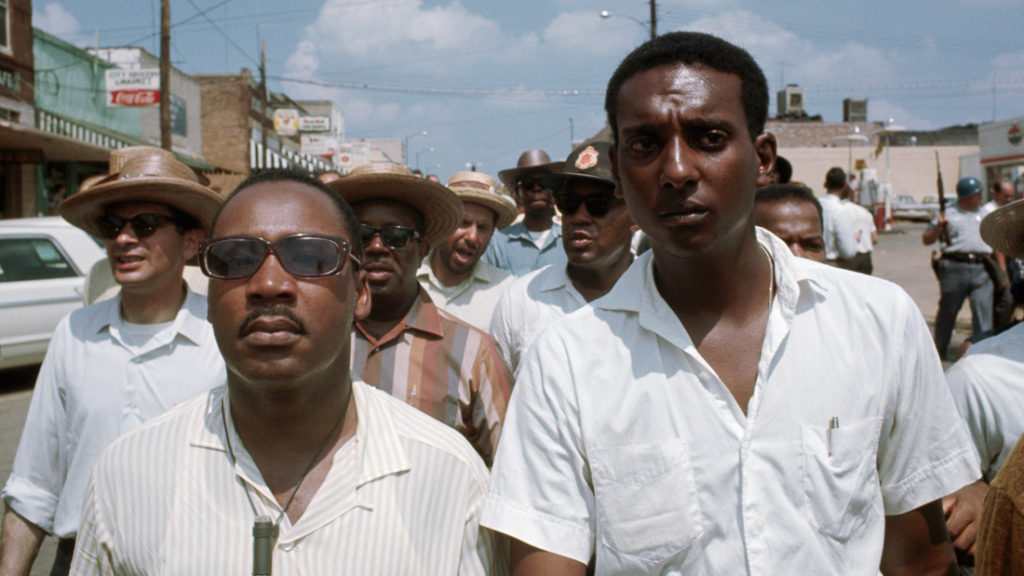
  • His leadership in the Black community was being usurped by younger, more militant, leaders. Stokely Carmichael and his peers were quick to discard longtime White Civil Rights workers and to alienate White America with a message of Black Power, which resonated in the Black community. King refused to use the weaponized term, while trying to hang on to his base.
  • King was under pressure to make public his opposition to the Vietnam War. King’s strong anti-militarism came naturally from his study of Gandhi and his commitment to non-violence. But campaigning against the War would be seen as a betrayal by King’s most effective ally and benefactor, President Lyndon B. Johnson. King was genuinely grateful to LBJ, and LBJ was famously vindictive.

King was just off the Civil Rights Act of 1964 and the Voting Rights Act of 1965, the two greatest legislative Civil Rights victories since the 13th Amendment prohibiting slavery one hundred years before. In King in the Wilderness, it’s only a year later, and Martin Luther King, Jr. is facing a big fat case of What Have You Done For Me Lately?

Dr. Martin Luther King Jr. and Stokely Carmichael in KING IN THE WILDERNESS. Photo by Flip Schulke Archives – ©. Courtesy of Sundance Institute.

It’s easy for us to forget just how young King was:

  • He was only 26 when he led the Birmingham Bus Boycott.
  • King wrote the Letter from Birmingham Jail and led the the March on Washington at 34.
  • He won the Nobel Peace Prize at 35.
  • He led the march from Selma to Montgomery at 36.

After a great historic victory, it can be difficult to find a new objective. It’s hard to gain political power, and it can be just as hard to keep it. It’s difficult for a public figure to remain relevant in changing times. These are the challenges of leadership.

By focusing on this period of King’s life and career, director Peter Kunhardt and writer Chris Chuang have made an inspired choice. They have also sourced it brilliantly, with the remembrances of King intimates, most notably Andrew Young and Henry Belafonte, along with Stokely Carmichael’s fellow SNCC leader Cleveland Sellers. King family confidante Xernona Clayton bookends the movie with the two most poignant anecdotes.

King in the Wilderness was originally aired on HBO and won an Emmy for best historical documentary. It’s now widely available on streaming platforms.

JOHN PINETTE: YOU GO NOW: where did the funny come from?

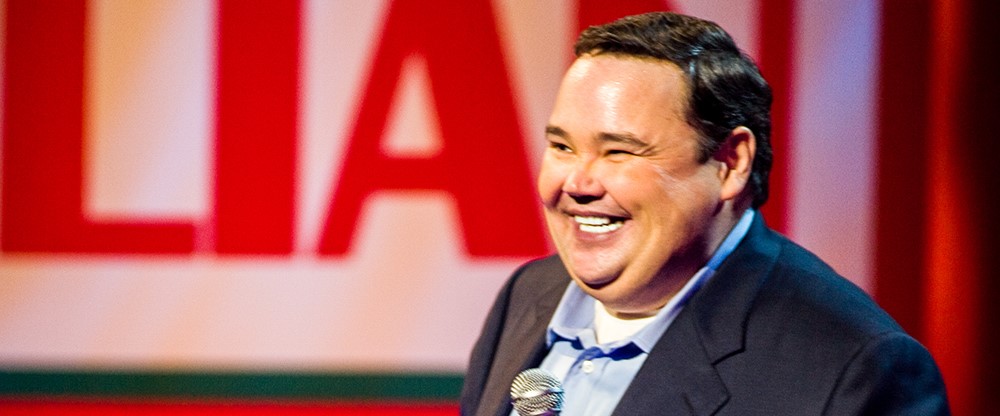
JOHN PINETTE: YOU GO NOW. Photo cpurtesy of Cinequest

John Pinette: You Go Now, the biodoc of the comedian, plumbs beneath Pinette’s cherubic skin for insights into what sparked his humor – and his obesity. Let’s just say that his childhood was not the most nurturing.

The clips of Pinette’s performances are very funny, and the ones from his youth illustrate his remarkable gift at mimicry. Pinette himself thought that he had inherited genes that predisposed him to addiction, but he was clearly also born with immense talent.

Cinequest hosts the world premiere of John Pinette: You Go Now. It’s only the second time in Cinequest’s 30-year history that an open submission has been selected as the festival’s opening night film.

JAY SEBRING…CUTTING TO THE TRUTH: more than a victim

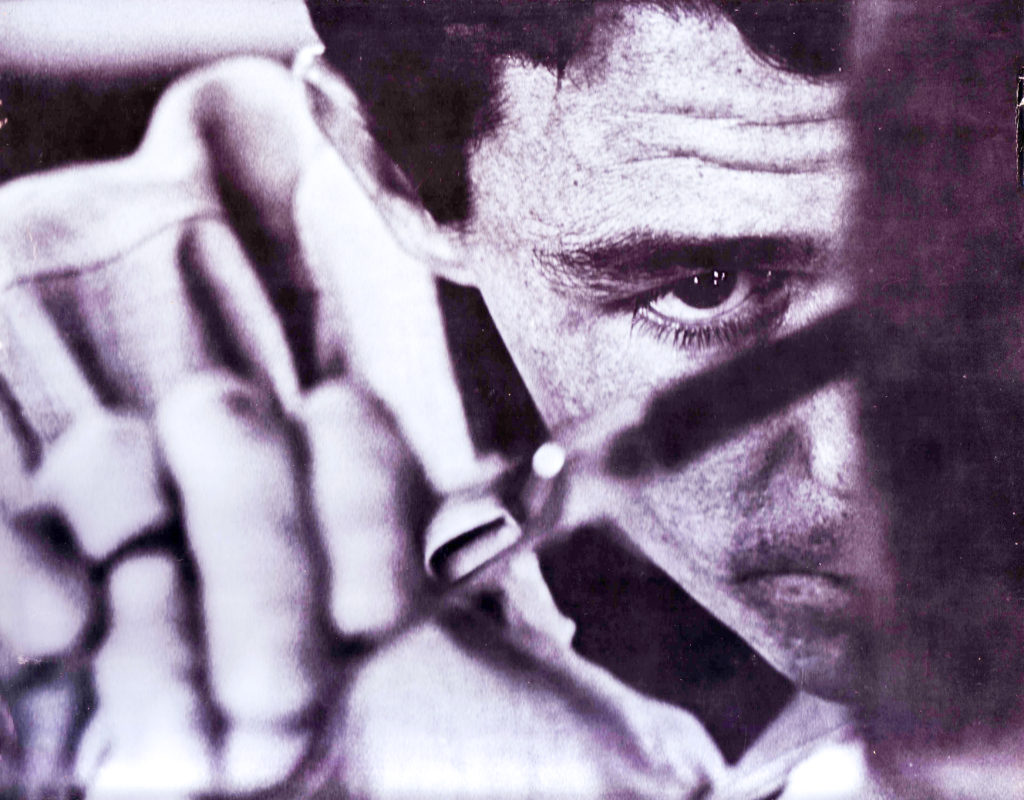
JAY SEBRING…CUTTING TO THE TRUTH. Photo courtesy of Cinequest.

Jay Sebring…Cutting to the Truth attacks the indignity of a person being remembered, not for his significant achievements, but for his victimhood.  Jay Sebring was, along with his friend Sharon Tate, one of the Manson Family’s murder victims.  But Sebring invented – by himself – the men’s hairstyling industry.  And as what we now call an influencer, he led American men out of the Brylcreem Age.

This documentary is directed by Anthony DiMaria, the son of Sebring’s sister.  The film is remarkably well-sourced, with Sebring’s sister, his best Navy buddy, his first wife, his first hair-cutting partner and Hollywood pals like actor Stuart Whitman.  There’s even footage with Sebring’s first celebrity customer – Vic Damone (!), who introduced him to the Rat Pack and other crooners like Paul Anka; actors like Steven McQueen, Paul Newman and Henry Fonda soon followed.

Oddly, we meet Sebring himself through an industrial film he commissioned; this is as stilted as any of the industrial films of the 60s, so we don’t get any excitement coming from Sebring, only his drive and passion for hair styling.  But that’s OK, because we get a sense of Sebring’s vitality and charisma through the people who knew him.

It took a substantial time it took to uncover the actual but unimaginable facts of the Manson Family’s murderous lunacy.  Jay Sebring sadly reminds us that, during this period, the stories of the victims were sullied, when even mainstream media feasted on lurid speculation.  Jay Sebring busts up those urban legends, adds some under-reported facts about Sebring’s actions during the Manson attack and a glimpse into what could have been a future with Sharon Tate.

Cinequest hosts the world premiere of Jay Sebring…Cutting to the Truth.