MAKING WAVES: THE ART OF CINEMATIC SOUND – a movie fan’s primer

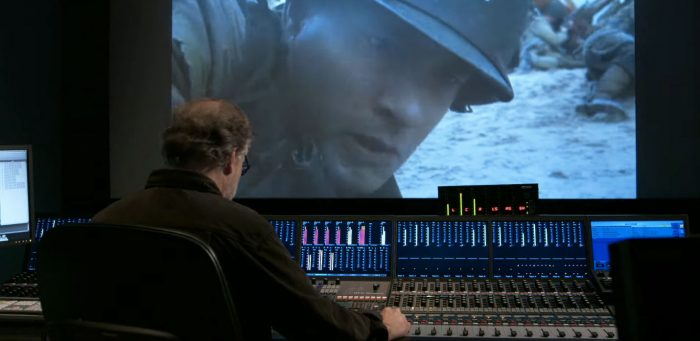
Steven Spielberg and Saving Private Ryan in AKING WAVES: THE ART OF CINEMATIC SOUND

We usually say that we SEE a movie, but what we hear (or don’t hear) is just as essential to the movie’s impact. The impact of movie sound is SUPPOSED to be subliminal, so we often enjoy a film without appreciating the sound. The documentary Making Waves: The Art of Cinematic Sound is a comprehensive primer on the art and science of movie sound.

Making Waves begins with the first decades of cinema, when movies aspired to include sound with images, but could only be accompanied by live music and live sound effects at their exhibition. Technology caught up in 1926 with synchronization of recorded sound and images.

The end of the studio period in the late 1960s coincided with the arrival of Walter Murch, the genius who invented modern movie sound design. Thankfully, Making Waves serves up plenty of Murch (The Godfather, The Conversation and Apocalypse Now!), before introducing us to Ben Burtt, who won an Oscar in his first gig (Star Wars) and Pixar’s Gary Rydstrom, who pioneered digital sound design. We also see the impact on movie sound of George Martin and the Beatles (multi-track recording), Barbra Streisand (movie exhibition in stereo) and Robert Altman (shooting with multiple mics).

Making Waves is best described as thorough and systematic, and I wouldn’t call it thrilling. But it’s a great choice for anyone who wants to understand and appreciate filmmaking.

There are plenty of cool tidbits, like how Burtt came up with Chewbacca’s vocalizations with the help of a bread-loving bear. And we see Foley artists at work, rolling a pine cone across dry lasagna to create just the right effect.

Making Waves is the feature debut for director Midge Costin and will be released theatrically later this fall. I saw Making Waves: The Art of Cinematic Sound at Cinema Club Silicon Valley, with a Q&A with Costin.
Movies to See Right Now

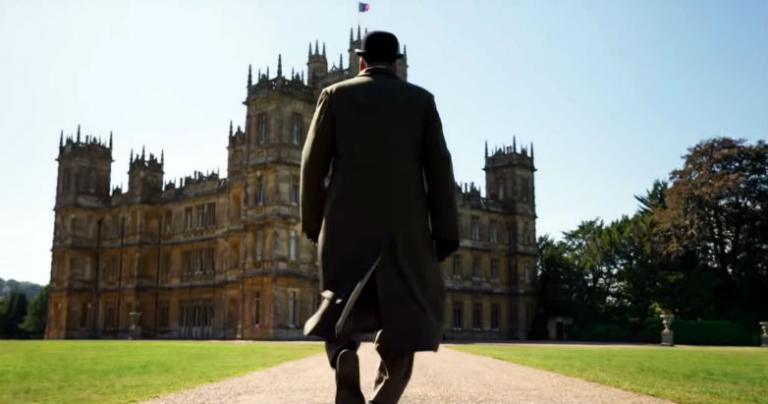
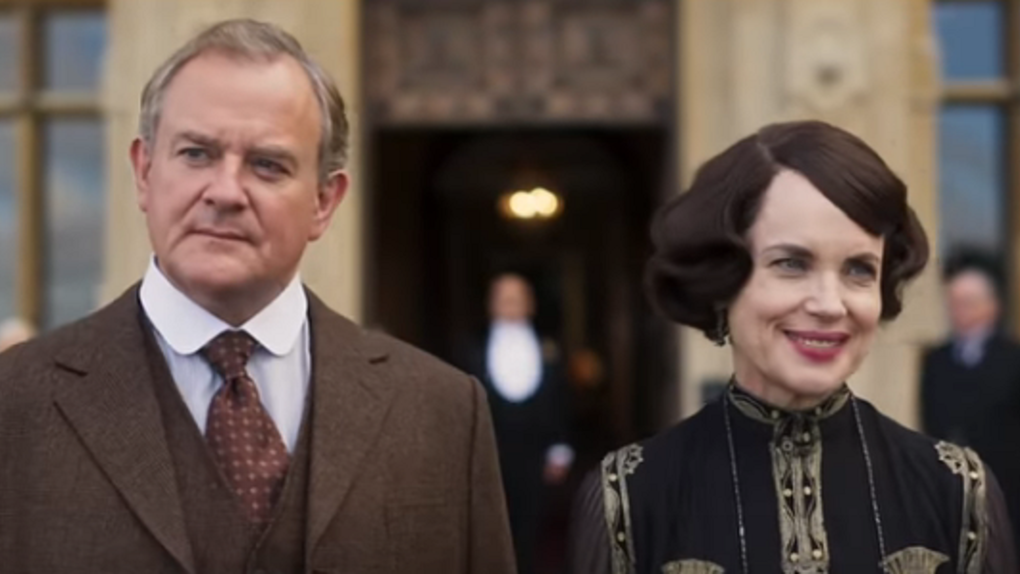
Hugh Bonneville and Elizabeth McGovern in DOWNTON ABBEY

Make plans for Mill Valley Film Festival, the best opportunity for Bay Area film goers to catch an early look at the Big Movies.

Now is a good time to catch up on films from my list of Best Movies of 2019 – So Far. The Last Black Man in San Francisco, They Shall Not Grow Old, Amazing Grace and Booksmart are all available to be streamed. And, of course, to see Once Upon a Time…in Hollywood if you haven’t.

OUT NOW

  • Downtown Abbey is a satisfying wrap-up for fans of the beloved PBS series.
  • David Crosby: Remember My Name is a rock star bio that reflects on relationship carnage.
  • Once Upon a Time…in Hollywood is a Must See – one of Quentin Tarantino’s very, very best.
  • The family dramedy The Farewell is an audience-pleaser.
  • Bay Area filmmaker John Maringouin’s inventive satire Ghostbox Cowboy, skewers white entitlement and sneaks a peek inside the shadiest corners of the Chinese boom economy. Ghostbox Cowboy earned a NY Times Critic’s Pick and can be streamed on Amazon (included with Prime).

ON VIDEO

My stream of the Week is San Jose native Matt Sobel’s impressive directorial debut, Take Me to the River. Not one thing happens in Take Me to the River that you can predict, and it keeps the audience off-balance and completely engaged. It made my Best Movies of 2016. You can stream Take Me to the River on Amazon Instant, iTunes, Vudu, YouTube and Google Play or rent the DVD from Netflix.

ON TV

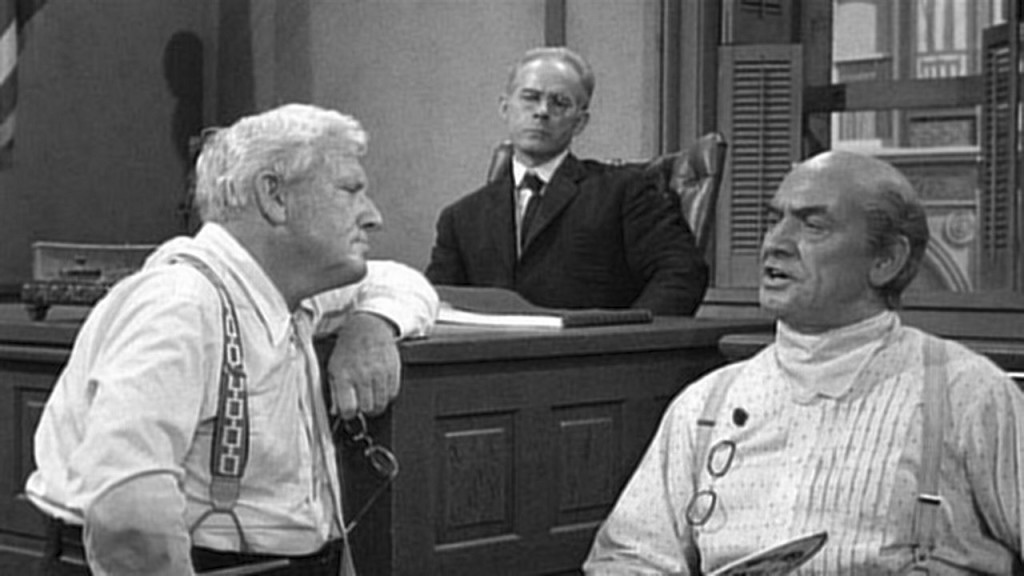
On September 15, Turner Classic Movies presents one of the greatest ever courtroom dramas, Stanley Kramer’s brilliant Inherit the Wind from 1960. The story is taken from the real-life Scopes Monkey Trial in 1925, so it has elements of the culture wars and politics that resonate today. Spencer Tracy and Fredric March are superb as the warring thought-leaders (based on Clarence Darrow and William Jennings Bryan).

Spencer Tracy, Harry Morgan and Fredric March in INHERIT THE WIND

DOWNTON ABBEY: wrapping up a beloved series

Carson (Jim Carter) returns in DOWNTON ABBEY

Downton Abby is writer Julian Fellowes’ satisfying wrap-up of the beloved series. So how good is it? It’s well-crafted and brings a hopeful, romantic and sentimental conclusion to virtually every character in the series.

It’s now 1927, and the aristocratic Crawley family and the Downton Abbey staff must host a visit from the King and Queen on short notice. There are two sources of conflict. Upstairs, there is a question of inheritance, which is where the series began, and which introduces a new character (played by the great Imelda Staunton) to do social combat with Violet (Maggie Smith). Downstairs, the royal family has a traveling squad of servants who try to humiliatingly push aside the Downton staff for the visit.

Fellowes gets credit for creating the marvelous character of Violet Crawley, Dowager Countess of Grantham. The delightfully unfiltered Violet has allowed Maggie Smith to scene-steal for a decade, and she returns with her cutting bon mots and appalled reaction to modernity.

There is one shark-jumping scene, an action thriller sequence that isn’t really necessary for the story. It serves to make a point about the character of Tom, but that point could have ben made without the Jack Ryan moment.

Downton Abbey is not really a stand-alone movie. If you haven’t watched the series, it won’t mean as much. This is a series finale – it’s just in theaters instead of on TV

This is not The Sopranos, Throne of Blood or Tales of the City. Pretty much all Downtown Abbey fans will feel good about where the story concludes.

MILL VALLEY FILM FESTIVAL: see ’em here first

PARASITE, one of the prestige offerings at this year’s Mill Valley Film Festival

The Mill Valley Film Festival always showcases the prestige films that will be released during Award Season. It’s the best opportunity for Bay Area film goers to catch an early look at the Big Movies. Don’t wait until Thanksgiving – head to Marin in early October.

For example, last year’s festival featured Roma, Green Book, Shoplifters, If Beale Street Could Talk and Cold War. Those five films combined for 28 Oscar nominations and 7 Oscars. You get the idea.

THREE of the movies I am expecting to be the year’s best are playing at this year’s MVFF:

  • Parasite – This year’s Palme d’Or winner at Cannes. A family of poor scoundrels and a rich family become entangled in a thriller dramedy. Writer-director Bong Joon-ho is one of my favorite filmmkaers (Memories of Murder, Snowpiercer, Mother, Okja).
  • The Whistlers – from Romanian writer-director Corneliu Porumboiu (Police, Adjective), this is a fish-out-of-water crime comedy that won’t be released in the US until February 2020.
  • Jojo Rabbit – the anti-hate satire about a young boy and his shocking inappropriate imaginary friend. From the unpredictable director Taika Waititi (Hunt for the Wilderpeople).

Other highlights include:

  • The Irishman – Martin Scorsese’s latest gangster saga, with Al Pacino, Robert DeNiro and Joe Pesci; the film employs innovative anti-aging effects for the flashback scenes.
  • The Truth – Master director Hirokazu Kore-eda (Shoplifters) first non-Japanese film, with Catherine Deneuve, Juliette Binoche and Ethan Hawke.
  • The Lighthouse – Willem Dafoe and Robert Pattinson are on a remote island in the 1890s. Major festival buzz about this contemplative movie.
  • 63 Up – the latest in Michael Apted’s Seven Up series, one of the great achievements in cinema history (and Apted himself will appear at the screening).
  • Frankie – the always discomfiting Isabelle Huppert takes her family (Brendan Gleeson, Marisa Tomei, Greg Kinnear) on a roller coaster.
  • Ford v Ferrari – a Hollywood audience-pleaser with Matt Damon, Christian Bale and Tray Letts.
  • Seberg – Kristen Stewart stars as Jean Seberg (and will appear at MVFF). Also stars Maragret Qualley (Once Upon a Time…in Hollywood, Novitiate).
  • Pain and Glory, the latest from Pedro Alomodovar.
  • Just Mercy – Southern justice with Michael B. Jordan, Jamie Foxx, Tim Blake Nelson and Brie Larson. Major Oscar bait from Short Term 12’s Destin Daniel Cretton.
  • Knives Out – currently my favorite trailer, this is Rian Johnson’s (Brick, Looper) star-studded take on the English country home murder mystery.
  • Motherless Brooklyn – the neo-noir from Edward Norton, who also stars.
  • Marriage Story – could be a career-topper from Noah Baumbach (The Squid and the Whale).

Plus there’s a very special event for cinephiles – a screening of the 1988 art house classic The Unbearable Lightness of Being with director Philip Kaufman and star Lena Olin in attendance.

This year’s festival runs October 3-13 at four different Marin County venues (plus BAMPFA in Berkeley),. You can peruse the program and buy tickets at Mill Valley Film Festival.

DAVID CROSBY: REMEMBER MY NAME: all the bridges I have burned

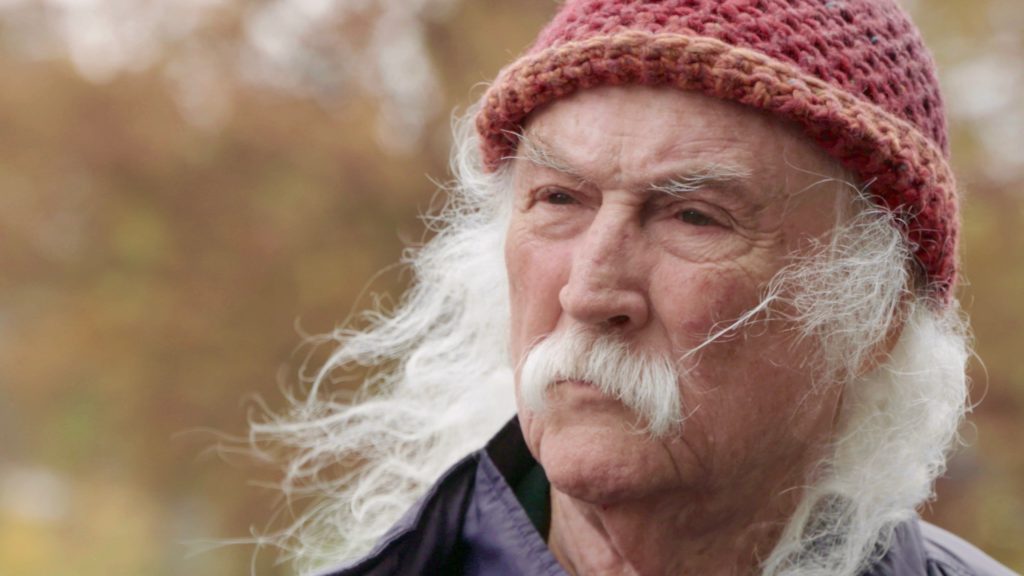
David Crosby in DAVID CROSBY: REMEMBER MY NAME
Photo by Edd Lukas and Ian Coad. Courtesy of Sony Pictures Classics

The notoriously irascible Robert Altman and a drinking buddy once amused themselves by inventing titles of fake country-western songs; Altman came up with I’m Swimming Through the Ashes of All the Bridges I Have Burned. That’s the experience of watching the biodoc David Crosby: Remember My Name.

Most of the doc is a series of interviews with Crosby as he goes on yet another concert tour at age 76; before leaving, he cruises around his old haunts on Sunset Boulevard and Laurel Canyon. Remember My Name’s producer, the director Cameron Crowe, replays an interview with Crosby from 1974, when Crowe was the wunderkind rock writer portrayed in Crowe’s film Almost Famous. Crosby reacts with a telling observation about his friendships.

With the perspective of age, Crosby reflects on his musical achievements, his addiction and recovery and his trail of relationship carnage. He notes that “all” of his intimate collaborators – Roger McGuinn, Graham Nash, Steven Stills and Neil Young – “hate me”, and ruefully observes, “if it were just one, it could be an accident”. The film includes clips of McGuinn, Nash and Young (plus Stills’ emphatic silence) to corroborate.

Crosby’s well-known battle with cocaine and heroin came into play with his estrangements. I would reflect that recovery from addiction will generally IMPROVE behavior, but is no guarantee of ACCEPTABLE behavior. The drugs certainly didn’t help Crosby avoid his “two or three heart attacks” eight cardiac stints, his liver transplant and his diabetes.

Contemplations aside, David Crosby: Remember My Name does an excellent job of tracing Crosby’s musical career and personal life. We get his side of his romance with Joni Mitchell, and the story of getting dumped by Mitchell in front of all their friends – with a song Mitchell composed for the occasion. There’s an wonderful telling of the writing and recording of Neil Young’s great song Ohio.

And here’s an odd note for movie fans: Crosby’s father was Floyd Crosby, a prolific but usually pedestrian cinematographer whose career topper was his Golden Globe-winning work in High Noon. I compared the father-son career paths and found that in 1964-65, when David was starting with the Byrds and hanging out with the Beatles and Miles Davis, Floyd was cranking out Bikini Beach, Pajama Game, Beach Blanket Bingo, How to Stuff a Wild Bikini and Beach Ball. While David was in the vanguard of the 1960s Counterculture, Floyd was winding up the Annette Funicello/Frankie Avalon teen culture that had been hanging on from the 1950s.

DVD/Stream of the Week: TAKE ME TO THE RIVER – fresh, unpredictable and gripping

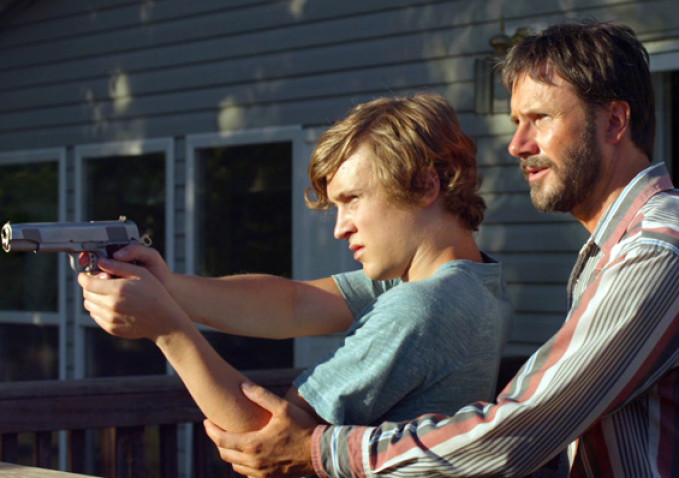
TAKE ME TO THE RIVER

San Jose native Matt Sobel’s impressive directorial debut Take Me to the River is entirely fresh. Not one thing happens in Take Me to the River that you can predict, and it keeps the audience off-balance and completely engaged.

A California couple and their teenage son drive to an annual family reunion in rural Nebraska. The son is gay and out, but that’s not going to be the drama here. There’s almost immediately an unexpected development that rocks the extended family. Then we settle in for over an hour of simmering unease and tense dread until something REALLY disturbing happens.

The story may be told from the teen’s point of view, but the real story turns out to be in the highly-charged relationship between his mom (Robin Weigert) and her brother Keith (Josh Hamilton). Keith, the boy’s uncle, is not a redneck rube, but very angry and very manipulative. By the end of the movie, we understand why. It’s an excellent performance by Hamilton, and whenever he’s on-screen, we fidget and wait for him to explode.

Weigert (Calamity Jane in Deadwood, Ally in Sons of Anarchy) is also excellent – her character is a Los Angeles physician who hasn’t lost the Nebraskan gift of never referring to the elephant in the room, no matter how huge. She embraces the Nebraskan imperative of avoidance with persistent geniality, covering up any unpleasantness with with niceties. My family is from rural Nebraska, which I have visited many times, so I know of what I speak.

The child actress Ursula Parker (the youngest daughter in Louie) is also especially outstanding here. Take Me to the River contains some sexual behavior by a child which is very uncomfortable for the audience, but central to the story and non-exploitative. Here are some notes from an interview with Sobel.

Take Me to the River played at Sundance in 2015 and was finally released in the Bay Area in Spring 2016. Before its release, I viewed it at the Cinema Cub Silicon Valley.  It made my Best Movies of 2016. You can stream Take Me to the River on Amazon Instant, iTunes, Vudu, YouTube and Google Play or rent the DVD from Netflix.

ROJO: bobbing in a sea of moral relativism

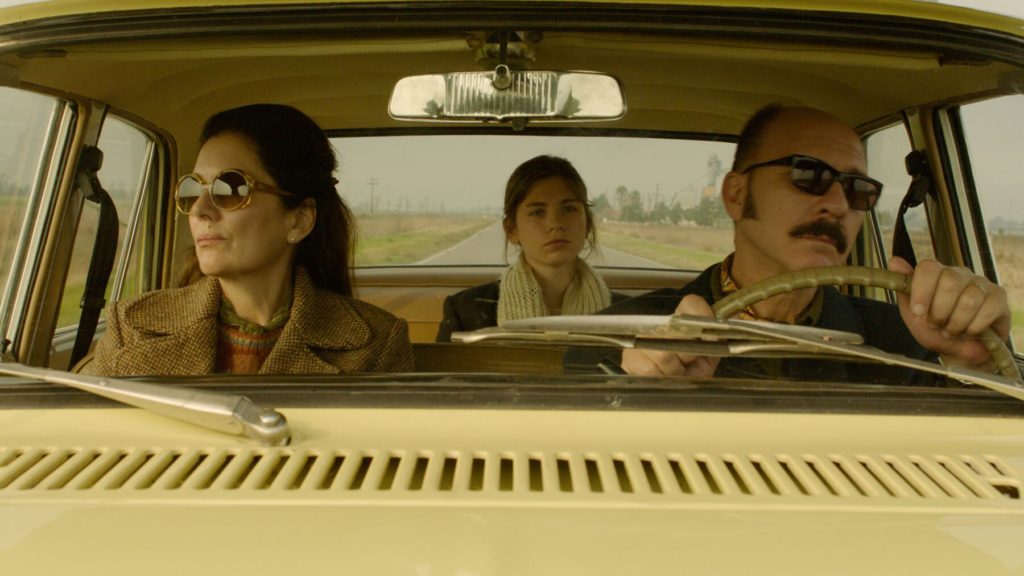
ROJO. Courtesy of SFFILM.

Rojo is Argentine writer-director Benjamín Naishtat’s slow burn drama.  Rojo is set just before the 1970s coup that some characters expect – but no one is anticipating how long and bloody the coup will be.  Several vignettes are woven together into a tapestry of pre-coup moral malaise.

A prominent provincial lawyer Claudio (Darío Grandinetti) is invited to participate in a scam. There’s a scary encounter of lethal restaurant rage. It looks like Claudio, bobbing on a sea of moral relativism, may well remained unscathed, but the arrival of crack detective becomes a grave threat.

As Claudio weaves through his life, his society shows signs of crumbling. There’s a failed teen seduction, an emotional breakdown at a formal reception and a natural metaphor – a solar eclipse.

It’s funny when the audience finally connects the dots and understands who the character nicknamed “the Hippie” is. And Naishtat and Grandinetti get the most out of the scene where Claudio finally dons a toupee.

We know something that the characters don’t know – or at least fully grasp – how bloody the coup will be. Watch for the several references to desaparecido, a foreboding of the coup. Argentina’s coup was known for the desaparecidos – the disappeared – thousands of the regime’s political opponents went missing without a trace, having been executed by death squads. In Rojo, a very inconvenient madman dies and his body is hidden, there’s a disappearing act in a magic show, and a would-be boyfriend vanishes.

This is a moody, atmospheric film that works as a slow-burn thriller. I saw Rojo earlier this year at the San Francisco International Film Festival (SFFILM) and it opens this weekend in Bay Area theaters.

Movies to See Right Now

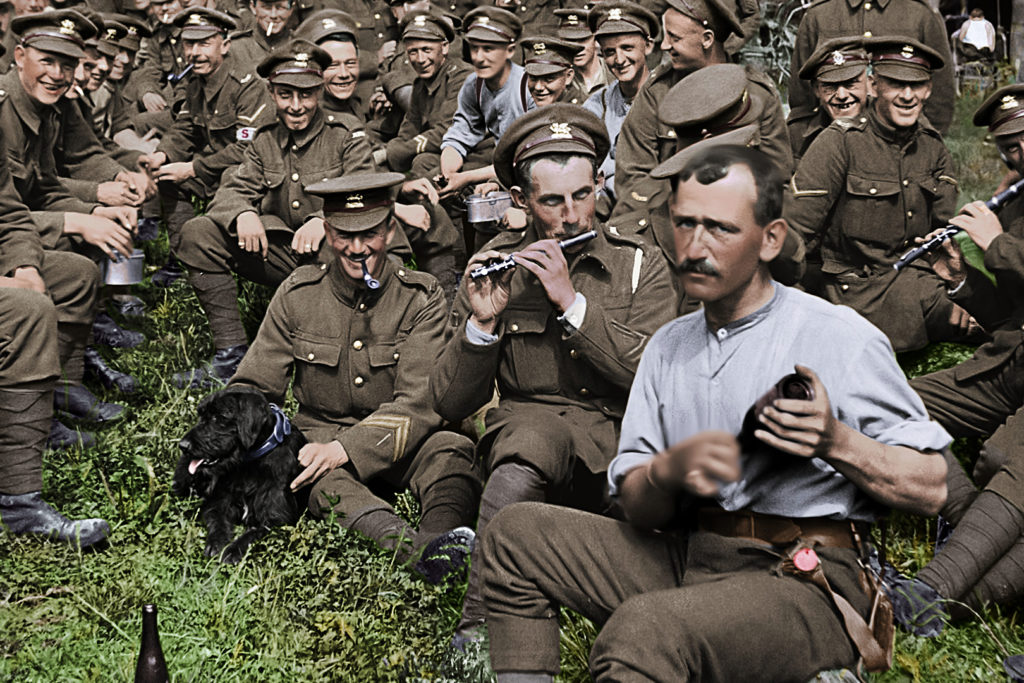
THEY SHALL NOT GROW OLD

Wow, I gotta say that the offerings in movie theaters this August/September are as unappealing as I can remember, even for this period of traditional cinematic doldrums. There are a couple of good indies that I’ve seen coming to art houses in mid-September, but that’s about it until October.

However, now is a good time to catch up on films from my list of Best Movies of 2019 – So Far. The Last Black Man in San Francisco, They Shall Not Grow Old, Amazing Grace and Booksmart are all available to be streamed.

OUT NOW

  • Once Upon a Time…in Hollywood is a Must See – one of Quentin Tarantino’s very, very best.
  • The family dramedy The Farewell is an audience-pleaser.
  • You can find, if you look hard enough, Jirga, an indie parable about atonement that was Australia’s submission to the Academy Awards.
  • Bay Area filmmaker John Maringouin’s inventive satire Ghostbox Cowboy, skewers white entitlement and sneaks a peek inside the shadiest corners of the Chinese boom economy. Ghostbox Cowboy earned a NY Times Critic’s Pick and can be streamed on Amazon (included with Prime).
  • Here’s my rant on the latest Olivier Assayas film, Non-Fiction.

ON VIDEO

My Stream of the Week is the cautionary documentary Jimmy Carter – about the American people asking for something that they didn’t warm to once they got it. To stream Jimmy Carter from iTunes, search for “Jimmy Carter” under TV Episodes (not under Movies). Jimmy Carter is also available on DVD from American Experience

ON TV

On September 10, Turner Classic Movies will be airing the 1940 version of Gaslight. Here is my essay on the movie versions of Gaslight and gaslighting as domestic violence, including a reference to the Film Noir Foundation’s fine podcast on the topic.

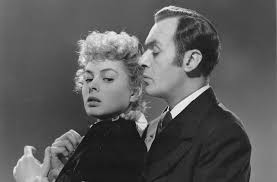
Ingrid Bergman and Charles Boyer in GASLIGHT

GASLIGHT, GASLIGHT and gaslighting in domestic violence

Ingrid Bergman and Charles Boyer in GASLIGHT

On September 10, Turner Classic Movies will air Gaslight (1944), a classic suspense thriller that still has a lot to say about domestic violence and abusive power in relationships.

In Gaslight, an evil husband (Charles Boyer) isolates his wife (Ingrid Bergman) and uses manipulation to convince her that she’s going crazy. He’s seeking to conceal his crimes and gain unfettered control of her house and fortune. He’s also dallying with the maid (a nubile 18-year-old Angela Lansbury). Fortunately, the wife’s longtime admirer (Joseph Cotton) works for Scotland Yard and starts to investigate…

Domestic Violence is abuse of a partner, generally characterized by asserting power and control over the partner. Not all domestic violence is physical, and this phenomenon of abuse by manipulation takes it name – gaslighting – from this movie.

The Film Noir Foundation recently screened Gaslight to an audience of domestic violence survivors and support professionals. I recommend Noir Talk, the Film Noir Foundation’s excellent podcast on iTunes. Search for Gaslight and domestic violence in Episode 10. Here’s one of the tidbits from the podcast: Ingrid Bergman thought she was too vibrant and healthy-looking for the part; but that works to show how the manipulation can work on a woman who doesn’t look like a victim.

This famous Gaslight is actually a remake of the original 1940 version, which is also especially well-acted. Anton Walbrook is suave and evil as the hubbie and Dyana Wyngard is unforgettably haunting as the wife. Only 19 minutes in, we see his duplicity, manipulation and control. Frank Pettingell is very good as the detective, and the cast includes Robert Newton (Long John Silver in the 1950 Treasure Island). Cathleen Cordell plays the oversexed maid Nancy in a less nuanced performance than Angela Lansbury’s. This film version is reportedly the most faithful to the stage play source material. (Oddly, there’s a very good can-can dance in this 1940 movie, too.)

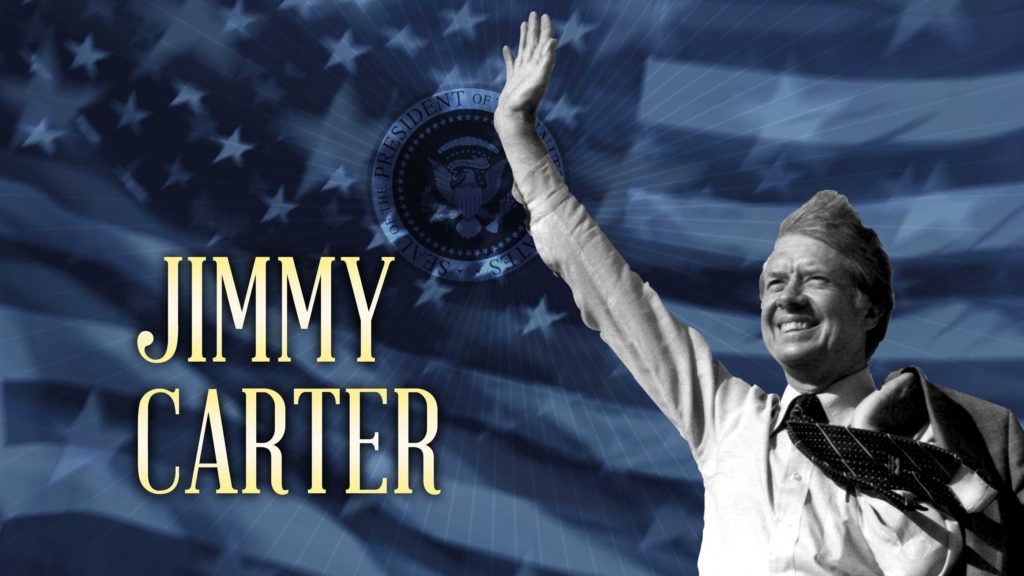
Stream of the Week: JIMMY CARTER – “What people say they want”

In PBS’ American Experience documentary Jimmy Carter, The New Yorker writer and former Carter speechwriter Henrik Hertzberg says:

Jimmy Carter was what the American people always SAY they want – above politics, determined to do the right thing regardless of political consequences, a simple person who doesn’t lie, a modest man, not someone with a lot of imperial pretenses.  That’s what people say they want.  And that’s what they got with Jimmy Carter.

And herein lies the rub. 

In 1976, Americans were reacting to Watergate and wanted a President LEAST like Richard Nixon. We got him, in the form of Jimmy Carter; it turned out that Carter could deliver non-Nixon decency, but not the leadership that the era required.

Today, many – and the polls indicate, most – Americans seek a non-Trump. I share the view that ANYONE would be better then Trump, but Jimmy Carter is instructive that “anyone”, while better than Trump, might not be the best for the country.

In Jimmy Carter, we hear from those who know Carter best – including his wife Rosalynn Carter, his vice-president Walter Mondale, and right-from-the-start Carter insiders Jody Powell, Pat Caddell and Bert Lance. How the times made this man, then propelled him to such improbable electoral success and then finally doomed his Administration, is a great and cautionary story.

To stream Jimmy Carter from iTunes, search for “Jimmy Carter” under TV Episodes (not under Movies). Jimmy Carter is also available on DVD from American Experience