From SFFILM: THE LOST CITY OF Z – the historical adventure epic revived

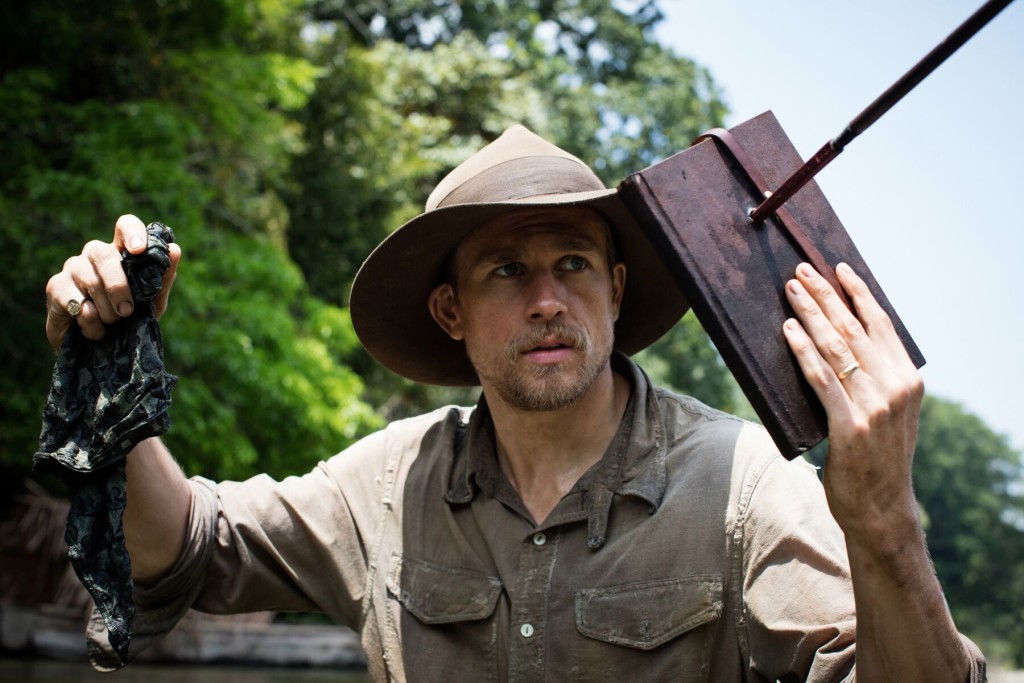
Charlie Hunnam in THE LOST CITY OF Z photo courtesy of SFFILM

Because the San Francisco International Film Festival (SFFILM) was supposed to be underway now (it’s been cancelled for the COVID-19 emergency), here’s a film from SFFILM’s 2017 program. In auteur James Gray’s sweeping turn of the 20th Century epic The Lost City of Z, a stiff-upper-lip type British military officer becomes the first European to probe into the deepest heart of unmapped Amazonia. Finding his way through the lush jungles, braving encounters with sometimes cannibalistic indigenous warriors, he becomes obsessed with finding the lost city of an ancient civilization. I know this sounds like Indiana Jones, but it’s based on the real life of Percy Fawcett as chronicled in the recent book Lost City of Z by David Grann.

The Lost City of Z begins with an Edwardian stag hunt through the verdant Irish countryside, complete with horses spilling riders. This scene is gorgeous, but its point is to introduce the young British military officer Percy Fawcett (Charlie Hunnam) as a man of unusual resourcefulness, talent and, above all, drive. Despite his abilities, he has been chaffing at the unattractive assignments that have precluded his career advancement. In the snobby Edwardian military, he has been in disfavor because his dissolute father had stained the family name. One of Fawcett’s commanders says, “He’s been rather unfortunate in his choice of ancestors”.

That yearning to earn the recognition that he believes he merits – and to attain the accomplishments of a Great Man – is the core of this character-driven movie. Fawcett resists yet another assignment away from the career-making action, a mapping expedition designed to have a minor diplomatic payoff. But it takes him on a spectacular Amazon exploration that brings him celebrity – and backing for more high-profile expeditions. Fawcett was surfing the zeitgeist in the age of his contemporaries Roald Amundsen (South Pole), Robert Peary (North Pole) and Howard Carter (King Tut).

In that first expedition, Fawcett becomes convinced that he can find the magnificent city of a lost civilization deep in the Amazon, a city he calls Z (which is pronounced as the British “Zed”). The Lost City of Z takes us through two more Amazonian expeditions, sandwiched around Fawcett’s WW I service in the hellish Battle of the Somme. That final expedition ends mysteriously – and not well.

No one knows for sure what happened to Fawcett. In The Lost City of Z, Gray leads us toward the most likely conclusion, the one embraced by Grann’s book. If you’re interested in the decades of speculation about Fawcett’s fate, there’s a good outline on Percy Fawcett’s Wikipedia page.

Fawcett comes with his own Victorian upper class prejudices, but he has the capacity to set those aside for a post-Darwin open-mindedness. Gray made it a point that the indigenous peoples in the movie are independent of Fawcett; Gray shows them living their lives in a world that Fawcett has found, not just advancing the plot points in Fawcett’s quest. Four real tribes – and their cultures – are shown in the film.

As Percy Fawcett, with his oft-manic obsession and fame-seeking that color his scientific curiosity and his old-fashioned Dudley Do-Right values, Charlie Hunnam gives a tremendous, perhaps carer breakthrough, performance. He’s been a promising actor in Sons of Anarchy and the overlooked thriller Deadfall) (and such a good actor that I never dreamed that he’s really British). Hunnam will next star as the title character in the King Arthur movie franchise.

Robert Pattinson is unexpectedly perfect as Fawcett’s travel buddy Henry Costin. With his Twilight dreaminess hidden behind a Smith Brothers beard, Pattinson projects a lean manliness. It’s probably his best performance.

Sienna Miller shines as Fawcett’s proto-feminist wife Nina. I first noticed Miller (and Daniel Craig) in the underrated neo-noir thriller 2004 Layer Cake. Now Miller is still only 35 years old and has delivered other fine recent performances in Foxcatcher, American Sniper and (in an especially delicious role) High-Rise.

Director James Gray (The Yard, Two Lovers, The Immigrant) is a favorite of cinephiles and of other filmmakers, but regular audiences don’t turn out for his movies. That may change with The Lost City of Z, a remarkably beautiful film that Gray shot, bucking the trend to digital, in 35 mm. The jungle scenes were filmed in a national park in Columbia. The cinemeatographer is the Oscar-nominated Darius Khondji. Khondji shot The Immigrant for Gray and has been the DP of choice for David Fincher (Se7en) Alan Parker (Evita), Michael Haneke (Amour), and Woody Allen (Midnight in Paris). Along with the stag hunt and the voyages up and down the jungle rivers, there is also a breathtakingly beautiful ballroom scene and a gaspingly surreal nighttime discovery of a rubber plantation’s opera house deep in the jungle.

There have been other Lost Expedition movies, most famously Werner Herzog’s Aquirre, the Wrath of God and Fitzcarraldo. The Lost City of Z shares an obsession, a quest and a mysterious tragic end with those films, but it stands apart with its exploration of the motivation of a real life character and the authenticity of Gray’s depiction of the indigenous people.

Movie studios used to make an entire genre of very fun movies from Gunga Din and The Four Feathers through Lawrence of Arabia and Zulu that featured white Europeans getting their thrills in exotic third world playgrounds. We often cringe at the racist premises and the treatment of “the natives” those movies today. Since the 1960s, the best examples of the genre, like Raiders of the Lost Ark, have had an ironic tinge. With The Lost City of Z, James Gray loses both the racism and the irony, and brings us brings a straight-ahead exploration tale.

The Lost City of Z revives the genre of the historical adventure epic, with all the spectacle of a swashbuckler, while braiding in modern sensitivities and a psychological portrait. This is a beautiful and thoughtful film. The Lost City of Z is available on DVD from Netflix and Redbox and to stream from Amazon, iTunes, Vudu, YouTube and Google Play.

Also see my notes from the director James Gray’s Q & A at the San Francisco International Film Festival. [And here are some completely random tidbits. There’s a cameo by Spaghetti Western star Franco Nero. And the closing credits recognize the “data wrangler”.]
Movies to See Right Now (at home)

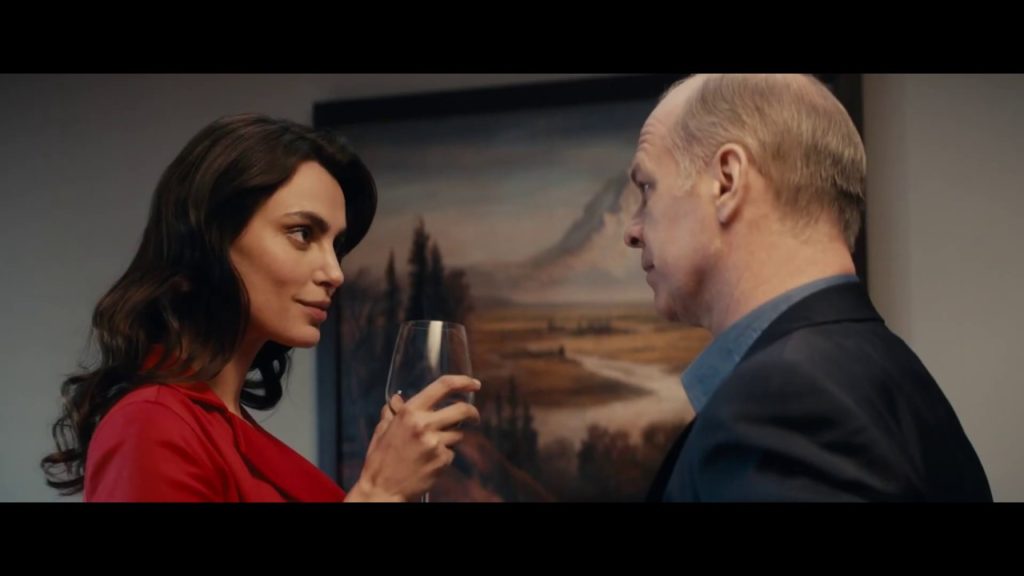
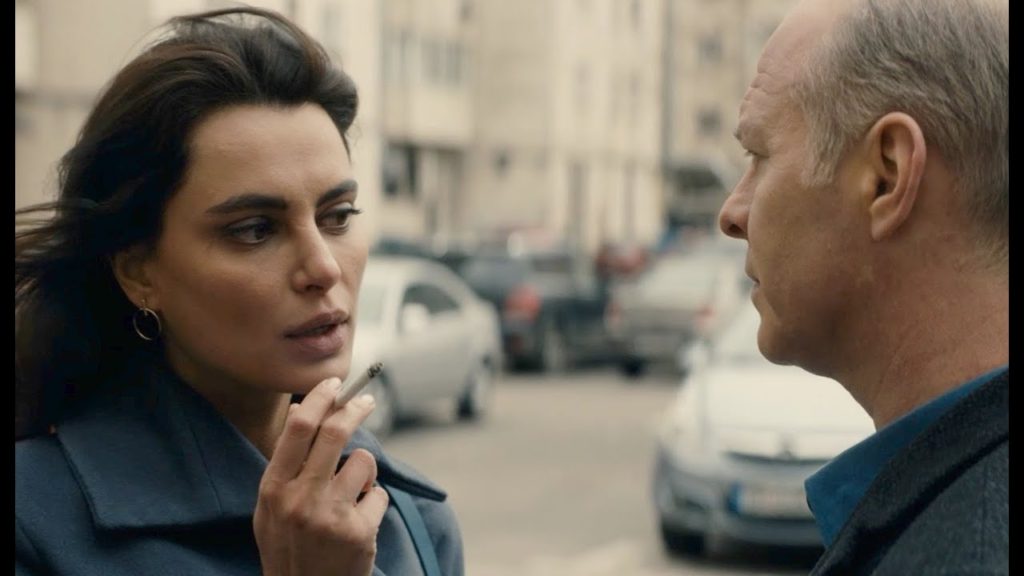
Catrinel Marlon and Vlad Ivanov in THE WHISTLERS

More movies to watch at home: I’ve amped up my streaming recommendations as we shelter in place. And we start with a new film, The Whistlers.

ON VIDEO

In the absorbing crime thriller The Whistlers, a shady cop and a mysterious woman are walking a tightrope of treachery. The Whistlers, was a hit at last year’s Cannes Film Festival, but COVID-19 impaired its 2020 theatrical release in the US. You can stream it from Amazon, Vudu, YouTube and Google Play.

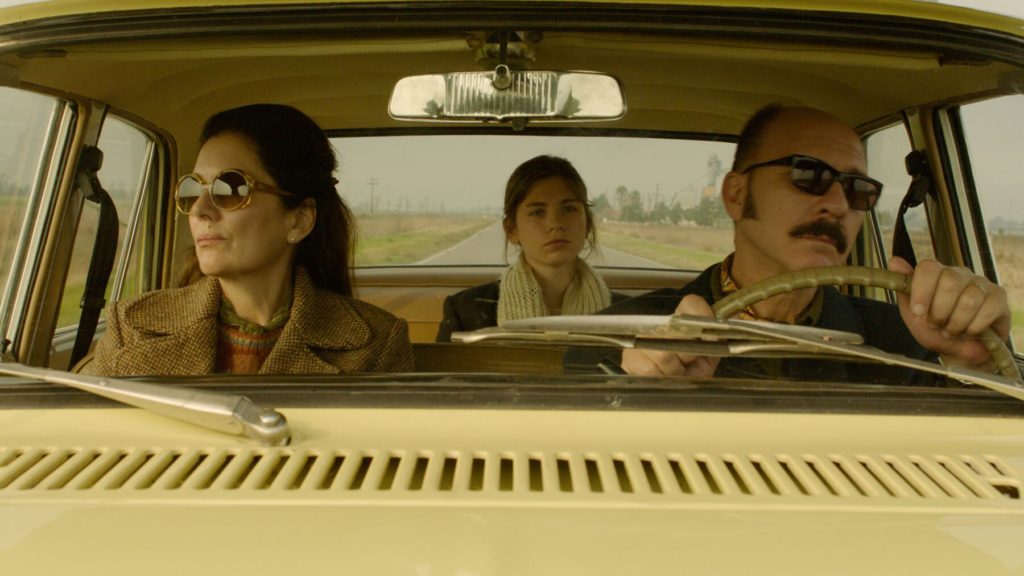
My tribute to the San Francisco International Film Festival (SFFILM), which would have been underway but for COVID-19, is Rojo. Set just before Argentina’s bloody coup in the 1970s, this moody, atmospheric film works as a slow-burn thriller. Rojo made my list of 10 Overlooked Movies of 2019. Stream it from Amazon, iTunes and Vudu.

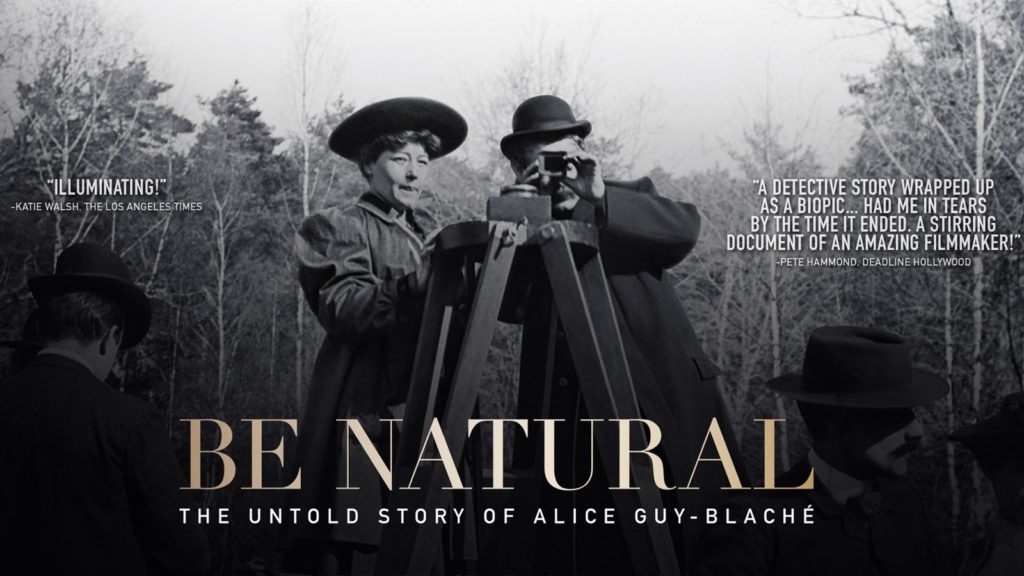
Be Natural: The Untold Story of Alice Guy-Blache is a biodoc of a female cinema pioneer – one of the first directors, producers and studio heads – in both France and the US. You don’t know the whole story of the beginnings of cinema if you don’t know about Alice Guy. It’s currently free on WATCH TCM and can be streamed from Amazon, iTunes, Vudu, YouTube and Google Play. You can watch Guy’s comic 1906 critique of male behavior, The Consequences of Feminism, on my blog post.

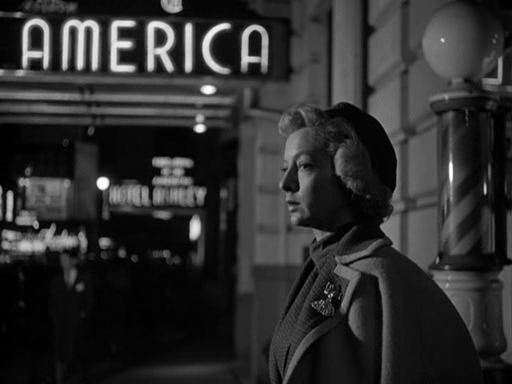
Evelyn Keyes in THE KILLER THAT STALKED NEW YORK

And is it too soon for Pandemic Noir? My post highlights Panic in the Streets and The Killer that Stalked New York. The Killer That Stalked New York has played on Turner Classic Movies; it’s not currently available to stream, but the DVD is available to purchase. The better movie, Panic in the Streets, plays frequently on Turner Classic Movies and can be streamed from iTunes, Vudu, YouTube and Google Play.

Other recent streaming recommendations:

ON TV

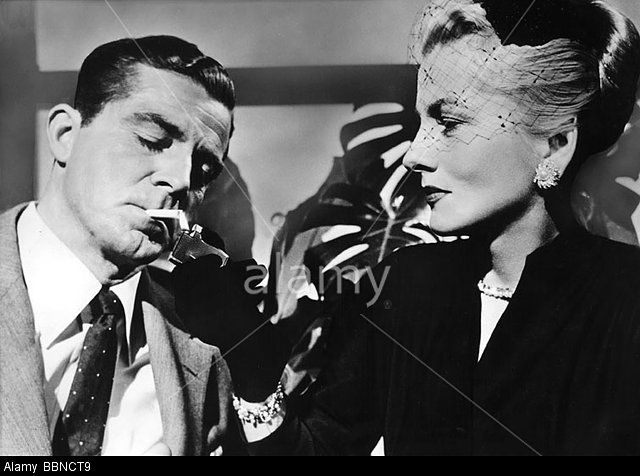
On April 11 and 12, Turner Classic Movies brings us Beyond a Reasonable Doubt, another film noir from the great Fritz Lang. Seeking to discredit capital punishment, a novelist (Dana Andrews) gets himself charged with and CONVICTED of a murder – but then the evidence of his innocence suddenly disappears! Crackerjack (and deeply noir) surprise ending. Film noir historian Eddie Muller will introduce the film.

Dana Andrews and Joan Fontaine in BEYOND A REASONABLE DOUBT

REMEMBRANCE

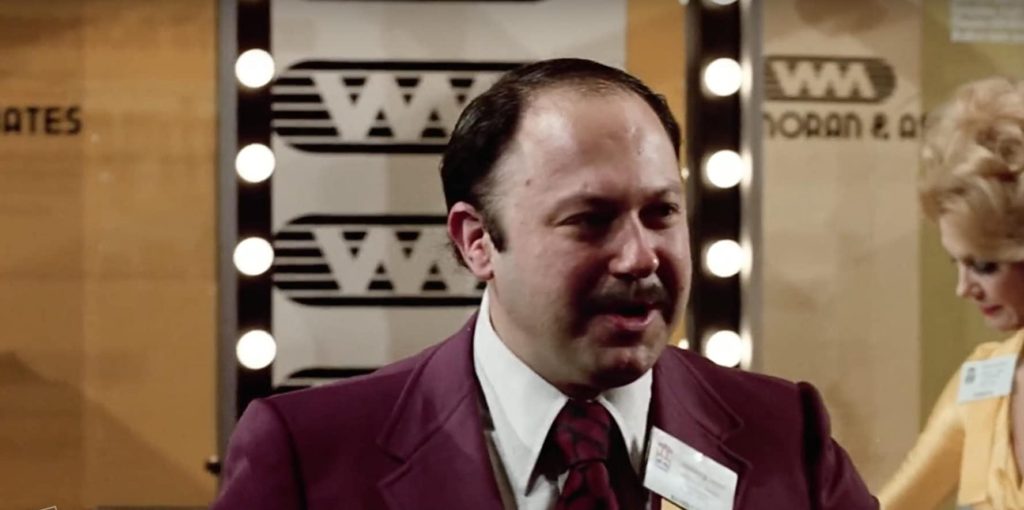
Character actor Allen Garfield contributed to many fine films, especially in the 1970s heyday of American auteurs, including The Candidate, The Brink’s Job, Nashville and The Stunt Man. My favorite Garfield performance was as the sleazy Bernie in the 1974 masterpiece The Conversation.

Allen Garfield in THE CONVERSATION

PANDEMIC NOIR: too soon?

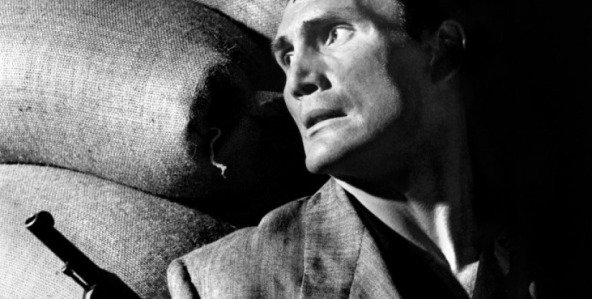
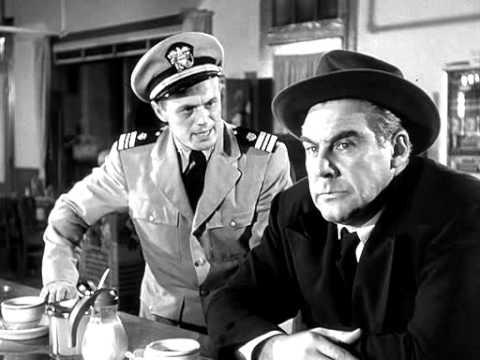
Jack Palance in PANIC IN THE STREETS

Is it too soon for pandemic noir? Actually, these two movies from 1950 are about outbreaks and epidemics, not really pandemics. But heroic public health officers are central in both, just like in today’s COVID-19 pandemic. Both Panic in the Streets and The Killer that Stalked New York are among my Overlooked Noir.

First, there’s irector Elia Kazan’s noirish thriller Panic in the Streets This Kazan’s OTHER movie set in a gritty waterfront, and he shot it on location in New Orleans. In his screen debut, Jack Palance plays a hoodlum who commits a murder and unknowingly becomes infected with pneumonic plague. Richard Widmark plays the public health expert who is trying to prevent an epidemic by tracking down Patient Zero (Palance) without causing a panic in the city. Of course, the cops are trying to solve the murder, and the man hunt for the murderer will lead them to the same target. Jack Palance was nothing if not intense, and he brings the right combination of vicious thuggery and escalating desperation to his performance.

Evelyn Keyes in THE KILLER THAT STALKED NEW YORK

You might have difficulty imagining a movie procedural of Public Health officers quelling an epidemic being described as “lurid”, but then there’s The Killer that Stalked New York.  The star is Evelyn Keyes, who plays Sheila, a Typhoid Mary of smallpox.  Sheila has made a very bad choice in boyfriends – a guy for whom she has taken one fall already and is now helping with a delivery of stolen jewelry.  She’s on the run from the cops until she can deliver the loot – and bad boyfriend (Charles Korvin) wants that loot right away, too.  And she’s not feeling well…

Sheila has smallpox, so she’s zipping furtively around NYC infecting people.  So the Public Health Department is also tracking her down as Patent Zero.  The Killer that Stalked New York is about these two overlaid ticking bombs – the jewelry caper and the smallpox – all while Sheila is getting sicker and sicker.  Fortunately, a dreamy Public Health doc (William Bishop) is drawn to save her.

Evelyn Keyes is the best thing about the movie, although she has to play a pretty overwrought role.  And she is made up to look worse and worse in the course of the plot, getting really sweaty and finally sporting pustules.

Visit my posts on Panic in the Streets and The Killer that Stalked New York for more discussion, images and a trailer. The Killer That Stalked New York has played on Turner Classic Movies. It’s not currently available to stream, but the DVD is available to purchase. The better movie, Panic in the Streets, plays frequently on Turner Classic Movies and can be streamed from iTunes, Vudu, YouTube and Google Play.

Richard Widmark and Paul Douglas in PANIC IN THE STREETS

From SFFILM: ROJO – bobbing in a sea of moral relativism

Benjamin Naishtat’s ROJO. Courtesy of SFFILM.

The San Francisco International Film Festival (SFFILM) was set to open tomorrow before it was cancelled for the COVID-19 emergency, so in tribute, here’s a film from SFFILM’s 2019 program.

Rojo is Argentine writer-director Benjamín Naishtat’s slow burn drama.  Rojo is set just before the 1970s coup that some characters expect – but no one is anticipating how long and bloody the coup will be.  Several vignettes are woven together into a tapestry of pre-coup moral malaise.

A prominent provincial lawyer Claudio (Darío Grandinetti) is invited to participate in a scam. There’s a scary encounter of lethal restaurant rage. It looks like Claudio, bobbing on a sea of moral relativism, may well remained unscathed, but the arrival of crack detective becomes a grave threat.

As Claudio weaves through his life, his society shows signs of crumbling. There’s a failed teen seduction, an emotional breakdown at a formal reception and a natural metaphor – a solar eclipse.

It’s funny when the audience finally connects the dots and understands who the character nicknamed “the Hippie” is. And Naishtat and Grandinetti get the most out of the scene where Claudio finally dons a toupee.

We know something that the characters don’t know – or at least fully grasp – how bloody the coup will be. Watch for the several references to desaparecido, a foreboding of the coup. Argentina’s coup was known for the desaparecidos – the disappeared – thousands of the regime’s political opponents went missing without a trace, having been executed by death squads. In Rojo, a very inconvenient madman dies and his body is hidden, there’s a disappearing act in a magic show, and a would-be boyfriend vanishes.

This is a moody, atmospheric film that works as a slow-burn thriller. I saw Rojo earlier a year agoat the San Francisco International Film Festival (SFFILM). Rojo made my list of 10 Overlooked Movies of 2019. Stream from Amazon, iTunes and Vudu.

THE WHISTLERS: walking a tightrope of treachery

Catrinel Marlon and Vlad Ivanov in THE WHISTLERS

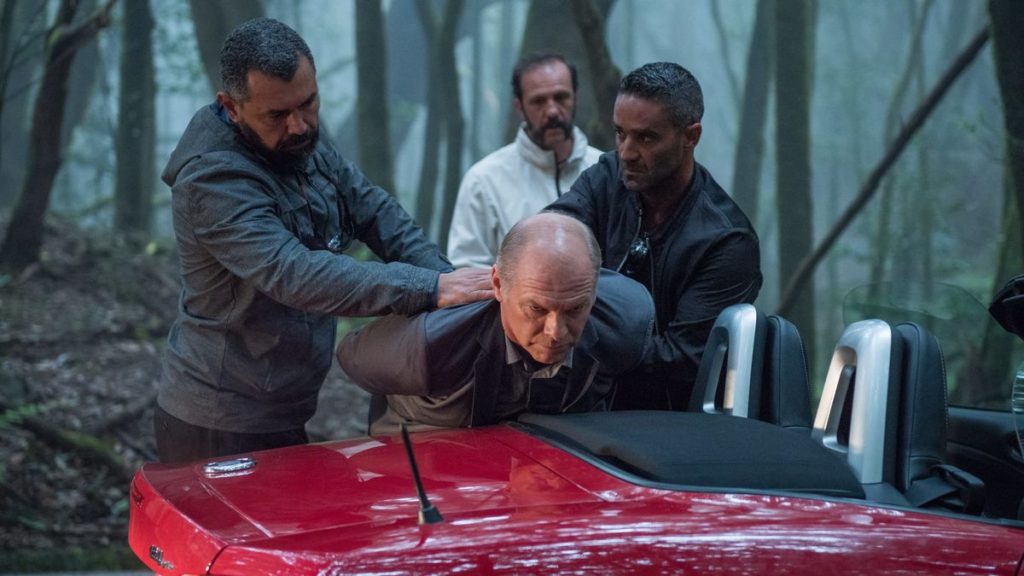
In the absorbing crime thriller The Whistlers, Cristi (Vlad Ivanov) is a shady Romanian cop who is lured into a dangerous plot by the rapturously sexy Gilda (Catrinel Marlon) and the promise of a fortune. A lethal Spanish mafia is planning a Perfect Crime to recover the loot stolen by Gilda and her Romanian partner, Zsolt. Only Zslot knows where the treasure is, and he’s been jailed by Cristi’s colleagues. To beat the omnipresent surveillance of Romanian state security, Cristi is sent to La Gomera, an island in the Spanish Canary Islands to learn a whistling language.

A whistling language? Indeed, residents of La Gomera can communicate by whistling in code. The language is called Silbo Gomera and it was already being used in ancient Roman times. The whistling can be heard for up to two miles, which allows the locals to communicate across the impassable ravines on the mountainous island.

The plan to spring Zsolt depends on Cristi learning Silbo Gomera and then implementing an intricate plan in which nothing can go wrong. Even if the plan goes right, Cristi and Gilda run the very real risk of being killed by the pitiless Spanish mafia or by the corrupt and unaccountable Romanian cops. Cristi and Gilda are walking a tightrope of treachery.

Vlad Ivanov in THE WHISTLERS

The Whistlers is written and directed by Corneliu Porumboiu, who is a master of the deadpan. Two of his earlier films became art house hits in the US, 12:08 East of Bucharest and Police, Adjective. Both of those films explored fundamental corruption in Romanian society as a legacy of the communist era..

Cristi is played by Romanian actor Vlad Ivanov. Ivanov is best known for the Romanian masterpiece 4 Days, 3 Weeks and 2 Days, in which he played one of cinema’s most repellent characters – Mr. Bebe, the sexual harassing abortionist. American audiences have also seen Ivanov’s performances in Police, Adjective and Snowpiercer.

Ivanov excels in playing Everyman piñatas, which serves him well in The Whistlers. Ivanov delivered a tour de force in the 2019 Cinequest film Hier, as a man more and more consumed by puzzles, and increasingly perplexed, dogged, battered and exhausted.

For The Whistlers to work, Catrinel Marlon must make Gilda quick-thinking and gutsy, and she pulls it off. She is very good, as is Rodica Lazar as Cristi’s coldly ruthless boss Magda.

This is a Romanian film with dialogue in Romanian, English, Spanish and, of course, whistling. The Whistlers, a top notch crime thriller, can be streamed from Amazon, Vudu, YouTube and Google Play.

BE NATURAL: THE UNTOLD STORY OF ALICE GUY-BLACHE: every cinephile should know this

The documentary Be Natural: The Untold Story of Alice Guy-Blache pulls us out of ignorance about one of the most important pioneers of cinema. Alice Guy was one of the first movie directors, one of the first producers and one of the first studio heads. She was one of the inventors of movie comedy, use of color, special effects and a host of other aspects of filmmaking that we take for granted today. She worked in all three centers of early filmmaking – Paris, Fort Lee, New Jersey and Hollywood. And she was a woman.

Alice Guy had been almost erased from history precisely because – and only because – she was a woman. But if we don’t know about Alice Guy, we are as ignorant as if we didn’t know about the Lumieres and D.W. Griffith. This is essential movie history.

Fortunately, more and more of her films are being rediscovered – found, properly credited and preserved. At the bottom of this post, you can watch one of her films, The Consequences of Feminism. I didn’t even know that the word “feminism” was extant 114 years ago, but the film still has #MeToo topicality. It’s a withering parody of gender roles and male entitlement. In the film, men and women have taken each others’ conventional gender roles. Men perform the thankless household drudgery while the women smoke, drink and play pool. Throughout, the women are outrageously sexually harassing the men, kind of like Mad Men in reverse. Of course, the men finally rebel at all the mistreatment.

Be Natural: The Untold Story of Alice Guy-Blache is currently free on WATCH TCM and can be streamed from Amazon, iTunes, Vudu, YouTube and Google Play.

Here’s the entire seven minute film from 1906: The Consequences of Feminism:

Movies to See Right Now (at home)

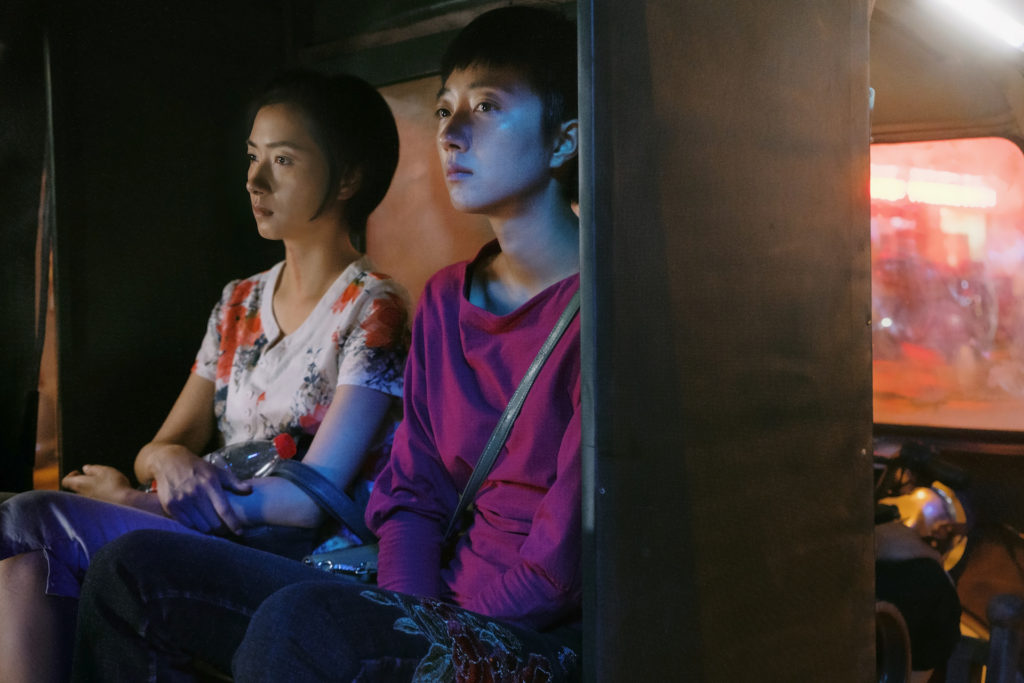
THE WILD GOOSE LAKE

Here are more Shelter In Place movie recommendations – you can watch them all at home.

ON VIDEO

More of an art movie than a neo-noir crime thriller, The Wild Goose Lake is a beautifully shot fable from China’s underworld. You can support San Francisco’s Roxie Theater by buying a ticket to stream The Wild Goose Lake from the Roxie Virtual Cinema.

The intriguing documentary Recorder: The Marion Stokes Project tells how and why a woman’s obsession turned into an essential and irreplaceable video archive of 30 years worth of American broadcasting and society. Recorder: The Marion Stokes Project is streamable on Amazon, iTunes, Vudu, YouTube and Google Play.

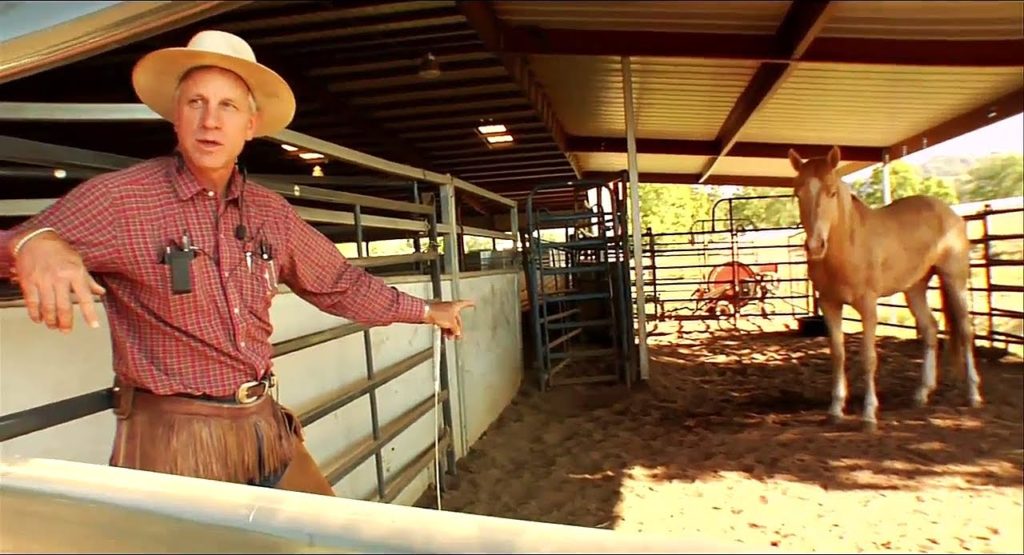
Buck is a documentary about real-life horse whisperer Buck Brannaman, an exceedingly grounded and gentle man who knows everything about horse behavior.  But the movie is more about human behavior, about the disturbing crucible that formed Buck, and about what we can learn about people from their handling of horses. You can rent Buck from Amazon, YouTube and Google Play or buy it from iTunes.

Other recent streaming recommendations:

ON TV

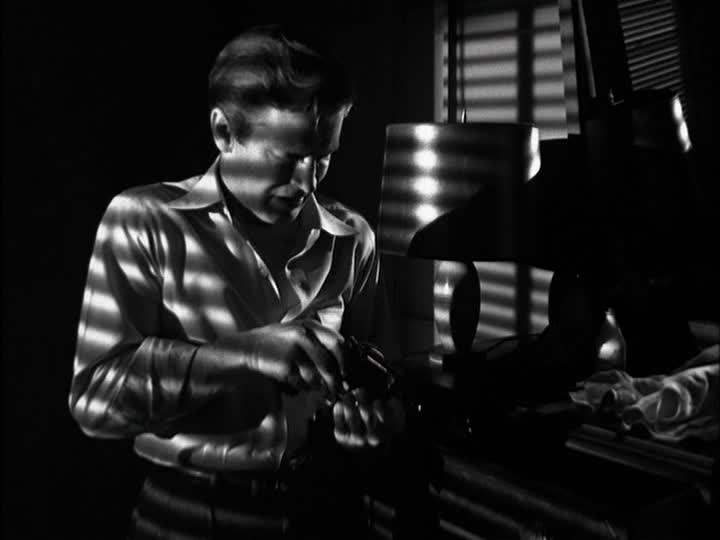
On April 7, Turner Classic Movies airs the innovative film noir He Walked By Night, completed by an uncredited Anthony Mann.  Inspired by a true life story, the LAPD goes on a man hunt for a highly skilled wacko played by Richard Basehart, with his bland good looks (but maniacal eyes).  It’s a police procedural elevated by the great cinematography of John Alton, especially the sewer escape chase (right up there with the one in The Third Man). Look for film noir veteran Whit Bissell is perhaps his shadiest role. As a bonus, Jack Webb of Dragnet fame plays a CSI with a decidedly unsafe but cool way to confirm that a substance is really nitroglycerine.

HE WALKED BY NIGHT

RECORDER: THE MARION STOKES PROJECT: it seemed crazy at the time…

. Marion Stokes in RECORDER: THE MARION STOKES PROJECT, directed by Matt Wolf. Photo credit: Eileen Emond and courtesy of Zeitgeist Films.

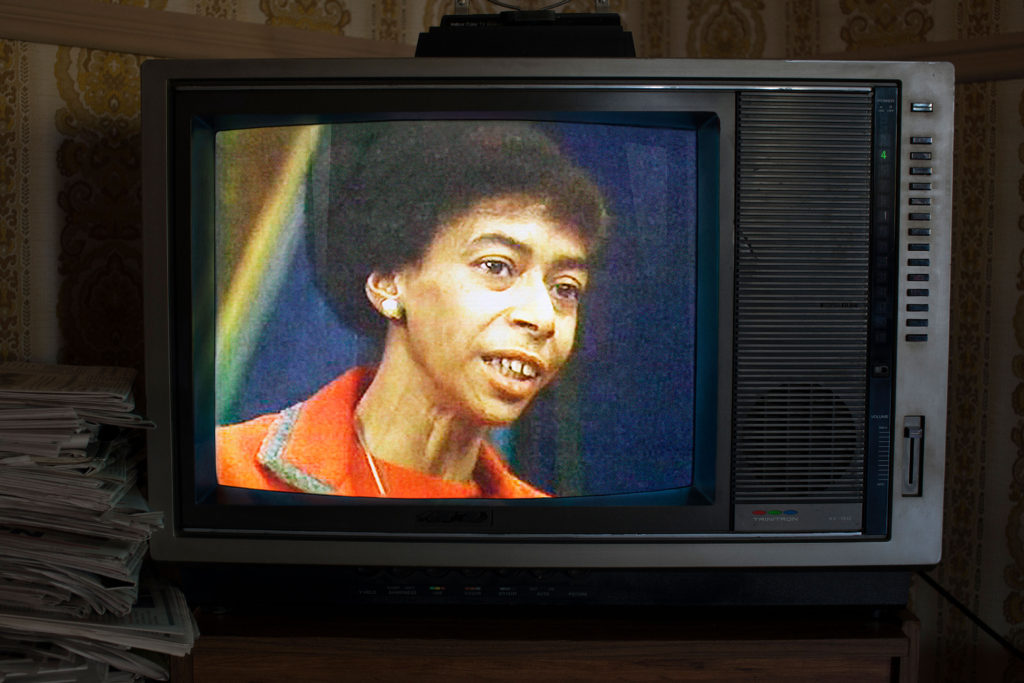
The excellent documentary Recorder: The Marion Stokes Project, is about an eccentric woman who did something that seemed crazy, but turned out to be be important. For over 30 years, 24 hours per day, on multiple channels, Marion Stokes everything that was on TV – local news, commercials, network shows – the whole enchilada. She left a collection of 70,000 videotapes, Recorder explains the How and the Why.

It turns out that, before digital technology, TV stations did not preserve what they broadcast. So, what Stokes compiled is essential and irreplaceable – a unique archive of broadcasting and of American culture as it has been reflected by television.

Now, this was – and had to be – the project of an obsessive. Stokes’ son sagely observes that the difference between collecting and hoarding is the perceived value of the objects.

Stokes was one of those people whose cause was so important to them that it is prioritized above, for example, family relationships. I found the testimony from Stokes’ household staff – essentially her chosen family – most insightful and touching.

It’s a fascinating story. Stokes was that rare radical activist who both understood the power of media and had the financial means of recording and storing all of these broadcasts. She was an early adopter (her first tapings were on Betamax!), and became an Apple enthusiast.

Director Matt Wolf unspools this story perfectly. He is the son of Cinequest documentary screener Sandy Wolf; in this recent profile of Sandy, I also highlight Matt Wolf’s career (scroll down).

Recorder: The Marion Stokes Project is streamable on Amazon, iTunes, Vudu, YouTube and Google Play.

THE WILD GOOSE LAKE: vivid nights in the underworld

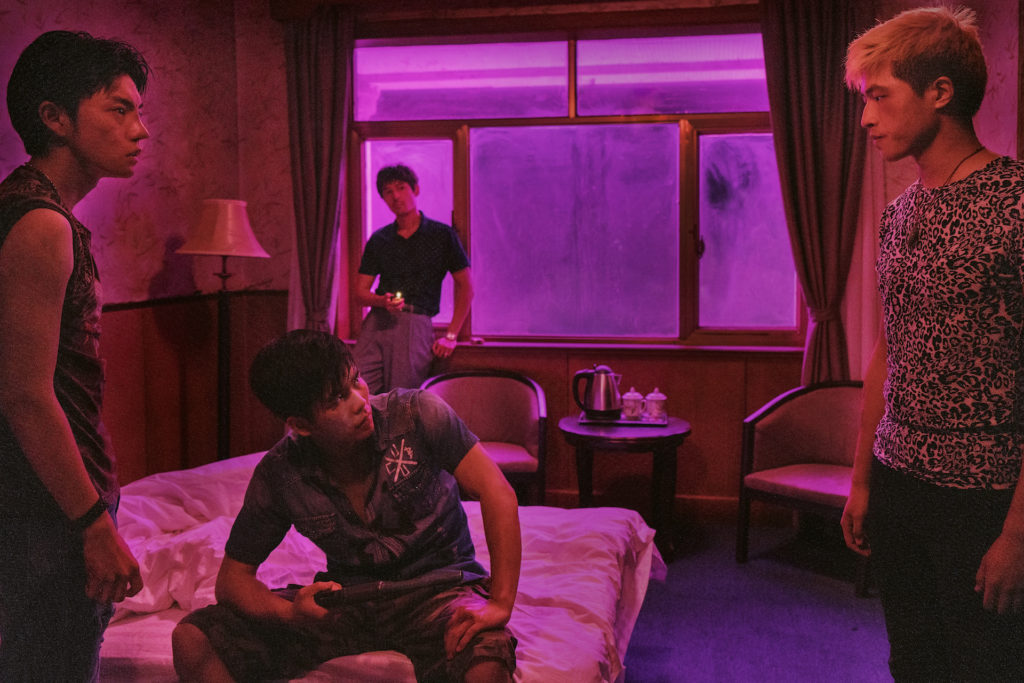
THE WILD GOOSE LAKE. Photo courtesy of Film Movement.

In the atmospheric neo-noir The Wild Goose Lake, Zenong Zhou (Ge Hu) is a small time hood who unintentionally kills a cop. He goes on the run in a downscale lakeside resort known as a lawless no mans zone. Not only is he hunted by hundreds of police, the local criminal gangs are chasing him, too, to collect the price on his head. A mysterious woman, Aiai Liu (Lun-mei Kwei), shows up and purports that she has been sent by his gang to help him escape.

As the double crosses mount, and Aiai Liu confesses that she has really been assigned to betray him, we wonder if she will. The two of them slink around the resort area, trying to lay low, until the gangs and the police converge for a climactic scene just before the satisfying epilogue.

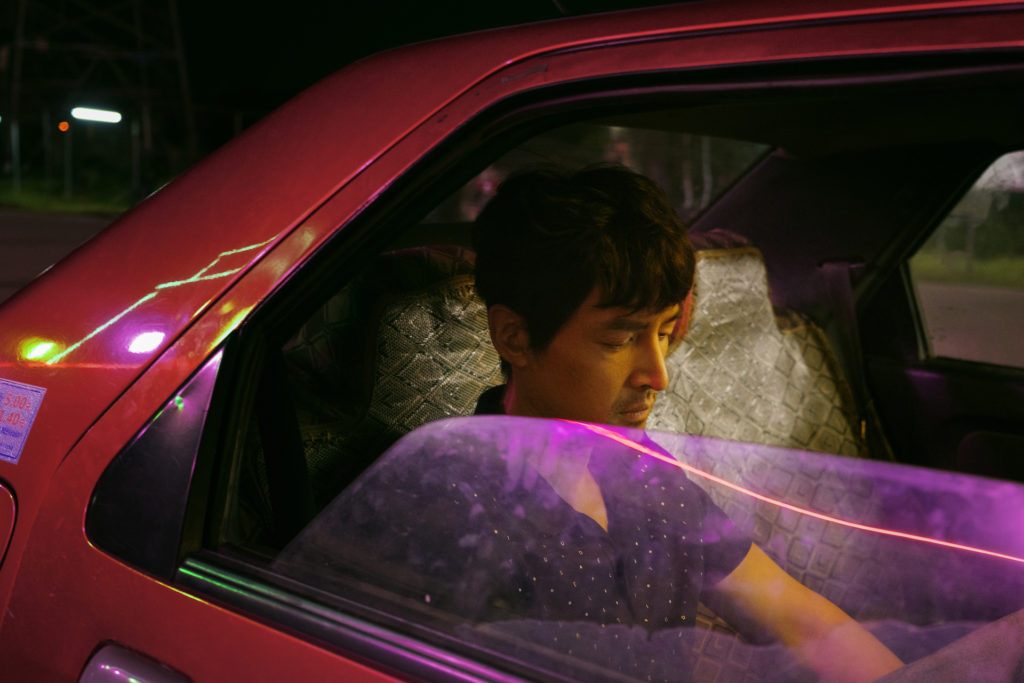
THE WILD GOOSE LAKE. Photo courtesy of Film Movement.

Director Yi’nan Dian has delivered a beautifully and inventively shot film. We first see the femme fatale thru a plastic umbrella. Much of the action is at night, and the colors in those nighttime scenes are vivid, even sometimes breathtaking. I especially liked a brief shot of the locals line dancing with glow-in-the-dark shoes.

Visually, The Wild Goose Lake reminded me of Long Day’s Journey into Night, a Chinese film that made my Best Movies of 2019 along with Ash Is Purest White. Overall, The Wild Goose Lake‘s screenplay and performances keep it from being as good as those films, but its cinematography by Jingsong Dong matches up.

Liao Fan (Ash is Purest White) plays the cop commanding the man hunt. Fan doesn’t have much to do for most of the film except to calmly issue orders, but we’re glad he’s around for the final scene.

Even before the hunters close in on their prey, The Wild Goose Lake contains some very effective set pieces, including an in-service training for gang members on how to steal motorbikes and then a contest billed as the “Olympic games of theft“.

More of an art movie than a crime thriller, The Wild Goose Lake is a beautifully shot fable from China’s underworld. You can support San Francisco’s Roxie Theater by buying a ticket to stream The Wild Goose Lake from the Roxie Virtual Cinema.

BUCK: the man inside the horseman

Buck Brannaman in BUCK

Buck is a documentary about real-life horse whisperer Buck Brannaman, an exceedingly grounded and gentle man who knows everything about horse behavior.  But the movie is more about human behavior, about the disturbing crucible that formed Buck, and about what we can learn about people from their handling of horses.

Fortunately, Director Cindy Meehl realized that she had a great story and got out of the way.  The understated guitar-based score never becomes melodramatic.  And Meehl never lets the admiring talking heads elevate Buck to more than what he is, which is remarkable enough.  This movie could have easily been painfully corny or pretentious and is neither.  I’d happily view it again today.

Buck’s own background is so nasty that it would totally unremarkable for him to have emerged mean or emotionally crippled – and he is the farthest from either.  With some help from loving people, Buck has chosen to become something different from his apparent fate.  In this way, Buck could be a companion piece to Mike Leigh’s Another Year.

Buck was shortlisted for the Best Documentary Oscar. You can rent Buck from Amazon, YouTube and Google Play or buy it from iTunes.