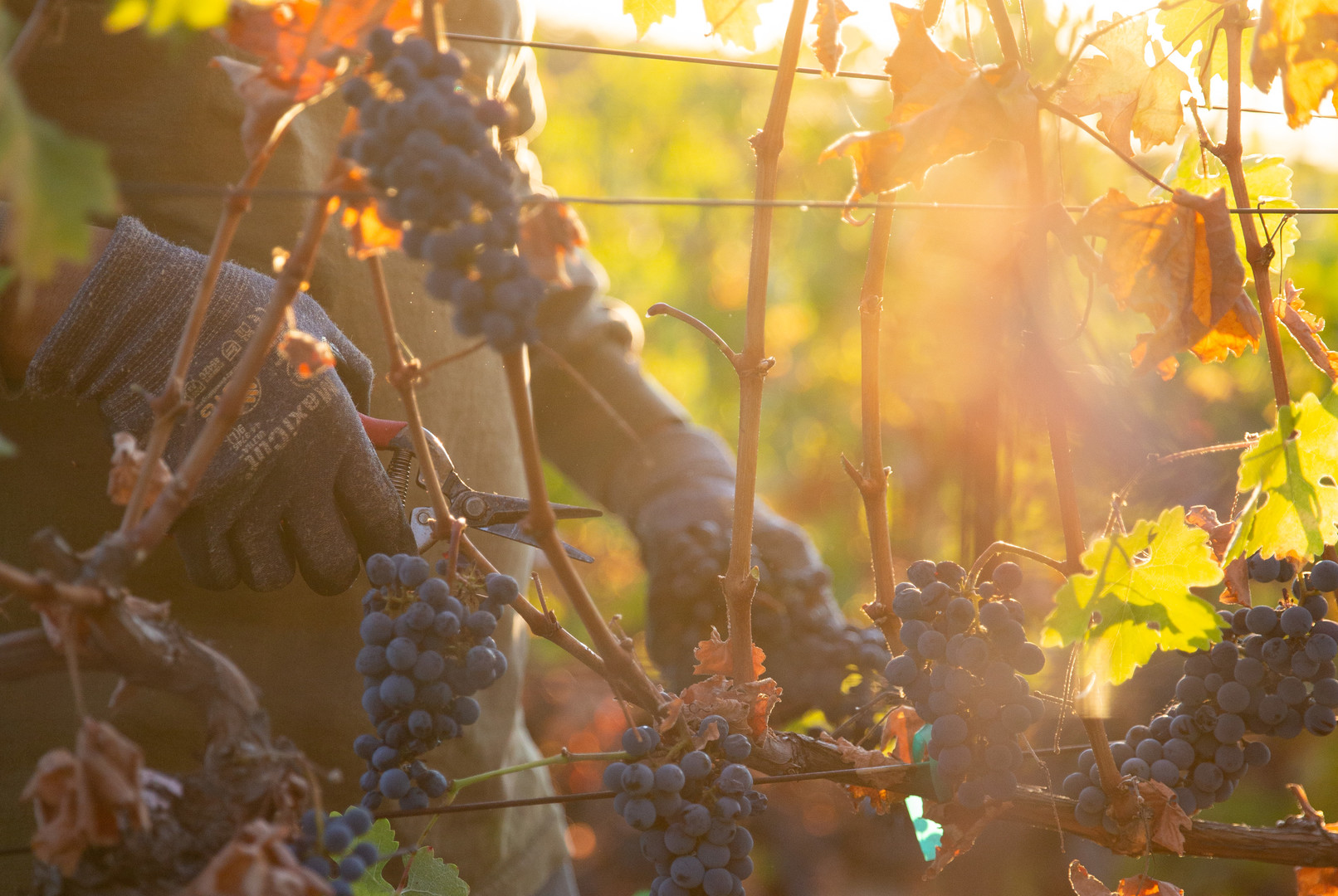
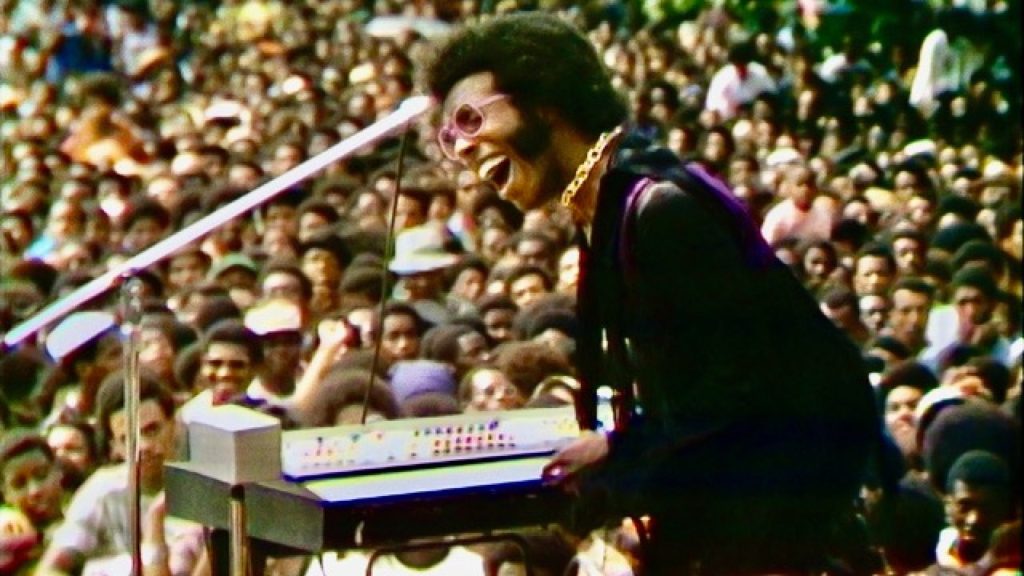
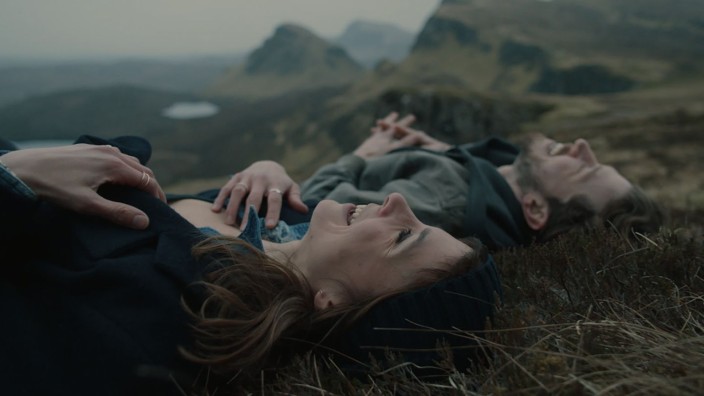
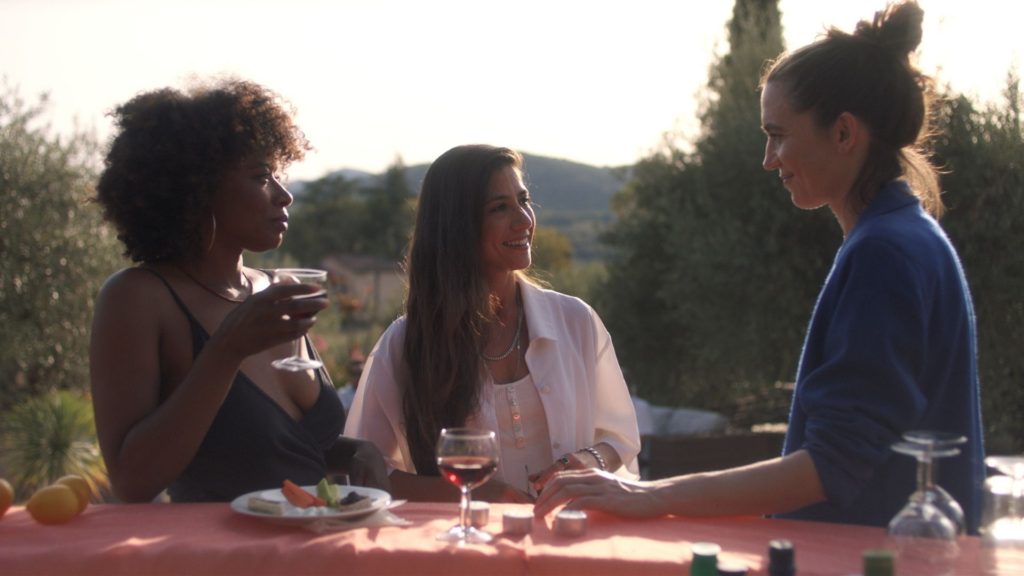
EDEN, world premiere at Cinequest. Courtesy of Cinequest.
The live and in-person Cinequest winds up today. Here are the films in the program that I hadn’t posted about yet:
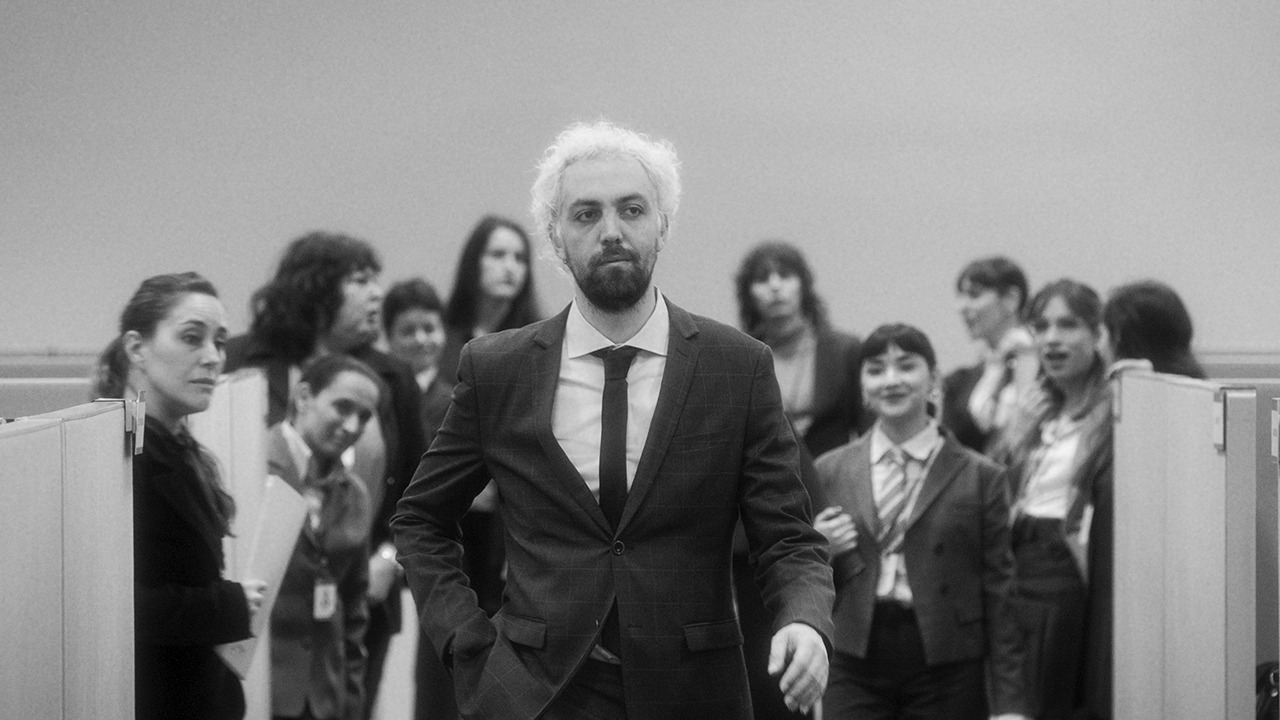
Dead Man’s Switch: In this atmospheric Spanish film, a woman’s husband disappears into thin air, and she goes searching for him. Exceptional black and white cinematography accentuates the crescendo of dread we feel for her as she strides alone down dark streets, into uncaring bureaucracies and into the bowels of the subway (she is a subway driver). Will she find out what has happened to him – and will it be even worse for her if she finds out? Not sure that the payoff is worth the 107 minutes of unrelenting gloom. World premiere.
Fanti: A young woman is obsessed with building her social media presence and feels entitled to a movie acting career; she hasn’t actually done anything to prepare for any career other than being famous for being famous – despite having a mother who has actually worked as a screen actor. When she catches a break and starts climbing into the world of an ingenue, it seems that someone is stalking her on-line. The strength of Fanti is the insider peek into the Vietnamese movie industry. Its weakness is that it’s hard to care about the main character. Winner of Best First Feature Film at the 2023 Vietnam Film Festival. US premiere at Cinequest.
Three Brothers: The best two things about this Argentine drama are that it brings us to an unfamiliar place – the rugged mountains of Patagonia – and photographs it exquisitely, The titular thirty-something brothers have inherited a saw mill on a large tract of land, and they face the global warming consequences of wildfires and flooding. But Three Brothers is really about their unresolved childhood issues and the challenges each faces to his sense of manhood (and one’s challenge to his anatomical manhood). None of them can communicate with the others about feelings, and they all have a fairly bestial view of women (except their sainted mother). There’s a spectacular flood scene at the climax, but, by then, the audience is tired of these unpleasant and unrelatable guys.
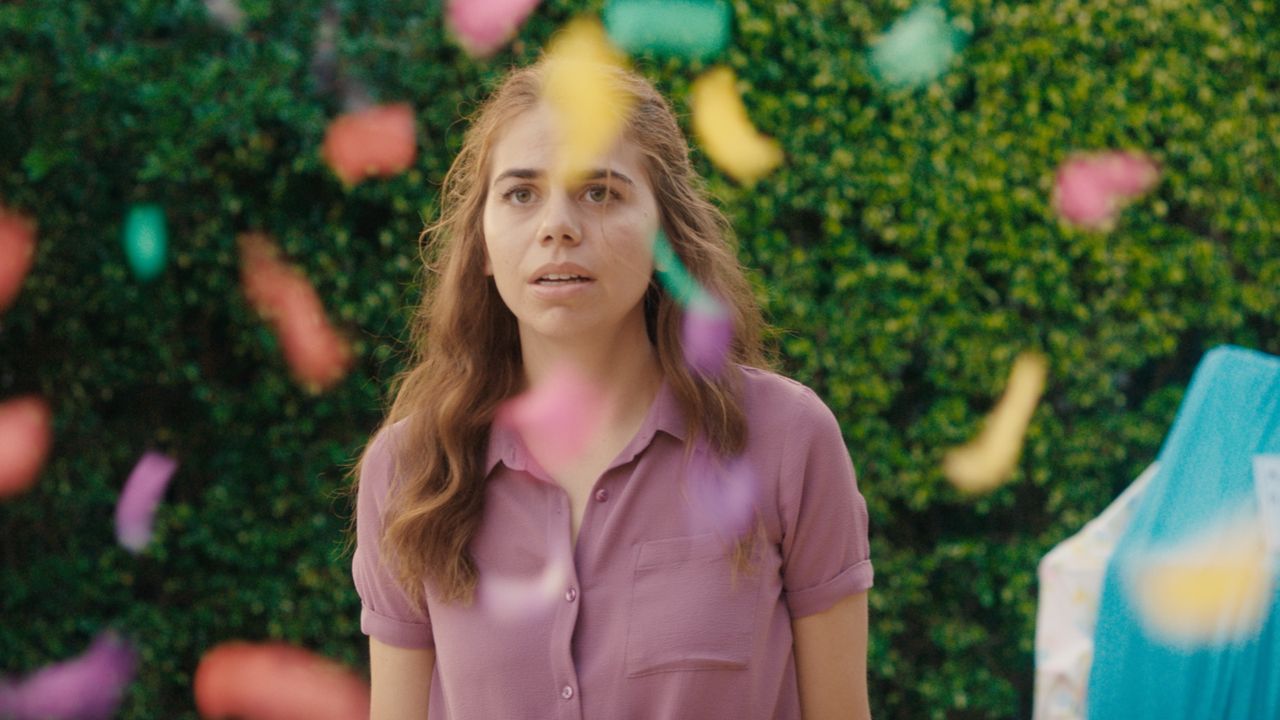
Eden: This documentary introduces us to a couple who has worked tirelessly for forty years to build a failed winery into a renowned producer of fine wines (Mount Eden Vineyards in Saratoga). It’s time for them to retire, but one adult kid may not have the aptitude to take over and the other may not have the interest. It’s a visually beautiful and dreamy film, romantic about winemaking. I personally thought it was 20-30 minutes too long for the content, and too reverential about the family. World premiere.
Selected films from the program move to Cinequest’s virtual platform, Cinejoyfrom March 21-31.
Locke: a thriller about responsibility. Amazon, AppleTV, Vudu, YouTube.
ON TV
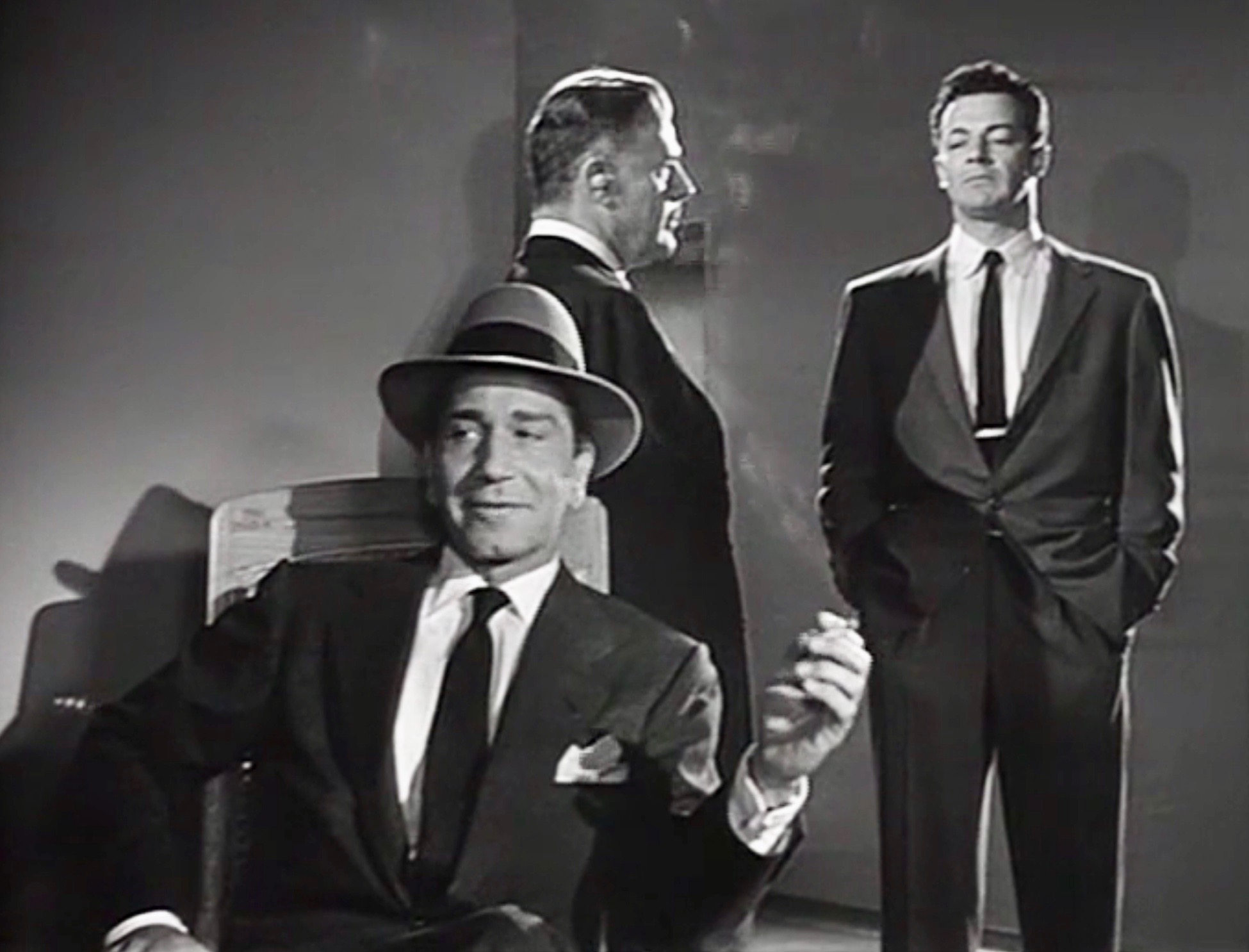
Richard Conte, Brian Donleavy and Cornel Wilde in THE BIG COMBO.
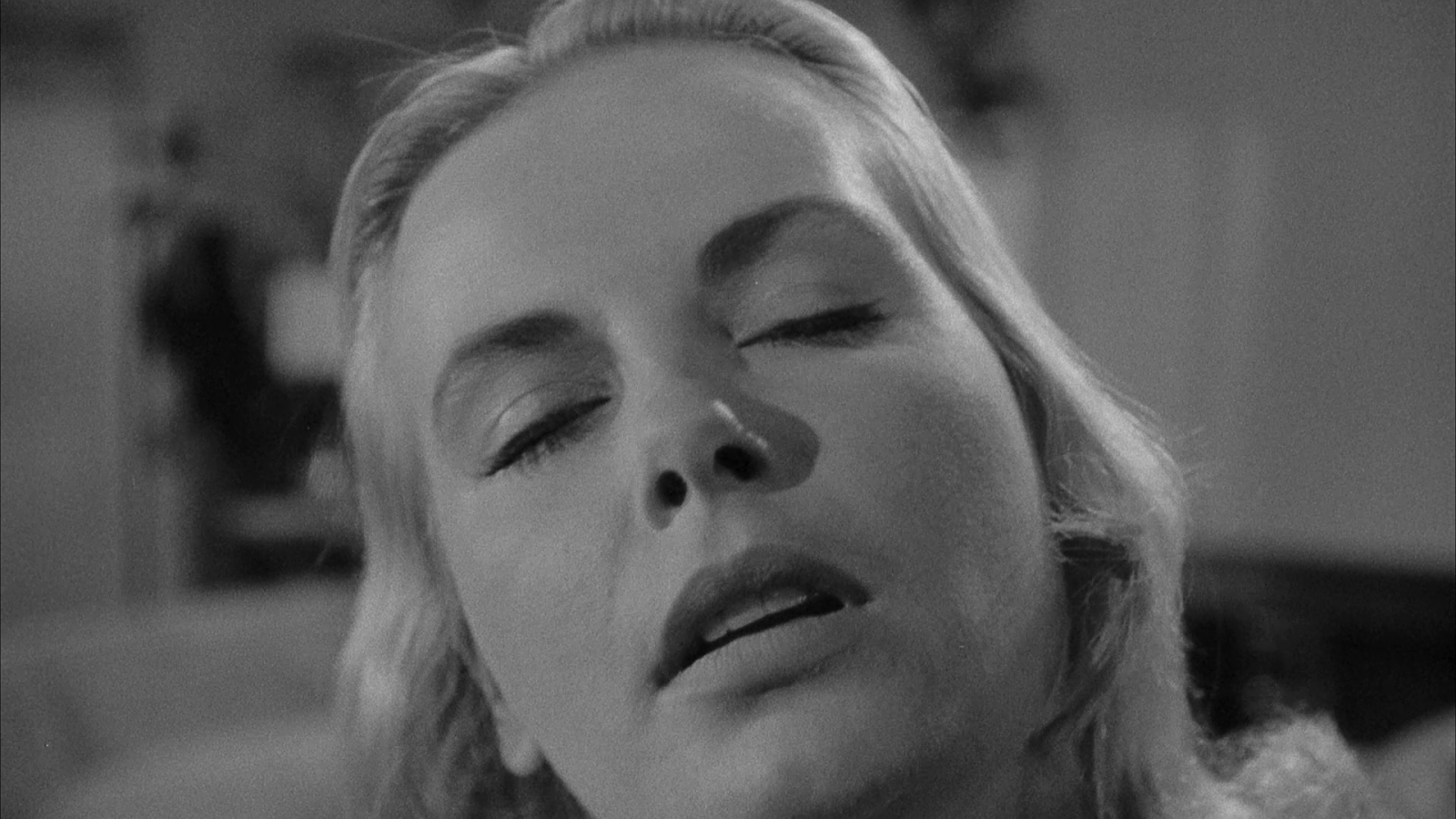
On March 18, Turner Classic Movies presents the classic film noir The Big Combo for its ruthless villain, his henchmen, plenty of dramatic shadows and some sly naughtiness by the filmmakers. In his most flamboyant performance, Richard Conte plays mob boss Mr. Brown. Cornel Wilde (also the film’s producer) plays Lieutenant Diamond, a cop with two obsessions, to bring down the crime lord and to take his woman, Susan (Wilde’s real-life wife Jean Wallace). Mr. Brown is supremely confident, with good reason, and so arrogant that he only addresses Diamond, standing two feet away, through Brown’s own lackey. Brown and his henchmen ((Lee Van Cleef and Earl Holliman)) are also cruelly ruthless, carrying out the usual beatings and murders, and also torture by hearing aid and by boozeboarding.
Director Joseph Lewis and his collaborators did successfully slip some things past the censors. Conte’s Mr. Brown reminds Susan of how he pleases her. And the henchmen are a couple, as Holliman confirmed decades later to Eddie Muller.
Lewis and the great cinematographer John Alton delivered one of the most iconic final shots in noir.
Killers of the Flower Moon: Whiskey just keeps showing up, from King (Robert De Niro) greeting Ernest (Leonardo DiCaprio) with a glass to Mollie (Lily Gladstone) bringing out the good stuff to entertain Ernest.
The Holdovers: In The Holdovers, Paul is a bourbonaholic, who usually drinks Jim Beam, and he buys a pint in the Boston liquor store. (I’m a fan of The Holdovers, but not Jim Beam).
Past Lives: The film is bookended a scene in a New York City bar with the three main characters; Arthut (John Maguro) is drinking an Old Fashioned.
Oppenheimer: The flask keeps showing up – and in the 1940s US, it’s gotta contain whiskey.
Pasta:
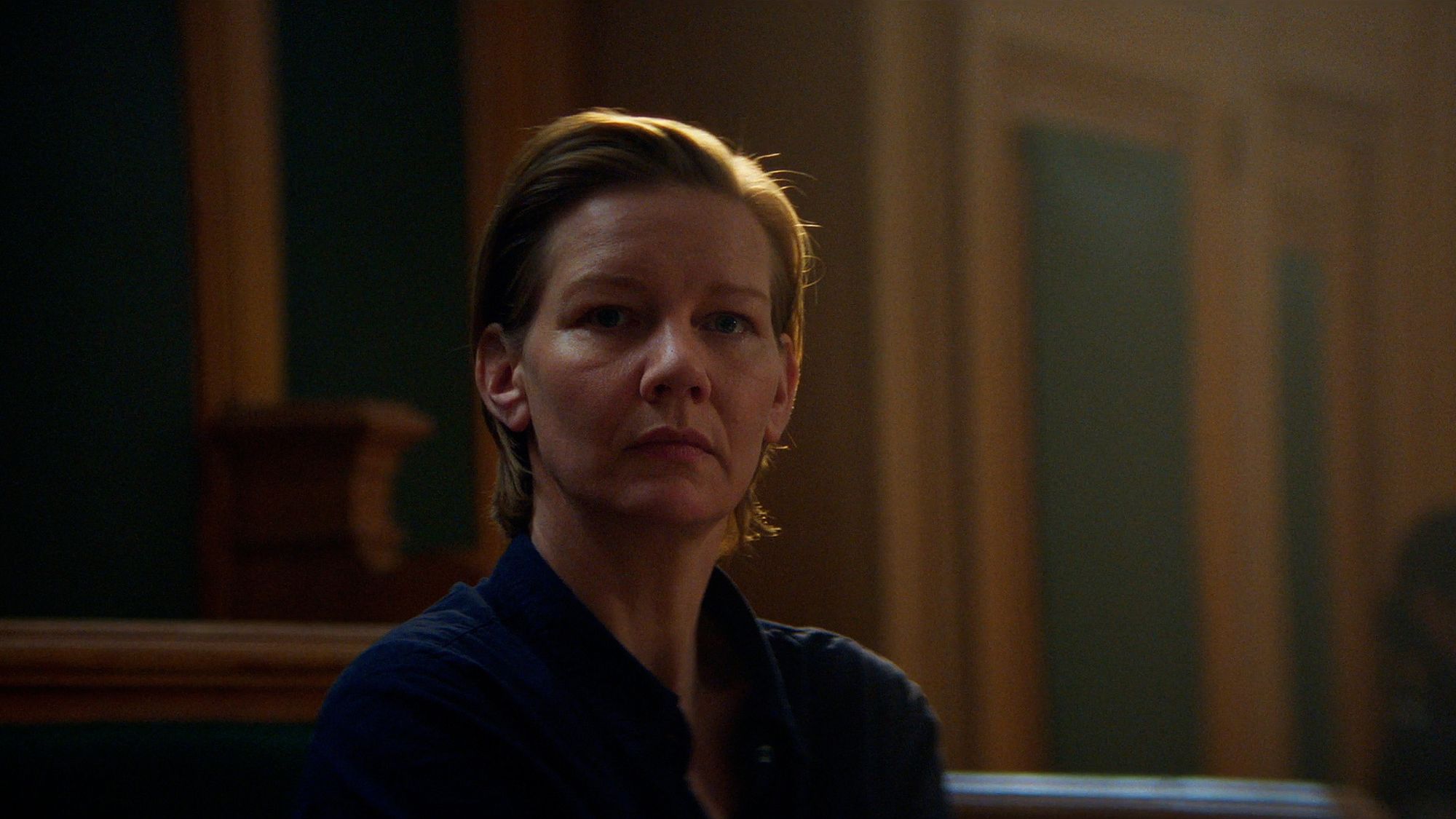
Anatomy of a Fall: Defense attorney Vincent fixes spaghetti when first visiting Sandra (Sandra Huller) after her husband falls to his death. It’s a simple, light colored pasta like cacio a pepe or alla Gricia, and that’s what I’ll be preparing.
Past Lives: Given the choice of any cuisine available in New York City, Hae Sung requests pasta, so Nora and Arthur take him to an Italian restaurant where there have pasta with a red sauce.
American Fiction: Monk (Jeffrey Wright) and Coraline (Erika Alexander) are preparing a pasta dinner at her place, when their relationship takes a turn.
To go salad in a deli clamshell from American Fiction: Monk is at a hotel conference center to serve on a panel judging books for a literary prize. At the lunch break, he grabs a clamshell salad instead of a wrapped sandwich, which just perfectly fits the character.
Toast and milk from Barbie: Barbie (Margot Robbie) holds a piece of toast and a cup of milk (but doesn’t actually CONSUME them because she’s made of plastic, after all).
Chinese takeout from Maestro: Lenny (Bradley Cooper) and Felicia (Carey Mulligan) enjoy this Manhattan staple in their Upper West Side apartment with their artsy, intellectual friends.
Pasteis de nata from Poor Things: Belle (Emma Stone) gets addicted to these delectable Portuguese egg custards as she matures into having really good taste. The best pasteis de nata in the Western Hemisphere are from Adega in San Jose, but we had to make our own poor substitute.
German pastry from Zone of Interest: This is from the scene when Hedwig (Sandra Huller) is impressing her mother with the lifestyle perks of Hedwig’s marriage to the big boss.
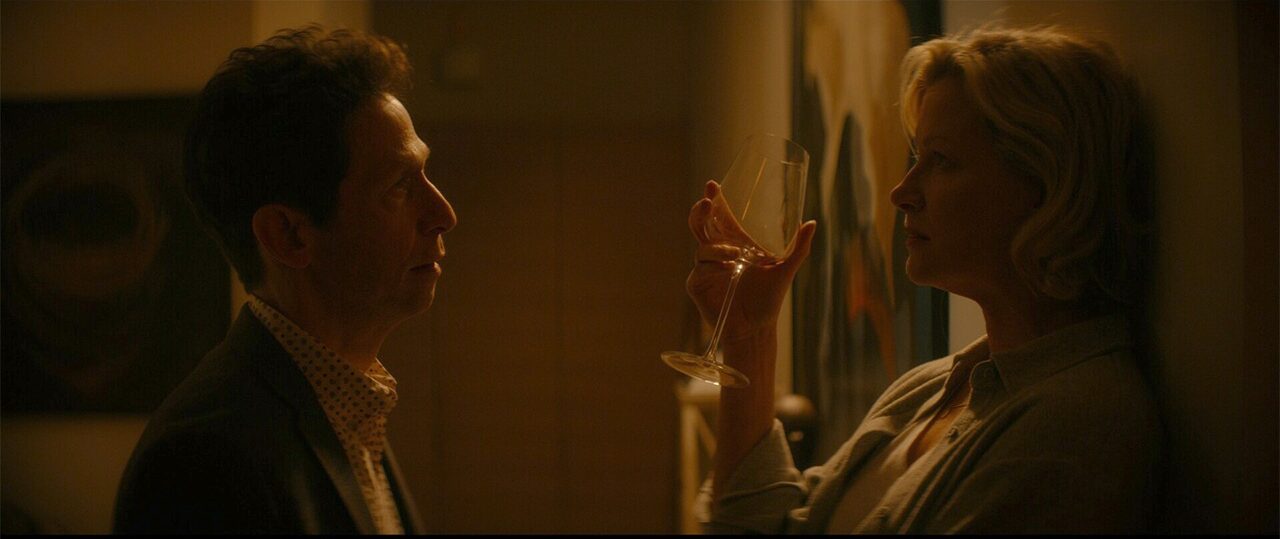
Tim Blake Nelson and Gretchen Mol in THE INVISIBLES. Courtesy of Cinequest.
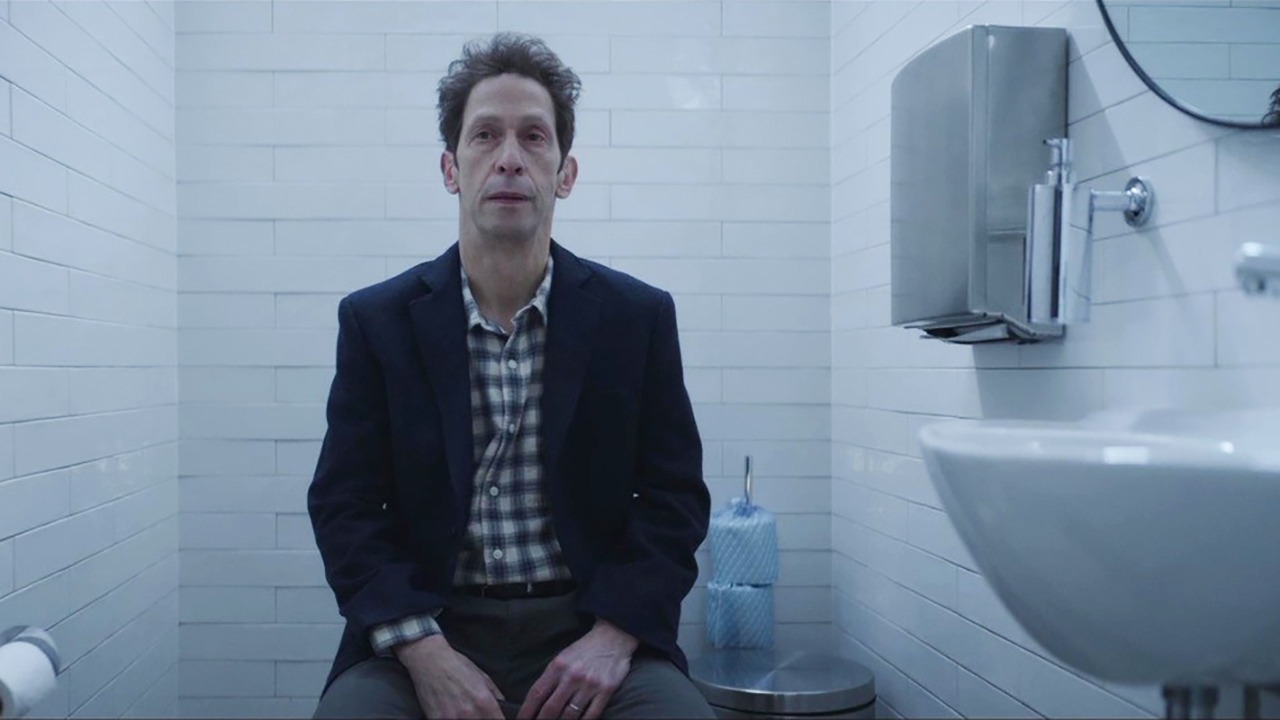
In the engrossing dramatic parable The Invisibles, Charlie (Tim Blake Nelson) has become so disengaged from his job and his marriage that he becomes invisible – at first metaphorically and then literally – to those around him. Charlie is finding this disturbing enough, but then he happens on an entire community of invisible people like him in a parallel dimension. Can they return to the world of the visible? And do they want to?
The invisibles hang out together in a decrepit bowling alley, led by Carl the affable bartender (Bruce Greenwood). Charlie learns that the invisibles have each experienced a loss, a disappointment or a betrayal so devastating that they have each given up on life in some way. But there’s no more emotional pain in the invisible world, and the bowling alley is a hub of merrymaking.
Charlie and his wife Hannah (Gretchen Mol) have suffered a grievous loss; Hannah has been working hard to recover, but the grief has paralyzed Charlie into a toxic mire of denial, avoidance and apathy.
As Charlie finds himself torn between his love for his wife and the comfort of the invisible world, The Invisibles explores the how people react to the pain of loss and the painful process of getting beyond it. The ingenious metaphor of the parallel universes is the creation of writer-director Andrew Currie. He wrote and directed Fido, one of my Zombie Movies for People Who Don’t Like Zombie Movies.
Tim Blake Nelson is an acting treasure, and he’s at the top of his game here. Mol and Greenwood are excellent, too, as is Nathan Alexis as one of the invisibles.
Cinequest hosted the world premiere of The Invisibles today and will present a second screening tomorrow, March 11. The Invisibles is highlighted as one of two Must See films in my Best of Cinequest.
Tim Blake Nelson and Gretchen Mol in THE INVISIBLES. Courtesy of Cinequest.
The Movie Gourmet’s culinary tribute to 127 HOURS and WINTER’S BONE
Every year, The Wife and I watch the Oscars while enjoying a meal inspired by the Best Picture nominees. For example, we had sushi for Lost in Translation, cowboy campfire beans for Brokeback Mountain and Grandma Ethel’s Brisket for A Serious Man – you get the idea. Here’s the 2023 Oscar Dinner, complete with the everything bagel from Everything Everywhere All at Once, the Fruit Loops from Top Gun: Maverick and the Nutella from Triangle of Sadness.
The high point has been the Severed Hands Ice Sculpture in 2011 for 127 Hours and Winter’s Bone (photo above). The Wife built on that earlier work with another ice sculpture in 2023 – the severed fingers from The Banshees of Inisherin.
This year, we resisted the temptation to build the meal round the ham and fluffy potatoes anchoring the Christmas dinner in The Holdovers prepared by Mary (Da’vine Joy Randolph) for Paul (Paul Giamatti) and Angus (Dominic Sessa), possibly followed by the impromptu cherries jubilee in the parking lot. And there are lots of food scenes in American Fiction (omelets and brunch and barbecue). In Past Lives, we seeHae Sung (Teo Yoo) consumes gallons of soju with his buddies, army rations and breakfast noodles, and Nora (Greta Lee) has a craving for chicken wings.
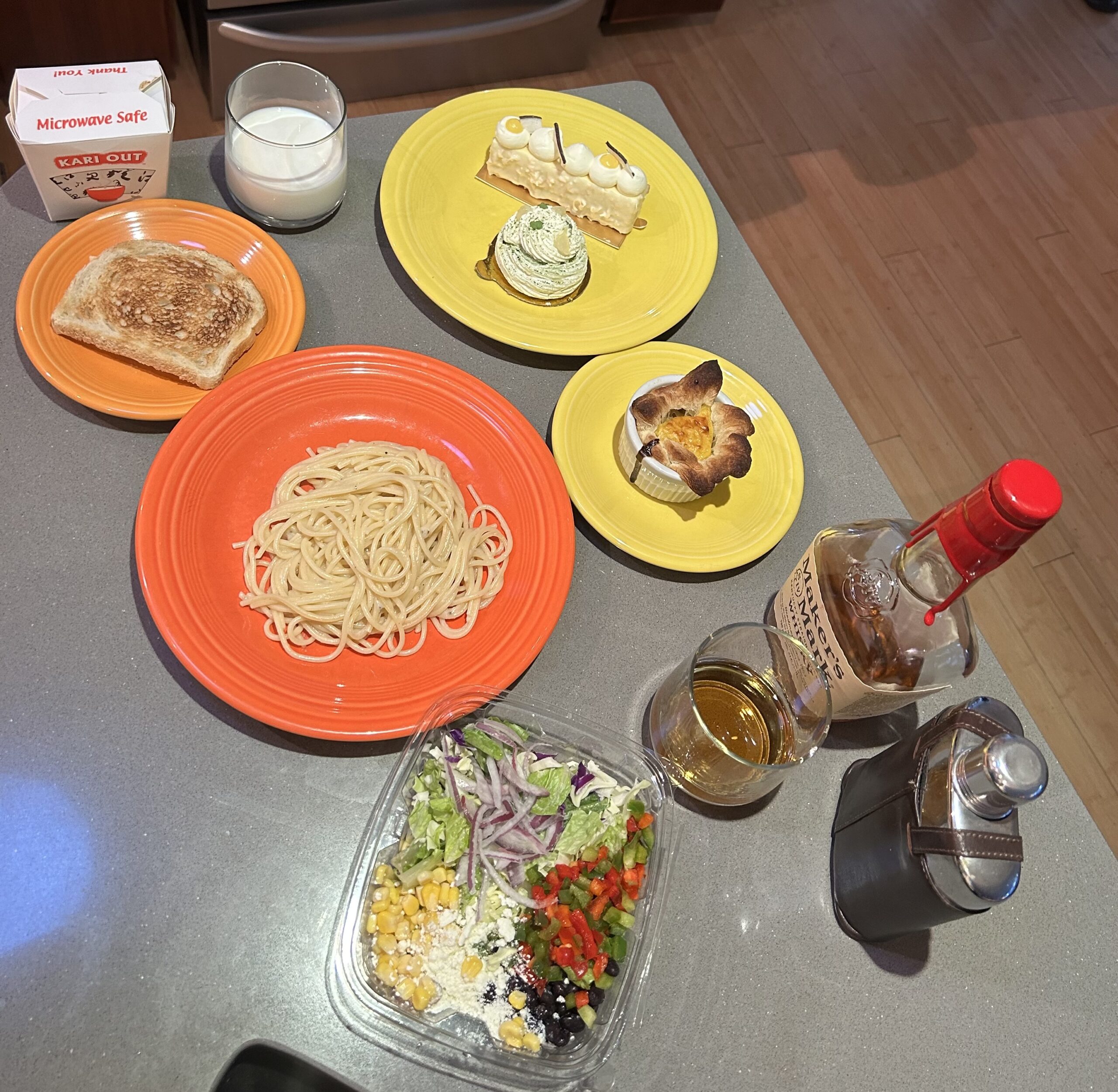
But this year has been singular in that so many of the nominated movies had scenes featuring whiskey and pasta. It has just been a one-dish-from-each-movie kind of year. So we are putting the whiskey and the pasta front and center. I usually drink Bulleit Rye, but on Oscar night, I’ll be pouring Maker’s Mark, not for any movie-related reason, but because it was the favorite of in tribute to my former roommate, Kam Kuwata, who has passed.
Here is this year’s complete menu:
Whiskey
Killers of the Flower Moon: Whiskey just keeps showing up, from King (Robert De Niro) greeting Ernest (Leonardo DiCaprio) with a glass to Mollie (Lily Gladstone) bringing out the good stuff to entertain Ernest.
The Holdovers: In The Holdovers, Paul is a bourbonaholic, who usually drinks Jim Beam, and he buys a pint in the Boston liquor store. (I’m a fan of The Holdovers, but not Jim Beam).
Past Lives: The film is bookended a scene in a New York City bar with the three main characters; Arthut (John Maguro) is drinking an Old Fashioned.
Oppenheimer: The flask keeps showing up – and in the 1940s US, it’s gotta contain whiskey.
Pasta:
Anatomy of a Fall: Defense attorney Vincent fixes spaghetti when first visiting Sandra (Sandra Huller) after her husband falls to his death. It’s a simple, light colored pasta like cacio a pepe or alla Gricia, and that’s what I’ll be preparing.
Past Lives: Given the choice of any cuisine available in New York City, Hae Sung requests pasta, so Nora and Arthur take him to an Italian restaurant where there have pasta with a red sauce.
American Fiction: Monk (Jeffrey Wright) and Coraline (Erika Alexander) are preparing a pasta dinner at her place, when their relationship takes a turn.
To go salad in a deli clamshell from American Fiction: Monk is at a hotel conference center to serve on a panel judging books for a literary prize. At the lunch break, he grabs a clamshell salad instead of a wrapped sandwich, which just perfectly fits the character.
Toast and milk from Barbie: Barbie (Margot Robbie) holds a piece of toast and a cup of milk (but doesn’t actually CONSUME them because she’s made of plastic, after all).
Chinese takeout from Maestro: Lenny (Bradley Cooper) and Felicia (Carey Mulligan) enjoy this Manhattan staple in their Upper West Side apartment with their artsy, intellectual friends.
Pasteis de nata from Poor Things: Belle (Emma Stone) gets addicted to these delectable Portuguese egg custards as she matures into having really good taste. The best pasteis de nata in the Western Hemisphere are from Adega in San Jose, but we had to make our own poor substitute.
German pastry from Zone of Interest: This is from the scene when Hedwig (Sandra Huller) is impressing her mother with the lifestyle perks of Hedwig’s marriage to the big boss.
Photo caption: Aylin Tezel and Chris Fulton in FALLING INTO PLACE, US premiere at Cinequest. Courtesy of Cinequest.
This week on The Movie Gourmet – Cinequest is underway, and it’s my 14th year covering Silicon Valley’s own major film festival. My Best of Cinequest recommends films from the Thriller, Romance, Comedy, International, Art Film and Documentary categories, along with two Must Sees. All of my coverage is linked on my Cinequest 2024 page – so far, four features and reviews or capsules of ten films.
The WIfe and I are also preparing our renowned Oscar Dinner – more on that tomorrow.
Speaking of the Oscars, I’ll be especially interested in
How many Oscars that Oppenheimer racks up. I’m guessing AT LEAST seven: Best Picture, director Christopher Nolan, cinematographer Hoyte Van Hoytema, editor Jennifer Lame, composer Ludwig Göransson and actors Cillian Murphy and Robert Downey Jr.
How much recognition Anatomy of a Fall gets, despite not being a Hollywood movie. I’m rooting for Justine Triet’s original screenplay and Sandra Huller’s performance (but it would be OK if Lily Gladstone wins Best Actress instead).
I’ll also be rooting for America Ferrara’s performance and Greta Gerwig’s adapted screenplay for Barbie.
Also note that, with Poor Things, American Fiction and The Zone of Interest going to VOD, you can now stream any and all of the major Oscar-nominated films.
CURRENT MOVIES
Anatomy of a Fall: family history, with life or death stakes. Amazon, AppleTV, Vudu, YouTube.
American Fiction: this can’t be happening. In theaters and Amazon, AppleTV, Vudu, YouTube,
The Taste of Things: two passions: culinary and romantic. In arthouse theaters.
Golden Years: when dreams diverge. In arthouse theaters.
Locke: a thriller about responsibility. Amazon, AppleTV, Vudu, YouTube.
ON TV
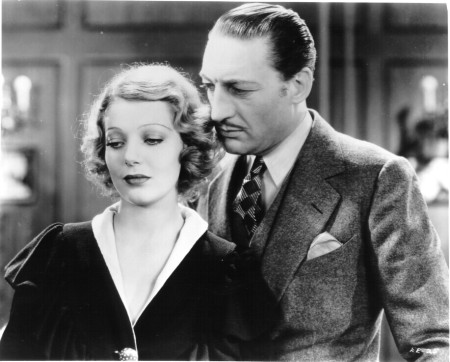
Warren William with Loretta Young in EMPLOYEES ENTRANCE
On March 12, Turner Classic Movies airs Employees Entrance, starring Warren William, whose movies from the early 30s remain fresh today. Although he is not well-known today, William was “King of the Pre-Code”, starring in 25 movies between 1931 and 1934, many with the sexual frankness and moral ambiguity that was to be erased by the Production Code. If you want to understand Pre-Code cinema, watch Employees Entrance, and imagine the future movie censor, the supercilious Joe Breen, with his head exploding.
In the 1933 Employees Entrance, William plays a department store manager who is viciously ruthless with his competitors and suppliers. He abuses his own employees and is indifferent to the resultant suicide attempts. He uses his position to have sex with a young employee (Loretta Young), even after she marries someone else. And he keeps a floozy on the payroll to distract another executive (his putative supervisor) from meddling in the business. And for all 75 minutes of Employees Entrance, William’s joyously despicable character is richly enjoying himself. If you’re looking for the triumph of Good over Evil, this isn’t your movie.
With his striking features (including a prominent and noble nose) and his deep and cultured voice, William was a natural for the newfangled talkies. William excelled in the Pre-Code movies because he could play deliciously shameless scoundrels who would use their wit and position to exploit everyone else, especially for sex, power and money. His characters are fun to watch because they take such delight in their own depravity. His leading ladies included the likes of Bette Davis, Barbara Stanwyck, Loretta Young, Ann Dvorak and Claudette Colbert. But in 1934, the new Production Code meant that movies could no longer allow his characters to have sex and otherwise behave badly and get away with it.
One of my favorite movies is 1932’s hilarious political comedy The Dark Horse, in which William plays an equally ruthless and amoral campaign manager. He is such a scoundrel that he must first get sprung from jail to teach his dimwitted candidate to answer every question with “Yes…and, then again, no.” He describes his own candidate (the gleefully dim Guy Kibbee) thus: “He’s the dumbest human being I ever saw. Every time he opens his mouth he subtracts from the sum total of human knowledge.”
Ever the sexually predatory cad on the screen, the real-life William led a quiet life and was married to the same woman for twenty-five years until his death.
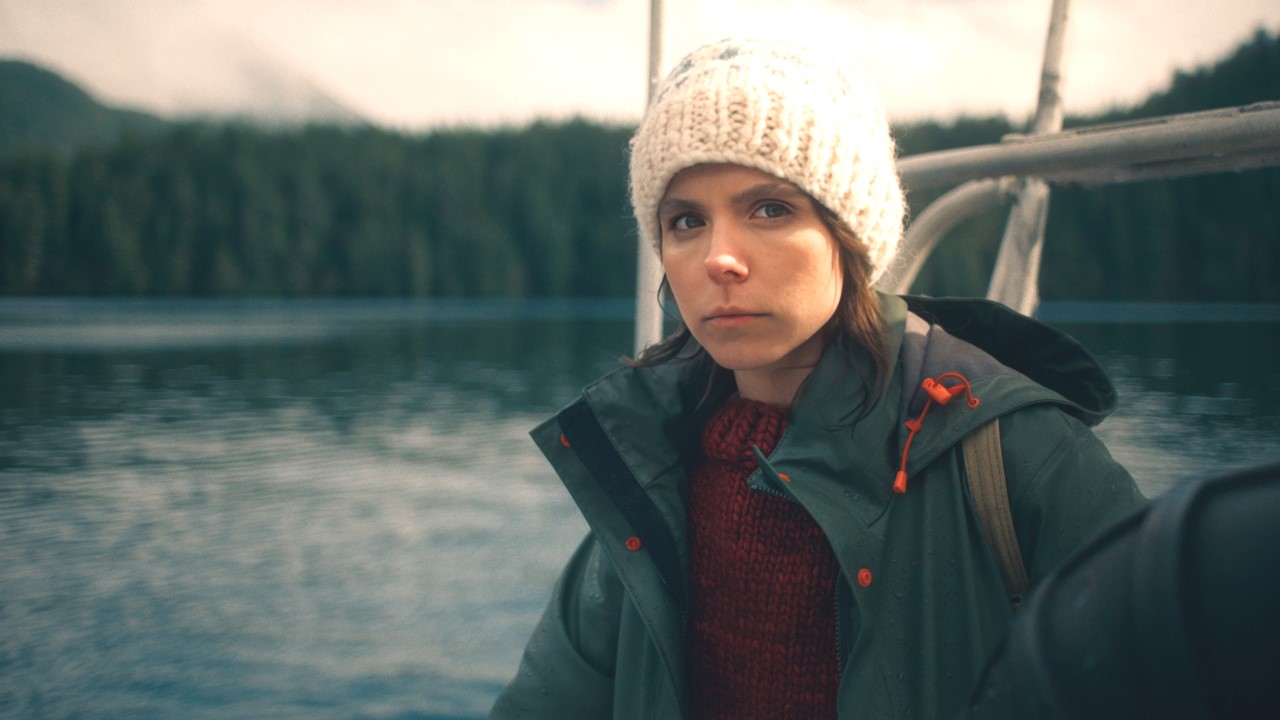
Paloma Kwiatkowski in THE ISLAND BETWEEN THE TIDES. Courtesy of Cinequest.
The Island Between the Tides: In this supernatural thriller, a young girl wanders away from her parents on the isolated British Columbia coastline and returns seemingly the same. As a young woman, she disappears again, and this time returns 20 years later, but at the same age as when she left. She’s trying to figure out what has happened, as is the family who has been grieving her loss for twenty years, not to mention her son, who is now older than she is. They and the audience are bouncing between the unsettling possible explanations of delusion and disassociation, ghosts or a dimension where beings move to and may be trapped in different times.
The story is based on the play Mary Rose by Peter Pan author J.M. Barrie, which I’ve read that Hitchcock wanted to adapt, but couldn’t overcome studio suits finding it “too troubling”. Impressive feature debut for writer-directors Austin Andrews and Andrew Holmes.
Paloma Kwiatkowski is good as the protagonist, and she is ably supported by Donal Logue, Camille Sullivan and David Mazouz. I always enjoy Adam Beach, and here he gets to play a sunny, non-brooding role,
Cinequest hosts the world premiere as Cinequest’s opening night film. The Island Between the Tides is one of my Best of Cinequest.
Photo caption: Tim Blake Nelson and Gretchen Mol in THE INVISIBLES. Courtesy of Cinequest.
Cinequest, Silicon Valley’s own major film festival, returns live and in-person March 7, back in downtown San Jose, with screenings March 7-17 at the California Theatre and the Hammer Theater. Selected films from the program then move to Cinequest’s virtual platform, Cinejoyfrom March 21-31..
I’ve already seen almost twenty offerings from Cinequest 2024, and here are my initial recommendations. As usual, I focus on the world and US premieres. Follow the links for full reviews, images and trailers. I’ve also included some tips for making the most of the Cinequest experience under “Hacking Cinequest”.
MUST SEE
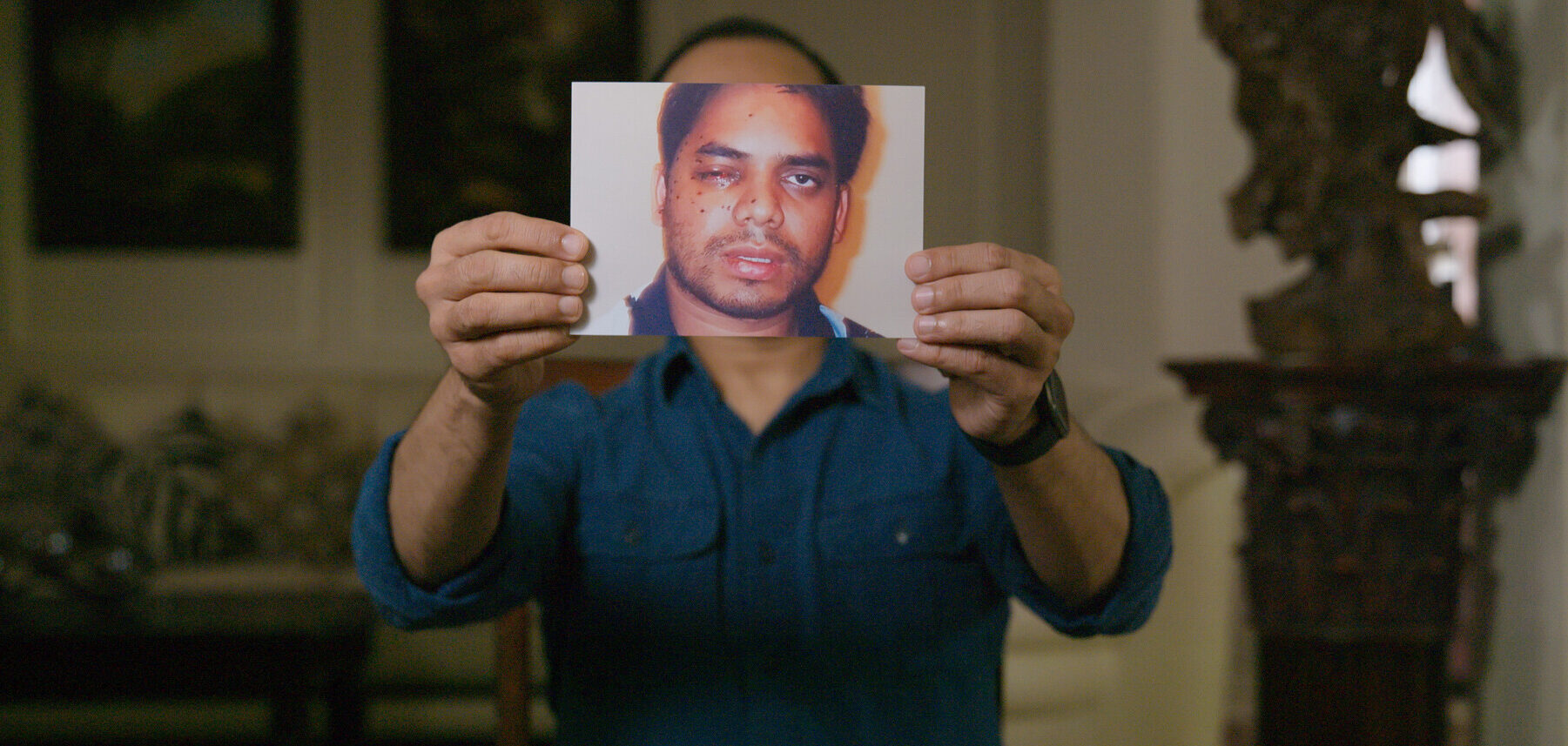
Pain and Peace: This extraordinary and emotionally powerful documentary begins with the story of Rais Bhuiyan. In the wake of the 9/11 attacks, an attacker who was looking to kill Muslims, any Muslims, shot two convenience store clerks to death and then entered the workplace of Bangladeshi immigrant Bhuiyan and shot him in the face with a shotgun; Bhuiyan somehow survived and then, perhaps even more remarkably, began a campaign of forgiveness for his perpetrator. What follows is an exploration of forgiveness as a necessary prerequisite to reconciliation and ending the cycle of demonizing other people. Bhuiyan interviews other survivors of hate crimes, many of the highest profile, like the Georgia church shooting, the Buffalo supermarket shooting, the Orlando nightclub shooting, and more. It’s riveting when they retell their experiences and talk about forgiving their attackers. Pain and Peace is the first feature for director Mark Feijó. World premiere.
The Invisibles: In this engrossing dramatic parable, Charlie (Tim Blake Nelson) has become so disengaged from his job and his marriage that he becomes invisible – at first metaphorically and then literally – to those around him. Charlie is finding this disturbing enough, but then he finds himself in a parallel dimension of invisible people like him – who have experienced a loss and given up on life in some way. Can they return to the world of the visible? And do they want to? There’s no more emotional pain in the invisible world, and their hangout is a hub of merrymaking. Charlie and his wife Hannah (Gretchen Mol) have suffered a grievous loss; Hannah has been working hard to recover, but the grief has paralyzed Charlie into a toxic mire of denial, avoidance and apathy. As Charlie finds himself torn between his love for his wife and the comfort of the invisible world, The Invisibles explores the how people react to the pain of loss and the painful process of getting beyond it. Tim Blake Nelson has never been better. World premiere.
INTERNATIONAL CINEMA
A scene from Erico Rassi’s SAME OLD WEST. Courtesy of Cinequest.
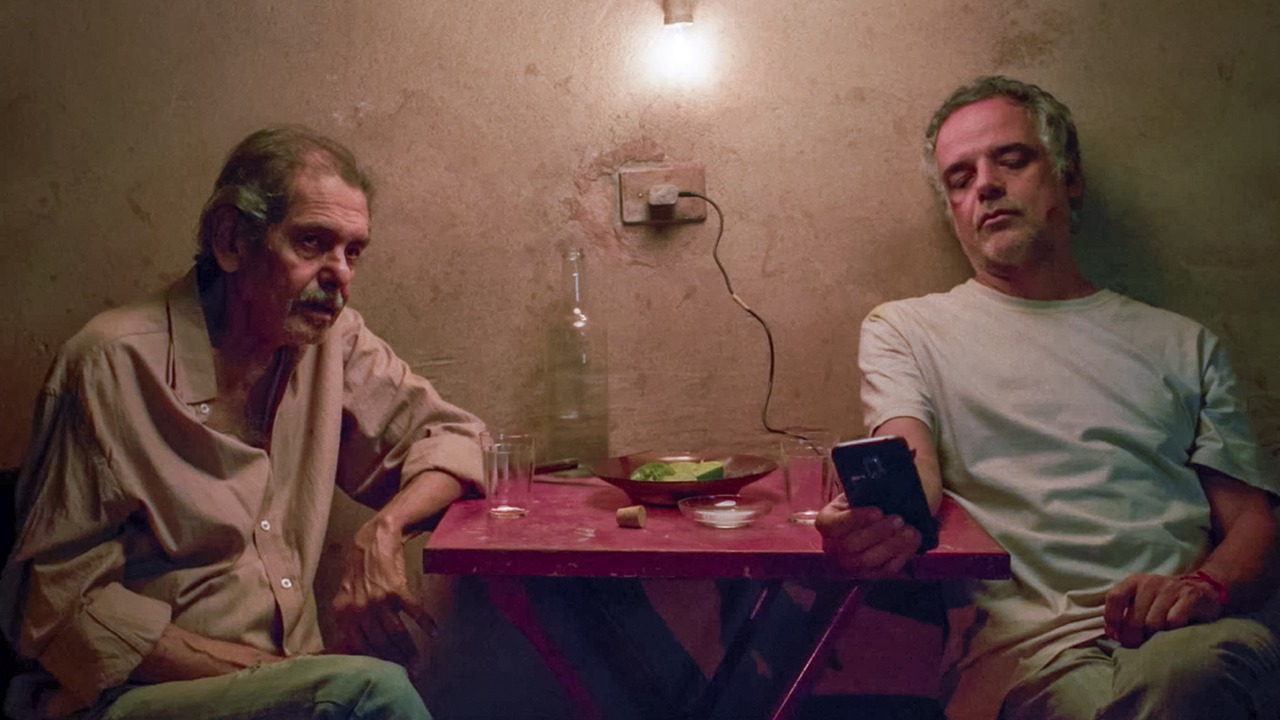
Same Old West: This contemporary Brazilian western begins with two men slugging it out over a woman, before they start hiring gunmen to take out the other. Same Old West takes us into a Brazil that is neither Rio de Janeiro nor the Amazon rainforest. This is a flat and arid land, a backward place where hired killers are still called gunmen instead of hit men and use their hunting rifles instead of automatic weapons. Literally, the plot of Same Old West sounds male-oriented – a bunch of guys hunting each other with gun violence on their minds. But, it’s really about men who have been rejected by women, and their inability to understand it or to move on. They’re aspiring to toxic masculinity, but they’re too laughably pathetic to achieve it. If you like your humor as dry as the landscape, Same Old West is downright hilarious. It’s also visually striking and richly atmospheric, with hints of Sergio Leone, World premiere.
ROMANCE
Aylin Tezel and Chris Fulton in FALLING INTO PLACE. Courtesy of Cinequest.
Falling into Place: This absorbing Scottish romantic drama begins on the Isle of Skye when two visiting London creatives meet outside a rowdy pub and flirt. Kira (Aylin Tezel), a theater set designer, is on holiday. Ian (Chris Fulton), a musician, has grown up on Skye and intends to shoehorn in an infrequent visit with his family. Kira is trying to get beyond a recent breakup, while Ian’s relationship is in its final throes. When Kira hears that Ian has a girlfriend, she puts in the brakes, but she’s drawn enough to Ian that she accompanies him as he faces some family drama. Then, Kira and Ian return separately to London. The audience soon wants these two to get and stay together, but they’ll need to get past some trauma in Ian’s family, his current romantic entanglement, Kyra’s feelings for her ex, an attractive boss with his eyes on Kira and some bad timing. Utterly devoid of the tropes in conventional movie romances, Falling into Place is profoundly authentic. This is the first feature for writer/director Aylin Tezel (who also stars as Kira), and it’s a very strong and promising debut. US Premiere.
COMEDY
Pedro De Tavira (center) in HUMAN RESOURCES. Courtesy of Cinequest.
Human Resources: In this dark, dark Argentinian comedy, Gabriel Lynch (Pedro De Tavira) is an alienated office worker, in an absurdly alienating workplace. Gabriel is a low-level supervisor on an anonymous lower floor of a corporate hive with too many layers of management and an oppressive, top-down culture. It’s also oversexed, with a carousel of Inappropriate office liaisons. Gabriel, an Iago with a sick sense of humor, begins a ruthless, unhinged campaign against those who offend him. I’ve rarely seen a more cynical comedy. US premiere.
Puddysticks: In this good-hearted and original comedy, Liz (Megan Seely) is a puddle of anxiety. She is a workaholic game developer for an enterprise whose company culture, despite its mission statement, could not be more anti-fun. Liz stumbles on a self-help group, led by the ever blissed-out Sylvester (Dan Bakkedahl of Veep, Sword of Trust), where each participant must reveal their innermost secret. It’s cultlike and filled with psychobabble, but it seems to work for Megan and the others. And then Megan learns someone else’s secret… Puddysticks is a scathing satire of tech workplace culture and the self-help movement, somehow without a hint of meanness. Puddysticks is written and directed by Megan Seely (who also stars) in her first feature. World premiere.
Paloma Kwiatkowski in THE ISLAND BETWEEN THE TIDES. Courtesy of Cinequest.
The Island Between the Tides: In this supernatural thriller, a young girl wanders away from her parents on the isolated British Columbia coastline and returns seemingly the same. As a young woman, she disappears again, and this time returns 20 years later, but at the same age as when she left. She’s trying to figure out what has happened, as is the family who has been grieving her loss for twenty years, not to mention her son, who is now older than she is. They and the audience are bouncing between the unsettling possible explanations of delusion and disassociation, ghosts or a dimension where beings move to and may be trapped in different times. The story is based on the play Mary Rose by Peter Pan author J.M. Barrie, which I’ve read that Hitchcock wanted to adapt, but couldn’t overcome studio suits finding it “too troubling”. Impressive feature debut for writer-directors Austin Andrews and Andrew Holmes. World premiere and Cinequest’s opening night film.
DOCUMENTARY
Carrete in QUIXOTE IN NEW YORK. Courtesy of Cinequest.
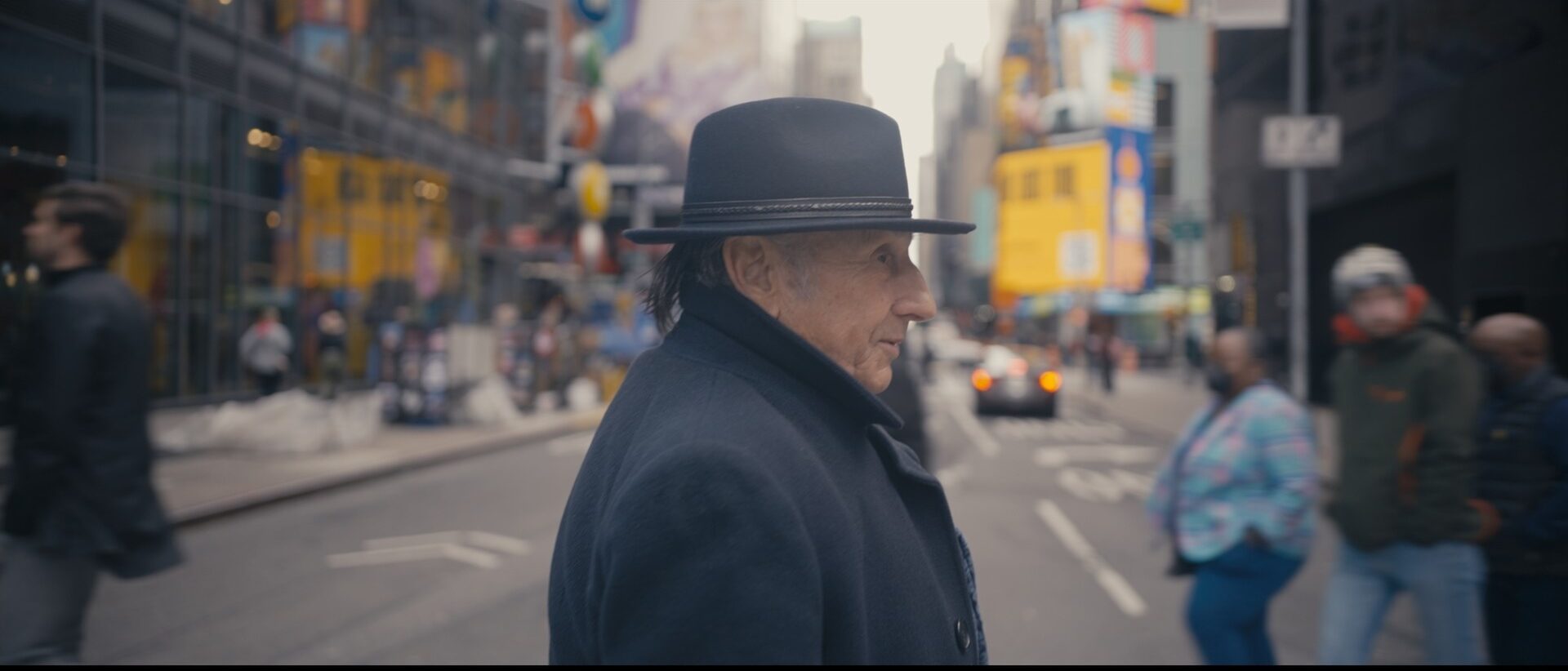
Quixote in New York: This charming documentary follows the 82-yer-old Spanish flamenco dance master Carrete, who wants to cap his career by performing in a major NYC theater. Carrete himself is a hoot, funny AF and even makes rehearsals fun for everybody. There’s a Can’t Miss scene, where Carrete dances in front of a projection of Fred Astaire, mirroring Astaire’s moves in a flamenco interpretation. US premiere.
ART FILM
Kirsi Paananen and Henri Malkki in GIANT’S KETTLE. Courtesy of Cinequest.
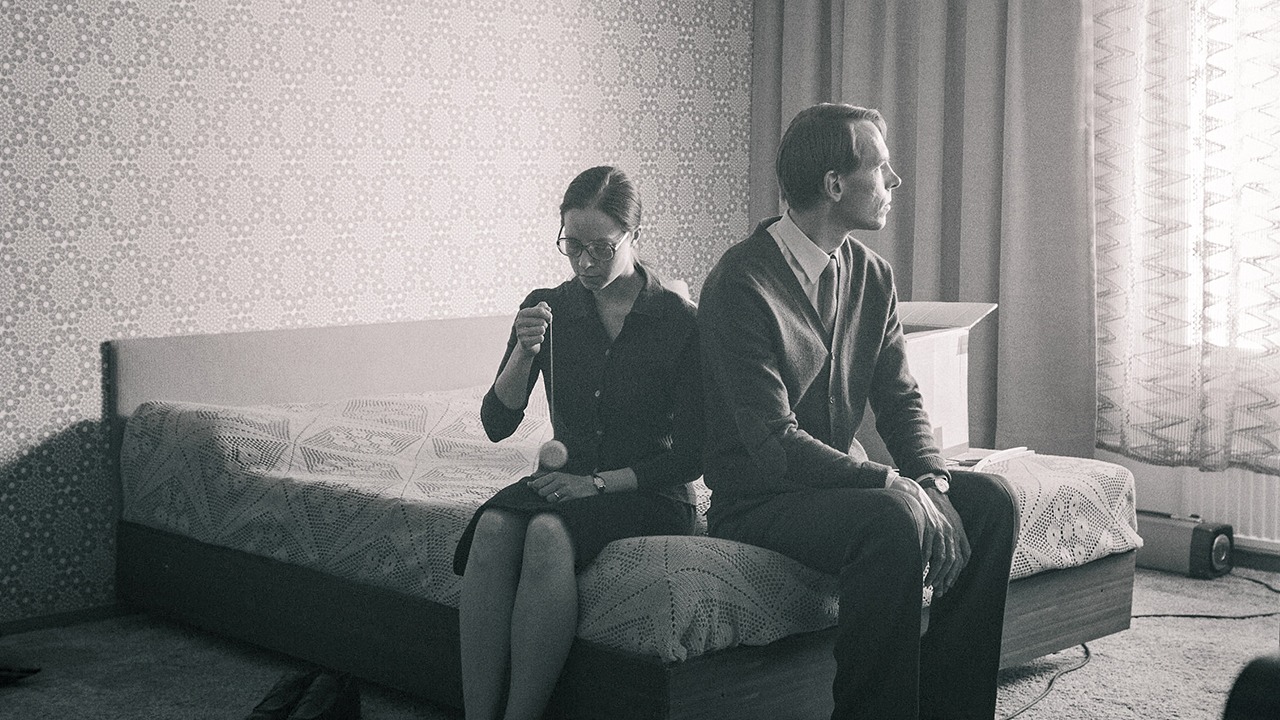
Giant’s Kettle: If you’re looking for an unadulterated art film, this stark Finnish drama is your pick. First-time directors Marku Hakala and Mari Kaki make one bold artistic choice after another – no human dialogue, a static camera, shots of very long duration with very little action. Giant’s Kettle is an exploration of alienation, loneliness and yearning in a world hostile to connection. Kirsi Paananen, in what is essentially a silent film performance, is heart-breaking, especially in long shot. Giant’s Kettle is intentionally slow-paced, but is only 71 minutes long. Nevertheless, it’s not a movie for everyone. US premiere.
HACKING CINEQUEST
Cinequest resumes its Downtown San Jose vibe, with concurrent screenings at the 1122-seat California and the 550-seat Hammer – all within 1600 feet of each other.
At Cinequest, you can get a festival pass for as little as $199 (a ten-pack for $110), and you can get individual tickets as well. Take a look at the entire program, theschedule and the passes and tickets.
As usual, I’ll be covering Cinequest rigorously with features and movie recommendations. I usually screen (and write about) over thirty films from around the world. Bookmark my CINEQUEST 2024 page, with links to all my coverage.
Here’s the trailer for Pain and Peace (world premiere):
Photo caption: Megan Seely in PUSDDYSTICKS. Courtesy of Cinequest.
The 2024 Cinequest offers a rich menu of comedies: Here are five good ones:
Human Resources: In this dark, dark Argentinian comedy, Gabriel Lynch (Pedro De Tavira) is an alienated office worker, in an absurdly alienating workplace. Gabriel is a low-level supervisor on an anonymous lower floor of a corporate hive with too many layers of management and an oppressive, top-down culture. It’s also oversexed, with a carousel of Inappropriate office liaisons. Gabriel, an Iago with a sick sense of humor, begins a ruthless, unhinged campaign against those who offend him. I’ve rarely seen a more cynical comedy. US premiere.
Puddysticks: In this good-hearted and original comedy, Liz (Megan Seely) is a puddle of anxiety. She is a workaholic game developer for an enterprise whose company culture, despite its mission statement, could not be more anti-fun. Liz stumbles on a self-help group, led by the ever blissed-out Sylvester (Dan Bakkedahl of Veep, Sword of Trust), where each participant must reveal their innermost secret. It’s cultlike and filled with psychobabble, but it seems to work for Megan and the others. And then Megan learns someone else’s secret… Puddysticks is a scathing satire of tech workplace culture and the self-help movement, somehow without a hint of meanness. Puddysticks is written and directed by Megan Seely (who also stars) in her first feature. World premiere.
Bosnian Pot: A supremely unambitious Bosnian living in Austria, the affable and harmless Faruk (Senad Bašic), when he’s not sponging off others, gets by with a part-time radio show. Faruk sees himself as a writer because he published a volume of poems decades ago and has been thinking about writing a play. But, with the Yugoslavian wars in the past, Austrian authorities are now requiring real artistic accomplishment by Faruk to qualify for continued residence. Faruk’s only hope is to write his play and convince an Austrian theater troupe to premiere it before the immigration deadline. What could possibly go wrong? After decades of slacking, can Faruk find the needed perseverance? The character of Faruk is a delightful scallywag. US premiere.
Hailey Rose: In this good-hearted Canadian comedy, the decidedly urban Hailey (Em Haine) is lured home in the sticks under almost completely false premises. She finds herself right back into the dysfunctional family she has escaped, with her wackadoodle sister Rose (Caitlynne Medrek) and her unashamedly selfish mother (Kari Matchett). Hailey had valid reasons to get the family craziness behind her and go to where she could come out more comfortably; but she learns that her sudden exit has impacted others, especially in a heartstring-pulling conversation with her gentle ex-boyfriend Cole (Josh Cruddas). Things wrap up neatly into a Feel Good ending. Matchett’s performance as the insanely crass mom is brilliant; she’s a howl whenever she’s onscreen. Second feature for writer-director Sandi Somers, who set the story in her native Nova Scotia. US premiere.
The Trouble with Jessica: In this dark British farce, the most despicable, unwelcome guest at a dinner party dies by suicide in the back yard, and the other four diners must dispose of the inconvenient corpse to prevent financial ruin of the hosts. As one might expect, the foursome must run a gauntlet of nosy neighbors, earnest police and horny drunks. Five very able veteran actors (Shirley Henderson, Alan Tudyk, Olivia Williams, Rupert Sewell and Indira Varma) keep the laughs coming in this light diversion.
As usual, I’ll be covering Cinequest rigorously with features and movie recommendations. I usually screen (and write about) over thirty films from around the world. Bookmark my CINEQUEST 2024 page, with links to all my coverage. Here’s my Best of Cinequest.
Em Haine (top) and Caitlynne Medrek in HAILEY ROSE. Courtesy of Cinequest.
Rais Bhuiyan in PAIN AND PEACE. Courtesy of Cinequest.
The extraordinary and emotionally powerful documentary Pain and Peace begins with the story of Rais Bhuiyan. In the wake of the 9/11 attacks, an attacker who was looking to kill Muslims, any Muslims, shot two convenience store clerks to death and then entered the workplace of Bangladeshi immigrant Bhuiyan and shot him in the face with a shotgun; Bhuiyan somehow survived and then, perhaps even more remarkably, began a campaign of forgiveness for his perpetrator. What follows is an exploration of forgiveness as a necessary prerequisite to reconciliation and ending the cycle of demonizing other people.
Bhuiyan interviews other survivors of hate crimes, many of the highest profile, like the Georgia church shooting, the Buffalo supermarket shooting, the Orlando nightclub shooting, and more. It’s riveting when they retell their experiences and talk about forgiving their attackers.
Bhuiyan, as a hate crime survivor himself, brings major credibility as an interviewer and is superb as the narrator/guide of the film.
Pain and Peace also introduces us to some perpetrators of hate crimes, and that brings some surprises, too.
Pain and Peace is the first feature for director Mark Feijó.
I screened Pain and Peace for its world premiere at Cinequest. I highlighted it as one of two Must See films in my Best of Cinequest. It’s not very often that I see a movie as potentially life-changing, but this one is.