Coming up next week on The Movie Gourmet – reviews of some movies just opening in theaters this week and a preview of the Nashville Film Festival.
REMEMBRANCE
Graham Greene in DANCES WITH WOLVES
Dignified yet down-to-earth Canadian actor Graham Greene, a member of the Oneida First Nation, garnered almost 200 screen credits, including Dances with Wolves, Powwow Highway, The Green Mile, Longmire and Wind River.
CURRENT MOVIES
East of Wall: horse riding through trauma. In theaters
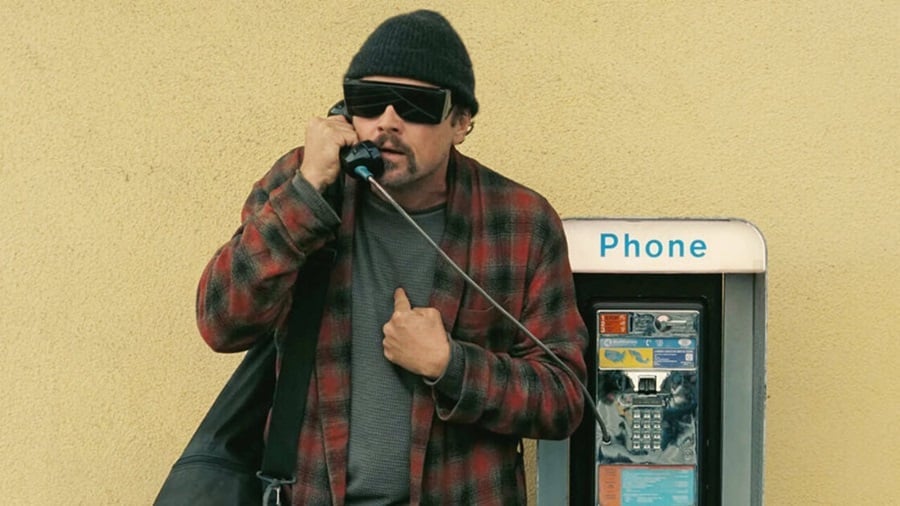
Sew Torn: a thriller like none you’ve seen before. Amazon, AppleTV, YouTube.
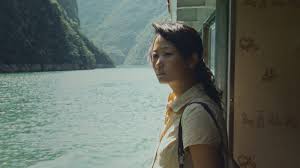
Bonjour Tristesse: not the life lesson she was expecting. Amazon, AppleTV, YouTube, Fandango.
ON TV
Paul Newman and Edmond O’Brien in THE RACK
On September 10, Turner Classic Movies offers the overlooked Korean War film The Rack. A returning US Army captain (Paul Newman) is court-martialed for collaborating with the enemy while a POW. He was tortured, and The Rack explores what can be realistically expected of a prisoner under duress. It’s a pretty good movie, and Wendell Corey, Edmond O’Brien, Walter Pidgeon, Lee Marvin and Cloris Leachman co-star.
Artist Joe Caroff created the unforgettable movie posters for West Side Story, The Last Temptation of Christ and many others, including the iconic 007 for the James Bond franchise. His comprehensive NYT obit includes other examples of his work.
CURRENT MOVIES
East of Wall: horse riding through trauma. In theaters
Sew Torn: a thriller like none you’ve seen before. Amazon, AppleTV, YouTube.
Bonjour Tristesse: not the life lesson she was expecting. Amazon, AppleTV, YouTube, Fandango.
ON TV
Victor Buono in THE STRANGLER
Coming up on Turner Classic Movies, the 1964 serial killer movie The Strangler; it’s the masterpiece of director Burt Topper, who specialized in low-budget exploitation movies. First, we see that lonely lab tech Otto Kroll (Victor Buono in an especially brilliant and eccentric performance) is twisted enough to murder random women and return to his lair to fondle his doll collection. Then we learn his motivation – he dutifully visits his hateful mother (Ellen Corby – later to play Grandma Walton) in her nursing room; she heaps abuse on him in every interaction. Pretty soon, even the audience wants to kill Mrs. Kroll, but Otto sneaks around taking out his hatred for his mom by strangling other women. Because Otto is outwardly genial to a fault, it takes a loooong time to fall under the suspicion of the cops. The character of Otto and Buono’s performance elevate The Strangler above its budget and launches it into the top rank of serial killer movies.
Javier Botet and Bray Efe in THE FANTASTIC GOLEM AFFAIRS. Courtesy of Gluon Media.
The Spanish comedy The Fantastic Golem Affairs is unlike any other movie you’re likely to see this year, and the absurdity starts in the opening scene. After a night of partying, the pudgy slacker Juan (Bray Efe) and his best buddie David (David Menendez) are goofing around on the roof of Juan’s Madrid high-rise apartment building. David accidentally falls off and plunges to the roof of a car parked many stories below. That reveals that David is made of ceramic, as he shatters into hundreds of shards.
While still in a state of shock, Juan is annoyed by a shady car insurance agent, his late friend’s obnoxious and venal lover, apathetic cops and a woman with an outrageous computer dating profile. But he is obsessed by the mystery of a ceramic man, and keeps on the investigative trail until he stumbles on an unworldly conspiracy rooted in his own family. Along the way, a bizarre freak accident keeps recurring, killing people that he encounters during his investigation.
It’s been accurately written that there is magical realism in The Fantastic Golem Affairs, but it’s not the sweet, mystical kind in, say Like Water for Chocolate – The Fantastic Golem Affairs is bawdy and in-your-face.
The playfully, irreverent tone strongly reminds me of Pedro Almodovar’s early work (Women on the Verge of a Nervous Breakdown, Tie Me Up! Tie Me Down!, High Heels and Kika) and his VERY early work (Pepi, Luci, Born and Other Girlds Like Mom). Indeed, one of the characters observes, “This is like a Spanish movie from the 90s“. The Fantastic Golem Affairs is not as riotous as early Almodovar, but it adds that magical realism and much more absurdism.
Javier Botet in THE FANTASTIC GOLEM AFFAIRS. Courtesy of Gluon Media.
The Fantastic Golem Affairs is highly imaginative work of Spanish writer-directors Juan Gonzalez and Nando Martinez, who call themselves Burnin’ Percebes. They hit us with the absurdity of the shattering ceramic man right at the beginning, juxtaposed with the peppy music underneath the opening credits. The music combines with an often static camera, long shots, and colorfully retro sets that are unabashedly cheap. This is a zany, raunchy movie with some mild body horror.
[Gratuitous digression: I’m always proud to point out when I actually get a joke in Spanish. The directors’ pseudonym is Burnin’ Percebes, and percebes is Spanish for gooseneck barnacle, a hideously ugly (Google it) and delicious shellfish from Northern Spain. They are dangerous to harvest from oceanside cliffs, and are accordingly expensive – about ten times the price of a regular tapa. Of course, The Movie Gourmet himself has enjoyed percebes in San Sebastian.]
The Fantastic Golem Affairs is opening in theaters, including LA’s Alamo Drafthouse.
Photo caption: Margaret Qualley in HONEY DON’T. Courtesy of Focus Features.
In Ethan Coen’s dark comedy Honey Don’t, the potential clients of private eye Honey O’Donahue (Margaret Qualley) keep getting killed, and she suspects that the deaths are connected to a sexually predatory sham preacher (Chris Evans). She’s a whip-smart lipstick lesbian, and she sizzles with the local cop MG (Aubrey Plaza). Honey and the phony pastor have lots of robust sex, none of it with each other. We think we know who the big villain is going to be, but there’s a big surprise twist.
There’s a lot of sassy dialogue, and there are some LOL lines like “no, but I saw Palmdale” that could have become iconic if this were a better movie. It’s kinda funny, dotted with a few inspired moments, but, on the whole, a disposable movie.
Director Ethan Coen co-wrote Honey Don’t with longtime Coen Brothers editor Tricia Cooke, who also co-wrote his Drive Away Dolls. In a twist on the detective genre, the oversexed, badass characters are women – Honey, MG and a mysterious, motor scooter-riding drug importer (Lera Abova). The two main male characters are Evan’s predatory minister, a doofus who thinks he’s a mastermind, and a smarmy cop (Charlie Day), who knows that he’s a doofus and is blissfully content with being one. That being said, Honey Don’t is all about the carnage-laden comic violence that men tend to enjoy, and I doubt that the female-centric angle is enough to draw women into the audience.
Qualley and Evans are both very good, and I will watch anything that features Aubrey Plaza. There are excellent comic performances by Josh Pafchek, as an impressively dim thug, and Kale Browne, as an old man whose identity isn’t revealed right away.
One of the most distinctive and fun stars of the film is its setting – emphatically downscale Bakersfield. I’m not convinced that there is a nice part of Bakersfield, but, if there is, we sure don’t see it here. Californians will also enjoy the references to Lancaster and Palmdale.
Honey Don’t is a mildly enjoyable 87 minutes, but not a Must See.
I loved Terence Stamp. Stamp, of course was a 1960s British star as a dreamy leading man (Billy Budd, The Collector, Far from the Madding Crowd). I’ve felt that his best work was in his middle age and since: still magnetic in The Hit, The Limey, and The Adjustment Bureau. And as recently as 2021, in Last Night in Soho, with his still striking features and dead-cold eyes, he looked dangerous from at the first glimpse.
CURRENT MOVIES
East of Wall: horse riding through trauma. In theaters
Photo caption: Tabatha Zimiga in EAST OF WALL. Courtesy of Sony Pictures Classics.
In the engrossing indie family drama East of Wall, Tabatha (Tabatha Zimiga) is struggling to manage a messy home, which even she describes as chaotic, and to survive financially. Three years after her husband’s suicide, her household includes her teenage daughter and son, her three-year-old son, her mom, her partner of the past year-and-a-half, and four more stray teens. Everyone is damaged by some trauma or another – Tabatha’s nuclear family rocked by her husband’s death and the unrelated teens by their own parental abandonment.
Tabatha is running a dilapidated South Dakota horse ranch, selling the horses that she trains. She’s a gifted horse whisperer, and she teaches horsemanship to the kids. The daughter Porshia (Porshia Zimiga) is a brilliant rider and a champion barrel racer. Trouble is, Tabatha can’t sell the horses at prices high enough to sustain the ranch or keep her family in hamburger and pizza rolls. She’s run out of credit at the local grocery, and has to send in a mortified Porshia with cash to buy the basics.
Her colorful mom Tracey (Jennifer Ehle), isn’t much practical help, babysitting the toddler with horror movies and making moonshine. Tracey is a survivor of intimate partner violence, Tabatha was a teen mom, and it’s clear that Tabatha is trying to somehow break through multi-generational dysfunction. Ehle sparkles in a very colorful role, both providing comic relief in a grief movie and in grounding the traumas endemic to the neighborhood.
Enter Roy (Scoot McNairy), a Texas horse-trader who has both swagger and the humility to recognize someone more talented than he is. And he has enough business sense to spot an opportunity. Roy brings Tabatha the hope of financial salvation, but he’s damaged, too, and there’s a question as to the cost of his help.
In her first feature film writer-director Kate Beecroft, skillfully unspools what is really going on with Roy, and McNairy’s performance keeps us guessing. Beecroft handles the central thread of the story – the highly charged relationship between Tabatha and Porshia – with remarkable authenticity. What is most impressive is that, with the exception of McNairy and Ehle, Beecroft is doing this with non-professional actors in all the main roles. These are all rural South Dakotans playing fictionalized versions of themselves.
Tracey’s gal pals celebrate her birthday with some beers round a campfire. As each, including Tracey and Tabatha share their own traumatic experiences, you won’t hear a pin drop in the theater. It’s one of the most compelling movie scenes of the year.
Beecroft also captures the verisimilitude of the setting and the local ranch-and-saloon culture. The ranch is east of Wall, South Dakota, moderately famous for its Wall Drug attraction. The area is on the edge of the Badlands, which Beecroft and cinematographer Austin Shelton (in also his feature debut) use to their advantage. The shots of galloping horses are thrilling.
(A digression: The director Chloe Zhao (Nomadland) mined rural South Dakota for her breakout films, Songs My Brother Taught Me and The Rider, which also featured non-professional actors. There are only eleven people every square mile in South Dakota, and under a million overall, so ya gotta wonder how many great personal stories are out there for filmmakers to find.)
East of Wall won the NEXT audience award at Sundance and is now in theaters.
Photo caption: Ed Sullivan and James Brown in SUNDAY BEST: THE UNTOLD STORY OF ED SULLIVAN. Courtesy of Netflix.
Boy, was I ever wrong about Ed Sullivan. Coming of age at the end of the 23-year run of CBS’ weekly The Ed Sullivan Show, which seemed hopelessly old-fashioned and stale, I totally missed the fact that, two decades earlier, Sullivan had been alone in presenting African-American artists to national television audiences. And that African-Americans thought it was a very big deal.
The Ed Sullivan Show began in 1948, before many Americans owned a TV, and Sullivan helped invent the earliest evolutionary stage of television content. Sullivan himself picked every performer on The Ed Sullivan Show – over 10,000 of them over the show’s 23 year run. He harvested Vaudeville and nightclub performers who had not prospered in the Radio Era, including Bill “Bojangles” Robinson, Cab Calloway, Louis Armstrong, Ella Fitzgerald, Lena Horne, and the Ink Spots. Virtually every major African-American act got an early showcase on Sullivan’s show – Nat King Cole, Harry Belafonte, Mahalia Jackson, Diahann Carroll, James Brown, Ray Charles, the Supremes, Stevie Wonder, The Temptations, and the Jackson 5. By the time I was occasionally tuning in to the end of Sullivan’s run, there didn’t seem like anything was risky about Louis Armstrong and Pearl Bailey – but, then again, they had been appearing on TV for twenty years because of Ed Sullivan.
This was not the norm for programming by the three corporate television networks (yes, kids, there were only three TV channels for many years). Sunday Best: The Untold Story of the Ed Sullivan Show lets White Americans learn that, on Sunday nights, African-Americans rushed to their TVs – it was their only chance to see performing artists that looked like them. Sunday Best presents the testimony from Berry Gordy, Oprah Winfrey, Harry Belafonte and Smokey Robinson.
Sullivan did all this with intentionality. His own sense of justice required him to showcase the talents of the best artists regardless of race. And he despised Jim Crow and racial segregation. Director Sacha Jenkins has accessed Sullivan’s own personal writings, as well as contemporaneous recordings, so we hear Sullivan’s own words. Sullivan modeled his fearlessness and principles from his father, who knew about earlier anti-Irish discrimination.
Two career incarnations earlier, Sullivan had been a NYC sports columnist. When NYU chickened out and benched their one Black football player so they play the University of Georgia, Sullivan was so outraged that his column called for NYU to drop football altogether in shame.
Personally, he was such a close friend of Bill Robinson that Sullivan helped organize (and probably pay for) Robinson’s funeral.
Everyone today (hopefully) remembers the Jim Crow era for the separate restrooms and drinking fountains, the segregated schools and accommodations, the back-of-the-bus shit and the terror of the KKK. But there was also prevalent a lot of craziness about people of different races touching each other at all (based, I’m sure, on fear of Black sexuality). In the South, black people were supposed to give change for retail sales without touching white hands, and whites would consider a swimming pool defiled if a black person dipped their feet in it. If a white person, like Ed Sullivan, even shook a Black person’s hand on TV – let alone put his arm on their shoulders – it was a Big Deal.
Imagine if John Legend introduced Taylor Swift at the Grammys and gave her a chaste buss on the cheek – in 1955, that would have made heads explode in a third of the nation.
Network executives were legitimately concerned about Southern Whites boycotting their sponsors. White supremacy activist Asa Carter and Georgia Governor Herman Talmadge both organized actual boycotts. But Ed Sullivan, fearless, just didn’t care.
Ed Sullivan and Ray Charles in SUNDAY BEST: THE UNTOLD STORY OF ED SULLIVAN. Courtesy of Netflix.
This is big news to those of us who remember Sullivan’s anti-telegenic stone face and the acts with spinning plates and hoop-jumping dogs. The CBS network censors were notorious for not letting the camera show Elvis’ gyrating hips and for trying to get the Stones to change the lyrics of Let’s Spend the Night Together to Let’s Spend Some Time Together. But Elvis was only censored from waist down in his THIRD appearance on the Sullivan Show.
There are lots of gems in Sunday Best, including Sammy Davis Jr and Flip Wilson trying to outdo each others’ Ed Sullivan impression while standing next to Ed Sullivan.
A 1958 Jackie Wilson performance on the Sullivan Show is gloriously entertaining by today’s standards. But, knowing what we learn in Sunday Best, it’s absolutely thrilling. In 1958, mainstream audiences would never have seen anything like Jackie’s rendition of Lonely Teardrops, effortlessly sliding into falsetto and nonchalantly dropping a jazz split. And all with a confident, cool swagger and without a hint of racial deference.
White Baby Boomers like me should watch Sunday Best to discover how invested Ed Sullivan was in civil rights before it became mainstream on national TV. Younger people, not just kids and Gen Xers, but also Millennials, should watch it to appreciate the ridiculous limits to which the American mainstream was cowed by Southern White racism. And all of should appreciate how The Ed Sullivan Show didn’t just reflect the cultural taste of America – it helped drive it.
Sunday Best: The Untold Story of Ed Sullivan is streaming on Netflix.
Ed Sullivan in SUNDAY BEST: THE UNTOLD STORY OF ED SULLIVAN. Courtesy of Netflix.
Photo caption: Liam Neeson in THE NAKED GUN. Courtesy of Paramount Pictures.
This Week on The Movie Gourmet – new reviews of the surprising hypnotic documentary Architecton, the character-driven indie mystery To Kill a Wolf. Plus, my thoughts on the popular spoof The Naked Gun.
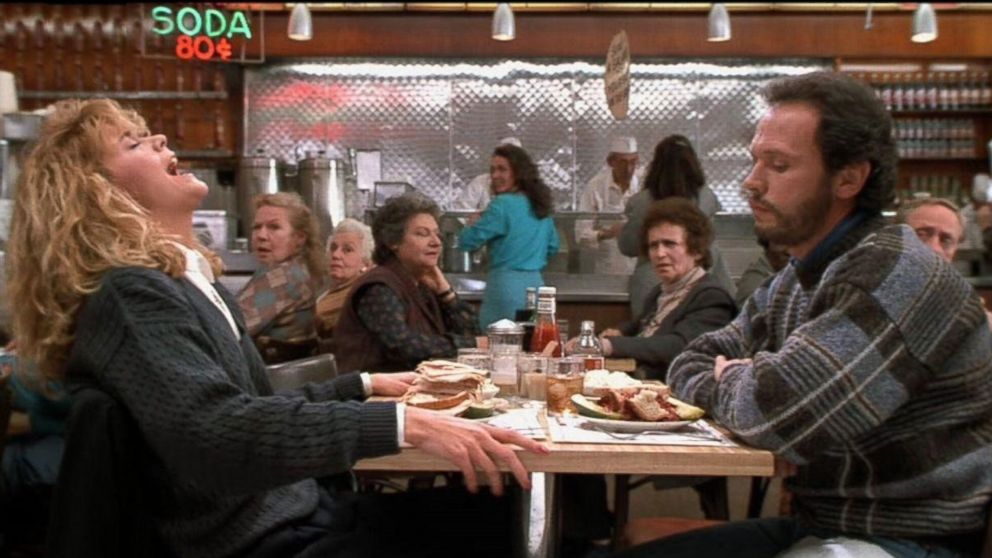
I enjoyed the raucous comedy The Naked Gun (and so did The Wife, although somewhat less than I did). I didn’t post a full review because this is not an overlooked movie, nor does anyone need me to deconstruct it. Liam Neeson ably deadpans his version of the clueless Leslie Nielsen-created character through dignity-sapping situations. Pamela Anderson, so good in The Last Showgirl, has fun, too. Danny Huston is all in as the bad guy – a Bond villain whose billions come from an electric car company. The jokes are stupid, which is the whole point.This ain’t a comedy for the ages, like Annie Hall, Sullivan’s Travels or even There’s Something About Mary, but it’s a fun 90-minute diversion for August 2025.
Sew Torn: a thriller like none you’ve seen before. Amazon, AppleTV, YouTube.
Bonjour Tristesse: not the life lesson she was expecting. Amazon, AppleTV, YouTube, Fandango.
ON TV
Van Heflin and Mary Astor in ACT OF VIOLENCE
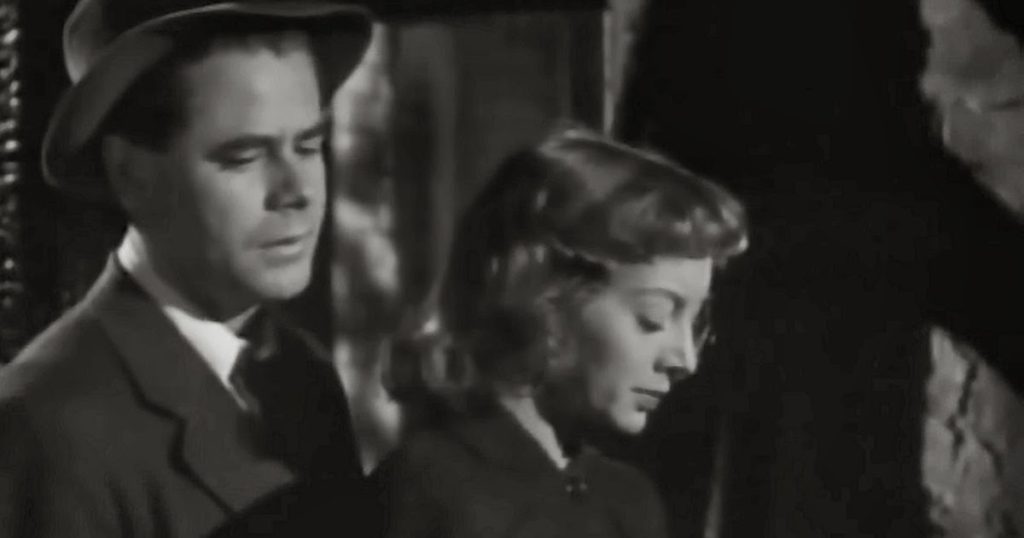
The great film noirAct of Violence is on TCM late tonight, with its career-topping performances by Van Heflin and Mary Astor. You need to DVR it because it’s not available to stream.
You could argue that Act of Violence is the single most underrated film noir, because a story of moral relativity and situational ethics is told as a thrilling man hunt, with two career-topping performances and a starkly photographed nighttime chase through Los Angeles’ seamy Bunker Hill. Just like the top tier films in the film noir canon, Act of Violence has it all. I’m writing about it today because it’s playing on on Turner Classic Movies on Friday night, and it’s not available to stream.
WW II vet Frank Enley (Van Heflin) is a successful developer with a new bride and baby, popular and prominent in his community. Then, the sunny prosperity of the postwar boom – and Frank Enley’s life – is shattered by the arrival of Joe Parker (Robert Ryan), a guy with a trench coat, a limp and an obsession. Parker’s limp is only the physical manifestation of a psychological wound from the war. While in the same Nazi prisoner of war camp, Frank took an action that Parker believes cost the lives of their buddies. Parker has come to town to kill Frank as retribution.
In the extremity of a Nazi prisoner of war camp, Frank was faced by a situation with no good choices; he knows (correctly) that few in 1949 America will be able to see his action in that context. Because he would instantly lose his standing in the community, he can’t call the police. Now Frank is plunged into both the terror of being killed and self-loathing because he thinks he deserves it,
Frank flees in a panic, going underground in Bunker Hill, a far cry from Frank’s bright, well-tended suburb. Dazed by the position he finds himself in, Frank tries drinking, but there isn’t enough booze in LA to quell his terror. He encounters the world-weary prostitute Pat (Mary Astor), who hides him in her apartment while she figures out how to bleed some money from him; she connects him with a couple predatory bottom-feeders (Barry Kroeger and Taylor Holmes) who may be more heartless and lethal than Joe. All the time, Joe Parker is closing in, right up to the unpredictable climax.
There’s no question that Ryan’s Joe Parker is the villain here, but you can make the case that it’s Frank Enley who committed the unforgiveable and that Joe is the avenging angel, here to deliver justice.
Remarkably versatile for a leading man, Van Heflin was so good in war movies (Battle Cry) and westerns (Shane, 3:10 to Yuma) and corporate drama (Patterns). He may have been his best in classic film noir (Johnny Eager, The Kid Glove Killer, The Strange Love of Martha Ivers, Possessed, The Prowler and East Side, West Side) and the neo-noir Once a Thief. Underrated in his lifetime and overlooked today, Heflin was naturally relatable (but very scary in The Prowler and Once a Thief). Topped by his staircase scene with Janet Leigh and his wild stumble to Pat’s apartment, Heflin captures all of Frank’s stunned desperation and self loathing despair; in my book, Heflin never surpassed his performance in Act of Violence.
Mary Astor in ACT OF VIOLENCE
Mary Astor was one of the very most beautiful humans as a teenager, and was 35 when she played the alluring Brigid O’Shaughnnessy in The Maltese Falcon. Astor was 42 when she made Act of Violence, and she looked the part Pat, with all of the mileage on her, without any vanity, . Capturing all of Pat’s exhaustion, cynicism and ambivalence, Act of Violence rates with The Maltese Falcon as Astor’s finest performance.
Pat’s sordid apartment and the grimy joint where she drinks and picks up customers seem so much farther from Frank’s well-trimmed suburb than the actual distance of a few miles. It’s a milieu that has worn out Pat, and she knows it; she’s about to move and try another town.
Pat’s sense of morality is flexible. What she does for a living is illegal although it’s a victimless crime. She tries to milk as much money out of each man she meets. But she has her limits; she’s ok with bleeding some money from a rich guy like Frank, but, while she might tolerate fraud or blackmail, she won’t countenance murder.
Ryan’s single-minded, relentless and cruel Joe Parker would be the best thing in most movies, but the performances by Heflin and Astor are for the ages. Ryan is off-screen for the most chilling moment in the film, when Pat, holding the telephone receiver, relays Joe’s reaction to Frank’s buyoff offer.
Van Heflin and Janet Leigh in ACT OF VIOLENCE
Frank’s wife is played by a 21-year-old Janet Leigh, in only her second year of screen acting. Leigh is excellent as a fresh-faced, naive young woman who could never have imagined the situation she faces now.
Barry Kroeger and Taylor Holmes really elevate Act of Violence with their supporting turns. Kroeger’s shark-like grin is very scary, and Holmes is an even more venal lawyer (disbarred this time) than the one he played in Kiss of Death.
Van Heflin, Mary Astor and Barry Kroeger in ACT OF VIOLENCE
Act of Violence came early in the career of director Fred Zinnemann, who had debuted impressively with The Kid Glove Killer and was only four years away from his masterpiece, High Noon. As an A-lister, he went on to direct iconic films like From Here to Eternity, Oklahoma! and A Man for All Seasons, garnering seven Best Director Oscar nominations and winning for The Sundowners. Another thriller, The Day of the Jackal, is my personal favorite Zinnemann film.
Cinematographer Robert Surtees’ remarkably varied body of work included Oklahoma!, Ben-Hur, PT 109, Mutiny on the Bounty, The Collector, The Graduate and The Last Picture Show. Surtees was not known as a noir DP, but he brought out all the obsession, desperation and shabbiness of this story. No one ever lit and photographed Bunker Hill any better.
Van Heflin in ACT OF VIOLENCE
Robert L. Richards (Winchester ’73) adapted the screenplay from a story by Collier Young.
Remember, you can’t stream Act of Violence, so make sure to DVR it this Friday on Turner Class Movies.
Photo caption: Maddison Brown in TO KILL A WOLF. Courtesy of To Kill a Wolf.
In the character-driven indie drama To Kill a Wolf, a reclusive woodsman in the Pacific Northwest (Ivan Martin) finds the seventeen-year-old runaway Dani (Maddison Brown) collapsed in the forest. He brings her back to his isolated cabin, nurses her back to health and tries to learn how he can return her to her home. She’s not forthcoming, so he has a mystery to solve. Meanwhile, the audience is on to other mysteries – why is the Woodsman (that’s the character’s appellation in the credits) living such an isolated life and why is his relationship with local community members so charged? As the Woodsman takes Dani on a road trip to her most recent residence, the answers, one by one, are revealed. It’s an absorbing story.
To Kill a Wolf is the first feature for writer-director Kelsey Taylor, who demonstrates herself to be a very promising filmmaker. A superb story-teller, she doesn’t explain behaviors before you need to understand. We’re continually wondering about the characters and about what will happen next, and are usually surprised about what the Woodsman is doing and why. Music is unusually important to the characters and to the film itself. The way Taylor ends the film is perfect – the final shot is not even a half-second too long.
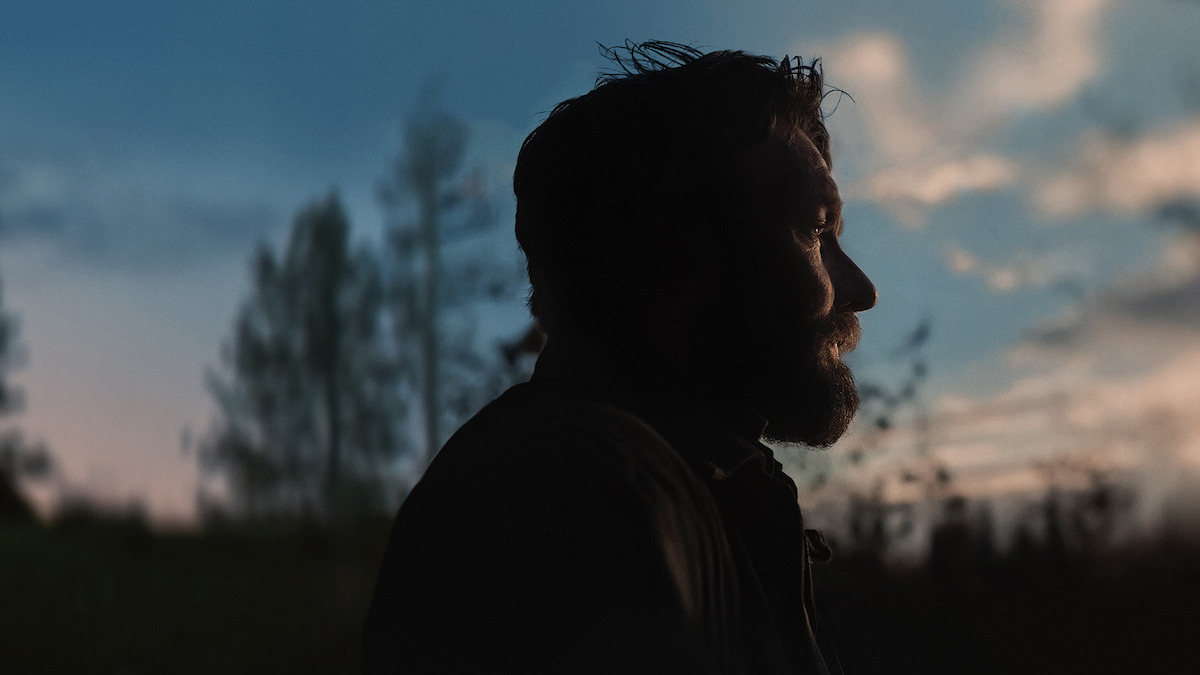
Ivan Martin in TO KILL A WOLF. Courtesy of To Kill a Wolf.
The lead performances are excellent, as are those of the rest of the veteran professional cast. The roles of Dani’s Aunt Jolene and Uncle Carey are especially well-written, realistic and textured, and the performances of Kaitlin Doubleday and Michael Esper are vividly authentic. As the Rancher, David Knell captures the surprises in the character’s attitudes.
To Kill a Wolf opens this weekend at the Regal Sherman Oaks Galleria and rolls out in Regal theaters elsewhere. I’ll be sure to let you know as it becomes more accessible.