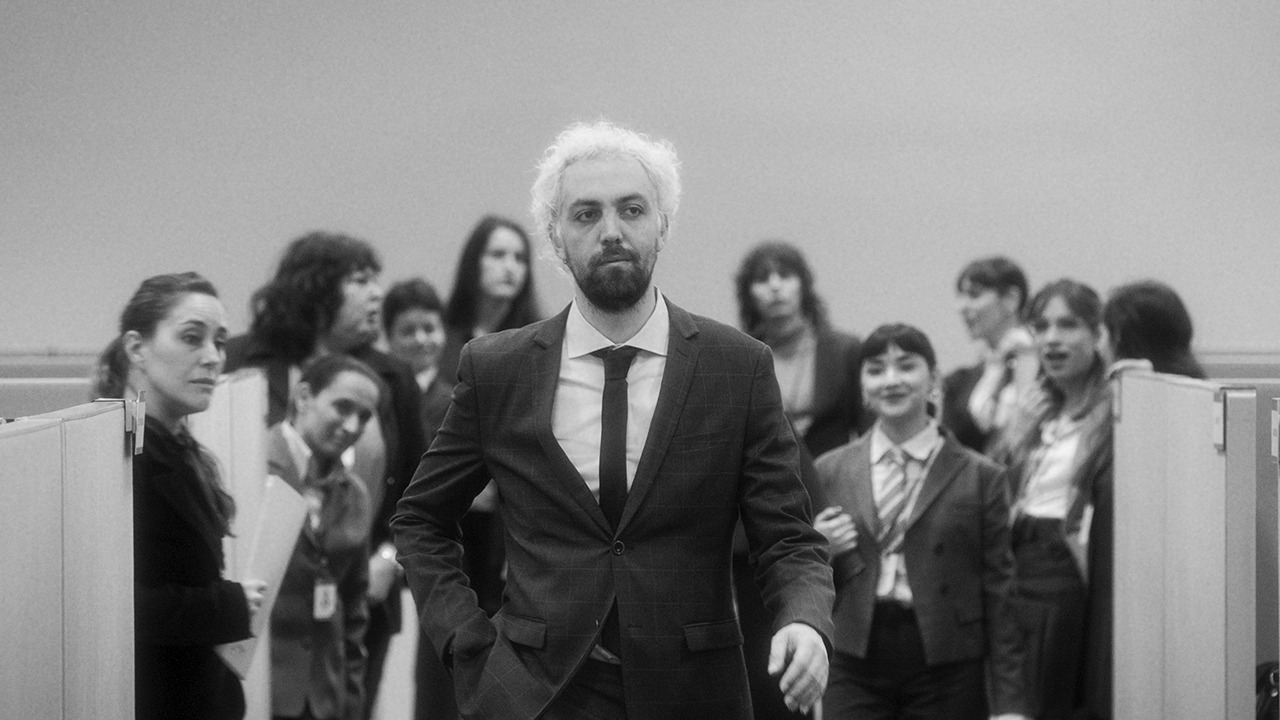
HUMAN RESOURCES: Iago with a sick sense of humor

Pedro De Tavira (center) in HUMAN RESOURCES. Courtesy of Cinequest.

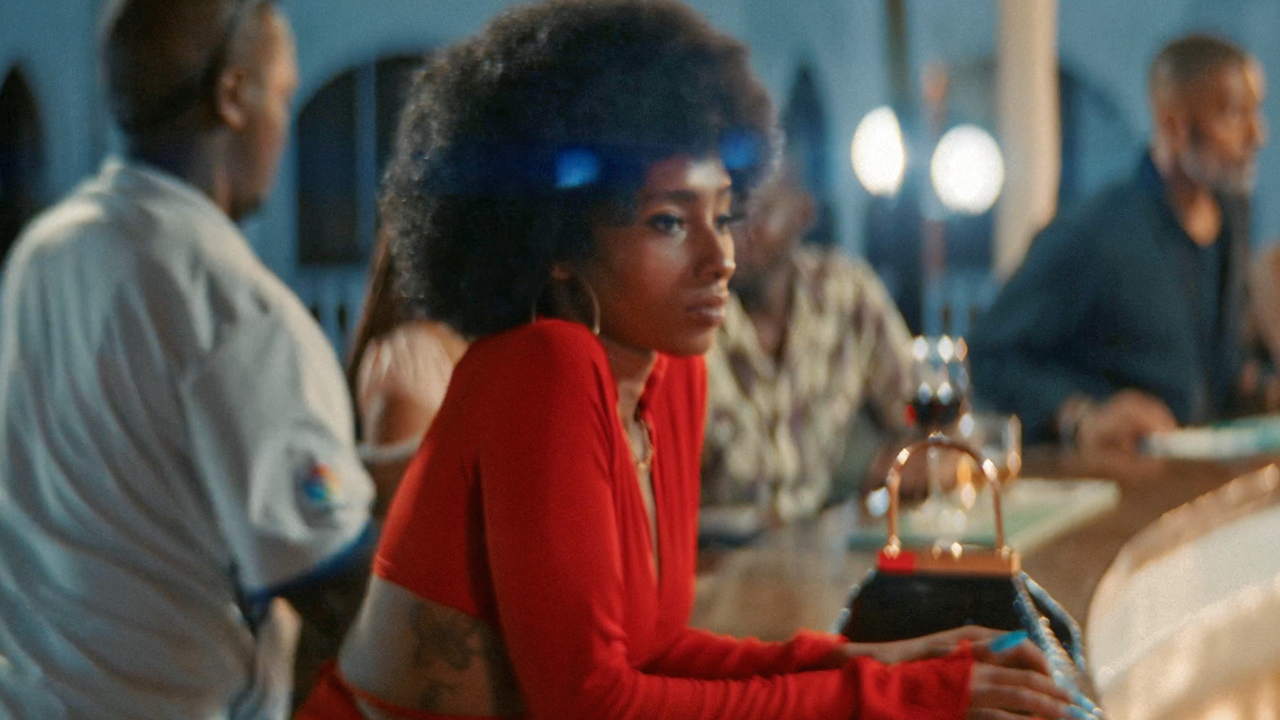
In the dark, dark Argentinian comedy Human Resources, Gabriel Lynch (Pedro De Tavira) is an alienated office worker, in an absurdly alienating workplace. Gabriel is a low-level supervisor on an anonymous lower floor of a corporate hive with too many layers of management and an oppressive, top-down culture. It’s also oversexed, with a carousel of Inappropriate office liaisons. And, we’ll soon see, is shockingly tolerant of what we would see as the most horrifying workplace violence.

Gabriel, an Iago with a sick sense of humor, begins a ruthless, unhinged campaign against those who offend him. Alienation leaks out in how her treats everyone. Mischievous, mean-spirited and completely unashamed, he’s very fun to watch. And, as venal as Gabriel is, he is matched, step-for-step, by Veronica from Finance (Juana Viale).

Around the 41-minute mark, Gabriel makes his grievance explicit (followed by a great drone shot)

“I’ve lived like the secret son of a king for a long time, waiting for a courtier to rescue me. Of course, nobody rescued me. Nobody rescues anybody.”

Human Resources is the creation of writer-director Jesús Magaña Vázquez. I’ve rarely seen a more cynical comedy.

Last year’s Cinequest hosted the US premiere of Human Resources, which I highlighted in my Best of Cinequest. Human Resources is now streaming on Hulu. There are many recent movies with a similar title; make sure you’re watching the 2023 Recursos Humanos directed by Magana and starring Pedro De Tavira.

I love the Spanish language trailer, even without English subtitles:
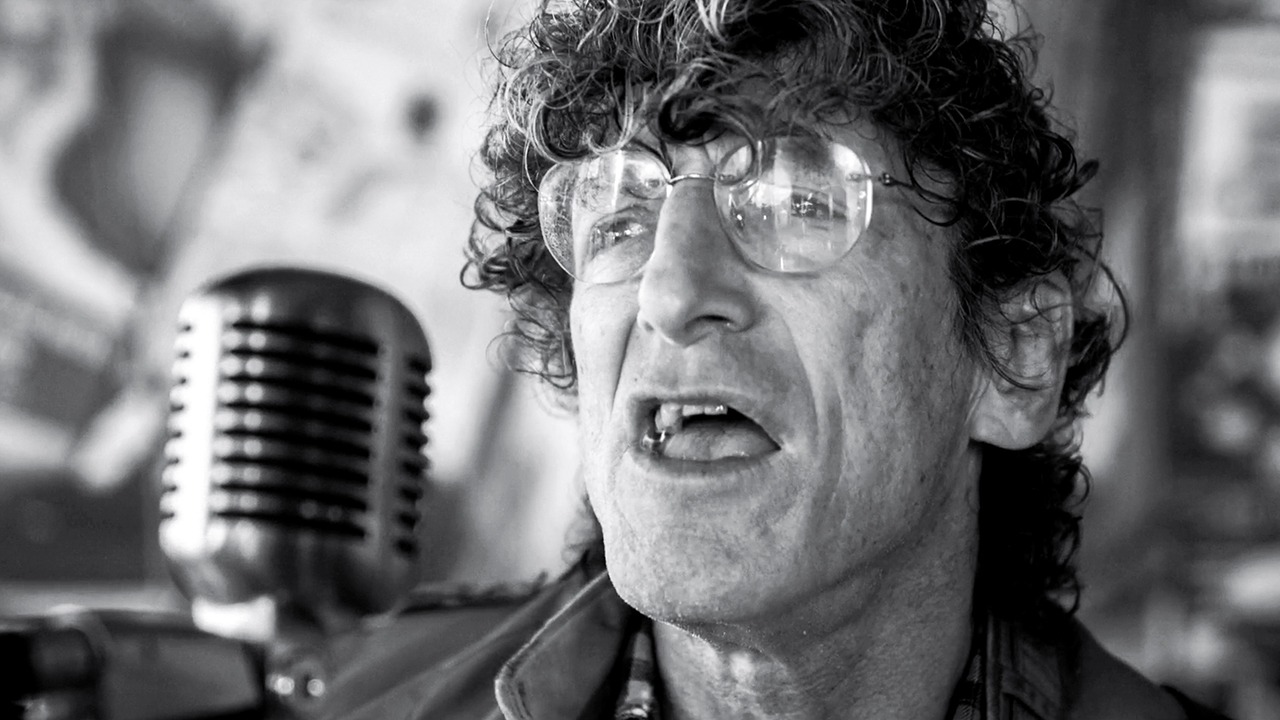
BURT: irrepressible generosity

Burton Berger in BURT. Courtesy of Cinequest.

The title character in the affecting dramedy Burt is a an elderly street musician with Parkinson’s Disease. Burt rents a room in the home of his landlord Steve, an ever-suspicious and oppositional guy who is Burt’s age. Nevertheless, Burt is relentlessly upbeat. A young man, Sammy, arrives with a letter from one of Burt’s youthful flames, explaining that Sammy is Burt’s son. Burt jumps into belated fatherhood with both feet, and then discovers that all is not as it seems.

Burt (Burton Berger) may face disappointment and hurt, but he does so with an irrepressible generosity of spirit. This is not a Disease of the Week movie. It’s not about Burt’s Parkinson’s. It’s about Burt, a vital guy who is open about his living with Parkinson’s, but who focuses on what he can still experience.

Oliver Cooper and Burton Berger in BURT. Courtesy of Cinequest.

Oliver Cooper (David Berkowitz in Mindhunter, Levon in Californication) captures the contradictions within Sammy, who’s been incarcerated until recently.  Sammy shares a lot of traits with the average criminal – not smart, not strategic, irresponsible and easily led astray.  I’m guessing that his impulse control and anger management aren’t great, either.  But, somehow, Sammy has a reservoir of empathy that may impede his criminality. Cooper also co-wrote.

A remarkably endearing movie, Burt is just the second feature for director and co-writer Joe Burke. Burke shot Burt in seven days for $7,000 with a three person crew.  He succeeded in getting fine performances from the non-professional actors playing Burt (Berger) and Steve (Stephen Levy)..

Burt was executive produced by indie stalwart David Gordon Green (George Washington, All the Real Girls, Undertow). I screened Burt for its world premiere at Cinequest, where it made my The Best of Cinequest.

Burt will play at LA’s Laemmle theaters this week: the Royal on December 10, the NoHo 7 on December 11 and the Glendale on December 12.

THE FRIEND: grieving with an enormous dog

Photo caption: Naomi Watts and Bing (as Apollo) in THE FRIEND. Courtesy of Bleecker Street.

We don’t see much of the womanizing writer Walter (Bill Murray) in the The Friend, but it doesn’t take long to see how selfish he was before his death by suicide. He leaves behind unfinished projects, a wife and two ex-wives, a neglected adult daughter and the deep, longtime friendship with his editor Iris (Naomi Watts). He was seemingly indifferent to suicide’s impact on the people in his life, but he has saddled Iris with the care of his surviving pet dog, Apollo. Apollo, while sweet-tempered, is an enormous Great Dane, and Iris’ apartment building does not allow dogs.

For all their qualities, Great Danes are not easy to care for, especially in Manhattan, and Iris must hustle to find a placement for Apollo while she is scrambling to save her final project with Walter and profoundly grieving. Iris is really angry at Walter, but the Apollo situation is so consuming that expressing that anger doesn’t occur to her. Will Iris be able to navigate her grief? Will she be able to keep her apartment? And what will happen to Apollo?

Directors Scott McGehee and David Siegel make very few films, but they’re superb (The Deep End, Montana Story); The Friend is one of their lesser works, but it’s well-crafted and satisfying. They are able to keep the material sentimental, but not overly sentimental. This is a weeper, and The Wife and her friend liked it more than I did.

The soundtrack elevates the other elements of the film, especially a cover of Fred Neil’s Everybody’s Talkin’ by Iggy Pop.

Apollo is a dog of uncommonly sensitive eyes, who can express a wide range of emotions with a still gaze. He is played by Bing, also a Great Dane.

The Friend was the opening night film at this year’s Cinequest, but I missed it there. It’s now streaming on Amazon, AppleTV and YouTube.

NORA: navigating a world she never expected to inhabit

In the highly original indie drama Nora, a singer-songwriter (Anna Campbell, who also wrote and directed) leaves the music industry to return to her hometown, along with her precocious six-year-old daughter. Her confidence rocked by her life changes, she is now the new gal in a society run by her former high school classmates. Her feelings are reflected in her songs, dropped in throughout the movie,

The crux of Nora is the portrait of an accomplished woman navigating a world she never expected to inhabit, not to mention again finding herself at the mercy of high school Mean Girls. Campbell’s screenplay genuinely captures the vulnerabilities of solo parenting and career change.

I found two of the minor characters to be unrealistically perfect, but Campbell resists the cliche of having Nora hook up with the sensitive, supportive guy.

The songs, written by Noah Harmon (formerly The Airborne Toxic Event), are outstanding. Campbell shows a knack for directing music videos.

The kid actor, Sophie Mara Baaden (Anna Campbell’s real life daughter) is very good. Lesley Ann Warren has a cameo as Nora’s judgy, stifling mom; Warren has been working steadily in the four decades since Mission: Impossible and Victor/Victoria, amassing 136 IMDb screen credits, and it’s great to see her here, too.

I screened Nora for its world premiere at Cinequest. It opens April 4th at the Living Room Theaters in Portland.

THE DOG: obsession and desperation in Mombasa

Alexander Karim in THE DOG. Courtesy of Cinequest.

The electrifying thriller The Dog follows a classic neo-noir premise. MZ (Alexander Karim), a low level hood, is assigned to drive the call girl, Kadzo (Catherine Muthoni), and he falls for her – against the explicit instructions of their employer and advice from Kadzo herself. To stake a new start for them in a faraway land, he reaches for the big score. Desperation results. What’s unusual about The Dog is that it’s exceptionally exciting and that it’s set in Mombasa, Kenya.

In his quest to make a quick fortune, MZ tries to cash in on a tip about a drug deal. When that goes awry, he finds himself owing a huge debt to Saddam (Caroline Midimo), one of Mombasa’s crime matriarchs. He then tries working with Saddam’s rival Ainea (Veronica Mwaura). MZ takes more and more risks as he get more deeply entangled with the two godmothers. All the way, he’s just one double cross away from disappointing the last people he’ll ever disappoint.

There’s a wonderful low-speed tuk tuk chase (on three-wheel taxis) through Mombasa’s open air markets, street performers and herds of goats. And there’s another unforgettable scene that will be particularly uncomfortable for male audience members.

The Dog matches up well to Howard Hawks’ definition of a great movie – three great scenes and no bad ones“. My FOUR nominations for the three great scenes:

  • a big spender who owes MZ money brings him to his home;
  • Kadzo has MZ film her latest video ad, and he watches her at her sexiest through her cellphone camera.
  • Kadzo explains that she is not asking anyone to save her;
  • MZ faces his reckoning,

The Swedish-born Alexander Karim is superb as MZ. MZ works out to maintain a physicality that intimidates johns and debtors, but he knows his place in the crime hierarchy and grovels before the godmothers; when he screws up, he knows the consequences and moves directly into desperate terror. Alexander Karim has worked in lots of Scandanavian films (so he must be familiar with Nordic Noir) and appeared in Gladiator II.

Catherine Muthoni in THE DOG. Courtesy of Cinequest.

Catherine Muthoni is very good as Kadzo. This may be a neo-noir, but Kadzo isn’t a manipulative femme fatale – it’s only MZ who drives himself to his fate. Midimo and Mwaura are wonderful as the two crime bosses. Watch for how matter-of-factly Midimo dons Saddam’s eyeglasses in the most extreme scene.

The Dog is brilliantly directed, and edited. The director is Alexander’s Ugandan-born brother Baker Karim, who is also based in Sweden. That makes The Dog a Swedish movie, although it has every appearance of a Kenyan film.

Until midnight on March 31, you can stream The Dog from Cinequest’s on-line festival Cinejoy for less than ten bucks: buy ticket to watch The Dog.

Cinequest movies go on-line today

Photo caption: Alexander Karim in THE DOG. Courtesy of Cinequest.

Beginning today, and thru midnight March 31, select films from this year’s Cinequest are now available to watch at home through Cinequest’s online festival Cinejoy. The price is less than ten bucks per movie, and you can watch all of them with a $50 pass,

There’s a Spotlight section where you can join others watching the film at the same time and participate in Q&A with the filmmakers. The films that I recommend are in the Cinejoy Showcase section, so you can watch them whenever convenient:

  • The Dog: This electrifying thriller follows a classic neo-noir premise. A low level hood is assigned to drive a call girl, and he falls for her – against the explicit instructions of their employer and advice from the call girl herself. To stake a new start in a faraway land, he reaches for the big score. Desperation results. What’s unusual about The Dog is that it’s exceptionally exciting and that it’s set in Mombasa, Kenya. There’s a wonderful low-speed tuk tuk chase (on three-wheel taxis) through Mombasa’s open air markets, street performers and herds of goats. And there’s another unforgettable scene that will be particularly uncomfortable for male audience members.
  • The Move In: In this Mexican drama, a couple moves into a new home and, the first night, think someone has broken in; it turns out to be only the clang of an old window, but it’s a really scary experience, and the man, heading off to defend them, suffers a panic attack. As they unwind from the incident, it appears like they can get past it, but can they? In his first feature, writer-director-producer RS Quintanilla gradually reveals more about the origin and underpinnings of their newish relationship, as the experience makes its mark . It’s a similar premise to Ruben Ostlund’s Force Majeure, but The Move In is more subtle and perhaps even better. This a profoundly clever screenplay, and The Move In is one of the very best films at Cinequest. World premiere.
  • Burt: The title character in this affecting dramedy is a an elderly street musician with Parkinson’s. Burt rents a room in the home of his landlord Steve, an ever-suspicious and oppositional guy who is Burt’s age. Nevertheless, Burt is relentlessly upbeat. A young man, Sammy, arrives with a letter from one of Burt’s youthful flames, explaining that Sammy is Burt’s son. Burt jumps into belated fatherhood with both feet, and then discovers that all is not what it seems. Director and co-writer Joe Burke, in his second feature, succeeds in getting fine performances from non-professional actors playing Burt and Steve. Executive produced by indie stalwart David Gordon Green (George Washington, All the Real Girls, Undertow). World premiere.
  • AlienThis mysterious Russian sci fi tale is set in the unfamiliar, remote Ural hinterlands. Lyosha, the local oddball, has a hearing disability, lives in his grandmother’s cabin on the edge of the settlement, and has built an impressive tower out of trash that he has collected. He has also jerrybuilt a radio system and made giant circles in the fields, all attempts to contact space aliens He is teased pitilessly by the village japesters. We later learn that the long ago disappearance of his mother has affected his psyche. A newcomer suddenly appears at his cabin – most certainly not looking like any space alien that Lyosha has imagined. Is this visitor just a runaway from another village, an emissary from deep in the universe, or a supernatural messenger from his mother? It’s all up in air as hostile villagers close in, all thew way to an unpredictable ending. US premiere.
  • Xibalba Monster: In this gentle, 76-minute tale, a pudgy Cuernavaca 10-year-old is sent off with his nanny for an extended visit in her remote Yucatan village. The affluent city kid is now in a poor community, tucked in the jungle with ancient Mayan ruins. He is now among the country kids, who do what kids do, completely unsupervised. He’s not been getting attention or affection from his widowed father, and he’s developed into a watchful, quietly curious kid with a gift for lying when convenient. He’s curious about mortality, and, throughout the story, reminders of death keep popping up – a highway accident, a museum with spooky artifacts, roadkill, a cemetery, local tall tales and more. Still, Xibalba Monster is decidedly not scary and captures the way that kids play and imagine. Adults will enjoy it, as will kids from middle school up. US premiere.
  • Boutique: To Preserve and Collect: This infectious documentary is about passion – passion that fuels the preservation and rejuvenation of cult cinema. We’re mostly talking about exploitation movies that would otherwise be lost. Much the credit for saving them goes to Severin Films and Vinegar Syndrome, which are essentially the Criterion Collection for grindhouse cinema. Both companies evolved from aficionados making bootleg tapes of their favorite obscure films into legitimate catalogues of preserved films. You may not think that a certain movie is IMPORTANT, but there is probably someone who finds it absolutely ESSENTIAL. Many movies have been made to be disposable, but have inspired loyal fans. One person’s drive-in may be another’s arthouse. What makes Boutique: To Preserve and Collect fun to watch is the contagious enthusiasm of the devotees. US premiere
  • American Agitators: This is the important story of legendary organizer Fred Ross, the mentor of Cesar Chavez, and essentially a saint of the social justice movement. American Agitators shows Ross being formed by the Great Depression and the left-wing politics, the union movement and the New Deal. This extraordinarily well-sourced doc rolls out Ross’ legacy today, not just Chavez the icon and the Farmworkers movement, but the influence of Fred Ross, Jr. and organizing campaigns in 2025. LOCAL INTEREST: Fred Ross met Chavez at Cesar’s home at 53 Sharff Avenue in San Jose, hired Cesar as his deputy and organized out of McDonnell Hall at Our Lady of Guadalupe on East Antonio Street.  Cesar’s son Paul (of San Jose) appears in the film as does Luis Valdes of Teatro Campesino, who has also had a significant presence in San Jose. World premiere.
  • A Little Fellow: The Legacy of A.P. Giannini: Here’s an underdog story – a boy loses his immigrant father, starts out impoverished and builds the nation’s largest bank, helping to rebuild San Francisco after the 1906 earthquake. This very comprehensive documentary also tells the less well-known story of Giannini as movie financier – backing films like City Lights, Gone with the Wind and Sleeping Beauty. LOCAL INTEREST: Giannini’s childhood began in San Jose, his father was murdered in Alviso, and his first bank branch building still stands, only 1500 feet from the Cinequest screening at the Hammer Theatre..  US Premiere.
  • Silent Sparks: In this Taiwanese neo-noir, small time hood Pua is released from prison and checks in with the swaggering, exuberant local crime lord. The boss assigns him to a lieutenant, Mi-Ji, who happens to be Pua’s former cell-mate. But when Pua and Mi-Ji meet again, the encounter is a study in social awkwardness. Pua just wants to start earning money and working his way up in the syndicate, but Mi-Ji is surprisingly unhelpful. What explains Mi-Ji’s behavior toward Pua? As Silent Sparks smolders on, the risks escalate. Promising first feature for writer-director Ping Chu. US premiere.
  • In a Wintry Season:  This heartfelt and intoxicating documentary starts out looking like a fairy tale, and unpredictably turns decidedly not, as the real world and human behavior intervene.  I generally resist filmmakers profiling their own parents, but In a Wintry Season won me over with its candor, authenticity and surprises.  It’s a relatable story of two people and their family and their times, but it brings us into a meditation on what is American Catholicism today.  With its very sweet ending, In a Wintry Season will be a crowd=pleaser at Cinequest. US Premiere.

These are all good, but don’t miss The Dog and The Move In.

Florencia Rios and Noé Hernández in THE MOVE IN. Courtesy of Cinequest.

BURT: irrepressible generosity

Burton Berger in BURT. Courtesy of Cinequest.

The title character in the affecting dramedy Burt is a an elderly street musician with Parkinson’s Disease. Burt rents a room in the home of his landlord Steve, an ever-suspicious and oppositional guy who is Burt’s age. Nevertheless, Burt is relentlessly upbeat. A young man, Sammy, arrives with a letter from one of Burt’s youthful flames, explaining that Sammy is Burt’s son. Burt jumps into belated fatherhood with both feet, and then discovers that all is not as it seems.

Burt (Burton Berger) may face disappointment and hurt, but he does so with an irrepressible generosity of spirit. This is not a Disease of the Week movie. It’s not about Burt’s Parkinson’s. It’s about Burt, a vital guy who is open about his living with Parkinson’s, but who focuses on what he can still experience.

Oliver Cooper and Burton Berger in BURT. Courtesy of Cinequest.

Oliver Cooper (David Berkowitz in Mindhunter, Levon in Californication) captures the contradictions within Sammy, who’s been incarcerated until recently.  Sammy shares a lot of traits with the average criminal – not smart, not strategic, irresponsible and easily led astray.  I’m guessing that his impulse control and anger management aren’t great, either.  But, somehow, Sammy has a reservoir of empathy that may impede his criminality. Cooper also co-wrote.

A remarkably endearing movie, Burt is just the second feature for director and co-writer Joe Burke. Burke shot Burt in seven days for $7,000 with a three person crew.  He succeeded in getting fine performances from the non-professional actors playing Burt (Berger) and Steve (Stephen Levy)..

Burt was executive produced by indie stalwart David Gordon Green (George Washington, All the Real Girls, Undertow). I screened Burt for its world premiere at Cinequest.

AMERICAN AGITATORS: social justice doesn’t just happen

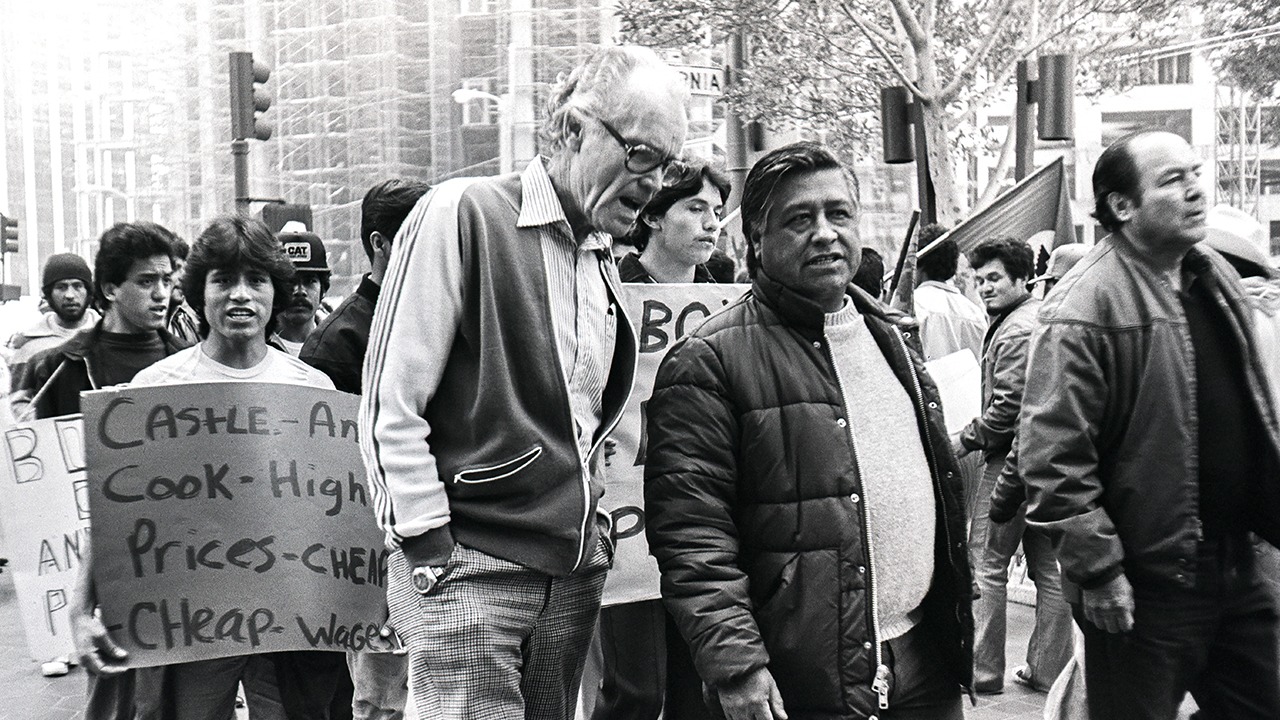
Fred Ross (foreground left) and Cesar Chavez (foreground right) in AMERICAN AGITATORS. Courtesy of Cinequest.

American Agitators is the important story of legendary organizer Fred Ross, the mentor of Cesar Chavez, and essentially a saint of the social justice movement. American Agitators shows Ross being formed by the Great Depression and the left-wing politics, the union movement and the New Deal. As a fully formed organizer, Ross met Chavez; Ross’ organizing resonated with Chavez applied his own imagination to Ross’ tactics and launched his own historically essential movements for farmworker unionization and Chicano Rights.

Director Raymond Telles has sourced the film impeccably. The third act rolls out Ross’ legacy today, not just Chavez the icon and the Farmworkers movement, but the influence of Fred Ross, Jr. and then a more loosely configured compendium of recent and current labor campaigns..

Fred Ross and Dolores Huerta in AMERICAN AGITATORS. Courtesy of Cinequest.

LOCAL SAN JOSE INTEREST: Fred Ross met Chavez at Cesar’s home at 53 Sharff Avenue in San Jose, hired Cesar as his deputy and organized out of McDonnell Hall at Our Lady of Guadalupe on East Antonio Street.  Cesar’s son Paul (of San Jose) appears in the film as does Luis Valdes of Teatro Campesino, who has also had a significant presence in San Jose.

I screened American Agitators for its world premiere at Cinequest.

A LITTLE FELLOW: THE LEGACY OF A.P. GIANNINI: underdog makes good

A. P. Giannini in A LITTLE FELLOW: THE LEGACY OF A.P. GIANNINI. Courtesy of Cinequest.

A Little Fellow: The Legacy of A.P. Giannini: Here’s an underdog story – a boy loses his immigrant father, starts out impoverished and builds the nation’s largest bank, helping to rebuild San Francisco after the 1906 earthquake. This very comprehensive documentary also tells the less well-known story of Giannini as movie financier – backing films like City Lights, Gone with the Wind and Sleeping Beauty.

A Little Fellow is a very by-the-numbers doc and is pretty uncritical of Giannini, but it is impeccably sourced and has a damn interesting subject.

I screened A Little Fellow: The Legacy of A.P. Giannini for its US premiere at Cinequest. The Cinequest audience will note the local interest. Giannini’s childhood began in San Jose, his father was murdered in Alviso, and his first bank branch building still stands, only 1500 feet from the Cinequest screening at the Hammer Theatre.

SILENT SPARKS: but weren’t they cellmates?

Photo caption: Guan-Zhi Huang and Ming-Shuai Shih in SILENT SPARKS. Courtesy of Cinequest.

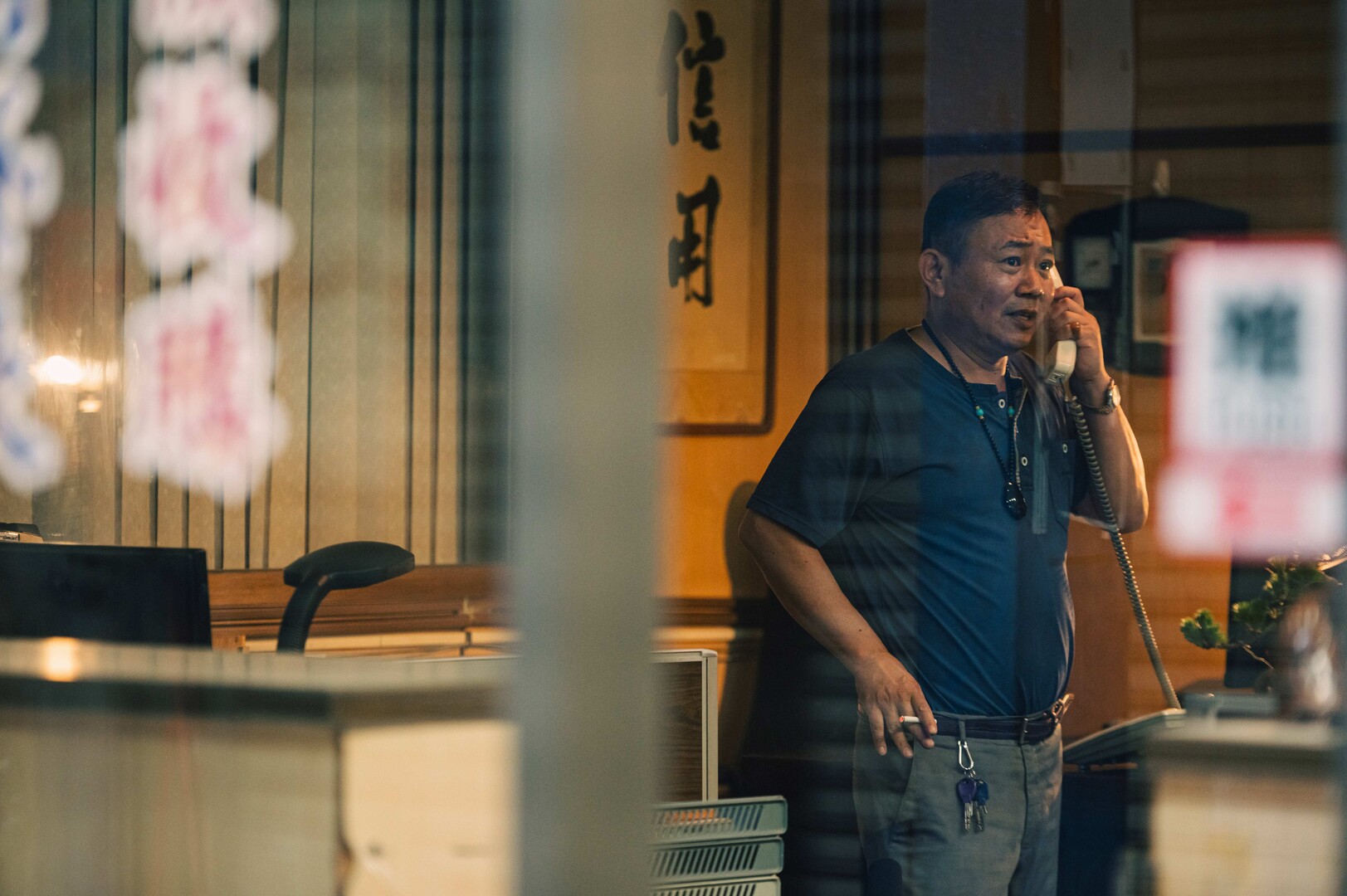
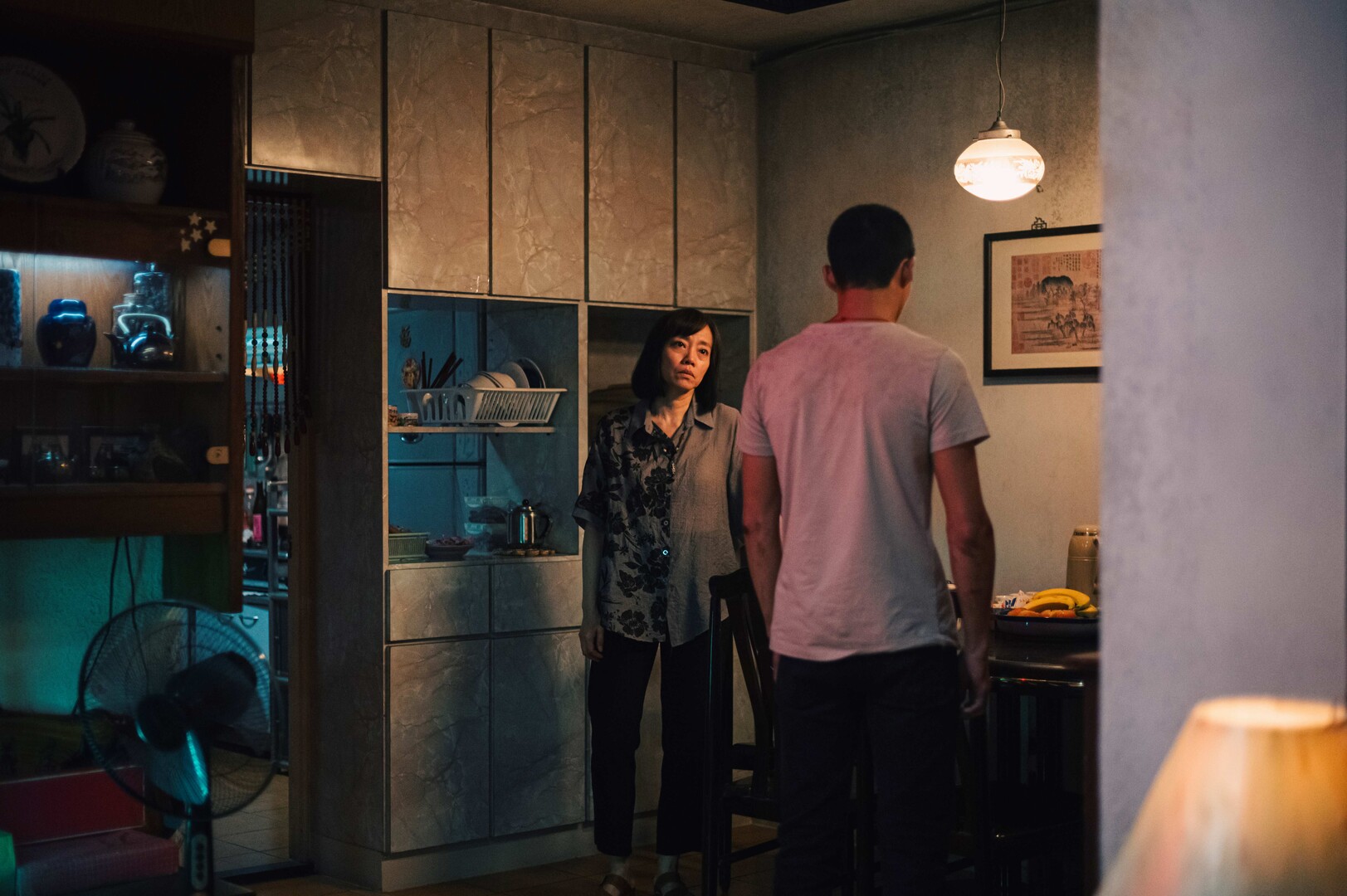
In the Taiwanese neo-noir Silent Sparks, small time hood Pua (Guan-Zhi Huang) is released from prison and checks in with the local crime lord (Chih-Wei Cheng). The boss assigns him to a lieutenant, Mi-Ji (Ming-Shuai Shih), who happens to be Pua’s former cell-mate. But when Pua and Mi-Ji meet again, the encounter is a study in social awkwardness. Pua just wants to start earning money and working his way up in the syndicate, but Mi-Ji is surprisingly unhelpful.

Pua finally gets the chance to do some crime, and we wonder, will Pua get caught, or worse? And what explains Mi-Ji’s behavior toward Pua? As Silent Sparks smolders on, the risks escalate.

The lead actors are very good. Chih-Wei Cheng is very funny as the crusty, vulgar crime boss, who is full of joie de vivre. Jui-Chun Fan is exceptional as Pua’s mom.

Chih-Wei Cheng in SILENT SPARKS. Courtesy of Cinequest.
Jui-Chun Fan and Guan-Zhi Huang in SILENT SPARKS. Courtesy of Cinequest.

Silent Sparks is the first feature for writer-director Ping Chu, and it’s a promising debut. I screened Silent Sparks for its US premiere at Cinequest.