Stream of the Week: MEET THE PATELS – a documentary funnier than most comedies

MEET THE PATELS
MEET THE PATELS

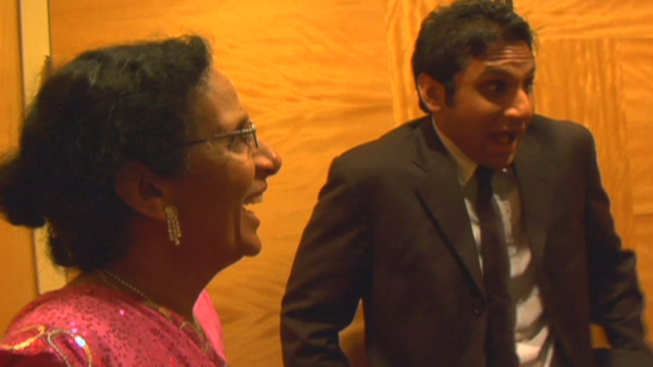
Meet the Patels is both a documentary and a comedy – and ultimately, a satisfying crowd-pleaser. Over several years, filmmaker Geeta Patel filmed her own brother Ravi and their parents in their quest to find a wife for Ravi. Ravi and Geeta’s parents were born in India, had a traditional arranged marriage which has resulted in decades of happiness. Their American-born kids, of course, reject the very idea of an arranged marriage. But Ravi finds the pull of his Indian heritage compelling enough to dump his redheaded girlfriend and try to find a nice Indian-American girl. His parents try to help him with unbounded and unrelenting enthusiasm.

Meet the Patels is very funny – much funnier than most fictional comedies. It’s always awkward when parents involve themselves in their child’s romantic aspirations. That’s true here, and produces some side-splitting moments. It helps that the Patel parents are very expressive, and downright hilarious. The dad is so funny that I could watch him read a telephone book for 90 minutes, and the mom is herself a force of nature.

We learn that the Patels of Gujarat have adapted an entire menu of marriage opportunities unfamiliar to mainstream American society: a matchmaking profile system called “biodata”, matrimonial fairs, “the wedding season” and more.

Meet the Patels has its share of cultural tourism and the clash of generations. But it is so damn appealing because it’s much more than that – it’s a completely authentic saga of family dynamics, dynamics that we’ve all experienced or at least observed. The family members’ mutual love for each other drives family conflict and, finally, family unity.

I saw Meet the Patels at the Camera Cinema Club last year, and it had a brief theatrical run in the Bay Area. Meet the Patels is available to stream from Netflix Instant, Amazon Video, iTunes, Vudu, YouTube and Google Play. It’s hilarious and heart-warming, so don’t miss it.
Stream of the Week: THE BRAINWASHING OF MY DAD

THE BRAINWASHING OF MY DAD

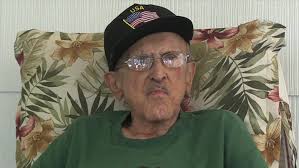
Ever notice how people who watch a lot of Fox News or listen to talk radio become bitter, angry and, most telling, fact-resistant? In the documentary The Brainwashing of My Dad, filmmaker Jan Senko as she explores how right-wing media impacts the mood and personality of its consumers as well as their political outlook. Senko uses her own father Frank as a case study.

We see Frank Senko become continually mad and, well, mean. And we hear testimony about many, many others with the identical experience. Experts explain the existence of a biological addiction to anger.

Senko traces the history of right-wing media from the mid-1960s, with the contributions of Lewis Powell, Richard Nixon, Rush Limbaugh, Roger Ailes and Rupert Murdoch. Senko even gets right-wing wordsmith Frank Luntz on camera to explain the power of buzz words. If you don’t know this story (Hillary was right about the “vast, right-wing conspiracy”) , Senko spins the tale very comprehensively. If you do know the material (and my day job is in politics), it is methodical.

This topic is usually explored for its impact on political opinion. Senko’s focus on mood and personality is original and The Brainwashing of My Dad contributes an important addition to the conversation. One last thing about the brainwashing of Senko’s dad – it may not be irreversible…

I first reviewed The Brainwashing of My Dad for its U.S. Premiere at Cinequest 2016. The Brainwashing of My Dad is available streaming on Amazon Video, Vudu, YouTube and Google Play.

Stream of the Week: MEET THE HITLERS

MEET THE HITLERS
MEET THE HITLERS

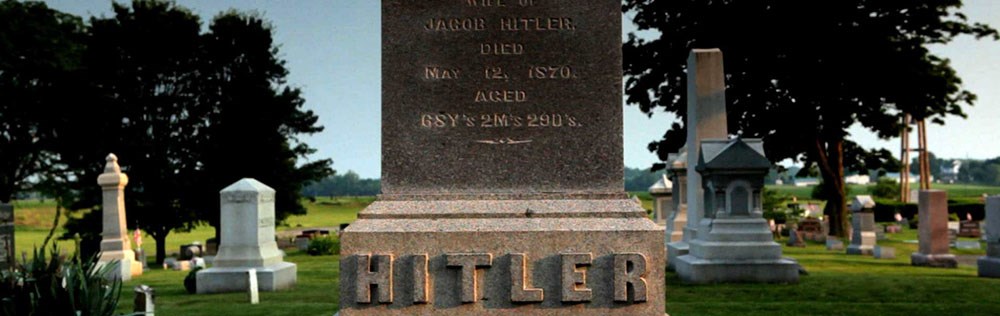
In the documentary Meet the Hitlers, we are introduced to those few people who choose NOT to change their birth name of “Hitler”. And it’s a varied bunch. We meet a delightfully confident Missouri teen girl, a workaday Ecuadorian whose parents didn’t know who Hitler was and an affable Utah oldster who might be the most jovial fellow ever to brighten up a chain restaurant. And there’s an Austrian odd duck burdened with enough personal baggage that he surely didn’t need this name. Do they see the name as a curse, and how has it affected them? It’s a theoretical question to us in the audience, but it’s compelling to see the real world responses of the film’s subjects.

And then there’s a mystery about three Americans who HAVE changed the name – because they are the last living relatives of Adolph Hitler. We follow the journalist who has been tracking them down for over a decade. (Documentarian Matt Ogens makes a great editorial choice as to whether to reveal their current names.)

Finally, there’s the disturbing saga of a New Jersey neo-Nazi who is NOT named Adolph Hitler but WANTS to be. Of course, anybody can choose to adorn themselves with a Hitler mustache and swastika tattoos and spew hatespeech, but his choices are affecting not just himself, but his children.

Some of these threads are light-hearted and some are very dark. Meet the Hitlers works so well because Ogens weaves them together so seamlessly. It’s a very successful documentary.

I first reviewed Meet the Hitlers for its premiere at Cinequest 2015. Now Meet the Hitlers is available for streaming rental from Amazon Video and Vudu and for streaming purchase from iTunes.

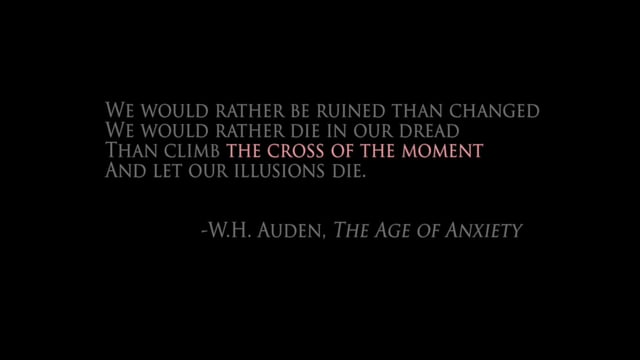
THE CROSS OF THE MOMENT: the bleakness of the “Or Else”

THE CROSS OF THE MOMENT

There’s no slick TED Talk or cool graphics in the compelling and sometimes chilling documentary The Cross of the Moment.  In that way, it’s exactly the film that An Inconvenient Truth was trying NOT to be.  But The Cross of the Moment is actually the more ambitious film because it’s not trying to convince us that global warming exists or is caused by humans – it’s helping us understand the bleakness of the “or else” if we don’t stall or reverse climate change.

Indeed, we hear from talking heads (really, really smart talking heads).  Director Jacob Freydont-Attie has selected scientists who are as able as the great scientific popularizers like Carl Sagan and James Burke.  It’s stripped down, undiluted science from scientists – but ever lively.  As a result, we in the audience are able to connect the dots ourselves.  We are in Deep Shit.  And capitalism itself may keep us from digging our way out.

The International Film Festival of North Hollywood (IFFNOHO) will present the world premiere of The Cross of the Moment on Sunday, May 1.

PROJECTIONS OF AMERICA: propaganda, American-style

PROJECTIONS OF AMERICA
PROJECTIONS OF AMERICA.  Photo courtesy of PBS International.

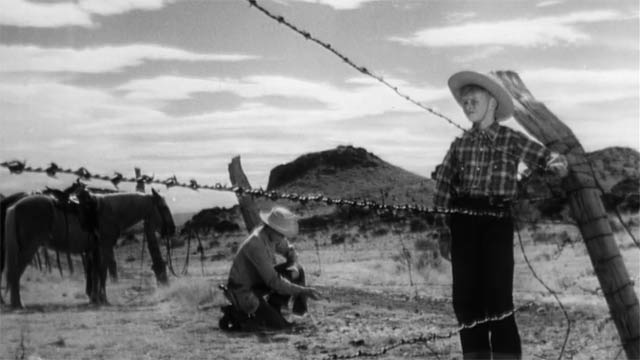
Peter Miller’s documentary Projections of America reveals the story of American-made World War II propaganda films, designed to reassure the soon-to-be-occupied Europeans.  “Propaganda” is a sinister word, and the surprise in Projections of America is how indirect, subtle and superficially benign the filmmakers were.  The goal of the films was to make the liberating Americans seem not so scary, even though they were bombing Europe and then showing up heavily armed en masse and speaking only English.

The government tapped Hollywood screenwriter Robert Riskin (It Happened One Night, Mr. Deeds Goes to Town) to make a series of movies, and Projections of America is also very much Riskin’s story.  We even see Riskin’s  family home movies and hear directly from his children (whose mother was the actress Fay Wray).

We are used to government propaganda being bombastic, obvious and heavy handed, which these films are not.  Riskin’s team made slice-of-American-life films to showcase workaday America through the daily experiences of Americans – with their implicit American values shining through.

One film, Swedes in America, hosted by Ingrid Bergman, showed just one tile in the American mosaic, but the everyday lives of Swedish-Americans resonated with other European ethnicities, who could imagine themselves comfortable in American society.  Another movie focused on a popular American immigrant from Italy, Arturo Toscanini.  And still another film brought a boy from bombed-out Britain to the American West to show him the real-life cowboy experience firsthand (how cool that must have been!).

The most popular movie in the series was Autobiography of a Jeep, which tracked every step of a Jeep’s journey from its American assembly plant to its use in wartime Europe – with the Jeep’s internal dialogue as the film’s narration.

The movies, of course, show a favorable and idealized, but not completely phony, view of America.  Certainly, the films did not dwell on problems of American society, such as racial segregation.  One movie depicts a small town receiving European refugees at first with distrust, but finally with acceptance.  The overall impact of the movies was to depict America and Americans as free, boisterous and alive with possibilities.  That, at its core,  was not untruthful.

Projections of America is narrated by John Lithgow.

The International Film Festival of North Hollywood (IFFNOHO) will host Projections of America’s LA premiere on Saturday, April 30.   Autobiography of a Jeep is also playing separately at IFFNOHO.

GAZELLE: THE LOVE ISSUE

GAZELLE: THE LOVE ISSUE

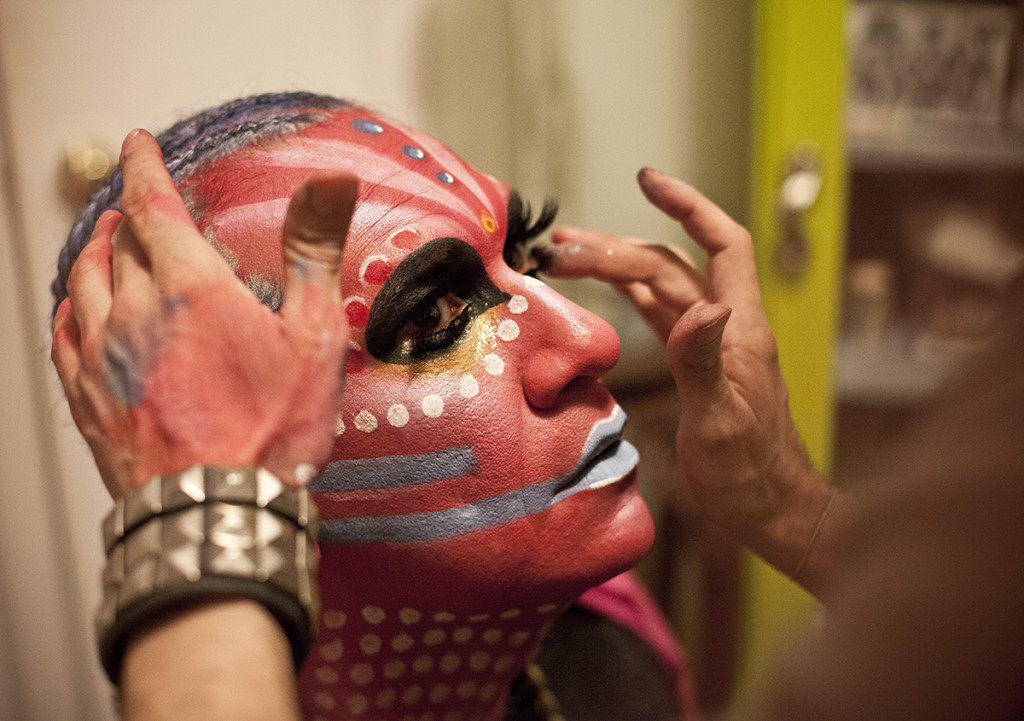
I challenge anyone to watch the first one minute of the absorbing documentary Gazelle: The Love Issue without wanting to see more of Gazelle Paulo and his art.  Gazelle’s art defies easy description – an unusual combination of fashion and performance art.  He dresses, models, takes photos of others and has turned his photo blog (FreakChic.com) into the magazine Gazelle.  In Gazelle: The Love Issue, director Cesar Terranova gives us the unvarnished Gazelle, with glimpses of the most personal aspects of his life and relationships.

Gazelle creates striking clothes and makeup that project ideas and feelings.   Descriptions like “drag queen” or Gazelle’s own understated “dressing up to go out” are totally inadequate and misleading.  Whether it’s funny or disturbing, this stuff is real art, more avant-garde than campy.  And as art must be to be good, Gazelle’s is ever evocative.

Spending 94 minutes with Paulo is pretty easy because he’s so gentle and humble despite his flamboyant, even exhibitionistic, behavior.  He’s an island of genuine kindness in a sea of snark and bitchiness.

The International Film Festival of North Hollywood (IFFNOHO) is showcasing the LA premiere of Gazelle: The Love Issue as the festival’s opening night film on Thursday, April 28, and it’s a sure-fire crowd-pleaser.

SFIFF: previewing the documentaries

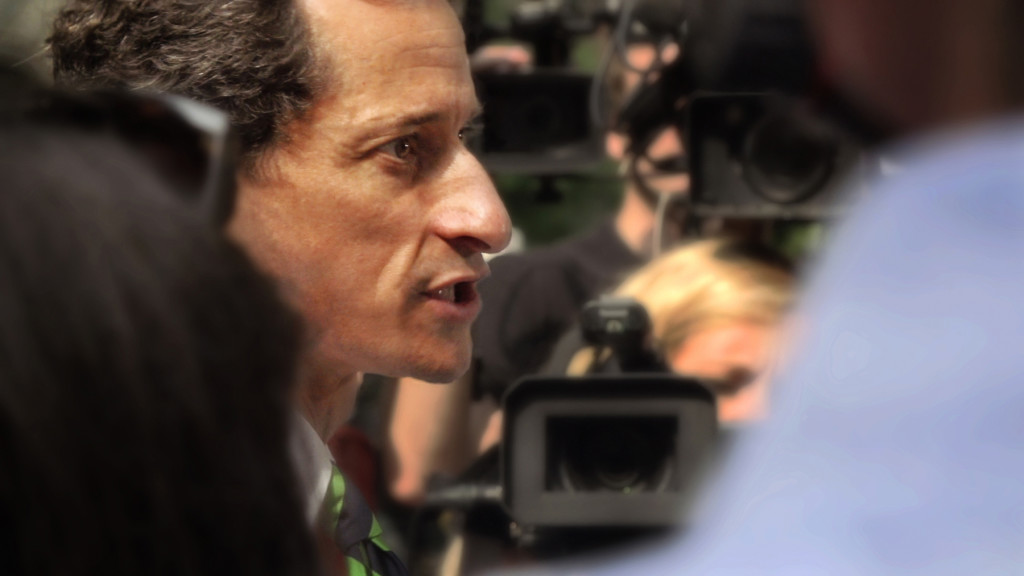
A scene from Josh Kriegman and Elyse Steinberg's WEINER will play at the 59th San Francisco International Film Festival, on April 21 - May 5,2016.
WEINER. Photo courtesy  San Francisco Film Society.

There’s a characteristically strong slate of documentaries at the 59th San Francisco International Film Festival (SFIFF).  The  docs with the highest profiles are

  • Weiner  – This hit from the Sundance and New Directors film festivals is an inside look at Anthony Weiner’s cringeworthy, self-immolating campaign for New York City Mayor;
  • Miss Sharon Jones! – Sure to be a festival crowd-pleaser, this doc chronicles the salty Dap Kings frontwoman and her fight against cancer.  From Academy Award-winning documentarian Barbara Kopple (Harlan County U.S.A.);
  • Unlocking the Cage – an animal welfare doc from storied filmmakers Chris Hegedus (The War Room) and D.A. Pennebaker (Monterey Pop and The War Room); and
  • The Bandit, in the coveted slot as the festivals’ Closing Night film, documents the real life bromance between Burt Reynolds and iconic stuntman Hal Needham that led to Needham’s Smokey and the Bandit movies.

But some of the best docs in the fest are less well-known nuggets:

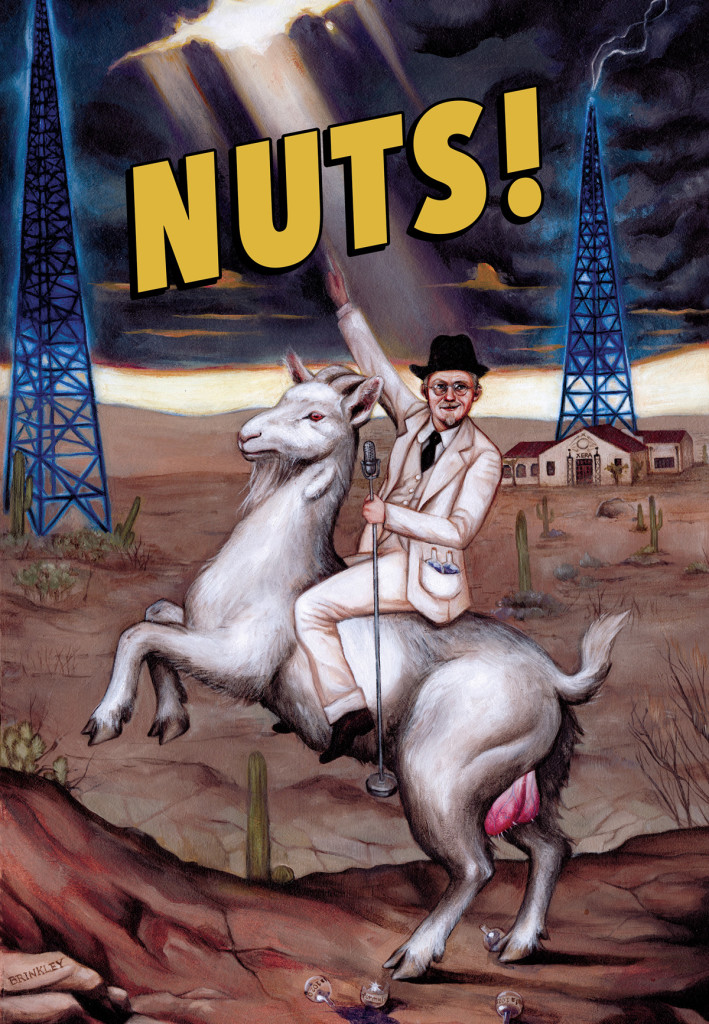
  • NUTS! – a persistently hilarious (and finally poignant) documentary about the rise and fall of a medical and radio empire – all built on goat testicle “implantation” surgery in gullible humans.
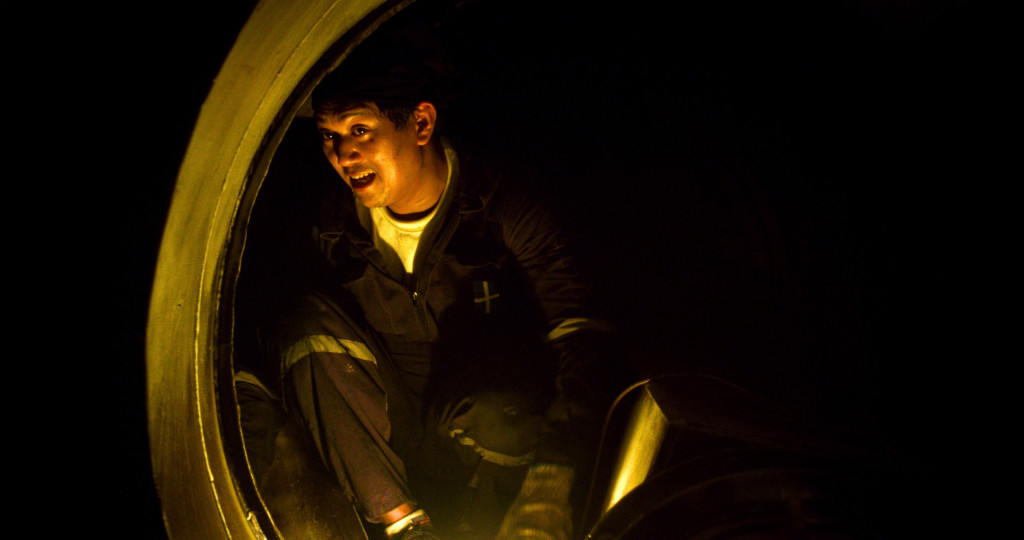
  • Dead Slow Ahead – a visually stunning and an often hypnotic film, shot on a massive freighter on its voyage across vast ocean expanses with its all-Filipino crew.
  • Under the Sun – a searing insight into totalitarian North Korean society, all from government-approved footage that tells a different story than the wackadoodle dictatorship intended.

Last year’s SFIFF brought us The Look of Silence, Listen to Me Marlon, Drunk Stoned Brilliant Dead and Very Semi-Serious.  The festival’s 2016 docs may be even more impressive.

The 59th San Francisco International Film Festival (SFIFF) runs through May 5. Throughout the fest, I’ll be linking more festival coverage to my SFFIF 2016 page, including both features and movie recommendations. Follow me on Twitter for the very latest coverage.

Sharon Jones performs at the Beacon Theater in Barbara Kopple's MISS SHARON JONES!, playing at the 59th San Francisco International Film Festival, April 21st - May 5th, 2016.Jacob Blickenstaff, 2014, courtesy of San Francisco Film Society
MISS SHARON JONES! Photo: Jacob Blickenstaff, 2014, courtesy of San Francisco Film Society.

SFIFF: NUTS!

Penny Lane's NUTS! will play at the 59th San Francisco International Film Festival, on April 21 - May 5,2016. Photo courtesy of San Francisco Film Society
NUTS! Photo courtesy of San Francisco Film Society

NUTS! is the persistently hilarious (and finally poignant) documentary about the rise and fall of a medical and radio empire – all built on goat testicle “implantation” surgery in gullible humans.  Yes, a huckster named J.R. Brinkley really did surgically place goat testicles inside human scrota – and, more astonishingly, this actually became a craze in the 1920s.  Now that’s enough of a forehead slapper, but there’s more, much more and that’s what makes NUTS! so fun. Its first screening at the San Francisco International Film Festival (SFIFF) is on April 29.

Brinkley’s story is one that leads to celebrity mega wealth and a colossal miscalculation. Improbably, Brinkley’s wild ride touched Huey Long,William Jennings Bryan, Rudolph Valentino,  Buster Keaton, June Carter Cash and Wolfman Jack.   There’s a radio empire, a Gubernatorial election and a dramatic, climactic trial.

Director Penny Lane tells the story with animation (different animators for each chapter, but you can’t tell) seamlessly braided together with historical still photos, movies and a final heartbreaking recording.  NUTS! tells a story that is too bizarre to be true – but really happened.  It makes for a most entertaining movie.

The 59th San Francisco International Film Festival (SFIFF) runs through May 5. Throughout the fest, I’ll be linking more festival coverage to my SFFIF 2016 page, including both features and movie recommendations. Follow me on Twitter for the very latest coverage.

SFIFF: DEAD SLOW AHEAD

A scene from Mauro Herce's DEAD SLOW AHEAD, playing at the 59th San Francisco International Film Festival, April 21 – May 5 2016.
A scene from Mauro Herce’s DEAD SLOW AHEAD, playing at the 59th San Francisco International Film Festival, April 21 – May 5 2016.

Dead Slow Ahead is a visually stunning and an often hypnotic film, shot on the massive freighter Fair Lady on its voyage across vast ocean expanses with its all-Filipino crew. Its first screening at the San Francisco International Film Festival (SFIFF) is on April 23.

Are we in for a sea adventure?  Not exactly.  Our guide is first-time Director Mauro Herce.  His camera observes and so do we.  He doesn’t explain what we are seeing – we have to connect the dots.  We see the darkened bridge, the cavernous hold and unfamiliar ship machinery.  The film opens with the beeps and tones of controls on the bridge; then we mostly hear the rhythmic lapping of the waves and the random groans of the ship.  The effect is mesmerizing.

There are dramatic seascapes and some seriously impressive cloud weather.  The few mariners handle the machinery and attend the bulk cargo.  Given the expanse of open ocean and the vastness of the huge ship, everyday tasks seem heroic.

Where does the Fair Lady go?  There are some coastlines, but usually we’re beyond the sight of land.  The end credits thank workers in a series of Mediterranean ports plus Odessa, Port Said, Aqaba and New Orleans.  But the where is not the point of Dead Slow Ahead.

Dead Slow Ahead won a special jury prize at the Locarno International Film Festival.  It’s an impressive debut for Herce – one of those films that gradually envelopes the viewer.

The 59th San Francisco International Film Festival (SFIFF) runs through May 5. Throughout the fest, I’ll be linking more festival coverage to my SFFIF 2016 page, including both features and movie recommendations. Follow me on Twitter for the very latest coverage.

LAST DAYS IN VIETNAM: folly, desperation, heroism

LAST DAYS IN VIETNAM

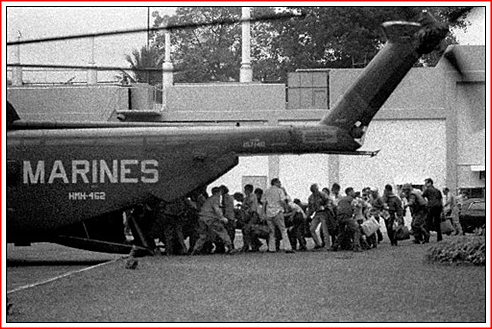
History is a compendium of individual human stories, oft caught up in a world event. That’s what drives the riveting documentary Last Days in Vietnam, which chronicles the desperate attempts of many South Vietnamese to escape before the Communist takeover in 1975. Over 140,000 got out in the initial exodus, including 77,000 through the means depicted in this film – mostly compressed into just two panicked days.  Last Days in Vietnam will be televised tonight in the Bay Area on KQED-Channel 9 at 8 PM on American Experience.

As if there weren’t enough American folly in Vietnam, the first evacuation plan didn’t include any non-Americans, even including the Vietnamese dependents of Americans. Then there were evacuation plans that were never implemented because of the blockheadedness of the US Ambassador. In the final week, young American military and intelligence officers took matters into their own hand, and began a sub rosa evacuation – ignoring the chain of command, breaking immigration laws and risking career-killing charges of insubordination.

Last Days in Vietnam is directed by Rory Kennedy (daughter of RFK), who recently made Ethel, the affecting bio-doc of her mother. Kennedy does a good job of setting the historical stage for those who didn’t live through the era, and then letting the witnesses tell their compelling personal stories.

The talking heads include:

  • the six-year-old who jumped out of a helicopter and then watched his mother drop his baby sister on to a ship’s deck;
  • the US Navy vet who plays the taped diary that he sent home to his wife after the fateful day;
  • the CIA analyst who unsuccessfully tried to convince the deluded US Ambassador that the end was at hand;
  • the college student who managed to get over a wall inside the embassy, but found that his freedom was not guaranteed;
  • Ford Administration officials Henry Kissinger and Ron Nessen, who relate the White House view of the events.

One heroic young American officer managed with ingenuity and chutzpah to get out hundreds of Vietnamese. In the film’s most poignant moment, it falls to him to tell the final American lie to the 400 Vietnamese remaining in the US embassy, for whom there were no more helicopters.

I saw the movie in San Jose with an audience that was about half Vietnamese-American, some of the age to have lived through this period. San Jose’s 100,000 Vietnamese population is largest of any city outside Vietnam, and many Vietnamese-Americans still memorialize the subject of this film as Black April. The exit from the theater was somber.

Besides, tonight’s telecast, Last Days in Vietnam is available streaming from Netflix Instant, Amazon Video, iTunes, YouTube and Google Play.