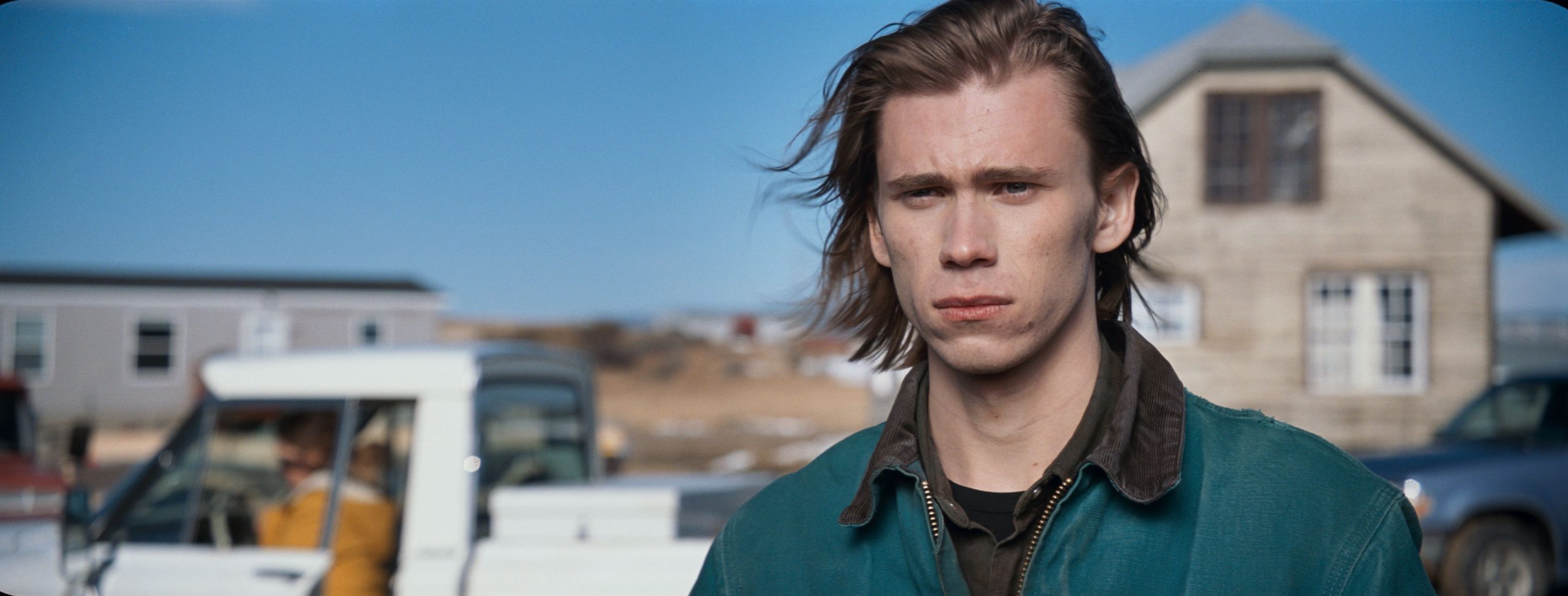
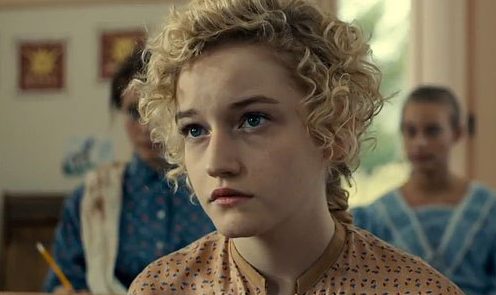
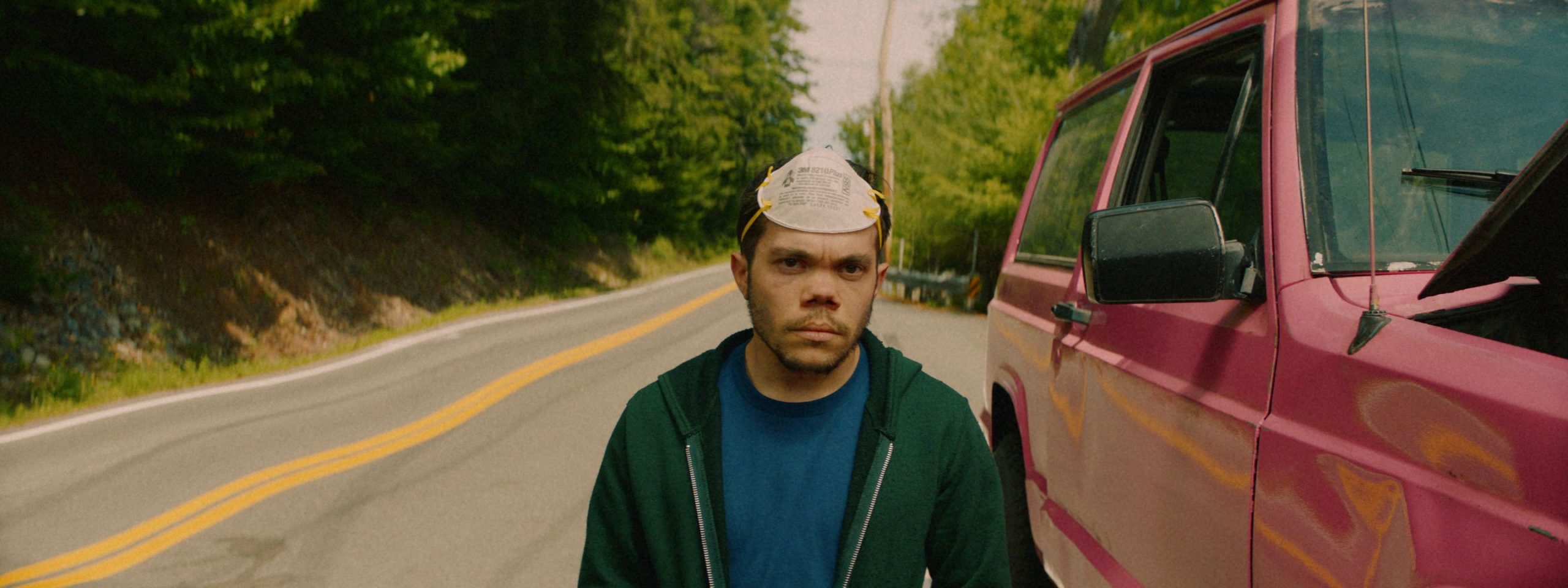
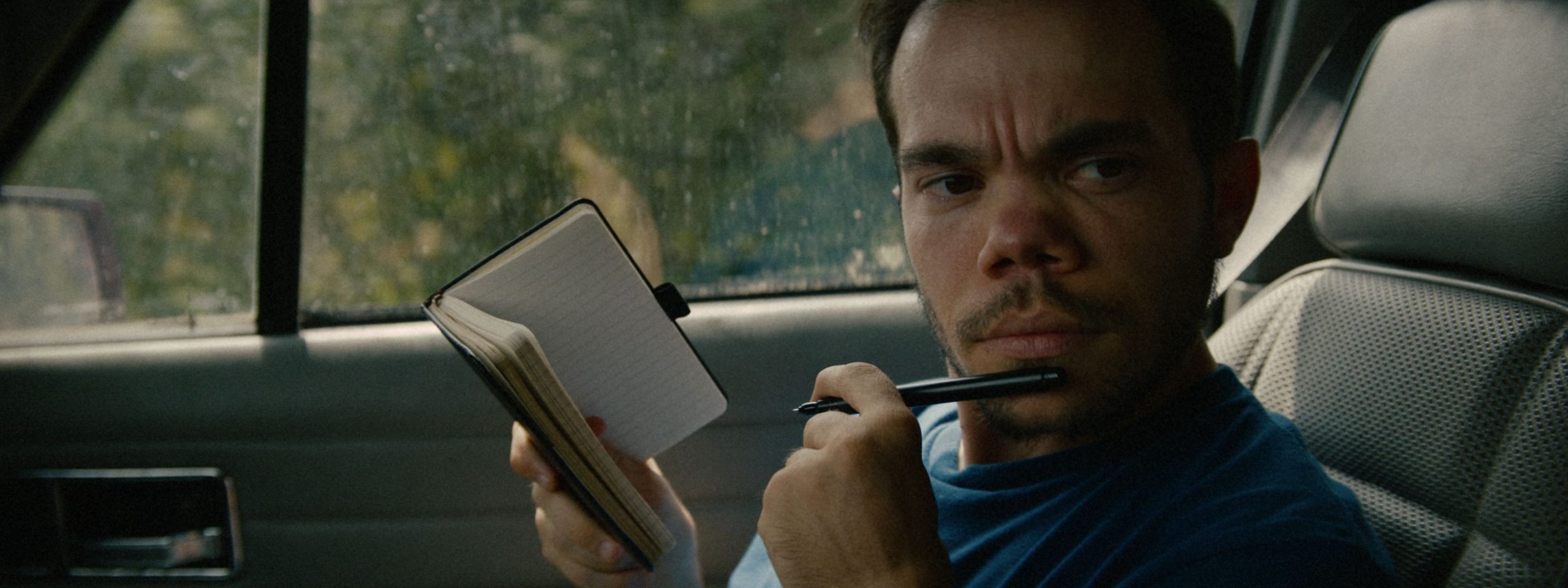
Photo caption: Owen Teague in MONTANA STORY. Courtesy of Bleecker Street.
Every year, I keep a running list of the best movies I’ve seen this year. By the end of the year, I usually end up with a Top Ten and another 5-15 mentions. Here are my Best Movies of 2021 and Best Movies of 2020 lists.
To get on my year-end list, a movie has to be one that thrills me while I’m watching it and one that I’m still thinking about a couple of days later.
Unfortunately, most of these films have come and gone in theaters and won’t be accessible again until they stream this summer.
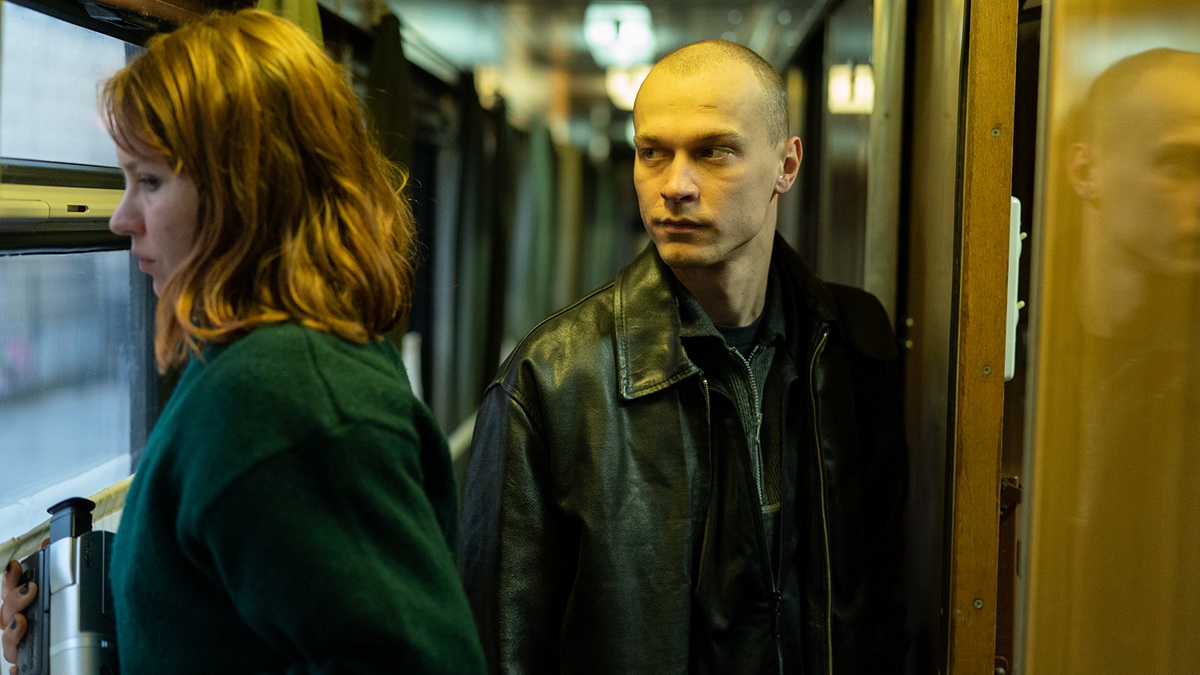
Seidi Haarla and Yuri Borisov in COMPARTMENT No. 6. Courtesy of Sony Pictures Classics.
THE BEST OF 2022– So Far
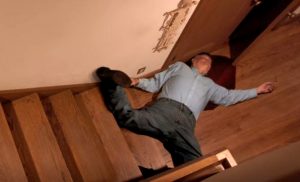
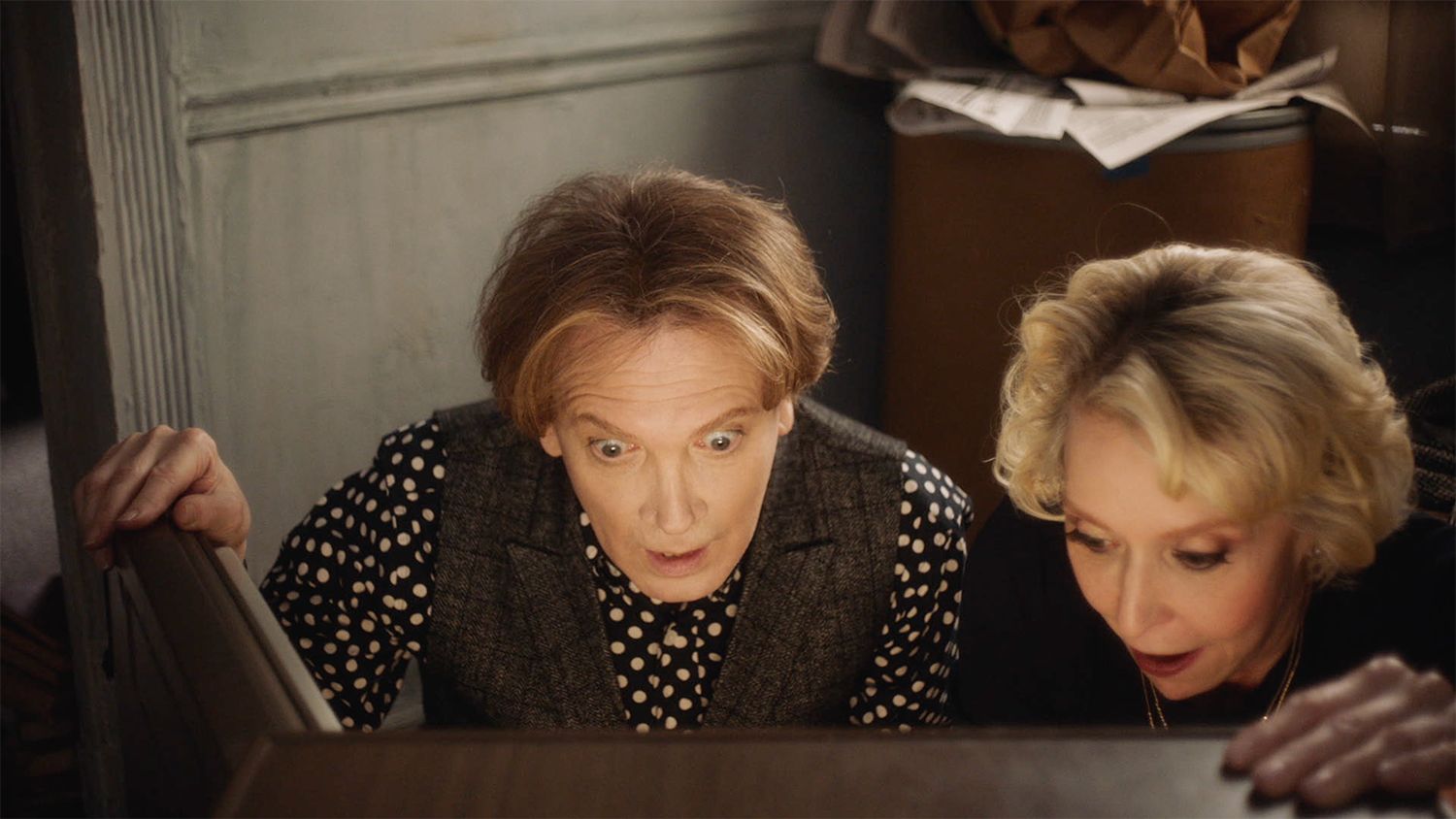
Montana Story: a family secret simmers, then explodes. Theatrical run has finished; expect it to stream this summer.
Compartment No. 6: a surprising journey to connection. Theatrical run has finished; expect it to stream this summer.
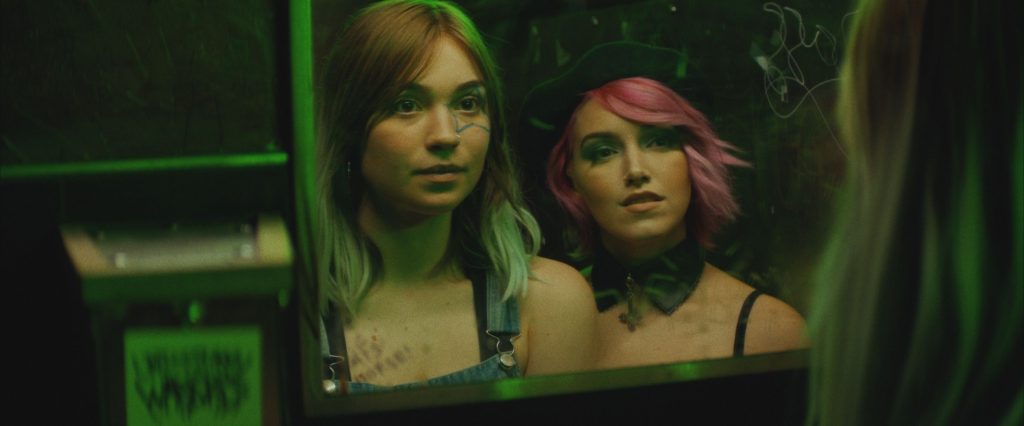
Poser: personal plagiarism. (Opens in theaters on July 8; review will go live on July 5.)
The Tale of King Crab: storytelling at its best. Had a blink-and-you-missed-it theatrical run; I’ll let you know when it streams.
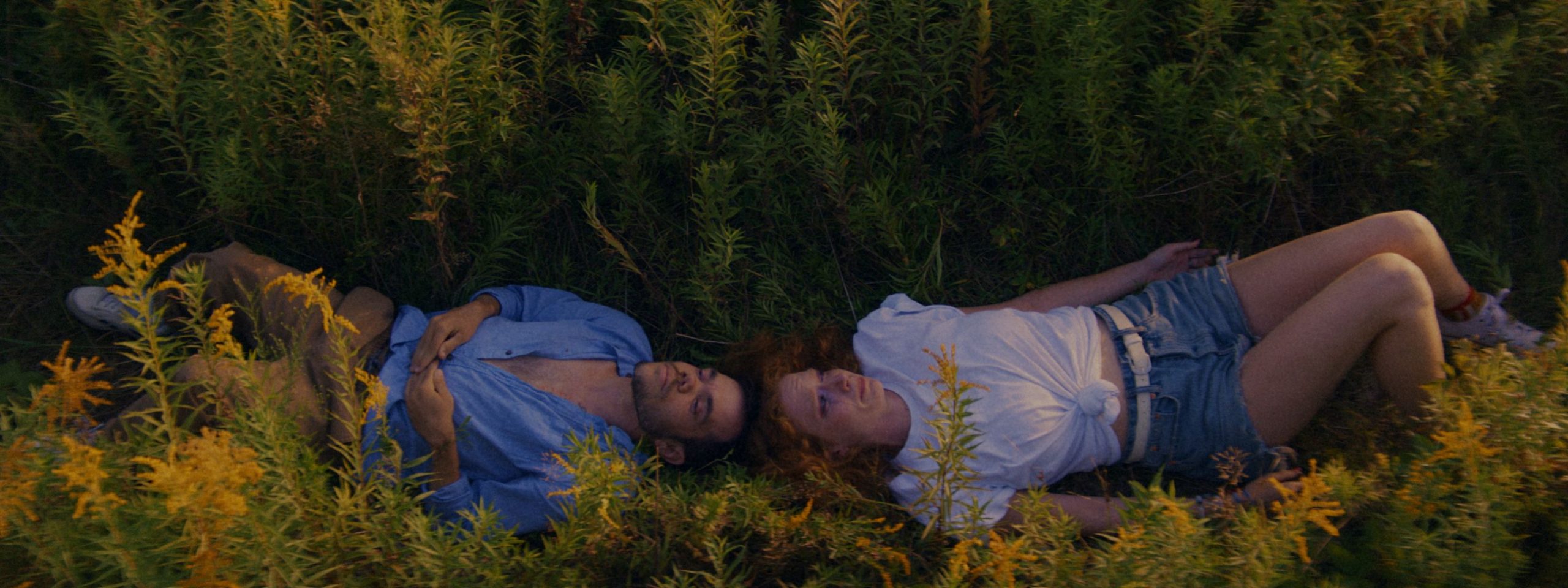
12 Months: an authentic relationship evolves. Premiered at Cinequest’s online fest in March and may play the in-person Cinequest in August.
Sylvie Mix and Bobbi Kitten in POSER. Photo courtesy of the Nashville Film Festival.
Frameline —the world’s largest LGBTQ film festival— runs through Sunday, June 26, 2022. Here are my four recommendations.
REMEMBRANCES
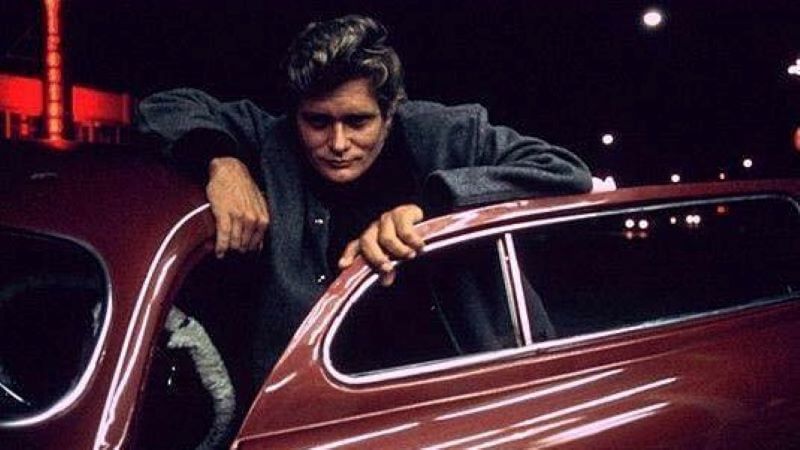
Bo Hopkins in AMERICAN GRAFFITI.
A few weeks ago, we lost actor Bo Hopkins, who left us with some absolutely indelible performances in his heyday, a decade starting in the late 1960s. No one has ever been better at portraying a smirking, dimwitted redneck. I liked him best as the ill-fated young robber in The Wild Bunch, the greaser hard guy in American Graffiti and Burt Reynold’s moonshining partner in White Lightning. In this period, he appeared in . Cat Ballou, The Getaway, Monte Walsh and Midnight Express.
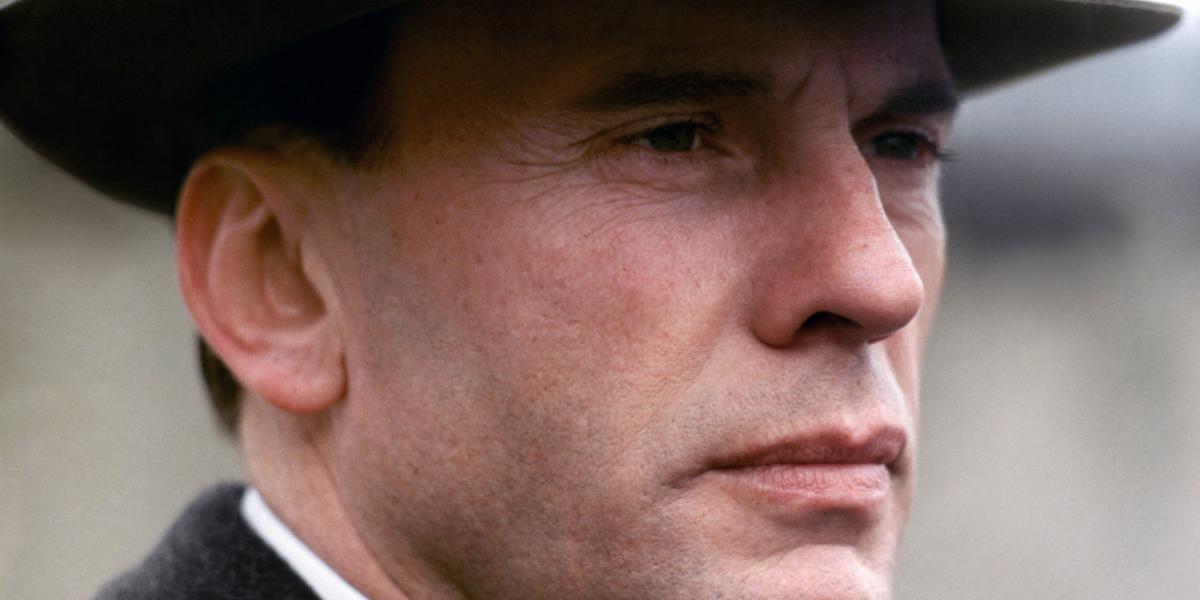
Burt Reynolds and Bo Hopkins in WHITE LIGHTNING.Jean-Louis Trintignant in THE CONFORMIST.
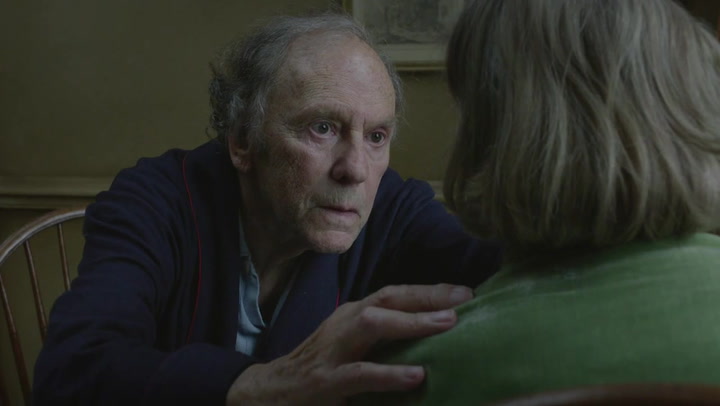
Actor Jean-Louis Trintignant starred in some of the most prestigious European movies of the past six decades: Roger Vadim’s …And Man Created Woman with Brigitte Bardot (1956), Claude Leloach’s A Man and a Woman (1966), Claude Chabrol’s Les Biches (1968), Costa-Gravras’ Z (1969), Éric Rohmer’s My Night at Maud’s, Bernardo Bertolucci’s The Conformist (1970), Krzysztof Kieslowski’s Red (1994) and Michael Haneke’s Amour (2012). He even made a Sergio Corbucci spaghetti western The Great Silence in 1968. Trintignant was 91.
Jean-Louis Trintignant in AMOUR.
CURRENT MOVIES
Montana Story: a family secret simmers, then explodes. In theaters.
The Duke: he finally gets his audience. In theaters.
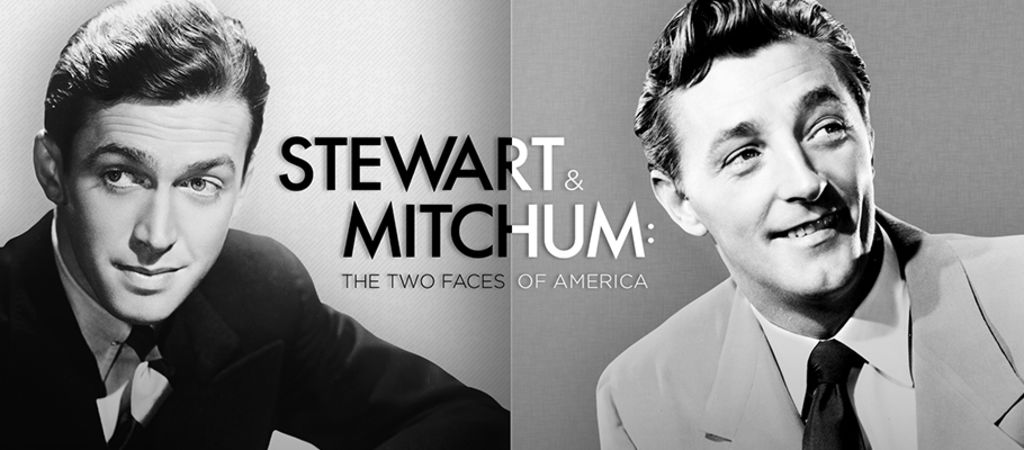
The 2017 documentary James Stewart, Robert Mitchum: The Two Faces of America traces the mostly parallel and mostly contrasting Hollywood careers of icons James Stewart and Robert Mitchum.
Hero and anti-hero. James Stewart became perhaps American cinema’s greatest screen actor by portraying earnest, well-meaning,, play-by-the-rules types like George Bailey and Jefferson Smith. Mitchum, so identified with film noir, is known as an insolent rebel with no pretense of following anybody else’s rules. (Of course, it’s more complicated than that – among Stewart’s greatest performances are his darkest, in Hitchcock classics like Vertigo and Rear Window and in Anthony Mann’s psychological Westerns like Winchester ’73.)
James Stewart, Robert Mitchum: The Two Faces of America is not a deep dive into this optimism/cynicism theme of American postwar psychology. Instead, it’s more of a marriage of two showbiz biodocs.
That being said, fans of the actors (and I am a big fan of both) get some insights. Both actors reflect on their own work (see trailers below). The most evocative segment is about Stewart’s grief at the loss of his son, a marine killed in the Vietnam War that Jimmy himself supported politically.
Stewart and Mitchum did not socialize, despite their daughters knowing each other in high school. They only worked together once, late in their careers, in the 1978 remake of The Big Sleep. James Stewart, Robert Mitchum: The Two Faces of America highlights a remarkable coincidence in their deaths.
I watched James Stewart, Robert Mitchum: The Two Faces of America on Turner Classic Movies, where it will be replayed on June 25. It is also streaming on the subscription services WATCH TCM and DIrecTV.
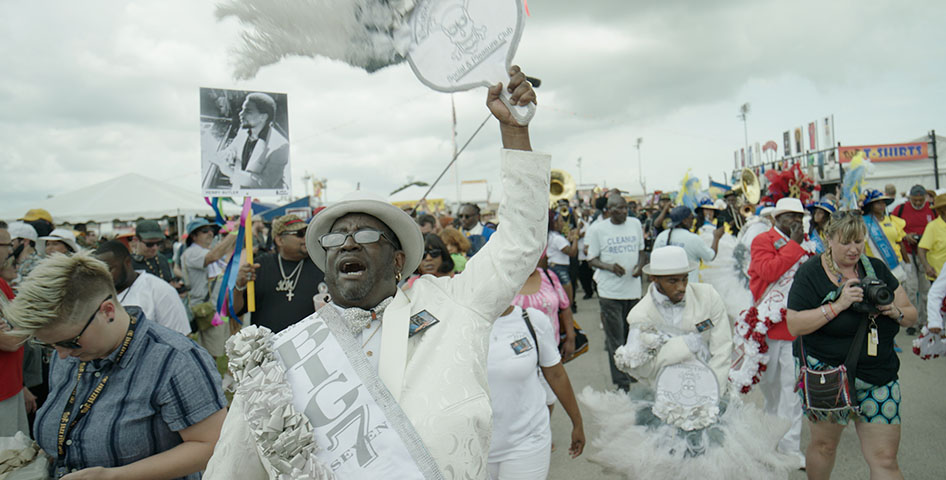
Photo caption: JAZZFEST: A NEW ORLEANS STORY. Courtesy of Sony Pictures Classics.
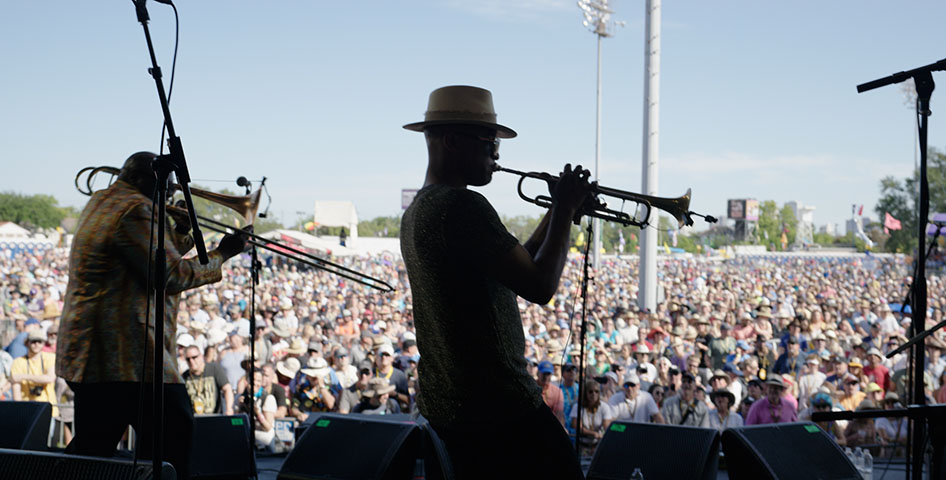
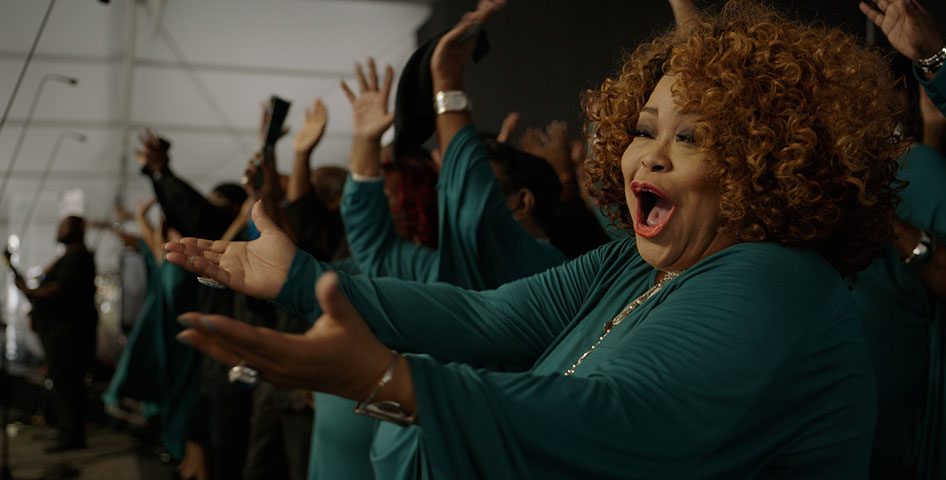
The endearing documentary Jazzfest: A News Orleans Story celebrates the 51-year-old extravaganza of music, food and good times that is the New Orleans Jazz & Heritage Jazz Festival (always called Jazzfest). Documentarians Frank Marshall and Ryan Suffern introduce us to founder George Wein, longtime festival producer Quint Davis and a host of musicians. They cover the history of the festival, its importance to Louisiana and the city, the impact of Hurricane Katrina, and how Jazzfest celebrates the unique cultures of New Orleans and Louisiana. And of course, they dive deep into the music and the musicians.
The killer moment in Jazzfest: A News Orleans Story is a divine Aaron Neville rendition of Amazing Grace that brings tears to Trombone Shorty, standing behind him on stage.
I had never thought of Jimmy Buffett as a New Orleans musician, but this is where he learned his chops, busking and then fronting a band on Bourbon Street. It turns out that Buffett has a substantial history with the Jazzfest. (Unrelated movie trivia: Jimmy Buffett had a bit part, “Additional Blonde Agent” in the cult movie Repo Man.)
This is Jazzfest 101 – a comprehensive intro course. We don’t dive into the behaviors of Jazzfest veterans, like pouring over The Cubes (festival’s program schedule) in January or procuring an inexpensive festival chair at the Canal Street Walgreen’s.
JAZZFEST: A NEW ORLEANS STORY. Courtesy of Sony Pictures Classics.
I love the New Orleans Jazz & Heritage Jazz Festival so much – and I miss it so much – that I resisted seeing this film because the trailer made my heart ache. I’ve missed three trips to the Jazzfest in the past four years because of COVID and other misfortunes, and I really, really miss it. The Wife prevailed, however, because she loves Jazzfest so much that she just couldn’t miss this movie.
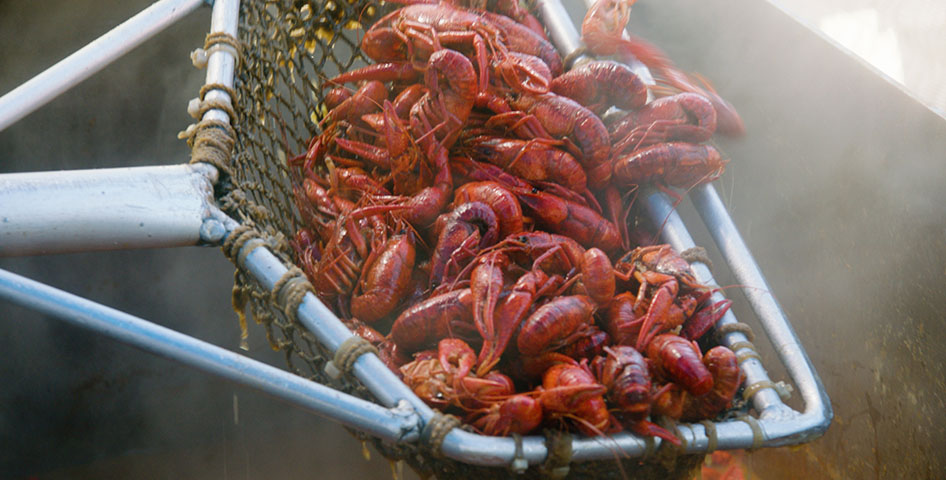
Here’s why. For the Movie Gourmet, the perfect vacation goes like this: sleep late and arise to cafe au lait and beignets, then stroll through the French Quarter to the bus on Canal Street that drops us at the Jazzfest at midday. Spend six hours listening to the world’s best blues musicians, and sample some of the world’s best gospel, cajun and zydeco, too. Sustain ourselves with cochon de lait poboys and alligator nuggets. Cap the day with a big name act (in 2022, for example, The Who, Stevie Nicks, Jason Isbell, Billy Strings, Nelly, The Red Hot Chili Peppers, The Avett Brothers, Lionel Ritchie, Death Cab for Cutie, Luke Combs, Elvis Costello, The Black Crowes, Norah Jones and Buddy Guy). Bus back to the room and shower. Enjoy a late dinner at one of the world’s best restaurants. Have some drinks at a local club listening to live local music. Hit Cafe du Monde for some post-midnight beignets and go to bed. Rinse. Repeat.
JAZZFEST: A NEW ORLEANS STORY. Courtesy of Sony Pictures Classics.
It turned out that, for The Movie Gourmet, Jazzfest: A News Orleans Story wasn’t painful after all, just wistful. I’m looking forward to returning in APril 2023. Trombone Shorty, Big Luther Kent and Trick Bag, Anders Osborne, Sonny Landreth, Jumpin’ Johnny Sansone and The Iguanas await me. So do the sweetbreads at Bayona, the fried green tomatoes at Jacque Imo’s and delicacies at restaurants yet to be discovered.
Jazz Jazzfest: A News Orleans Story is in theaters.
The Women’s Balcony: a righteous man must keep his woman happy. Amazon, AppleTV, Vudu, YouTube.
The Handmaiden: gorgeous, erotic and a helluva plot. Amazon (included with Prime), Vudu.
Very Semi-Serious: glorious The New Yorker cartoons. Amazon, AppleTV, YouTube.
Touching the Void: the gripping true life story of a mountaineer who had to cut his climbing partner’s rope. Amazon, AppleTV.
The Women’s Balcony: a righteous man must keep his woman happy. Amazon, AppleTV, Vudu, YouTube.
Electrick Children: magical Mormon runaways in Vegas. Amazon, AppleTV, YouTube.
NUTS!: the rise and fall of a testicular empire. Amazon, AppleTV, Vudu, YouTube.
The Imposter: you gotta see this. Amazon, AppleTV, Vudu, YouTube.
ON TV
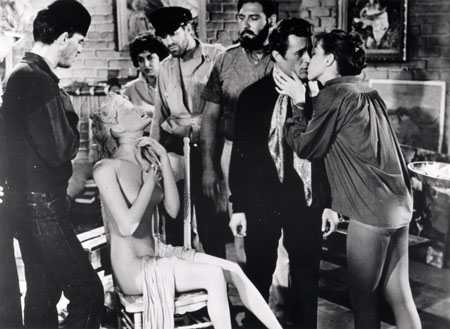
hep cats in BUCKET OF BLOOD
On June 21, Turner Classic Movies will air A Bucket of Blood, a campy, minor horror film from 1959, more interesting as a window into beatnik culture. Can you dig it?
San Francisco’s Frameline —the world’s largest LGBTQ film festival—opens today and runs through Sunday, June 26, 2022. Last week, I previewed the fest, and, today, here are my recommendations:
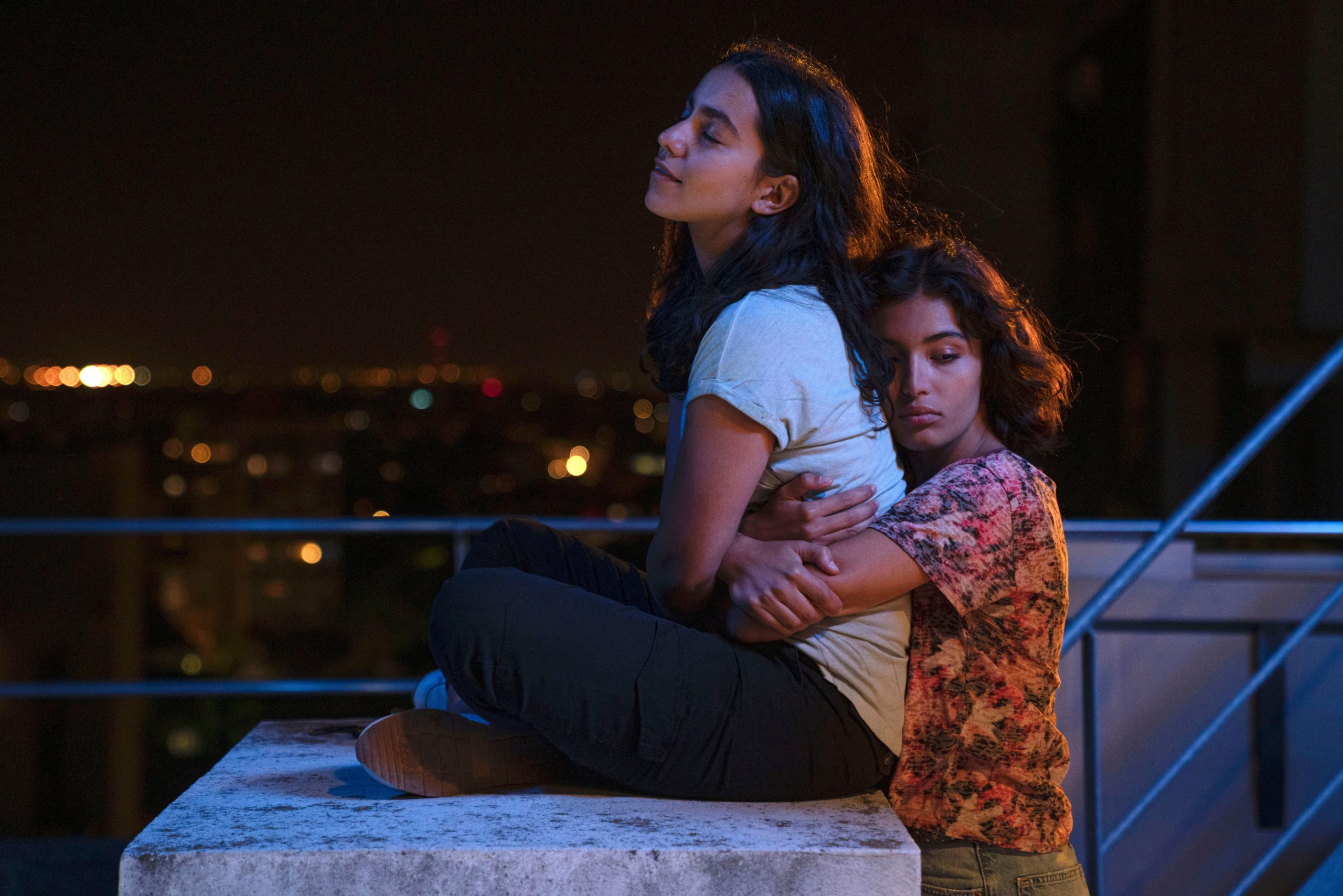
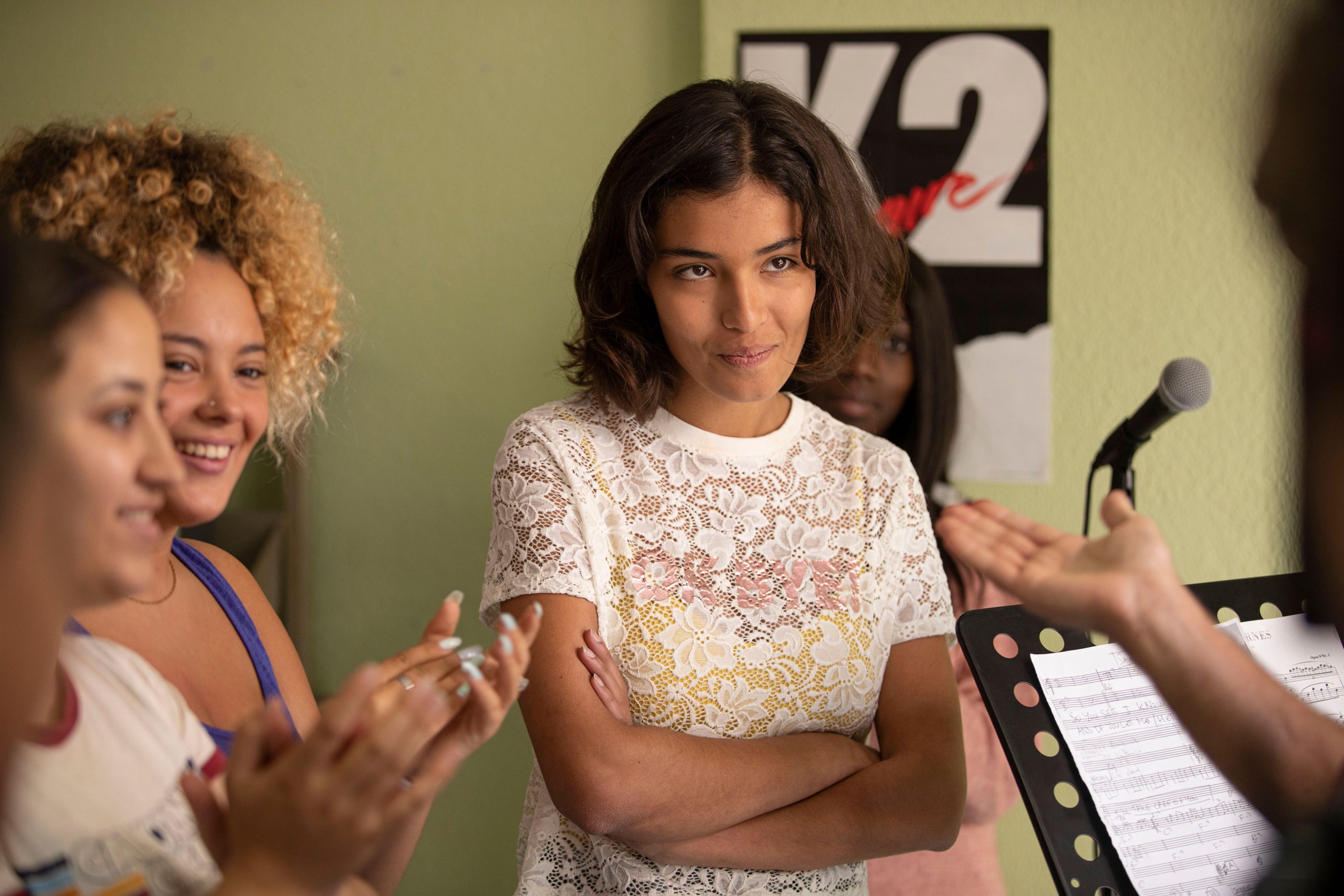
Besties: This stellar French coming-of-age film is a showcase for star Lina Al Arabi’s magnetism and writer-director Marion Desseigne-Ravel’s storytelling.
Loving Highsmith::This biodoc of the iconic novelist Patricia Highmith (Strangers on a Train, Carol) is filled with intimacies revealed.
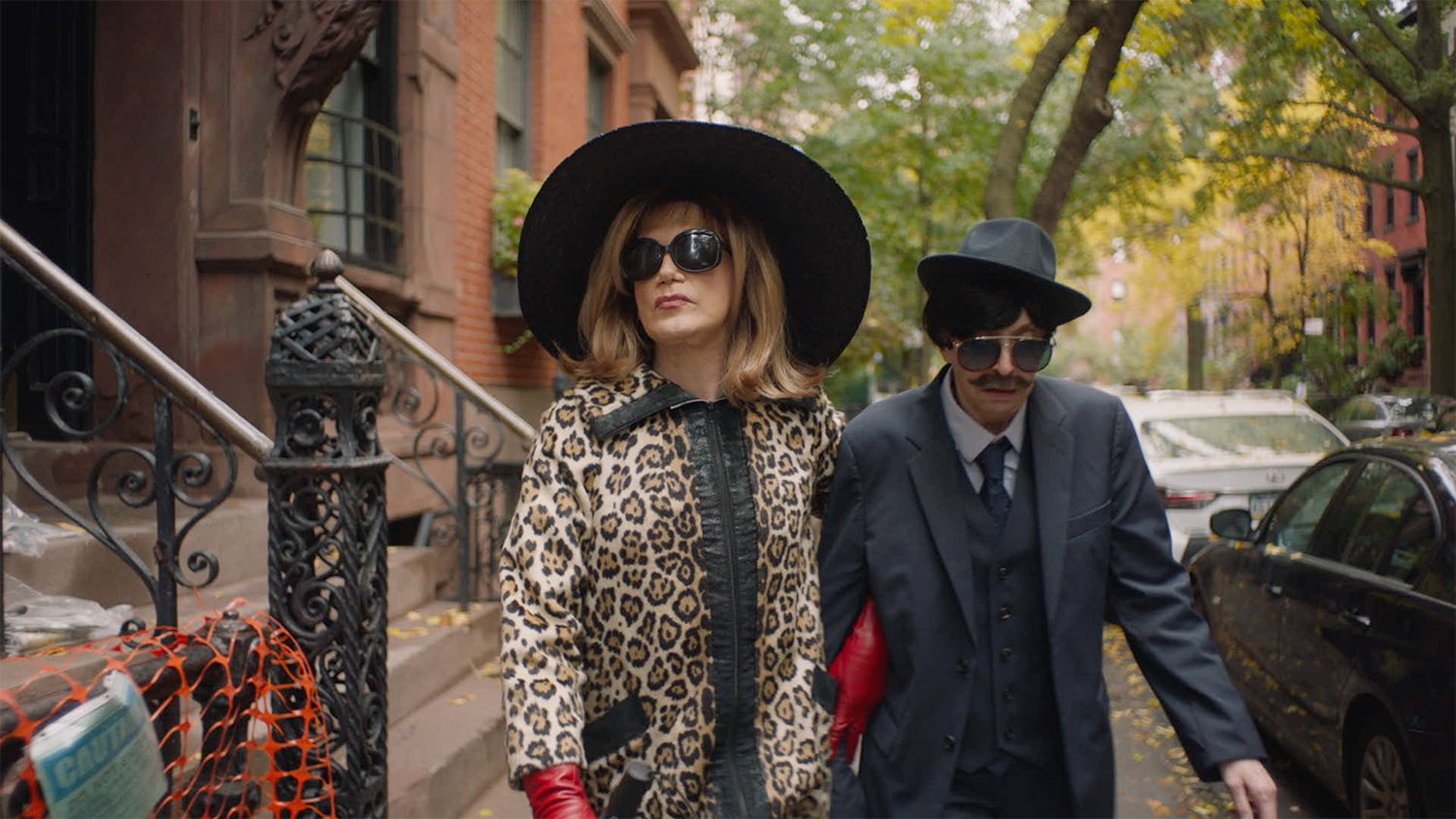
The Sixth Reel: This endearing madcap comedy is set in the insular world of classic movie geeks – with a touch of drag.
Unidentified Objects: This Odd-Couple-On-A-Roadtrip dramedy takes us on a singular journey – from the offbeat through the surreal to the redemptive.
I love the tagline to this year’s Frameline: The Coast Is Queer. If you can’t make it to the theaters, The Sixth Reel and Unidentified Objects are streaming in Frameline’s Digital Streaming Room. Buy tickets at Frameline.
Patricia Highsmith in LOVING HIGHSMITH. Courtesy of Frameline.
Photo caption: Lina Al Arabi and Esther Esther Bernet-Rollande in BESTIES. Courtesy of Frameline.
The absorbing coming of age drama Besties is set among Algerian teen girls in a hardscrabble immigrant urban French neighborhood. They’re growing up on the streets with minimal supervision by their hard-working single moms, and even their modest aspiration of a day trip to the beach seems beyond their grasp.
Yet, despite her downtrodden circumstances, the spirited Nedjima (Lina Al Arabi) is especially comfortable in her own skin. Supremely confident, she leads her girl squad, athletically matches up with the boys, and can talk trash like an NBA player.
Lina Al Arabi in BESTIES. Courtesy of Frameline.
Nedjima is fascinated by Zina (Esther Bernet-Rollande), a new girl in the hood, with relatives in a rival crew. Although Nedjima and Zina are on different sides (as in Sharks/Jets, Montagues/Capulets), there are attracted to each other and begin a secret romance.
Suddenly, Nedjima’s own identity is rocked – she never imagined that she could be a lesbian. This may be France, but even the kids in this insular immigrant community are homophobic. Suddenly she’s lost her community status and her support group. She reveals to Zina what teens often feel and never say, “I’m afraid of everything.” How is Nedjima going to recover her own agency and navigate being lesbian in her family and neighborhood?
Esther Bernet-Rollande (center) in BESTIES. Courtesy of Frameline.
Besties’ two leads, Al Arabi and Bernet-Rollande are very charismatic. Al Arabi’s performance could be star-making. Her Nedjima registers strength and vulnerability, wilfulness and confusion, and the audience is on her side all the way.
Besties is the first feature for writer-director Marion Desseigne-Ravel, and it’s an impressive debut. The milieu seems absolutely authentic. Besties is briskly paced, and Desseigne-Ravel tells her story economically and powerfully, without a single false moment. The final shot captures the briefest of glances, the perfect culmination of Nedjima’s story.
Besties is a showcase for Al Arabi’s magnetism and Desseigne-Ravel’s storytelling. Bestiesscreens at Frameline on June 19.
Photo caption: Patricia Highsmith in LOVING HIGHSMITH. Courtesy of Frameline.
In the revelatory biodoc Loving Highsmith, documentarian Eva Vitija reveals intimate perspectives on the iconic author. Patricia Highsmith’s novels were turned into twisted movie thrillers that include Hitchcock’s Strangers on a Train and all the Tom Ripley movies, as well as the queer memoir Carol.
Vitija has sourced Loving Highsmith with the firsthand memories of Highsmith’s last live-in lover Marijean Meaker, her Berlin lover Tabea Blumenshein, her Paris friend Monique Buffet, and members of Highsmith’s rodeo-focused Texas family. The insights include:
Highsmith’s Texas roots.
Her heartbreakingly one-way relations with her mother.
The origin of the Tom Ripley character.
Her intentionality in crafting the ending of Carol.
Her obsession with her married secret London lover.
Even those who are familiar with Highsmith will be impressed with this 360-degree portrait. Loving Highsmith plays this year’s Frameline on June 21 at the Castro.
Photo caption: Charles Busch and Julie Halston in THE SIXTH REEL. Courtesy of Frameline.
The endearing madcap comedy The Sixth Reel is set in the insular world of classic movie geeks. I’m not talking about the average Turner Classic Movies devotees; these are folks who would sell their souls for the right lobby card and say things like, “William Powell is sexier with Kay Francis than he is with Myrna Loy.”
Jimmy (Charles Busch) is a down-on-his-luck collector and dealer of movie memorabilia. Jimmy has a history of becoming the companion of aging filmmakers and emerging with their memorabilia collections after their demise. Despite this unsavory business model, Jimmy is broke when stumbles upon a lead – the final reel of an iconic “lost film” is extant after all.
Jimmy and his peers, each shadier than the last, plunge ahead, competing with each other for their Holy Grail. Wackiness ensues.
Charles Busch and Julie Halston in THE SIXTH REEL. Courtesy of Frameline.
Busch co-wrote and co-directed The Sixth Reel with Carl Andress. This is my first Charles Busch film, but I understand that his movies, dappled with drag performances, constitute their own comedy sub-genre.
Busch’s committed performance is excellent. The rest of the cast, which includes Tim Daly and Margaret Cho, is fine, too, especially Julie Halston as an assertive widow and Patrick Page as an imperious mogul.
There should always be a place for well-crafted farce like this. The Sixth Reel screens at Frameline on June 25, and can be streamed from Frameline after June 24.
Photo caption: Matthew August Jeffers in UNIDENTIFIED OBJECTS. Courtesy of Unidentified Objects Film, LLC.
The Odd-Couple-On-A-Roadtrip dramedy Unidentified Objects takes us on a singular journey – from the offbeat through the surreal to the redemptive.
The self-isolation of anti-social gay dwarf Peter (Matthew August Jeffers) is disrupted when his neighbor, the chirpy sex worker Winona (Sarah Hay) insists that he provide his car for her drive from New York to Canada. She seeks to keep an appointment there with her space alien abductors. Wanting nothing to do with Winona or any aliens, Peter is nonetheless driven by financial necessity to agree.
In every social situation, Peter is quick to find (or manufacture) a grievance and explode in a torrent of invective; the rest of the time Peter seethes, leaking unpleasantness. It turns out that he is grieving the loss of a close friend – and with an overlay of guilt.
The trip is eventful. The two encounter lesbian cosplayers (one proud to cosplay full time – is that a thing?). Peter has dreams of a traffic stop by an extraterrestrial highway patrolman and of unexpected kindness in Canadian roadhouse.
Matthew August Jeffers (Peter Hobbes) and Sarah Hay (Winona Jordan) in UNIDENTIFIED OBJECTS. Courtesy of Unidentified Objects Film, LLC.
Yet the tone of Unidentified Objects is neither is not zany nor madcap. In his first feature, director and co-writer Juan Felipe Zuleta has created a character-driven story – no matter the odd occurrences, the roots of Peter’s unrest are simmering just beneath the surface. The story is about what Winona finds at the end of her trip, and, more profoundly, what Peter finds at the terminus of his.
Zuleta’s dream sequences are vivid and realistic – and all the more surreal because they seem real (until they don’t).
Through most of the film, Peter’s bitterness becomes grating, but, for those who hang in there, the payoff is worth it.
The US premiere of Unidentified Objects is at Frameline – in person on June 19 and streaming after June 24.
Matthew August Jeffers in UNIDENTIFIED OBJECTS. Courtesy of Unidentified Objects Film, LLC.