JANE BY CHARLOTTE: as mildly interesting as the subject

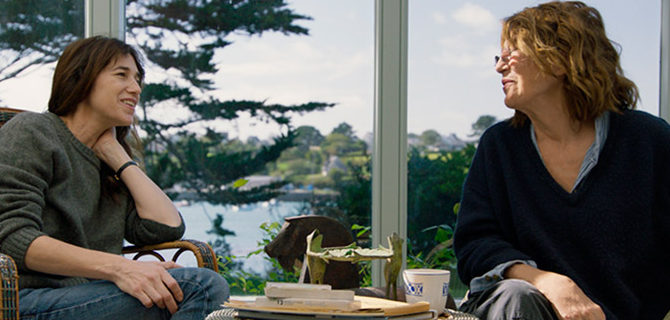
Photo caption: Charlotte Gainsbourg and Jane Birkin in JANE BY CHARLOTTE. Courtesy of Utopia.

In Jane by Charlotte, the actress Charlotte Gainsbourg examines the life of her mother Jane Birkin in a series of cinéma vérité candid moments and on-camera interviews. The English-born Birkin was a beauty in Swinging London known for her 1968-1980 Paris-based relationship with singer-songwriter lover Serge Gainsbourg, who is is a cult figure in France. Birkin and Gainsbourg collaborated in music and film, and were a celebrity couple.

Charlotte Gainsbourg and Birkin are an amiable mom-daughter, very comfortable with each other. Because of that, and perhaps because Birkin is so used to being in front of cameras (acting in movies, modeling and being hounded by paparazzi), Birkin opens up about her relationships, her parenting and what it’s like to physically age.

The thing is, I’m not really that interested in Jane Birkin (or Serge Gainsbourg, for that matter) – and I’m a Baby Boomer, formed in the era when Birkin was a minor pop icon. (Can someone be a minor icon?) Jane and Charlotte are two nice people, pleasant enough to spend 88 minutes with, but it’s not a compelling, unforgettable experience.

The one captivating segment of Jane by Charlotte is when Charlotte brings back Jane back to Serge Gainsbourg’s apartment, which Jane had not visited in four decades. Jane and Serge’s love nest for 12 years and Charlotte’s childhood home, it is fraught with memories and loaded with emotion. The museum-like apartment itself, reflecting Serge Gainsbourg’s singular taste and eclectic interests, is pretty cool.

BTW I’m a big fan of Charlotte Gainsbourg’s. She’s an often fearless and always interesting actor (including in Sundown earlier this year). (Just wish she hadn’t appeared in so many movies by that cynical provocateur Lars Von Trier; I originally posted that Von Trier was a dickwad, but The Wife made me change it.) This is Charlotte’s directing debut.

Jane by Charlotte is streaming on AppleTV.
HIT THE ROAD: a funny family masks their tough choice

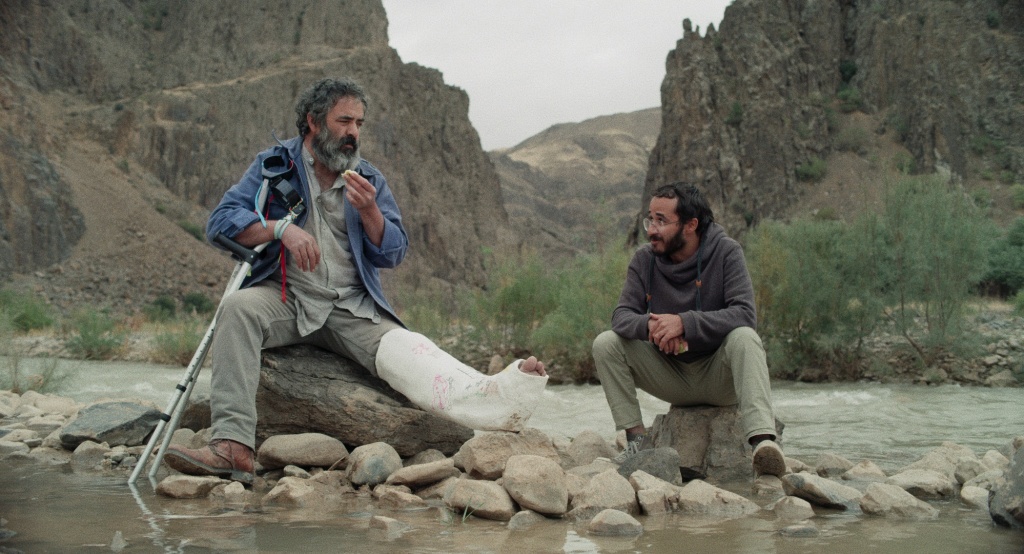
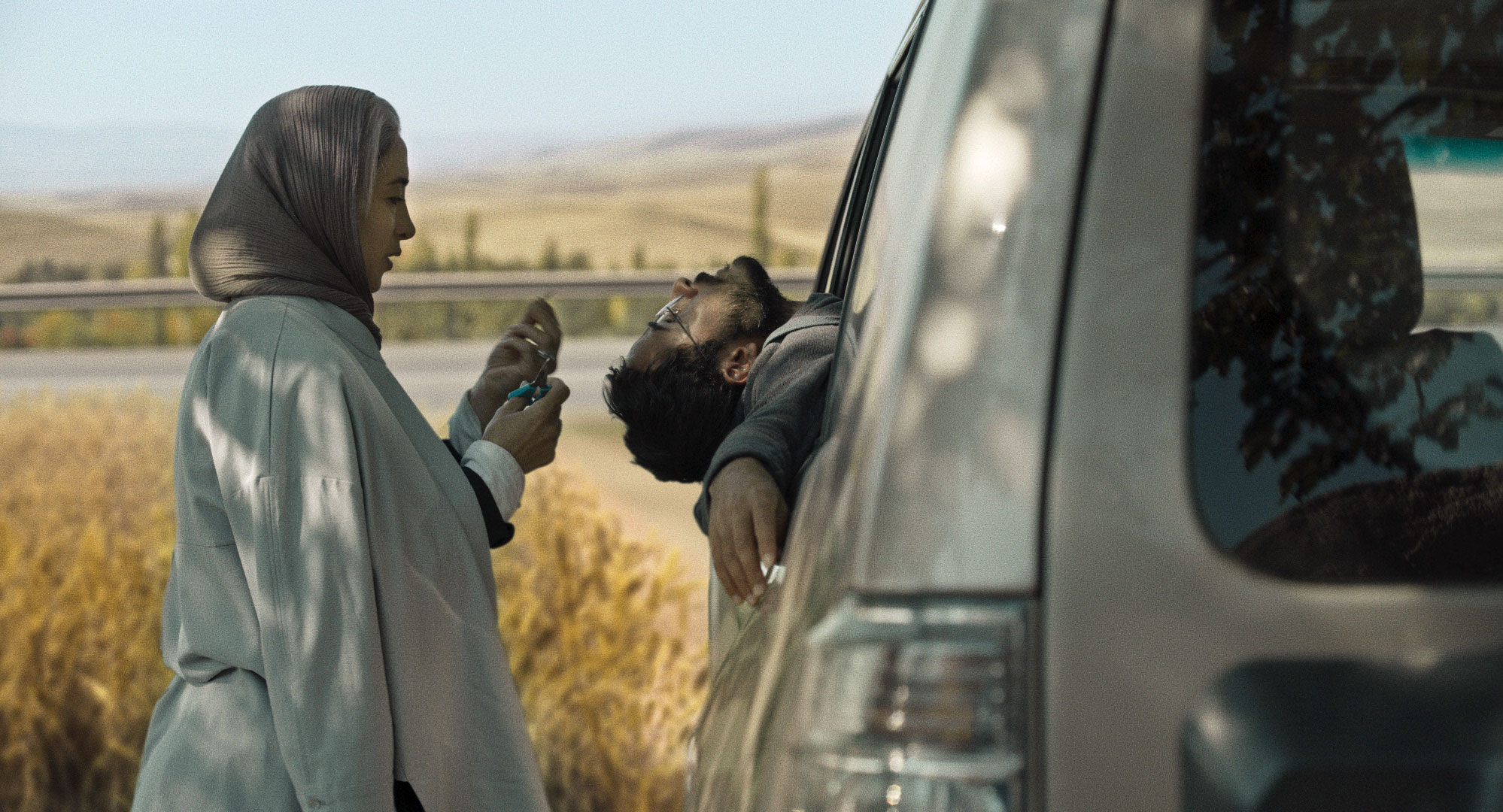
Photo caption: Pantea Panahiha and Amin Simiar in HIT THE ROAD. Courtesy of Kino Lorber.

In Hit the Road, we join an Iranian family’s road trip. It’s a relatively uneventful journey through barren countryside, but it’s unforgettable because of the characters and the reason for their trip. Their motivation is more loaded than it first appears.

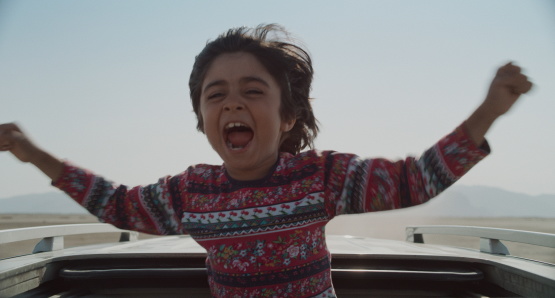
The 20-year old Big Brother (Amin Simiar) is driving the little four-door hatchback sedan, with Mom (Pantea Panahiha) in the front seat. Dad (Hasan Majuni) is sprawling in the middle of the back seat, his leg in a massive cast. The six-year-old Little Brother (Rayan Sarlak) is bouncing around the back. An old dog (literally on his last legs) is in the way-back.

The first thing we notice us that the little kid is very precocious and a tornado of energy, a naturally caffeinated rascal. He has no volume modulation dial, and this kid is going full blast all the time. Fortunately, he is really smart and mostly funny, and his parents have built up a tolerance, so they don’t bind and gag him (which, admittedly, briefly crossed my mind).

The second thing we notice is the banter between the mom, dad and little kid. They are sarcastic, always teasing, and hilariously deadpan. Everyone is constantly tossing off playful threats. Everyone, that is, except for Big Brother, who sits behind the wheel in stoic silence, steeped in melancholy.

That’s because he knows the real reason for the trip, which the parents have not truthfully disclosed to the kid brother. That reason is never made entirely explicit, but there’s a telling clue over halfway through.

[MILD SPOILER: Suffice it to say, sometimes parents must lose their child to save him.]

Hasan Majuni and Amin Simiar in HIT THE ROAD. Courtesy of Kino Lorber.

The acting is top-rate. Hasan Majuni is perfect as the dad, a guy you can imagine holding forth in front of the TV and bellowing, “Hey, bring me a kabob”. He is jovial and commanding, even when hobbling along on his cast. But when the dad is unwatched by anyone else, his thoughts are of what is ahead for his family – his look intensifies as it takes on loss, determination, grief and resignation.

Pantea Panahiha is just as excellent as the mom, caustically funny, but with strong emotions sometimes leaking out. She’s just trying to make sure the little kid doesn’t notice.

The Wife liked Hit the Road even more than I did. I found this especially significant since I generally enjoy both international cinema and challenging films more than she does. She particularly admired and was drawn in by the acting, especially by Majuni and Panahiha.

Rayan Sarlak in HIT THE ROAD. Courtesy of Kino Lorber.

Hit the Road is the first feature for writer-director Panah Panahi. Panahi clearly has a gift for making the most from a low budget, a tiny cast and a bleak landscape.

Hit the Road premiered at Cannes’ Directors Fortnight and then took to the festival circuit, including SFFILM 2022. It is now in theaters.

Movies to See Right Now

This image has an empty alt attribute; its file name is p
Photo caption: Haley Lu Richardson (right) and Owen Teague (left) in
MONTANA STORY. Courtesy of Bleecker Street.

This week on The Movie Gourmet – new reviews of The Duke, a surefire crowdpleaser, and Montana Story, one of the best films of 2022 so far.

CURRENT FILMS

ON VIDEO

The most eclectic watch-at-home recommendations you’ll find ANYWHERE:

ON TV

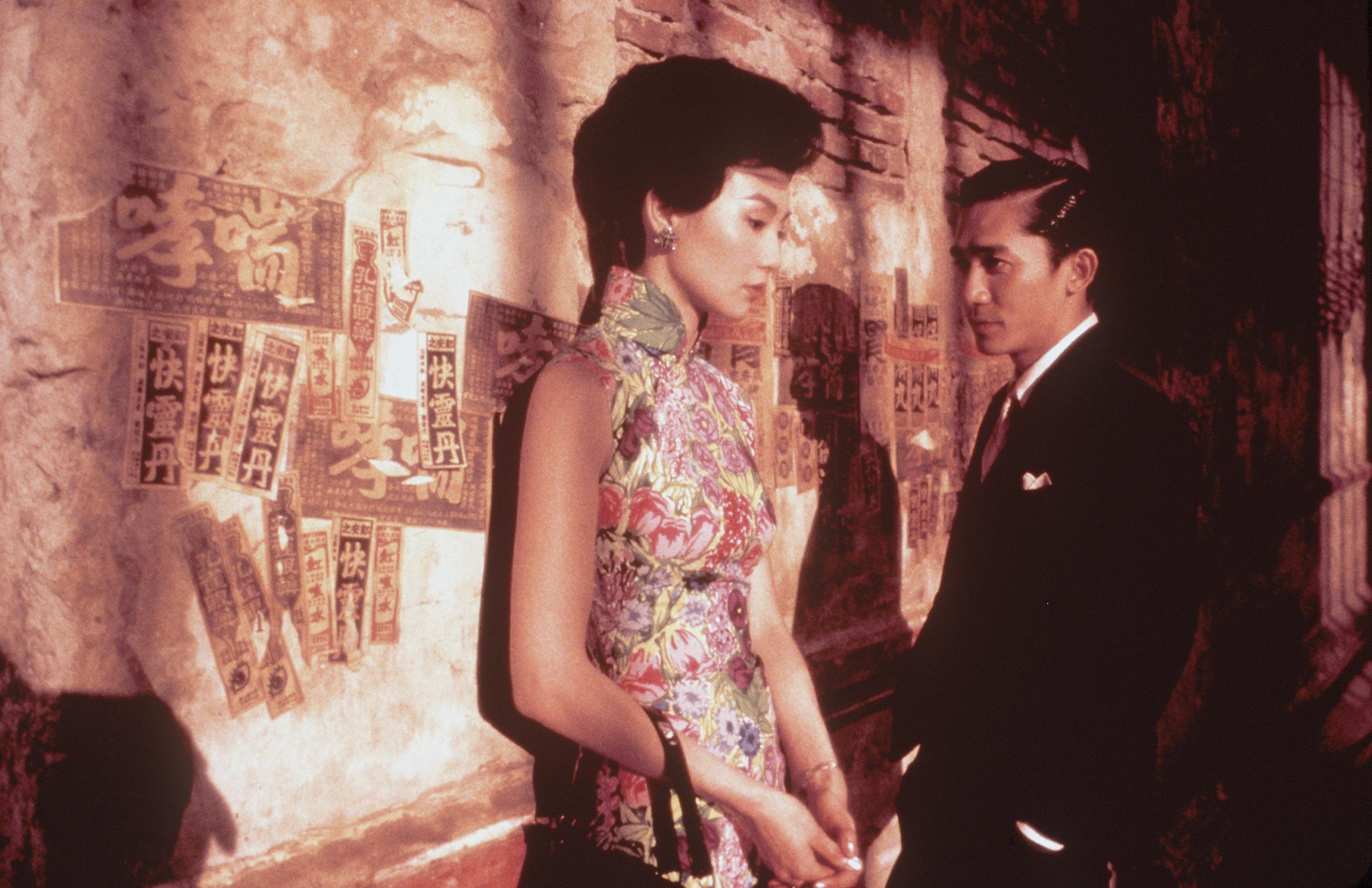
Maggie Cheung and Tony Leong in IN THE MOOD FOR LOVE.

On May 25th, Turner Classic Movies airs In the Mood for Love, Hong Kong auteur Wong Kar Wai’s steamy masterpiece. Tony Leong and Maggie Cheung play apartment neighbors in 1962 Hong Kong. They suspect, investigate and confirm that their respective spouses are having an affair -and become very personally close themselves during the process. They decide to keep the moral high ground and resist falling in bed with each other – and what’s sexier than NOT having sex? This becomes a haunting love story, complete with tantalizing near misses.

Wong Kar Wai’s regular cinematogapher Christopher Doyle combined with Mark Lee Ping-bing to shoot one of the most beautiful and atmospheric films you’ll ever see. You can feel the humidity as the men sweat in their Mad Men Era suits , and the rich color palette magnifies the passion.

Incidentally, the leading man is a different Tony Leong than the star of another art house hit, 1992’s The Lover.

MONTANA STORY: a family secret simmers, then explodes

Photo caption: Haley Lu Richardson (left) and Owen Teague (right) in
MONTANA STORY. Courtesy of Bleecker Street.

A family secret simmers in Montana Story until it demands to be exploded. With exceptional performances by Owen Teague and Haley Lu Richardson, this is one of the best movies of 2022 so far.

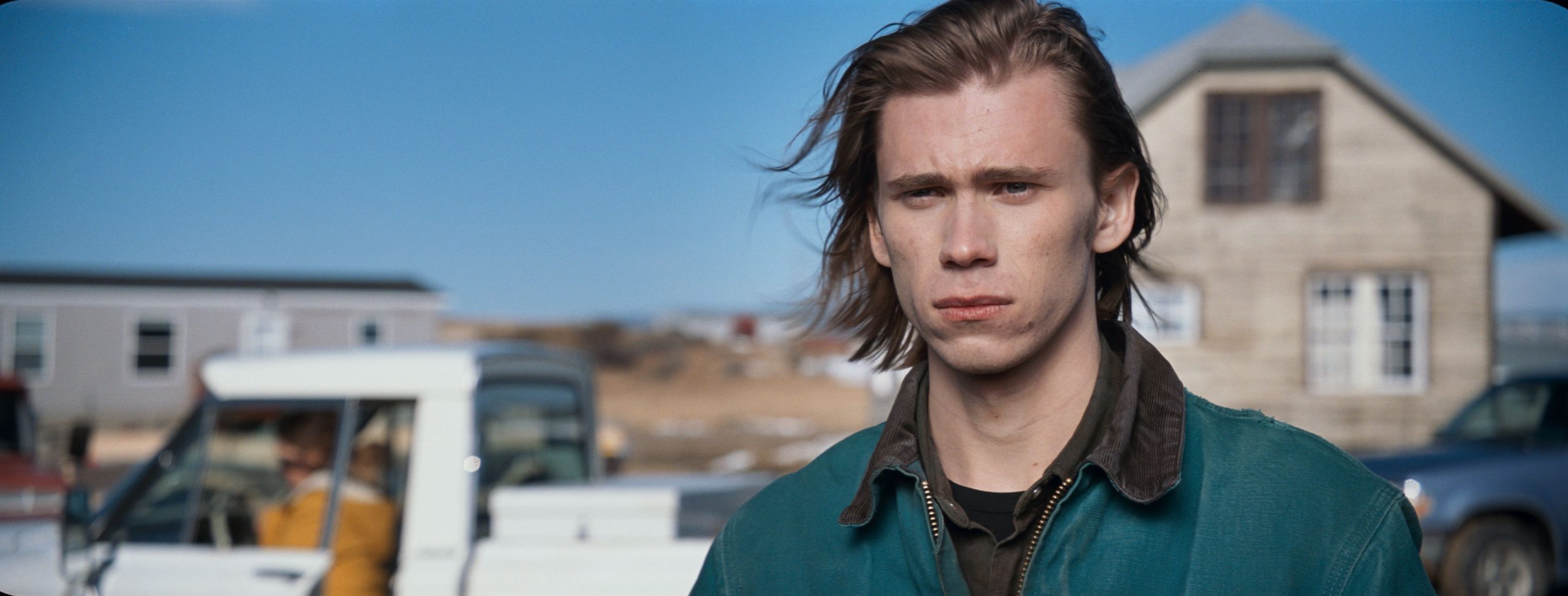
22-year-old Cal (Owen Teague), a budding civil engineer, has returned to the Montana ranch of his childhood, where his comatose father is dying. Cal is saddled with arranging his father’s home health care and winding down his bankrupt affairs – grim, draining and thankless tasks. We eventually learn that the father, now helpless and unknowing, was domineering and cruel, a cynical mouthpiece for corporate polluters who masqueraded as a gentleman rancher.

Suddenly, Cal’s 25-year-old half sister Erin (Haley Lu Richardson) erupts onto the scene. Erin is a force of nature, bossy and clearly very, very angry. Erin unhelpfully begins second guessing Cal’s decisions, and unraveling one, without contributing to solving any of the issues.

Cal hasn’t even known where Erin has been for the past seven years, since she bolted from the ranch. Why is Cal deferring to Erin’s unreasonable behavior? Why is she so furious? The answers lie in a family secret that has not been resolved.

Haley Lu Richardson shines as Erin, whose unfiltered intensity, for better or for worse, commands every scene.

Owen Teague in MONTANA STORY. Courtesy of Bleecker Street.

Richardson has the showiest role, but Owen Teague’s quiet performance is exquisite. This is a melodrama, and the performance as Cal could easily have been overwrought. Instead, he perfectly captures this dutiful and seemingly passive man, with a hidden, festering guilt. Teague has been amassing screen credits since age 13 and appeared in Bloodline; in Montana Story, he wrote and performed his character’s own musical theme.

Montana Story was written and directed by Scott McGeehee and David Siegel, the filmmakers who created What Maisie Knew and the superb Lake Tahoe thriller The Deep End with Tilda Swinton and Goran Visnjic.

McGeehee and Siegel’s cinematographer Giles Nuttgens shot both those films (along with Hell and High Water). Montana Story was shot around Livingston and Bozeman, and Nuttgens made the most of the Big Sky vistas to highlight the characters’ emotional isolation.

Montana Story played the SFFILM 2022, and opens in theaters this weekend.

THE DUKE: he finally gets his audience

Photo caption: Jim Broadbent in THE DUKE. Courtesy of Sony Pictures Classics.

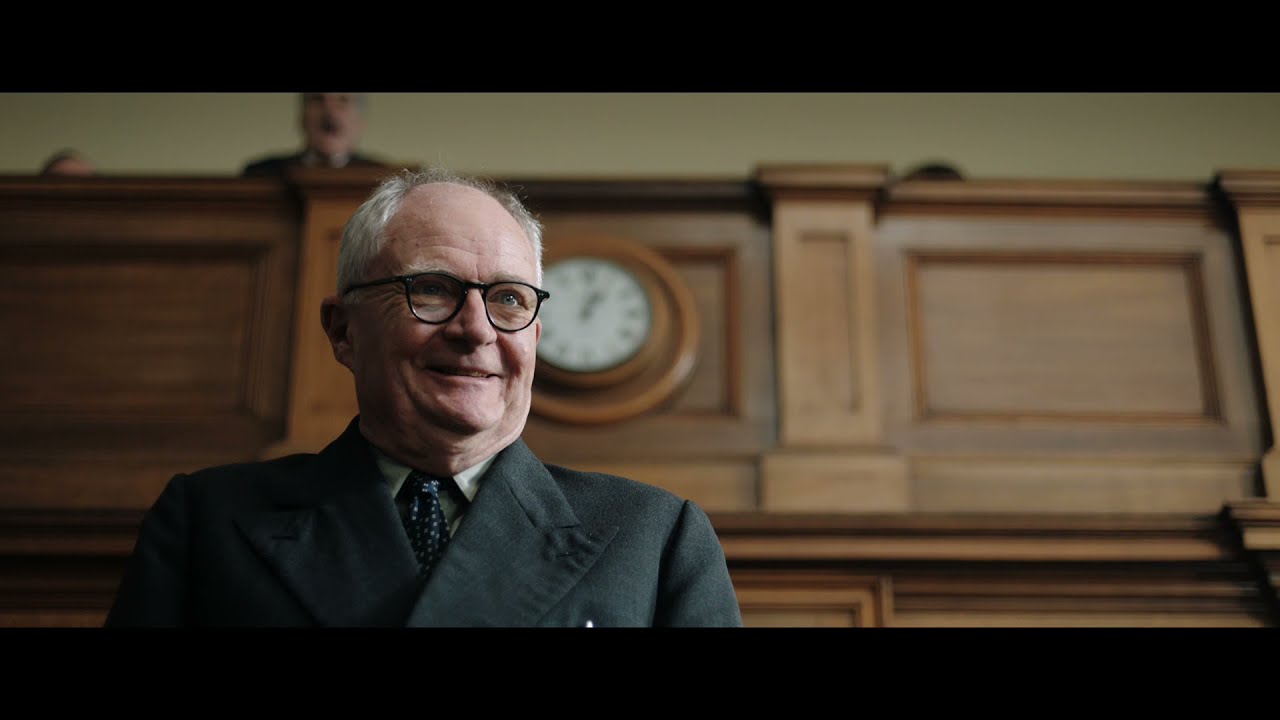
The Duke is a showcase for character actor Jim Broadbent, who plays, fittingly, an overlooked man who finally gets the audience that he has yearned for. This true life story is an audience-pleaser.

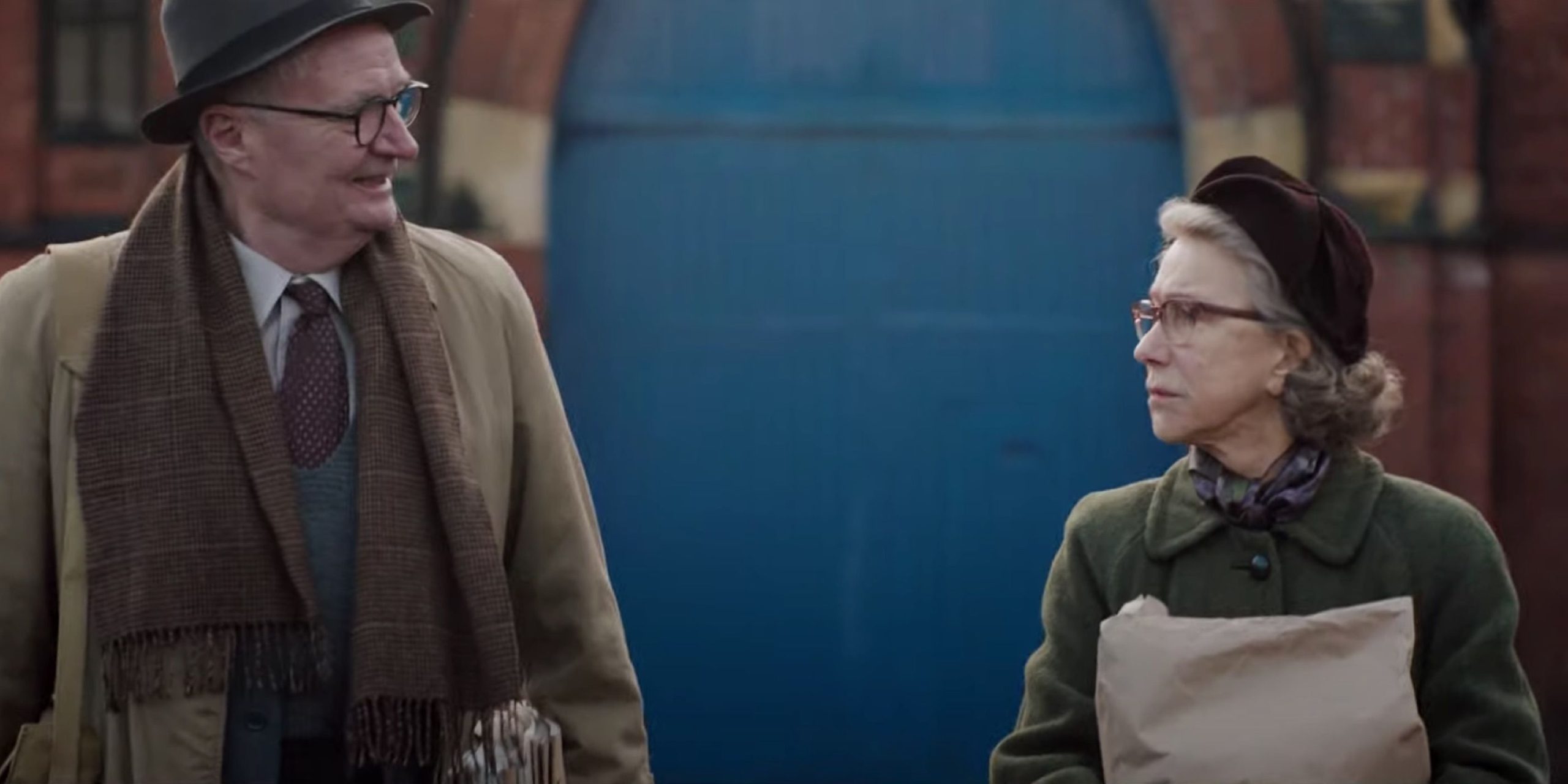
Broadbent plays Kempton Bunton,the a working class guy in grimy 1961 Newcastle. Bunton is one of those people who needs to litigate every grievance, particularly slight, ordinary ones that the rest of us choose to bypass on the way to living our lives. The current outrage that has derailed Bunton’s life is the tiny fee charged to every Briton with a television; Bunton believes that the poorest widows and disabled vets should be excused from paying. He has elevated this to such a matter of principle that he has actually gone to prison for it. Yet no one takes notice of his campaign. His longsuffering wife (Helen Mirren) would prefer that he shut up and get a job.

Kempton Bunton is also a witty autodidact, with more mastery of literature and history than most college grads. And what he lacks in common sense, he makes up with a genius for the instantaneous barbed bon mot.

Bunton is incensed when the British government spends 140,000 pounds on a Goya portrait of the Duke of Wellington. Bunton objects to the government’s priorities (and is needled by Wellington’s post-military career as a reactionary politician).

It turns out that the painting is housed in a museum with some very significant security lapses, and soon it is hidden in Bunton’s Newcastle flat, with Bunton sending demands to the government, seeking to ransom the Duke’s portrait for relief in the television fee. A nationwide manhunt ensues.

Again, Kempton Bunton was a real person and these events really happened. Jim Broadbent is very fun to watch as they transpire.

Despite his eccentric passions, Bunton has never gotten the attention of any authority higher than the lowest government functionary or any audience bigger than passersby on his street corner. Events take a turn, and Bunton suddenly has a national stage. When Bunton gets to match wits with the poshest of his antagonists, Broadbent’s performance soars.

Movie goers have appreciated Broadbent’s gifts since he played Col the sympathetic bartender in The Crying Game. Since then, he’s been seen widely in the Harry Potter franchise and plenty of big movies. But I like him best in the most observational and character-driven films: Widow’s Peak, Little Voice, Smilla’s Sense of Snow, Iris, Another Year, The Sense of an Ending:

Jim Broadbent and Helen Mirren in THE DUKE. Courtesy of Sony Pictures Classics.

Mirren, of course, is brilliant and hilarious in a part that is severely glammed-down from her usual roles.

Matthew Goode sparkles with playful charm as Bunton’s realistic defense lawyer. I first noticed Goode as the scary thug in The Lookout (2007), but he is best known for playing Lady Mary’s sleek beau Henry Talbot in Downton Abbey.

Make sure you watch until the very end to see a cameo by James Bond and Dr. No.

The Duke is an amiable entertainment that finishes very strong. The Duke is in theaters.

Movies to See Right Now

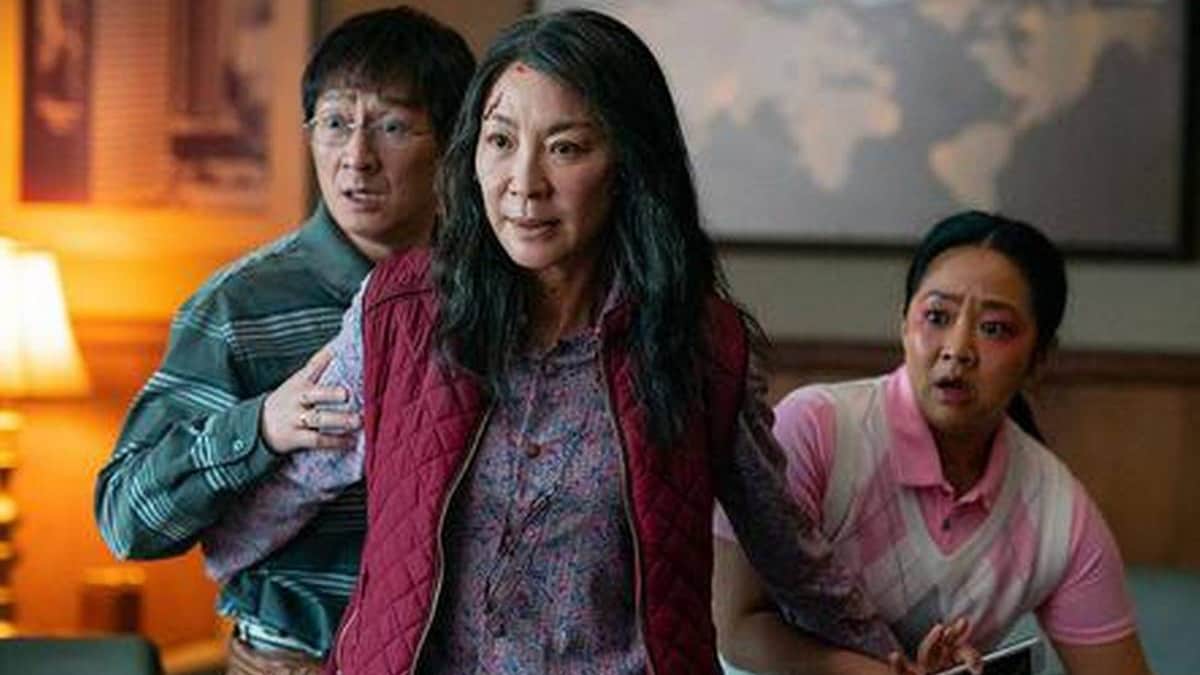
Photo caption: Ke Huy Quan, Michelle Yeoh and Stephanie Hsu in EVERYTHING EVERYWHERE ALL AT ONCE. Courtesy of A24.

This week on The Movie Gourmet:, new reviews of The Tale of King Crab and Mau.

CURRENT FILMS

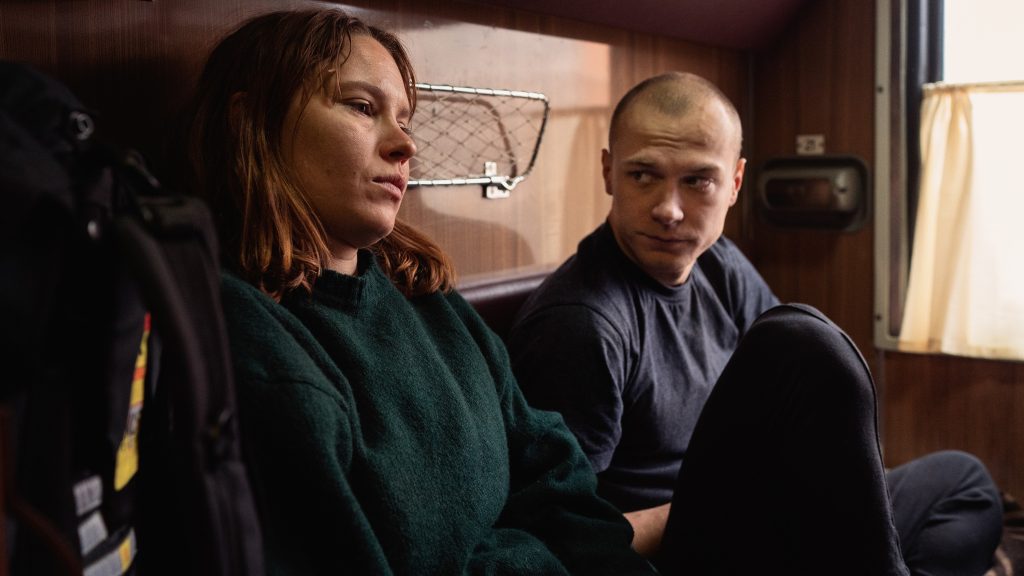
  • Compartment No. 6 is the best new film in theaters now, but hard to find. It’s an insightful and unpredictable dual character study set on a train ride to Murmansk. In theaters.
  • Everything Everywhere All at Once: often indecipherable and mostly dazzling. In theaters.
  • The Automat: nickels in, memories out. In theaters.
  • Mau: fact-based optimism and thinking big. In theaters.

ON VIDEO

The most eclectic watch-at-home recommendations you’ll find ANYWHERE:

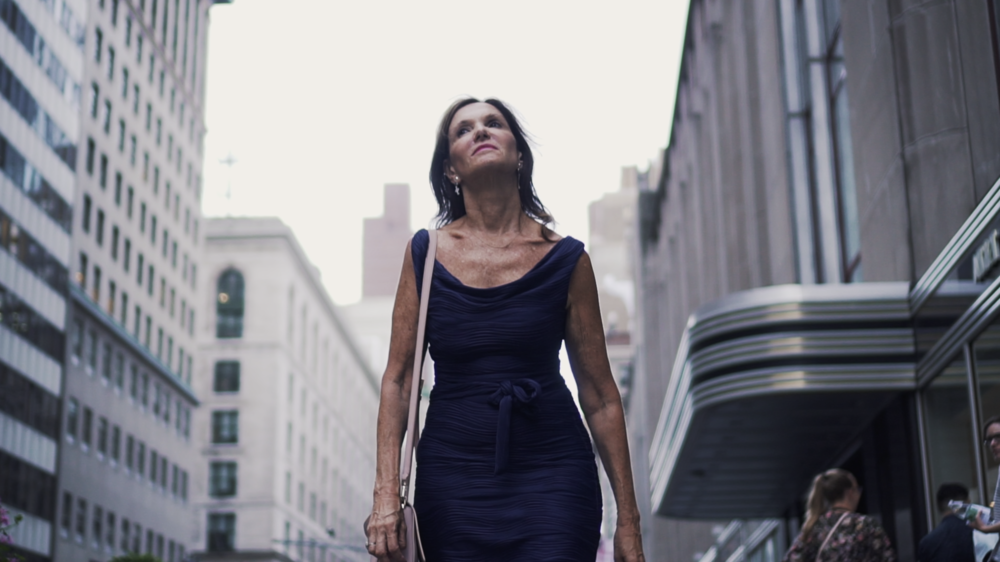
Gay Walley in EROTIC FIRE OF THE UNATTAINABLE. Courtesy of Vital Productions.

MAU: fact-based optimism and thinking big

Photo caption: Bruce Mau in MAU. Courtesy of BABKA.

The term visionary is overused, but it surely fits Canadian designer Bruce Mau, the subject of the documentary Mau.

I generally think of design as the means to make objects more pleasing and useful and attractive to consumers. But Mau observes that almost everything we experience is not natural – and therefore DESIGNED. And if designed, it can be RE-DESIGNED to be more beautiful, more sustainable, more intelligent and more humane.

Bruce Mau thinks big. He has been retained to redesign Coca-Cola. And to redesign the millennium-old pilgrimage experience of Mecca. And to redesign the nation of Guatemala.

Mau’s upbringing and his work is somewhat interesting, as is his aspirational exhibition project Massive Action. But the most compelling aspect of Mau is the exposure to how Bruce Mau THINKS. Mau essentially becomes the world’s best TED Talk.

Mau will be released in theaters this weekend.

THE TALE OF KING CRAB: storytelling at its best

TALE OF KING CRAB. Courtesy of Oscilloscope Films.

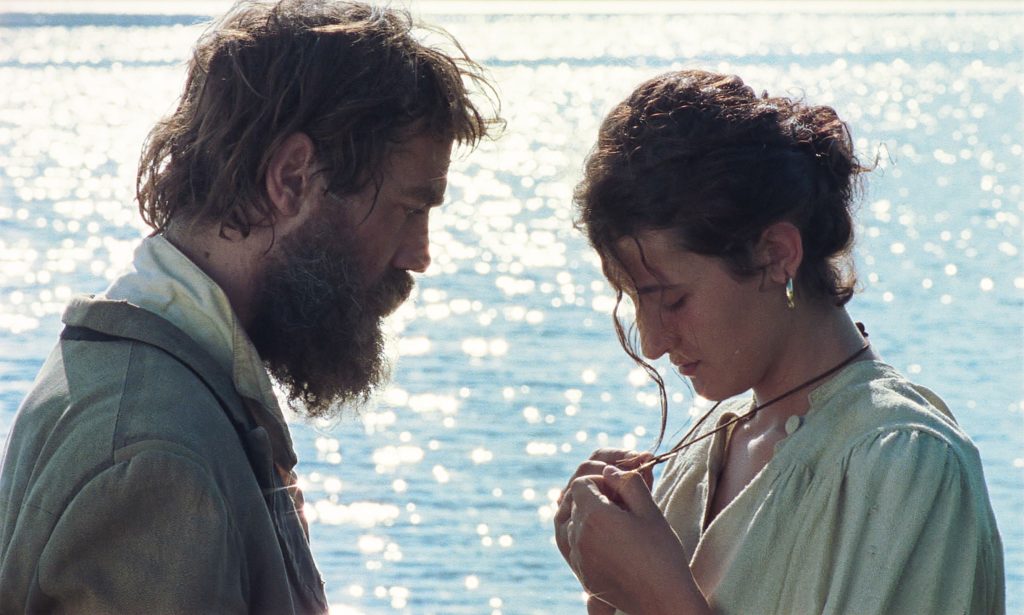
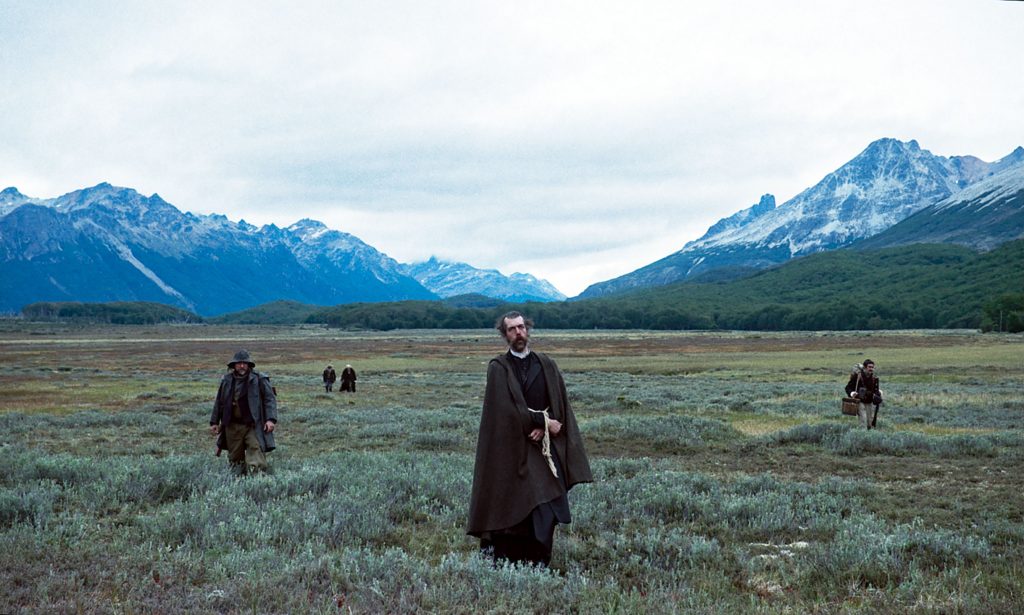
The Tale of King Crab, a story-telling masterpiece from Italy, begins with old Italian guys rehashing a local legend, and correcting each other on the details. That story concerns Luciano (Gabriele Silli), the town’s smartest and most interesting man – and also the local drunk. Luciano fixates on a grievance – the closing of a shortcut for shepherds. In spite of his own anti-social bent (and matted beard), Luciano falls into a romance. The grievance, the romance and his alcoholism combine to precipitate an accidental tragedy. We next see a sober and guilt-ridden Luciano searching for buried treasure at the barren tip of South America, an apparent priest among pirates.

TALE OF KING CRAB. Courtesy of Oscilloscope Films.

The Tale of King Crab is the first narrative feature for writer-directors Alessio Rigo de Righi and Matteo Zoppis and for cinematographer Simone D’Arcangelo. D’Arcangelo’s work, in vibrant Lazio and desolate Tierra del Fuego, is stunning. The Italian segments were filmed in northern Lazio near Lago di vico.

Dotted with mystical elements and filled with stories within stories, this is an operatic fable, exquisitely told. I screened The Tale of the King Crab for the Nashville Film Festival. It has opened theatrically, including this week only at Laemmle’s Monica Film Center and NoHo 7.

Movies to See Right Now

Photo caption: Seidi Haarla and Yuri Borisov in COMPARTMENT No. 6. Courtesy of Sony Pictures Classics.

This week on The Movie Gourmet – new reviews of the bittersweet A Love Song with Dale Dickey and Wes Studi and the wildly exuberant Everything Everywhere All at Once with Michele Yeoh. Here’s my personal remembrance of Norm Mineta, the most distinguished of my own mentors, and a note on the documentary An American Story: Norman Mineta and His Legacy .

CURRENT FILMS

Here’s a final reminder from me that Oscar winners CODA, Drive My Car and Belfast are all now available to stream.

ON VIDEO

The most eclectic watch-at-home recommendations you’ll find ANYWHERE:

BUY ME A GUN. Photo courtesy of Cinequest.

A LOVE SONG: bittersweet, heartfelt and funny

Photo caption: Dale Dickey in A LOVE SONG. Courtesy of San Luis Obispo Film Fest.

A Love Song is a welcome starring vehicle for the longtime character actress Dale Dickey, whose every good night and every bad night is etched into the lines on her face. Dickey plays Faye, whom we meet camping alone in her travel trailer in the remote high desert of Western Colorado.

After a decades-long marriage, Faye has been widowed for seven years, paralyzed by grief in the first two. Now she moves confidently around her solo campsite, displaying her serious outdoor skills and an impressive touch for fishing for crawdads.

It is revealed that Faye is waiting for someone. She has invited a high school friend, whom she hasn’t seen for over three decades, to re-connect. That friend is Lito (Wes Studi), who has also been widowed after a long marriage.

A Love Song wistfully explores loneliness and how grief can impact the ability to love again.

Dickey is on screen almost every moment, and she’s great. Dickey has a way of making even her supporting performances unforgettable. She broke through as the scary meth matriarch in Winter’s Bone, and played the flinty bank teller in Hell and High Water.

Studi recently received a deserved lifetime Oscar. His performances as very scary Native American warriors in Dances with Wolves and The Last of the Mohicans sparked a very impressive body of film work.

Dickey and Studi have said that each had their very first on-screen kiss in A Love Song.

A Love Song is the first feature for writer-director Max Waterman-Silver, who uses his debut to show off his native Western Colorado. I found his direction inconsistent, but he delivered two perfect single-shot scenes, both of very long duration, one when Lito and Faye are sitting with guitars, the other when the two are standing outside Faye’s trailer.

Faye is occasionally visited by four Native American brothers with their little sister as their spokeswoman. Waterman-Silver’s sense of comic timing in these scenes is flawless.

Both The Wife and I were periodically distracted by holes or inconsistencies in the screenplay. At one point, the dog inexplicably vanishes (fortunately temporarily). And there’s no way that someone with Faye’s seasoning would hike up a mountain without water, especially when she can’t make it back down by nightfall.

I admire filmmakers who make their films short enough (82 minutes) so they can pace them slowly. The Wife, less patient with slow burns, still thought that it ran long.

The performances by Dickey and Studi are reason enough to watch this bittersweet, gentle, heartfelt and funny film. I saw A Love Song at the San Luis Obispo International Film Festival. It has been picked up for distribution by Bleecker Street, which plans a July 29 theatrical release.