Photo caption: Khady Mane and Mamadou Diallo in BANEL AND ADAMA. Courtesy of Kino Lorber.
In the well-crafted and beautifully shot Senegalese drama Banel and Adama, a 19-year-old couple live in a remote village, happily in love with each other, but chafing at cultural traditions. Banel (Khady Mane) suffers her nightmare of a mother-in-law, and Adama (Mamadou Diallo) resists the burdens of community leadership that he knows he isn’t ready for. Can they find happiness in their village? Will they leave together?
Their personal stories are set in a dramatic, drought-stricken landscape with houses buried in sand and dust. Writer-director Ramata-Toulaye Sy, in her first feature, and cinematographer Amine Berrada deliver one of the most visually singular films of the year.
Sy gets fine performances out of cast of non-actors. Mane is especially charismatic as Banel.
I screened Banel and Adama for this year’s SFFILM, where I highlighted it in my Under the radar at SFFILM. It’s now been released into arthouse theaters by Kino Lorber.
The Rider: a life’s passion is threatened. Amazon, AppleTV, Vudu, YouTube.
The Lost City of Z: the historical adventure revived. Amazon (included with Prime), AppleTV, Vudu, YouTube.
ON TV
Margaret Tallichet in STRANGER ON THE THIRD FLOOR
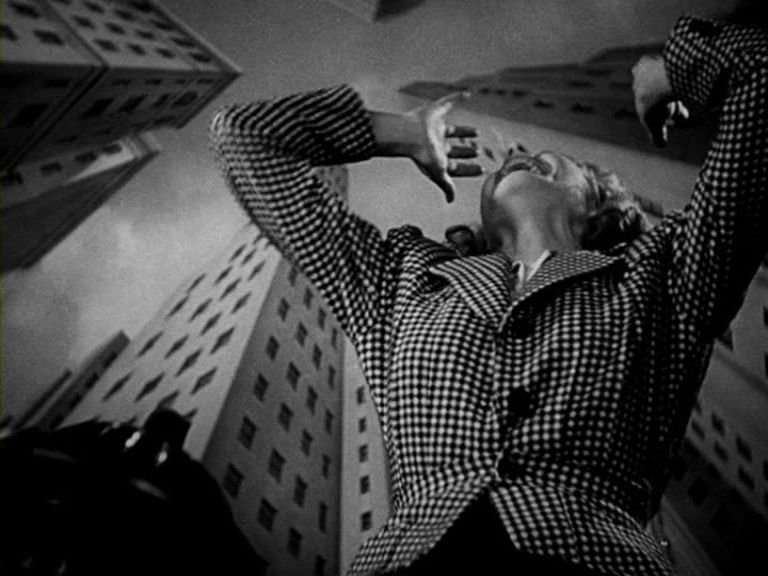
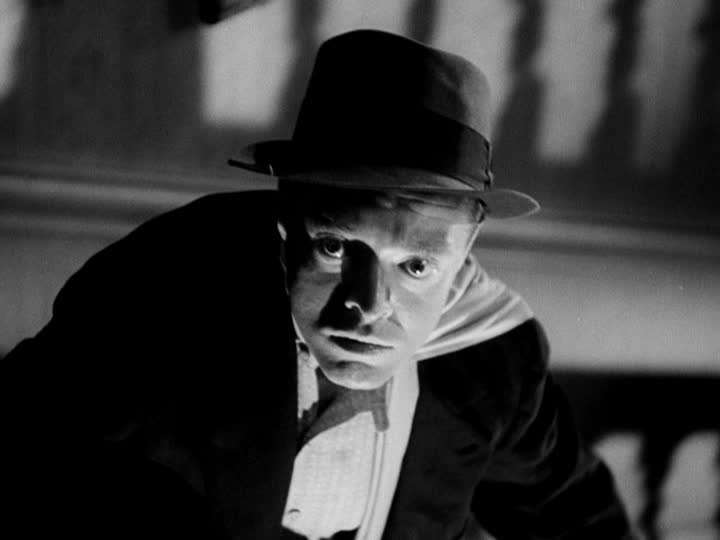
On June 12, Turner Classic Movies Stranger on the Third Floor named as the first film noir by more scholars than any film. (Personally, I go with the more popular and influential The Maltese Falcon, released 14 months later.) Indeed, due to the groundbreaking cinematography of Nicholas Musaraca, Stranger on the Third Floor did pioneer the look of German Expressionism in an urban American crime drama – so it has the look of a film noir. An indifferent justice system convicts a loser (Elijah Cook, at his most loserly) while an obvious psycho killer (Peter Lorre as a malevolent elf) scurries free.
Even the bland reporter (John Maguire) hates his obnoxious neighbor so much that he has his own murder fantasies. His torment leads to a surreal nightmare. Most of the 1940 audience had probably never seen anything as bizarre as this dream sequence.
Stranger on the Third Floor has its corny aspects. But it’s worth watching for Musaraca’s cinematography – what was in 1940 an entirely fresh look.
Photo caption: Laure Calamy in THE ORIGIN OF EVIL. Courtesy of IFC Films.
The surprises just keep coming in The Origin of Evil, a family drama that morphs into a psychological thriller. Laure Calamy plays a blue collar woman in her forties who is finally ready to meet the father who has never been in her life. She finds a man (Jacques Weber) of immense wealth, who has had a stroke and is fighting his wife and (other) daughter’s attempts to take control of his estate in conservatorship. He takes to her, although the rest of the family is hostile, and we think we’re watching a dad-daughter reunification story. She tells a lie about her job, which is just the first domino in a series of revelations about who these people are, and how evil and/or unhealthy they may be.
It’s not long before we think we’re watching a story in which all the people are terrible; but then we see that, while all may be behaving very badly, some may be angry, some damaged, some unhinged, and at least one is evil. Perhaps the biggest reveal is about how long one character has known about another’s fraud. Two other big plot twists come at the end.
This is a fantastic and highly original story. Director Sébastien Marnier wrote the screenplay in collaboration with Fanny Burdino
Laure Calamy is brilliant as the protagonist, a shifting character whom we are always trying to figure out and to guess what she’s going to do next. The Origin of Evil is a dramatic showcase for Calamy, who is one of my favorite international comic actresses (Sibyl, My Donkey My Lover and I,My Best Part,Only the Animals).
Jacques Weber is excellent as the patriarch. The rest of the cast (Dominique Blanc, Doria Tillier, Suzanne Clément,Celeste Brunnquell, Veronique Ruggie) is solid.
The Origin of Evil can be streamed from Amazon and AppleTV.
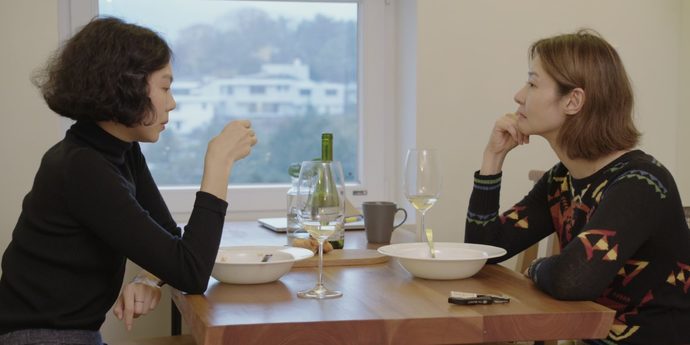
Photo caption: Kim Min-hee and Song Seon-mi in THE WOMAN WHO RAN. Courtesy of Cinema Guild.
In The Woman Who Ran, even after a few years of marriage, Gam-hee (Kim Min-hee) has never been apart from her husband until he takes a business trip; she takes advantage of the opportunity to visit each of three old friends to catch up. In each of the three vignettes, Gam-Hee gets a tour of the friend’s house, sits for a meal and covers much the same ground in conversation. The audience settles in, and gleans a few nuggets about each of the women. It’s pretty low-key until the eruption of a final simmering confrontation.
Writer-director Hong Sang-soo cranks out little, intimate, clever films like Woody Allen did in his heyday and is kind of his own genre. As he demonstrates in Yourself and Yours, Claire’s Camera, Walk-up and The Woman Who Ran, Hong is a droll observer of human behavior. There’s usually a lot of drinking and eating in his films; there’s far less drinking than usual in The Woman Who Ran, but the gals do devour the food.
The acting is first-rate, especially Kim Min-hee, whom we also saw in Hong Sang-soo’s Claire’s Camera, You may remember her riveting performance in The Handmaiden.
I’m such a fan, I’ll watch any Hong-Sang-Soo movie. Even though The Woman Who Ran is only 77 minutes long, I won’t recommend it to a general audience because the payoff is not worth such slow burn. I do recommend that you sample Hong Sang-soo by watching his You, Yourself and Yours, which I tagged as “Buñuel meets Seinfeld”; you can find it as Yourself and Yours on AppleTV and YouTube.
The Woman Who Ran is available to stream from AppleTV and YouTube.
In the irresistible documentary Chasing Chasing Amy, filmmaker Sav Rodgers tells his own highly personal story of finding sanctuary in a romantic comedy, a movie that ultimately spurs a both a filmmaking career and his transition to trans man. Rodgers weaves in parallel tracks, the origin story of the 1997 movie Chasing Amy, and thoughtful discussion of how that film, after 25 years of cultural evolution, has aged. Chasing Chasing Amy seamlessly braids together the fictional love story in Chasing Amy with the stories of real life relationships, including his own.
Chasing Chasing Amy‘s writer-director Savannah Rodgers, grew up a bullied lesbian in small town Kansas, and found lesbian representation in an old DVD of Chasing Amy, which became a lifesaver. When Kevin Smith himself heard Rodgers’ TED Talk, he connected with Rodgers and supported her (and then his) filmmaking career. All this is contained in Chasing Chasing Amy along with some revelations.
The novelty of Chasing Amy is a straight man and a lesbian as inseparable soulmates, and we learn that Kevin Smith modeled this after his real life friends, his producer Scott Mosier and the screenwriter Guinevere Turner. Turner had written the lesbian coming of age film Go Fish, which was on the festival circuit along with Smith and Mosier’s Clerks; Turner later wrote the screenplays for American Psycho and The Notorious Bettie Page.
But the core of Chasing Amy’s narrative is a love affair sabotaged by the guy’s insecurities, mirroring Smith’s own less-than-two-year relationship with Joey Lauren Adams, who plays Alyssa, the main female character.
Rodgers meets Smith himself, who becomes a mentor, and we get current on-camera interviews with Smith, Adams and other principals. There’s a shoulder-to-shoulder joint interview with Smith and Adams, followed by a sobering solo interview with Adams. Along the way, Rodgers matures from a gushing fan girl to a grownup who recognizes the personal flaws that complicate other people’s relationships. Smith comes off well here, and if Rodgers seems too adoring of Smith in most of the film, just wait until her final interview with Joey Lauren Adams.
Chasing Amy was director Kevin Smith’s 1997 masterpiece, with a groundbreaking lesbian/bi-sexual leading lady; but, after 25 years of cultural evolution, some elements now seem stale and even embarrassing. The leading male character is Holden, played by Ben Affleck. His buddy and wingman is Banky, played by Jason Lee, and Banky (to Lee’s off camera discomfort) is unspeakably vulgar and homophobic, a whirlpool of toxic masculinity. But of course, Banky is there to highlight Holden’s comparative evolved tolerance and openness. As an exasperated Kevin Smith says, ‘Banky id the idiot“. But, were Smith to make the same movie today, he would certainly still make Banky offensive, but so much over-the-top offensive.
Some viewers saw in Chasing Amy a toxic male fantasy of a “the right” straight male being able to “convert” a lesbian to heterosexuality. But Alyssa is a bisexual character, as is explicitly depicted in the movie when her lesbian friends react to her fling with Holden. She’s just a bisexual who is more than he is emotionally able to handle.
The story of Sav Rodgers winds from Kansas and the TedTalk, through her long relationship and now marriage, and final, the transitioning into a he/him trans man. Rodgers grows from a naïf into a grown ass man, albeit one that is still earnest, sweet and wears his emotions on his sleeve.
That Rodgers tells such a highly personal story along with the origin story of Chasing Amy and subsequent film and cultural criticism is impressive and ever watchable. I screened Chasing Chasing Amy for the San Luis Obispo International Film Festival where it led my Best of the SLO Film Fest. I’ll let you know when it’s available to stream.
Documentarian Morgan Spurlock broke through with his McDonalds exposé Super Size Me.
Casting director and producer Fred Roos enhanced the films of Francis Ford Coppola and George Lucas by advocating for then unknown actors like Al Pacino, Harrison Ford, Tom Cruise, Carrie Fisher, Richard Dreyfuss, Rob Lowe, Cindy Williams, Patrick Swayze, Matt Dillon and Mackenzie Phillips.
CURRENT MOVIES
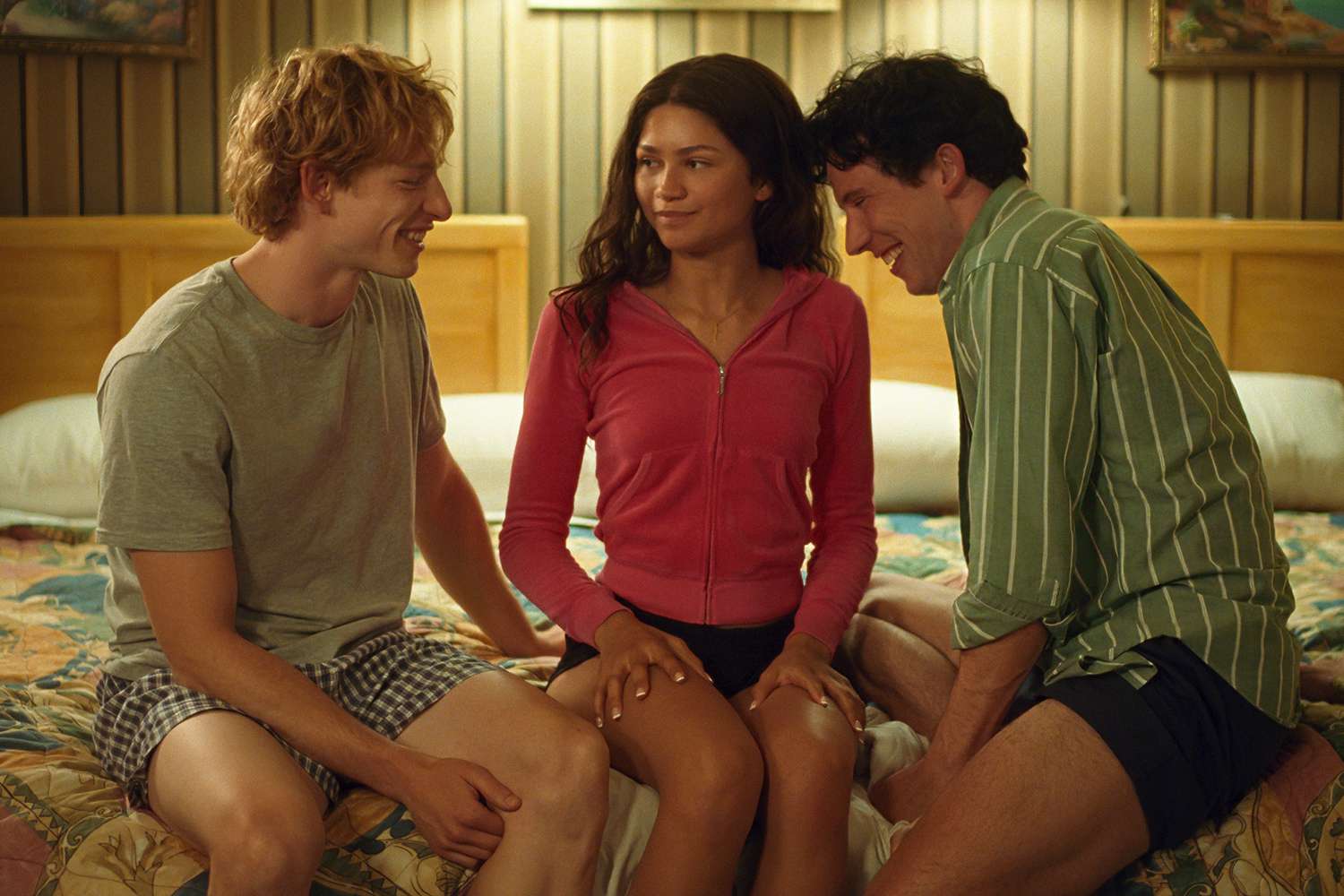
Challengers: three people and their desire. In theaters.
La Chimera: six genres for the price of one. In arthouse theaters.
Relative: a loving, but insistent investigation. Amazon (included with prime), AppleTV, Vudu, YouTube.
Wicked Little Letters: a sparkling Jessie Buckley and an interesting take on repression. In theaters.
Wildcat: often admirable, rarely fun. In theaters.
The Rider: a life’s passion is threatened. Amazon, AppleTV, Vudu, YouTube.
The Lost City of Z: the historical adventure revived. Amazon (included with Prime), AppleTV, Vudu, YouTube.
ON TV
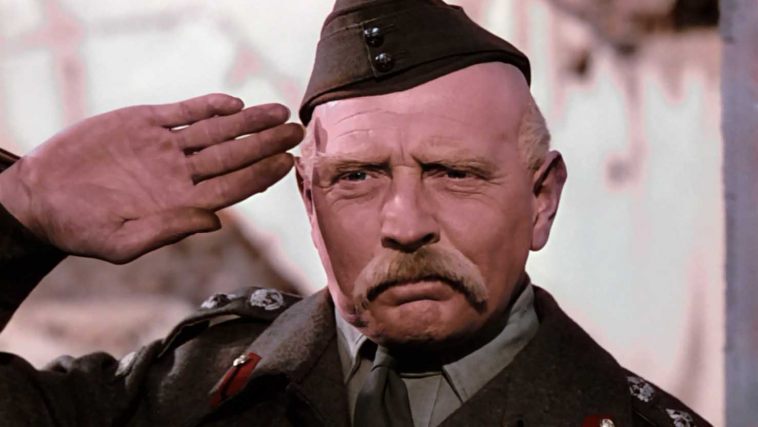
Roger Livesey in THE LIFE AND DEATH OF COLONEL BLIMP
On June 1, Turner Classic Movies will air the 1943 masterpiece The Life and Death of Colonel Blimp, a remarkably textured portrait of a man over four decades and his struggles to evolve into new eras. Written and directed by the great British filmmakers Michael Powell and Emeric Pressburger, this is a movie with a sharp message to 1940s audiences about modernity, as well as a subtle exploration of privilege that will resonate today.
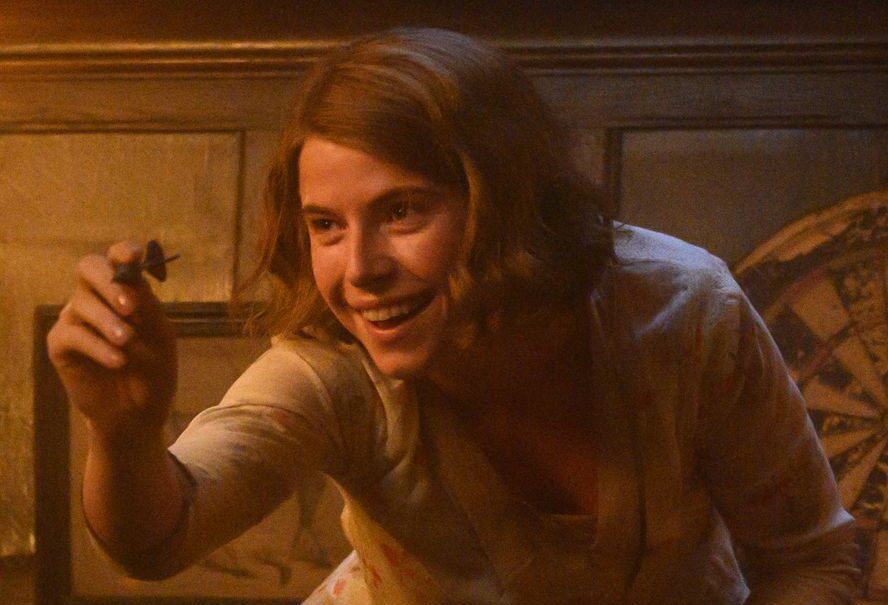
Photo caption: Jessie Buckley in WICKED LITTLE LETTERS. Courtesy of Sony Pictures Classics.
Jessie Buckley sparkles in the comedy Wicked Little Letters, about a contretemps between English neighbors that erupted into scandal. It’s 1920, and, though although no longer technically in the Victorian (or even Edwardian ) Period, Victorian social mores prevailed, and the stuffiness, repression and classism make easy targets for Wicked Little Letters.
Buckley plays Rose, a vibrant single mom who may or may not be a war widow. Foul-mouthed and a joyous carouser, Rose is decidedly tot adhering to the social and sexual mores of the time. Her ultrareligious and ridiculously proper neighbor Edith, (Olivia Colman) on the other hand, could be a poster girl for devout virginity; Edith lives under the tyranny of her father Edward (Timothy Spall), a bullying, racist, patriarchal prig.
The two women start out friendly, but inevitably fall out. Edith is shocked to received a series of profane, obscene and vituperative letters. Edward brings in the police, and soon Rose is on trial for sending the letters, although she denies it. What will happen to Rose? Who really sent the poison pen letters? Wicked Little Letters‘ story closely follows a true story, which you can read about if you Google “Littlehamption Letters Scandal“.
Here’s the most interesting aspect of Wicked Little Letters. We are used to watching people who are sexually and/or socially repressed acting out perversely (see the TV preacher or right wing politician scandal du jour). But here, we have someone who is so angry about BEING repressed, that the perverse behavior comes out of her rage.
This really isn’t much of whodunit, because the authorities, blinded by their own stupidity and classism, and ignorant of forensic tools like handwriting analysis (not to mention the scientific method), keep missing the obvious solution. A fictional young female cop (Anjana Vasan) is the stand-in for the 21st century audience and can see what her superiors miss. Once it’s revealed who is really sending the letters, Wicked Little Letters finishes a little too slowly.
But we get to enjoy a charismatic performance by Jessie Buckley, deploying a deliciously crooked grin as she brings a devil-may-care woman to life. Buckley is so good as troubled characters (Beast, Wild Rose, The Lost Daughter, Women Talking), and it’s great to see her letting loose as a fun-loving character.
Olivia Colman, of course, is superb as Edith, a woman who is not nealy as one-dimensional as she first appears. The great actor Timothy Spall (who has lost a reported 100 pounds over the past several years) has fun with a character who has no nuance whatsoever, unless you count varying shades of bigotry and entitlement.
I caught Wicked Little Letters very late in its its theatrical run and I expect that it will be leaving theaters soon; I’ll let you know when it is available to watch at home.
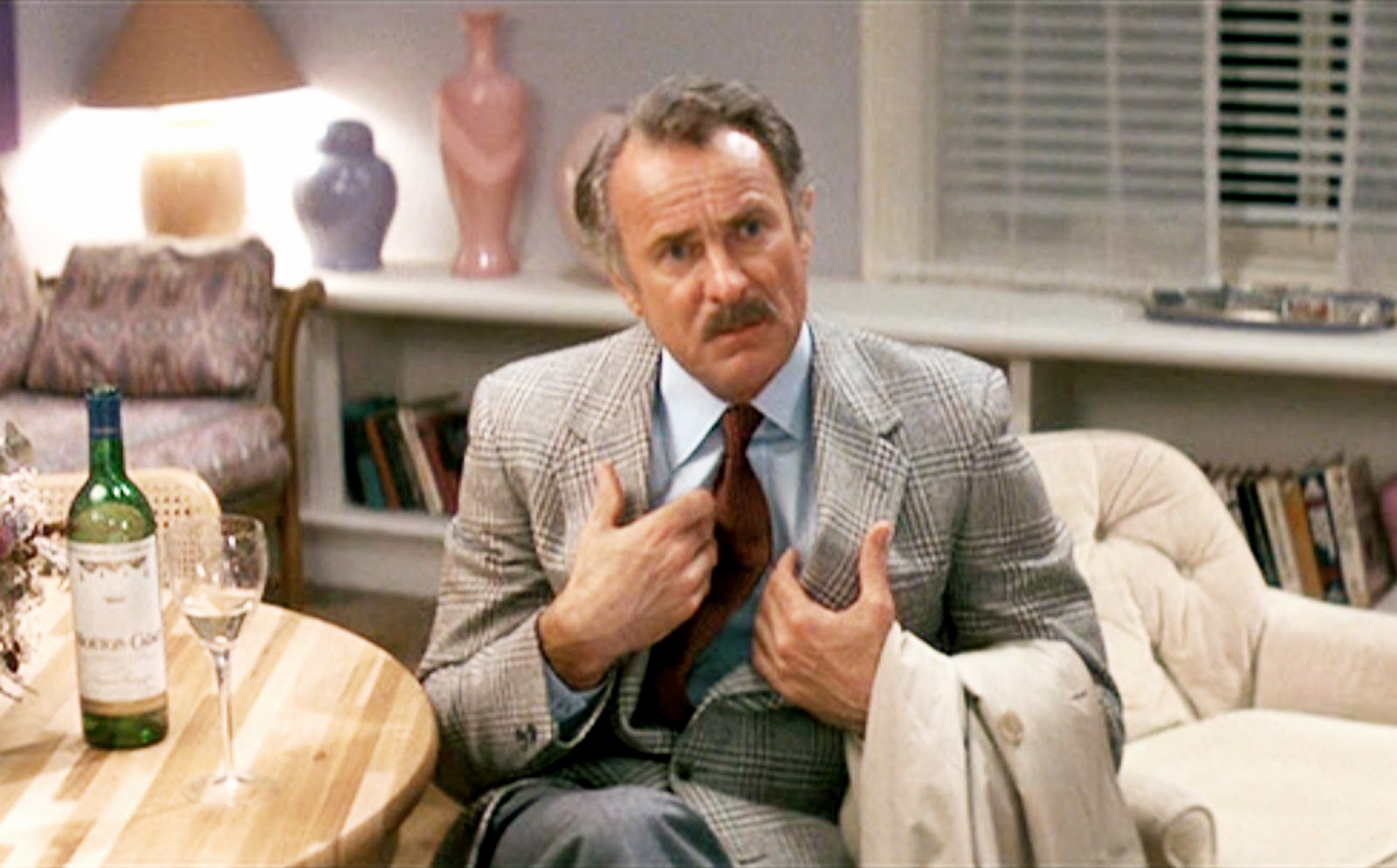
Dabney Coleman, a versatile and prolific character actor, perfected the clueless, boorish boss characters in 9 to 5 and Tootsie. As gifted as he was in those comedic roles, he also worked in a wide range of fine movies: Downhill Racer, Cinderella Liberty, Midway, Go Tell the Spartans, North Dallas Forty and Melvin and Howard. Coleman topped off his career with roles in Boardwalk Empire, Ray Donovan and, as John Dutton, Sr., in Yellowstone.
CURRENT MOVIES
Challengers: three people and their desire. In theaters.
La Chimera: six genres for the price of one. In arthouse theaters.
Relative: a loving, but insistent investigation. Amazon (included with prime), AppleTV, Vudu, YouTube.
Wildcat: often admirable, rarely fun. In theaters.
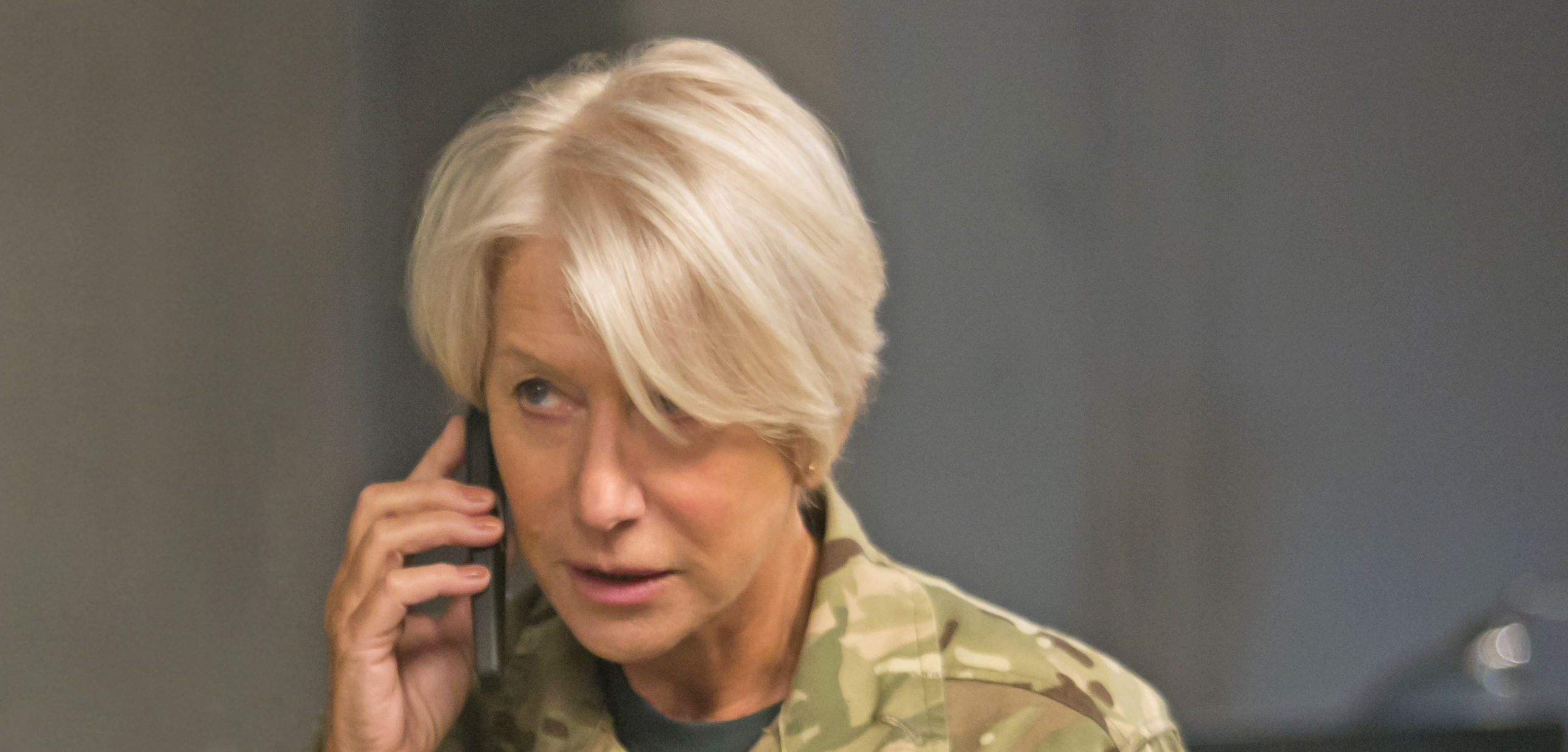
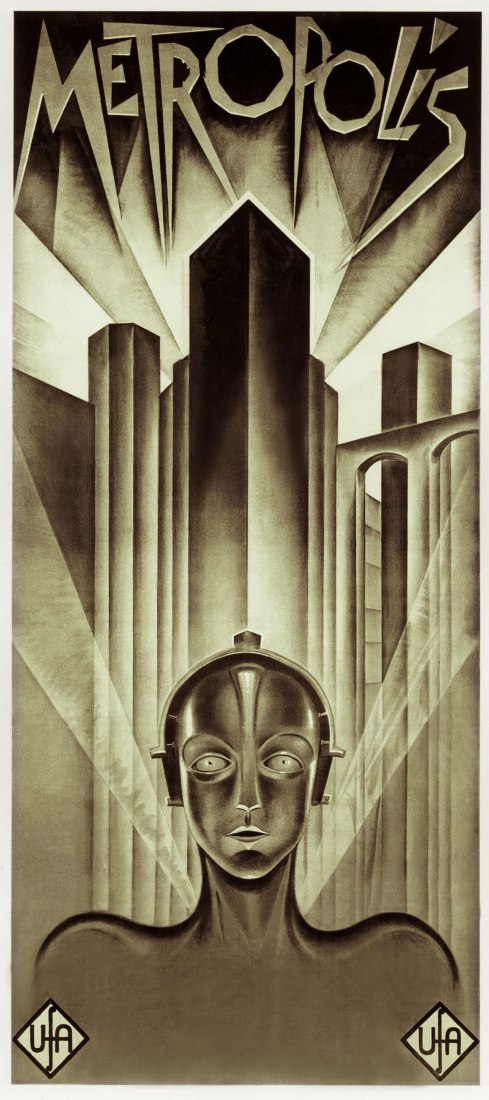
On May 28, TCM presents , the triumph of silent filmmaking, Fritz Lang’s 1927 science fiction masterpiece Metropolis. An uber-futuristic movie that is almost 100 years old. Still-spetacular sets, Lang used giant scale, Evertyone should see this film at least once. Verry trippy,
Every year, Turner Classic Movies packs this weekend full of war movies. Here are my recommendations of the very best:
Men in War (Friday, May 24): An infantry lieutenant (Robert Ryan) must lead his platoon out of a desperate situation. He encounters a cynical and insubordinate sergeant (Aldo Ray) who is loyally driving a jeep with his PTSD-addled colonel (Robert Keith). In conflict with each other, they must navigate through enemy units to safety. Director Anthony Mann is known for exploring the psychology of edgy characters, and that’s the case with Men in War.
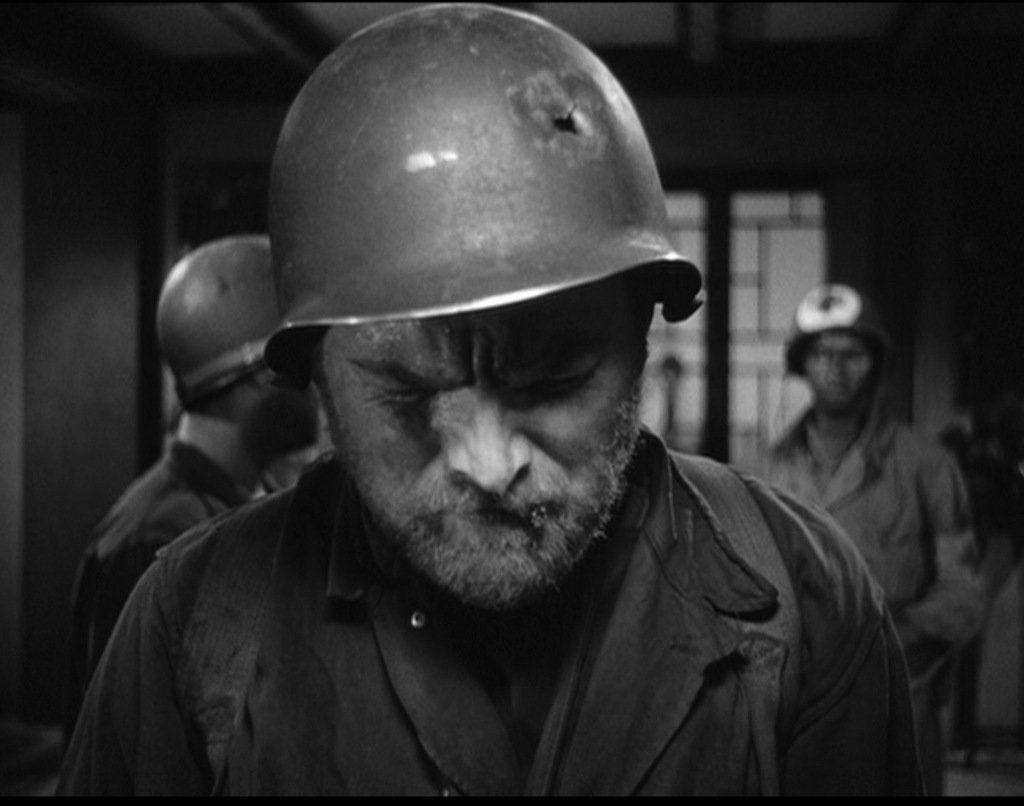
The Steel Helmet (Friday, May 24): This is a gritty classic by the great writer-director Samuel Fuller, a WWII combat vet who brooked no sentimentality about war. Gene Evans, a favorite of the two Sams (Fuller and Peckinpah), is especially good as the sergeant. American war movies of the period tended toward to idealize the war effort, but Fuller relished making war movies with no “recruitment flavor”. Although the Korean War had only been going on for a few months when Fuller wrote the screenplay, he was able to capture the feelings of futility that later pervaded American attitudes about the Korean War.
Merrill’s Marauders (Saturday, May 25): This is another Samuel Fuller film, this one telling the true story of a seemingly impossible American mission against Japanese forces in Burma.
Mister Roberts (Sunday, May 26): Henry Fonda is at his most appealing in this subversive WW II comedy. Fonda gets to play off of James Cagney, William Powell and Jack Lemmon.
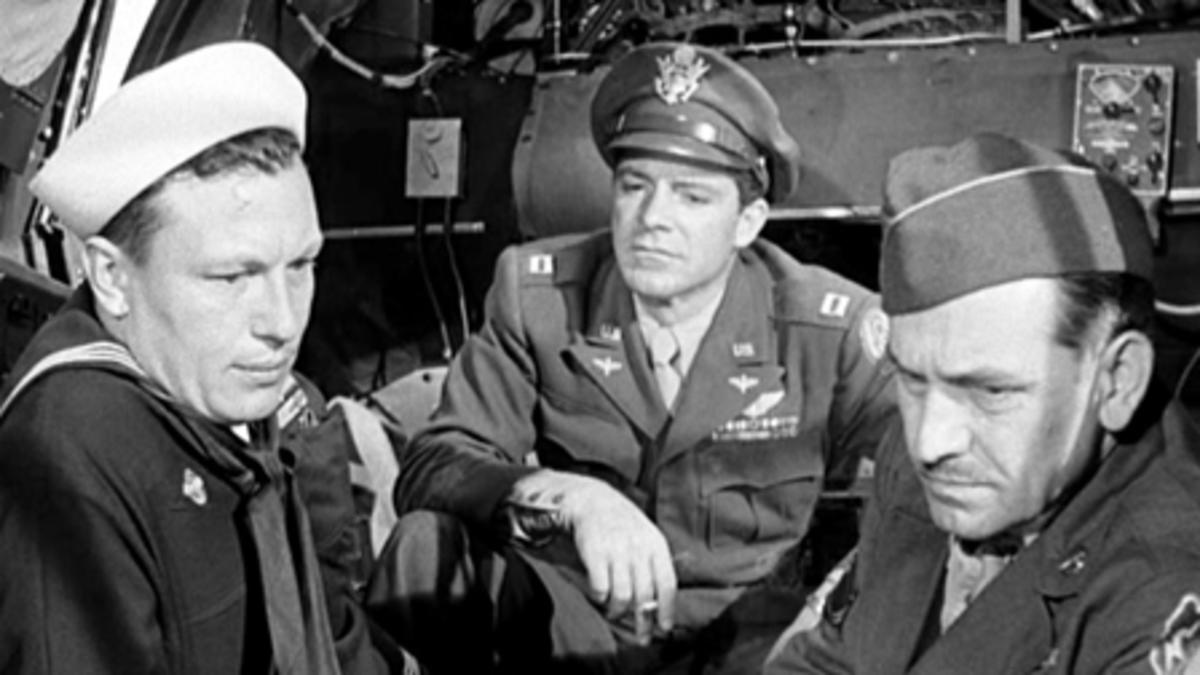
The Best Years of Our Lives (Sunday, May 26): This is the best film on this list and one of my favorite movies from any genre. The Best Years of Our Lives is about people yearning to Get On With It after their lives were consumed by an upheaval they all shared. This is an exceptionally well-crafted, contemporary snapshot of post WW II American society adapting to the challenges of peacetime. It justifiably won seven Oscars. And it’s still a great and moving film. When Frederic March, immediately back from overseas, sneaks back into his apartment where Myrna Loy is washing the dishes, I dare you not to shed tears at her reaction.
The Rack (Monday, May 27): In this overlooked Korean War film, a returning US army captain (Paul Newman) is court-martialed for collaborating with the enemy while a POW. He was tortured, and The Rack explores what can be realistically expected of a prisoner under duress. It’s a pretty good movie, and Wendell Corey, Edmond O’Brien, Walter Pidgeon, Lee Marvin and Cloris Leachman co-star.
The Bridge on River Kwai (Monday, May 27): Director David Lean is known for epics, and this is his most successful epic. It’s the stirring story of British troops forced into slave labor at a cruel Japanese POW camp. The British commander (Alec Guinness, in perhaps his most acclaimed performance) must walk the tightrope between giving his men enough morale to survive and helping the enemy’s war effort. He has his match in the prison camp commander (Sessue Hayakawa), and these two men from conflicting values systems engage in a duel of wits – for life and death stakes. William Holden plays an American soldier/scoundrel forced into an assignment that he really, really doesn’t want. There’s also the stirringly unforgettable whistling version of the Colonel Bogey March. The climax remains one of the greatest hold-your-breath action sequences in cinema, even compared to all the CGI-aided ones in the 67 years since it was filmed.
Harold Russell, Dana Andrews and Frederic Mrch in THE BEST YEARS OF OUR LIVES
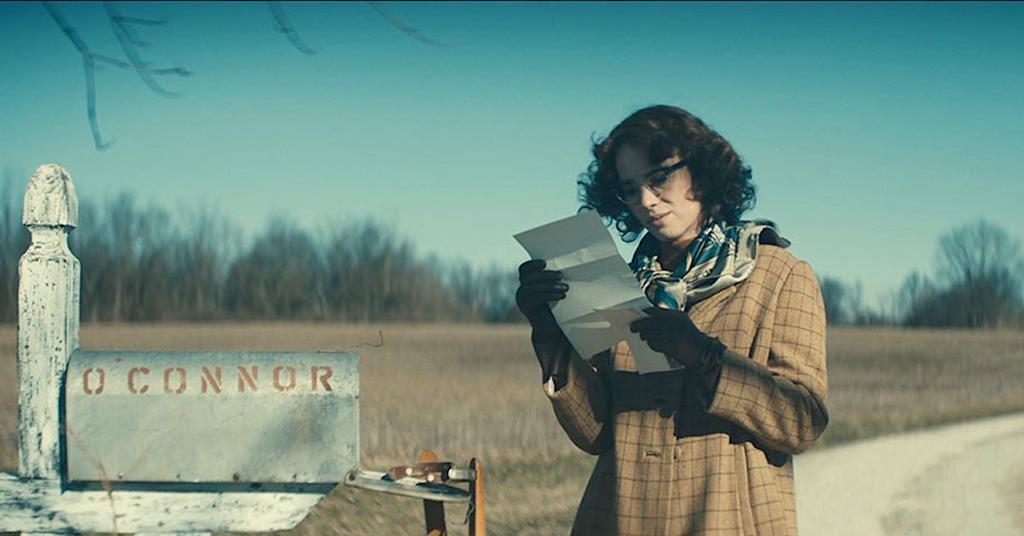
Photo caption: Maya Hawke in WILDCAT. Courtesy of Oscilloscope Laboratories.
Wildcat braids together the sad life of writer Flannery O’Connor (Maya Hawke) with several of her iconoclastic stories. Director Ethan Hawke starts Wildcat with a faux trailer for a lurid movie based on O’Connor’s short story The Comforts of Home. Then he depicts O’Connor thinking up one of her stories and then suddenly shifts from O’Connor’s real life by bringing an O’Connor story to life. Maya Hawke and Laura Linney, who also plays Flannery’s mother Regina, play various fictional characters in the O’Connor stories.
O’Connor herself described writing, not as an escape, but as a “plunge into reality”, a reality many would prefer not to face.
Flannery was trapped in a cultural wasteland where no one understood her work (Milledgeville, Georgia), trapped in the body of an invalid (lupus) and trapped in profound loneliness. Flannery took herself and everything so seriously and made no concession to the social niceties. At a cocktail party, Flannery could be an epic Debbie Downer. Flannery’s mother (Laura Linney) – so often wrongheaded – is absolutely correct when she suggests, “you might want to consider being a little more friendly “.
Wildcat is a showcase for Maya Hawke’s chameleonic performance as Flannery and as several of O’Connor’s fictional characters. Laura Linney is brilliant, too, both as Flannery’s mother and as several characters in O’Connor short stories (and is unrecognizable in the first vignette).
Poor Liam Neeson – he’s a fine actor who has become so iconic a movie star that, when he appears here as an Irish priest, you can’t help crying, “Hey – that’s Liam Neeson”.
Here’s my bottom line on Wildcat. Ethan Hawke’s direction is imaginative. Maya Hawke’s and Laura Linney’s acting are superb. The core story is one of an unhappy and often unpleasant person. Wanna sign up for this?
We revel in the art produced by the anguished artist, but would not enjoy being in the company of said artist and her anguish. The best parts of Wildcat are the staging of O’Connor stories. The least enjoyable are the scenes with O’Connor herself.