coming up on TV: DOWNHILL RACER

DOWNHILL RACER
DOWNHILL RACER

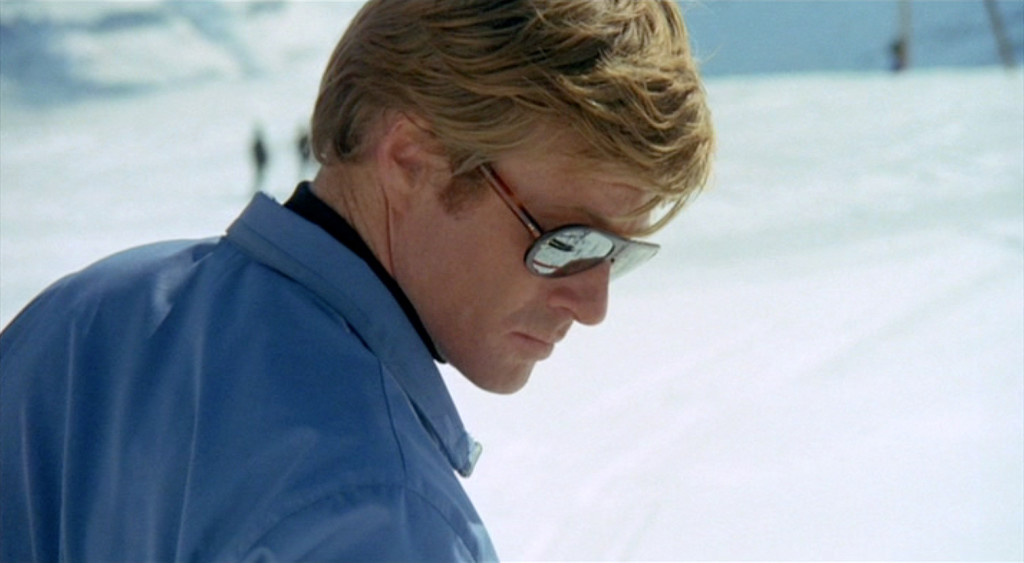
On September 2, Turner Classic Movies is airing 1970’s Downhill Racer, set in the world of competitive Alpine skiing. Robert Redford plays a handsome and talented, but insolent, ski star with daddy issues and a tendency to self-sabotage. As he strives to make the US team, he clashes with the no-nonsense coach (Gene Hackman). Downhill Racer came at a pivotal point in the careers of Redford, Hackman and the director Michael Ritchie.

As a filmmaker, Ritchie was comfortable telling a story without much dialogue – very spare, Hackman’s character is terse, and Redford’s is a sphinx. Redford’s character, especially, is often quietly observed as he goes about his business, emphasizing his self-isolation. The ski races are classic, with soundtrack adorned only with the swishing of the skis and the crunching of the snow.

Downhill Racer remains at the top of the ski movie genre. The great sound is matched by beautiful mountain visuals and groundbreaking camerawork.

To most Americans, alpine skiing was pretty new and sexy in 1970. We had become familiar with the sport through ABC’s Wild World of Sports and the 1968 Olympics, dominated by the handsome Jean-Claude Killy. The sport’s American stars were not from the among the affluent Americans who took ski vacations, but from workaday kids who grew up in the Rockies – just like Redford’s character.

When they made Downhill Racer, the three principals were each at the cusp of stardom. Ritchie had directed lots of TV, but this was his first theatrical feature. He followed it with his masterpiece The Candidate, still the best film ever about American politics. He followed that with work that included The Bad News Bears, Semi-tough, Fletch, The Scout and The Positively True Adventures of the Cheerleader-Murdering Mom; note that, except for Fletch, those films centered on competition in sports and politics.

Redford became well-known for Barefoot in the Park in 1967 and then a huge star with Butch Cassidy and the Sundance Kid (1969). In 1970, he was poised for an amazing run with The Candidate, Jeremiah Johnson, The Way We Were, The Sting, The Great Gatsby, The Great Waldo Pepper, Three Days of the Condor and All the President’s Men – all made in the FIVE years 1972-1976

Gene Hackman had a memorable supporting turn in 1967’s Bonnie and Clyde and then starred in The Gypsy Moths (1969). He made Downhill Racer just before his career exploded with I Never Sang for My Father, The French Connection, The Conversation and his two Oscars.
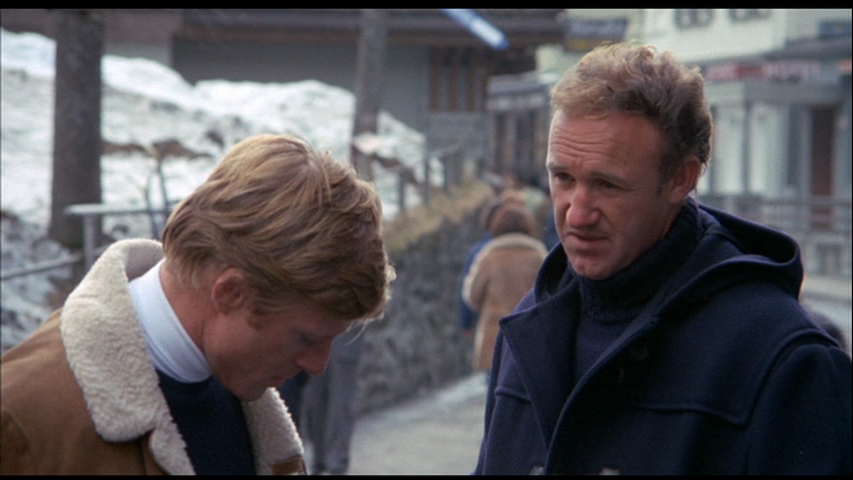
Robert Redford and Gene Hackman in DOWNHILL RACER

MIA MADRE: deeply personal and about loss

John Turturro in MY MOTHER
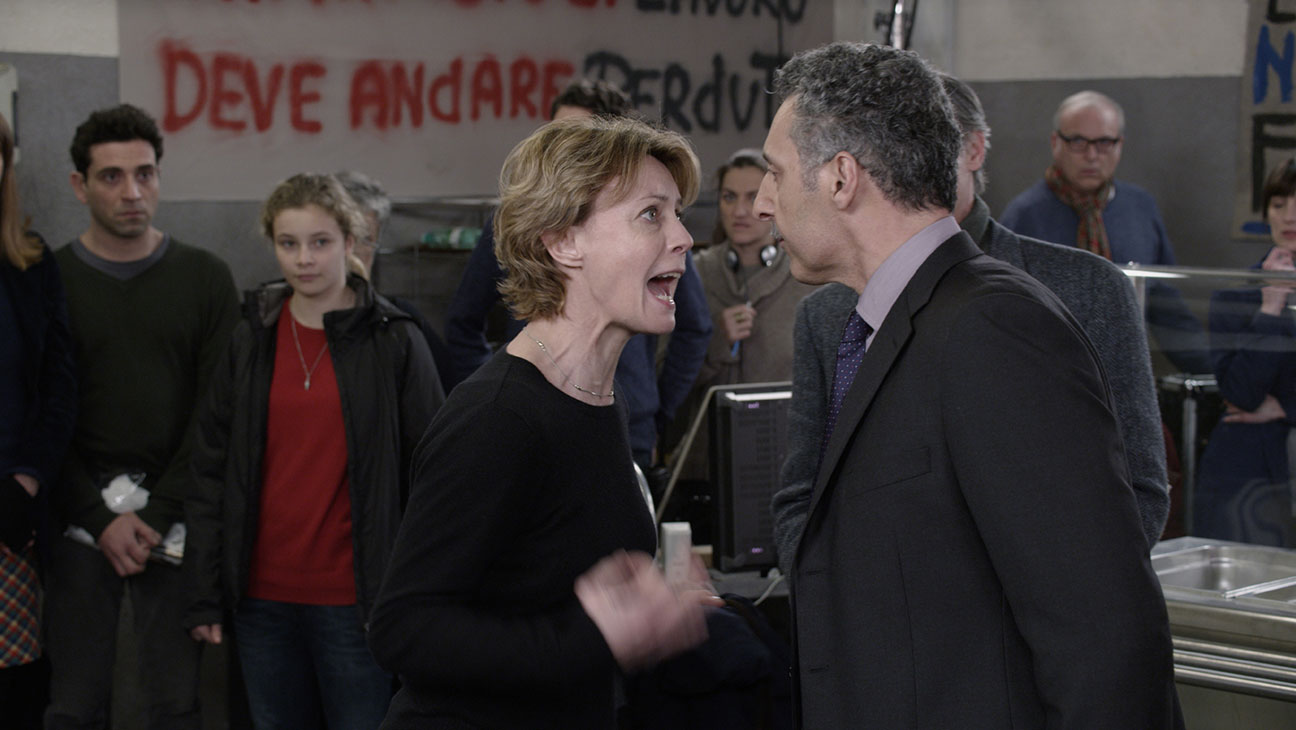
Margherita Buy and John Turturro in MIA MADRE

So let’s get one thing straight right up front – Mia Madre is NOT a dramedy. It’s an Italian drama that is leavened with bits of comedy. Writer-director Nanni Moretti has constructed a deeply personal portrait of a person in mid-career and mid-life who is losing her aged parent. There’s never a convenient moment to go through this experience, and Moretti’s protagonist, a movie director (Margherita Buy), is juggling her job and her relationships with her teen daughter, her ex-husband and her brother (played by Moretti). It’s all very complicated – just like it is in real life, and Moretti brings authenticity to the story.

All of this is pretty somber, but our heroine is making a movie, and she has cast an astonishingly pompous American star (John Turturro) who claims to speak more Italian that he really does and who can’t remember his lines. Every scene with Turturro is hilarious as he bumbles through the filmmaking with shameless bravado.

Nanni Moretti is a gifted filmmaker who has been successful in varied genres. I really enjoyed his comedy We Have a Pope, about a newly elected pope who suffers a panic attack and flees the Vatican. This is more serious stuff. The Wife, who liked it less than I did, refers to it as the “depressing Italian dying mother movie”. I found it very affecting, especially the emotionally satisfying ending.

I saw Mia Madre at the Mill Valley Film Festival in October 2015, but its theatrical release in the bay Area was delayed until this weekend..

Movies to See Right Now

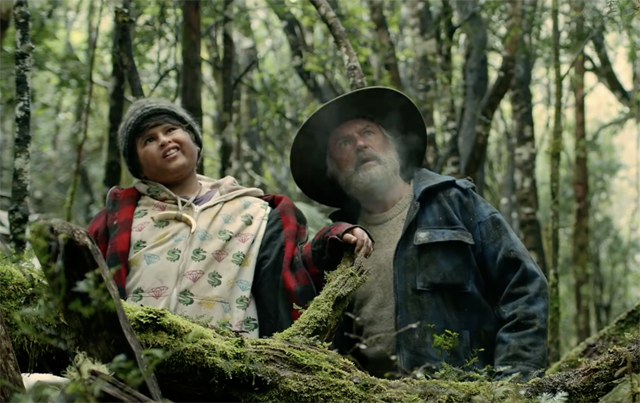
Julian Dennison and Sam Neill in HUNT FOR THE WILDERPEOPLE

The Movie Gourmet has been very quiet of late because I’m dealing with a major home remodel and a temporary move, as well as the demands of my day job, which seem to increase during even-numbered years. But I’ll be back in full force by mid-September, just in time for the big prestige movies of 2016. In the meantime:

  • Really liked the New Zealand teen-geezer adventure dramedy Hunt for the Wilderpeople.
  • Florence Foster Jenkins is not just a one-joke movie about a bad singer – it’s a love story about trying to protect the one that you love.
  • I found the documentary about Burt Reynolds and his stuntman/director Hal Needham, The Bandit, very enjoyable; it’s playing on CMT.
  • Woody Allen’s love triangle comedy Cafe Society is a well-made and entertaining diversion, but hardly a Must See.
  • I haven’t seen them yet, but readers with really good taste have recommended Captain Fantastic and Hell or High Water.

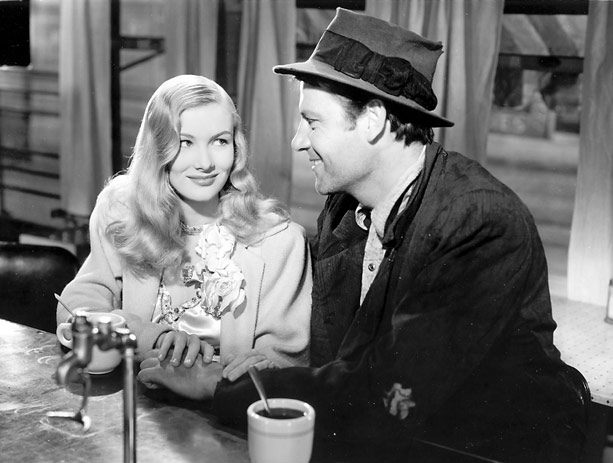
On September 1, Turner Classic Movies will be presenting the best work of Preston Sturges, the first workaday Hollywood screenwriter to transition into a major writer-director. TCM will be screening The Lady Eve, Sullivan’s Travels, Hail the Conquering Hero! and The Great McGinty, an impressive body of work that Sturges churned out between the ages of 42 and 46. Unfortunately, his turbulent personality led to conflict in his business affairs, which exacerbated his drinking. He burned out and was dead at age 60, but he left behind some of the very, very smartest and funniest movie comedies.

Veronica Lake and Joel McCrea in SULLIVAN'S TRAVELS
Veronica Lake and Joel McCrea in SULLIVAN’S TRAVELS

Movies to See Right Now

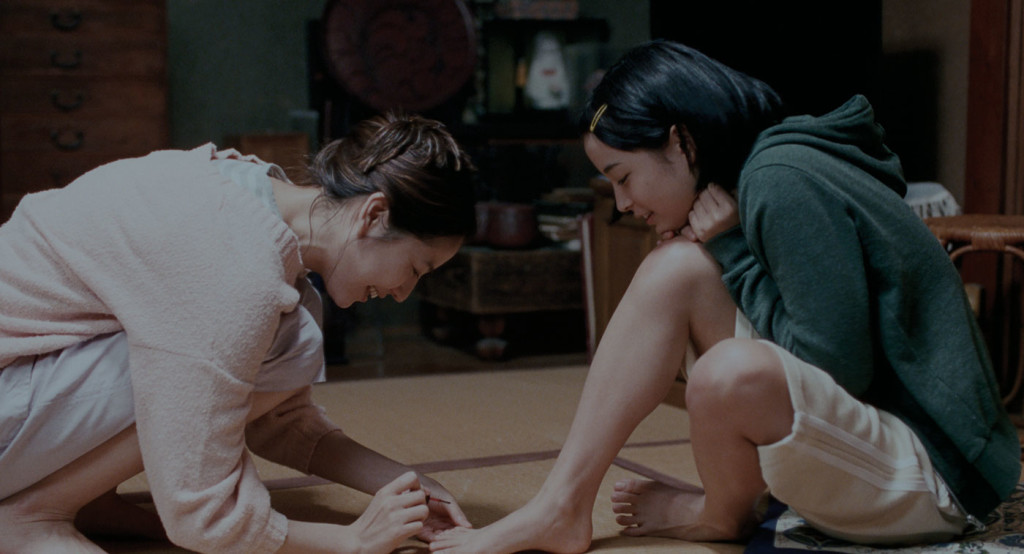
OUR LITTLE SISTER
OUR LITTLE SISTER

In theaters right now:

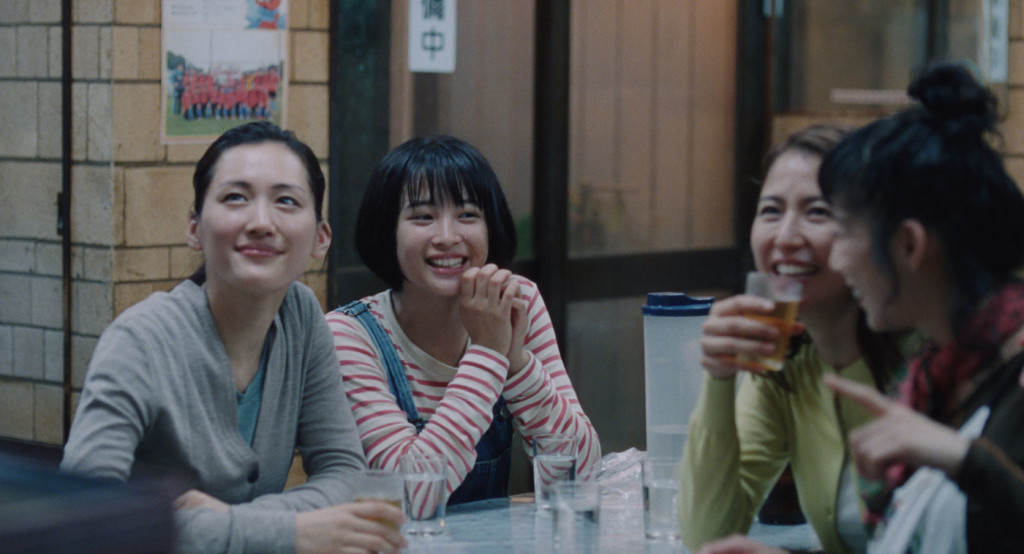
  • The Japanese domestic drama Our Little Sister is remarkably uplifting. I would seek it out because it’s unlikely to remain in theaters for more than two or three weeks.
  • Zero Days is a documentary on a jaw-dropping hacker mystery – who and how was able to get Iranian military computers to destroy the hardware for their own nuclear weapons program.
  • Really liked the New Zealand teen-geezer adventure dramedy Hunt for the Wilderpeople.
  • The subversive documentary Under the Sun is a searing insight into totalitarian North Korean society, all from government-approved filming that tells a different story than the wackadoodle dictatorship intended.
  • Woody Allen’s love triangle comedy Cafe Society is a well-made and entertaining diversion, but hardly a Must See.
  • Finding Dory doesn’t have the breakthrough animation or the depth of story that we expect from Pixar, but it won’t be painful to watch a zillion times with your kids.
  • I’m not writing about Ghostbusters, but I’ve seen it, and it’s not terrible. Kristen Wiig and Melissa McCarthy are brilliant talents, and they produce some laughs in Ghostbusters.

Tomorrow, I’ll be writing about The Bandit, coming up on on CMT tomorrow night.

There’s still time to catch two of my top picks at the San Francisco Jewish Film Festival (SFJFF36), which is wrapping up this weekend. False Flag and Wrestling Jerusalem will be screening at the Rafael in San Rafael.

My DVD/Stream of the week is the hilariously dark Argentine comedy Wild Tales. Writer-director Damián Szifron presents a series of individual stories about revenge. It’s still high my list of Best Movies of 2015 – So Far. It’s now available on DVD from Netflix and streaming from Amazon Instant Video, iTunes, Vudu and Xbox Video.

THE BANDIT: a buddy movie about a buddy movie

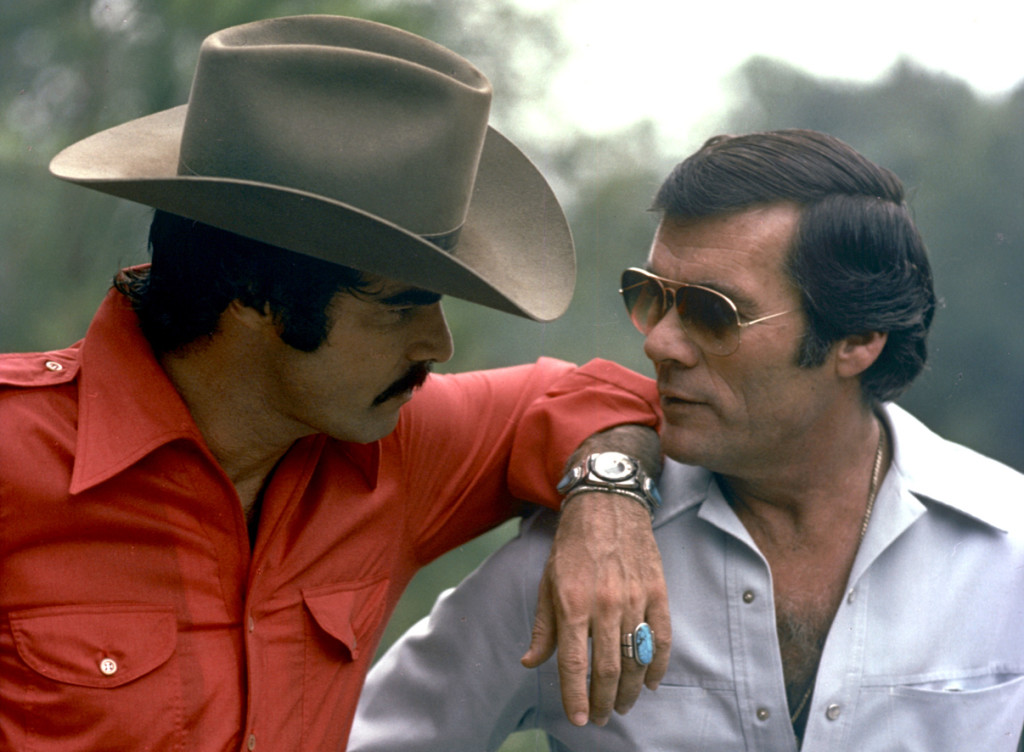
Burt Reynolds and Hal Needham in THE BANDIT. Photo courtesy of the San Francisco Film Society.

Writer-director Jesse Moss describes The Bandit as “a buddy movie about a buddy movie”, and he’s right. The buddies are mega-star Burt Reynolds and his stuntman/friend/roommate Hal Needham, who directed the enormously successful Smokey and the Bandit franchise.

Needham, one of only two stuntmen with an Oscar, is arguably cinema’s greatest stunt performer and stunt coordinator. Reynolds did many of his own stunts, and we we see some hard, hard falls in The Bandit. But Burt did nothing to nothing to match Needham, whose FIRST career stunt was jumping off an airplane wing to tackle a rider off his horse. We see many instances where Needham became a LITERAL car crash test dummy.

One of The Bandit’s highlights is the Needham stunt that broke his back – jumping a car off a dock and onto a barge – and slamming into the barge a little short.

There’s rich source material here from Burt’s garage (Reynolds calls it “King Tut’s Tomb for documentarinans”), which stored tapes back to 1956.

For added color, Needham and Reynolds were epic partiers, who embraced and exemplified the Mad Men era. Needham was a vivid character and lived a helluva life. I strongly recommend Terry Gross’ Fresh Air interview with Needham.

Hal’s widow told Bay Area filmmaker Jesse Moss that Needham hated documentaries because they were boring, so Moss aimed to make a documentary that Hal would enjoy. Indeed, The Bandit opens with the sly Reynolds, in maroon leisure suit with flared pant legs, mocking his own image outrageously. And, it’s a hoot throughout.

(Moss’ first movie was at San Francisco’s Castro Theater in 1979, when his dad took him a double feature of Erroll Morris’ Gates of Heaven and Hardware Wars, a documentarian born!)

I saw The Bandit at its premiere at the San Francisco International Film Festival (SFFILM). It played on TV channel CMT, and now can be streamed on Amazon, Vudu, YouTube and Google Play.

DVD/Stream of the Week: WILD TALES

WILD TALES
WILD TALES

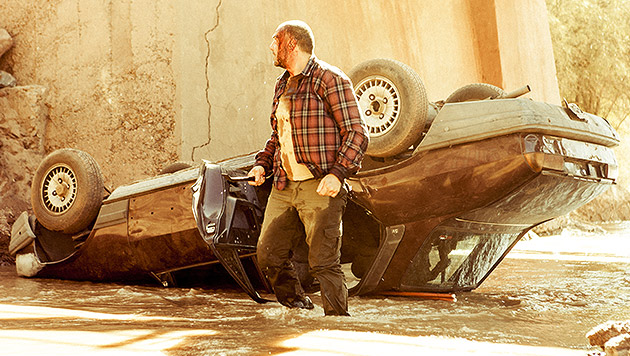
Okay, here’s the hilariously dark Argentine comedy Wild Tales. Writer-director Damián Szifron presents a series of individual stories about revenge. It’s still high my list of Best Movies of 2015 – So Far.

We all feel aggrieved, and Wild Tales explores what happens when rage overcomes the restraints of social order. Think about how instantly angry you can become when some driver cuts you off on the highway – and then how you might fantasize avenging the slight. Indeed, there is a story in Wild Tales that has the most severe case road rage since Spielberg’s Duel in 1971. Now Wild Tales is dark, and you gotta go with it. The humor comes from the EXTREMES that someone’s resentment can lead to.

One key to the success of Wild Tales is that it is an anthology. In a very wise move, Szifron resisted any impulse to stretch one of the stories into a feature-length movie. Each of the stories is just the right length to extract every laugh and pack a punch. The funniest stories are the opening one set on an airplane and the final one about a wedding.

The acting is uniformly superb. In one story, Oscar Martínez plays a wealthy man in a desperate jam, who buys the help of his shady lawyer fixer (Osmar Núñez) and his longtime household retainer (Germán de Silva) – until their prices get just a little too high. The three actors take what looks like it’s going to a thriller and morph into a (very funny) psychological comedy with a very cynical view of human nature.

One of the middle episodes stars one of my favorite film actors, Ricardo Darín, who I see as the Argentine Joe Mantegna. I suggest that you watch Darín in the brilliant police procedural The Secrets in Their Eyes (on my top ten for 2010), the steamy and seamy Carancho and the wonderful con artist movie Nine Queens.

Wild Tales was a festival hit (Cannes, Telluride, Toronto and Sundance) around the world and was nominated for the Best Foreign Language Picture Oscar. I saw Wild Tales at Cinequest 2015. It’s now available on DVD from Netflix and streaming from Amazon Instant Video, iTunes, Vudu and Xbox Video.

CAFE SOCIETY: does she pick the big shot or her soul mate?

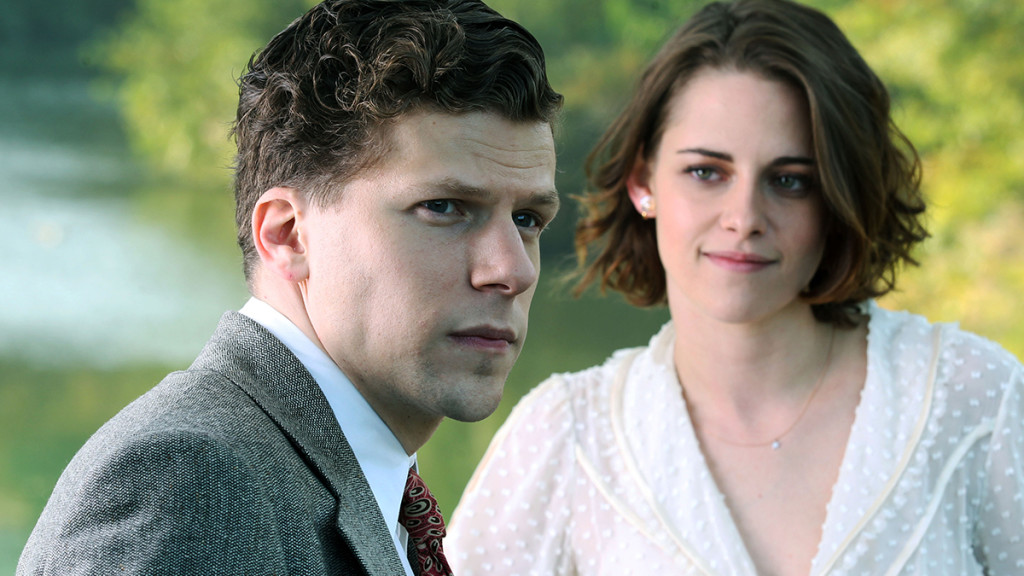
Jesse Eisenberg and Kristen Stewart in CAFE SOCIETY

Woody Allen’s Café Society is an entertaining comedy centered on a love triangle. Because it takes awhile for all of the characters in Café Society to catch on to the identities of those involved in the triangle, there is an element of Shakespearean comedy of errors.  It’s witty and well-crafted, but not compelling enough to make it a Must See.

The three stars – Jesse Eisenberg, Kristin Stewart and Steve Carell – are excellent.  Corey Stoll (so compelling as Congressman Peter Russo in House of Cards) makes for a fine gangster-in-the-family.  And it’s great to see Jeannie Berlin, who has only made six other features since 1972’s The Heartbreak Kid, have so much fun as a solidly Jewish mother and exasperated wife.

Café Society is an example of why Kristin Stewart is a movie star.  Repeatedly, the camera lingers on her face in close up as the audience watches her silently express thoughts and feelings that she is withholding from the other characters.  I found her performance to be magnetic and compelling.  Now, on the way to dinner after watching this film, my opinion was shot down by The Wife, who continues to view Stewart’s acting as grossly overrated.  So there’s that.

Stewart showed much promise at the beginning of her career by effectively playing emotionally tortured and rebellious young women in Into the Wild, Adventureland and The Runaways.  That launched her stardom in the Twilight franchise, in which she was oft criticized for biting her lower lip in seemingly every scene.  I admired her performance in another recent movie that I didn’t like (Clouds of Sils Maria), and I think that she’s developed into a fine actress.

Woody’s DP for Café Society is Vittorio Storaro, the storied cinematographer for Apocalypse Now, The Last Emperor and the beautifully shot 1990 Sheltering Sky (with Debra Winger and John Malkovich). Café Society’s Old Hollywood and 30’s nightclub scenes look authentic and enticing.

The core of Café Society‘s story is whether two soul mates are destined to be together or be apart. To explore this theme with better movies, I recommend the comedy Drinking Buddies and the drama Mademoiselle Chambon.

As I promised yesterday, here’s a link to Ronan Farrow’s My Father, Woody Allen, and the Danger of Questions Unasked.

Woody Allen is 81 and continues to make a movie each year.  In the last decade, his ten features have included some stinkers (Irrational Man, To Rome with Love), an excellent comedy (Vicky Christina Barcelona),  an unforgettable acting showcase (for Cate Blanchett in Blue Jasmine) and a masterpiece (Midnight in Paris).  Any auteur should be satisfied with that record. In the middle of that pack, Café Society is a well-made diversion.

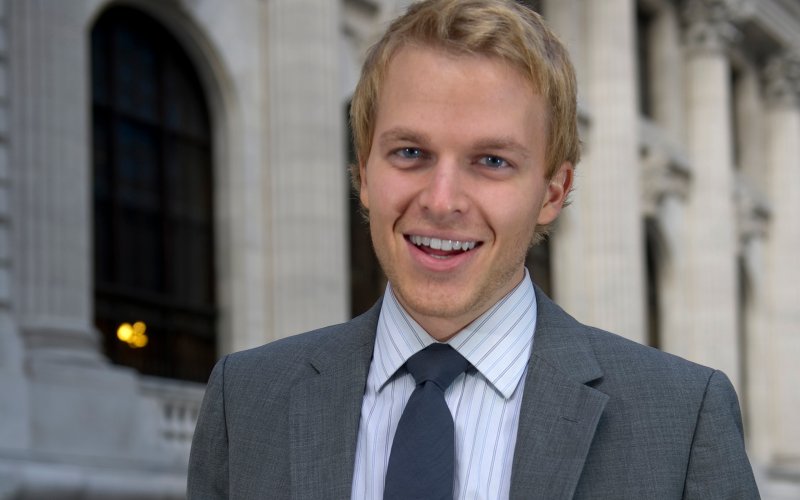
Ronan Farrow’s unique perspective on Woody Allen and the media

Ronan Farrow
Ronan Farrow

Tomorrow, I’ll be writing about Woody Allen’s latest, Café Society.  I put aside the creep factor when I watch Woody Allen’s movies. What’s important to me is what’s up on the screen. A movie can be a masterpiece (or crap) even if it’s made by someone to which you don’t relate, someone you find detestable or even to be a monster.  For example, I admire most of Roman Polanski’s movies, even though he committed a despicable and criminal act in the 1970s.

I know that other folks have other sensibilities and approaches that are completely justified. For example, The Wife will not watch movies that feature certain actors with domestic violence histories. Unlike me, she doesn’t compartmentalize, and she knows that she would be thinking about the real-life domestic violence during the movie. I respect her principle and her self-awareness.

Of course, I do not live under a rock, so I am aware of the distasteful 1992 episode when Mia Farrow booted Woody upon learning about his relationship with her then 21-year-old daughter Soon-yi.  (Soon-yi and Woody have been together ever since and married in 1996.)  And, much more disturbingly,  Woody’s own daughter Dylan Farrow recently accused him of molesting her when she was little, an accusation which he denies.

Ronan Farrow is Woody Allen’s son and Dylan’s brother. He is also a serious and accomplished journalist. Recently, he wrote a guest column in The Hollywood Reporter entitled My Father, Woody Allen, and the Danger of Questions Unasked. In it, he shares his perspective on the Dylan Farrow/Woody Allen situation.

Ronan Farrow also makes a broader critique of the media, how it treats both accusers and the celebrity accused.  He focuses on the relative power of the accuser and the accused, and it’s an especially thought-provoking and valuable essay.  (His column was written before the recent Roger Ailes sexual harassment scandal but I found it to be  relevant and instructive in absorbing that story as well.)

I will continue to watch Woody Allen’s movies and to write about them. But from now on, I’ll be including a link to Ronan Farrow’s My Father, Woody Allen, and the Danger of Questions Unasked.

Movies to See Right Now

OUR LITTLE SISTER
OUR LITTLE SISTER

THE LAST LAUGH at the 36th San Francisco Jewish Film Festival

Here are my top picks at the San Francisco Jewish Film Festival (SFJFF36), underway right now throughout the Bay Area. The romance Fever at Dawn plays in Palo Alto tonight. This weekend, the festival hosts the West Coast premiere of the documentary The Last Laugh, which explores (gasp) humor and the Holocaust.

In theaters right now:

  • The Japanese domestic drama Our Little Sister is remarkably uplifting. I would seek it out because it’s unlikely to remain in theaters for more than two or three weeks.
  • Zero Days is a documentary on a jaw-dropping hacker mystery – who and how was able to get Iranian military computers to destroy the hardware for their own nuclear weapons program.
  • Opening today in San Francisco, the subversive documentary Under the Sun is a searing insight into totalitarian North Korean society, all from government-approved filming that tells a different story than the wackadoodle dictatorship intended.
  • Finding Dory doesn’t have the breakthrough animation or the depth of story that we expect from Pixar, but it won’t be painful to watch a zillion times with your kids.
  • I’m not writing about Ghostbusters, but I’ve seen it, and it’s not terrible. Kristen Wiig and Melissa McCarthy are brilliant talents, and they produce some laughs in Ghostbusters.

My DVD/Stream of the week is the harrowing thriller ’71, about a nail-biting 24 hours in Northern Ireland’s Troubles. ’71 is now available on DVD from Netflix and Redbox and streaming on Amazon Instant Video, iTunes, Vudu, YouTube, Google Play and Xbox Video.

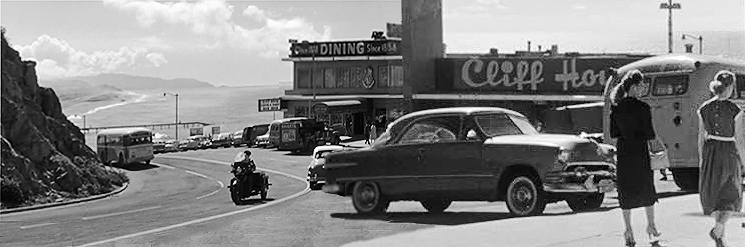
Tomorrow night, Turner Classic Movies presents one of my favorite film noirs, The Lineup (1958), with its dazzling San Francisco locations.

THE LINEUP
THE LINEUP

UNDER THE SUN: a wackadoodle regime subverts its own propaganda

A scene from Vitaly Mansky's UNDER THE SUN, playing at the 59th San Francisco International Film Festival, on April 21 - May 5, 2016.
UNDER THE SUN.  Photo courtesy of San Francisco Film Society.

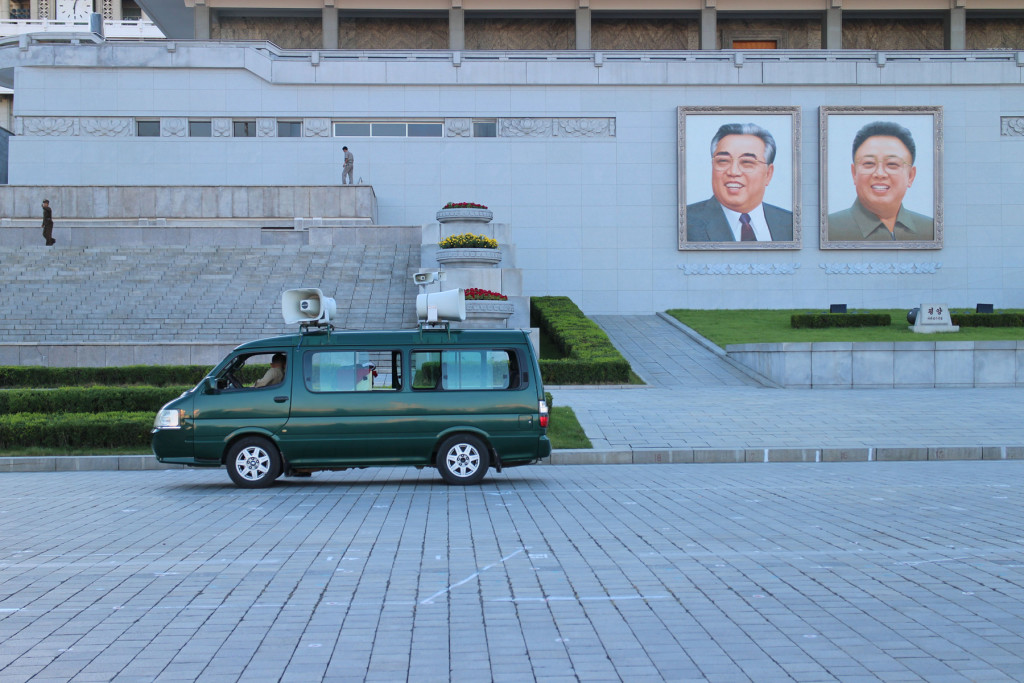
The subversive documentary Under the Sun is a searing insight into totalitarian North Korean society, all from government-approved filming that tells a different story than the wackadoodle dictatorship intended.

The North Korean regime gave filmmaker Vitaly Mansky permission to film the story of a young girl who is training to take part in one of North Korea’s ritualized propaganda spectacles – when children “join” the Korean Children’s Union on the birthday of the current Supreme Leader’s father.  The script and the filming locations were all assigned by the North Korean regime and all film reviewed by their censors.  But Mansky was able to conceal and preserve the outtakes – and those moments are devastatingly revelatory about life on North Korea.

What we see is a grim society, virtually devoid of vibrancy and joy.  Families are posed briefly mechanically and unsmilingly for ritual family photos in front of flower-bedecked giant portraits of the Leaders.  The streets are drab and empty of vehicle traffic even at rush hour.  Mansky shows us surreptitious glimpses of his minders and even of boys raiding garbage cans.  There’s a lot of regimentation depicted in Under the Sun and lots of people drearily filing to and fro.  Sometimes it gets tiresome – but that’s the point.

Everyone is conscripted to perform and watch phony staged spectacles of the grandest scale.  The rapturous crowds shown on TV contrast with the stoic crowds forced to view the televised events.  North Korea must have the world’s most professional event planners per capita.

Most chillingly, we see a class where 6-year-olds are taught to hate Japanese and Americans.  This appears to be a scene that the North Koreans INTENTIONALLY included in the movie.

The beautiful irony of Under the Sun is that, in trying to tell a story about the best of their society, the North Koreans actually reveal their worst.  I saw Under the Sun earlier this year at the 59th San Francisco International Film Festival.  Under the Sun opens July 29 at the Lee 4-Star in San Francisco.