RODENTS OF UNUSUAL SIZE: 5 million orange-toothed critters and a Cajun octogenarian

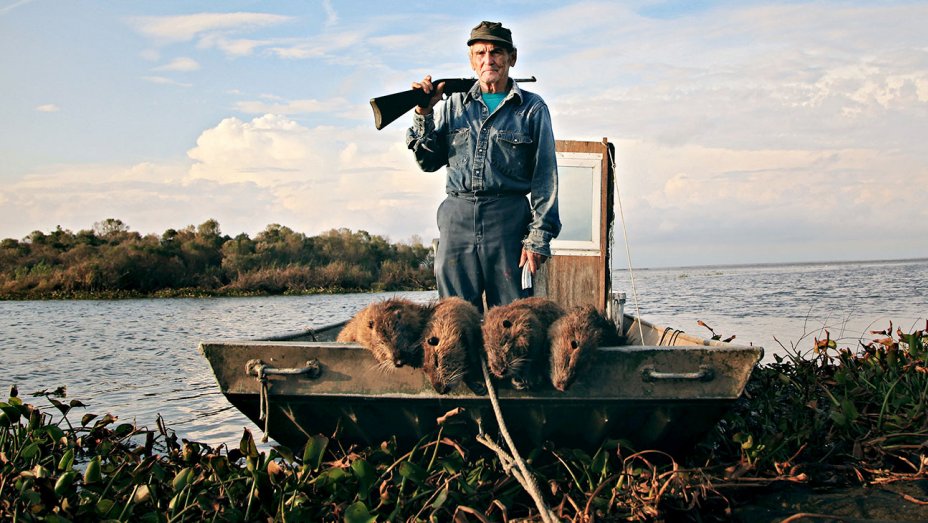
Thomas Gonzalez in RODENTS OF UNUSUAL SIZE

The offbeat documentary Rodents of Unusual Size, with its bizarre subject, is charmingly addictive. That subject is the nutria, a 20- to 30-pound Argentine rodent that threatens Louisiana’s wetlands and coastline.  Yes, 30-pound swamp rats with orange teeth.

Although Rodents of Unusual Size is decidedly non-preachy, the nutria is serious business. Imported for the commercial potential of its fur by a Tabasco sauce heir, nutria escaped into the Louisiana wilds and propagated wildly. When the US fur market crashed in the 1990s, the locals stopped trapping them, and Louisiana’s nutria population exploded to 20 million.

The problem is that nutria eat the roots of the vegetation in the Louisiana wetlands, causing erosion that has converted at least 42 square miles of land into open water. Worse, those wetlands are the storm buffer for the rest of the state.

Louisiana offers hunters a $5 bounty for the tail of each dead nutria, which has reduced the nutria population to a more manageable 5 million.  We even meet a guy whose official job title is Nutria Tail Assessor.

One of the reasons I love Louisiana is that folks just don’t take themselves too seriously there. Even when they are focused on the grave environmental impacts of the nutria invasion, they still appreciate the absurdity of a 30-pound, orange-toothed swamp rat.  (And, fittingly,  Rodents of Unusual Size is narrated by Louisiana native Wendell Pierce.)

Along the way, we are also introduced to nutria fur and the fur company Righteous Fur, nutria meat, nutria sports mascots and even nutria as pets.

But most compellingly, we meet Thomas Gonzalez, an 80-year-old bayou native, nutria hunter and bon vivant. Gonzalez is a force of nature, complete with strong-willed opinions and some impressive dance moves. Gonzalez serves as the voice of Louisiana and finishes the movie with a profound perspective on the nutria.

I saw Rodents of Unusual Size at Silicon Valley’s Cinema Club with filmmaker Chris Metzler available for Q&A. Metzler and his colleagues Jeff Springer and Quinn Costello filmed Rodents of Unusual Size over four years during Louisiana’s nutria season (November to April). The affable Metzler is a font of nutria knowledge, full of tidbits like albino nutria being prized by taxidermists. Because nutria are very difficult to spot and film in the wild, the filmmakers used Nooty the stunt nutria throughout the film. Nooty joined the filmmakers in creeping along the red carpet at various film festivals and has her own Facebook page.

Thomas Gonzalez alone is worth meeting on film, and, as told by Rodents of Unusual Size, the story of the nutria is quirkily fascinating. Rodents of Unusual Size can be streamed from Amazon and iTunes.
Movies to See Right Now (at home)

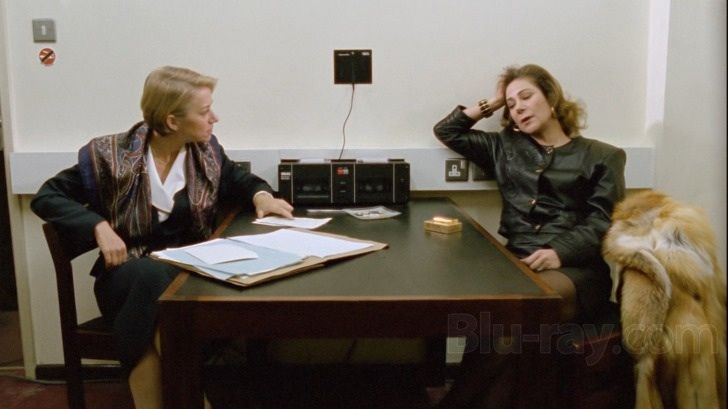
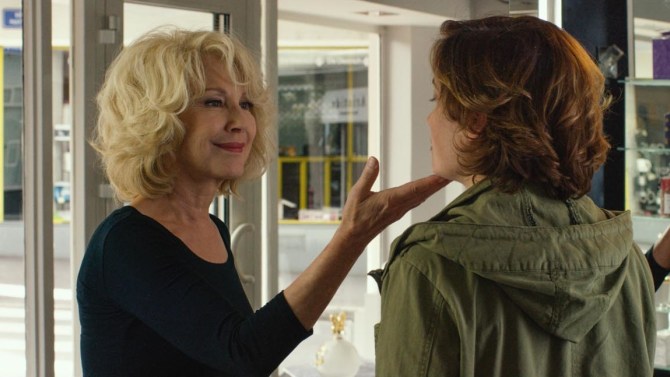
Nathalie Baye and Emmanuelle Devos in MOKA

This week: a slow burn showcase for two great French actresses plus a little indie comedy set in NYC’s Chinatown. The best Summer 2020 movies (like The August Virgin, The Truth, The 11th Green, An Easy Girl and Yes, God, Yes) are on my list of most eclectic watch-at-home recommendations you’ll find ANYWHERE.

ON VIDEO

Moka: a well-crafted fuse-burner and a showcase for two great actresses. You can stream it from Amazon, iTunes, Vudu, YouTube and Google Play.

Lucky Grandma: There’s not that much to this indie comedy except for Tsai Chin’s tour de grouch performance as the crusty Grandma and the NYC Chinatown setting. Lucky Grandma is moderately entertaining and is streaming on Amazon.

The most eclectic watch-at-home recommendations you’ll find ANYWHERE:

ON TV

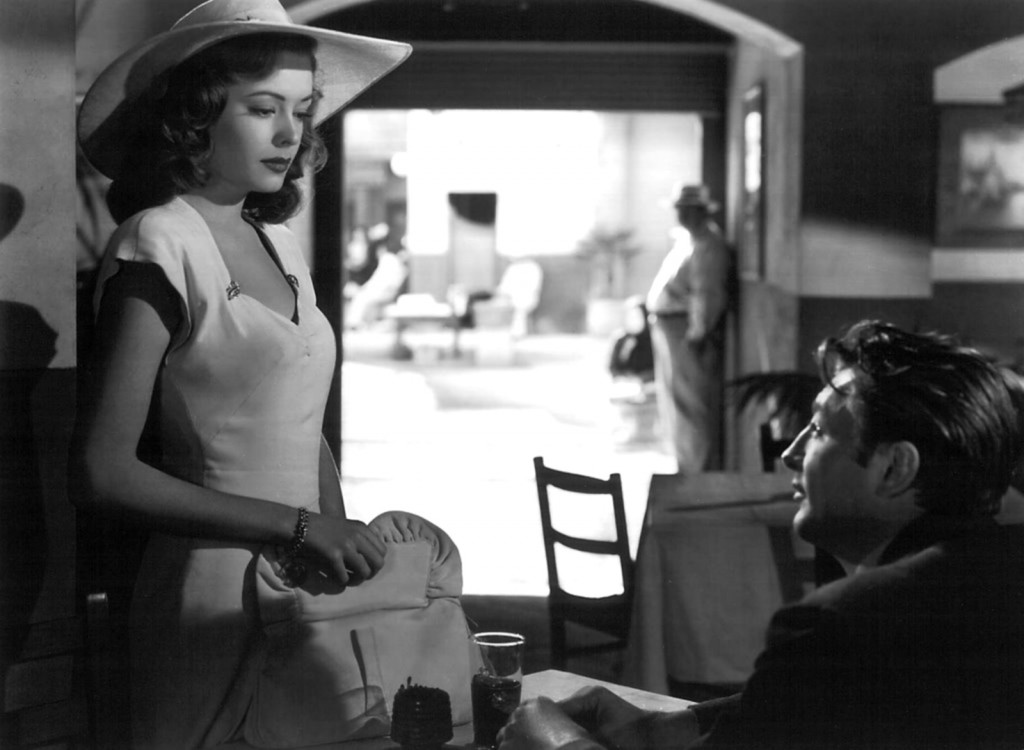
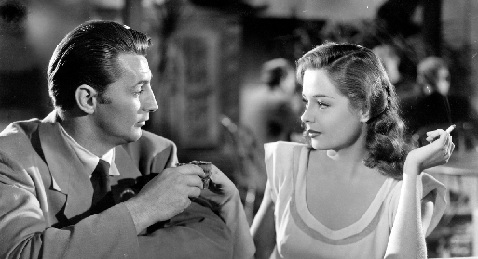
Robert Mitchum and Jane Greer OUT OF THE PAST

You really haven’t sampled film noir if you haven’t seen Out of the Past (1947), and it’s coming up on Turner Classic Movies on September 12. The model of a film noir hero, Robert Mitchum plays a guy who is cynical, strong, smart and resourceful – but still a sap for the femme fatale…played by the irresistible Jane Greer. Director Jacques Tourneur told Greer, ” First half of the movie – Good Girl; second half – Bad Girl.”

Jane Greer and Robert Mitchum in OUT OF THE PAST

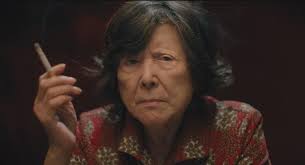
LUCKY GRANDMA: tour de grouch

Tsai Chin in LUCKY GRANDMA

In the indie comedy Lucky Grandma, an elderly woman resists leaving her apartment in New York City’s Chinatown to join her son’s family in the burbs, Her plan is to invest her savings on a wild night in a New Jersey casino, but she falls into an ill-gotten treasure, running afoul of a murderous Chinatown gang that wants their loot back.

Tsai Chin (the mother in The Joy Luck Club) plays Grandma as a crusty curmudgeon who believes that the best defense is always a good offense.

Hsiao-Yuan Ha, a massive Taiwanese-born (just under 6’7″) actor, is winning as Grandma’s amiable mercenary bodyguard.

Lucky Grandma is the first feature for Asian-American female filmmakers, director Sasie Sealy and her co-writer Angela Cheng.

There’s not that much to Lucky Grandma except for Tsai Chin’s tour de grouch performance and the Chinatown setting. Lucky Grandma is moderately entertaining and is streaming on Amazon.

MOKA: whodunit mixed with psychological thriller

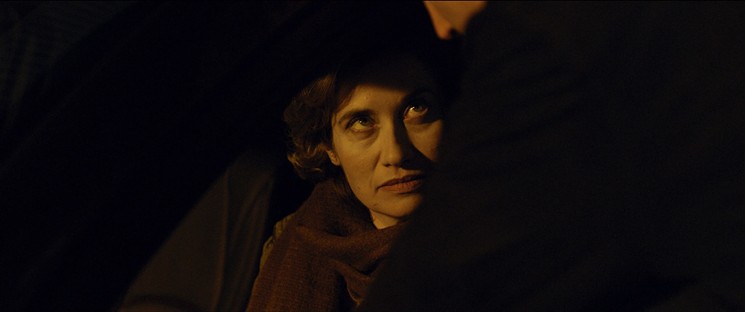
Emannuelle Devos in MOKA

In the atmospheric ticking clock drama Moka, Emanneulle Devos plays Diane, a Swiss woman whose daughter has been killed in a hit-and-run accident.  Months afterward, she is still consumed with grief.  Impatient with the slow and uncertain pace of the police investigation and with her husband’s attempts at finding closure, Diane launches her own investigation to find the responsible party and make them pay.

Diane starts connecting dots and begins to suspect Marlène (Nathalie Baye), a shopowner from a neighboring town in France.   Diane adopts the alias of Hélène and, creepily, begins to infiltrate Marlène’s life.  Moka is a whodunit mixed with psychological thriller – who is really the perp and what is Diane capable of doing?

I, for one, didn’t see the big plot twist coming.  Director Frédéric Mermoud adapted the screenplay from the Tatiana De Rosnay novel.

The prolific French actress Emanneulle Devos made a splash in 2001 with Read My Lips and popped up recently in the indie Frank & Lola.  Devos has a very compelling quality.  She excels at playing women who are very intense and possibly dangerous, women like Diane in Moka.

Nathalie Baye and Emmanuelle Devos in MOKA

Nathalie Baye is the Meryl Streep of France, nominated ten times for France’s Best Actress award.  She started off in 1972 as Joëlle the script girl in Trauffaut’s Day for Night, and had risen to international stardom by 1982 and her performance in The Return of Martin Guerre – one of the greatest acting turns in all cinema. In Moka, Baye’s Marlène is a seemingly uncomplicated woman.  We correctly suspect that she’s something else under the surface, but we don’t guess what that really is.  It’s great to see Baye take this supporting role and nail it.

Moka is a well-crafted fuse-burner and a showcase for two great actresses. You can stream it from Amazon, iTunes, Vudu, YouTube and Google Play.

Movies to See Right Now (at home)

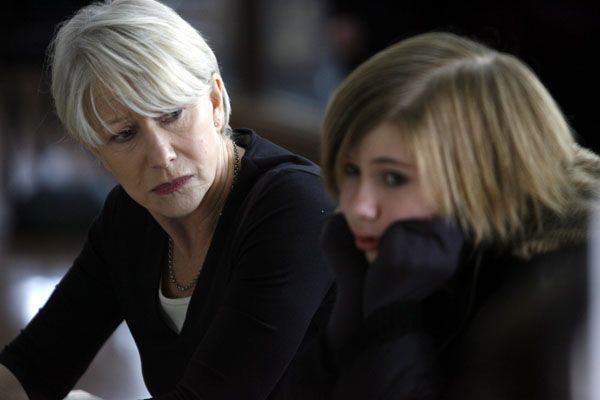
Helen Mirren in PRIME SUSPECT

This week: a binging recommendation for Labor Day Weekend, a revealing new documentary, a remembrance and the most eclectic watch-at-home recommendations you’ll find ANYWHERE.

REMEMBRANCE

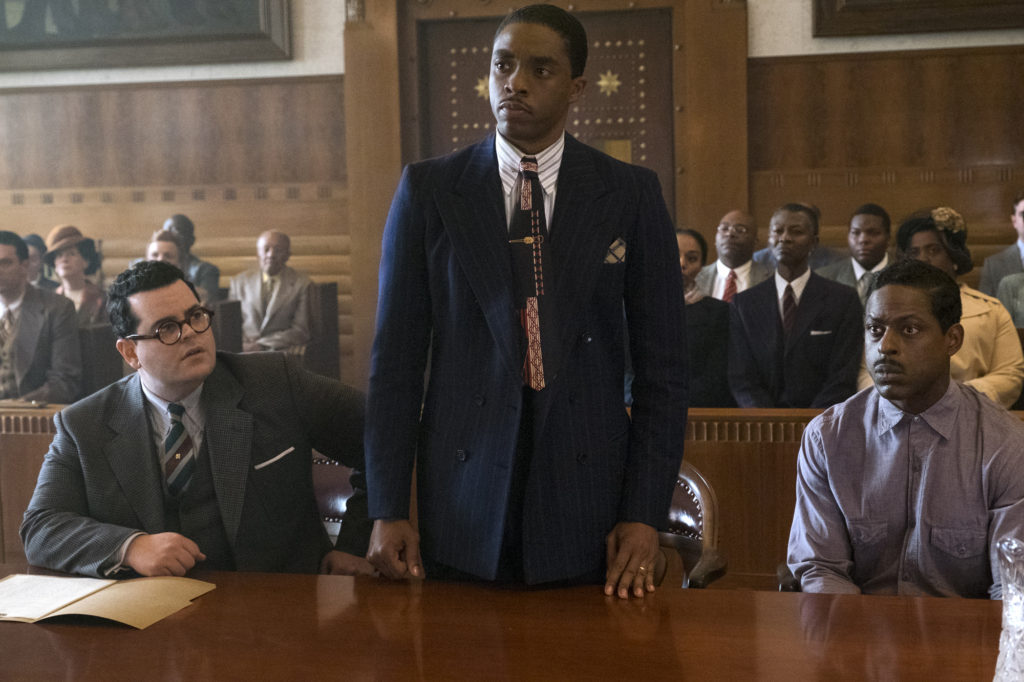
Chadwick Boseman in MARSHALL. Photo credit: Barry Wetcher; courtesy of Open Road Films

Actor Chadwick Boseman, an emerging superstar after his iconic role in Black Panther, was able to humanize real life icons like Jackie Robinson, Thurgood Marshall and James Brown. My favorite Boseman performance was in Marshall, available from all the major streaming platforms,

ON VIDEO

Prime Suspect: Binge the 25 hours of Prime Suspect, with Helen Mirren’s extraordinary performance as Detective Jane Tennison. And here’s a look at its great supporting performances. All seven series of Prime Suspect can be streamed from Amazon (included with Prime).

Coup 53: Superbly researched documentary on the 1953 Iranian coup d’etat manufactured by the UK and the US, complete with new revelations. Available to stream on Virtual Cinema; I watched it at the Roxie.

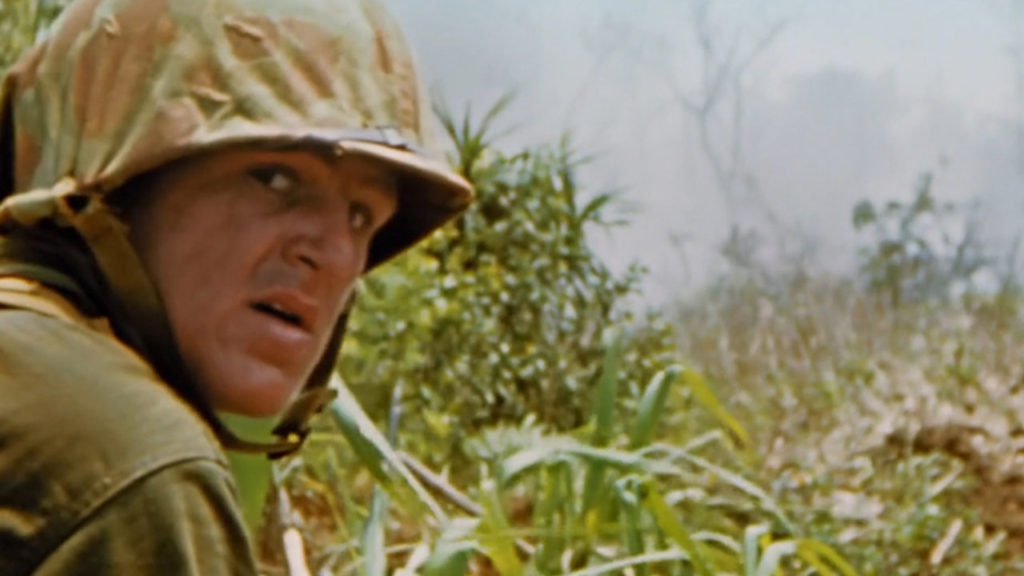
APOCALYPSE ’45

Apocalypse ’45: Never-before-seen color film and the memories of survivors bring to life the grisly final two years of WWII in the Pacific. It premieres this weekend on the Discovery Channel .

The August Virgin: In the best movie of summer 2020, a young woman switches up Madrid neighborhoods to mix things up in her life. It’s a lovely and genuine story of self-invention, and it’s on my list of Best Movies of 2020 – So Far. The August Virgin is streaming on Virtual Cinemas, like San Rafael’s Rafael or Laemmle’s in LA.

The most eclectic watch-at-home recommendations you’ll find ANYWHERE:

ON TV

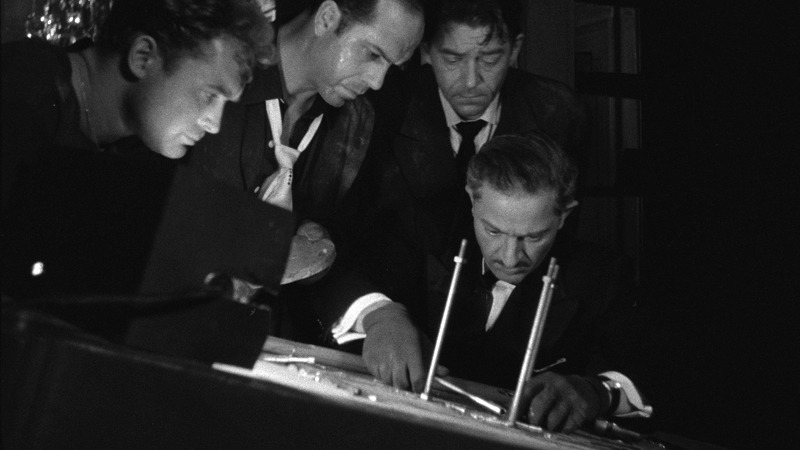
On September 6, Turner Classic Movies will broadcast the top heist film ever, the pioneering French classic Rififi: After the team is assembled and the job is plotted, the actual crime unfolds in real-time – over thirty minutes of nerve-wracking silence.

RIFIFI

PRIME SUSPECT: the supporting performances

Helen Mirren and Zoe Wanamaker in PRIME SUSPECT

Throughout the seven seasons of Prime Suspect, Helen Mirren is surrounded by generations of Britain’s finest actors. Some of the finest performances are by the actors least known to the American audience.

John Benfield in PRIME SUSPECT

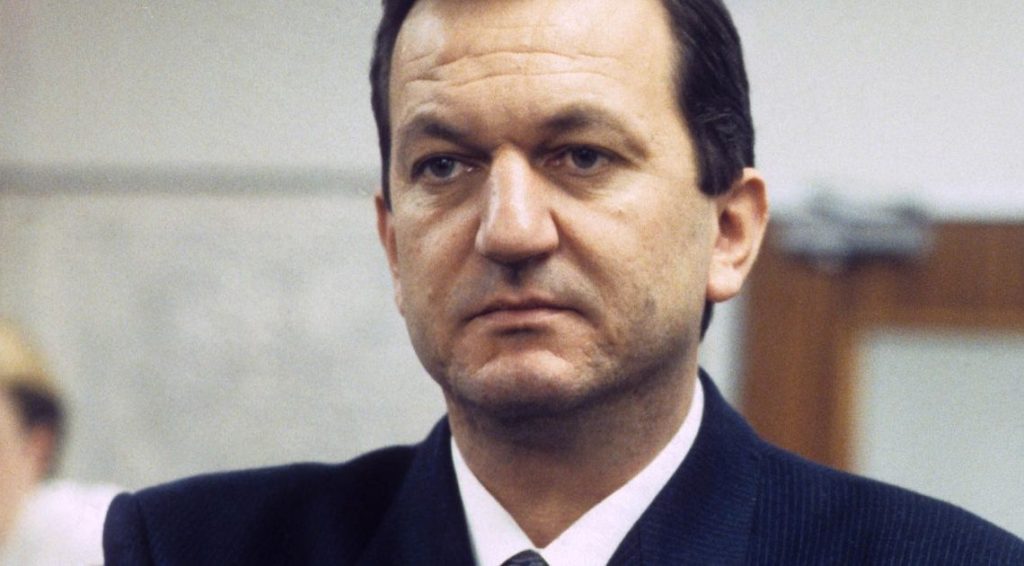
Jane Tennison is always beset by the sexism of other police officers. In the first four seasons, John Benfield plays her boss, Mike Kernan, who is out to get her at first. Kernan cautiously warms to Jane, but never reliably has her back.

Tom Bell in PRIME SUSPECT

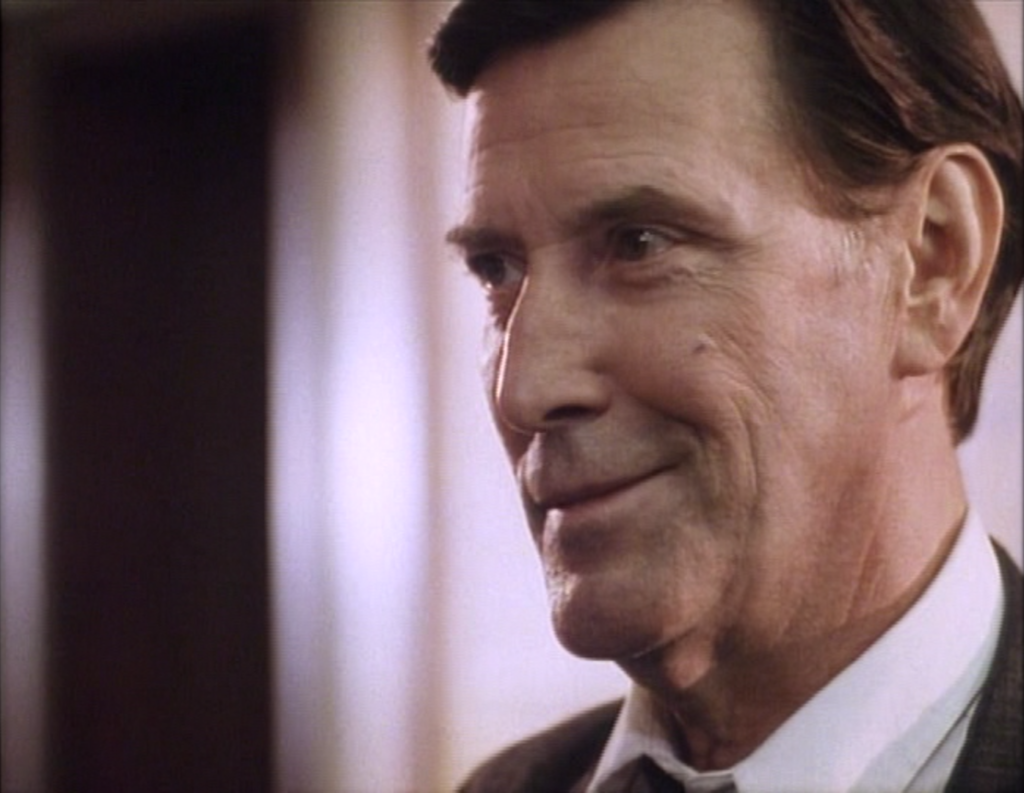
If Mike Kernan is Old School, then Tom Bell‘s Detective Sergeant Bill Otley is Neanderthal. Openly hostile and insubordinate to Jane from the outset, Bell’s Otley evolves over seasons 1, 3 and 7.

Zoe Wanamaker in PRIME SUSPECT

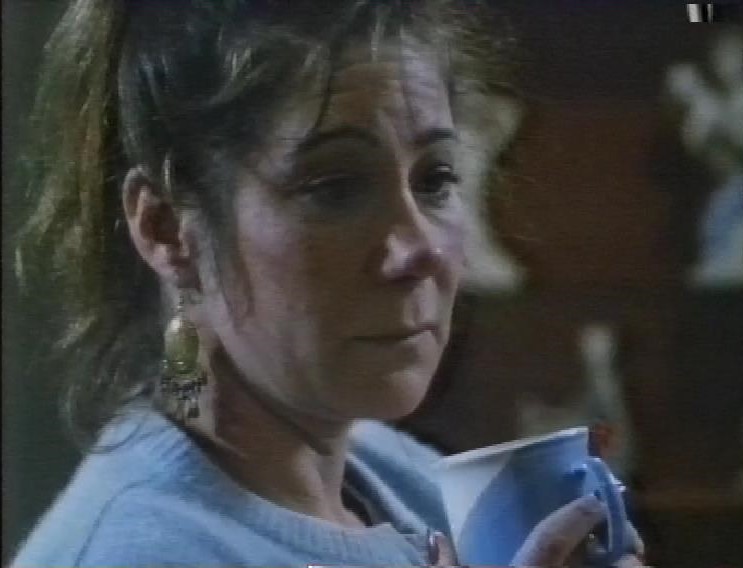
In season 1, the prime suspect’s partner is played by Zoe Wanamaker in a searing performance. Full of piss and vinegar, her character sloshes buckets of defiance on the police. Wanamaker is unforgettable when her character gets a revelation about her own unknown tie to the murders from Jane.

Here are more of the very best supporting performances in Prime Suspect:

Struan Rogers in PRIME SUSPECT
  • John Bowe as the narcissistic sociopath of a serial killer in season 1.
  • Colin Salmon as the charismatic but troubled Black cop Bob Oswalde in season 2.
  • Jenny Jules as Sara, the sister of a teen who may be a victim or a perpetrator in season 2.
  • Struan Rodger as Jane’s commander in season 3, who silently appreciates Jane’s moxie when she turns the table on their boss.
  • David O’Hara as the terse and unsmiling Manchester street detective in season 5.
Ciaran Hinds in PRIME SUSPECT

Other notable actors in Prime Suspect:

  • Tom Wilkinson, before The Full Monty and his two Oscar nominations for In the Bedroom and Michael Clayton.
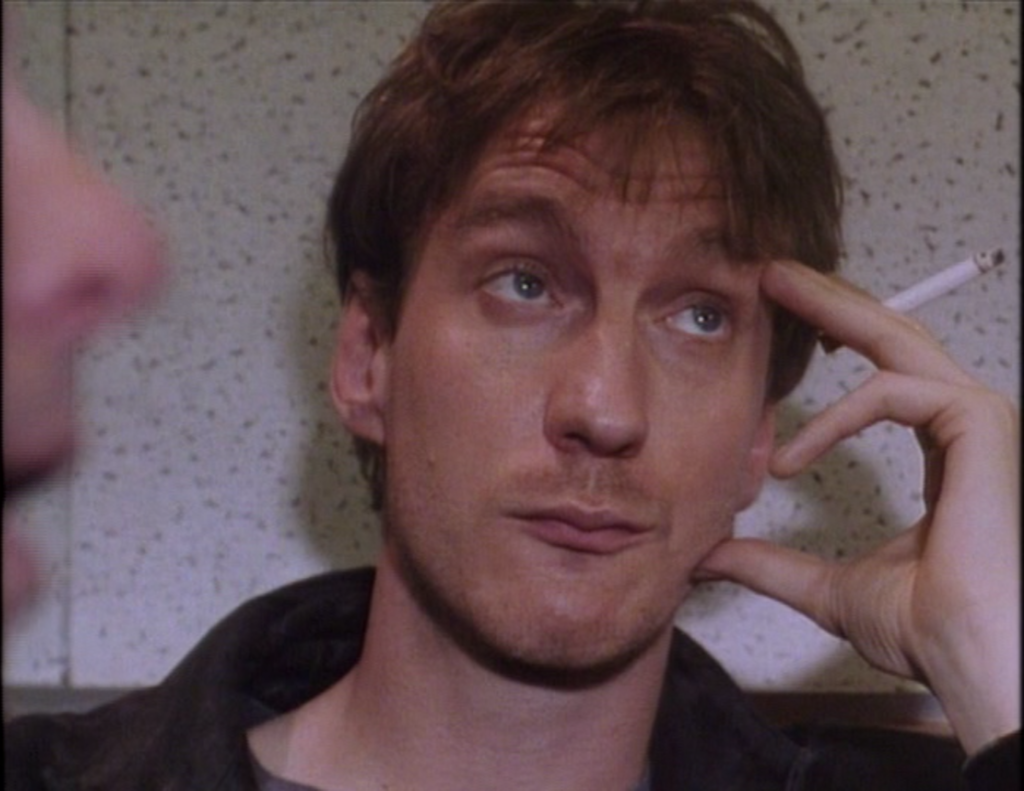
  • David Thewlis, the same year as his acclaimed performance in Naked.
  • Ralph Fiennes gets his very first screen credit, before Schindler’s List and The English Patient.
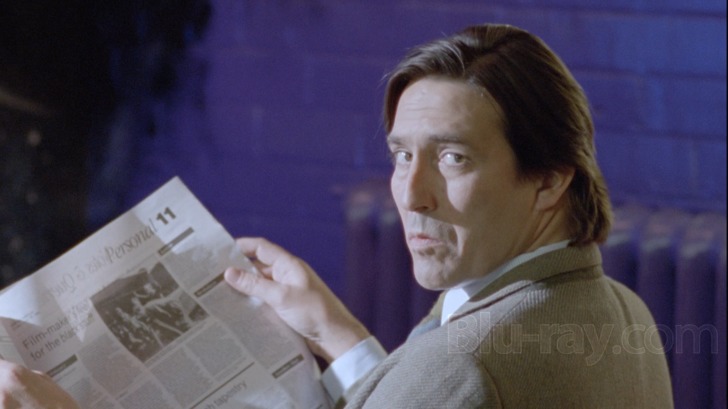
  • Ciarán Hinds, one of my favorite character actors (Tinker Tailor Soldier Spy, Rome, Game of Thrones, Harry Potter and the Deathly Hollows).
  • Peter Capaldi, playing a drag queen before his Doctor Who.
  • Mark Strong, before his string of popular action pictures.
David Thewlis in PRIME SUSPECT

binging PRIME SUSPECT and Helen Mirren’s Jane Tennison

Helen Mirren in PRIME SUSPECT

Prime Suspect, the perfect Labor Day weekend binge, pairs one of cinema’s greatest actresses, Helen Mirren, with one of the most compelling characters ever on episodic television, Detective Jane Tennison. At once a sensational crime show and a high brow character study, the seven seasons of Prime Suspect follow a female protagonist over fifteen years.

Prime Suspect is a set of nine separate stories over 25 hours. Jane Tennison’s career spans from Chief Detective Inspector to Superintendent to Chief Superintendent. The episodes were created between 1991 and 20O5, and Helen Mirren herself ages from 46 to 60 in the role.

The core of Prime Suspect is the character of Jane Tennison, forged by writer Lynda La Plante and Mirren. Jane is a driven woman, in a career that ranges from when women cops were unwelcome novelties to more politically correct times. In the entire span, Jane is, at best, barely tolerated.

Jane gives as well as she gets. She can force her superiors to promote her by using the same heavy-handed methods they use to suppress her.

Indeed, each Prime Suspect story has multiple threads of conflict. There is, of course, Jane against the criminal she is trying to catch. At the same time, Jane is being distracted and hampered by forces inside her own department. And Jane is in a constant battle to hold herself together amid overbearing stress.

Jane Tennison is a solitary figure, alone with her demons. She faces the daily challenges to her career survival and advancement with an ever-prickly demeanor.

Jane is a person of overwhelming ambition. In the very first season, it’s clear that she cannot advance by being pleasant and waiting her turn. She recognizes that sometimes she has to be unpleasant, and she will need to seize advancement at other’s expense; (in season 3, she receives a critical favor from a peer and then swipes his dream job).

Jane Tennison is also a fully sexual Woman of a Certain Age, but career rock stars like Jane can’t have it all. Her obsession with career leaves a trail of relationship carnage. At one point, Jane has fallen in love with the one man who gets her and adores her, but she has learned about herself and about life and…

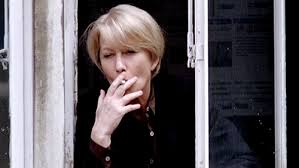
And there’s always too much stress. Jane smokes too much and drinks too much. In Prime Suspect 3, her jaw is constantly pounding away on nicotine gum. In one later episode, she drops into her neighborhood market to buy four microwaveable frozen dinners and two fifths of whisky.

At first, Jane faces the most open and unapologetic misogyny, which evolves in later episodes into more veiled and insidious sexism. Being a flawed feminist hero is complicated. As the series evolves, Jane herself discriminates against a subordinate who is parenting. And she is betrayed by a female protege and, later, fights being forced out to pasture by a gender-integrated set of bosses.

Prime Suspect is always topical. Besides the ever-present sexism, the stories touch on race, abortion, postpartum depression, AIDS, sex work and pedophilia.

Most of the Prime Suspect plots are serial killer whodunits, and one story turns on whether she got it wrong in solving her breakthrough case. In one story, we know the culprit right away, but Jane is a race against the clock to prevent further victims.

In an astounding performance, Mirren grips us each time she fiercely deflects yet another indignity, as she waves her hand through her hair when she needs a reset from a setback and as her eyes reveal that she is connecting the dots. Her entire body coils in frustration and stiffens in insubordination. It’s a tour de force.

Between seasons of Prime Suspect, Helen Mirren was compiling an imposing body of work: The Madness of King George, Gosford Park and her Oscar-winning Elizabeth II in The Queen.

I believe that Mirren’s Jane ranks, with James Gandolfini’s run as Tony Soprano, as one of the greatest in episodic dramas. I’m guessing that Mirren was on screen for over twenty hours of Prime Suspect and that Gandolfini was on screen as Tony Sopranos for about 35 of The Sopranos‘ 86 hours. Of course, Prime Suspect’s Jane Tennison is distinguished from most episodic protagonists by being female and by aging fifteen years.

Mirren is surrounded by two generations of the best British actors. For tomorrow, I’ve also written PRIME SUSPECT: the supporting performances.

This is one of the best and most entertaining episodic series ever on television. All seven series of Prime Suspect can be streamed from Amazon (included with Prime).

COUP 53: uncovering what we suspected

COUP 53. Courtesy of Coup 53.

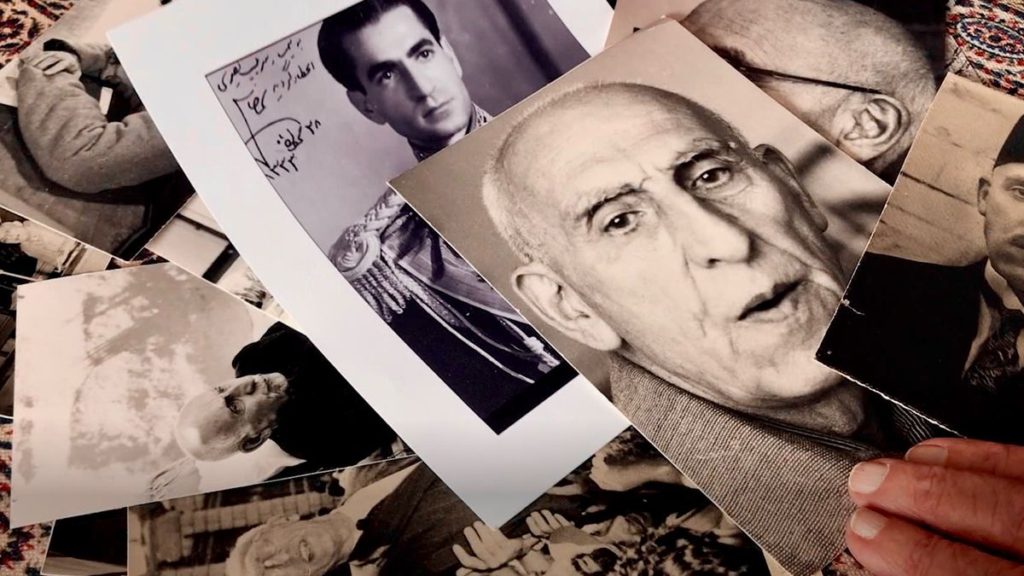
The Cold War espionage documentary Coup 53 brings astounding new source material to the history of the 1953 coup which replaced the democratically elected Premier of Iran, Mohammad Mosaddegh, with the Shah.

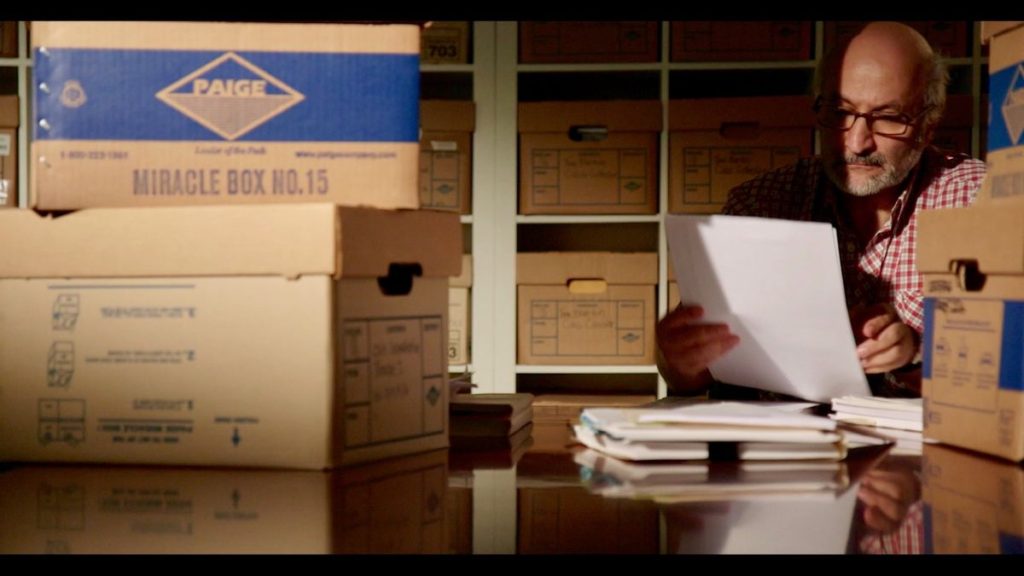
The key to the success of Coup 53 is that filmmaker Taghi Amirani uncovered troves of never-before seen source material. Amirani brings us oral histories of Iranian witnesses to the coup, including a play-by-play from Mosaddegh’s head of security. He adds a video interview with the last surviving Iranian coup plotter, an especially cadaverous and repugnant individual. There are also boxes of more recently-declassified CIA documents.

COUP 53. Courtesy of Coup 53

But, most essential are the tapes and transcripts of interviews for a 1970s BBC documentary. The testimony of Norman Darbyshire, the British spy who masterminded the coup, was cut from the BBC doc, but Amirani found an uncensored transcript. Ingeniously, Coup 53 reconstructs Darbyshire’s interview in the same room in London’s Savoy Hotel, with the same camera operator present (!) and actor Ralph Fiennes reciting Darbyshire’s actual words.

Why did Darbyshire spill the beans? He may have resented that CIA agent Kermit Roosevelt (TR’s grandson) exaggerated his role as a last minute bag man, when Darbyshire had laid the groundwork for years and was the real instigator.

Although the UK’s involvement has never been officially acknowledged by the UK government, everyone has known about it for decades. There’s even a clip in Coup 53 of Richard Nixon explaining it on TV in the 1970s or 1980s. But this is very personal to Taghi Amirani, and he puts great import on the smoking gun – an interview with the British spy who designed and directed the coup.

Although I think that Amirani oversells the proof of British involvement, there is is lot of exciting new stuff for the moderately informed rest of us. For example, we get a deeper-than-usual dive into Mohammad Mosaddegh himself, a man many of us have only seen as a victim of Western over-reaction to communism. We also learn that:

  • Harry Truman opposed the regime change, but newbie President Ike was persuaded by Wall Street’s Dulles brothers to green light the coup.
  • The CIA was walking away after an initial coup failure.
  • After the UK did the dirty work, the US got the most influence with the Shah, and, with Israel’s help, set up the Shah’s brutal and hated secret police, the Savak.

From Mosaddegh’s nephew, we learn about Mosaddegh’s final years under house arrest, his last secret joyride through Tehran and his unusual dining room burial.

There’s one stunning What If moment – revolutionary Iranian President Abolhassan Banisadr explains that after the first coup attempt failed, Mosaddegh had the list of all the coup plotters. Had he executed them all immediately, there would have been no coup in 1953, no revolution and Hostage Crisis in 1978 and today Iran would be a stable, 70-year-old Muslim democracy in the Middle East.

Coup 53 is directed by Taghi Amirani and its editor, Walter Murch. The Iran-born and UK-educated Amirani is the researcher and on-camera interviewer. Murch is probably our greatest living film editor and the person who invented the entire field of movie sound design in the 1970s.

Coup 53 is available to stream on Virtual Cinema; I watched it at the Roxie.

Movies to See Right Now (at home)

Mina Farid and Zahia Dehar in AN EASY GIRL

This week: two female-written, European coming of age films, The August Virgin and An Easy Girl, are still the top recommendations, but there’s also a powerful WWII doc and a film that is a morbid horror comedy with flecks of sci-fi and surrealism.

ON VIDEO

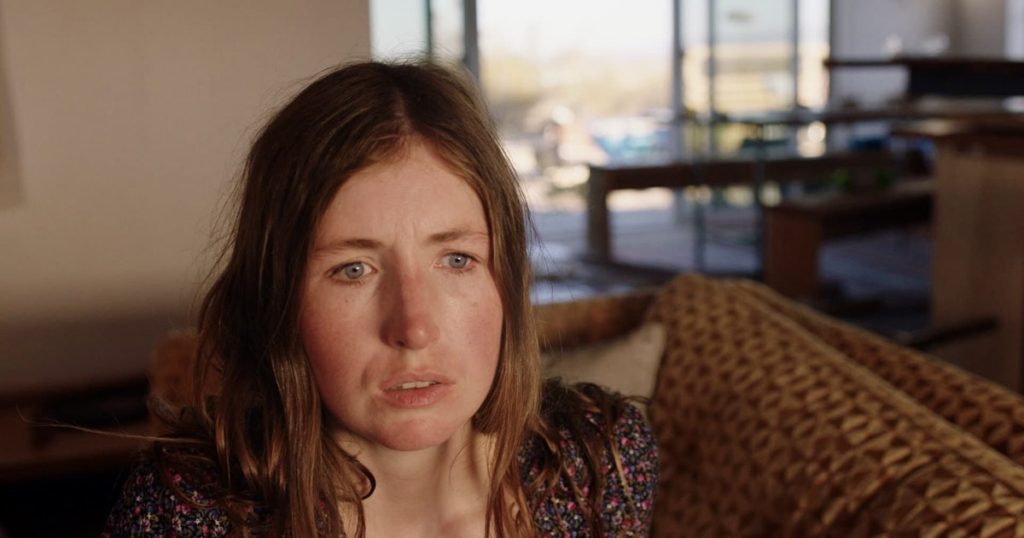
Kate Lyn Sheil in SHE DIES TOMORROW

She Dies Tomorrow: This completely original fable from writer-director Amy Seifetz bounces between absurdism, sci-fi, dark comedy and horror. It’s streaming on all the major platforms.

Apocalypse ’45: Never-before-seen color film and the memories of survivors bring to life the grisly final two years of WWII in the Pacific. Apocalypse ’45 is now streaming (I watched it at the Pruneyard Cinemas). It will premiere on the Discovery Channel on Labor Day weekend.

The August Virgin: In the best movie of summer 2020, a young woman switches up Madrid neighborhoods to mix things up in her life. It’s a lovely and genuine story of self-invention, and it’s on my list of Best Movies of 2020 – So Far. The August Virgin is streaming on Virtual Cinemas, like San Rafael’s Rafael or Laemmle’s in LA.

An Easy Girl: A 16-year-old girl is introduced to her 22-year-old cousin’s Eurotrash lifestyle and learns about life; written by its female director, it doesn’t go as you would expect. An Easy Girl is a NYT Critic’s Pick, and it is streaming on Netflix.

The most eclectic watch-at-home recommendations you’ll find ANYWHERE:

ON TV

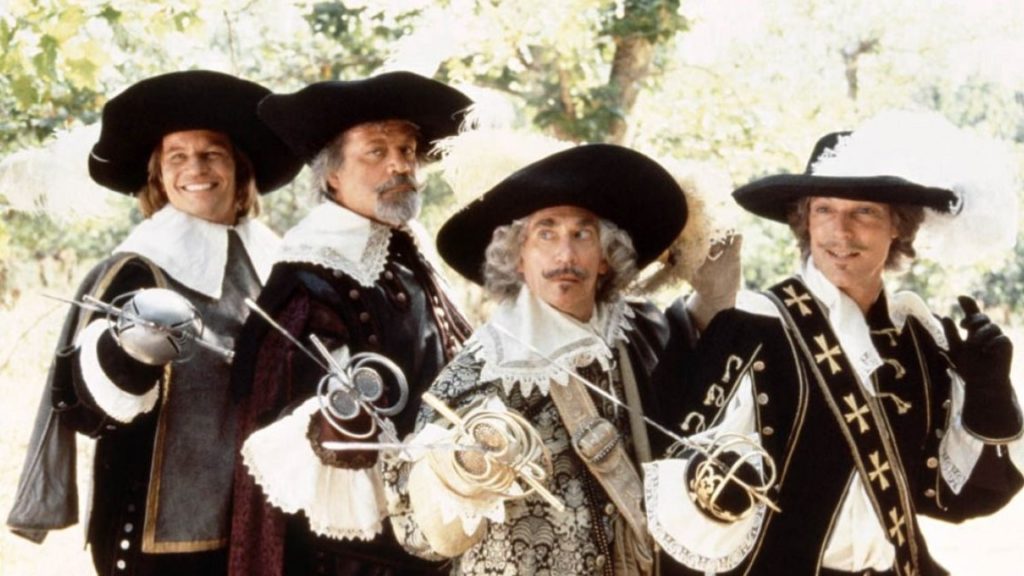
Michael York, Oliver Reed, Richard Chamberlain and Frank Finlay in THE THREE MUSKETEERS

On August 30, Turner Classic Movies is Richard Lester’s boisterous The Three Musketeers from 1973. Watch Oliver Reed, Richard Chamberlain, Michael York and Frank Finlay swashbuckle away against Bad Guys Christopher Lee, Faye Dunaway and Charlton Heston. Geraldine Chaplin and Raquel Welch adorn the action. [If you like it, you can stream the second volume, The Four Musketeers, from Criterion Collection, Amazon, YouTube and Google Play; it was filmed in the same shoot and released the next year.]

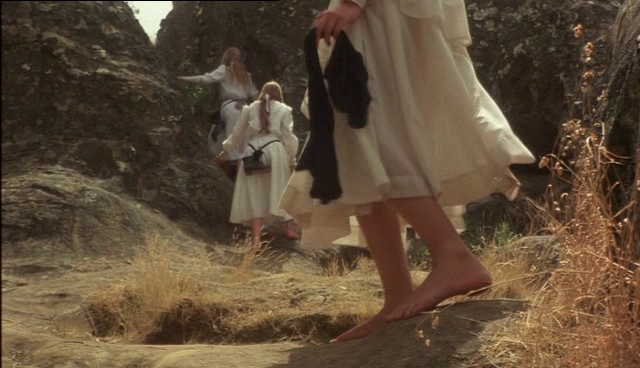
And, if you like your movies more complex and mysterious, tune in to Turner Classic Movies on September 3 for the enigmatic Picnic at Hanging Rock (1975) by Australian filmmaker Peter Weir. An Australian girls school goes on an outing to a striking geological formation – and some of the girls and a teacher disappear. What happened to them? It’s beautiful and hypnotic and haunting. It’s a film masterpiece, but if you can’t handle ambiguous endings – this ain’t for you.

Weir has gone on to make high quality hits (The Year of Living Dangerously, Witness, Dead Poets Society, The Truman Show, Master and Commander), but Picnic at Hanging Rock – the movie that he made at age 31 – is his most original work.

PICNIC AT HANGING ROCK

APOCALYPSE ’45: I never visualized hell being that bad

APOCALYPSE ’45

The powerful documentary Apocalypse ’45 takes never-before-seen footage of WWII action and blends it into an experience that brings new insights to familiar history.

Apocalypse ’45 takes on the war in the Pacific in 1944 and 1945; the Japanese military knew that its defeat was inevitable, and their strategy was to avoid unconditional surrender by making its price to the Americans too painful. What happened was horrible, and filmmaker Erik Nelson helps us appreciate that with his spare construction – Apocalypse ’45 is essentially three elements – the film itself, the voice over by survivors and starkly evocative titles.

First, Nelson selected from 700 reels of archival film from the National Archive, digitally restored in 4K. It’s in color, and that makes a huge difference to those of us who have to be reminded that WWII was not fought in black and white.

The color and the 4K restoration makes these events look like we were living through them, too, and humanizes the people in the film, making them more relatable. The feeling for the audience is similar to what Peter Jackson’s They Shall Not Grow Old did for those who fought WWI. The somber fatalism of Marines in landing craft and the joyous relief of sailors and Marines in victory parades are palpable.

The shipboard footage of kamikaze attacks and the pilot’s eye views of strafing missions are breathtaking. The footage of a morass with a movie clapboard “Route 1 Okinawa Mud” helps us understand the challenges of moving an army through muck, even without enemy fire.

A few nonagenarians and centenarians have still survived WWII, and Nelson adds their memories in voice overs. Their reflections are unvarnished, and some of the Marines’ views of the Japanese adversaries are hard to hear. But the overall effect is an understanding of how awful this was:

  • About the planned invasion of Japan: “We didn’t think that the war would end before 1949.”
  • About the use of flamethrowers: “The smell was terribleThey could run (on fire) about 20 yards and that was it.”
  • War is hell, but I never visualized hell being that bad.”
  • In the amazing account of a Hiroshima atomic bomb survivor: “That’s when everything blew up.”

Nelson ties together the footage and the testimonies with stark white-on-black titles, all the more chilling by their matter of factness. About the liberation of the Philippines): “100,000 civilians and the entire defending Japanese Army were killed” (and, indeed, 93% of the 350,000 Japanese soldiers and sailors died). About the fire bombing of Tokyo: 100,000 Japanese civilians were incinerated.

Nelson’s titles tell how the US manufactured enough Purple Heart medals for the invasion of Japan, based on American casualties in the conquest of Okinawa. After the surrender, those Purple Heart medals were warehoused – and the stockpile has been sufficient to supply every American conflict since 1945.

As Apocalypse ’45 begins, it may seem like a regular WW II documentary with some new imagery, but it becomes more and more powerful as the images, personal testimonies and narrative titles have their effect.

Apocalypse ’45 is now streaming on Virtual Cinema and eventive; I watched it at the Pruneyard Cinemas. It will premiere on the Discovery Channel on Labor Day weekend.