the art house comes to your home

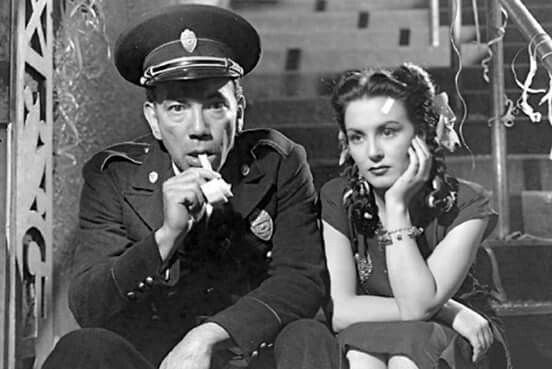
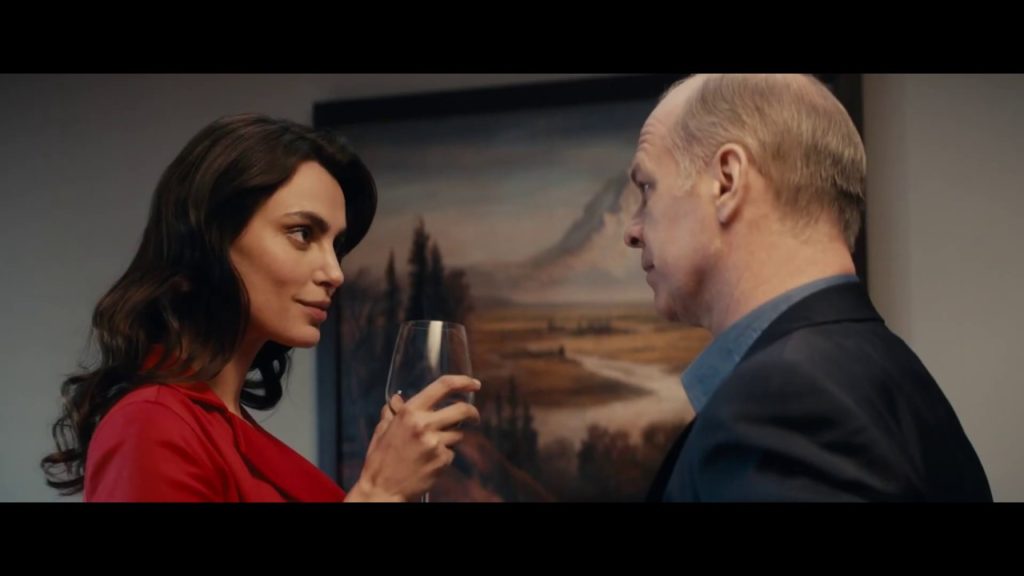
THE WHISTLERS, which I watched at the Roxie Virtual Cinema

Independent films are still here, even though we can’t go to the art house theater in the Age of COVID. Not all the top acclaimed indies can be streamed right away from the major VOD services, but you watch them now at home on platforms like Virtual Cinema. Expect to pay $8-10; yes, that’s more than the $5-7 you pay at Amazon and iTunes, but it’s often the only source, and your ticket purchase supports your own local art house theater.

I’ve been watching movies from San Francisco’s Roxie Virtual Cinema. Since the COVID lockdown, I’ve seen The Wild Goose Lake, The Whistlers, Ella Fitzgerald: Just One of Those Things, Mr. Topaze and You Don’t Nomi at the Roxie.

If you want to support a Silicon Valley theater, the Pruneyard Cinemas has just launched its own Pruneyard Virtual Cinemas through eventive.

Notably, the Laemmle Theaters in Los Angeles has jumped in, too. In my book, this is the best art house chain in the US, and a whopping 32 films are now available to stream from its Laemmle Virtual Cinema.

Other indie films are being distributed on Theatrical-at-home. That’s where I watched The 11th Green.

I’m not planning to go to a real indoor movie theater anytime soon. Some film festivals and film society film series are pivoting to on-line screening, with uneven success. Right now, the best bet is Virtual Cinema at your own own favorite theater.
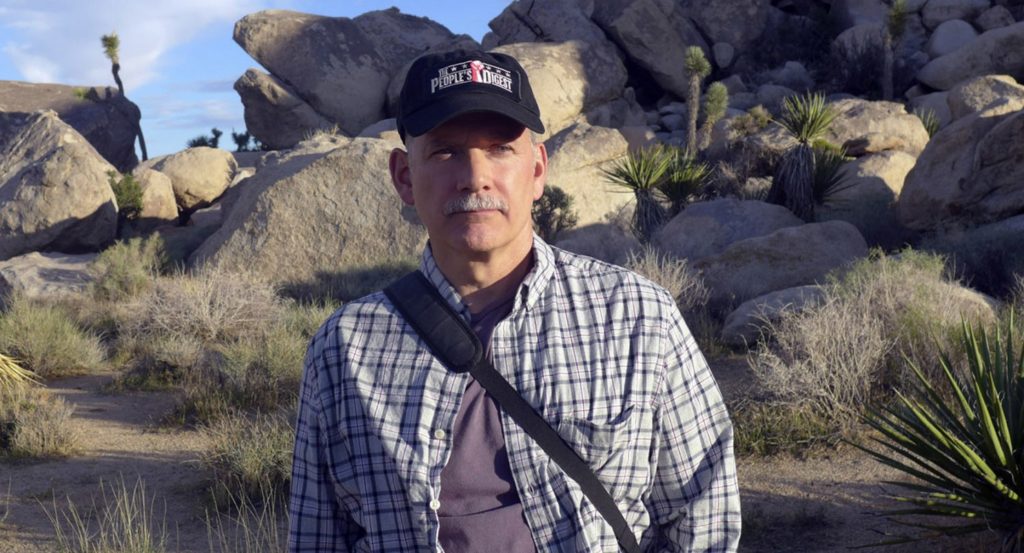
THE 11TH GREEN, which I watched on Theatrical-at-home

farewell to John Saxon

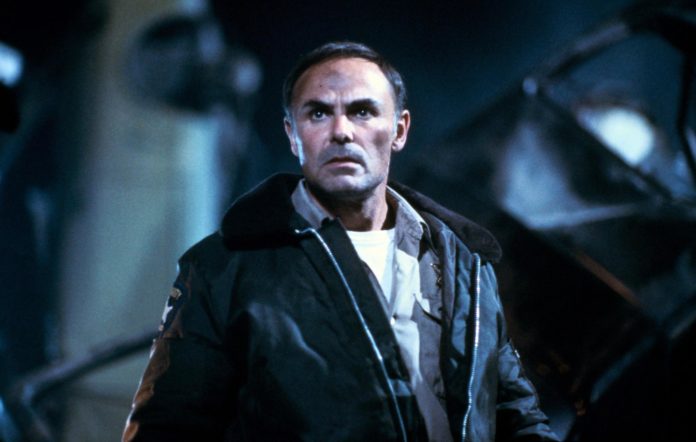
John Saxon in A NIGHTMARE ON ELM STREET 3: DREAM WARRIORS

Versatile. Prolific. Intense. Such was the late actor John Saxon, who amassed over 200 screen credits, mostly on TV. Saxon was the handsome, swarthy, character actor who you would come to recognize when he showed up on Dr. Kildare, The Fantastic Journey, Mary Tyler Moore Show, Ironside or Murder, She Wrote. Saxon’s ethnic ambiguity (he was an Italian-American from Brooklyn, born Carmine Orrico) led him to play lots of Latinx roles – and an Israeli general in Raid on Entebbe.

Saxon appeared five times over ten seasons of Gunsmoke, playing guys named Gristy Calhoun, Pedro Manez, Virgil Stanley, Dingo and Carl Stram, Jr., and in 32 episodes of Falcon Crest (plus Dynasty and Melrose Place).

In 1976 ALONE, Saxon appeared on The Rockford Files, The Bionic Woman, The Six Million Dollar Man, Starsky and Hutch and Wonder Woman, acted in seven movies. and starred in the miniseries Once an Eagle.

Saxon’s best known movie roles were as Jackie Chan’s martial arts buddy Roper in Enter the Dragon (Saxon had already studied karate for years) and as police Lieutenant Don Thompson, who repeatedly battled Freddy Kreuger in the Nightmare on Elm Street franchise.

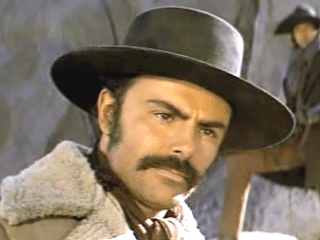
Saxon was always reliable, but he could handle quality roles when he got them. One was in an obscure Korean War film, War Hunt (1962), where Saxon played the psycho killer in the platoon, and another was in the Clint Eastwood western Joe Kidd (1972), where Saxon played Mexican revolutionary Luis Chama.

John Saxon in JOE KIDD

Remembering John Lewis

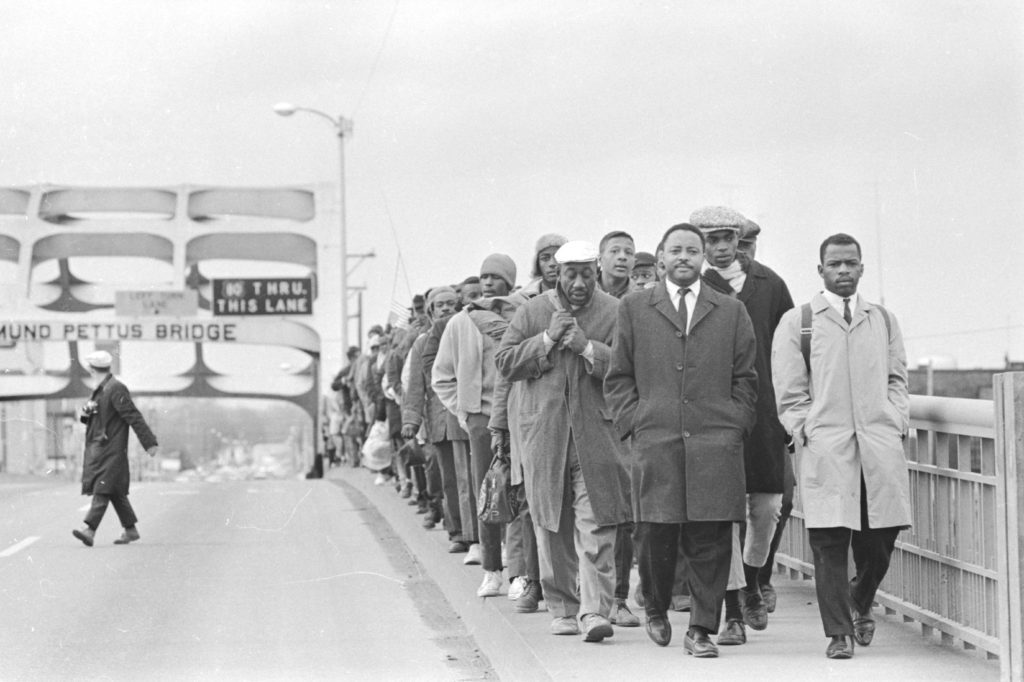
John Lewis (on far right) in JOHN LEWIS: GOOD TROUBLE. Courtesy of Magnolia Pictures.

John Lewis, that most profoundly American of American heroes, has died at age 80. Released just nine days ago, the documentary John Lewis: Good Trouble traces the life of the civil rights icon.  I usually don’t buy reverential biodocs, but when the subject is a freaking saint, I guess you have to go with it.  The rest of the title comes from Lewis’ mantra – if you see injustice, make good trouble, necessary trouble

US Representative John Lewis, of course, was a real hero.  As a very young man in 1965, he had been leading efforts to register Blacks to vote in Selma, Alabama, including a peaceful march to the State Capitol in Montgomery.  On March 7, 1965, the march got as far as the Edmund Pettus Bridge on the outskirts of Selma when they were attached by local law enforcement and Ku Klux Klan members under the command of Sheriff Jim Clark.  Lewis was in the very first rank and was beaten, shedding his own blood on “Bloody Sunday”.  Two subsequent marches on the bridge and the LBJ speech that followed led directly to the Voting Rights Act of 1964, the most important civil rights legislation since 1867. 

In John Lewis: Good Trouble, we see footage from the Edmund Pettus Bridge.  We see a young John Lewis being beaten in 1965, and we see an elderly Lewis in an anniversary march with President Barack Obama and former Presidents Bill Clinton and George W. Bush.

John Lewis: Good Trouble is well-sourced by director Dawn Porter, even though only a few of Lewis’ contemporaries survive.  When the first Black president was elected, Lewis says he wept for JFK, RFK, Dr. King and the others who hadn’t lived to see it.  Fortunately, Lewis had sisters still alive who participated in the documentary.

We get an inside glimpse at Lewis’ childhood.  We get to see Lewis watching footage of himself at a pivotal Nashville sit-in that he had “never seen”.  And, this intimate portrait shows us some dry Lewis humor and some impressive octogenarian dance moves.

How did Lewis get to Congress?  John Lewis: Good Trouble shows us the race against his longtime friend and fellow Civil Rights icon Julian Bond. My day job is in politics, and I understand that, to win, you have to do what you have to do to win; others may find this episode bracing and unsettling. 

 John Lewis: Good Trouble is an insightful view of a man and of a critical point in American history.  You can stream it on Amazon, iTunes, Vudu, YouTube and Google Play.

tonight on PBS – RECORDER: THE MARION STOKES PROJECT: it seemed crazy at the time…

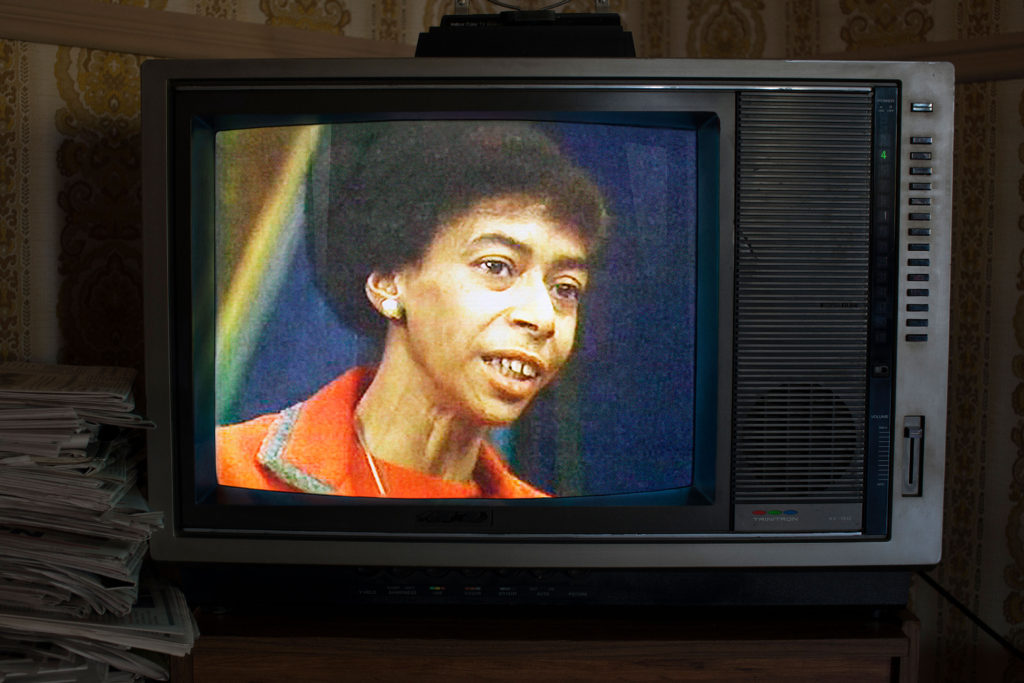
Marion Stokes in RECORDER: THE MARION STOKES PROJECT, directed by Matt Wolf. Photo credit: Eileen Emond and courtesy of Zeitgeist Films.

Tonight, the excellent documentary Recorder: The Marion Stokes Project will air on PBS Independent Lens. It will be available to stream for free from PBS through July 14 here. I also recommend this PBS interview with Director Matt Wolf.

If you miss it on PBS, you can pay to stream it on Amazon, iTunes, Vudu, YouTube and Google Play.

Ennio Morricone

Ennio Morricone, one of the greatest movie music composers (and perhaps the most iconic) has died. Among his 519 composing credits, he is most known for his groundbreaking scores in the Sergio Leone/Clint Eastwood Spaghetti Western trilogy: A Fistful of Dollars, For a Few Dollars More and The Good, the Bad and the Ugly.

He won an Oscar for The Hateful 8 in 2015. Although his score was excellent, it referred to his earlier, entirely original work, and this was probably a well-deserved “career achievement” award.

Morricone’s work was ever aspirational, seemingly seeking to become iconic. It takes fearlessness to incorporate whistling, gunshots, chanting men’s choirs, the Jew’s Harp, and what the New York Times calls the “bizarre, wailing “ah-ee-ah-ee-ah,” played on a sweet potato-shaped wind instrument called an ocarina“. Morricone didn’t believe in understatement.

Leone earned his first credit in 1960 and wrote the startlingly original Fistful in 1964 at age 36. His music defined the genre of Spaghetti Western as much as did Sergio Leone’s grotesques and closeups. Along with Leone’s great The Man with No Name trilogy, Leona composed for Once Upon a Time in the West and 2 Mules for Sister Sara. His trademark music elevated well over ten Spaghetti Westerns, including the lesser Seven Guns for theMacGregors, Navajo Joe, The Great Silence, My Name Is Nobody, and Duck You Sucker (and I’ve seem ’em all).

Besides the spaghetti westerns, Morricone composed the scores of The Battle of Algiers, 1900 Once Upon a Time in America, La Cage aux Folles and Cinema Paradiso. He was still working in 2020 at age 91.

I particularly admire his score for the 1986 historical drama The Mission. In the video below, Morricone himself conducts a symphony orchestra playing the theme from The Mission. In the story, an 18th Century Jesuit (Robert DeNiro) tries to Christianize an indigenous tribe in Paraguay (and it doesn’t end well). At 3:15, a flute reflects the indigenous culture and, at 5:30, a massive choir brings in the gravitas.

a tribute to Carl Reiner: THE RUSSIANS ARE COMING! THE RUSSIANS ARE COMING!

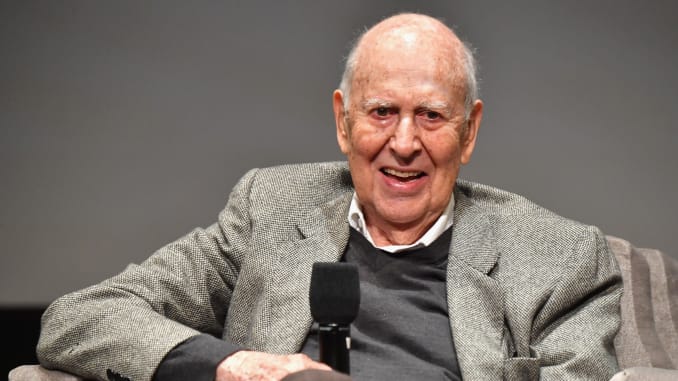
comedy legend Carl Reiner

No one has been more important in the evolution of American comedy than Carl Reiner, who has died at age 98. Reiner was a writer and performer on Sid Caesar’s seminal Your Show of Shows. He created one of the greatest and most influential TV sitcoms, The Dick Van Dyke Show. Reiner was the comedy partner who helped Mel Brooks form his work. And he directed four Steve Martin comedies. Reiner was the third person awarded the Mark Twain Prize for American Humor.

Active to the end, Reiner was playing Saul Bloom in the Ocean’s 11 franchise into his late eighties and voiced Carl Reineroceros in last year’s Toy Story 4. In recent years, he also Tweeted some pointed and wickedly funny anti-Trump video commentaries.

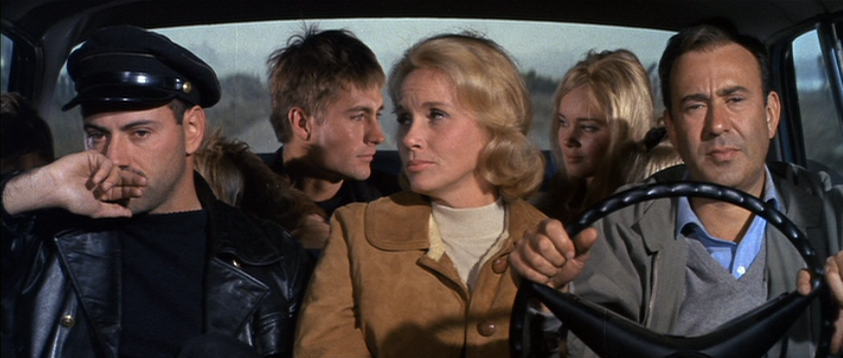
Alan Arkin, Eva Marie Saint and Carl Reiner in THE RUSSIANS ARE COMING! THE RUSSIANS ARE COMING!

Reiner starred in one of my favorite movie comedies – the still timely satire on the Duck and Cover Era, the 1966 The Russians Are Coming! The Russians Are Coming!.  At the height of the Cold War, a Soviet nuclear submarine runs aground and is trapped just off a tiny New England coastal village, and the crew sends a party ashore to heist a boat. The landing party encounters a vacationing American family and the two groups must work together to find a solution to help the sub escape without igniting World War III.

The superb cast includes Carl Reiner, Eva Marie Saint, Jonathan Winters and Alan Arkin in his breakthrough performance. Although it primarily satirizes the paranoia of the Cold War, there are plenty of laughs sparked by small town New England, family dynamics, teen love and the recurring joke of the town drunk with his reluctant horse.

The message that demonizing “Others” leads to no good, especially resonates in this moment of American and human history.

I rewatch The Russians Are Coming! every other year or so, and it still holds up.  Besides showing regularly on Turner Classic Movies, The Russians Are Coming! The Russians Are Coming! is also available streaming from Amazon and Vudu (and on DVD from Netflix).

Stream of the week: SHORT TERM 12 – what a cast!

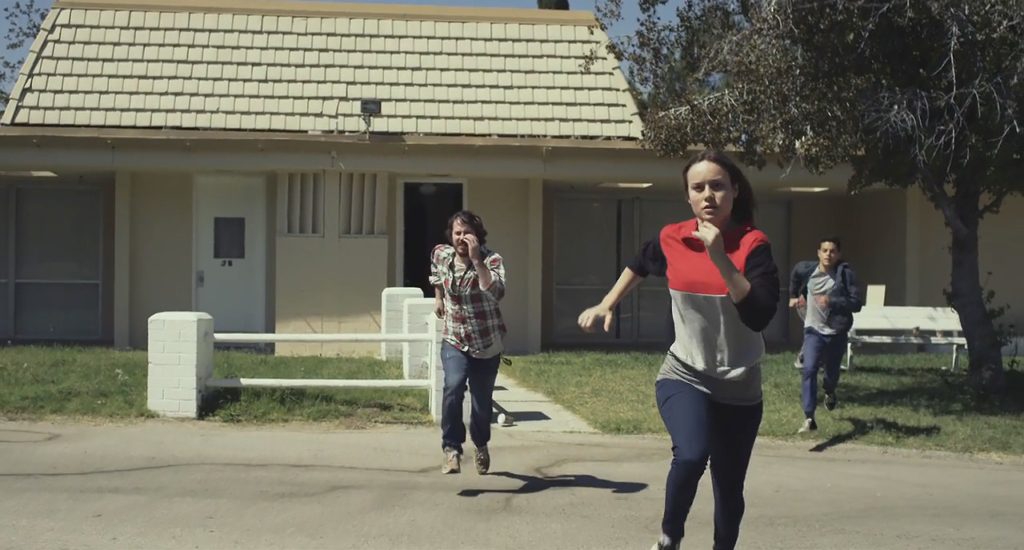
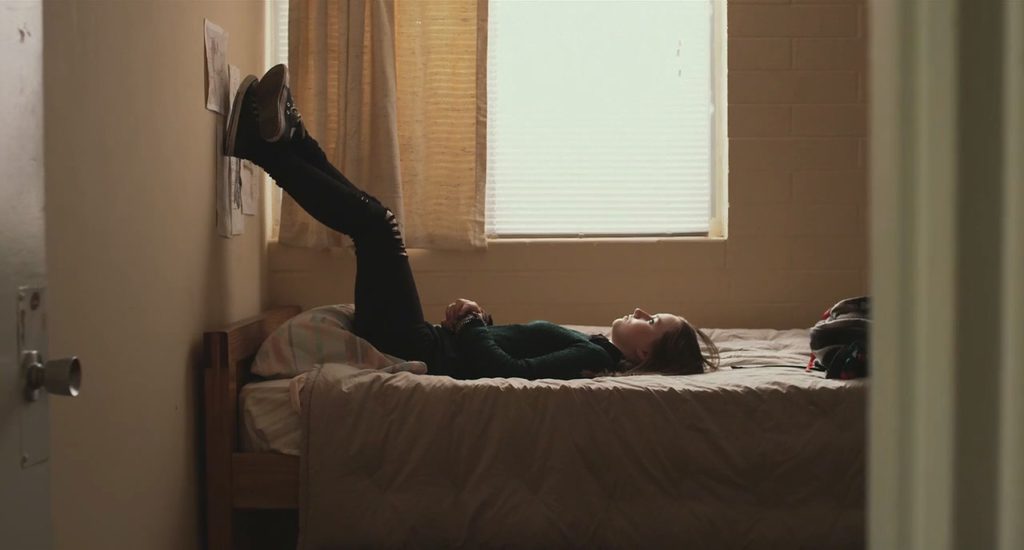
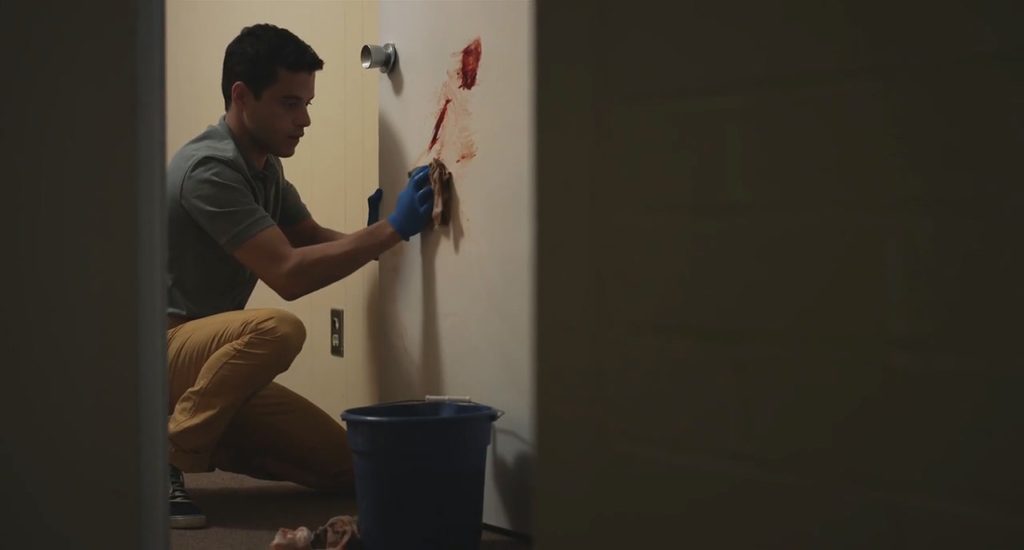
John Gallagher Jr.,, Brie Larson and Rami Malek in SHORT TERM 12

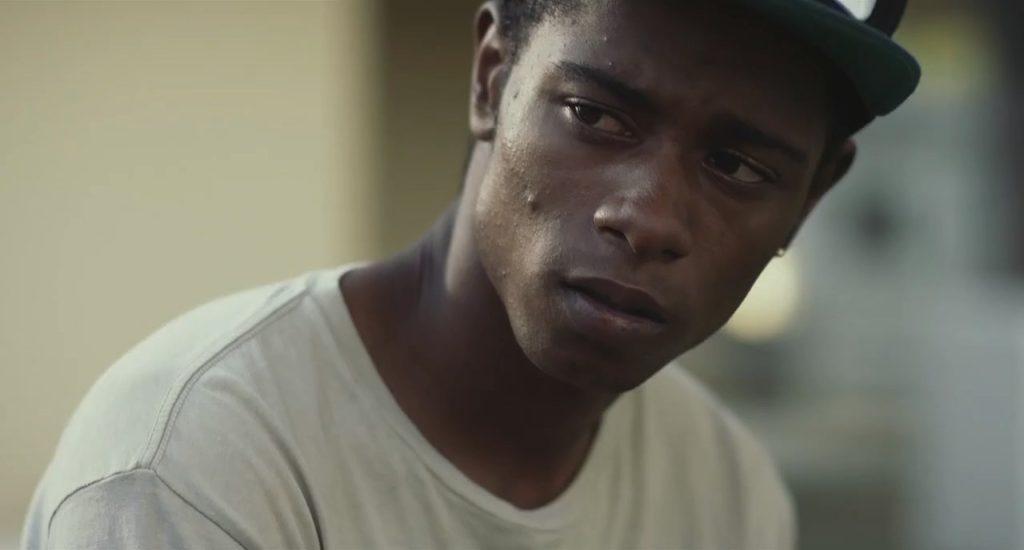
My video pick this week is Short Term 12 because of its cast of then-emerging actors – Brie Larson, Kaitlyn Dever, LaKeith Stanfield, Rami Malek and John Gallagher Jr. – all before they became stars.

Here’s my original review of Short Term 12, which was high on my Best Movies of 2013.

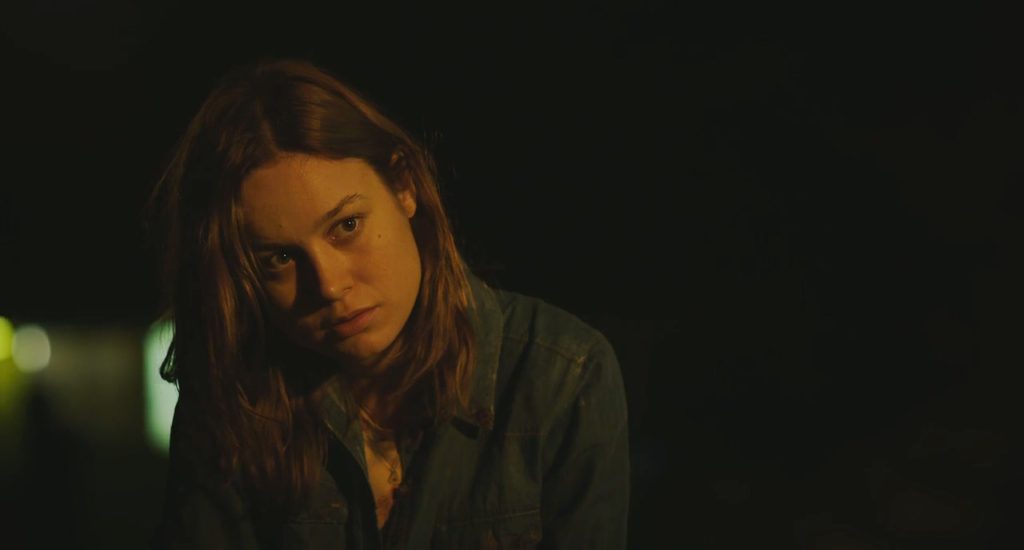
Brie Larson

The Sacramento-born Brie Larson had a substantial career as a child actor – 19 screen credits before she turned 18, including 22 episodes of TV’s Raising Dad. As a young adult, she led up to Short Term 12 with superb supporting performances in The United States of Tara, Rampart and The Spectacular Now. Short Term 12 was the showcase for her capacity to carry a movie as an adult.

Still only 31, Larson has a Best Actress Oscar for Room and is printing herself money as Captain America. Larson has also made The Glass Castle and Just Mercy for Short Term 12 director Destin Daniel Cretton.

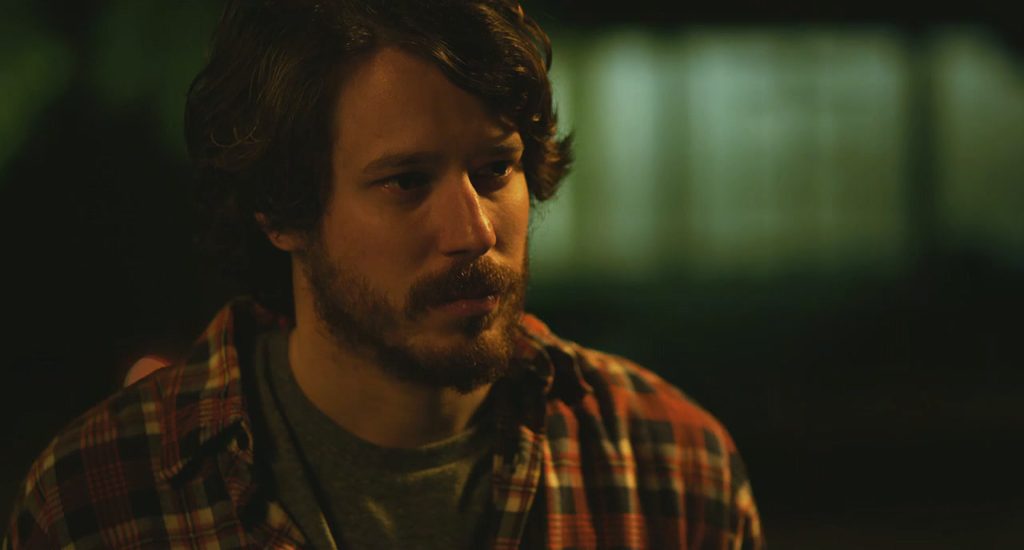
John Gallagher, Jr.

John Gallagher Jr., had delivered an achingly vulnerable performance in Margaret in 2005, but had the misfortune the film not being released until 2011 (and then barely at all) becuse of turmoil between writer-director Kenneth Lonergan and the studio. Gallagher is best know for the relatable Jim Harper in The Newsroom.

Kaitlyn Dever

Kaitlyn Dever just starred in Booksmart and was Golden Globe-nominated for Unbelievable. We got to see her grow up from age 15 to 19 as Loretta McCready in Justified. She had a great run of indies in 2013/2014 (The Spectacular Now, Short Term 12, Laggies), She’s still only 23.

LaKeith Stanfield

Short Term 12 was LaKeith Stanfield’s first feature. That got him in Selma. Stanfield was in two of the best recent films, Sorry to Bother You and Uncut Gems.

Rami Malek

Rami Malek, of course, won last year’s Best Actor Oscar for Bohemian Rhapsody.

Short Term 12 is available to be streamed from all the usual platforms.

COVID-19 and the movies in 2020

BEFORE THE FIRE: a flu pandemic movie premiering at Cinequest. Photo courtesy of Cinequest.

In the current health environment, it is not a good idea to sit shoulder-to-shoulder with an auditorium full of strangers for two hours. (And it’s not a good idea to stand in line with folks before the movie, either.) The Movie Gourmet sees about 250 movies each year, including about 100 in theaters, and I recommend that you help suppress the community transmission of COVID-19 by staying away from movie theaters for a while.

Cinequest has been suspended, with its second week to resume in mid-August. (Ironically, the best American film in this year’s fCinequest is Before the Fire, in which the plot is triggered by a flu pandemic).

This month’s SXSW has already been cancelled, and I expect April’s San Francisco International Film Festival to cancel or postpone.

On Thursday night I did see a film at Cinequest, but I knew that it was going to draw a crowd of no more than 300 in an 1100 seat theater. Instead of waiting in line, I waited until everyone else was seated and then slipped into a section of unoccupied seats so no other patron was within 15 feet of me. There are a couple of promising films coming out soon that I’ve been waiting months to see (The Whistlers and The Wild Goose Lake). I’m probably going to use the same strategy and see them at a sparsely-attended weekday matinee.

But I’m generally going to be STAYING AWAY from movie theaters for a couple months – but not staying way from movies themselves. Fortunately, there are plenty of good movies to watch on video at home. I think that The Movie Gourmet will be emphasizing video choices until this pandemic peaks. Safety first.

KIRK DOUGLAS: icon of explosive virility

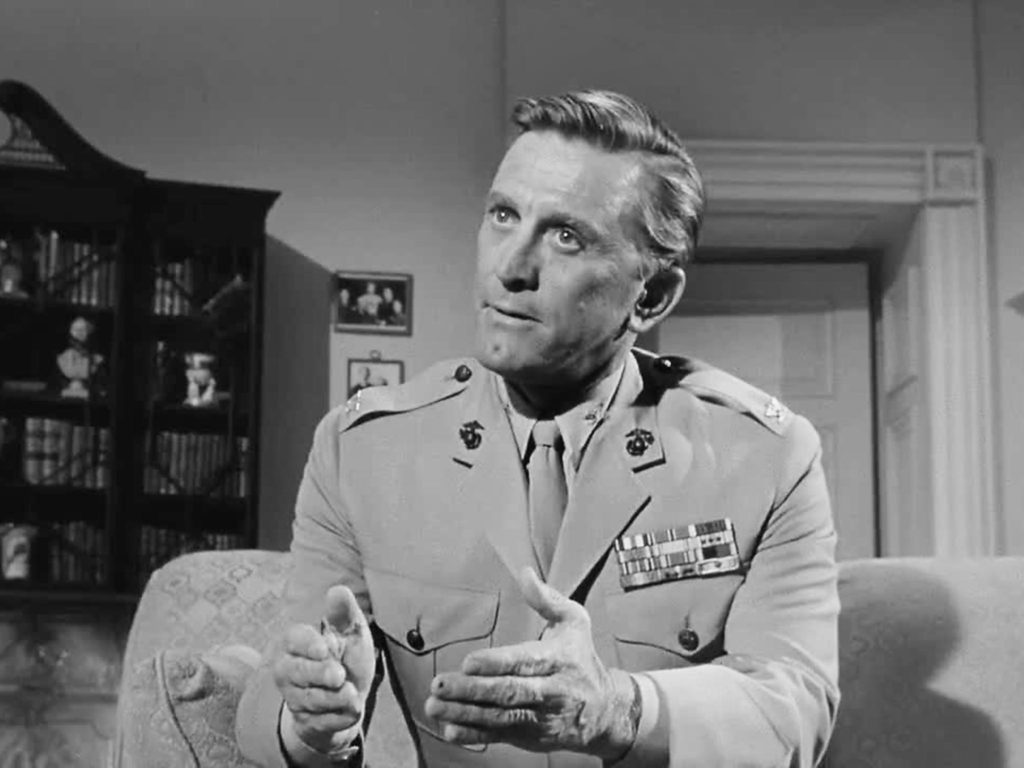
Kirk Douglas in SEVEN DAYS IN MAY

Kirk Douglas has died at age 103, having outlived his co-stars John Wayne, Burt Lancaster, Ava Gardner, Barbara Stanwyck, Henry Fonda, Anthony Quinn, Laurence Olivier, Lana Turner, Robert Mitchum, Dick Powell, Gloria Grahame, Jean Simmons, Tony Curtis, Fredric March and Patricia Neal.

Douglas’ distinctive talent was the intensity and power that he could project. He was an icon of explosive virility. It seemed that ferocity was always about to erupt from his buffed chest and piercing eyes. This was one dangerous dude.

Douglas was recruited from the New York stage for The Strange Love of Martha Ivers in 1946, and followed it with Out of the Past, a masterpiece of film noir. Those performances soon got him leading roles that took advantage of his ability to be sexy and despicable at the same time – the news media noir Ace in the Hole and the showbiz noir The Bad and the Beautiful.

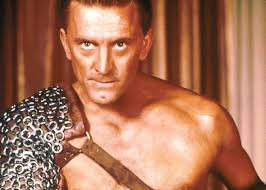
As a pioneering indie producer, Douglas made – and starred in – the blockbuster epic Spartacus. His decision to openly credit screenwriter Dalton Trumbo helped to end the Hollywood blacklist (and also it really helped that Spartacus was a massive financial success).

Along with Spartacus and Ace in the Hole, my two favorite Kirk Douglas performances came in the 1960s:

  • Seven Days in May (1964): In this political thriller, Douglas showd his range by playing a profoundly decent man, for whom “patriotic” meant “devoted, dutiful and loyal to the nation’s principles”, not “jingoistic”.
  • In Harm’s Way (1965): Douglas dominates this star-studded WW II epic, playing a heroic guy who does something really, really bad and then seeks to redeem himself with an act of sacrifice.

Douglas filled Spartacus, Ulysses and The Vikings with shirtless virile charisma. There’s really nothing to The Vikings except for action adventure (and a scary contact lens for Kirk), but it’s been a guilty pleasure of mine since the first time it played on TV.

Kirk Douglas in SPARTACUS

NOIR CITY’S fiesta of Mexican noir

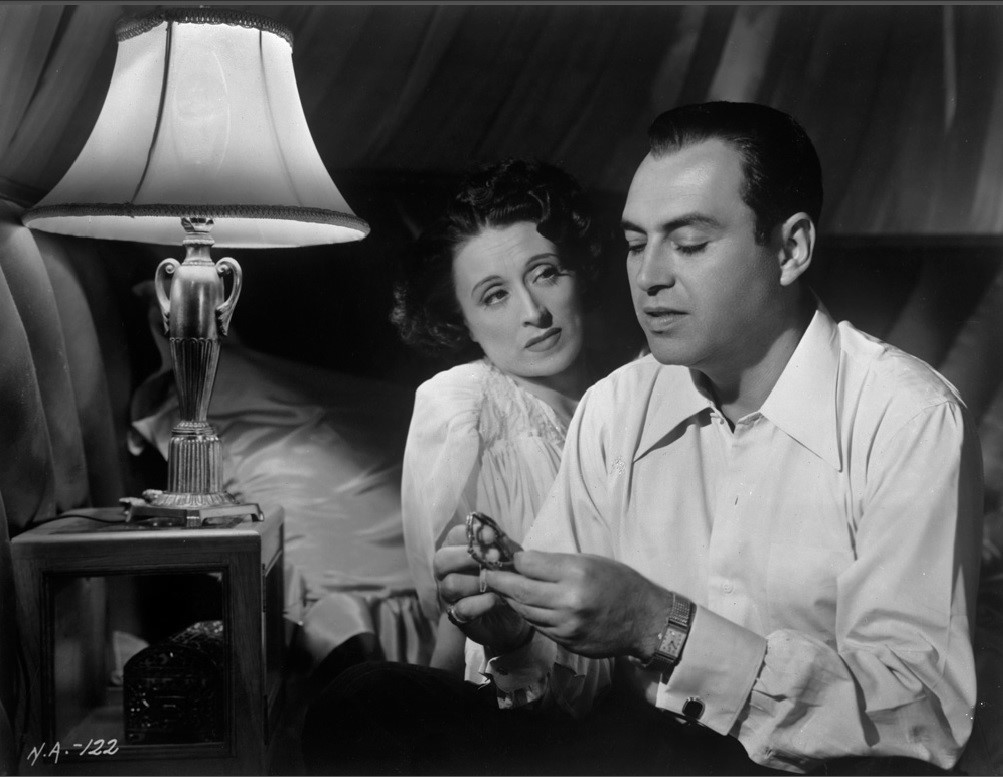
Anita Blanch and Pedro Armendáriz in NIGHT FALLS (LA NOCHE AVANZA)

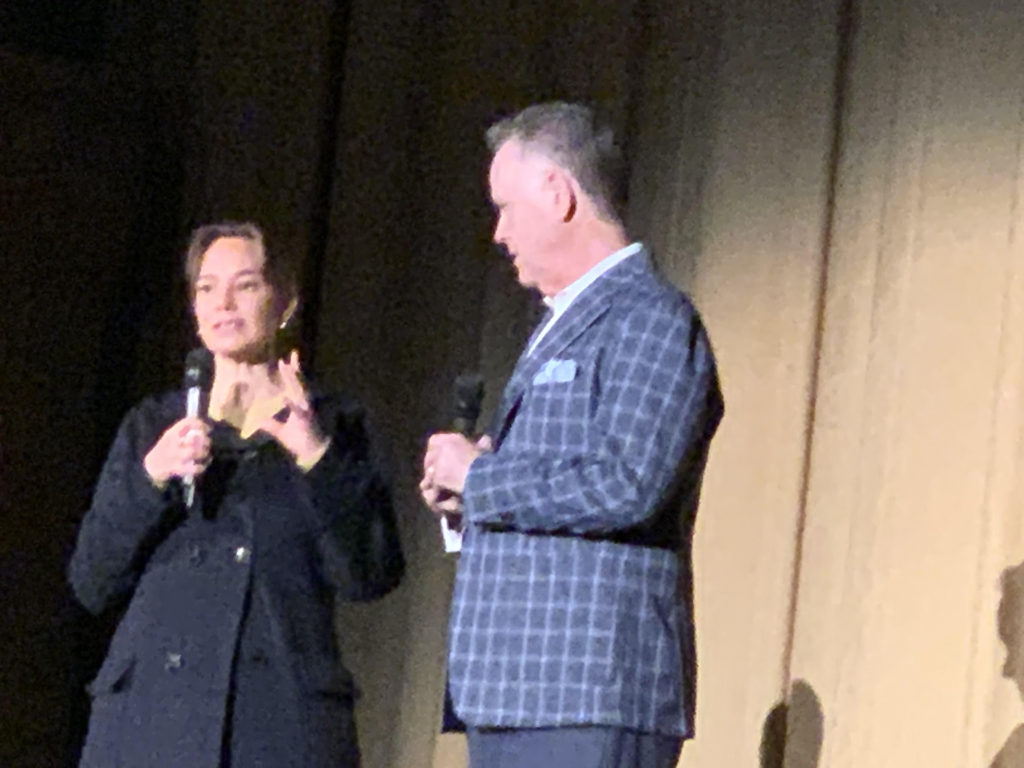
This year’s Noir City had an international theme and was highlighted by an all day noirathon of four, count ’em, FOUR classics from a storied era in Mexican cinema. This Fiesta of Mexican Noir was hosted by the Film Noir Foundation’s Eddie Muller and Daniela Michel, an expert preservationist and historian of Mexican cinema and the founder and Director General of the Morelia International Film Festival.

Michel presented films by all three of the pillars of the Golden Age of Mexican cinema – Julio Bracho, Emilio Fernandez, and the Mexican director most identified with noir – or cine negro – Roberto Gavaldón.

Daniela Michel and Eddie Muller

Here’s the program:

  • In the deliriously entertaining Night Falls (La Noche Avanza) (1952), Pedro Armendáriz plays a ladykiller who treats his women horribly – and is begging for a noirish downfall. Night Falls was directed by Roberto Gavaldón, the Mexican director most well-known for film noir. In a uniquely Mexican touch of noir torture, waterboarding is performed with tequila. Stay to the end for for cinema’s act of greatest canine revenge.
  • Julio Bracho’s Another Dawn (Distinto Amancer) (1943) is a paranoid thriller about a heroic labor organizer (Pedro Armendáriz again) who has the evidence to expose corruption by the PRI, Mexico’s ruling party for 70 years.
  • In Bracho’s Twilight (Crepusculo) (1945), a surgeon is tormented by an obsession, and then by guilt. When former lovers – now married to others – are isolated together in a weekend house party during a thunderstorm, it’s inevitable this concentrated passion, obsession and betrayal is going to explode.
  • Salón México(1949) is an unusual contemporary noir directed by Emilio Fernandez, more often known for movies with rural and historical settings, Salon Mexico is a cabaretera, a uniquely Mexican genre about a woman with a heart of gold (Marga López here) who is forced by poverty to work as a singer in a sketchy nightspot or even as a prostitute. It’s also a time capsule of 1949 Mexico City.

Follow the links for my commentary on the films, images and where to find them.

Miguel Inclán and Marga López in SALON MEXICO