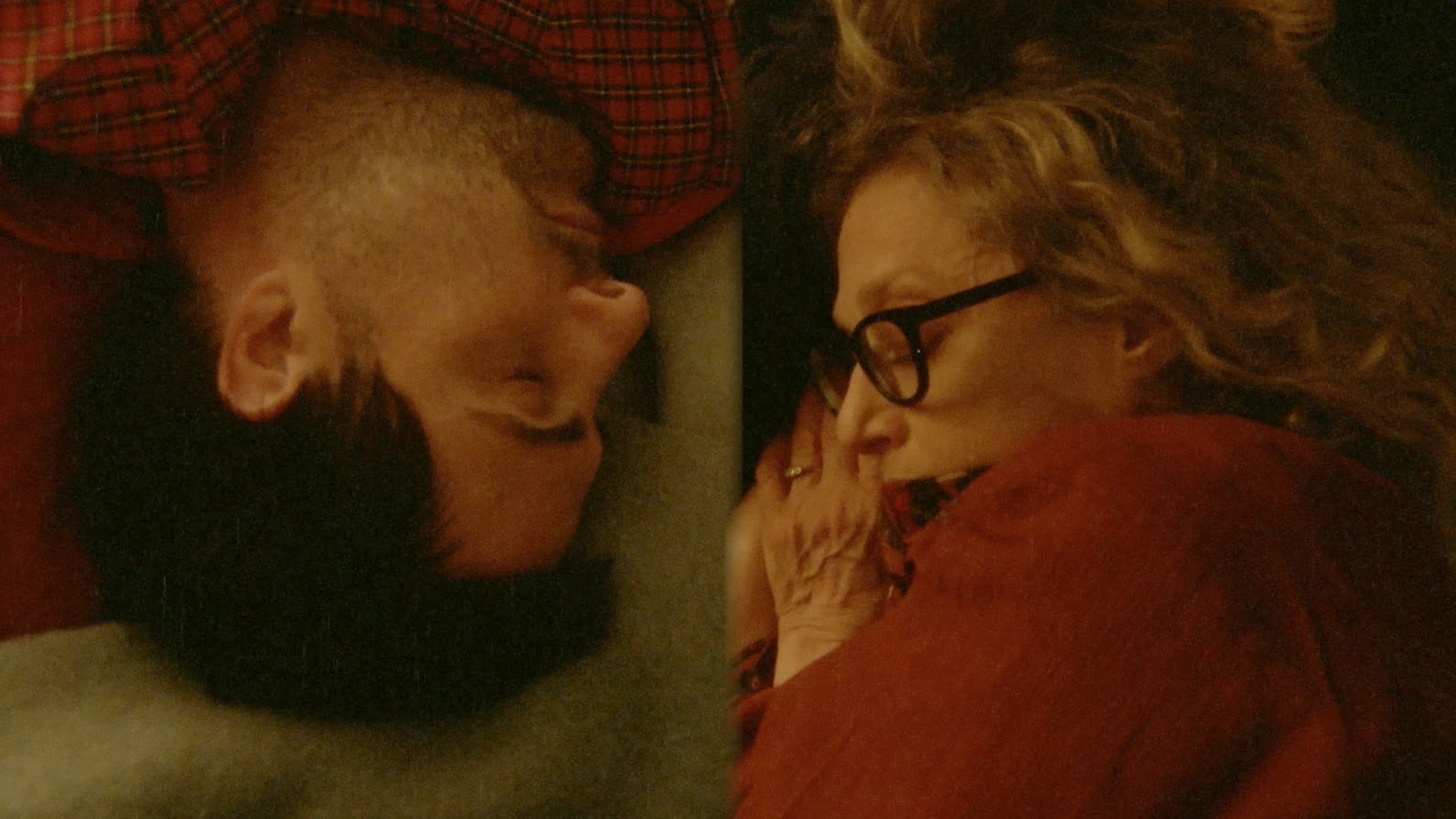
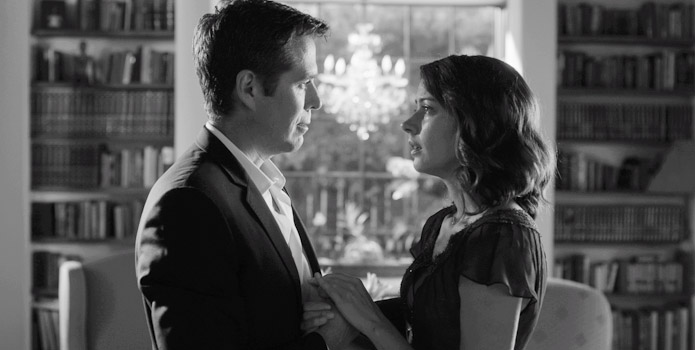
In Nathan Silver’s comedy Between the Temples:, Jason Schwartzman plays a cantor whose wife’s death the year before has plunged him into despair; he is so paralyzed by depression, he has even lost his ability to sing. He has a chance meeting with his childhood music teacher (Carol Kane), now a retired widow.
Despite her age and his resistance, she insists on joining the bat mitzvah class he teaches at the temple. She’s a force of nature and may have enough gusto to overcome his angst. As their friendship evolves, will it bring him out of his funk?
Between the Temples is co-written by C. Mason Wells and director Nathan Silver. There are plenty of chuckles arising from Schwartzman’s character trying to neutralize his former teacher’s tsunami of will. And there are LOL moments from Madeleine Weinstein’s hilarious turn as as the rabbi’s lovelorn daughter Gabby.
Kane is excellent, and so is Dolly De Leon, who stole Triangle of Sadness, sparkles as a relentlessly determined Jewish mother. The prolific comedy writer Robert Smigel appears as the rabbi.
I screened Between the Temples for this year’s San Francisco Jewish Film Festival; Between the Temples opens in Northern California theaters this weekend.
The coming of age dramedy Didi explores that moment of maximum awkwardness and intensity for boys – the summer before entering high school. Their universe is their peers, and their desperation to be accepted and to avoid embarrassment is overwhelming. At the same time, raging testosterone seems to be crowding out the ability to think.
Didi is set at that moment (2008?) when teenagers were migrating from Myspace to Facebook. Chris Wang (Izaak Wang) lives with his older sister, their mom and his dad’s elderly mother in the Silicon Valley suburb of Fremont; the dad is away on a tech job in Taiwan. The mom (Joan Chen) has her hands full running the household by herself, and her would-be career as a fine arts painter is just not happening.
There’s a lot of immaturity in our world, but little is as obnoxious as that of a 14-year-old boy. Chris plunges ahead brashly, with a social clumsiness that is remarkable even for a young teen male. .
He is fascinated by a girl, but his best friend accurately observes that “you have zero game“. Chris also identifies what he thinks is a short cut to popularity, as a skate board filmer, but without any of the requisite preparation. He doubles down on a series of postures. One of the funniest aspects of Didi is Chris’ gift for telling pathetically naked lies that will inevitably be exposed.
Not only do Chris’ poses fail to work, he self-isolates and self-humiliates. He is going to have to learn whether he can accept who he is and is not, whether his sister is his ally instead of his antagonist, and whether his mother has something to offer besides meal preparation.
Didi features another stunning performance by Joan Chen as a mom absolutely beaten down by household drudgery, her ungrateful kids, and relentless criticism from mother-in-law. Through most of the film, the character is an emotional pinata, but Chen finishes the story with moments of searing humanity.
Didi is the first narrative feature written and directed by documentarian Sean Wang, who was nominated for an Oscar last year for his short film Nai Ni and Wai Po. Wang brings us into a teen milieu with unsurpassed authenticity.
Note: As a Bay Area native, I was confused by the Wang family home being in Fremont, but Chris starting to attending Fremont High, which is twenty miles away in Sunnyvale; that’s a dumb-down for the non-Bay Area audience. Writer-director Sean Wang himself grew up Taiwanese-American in Fremont and attended Irvington High.
Photo caption. Jodie Comer and Austin Butler in THE BIKERIDERS. Courtesy of Focus Features.
This week on The Movie Gourmet – a new review of last year’s overlooked neo-noir The Little Things, which is worth streaming for Denzel Washington’s performance. Note that Thelma, Ghostlight, Daddio and Sorry/Not Sorryare already streaming. The Bikeriders, which has been streaming for couple weeks, is included in a Peacock subscription. Plus, scroll down for a rarity, my recommendation of a sexy silent film.
REMEMBRANCE
Gena Rowlands, Oscar-nominated as best actress for Gloria and A Woman Under the Influence, had a gift for authentic and wrenching performances. I also liked her in lighter fare like Minnie and Moskowitz and Night on Earth. She was the director John Cassavetes’ wife, muse and leading lady.
CURRENT MOVIES
Thelma: too proud to be taken. Amazon, AppleTV, YouTube, Fandango.
Perfect Days: intentional contentment. Amazon, AppleTV, YouTube, Fandango, Hulu (included).
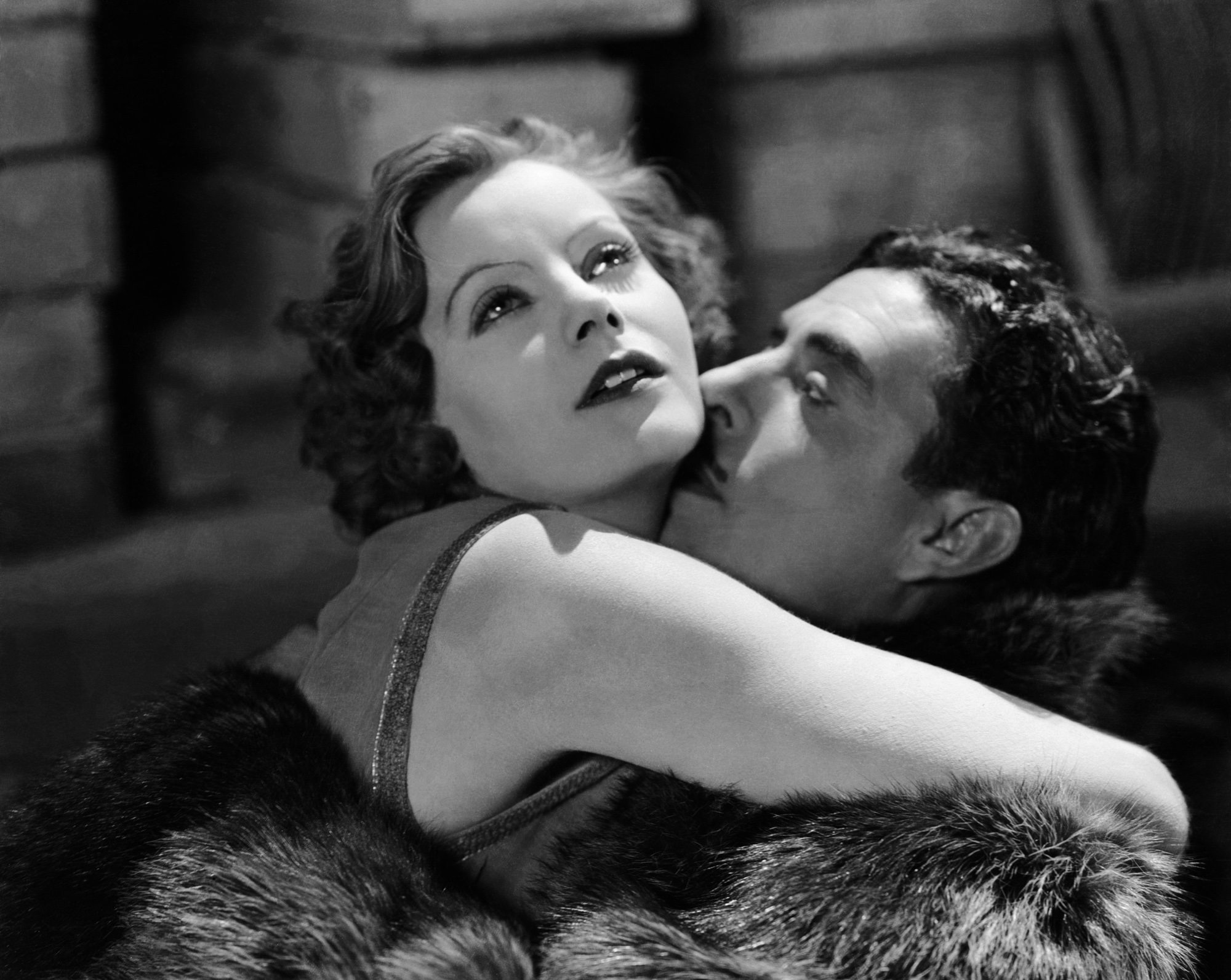
Greta Garbo and John Gilbert in FLESH AND THE DEVIL
I rarely, rarely recommend silent dramas, because today’s general audiences find them too stilted to enjoy, and I don’t push “eat your broccoli” movies on folks. But, on August 19, Turner Classic Movies will present the 1926 Flesh and the Devil, and it’s a good chance to see what the stardom of Greta Garbo was all about, as well as pre-Code Hollywood sexuality.
Flesh and the Devil was made in Garbo’s first year in Hollywood and was her breakthrough star-making role in the US. She plays Felicitas, a woman who enjoy making men loooong for her. In her seduction of the righteous young limitary officer Leo (John Gilbert), she shoots him a come hither look even while kneeling for communion in church. She accepts his offer of a dance and immediately flops into his arms with predatory intent, quickly leading him outside into the dark where they can be alone; things move rapidly to a post-coital smoke. Reportedly, this is cinema’s first horizontal love scene and its first closeup of an open-mouth kiss.
At filming, Garbo was 21 and Gilbert 26 (but he looks over 30). Gilbert had dreamy looks, expressive eyes and perfect comic timing; he was a naturalistic actor – unusually so for the silent era – and he would have probably been a top talent in today’s cinema. The couple’s steamy chemistry in Flesh and the Devil was real; they moved in together before the shooting wrapped. Their enthusiasm during the filming of the bear rug scene so embarrassed director Clarence Brown that he did not call “cut”; the crew just crept out of the studio.
Flesh and the Devil also includes an excellent character performance by George Fawcett as Pastor Voss, a character who oddly smokes a cigar in his pipe. Fawcett was 65 but had already made 107 silents films.
Photo caption: Denzel Washington in THE LITTLE THINGS. Courtesy of Warner Bro. Pictures.
I finally caught up with caught up with the neo-noir crime procedural The Little Things on Netflix, and it’s much better than I expected. I had skipped it until now because, upon its 2021 release, it disappointed critics who were eagerly awaiting this neo-noir with Oscar-winners Denzel Washington, Rami Malek and Jared Leto. Its Metacritic rating is a middling 54. True, it’s no David Fincher or Martin Scorsese movie (or even a John Dahl movie) but, compared to the other noirish crime procedurals that you could be streaming (and I watch scores of them), it’s pretty good.
Denzel plays Joe Deacon, who is a deputy sheriff in Kern County, not an exalted position in law enforcement. We learn that Deacon used to be a crack detective in Los Angeles County, but something happened that caused him to leave that department. A Kern County departmental errand takes him back to his old stomping grounds in LA, where some old-timers greet him warmly and some warily. There’s a murder that bears resemblance to an unsolved serial killer case that still obsesses Deacon and the young up-and-coming detective Jimmy (Rami Malek) invites him to help.
The two hash through clues, augmented by Deacon’s institutional memory and his hunches. After some wrong turns, the evidence hints at a primary suspect, Albert Sparma (Jared Leto). Yes, it’s a whodunit, but the real story is about how the earlier unsolved case broke Deacon emotionally, and whether this unsolved case will do the same to Jimmy. Late in the film, there is a reveal of the moment that devastated Deacon. I loved the ending, which is about whether Deacon can find a way to save Jimmy.
Denzel Washington elevates any material and that’s the case here. Nobody does a profoundly sad and very masculine man as well as Denzel. There’s a scene where he drops by and greets his ex-wife which is wrenching, all because of the heartbreak in his eyes. Plenty of actors can portray an emotionally tortured character in a showy performance (think Nic Cage), but Denzel, in an utterly contained performance, can make us understand how a man who is doing everything to conceal his pain, is really shattered to the core.
Malek, whom I have never warmed to, is as reptilian as usual, contrasting oddly with his character’s suburban poolside family.
Jared Leto in THE LITTLE THINGS. Courtesy of Warner Bro. Pictures.
Leto does creepy magnificently, and his Albert Sparma has an especially twisted menace about him.
The Little Things was written and directed by John Lee Hancock, who directs better movies that others write (The Rookie, Saving Mr. Banks, The Founder) than the ones he writes (The Alamo, The Blind Side, Midnight in the Garden of Good and Evil). The Little Things is a bit too long at 2:08.
Still, Denzel’s performance and the ending make The Little Things a worthwhile watch for fans of neo-noir and of crime procedurals. The Little Things is included with Netflix and Max subscriptions and rentable from Amazon, AppleTV, VUDU and YouTube.
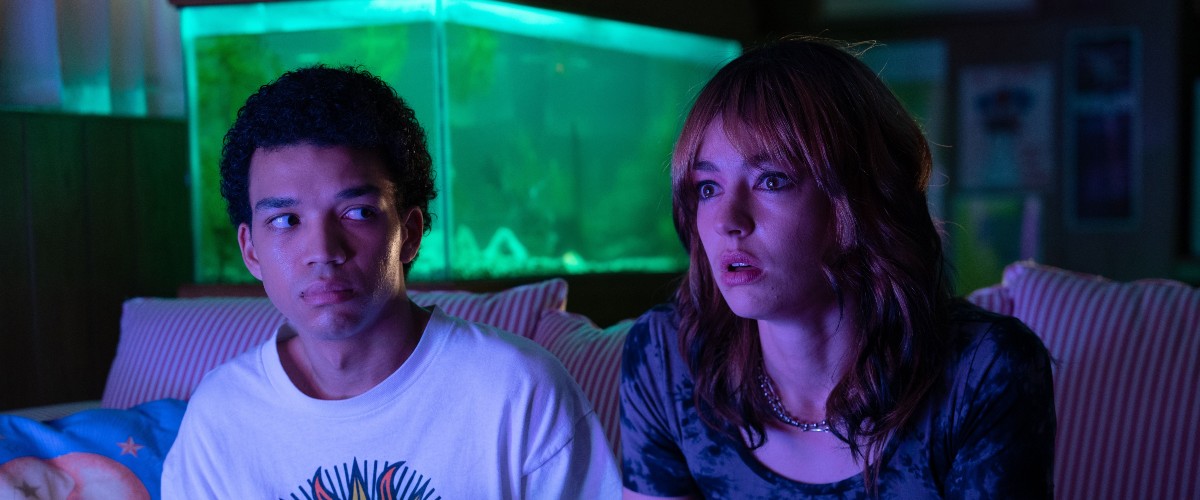
Photo caption: Justice Smith and Bridgette Lundy-Payne in I SAW THE TV GLOW. Courtesy of A24.
This week on The Movie Gourmet – a new review of the Norman Mailer biodoc How to Come Alive.
Note: The wonderful family drama Ghostlight can now be streamed from Amazon, AppleTV, YouTube and Fandango (included). The Bikeriders, Jeff Nichol’s engrossing exploration of the culture of a 1960s Midwestern motorcycle gang and its (unfortunate) evolution, can also be streamed. In fact, all SEVEN of my Best Movies of 2024 – So Far can now be watched at home.
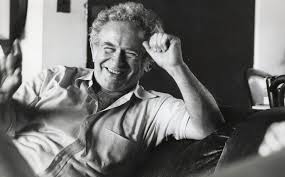
Photo caption: Norman Mailer in HOW TO COME ALIVE. Courtesy of Zeitgeist Films.
The superbly crafted biodoc How to Come Alive with Norman Mailer reveals a generational literary talent who managed to be immensely successful, all while addicted to turmoil of his own making.
Of course, How to Come Alive reminds us Mailer’s prodigious talent. This was a writer who published his first best seller, the definitive WW II novel, at age 25. He won a Pulitizer Prize for a novel he published at age 45 and another Pulitzer for an even more groundbreaking work at age 56. Yet that rare gift of being recognized in his own time as America’s greatest novelist wasn’t enough for Mailer.
Mailer both wondered at and crassly exploited his own celebrity. He picked public fights of all kinds whenever he could – the feuds of a public intellectual and the fisticuffs of a barroom bully. He drank immense quantites of alcohol and used uppers and downers simultaneously. His interior demons were so intense that, drunk and raging at a humiliation, he stabbed his wife. No wonder the film is taglined a cautionary tale.
Mailer went through six wives and produced nine children. This brilliantly sourced doc draws from interviews with Mailer’s sister and from at least six of his kids, who tell us about Mailer and about their mothers. And we hear lots about Mailer from Mailer himself, who seemingly never passed a microphone or a camera without discussing himself, his ideas and his behavior. “I am a narcissist…I love shocking people.”
While chronicling Mailer’s life more or less in chronological sequence, director Jeff Zimbalist and co-writer Victoria Marquette ingeniously structured How to Come Alive around Mailer’s own guiding principles. These topical chapters effectively introduce us to the paradoxical aspects of Mailer’s persona. Zimbalist and his editor Alannah Byrnes deliver one of the best edited films of any genre this year; they present their talking heads without lingering on any of them and keep us mesmerized with a firehose barrage of images and clips.
Mailer’s boorish and conceited behavior would be tiresome if not rooted in so many diverse aspects of his character. Sometimes he was genuine, throwing down on one of his intellectual principles. Sometimes he was posing to get attention. And sometimes, he was just out of control (as in wife-stabbing).
Certainly, his running for Mayor of New York, his organizing an anti-war march on the Pentagon, his running for Mayor again and his producing, directing and starring in a film about his own fantsy alter ego, were all vanity projects. If he were serious about his purported outcomes, he wouldn’t have put himself at the forefront.
Why is someone a serial provocateur and constantly oppositional? Is there pleasure in goading a reaction from others? Is it about defying conventions, discomfiting the comfortable? Is it about positioning himself as superior to others?
Mailer was one helluva piece of work, which How to Come Alive makes clear:
Mailer’s ambition in declaring, “I want to write the great novel of WW II” BEFORE he saw any combat, let alone wrote about it. Who does that?
The notorious “feminist debate” in which Mailer squared off against the leading feminist thinkers and leaders of his time. I didn’t expect the mutual respect between Mailer and the feminists. It’s pretty funny, and there’s one howling moment at Mailer’s expense.
And then there’s the most stunning sequence in How to Come Alive – while filming Mailer’s self-indulgent art film Maidstone, a demented Rip Torn, in the ultimate method acting, decides that the story demands that he assassinate Mailer’s character; Torn then tries to kill Mailer (really kill him) with a hammer as the camera rolls, all in front of Mailer’s real life family. Torn’s visage is maniacal, and some serious drugs had to be involved here. The video is disturbing, as are the recollections of Mailer’s traumatized children.
Mailer was a person who, above all, rejected safety; that turned his life into a high wire act without a net, and, in How to Come Alive, Jeff Zimbalist unspools it into a thoughtful, entertaining and engrossing 100 minutes.
Photo caption: Norman Mailer in HOW TO COME ALIVE. Courtesy of Zeitgeist Films.
This week on The Movie Gourmet – I haven’t yet written on the new Norman Mailer biodoc How to Come Alive, but I want you to know that it’s very good. I did post on Wim Wender’s 1977 neo-noir The American Friend, an adaptation of the Patricia Highsmith novel Ripley’s Game; if you missed it on TCM, you can still stream it from Criterion, Amazon, AppleTV and Fandango.
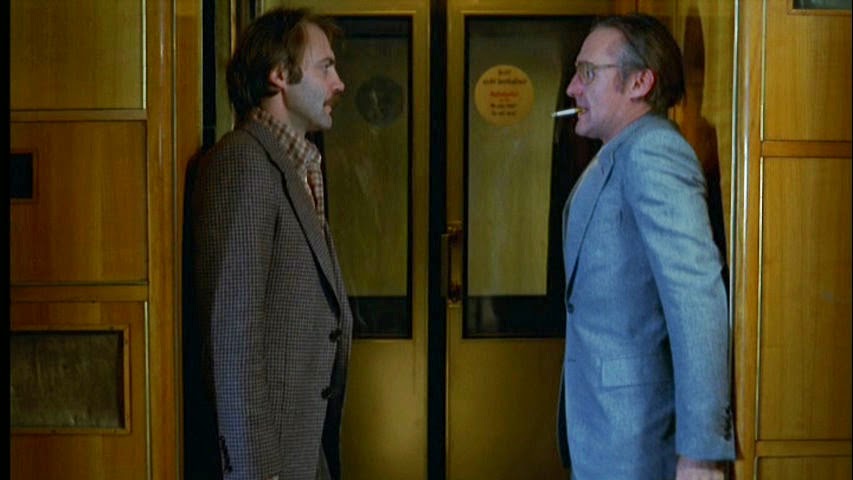
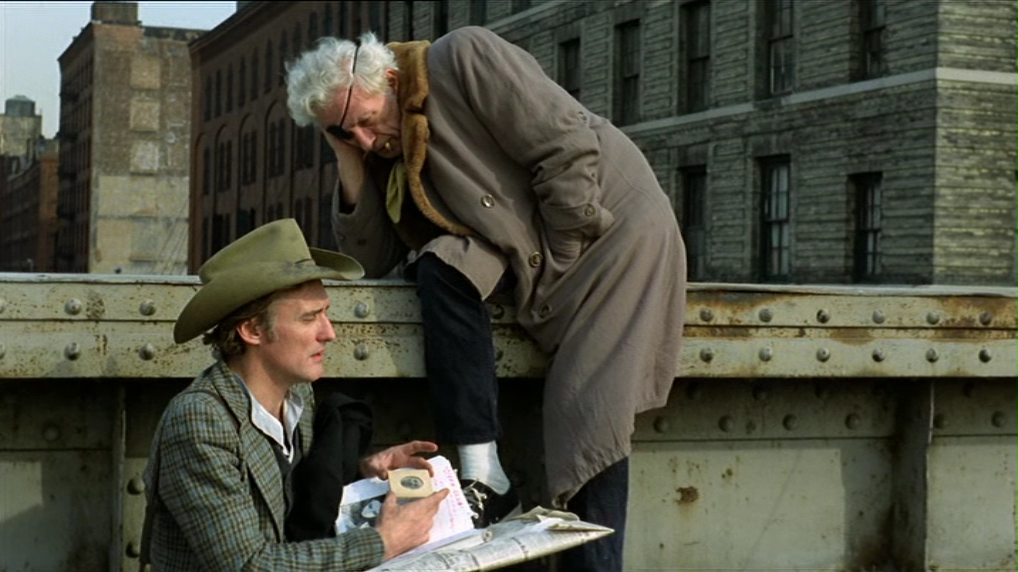
Bruno Ganz and Dennis Hopper in THE AMERICAN FRIEND
Dennis Hopper, in his Wild Man phase, brings electricity to the 1977 neo-noir The American Friend, an adaptation of the Patricia Highsmith novel Ripley’s Game. Highsmith, of course, wrote the source material for Strangers on a Train along with a series of novels centered on the charming but amoral sociopath Tom Ripley; her gimlet-eyed view of human nature, was perfectly suited for noir. You can catch The American Friend on Turner Classic Movies on July 29.
German director Wim Wenders had yet to direct his art house Wings of Desire his American debut Hammett or his masterpiece Paris, Texas. He had directed seven European features when he traveled to ask Highsmith in person for the filming rights to a Ripley story.
In The American Friend, Zimmermann (Bruno Ganz) is a craftsman who makes frames for paintings and dabbles in the shady world of art fraud, making antique-appearing frames for art forgeries. Here, Tom Ripley (Dennis Hopper) entangles him in something far more consequential – a murder-for-hire.
As befits a neo-noir, Zimmermann finds himself amid a pack of underworld figures, all set to double-cross each other with lethal finality. In very sly casting by Wenders, all the criminals are played by movie directors: Sam Fuller, Nick Ray, Peter Lilienthal, Daniel Schmid, Gérard Blain, Rudolf Schündler, Jean Eustache. Nick Ray is especially dissolute-looking with his rakish eye-patch. Sam Fuller, in his mid-60s, insisted on performing his own stunt, with a camera attached to his body on a dramatic fall.
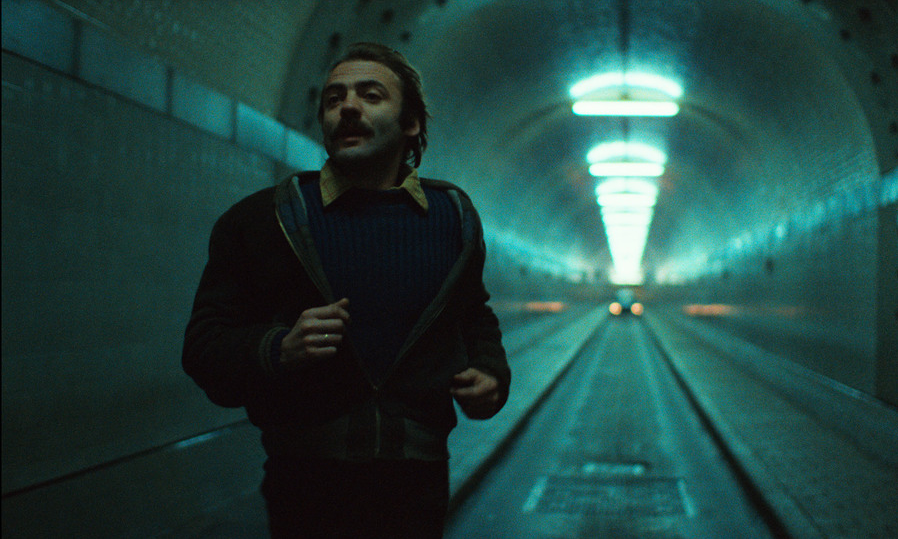
Bruno Ganz in THE AMERICAN FRIEND
As the murder scheme unfolds, there is a tense and thrilling set piece on a train, worthy of The Narrow Margin. Other set pieces include a white-knuckle break-in and the ambush of an ambulance.
Here’s one singular sequence. After a meeting with Ray, Hopper walks away from the camera along an elevated highway. Then Hopper is shown, still on the highway, in long shot from what turns out to be Fuller’s apartment, where Fuller interrupts the filming of a skin flick to deny having a guy shot on the Paris Metro. Then we see Hopper on an airplane, and then Ganz on a train. Finally, Ganz returns to a seedy neighborhood by the docks. It’s excellent story-telling – at once economical and showy and ultra-noirish .
Dennis Hopper and Nick Ray in THE AMERICAN FRIEND
Cinematographer Robby Müller pioneered use of fluorescent lighting in The American Friend. The nighttime interiors have a queasy eeriness that match the story perfectly. Müller, who died in 2018, was endlessly groundbreaking. He made the vast spaces of the Texas Big Bend country iconic in Paris, Texas. He was also responsible for the one-way mirror effect in Paris, Texas’ pivotal peepshow scene. For better or worse, he jerked the handheld camera in Breaking the Waves, spawning a legion of lesser copycats. Müller gave a unique look to indie movies from Repo Man to Ghost Dog; The Way of the Samurai.
Dennis Hopper in THE AMERICAN FRIEND
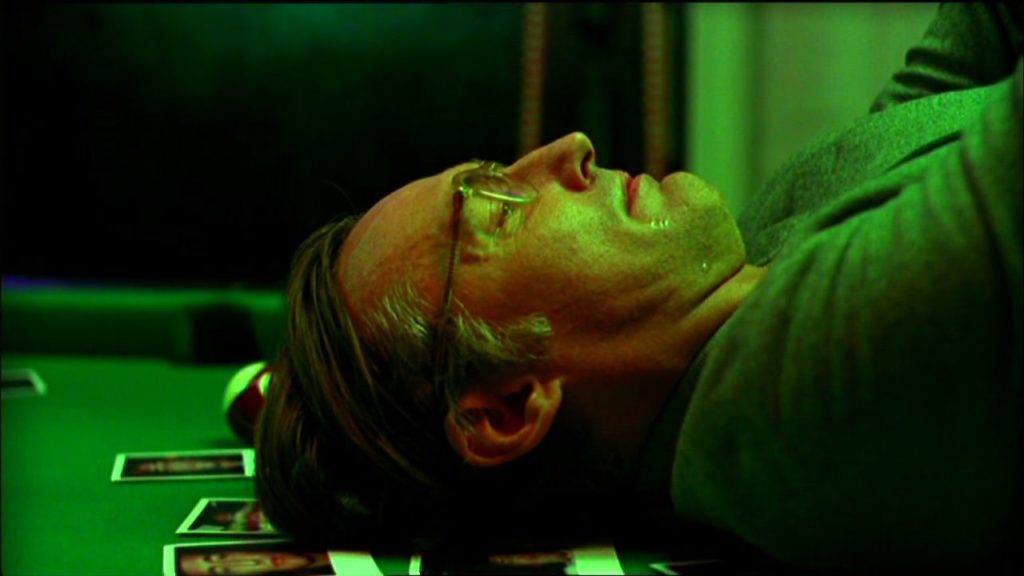
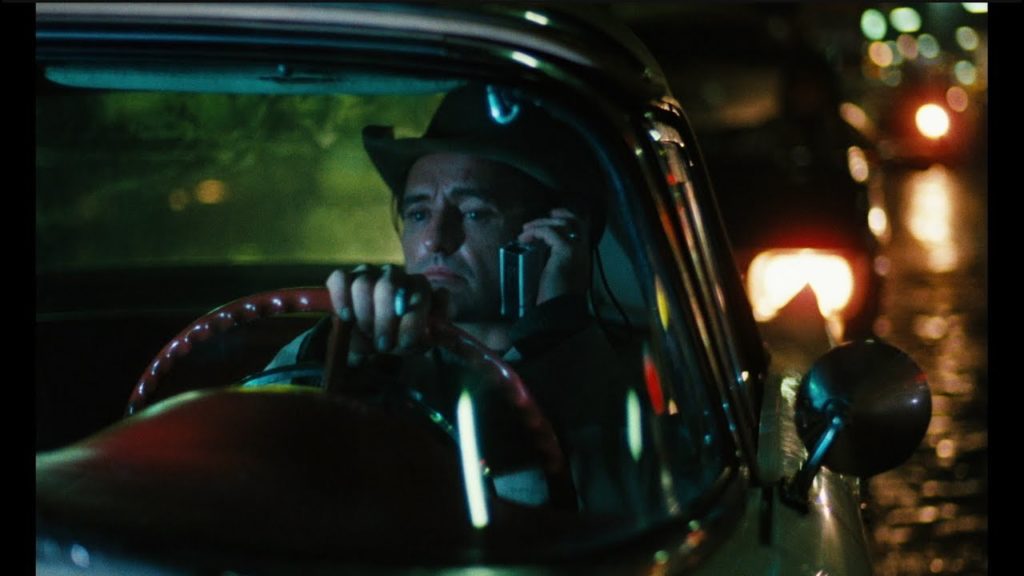
The American Friend was shot in 1977, in the midst of Dennis Hopper’s tumultuous drug abuse phase. He had just directed his notorious Lost Film The Last Movie and arrived in Europe from the Philippines set of Apocalypse Now!, where he was famously drug-addled and out of control. After getting Hopper’s substance abuse distilled down to only one or two drugs of choice, Wenders gave Hopper carte blanche to take chances in his performance, and The American Friend has the only movie Tom Ridley in a cowboy hat. It paid off in a brilliant scene in which Hopper lies on a pool table, snapping selfies with a Polaroid camera; it’s a brilliant imagining of a sociopath in solitary, with no one to manipulate. John Malkovich, Matt Damon and even Alain Delon have played some version of Tom Ripley. Hopper’s is as menacing as any Ripley, and – by a long shot – the most tormented. Wenders is interviewed on Hopper at the Criterion Collection.
The American Friend is not a great movie. Zimmermann is motivated by a grave health issue, but too much screen time is wasted on that element, causing the movie to drag in spots. Movie auctions come with built-in excitement, but The American Friend’s art auction is pretty ordinary. And, other than Fuller, Ray and Blain, the directors are not that good as actors.
Still, the unpredictability in the high-wire Dennis Hopper performance, the look of the film and the action set pieces warrant a look.
The American Friend will be aired by TCM on July 29th and can be streamed from Criterion, Amazon, AppleTV and Fandango.
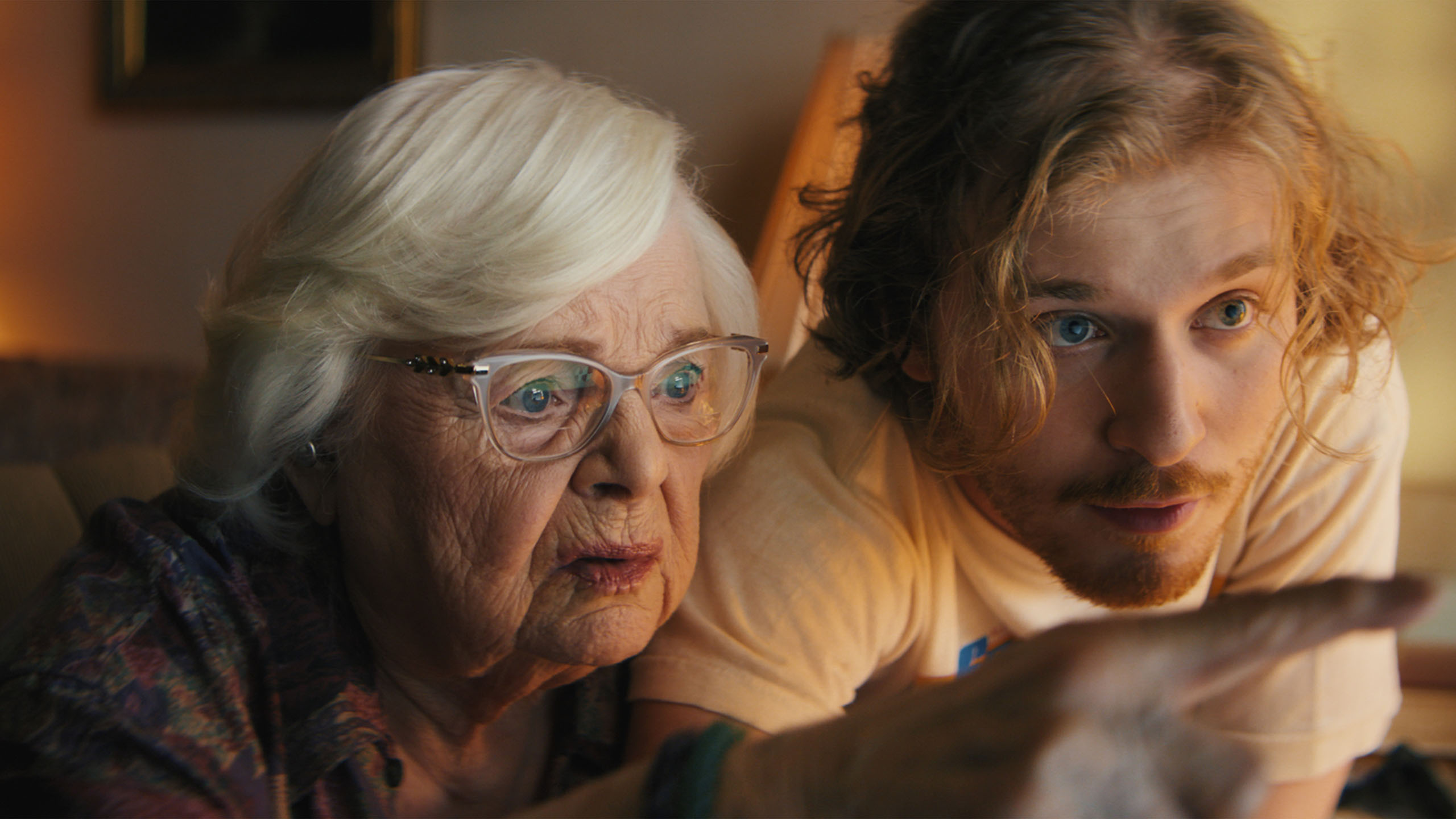
Photo caption: June Squibb and Fred Hechinger in THELMA. Courtesy of Magnolia Pictures | photo by David Bolen.
This week on The Movie Gourmet – reviews of two overlooked films now available to watch at home: the breathtakingly original psychological drama Discreetand the lyrical biodoc Without Getting Killed or Caught.
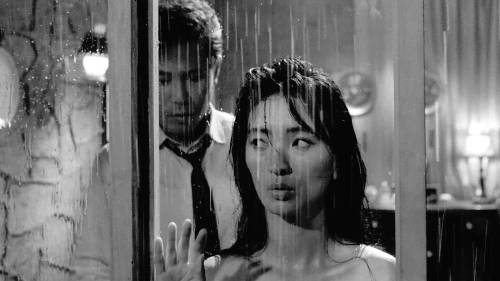
On July 27, Turner Classic Movies airs a WOWZER – the 1960 Korean horror/noir The Housemaid. A couple hires a maid, who turns out to be the domestic from hell. Seduction, deception, threats follow…and who will poison whom? I screened this film for a recent Noir City, and although I can’t say that it’s one of my favorites, it does keeping stunning the audience with ever darker twists. Often considered one of the top Korean films of all time. TCM will present The Housemaid on Noir Alley with intro and outro by Eddie Muller.
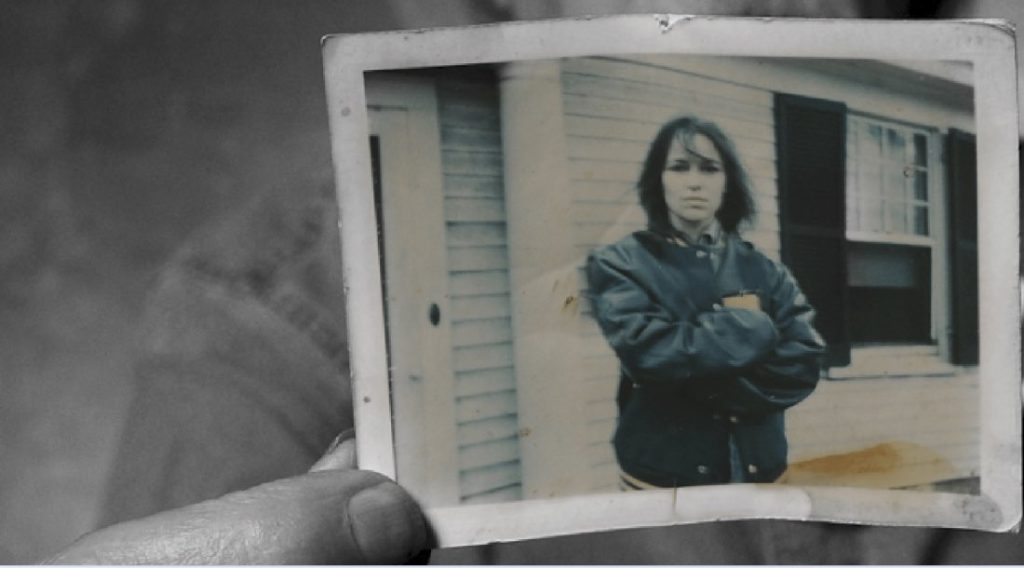
Photo caption: Guy Clark holds his favorite photo of Susanna Clark in WITHOUT GETTING KILLED OR CAUGHT. Courtesy of Indie Rights.
The lyrical documentary Without Getting Killed or Caught is centered on the life of seminal singer-songwriter Guy Clark, a poetic giant of Americana and folk music. That would be enough grist for a fine doc, but Without Getting Killed or Caught also focuses on Clark’s wife, Susanna Clark, a talented painter (album covers for Willie Nelson and Emmylou Harris) and songwriter herself (#1 hit I’ll Be Your San Antone Rose). What’s more, Guy’s best friend, the troubled songwriter Townes Van Zandt, and Susanna revered each other. Van Zandt periodically lived with the Clarks – that’s a lot of creativity in that house – and a lots of strong feelings.
Susanna Clark said it thus, “one is my soul and the other is my heart.”
The three held a salon in their Nashville home, and mentored the likes of Rodney Crowell and Steve Earle. You can the flavor of the salon in the 1976 documentary Heartworn Highways (AppleTV, Vudu and YouTube). It features Townes Van Zandt’s rendition of his Waitin’ Round to Die. (Susanna was also a muse for Rodney Crowell, who, after her death, wrote the angry song Life Without Susanna.)
Documentarians Tamara Saviano and Paul Whitfield, have unearthed a great story, primarily sourced by Susanna’s diaries; Sissy Spacek voices Susanna’s words. These were artsy folks so there are plenty of exquisite photos of the subjects, too. It all adds up to a beautiful film, spinning the story of these storytellers.
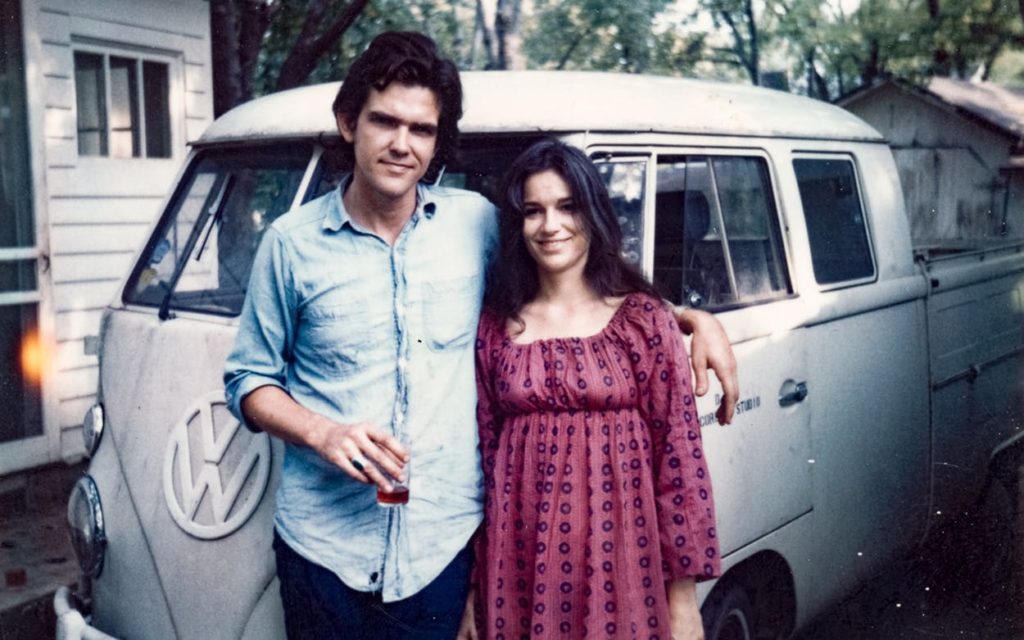
Guy and Susanna Clark in WITHOUT GETTING KILLED OR CAUGHT. Courtesy of Indie Rights.
I loved this movie, but I’m having trouble projecting its appeal to a general audience, because I am so emotionally engaged with the subject material. I’m guessing that the unusual web of relationships and the exploration of the creative process is universal enough for any audience, even if you’re not a fanboy like me.
The title comes from Guy’s song LA Freeway, a hit for Jerry Jeff Walker:
I can just get off of this L.A. freeway
Without gettin’ killed or caught
There is plenty for us Guy Clarkophiles:
the back story for Desperados Waiting for a Train;
the identity of LA Freeway’s Skinny Dennis;
Guy’s final return from touring, with the declaration “let’s recap”.
There’s also the story of Guy’s ashes; the final resolution is not explicit in the movie but you can figure it out; here’s the story.
Without Getting Killed or Caught had a very limited theatrical run in 2021, but it’s now available to stream from Amazon and YouTube.