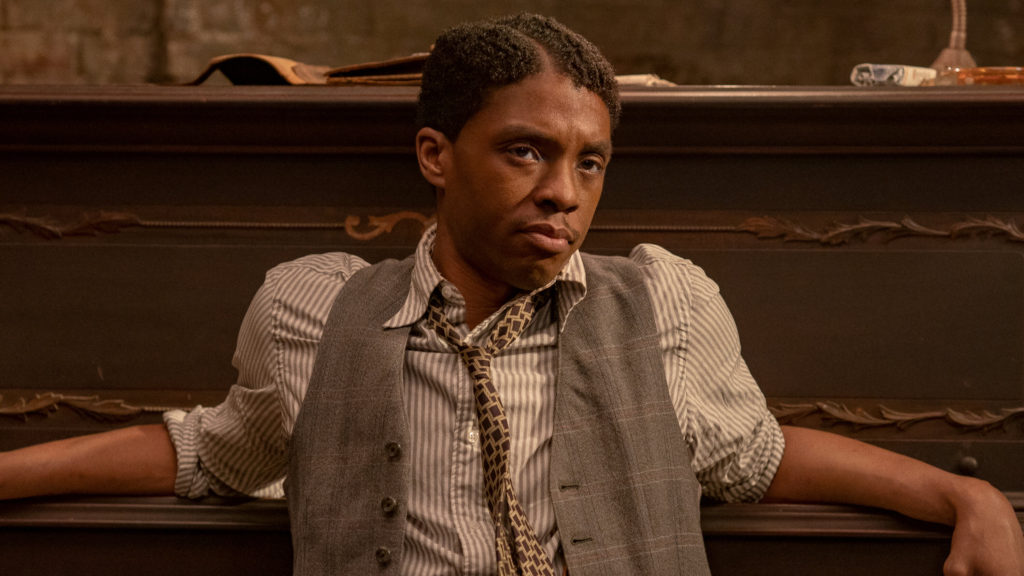
Chadwick Boseman in MA RAINEY’S BLACK BOTTOM. Photo courtesy of Netflix.
In the Year of Pandemic, I somehow managed to watch one hundred and fifteen 2020 movies (and another one hundred and forty-nine movies from earlier years). Here are the Best Movies of 2020.
Every year, I keep a running list of the best movies I’ve seen this year. By the end of the year, I usually end up with a Top Ten and another 5-15 mentions. Here’s last year’s list.
To get on my year-end list, a movie has to be one that thrills me while I’m watching it and one that I’m still thinking about a couple of days later. I haven’t yet seen Nomadland, Mayor or The Sound of Metal, and I will add films to the list as I see fit.
BEFORE THE FIRE: world premiere at Cinequest. Photo courtesy of Cinequest.
2020 sucked so badly that several of my favorite movies weren’t from 2020. Noir CIty led me to discover the Czech neo-noir masterpiece …And the Fifth Horseman Is Fear and the amazing German romantic tragedy Black Gravel. And I loved A Colt Is My Passport on Turner Classic movies, a 1960s Japanese hybrid – a Spaghetti Western in the guise of a Yazuka film.
In Another Round, filmmaker Thomas Vinterberg once again explores human foibles with humor and cold-eyed insight – and profoundly to boot. And, in Another Round, Mads Mikkelsen delivers one of the year’s finest performances.
Mikkelsen plays one of four middle-aged male teachers – each in some sort of personal rut and struggling with career burnout. The other three are played by Thomas Bo Larson (love this guy whenever I see him), Magnus Millang and Lars Ranthe.
Grasping on to some convenient pseudo-science, the four decide to try living their lives with an alcoholic buzz – trying to maintain a steady blood alcohol level of 0.05 from morning through 8 PM. Now THERE’S a good idea.
They all should be trying SOMETHING new. Mikkelsen’s history teacher Martin is mailing in his job performance, so much so that his students and their parents confront him, worried that he won’t cover enough history for the kids to pass their exams. His marriage is comfortably civil but passionless.
With the boost of a drink or two, Martin and his buddies become more lively. Less inhibited, they fly back into their passions and share them with their students.
Suddenly, Martin is a man of spontaneity, shocks wife Annika (Maria Bonnevie) with a surprise vacation, and rekindles romantic sparks.
So far so good. But then they decide to try more is better, and try raising their blood alcohol level to 0.10. things don’t go as smoothly, and then they go on an epic bender and blow well past the 0.10.
The drunk behavior is realistic. So, some is funny slapstick, some is cringeworthy and some is heartbreaking. There’s a buffoonish moment in a supermarket, and we think that it would not be not amusing to be there in that moment. But when, out at dinner, Mikkelsen utters “It’s the little things“, the quip is hilarious.
Their experiment with alcohol treats each of them differently. One guy comes out ahead – he doesn’t suffer any long lasting consequences and even finally gets a girlfriend. Another guy blows up his marriage, but only temporarily, and he’ll be able to look back on this episode as a cautionary tale.
But alcohol abuse does not fit well with latent depression, with tragic results for one character.
Martin has the most complicated experience because he is predisposed to addiction. When it’s time for the guys to end the experiment, he can’t. There’s a moment when he receives a text message in a restaurant hallway, and we think “Leave right now!“, but he goes back inside for another drink. Will he be able to recover from the addiction? Another Round’s final thrilling scene ends with a euphoric dance – and leaves us with that question. (I think I know the answer.)
Mikkelsen’s performance is stellar. Usually we see Mikkelsen in charismatic roles; here he begins the story as a hollow shell, beaten down by the disappointments and responsibilities of life. He allows us to glimpse the talent, charm and vigor of his younger self. Finally, we see him thinking through each life choice (and choosing another round usually wins out); his Martin is not a hedonistic brute – he understands the consequence of each drink. Technically, his portrayal nails the various stages of drunkenness (which much be harder than it looks because even good actors don’t always get it right).
You’ll recognize Mikkelsen, a big star in Europe, from After the Wedding, the 2006 Casino Royale (he was the villain with the tears of blood) and TV’s Hannibal. He won the 2012 Cannes Best Actor award for his performance in Vinterberg’s The Hunt.
A groundbreaking writer/director, Thomas Vinterberg is an astute and cold-eyed observer of behavior. He broke through with Celebration (Festen), that darkest of dark comedy, and directed and the thriller The Hunt (Jagten). (And he can even do bodice rippers like Far From the Madding Crowd.) Vinterberg has worked before with all four of the main actors in Another Round.
Vinterberg also uses Another Round to comment on the drinking culture in his native Denmark (and, presumably, the rest of Scandinavia). This is a society that doesn’t blink at binge drinking, even by teenagers.
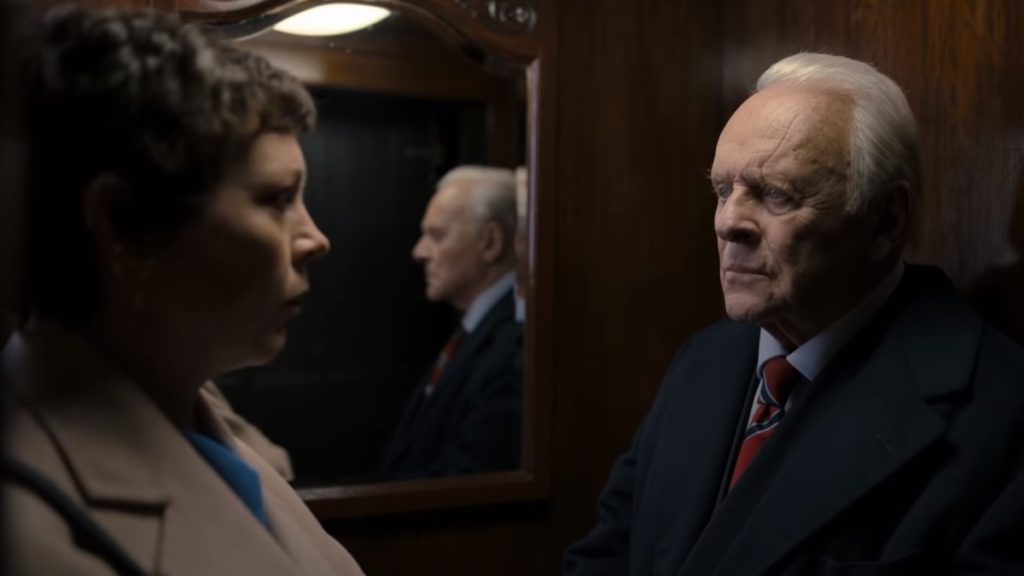
Anthony Hopkins and Olivia Colman deliver heartbreaking performances in The Father, an unsettling exploration of memory loss.
As we meet the elderly Anthony (Hopkins), he is insisting on independence that he can no longer sustain. That makes it hard on his daughter Anne (Colman), who is trying to keep him safe and healthy, despite his resistance. But Anthony is losing his memory and becoming ever more suspicious. Soon, all the characters are experiencing disorentation, even fantasies and hallucinations.
The Father is the directing debut for Florian Zeller, who wrote the original play. Along with the superb acting, the key to The Father is Zeller’s ever shifting of reality as understood by the characters and by the audience. As we think we understand what is going on and then have it unraveled, we, like Anthony, lose confidence in our orientation.
Anthony Hopkins has an Oscar and a long list of great performances (The Silence of the Lambs, The Remains of the Day, Nixon, The Human Stain, The Two Popes), but none is better than this one. His Anthony is a man whose characteristic wilfulness is finally self-defeating; he is a man ever confident of his opinions, but the factual basis for those opinions is eroding. He is a man who firmly believes he is always right, facing a new reality in which he demonstrably is not.
Colman is also superb as the able and devoted daughter who is hurt by her father’s perception that she is betraying him. The rest of cast – Rufus Sewell, Imogen Poots, Mark Gattis and Olivia Williams – is impeccable.
The Father, which I saw while covering the virtual Mill Valley Film Festival in October, had been set for a December release, but Sony Pictures Classics has now scheduled a February 26 release. Nevertheless, it’s on my list of Best Movies of 2020.
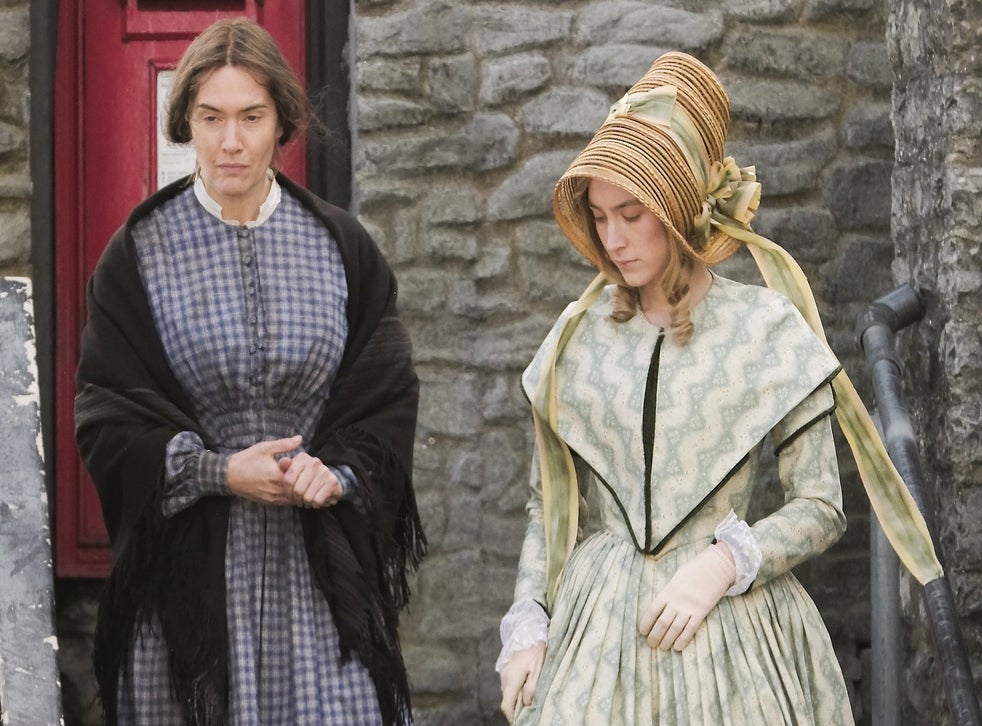
The fine acting of Kate Winslet and Saoirse Ronan can’t save Ammonite, a slog of a period romance.
Winslet plays a 19th century paleontologist isolated in the inhospitable climate of an English coastal village. Ronan plays a young wife whose clueless husband has diagnosed as melancholy, although her biggest issue seems to be him; he thinks that leaving her with Winslet’s loner in the brisk ocean breeze might be therapeutic.
The general arc of the story is predictable – these two underestimated women will come to appreciate each other’s gifts and will fall in love, a forbidden love in this time and place. Of course, it takes a long time to break down the anti-social barriers that the Winslet character has constructed to protect herself emotionally. In the mean time, there’s only so much smoldering that the audience can stand to consume.
The problem here is the directing and editing – the pace needed to be picked up. There’s not enough of a payoff to this story to reward a slow, slow, slow burn. The Wife and I just couldn’t hang in there with it. We stopped caring.
The Winslet character is so solitary – and so terse when she’s not alone – dialogue in Ammonite is scant. And the sound design is intentionally rigged to emphasize this – and it’s a problem. All of the non-dialogue sounds are louder than usual. Now, this works near the crashing surf; we all know that voices are drowned out by waves crashing on rocks. But every footstep and creaking hinge a makes a pronounced, even jarring, sound. Once you figure out what’s going on, it’s very distracting.
The sound design, because it is so innovative, has prompted some Oscar buzz. But it’s innovative-bad, not innovative-good.
Ammonite is available to stream; I watched it on Amazon.
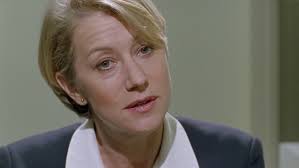
Not The Wife, but Helen Mirren in PRIME SUSPECT symbolizes the twenty seasons of British crime dramas we feasted upon together this year.
Happy 20th Anniversary to The Wife, also known as Lisa, The Love of My Life!
But – this dreadful year was like no other. We’ve sheltered in place together 24/7, with each of us working from home, for ten months. Overall, the year has been horrible, but our mutual confinement hasn’t been.
Like me, she has been evangelizing for Driveways, 2020’s most overlooked film. We enjoyed lighter fare, too: Lovebirds, Inmate #1: The Rise of Danny Trejo, Mucho, Mucho Amor: The Legend of Walter Mercado, The Speed Cubers and Voices of Fire.
This year we binged more episodic television together than ever, like The Crown (and, yes, Tiger King). Her favorite has been Derry Girls. And AT LEAST TWENTY FULL SEASONS of British crime dramas – Prime Suspect, Marcella, Vera, DCI Banks, Shetland, Deadwater Fell, Hidden, Broadchurch. As far as we can tell, England, Scotland and Wales are filled with entertaining murders.
As usual, I got to introduce her to some film classics: Key Largo, Witness to Murder and Le Boucher.
Once again, she tolerated my spending huge chunks of time covering Cinequest and Noir City in person and the SXSW, Mill Valley Film Festival, Cinequest’s Cinejoy and Noir City (again) virtually.
She’s the biggest fan and supporter of this blog DURING ALL OF ITS TEN YEARS, and I appreciate her and love her. Happy Anniversary, Honey!
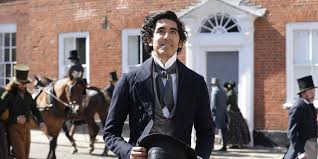
Dev Patel in THE PERSONAL HISTORY OF DAVID COPPERFIELD
Here’s an unexpected treat: Amando Ianucci’s vivid and brilliantly constructed The Personal History of David Copperfield. Unexpected because I’ve never warmed to the work of Charles Dickins or to any Dickins movies (except for the 1951 A Christmas Carol with Alistair Sim).
Of course David Copperfield IS a storyteller and Ianucci uses the device of David’s storytelling to frame the tale as David remembers it and as his readers and listeners imagine it in their own minds. Ianucci makes the highs in David’s life so vibrant and the lows so piercing, that the total package is a dazzling delight.
Dev Patel, he of the instantaneous appeal and the gleaming smile, is perfect as the quick-witted and charming David Copperfield. Patel’s David suffers grievance after grievance, just waiting for a moment of good luck when he can control his destiny.
That the talented David Copperfield, because of his station, cannot control his destiny in the class-constricted Victorian society is the whole point of David Copperfield, social criticism which Dickins keeps from stridency with his humor.
That’s prime territory for Armando Ianucci. Ianucci is a master of wickedly funny political satire, having directed In The Loop and Death of Stalin and created the television series Veep. (In case you want to know what I do on my day job, I am basically Malcom Tucker in In the Loop, whom you can find on YouTube.) Ianucci’s production designer, Cristina Casali, deserves a shout-out, too.
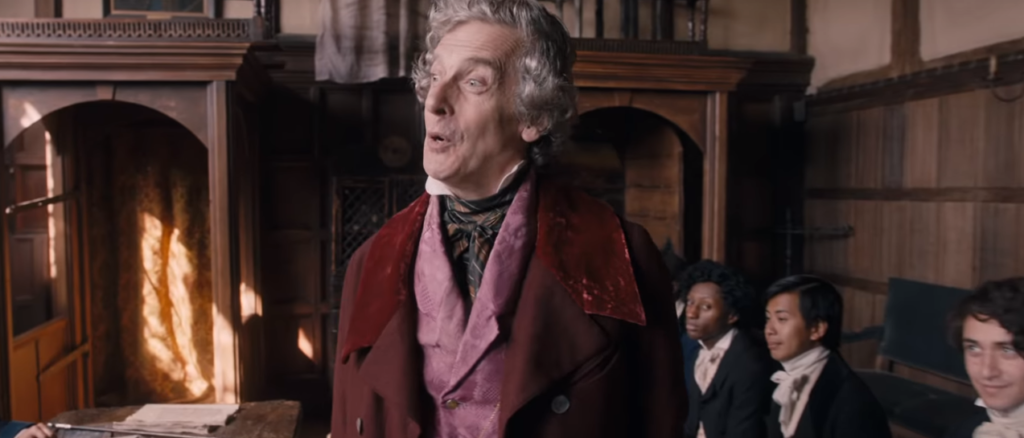
Peter Capaldi in THE PERSONAL HISTORY OF DAVID COPPERFIELD
It’s a wonderful cast, including Tilda Swinton and Hugh Laurie. The standouts are:
Laurie as the addled, but dignified, Mr. Dick.
Ben Whishaw as one of literature’s most distinctive villains, Uriah Heep.
Peter Capaldi (who played the aforementioned Malcom Tucker) as Mr. Micawber, a character modeled after Dickins’ own father.
Rosalind Eleazer as the even-smarrter-than-David Agnes.
Morfydd Clark as the sweetly vacant Dora Seamans.
Bronagh Gallagher (who played one of the backup singers in The Commitments) as the remarkably glass-half-full Mrs. Micawber.
Dickins wrote this story about white people in Victorian England. As is obvious with the casting of Patel as David, The Personal History of David Copperfield has an interracial cast, based on a premise that any actor can play any role. I’m okay with that, and I think as more directors cast their movies this way, the distracting aspects will evaporate for most viewers.
The Personal History of David Copperfield is streaming on Amazon, Vudu, YouTube and Google Play.
Ennio Morricone, one of the greatest movie music composers (and perhaps the most iconic) has died. Among his 519 composing credits, he is most known for his groundbreaking scores in the Sergio Leone/Clint Eastwood Spaghetti Western trilogy: A Fistful of Dollars, For a Few Dollars More and The Good, the Bad and the Ugly. Morricone’s work was ever aspirational, seemingly seeking to become iconic, and he sure didn’t believe in understatement.
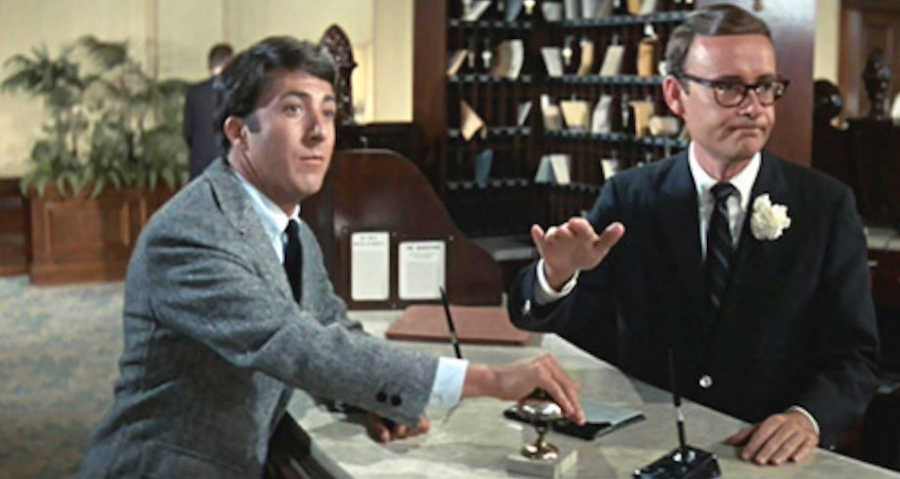
Buck Henry (right) in THE GRADUATE
“I just want to say one word to you. Just one word…Plastics.” Screenwriter Buck Henry wrote some of the most iconic dialogue in the movies. “Mrs. Robinson, you’re trying to seduce me!” Henry was nominated for Oscars for adapting The Graduate screenplay and for directing Heaven Can Wait. Along with The Graduate, I also love his screenplay for What’s Up, Doc? He also played the hotel clerk in The Graduate and played himself in The Player, pitching The Graduate II. He appeared often on Saturday Night Live, once getting nipped by John Belushi’s samurai sword. HisNYT obit includes his birth name and other tidbits.
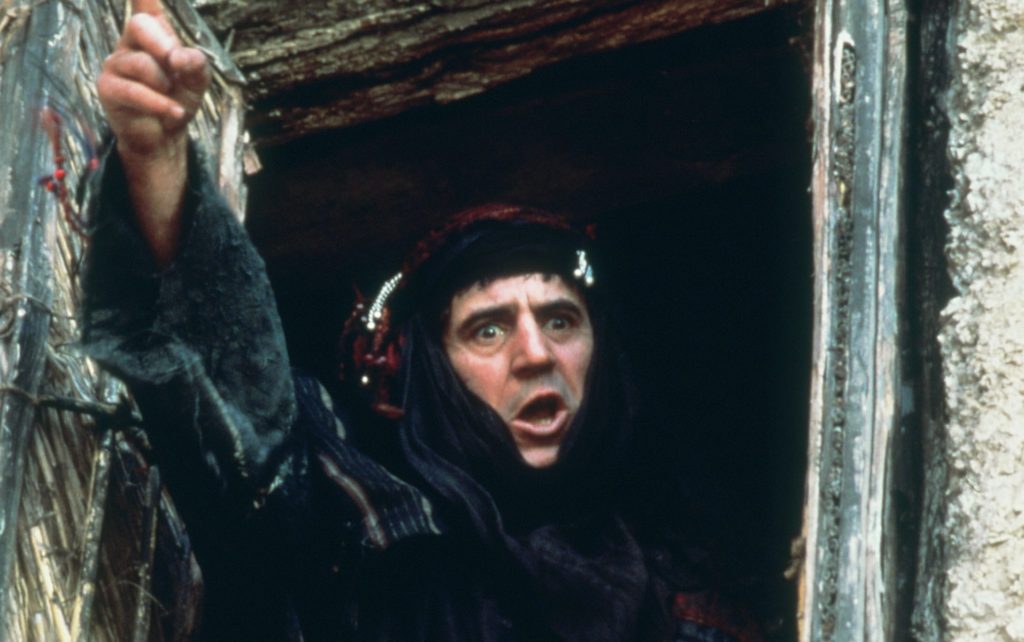
Terry Jones in LIFE OF BRIAN
Best known as member of Monty Python’s Flying Circus, Terry Jones was responsible for much of the troupe’s surreal and wicked humor; he embraced cross dressing as British matrons in Python skits. Jones thought up And Now for Something Completely Different, co-directed Monty Python and the Holy Grail and wrote the The Meaning of Life. Jones wrote and directed one of the wittiest films ever, The Life of Brian.
The novels of author John le Carré made for unforgettable cinema. Le Carré’s complicated and conflicted Cold Warriors battled though what he revealed to be corrupting bureaucratic game. His work was the most sublime literature, and it elevated the spy movie genre. The VERY best screen adaptations of le Carré’s work are the BBC miniseries Tinker, Tailor Soldier, Spy (1979) and Smiley’s People (1982) with Alec Guinness.
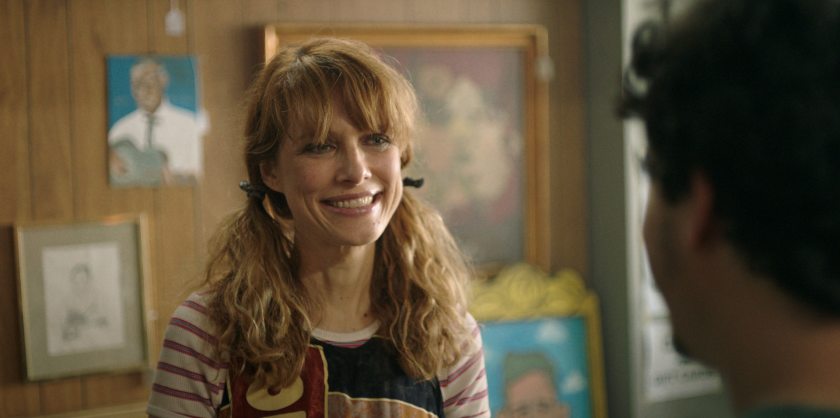
Lynees Shelton in her SWORD OF TRUST
Director Lynne Shelton was the best of the mumblecore directors with Your Sister’s Sister, Touchy Feely, Laggies, Outside In and Sword of Trust. Between her uncompromisingly authentic and goofy indies, she was sought out to direct mainstream TV like Mad Men and GLOW. She got in front of her own camera in Sword of Trust and delivered one of last year’s best performances.
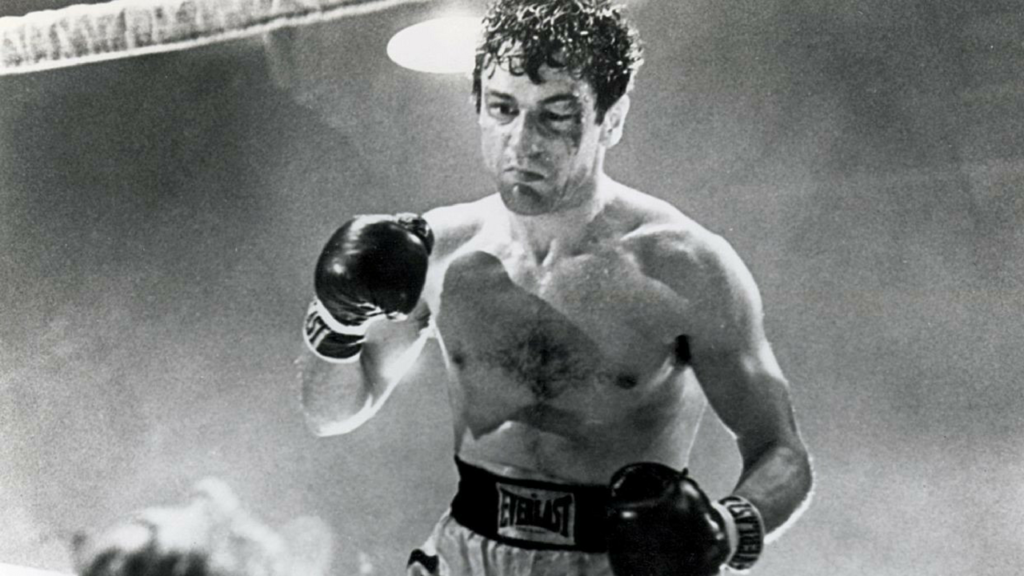
RAGING BULL: cinematography by Michael Chapman
Cinematographer Michael Chapman shot the most stunning boxing scenes ever in Raging Bull. Before that, Chapman had an amazing run of work in indelible films from 1973 through 1979: The Last Detail, Taxi Driver, The Last Waltz, Invasion of the Body Snatchers, The Wanderers.
Alan Parker had a gift for directing modern musicals (Bugsy Malone, Fame, Pink Floyd’s The Wall, Evita) but he was Oscar-nominated for two harrowing dramas, Midnight Express and Mississippi Burning. He also directed the deliciously trashy Angel Heart. My favorite Alan Parker film is the ever-delightfulThe Commitments.
Director Ivan Passer came out of the Czech New Wave (Intimate Lighting) to work in the US (fifteen features including award-winning Haunted Summer and Robert Duvall’s Stalin). My favorite Passer film is his 1981 Cutter’s Way, with its early Jeff Bridges and fine performances by John Heard and Lisa Eichhorn – and it’s still the best film set in Santa Barbara. I watched it again recently and it still holds up; you can stream it from Amazon, iTunes, Vudu, YouTube and Google Play.
Director Joel Schumacher had been a department store window dresser when he broke into movies as a set designer. Then he wrote the screenplay for the wonderful guilty pleasure Car Wash, which led to directing the similar DC Cab. His career took off when he launched the Brat Pack with St Elmo’s Fire, and followed that with Batman and Robin. My favorite Schumacher film is the 2002 thriller Phone Booth, in which an Everyman – or is he? – (Colin Farrell) is trapped in a phone booth by a sniper villain (Kiefer Sutherland); Phone Booth can be streamed from all the usual sources.
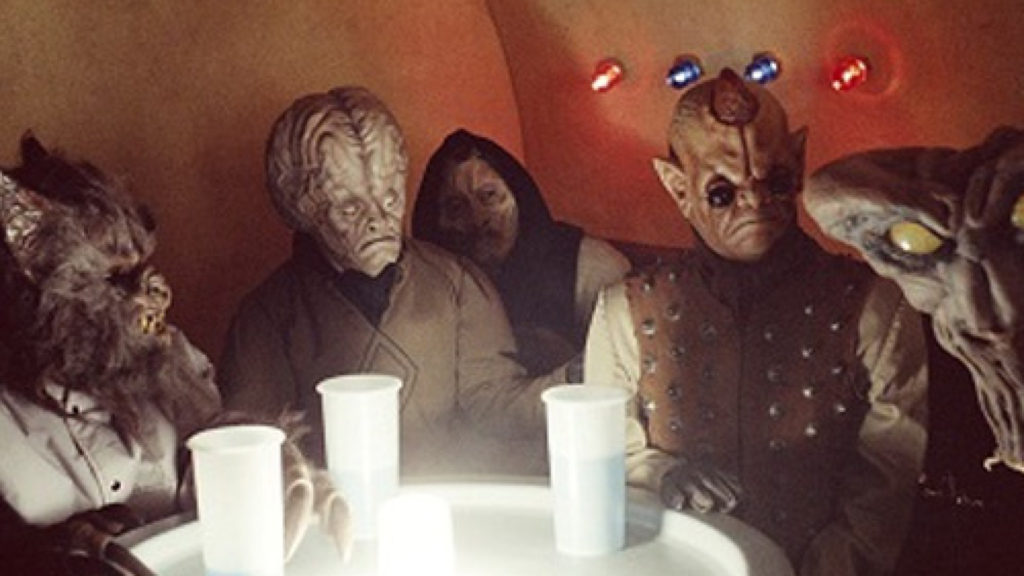
Production designer Ron Cobb imagined and brought to life the spacecraft in Alien, the DeLorean in Back to the Future and, in Star Wars, a dive bar for mercenaries in Space.
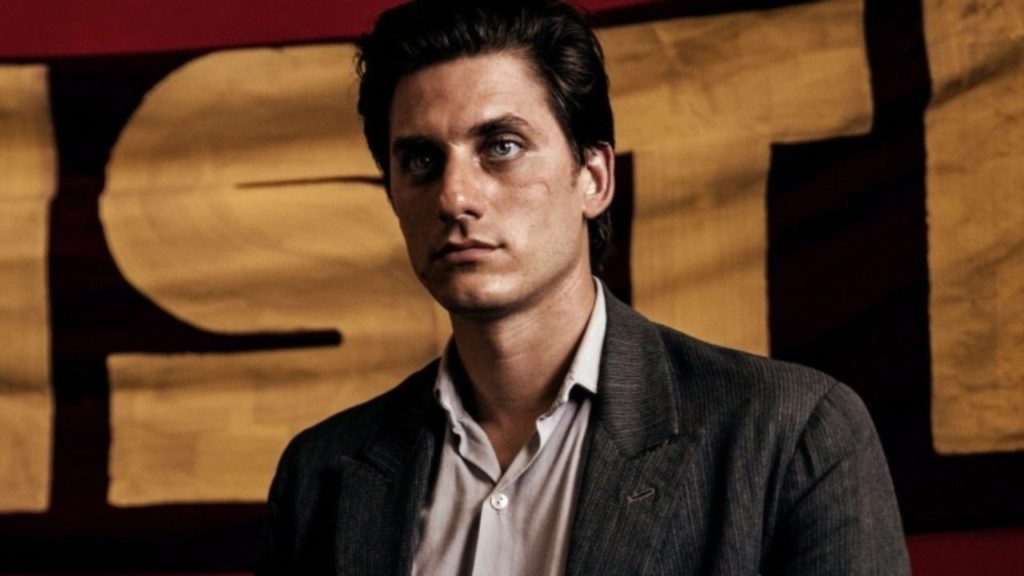
A hunky and charming seaman, devoid of education, aspires to become a writer. Sound like Jack London? Indeed London authored the novel Martin Eden, in part modeled after himself. The lush art film Martin Eden is Pietro Marcello’s adaptation, which he set in Italy.
Luca Marinelli plays the eponymous protagonist with charisma and physicality. His Martin Eden is a zealous autodidact.
Martin ingratiates himself with a wealthy family and seeks the approval and affection of the daughter, whom he begins to idolize. She sees him as a noble savage, a primitive ready to be cut and polished into a gemstone, and she encourages his education. She is attracted to him physically, but also appreciates his drive and intelligence. But she hopes he would harness his talents for something more commercial and more practical than writing.
Martin, however, attains fame as an author and public intellectual. Unlike Jack London himself, he rejects socialism and goes to the other Ayn Rand-like extreme. He becomes more confident in his philosophy. His political stridency leads to his rudeness at the girlfriend’s family table. She scolds, “you are unbearable“, and, indeed, he is.
Martin Eden has a very rich look and feel. Director Pietro Marcello’s work here has been compared to that of Visconti. There are some odd pop musical interludes, but the visual collages are much more interesting.
Martin Eden is a well-crafted and well-acted film, but its appeal is limited by the protagonist as he strives himself right into obnoxiousness. I watched Martin Eden on Virtual Cinema at Laemmle.
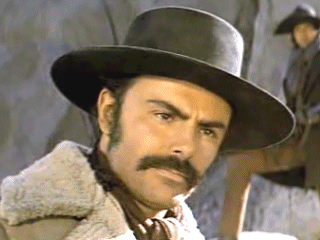
Actor John Saxon, was versatile, intense and prolific – the handsome, swarthy, character actor you would come to recognize in his 200+ screen appearances, mostly on TV. In 1976 ALONE, Saxon appeared on The Rockford Files, The Bionic Woman, The Six Million Dollar Man, Starsky and Hutch and Wonder Woman, acted in seven movies. and starred in the miniseries Once an Eagle. His best known movie roles were as Jackie Chan’s martial arts buddy Roper in Enter the Dragon (Saxon had already studied karate for years) and as police Lieutenant Don Thompson, who repeatedly battled Freddy Kreuger in the Nightmare on Elm Street franchise. Saxon could handle quality roles when he got them, as in War Hunt and Joe Kidd.
Ian Holm in THE SWEET HEREAFTER
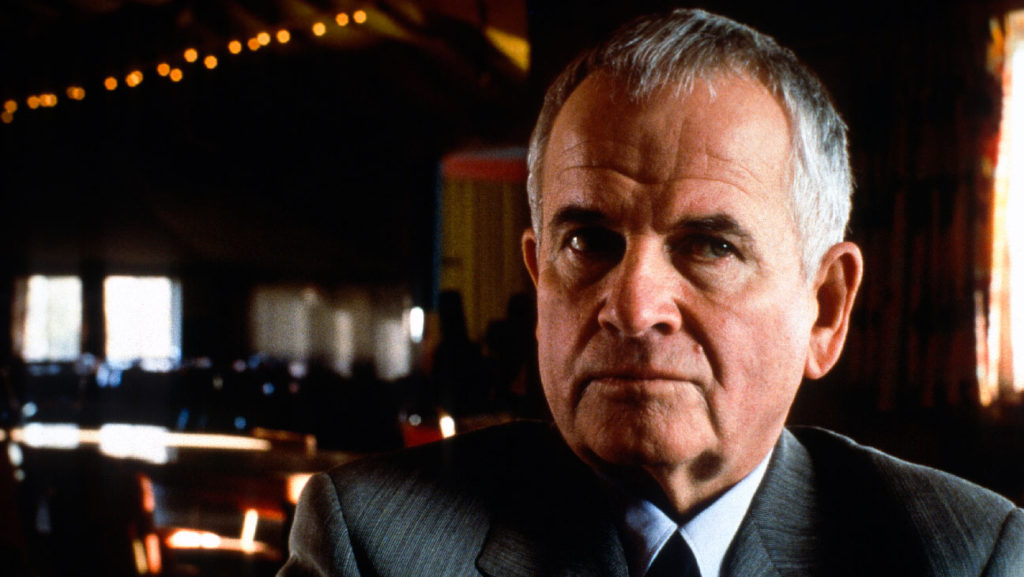
The 5’5″ Ian Holm was a giant of the stage, where he created a definitive King Lear, and is most well-known in movies for playing Bilbo Baggins in the Lord of the Rings franchise. I remember Holm’s heartrending performance in Atom Egoyan’s The Sweet Hereafter, my choice as the most profoundly sad movie ever. He also appeared in supporting roles in some of my favorite movies: Young Winston, Jesus of Nazareth and the Kenneth Branagh Henry V.
Jerry Stiller, along with his wife and professional partner Anne Meara (scroll down), was a comedy pioneer. He’s best remembered for playing George Costanza’s father on TV’s Seinfeld and for being Ben Stiller’s real life dad. But Stiller sandwiched some good work in movies (The Taking of Pelham One Two Three, The Ritz, Hairspray) between the early and later phases of his work.
Allen Garfield in THE CONVERSATION
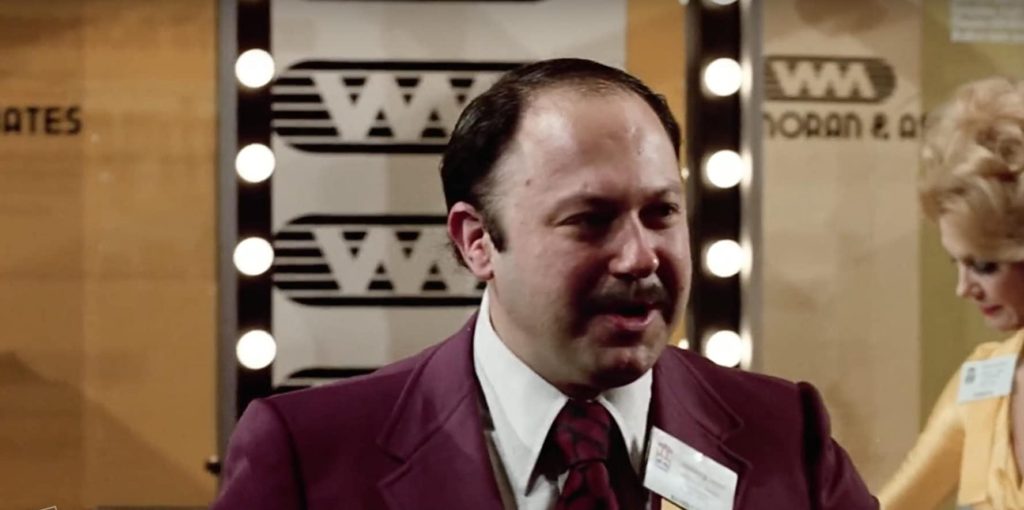
Character actor Allen Garfield contributed to many fine films, especially in the 1970s heyday of American auteurs, including The Candidate, The Brink’s Job, Nashville and The Stunt Man. My favorite Garfield performance was as the sleazy Bernie in the 1974 masterpiece The Conversation.
Michael Lonsdale in THE DAY OF THE JACKAL
Michael Lonsdale is justifiably best remembered for playing the determined investigator in The Day of the Jackal (plus a Bond villain). He also worked in the recently rediscovered Mr. Klein and over 100 French films.
Ann Reinking in ALL THAT JAZZ
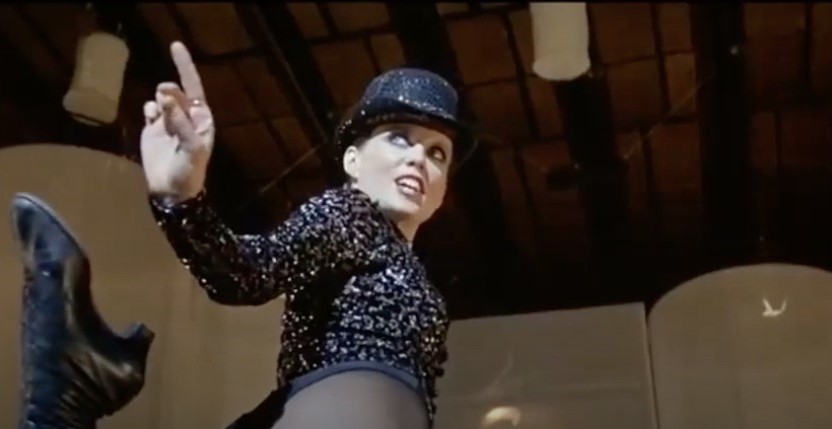
Ann Reinking, the great Broadway star, was most famous for originating the character Roxy in Chicago. Her greatest work came from her artistic partnership with Bob Fosse, with whom she lived for six years. Reinking’s art is forever preserved in one indelible film performance, essentially playing herself in Fosse’s All That Jazz. I strongly recommend Sheila O’Malley’s remembrance.
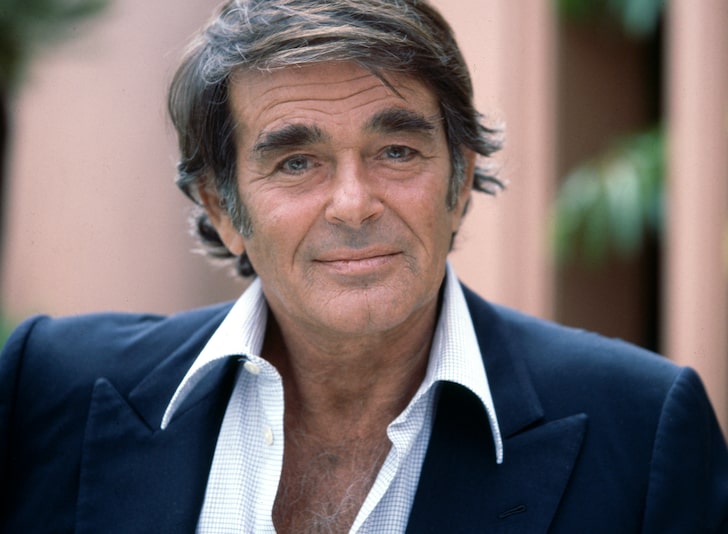
The prolific actor Stuart Whitman was strikingly manly and relatable, and also had the gift of imbuing strong-and-silent characters with emotional texture. Indeed, he was nominated for the Best Actor Oscar for a 1961 film that I haven’t seen – The Mark, in which he played a guy seeking a normal life after being imprisoned for attempted child molestation. I remember Whitman for his performances in The Longest Day and the offbeat Convicts 4. He would not wish to be remembered for the giant carnivorous rabbit chiller Night of the Lepus.
Wilford Brimley in THE CHINA SNDROME
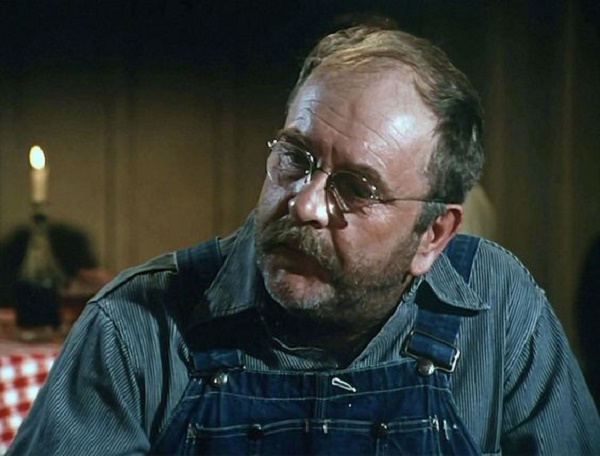
Wilford Brimley started out in life as a real cowboy. At age 45, he broke through as an actor playing Jack Lemmon’s loyal assistant engineer in The China Syndrome. More good curmudgeon performances followed on TV and in movies (Cocoon, Absence of Malice). Ironically, this fine actor is most well-known for a Quaker Oatmeal commercial.
Sue Lyon in LOLITA
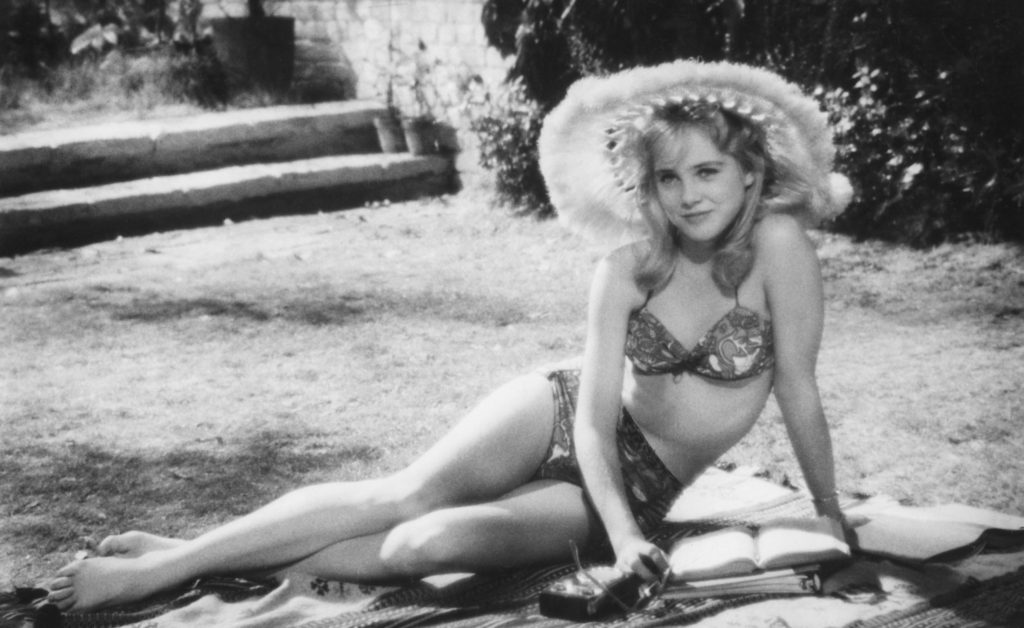
Actress Sue Lyon died at the very end of last year and hadn’t made a movie in forty years. She is best remembered for her performance at age 16 as the titular character in Stanley Kubrick’s 1962 Lolita. She also appeared in The Night of the Iguana and in one of my guilty faves, The Flim Flam Man.
Jo Shishido in CRUEL GUN STORY
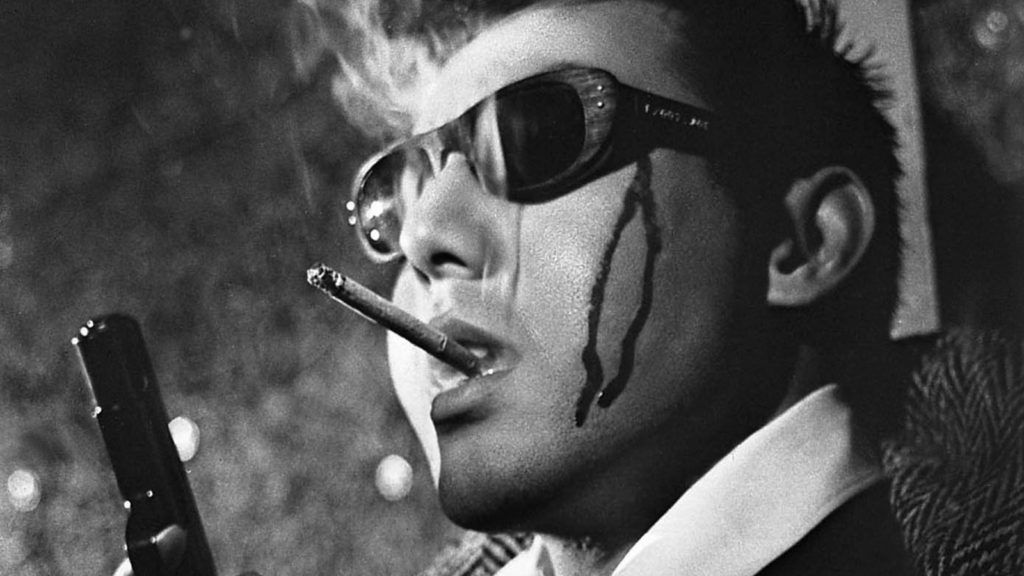
Actor Jo Shishido starred in a zillion Japanese crime action films, most notably Cruel Gun Story (1964) and A Colt Is My Passport (1967). Oddly, his career as a leading man took off after his plastic surgery, intended to emphasize his cheekbones, left him with puffy chipmunk cheeks.
I fondly remember the Rock pioneer Little Richard for his hilarious turn in Down and Out in Beverly Hills as the neighbor to Richard Dreyfus’ family, Orvis Goodnight. He appeared in one of the very first rock n roll movies Don’t Knock the Rock (1956), a same-year followup to Rock Around the Clock. His music was featured in hundred of films and television shows.
By the time she was 19 in 1980, Linda Manz had acted in and narrated a masterpiece (Terence Malick’s Days of Heaven) and appeared in two cult films (Philip Kaufman’s The Wanderers and Dennis Hopper’s Out of the Blue). Then she retired to raise a family.
John Benfield was superb as Mike Kernan, the sexist Britsh police commander perpetually frustrated by Helen Mirren’s Jane Tennison in five seasons of Prime Suspect.
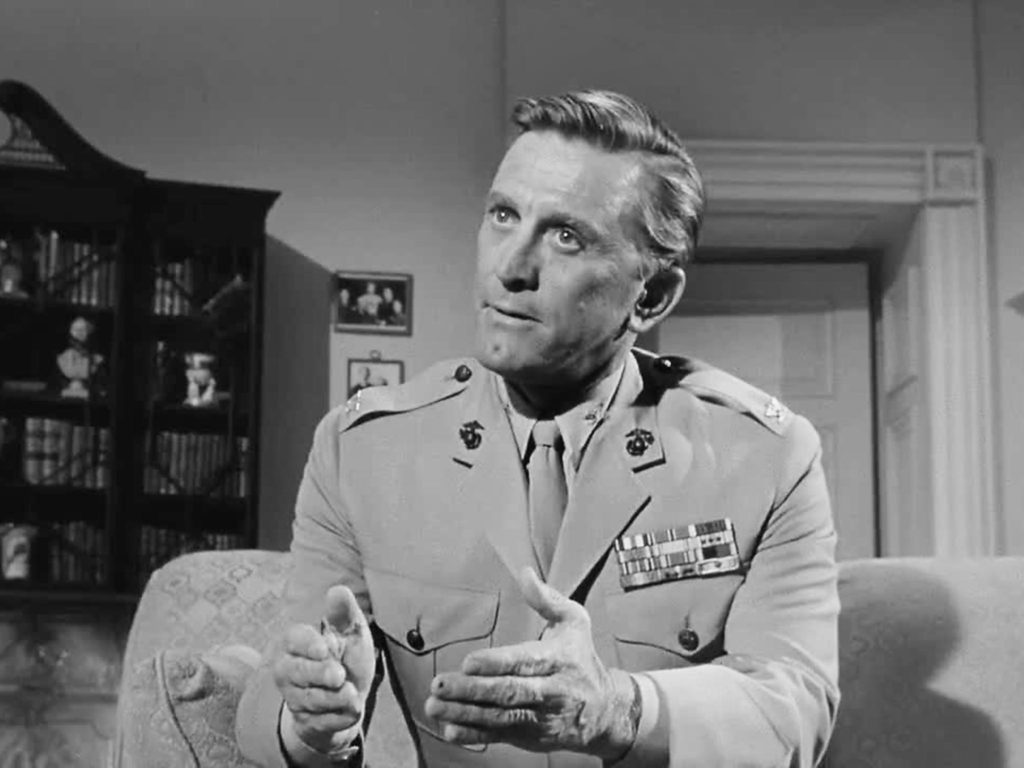
Kirk Douglas – that icon of explosive virility – died at age 103. Douglas will be forever remembered for the epic Spartacus, a blockbuster hit that he produced, with his own searing performance as the star and the effect of ending the Hollywood blacklist. He could play sexy and despicable at the same time in Out of the Past, Ace in the Hole and In Harm’s Way and a profoundly decent hero in Seven Days in May. Two of my guilty pleasures are Ulysses and The Vikings, with Kirk as a shirtless warrior.
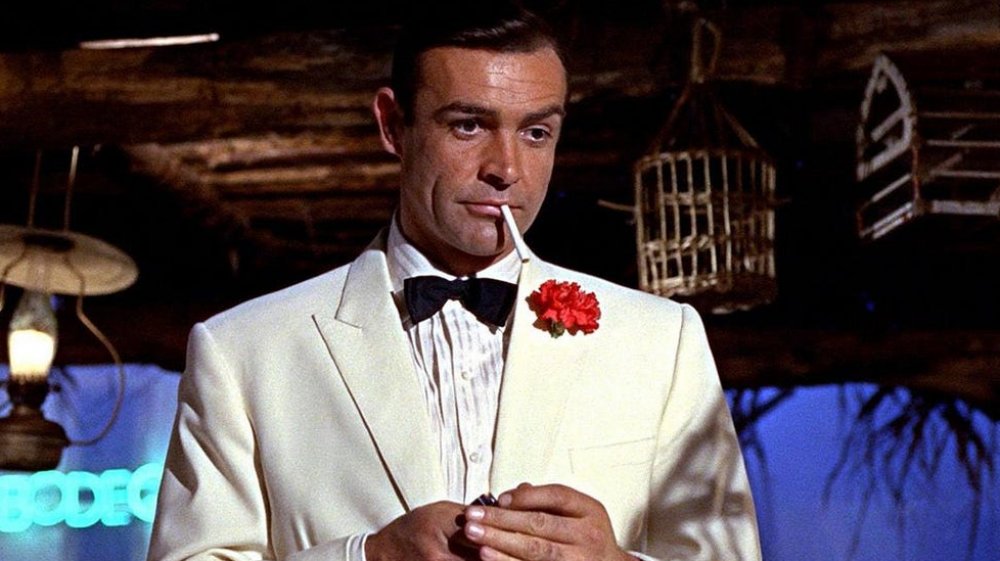
Sean Connery as Bond…James Bond
If we’re going to talk about male cinema stars with overpowering magnetism and studly charisma, we’re going to start withSean Connery, who has died at age 90.
No screen actor has more personally defined a role than did Connery with James Bond. The character of James Bond in Ian Fleming’s source novels is nothing special; Bond was made iconic by Connery’s gifts. The Bond movies are cartoonish, but Connery’s James Bond never is. Connery’s Bond is hunky, but he’s not just a hunk. He is supremely confident. He is cunning. He always assesses a risk before he takes it.
My favorite Connery performance (and the best movie he was in) is The Man Who Would Be King (1975).
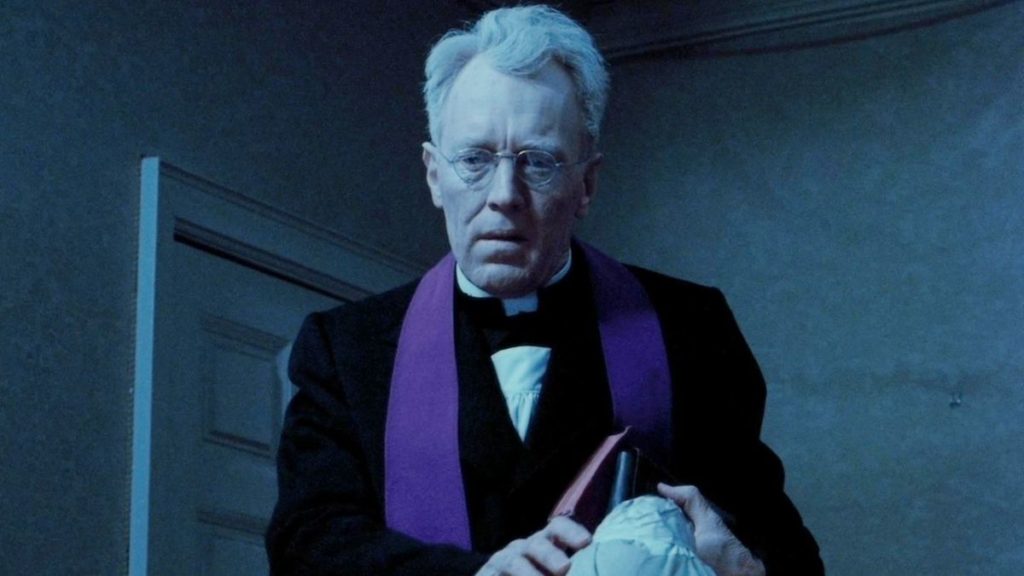
Max Von Sydow as THE EXORCIST
Sixty-three years after the chess game with Death himself in The Seventh Seal, actor Max Von Sydow has finally succumbed. Von Sydow is justifiably most well known among cinephiles for his many roles in a cascade of Ingmar Bergman’s grimness, including The Seventh Seal, The Magician, The Virgin Spring, Through a Glass Darkly, Winter Light, Shame and The Passion of Anna. And in The Magician, he had to don the most off-putting of facial hair. His biggest hit, of course was as the title character in The Exorcist. Contrary to his image, he had the capacity for hilarity, which he demonstrated in Hannah and Her Sisters as a ridiculously pretentious and selfish artist. Along with that role, my favorite Von Sydow performances were in Jan Troell’s The Emigrants and The New Land as a Swedish settler in frontier America.
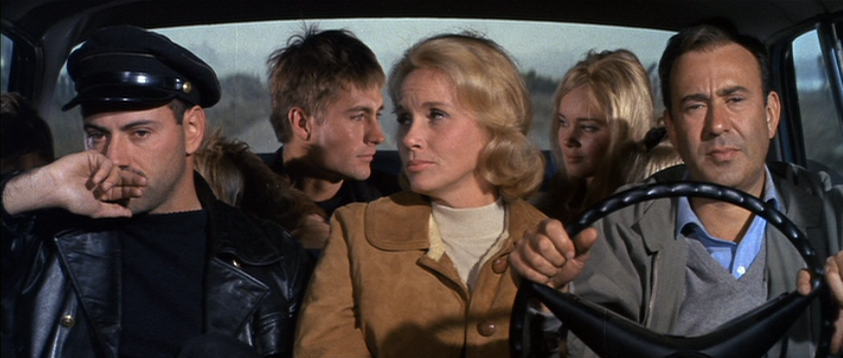
Carl Reiner (far right) in THE RUSSIANS ARE COMING! THE RUSSIANS ARE COMING!
No one has been more important in the evolution of American comedy than Carl Reiner, who has died at age 98. Reiner was a writer and performer on Sid Caesar’s seminal Your Show of Shows. He created one of the greatest and most influential TV sitcoms, The Dick Van Dyke Show. Reiner was the comedy partner who helped Mel Brooks form his work. And he directed four Steve Martin comedies. Reiner was the third person awarded the Mark Twain Prize for American Humor. My favorite Carl Reiner performance was inThe Russians Are Coming! The Russians Are Coming!
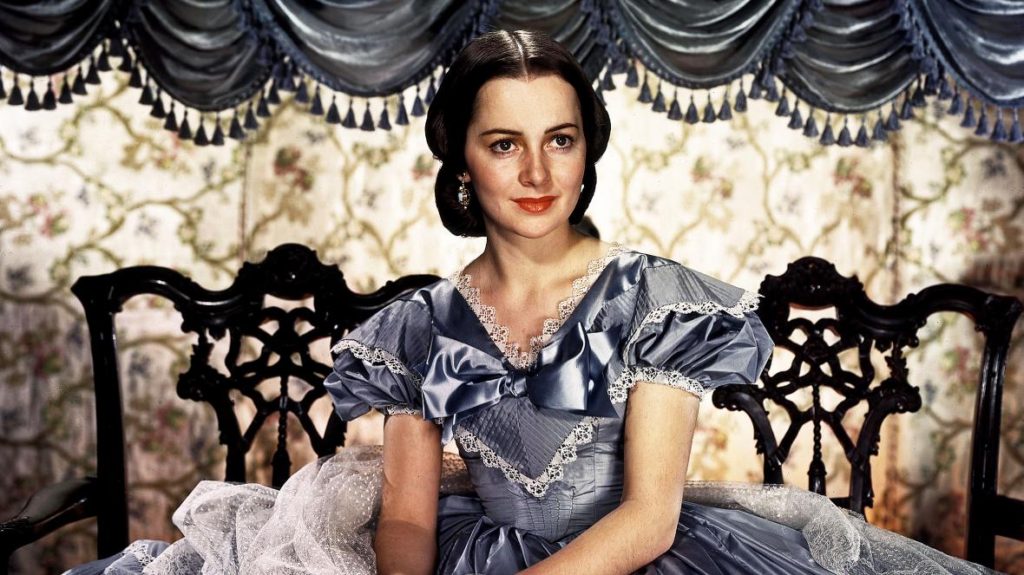
Olivia de Havilland in GONE WITH THE WIND
Silicon Valley native and icon of classic Hollywood, Olivia de Havilland (her real name) was raised in Saratoga and went to Los Gatos High. Her performance in A Midsummer’s Night’s Dream in the Saratoga Community Theater led directly to her appearing in the Hollywood film version of the play at age 19. She starred as the leading lady in her next film, Captain Blood, the first of a series of Warner Brothets costume romances that matched her with Erroll Flynn, with whom she had undeniable chemistry: The Adventures of Robin Hood, The Charge of the Light Brigade, The Santa Fe Trail, Dodge City, They Died with Their Boots On and The Private Lives of Elizabeth and Essex. In this period, she was loaned to David O. Selznick for her most remembered role, that of the profoundly sweet and decent Melanie in Gone with the Wind. De Havilland won her contractual freedom from Warner Brothers through landmark litigation in 1943. She went on to more serious fare and earned yhree Oscar nods in the next six years, winning for To Each His Own and The Heiress.
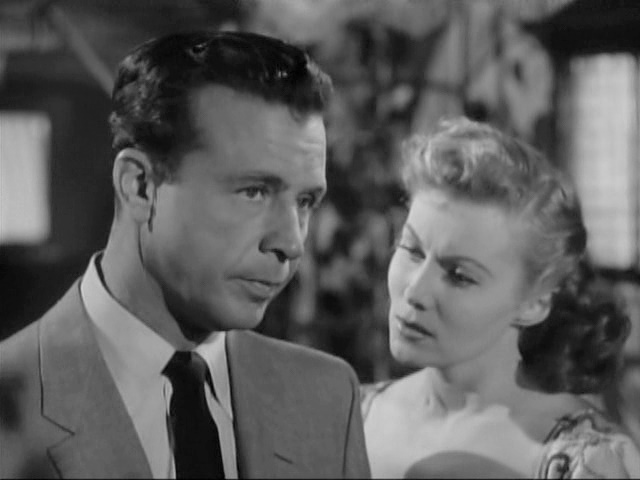
Dick Powell and Rhonda Fleming in CRY DANGER
Actress Rhonda Fleming has died at age 97. She was known as the “Queen of Technicolor” when movie studios exploited her blazing red hair, blue eyes, ivory complexion and uncommon beauty in a series of Western, sword-and-sandal and adventure films; in this period, she was a candidate for the world’s most beautiful woman, along with her age peers Gene Tierney, Lana Turner and Marilyn Monroe. But Fleming’s very best acting work was in black-and-white, in Spellbound, Out of the Past, Cry Danger and While the City Sleeps. My favorite Fleming performance is in Cry Danger, where she plays the girlfriend of the guy who had framed the hero (Dick Powell) – an irresistible woman of uncertain loyalty.
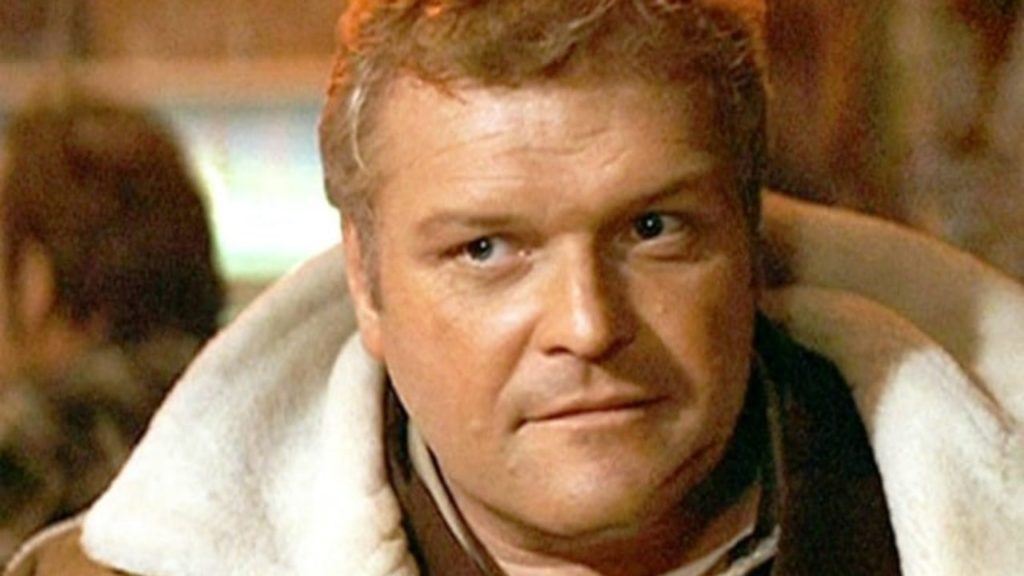
Brian Dennehy
The actor Brian Dennehy stood a bear-like 6’3”and could have filled his career by playing menacing heavies (and he had his share of those). But Dennehy had uncommon range, as evidenced by his most well-remembered roles – Rambo’s nemesis in First Blood and the alien in Cocoon. My favorite Dennehy movie roles were the crooked sheriff in Silverado and Harrison Ford’s morally complicated boss in Presumed Innocent. Dennehy was even a bigger star on stage – he won Tony Awards for his Willy Loman in Death of a Salesman and his James in Long Day’s Journey into Night (the role Ralph Richardson played in the movie).
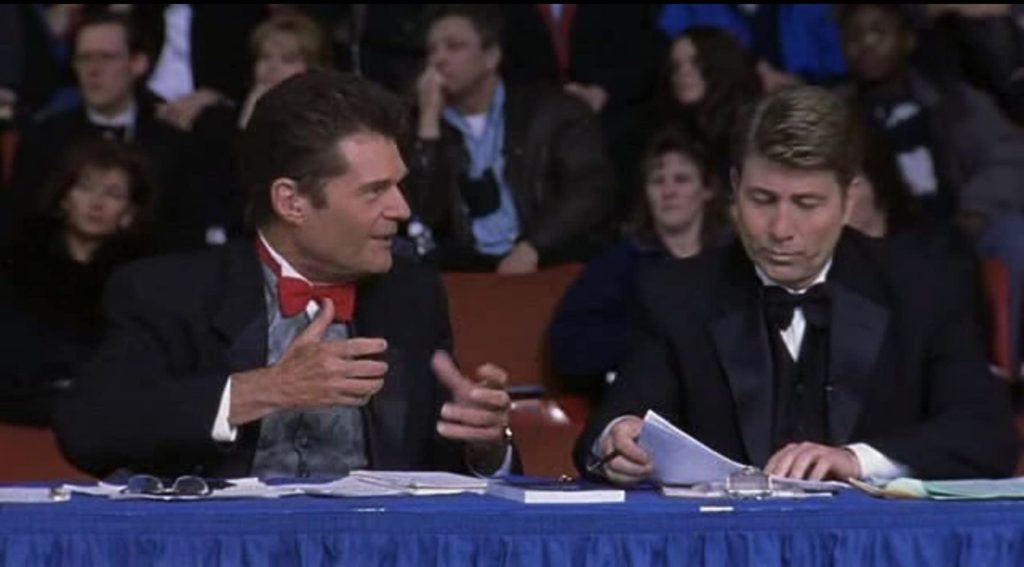
Fred Willard (left) in BEST IN SHOW
Fred Willard, as much as anyone, invented the deadpan mockumentary, starting with his talk show sidekick, Jerry Hubbard character in 1977’s Fernwood 2 Night with Martin Mull. Willard’s zenith was in This Is Spinal Tap and the Christopher Guest ensemble mockumentaries that followed: Waiting for Guffman, Best in Show, For Your Consideration, A Mighty Wind and Mascots. He finished up by playing yet another uncontrollable character, Phil Dunphy’s dad on Modern Family.
Here are some tidbits from Willard’s unashamedly unprepared dog show commentator Buck Laughlin in Best in Show:
If you put them in a race, who would come in first? You know if you had a little jockey on them, going like this imitates jockeys hitting the side of the horse].
And to think that in some countries these dogs are eaten.
I went to one of those obedience places once… it was all going well until they spilled hot candle wax on my private parts.
[sees the trophy] I’ve taken a sponge bath in smaller bowls than that.
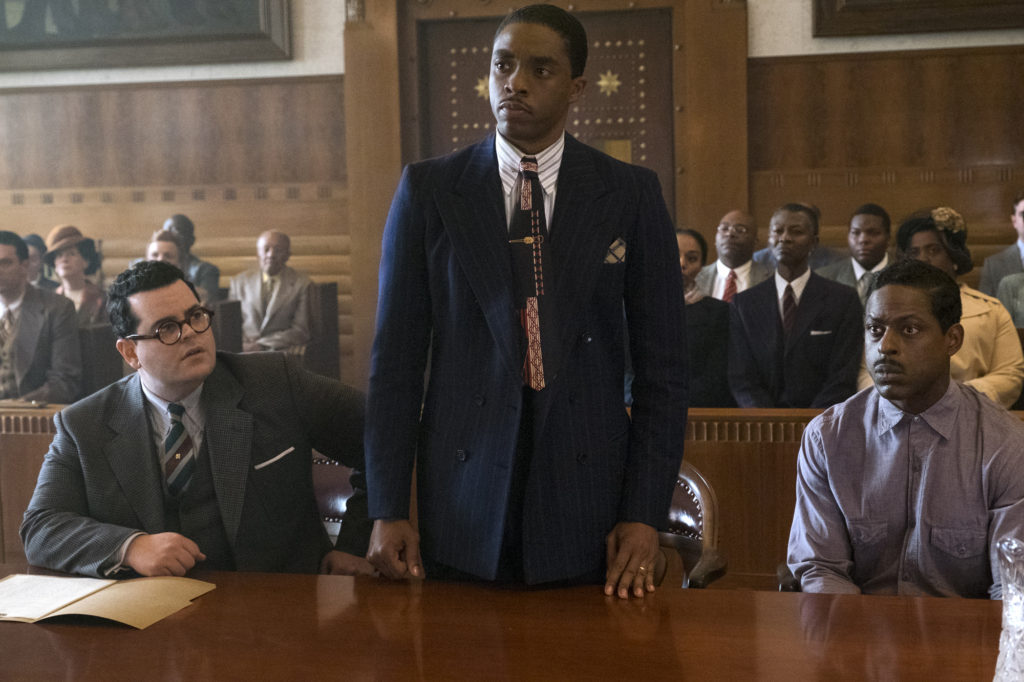
Chadwick Boseman in MARSHALL. Photo credit: Barry Wetcher ;ourtesy of Open Road Films
Chadwick Boseman, an emerging superstar after his iconic role in Black Panther, was able to humanize real life icons like Jackie Robinson, Thurgood Marshall and James Brown. My favorite Boseman performance was in Marshall.