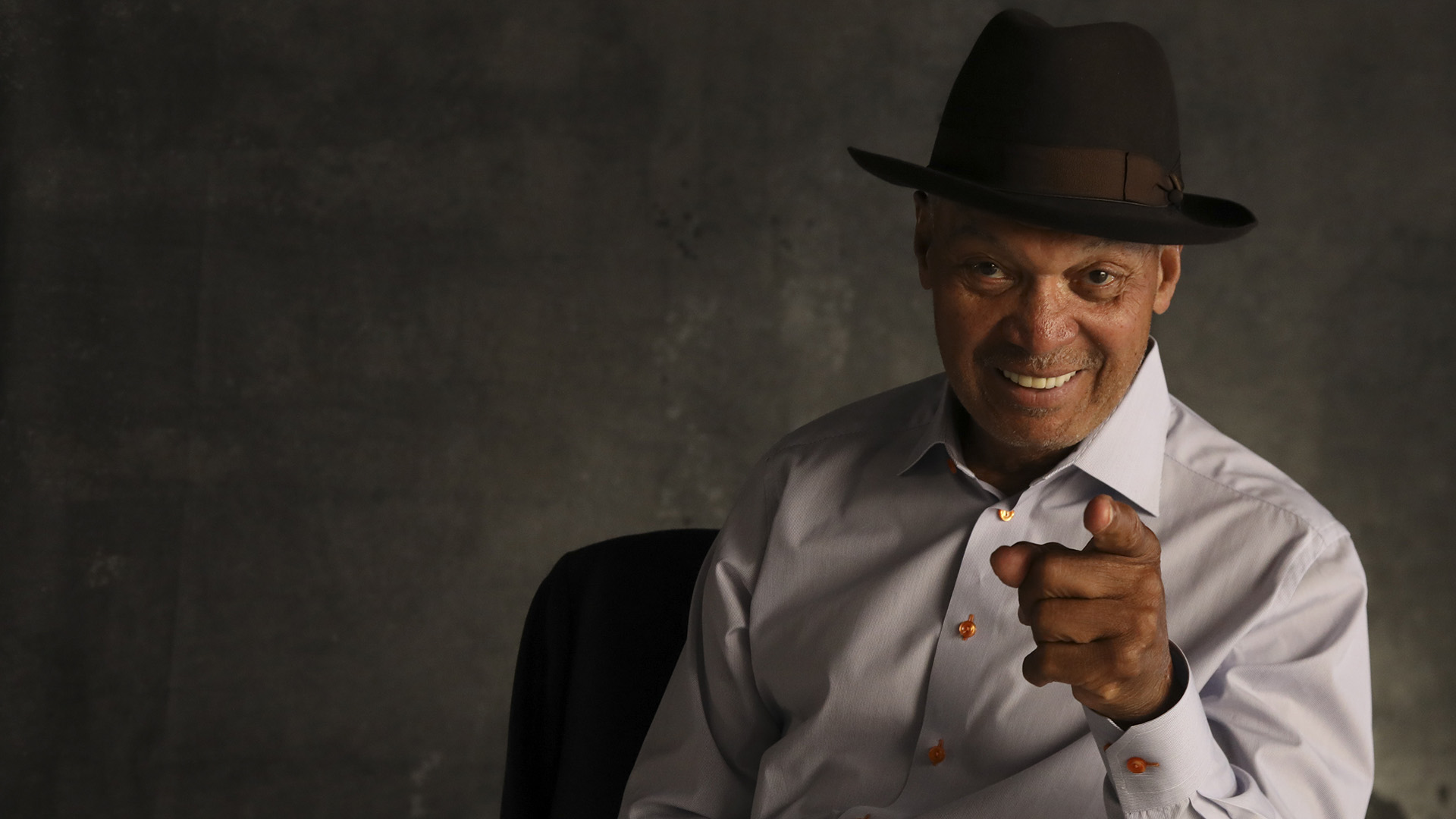
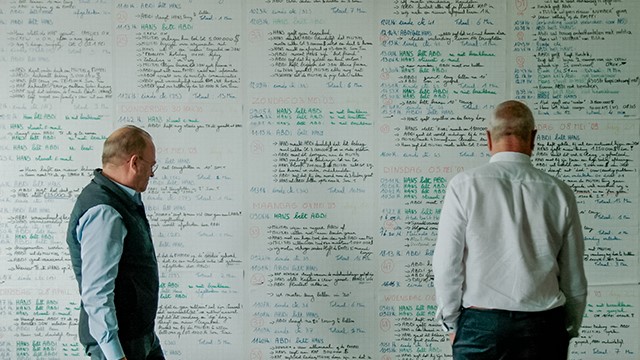
Photo caption: Reggie Jackson in REGGIE. Courtesy of Amazon Prime Video.
After watching the documentary Reggie, I was surprised that I found spending 104 minutes with Reggie Jackson so rewarding. In the 1970s, Jackson seemed to me such an egotist, so consumed by his own stardom. Of course, the media were always asking him about himself. Here, where Jackson has the platform, he talks about himself in the context of larger issues of racial justice, economic justice, righting past wrongs and creating a more equitable future – for everybody, not just for Reggie.
The film could have been titled The Life and Times of Reggie Jackson. America’s struggle with race is in the forefront of Reggie, understandably because of the times. In addition, Reggie sees many of the pivotal events in his life as impacted by race – and he makes a convincing case.
Reggie contains lots of tidbits, many not well known:
Reggie’s own experiences with racial prejudice as a child and young man
Reggie’s shielding from the dangers of Alabama Jim Crow by minor league teammates Joe Rudi, Rollie Fingers and Dave Duncan
His early mentorship by Joe DiMaggio
His chafing at Charley Findley – and Findley giving him a $2500 pay cut for “too many strikeouts” in a season when Reggie led the league in homers
Reggie’s prickly relationship with Thurman Munson, his incendiary mismatch with Billy Martin, and an evolved friendship with George Steinbrenner
The origin of the “Mr. October” sobriquet.
Reggie can be streamed from Amazon (included with Prime).
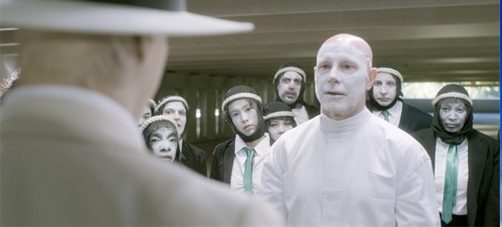
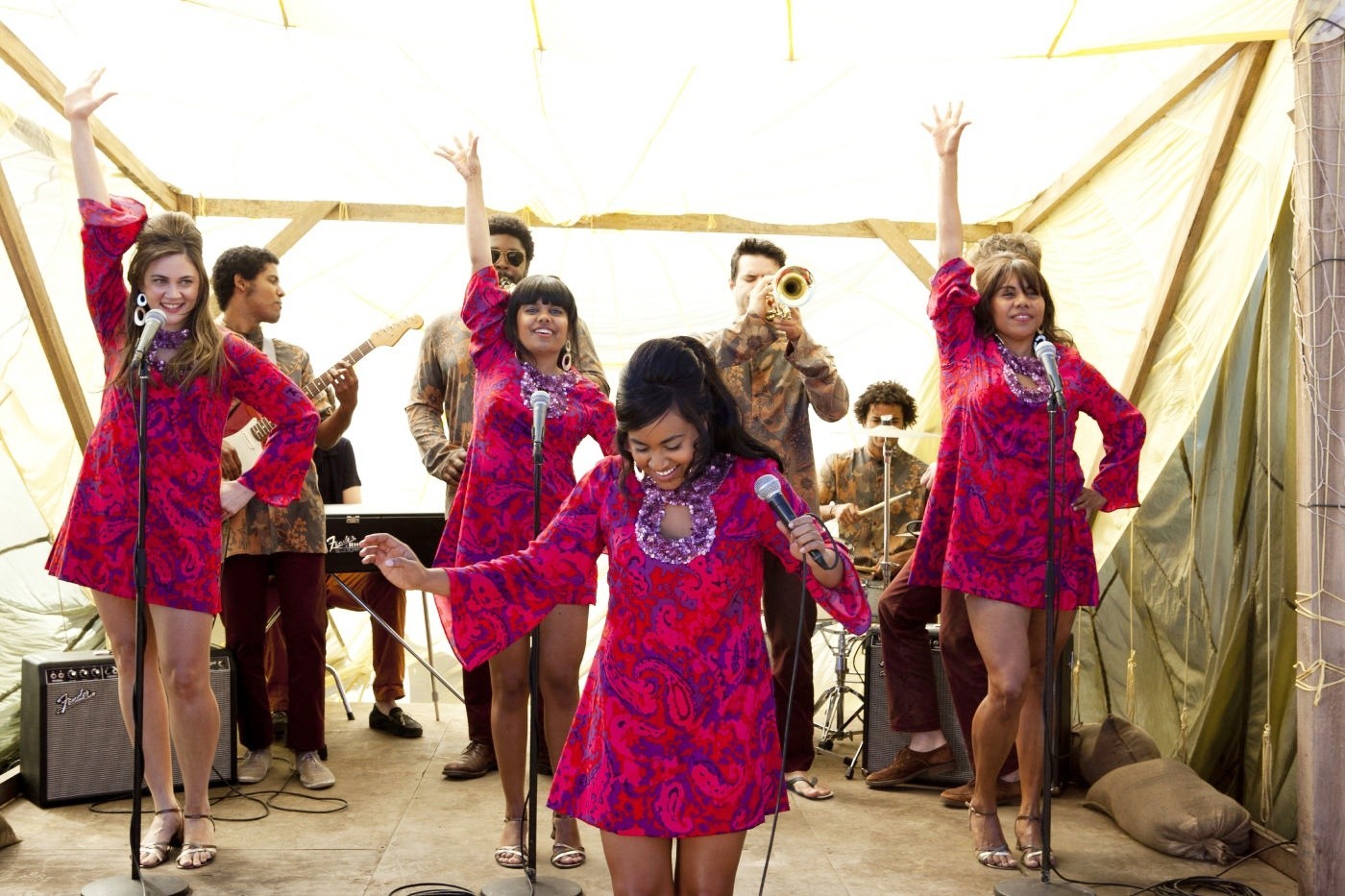
Photo caption: I’M AN ELECTRIC LAMPSHADE. Courtesy of Cinequest.
In the winning and surprising documentary I’m an Electric Lampshade, we meet the most improbable rock star – a mild-mannered accountant who retires to pursue his dream of performing.
60-year-old Doug McCorkle is fit for his age and has an unusually mellifluous voice, like a late night FM DJ or the announcer in a boxing ring. Other than that he looks like a total square.
There may be no flamboyance about Doug McCorkle, but it thrives inside him. His own artistic taste is trippy, gender-bending and daring. Think Price Waterhouse Cooper on the outside and Janelle Monáe on the inside.
We follow Doug as he goes to a performance school in the Philippines (where most of his classmates are drag queens) and the montage of his training resembles those in Fame and Flashdance. Doug is a good enough sport to wear MC Hammer pants in a bizarre Filipino yogurt commercial. It all culminates in a concert in Mexico.
Doug’s quest would be a vanity project except he has no apparent vanity. He must have some ego to want to get up on stage, but compared to subjects of other showbiz documentaries, he is most humble, emphatically not self-absorbed and low maintenance. We can tell from how his co-workers, friends and wife react to him, that he is just a profoundly decent guy.
Eminently watchable, this is a successful first feature for writer-director John Clayton Doyle. The stage-setting profile of one of the Filipino artists could have been trimmed, but Lampshade is otherwise well-paced.
The final score: Doug 1, Expectations 0. I screened I’m an Electric Lmpshade for its world premiere at Cinequest, and it made my Best of Cinequest 2021. It’s now available to stream from Amazon, AppleTV, Vudu and YouTube.
Photo caption: Bríd Ní Neachtain in ROISE & FRANK. Courtesy of Juno Pictures.
In the delightful and sweet Gaelic comedy Roise & Frank, it’s two years after the death of Roise’s (Bríd Ní Neachtain) husband Frank, and her grief has turned her into a reclusive depressive. An apparently stray dog insists upon intruding into her life. She becomes convinced the dog is the reincarnation of her deceased hubbie – and the screenplay cleverly gives her credible reasons to believe this. She names the dog Frank, and off we go, as Frank the dog guides Roise out of her melancholy, despite the resistance of her adult, also still grieving, son and her lovestruck neighbor. Soon, there are even implications for the local school’s hapless hurling team.
Roise & Frank was deftly directed by Rachael Moriarty and Peter Murphy, who overcame W.C Fields’ admonition about working with animals and children. They succeeded in keeping Roise & Frank light and funny without turning it into sitcom silliness.
Bríd Ní Neachtain, who played the nosy postmistress in The Banshees of Inisherin, is convincing and relatable as both the gloomy and the rejuvenated Roise. In his first screen credit, Ruadhán de Faoite is especially winning as Mikey, the confidence challenged middle schooler next door.
The dog Frank is a mutt described as possibly part lurcher, a breed unfamiliar to many of us in North America. Lurchers, a mix of greyhound and terrier or herder, historically used in hunting, are more common in the British Isles.
Roise & Frank opens on April 7th at the Opera Plaza in San Francisco, the Smith Rafael in San Rafael, and the Laemmle Town Center and Royal in Los Angeles. This is a charmer and well worth seeking out.
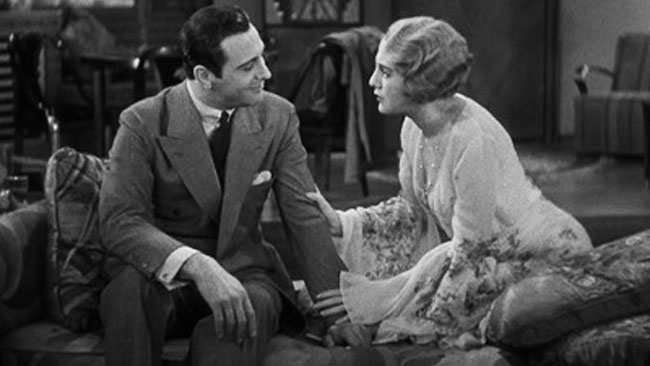
Ricardo Cortez and Bebe Daniels in 1931’s THE MALTESE FALCON
If you want to understand what Pre-Code is all about, take a look at the 1931 The Maltese Falcon, which has an entirely different tone than the 1941 John Huston/Humphrey Bogart/Mary Astor The Maltese Falcon that you’ve surely seen. The 1931 Falcon, which is coming up on Turner Classic Movies on April 4.
Ricardo Cortez’s Sam Spade is lecherous, cocksure, leering and pawing. Indeed, if this Pre-Code The Maltese Falcon is about anything, it’s about sex. It opens with a woman adjusting her hose before leaving Sam Spade’s office, evidence of a just-completed sexual encounter.
Bebe Daniels plays Miss Wonderly/Brigid O’Shaughnessy as sexually aggressive. She’s shown taking an obviously post-coital bath, and deals out lines like “who’s that dame wearing MY kimono?“. At one point, a large banknote is missing and Spade takes Brigid into an adjoining room and strip searches her. This 1931 movie is the only Maltese Falcon that contains this sequence. What we see on camera is an apparently nude Brigid clutching her clothes behind the door.
The Hays Code prevented the re-release of The Maltese Falcon in 1936, which led to the 1936 remake, Satan Met a Lady. Because it’s so risque, the complete version of this 1931 film was not screened again in the United States until 1966.Here’s my essay on the three faces of The Maltese Falcon.
Photo caption: Park Ji-min in RETURN TO SEOUL. Courtesy of Sony Pictures Classics.
As the brilliantly crafted and emotionally gripping Return to Seoul opens, we meet a free-spirited young woman (Park Ji-min) with the decidedly non-Korean name Frederique Benoit. Freddie is French, having been adopted from Korea by a French couple as an infant. Freddie doesn’t speak Korean, doesn’t know anything about Korean culture, and is only in Korea because of a last minute pivot from some disrupted vacation travel.
Freddie travels for pleasure and loves to party – and party hard. She is certainly NOT prepared for a quest to find her biological parents, but an acquaintance gives her a tip, and she can’t resist following up. What follows is an exceptional and unpredictable personal journey told in four segments – the second five years after the first, the third and fourth just a year or two apart.
Return to Seoul features a screenplay without any hint of cliché and a stunning breakthrough performance by its lead actress.
Freddie is brash, impulsive and unfiltered. Her feelings about the circumstances of her adoption are authentic and complicated. She doesn’t seem either needy or resentful – but what is beneath the surface? After all, she does have a visceral distaste for celebrating her birthday.
Freddie is frequently impolite and often mistreats those who care for her with breathtaking awfulness; she dispatches one boyfriend with a line of staggering cruelty – and then repeats it..
As Freddie, Park Ji-min is a revelation in her FIRST FILM role. She’s on screen in every scene, and we’re always on the edge of our seat wondering how she’ll react – for better or for worse. We ‘re on Freddie’s roller coaster, and Park Ji-min is driving it.
Park Ji-min in RETURN TO SEOUL. Courtesy of Sony Pictures Classics.
Park Ji-min is a visual artist who often paints with latex. Like Freddie, she’s confident enough – in her first filmmaking – to have insisted on eschewing a blonde wig for a black leather wardrobe in the second segment because she saw the character of Freddie as a warrior. After a stunning, sure to be star-making performance in Return to Seoul, she says she’s now deciding whether to accept further acting gigs (and I sure hope she does). In the meantime, she’s become a spokesperson for Dior.
Park Ji-min moved with her Korean parents from Korea to France in her childhood. She heard of this film project from a friend who, like the character of Freddie, was adopted from Korea by French parents.
Writer-director Davy Chou is French-born of Cambodian parents. This is only his second feature, and it’s a near masterpiece primarily because Chou has created an entirety original and complex protagonist.
Freddie’s biological father is played by Oh Kwang-rok, a Korean actor of note, who delivers a heartfelt and sometimes smoldering performance.
I found Return to Seoul to be a thrilling experience, a better film than any of last year’s ten nominees for the Best Picture Oscar. The Wife, while moved by the penultimate scene, was much less impressed. She thought one music-related thread had been ignored for the middle of the film, and was underwhelmed by the ending.
Go see Return to Seoul at your arthouse theater – it’s the first Must See of 2023. I’ll let you know when it streams.
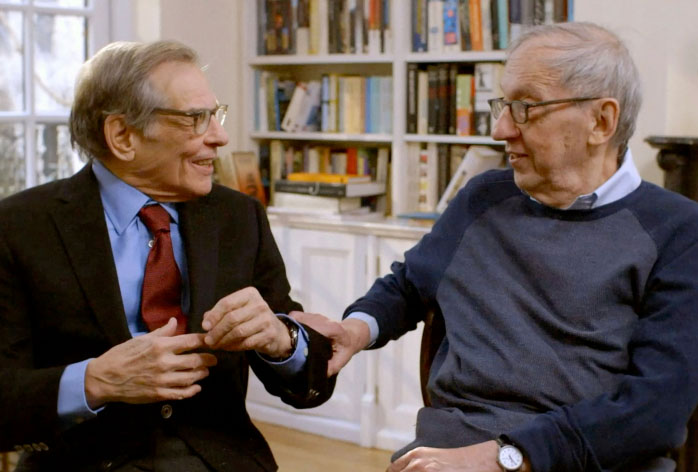
Photo caption: Robert Caro and Robert Gottlieb in TURN EVERY PAGE. Courtesy of Sony Pictures Classics.
The fine documentary Turn Every Page profiles two American literary stars and their collaboration of over fifty years, which is, amazingly, still ongoing. Robert Caro, America’s top biographer and political writer, is 87-years-old. Robert Gottlieb, the most important American publisher, is 90. These are important guys, and their story is irresistible.
Turn Every Page is directed by Gottlieb’s daughter Lizzie Gottlieb – the only person who could get the cooperation of these two quirky masters – and she tells a great story.
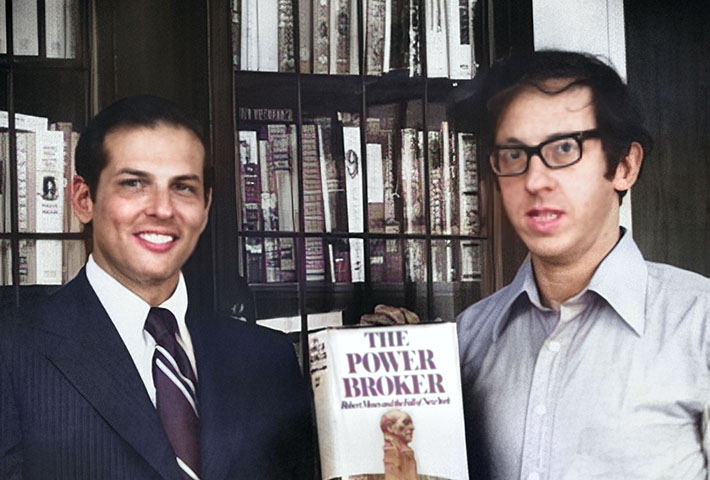
The two began their collaboration with Caro’s 1972 The Power Broker, which has become de rigeur among observers of and participants in America’s politics and government. The two then launched the greatest political biography in history, Caro’s four-volume revelation of Lyndon Baines Johnson.
Caro is defined by his meticulousness. To understand the background that molded LBJ, Caro moved his family for three years to the Texas Hill Country. Turn Every Page contains plenty of nuggets for Robert Caro geeks like me:
The moment when Caro and Gottlieb decided to abandon a Fiorello La Guardia bio for the LBJ project.
The space over Caro’s refrigerator, into which is crammed, a few pages at a time, carbon copes of his entire oeuvre.
How a change in the health of LBJ’s younger brother, Sam Houston Johnson, opened up the reality of LBJ’s childhood family for the first time.
How Caro’s incredible doggedness led him to find a man thought long dead, who handed Caro the smoking gun evidence for his biggest literary revelation.
Note: Turn Every Page discusses the Big Reveal in the second LBJ volume, Means of Ascent – that LBJ’s victory in the 1948 election for US Senate was stolen. What Turn Every Page leaves out (understandably because the movie is about the LBJ books, not about LBJ) is that Means of Ascent also proved that the preceding US Senate election was stolen FROM LBJ.
Those of us who are addicted to Caro’s LBJ series have been awaiting the final volume nervously, in light of the actuarial inevitabilities and Caro’s unsatisfying response that it will be published when he is ready; Turn Every Page doesn’t offer any different answer.
Gottlieb is arguably even more important than Caro. He broke through in 1961 by discovering Joseph Heller and publishing Catch 22. Since then he has guided the completion and publication of the work of Toni Morrison, Salmon Rushdie, John LeCarre, John Cheever, Ray Bradbury, Michael Crichton, Barbara Tuchman, Nora Ephron, Jessica Mitford, Antonia Fraser, Doris Lessing and a host of celebrity memoirs by the likes of Bill Clinton, Katharine Hepburn, Bob Dylan and Lauren Bacall. As obsessive as Caro, but in different ways, Gottlieb is also a bit of a Renaissance Man, with a surprising role in ballet and as an offbeat collector.
Turn Every Page has concluded its all too brief run in arthouse theaters, but I’m sure it will be streaming (or perhaps televised) soon; I’ll let you know when you can see it.
Robert Caro and Robert Gottlieb in TURN EVERY PAGE. Courtesy of Sony Pictures Classics.
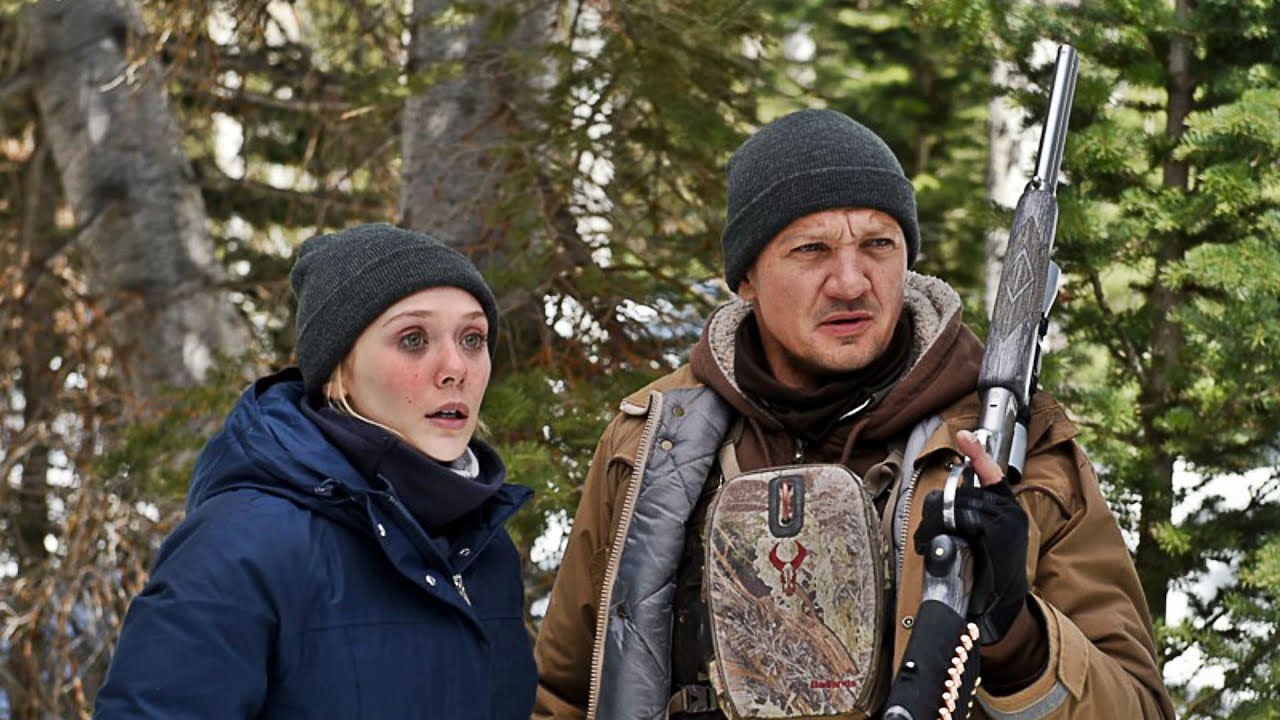
This week on The Movie Gourmet – a new review of Sansón and Me. Watch this space for upcoming reviews of Turn Every Page and Roise & Frank.Wind River is highlighted on my most eclectic watch-at-home recommendations you’ll find ANYWHERE.
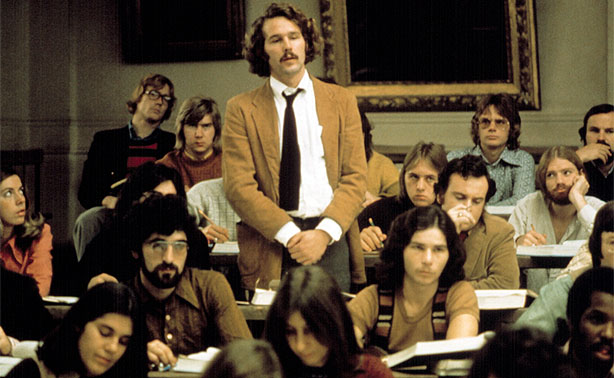
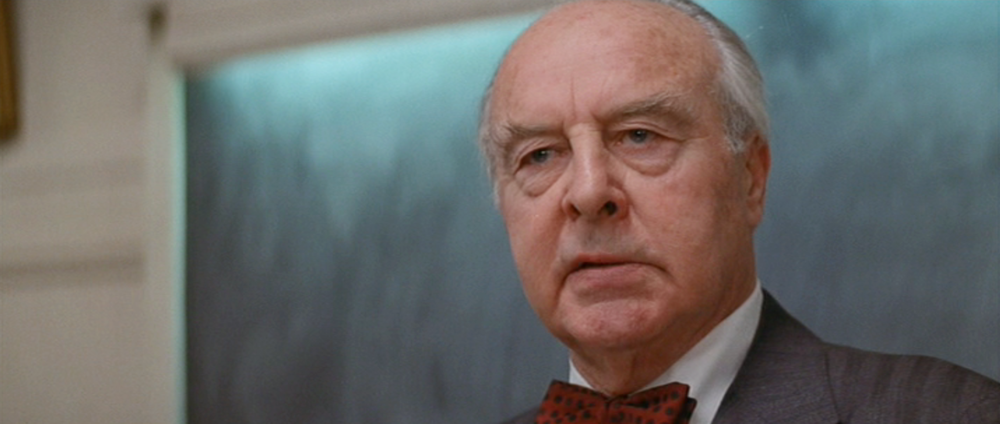
On March 28, Turner Classic Movies airs one my personal favorite movies, The Paper Chase, which traces a young man’s (Timothy Bottoms) first year at Harvard Law School and is based on the memoir of a recent grad. Although IMDb labels The Paper Chase as 1973 movie, I saw it in the summer of 1975, just as I was about to enter law school myself. It’s such a personal favorite because just about EVERYTHING in the movie is something that I experienced myself at in my first year at Georgetown Law – everything, that is, EXCEPT dating Lindsay Wagner. It’s a compelling story and the great producer John Houseman won an acting Oscar for his performance as the mentor/nemesis law professor; Houseman immediately cashed in with his ”They make money the old fashioned way… they EARN it” commercials for Smith Barney.
The Paper Chase is also notable as the first feature film credit for actors Craig Richard Nelson, Graham Beckel (Brokeback Mountain, L.A. Confidential) and Edward Herrmann (known for many portrayals of FDR). All three are stellar as members of the law school study group, and these guys have now combined for over 300 screen acting credits. The Paper Chase is also available to stream from Amazon, Vudu and YouTube.
John Jay Osborn Jr., who wrote the autobiographical novel which was the source material movie, died last year.
Gerardo Reyes as adult Sansón in Rodrigo Reyes’ documentary SANSÓN AND ME. Courtesy of Cinema Guild.
In the documentary Sansón and Me, director Rodrigo Reyes explores how an unremarkable 19-year-old living a decidedly non-monstrous existence could be locked up for life. Reyes, one of our most imaginative filmmakers, has a day job as a courtroom interpreter and met his titular subject at his California trial. Sansón, a Mexican immigrant, although apparently not the triggerman, was convicted of a murder and sentenced to life without the possibility of parole.
Reyes travels to Sansón’s hometown, a modest fishing village between Puerto Vallarta and Acapulco and enlists Sansón’s family members to re-enact pivotal moments in Sansón’s childhood. It turns out that the family has more than its share of troubles and that the village is less than idyllic. Reyes then uses local, non-professional actors, to depict Sansón’s sojourn in California’s Central Valley, up to the killing in the grubby agricultural town of Dos Palos. It doesn’t take Sansón very long to get in the wrong place at the wrong time.
Sansón made a bad decision and was also profoundly unlucky. For that, the remaining decades of his life have been discarded by the state, which Reyes paints as an unfathomably disproportionate consequence.
Two years ago, Reyes invented his own genre of documentary in 499, what I call a “docu-fable” because it is all as real as real can be (the documentary), except for a fictional, 500-year-old conquistador (the fable). That movie’s title reflects a moment 499 years after Cortés’ conquest of the Aztecs in 1520; the conquistador and the audience discover that the dehumanization inherent in colonialism has persisted to plague modern Mexico – essentially the legacy of Mexico’s Original Sin. I’m hoping that Reyes’ permanent day job becomes filmmaker.
Sansón and Me is rolling out in theaters and plays the American Cinematheque on March 24.
The Whale, with its spectacular performances by the Oscar-winning Brendan Fraser and by Hong Chau.
Aftersun, with its Oscar-nominated performance by Paul Mescal.
Broker, which was spurned by the Oscars despite being a masterpiece.
REMEMBRANCE
Sadly, the actor Robert Blake will be remembered for the horrific childhood and sordid post-career detailed in his NYT obit, a hit TV show with a parrot and an absence of personal boundaries on TV talk shows. He was a child star, exploited by an abusive parent, in Our Gang and even The Treasure of the Sierra Madre. But he proved his underlying talent in In Cold Blood.
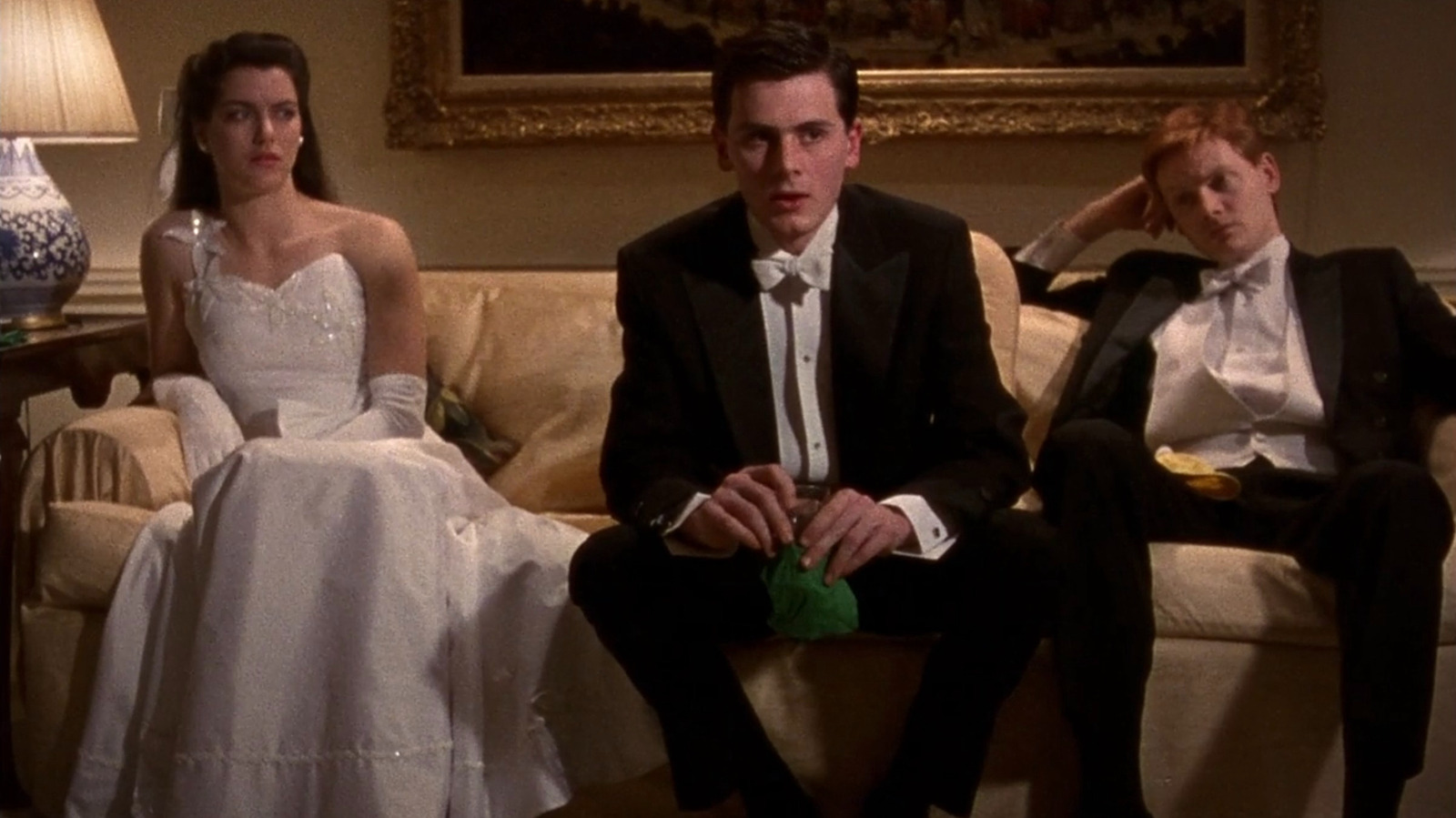
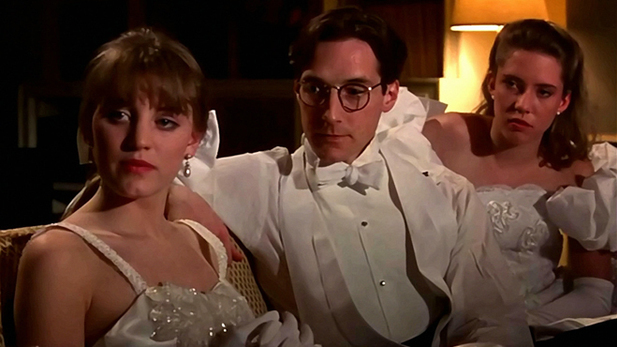
On March 24, Turner Classic Movies airs Metropolitan from 1990, the work of writer-director Whit Stillman, who is essentially his own genre. What Stilman does really well is bring us unto the world of old money Eastern preppies with their refined manners and their odd customs like debutante balls. His well-educated characters have earnest late-night existential conversations in complete sentences. Nobody else does this, and Stillman’s dialogue has always kept me wholly absorbed. I keep thinking, I should despise these people, and yet their ruminations are kind of intoxicating. Stilman’s next movie, Barcelona, is enjoyable, too.
Cinequest’s online festival Cinejoy ran through March 12. Here are the films that in the program that I hadn’t posted about yet:
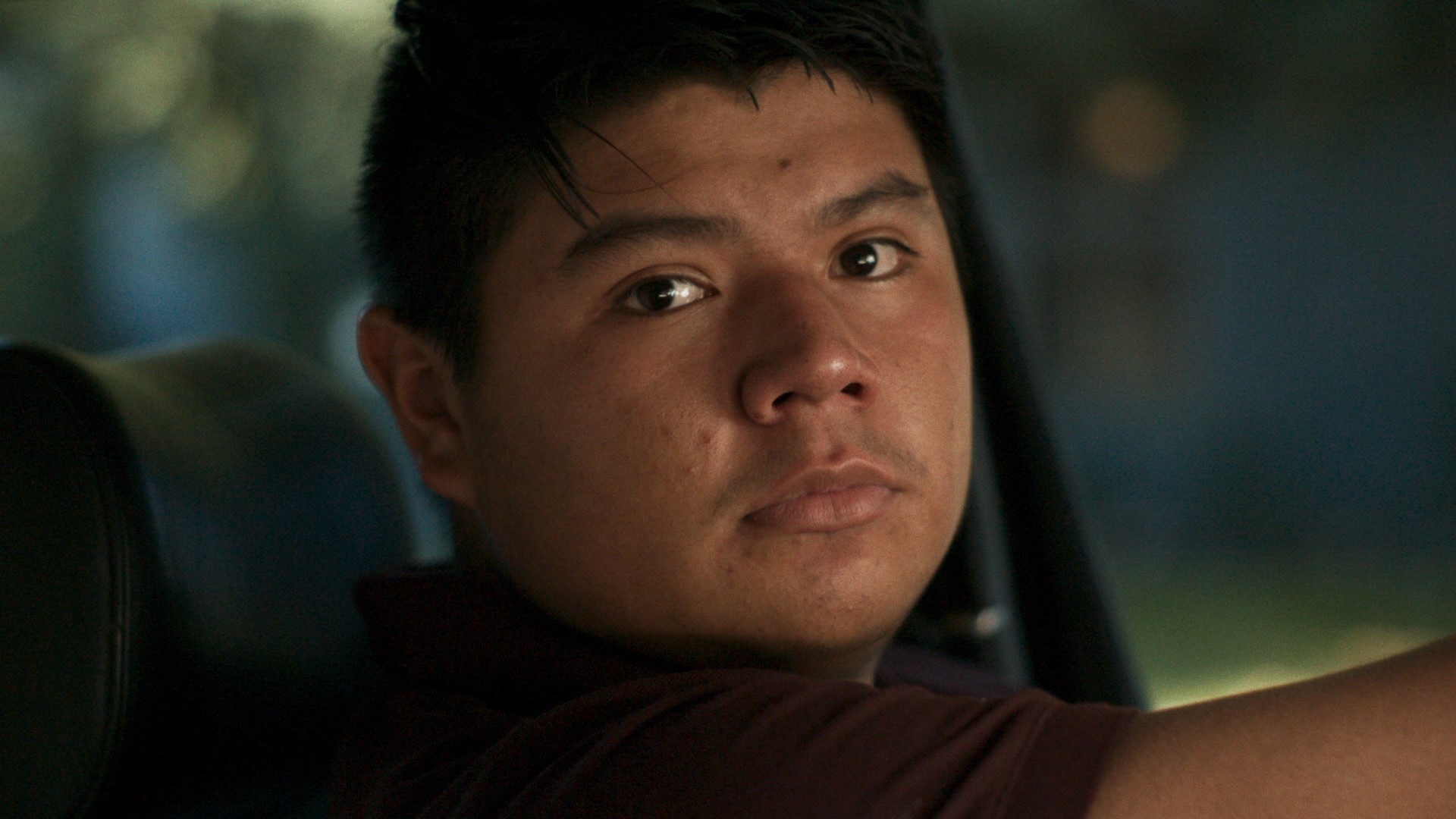
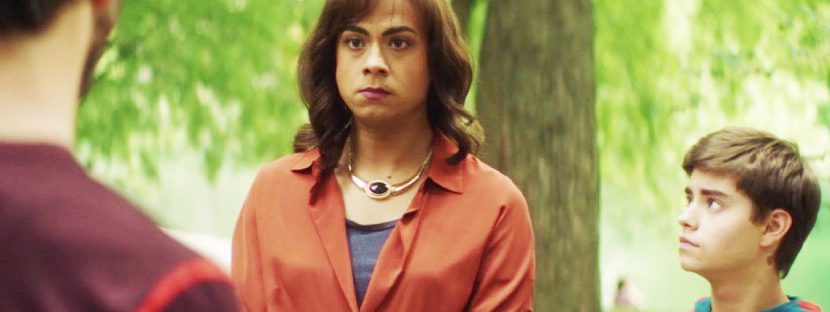
Egghead & Twinkie: In this remarkably funny, sweet and genuine coming-of-age film, high school senior Twinkie (Sabrina Jie-A-Fa – real talent) is trying to navigate her sexual awakening as a lesbian, and goes on a roadtrip with her lifelong bestie, the neighbor boy who is now sweet on her. Perfectly paced, with just the right amount of whimsical animation sprinkled in, Egghead & Twinkie is an impressive debut feature for writer-director Sarah Kambe Holland. IMO this is one of the best coming-of-age films of the decade.
Catching the Pirate King: The enthralling Belgian documentary is two movies in one. The first is a play by play of the hijacking of a Belgian ship by Somali pirates and the negotiating of their ransom. The second is about the Belgian law enforcement’s dogged campaign to bring the pirates to justice – in Belgium. We meet the ship’s captain and crew, the shipping company’s negotiator, the cops and prosecutors and even some pirates. Absorbing, exceptionally well-sourced and very well-crafted.
Under Water: This dark Dutch dramedy (or extremely dark Dutch comedy) starts out as the insistent effort of a pushy woman and her estranged husband to get her aged mother into residential care. The mother, a paranoid survivalist, resists every entreaty by the woman and her estranged husband to leave her isolated, condemned house – and even imprisons them in her basement. The husband’s role evolves, and we eventually see that this is a portrait of generational mental illness.
Sweet Disaster: This zany German comedy is driven by the protagonist’s ever-unleashed impulsiveness and utter lack of boundaries. Frida (Friederike Kempter) encounters and falls for an airline pilot and audaciously charms him into a relationship; their affair lasts just long enough for her to become impregnated and for him to abandon her for his ex. Consumed by the urge to win him back, Frida throws propriety to the winds. Frida’s zany roller coaster is tempered by sweet relationships with her apartment neighbors, a precocious teenage neighbor and a Greek Chorus of card-playing older women.
Sloane: A Jazz Singer: This is another laudatory doc on an overlooked musical artist. Now 82, she’s a lot of fun. I wasn’t wowed by an advance version that I screened, but I understand that revisions have since made this film very strong.
The Secret Song: This doc is an uncomplicated movie about a visionary and saintly public school music teacher. He has touched hundreds of lives; this movie won’t.