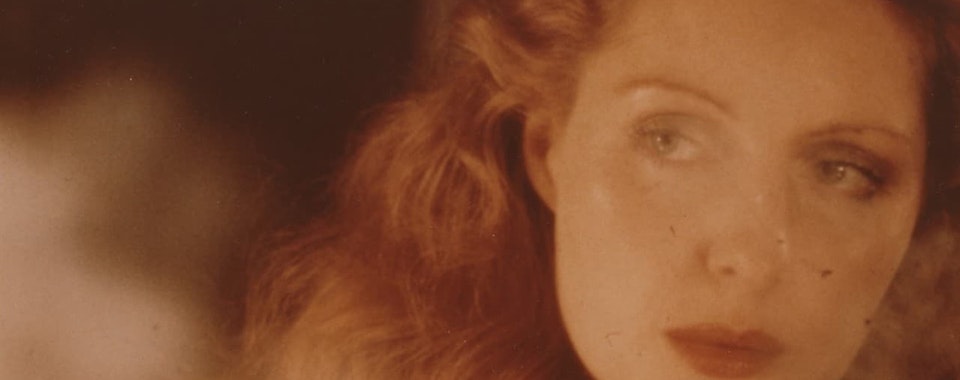
Shere Hite in THE DISAPPEARANCE OF SHERE HITE. Courtesy of IFC Films.
The Disappearance of Shere Hite: This film, a triumph for director Nicole Newnham (Crip Camp), explores the life and times of the groundbreaking sex researcher and best-selling author. A woman of uncommon confidence, determination and resourcefulness, Hite sailed into the face of the patriarchy. Denied resources and respect by the academic establishment, her guerilla research uncovered pivotal truths of female sexuality and spoke them for the first time. The resulting sensation brought fame, acclaim and notoriety to Hite, accompanied by both financial success and a vicious backlash. The persistence of that backlash, and its personal toll, caused Hite to essentially revoke her own celebrity. Hite did not suffer fools, and was fearless until she wasn’t.
We meet a slew of Hite’s intimates in this superbly sourced film and gain insight into her personality. Shere Hite speaks to us directly in file footage and in her writings, voiced by Dakota Johnson.
For those of us who were roaming the earth in the 1970s, it’s still jarring to see the cultural resistance to what we now accept as biological fact. For those experiencing this story for the first time, it’s astonishing and powerful. I understand that women under age forty-five, having missed Shere Hite’s moment of ubiquitous media presence, are responding strongly to this film.
I screened The Disappearance of Shere Hite for the Nashville Film Festival, and it topped my Must See at NashFilm. It opens in theaters this weekend.
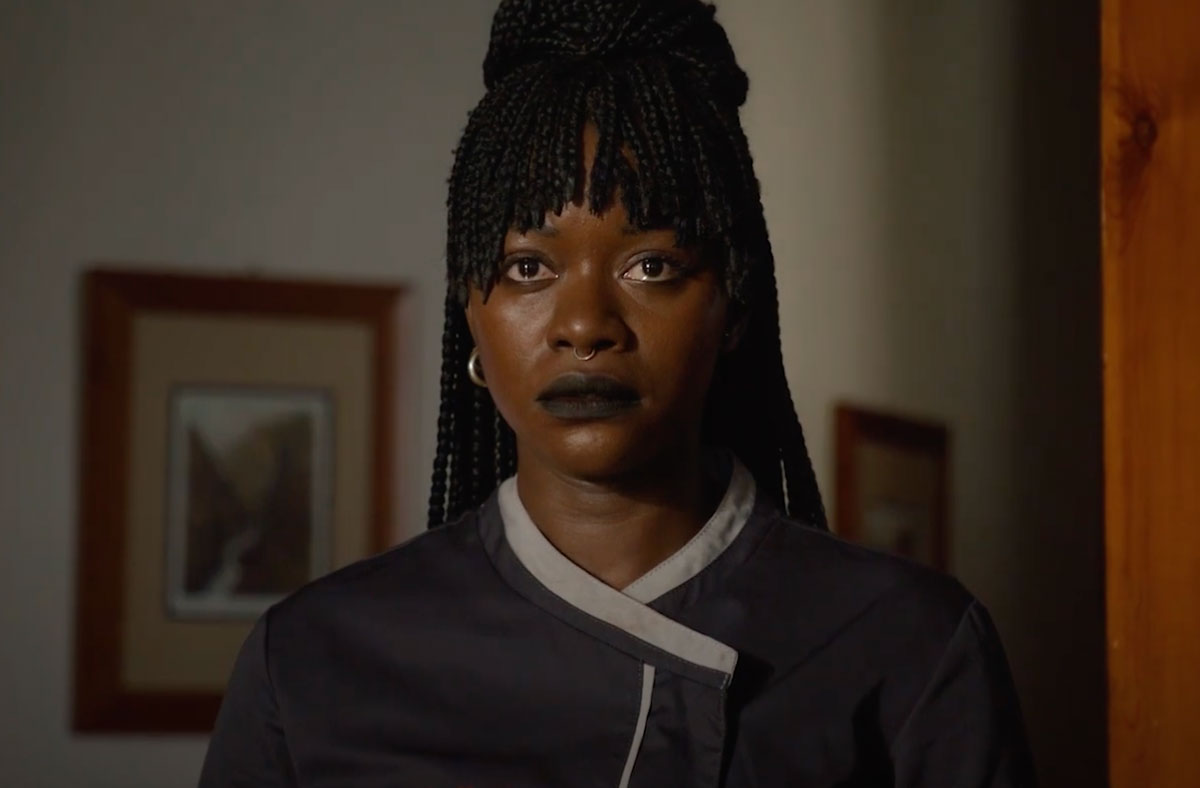
Photo caption: Babetida Sadjo in OUR FATHER, THE DEVIL. Courtesy of Cinedigm.
In the gripping drama Our Father, the Devil, an African immigrant in France is rocked when an African priest shows up in her workplace – and he could actually be the savage warlord who traumatized her in her homeland.
Marie (Babetida Sadjo) is the head chef at an elder care facility in a French mountain town. We see that Marie is talented, competent and kind. There are hints of trauma in her past – a hair trigger reaction to a possible threat, a scar on her back.
The new priest (Souleymane Sy Savane) shows up, and Marie fixes on his voice before she sees him and, before we see his face, she has positively identified him as the young commander from decades before. We wonder how she can be so certain, although that is later revealed.
Our Father, the Devil makes for a riveting character study of Marie that becomes a thriller when Marie gets extreme. We learn more and more about the back story – it’s not just her own victimization that has traumatized Marie. Does violence traumatize the perpetrators as well as the victims? And Our Father, the Devil ultimately poses this question – can revenge extinguish trauma?
Our Father, the Devil is the first feature for Cameroon-born, American writer-director Ellie Foumbi, and she’s both an impressive director and screenwriter.
Babetida Sadjo delivers a compelling performance as Marie, built on the intensity of her gaze and her extraordinarily expressive eyes.
Souleymane Sy Savane, so good in 2008 as the sympathetic, relatable lead in Ramin Bahrani’s fine Goodbye Solo, brings texture and depth to the priest – and his own evolving view of his past.
Our Father, the Devil benefits from interesting and filled-out minor characters – Marie’s dying mentor Jeanne Guyot (Martine Amisse), her cheeky best friend Nadia (Jennifer Tchiakpe), her love interest Arnaud (Franck Saurel), and even her stressed-out boss Sabine (Maelle Genet). There’s not a two-dimensional character or a poor performance in the lot.
Our Father, the Devil has been nominated for an Independent Spirit Award and has won the best picture award at over13 film festivals. I saw Our Father, the Devil at the SLO Film Fest in April, where it also won the jury award for Best Narrative Feature, and it’s now streaming from AppleTV, Vudu, YouTube and redbox.
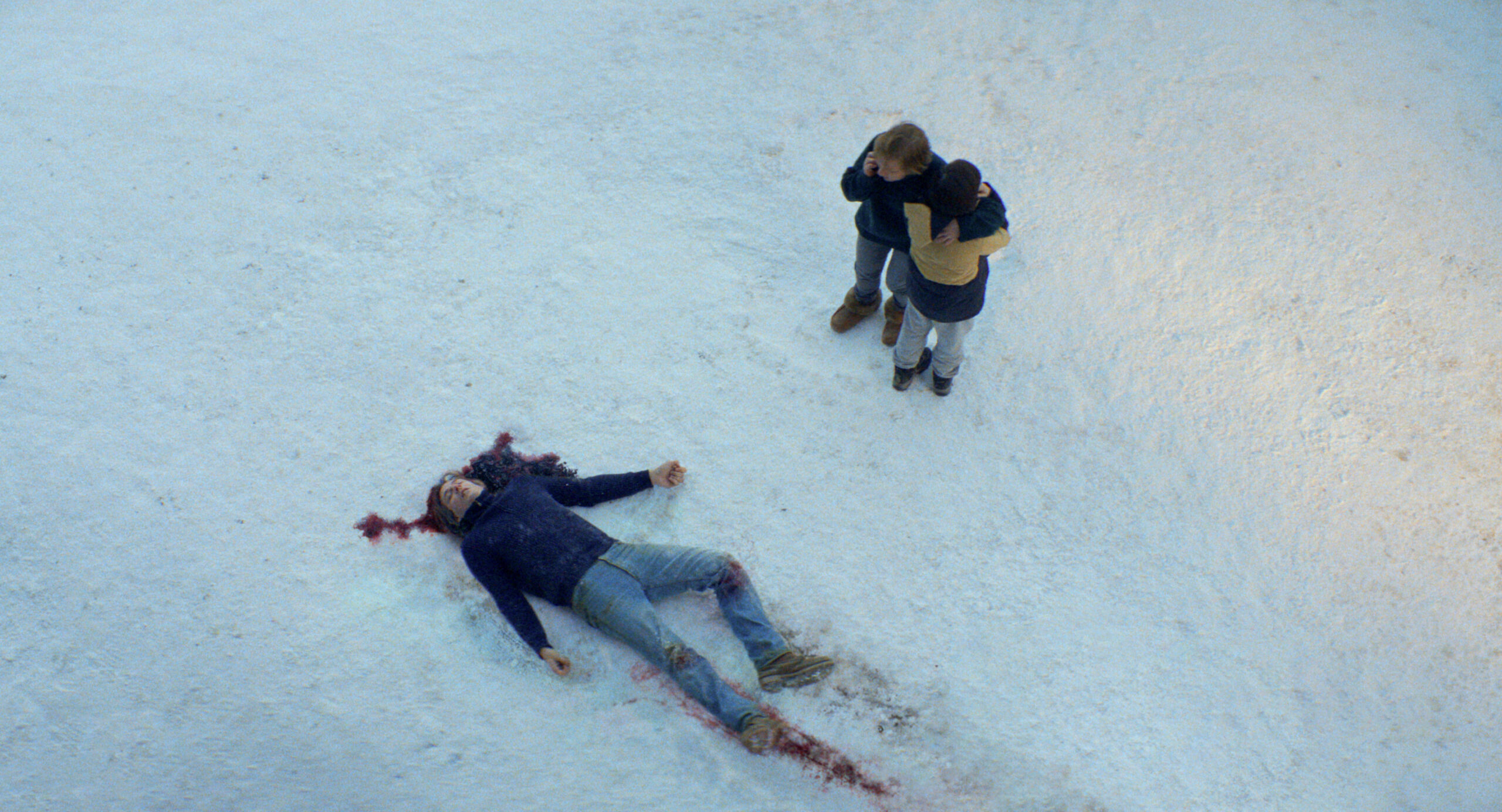
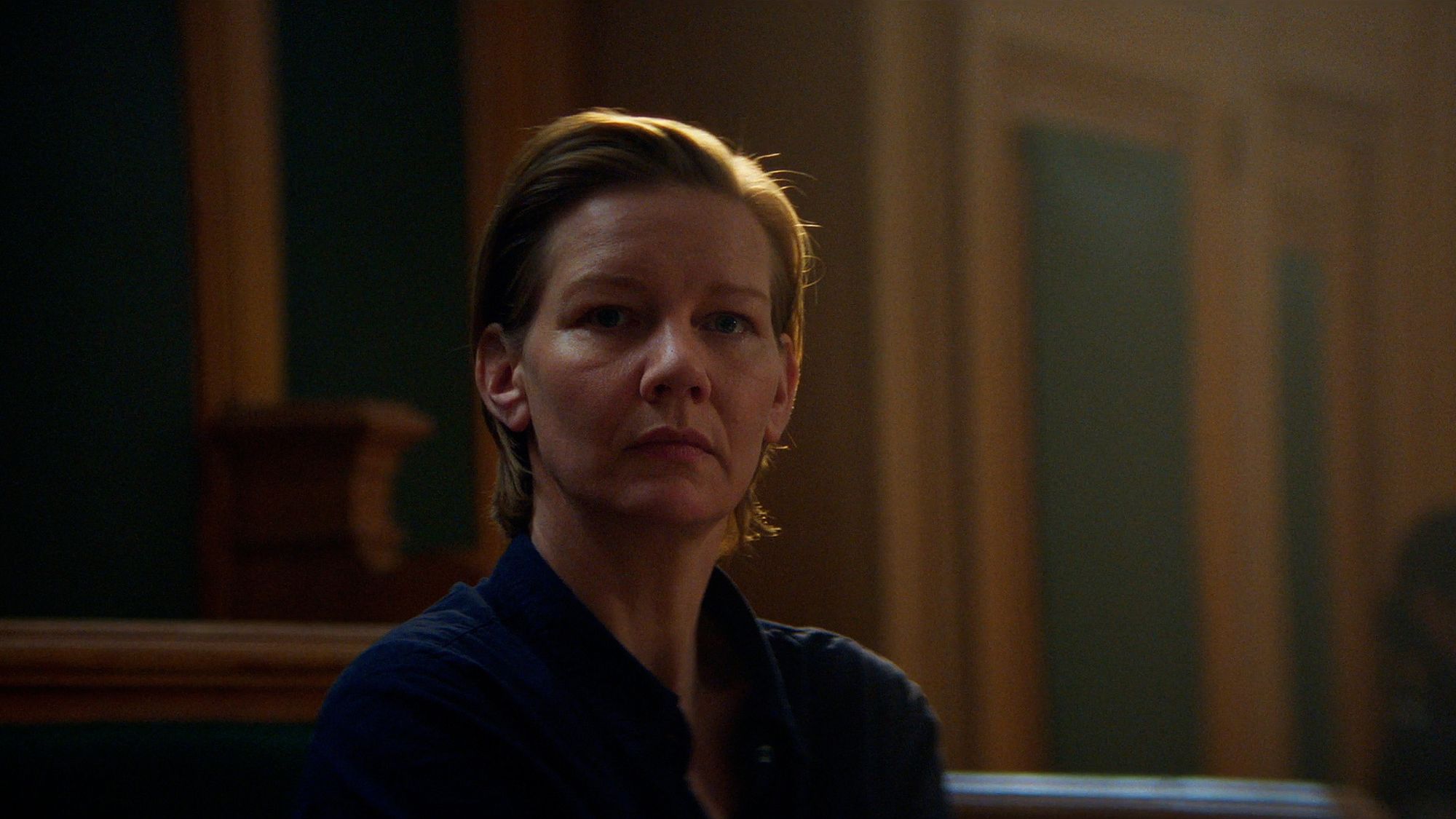
Photo caption: ANATOMY OF A FALL. Courtesy of NEON.
This week on The Movie Gourmet – new reviews of Anatomy of a Fall, a great movie by any measure, and the thoroughly unpleasant Priscilla.
I also highlighted Jim Jarmusch’s Night on Earth, playing TODAY on Turner Classic Movies. It features one of cinema’s very funniest scenes and one of the very saddest scenes – in the same movie.
CURRENT MOVIES
Anatomy of a Fall: family history, with life or death stakes. In theaters.
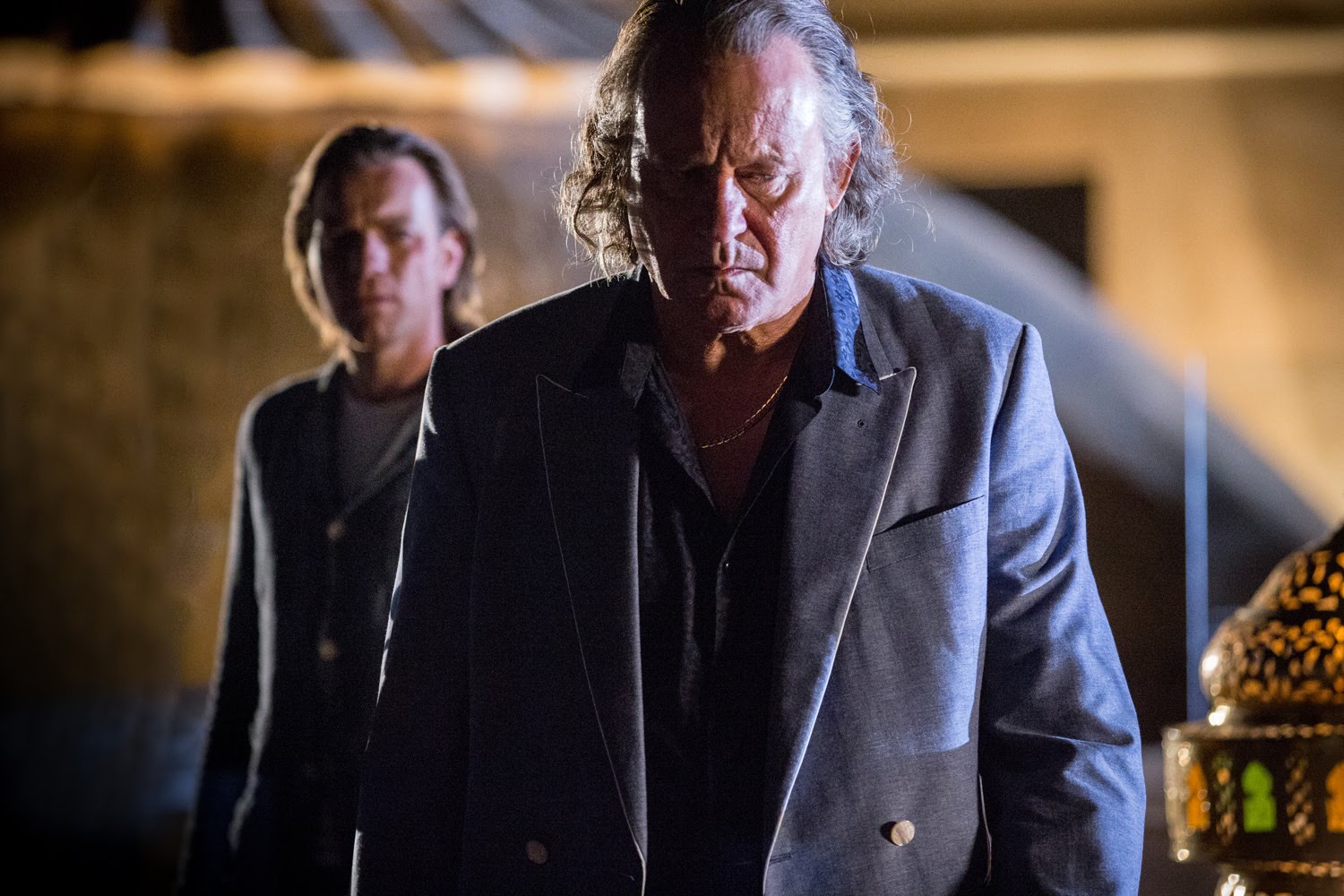
Our Kind of Traitor: Skarsgård steals this robust thriller. Amazon, AppleTV, Vudu, YouTube, redbox.
ON TV
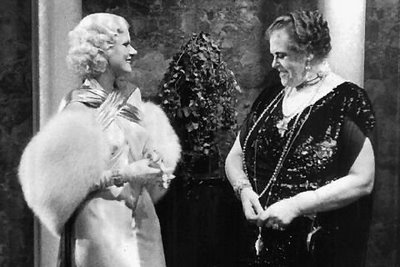
Jean Harlow and Marie Dressler in DINNER AT EIGHT.
89 years ago, only four years into the Talking Picture Era, there were dramedies (even though the word dramedy had yet to be coined). On November 15, Turner Classic Movies airs George Cukor’s Dinner at Eight, an all-star 1933 Hollywood dramedy that mostly still stands up today. Jean Harlow is hilarious as the trophy bride of the course nouveau-millionaire played by Wallace Beery. Marie Dressler is at least as funny as a former star actress yearning to relive an old romance. John Barrymore adds a heartbreaking performance as a man facing disgrace. If all this weren’t enough, we also get Lionel Barrymore, some ditziness from Billie Burke and a splash of sarcasm from quick-patter artist Lee Tracy. Harlow, who died at 26, is usually remembered as a platinum blonde sex symbol, but Dinner at Eight reminds us of her comic brilliance.
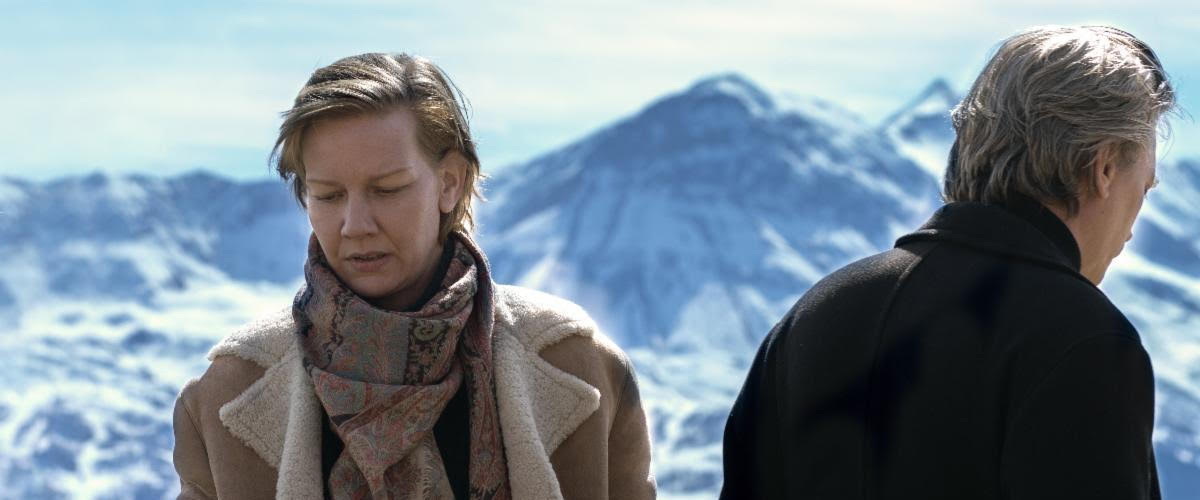
Photo caption: Sandra Huller and Swann Arlaud in ANATOMY OF A FALL. Courtesy of NEON.
Anatomy of a Fall is such a great film, on so many levels, that it’s taken me an entire week to mull over why it’s so good.
Here’s the story. The successful German novelist Sandra (Sandra Huller) and her French husband Samuel (Samuel Thiess), a teacher and wannabe writer, live in his hometown in the French Alps near Grenoble. They moved there, into a chalet that needs renovation, after a car accident caused their now 11-year-old son Daniel (Milo Machado Graner) to lose his eyesight. Daniel and his dog Snoop return from a walk and discover Samuel, who has fallen to his death from the chalet’s high attic window. Only Sandra was home at the time of Samuel’s death.
The evidence from Samuel’s autopsy might point to a suicide or to a murder. The investigators find something provocative on a thumb drive, and charge Sandra with Samuel’s murder. Anatomy of a Fall goes from a whodunit to a courtroom drama, and then to a family psychological drama, as the trial reveals explosive secrets.
Director and co-writer Justine Triet makes ambiguity more delicious than we could possibly expect. As Jon Frosch wrote in The Hollywood Reporter about Sandra, “But Richard Kimble she’s not. ” We don’t know if Sandra, unlike the famed The Fugitive, is really innocent.
Sandra might be a Kafkaesque victim, unjustly put through a humiliating and terrifying trial, Or she might be an extraordinarily gifted sociopath.
Ironically, Sandra’s literary success has come from transforming her real life experiences, and those of others, into best selling fiction. But Sandra is very closemouthed about her own private life and anything but confessional. Her worst nightmare is to have details of her marriage and her sex life exposed in a public trial.
As the onion of Sandra and Samuel’s marriage is peeled back, Anatomy of a Fall explores just how multi-faceted relationships, the dynamics of guilt and resentment, and how a marriage survives a trauma – or doesn’t. And each scene is filled with ambiguity andthe uncertainty of memory.
As the close of the trial approaches, there’s a a Wowzer cliffhanger that keeps us on the edges of our seats.
Although the story is set in France, most of the dialogue is in English because Sandra and Samuel speak English at home, and Sandra speaks English in the French courtroom.
Sandra Hullermust play Sandra so we believe that she could be innocent or guilty. In addition, Sandra’s character is complicated, even full of paradoxes. Huller’s performance has not been surpassed by that of any other screen actor this year, and she certainly deserves the Best Actress Oscar.
American art house audiences know her best for Toni Erdmann, where her corporate striver character must react to her zany father’s onslaught of ever more elaborate, outrageous and high-stakes practical jokes by maintaining a straight face and carrying on without giving away her shock, embarrassment and desperation. She’s on the verge of abject mortification for the entire movie. Hüller proved herelf a master of the take and the slow burn. She was similarly exquisite in a smaller role in Triet’s Sybil.
No one plays aggrieved, while struggling to maintain composure, as well as Huller. Can you imagine having to listen to your dead spouse’s shrink testify in public about all of his complaints about you in their private sessions? There are many injustices in that situation, and Huller makes us understand that Sandra is feeling each layer of indignity.
Huller has won Best Actress Awards from the European Film Awards and the Berlin and Toronto film festivals. She also stars in the upcoming Zone of Interest, another of the very most acclaimed films of 2023.
Anatomy of a Fall is just the fourth narrative feature for Justine Triet, a firecracker director. This one is the least comedic. I described her most recent film, Sibyl, as “masking its trashiness with expert filmmaking”.
In Anatomy of a Fall, Triet tells us so much before the opening credits. In just a few moments, we see both Sandra’s success and her off-putting manner, undeniable friction in her marriage, the boy’s visual handicap, his spirit and his loyal dog. And the discovery of a dead husband. Wow!
The entire cast is solid, especially Swann Arlaud (with a fabulous haircut) as the defense counsel, passionate about Sandra’s defense and perhap devoted to Sandra herself, but uncertain (and indifferent) as to her innocence. Samuel Thiess brings Samuel alive in flashbacks, especially in a searing mano-a-mano with his wife. Milo Machado Graner is wonderful as Daniel, a spunky kid who insists on his right to hear everything at the trial, but is unable to imagine all that will entail.
Howard Hawks said that a great movie is “three great scenes and no bad scenes”. There are no bad scenes in Anatomy of a Fall, and there are at least four great scenes:
An incredibly authentic argument (in flashback) between husband and wife;
Sandra’s courtroom confrontation with her husband’s shrink.
Sandra’s testimony after the courtroom has listened to a taped conversation.
Daniel’s explosive scene with his court-appointed social worker and Snoop.
BTW Snoop the dog is great. I’m now finding my own dogs very inadequate in comparison. There’s also the unexpected use of an instrumental version of 50 Cent’s P.I.M.P. to great effect.
Anatomy of a Fall won the Palm d’Or, the highest prize at the Cannes Film Festival. (That may indicate that the film is sublime like Shoplifters and Parasite or an unwatchable mistake like Titane, but, this time, it’s the former).
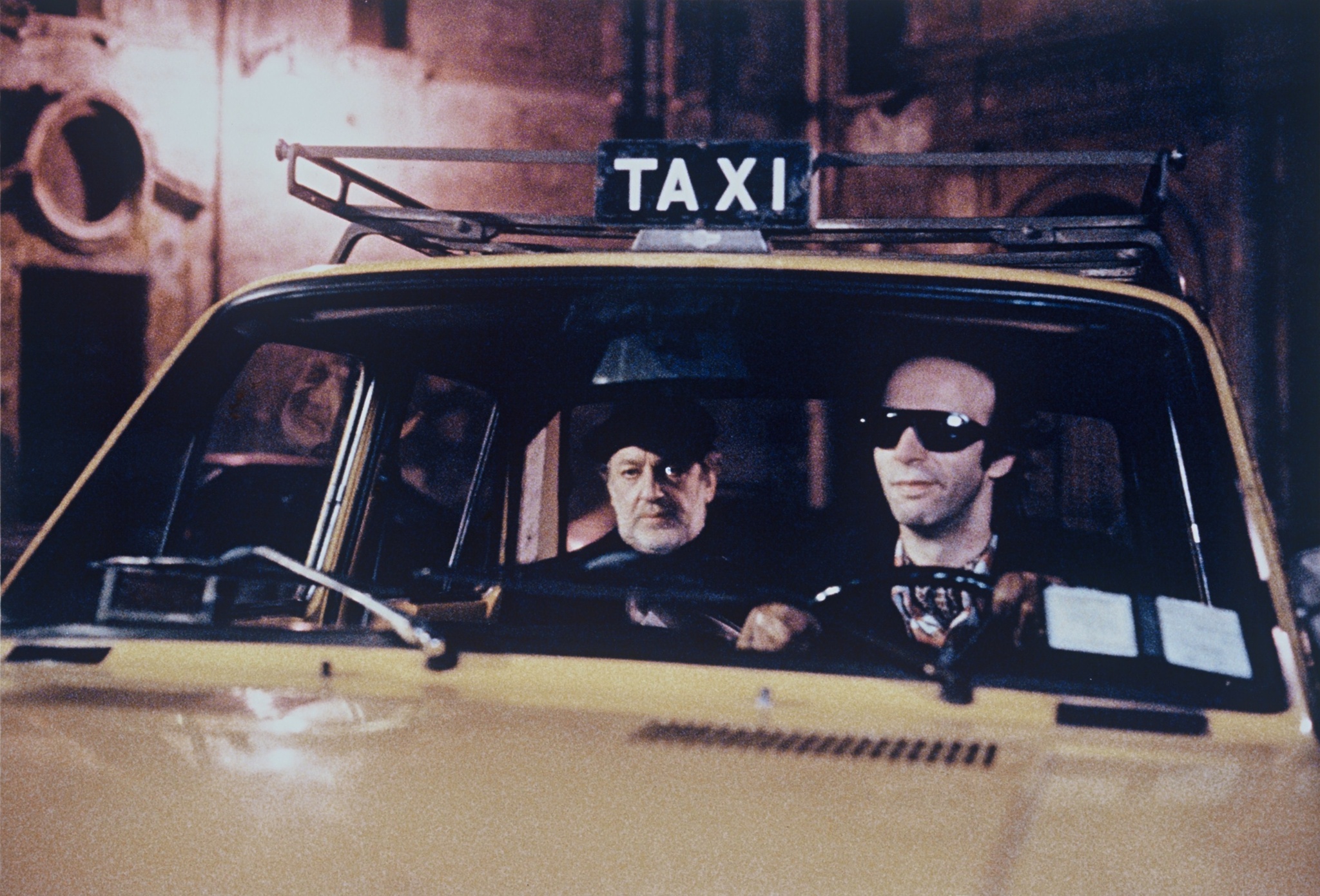
Photo caption: Roberto Benigni (right) in NIGHT ON EARTH.
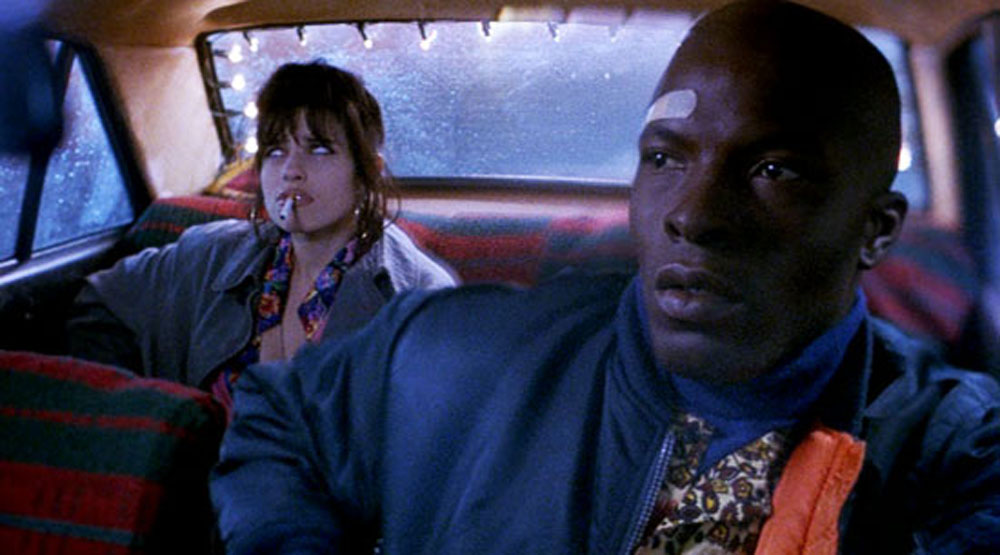
Coming up Friday, November 10 on Turner Classic Movie, Night on Earth has one of the very funniest scenes and one of the very saddest scenes – in the same movie. Written and directed by Jim Jarmusch in 1991, Night on Earth is comprised of five vignettes, each in a taxi and each in a different city: Los Angeles, New York, Paris, Rome and, of all places, Helsinki.
Moving west to east across the time zones, Night on Earth opens with the contrast between a working class driver (Wynona Ryder) and a striver executive (Gena Rowlands) and how they connect – or don’t.
Then we move to New York where a totally disoriented East German immigrant (Armin Mueller-Stahl) gets a job driving a hack (on his first or second day in the US) and picks up potty-mouthed passengers (Giancarlo Esposito and Rosie Perez).
The LA and NYC scenes are good, but Night on Earth really accelerates in Paris when an African immigrant driver (Isaach De Bankolé) picks up a blind woman (the gap-toothed beauty Béatrice Dall). They both are a bit touchy and immediately get underneath each others skins. The prickly conversation that follows teaches each a little about the other.
Now we get to perhaps the funniest episode in the movies (yes, I mean in the history of cinema). A manic, motormouth Roman cabbie (Roberto Benigni) picks up an ailing Catholic cleric and regales him with an unwanted stream of consciousness confession, highlighting his own ever more inappropriate sexual partners, including a pumpkin and a sheep. It’s a rapid fire comedic assault sure to convulse any audience.
Finally, in Helsinki, two guys toss their passed-out buddy into a cab, and explain that he’s had the worst day ever – he has lost his job just when he has a wife looking for a divorce and a newly pregnant daughter. But the driver (Matti Pellonpää) tells them a story that tops it. Profound sadness.
The cult director and indie favorite Jarmusch made Night on Earth in 1991 after he first made a splash with Mystery Train. He followed it with Dead Man, Ghost Dog: The Way of the Samurai, Coffee and Cigarettes, Broken Flowers and Paterson. Night on Earth is one of the few movies that I own on DVD, and it’s now available from the Criterion Collection, and you can now stream it from Amazon. (Do not confuse this 1991 Jarmusch film with the 2020 miniseries of the same name.) DVR it for free on TCM.
Béatrice Dall and Isaach De Bankolé in NIGHT ON EARTH
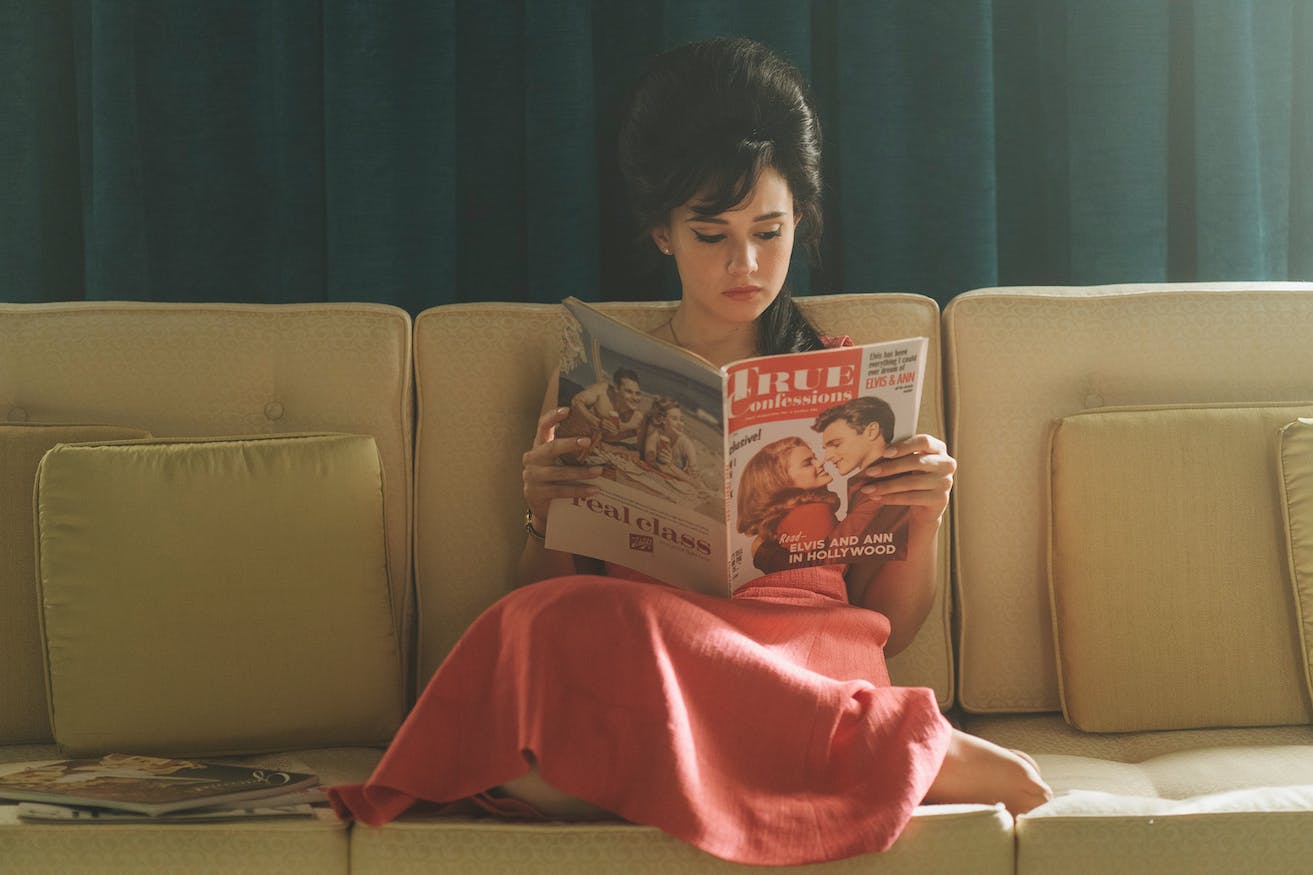
Photo caption: Cailee Spaeny in PRISCILLA. Courtesy of A24.
Priscilla is the story of Priscilla Presley’s ten year relationship with Elvis Presley. It’s a 113-minute experience of sustained unpleasantness. Leaving the theater, The Wife asked, “How come we don’t know much about Priscilla after watching a movie titled PRISCILLA?” Mulling that over, I think that the answer is that there’s not much to learn about someone who was essentially maintained and treated as someone else’s pet.
Here’s the arc of the story. Already a multimillionaire superstar when he is drafted, Elvis’ Army service takes him to Germany. He meets, and is fascinated by, a 14-year-old ninth grader, Priscilla Beaulieu. (Yes, you’re right, this is really creepy.) He courts her, and, when she is still seventeen, moves her to Memphis to become his live-in girlfriend at Graceland. He, however, according to Priscilla, does not have sexual intercourse with her until they marry when she is 22. Priscilla is played by Cailee Spaeny and Elivis by Jacob Elordi.
Surrounding himself with yes men and enabled by great wealth, Elvis dominates everyone in his life except Colonel Parker. Elvis’ every whim is indulged, dangerous for someone so immature, selfish and TWISTED.
In the pre-Memphis segment of the movie, I squirmed in my seat at the overt grooming of this child. It’s sick and icky.
Any global sex symbol who can have tabloid affairs with Anita Ekberg, Nancy Sinatra and Ann-Margret, not to mention limitless groupies, can sweep a fifteen-year-old girl off her feet – if he is a sick enough bastard to WANT to. Elvis has the desires of any man (see Ann-Margret). But he also has a fantasy of marrying a virgin (it’s sacred to me, he says), and he goes pretty deep in the cradle to find one.
As the movie settles in Memphis, I shifted to my usual distaste of a controlling man dominating his woman, a woman whom he never allows to become his partner in any sense. He’s basically like the pathetic loser divorced guys who get mail order brides from the Philippines, in (vain) hopes of finding a submissive wife.
Spaeny shot the film when she was 24 (Elordi was 25) and is believable as a teenager. Spaeny is very believable as a young person whisked into a bizarre environment that no one could possible be prepared for.
Jacob Elordi, of course, has to play somebody that everyone in the audience has an indelible image of. He’s not bad, in that I was never thinking THAT’S not Elvis, but he’s nowhere is a good as Kurt Russell, the gold standard movie Elvis.
All the stuff in Priscilla at Graceland is surreal (which is what we would expect). If you know anything about Elvis, you spot the Memphis Mafia and the fried banana peanut butter sandwich.
Coppola herself wrote the screenplay, based on Priscilla Presey’s Elvis and Me, written with Sandra Harmon. A distinguished writer, Coppola won an Oscar for the Lost in Translation screenplay, and is known for telling familiar stories from a female point of view (The Beguiled, Marie Antoinette).
(I tend to look down at the trashiness and oversharing in celebrity memoirs. In fact, I haven’t bought the tell-all memoir of a contemporary celebrity since Ball Four by Jim Bouton in 1970. My curiosity is as prurient as anybody else’s, so I do read the news coverage of such books, to gobble up the juicy parts.)
Priscilla may be accurate storytelling, but it is not engaging storytelling. I’m an outlier here – Priscilla has a 77 rating on Metacritic. I suspect that’s because critics are overrating the film because they admire the director. The director is admirable, but not for this work.
[Note: The movie’s story ends in 1973, when Elvis was still trim, and I couldn’t help thinking that he was to die within four years. Priscilla herself is now 78.]
Priscilla, initially wowed by Elvis’ attentions and the privileges of great wealth, finally gets fed up by Elvis’ treatment and leaves him. That’s not enough of a pay off for an audience that has endured almost two hours of dysfunction and human debasement.
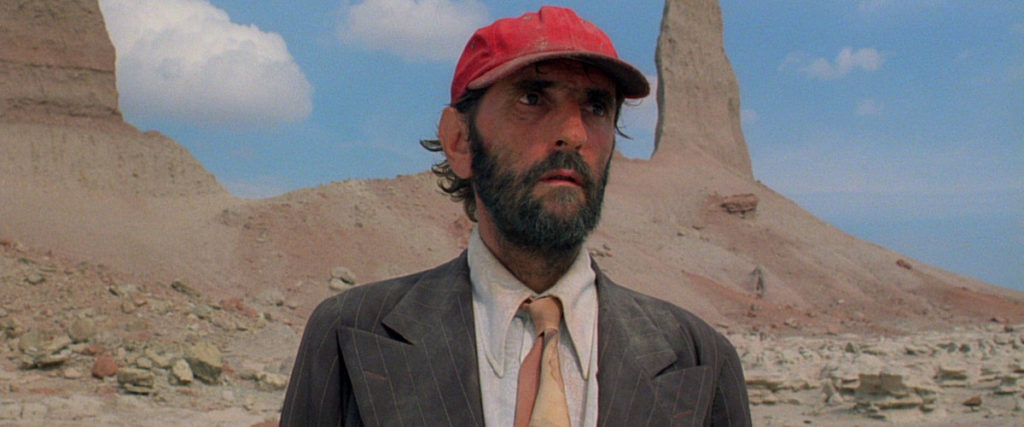
Set your DVR to record Turner Classic Movies’ airing of Harry Dean Stanton’s masterpiece performance in Wim Wenders’ Paris, Texas LATE TONIGHT (see below)
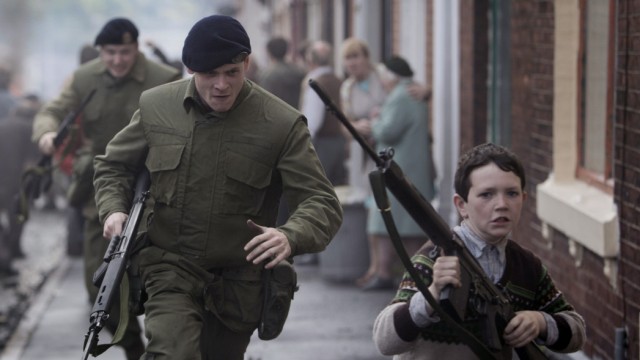
’71: keeping the thrill in thriller. Amazon, AppleTV, Vudu, YouTube, redbox.
ON TV
Harry Dean Stanton in PARIS, TEXAS
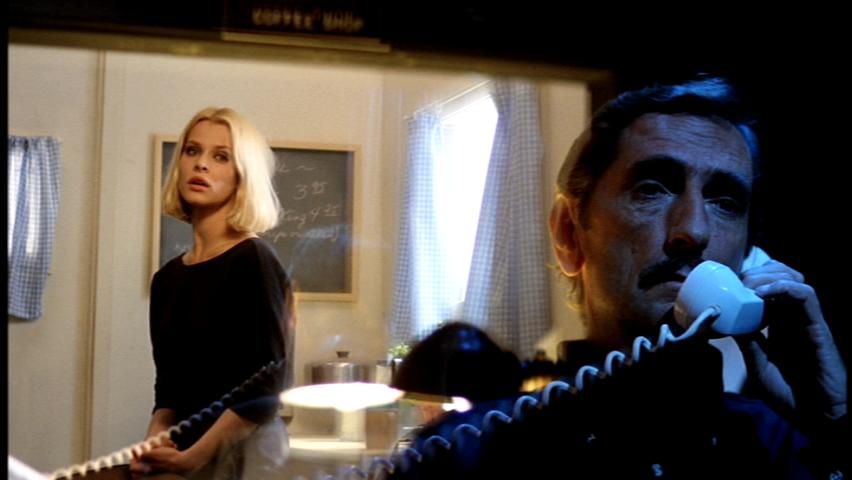
Late TONIGHT, Turner Classic Movies will air Harry Dean Stanton’s masterpiece in Wim Wenders’ Paris, Texas. In Paris Texas, Harry Dean plays Travis, a man so traumatized that he has disappeared and is found wandering across the desert and mistaken for a mute. As he is cared for by his brother (Dean Stockwell), he evolves from feral to erratic to troubled, but with a sense of tenderness and a determination to put things right. We see Travis as a madman who gains extraordinary lucidity about what wrong in his life and his own responsibility for it.
At the film’s climax, Travis speaks to Jane (Natassja Kinski) through a one-way mirror (she can’t see him). Spinning what at first seems like parable, Travis explains what happened to him – and to her – and why it happened. It’s a 20-minute monologue so captivating and touching that it rises to be recognized as one of the very greatest screen performances.
Robert Fripp in IN THE COURT OF THE CRIMSON KING. Courtesy of Monoduo Films.
The documentary In the Court of the Crimson King chronicles the 50-year run of the progressive rock band King Crimson, culminating in a celebratory performance at the Royal Albert Hall.
The key to the band’s history is that the one constant has been founder/leader Robert Fripp, an insufferable perfectionist. Fripp is such a control freak that he unashamedly intrudes on the interviews of his bandmates to edit them in real time. And he reflects admiringly on a guru who doesn’t like people, either.
Besides Fripp, there have been twenty-two other members of King Crimson in fifty years. Several lasted as many as eight years with Fripp but only one got to nineteen years. We meet the final ensemble of the band, as well as several alums.
The ever-witty band member Bill Riesling is especially fun to spend time, but it becomes progressively more wrenching to watch his final two years of cancer.
Director Toby Amies embeds himself with the band as a waggish presence. Amies is a jester, which is a perfect counterpoint to Fripp, who needs and deserves a court jester more than any medieval monarch.
In the Court of the Crimson King opens November 3 in LA at the Alamo Drafthouse and in the Bay Area at the Roxie and the Lark.
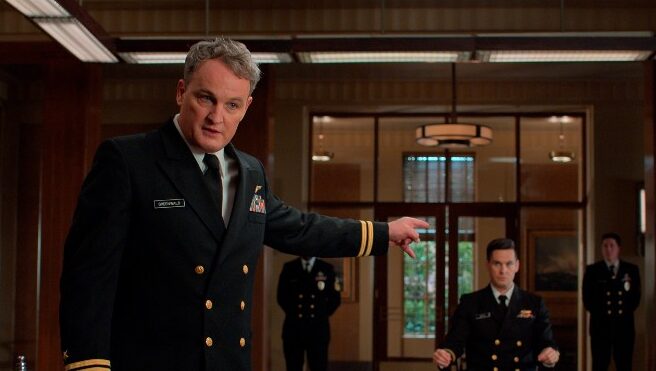
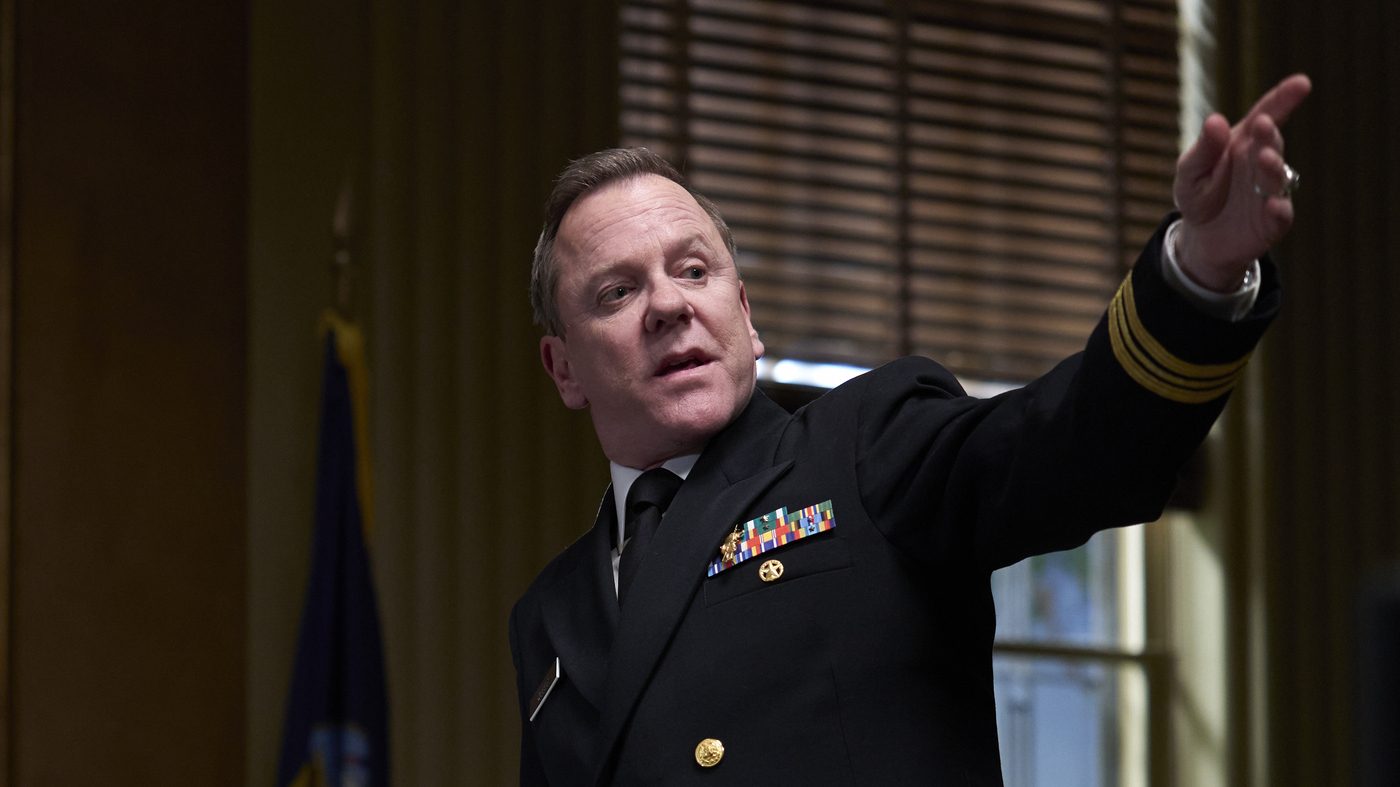
Photo caption: Kiefer Sutherland in the THE CAINE MUTINY COURT-MARTIAL. Courtesy of Showtime.
William Friedkin died in August at age 87, leaving us his final film, the gripping courtroom drama, The Caine Mutiny Court-Martial. It’s a fine film, and a suitable way for Friedkin to go out.
Friedkin chose not to remake the iconic Edward Dmytryk film The Caine Mutiny, starring Humphrey Bogart. Instead, Friedkin went straight to the original source material, Herman Wouk’s novel, and left out the scenes on the ship itself, leaving the courtroom scenes. Friedkin also reset this film in the Persian Gulf in place of WW II, which also allowed for diversification of the cast.
You’re probably familiar with the basic of the story: Lieutenant Maryk has seized command of a naval vessel foundering in a storm from his superior, Captain Queeg, alleging that Queeg’s mental and emotional condition has put the ship and its crew at risk. Back on shore, Maryk faces a court-martial for mutiny, and his lawyer has to prove that Queeg is dangerously unbalanced. You’ll enjoy this movie, even if you know what will happen at the trial and its epilogue.
The Caine Mutiny Court-Martial is a showcase for Jason Clarke who plays the defense counsel, a role more central to this film than that of Maryk or even Queeg. Clarke plays the role as a fierce advocate who never warms to his client.
Kiefer Sutherland is no Humphrey Bogart, but he does a fine job as Queeg, a man who, in the end, just can’t control his impulses. Monica Raymund is especially good as the driven and relentless prosecuting attorney, with the capacity to gather herself after an unexpected development. The prolific Lance Reddick is excellent as the judge; (Reddick died a few days after filming, and the movie is dedicated to him).
Jake Lacy (White Lotus) is good as Maryk, as is Lewis Pullman as Maryk’s fellow officer and friend of uncertain steadfastness.
I love William Friedkin, a master filmmaker and a superb raconteur, whom I once got to hear spinning tales in person after a screening. Besides The French Connection and The Exorcist, his work included To Live and to Die in L.A., Bug and Killer Joe, all of which I’ve recently featured.
Because of Friedkin’s age, the film’s insurers required a back-up director to sit at Friedkin’s side through the film shoot – just in case; that understudy director was actor Benicio del Toro.
The Caine Mutiny Court-Martial is now streaming on Showtime, which is now available with Paramount+.
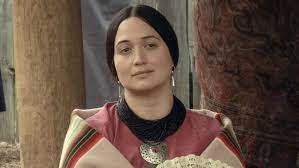
Photo caption: Lily Gladstone in KILLERS OF THE FLOWER MOON. Courtesy of AppleTV.
This week on The Movie Gourmet – new reviews of Martin Scorsese’s epic Killers of the Flower Moon and of The Pigeon Tunnel, Erroll Morris’ fine biodoc of espionage novelist John le Carré.
REMEMBRANCE
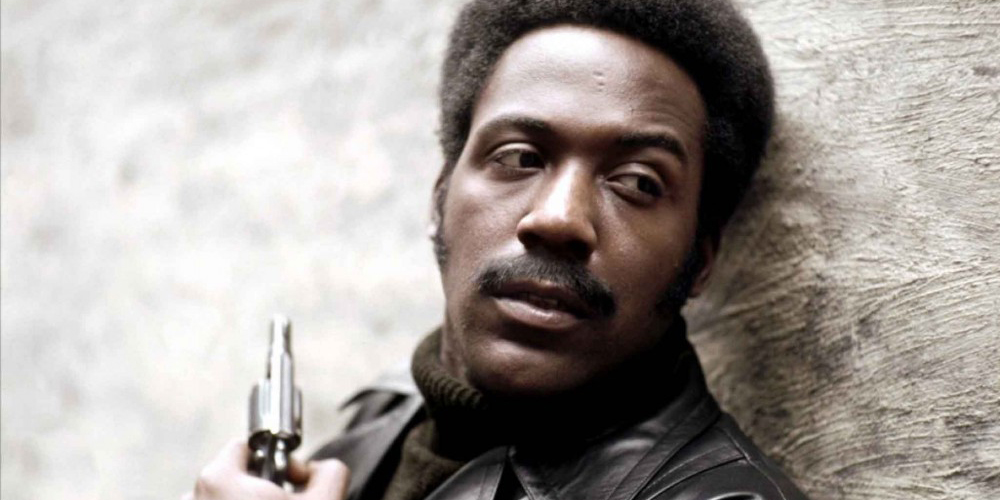
Richard Roundtree in SHAFT.
Richard Roundtree’s FIRST MOVIE role was as the iconic John Shaft in Shaft. He went on to over 250 more screen credits, including four more as John Shaft. Although in my mind, the biggest star of Shaft was Isaac Hayes’ music, Richard Roundtree was, along with Pam Grier, the most significant on-screen force in Blaxploitation cinema.
Our Kind of Traitor: Skarsgård steals this robust thriller. Amazon, AppleTV, Vudu, YouTube, redbox.
’71: keeping the thrill in thriller. Amazon, AppleTV, Vudu, YouTube, redbox.
ON TV
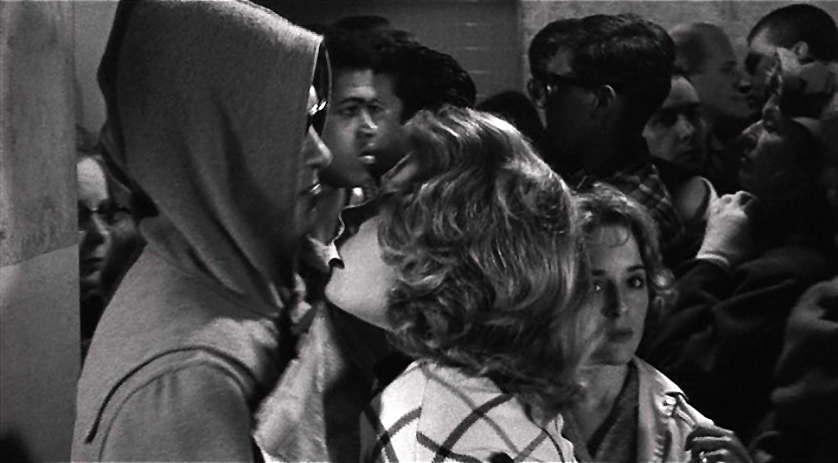
Ross Martin and Lee Remick in EXPERIMENT IN TERROR
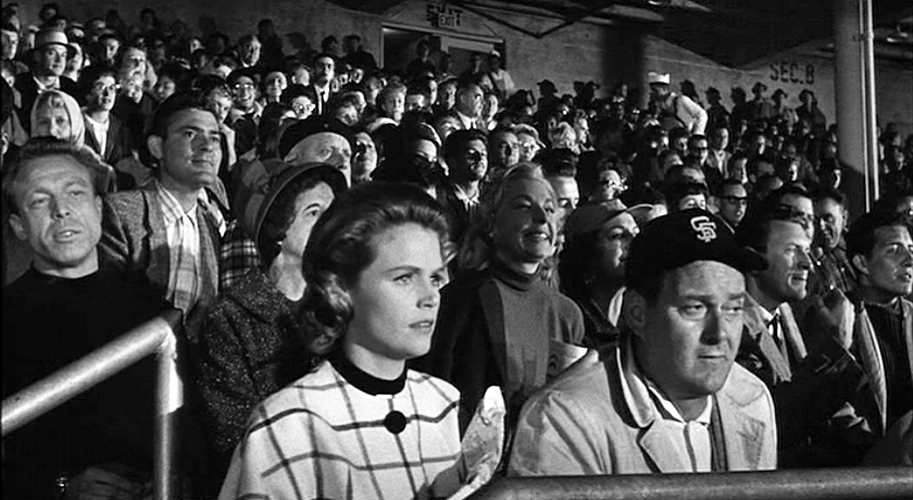
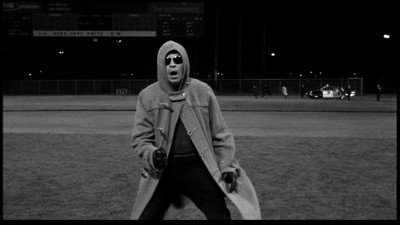
There’s an early neo-noir on Turner Classic Movies on October 29 – 1962’s Experiment in Terror. It’s not one of the great noirs, but it’s a nailbiter with some high points and some curiosities. A criminal (Ross Martin) tries to heist a bank by threatening a bank teller’s little sister; he’s stalking her and scaring her over the phone, so the FBI leader (Glenn Ford) only has the crook’s asthmatic voice as a clue. The bank teller is played by Lee Remick, who is always worth watching, and the role of the little sister was one of the first for 20-year-old Stefanie Powers. Like Stefanie Powers (The Girl from U.N.C.L.E. and Hart to Hart), Ross Martin became a well-known TV star (Artemus Gordon in The Wild, Wild West). The climax is a chase in San Francisco’s Candlestick Park – right where the departing throngs bottle-necked at the entrance to the long escalator – a point always to be remembered by Giants fans; oddly, the bad guy is trying to be inconspicuous by being the only person in the crowd to wear a hoodie – not yet ubiquitous ballpark fashion. Blake Edwards, much more well known for comedies, directed.
Lee Remick catching a Giants game at Candlestick in EXPERIMENT IN TERRORRoss Martin in EXPERIMENT IN TERROR