Movies to Watch Right Now (at home)

Arliss Howard (center) as Louis B. Mayer and Charles Dance (right) as William Randolph Hearst in MANK

Real life has intervened, so I’m now writing through a backlog of a dozen movies, including next week’s The Father. Stay tuned.

ON VIDEO

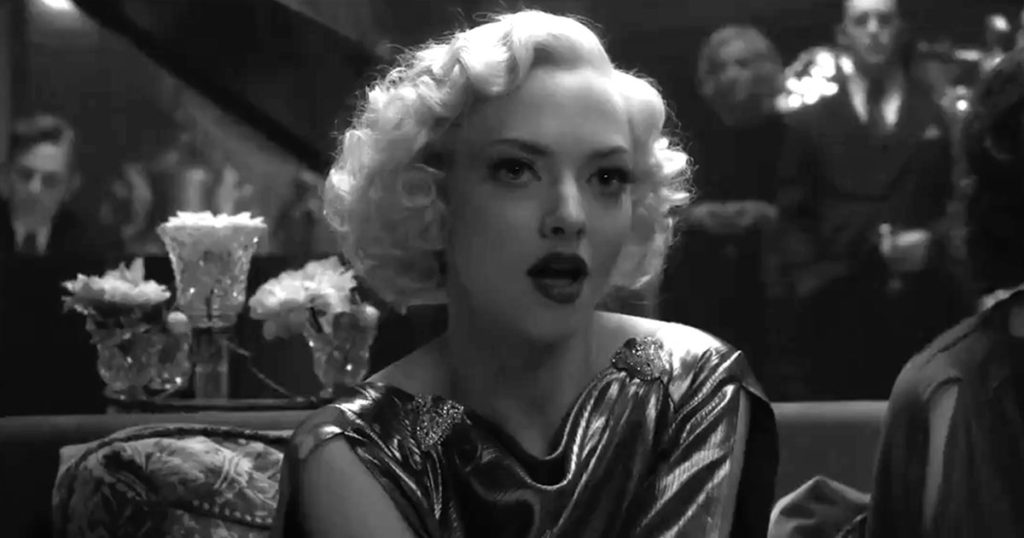
David Fincher’s Mank is a black-and-white beauty of a film, a portrait of troubled talent in Classic Hollywood. Amanda Seyfried is great as Marion Davies.

Don’t forget that some of my Best Movies of 2020 – So Far, are already available (and Mank and The Father are going on the list). I haven’t yet seen Nomadland or The Sound of Metal.

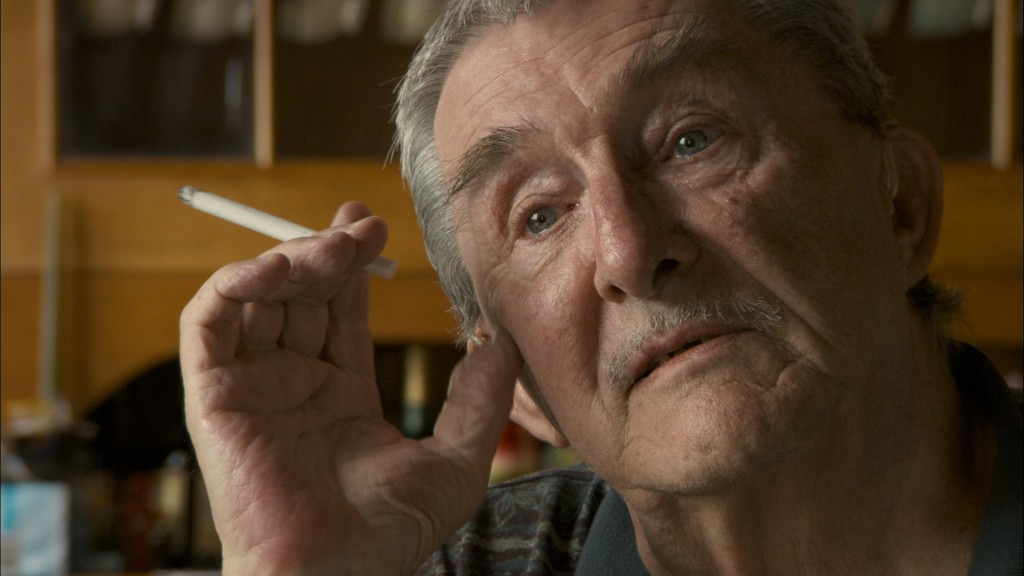
  • Driveways: I can’t think of a more authentic movie about intergenerational relationships than this charming, character-driven indie. The more I think about Driveways, the more I admire it. It also features the final performance – so genuine and subtle – by Brian Dennehy. Driveways is available to stream on all the major platforms.
  • The Whistlers: In this absorbing crime thriller, a shady cop and a mysterious woman are walking a tightrope of treachery. The Whistlers was a hit at last year’s Cannes Film Festival, but COVID-19 impaired its 2020 theatrical release in the US. (Amazon, Vudu, YouTube, Google Play.)
  • The Truth: Writer-director Hirozaku Koreeda’s latest wry and authentic exploration of human behavior is a showcase for Catherine Deneuve and Juliette Binoche. Hirokeeda, such an insightful observer of behavior, cuts to the core of his characters’ profound humanity. (Amazon, Vudu, YouTube, Google Play.)

ON TV
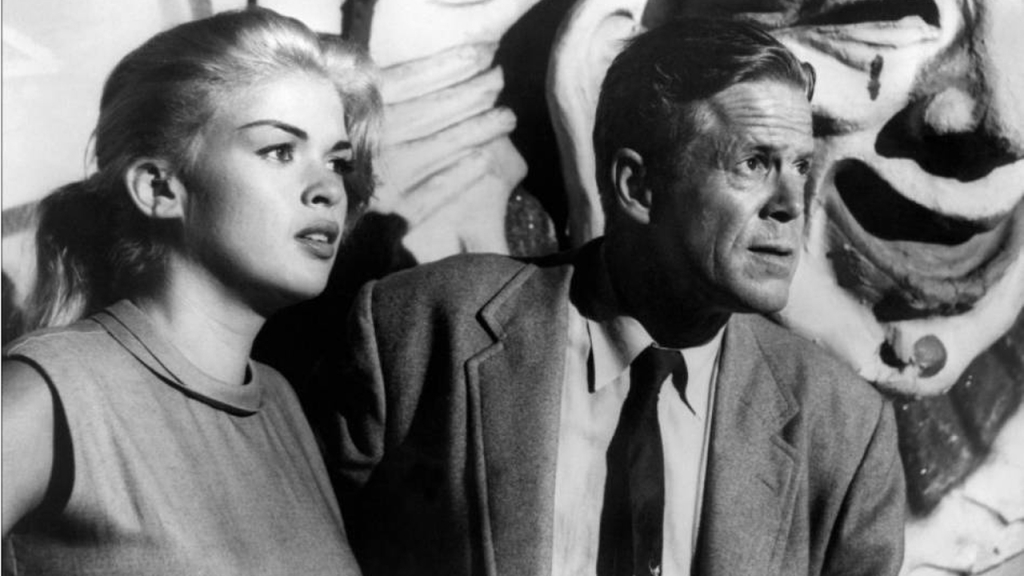
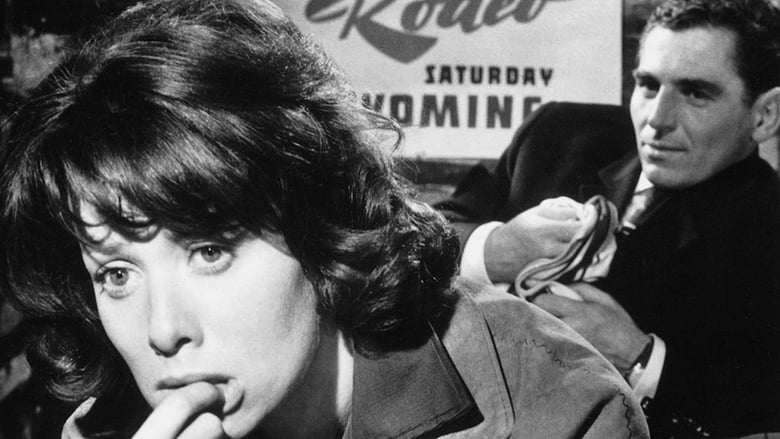
Jayne Mansfield and Dan Duryea in THE BURGLAR

Tonight and tomorrow morning Turner Classic Movies is presenting one of my Overlooked Noir on Noir Alley with Eddie Muller, and you shouldn’t miss it. The core of The Burglar is the stellar lead performance of Dan Duryea as the chief burglar. He’s a tortured and worn-out guy – with one deep loyalty.

On December 14, TCM airs the Laurel and Hardy comedy Way Out West. It’s a fish-out-of-water comedy that transports the boys to the Old West. Thirteen-and-a-half minutes in, Laurel and Hardy descend from a stagecoach and perform a dance in front of a saloon that is one of the most perfect bits of physical comedy that I’ve ever seen. I actually keep Way Out West on my DVR and watch this dance whenever I need an emotional lift.

Stan Laurel and Oliver Hardy in WAY OUT WEST

MANK: biting the hand

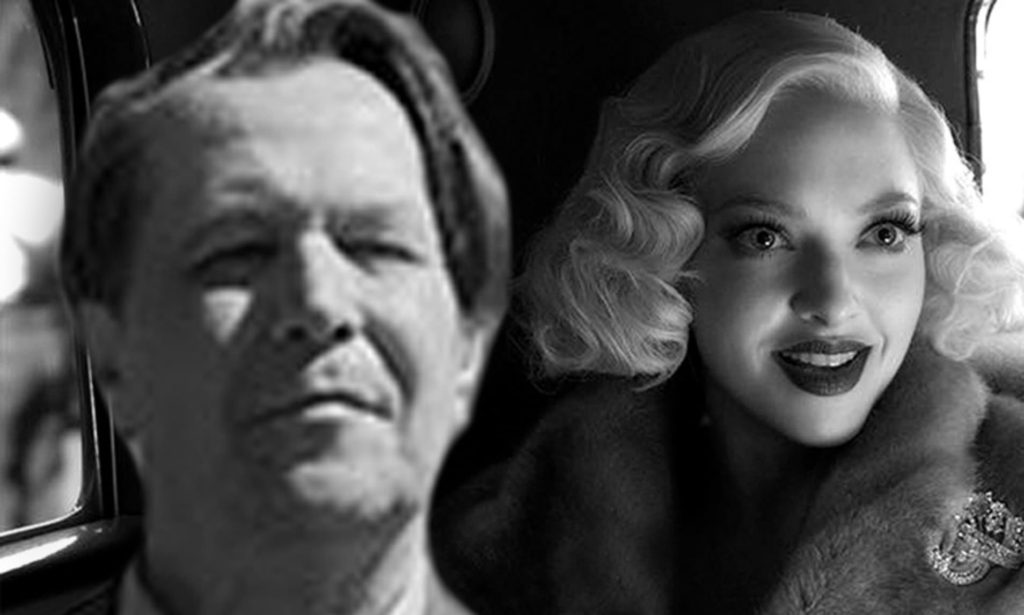
Gary Oldman and Amanda Seyfried in MANK

David Fincher’s Mank is a black-and-white beauty of a film, a portrait of troubled talent in Classic Hollywood.

Mank is a character study of Herman J. Mankiewicz (Gary Oldman) as he pens his Oscar-winning screenplay for Citizen Kane. Mankiewicz was an Algonquin Round Table wit whose misfortune was that he despised the one thing that he excelled at. He was a master writer and fixer of Hollywood movie scripts, but he would rather have been in Manhattan trading bon mots with his peers in the intelligentsia. He particularly the industrial, ultra-commercial and course movie studio bosses and despised their politics.

It didn’t help that Mankiewicz was a raging alcoholic and compulsive gambler (although not a womanizer). He was so hard to handle that Orson Welles essentially imprisoned him at a remote California desert ranch to write Citizen Kane.

Mankiewicz had one unsurpassed idea for a script – the story of media mogul (and frustrated politician) William Randolph Hearst. Mankiewicz had been a frequent guest of Hearst and his companion Marion Davies at Hearst Castle. The problem is that telling this story would piss off the owner of the world’s biggest publicity machine and horrify the movie studio heads who employed screenwriters. And, most poignantly, it would betray Mankiewicz’s kind friend Marion Davies.

Mankiewicz had served as the court jester at Hearst Castle, and the term comes up repeatedly in Mank, most importantly in a cutting remark by Herman’s little brother Joseph Mankiewicz.

The Wife stayed with Mank and finished it, but she advised me that Mank is much more appealing to cinephiles who already know the “inside baseball” of the old movie studio system and the making of Citizen Kane. Indeed, when the likes of Louis B. Mayer, Ben Hecht, Joseph Mankiewicz, Irving Thalberg and John Houseman popped up, it instantly resonated with me.

The entire cast is excellent, but Amanda Seyfried is beyond great as Marion Davies. Charles Dance (coming off his Lord Mountbatten in The Crown) is perfect as William Randolph Hearst. Muckraker-turned-socialist-gubernatorial-candidate Upton Sinclair is played by…(wait for it)…Bill Nye the Science Guy.

David Fincher is one of our greatest directors (Se7en, Fight Club, Zodiac, The Social Network, Gone Girl). Fincher’s father Jack Fincher wrote the screnplay for Mank (and clearly shared Herman Mankiewicz’ acid view of the Hollywood hierarchy), so this is clearly a labor of love for David Fincher.

As a tribute to both Citizen Kane and the Golden Age of Hollywood, Mank is just gorgeous, as beautiful a black-and-white film as any directed by John Ford or shot by Sidney Toler, Nicholas Musuraca or John Alton. Mank’s cinematographer is Erik Messerschmidt (TV’s Mindhunter).

Mank is going on my list of Best Movies of 2020 – So Far. I see Oscar nominations coming for Fincher, Messerschmidt and Seyfried. Mank is streaming on Netflix.

coming up on TV: THE BURGLAR – loyalty among

Jayne Mansfield and Dan Duryea in THE BURGLAR

Turner Classic Movies is presenting one of my Overlooked Noir on December 12, and you shouldn’t miss it. The Burglar (1957) is known popularly as the movie debut of Jayne Mansfield,  but it’s a fine film noir.  It starts out with a tense burglary, but once the necklace is successfully burgled, the story focuses on the heist team going stir crazy as they wait for the environment to cool down so they can safely fence the booty. They are strung so tight that even the whistle of a tea kettle is enough to startle the gang. While dodging the cops, they find that they are also being hunted by a corrupt rogue cop and his partner.

The core of The Burglar is the stellar lead performance of Dan Duryea as the chief burglar. He’s a tortured and worn-out guy – with one deep loyalty.

There are plenty of noir moments – lots of shadows, uplit faces in the darkness and amoral, grasping characters. We have not one, but two noir vixens – Jayne Mansfield and Martha Vickers. Asked at a bar by Duryea what she wants, Vickers answers “Basically, I’m out to find myself a man.” The characters in this fine film noir find themselves in Atlantic City, where the bad cop chases the protagonists through the House of Horrors and the Steel Pier, culminating in a final confrontation under the boardwalk.

The acting is excellent, other than Peter Capell, who gives over-acting a bad name while playing the most nerve-wracked member of the gang.  Even Mansfield is good; (The Burglar was held in the can for two years and then released when Mansfield became a sensation with The Girl Can’t Help It).

The movie was shot on location in Philadelphia and Atlantic City. We see Independence Hall, and it’s hard not to think of Rocky when Duryea climbs the steps to the Philadelphia Museum of Art.

The Burglar plays from time to time on Turner Classic Movies and is available streaming on Amazon, AppleTV, Vudu, and other platforms.

[Note: The Burglar features John Facenda as his real-life role as a Philadelphia newscaster (when local TV stations aired 15-minute newscasts). Facenda later found much broader fame as “The Voice of God” for his narration for NFL Films football documentaries.]

coming up on TV: WHAT SHE SAID: THE ART OF PAULINE KAEL – the drive for relevance

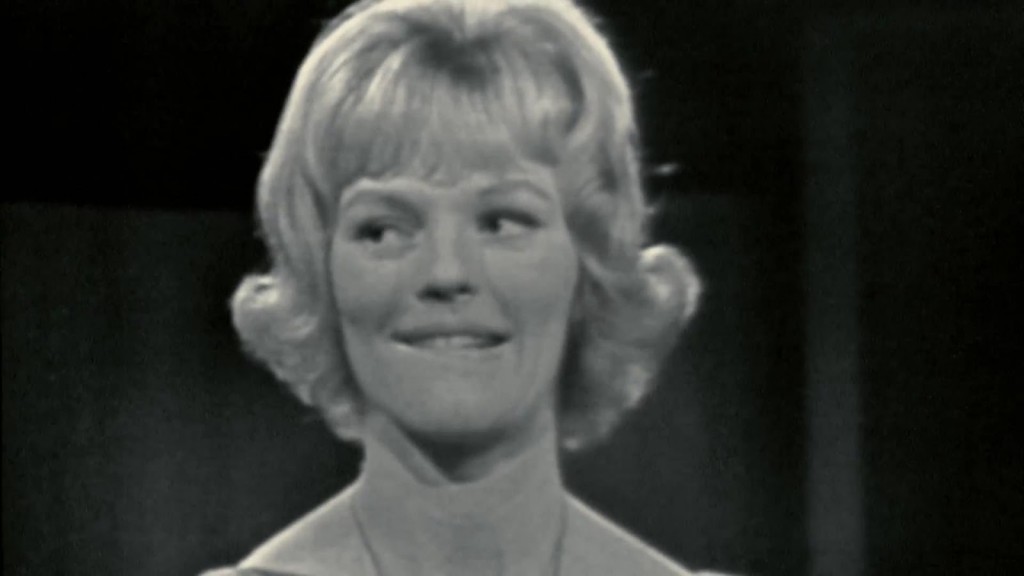
Pauline Kael in WHAT SHE SAID: THE ART OF PAULINE KAEL

What She Said: The Art of Pauline Kael is the remarkably thorough and insightful biodoc of the iconic film critic Pauline Kael and her drive for relevance. Set your DVRs for it on Turner Classic Movies on December 12.

Documentarian Rob Garver has sourced What She Said is well-sourced with the memories of Kael’s colleagues, rivals and intimates. Garver’s portrait of Kael helps us understand her refusal to conform to social norms as she basically invented the role of a female film critic and what today we might call a national influencer on cinema.

Of course, one of Kael’s defining characteristics was her all-consuming love of movies, a trait shared by many in this film’s target audience. Fittingly, Garver keeps things lively by illustrating Kael’s story with clips from the movies she loved and hated. Garver’s artistry in composing this mosaic of evocative movie moments sets What She Said apart from the standard talking head biodocs.

Kael was astonishingly confident in her taste (which was not as snooty as many film writers). For the record, I think Kael was right to love Mean Streets, Band of Outsiders, Bonnie and Clyde, and, of course, The Godfather. It meant something to American film culture that she championed those films. She was, however, wrong to love Last Tango in Paris. She was also right to hate Limelight, Hiroshima Mon Amour and The Sound of Music. But Kael was just being a contrarian and off-base to hate Lawrence of Arabia and Shoah.

Kael was by necessity an intrepid self-promoter and filled with shameless contradictions. She famously dismissed the auteur theory but sponsored the bodies of work of auteurs Scorsese, Peckinpah, Coppola and Altman. She loved – even lived – to discover and support new talent.

Most of the people we like and admire possess at least some bit of selfishness and empathy. Kael’s daughter Gina James says that Kael turned her lack of self awareness into triumph. This observation, of course, cuts both ways.

I screened What She Said: The Art of Pauline Kael while covering the 2019 San Francisco Jewish Film Festival. It’s coming up on Turner Classic Movies this Friday.

Movies to Watch Right Now (at home)

Amanda Seyfried in MANK on Netflix

This week, the prestige movies have started to roll out for the Holidays. Stay tuned.

ON VIDEO

Don’t forget that some of my Best Movies of 2020 – So Far, are already available. I haven’t yet written about Mank or The Father. I haven’t yet seen Nomadland or The Sound of Metal.

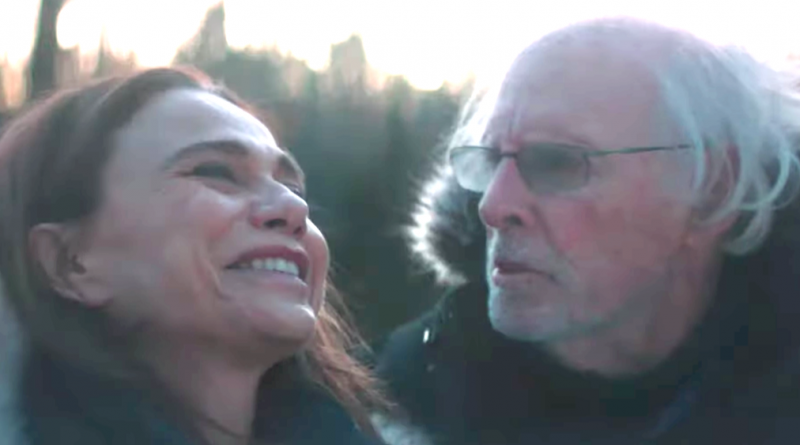
  • Driveways: I can’t think of a more authentic movie about intergenerational relationships than this charming, character-driven indie. The more I think about Driveways, the more I admire it. It also features the final performance – so genuine and subtle – by Brian Dennehy. Driveways is available to stream on all the major platforms.
  • The Whistlers: In this absorbing crime thriller, a shady cop and a mysterious woman are walking a tightrope of treachery. The Whistlers was a hit at last year’s Cannes Film Festival, but COVID-19 impaired its 2020 theatrical release in the US. (Amazon, Vudu, YouTube, Google Play.)
  • The Truth: Writer-director Hirozaki Koreeda’s latest wry and authentic exploration of human behavior is a showcase for Catherine Deneuve and Juliette Binoche. Hirokeeda, such an insightful observer of behavior, cuts to the core of his characters’ profound humanity. (Amazon, Vudu, YouTube, Google Play.)

ON TV

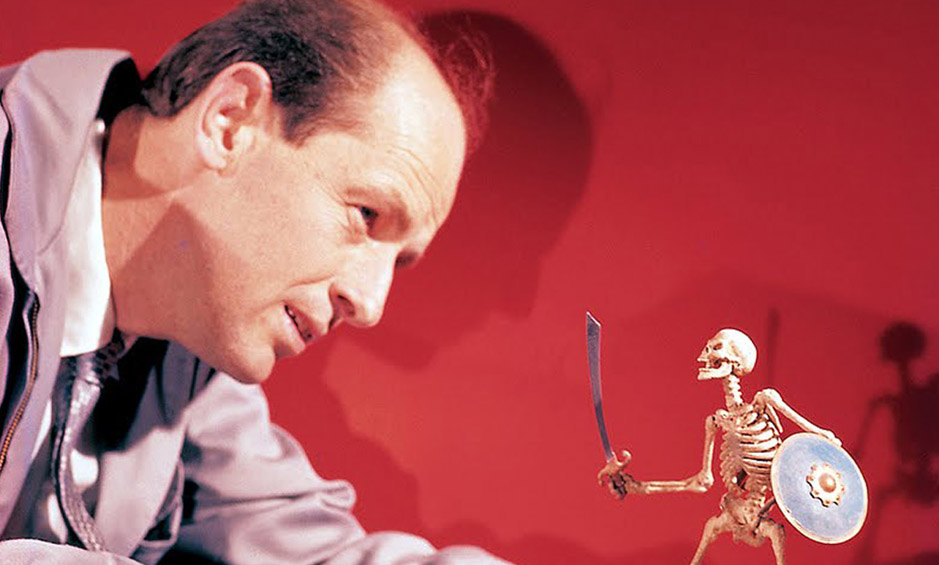
Ray Harryhausen with one of his sword-fighting skeletons from JASON AND THE ARGONAUTS

On December 10, Turner Classic Movies will be airing Jason and the Argonauts, a work of artistic genius and fun with Greek mythology. The original thousands-year-old story is a fun adventure yarn, and the 1963 movie, even with its sword-and-sandal dialogue and acting, is loads of fun.

Ray Harryhausen was a unique genius of pre-CGI movie special effects.  His stop-motion animation created the vivid creatures that made possible movies about ancient mythology (from the 1958 The 7th Voyage of Sinbad through the 1981 Clash of the Titans) and fantasy literature (The Three Worlds of Gulliver).  His pioneering work in stop-motion animation has influenced the field since, all the way to today’s Aardman Animation and Wallace and Gromit.

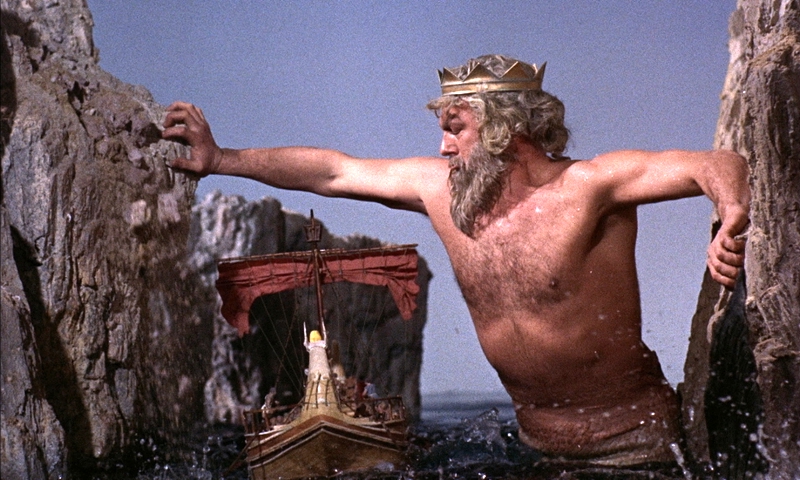
Harryhausen’s masterpiece was Jason and the Argonauts, for which he created the Harpies, Talos, the Clashing Rocks Triton, the Hydra and the sword-fighting skeletons that emerge from the Hydra’s teeth.  I still watch Jason and the Argonauts whenever it’s on TV, and I often give the DVD to kids. 

JASON AND THE ARGONAUTS

on TV: THE GREAT BEAUTY – decadence, stunning imagery and the beauties of Rome itself

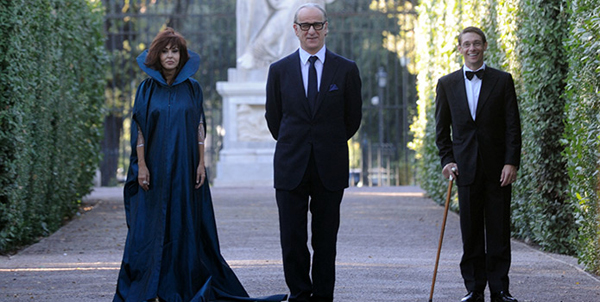
Toni Servillo (center) in THE GREAT BEAUTY

On Sunday, November 29, Turner Classic Movies will air The Great Beauty (La grande belleza), which begins as its protagonist Gep Gambardella is celebrating his 65th birthday in a feverishly hedonistic party. Gep authored a successful novel in his twenties, which has since allowed him the indulgent life of a celebrity journalist, bobbing from party to party among Rome’s shallow rich.

Gep is having a helluva time, but now he reflects on the emptiness of his milieu and the superficial accomplishments of his past 40 years. As he alternates introspection and indulgence, we follow him through a series of strikingly beautiful Roman settings. (And, because Gep parties all night, we see lots of gorgeously still Roman dawns.)

The Great Beauty is foremost an extraordinarily beautiful art film. If you’ve been to Rome, you know that it is a generally chaotic city with unexpected islands of solitude. The Great Beauty captures this aspect of the Eternal City better than any other film I’ve seen. On one level, The Great Beauty is very successful Rome porn.

THE GREAT BEAUTY

Writer-director Paolo Sorrentino also explores the moral vacuity of the very rich and the party life. It’s the Italy of Silvio Berlusconi, whom Sorrentino blames for enabling a national culture of escapism. These themes, along with the main character and the movie’s structure are of course nearly identical to Fellini’s great La Dolce Vita (1960), but The Great Beauty is more accessible, funnier and a bit more hopeful – and much more of a showcase for the cityscape of Rome. Sorrentino provides plenty of laughs, especially with a gourmet-obsessed cardinal and a cadaverous celebrity nun with a Mephistopheles-looking handler.

It’s hard to imagine an actor better suited to play Gep than Toni Servillo. Servillo perfectly captures both the happiness Gep takes in carnal pleasure and his self-criticism for giving his entire life to it. Servillo’s Gep is brazenly proud of his own cynicism, until we see his humanity breaking through at a funeral. Servillo is even magnificent in wearing Gep’s impressive collection of sports jackets.

There’s so much to The Great Beauty – stunning imagery, introspection, social criticism, sexual decadence, fine performances, humor and a Rome travelogue – each by itself worth watching the film.  The Great Beauty won the Best Foreign Language Oscar. If you miss it on TCM, you can still stream it from Amazon, Apple TV, Vudu, YouTube, Google Play, kanopy and the Criterion Channel. Courtesy of the Criterion Channel, here’s a illustrative clip.

Movies to See Right Now (at home) – Thanksgiving Weekend Edition

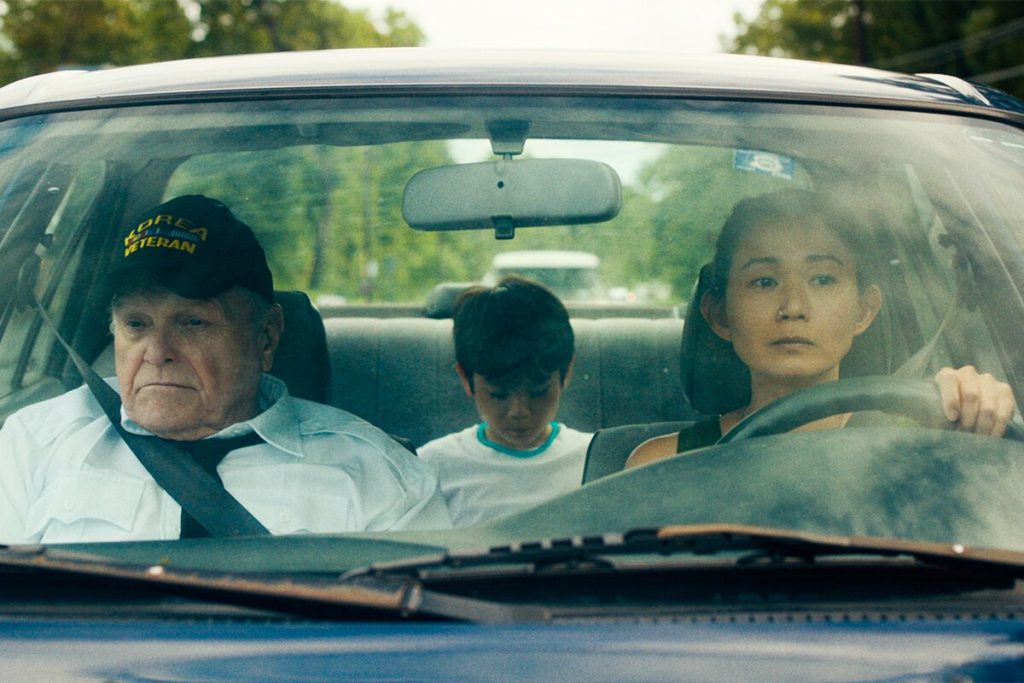
Brian Dennehy, Lucas Jaye and Hong Chau in DRIVEWAYS

While we are gathered – or NOT gathered – with family this Thanksgiving, I recommend 2020’s best family film, Driveways. It’s high on my list of the Best Movies of 2020 – So Far, and I hope it doesn’t get lost among the prestige movies poised for Holiday release.

This is the FINAL WEEKEND for Noir City International – coming TO YOUR HOME with great classic movies that you can’t find anywhere else. Please take advantage of this very rare opportunity through November 29.

ON VIDEO

Driveways: I can’t think of a more authentic movie about intergenerational relationships than this charming, character-driven indie. The more I think about Driveways, the more I admire it. It also features the final performance – so genuine and subtle – by Brian Dennehy. Driveways is available to stream on all the major platforms.

She Is the Ocean: In this visually stunning documentary, fearless and high-achieving women celebrate the oceans in science and sport. Now streaming at Laemmle’s.

Cinta Hansel in SHE IS THE OCEAN

The most eclectic watch-at-home recommendations you’ll find ANYWHERE:

ON TV

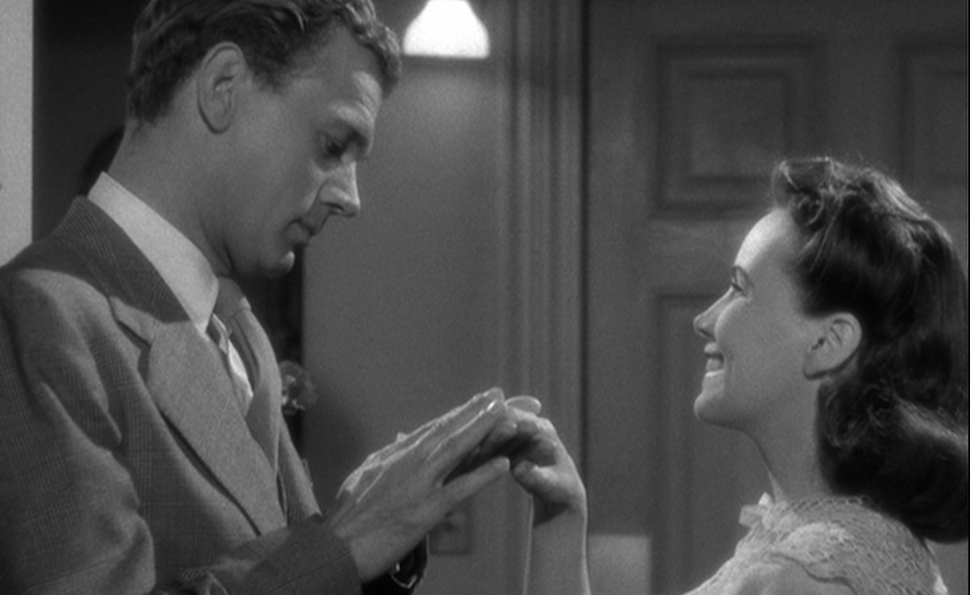
Joseph Cotten and theresa Wright in SHADOW OF A DOUBT

On Thursday and Friday, Turner Classic Movies presents a Hitchcock-a-thon: Rear Window, The Man Who Knew Too Much, The Birds, Psycho, Rope, The Lady Vanishes, Strangers on a Train, Saboteur, Torn Curtain, Marnie, The Trouble with Harry and Shadow of a Doubt.

What a lineup – festooned by some of the most iconic American movies, like Psycho, Strangers on a Train, Rear Window and The Birds! The most overlooked may be Shadow of a Doubt, with its great performances by Joseph Cotten and Teresa Wright. And it was shot in Santa Rosa.

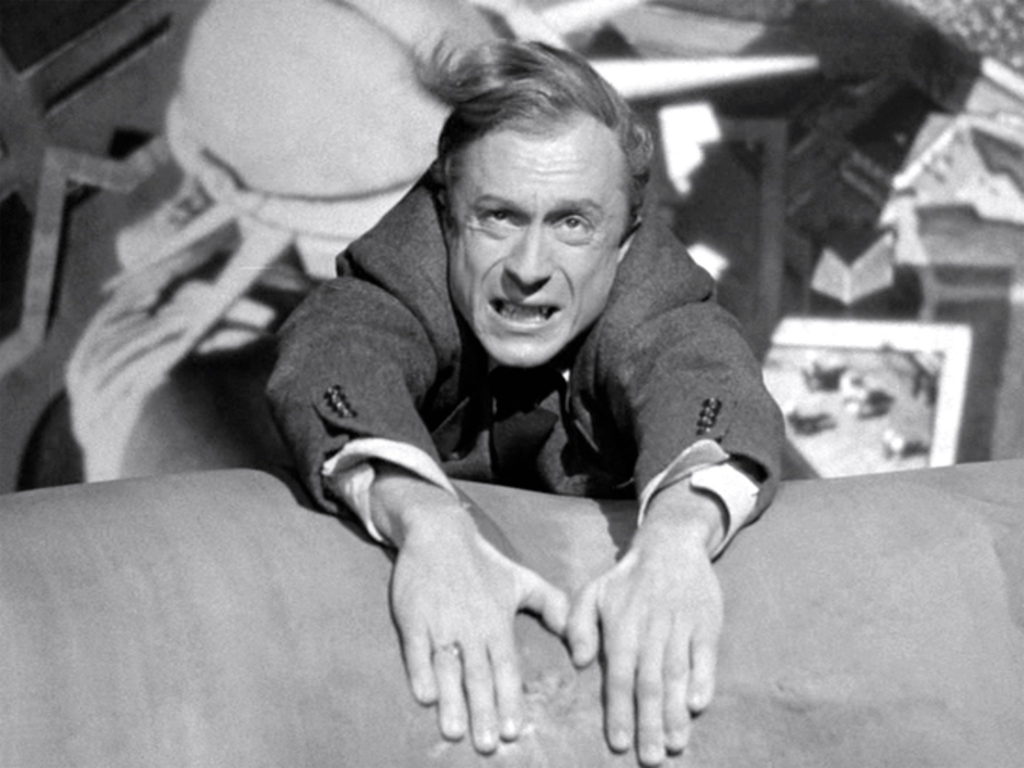
In the second-earliest of these films, Saboteur, the wonderful character actor Norman Lloyd got to play the villain; 78 years later, Lloyd is still alive at age 106 – and still a great raconteur.

Norman Lloyd (then 28-years-old) in SABOTEUR

Movies to See Right Now (at home)

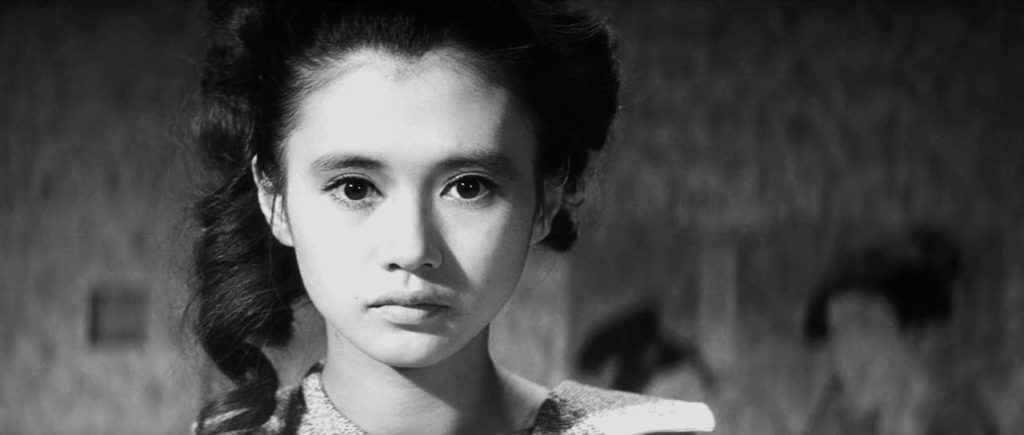
PALE FLOWER, playing at Noir City International

Once again this week, it’s all about Noir City International – coming TO YOUR HOME with great classic movies that you can’t find anywhere else. Please take advantage of this very rare opportunity through November 29

Plus the weekly, eclectic watch-at-home recommendations.

ON VIDEO

DICK JOHNSON IS DEAD

The most eclectic watch-at-home recommendations you’ll find ANYWHERE:

ON TV

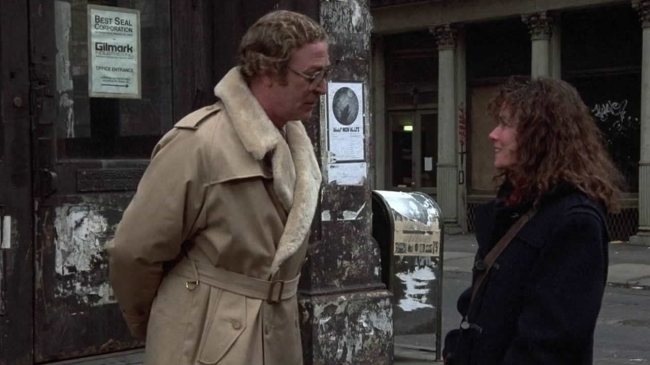
Michael Caine and Barbara Hershey in HANNAH AND HER SISTERS

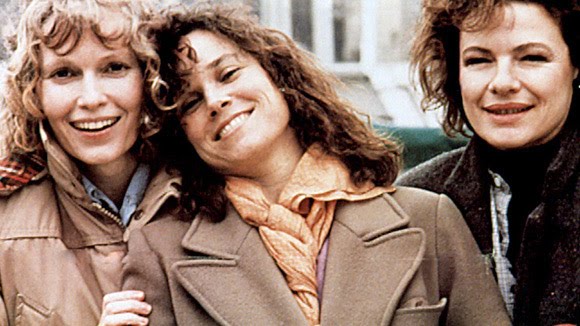
On November 22, Turner Classic Movies presents Woody Allen’s 1986 near-masterpiece, Hannah and Her Sisters, a story framed by two Thanksgivings. Biting and insightful, Hannah and Her Sisters won Best Supporting Oscars for Michael Caine and Dianne Wiest, along with a Best Screenplay Oscar for Woody. I particularly enjoy the performances of Barbara Hershey as the inappropriate object of Caine’s middle-aged infatuation and Max Von Sydow as her artist-boyfriend, a ridiculously pretentious and selfish artist.

Mia Farrow, Barbara Hershey and Dianne Wiest in HANNAH AND HER SISTERS

NOIR CITY comes to your home

Ingmar Zeisberg and Helmut Wildt in BLACK GRAVEL

Here’s a once-in-a-pandemic film noir experience, the opportunity to see classic film noir that you can’t see anywhere else. The Noir City International at the AFI Silver is available to stream through November 29.

Noir City is the annual festival of the Film Noir Foundation, spearheaded by its founder and president, the Czar of Noir, Eddie Muller. The Foundation preserves movies from the traditional noir period that would otherwise be lost. Noir City often plays newly restored films and movies not available on DVD or streaming.

This January, as usual, I attended this year’s festival, sharing the program with a thousand other film fans in a vintage movie palace, San Francisco’s Castro Theatre. In normal years, Eddie Muller then takes the program on the road, but the pandemic eliminated the satellite Noir City mini-fests in other cities. Good news – this year’s festival program is streaming through the AFI Silver so everyone can watch it at home.

This year’s program is Noir City International 2 – l focusing on international film noir, as it did so successfully six years ago. Then I was enthralled by the Argentine Bitter Stems and the Swedish Girl with Hyacinths, and must admit that I had never even imagined that vintage film noir from those nations existed. This year’s fest brings us titles from Argentina, France, Germany, Korea, Japan, Czechoslovakia, Italy, and Poland.

One of best things about Noir City is the opportunity to see films that are not available to stream. This year Noir CIty is outdoing itself by presenting SIX films that can’t found on a streaming platform, most of them impossible to see outside of Noir City in any format.

  • Black Gravel (West Germany 1961)
  • The Black Vampire (Argentina 1953)
  • …And the Fifth Horseman Is Fear (Czechoslovakia 1965)
  • The Devil Strikes at Night (West Germany 1957)
  • Panique (France 1947)
  • Razzia (France 1955)

Pale Flower, Ashes and Diamonds and Any Number Can Win are only available to stream periodically on the Criterion Channel.

“Difficult to find” doesn’t mean “obscure”. The program includes films directed by Michelangelo Antonioni, Jean-Pierre Melville and Roebert Siodmak and starring Ingrid Bergman, Jean Gabin, Alain Delon and Jean-Paul Belmondo.

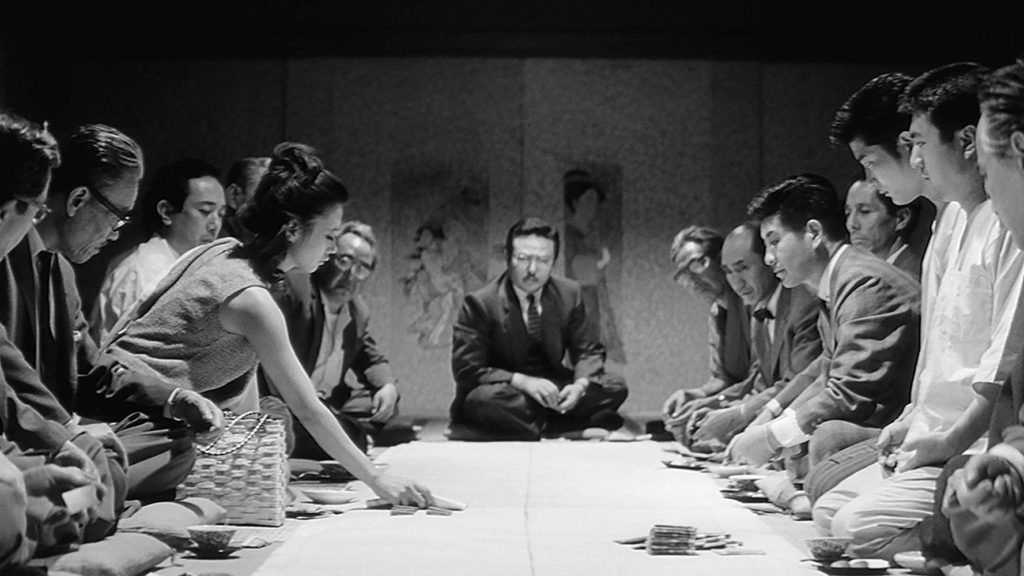
PALE FLOWER

My personal favorites on the program:

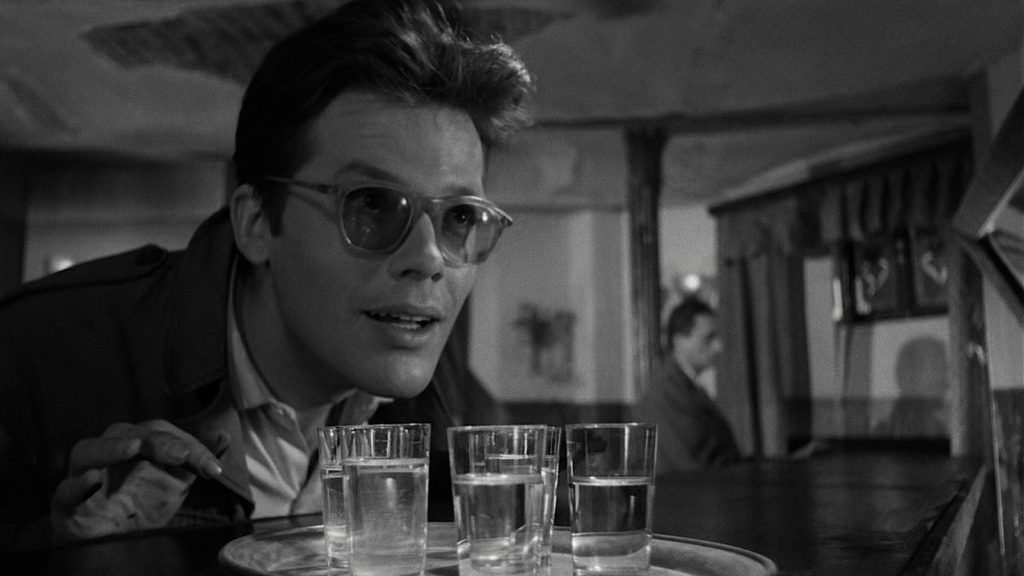
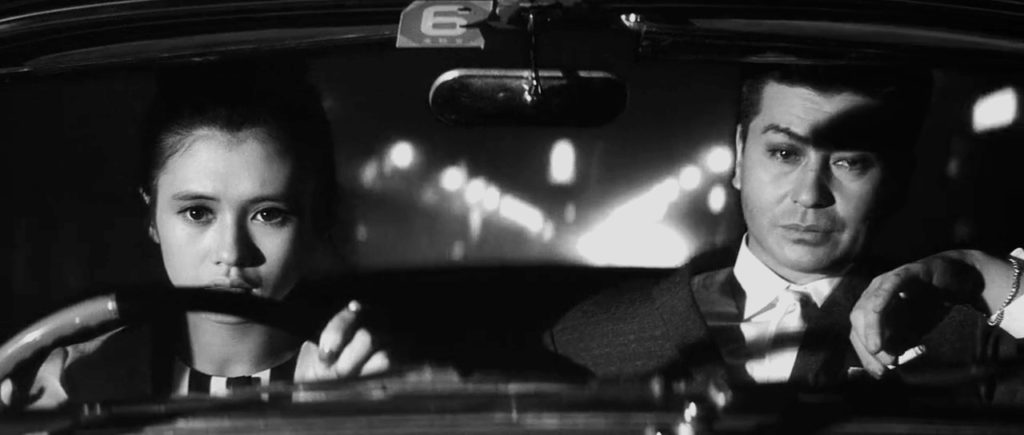
  • Pale Flower: Writer-director Masahiro Shinoda’s masterpiece is a slow burn that erupts into breathtaking set pieces. This is pioneering neo-noir; its look and feel is as different from classic noir as are Elevator to the Gallows and Blast of Silence.
  • Black Gravel: This tragic romance is set in post-war Germany, a Petri dish for hustlers. Rarely has a movie plot swung as rapidly between They’re gonna get caught – No, they’re gonna get away with it – No, They’re gonna get caught – No, they’re gonna get away with it – No, They’re gonna get caught – No, they’re gonna get away with it – No, They’re gonna get caught.
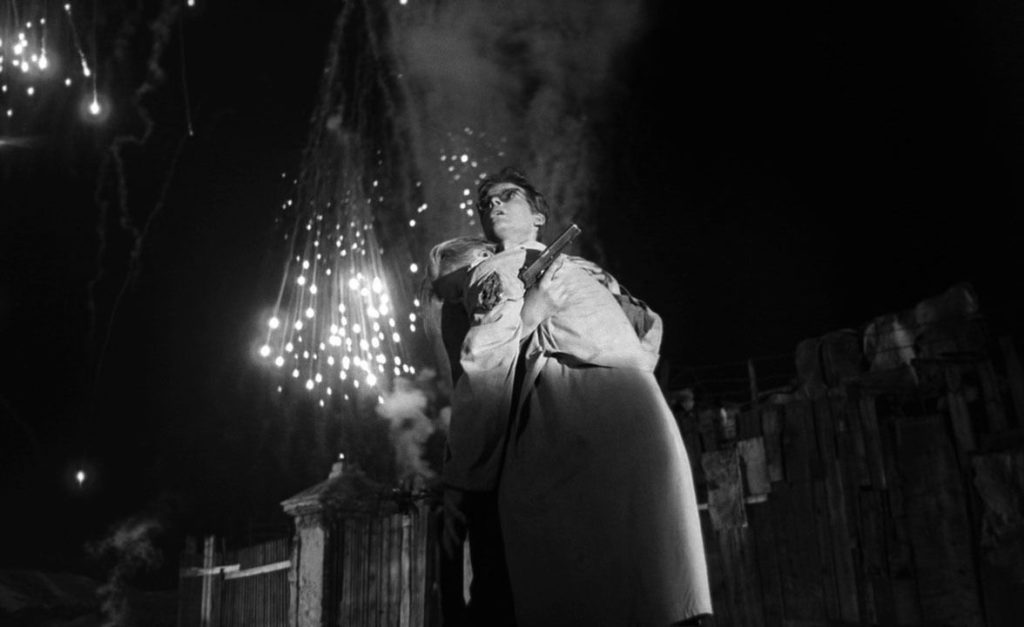
  • Ashes and Diamonds: Auteur Andrzej Wajda‘s filmmaking gifts are on display in this Hit Man Finds Love tale, set as the Polish Resistance battles for a place in post-war Poland. As kinetic and unpredictable as James Dean, Zbigniew Cybulski makes for an irresistibly charismatic leading man.
  • The Black Vampire: In this often trippy 1953 remake of Fritz Lang’s M, Nathán Pinzón is AT LEAST AS GOOD as was Peter Lorre in the original.

The offerings also include Leave Her to Heaven with Gene Tierney as the most disturbing female villain in film noir and Detour with Ann Savage as the grungiest and most predatory. The Korean The Housemaid is so bizarre as to defy description. And the coolest middle-aged guy in cinema, Jean Gabin, stars in Razzia and Any Number Can Win.

DO NOT MISS this rare opportunity. Individual screenings are $12 and the Festival Pass is $125. Explore the program and get your pass or tickets.

Zbigniew Cybulski in ASHES AND DIAMONDS

Movies to See Right Now (at home)

ASHES AND DIAMONDS, playing at Noir City International

This week, it’s all about Noir City International – coming TO YOUR HOME with great classic movies that you can’t find anywhere else. Plus the most eclectic watch-at-home recommendations you’ll find ANYWHERE.

PALE FLOWER, playing at Noir City International

ON VIDEO

Lena Olin and Bruce Dern in THE ARTIST’S WIFE

The most eclectic watch-at-home recommendations you’ll find ANYWHERE:

ON TV

Michael Polley in STORIES WE TELL

On November 17, Turner Classic Movies brings us the documentary Stories We Tell, the brilliant director Sarah Polley’s exploration of her own family’s secrets. Which secret is more shocking, and which family member’s reaction is more surprising? This was #4 on my Best Movies of 2013, and it’s a Must See.

STORIES WE TELL