NOIR CITY returns in-person in January

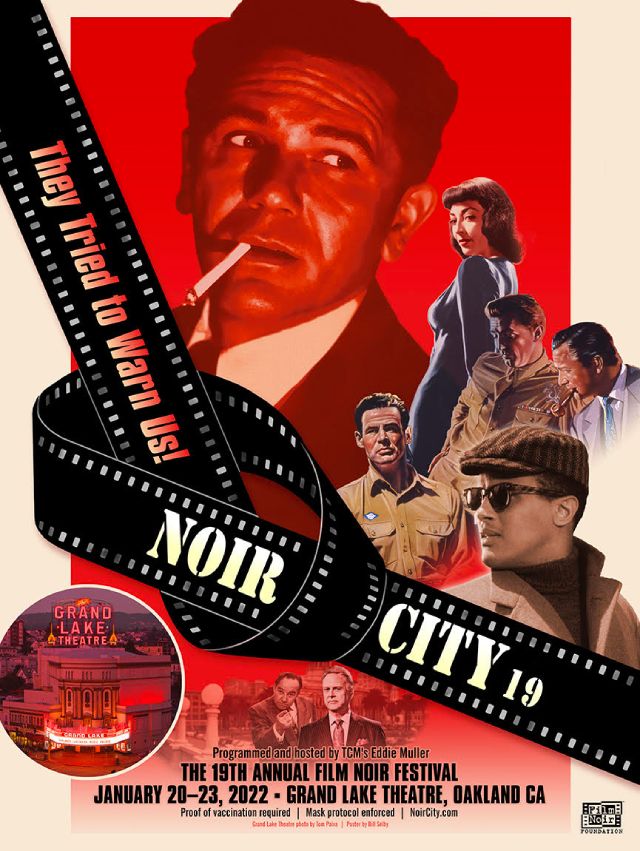
The Noir City film fest, always one of the best Bay Area cinema experiences, returns IN-PERSON January 20-23, 2022. What’s new in the 2022 edition of Noir City:

  • As usual, Noir City will be held in a vintage movie palace – but it will be the Grand Lake Theater in Oakland (not San Francisco’s Castro).
  • This year’s program contains all American movies from the classic film noir period; (no international titles or neo-noirs this year).
  • The festival will be compressed into four days from the usual ten.
  • Masks and proof of COVID vaccination will be required.

Noir City is the annual festival of the Film Noir Foundation, spearheaded by its founder and president Eddie Muller. The Foundation preserves movies from the traditional noir period that would otherwise be lost. Noir City often plays newly restored films and hard-to-find movies.

Muller, host of the popular Noir Alley franchise on Turner Classic Movies, explains, “The Grand Lake provided Noir Alley with a temporary studio during the pandemic, and I realized its vintage movie palace atmosphere, and the care and upkeep of the venue, would work perfectly for the type of show NOIR CITY loyalists have come to expect. Plus, I love Oakland. It hurts that the town has lost the Warriors and the Raiders, so I’m happy to give a little something back to the city’s cultural life.

The 2022 Noir City will host the world premiere of the Film Noir Foundation’s 35mm restoration of The Argyle Secrets. The Argyle Secrets (1948) is not available for streaming, nor are these Noir City titles:

  • The Accused (1949)
  • Open Secret (1948)
  • The Sniper (1952) – shot on location in San Francisco.
  • Force of Evil (1948).

The rest of the program includes the more familiar titles On Dangerous Ground, The Prowler, Odds Against Tomorrow, No Way Out, The Killer That Stalked New York, All the King’s Men and Crossfire. The 2022 program, subtitled “They Tried to Warn Us!“, offers movies that address contemporary issues: racism, anti-Semitism, sexual predators, serial killers, police brutality and a KILLER CONTAGION. Muller describes them as “warning flares about issues that still plague our culture more than seventy years later.”

Make your plans now. Review the program and buy tickets at Noir City.
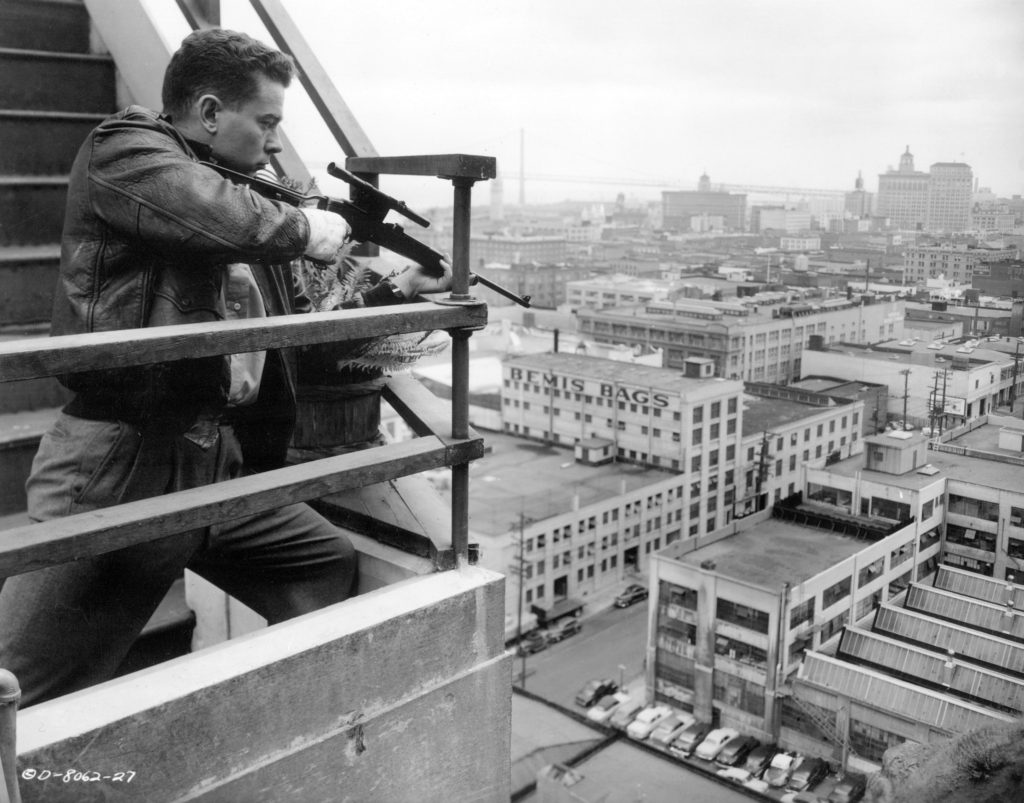
Arthur Franz in THE SNIPER. Courtesy of the Film Noir Foundation.

The Nashville Film Festival – in your home

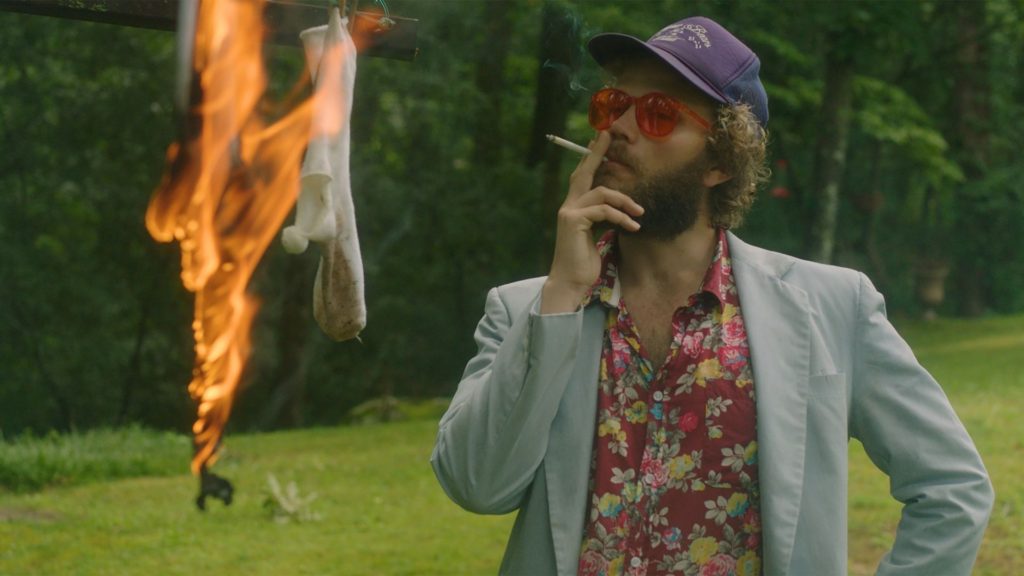
Bo Maguire in his film SOCKS ON FIRE. Photo courtesy of Nashville Film Festival.

The 52nd Nashville Film Festival opens today – in Nashville and on your personal device. Nash Fest is a hybrid in-person and on-line event, which means that you can watch some of the films through October 6 without even traveling to Nashville.

These Nash Fest films can be streamed anywhere in the United States:

  • Socks on Fire is Bo McGuire’s tale of his own family’s inheritance battle over a Hokes Bluff, Alabama, bungalow. The family of church-going Bama football fans – and one drag queen – is jarred and wounded by the mean behavior of one aunt. Enriched by old home movies and re-enactments, this ain’t your conventional talking head documentary. Socks on Fire swings between funny and operatic, and there’s a sweet remembrance of a grandmother in here, too. Won Best Documentary at the Tribeca Film Festival.
  • Clean Slate: In this clear-eyed documentary, Cassidy and Josh are living in a faith-based recovery program – the kind you need to avoid incarceration. They are working to make a short film about the program. It’s stressful enough to make an indie film – finding a no-budget cast and crew, braving torrential downpours while shooting exteriors, and wrangling a roadkill armadillo. But more than a movie is at stake with these guys – they’re both hanging on to their sobriety by their fingernails. Like living with an addict, Clean Slate has its heartbreaking moments. Over 23 million Americans are living in long-term recovery from addiction. Clean Slate is the rare film that explores the connection between relapse and recovery – and it’s a cliff hanger.
  • Window Boy Would Also Like to Have a Submarine has the best title at the festival and must be the trippiest movie. A worker on a cruise ship touring Patagonia opens a door in the crew quarters and finds himself inside a Montevideo apartment. There’s a parallel story set in the Philippines highlands where villagers find a mysterious concrete shed. How do people react to a portal that disrupts the space-time continuum? The film hails from Uruguay, Argentina, Brazil, Netherlands and the Philippines.
  • Fable of a Song is a documentary about the writing of a song; this film was originally intended to document the creative process, but real life intervenes both to stagger the artists and to impact the very meaning of the song’s lyrics. There’s an insider’s peek into a cowrite, where professional songwriters take a glimmer of inspiration and work over two days to form it into a complete song. In a no-dry-eye moment, the song is performed for its subject in a personal studio concert.
  • Adventures in Success: This broad comedy traces the misadventures of a self-help retreat center led by a self-described energy transformationist who claims to have experienced a 12-hour orgasm. Her movement is centered on the female orgasm, the mantra is Jilling Off, and the sessions are essentially orgies where men are not allowed to ejaculate. Opens with an impressive 28-second performance of urination art.
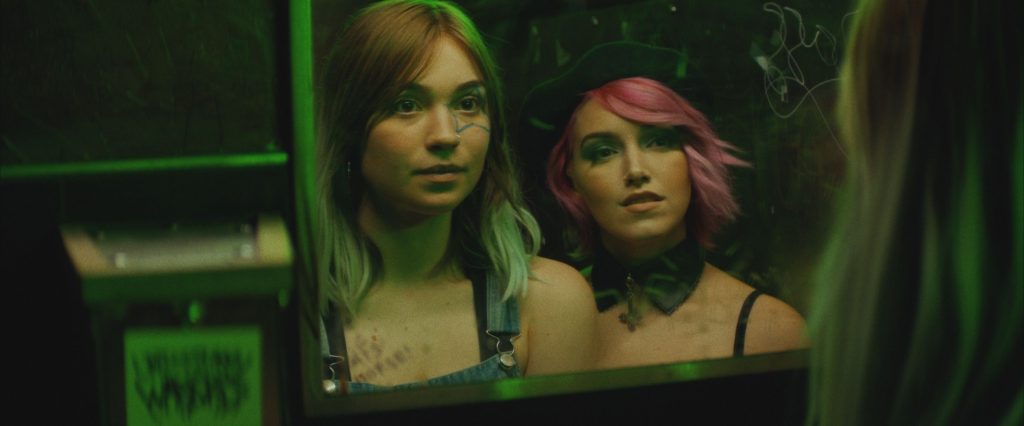
Sylvie Mix and Bobbi Kitten in POSER: Courtesy of Nashville Film Festival.

These films can be streamed anywhere in the Southeastern United States (Tennessee, Alabama, Georgia, Florida, Arkansas, Louisiana, Mississippi, North Carolina, and South Carolina):

  • Poser: This deeply psychological portrait of an artistic wannabe among real artists is the Must See at this year’s Nashville Film Festival. Lennon (Sylvie Mix) reveres the underground music scene of Columbus, Ohio’s Old North (which she compares to Renaissance Florence). Her entrée is a podcast, which allows her to meet a panoply of local artists, including Bobbi Kitten, the charismatic front woman of the real life band Damn the Witch Siren. At first, we chuckle and cringe at Lennon, until it becomes apparent that a much darker personal plagiarism is afoot and Poser evolves into a thriller. A shot of the recording of a train’s sounds is indelibly chilling. Be prepared to be creeped out by Mix’s performance and to be dazzled by Bobbi Kitten. Poser is the first narrative feature for directors Ori Segev and Noah Dixon (Dixon wrote the screenplay), Mix, Kitten and damn near the entire cast and crew, and it’s packed with original music. Must See.
  • Faye: Filmmakers Kd Amond and Sarah Zanotti have ingeniously braided horror elements into an unexpectedly funny grief movie. Faye (Zanotti) is a best-selling author who is paralyzed by grief. She holes up at her editor’s vacation house in a Louisiana bayou to get herself writing again – her own personal Overlook Hotel. So, we have a woman isolated in a swamp, and she can hear things go bump in the night and the neighbors’ chainsaws. The first thing we notice about Faye is that she is talking to someone who isn’t there – her dead husband. As we listen to Faye (ironically, a self-help author) talking herself though the stages of grief, her sanity goes on a roller coaster and Faye takes on the look and feel of a horror movie. That idea, the exquisite editing and Zanotti’s’s performance makes spending 83 minutes with a neurotic woman eminently watchable.
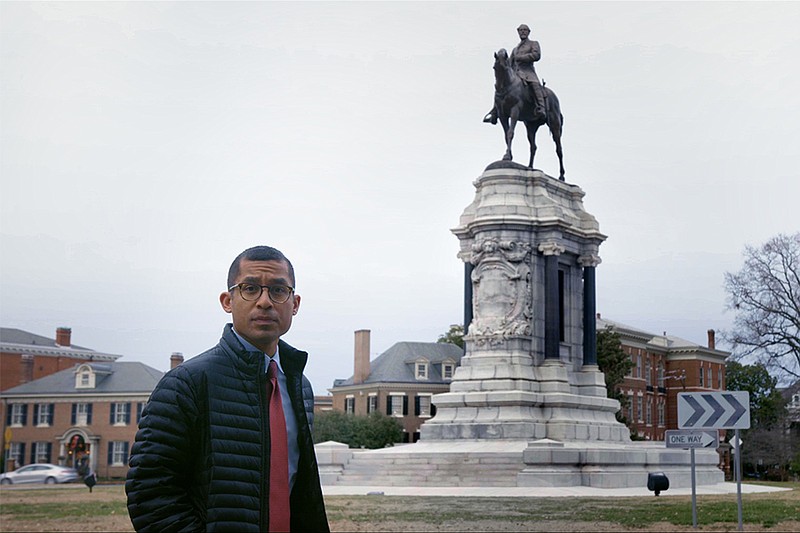
  • The Neutral Ground: In this pointed documentary, C.J. Hunt explores the continuing legacy of Confederate monuments in America. Hunt, a producer for The Daily Show, started out to make a snarky YouTube video, but he found himself drawn more deeply into the history of Confederate monuments, so intentionally braided with white supremacy.  Hunt is fascinated by the chorus of White Southerners advocating for the preservation of Confederate monuments, all claiming that the Civil War was not about slavery. Hunt probes the disconnect between historical fact and the Lost Cause lie – and his own racial consciousness.
  • Fanny: The Right to Rock documents the first all-female rock band to get signed by a major record label and churn out five albums. Fifty years ago, the band Fanny was breaking ground for women musicians – and for lesbians and Filipinas. These women can still really rock in their 70s, and they’re a hoot.

Check out the program and buy tickets at the festival’s Film Guide. Watch this space for Nashville Film Festival recommendations (both in-person and on-line) and follow me on Twitter for the latest.

CJ Hunt in THE NEUTRAL GROUND. Courtesy of Nashville Film Festival.

Previewing the Nashville Film Festival

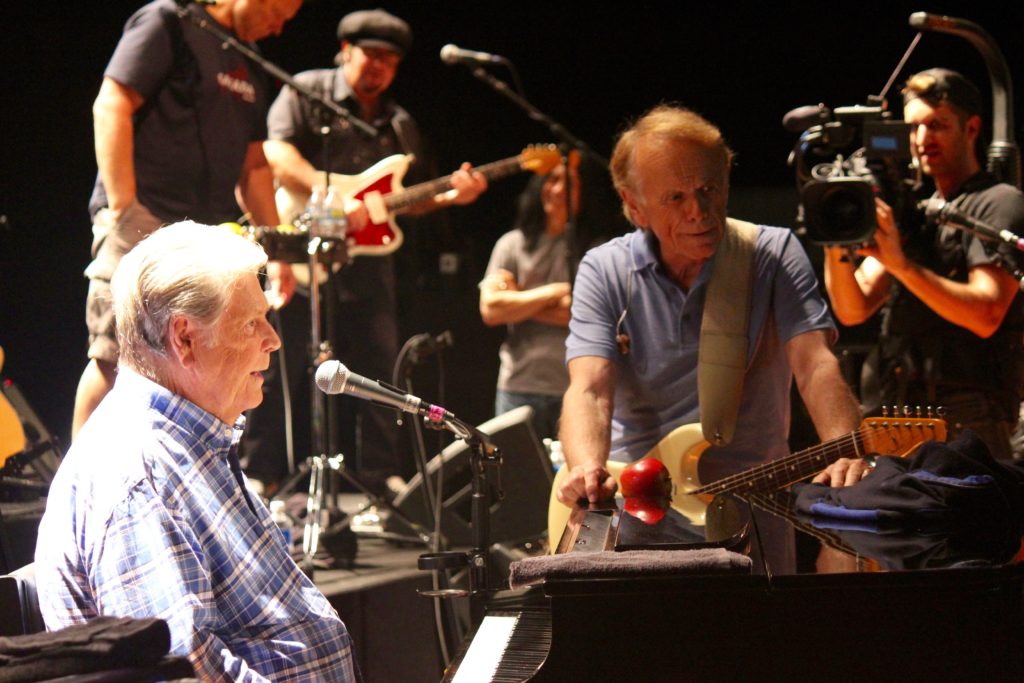
Brian Wilson in BRIAN WILSON: LONG PROMISED ROAD. Photo courtesy of Nashville Film Festival

The Nashville Film Festival opens on Thursday, September 30 and runs through October 6 with a diverse menu of cinema, available both in-person and on-line. I have already seen over a dozen films in the program, and I’m impressed so far. I’m am heading back to Nashville for my first in-person film festival coverage since March 2020.

The Nashville Film Festival is the oldest running film festival in the South and is an Academy Award qualifying festival. The program includes a mix of indies, docs and international cinema, including world and North American premieres.

This year’s fest opens strong with the in-person screening of Brian Wilson: Long Promised Road, an unusual documentary about an unusual man.  The Beach Boys’ songwriting and arranging genius weighs in on his life and work.  The extremely terse Brian Wilson would not be the ideal subject for a conventional interview documentary.  Instead, the filmmakers have Wilson’s old and trusted friend, rock journalist Jason Fine, drive him around important places in Wilson’s life; it’s the format of Comedians in Cars Drinking Coffee, and it pays off in with emotional revelations.  It turns out that Wilson is remarkably open about his travails and his creative process – and we get to see which of his songs that Brian himself listens to when he is feeling grief or nostalgia.   

The fest closes with The Humans, Stephen Karam’s film version of his Tony Award-winning play. It’s a family drama with Steven Yuen, Beanie Feldstein, Richard Jenkins, Amy Shumer and June Squibb. I haven’t seen it, but it got promising buzz at Toronto and is slated for a theatrical release by A24.

Lauren Ponto, Nashville Film Festival’s Director of Programming, says, “The 2021 Nashville Film Festival will be a different experience than our audiences are historically accustomed to and our team is excited for the community to be a part of it. The reimagined 52nd Festival will include 150 films ranging in categories from narratives, documentaries, new twists on horror, US Indies, eclectically bold Music Documentaries and much more.

Ponto continues, “It’s been invigorating to program the Festival this year, knowing that we will be able to showcase a select group of films in person. The content is stronger than ever and very intentional.

The Nashville Film Festival embraces its home in Music City and emphasizes films about music. Besides Brian Wilson: Long Promised Road, the program includes

  • Fanny: The Right to Rock documents the first all-female rock band to get signed by a major record label and churn out five albums. Fifty years ago, the band Fanny was breaking ground for women musicians – and for lesbians and Filipinas. These women can still really rock in their 70s, and they’re a hoot.
  • Poser (my favorite film in the festival) is set in the underground music scene of Columbus, Ohio’s Old North and is packed with original music. It’s a dark psychological portrait of an artistic wannabe among real artists.
  • Fable of a Song (a film that I haven’t seen yet) is a documentary about the writing of a song; this film was originally intended to document the creative process, but real life intervenes both to stagger the artists and to impact the very meaning of the song’s lyrics.
  • Hard Luck Love Song (another film that I haven’t seen yet) is a portrait of a troubled, self-sabotaging musician. Inspired by singer-songwriter Todd Snider’s song Just Like Old Times.

See it here first: Old Henry, Hard Luck Love Song, Luzzu, Beta Test, Flee, The Humans, Clara Sola, The Tale of King Crab and Poser have all secured distribution and will be available to theater and/or watch-at-home audiences. Before just anybody can watch them, you can get your personal preview at the Nashville Film Festival.

Check out the program and buy tickets at the festival’s Film Guide. Watch this space for Nashville Film Festival recommendations (both in-person and on-line) and follow me on Twitter for the latest.

Sylvie Mix and Bobbi Kitchen in POSER. Photo courtesy of Nashville Film Festival.

more thoughts about THE NEUTRAL GROUND and the Lost Cause lie

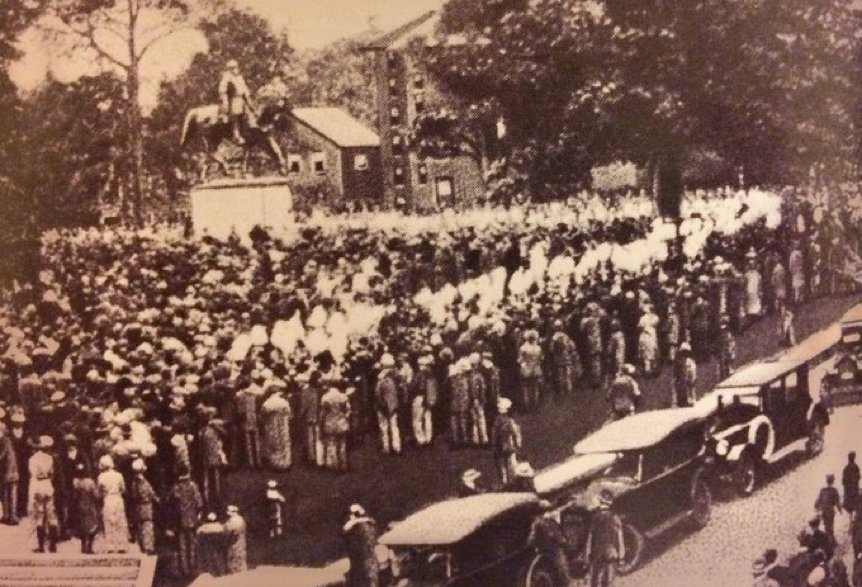
Dedication of the Robert E. Lee statue in Charlottesville, Virginia

C.J. Hunt, in his insightful and thought-provoking documentary The Neutral Ground, explores the lie of the Lost Cause, which is still embraced by many White Southerners and is the rationale for preserving Confederate monuments. That myth is that that the Civil War was about a principle of “States Rights” somehow divorced from slavery, and that the Southern cause in the Civil War was romantically heroic.

At one point, Hunt observes,

“The founding documents of the Confederacy talk so obsessively about slavery, the real mystery is how so many people came to believe that Confederate symbols have nothing to do with it.”

Not only is Hunt dead right, but you can read the actual declarations of the causes of secession yourselves. The truth is inescapable – the South fought the Civil War PRIMARILY to continue slavery.

The SECOND SENTENCE of Mississippi’s declaration is “Our position is thoroughly identified with the institution of slavery”.

Texas identified this grievance against the Northern States:

“based upon an unnatural feeling of hostility to these Southern States and their beneficent and patriarchal system of African slavery, proclaiming the debasing doctrine of equality of all men, irrespective of race or color– a doctrine at war with nature, in opposition to the experience of mankind, and in violation of the plainest revelations of Divine Law. They demand the abolition of negro slavery throughout the confederacy, the recognition of political equality between the white and negro races, and avow their determination to press on their crusade against us, so long as a negro slave remains in these States.”

One of South Carolina’s grievances against the northern states was, without irony, “They have encouraged and assisted thousands of our slaves to leave their homes.”

It is clear from reading the official actions of the Southern states AT THE TIME that the only relevance of “States Rights” was to continue and expand slavery. Baby Boomers recall that “States Rights” was code for “racial segregation” in the 1950s and 1960s. Same thing.

The Neutral Ground also documents that, after the subversion of Reconstruction in the last quarter of the 19th Century, Confederate statues were intentionally placed to impose terror and demonstrate White supremacist power. See the photo (above) of the dedication of the Charlottesville, Virginia, statue of Robert E. Lee during this period. The dedication is ringed by robed and hooded Ku Klux Klan members. Everybody AT THE TIME knew what was going on,

Unfortunately, Southern Whites have lived in a Lost Cause echo chamber for a century. It has become more offensive to tell them that the Civil War was about slavery than to suggest that Jesus was not the son of God.

The German people embraced a “stab in the back” lie to explain their defeat in WWI. That, of course, led to the Nazi regime, a second world war, mass genocide and the destruction of Germany itself. Today’s Germans know that they can be proud of their contributions to world culture, industry and science and still accept that following Hitler was a grievous mistake. Good luck finding a contemporary German who will say, “Hey, none of us actually believed all that stuff about a Master Race”.

Good news for cinephiles – the SFJFF is back

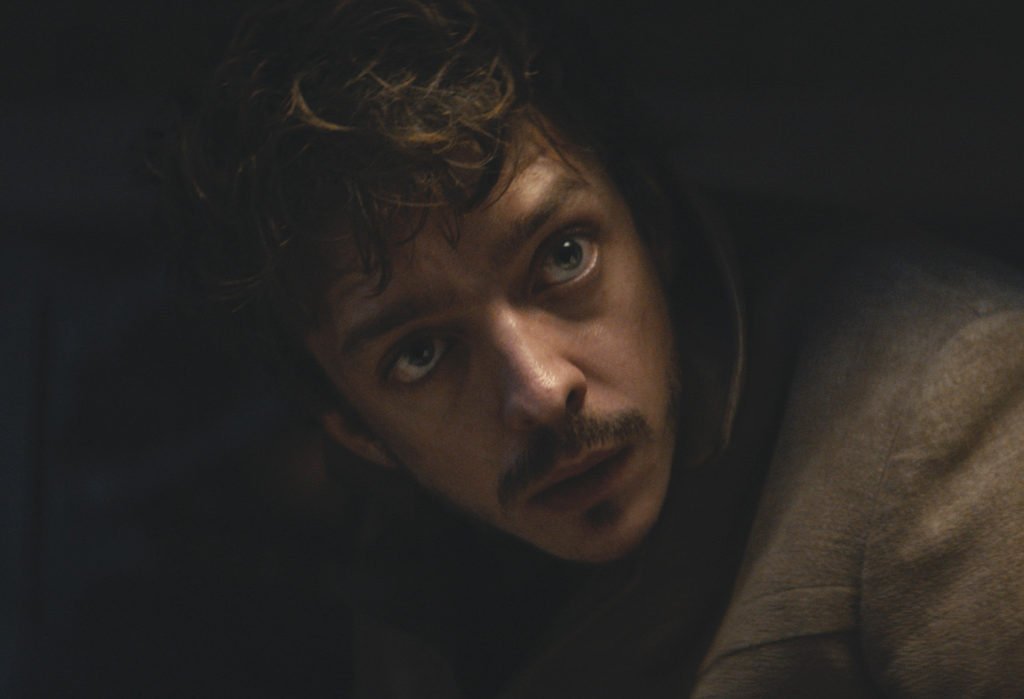
Photo caption: Nahuel Pérez Biscayart in PERSIAN LESSONS,opening the San Francisco Jewish Film Festival. Photo courtesy of JFI.

One of the Bay Area’s top cinema events is back – the San Francisco Jewish Film Festival (SFJFF) runs from July 22 to August 1. This year’s festival is a hybrid, including both movies to stream-at-home and in-person screenings at San Francisco’s Castro Theatre. The SFJFF is the world’s oldest and largest Jewish film festival, and the program offers over 50 films from over 20 countries.

The opening night film at the Castro, Persian Lessons, is especially strong. A Belgian Jew is sent to a German concentration camp and seeks to avoid death by claiming to be Persian, not anticipating that a Nazi officer will demand to be taught Farsi. To stay alive, the protagonist must invent an entire faux Farsi language, word-by-word, and remember it. All the while he’s sweating out the possibility that his ruse will be discovered. Persian Lessons walks a tightrope, and the ending is very emotionally powerful.

The SFJFF always presents an impressive slate of documentaries, recently including What She Said: The Art of Pauline Kael, Satan & Adam, Bombshell: The Hedy Lamarr Story, The Mossad and Levinsky Park. Among this year’s program, I liked Kings of Capitol Hill, an Israeli’s filmmaker’s insiders’ exposé of AIPAC, the American pro-Israel advocacy group.

One of the strengths of recent SFJFF festivals has been its promotion of films that explore aspects of the Israeli-Palestinian conflict. This year, Kings of Capitol Hill is one of seven films in the SFJFF program, both documentary and narrative, that touch on this topic.

I was also intrigued by the stylish Canadian indie narrative Sin la Habana, which braided together the yearnings of an Afro-Cuban couple and a Jewish-Iranian woman in Montreal.

You can peruse the festival’s program and schedule at SFJFF.

Yonah Acosta Gonzalez in SIN LA HABANA. Photo courtesy of JFI.

Remembering Ned Beatty and Norman Lloyd

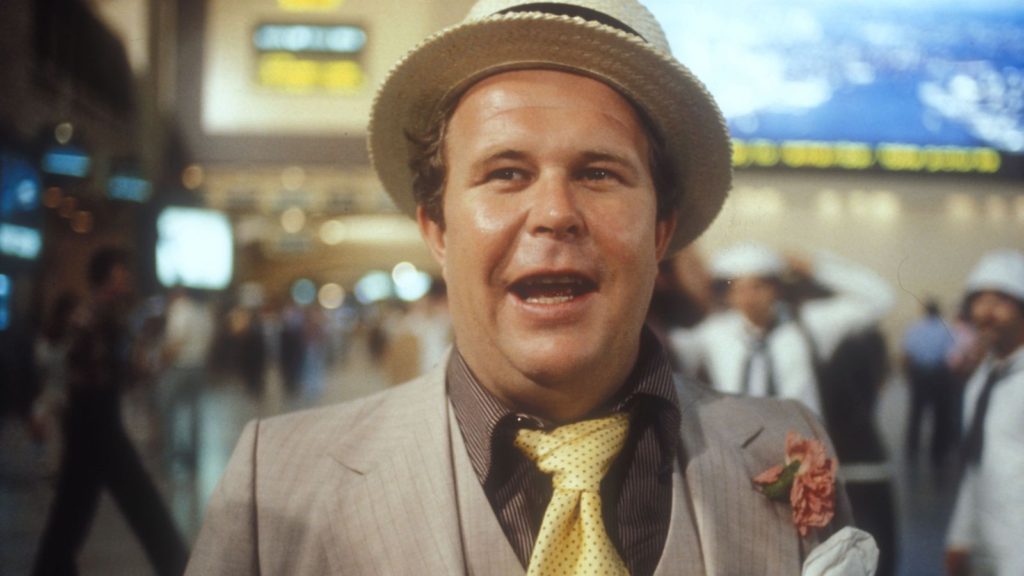
Ned Beatty in SUPERMAN

Actor Ned Beatty, Oscar-nominated for Network, amassed 165 screen credits, and Beatty was impeccable in every one that I’ve seen. Pudgy people (including The Movie Gourmet) are often underestimated; character actor Ned Beatty was certainly one of his generation’s greatest screen actors.

Beatty has been so prolific and so consistently excellent, that it’s now hard to grok that his most unforgettable performance, in Deliverance, was also his first movie. The rape scene in Deliverance was so shocking and so sensational that many overlook how perfectly Beatty played each of his scenes, including the one with the Banjo Boy and the one where his assailant has been dispatched by Burt Reynold’s arrow.

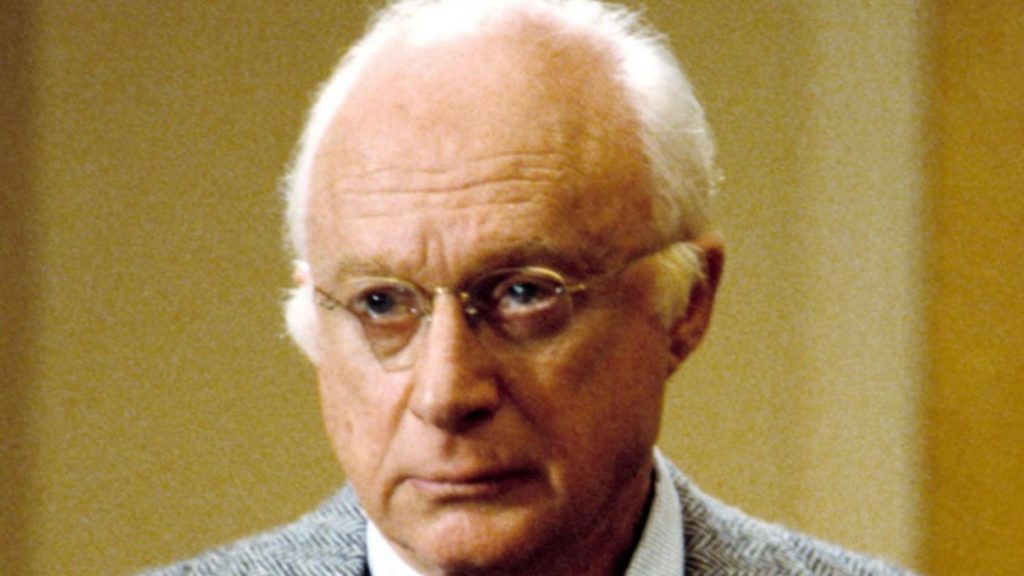
Norman Lloyd in ST ELSEWHERE

Actor, director and producer Norman Lloyd has died at age 106. Lloyd was the villain in Alfred Hitchcock’s 1942 nailbiter Saboteur, and his career stretched through 2015 (when he was a centenarian). His most remembered role was as Dr. Daniel Auschlander on television’s St Elsewhere. Among his achievements – a 75 year marriage.

As an actor on stage, radio, television and the Big Screen, Lloyd worked with Hitchcock, Charlie Chaplin, Orson Welles, Jean Renoir, Anthony Mann, Elia Kazan and Martin Scorsese. He acted with stars from Dana Andrews and Burt Lancaster to Denzel Washington. Fortunately for film fans, Lloyd was a delightful, anecdote-rich raconteur.

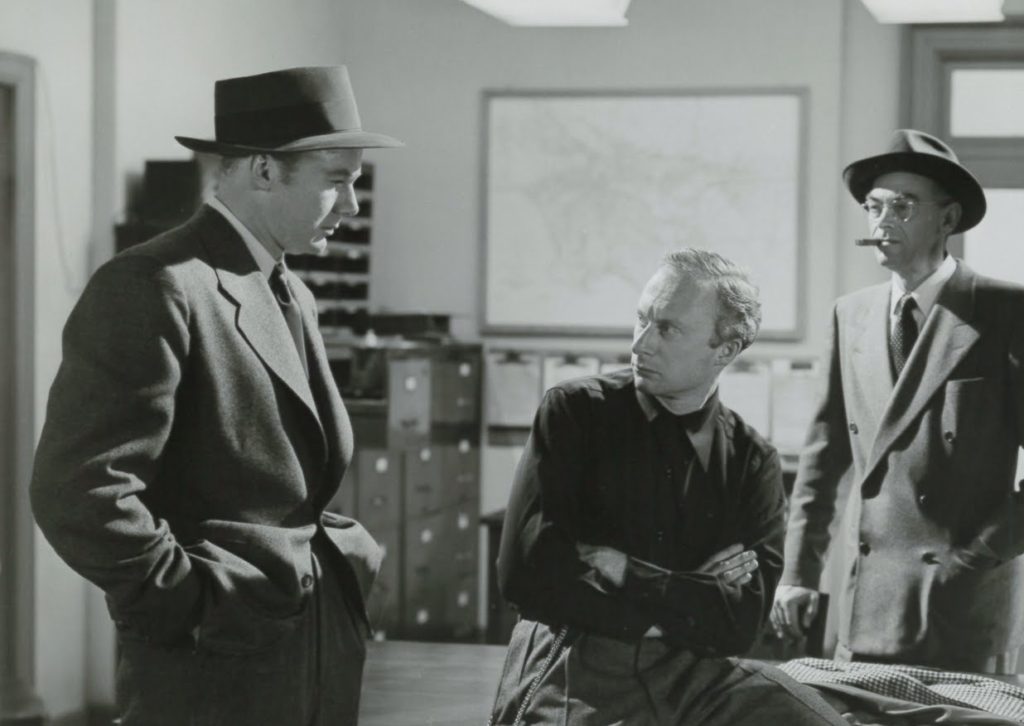
My own favorite Norman Lloyd performance was as the highly idiosyncratic stoolie Sleeper in Scene of the Crime.

Norman Lloyd (center) in SCENE OF THE CRIME

an unexpectedly comfortable Oscars

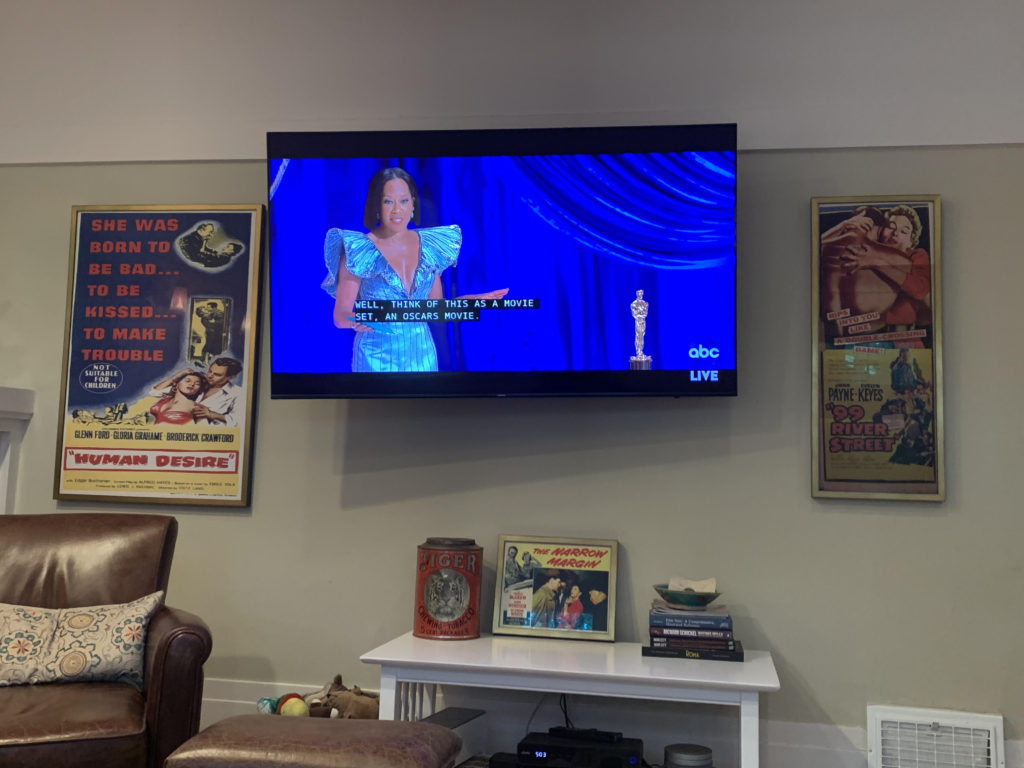
Caption: Watching the Oscars in The Movie Gourmet’s screening room

Oddly, watching the Oscars seemed so comfortable in such a bizarre year. Less was more. The no-host format, the Union Station set, the incorporation of the remote locations and subbing Questlove for the orchestra, each improved the show. Steven Soderbergh and the other producers finally off-loaded the Best Song category to the pre-show – a huge help. And I sure didn’t expect the most powerful moment to come from Tyler Perry and the funniest from Glenn Close.

The awards, for once, pretty much all went to deserving winners. My only quibble was the atrocious Documentary Feature win for the good but not great My Octopus Teacher, an opinion shared by critics such as Christy Lemire and Jason Gorber. (I did like the octopus in the movie, just not the human.)

In each of The Movie Gourmet’s ten years of blogging, The Wife and I watch the Oscars while enjoying a meal inspired by the Best Picture nominees. For example, we had sushi for Lost in Translation, cowboy campfire beans for Brokeback Mountain and Grandma Ethel’s Brisket for A Serious Man – you get the idea. The high point has been the Severed Hands Ice Sculpture (below) in 2011 for 127 Hours and Winter’s Bone. Here is the 2019 version.

The Movie Gourmet’s culinary tribute to 127 HOURS and WINTER’S BONE

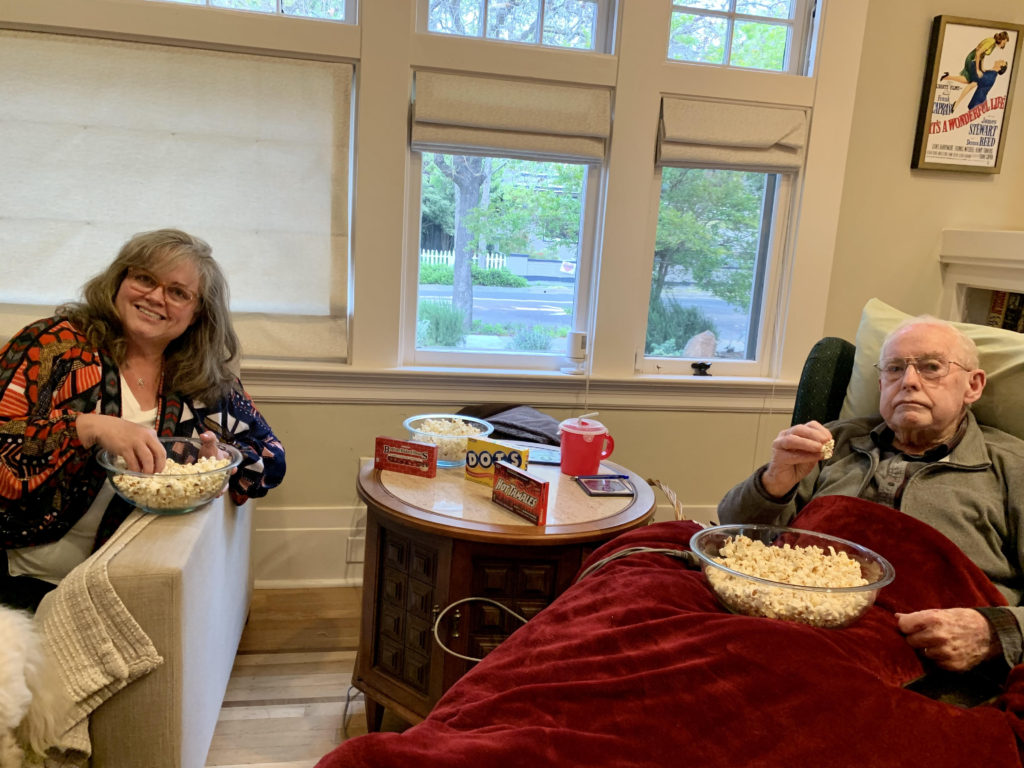
The characters in Nomadland, Sound of Metal, The Father and Minari all spent time in kitchens, so we could have come up with an Oscar menu. But it didn’t seem right this year. I, for one, haven’t been inside a movie theater in 417 days. To honor the movie theater experience, we chose movie popcorn and movie candy (Hot Tamales for me, DOTS for The Wife) and settled in for the telecast.

The Wife and her father indulging in The Movie Gourmet’s 2021 Oscar dinner

Monte Hellman

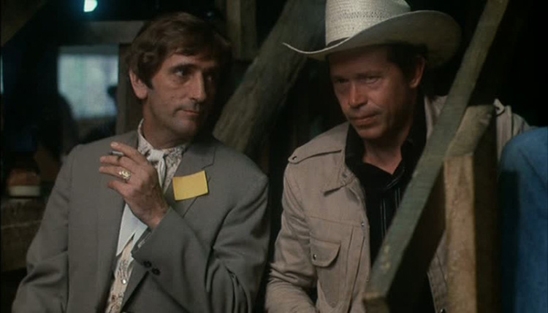
Harry Dean Stanton and Warren Oates in Monte Hellman’s COCKFIGHTER

My favorite cult director, Monte Hellman, has died at age 91. The New York Times called him a “hero of the American independent film movement“.

Hellman worked in low-budget genre movies, collaborating with Roger Corman, Jack Nicholson and Hellman’s great muse, Warren Oates. Hellman could elevate the sparest of scripts and the most minuscule of budgets into film classics.

Hellman showcased Oates’ gift for playing a tough, bottom-feeding grasper who needs a little too much luck in Two-Lane Blacktop (1971) and Cockfighter (1974). Cockfighter, a movie that even Hellman couldn’t make today, is probably his masterpiece.

Road to Nowhere, in 2010, was the first film in twenty years from the then 79-year-old Hellman. It’s a multi-layered riddle that challenges the audience.  Road to Nowhere is far more stylish and ambitious than Hellman’s 1970s films, but far more baffling.

I can’t find Two-Lane Blacktop available to stream, but the Blu-Ray DVD is available from The Criterion Collection. Cockfighter can be streamed from Amazon (included with Prime) and a few other outlets. Road to Nowhere is available to stream from Amazon, AppleTV, YouTube and Google Play.

talking with LUNE director Aviva Armour-Ostroff

Aviva Armour-Ostroff

My choice as the Must See in this year’s Cinequest was the Canadian indie Lune, an astonishingly authentic exploration of bipolar disorder. In the film, Miriam and her teen daughter Eliza must navigate the impacts of the mom’s illness. I spoke wih writer and co-director Aviva Armour-Ostroff, who also starred as Miriam.

I asked Armour-Ostroff what drew her to the topic of bipolar disorder? She replied “My dad is Miriam. The character of Eliza is based on me.” Wow. There you have it – the key to the authenticity of Lune. “I was so clearly loved by my dad, and we were so close.

Armour-Ostroff’s parents split when she was a baby, and her dad was her primary care giver during some years in her childhood and youth. He could go an entire year without a bipolar episode. But when she was a teenager, he suffered one or two episodes per year, each lasting two or three months.

I think there are so many people who, when they are depressed, can’t get off the rug, and, when manic, can’t harness the energy to achieve anything.

Miriam is the most singular movie character I’ve seen in a while. Her streams of manic speech have the rhythm of poetry like rap or beat poetry. Armour-Ostroff says that her dad was highly intelligent and talked rapidly, like that. “with the tangents and then the change of topics, a lot of wordplay.” She credited her dad, Brian Ostroff, as a co-writer of Lune.

You can see Brian Ostroff himself in a three-minute forty-second documentary, Dr. Bro’s Traveling Medicine Show, that is embedded on Cinequest’s Lune page. Armour-Ostroff describes his state in the clip as “6 on a manic scale.” He had nicknamed himself Dr. Bro.

Armour-Ostroff has made Miriam funny, but not only a subject of comedy, and neither harmless nor a dangerous monster. “He (her father) never had the right concoctions (of medication). My hope is that people can see both the humor and the danger, without stereotypes.

Despite the rockiness of her upbringing, the character of Eliza seems very well adjusted. Armour-Ostroff notes that the phenomenon of child-as-caregiver is common in such situations. But there was an impact – “In my 20s, I developed anxiety because I needed so much control.”

Miriam’s back story is as a fervent anti-apartheid advocate but, during a psychotic episode, she hurls a South African racial slur at Eliza’s Black boyfriend. Armour-Ostroff said that this is intended to depict Miriam’s underlying racial attitude. “It’s the product of her background, not her insanity, I think we need to dive deep and explore our own racism.

Armour-Ostroff’s half brother is a Dutch musician who only met their father five or six times; he contributed the music played during Lune’s end credits.

Lune‘s next stop on the festival tour is RapidLion – the South African International Film Festival. Armour-Ostroff has returned to her Toronto theater company and is continuing to work on projects with her partner (and Lune co-director) Arturo Pérez Torres.

Three remembrances

Richard Pryor and Yaphet Kotto (right) in BLUE COLLAR

In the past week, we’ve lost three fine screen actors, Yaphet Kotto, George Segal and, today, Jessica Walter.

REMEMBRANCE

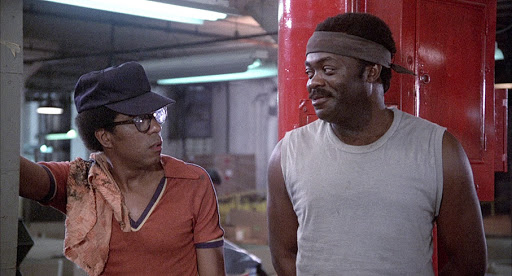
Actor Yaphet Kotto has died at 81. Kotto made plenty of big movies (Alien) and is most remembered for starring in the television series Homicide: Life on the Street, as the Bond villain in Live and Let Die and as Idi Amin in the superb TV movie Raid on Entebbe. I most appreciate his performance in Paul Schrader’s 1978 Blue Collar, with Richard Pryor and Harvey Keitel, set in an auto factory. The Movie Gourmet comes from an autoworker family, and I have worked in a plant like the one in the movie, so I found the film especially evocative. Kotto was also excellent as the FBI agent shepherding Charles Grodin in Midnight Run.

George Segal (right) with Elliott Gould in CALIFORNIA SPLIT

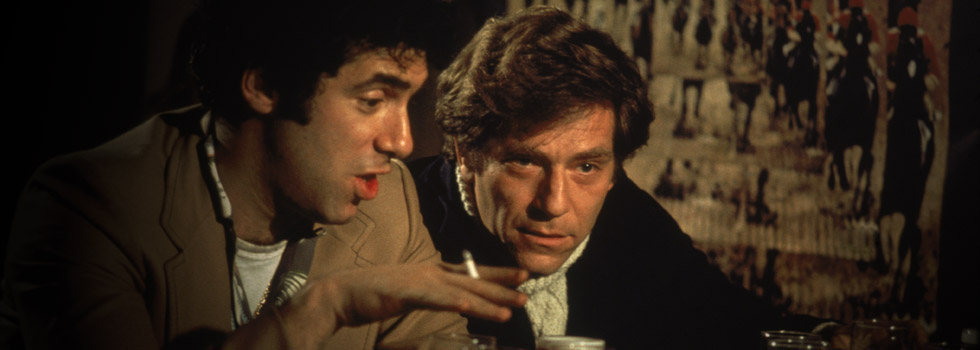
George Segal’s big screen breakthrough came in that most searing exploration of toxic marriages, Who’s Afraid of Virginia Woolf? My favorite George Segal performance came in what is arguably Robert Altman’s best movie, California Split. Segal and Elliot Gould played two compulsive gamblers; as usual, Gould had the flamboyant part, but Segal was masterful as his more contained character slipped bit by bit into the vortex of addictive behavior.

Jessica Walter in PLAY MISTY FOR ME

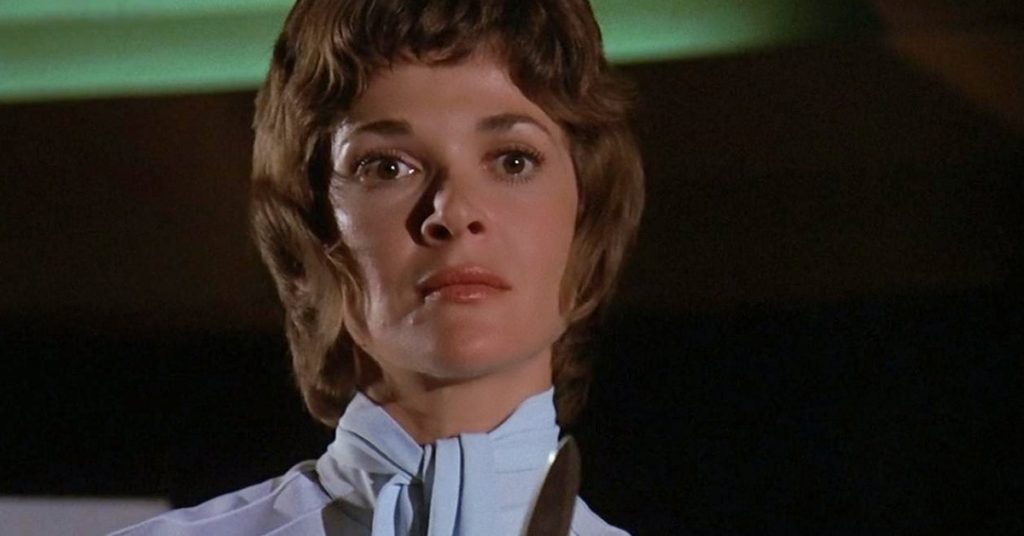
Jessica Walter was an incredibly prolific television actress with one great movie performance. That performance was as Evelyn, Clint Eastwood’s nightmare of a one night stand in Play Misty for Me. Walter topped off her career as Lucille Bluth in 84 episodes of Arrested Development. I don’t know what the record is for guest spots in 1972-76 detective shows, but Water appeared in Banyon, Cannon, The F.B.I. (six times), Mannix, Columbo, Ironside, Barnaby Jones, Hawaii Five-O, Banacek, McCloud, The Streets of San Francisco, and MacMillan & Wife.