SLAMDANCE: discovering new filmmakers

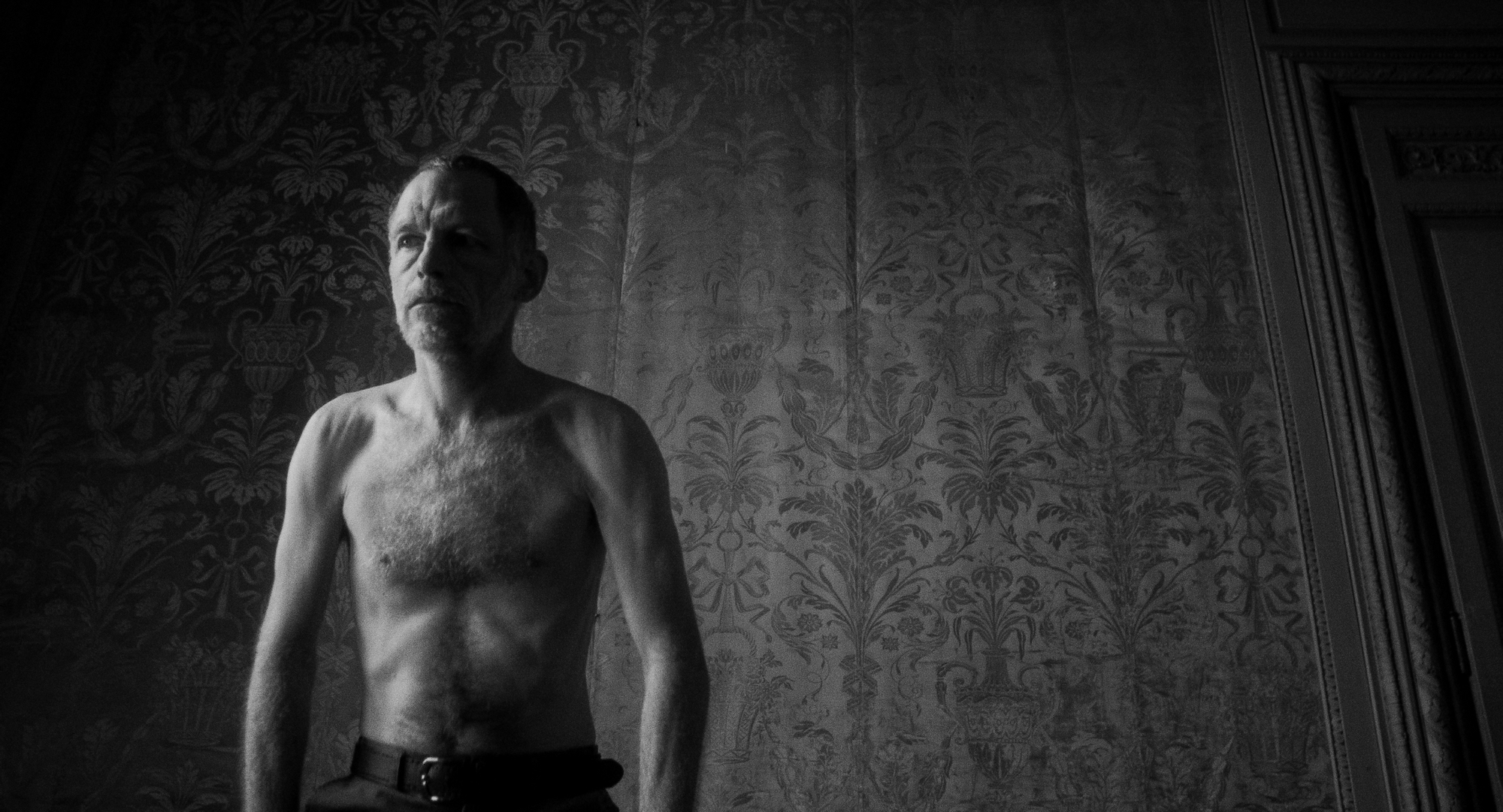
Photo caption: David Allen White in Fabio D’Orta’s THE COMPLEX FORMS. Courtesy of Slamdance.

It’s time for the 30th Slamdance Film Festival, which is all about discovering new filmmakers and unveiling their work. It’s a hybrid festival with events in Park City and Salt Lake City, Utah from January 19th to 25th and online on the Slamdance Channel from January 22nd to 28th. All Slamdance feature films selected in the competition categories are directorial debuts without U.S. distribution, with budgets of less than $1 million. The 125 films in this year’s program were selected from 9,004 submissions.

Slamdance was founded in 1995 by filmmakers reacting to the gatekeeper role and growing marketplace focus of a nearby film festival with a similar name. Whenever I cover a film festival, I’m on the lookout for first films and world premieres – and here’s a festival essentially entirely made up of first films and world premieres.

Slamdance alumni include: Christopher Nolan (Oppenheimer, Memento, Dunkirk), Bong Joon-ho (Parasite), Benh Zeitlin (Beasts of the Southern Wild), Jeremy Saulnier (Blue RuinGreen Room), Lynn Shelton (Outside In, Sword of Truth), Sean Baker (The Florida ProjectTangerine), Rian Johnson (Knives Out, Brick), Benny & Josh Safdie (Uncut Gems) and the Russo Brothers (Avengers: Infinity War).

MUST SEE

Here are three films from the 2024 Slamdance program that you shouldn’t miss. Each features at least one original and fresh element:

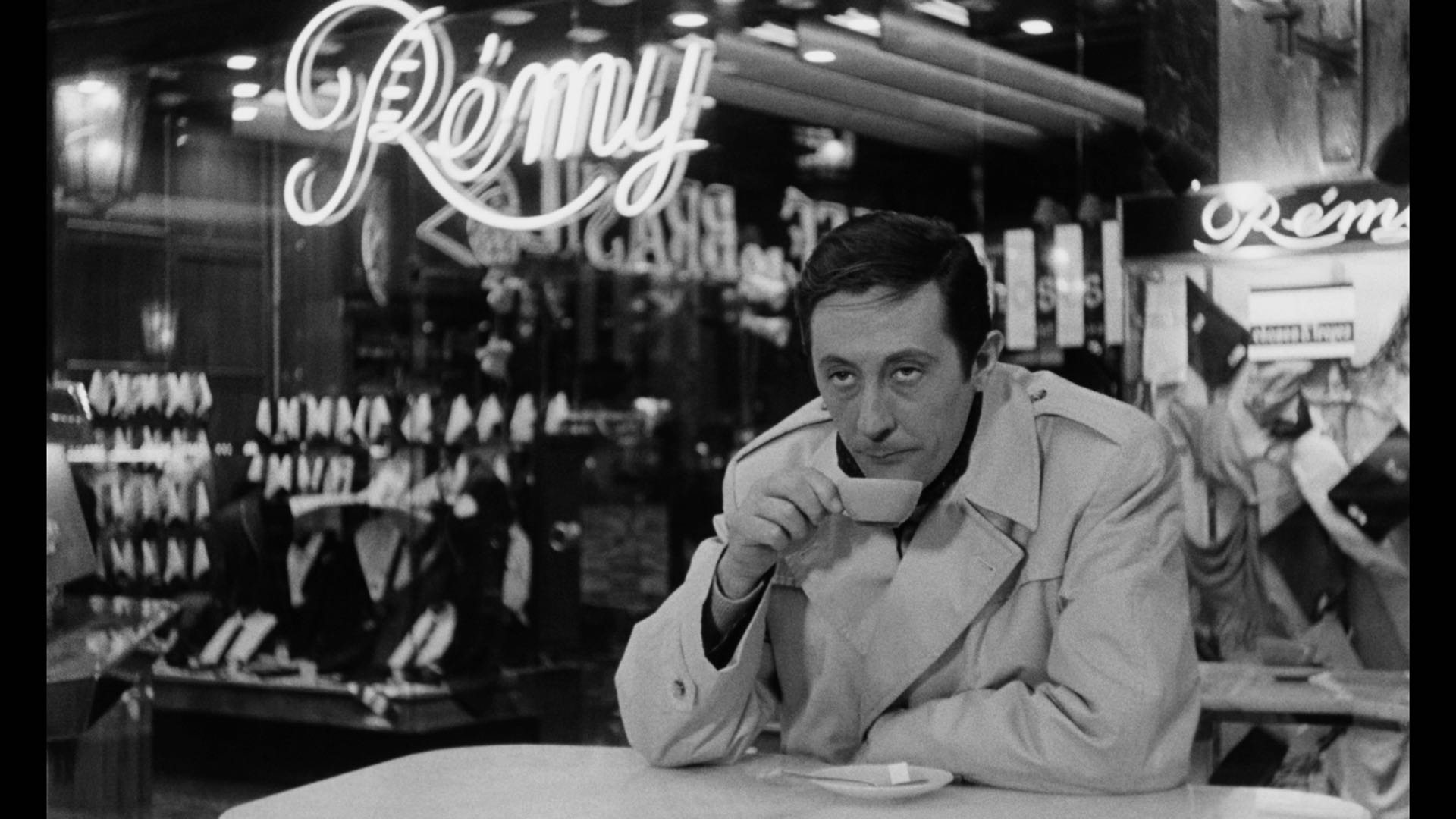
  • The Complex Forms: This visually striking atmospheric is set in a centuries-old Italian villa, where Christian (David Allen White) and other down-on-their-luck middle-aged men sell their bodies for a period of days to be “possessed”. Possessed how? By who or by what? As the dread builds, Christian resolves to pry the answers from the secretive masters of the villa. Director Fabio D’Orta unspools the story with remarkably crisp black-and-white cinematography, a brooding soundtrack and impeccable editing. In his astonishingly impressive filmmaking debut, D’Orta wrote, directed, shot and edited The Complex Form. US premiere. (Full review goes live on January 22.)
  • The Accident: Marcella (Giulia Mazzarino) is a meek, good-hearted young woman who, in quick succession, loses her partner, custody of their daughter, her car and her job. Desperate for financial survival , she buys a tow truck, but she is utterly unsuited for the cutthroat Italian towing industry, where no good deed goes unpunished. Marcella is trapped into a downward spiral of increasingly disadvantageous situations, until she happens on a logical, but outrageously amoral, solution. The Accident is the first full-length narrative feature for documentarian Giuseppe Garau, who describes it as an “experimental film” because virtually the entire movie is shot from a camera in the front passenger side of Marcella’s vehicle. That may be an experiment, but it’s not a gimmick, because it drives our attention to Marcella’s incentives and disincentives in this allegory, an acid parable of social criticism. North American Premiere. (Full review goes live on January 22.)
  • Demon Mineral: This environmental justice documentary explores the impact of uranium mining on the Navajo people. This real life story takes place in one of the most iconic locations in American cinema – Arizona’s Monument Valley, and cinematographer Yoni Goldstein’s black-and-white photography soars. The story is told by indigenous voices, one of whom, environmental scientist Dr. Tommy Rock, co-wrote Demon Mineral with director Hadley Austin. First feature for Austin. (Full review goes live on January 22.)

And here’s a bonus recommendation: Slide is a firehose-in-the-face of anarchic cynicism from the veteran animator Bill Plympton. Set in a 1940s backwater town hoping to become a location for a Hollywood movie, Plympton harnesses all the tropes of movie Westerns to send up human corruption. The music by Maureen McElheron and Hank Bones is pretty cool, too. Here’s a taste of the fun.

Remember, even if you don’t travel to Utah, you can sample these films on the Slamdance Channel from January 22nd to 28th.

Here’s the trailer for The Complex Forms.

NOIR CITY returns, bringing darkness from abroad

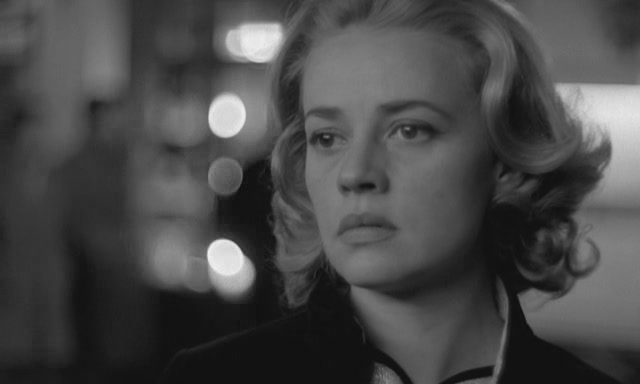
Jeanne Moreau in ELEVATOR TO THE GALLOWS
Photo caption: Jeanne Moreau in ELEVATOR TO THE GALLOWS

The Noir City film fest, always one of the best Bay Area cinema experiences, returns January 19-28 at the Grand Lake Theater in Oakland. The program for each night (or matinee) will present a double bill – one classic film noir from the US or UK, matched with one from Argentina, Mexico, France, Italy, Egypt, Japan or South Korea. This year’s tagline is Darkness Has No Borders.

Noir City is the annual festival of the Film Noir Foundation, spearheaded by its founder and president Eddie Muller. The Foundation preserves movies from the traditional noir period that would otherwise be lost. Noir City often plays newly restored films and hard-to-find movies.

One of Noir City’s greatest gifts to noiristas, and to cinephiles in general, has been introducing us to previously unfamiliar foreign noir classics. It is ONLY because of Noir City that I’ve seen some of my favorite movies: Los tallos amargos (The Bitter Stems), Black Gravel, El vampiro negro (The Black Vampire), Ashes and Diamonds, La noche avanza (Night Falls), …And the Fifth Horseman Is Fear and Girl with Hyacinths.

These titles from this year’s Noir City program are NOT available to stream, so Noir City is your best chance to see them: 

  • Street of Chance (US)
  • Cairo Station (Egypt)
  • Victims of Sin (Victimas del pecado) (Mexico)
  • Black Tuesday (US)
  • Aimless Bullet (South Korea)
  • Plunder Road (US)
  • Without Pity (Italy)
  • Four Against the World (Mexico)
  • Across the Bridge (UK)
  • Strongroom (UK)
  • Murder by Contract (US)
  • Smog (Italy)

Not all the program is obscure. Here are three Must See classics:

  • Elevator to the Gallows: This is such a groundbreaking film, you can argue that it’s the first neo-noir.  It’s the debut of director Louis Malle, shot when he was only 24 years old.  In 1958, no one had seen a film with a Miles Davis soundtrack or one where the two romantic leads were never on-screen together. Totally original.
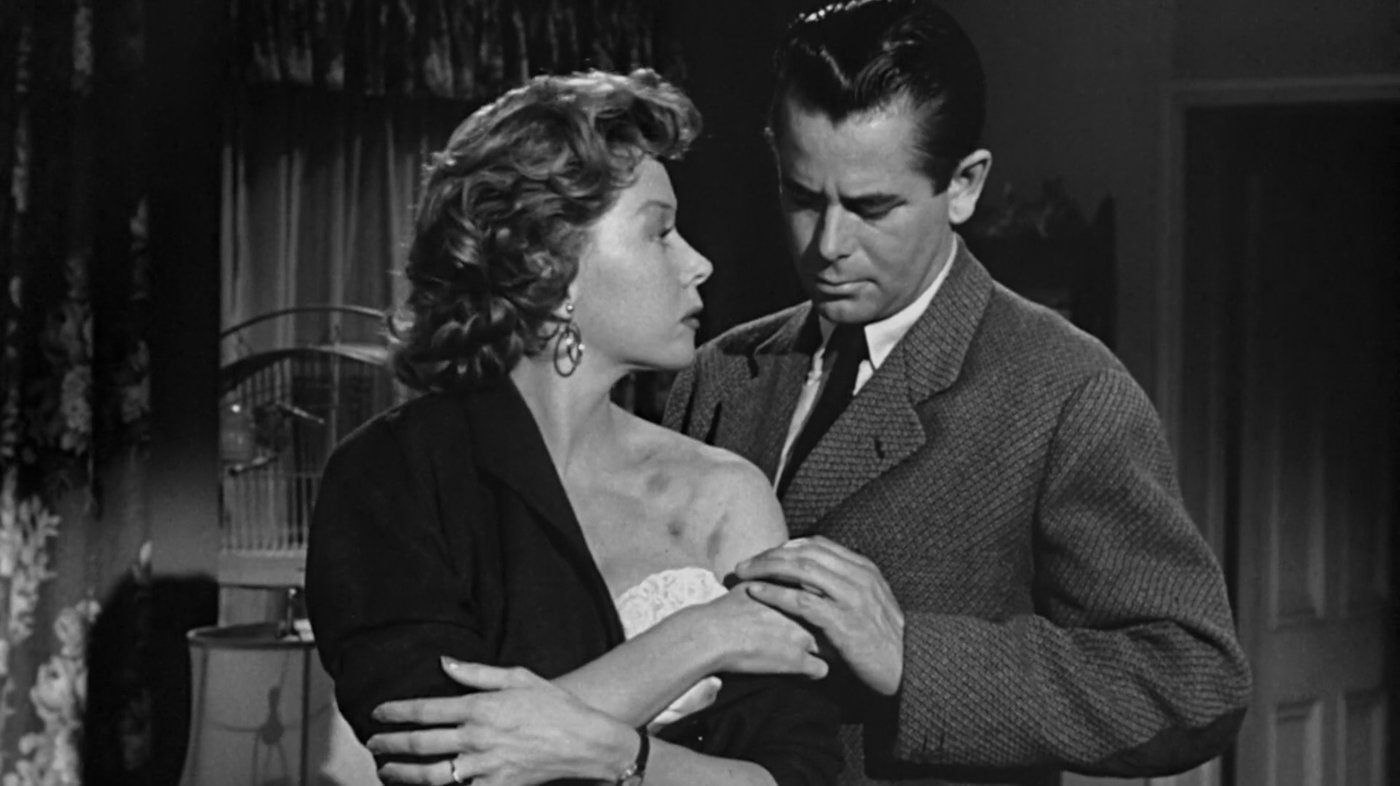
  • La Bête Humaine (The Human Beast) and Human Desire: In this Murder-The-Jealous-Husband double bill, Jean Renoir’s classic La Bête Humaine (The Human Beast) with the charismatic Jean Gabin and Simone Simon is paired with Fritz Lang’s remake, starring Gloria Grahame, Glenn Ford and Broderick Crawford. Grahame projected an uncanny mixture of sexiness, vulnerability and unpredictability, perfect for this hard luck femme fatale; (the fact that Gloria was a Bad Girl in real life doesn’t hurt.) I have the Australian version of the Human Desire poster in my living room; the tag line is “She was born to be bad…to be kissed..to make trouble“, and the Aussie authorities have labeled it “NOT SUITABLE FOR CHILDREN“.
  • Le trou: This is the all-time best prison break movie, combining a riveting real-time escape procedural with a fear of betrayal that crescendos. Le trou is a true crime story, with three of actual participants consulting on the film and one of them playing the mastermind. It was the last film by Jacques Becker, who had directed Casque d’Or and one of the very best film noirs in any language, Touchez pas au grisbi.

Elevator to the Gallows and Human Desire are on my list of Overlooked Noir; check it out, along with my Overlooked Neo-noir.

Make your plans now. Review the program and buy tickets at Noir City. I’ll be there.

Gloria Grahame and Glenn Ford in HUMAN DESIRE.

Happy Anniversary to The Wife!

Photo caption: The Wife and The Movie Gourmet celebrating our anniversary

Happy 23rd Anniversary to The Wife, also known as Lisa, The Love of My Life!

We started out the year by catching up with Empire of Light and Living, and ended, as is our beloved Holiday tradition, watching It’s a Wonderful Life on the big screen. Along the way, we watched together almost 70 movies and seasons of episodic television. Barbie may have been the most fun. We were the only patrons at The Holdovers, which made it a private screening, just for us.

We had a great year with the classics, too, watching The Godfather and Godfather, Part II back-to-back and introducing our adult niece and nephew to our favorite film, Casablanca.

We attended a 100th anniversary event for Cecil B. DeMille’s 1923 The Ten Commandments, co-sponsored by the DeMille family, the Central Coast Film Society, the San Luis Obispo International Film Festival and the (Guadalupe) Dune Center (which houses remnants of the DeMille’s monumental set). (Impressive event, but we both contracted COVID.) 

This year, like the previous three, we binged hundreds of hours of episodic television together; the highlights were the original Scandinavian version of The Bridge and rewatching Happy Valley.

Once again, she tolerated my spending huge chunks of time covering Noir City and the San Luis Obispo International Film Festival in person and Cinequest, Slamdance, Frameline, San Francisco International Film Festival (SFFILM), Nashville Film Festival and San Francisco Jewish Film Festival virtually. She was also OK with my helping out Cinequest by screening 89 film submissions. I’m getting ready now to cover Noir City in person and Slamdance virtually again in January.

She’s the biggest fan and supporter of this blog DURING ALL OF ITS THIRTEEN YEARS, and I appreciate her and love her. Happy Anniversary, Honey!

2023 FAREWELLS: behind the camera

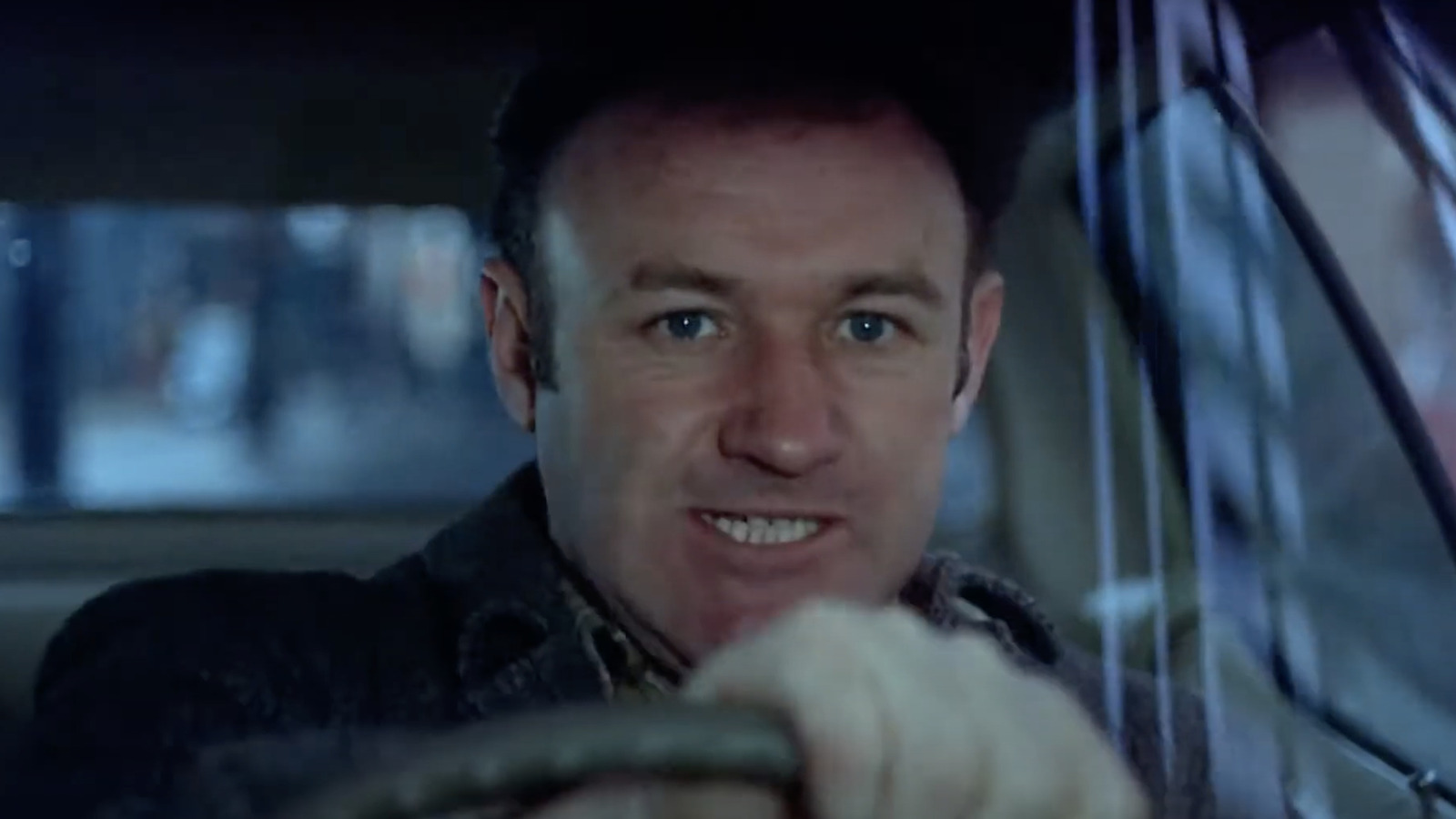
Gene Hackman in the car chase in William Friedkin’s THE FRENCH CONNECTION.

Director William Friedkin, one of the most significant filmmakers of the past 50 years, has died at 87. Friedkin is best known for his two great films, The French Connection and The Exorcist, each groundbreaking in its own way. The French Connection, despite an anti-hero with off-putting characteristics and a setting in NYC at its grimiest, had audiences on the the edge of their seats, and its car chase (before CGI) is still the gold standard. The Exorcist was the first horror movie to be nominated for Oscar (a recognition previously unthinkable).

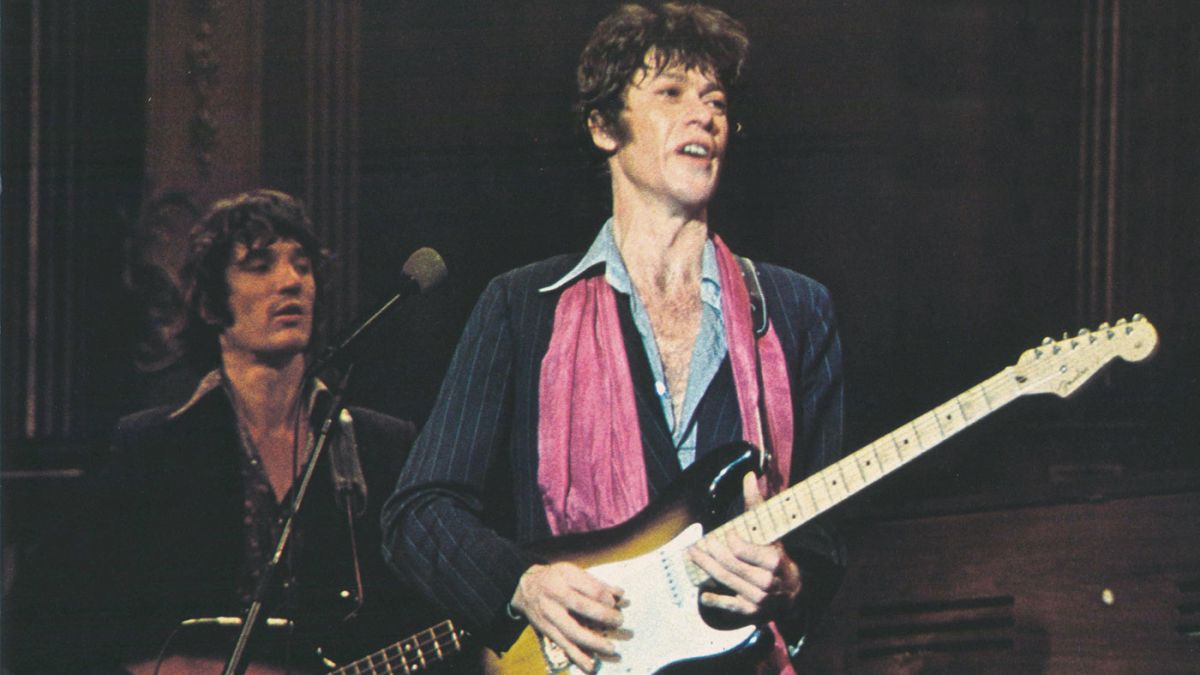
Robbie Robertson (front center) in THE LAST WATZ.

Robbie Robertson was justifiably famous as a musician and a songwriter, fronting The Band with its many hits and backing Bob Dylan’s transition from acoustic to electric. In fact, I was introduced to Robertson on-screen as a subject of Martin Scorsese’s documentary The Last Waltz, still one of the greatest concert films. But Robertson also became a significant force in the music of cinema, amassing almost 300 screen credits on IMDb as a composer, music supervisor or contributor to the soundtrack. Robertson’s behind the screen work included many collaborations with Scorsese, the last being the heralded Killers of the Flower Moon. Robertson identified as an indigenous Canadian, whose mother was Cayuga and Mohawk from the Six Nations Reserve. 

Director Hugh Hudson’s FIRST FEATURE won the Best Picture Oscar – Chariots of Fire. He never approached that level of achievement with feature films again, although he had a successful career directing commercials. He was one of the very few directors to attempt to make a movie about the American Revolution, Revolution.

Writer Bo Goldman won an adapted screenplay Oscar for One Flew Over the Cuckoo’s Nest and an original screenplay Oscar for Melvin and Howard.

Documentarian Nancy Buirski directed The Loving Story in 2011 and Desperate Souls, Dark City and the Legend of Midnight Cowboy in 2023.

2023 FAREWELLS: on the screen

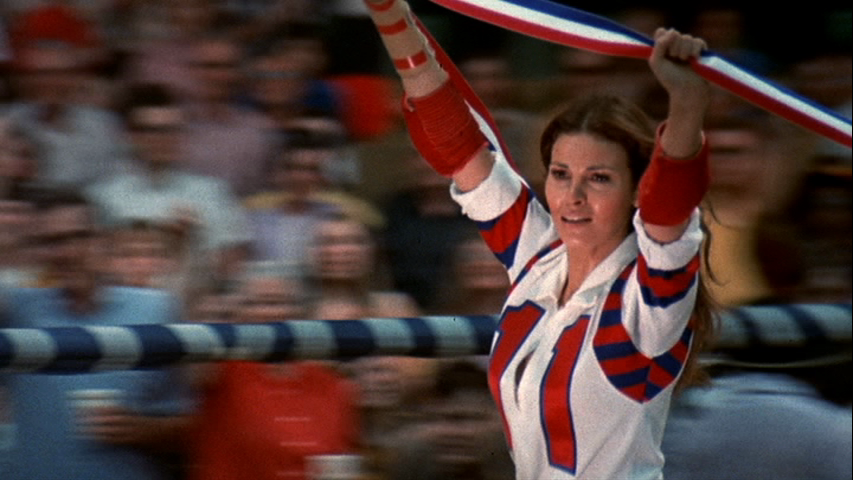
Raquel Welch in KANSAS CITY BOMBER

Early on, Raquel Welch was thought of more as a novelty movie star than as an actress. She had become instantly recognizable for displaying her spectacular figure in a skintight spacesuit (Fantastic Voyage), a doe-skin bikini (One Billion Years B.C.), a star spangled bikini (Myra Breckenridge), and flimsy undergarments (100 Rifles). In 1972, she proved that she could act in Kansas City Bomber. Welch nailed the character of a hard scrabble single mom committed to raising her kid while facing one indignity and bad choice after another. (Welch herself had two kids by the time she was 21 and was divorced at 24.) In 1973, she demonstrated brilliant comic acting chops in The Three Musketeers,

Her birth surname was Tejada; she took Welch from her first husband. Welch’s father was Bolivian, and her cousin was the first female president of Bolivia.

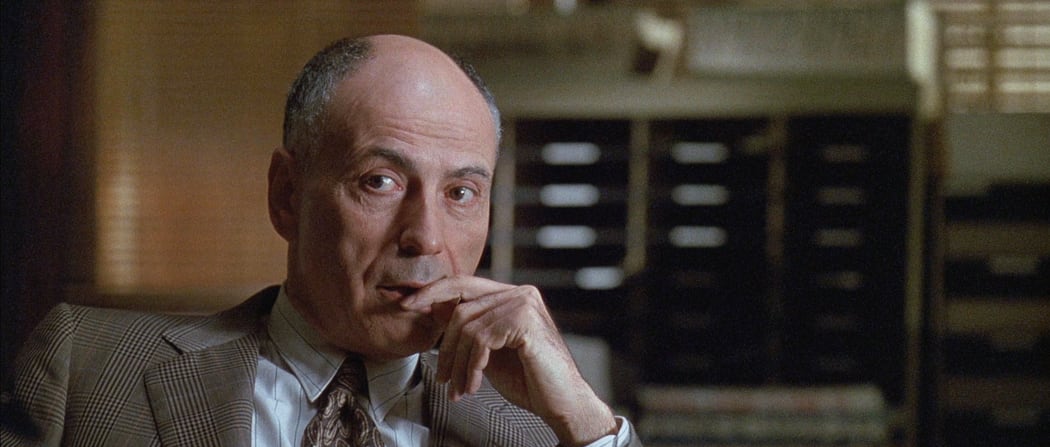
Alan Arkin in GLENGARRY GLEN ROSS.

His NYT obit notes that Alan Arkin “won a Tony Award for his first lead role on Broadway (and) received an Academy Award nomination for his first feature film”. Arkin soared in comic roles, especially in The Russians are Coming! The Russians are Coming! and Little Miss Sunshine and as a chilling villain in Wait Until Dark. For my money, his greatest performance as as the desperate and life-worn salesman in Glengarry Glen Ross, a puddle of vulnerability.  

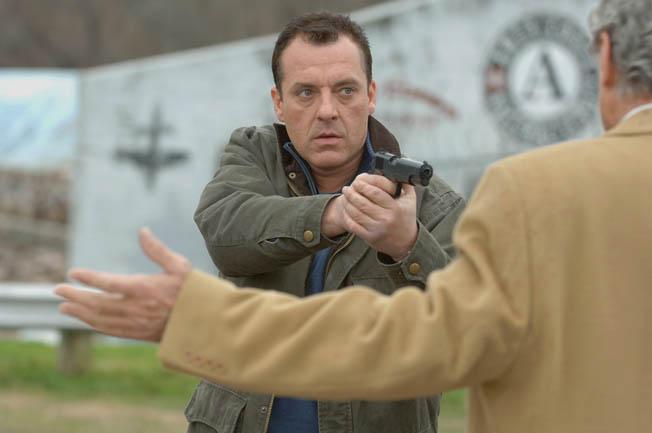
Tom Sizemore in THE LAST LULLABY

Actor Tom Sizemore is most remembered for his Oscar-nominated performance as Tom Hank’s sergeant in Saving Private Ryan. Sizemore was intense and charismatic and hugely talented, but his longtime cocaine addiction kept him off the screen and in the tabloids, rehab and jail. In a rare leading role, Sizemore carried an excellent little neo-noir, The Last Lullaby; see it on Amazon (included with Prime), Vudu and redbox.

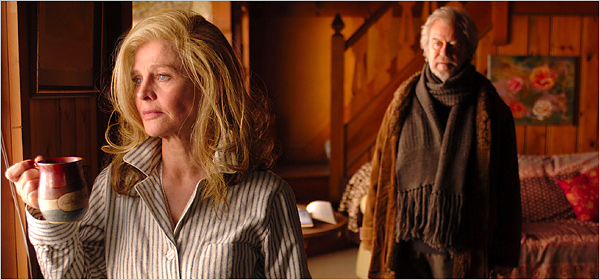
Julie Christie and Gordon Pinsent in AWAY FROM HER.

Prolific Canadian actor Gordon Pinsent was unforgettable in Away from Her, Sarah Polley’s Alzheimer’s movie with Julie Christie (my choice for the best movie of 2007). Pinsent piled up 152 screen credits, much of it lesser material on TV. He played a bad guy in one of my favorite neo-noirs, Chandler with Warren Oates.

Glenda Jackson in Elizabeth R.

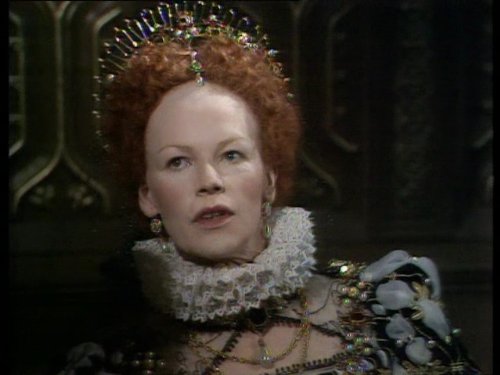
Glenda Jackson won Oscars for Women in Love and a A Touch of Class. I most admired her as the fierce Queen Bess in the 1971 miniseries Elizabeth R. Many actors have tried on politics in real life, but Jackson took off 23 years from her acting career to serve as a hard Left Labor Party MP, before returning to the stage as an acclaimed King Lear.

Harry Belafonte in ODDS AGAINST TOMORROW.

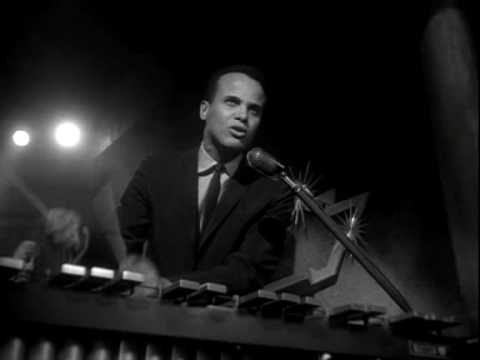
Already a big musical star, Harry Belafonte burst on screen with searing performances in the 1950s – Carmen Jones, Island in the Sun, Odds Against Tomorrow. He only made a few movies after 1959, but they were good ones: Sidney Poitier’s Buck and the Preacher, Robert Altman’s Kansas City and The Player, Spike Lee’s BlacKKKlansman. Belafonte could have had an even bigger film career, but, early on, he refused roles that he found demeaning and then devoted the last six decades of his life to civil rights work, where he made immense contributions.

Gina Lollibrigida has died at 95. Her very solid mainly, European body of film work was overshadowed by her image in the US as a sex symbol (Solomon and Sheba). Check her out in John Huston’s sly Beat the Devil. Lollibrigida was the first five-syllable Italian word that I learned to pronounce.

Richard Roundtree’s FIRST MOVIE role was as the iconic John Shaft in Shaft. He went on to over 250 more screen credits, including four more as John Shaft. Although in my mind, the biggest star of Shaft was Isaac Hayes’ music, Richard Roundtree was, along with Pam Grier, the most significant on-screen force in Blaxploitation cinema.

Michael Gambon, the venerated actor of the British stage, ended his career famously as Dumbledore in several Harry Potter movies. He had also played LBJ in Path to War, the lord of the manor in Gosford Park and the king in The King’s Speech, and elevated smaller movies like Page Eight, Quartet and Layer Cake.

Melinda Dillon was Oscar-nominated for Close Encounters of the Third Kind and Absence of Malice. But my favorite Dillon performance will also be that of another mom, who is worried her son will shoot his eye out in A Christmas Story. She also shared an intimate scene with Paul Newman in Slapshot, and said, “I spent 10 and a half hours naked in bed with Paul and absolutely loved it.”

Cindy Williams, before her TV success in Laverne and Shirley, made two of the 50 Greatest Movies of All Time. George Lucas’ American Graffiti is about that moment in 1962 when the innocence of the 1950s was months away from being replaced by the turbulence of the 1960s, for which nobody in America was prepared; she played the girlfriend of Ron Howard’s Steve, whose willfulness got her in a situation that was more than she could handle. Williams’ apparent sweet innocence was also perfect for Francis Ford Coppola’s The Conversation, where it is revealed that her character was not so threatened after all.

Sadly, the actor Robert Blake will be remembered for the horrific childhood and sordid post-career detailed in his NYT obit, a hit TV show with a parrot and an absence of boundaries on TV talk shows. He was a child star, exploited by an abusive parent, in Our Gang and even The Treasure of the Sierra Madre. But he proved his underlying talent in In Cold Blood.

From 1974 to 1979, Frederic Forrest was making unforgettable movies (The Conversation, Apocalypse Now, The Rose), but those led to a passel of forgettable ones in the 80s. He did sparkle as the villainous Blue Duck in Lonesome Dove.

Treat Williams began his career with a string of interesting movies from 1976 through 1981: The Ritz, Hair, and the highly acclaimed Prince of the City. He continued a prolific and respectable career for four more decades, but his films never matched his early ones.

Julian Sands earned 156 screen credits and will be best remembered for A Room with a View.

Ryan O’Neal became a movie star when he starred in the disgustingly saccharine Love Story. He later was eclipsed by his own daughter’s Oscar-winning performance in Paper Moon. He was a good sport, mocking Love Story with his final line in What’s Up, Doc?.

Jim Brown is justifiably best known for being voted the best NFL player of the 20th Century, but the reason he left NFL was to star in Hollywood movies, where he was an African-American trailblazer. In 1969’s 100 Rifles, he played the first African-American male character in a major Hollywood movie to be shown having sex with a white woman (Raquel Welch).  Although Brown displayed a range of emotion onscreen described by James Wolcott as “no wider than a mail slot”, he was a pretty convincing action star, perhaps best in The Dirty Dozen.

Paul Reubens was the star of and the creative force behind the goodihearted and gloriously weird Pee-wee’s Big Adventure.

Joss Ackland was one of those stage-trained British actors who could elevate a role in any film, as he did in Lethal Weapon 2, The Hunt for Red October, White Mischief and over 200 other screen credits.

Lance Reddick earned over 100 screen credits, appearing in several movie franchises and 60 episodes of The Wire. His final performance, in The Caine Mutiny Court-Martial, is one of his best.

Jane Birkin is remembered as a model, fashion icon, pop singer and a celebrity jet setter in the Mod 60s. She appeared in an extraordinarily good movie, Michelangelo Antonioni’s Blow-up, but in a cameo playing a Mod Era jet set model. She was the mother of a very gifted screen actress, Charlotte Gainsbourg.

Under the radar at NashFilm

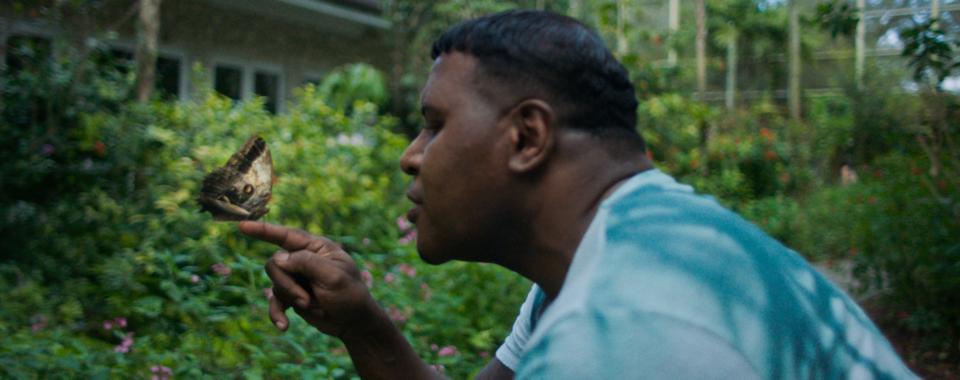
Raymond David Taylor in CATERPILLAR. Courtesy of NashFilm.

While the Nashville Film Festival has its share of high-profile movies, don’t miss the gems that are screening under the radar. These movies are why we go to film festivals. Here are my top picks.

  • Caterpillar: In this riveting documentary, we meet David, an engaging man who is consumed by changing one aspect of his appearance – the color of his eyes. He decides to seek cosmetic iris implant surgery at a shady clinic in India. Is his problem the color of his eyes, or that he is obsessed with the color of his eyes? David’s loving but unfiltered mother is very important to him, but she is damaged herself and ill-equipped to communicate with or support him emotionally. In India, David meets other patients, who seem to have more superficial rationales for the surgery than does David. They have all been enticed by commercials on YouTube, and neither David or his fellow patients have asked the question – why is this procedure not legal in the US or any developed nation? Caterpillar becomes a profound exploration of body image, swirling amid issues of race, sexuality and gender identity. David is easy to root for, right through a series of MOG moments. David’s intensely personal and harrowing journey is expertly told by director Lisa Mandelup in her second feature. NashFilm hosts what is only the second screening for Caterpillar, which premiered at SXSW.
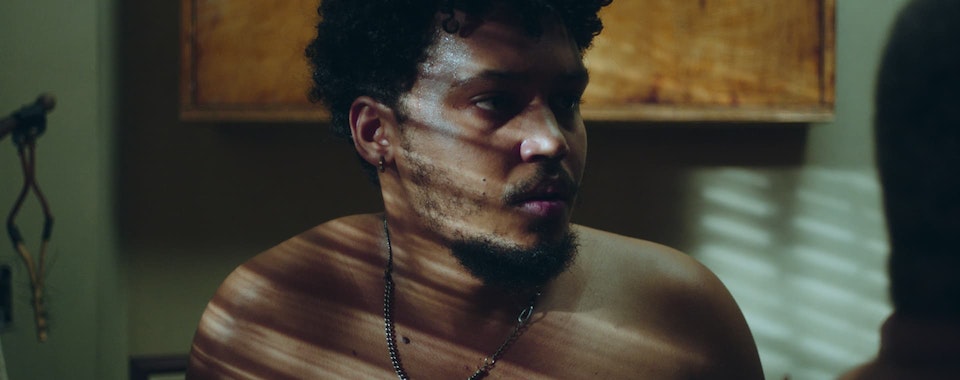
  • A Strange Path: With a trippy beginning, writer-director Guto Parente lets us know that we’re in for a bizarre, often absurd, but ultimately redemptive experience. After growing up with his mother in Portugal, the twenty-something filmmaker David (Lucas Limeira) returns to his native Brazil to premiere his first feature at a film festival. It’s the very onset of the COVID pandemic, and the festival is postponed, his flights are canceled, his hotel closes, and David finds himself marooned in the lockdown. He shows up on the doorstep of his long-estranged father, and has increasingly surreal interactions with him. It turns out that David is on a strange path to a destination that he does not, and the audience cannot, anticipate. A Strange Path, which swept the international film awards at Tribeca, is like a COVID fever dream. In a good way.
  • Cypher: Filmmaker Chris Moukarbel toys with us in this ingenious narrative in the form of pseudo documentary about rapper Tierra Whack. As in any music doc, we meet Whack (smart, genuine and naturally charming) and trace her artistic emergence. Whack’s real life team and Moukarbel’s real-life crew play themselves. Fifteen minutes in, they meet a fawning fan in a diner, an interesting woman who soon veers into conspiracy talk. Whack continues with a world tour, on the road to shooting a music video. Whack and Moukarbel are unsettled when secretly-filmed video of them shows up on social media. Moukarbel is hounded by the unbalanced daughter (Biona Bradley – perfect) of the woman in the diner. The intrusions become increasingly menacing, and are tied to the same conspiracy theory. Reeling, the film crew visits the daughter, but the threats only escalate, all the way to a showdown on a video shooting set. It’s hard to tell when the story dips in and out of fiction, and this is definitely not a movie you’ve seen before.
  • Dusty and Stones: For an unadulterated Feel Good movie, it’s hard to beat this little documentary that layers on the improbabilities. It’s about a Country Western duo from Swaziland (since renamed Eswatini) who get a chance to visit Nashville and compete in a Texas country music festival. Who knew there was a Country Western music scene in Swaziland, complete with line dancing and Stetsons? There are plenty of nuggets here., beginning with the guys’ unbounded joy at hearing their music recorded with the very best Nashville studio equipment and session musicians. And they explain to the denizens of an African-American barbershop that they are headed for a country music festival in a small East Texas town. And, sitting in a Nashville motel, they contemplate their first Taco Bell cuisine. It’s a little movie, but it’s a hoot. Dusty and Stone will appear in person at NashFilm.

Also see my Previewing the Nashville Film Festival and Must See at NashFilm . Check out the program and buy tickets at the festival’s Film Guide

Lucas Limeira in A STRANGE PATH. Courtesy of NashFilm.

Must See at NashFilm

Shere Hite in THE DISAPPEARANCE OF SHERE HITE. Courtesy of NashFilm.

The Nashville Film Festival opens tomorrows and runs through October 4. Overall, it’s a strong program, but here are two films that you shouldn’t miss.

  • The Disappearance of Shere Hite: This film, a triumph for director Nicole Newnham (Crip Camp), explores the life and times of the groundbreaking sex researcher and best-selling author. A woman of uncommon confidence, determination and resourcefulness, Hite sailed into the face of the patriarchy. Denied resources and respect by the academic establishment, her guerilla research uncovered pivotal truths of female sexuality and spoke them for the first time. The resulting sensation brought fame, acclaim and notoriety to Hite, accompanied by both financial success and a vicious backlash. The persistence of that backlash, and its personal toll, caused Hite to essentially revoke her own celebrity. Hite did not suffer fools, and was fearless until she wasn’t. We meet a slew of Hite’s intimates in this superbly sourced film and gain insight into her personality. Shere Hite speaks to us directly in file footage and in her writings, voiced by Dakota Johnson. For those of us who were roaming the earth in the 1970s, it’s still jarring to see the cultural resistance to what we now accept as biological fact. For those experiencing this story for the first time, it’s astonishing and powerful. I understand that women under age forty-five, having missed Shere Hite’s moment of ubiquitous media presence, are responding strongly to this film.
  • Caterpillar: In this riveting documentary, we meet David, an engaging man who is consumed by changing one aspect of his appearance – the color of his eyes. He decides to seek cosmetic iris implant surgery at a shady clinic in India. Is his problem the color of his eyes, or that he is obsessed with the color of his eyes? David’s loving but unfiltered mother is very important to him, but she is damaged herself and ill-equipped to communicate with or support him emotionally. In India, David meets other patients, who seem to have more superficial rationales for the surgery than does David. They have all been enticed by commercials on YouTube, and neither David or his fellow patients have asked the question – why is this procedure not legal in the US or any developed nation? Caterpillar becomes a profound exploration of body image, swirling amid issues of race, sexuality and gender identity. David is easy to root for, right through a series of MOG moments. David’s intensely personal and harrowing journey is expertly told by director Lisa Mandelup in her second feature. NashFilm hosts what is only the second screening for Caterpillar, which premiered at SXSW.

Also see my Previewing the Nashville Film Festival and Under the Radar at NashFilm. Check out the program and buy tickets at the festival’s Film Guide

Previewing the Nashville Film Festival

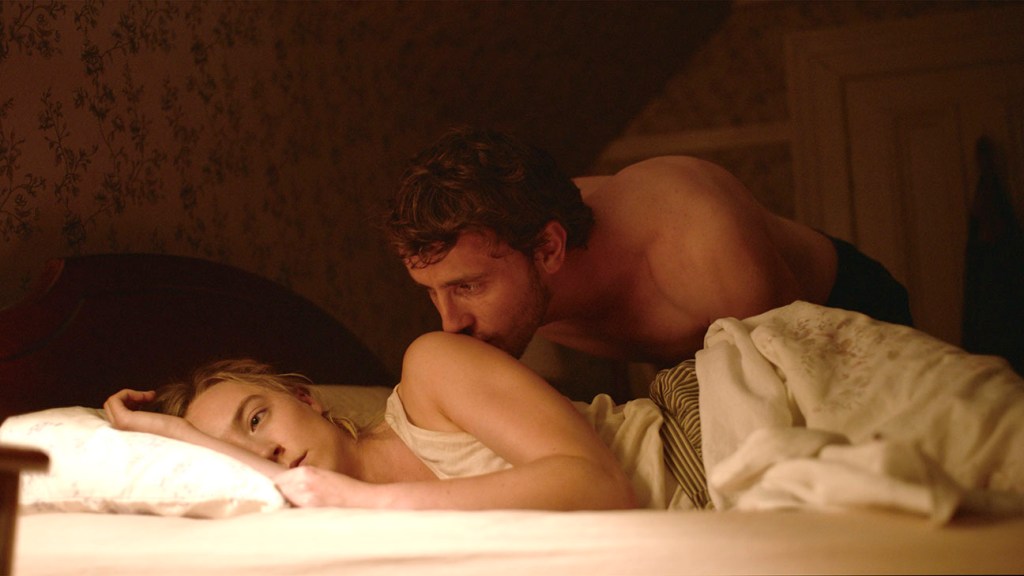
Photo caption: Saoirse Ronan and Paul Mescal in Raoul Peck’s FOE, screening at the Nashville Film Festival. Courtesy of Amazon Studios.

The Nashville Film Festival opens on Thursday, September 28 and runs through October 4 with a diverse menu of cinema. The Nashville Film Festival is the oldest running film festival in the South (this is the 54th!) and is an Academy Award qualifying festival. The program includes a mix of indies, docs and international cinema, including world and North American premieres.

The Nashville Film Festival embraces its home in Music City and emphasizes films about music, like Brian Wilson: Long Promised RoadFanny: The Right to Rock, The Return of Tanya Tucker: Featuring Brandi Carlile and Louis Armstrong’s Black & Blues from the two most recent fests. That’s the case with this year’s fest opener: Gloria Gaynor: I Will Survive.

The closing night feature is Foe, a drama from Oscar nominated director Raoul Peck (I Am Not a Negro) that stars fellow Oscar nominees Saoirse Ronan and Paul Mescal.

See it here first: several films in the program have already secured distribution and will be available to theater and/or watch-at-home audiences. Before just anybody can watch them, you can get your personal preview at the Nashville Film Festival: Foe, La Chimera, All Dirt Roads Taste of Salt, Fingernails, Flora and Son, Eileen, The Taste of Things, Silver Dollar Road and The Disappearance of Shere Hite.

I love covering Nashfilm in person, but I’ll be covering remotely this year; that just leaves more pig-forward delicacies from Peg Leg Porker and Martin’s Bar-B-Que Joint for you.

Check out the program and buy tickets at the festival’s Film Guide. Watch this space for Nashville Film Festival recommendations. I’ll be back in a couple days with my recommendations.

William Friedkin: master of gripping cinema

Gene Hackman in the car chase in William Friedkin’s THE FRENCH CONNECTION.

Director William Friedkin, one of the most significant filmmakers of the past 50 years, has died at 87. Friedkin is best known for his two great films, The French Connection and The Exorcist, each groundbreaking in its own way. The French Connection, despite an anti-hero with off-putting characteristics and a setting in NYC at its grimiest, had audiences on the the edge of their seats, and its car chase (before CGI) is still the gold standard. The Exorcist was the first horror movie to be nominated for Oscar (a recognition previously unthinkable).

Friedkin also made two LGBTQ-themed films well before other Hollywood mainstreamers – The Boys in the Band and Cruising (the latter controversial in the LGBTQ community).

Friedkin also had a gift for neo-noir, and his To Live and Die in L.A. has become a noir cult favorite. Perhaps burdened by the outrageousness of writer Tracy Letts’ perverse and taboo-centric story, the delicious neo-noir Killer Joe has never received its due. Less colorful than those two, The Brink’s Job is a solid and entertaining crime film.

And The Exorcist wasn’t Friedkin’s only foray into foray. The grievously overlooked Bug still stands up today.

For some reason, Friedkin’s own favorite work was the disappointing slog Sorcerer (although it doesn’t deserve to be reviled as much as Jade, the only really bad Friedkin movie I’ve seen.) 

At 87, Friedkin just completed his final film, The Caine Mutiny Court Martial.

Like another of my favorite directors, Sam Fuller, Friedkin was never too high-minded to embrace the lurid, which was manifested in The Exorcist, Bug, Cruising and Killer Joe. He enjoyed seeing himself as a bit of a rascal, and claimed to have bribed a NYC transit official $40,000 to permit staging the The French Connection car chase.

Friedkin was also a delightfully irascible raconteur, which I got to appreciate in-person at a San Francisco preview screening of Killer Joe in 2011.

Linda Blair in William Friedkin’s THE EXORCIST.

San Francisco Jewish Film Fest – four films to seek out

Jon Voight in his screen test for Midnight Cowboy from DESPERATE SOULS, DARK CITY AND THE LEGEND OF MIDNIGHT COWBOY. Courtesy of Kino Lorber.

One of the Bay Area’s top cinema events is back – the San Francisco Jewish Film Festival (SFJFF) , running through August 6 at the Castro, the Piedmont and the Vogue. The SFJFF is the world’s oldest and largest Jewish film festival, and the program offers 68 films from 18 countries. Here are four movies to seek out:

  • Desperate Souls, Dark City and the Legend of Midnight Cowboy: This remarkably insightful documentary explores the making of Midnight Cowboy and its place both in cinema and in American culture. Midnight Cowboy won Oscars for Best Picture, Director and Adapted Screenplay, all with an X-rating. Sure, we know Midnight Cowboy as a groundbreaking film, but Desperate Souls argues that it both reflected the zeitgeist of the moment and opened new possibilities in American filmmaking. Filmmaker Nancy Buirski builds her case with superb sourcing, including the unique perspective of Jennifer Salt who observed her father, screenwriter Waldo Salt, and director John Schlesinger birth the film; she also acted in the movie and came to date its star, Jon Voight. Voight himself bookends the film with emotionally powerful reflections.
  • Erica Jong: Breaking the Wall: Erica Jong, celebrity author of bestsellers and popularizer of feminist and erotic writing, has led a fascinating life, and documentarian Kaspar Kasics has the good sense to let a great storyteller unspool her own story. We get a full dose of Erica Jong, both in contemporary footage and in archival television interviews. For all her notoriety, Jong has consistently served as what we used to call a public intellectual (and now call a thought leader). Jong is remarkably prescient in her 20th century television interviews (and faced some cringeworthy sexism from the likes of David Susskind and Merv Griffin). Kasics also lets us hear Jong and her sister recalling their unusual childhood and gives us a glimpse inside Jong’s current marriage.
  • My Neighbor Adolph: In this wry fable from Russian-born Israeli filmmaker Leon Prudovsky, chess master Polsky (David Hayman) has lost all his family in the Holocaust. Consumed by grief and bitterness, he lives the life of a misanthropic recluse in a remote South American countryside. Polsky is rocked when the long-vacant house next door becomes occupied by a mysterious German (the piercing-eyed Ugo Kier), who Polsky becomes convinced is Adolph Hitler himself. To convince skeptical authorities of his theory, Polsky must get past his terror and loathing to personally engage with the neighbor. A battle of wits between two strong-willed men ensues, and Hayman and Kier are superb.
  • The Secret of Human Flight: Always expect something we’ve never seen before from director H.P. Mendoza, this time working from a screenplay by Jesse Orenshein. Ben (Grant Rodenmeyer) is shocked by the sudden death of his wife and writing partner (Rena Hardesty). His grief plunges the neurotic Ben into psychosis and he is vulnerable enough to embrace a self-help guru (Paul Raci – Oscar-nominated for his unforgettable performance in The Sound of Metal as a tough rehab counselor for the hearing-impaired). Everyone except Ben can see red flags blaring that this purported mystic is really a con man – he has only one handwritten copy of the book that he hawks on infomercial videos, he lives in an RV with New Mexico plates and his name is Mealworm. H.P. Mendoza is a Bay Area treasure, having written and directed the rollicking and refreshing comedy Colma: The Musical, the genre-bending art film I Am a Ghost and the topical dark comedy Bitter Melon. (Watch for a cameo by L.A. Renigen, star of Colma: A Musical.) Check out bits of Raci’s performance in the irresistible trailer below.