If I picked the Oscars

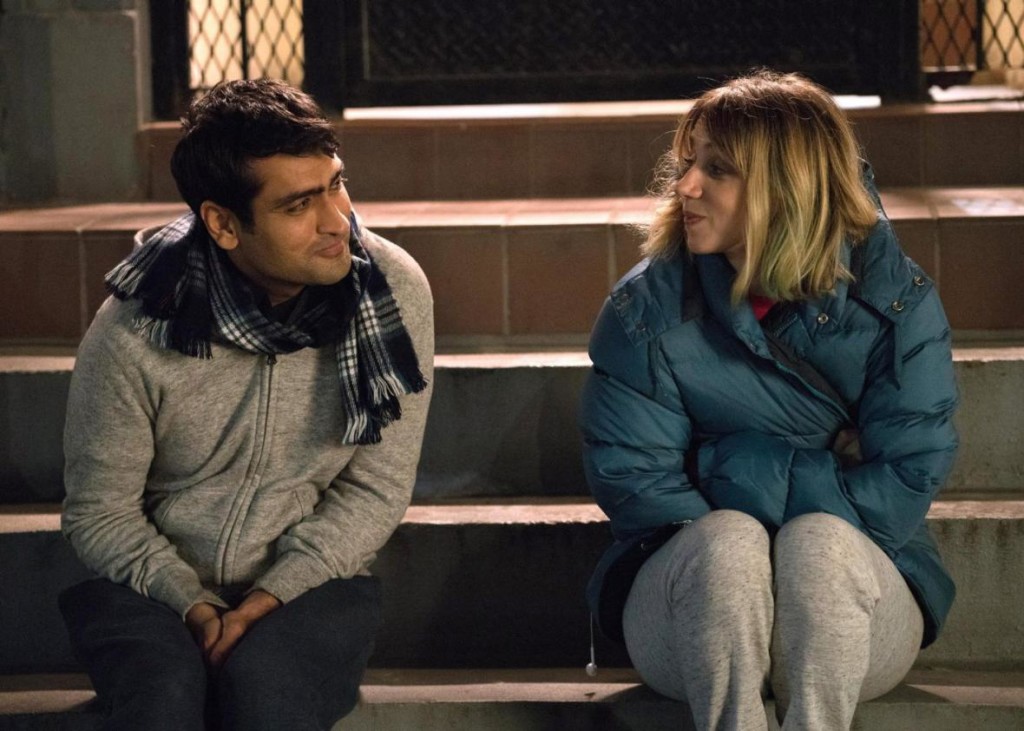
THE BIG SICK

The nominations for this year’s Academy Awards come out tomorrow – and Academy of Motion Picture  Arts and Sciences is not asking my opinion.  But if I picked the Oscars:

Best Picture:  My choice for the year’s best movie – Truman – is NOT going to be nominated because it is a little-seen Spanish movie. But there are several deserving choices, including The Big Sick, The Shape of Water and The Post. The Academy almost always chooses a drama for Best Picture, seemingly equating seriousness and gravitas for quality. That means that comedies – and despite the coma, The Big Sick is fundamentally a romantic comedy – get underrated. So I don’t think it will win, but I gauge The Big Sick, an almost perfect film, to be the best American flick of the year.

Best Director:  I’m rooting for Guillermo del Toro for The Shape of Water, a story that could not be told as well in a novel, on stage or in any other artistic medium. It has to be a movie and one which springs from del Toro’s imagination.

Best Actor:  He’s probably not going to even get nominated, but I would go with Richard Gere in his best career performance in Norman: The Moderate Rise and Tragic Fall of a New York Fixer. The huge favorite, of course, is Gary Oldman for Darkest Hour; it’s a fine performance, but I think the Oscars over-elevate portrayals of Great Men and Women.

Best Actress:  Can’t go wrong with Meryl Streep in The Post or Sally Hawkins in The Shape of Water.   Saoirse Ronan in Lady Bird was pretty special, too.

Best Supporting Actor:  Sam Rockwell is going to win this for Three Billboards Outside Ebbing, Missouri, but I prefer the performance of Woody Harrelson in the same movie. Harrelson doesn’t have as  showy a role, but this is one of Woody’s very best performances. Another brilliant performance that will NOT be nominated is Steve Coogan’s guy hanging on to sanity with his fingernails in The Dinner, but nobody saw it.  Among the guys who stand a chance of getting nominated, my preference is for Willem Dafoe in The Florida Project.

Best Supporting Actress:  Allison Janney will be nominated for I, Tonya, she will win and she will deserve it.

Best Animated:   Coco, of course.  Pixar is back.

Best Documentary:   The brilliant Ken Burns documentary The Vietnam War, which aired on PBS, isn’t eligible for an Oscar, but it was the year’s best doc.  Of the eligible documentaries, I really liked Abacus: Small Enough to Jail.

Best Foreign Language Picture.  I am all in for Truman from Spain, which will not be nominated.  Of those nominated, I most admired In the Fade from Germany.

Original Screenplay:  Martin McDonagh for Three Billboards in Ebbing, Missouri.

Adapted Screenplay:  Scott Neustadter and Michael H. Weber for I Tonya.

Cinematography:  I’m going to cop out on this category.  There just too many wonderfully visual movies this year tp pick just one as the best.  In any other year, the Academy could easily recognize the cinematography  in The Shape of Water, Dunkirk, Call Me by Your Name, Phantom Thread, Baby Driver and Okja – but only one can win the statuette.

Film Editing: Baby Driver or Dunkirk.

Long ago, the Oscars recognized a “Juvenile” acting category.  Brooklynn Prince of The Florida Project would be deserving for her exuberant performance.

Other groups give a “Promising Newcomer”award; mine would go to Greta Gerwig as writer.  Obviously, she’s not new to the movies, but her first screenplay makes me eager to see her next ones.
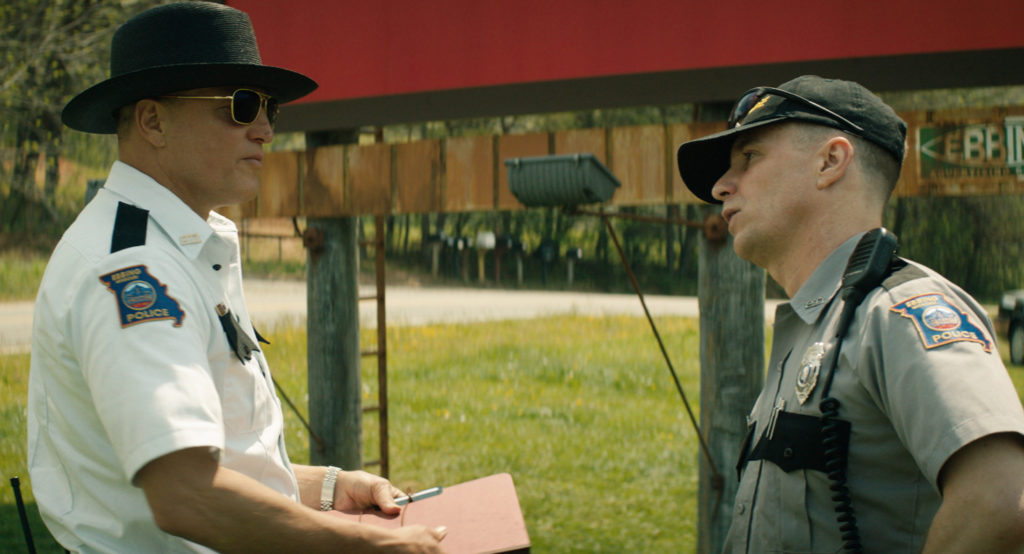
Woody Harrelson and Sam Rockwell in THREE BILLBOARDS OUTSIDE EBBING, MISSOURI

Dorothy Malone and her one indelible scene

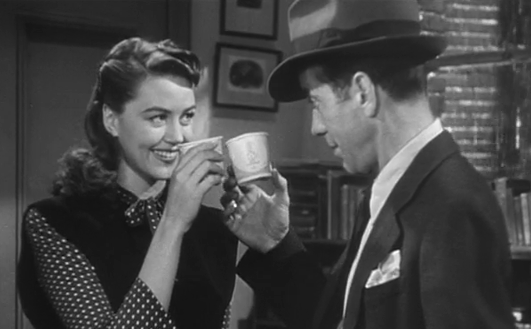
Dorothy Malone and Humphrey Bogart in THE BIG SLEEP

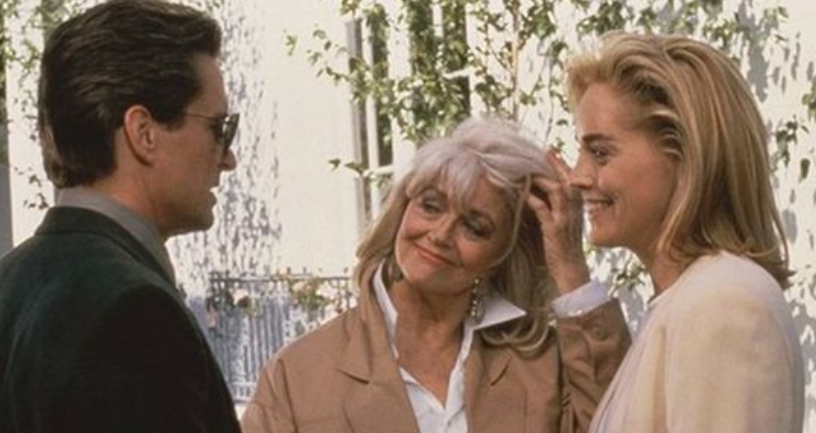
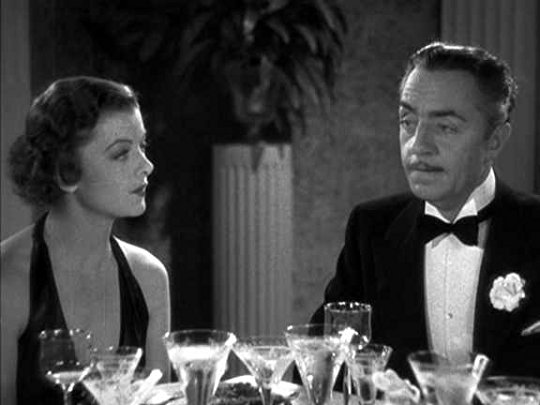
Actress Dorothy Malone has died at age 103.  She began making films in 1943 with a series of small parts, of which the most indelible came in 1948’s The Big Sleep with Humphrey Bogart.  Malone plays a bookstore clerk who takes a liking to Bogie’s Sam Spade and initiates a quickie.  As has been noted by many, it’s one of the sexiest moments in cinema and all she takers off is her glasses.

After turning platinum blonde, she won an Oscar for her supporting performance in the 1956 Douglas Sirk melodrama Written on the Wind.   After lots of TV success (Peyton Place, et al), her final movie role was a fittingly juicy one, a pleasantly smiling murderer, in Basic Instinct (1992).

Michael Douglas, Dorothy Malone and Sharon Stone in BASIC INSTINCT

historical musings on THE POST

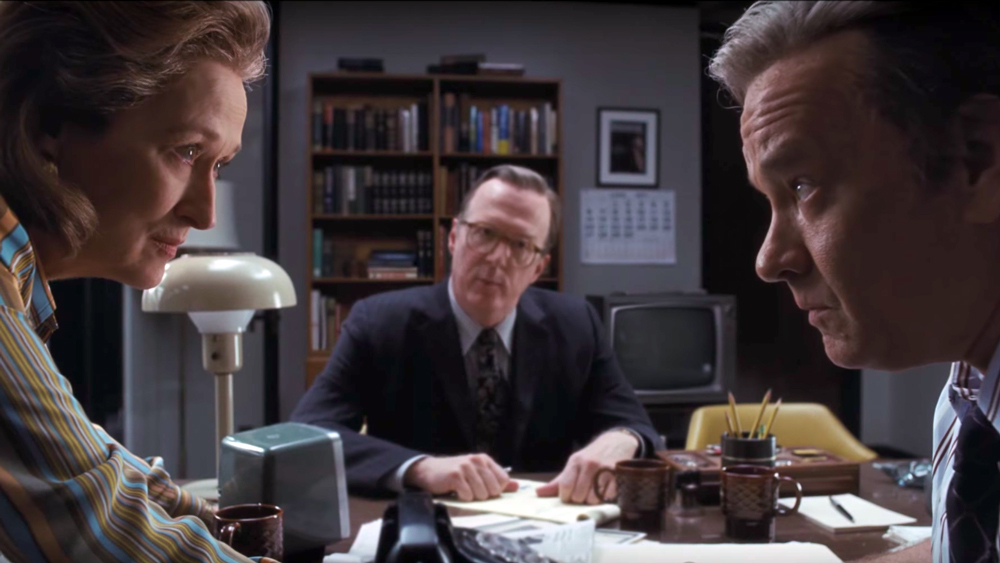
Meryl Streep, Tracy Letts and Tom Hanks in THE POST

Watching The Post kindled some thoughts on the historical figures depicted in the movie.

Fritz Beebe, played by Tracy Letts in the movie, was a valued business advisor to Katharine Graham. Decades later Katharine Graham told Terry Gross on NPR’s Fresh Air that Beebe made a half-hearted argument against publishing the Pentagon Papers; his intentional lack of forcefulness gave her the space to make the decision to publish. This dynamic is captured perfectly in The Post.  In the same interview, Katharine Graham gives her own version of the Pentagon Papers publication by the Washington Post; the movie hews closely to this account.

Watching Bruce Greenwood’s fine performance as former Defense Secretary Robert McNamara reminded me of the Errol Morris documentary: The Fog of War: Eleven Lessons from the Life of Robert S. McNamara. In 2003, Morris got McNamara to sit in front of a camera and spill the “lessons learned” from his Vietnam War mistakes. It was an exercise in confession for McNamara. But when listening to McNamara’s “if we had only known then…”, I kept remembering, enraged, that we DID know then. And the Pentagon Papers showed that McNamara, especially, knew most of this stuff then. I have never been so infuriated leaving a theater.

Now Tom Hanks in The Post and Jason Robards in All the President’s Men are wonderful as the swashbuckling editor Ben Bradlee. If you want a dose of the real Ben Bradlee, search YouTube for “Ben Bradlee Charlie Rose” – you’ll find a 53-minute 1996 interview with Bradlee, including his first-hand account of the Pentagon Papers episode.

If you perform a Google Image search for “ben bradlee antoinette pinchot”, you’ll find the real photo of Ben Bradlee and Antoinette “Tony” Pinchot Bradlee with Jack and Jackie Kennedy.  In the movie, Tom Hanks and Sarah Paulson are Photo-shopped into the picture in the Bradlee’s Georgetown townhouse.

Daniel Ellsberg (portrayed in The Post by Matthew Rhys) is still around and has written a new book. Last month, Ellsberg agave his own Fresh Air wide-ranging interview, in which he detailed the painstaking process of Xeroxing the 7,000 pages of the Pentagon Papers one page at a time and cutting the “Top Secret” off each page with scissors.

And to nitpick, here’s the one historical inaccuracy that I could find in the movie – some New York City hippie protester in 1971 gives Mario Savio’s famous “bodies on the gears” speech, which Savio actually delivered seven years earlier in Berkeley .

2017 at the Movies: farewell to the icons

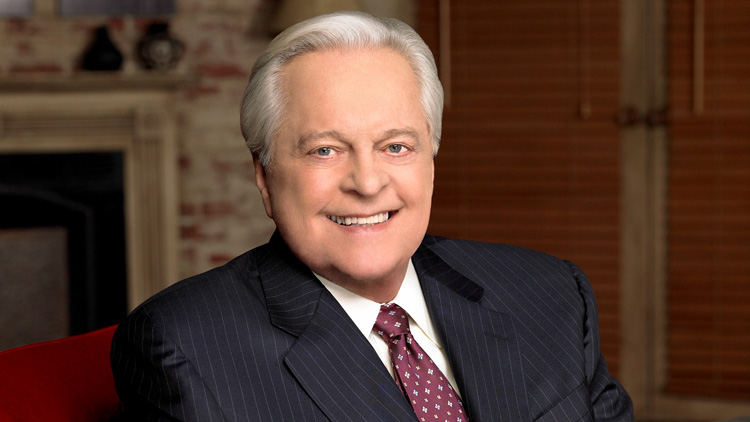
Turner Classic Movies host Robert Osborne

As important as are filmmakers, so are the great film popularizers. All movie fans owe a debt of gratitude to Robert Osborne, the longtime host of Turner Classic Movies. Osborne got his start in Hollywood as an actor, developed many personal friendships with icons of classic cinema and became one of the first popular movie historians. Here’s his NYT obit. Virtually all of his obits describe him as “a gentleman”, a throw-back to a less course culture. He didn’t shy way from referring to Hollywood scandals (Gloria Grahame, Mary Astor and the like) but did not take glee in them.


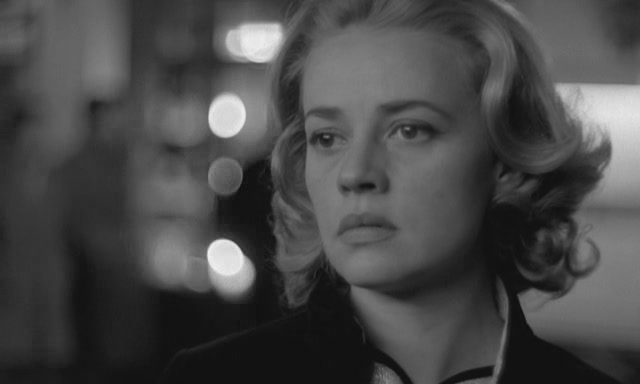
Jeanne Moreau in ELEVATOR TO THE GALLOWS

At the beginning of her career, Jeanne Moreau capped the best of French film noir as the gangster’s unreliable squeeze in Touchez pas au grisbi and sparked neo-noir with Elevator to the Gallows.  Then we Americans saw her as the face of the European art film with Malle’s Elevator and The Lovers, Antonioni’s La Notte, Truffaut’s Jules and Jim and Bunuel’s Diary of a Chambermaid – all between 1958 and 1964.  Her wide-ranging body of work included Orson Welles’ best Shakespeare movie Chimes at Midnight.  And, for a Guilty Pleasure, there’s the silly 1965 Mexican Revolution action comedy Viva Maria!


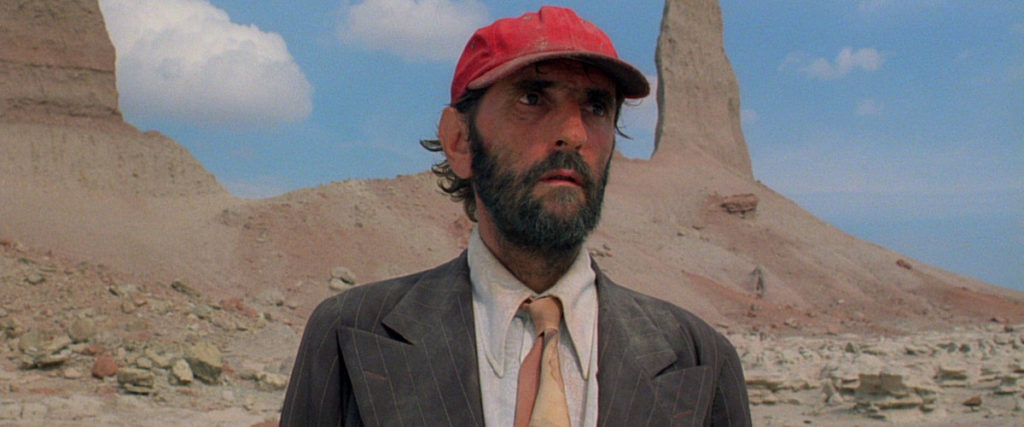
Harry Dean Stanton in PARIS, TEXAS

With exactly 200 screen credits on IMDb, Harry Dean Stanton was a prolific character actor who improbably became a leading man at age 58 with his masterpiece Paris, Texas.   Harry Dean often seemed like that uncle/neighbor/mentor who had Lived A Life but would let you inside and let you learn from his journey.  He was ever accessible and always piqued the audience’s curiosity about his characters.  Roger Ebert and Gene Siskel once posited that a movie could not be entirely bad if Harry Dean Stanton were in it.

The best movies of 2017

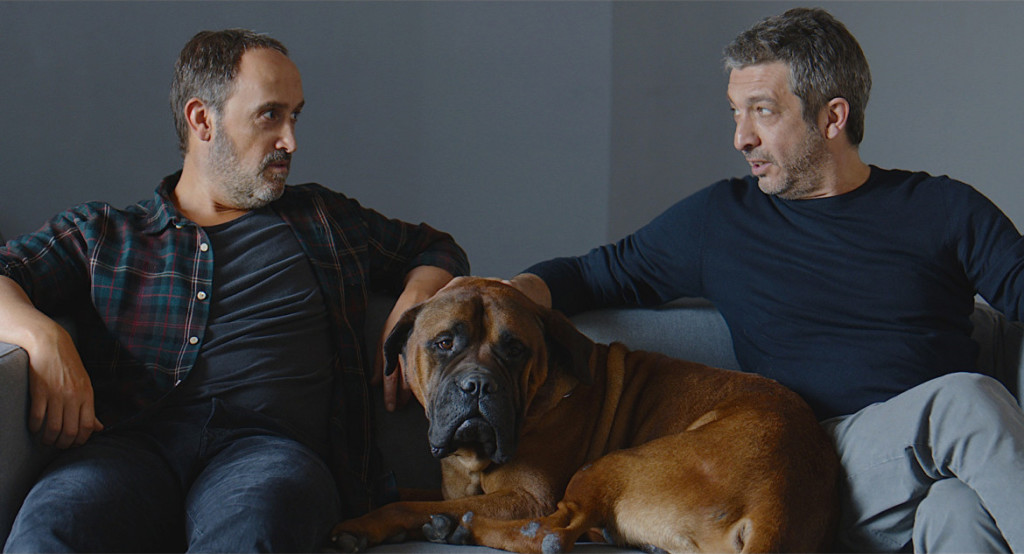
Javier and Ricardo Darin in TRUMAN
Javier Cámara and Ricardo Darin in TRUMAN

Every year, I keep a running list of the best movies I’ve seen this year. I usually end up with a Top Ten and another 5-15 mentions. Here’s last year’s list.

To get on my year-end list, a movie has to be one that thrills me while I’m watching it and one that I’m still thinking about a couple of days later.

I’m still looking forward to seeing films that are candidates for my final list, including Call Me By Your Name, Thelma, Phantom Thread, The Post and Film Stars Don’t Die in Liverpool.  You can see the current list complete with video availability at my Best Movies of 2017.  Here’s the year-end list:

  1. Truman
  2. The Big Sick
  3. The Shape of Water
  4. Wind River
  5. Dunkirk
  6. Coco
  7. Three Billboards Outside Ebbing, Missouri
  8. Lady Bird
  9. The Founder
  10. Norman: The Moderate Rise and Tragic Fall of a New York Fixer

And the rest: Lucky and The Sense of an Ending

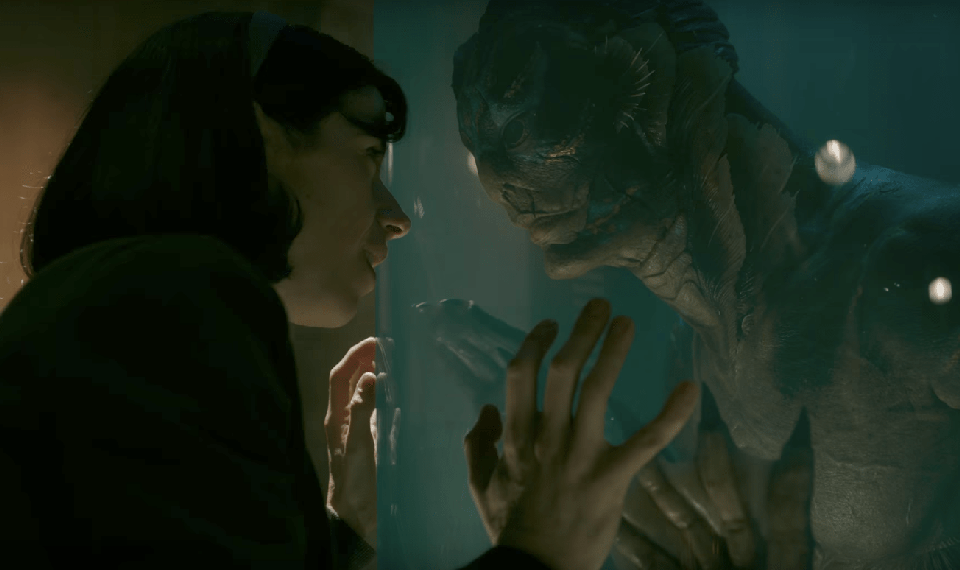
Sally Hawkins in THE SHAPE OF WATER

I try not to tease you with movies that you can’t find, but I need to acknowledge two sure-fire crowd-pleasers from this year’s Cinequest: Quality Problems and For Grace. Both films are emotionally authentic, intelligent and funny, but neither has distribution so far. I will feature them if and when they become available on video.

And here’s a special mention. It’s not on my list, but The Lost City of Z deserves credit for reviving the genre of the historical adventure epic, with all the spectacle of a swashbuckler, while braiding in modern sensitivities and a psychological portrait.

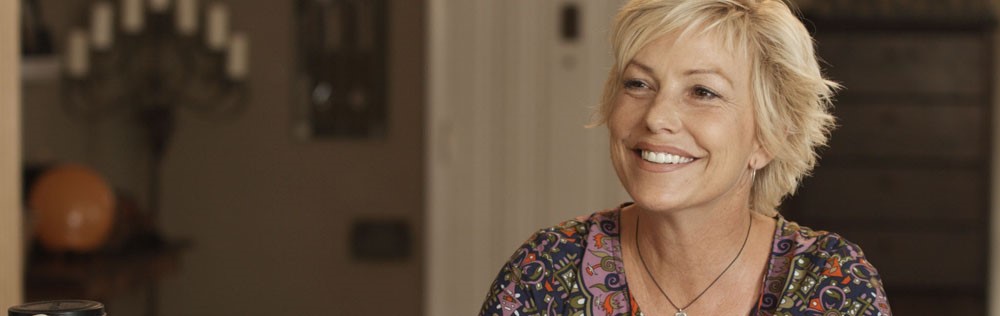
Brooke Purdy in QUALITY PROBLEMS

Happy Anniversary to The Wife!

The Wife and The Movie Gourmet celebrating our anniversary

Happy Anniversary to The Wife, also known as Lisa The Love of My Life!

Once again, she tolerated my spending huge chunks of time at Cinequest, the San Francisco International Film Festival, Noir City, the SF Jewish Film Festival and the Mill Valley Film Festival.

We shared some of my favorite movie experiences this year.

  • We discovered the obscure Norwegian gem All the Beauty at Cinequest, which was one of EIGHT Cinequest screenings that she made it to.
  • She accompanied me to see the premiere of my favorite Cinequest film, Quality Problems, and go out for drinks with the filmmakers afterward.
  • Together, we power-binged through seasons of Happy Valley, Broadchurch, Transparent, Victoria and The Crown.
  • She overcame decades of resistance to watching The Deer Hunter, and we revisited Lantana, a movie that we enjoyed for the first time early in our marriage.
  • She didn’t like (or finish) Toni Erdmann, which I loved, and she argued that I was selling Fences way short.  She sure liked Elle, though!
  • I’m always hoping, hoping, hoping that she’ll enjoy MY choice for us to watch, so I was completely gratified by her LOLs during The Disaster Artist – and now I get to bellow, “You’re tearing me apart, Lisa!“.

And, as always, she still teases me for “the Romanian abortion movie”, “the Icelandic penis movie” and “the Ukrainian deaf movie”.

She’s the biggest fan and supporter of this blog, and I appreciate her and love her. Happy Anniversary, Honey!

2017 at the Movies: farewell to the actors

Bill Paxton in ONE FALSE MOVE

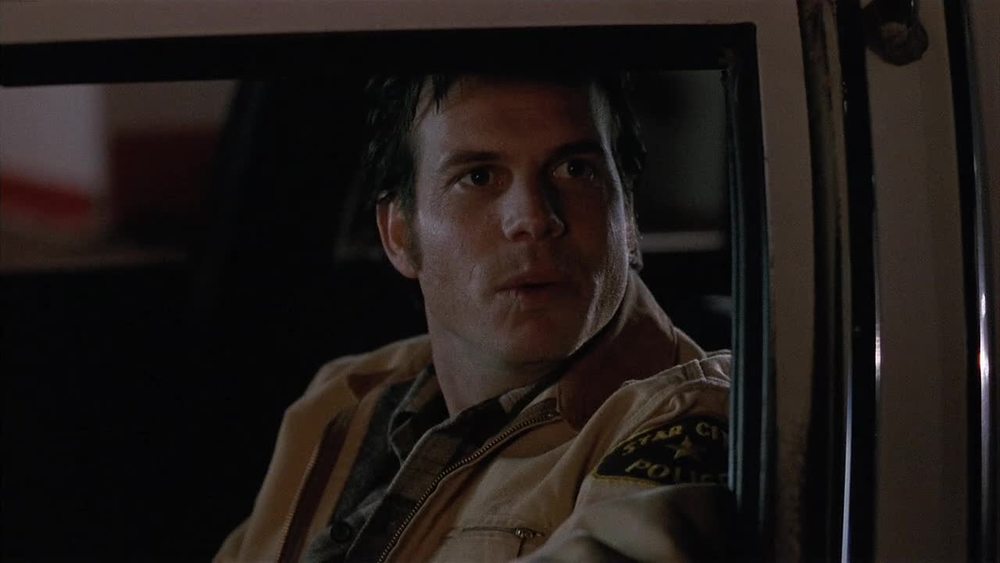
I first noticed the actor Bill Paxton as small town police chief Dale “Hurricane” Dixon in the 1992 indie neo-noir One False Move (a very underrated indie). In two more indelible and more widely remembered performances, he played the lead role of polygamist Bill Henrickson for the five seasons of HBO’s Big Love and astronaut Fred Haise in Apollo 13.


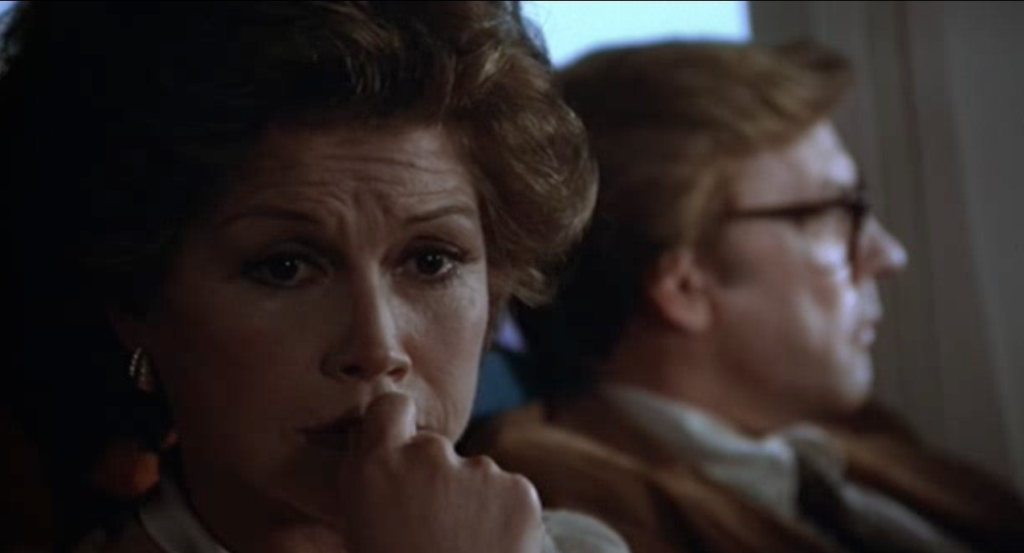
Mary Tyler Moore with Donald Sutherland in ORDINARY PEOPLE

Mary Tyler Moore, of course, is a giant of television history because of The Dick Van Dyke Show, The Mary Tyler Moore Show and all the fine shows produced by her MTM Enterprises. And her Mary Richards instantly became a societal icon. If ever anyone doubts the genius of her comic timing, they can just watch the 4-minute Chuckles the Clown funeral from the Mary Tyler Moore Show (it’s on YouTube).

She made very few movies, but they are worth remembering. She was Oscar-nominated for her still, emotionally distant parent in Ordinary People – a performance that she later said that she had modeled on her own father. She was hilarious as Ben Stiller’s mom in Flirting With Disaster. And she was also Elvis Presley’s last movie leading lady in the unintentionally funny Change of Habit, in which she played a social worker nun (!) who had to choose between her religious order and the ghetto doctor (Elvis!).


Powers Boothe in GUYANA TRAGEDY: THE STORY OF JIM JONES

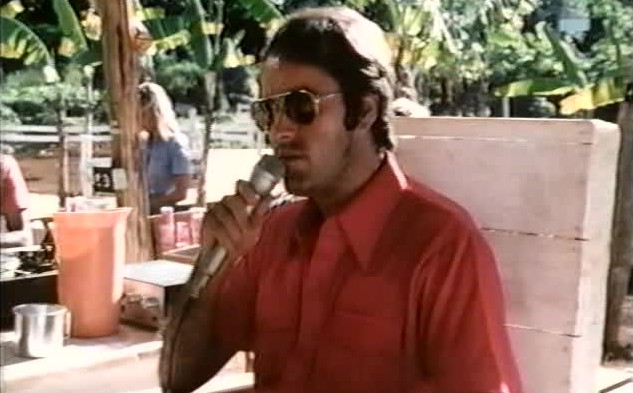
I first noticed – and was captivated by – the actor Powers Boothe as the mad cult leader Jim Jones in Guyana Tragedy: The Story of Jim Jones; this is one of the best (and scariest) movie portrayals of a historical figure. That Emmy-winning performance launched his screen career and led to another delicious role – Cy Tolliver, the cold-eyed and evil rival to Ian McShane’s cold-eyed and evil Al Swearingen in Deadwood.


Martin Landau in NORTH BY NORTHWEST

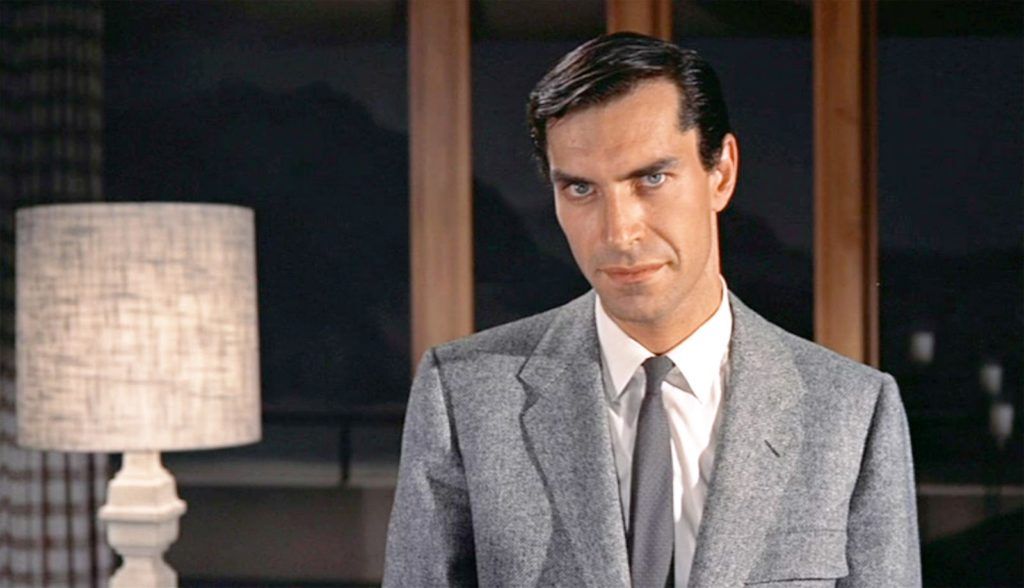
Martin Landau had an acting career that spanned seven decades and resulted in 177 screen credits. His two finest performances came at age 61 and age 66 – the killer of an inconvenient mistress in Woody Allen’s Crimes and Misdemeanors and his Oscar winning turn as Bela Lugosi in Ed Wood. Landau’s most famous role came when he was only 31, as he chased Cary Grant across the faces of Mount Rushmore in Alfred Hitchcock’s North by Northwest.

The actress Dina Merrill made a career of playing high society matrons (as she was in real life). She was never better in one of my favorite films, Robert Altman’s The Wedding.

The actor Stephen Furst had 88 screen credits, but none more iconic than the role in his second feature film: Kent “Flounder” Dorfman in Animal House. “Fat, drunk and stupid is no way to go through life, son.”

I remember the versatile actress Glenne Headly for giving Steve Martin and Michael Caine more than they can handle in the hilarious con artist movie Dirty Rotten Scoundrels. Here’s her NYT obit. Dirty Rotten Scoundrels is available on DVD from Netflix and to stream from Amazon, iTunes and Vudu.

Michael Nyqvist co-starred with Noomi Rapace in the Swedish Girl with the Dragon Tattoo movies. He was also really good in last year’s overlooked indie neo-noir Frank & Lola.

Sam Shephard was America’s greatest living playwright for decades, and also made a mark as an actor with 68 screen credits. His most memorable role was as test pilot Chuck Yeager in The Right Stuff.

Danielle Darrieux, who at age 36 played the privileged and shallow countess in Max Ophuls’ The Earrings of Madame de…, died at age 100.

Emmanuelle Riva’s 89 screen credits are spread over the past SEVEN decades. She was a fixture of the French New Wave, beginning with Alain Resnais’ Hiroshima Mon Amour in 1959. We remember her Oscar-nominated performance in 2012’s heartbreaking Alzheimer’s drama Amour.

Emmanuelle Riva in ARMOUR
Emmanuelle Riva in AMOUR


The actor Frank Vincent gloried in mobster roles, playing characters like Johnny Big , Joey Big Ears, Tommy Tomatoes and Tommy ‘The Bull’ Vitagli. He is best known as Phil Leotardo in The Sopranos. His most memorable (and ill-fated) line was directed to Joe Pesci in Goodfellas: Go home and get your shine box….

Haruo Nakajima was the first actor to play Godzilla (before computers did that). Nakajima, who had been playing the minor bad guys dispatched by the hero in samurai movies, sweated profusely inside the rubber monster suit for twelve Godzilla films.

John Hurt (center) in THE HIT

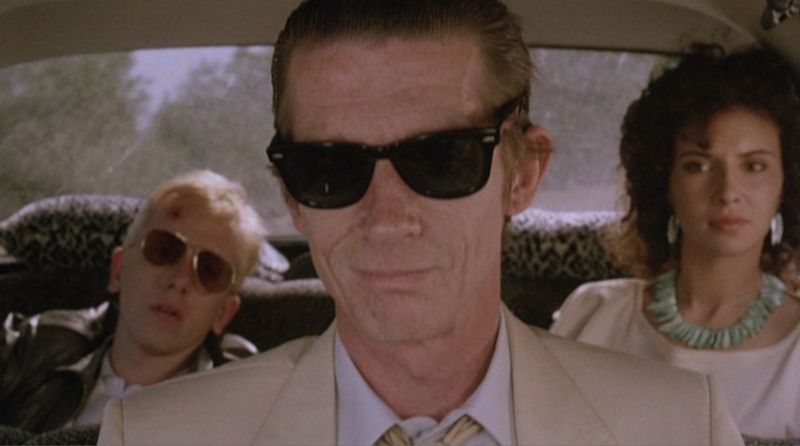
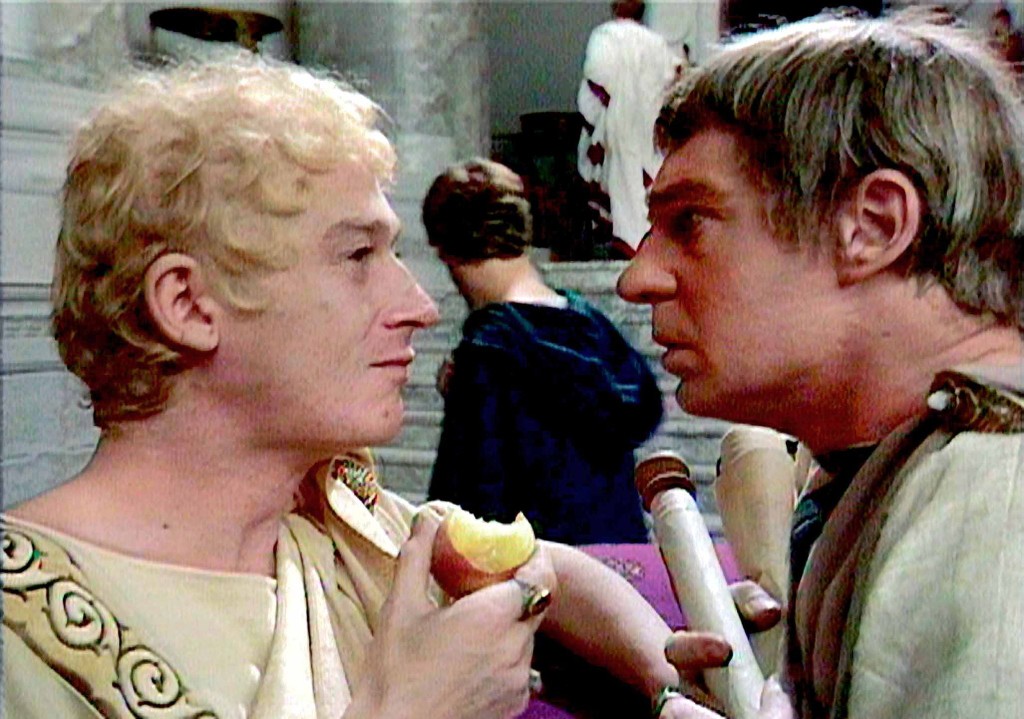
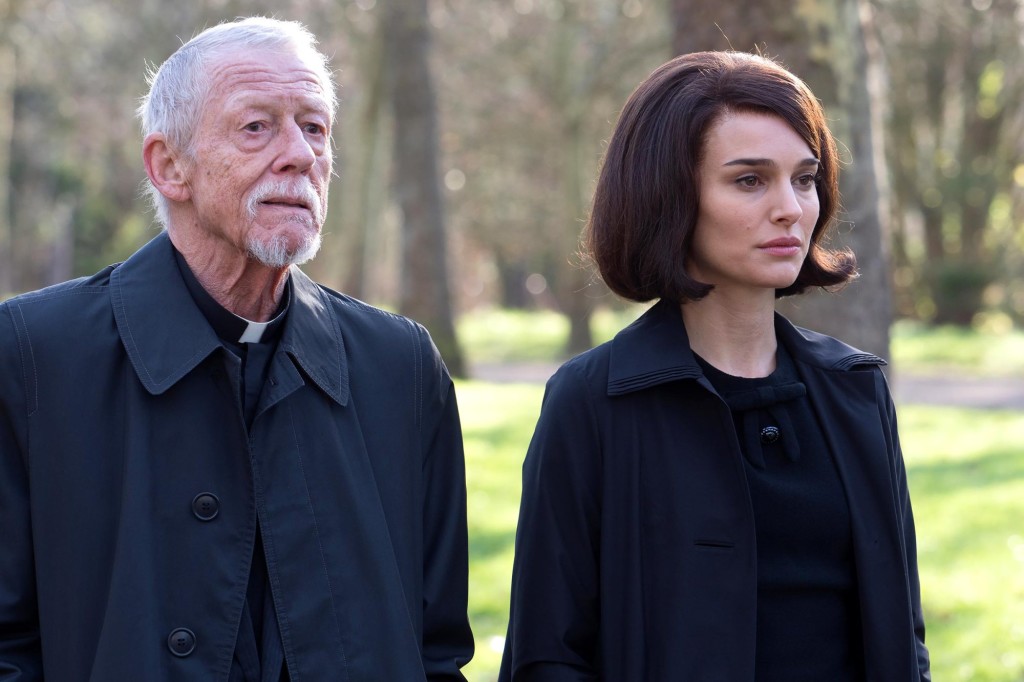
John Hurt’s magnificent career started in the 1960s, but I first noticed him in 1976 when he leaped out of the screen as the lethally mad Caligula when PBS broadcast the BBC miniseries I, Claudius. Hurt is probably most recognized (by my generation) for his Oscar-nominated performance as the title character in 1980’s The Elephant Man or as the first victim of the alien in Alien. But Hurt was always able to stay current with performances in popular films like V for Vendetta and Hellboy and he played Ollivander in the Harry Potter movies. He also recently made Tinker, Tailor, Soldier, Spy (2011) and Snowpiercer (2013), and was the best thing (as The Priest) in the awful film Jackie (2016). My own favorite John Hurt performance was as the more disciplined hit man in the 1984 British neo-noir The Hit.

John Hurt (left) with Derek Jacobi in I, CLAUDIUS
John Hurt with Natalie Portman in JACKIE

2017 at the Movies: farewell to the filmmakers

Jonathan Demme
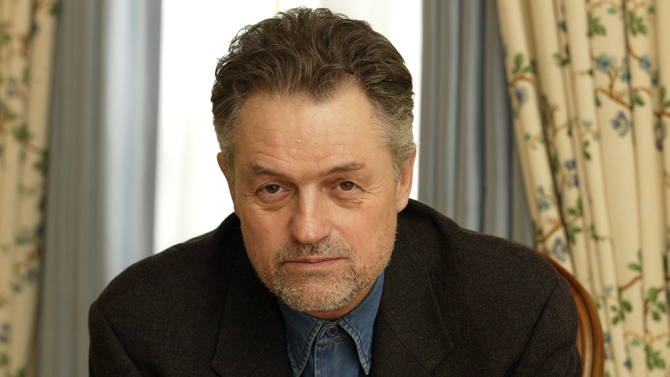
Jonathan Demme

If he had made no other films, Jonathan Demme would be forever remembered for his horror masterpiece The Silence of the Lambs (1991), one of only three movies to win Oscars in all four major categories: Best Picture, Director (Demme), Leading Actor (Anthony Hopkins) and Leading Actress (Jodie Foster). It also won the Screenwriting Oscar (Ted Tally).

Jonathan Demme, however, was a director who could master many genres. He started out with genre exploitation movies, and I first admired his work in the little indie Melvin and Howard (1980), with its delightful performances by Jason Robards and Paul Le Mat. Then he made one of the two or three best ever rock concert films, Stop Making Sense (1984) with The Talking Heads.  And then he directed the topical drama Philadelphia (1993) and the wonderfully engaging addiction dramedy Rachel Getting Married (2008).

His body of work screams versatility, and his masterpiece…Well, his masterpiece just screams.

John Avildsen won the Best Director Oscar for Rocky (which also won Oscars for Best Picture and Film Editing). We still employ many cultural references to Rocky today, and remember it for launching the career of Sylvester Stallone and a spate of mostly mediocre sequels. But don’t discount Rocky. Remember that someone had to choose how to shoot Rocky Balboa pounding beef carcasses, running up the steps of the Philadelphia Museum of Art and courting Adrian by introducing his turtles Cuff and Link. Movies don’t achieve iconic status by accident. Avildsen made a brilliant film that was both poignant and thrilling.

In his film Night of the Living Dead, George Romero re-invented the fictional zombie as a shambling, semi-decomposed brain-eater, and that is the zombie that we all envision today. Night of the Living Dead also changed movie standards (for better or for worse) to accept gratuitous gore for the sake of entertainment. And, because its rejection by major movie studios forced Romero to go indie, Night of the Living Dead became one of the first hugely successful independent films.

Bruce Brown directed The Endless Summer in 1966, thus inventing the surf documentary.

Jerry Lewis: Not My Cup of Tea. Maybe now we’ll finally get to see his notorious and long-suppressed The Day the Clown Died, the 1973 movie Lewis wrote, directed and starred in – about a clown imprisoned with children in a Nazi death camp.

PSYCHO: the movie, the documentary and the podcast

It’s the favorite month for scary movies, so The Movie Gourmet is featuring Hitchcock’s classic Psycho, with two superb 2017 accompaniments.

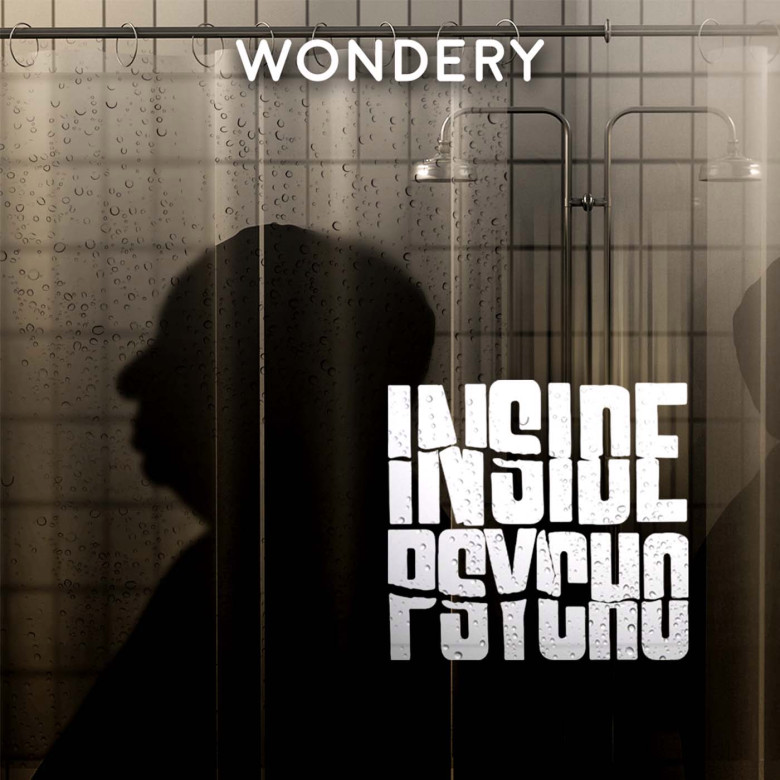
I recommend that you start with the six-part series of podcasts Inside Psycho.  Podcaster Mark Ramsey begins with the real-life crime that sparked Psycho’s origin story and takes us through the purchase of the book rights, which turned out to be a very one-sided business deal.  Ramsey puts Psycho in the context of Hitchcock’s career moment and reveals the film’s stepchild status at Paramount (it was filmed at Universal with a TV crew).  He gives us a deep dive into the filming of the shower scene, including the censors’ search for the nudity (was it really in there?).   We even learned about Hitchcock’s demands as to how Psycho would be exhibited – rules that changed the movie-going habits in our culture.  Ramsey even tells us what happened to Marion’s car.

You’ll enjoy the movie more after you’ve listened to this podcast.  Go to your podcast app and search for “Inside Psycho” or access the Inside Psycho website.

inside psycho

For your next course, I recommend this year’s documentary 78/52: Hitchcock’s Shower Scene, named for the 78 setups and 52 cuts in Psycho’s shower scene.  Documentarian Alexandre O. Philippe takes us through aspects of the movie, but drills most deeply into the notorious shower scene. Philippe brings us noted composer Danny Elfman to comment on Bernard Herrmann’s famously screeching strings.   We hear from Walter Murch, the brilliant film editor who invented the field of movie sound design, about the visual imagery and sound effects.   And Amy Duddleston, the film editor on the 1998 Gus Van Sant Psycho remake, ruefully recounts how it’s all even harder than it looks.

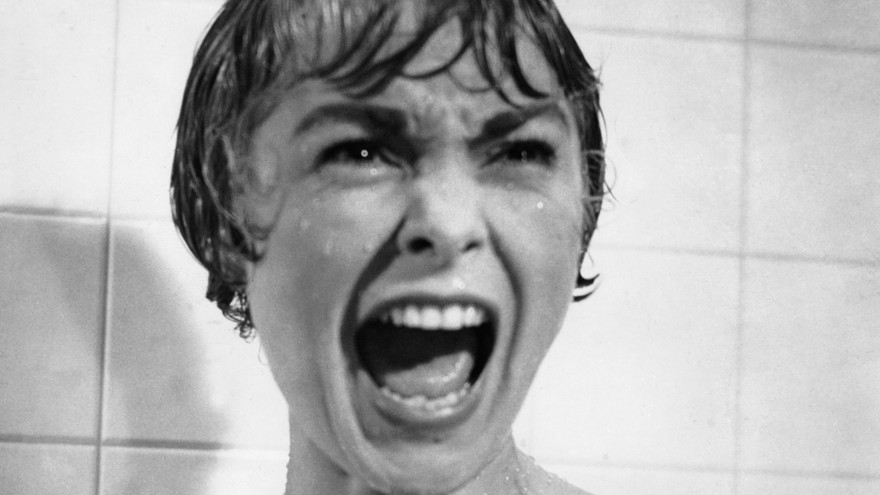
Here’s a representative nugget from both Inside Psycho and 78/52.  Before her shower, Janet Leigh as Marion enters the bathroom, tears up paper notes and flushes them down the toilet.  Amazingly, this is the first flushing toilet in hitherto prudish American cinema.  Seconds later, of course, come more shocks.

And here’s a treat, we meet the perky and amiable Marli Renfro, the Playboy Bunny and pin-up girl who was Janet Leigh’s nude body double in the shower scene.  That scene took seven grueling days to film. Jamie Lee Curtis relates her mom’s weariness with the strategic moleskin that kept slipping off.  Renfro was just happy to pick up the extra paychecks.

Finally, there’s a fun montage of Psycho references in later movies and popular culture.  In what must be a spectacular half-joke, the documentary is dedicated “to Mother”.  78/52: Hitchcock’s Shower Scene is available to stream from Amazon,  iTunes, YouTube and Google Play.

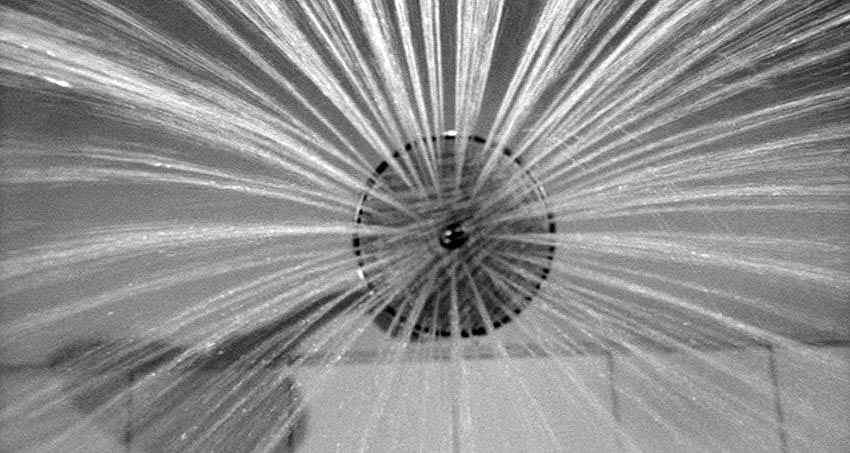
Janet Leigh in PSYCHO and 78/52: HITCHCOCK’S SHOWER SCENE

And then, of course there’s the original Psycho itself.  It’s still effectively shocking – both in killing off the star one-third of the way through (almost unthinkable even today) and in the climactic reveal.  Anthony Perkins is wonderful as Norman Bates, especially in how he gets us to understand immediately that Norman’s awkward oddness may be an indicator of more severe insanity.

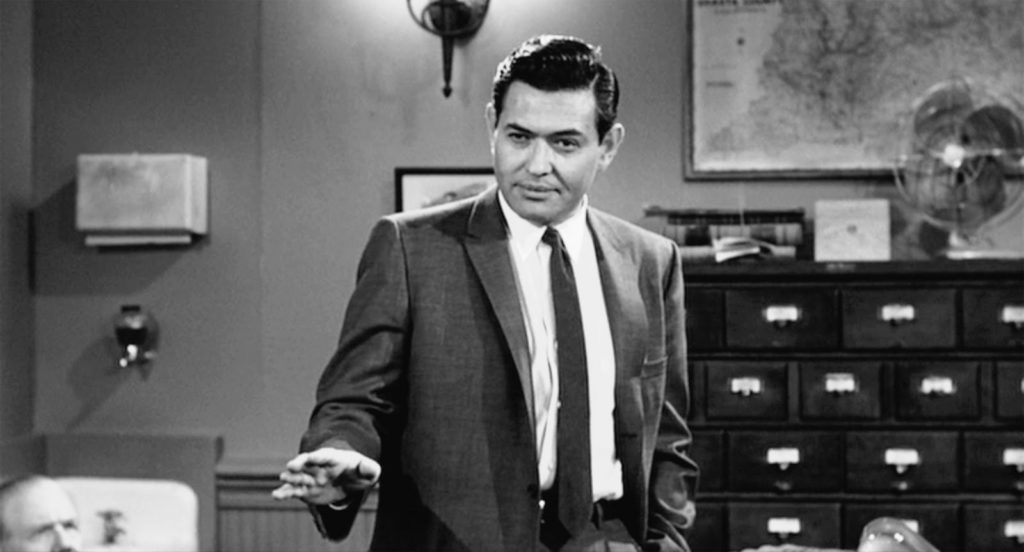
Psycho is one hour and 49 minutes long. The key is to stop watching as soon as poor Simon Oakland shows up on-screen as the shrink Dr. Fred Richman.  The usually reliable character actor Oakland was thanklessly tasked with delivering an interminable five-minute lecture on Norman Bates’ diagnosis.  It’s painful overexplaining and brings downs the Psycho experience.  You’ll thank me.

You can rent the original Psycho on DVD from Netflix, stream it from iTunes, Vudu and YouTube, or catch it on Turner Classic Movies or elsewhere on TV.

Simon Oakland in PSYCHO


The films of Taylor Sheridan

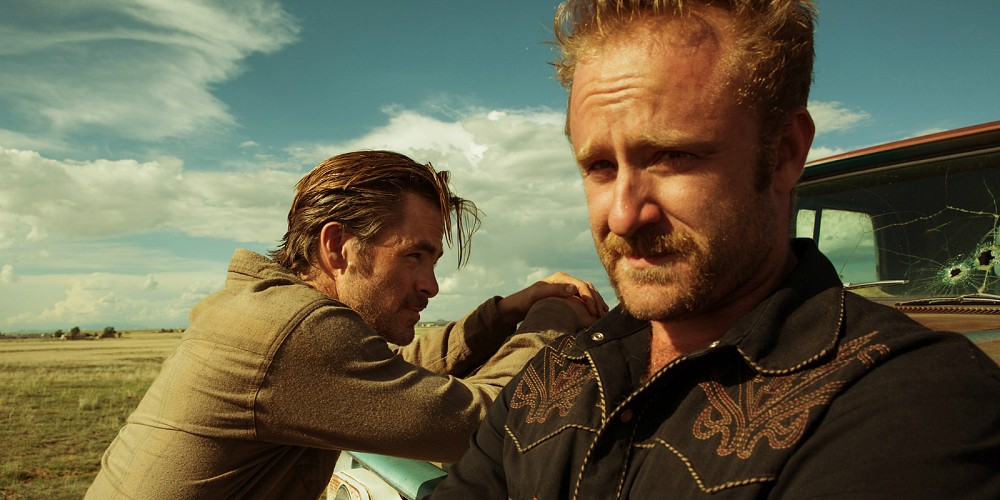
Chris Pine and Ben Foster in HELL OR HIGH WATER

The actor Taylor Sheridan has written three recent films, and he has emerged as one of America’s most important filmmakers.  The three movies are Sicario, Hell or High Water and Wind River (which is his directorial debut – I’m not counting the low budget horror film Vile). I named Hell or High Water as the very best movie of 2016.

Here are some observations about Sheridan’s movies so far.

Western settings: This is the most obvious Sheridan signature: Sicario is set on the border between Mexico and Texas and New Mexico.  Hell or High Water is set in West Texas (but primarily shot in New Mexico).  Wind River is set in Wyoming.  Sheridan, very comfortable with wide open spaces, grew up on a ranch outside the hamlet of Cranfills Gap, Texas, between Fort Worth and Waco.  He isolates his characters in sparsely populated landscapes under Big Skies.  But he’s not sentimental – the Mexican border city in Sicario and the Indian Reservation in Wind River are horrible places.

Great dialogue:  From Toto, I’ve a feeling we’re not in Kansas anymore.” to “Fasten your seatbelts, it’s going to be a bumpy night!” to “Forget it, Jake.  It’s Chinatown,” great movies are known for iconic dialogue.  Sheridan is reviving that lost art.

From Hell or High Water:

Toby: “You’re talkin’ like you don’t think we’re going to get away with it.”
Tanner: “I never met anyone who got away with anything.”

And from Wind River:

Who’s the victim today? Looks like it’s gonna be me.”

and

This isn’t the land of backup, Jane. This is the land of you’re on your own.”

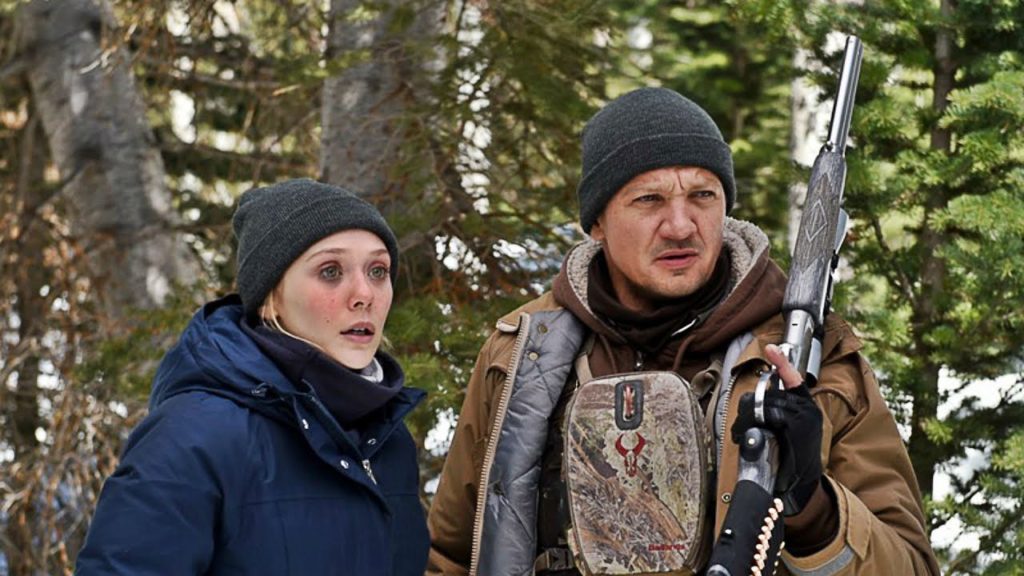
Elizabeth Olsen and Jeremy Renner in WIND RIVER

Resists the easy: Sicario revolves around a fish-out-of water female cop, but he doesn’t mate her her with one of the male stars.  In Hell or High Water, Toby insures the family’s security – but that isn’t enough for his ex-wife to take him back.  In Wind River, Cory and Jane meet cute (in a way) but don’t fall into bed; and Cory’s ex-wife doesn’t comfort him, either.

Not everything is going to be okay:  Sheridan knows how to craft a satisfying movie ending, but it’s not going to Happily Ever After for everyone.  In Hell or High Water, the action that brings peace to Chris Pine’s character brings eternal unease to Jef Bridges’.
Wind River’s reservation still devoid of hope.  Sicario’s border region is still poisioned by drugs and the drug war.

Populist politics:  Sheridan hates that, in much of our society, people are disposable.  Sheridan explores this theme with the victims of the drug wars in Sicario, the flyover-state working class in Hell or High Water and the Native Americans on the reservation in Wind River.

It’s an impressive body of work from Sheridan.  I’m looking forward to his next screenplays, a follow-up to Sicario named Soldado and a TV drama titled Yellowstone.

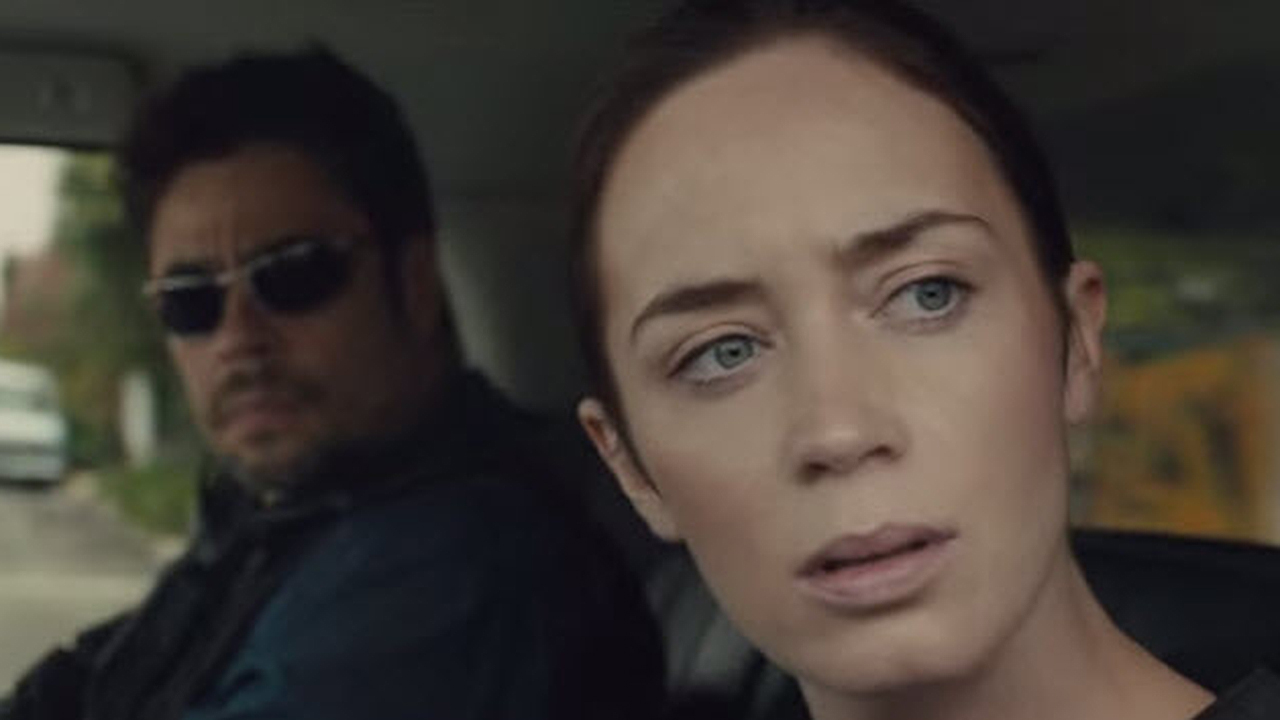
Benicio Del Toro and Emily Blunt in SICARIO