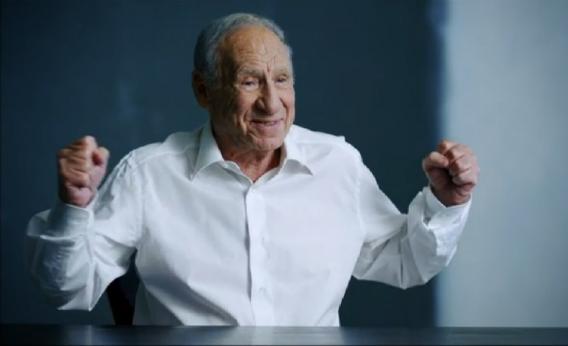
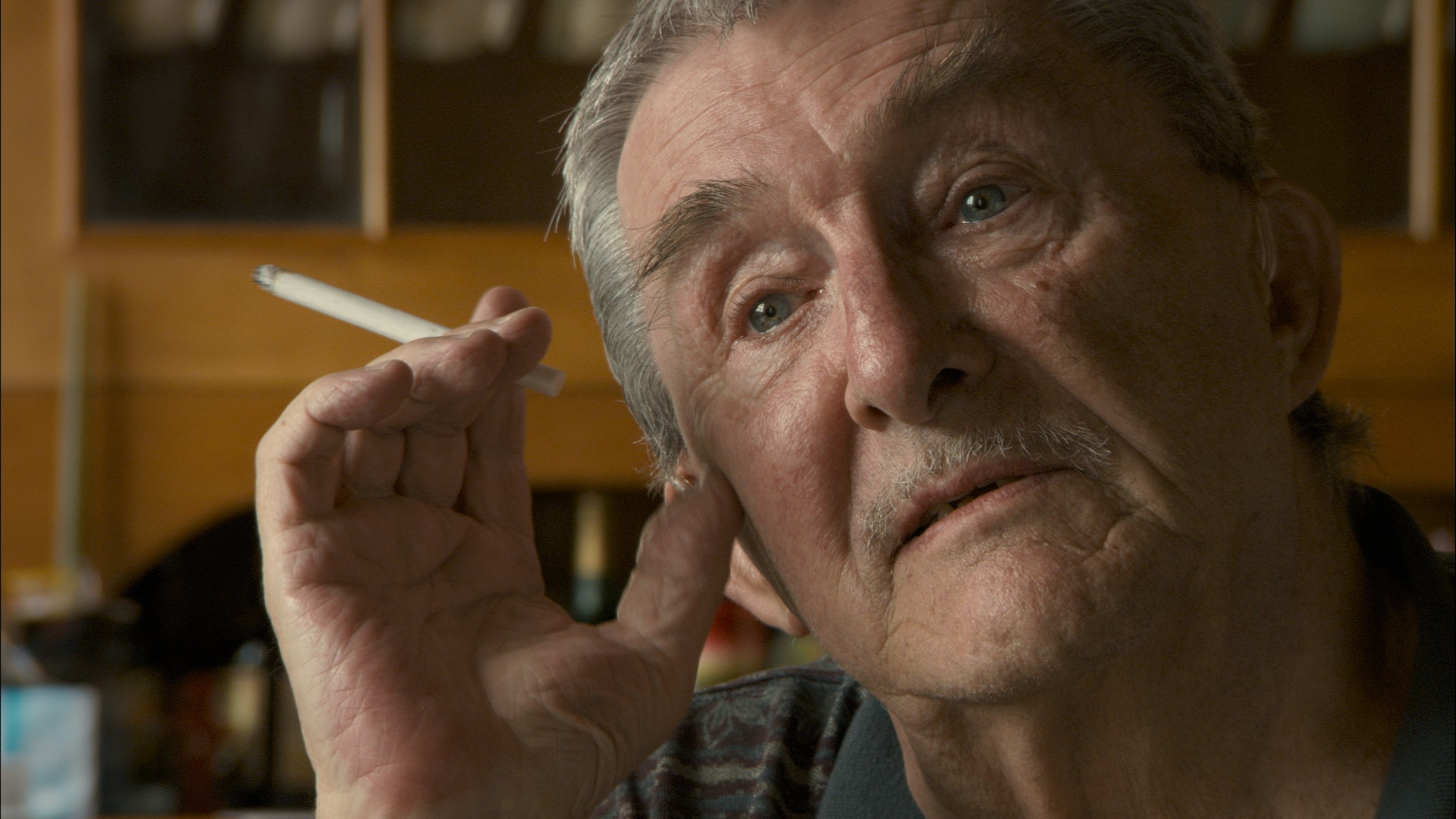
PBS’s American Master series is airing the documentary Mel Brooks: Make a Noise, which reviews the career of master filmmaker Mel Brooks. In particular, we glimpse inside the making of such masterpieces as The Producers (one of my Greatest Movies of All Time), Young Frankenstein and Blazing Saddles. We see clips from those movies and hear from Talking Heads (including Brook’s best friend Carl Reiner). But the best part of Make a Noise is hearing from Brooks himself. He’s personally delightful and remarkably clearheaded about what makes his films so funny.
{Note: I’m reposting this because The East’s wider release was delayed until this weekend – and it’s one of very few good new movies.)
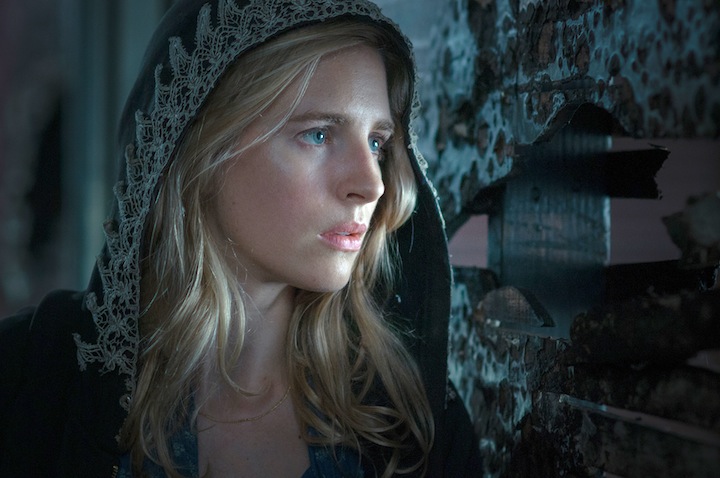
The East, coming out on Friday, is a smart and gripping thriller that explores both our response to corporate criminality and the unfamiliar world of anarchist collectives. Brit Marling plays a brilliant up-and-comer in an industrial security firm who goes undercover to hunt down and infiltrate a band of eco-terrorists named The East.
The East seeks to brings deadly personal accountability to corporate leaders who injure people and the environment. These aren’t Hollywoodized corporate villains – all of the corporate crimes depicted in the movie have occurred in real life. Lesser filmmakers would have made The East into a revenge fantasy with a Robin Hood-like merry band of earnest kids – or a conventional espionage procedural, hunting down a gang of wild-eyed terrorists.
The East is so good because it explores our helplessness in the face of corporate malfeasance. The corporate targets deserve to be held accountable, and their crimes cry out for punishment. Yet the vigilante violence of The East is clearly unacceptable. No self-selected group of avengers – no matter how legitimate their grievance – should be able to inflict extra-legal violence. (If you don’t think so, just substitute white supremacist militia, fundamentalist Mormons or Chechen immigrants for the hippies in this movie.)
We view this dilemma through the perspective of Marling’s protagonist, whose own views evolve through the course of the story. Marling co-wrote the screenplay with director Zal Batmanglij. Marling and Batmanglij spent over three months in an anarchist collective, living a cash-free life off the grid; that experience has paid off with an unusual authenticity in the depiction of the anarchist lifestyle.
Marling and Batmanglij also co-wrote the indie The Sound of My Voice, and Marling wrote and starred in last year’s sci-fi hit Another Earth. Here, they have created a set of original characters and invented some really ingenious plot points, especially a very powerful initiation dinner and an astounding bit of tradecraft involving dental floss.
Besides Marling, Ellen Page is especially good as one of the eco-terrorists. Julia Ormond is brilliant in a tiny part as a business executive. There are other fine performances by Patricia Clarkson as Marling’s nasty boss and by Alexander Skarsgaard and Toby Kebell as anarchists.
There may be some holes in the plot, but The East is such a tautly crafted thriller, that we don’t have time to notice. There is one unfortunately corny scene between Ellen Page’s character and Jamey Sheridan’s (he’s become the Go To Guy for entitled white male scumbags). But those are quibbles – The East is a very strong film.
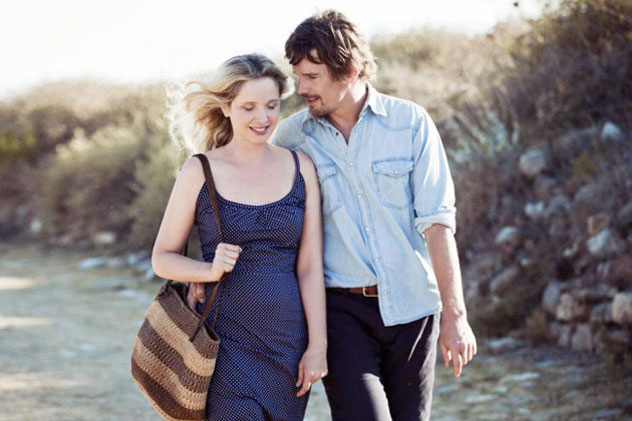
In 1995’s Before Sunrise, Jesse (Ethan Hawke) is an American writer in his early twenties who meets a French woman, Celine (Julie Delpy), on a train and talks her into walking around Vienna with him before his early morning flight back home. They banter and flirt, sparks fly and they agree to meet in six months. We find out what happened nine years later when they encounter each other again in Paris in Before Sunset. Now, in Before Midnight, it’s been another nine years and Jesse and Celine are 41. Their journeys have reached another stage, and we meet them in a Greek coastal resort.
In the first two movies, we were rooting for them to get together, but didn’t know whether it would happen. Now we know – they are a couple. The arcs of their careers have intersected, they face the roles of parent and step-parent and their attraction and feelings for each other have matured. As do all couples, they must negotiate each other’s expectations, desires, temperaments and quirks – with a combination of deliberation, accommodation, manipulation and argument.
All three movies in the series are deeply affecting because they are unusually authentic movie romances. The tension in the first two movies is what will happen when they fall in love. The tension in Before Midnight is whether – and how – they will stay in love. Jesse and Celine are perfect for each other – but is that enough?
Before Midnight is co-written by director Richard Linklater and stars Hawke and Delpy. Once again, we have a movie romance without the tired conventions of more superficial romantic comedies; in this series, there are no goofy best friends/roommates, obnoxiously intrusive parents – and no weddings. Instead, we have two attractive, intelligent and very verbal people who are very funny, and have potentially conflicting needs.
The series, which develops the same characters over eighteen years, is a very impressive work and Before Midnight is the year’s best romance (and one of the year’s best movies).
The East, coming out on Friday, is a smart and gripping thriller that explores both our response to corporate criminality and the unfamiliar world of anarchist collectives. Brit Marling plays a brilliant up-and-comer in an industrial security firm who goes undercover to hunt down and infiltrate a band of eco-terrorists named The East.
The East seeks to brings deadly personal accountability to corporate leaders who injure people and the environment. These aren’t Hollywoodized corporate villains – all of the corporate crimes depicted in the movie have occurred in real life. Lesser filmmakers would have made The East into a revenge fantasy with a Robin Hood-like merry band of earnest kids – or a conventional espionage procedural, hunting down a gang of wild-eyed terrorists.
The East is so good because it explores our helplessness in the face of corporate malfeasance. The corporate targets deserve to be held accountable, and their crimes cry out for punishment. Yet the vigilante violence of The East is clearly unacceptable. No self-selected group of avengers – no matter how legitimate their grievance – should be able to inflict extra-legal violence. (If you don’t think so, just substitute white supremacist militia, fundamentalist Mormons or Chechen immigrants for the hippies in this movie.)
We view this dilemma through the perspective of Marling’s protagonist, whose own views evolve through the course of the story. Marling co-wrote the screenplay with director Zal Batmanglij. Marling and Batmanglij spent over three months in an anarchist collective, living a cash-free life off the grid; that experience has paid off with an unusual authenticity in the depiction of the anarchist lifestyle.
Marling and Batmanglij also co-wrote the indie The Sound of My Voice, and Marling wrote and starred in last year’s sci-fi hit Another Earth. Here, they have created a set of original characters and invented some really ingenious plot points, especially a very powerful initiation dinner and an astounding bit of tradecraft involving dental floss.
Besides Marling, Ellen Page is especially good as one of the eco-terrorists. Julia Ormond is brilliant in a tiny part as a business executive. There are other fine performances by Patricia Clarkson as Marling’s nasty boss and by Alexander Skarsgaard and Toby Kebell as anarchists.
There may be some holes in the plot, but The East is such a tautly crafted thriller, that we don’t have time to notice. There is one unfortunately corny scene between Ellen Page’s character and Jamey Sheridan’s (he’s become the Go To Guy for entitled white male scumbags). But those are quibbles – The East is a very strong film.
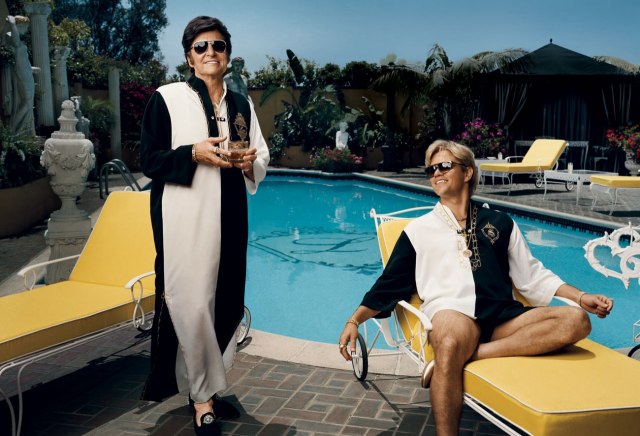
HBO’s Behind the Candelabra is the well-worn story of a rich older guy and his pretty young thing – except the rich older guy is Liberace. Michael Douglas (of all people) completely inhabits the character of Liberace, nailing his every mannerism of speech and gesture and delving deeply into his ego, neediness, self-absorption and genius for showmanship. Matt Damon (of all people) enthusiastically and skillfully plays Scott Thorson, Liberace’s boy toy of the late 1970s.
We have all seen the arc of this story before, with the relationship doomed by the power imbalance between the lovers. Of course, this is the story of a celebrity who was tightly closeted while he was intentionally projecting the persona of a flaming queen. And because Liberace was the Emperor of Excess, we don’t get often a chance to witness such extravagance (except for historical movies about Louis’ Versailles, Cleopatra’s Egypt, etc.).
Steven Soderbergh directed Behind the Candelabra in the smart and economical way he uses to elevate genre films like Side Effects, Haywire and Magic Mike. Rob Lowe is hilarious as a 70s Dr. Feelgood plastic surgeon to the stars.
There’s not that much to Behind the Candelabra, but it is entertaining. If you were missing Liberace, Michael Douglas definitely brings him back to life.
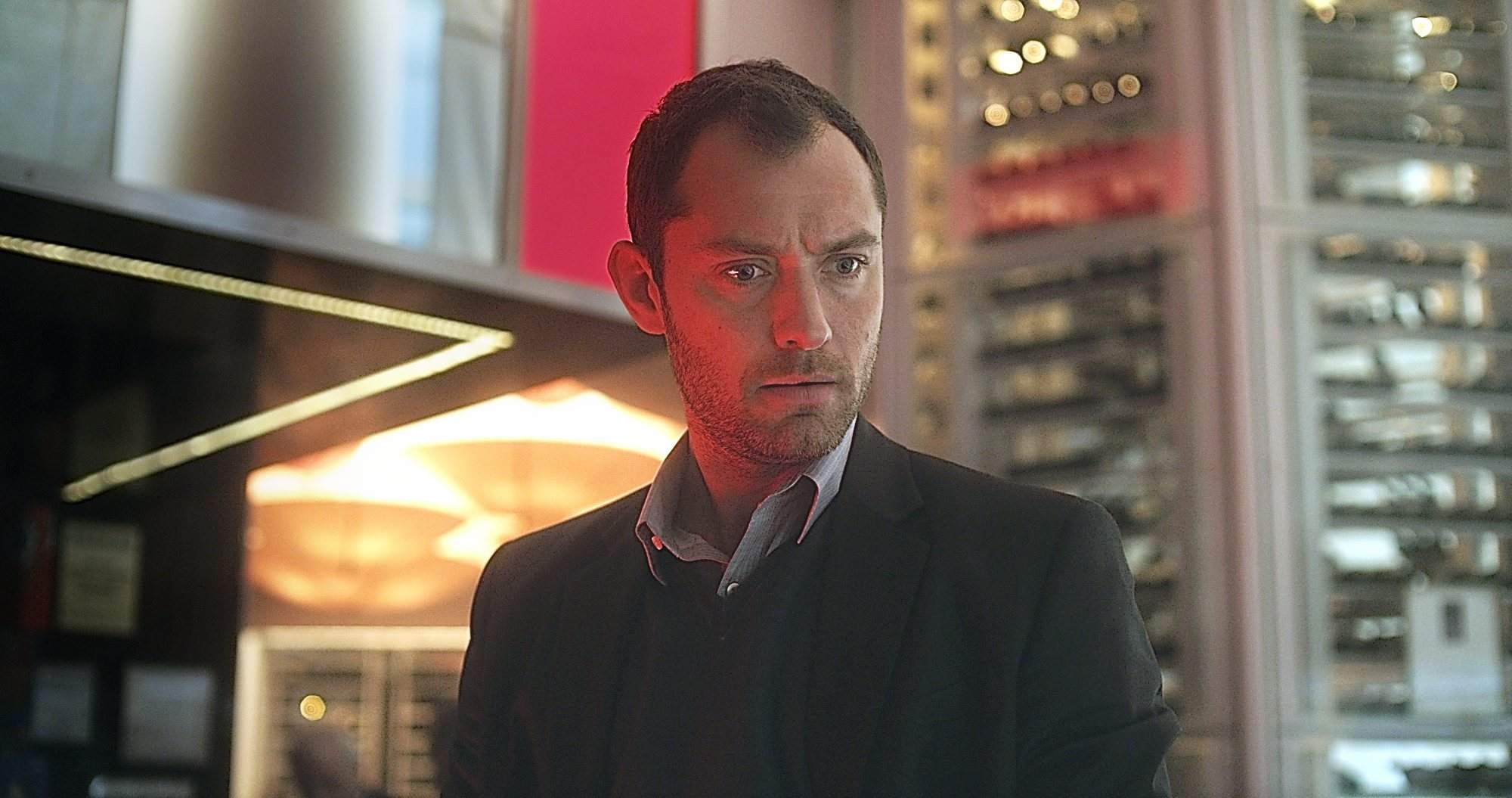
Side Effects is a psychological thriller that keeps thriller-lovers on the their toes by constantly changing its focus. First one character is on the verge of falling apart, then another and then another. Initially, we think that the story is about mental illness and prescription psych meds, but then it evolves into something else quite different. The plot might have seemed implausible in the hands of a lesser director, but Steven Soderbergh pulls it off with panache.
Soderbergh got superb performances by his leads: Jude Law, Rooney Mara and Catherine Zeta-Jones. Mara, so striking in The Social Network and The Girl with the Dragon Tattoo, serves notice that she is a perfect fit for psychological dramas; she can turn apparent fragility and unknowability into menace like few other film actresses. And few actors can take a character from charming confidence to a desperate meltdown like Law does here. Zeta-Jones shows that she play a frigid mistress of the universe who is passionate and needy underneath. The supporting players are all perfectly cast.
The insistent music by Thomas Newman, while never obvious, is an integral part of the suspense. Soderbergh, a master who has repeatedly elevated genre films, has another winner in Side Effects.
Side Effects is available on DVD from Netflix and streaming from Vudu,YouTube and GooglePlay.
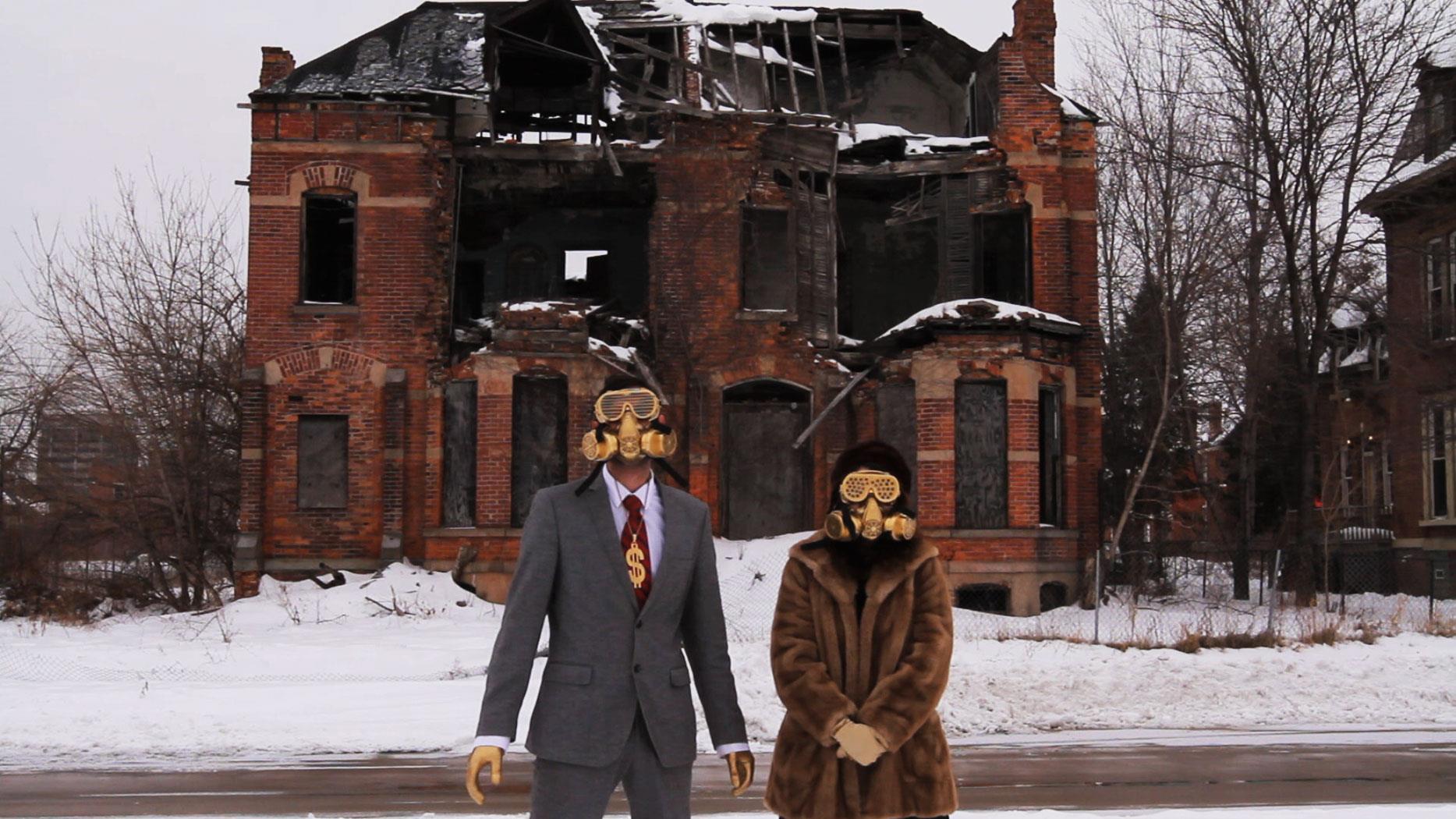
Detropia, the absorbing documentary about the plight of contemporary Detroit, will be broadcast on PBS’s Independent Lens beginning May 27. Detropia tells a compelling story in an unexpected and effective way.
Before watching the film, I knew that Detroit has lost half of its population and was not surprised to learn of its 30-50% unemployment. But I didn’t expect the blocks and blocks of abandoned homes and businesses and the streets with no traffic. Detropia’s Detroit looks like New Orleans after Katrina or San Francisco after the 1906 earthquake. Essentially, there’s been an economic tsunami here. I was astonished to see city leaders seriously considering the demolition of large parts of the city and the relocation of residents into more efficient and more cohesive concentrated neighborhoods.
How did this happen? And what can be done? There’s no agenda by the filmmakers – other than keen-eyed observation. The filmmakers give a voice to three sets of local witnesses who tell the city’s story. And there’s an interesting and unexpected choice to feature the city’s opera.
Most surprising, despite being a movie about urban decay, Detropia is still a visually arresting and often colorful and beautiful film. And, despite the hopelessness of Detroit’s situation, the perspective of the local witnesses keeps Detropia from becoming depressing.
The filmmakers, Heidi Ewing and Rachel Grady (Jesus Camp, 12th & Delaware), deserve recognition for making Detropia so compelling without it becoming a screed. Indeed, Detropia is a Sundance award winner.
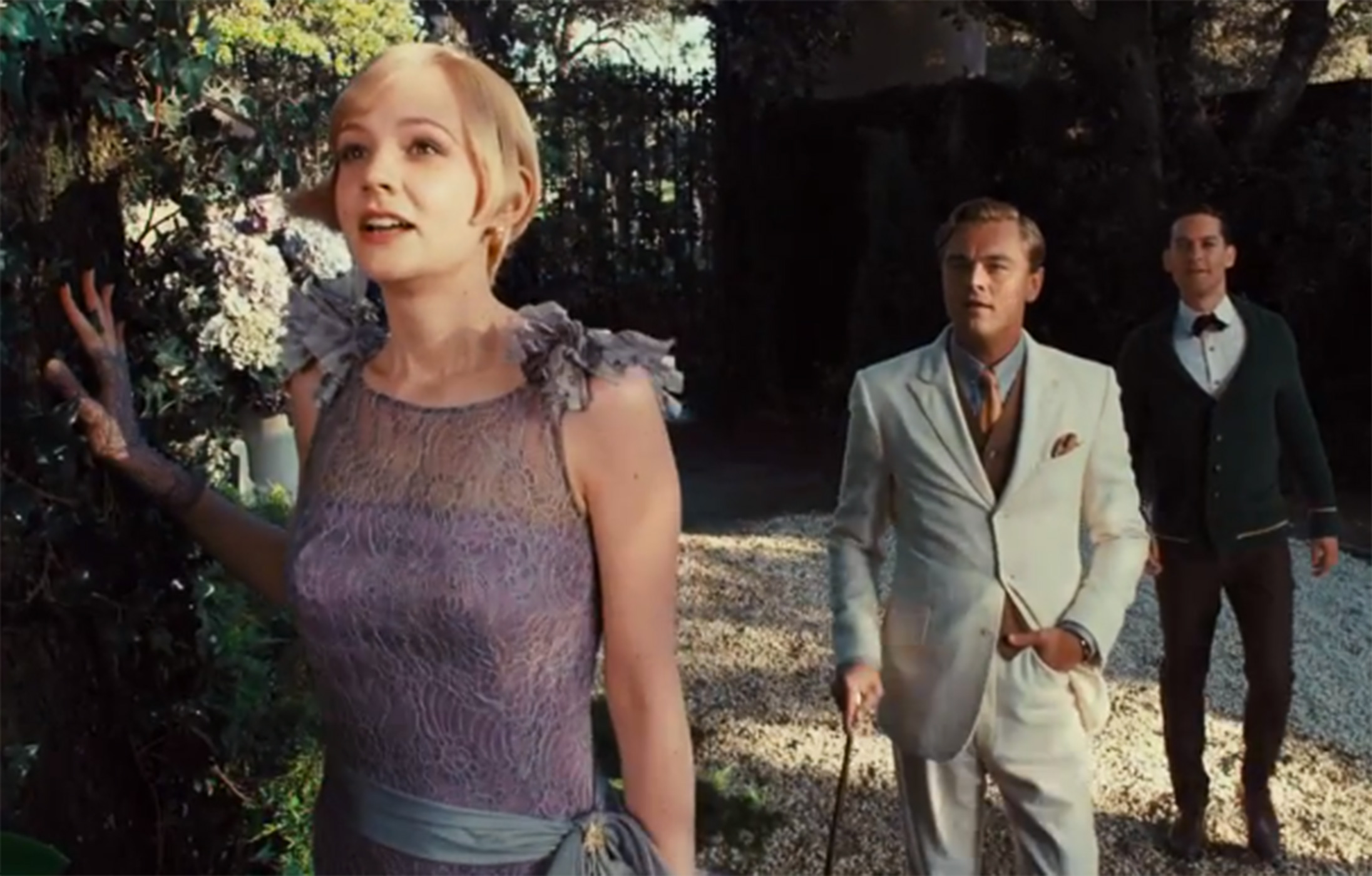
Carey Mulligan, Leonardo DiCaprio and Tobey Maguire in THE GREAT GATSBY
Let’s start with director Baz Luhrman’s decision to present The Great Gatsby in 3D. The source material, F. Scott Fitzgerald’s novel, is so compelling because it is character driven. Luhrman’s 3D cannot enhance the characters, but can only augment wild car chases and zooming camera shots that zip us down skyscrapers and across bays. So to use Gatsby as an excuse to launch some action sequences really misses the point of the story. See The Movie Gourmet’s Ten Really Bad Movie Ideas.
Indeed, there’s lots of eye candy in Luhrman’s Gatsby, but to what effect? The story seems set, not in the 1920s, but in a modern 1920s theme park where tourists waddle around chomping on churros while peering at flappers and Duesenbergs.
The story is about the Coolest Man in the World, the impenetrable Jay Gatsby, whose savoir faire, personal mystery and lifestyle splendor completely seduce his neighbor Nick Carraway, the story’s narrator. Now you would think that putting Leonard DiCaprio in impeccably styled white and pastel pink suits would take you a long way toward Cool. But this Gatsby is a little too anxious. And the screenplay dumbs down the story, and we learn too much about Gatsby’s real past too early and too easily. Similarly, Tobey Maguire as Carraway brings a yippy dog energy to a character that should be more observant (like Sam Waterston’s laconic Nick in the 1974 Gatsby).
Gatsby, the acme of the self-made, is driven to at long last possess Daisy (Carey Mulligan), the girl who got away (and who is now married to the boorish jock Tom Buchanan). The novel deeply explores Gatsby’s pursuit of Daisy. Can someone with New Money penetrate the Old Money set? Did Daisy really love Gatsby when they were younger, or was he just a girlish flirtation? Does Daisy love Gatsby now, or is she just flattered by his captivation and impressed by his bling? Can Daisy escape her class? Can Gatsby’s success buy him everything that he needs and wants?
Sadly, Luhrman reduces The Great Gatsby into a sappy melodrama of obsessive love. That’s kind of like turning The Sun Also Rises into a bullfight story or The Adventures of Huckleberry Finn into a river raft travelogue. It doesn’t help that Carey Mulligan’s Daisy is more neurotic than fickle – and just not that sexually fascinating to begin with.
The one good thing about this movie is Elizabeth Debicki’s turn as the celebrity golfer and jaded party girl Jordan Baker – her every glance commands the screen.
Luhrman made lots of other choices in this adaptation. Some work out (to my surprise, I didn’t mind the 21st century music) and some don’t (the odd and nakedly commercial casting of Bollywood star Amitabh Bachchan as Meyer Wolfsheim). But the resulting totality is a hollow, somewhat vulgar misfire. It’s the flashiest version of The Great Gatsby, but strangely not even as vivid as the written word.
In the novel, Daisy and Tom Buchanan are “careless” people – their Old Money has insulated them from the consequences of their selfishness and irresponsibility. Fitzgerald describes them thus:
Let me tell you about the very rich. They are different from you and me. They possess and enjoy early, and it does something to them, makes them soft where we are hard, and cynical where we are trustful, in a way that, unless you were born rich, it is very difficult to understand. They think, deep in their hearts, that they are better than we are because we had to discover the compensations and refuges of life for ourselves. Even when they enter deep into our world or sink below us, they still think that they are better than we are. They are different.
The Great Gatsby is almost 2 1/2 hours long. That means about four hours of your life, if you count driving to the theater, parking, buying popcorn beforehand and returning home afterward. The novel is only 192 pages, so I strongly suggest that you take the four hours and read the glorious book instead.
Stories We Tell is the third film from brilliant young Canadian directorSarah Polley (Away From Her, Take This Waltz), a documentary in which she interviews members of her own family about her mother, who died when Sarah was 11. It doesn’t take long before Sarah uncovers a major surprise about her own life. And then she steps into an even bigger surprise about the first surprise. And then there’s a completely unexpected reaction by Polley’s father Michael.
There are surprises aplenty in the Polley family saga, but how folks react to the discoveries is just as interesting. It helps that everyone in the Polley family has a deliciously wicked sense of humor.
The family story is compelling enough, but Polley also explores story telling itself. Everyone who knew Polley’s mother tells her story from a different perspective. But we can weave together the often conflicting versions into what seems like a pretty complete portrait of a complicated person.
Polley adds more layers of meaning and ties the material together by filming herself recording her father reading his version of the story – his memoir serves as the unifying narration.
To take us back to the 1960s, Polley uses one-third actual home movies and two-thirds re-creations (with actors) shot on Super 8 film. Polley hired cinematographer Iris Ng after seeing Ng’s 5 minute Super 8 short. The most haunting clip is a real one, a video of the actress Mom’s audition for a 60s Canadian TV show.
Make sure that you stay for the end credits – there’s one more surprise, and it’s hilarious.
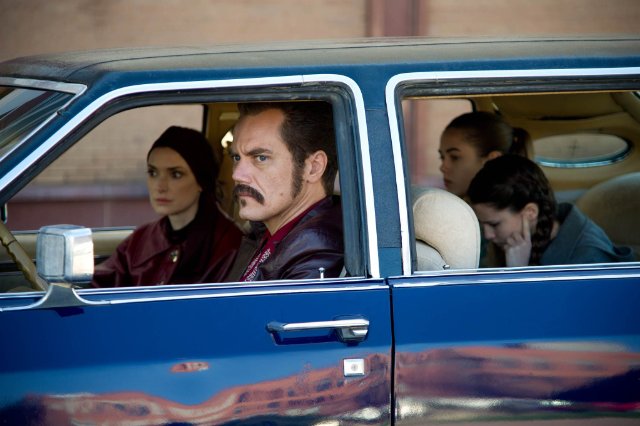
The Iceman is based on the true story of Richard Kuklinski, a New Jersey hitman said to have killed at least 100 (and possibly more than 250) people over thirty years until 1985. Besides his prolific trail of carnage, the most interesting aspect of The Iceman is its take on Kuklinski’s personality and its portrayal by Michael Shannon.
Shannon’s Kuklinski deeply loves his wife and daughters – and is psychotically indifferent to the fate of any other human (even his own). To him, killing another person is as unencumbered by morality or emotion as delivering a pizza or fixing a muffler. His “Iceman” nickname derives from his practice of freezing his victims and dumping their bodies months later – so investigators could not fix the time of death. But “Iceman” just as aptly applies to Kuklinski’s fearlessness and utter lack of empathy.
Ever since Shotgun Stories, Michael Shannon has been one of my favorite actors. He’s perfect for Kuklinski, because Shannon can combine impassivity and intensity like no one else. He can also use his hulking frame to enhance his menace (or, in Mud, his goofiness).
His fellow actors – including Winona Ryder, Ray Liotta and David Schwimmer – do a fine job. I particularly enjoyed Chris Evans as fellow hitman Mr. Freezy, who works out of his ice cream truck. Because I don’t watch superhero movies, I was unaware that Evans has recently starred as Captain America in The Avengers and as Johnny Storm in the Fantastic Four movies.
The Iceman is a solid true-life crime movie with an outstanding performance by Michael Shannon.