Photo caption:BILLY GRAHAM. Photo courtesy of PBS American Experience.
The fine PBS documentary series American Experience brings us Billy Graham, an especially insightful look at back at the famed evangelist.
i hadn’t though much about Billy Graham lately. When I was growing up, Billy Graham was already a national institution and the most famous American religious leader – and the world’s most visible Protestant clergyman. Then, what happened?
Billy Graham traces Graham’s meteoric rise from Boy Wonder preacher to national stardom, taking evangelism from tent revivals in the rural Bible Belt to big city stadiums and television.
That story of Graham’s talent and ambition is interesting in itself, but Billy Graham examines both the strengths of his character and his vulnerability. Graham was rigorously disciplined in refusing to enrich himself and in his strict devotion to his marriage. Almost uniquely for TV preacher, Graham was never tainted by a financial or a sexual scandal and seemed impervious to hypocrisy.
But Billy Graham explores Graham’s yearning to become pastor to Presidents – both to promote his evangelism and as a manifestation of his own vanity. That paid off for Graham with his close relationship with Ike (and Ike and Billy’s impact on the nation’s public religiosity).
But then came Richard Nixon, who Graham was naive enough to think a soul mate. Being publicly anchored to Nixon made Graham’s position as an arbiter of national morality, well, untenable.
Graham’s career – through his consorting with politicians and his pioneering use of mass media – set the stage for the Moral Majority-type politicization of culturally conservative evangelicals. Notably, he intentionally took another path.
In his final act (which I had lost track of), Graham became an international peace campaigner. He mellowed into a more tolerant, less hell-fire theology and we glimpse him on a NYC stage at age 87. I was surprised to learn that Graham died in 2018 at age 99.
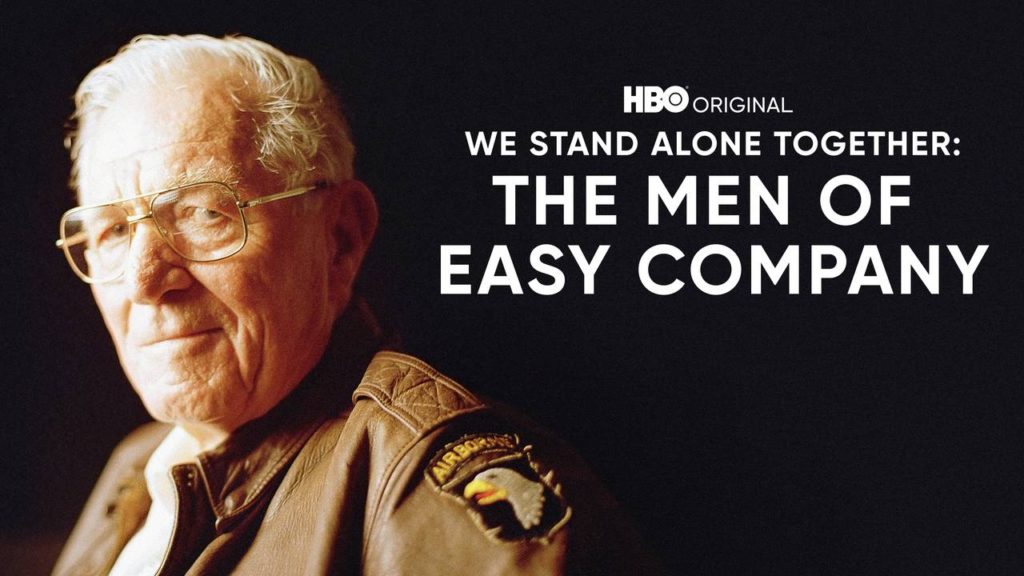
There’s no better movie choice for Memorial Day than the documentary We Stand Alone Together: The Men of Easy Company. A companion to the fine 2001 miniseries Band of Brothers, this oral history gives voice to soldiers as they revisit what they endured.
The Easy Company of the title was part of the 101st Airborne, a storied WW II unit of regular guys who became elite paratroopers. We meet a bunch of those guys as they recount their journey of 55 years before – their basic training, their first combat – on D-Day. Easy Company went on to play a part in WW II’s most pivotal moments: the Normandy invasion, the liberation of the Netherlands, beating back Germany’s last offensive at the brutal Battle of the Bulge and conquering Hitler’s own private getaway, the Eagle’s Nest.
These are men of The Greatest Generation, a term coined four decades later by Tom Brokaw. For those most part, they didn’t share their war experiences with their families and friends. We are hearing many of them tell their stories for the first time.
I’m a Baby Boomer, and my Dad and all of my friends’ dads were WW II vets – basically every dad-aged adult male. We knew them as grocery clerks, science teachers, factory workers, insurance agents and mechanics like my Dad. All of us kids, growing up on a steady diet of WW II movies and TV, asked them, but they would never talk about the war. I now realize that I knew men who had served as infantry in Europe and Marines in the Pacific.
One family member did tell me about getting shot down over New Guinea and spending time with an indigenous tribe before his rescue. What he didn’t relate was in a journal that I found long after his death – that the repeated terror of over twenty bombing missions finally became more than he could bear.
Above all, We Stand Alone Together: The Men of Easy Company is the story of men who experienced one trauma after another. The unit suffered over 50% casualties on D-Day. Their eleven months of combat missions must have seemed endless. They deserve, finally, to be heard.
We Stand Alone Together: The Men of Easy Company can be streamed from HBO Max.
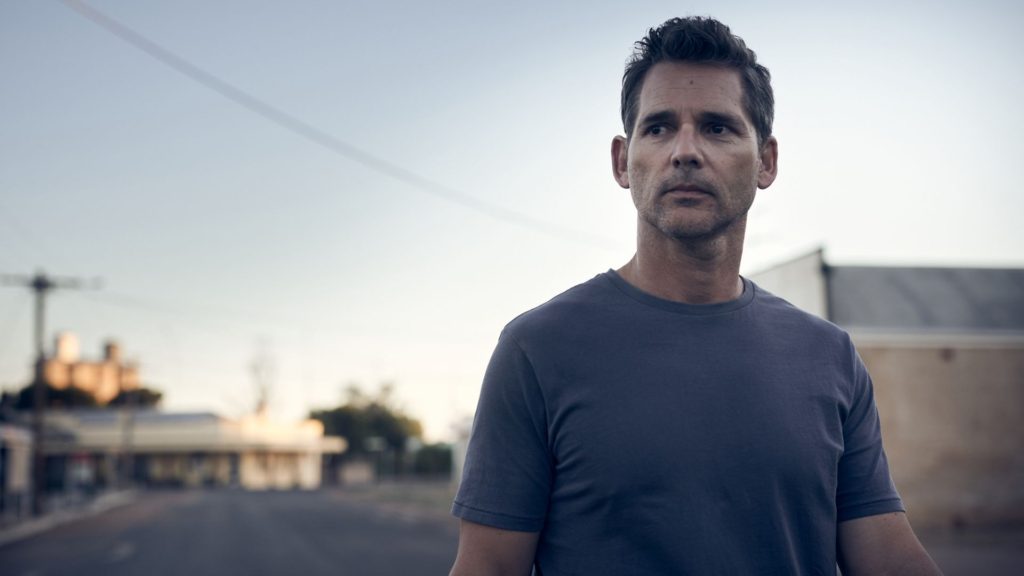
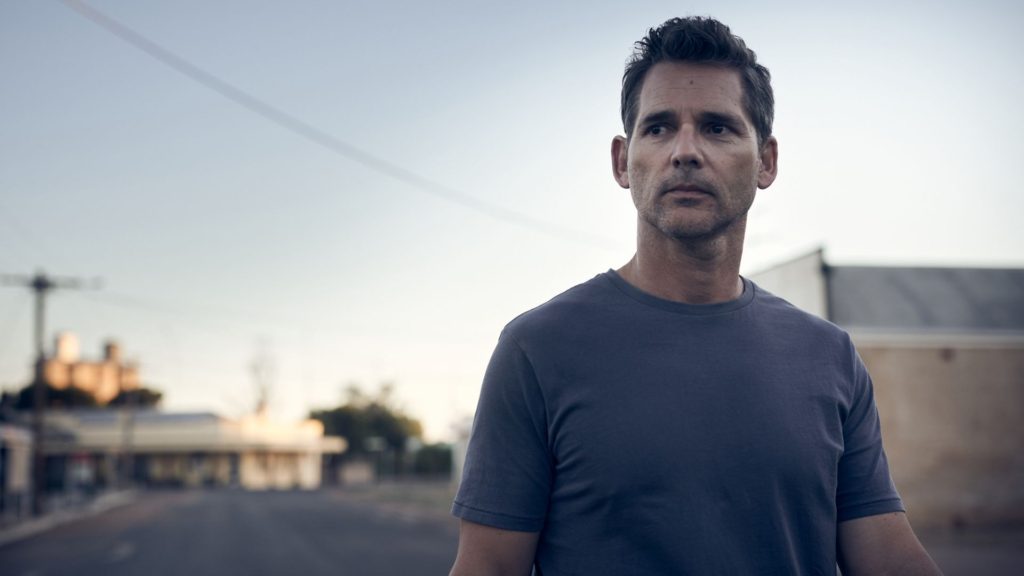
Photo caption: Eric Bana in Robert Connolly;s film THE DRY, which played at SFFILM. Photo courtesy of SFFILM.
Beginning this week, I will no longer title this weekly post as “Movies to See Right Now (at home)“, because I believe that we can return to seeing movies safely in theaters in the Bay Area. I’ll continue to recommend plenty of movies to watch at home. But I, with my family and approaching 80% of my community fully vaccinated, have chosen to go back to the theaters.
The last movie that I saw in a theater was The Burnt Orange Heresy on March 5, 2020 in the California Theatre at the 2020 Cinequest. In the 14 1/2 months since the initial COVID Shelter in Place order, I have still managed to watch 307 movies and episodic series. The first movie that I had intended to see in a theater was The Dry, but I streamed it, so my next theater visit is TBD.
The Dry: Eric Bana soars in this atmospheric, slow-burn tale of murder and long-festering secrets from the Australian outback. Also streaming on AppleTV, YouTube and Google Play
ON VIDEO
Brewmance: This appealing documentary traces the evolution of the home brewing movement into the American craft beer explosion, along with two engaging underdog stories. AppleTV, Vudu, YouTube and Google Play and coming to Amazon (included with Prime) on June 1.
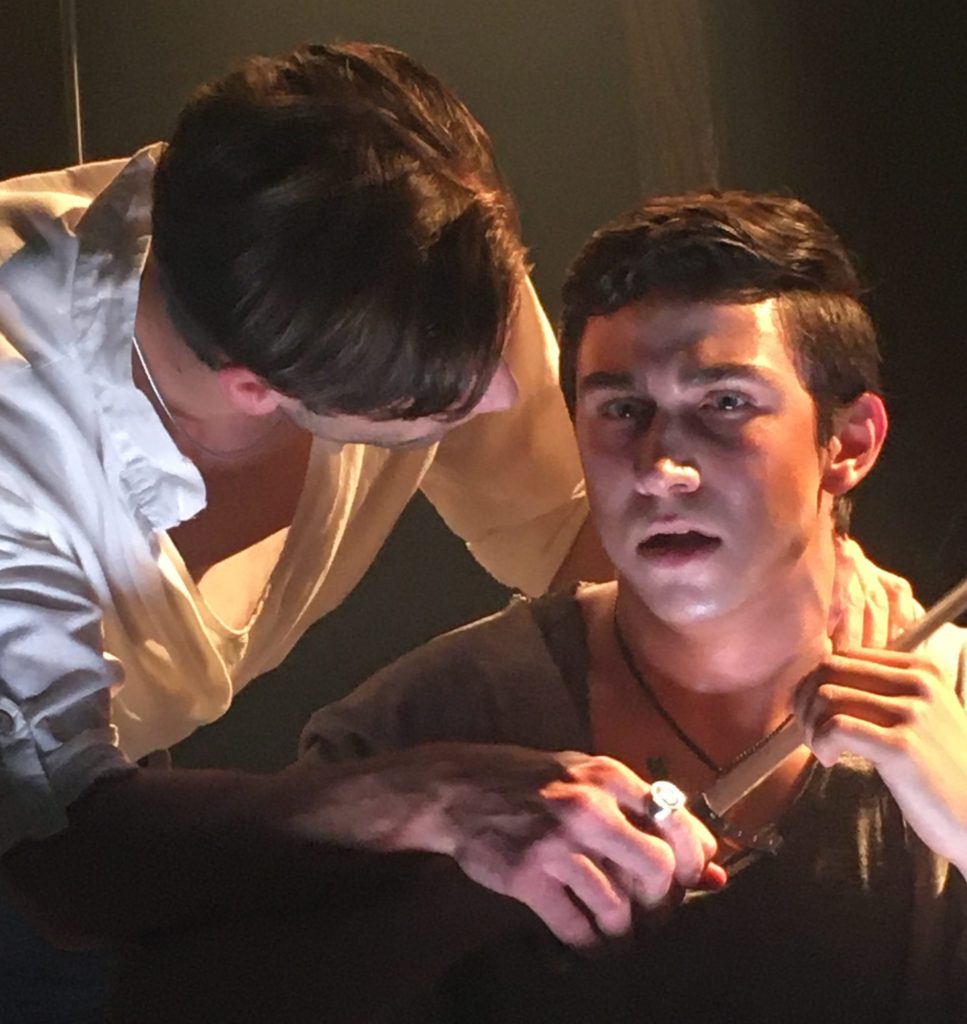
Hamlet/Horatio: A fresh-eyed take on Hamlet that focuses more on the external tragedy than the internal angst. Streaming on June 1.
The most eclectic watch-at-home recommendations you’ll find ANYWHERE:
Louder Than Bombs: An intricately constructed family drama. Amazon (included with Prime), Vudu and YouTube.
That Guy Dick Miller: Putting the “character” in “character actor:” Amazon (included with Prime).
Sword of Trust: comedy and so, so much more. Amazon, AppleTV, Vudu, YouTube and Google Play.
Run Lola Run: you’ll never see a more kinetic movie. Amazon, AppleTV, Vudu, YouTube and Google Play.
The Times of Harvey Milk: my favorite political documentary. Amazon, AppleTV, Vudu, YouTube, Google Play, HBO Max and Criterion Channel..
Augustine: obsession, passion and the birth of a science. Amazon (included with Prime), AppleTV, Vudu, YouTube and Google Play.
The Brainwashing of My Dad: some insight into our national madness. Amazon, AppleTV, Vudu, YouTube and Google Play.
ON TV
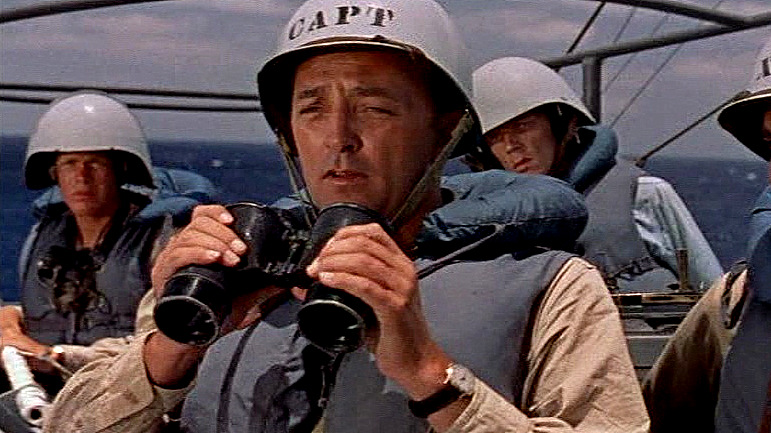
Robert Mitchum in THE ENEMY BELOW
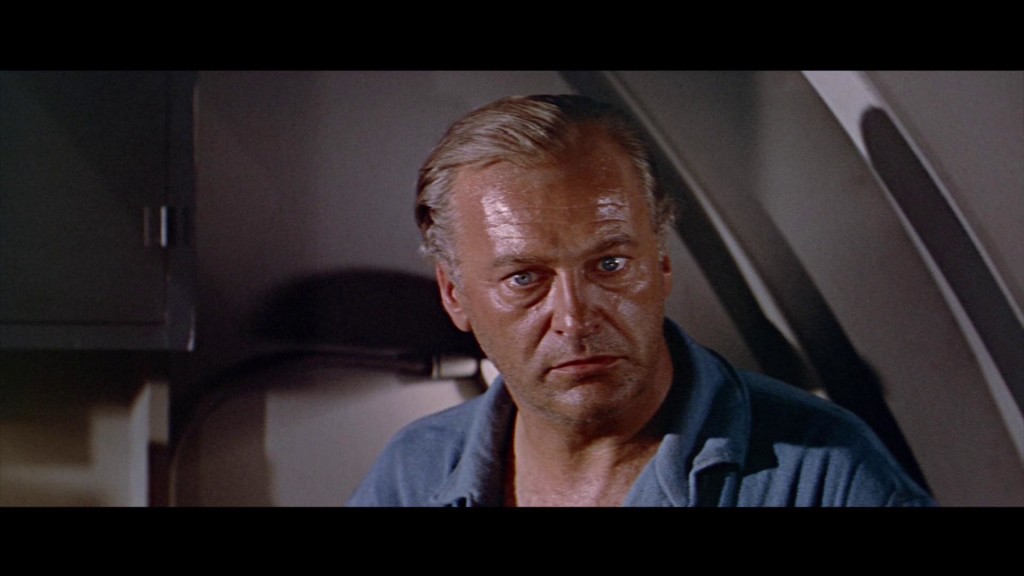
As usual, Turner Classic Movies will be airing a ton of fine war movies over the Memorial Day weekend (including The Best Years of Our Lives, Merrill’s Marauders, Kelly’s Heroes, The Dirty Dozen, The Steel Helmet and Battleground). I am particularly recommending The Enemy Below (1957), a cleverly plotted and well-acted WW II submarine story, ably directed by Dick Powell. Robert Mitchum is the new captain of a sub-chaser, and Curd Jürgens commands a German sub. The Jürgens character has no sympathy for the Nazi regime, which makes him relatable for the audience; in real life, the Bavarian-born Jürgens was imprisoned by the Nazis for his political views and became an Austrian citizen after being liberated. The Enemy Below is a brilliant game of lethal cat-and-mouse between the two skippers.
The Germans are trapped by their mission, which requires them to keep on a certain bearing. The US commander recognizes this and is able to keep catching up to them on this route. Mitchum explains his tactics to his crew, gets the crews trust and helps us follow the chess game. As nerves crack on the sub below, Jürgens takes unusual tactics to maintain morale. Mutual respect is manifested at end, with stirring loyalty demonstrated by the men to their captains.
There’s a lot here that you don’t see in other submarine warfare movies, including a rare ramming collision and aerial views of the depth charge pattern. There’s also a great special effect shot showing sailors on the destroyer’s deck dropping their fishing line down to the U-boat resting on the sea bottom directly below. The author of the source novel was himself a veteran of anti-sub warfare. The Enemy Below airs on TCM on Monday night, May 21.
Themo Melikidze as Horatio and Andrew Burdette as Hamlet in HAMLET/HORATIO
In Hamlet/Horatio, director Paul Warner and writer David Vando put a new twist on Shakepeare’s Hamlet. Warner and Vando gives us a Hamlet from the point of view of Hamlet’s bestie Horatio (Themo Melikidze), as he fulfills his promise to retell the tragic fate of his friend. That means that it’s not from Hamlet’s the internal point of view of Hamlet himself (Andrew Burdette), as he simmers in inner turmoil.
The result is almost soliloquy-free, and many famous lines are not spoken. This is decidedly NOT a Cliff Notes version; Warner and Vando have intentionally left out some stuff that WILL be on the test.
Hamlet is generally thought of as a character-driven story about Hamlet’s angst and indecision. We all know that Hamlet has good reason to be depressed and angry at his father’s death and the usurpation by his uncle. By focusing on Horatio’s retelling of his friend’s story, the spotlight is on the external plot – how Hamlet was wronged by treachery, seeks redress, and how, tragically, almost everyone winds up dead.
Hamlet is not my favorite Shakespeare play because I’m generally ambivalent to Hamlet wringing his hands for two or three hours. Still, I missed that aspect in Hamlet/Horatio. Hamlet/Horatiodoes succeed with the Closet scene and the Gravedigger scene; both are exceptionally good. Does Hamlet need a refreshing? Why, sure. Kenneth Branagh’s fine 1996 unabridged movie version had a running time of four hours, two minutes, and IMO that’s just too long for a movie. And, as Warner points out, it’s not the most accessible play for a modern audience. In contrast to Branagh’s and other movie versions, Hamlet/Horatio is a remarkably crisp 101 minutes.
Joe Menino plays Polonius as ridiculously devoid of self-awareness, but without the usual broad comedy. Menino’s performance is very effective and still funny. Just because Polonius never recognizes that he is a pompous blowhard, you don’t need to play him as Foghorn Leghorn. The actors Anna Maria Cianciulli, as Gertrude, and Wayne Stephens, as Laertes, are very good.
Yesterday, I published my own list of Best Shakespeare Movies. Hamlet/Horatio will be available to stream on June 1.
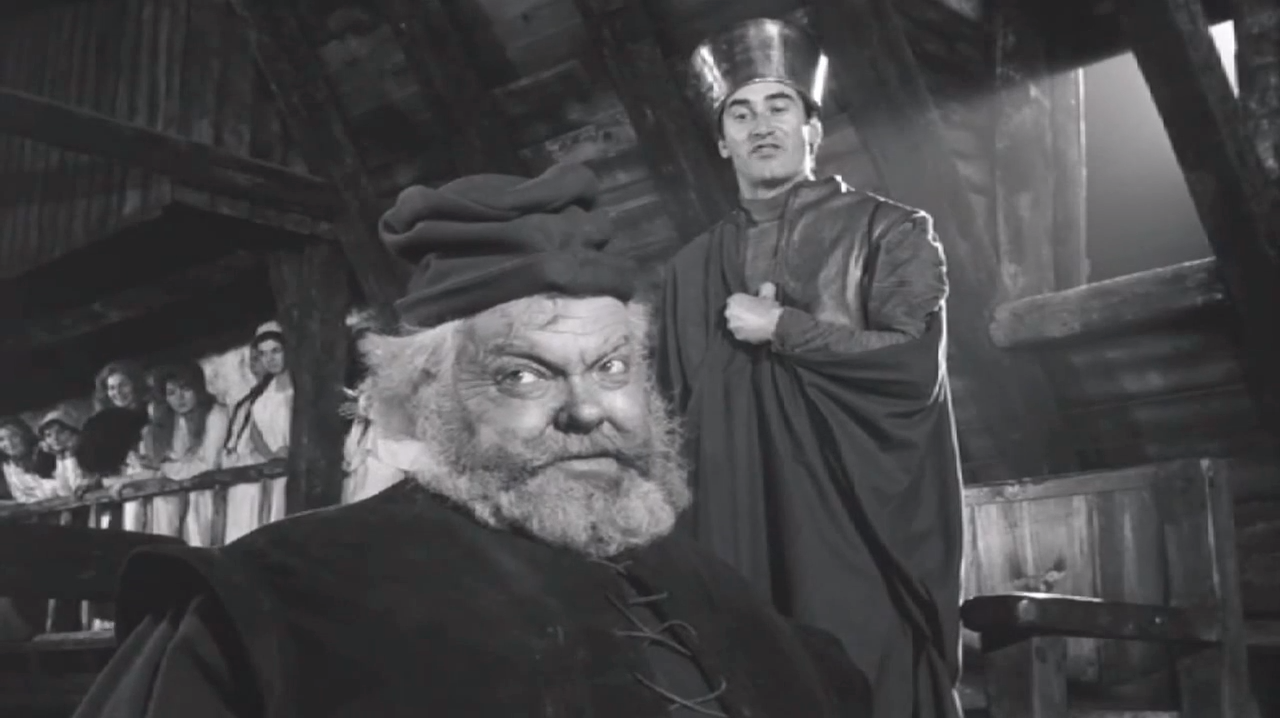
The first four are the gold standard of Shakespeare movies: Franco Zeffirelli’s 1968 Romeo and Juliet, Akira Kurosawa’s 1985 Ran, Kenneth Branagh’s 1989 Henry V and Orson Welles’ 1965 Chimes at Midnight.
THE VERY BEST
Leonard Whiting and Olivia Hussey in ROMEO AND JULIET. Photo by Moviestore/REX/Shutterstock.
Romeo and Juliet (1968): The director Franco Zeffirelli made the highly original choice to cast actual teenage actors in what is supposed to be a story of teen passion, with its hormone-driven urgency. He also chose to depict sex in a romance. The film benefits from a magnificent score by Nino Rota. It’s also an exceptionally beautiful film, which won Oscars for cinematography and costume design. The luminous Olivia Hussey plays Juliet. Amazon (included with Prime), AppleTV, Vudu, YouTube and Google Play.
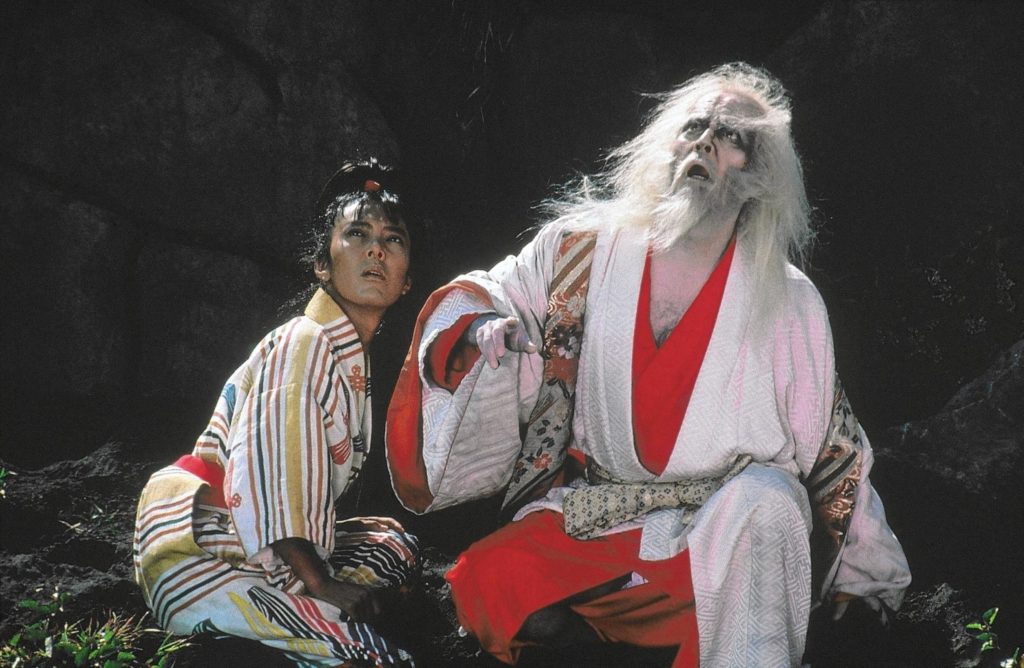
Tatsuya Nakadai (right) in RAN
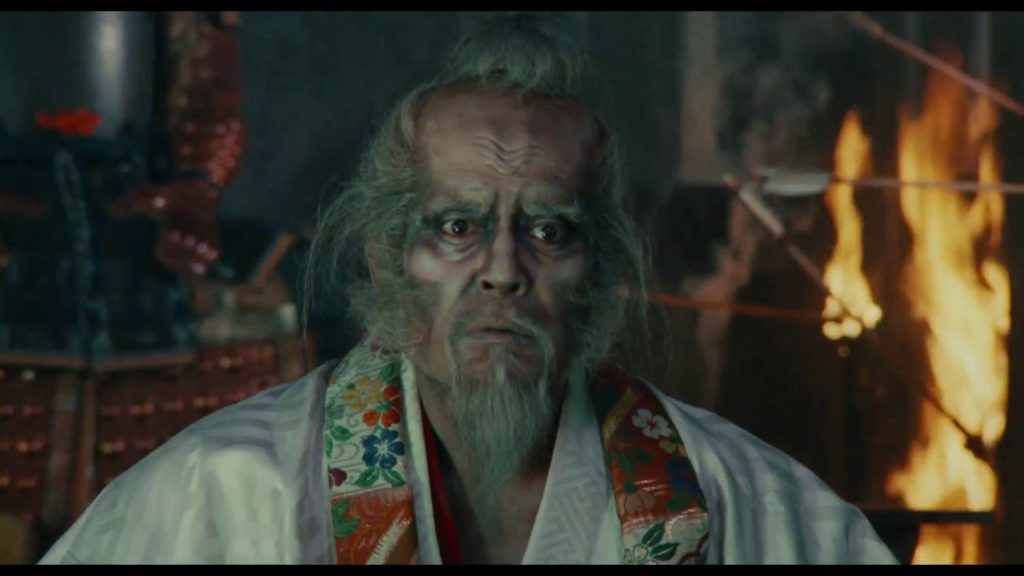
Ran (1985): The great director Akira Kurosawa set King Lear in feudal Japan. Kurosawa perfectly captures the vanity of the old king and his shock of his betrayal. This is one of the most visually spectacular films of all time, and certainly the most cinematic of Shakespeare films. Amazon (included with Prime), AppleTV, Vudu, YouTube and Google Play.
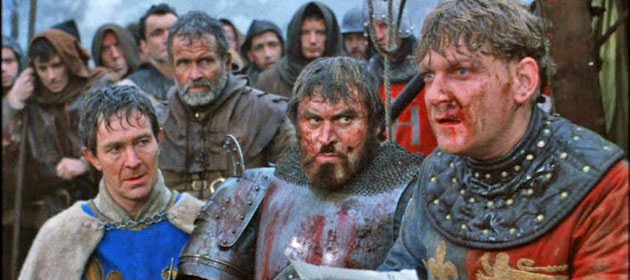
Christopher Ravenscroft, Brian Blessed and Kenneth Branagh in HENRY V
Henry V (1989): The actor and director Kenneth Branagh is the best modern interpreter of Shakespeare (and shows up on this list three times). Branagh gives us a Henry that is not just a Dead White Guy, but a young and impulsive king, fueled more by personal ambition and testosterone than national interest. Branagh’s St. Crispin’s Day speech is superb. As in all of Branagh’s adaptations, there is a solid cast, this one includes Brian Blessed, Derek Jacobi, Paul Schofield, Ian Holm, Judi Dench, Robbie Coltrane and, in a very early performance, Christian Bale. Vudu, Redbox and few others.
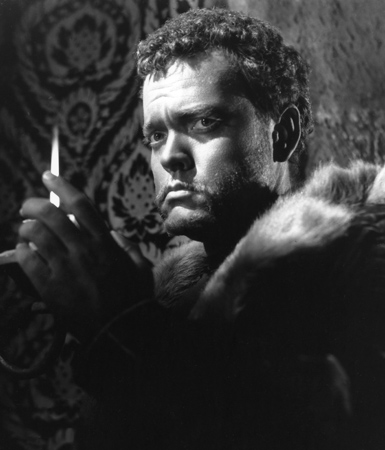
Orson Welles and Keith Baxter in CHIMES AT MIDNIGHT
Chimes at Midnight: Orson Welles’ Shakespearean masterpiece. Welles’ genius was in braiding together parts of Henry IV Parts 1 and 2, some Richard III, Henry V and The Merry Wives of Windsor into a cohesive story of what he called “betrayal of friendship”. There’s a thrilling medieval battle scene, and when the friendship is betrayed, it’s devastating.
Chimes at Midnight was extremely hard to find until very recently, except for a bootleg on YouTube and a 2015 DVD released in the UK. It’s still not available to rent on DVD. Fortunately, Chimes at Midnight has become available to stream on Amazon, iTunes, Vudu, YouTube, Google Play and FilmStruck. And, of course, it plays occasionally on Turner Classic Movies.
THE REST OF THE BEST
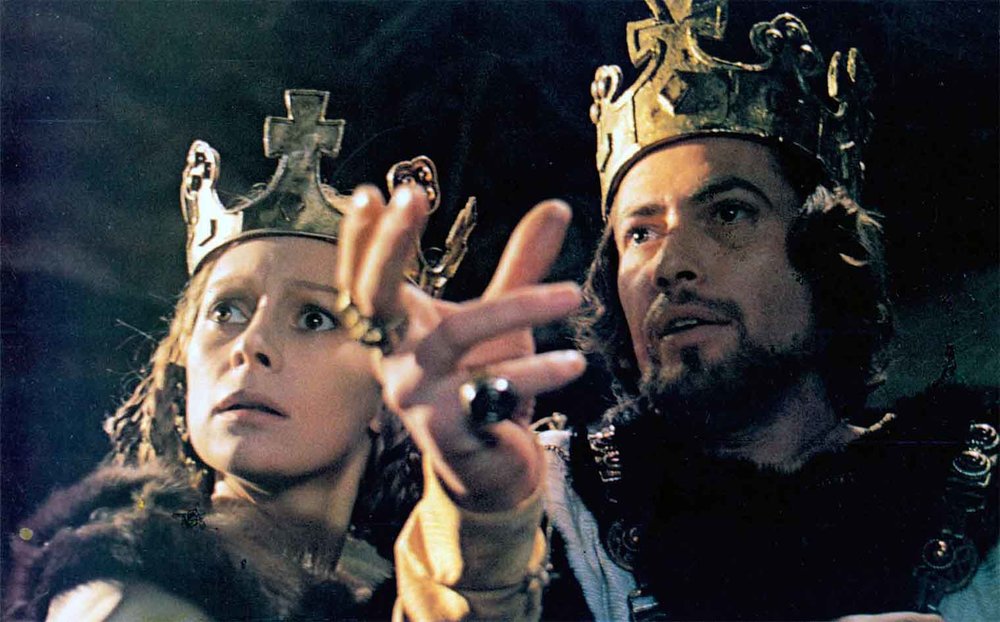
Francesca Annis and Jon Finch in MACBETH
Macbeth (1971): Roman Polanski set Shakespeare’s definitive study of vaulting ambition in an especially dank and gloomy medieval Scotland. Unsurprisingly for a Polanski film, the witches and Macbeth’s visions are nightmarishly trippy. And Polanski makes Birnam Wood march on film as Shakespeare could not have dreamt of doing on stage. Amazon, AppleTV, Vudu, YouTube and Google Play.
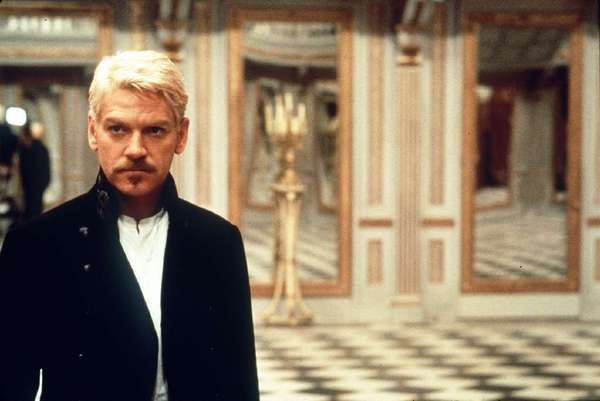
Kenneth Branagh in HAMLET
Hamlet (1996): Kenneth Branagh reshuffled the deck by setting his unabridged (242 minutes) Hamlet, not in a gloomy medieval castle, but in an opulent 19th century palace – and shot in the real Blenheim Palace. It’s another impressive British cast featuring Branagh along with Derek Jacobi, Julie Christie, Nicholas Farrell, Brian Blessed and Kate Winslet; John Gielgud, Richard Attenborough and Judi Dench all show up, along with the decidedly non-British Billy Crystal, Robin Williams, Charlton Heston, Jack Lemmon and Gerard Depardieu. Amazon, AppleTV, Vudu, YouTube and Google Play.
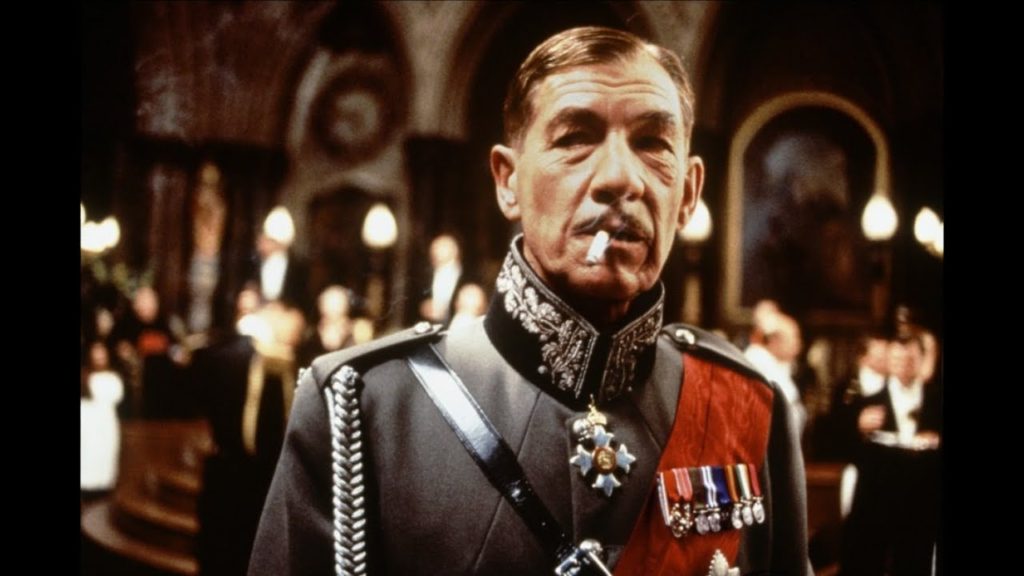
Ian McKellen in RICHARD III
Richard III (1995): This version stars Ian McKellen as Shakespeare’s most deliciously unashamed bad guy. The most interesting artistic choice here is that it is set in a fictional 1930s fascist Britain. Vudu.
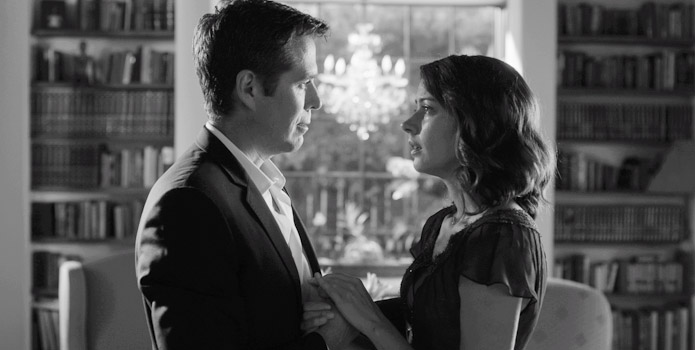
Alexis Denisof and Amy Acker in MUCH ADO ABOUT NOTHING
Much Ado About Nothing(2013): Director Joss Whedon (The Avengers, Buffy the Vampire Slayer) takes a break from pop with Shakespeare’s Much Ado About Nothing. It’s set in current times (with iPods and cupcakes) and filmed in black and white at Whedon’s Santa Monica home. It worked for me. Whedon’s version brings out the screwball comedy sensibility of the tale. Indeed, there’s really nothing uniquely 16th century about the plot: one couple is perfectly matched but they think that they despise each other, another couple is head over heels in love and a mean, unhappy villain wants to break up the romance. It’s all good fun, and there’s no need to review the play before enjoying it. Amazon, AppleTV, Vudu, YouTube and Google Play.
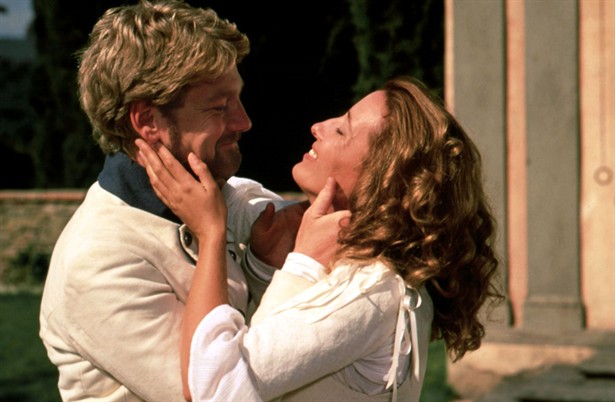
Kenneth Branagh and Emma Thompson in MUCH ADO ABOUT NOTHING
Much Ado About Nothing (1993): Comparatively few of Shakespeare’s comedies have become good movies, but Kenneth Branagh made the best of the good ones. Set in sunny Tuscany, this is a visually and thematically bright film. The best part, of course, is the war of wits between Branagh and then-wife Emma Thompson. They are surrounded by a typically excellent Branagh cast – Denzel Washington, Imelda Staunton, Brian Blessed and Kate Beckinsale. Unfortunately, Keanu Reeves has also wandered into to this movie and glowers a lot for no apparent reason. Amazon (included with Prime), AppleTV, Vudu, YouTube and Google Play.
Ralph Fiennes in CORIOLANUS
Coriolanus (2012): The actor/director Ralph Fiennes has done well to set Shakespeare’s tale of ancient Rome into the present. This story of war and politics comes alive in today’s world of cable television news, with its crawling captions and pundits, protest demonstrations and soldiers in Humvees. By stripping away the swords and togas, Fiennes helps us recognize the ambition, personal stubbornness, political treachery and the fickleness of public opinion at the core of the story. Coriolanus benefits from splendid performances by Vanessa Redgrave and Brian Cox. Amazon, AppleTV, Vudu, YouTube and Google Play.
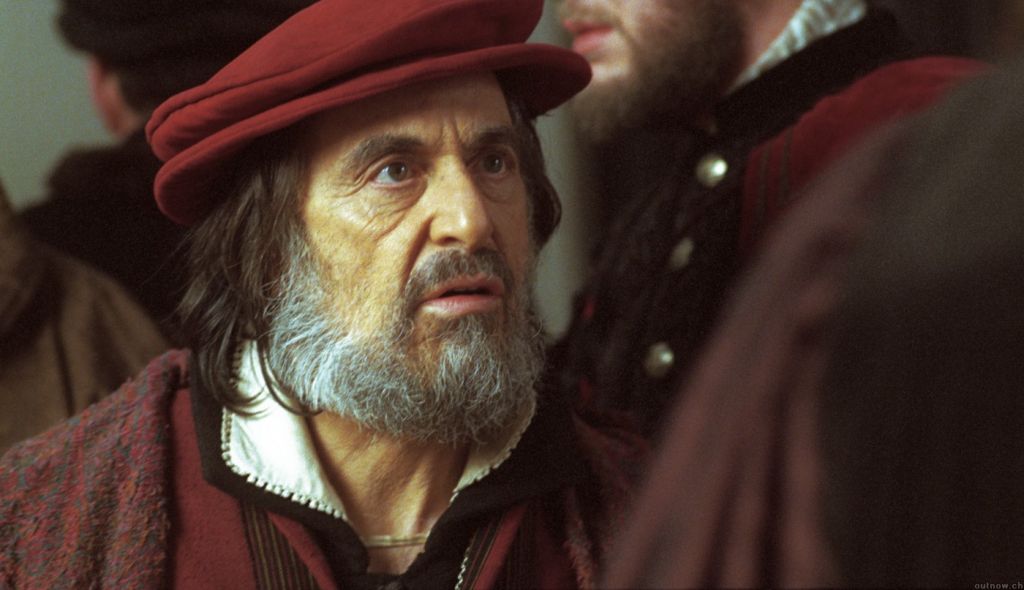
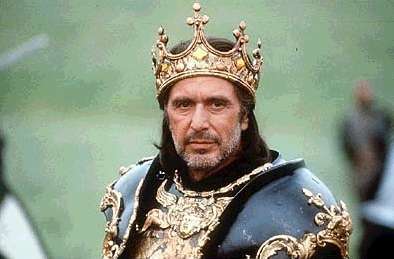
Al Pacino in MERCHANT OF VENICE
Merchant of Venice (2004): Amid the robes of medieval Venice, the actor Al Pacino puts a modern take on Shylock in this fine adaptation. This film addresses antisemitism with an added opening that explicitly describes persecution of Jews in medieval Venice = and Pacino eschews the traditional and offensive fake nose. Amazon, Vudu, YouTube and Google Play.
Al Pacino in LOOKING FOR RICHARD
Looking for Richard (1996): This is an excellent documentary of the actor Al Pacino’s process in developing his lead portrayal in a stage production of Richard III. It’s not just about the hump. Amazon, AppleTV, Vudu, YouTube and Google Play.
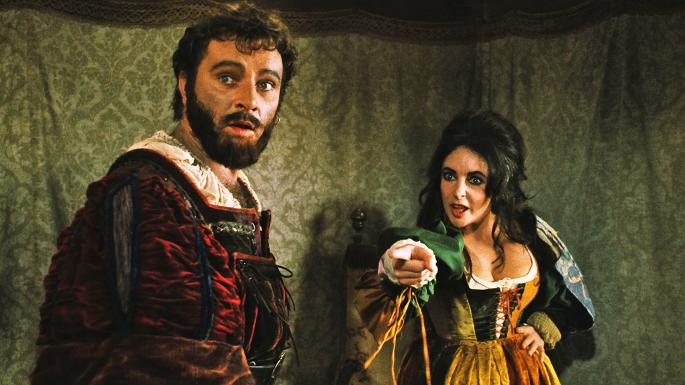
Richard Burton and Elizabeth Taylor in THE TAMING OF THE SHREW
The Taming of the Shrew (1967): Franco Zeffirelli makes the list again with this vibrant and boisterous film. Who to star in this battle of the sexes? Richard Burton and Elizabeth Taylor, by all accounts, shared a disorderly relationship marked with passion, humor and tumultuous upheavals. All of that comes through in their portrayals of two type A personalities crashing into romance. Amazon, AppleTV, Vudu, YouTube and Google Play.
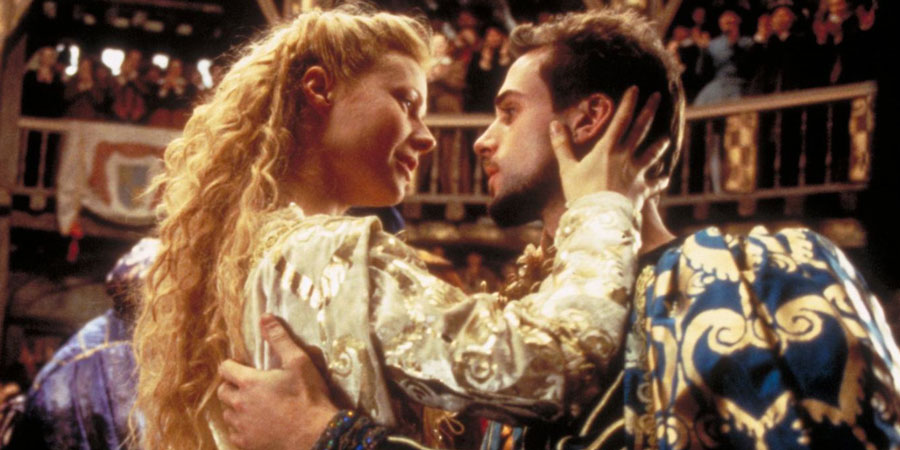
Gwyneth Paltow and Joseph Fiennes in SHAKESPEARE IN LOVE
Shakespeare in Love (1998): Well, this did win the Best Picture Oscar. It’s also very funny, and wonderfully takes us into the grimy world of Elizabethan show biz; as in Hollywood, the writer (Joseph Fiennes as Will himself) is low man on the totem pole. Geoffrey Rush is excellent as a producer, and Gwyneth Paltow, Tom Wilkinson and Judi Dench all sparkle. Amazon, AppleTV, Vudu, YouTube and Google Play.
And NOT on this list…
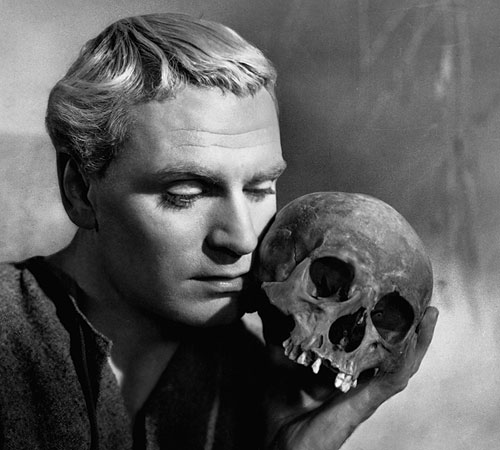
Okay, why is there no Laurence Olivier (Henry V, Hamlet, Richard III, Othello)? And why aren’t Orson Welles’ Othello and Macbeth on this list? Indeed, Olivier was greatest Shakespearean stage actor of his age and made several movies that capture those performances. I guess that it’s a just matter of taste. To my contemporary eye, Olivier’s grab-the-skull-and-gesture-dramatically-and-start-declaiming style of acting just doesn’t work for me.
Laurence Olivier as HAMLET
And Welles? Welles aspired to make groundbreaking cinematic Shakespeare. Unfortunately, Welles’ artistic self-indulgence had frozen him out of Hollywood financing. Therefore, his low-budget indies Othello and Macbeth are too low-budget, and the low production values are distracting. But his Chimes at Midnight makes up for it – another Welles masterpiece.
Photo caption: Eric Bana in Robert Connolly’s film THE DRY, which playes at SFFILM. Photo courtesy of SFFILM.
Eric Bana soars in The Dry, an atmospheric, slow-burn tale of murder and long-festering secrets from the Australian outback. The Dry is as psychological as it is procedural.
Bana plays Aaron, a renowned big city police officer who returns to his remote, tiny hometown, for the funeral of his childhood best friend. The friend, with his wife and young son, have been shotgunned to death, and all signs point to a murder-suicide. The friends’ parents implore Aaron to see if there is another explanation.
That task is complicated by the act that Aaron is not welcomed by many in his hometown. His teen heartthrob was mysteriously drowned, and Aaron was a prime suspect, causing him to flee the town. Twenty years later, all he knows is that he didn’t do it and that he lied about his alibi.
As indicated by the title, writer-director Robert Connolly sets The Dry in Australian outback in the Climate Change. The vast, tinder-dry landscapes underscores the literal and psychological isolation of the locals.
Aaron, racked with feelings about the twenty-year-old mystery death, starts investigating the current day murders. He joins up with the inexperienced local cop, and they poke around the rural community over several, searingly hot days. It takes a while to get there, but I thought the payoff justified the slow pace; The Wife didn’t. Both of us were surprised when the The Real Killer was revealed.
Eric Bana’s performance as Aaron is superb. The whole movie is about Aaron trying to keep his investigative focus while being buffeted by feelings about his childhood friends and his hometown and the trauma that caused him to move away from them.
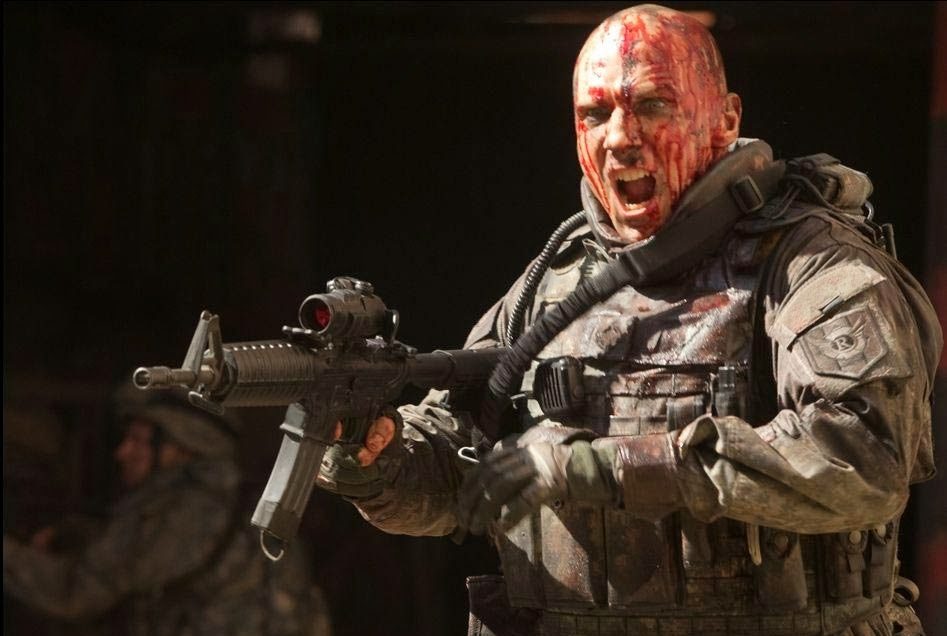
Because of his good looks and his physicality, Bana appears in a lot of big movies that don’t test his emotional range (Hulk, Troy, Black Hawk Down). But Bana is always good and even better in movies like Munich and Hanna, where we get to glimpse his thinking and feeling. For a really good and overlooked Eric Bana movie, I recommend the 2012 thriller Deadfall, available to stream on Amazon, AppleTV, Vudu, YouTube and Google Play.
The Dry played at SFFILM in April, but I missed it there. The Dry is now in Bay Area theaters and streaming on AppleTV, YouTube and Google Play.
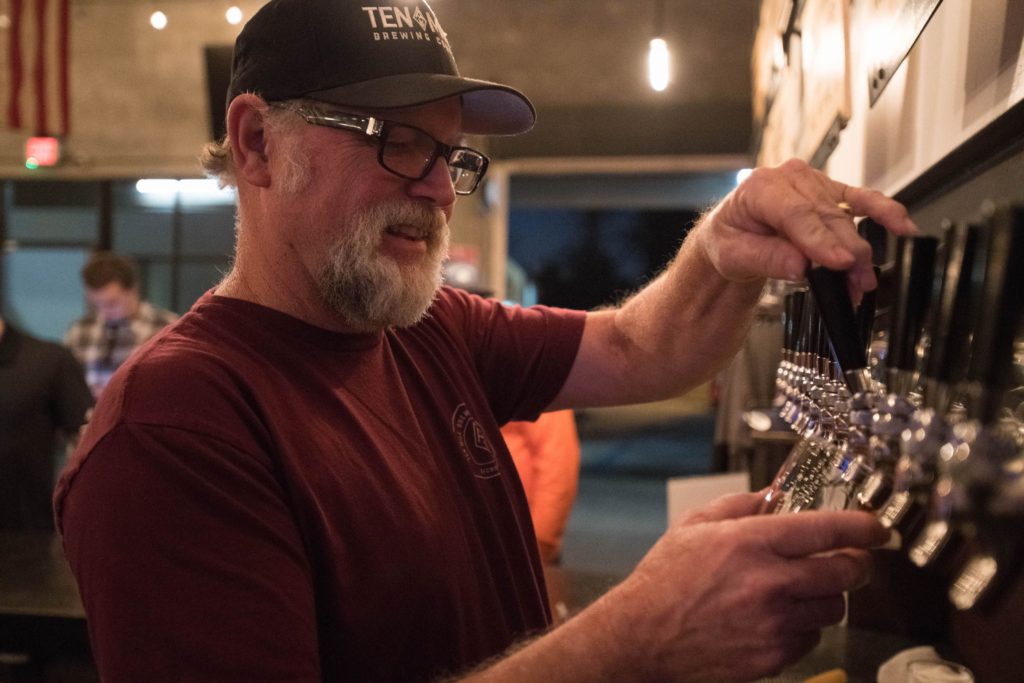
Photo caption: Dan Sundstrom (Ten Mile Brewing) in Christo Brock’s BREWMANCE. Photo Credit:BROCKLAMATION FILMS
The appealing documentary Brewmance traces the evolution of the American craft beer phenomenon – and it’s quite a story.
The United States may have been the richest and most powerful country in the world, but before bottled Anchor Steam came out in the early 1970s, you couldn’t find a good beer in America. The passions of individual home brewers morphed into the first tiny craft breweries. We meet the undisputed father of the movement, Fritz Maytag of Anchor Steam, along with the founders of once-microbrewers Sierra Nevada and Boston Beer Company (Samuel Adams).
It’s interesting that craft brewers initially had to teach people to drink good beer. A populace conditioned to bland lagers like Budweiser, Coors, Miller’s High Life, Pabst Blue Ribbon and Schlitz was slow to embrace beers with strong flavors and aromas (and more alcohol). But, eventually, just as the American market began to appreciate good bread, good cheese and good wine in the late 1970s and 1980s, an acceptance of good beer followed. Indeed, we’re not surprised to see that the craft brewers we meet in Brewmance are also foodies.
Because The Movie Gourmet’s own taste has settled in India Pale Ales, I particularly appreciated Brewmance’s chronicle of the explosion of IPAs once brewers were able to source more varieties of hops and to deploy them more imaginatively. (Here’s a tip from The Movie Gourmet – if you can find an IPA brewed with New Zealand’s Nelson Sauvin hops – buy it.) And, yes, I will think less of you if you order a Bud Light, a Coors Light, a PBR or a Corona.
Here’s why Brewmance is so watchable, given that a 5-10 minute explanation of how beer is made is kinda geeky and that the history of any movement is, well, history. Director Christo Brock seamlessly braids these topics together with the stories of two startup craft breweries.
Underdog stories are irresistible, and every craft brewery starts out as an underdog. Brewmance features two very different sets of home brewers as they launch their own commercial craft breweries in Southern California.
Brewmance is a Must See for beer lovers and foodies, and a 102 minute delight for anyone. Brewmance is streaming on AppleTV, Vudu, YouTube and Google Play and is coming to Amazon (included with Prime) on June 1.
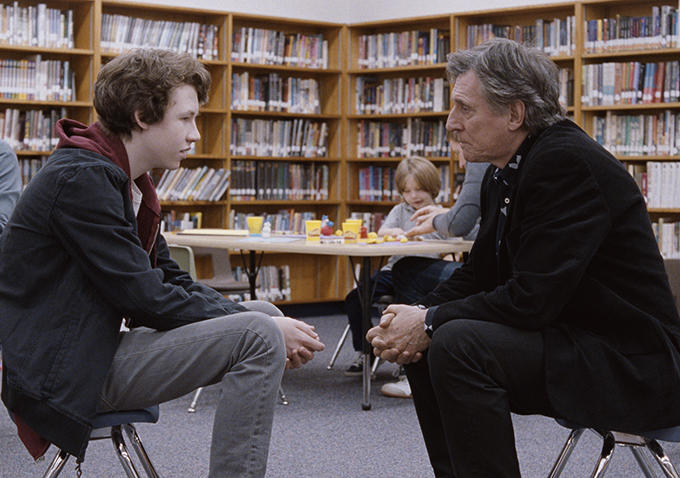
Photo caption: Devin Druid and Gabriel Byrne in LOUDER THAN BOMBS
This week: a psychological drama, a most unlikely showbiz biodoc and an Oscar-winning documentary.
REMEMBRANCE
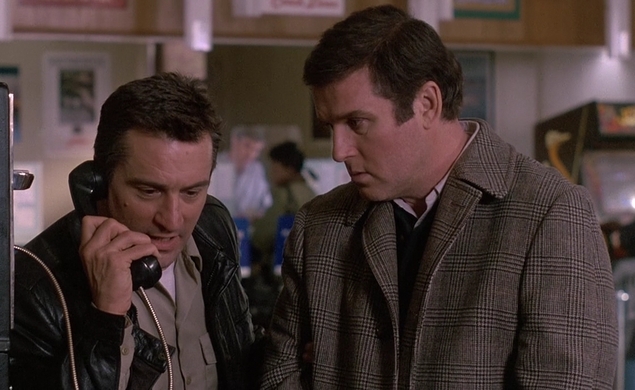
Robert De Niro and Charles Grodin in MIDNIGHT RUN
The perfect role for actor Charles Grodin was as an accountant in way over his head; a bounty hunter (Robert De Niro) is taking him across the country as they are being pursed by the FBI (Yaphet Kottto) and the Mafia (Dennis Farina). Grodin’s was an exquisite performance in a very funny movie.
Grodin was known for characters consumed by handwringing anxiety. The exception was his role in the Jill Clayburgh vehicle It’s My Turn, where his character was less anxious and more likable. (He was also well-known for his appearances on television talk shows, including his own.)
Grodin broke through in 1972’s The Heartbreak Kid, playing a guy on his honeymoon who falls for a beautiful woman (Cybill Shepherd) with whom he is not honeymooning. I’m not sure how The Heartbreak Kid would play in today’s sensibilities, but it was written by a woman (Elaine May). May’s daughter Jeannie Berlin even played the scorned bride, and Berlin delivered cinema’s funniest sunburn scene.
ON VIDEO
Louder Than Bombs: This overlooked and intricately constructed film is a family psychological drama. A thought-provoker. Amazon (included with Prime), Vudu and YouTube.
That Guy Dick Miller: This amiable documentary introduces to an actor whose name you may not place, but that you’ve seen in some of his 184 screen performances, mostly low budget indies. Amazon (included with Prime).
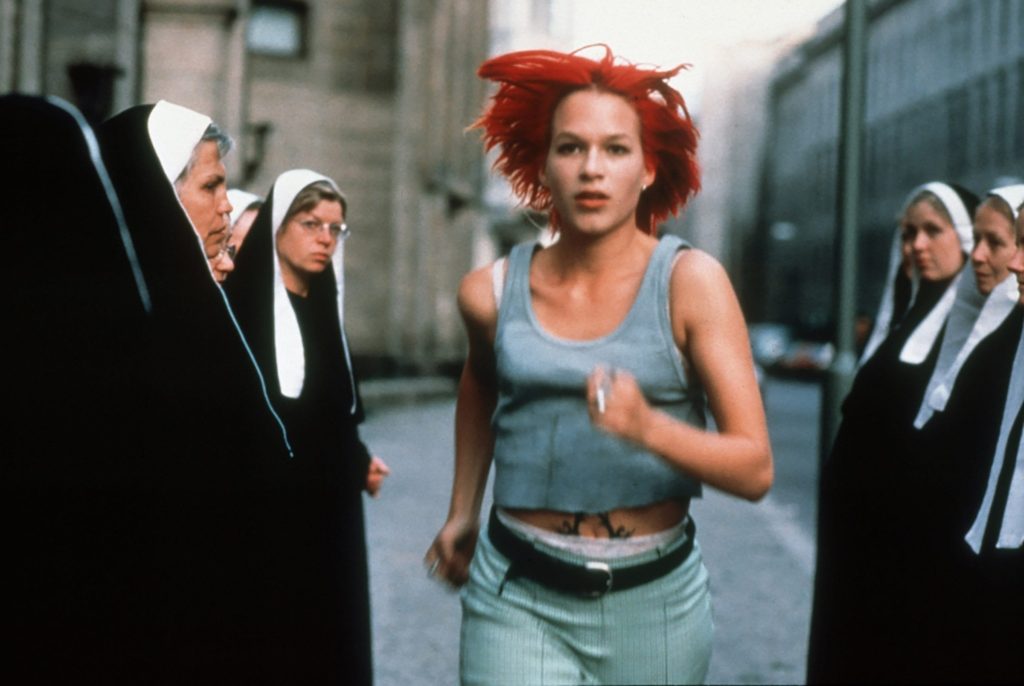
Franka Potente in RUN LOLA RUN
The most eclectic watch-at-home recommendations you’ll find ANYWHERE:
Sword of Trust: comedy and so, so much more. Amazon, AppleTV, Vudu, YouTube and Google Play.
Run Lola Run: you’ll never see a more kinetic movie. Amazon, AppleTV, Vudu, YouTube and Google Play.
The Times of Harvey Milk: my favorite political documentary. Amazon, AppleTV, Vudu, YouTube, Google Play, HBO Max and Criterion Channel..
Augustine: obsession, passion and the birth of a science. Amazon (included with Prime), AppleTV, Vudu, YouTube and Google Play.
The Brainwashing of My Dad: some insight into our national madness. Amazon, AppleTV, Vudu, YouTube and Google Play.
ON TV
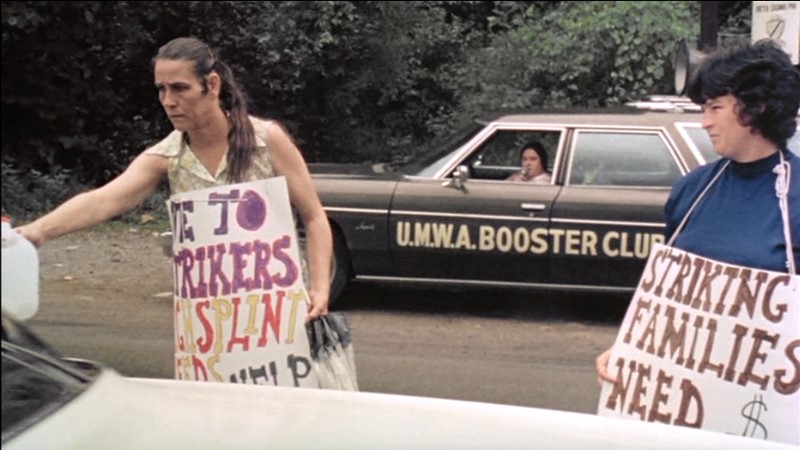
HARLAN COUNTY, USA
On May 24, Turner Classic Movies brings us the 1979 Oscar-winner Harlan County U.S.A. Filmmaker Barbara Kopple embedded herself among the striking coal miners and got amazing footage – including of herself threatened and shot at.
Coal miner’s wife Florence Reece had written the song Which Side Are You On? in 1931 and, as an old woman with ma husband dyin’ of black lung, sings it at a rally in the film. Pete Seegar had popularized the tune by then, and you still don’t want to be a lousy scab. It’s still an apt anthem for the exploitation ofGig Economy workers today.
You can also stream Harlan County U.S.A. on HBO Max and the Criterion Channel. And it’s one of my 5 Great Hillbilly Movies.
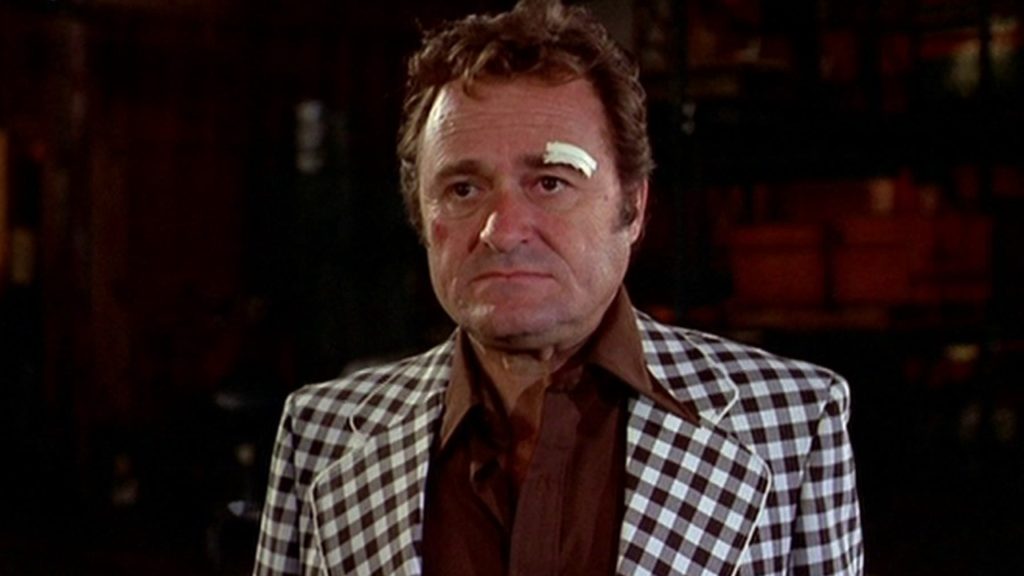
The entertaining documentary That Guy Dick Milleris about an actor whose name you may not place, but that you’ve seen. It’s a straight-ahead documentary about a delightfully offbeat guy.
Dick Miller amassed 184 screen credits as a protégé of legendary independent filmmaker and schlockmeister Roger Corman. Along the way, he rubbed shoulders with indie film icons Jack Nicholson, Paul Bartel and Mary Woronov, John Sayles, Martin Scorsese and Quentin Tarantino.
Miller’s career started in 1955 as an Indian in the Roger Corman-directed Western Apache Woman and then Corman’s The Little Shop of Horrors, The Terror, The Wild Angels and The Trip. Continuing as the king of the low budget movies, Miller went on to work for a second generation of Corman acolyte directors and then plunged full throttle into horror films. Miller was the unfortunate Murray Futterman in Gremlins and Uncle Willie in Tales from the Crypt: Demon Knight.
On the screen and off, Dick Miller was glib and Bronx-accented, the quintessential wiseacre. In That Guy Dick Miller, we get to meet Miller and his wife Lainey; it’s clear the the two of them were lots of fun to be around. Irresistibly a card, Miller is even bawdy when he recalls his appearance in Night Call Nurses, a 1972 sexploitation film (that I actually saw in a drive-in 1972).
On screen, Miller always swung for the fences, no matter how small the part. Lots of actors play the ticket-taker or the security guard, but it’s Dick Miller that you remember for those minuscule roles.
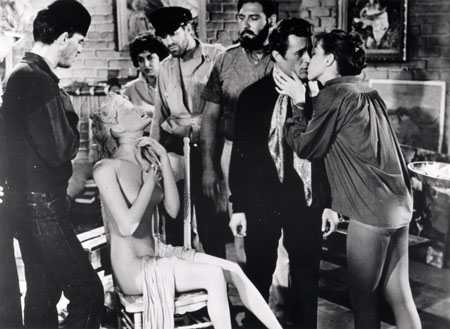
Dick Miller as Walter Paisley, getting smooched in A BUCKET OF BLOOD
Miller is most well known for the lead character, Walter Paisley, in the beatnik-flavored cult film A Bucket of Blood. Miller appeared over ten more times as different characters named with some version of Walter Paisley. In fact, his final role was as Rabbi Walter Paisley in Hannukah, which opened after his death in 2019.
That Guy Dick Miller was recommended to me bySandy Wolf, who had screened it as a Cinequest submission. However, That Guy Dick Miller premiered at SXSW instead of at Cinequest.
That Guy Dick Miller can be streamed from Amazon (included with Prime).
Here’s an overlooked and intricately constructed family drama – Louder Than Bombs from 2015. All of Norwegian writer-director Joachim Trier’s work (with his writing partner Eskil Vogt) focuses on the psychological, and Louder Than Bombs is plenty psychological.
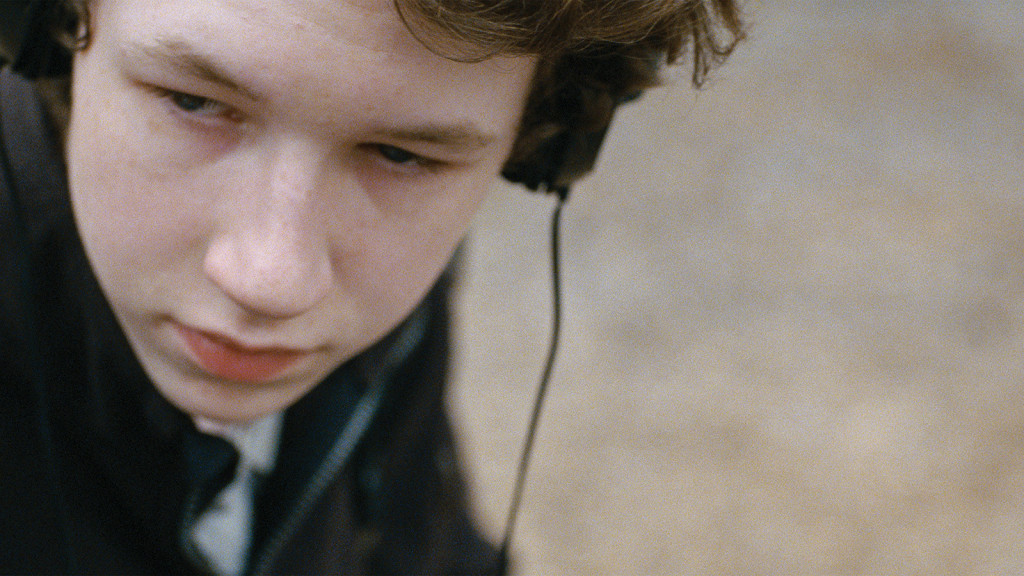
Gabriel Byrne plays the father of two sons – a man whose vital wife (Isabelle Huppert) has died suddenly in middle age. His young adult son (Jesse Eisenberg) is superficially achieving, but it turns out, has some real issues. But the younger teen son (Devin Druid) is clearly troubled; the dad is trying, but he just can’t get ANY traction with younger son.
The unstable younger son is about to find out that his mother committed suicide, and Louder Than Bombs is a ticking clock, as we wait to see what happens when younger son finds out. The audience has an ever-present fear that tragedy is going to erupt.
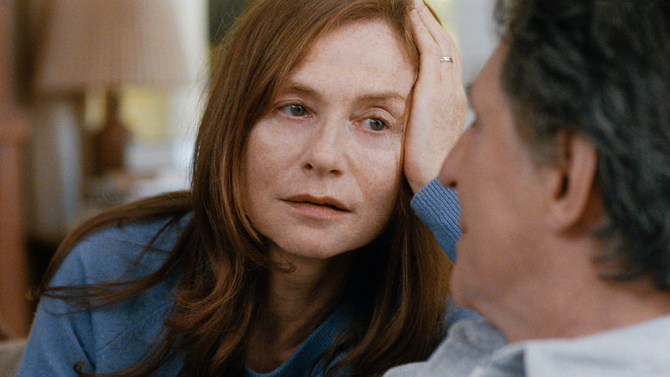
Isabelle Huppert and Gabriel Byrne in LOUDER THAN BOMBS
In flashback, Huppert’s character is strong and Sphinx-like, ever dominating the three men she left behind. The rest of the cast is also excellent: Byrne, Eisenberg, Amy Ryan, Rachel Brosnahan, and David Strathairn. Young Devin Druid is a revelation as the younger son.
Devin Druid and Gabriel Byrne in LOUDER THAN BOMBS
In Louder Than Bombs Trier employs flashbacks, dream sequences, and even the same scene replayed from a different point of view a la Rashomon.
Joachim Trier previously made Reprise, a wonderful film about sanity and the creative process in which two young novelists send in their manuscripts at the beginning of the film, just before one suffers a psychotic breakdown. Reprise was #4 on my list of Best Movies of 2008. Trier’s next film was the well-crafted and utterly authentic Oslo August 31, which I didn’t like as much as most critics. .
The critical response to Louder Than Bombs was mixed – from middling to rhapsodic. Right after seeing it, I wasn’t sure that I’d recommend it, but the film stayed with me for several days. Eventually, I realized that this is an excellent film to see and then to mull over.
Louder Than Bombs is available to stream from Amazon (included with Prime), Vudu and YouTube.