TIME LIMIT: second-guessing the impossible

Photo caption: Richard Basehart and Richard Widmark in TIME LIMIT.

In the absorbing Korean War Era drama Time Limit, Major Harry Cargill (Richard Basehart) is charged with the capital offense of treason for, as the senior American officer in a North Korean POW camp, collaborating with the enemy. Colonel William Edwards (Richard Widmark) has the responsibility for investigating the case and then recommending a court martial. Since Cargill himself steadfastly admits the charges, all the surviving POWs share the same testimony and recordings of Cargill’s propaganda broadcasts exist, there doesn’t seem to any doubt that Cargill is headed for a trial for his life.

But some details seem fishy to Edwards, and he keeps probing for exculpatory evidence, despite resistance from Cargill himself, seemingly bent on martyring himself. There’s plenty of dramatic tension in this situation anyway, but the son of Edwards’ base commander, General Connors (Carl Benton Reid) died in the POW camp, and the general is fixated on swift justice..

Time Limit is a thinker, posing the philosophical question, when there are no good choices, does one choose most humane option, or follow the oath one has taken and go by the book? It takes Edwards a long time to drill into the truth, which poses its own question of moral and legal accountability (which may not be the same thing).

Time Limit has the look and feel of a play, which it is. Henry Denker adapted the screenplay from the play he co-wrote with Ralph Berkey. Time Limit is directed by Oscar-winning actor Karl Malden. It is his only feature film as a director (apart from filling in for 30 days on the Gary Cooper western The Hanging Tree).
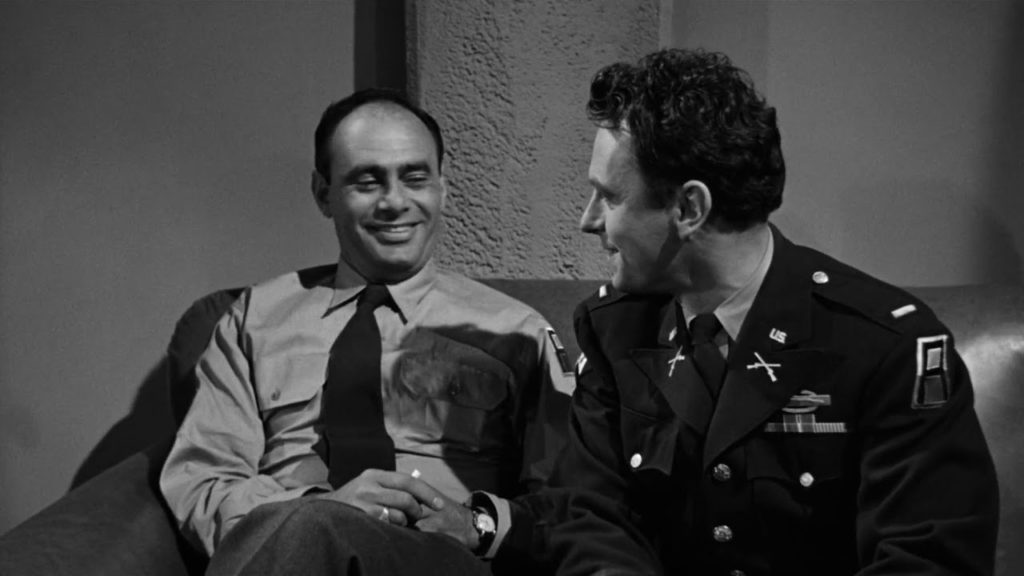
Martin Balsam and Rip Torn in TIME LIMIT

Widmark is very good as the brooding, high-principled and stubborn Edwards; so is Basehart as the traumatized Cargill. There are plenty of memorable performances in Time Limit:

  • Rip Torn is superb as a POW camp survivor, who initially masks his own trauma with a convincing confidence.
  • Martin Balsam as the seasoned non-com with a cynical, clear-eyed view of how things work in the military. He is also comfortable in the devious audacity that comes from being one of the sergeants who really run things in the Army, no matter what the officers think.
  • Dolores Michaels plays Corporal Jean Evans, Edwards’ perky office manager. It will not escape modern viewers that Cpl. Evans is always the smartest person in the room, although it’s clear that she will always stay as an admin because she is a woman. Her insights are explained by her being the daughter of a lawyer.
  • June Lockhart plays Cargill’s bewildered wife.
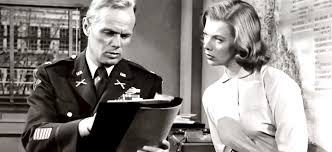
Richard Widmark and Dolores Michaels in TIME LIMIT.

Fresh off the experience of the Korean War, the topic of brainwashing was very topical in 1957. So was the situation of POWs, in an America where a huge majority of the adult males were WW II vets. Other movies of the period addressed this premise:

  • The Rack (1956):  A returning US army captain (Paul Newman) is court-martialed for collaborating with the enemy while a POW.  He was tortured, and The Rack explores what can be realistically expected of a prisoner under duress.  It’s a pretty good movie, and Wendell Corey and Walter Pidgeon co-star. The Rack occasionally plays on TCM and can be streamed on Amazon, AppleTV, YouTube and Fandango.
  • Act of Violence (1949): In the extremity of a Nazi prisoner of war camp, Frank (Van Heflin) was faced by a situation with no good choices; he knows (correctly) that few in 1949 America will be able to see his action in that context. I’ve tagged Act of Violence as “the single most underrated film noir“. Act of Violence regularly plays on Turner Class Movies and can be streamed on Watch TCM. 
  • Not to mention, of course, Stalag 17 (collaboration POW camps) and The Manchurian Candidate (North Korean brainwashing).

I watched it on TCM, where is occasionally plays, but you can find Time Limit on Amazon and AppleTV.
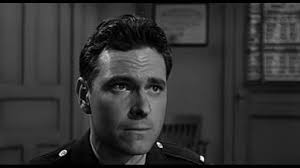
Rip Torn in TIME LIMIT

2019 Farewells: on the screen

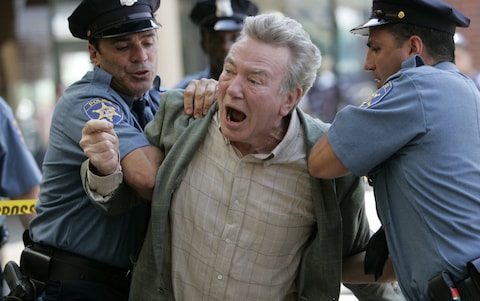
Albert Finney in BEFORE THE DEVIL KNOWS YOU’RE DEAD

Albert Finney burst into movie stardom as the face of young Brit alienation in Saturday Night and Sunday Morning (1960) and the strapping sex symbol in the bawdy Tom Jones (1963). I think that one of his later performances was his best, in Before the Devil Knows You’re Dead (2007).

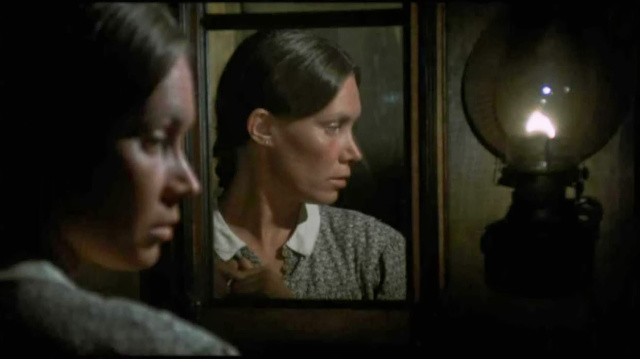
Verna Bloom in THE HIRED HAND

Actress Verna Bloom didn’t make a lot of movies, but she starred in some of the most memorable movies of the 1970s. Her run began with Haskell Wexler’s groundbreaking Medium Cool , traveled through Clint Eastwood’s mysterious High Plains Drifter and was capped as Mrs. Dean Wormer in Animal House.   My favorite Verna Bloom movie was also her favorite – Peter Fonda’s grievously underrated The Hired Hand.

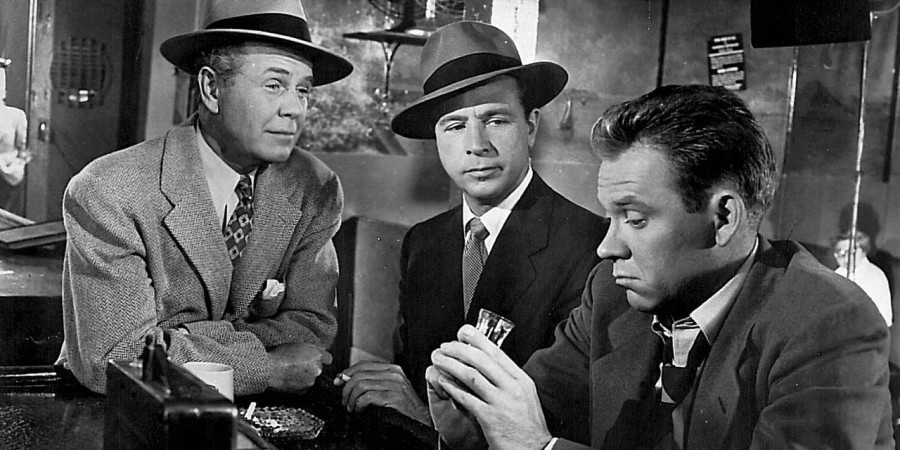
Richard Erdman (right) in CRY DANGER

Prolific character actor Richard Erdman (175 screen credits) is best known for playing Sgt. Hoffy Hoffman in Billy Wilder’s great Stalag 17. But Erdman’s best role (and my favorite Erdman performance) was as Dick Powell’s dipsomaniac wingman Delong in Cry Danger: “Sometimes I always drink too much“.

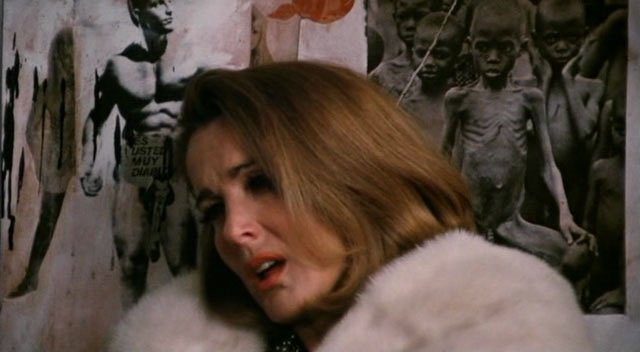
Julie Adams in THE LAST MOVIE

Julie Adams‘ 60-year career included many, many Westerns and lots and lots of TV.  She co-starred with James Stewart in Anthony Mann’s Bend of the River, with Elvis Presley and with Rock Hudson, five times.  Her fate was to be most remembered for Creature from the Black Lagoon.  My favorite Julie Adams performance was as the sexually rapacious trophy wife of an entitle American tourist in Dennis Hopper’s The Last Movie.

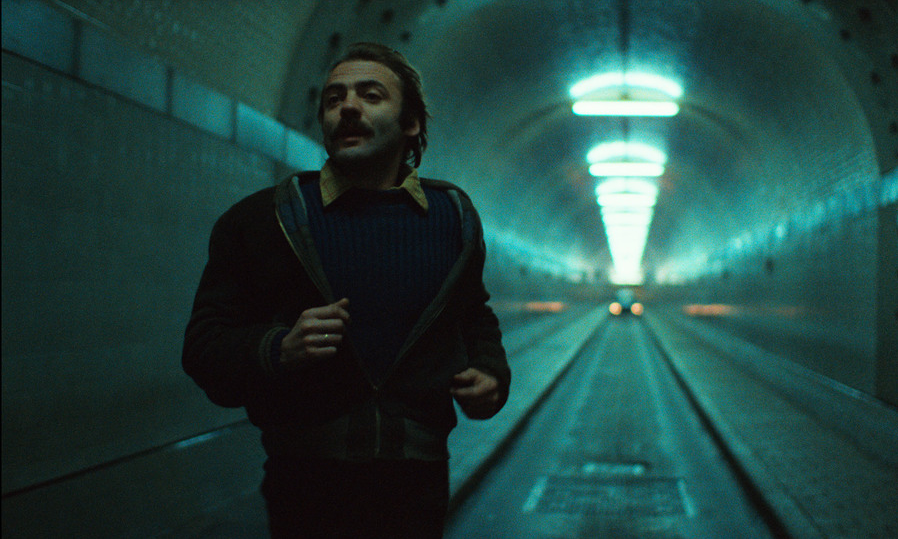
Bruno Ganz in THE AMERICAN FRIEND

Swiss actor Bruno Ganz is most remembered for playing Adolf Hitler in Downfall, the first post-war German film to portray the Führer (it only took 59 years); Ganz was the best movie Hitler, even better than Anthony Hopkins in The Bunker with its Hitler learns …  YouTube memes.  Ganz became well-known when Wings of Desire became a US art house hit in 1987.  My favorite Bruno Ganz movie, however was the earlier Wim Wenders The American Friend, where he was matched with Dennis Hopper.

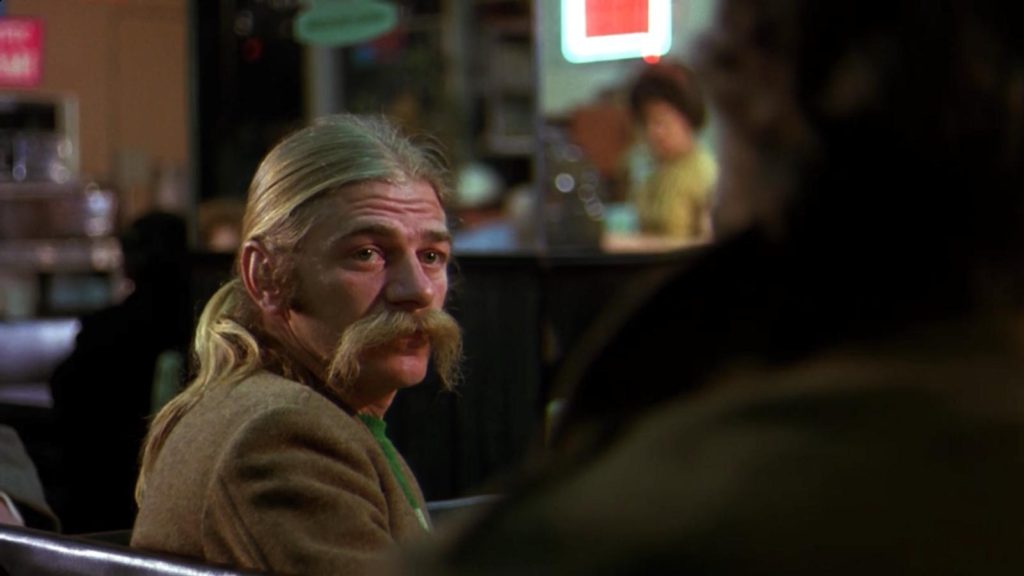
Seymour Cassel in MINNIE AND MOSCOWITZ

Seymour Cassel’s singular performances were often eccentric and exuberant – and always no bullshit. The most recent of Cassel’s 213 screen credits was in 2015, but he is best remembered for his association with writer-director John Cassavetes. Two of my favorite Cassel performances are in Cassavetes’ Minnie and Moscowitz (1971) and The Killing of a Chinese Bookie (1976).

Bibi Andersson‘s performances were at the core of the Ingmar Bergman canon. My favorite Andersson film is one of her very first, that most accessible Bergman movie, Wild Strawberries, in which she plays both the young woman an old man encounters and, in flashback, the young love she reminds him of.

Anna Karina, the Danish-born model who became a primary leading lady of the French New Wave, made films for iconic European directors like Godard, Rivette, Visconti and Fassbinder. She was married to Godard when he was still making good movies in the early 1960s.

Rip Torn will be remembered for playing Garry Shandling’s colorful producer Artie in 89 episodes of The Larry Sanders Show; as Artie, and in so many of his roles, Torn was able to illustrate the joy that can come from misbehavior.  Torn was an accomplished character actor whose career encompassed scads of television, and movie roles ranging from his Oscar-nominated turn in Cross Creek to Judas Iscariot in the Biblical epic King of Kings.  My favorite Rip Torn screen performance was in The Seduction of Joe Tynan;  Torn played the good-timin’ junior Senator from Louisiana covering for the impending senility of the revered senior Senator (Melvyn Douglas).  Torn also guided his much younger cousin Sissy Spacek as she broke into acting.  His  birth name (Elmore Rual) doesn’t matter because he followed his father in taking the family nickname of Rip.

Robert Forster was a stalwart of 70s and 80s TV, starring in his owned short-lived period detective series Banyon and then Twin Peaks. But thank God for Quentin Tarantino, who revived Forster’s career with the character of Max Cherry in Jackie Brown; Max’s streetwise strength and basic Midwestern decency was a perfect fit for Forster.

Peter Fonda, well-known as a son and brother of film mega-stars, had a prolific career (116 screen credits) dotted with some spectacular successes.  Fonda’s most eternal legacy will be Easy Rider, a film he wrote and starred in, which was the seminal film of the Counter-culture. Most importantly, Easy Rider propelled the staggering movie studios into empowering a new generation of auteur filmmakers.

Danny Aiello started acting when he was forty, with the fine TV movie Bang the Drum Slowly and as one of the Rosato brothers in The Godfather II. Aiello worked for directors as varied as Woody Allen, Sergio Leone, Norman Jewison and James Toback. He was Oscar-nominated for his performance as Sal the pizzeria owner in Spike Lee’s Do the Right Thing

7’3″ tall actor Peter Mayhew’s screen career centered around one unforgettable role, under a mask and bushel of fur as Chewbacca in the Stars Wars franchise.

Actor Jan Michael-Vincent could have had more of a career. In 1970, at age 25, he starred in the fine TV movie drama Tribes, and his performance as a hippie going into the Vietnam Era US Army was memorable. His looks, of the hunky/dreamy variety, got him less challenging and more forgettable work in the 1970s. His alcoholism and drug abuse killed his career, and he suffered permanent injuries from three vehicular accidents in the 1990s. He appeared in only five more movies after his third accident and none after 2002.

At age 22, actress Edith Scob was haunting in 1960’s Eyes Without a Face, and, 52 years later, helped Leos Carax pay homage to that performance in his unhinged Holy Motors.

Michael J. Pollard appeared 116 times on screen, but will always be remembered for his scene-stealing as C.W. Moss in Bonnie and Clyde.

Rene Auberjonois started his career in the iconoclastic Robert Altman films MASH (where he originated the role of Father Mulcahy), Brewster McCloud and McCabe & Mrs. Miller. Then he went on to rack up 227 screen credits, mostly on TV.

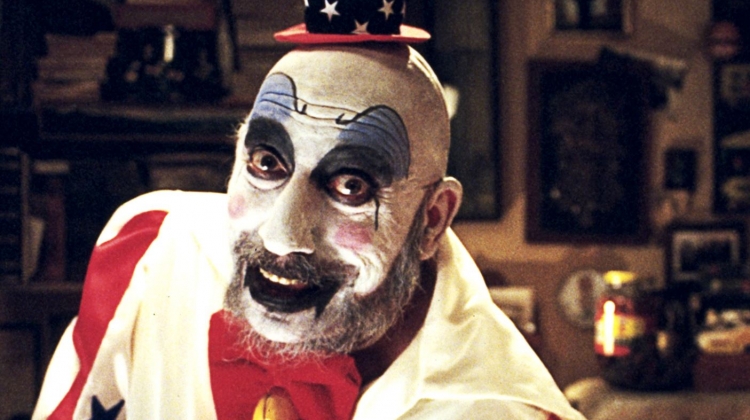
Sid Haig in HOUSE OF 1000 CORPSES

Sid Haig began his horror picture career in 1968 with Spider Baby. He finished with over 130 screen credits, including character roles in Emperor of the North and Jackie Brown and lots of TV work.  But Haig is most well-known for his horror, and it’s hard to top his portrayal of Captain Spaulding in Rob Zombie’s House of 1000 Corpses.