The first thing I need to tell you about Luca Guadagnino’s Queer is something that I knew beforehand but failed to internalize – it is based on a William S. Burroughs story, an autobiographical one at that. Had I been thinking about that, I wouldn’t have been so jarred when the film veered into the super trippy.
Queer starts off coloring within the lines of a character study and romantic drama. William Lee (Daniel Craig) is an American expat in 1950s Mexico City; a man of independent means, he is continually drinking and prowling for sex with younger men. He glimpses Eugene Allerton (Drew Starkey), a gorgeous American of ambiguous sexuality and is instantly infatuated; Lee begins a pursuit, and Eugene is hard to get, until he isn’t.
That’s the first act, which absorbed me. But it didn’t prepare me for the turgid second act, which is about opiate addiction nor the third act, which is about a search for psychedelics. That third act is bizarre, with some ripping moments.
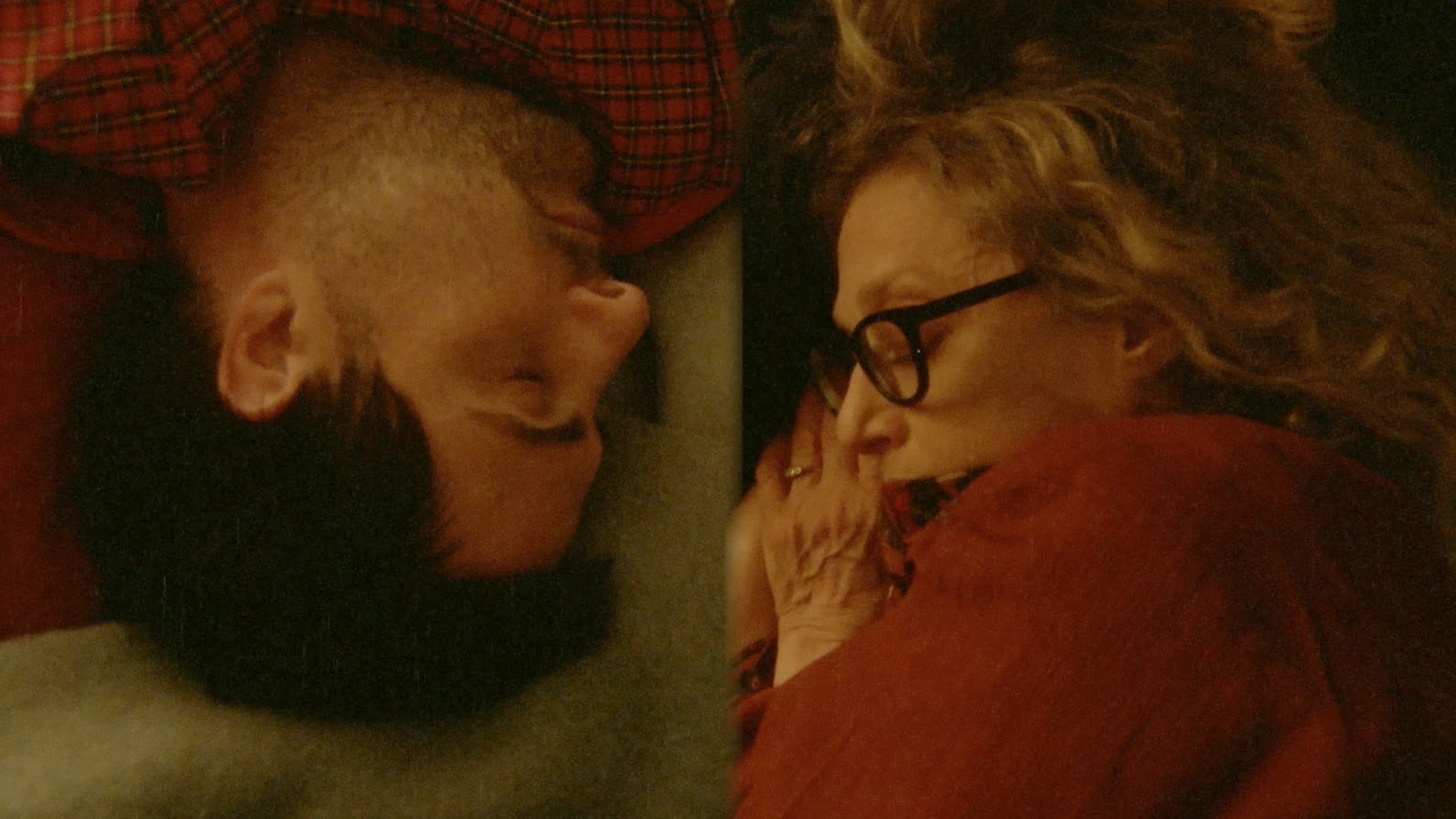
Luca Guadagnino is known for visually striking, even delectable, movies; he and cinematographer Sayombhu Mukdeeprom (also Call Me By Your Name and Challengers) oblige with plenty of Mexico City and Ecuadorian jungle eye candy, mostly shot in an Italian studio. There’s an especially wonderful dream sequence after Lee’s most extreme drunk night. This is the first Guadagnino movie I’ve seen with special effects, which are necessary in the hallucinatory third act.
But Queer is too long overall, especially the hallucination scene. The entire second act drags.
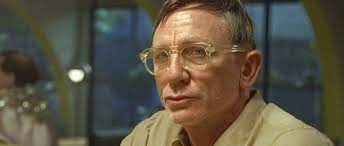
Daniel Craig’s acting ability was justifiably admired before he became such an iconic James Bond. Here, his Lee is so fascinated and yet mystified by Eugene. Lee is always off-balance when he can win Eugene’s company, but he can’t control him. Lee has attained a relationship, but it’s an asymmetric one.
If there’s any doubt that he is very comfortable putting James Bond behind him, that doubt is erased when we see Daniel Craig playing a character with semen glistening on his lips.
Craig also plays drunk very well – which many actors fail to do convincingly. He nails the various degrees, starting at the point where Lee fails to read the room correctly and acts cutesy when it isn’t funny. As Lee becomes more tipsy, Craig perfectly adds a slight sway to his gait, then a bigger one.
We have known Craig can act since The Mother (2003) and Layer Cake (2004), so Drew Starkey, who hadn’t yet had a memorable performance, is the real discovery here. Eugene is anything but demonstrative, and Starkey communicates all of Eugene’s interest in Lee and resistance to Lee, with his eyes and body.
Lesley Manville jumps off the screen in what must be the most bizarre portrayal in her storied career; at some point, she must have played one of the witches from Macbeth, but she looks more the part here, with greasy hair, darkened teeth and unhinged eyes, than she could have in any other production. Her performance is very, very strong.
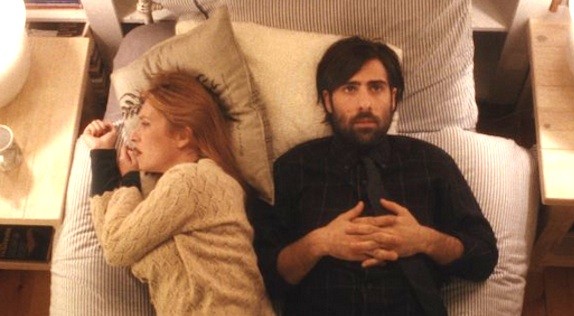
Jason Schwartzman, playing one of Lee’s Mexico City expat buddies, is very funny every time he’s on the screen.
So, what do I think about Queer? Luca Guadagnino and his team are interesting and accomplished artists, Daniel Craig is an actor worthy of his stardom and it’s great to have a non-heterosexual romantic drama – BUT, the choice to hew so closely to Burroughs’ source material, along with some self-indulgent editing, condemns the second half of Queer to lose the audience (me, at least).