BANR: weaving together the lucid and the confused

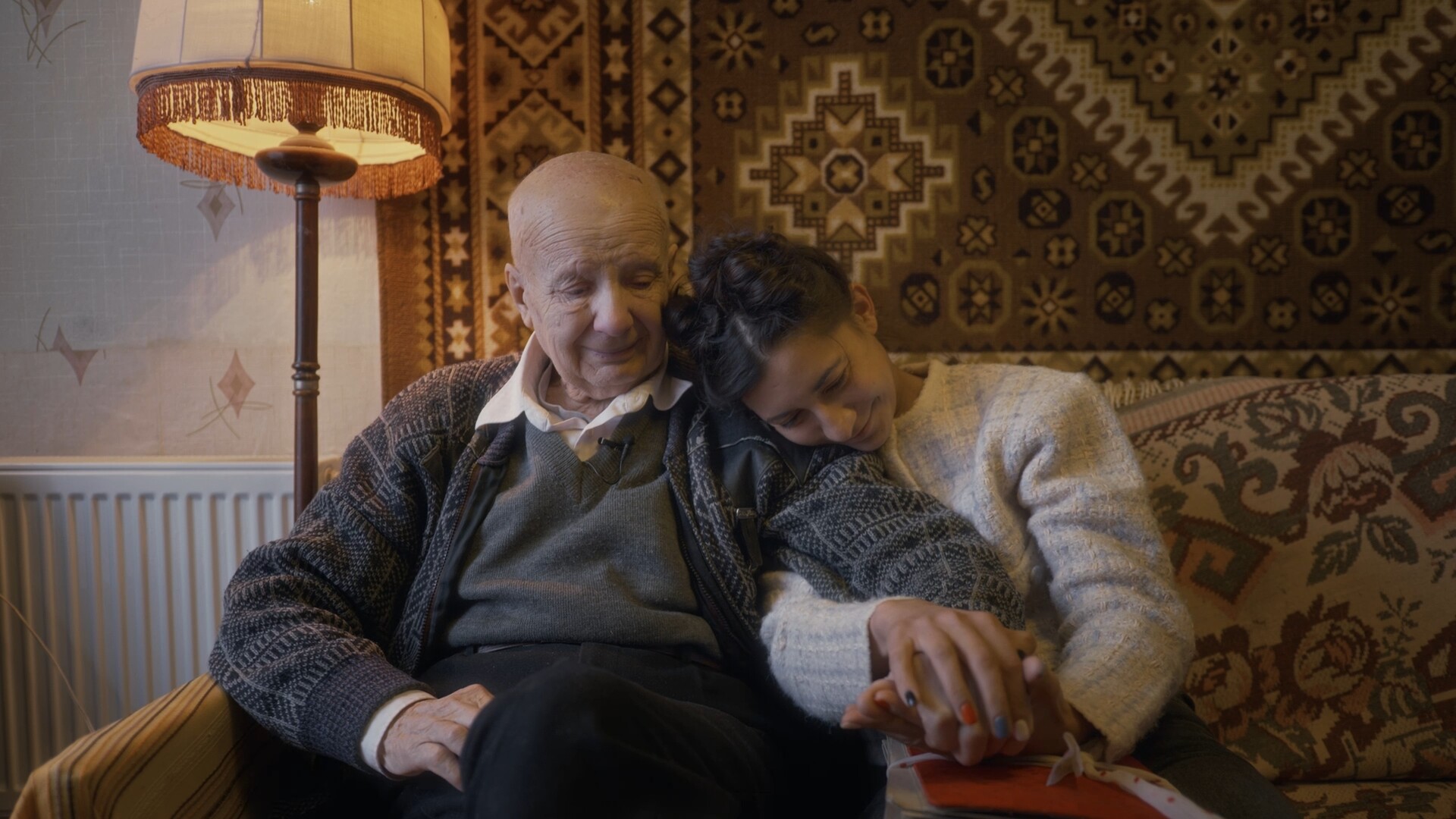
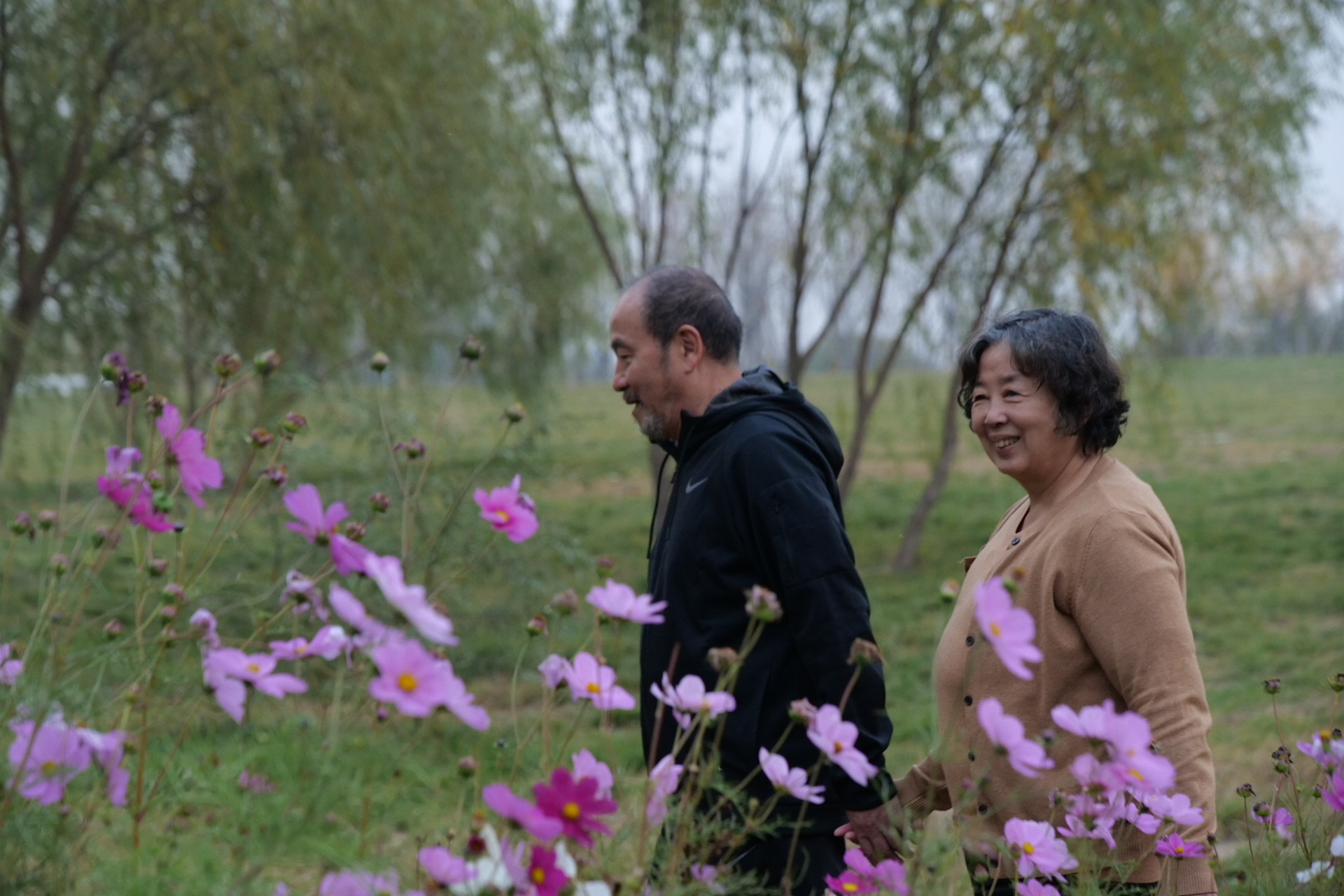
Sui Li and Baoqing Li in BANR. Courtesy of ShangJia Picture Film Culture.

The star in Banr is writer/director/editor Erica Xia-Hou’s innovative storytelling – in her first feature film. An elderly husband (Sui Li) is struggling to hold on to his wife (Baoqing Li) as she sinks into Alzheimer’s, with the support of their adult daughter (Xia-Hou herself). That main story is told in a cinéma vérité documentary style, but that’s just what the husband and daughter see in their lucidity. Those segments are interwoven with fragments of the wife’s memory and her delusions and dreams. In depicting the most ordinary daily activities, Xia-Hou keeps us continually off-guard by shifting the points of view between the clear-eyed and the muddled. 

With the exception of herself, Xia-Hou used all non-professional actors. Like Sean Baker at his best, she’s directed exemplary performances from her leads, both first-timers. As the wife, Baoqing Li becomes ever more confused, but is radiant when a cherished memory pops up.

Baoqing Li in BANR. Courtesy of ShangJia Picture Film Culture.

As the husband, Sui Li throws all his deep-seated love and his stubbornness into fighting his wife’s memory loss, and then in caregiving. We know, and his daughter wisely advises him, that his efforts are unsustainable, but he obstinately muddles on, until the progression of her condition gives him no other choice. His performance is fully committed and heartbreaking.

This may be Erica Xia-Hou’s directorial debut, but she has a substantial body of work as an actress, screenwriter, editor and art director in the Chinese film industry, after studying dance, broadcasting and acting at three Chinese universities. She co-wrote and acted in the Jackie Chan sci-fi action film Bleeding Steel. She will co-star with Tony Leung and  Olga Kurylenko in the upcoming action thriller Fox Hunt, which she also co-wrote and edited.

What’s with the film’s title? Banr is companion in Mandarin, and many older Chinese couples affectionately refer to each other as Lao Banr, meaning old companion.

Banr is an immersive film, filled with humanity, and an important directorial debut. I screened Banr for its world premiere at Slamdance, where it was one of my Must See picks.

Through March 7, 2025, you can stream Banr on the Slamdance Slamdance Channel. A 2025 Slamdance Film Festival Virtual Pass, which brings you Banr and almost all of my Slamdance recommendations, only costs $50.

Sui Li in BANR. Courtesy of ShangJia Picture Film Culture.

UNIVERSE25: thoughtful, ever-surprising and mysterious

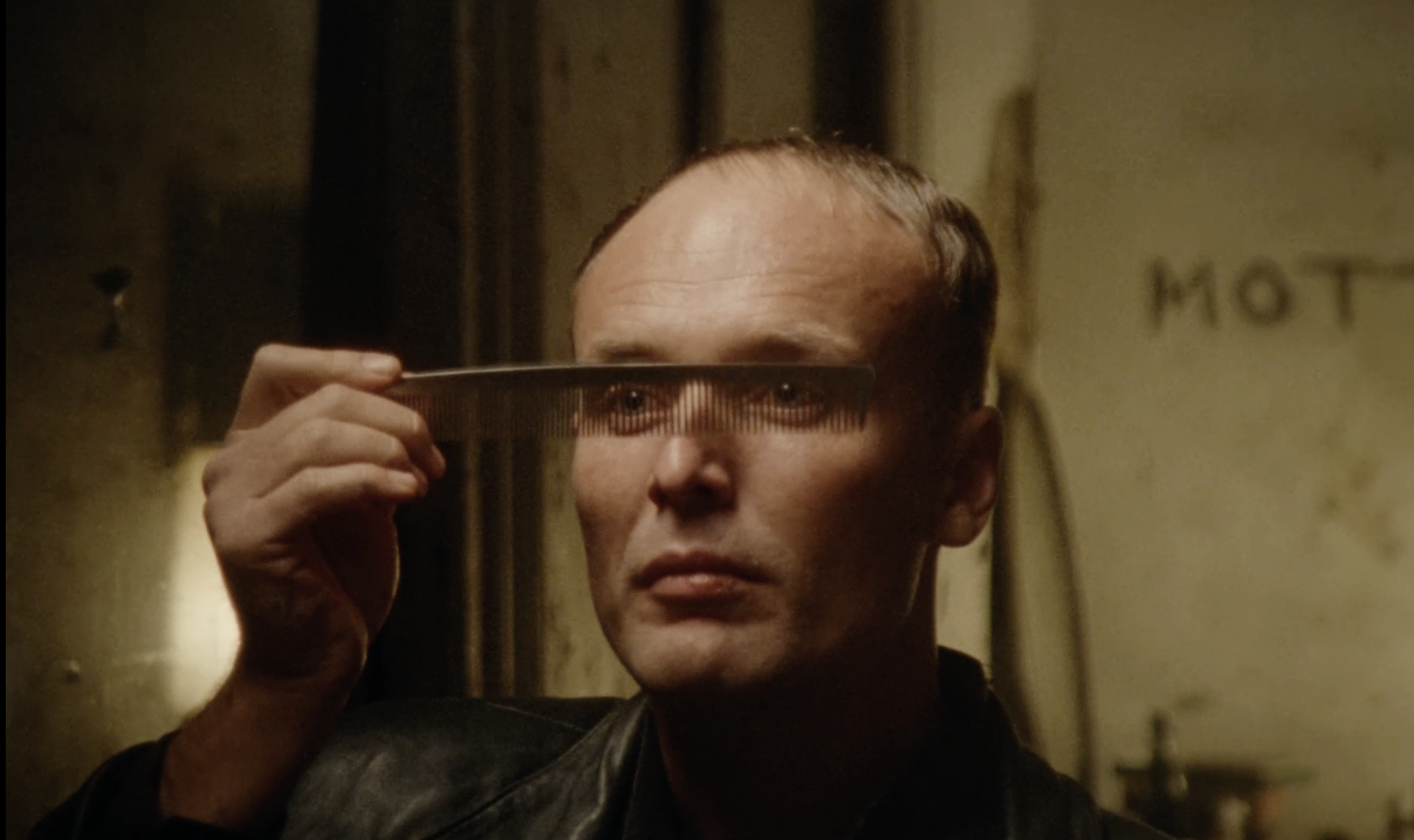
Photo caption: Giacomo Gex in Richard Melkonian’s UNIVERSE 25. Courtesy of Slamdance.

The thoughtful, ever-surprising and mysterious Universe25 embeds a fable of self-discovery in a dystopian sci-fi framework. Mott the Angel (Giacomo Gex) is sent to Earth, essentially on a cleanup mission, by a Creator (Andre Flynn) who is ready to pull the plug on our world. Mott dutifully searches urban Britain for the planet’s sole remaining saint until he happens upon an unlikely Everyman, the hardscrabble Romanian immigrant Andrei (Dan Socio). As Mott careens from Britain to Romania, he questions just what/who he aspires to be.

The gritty, noirish contemporary world is juxtaposed with Biblical references and imagery.

Photo caption: Giacomo Gex in Richard Melkonian’s UNIVERSE 25. Courtesy of Slamdance.

Hilariously, the story is revealed when the scroll that Mott writes for the Creator ends up in the lost mail bin, where it is read by a bitter postal clerk. 

In a singular and impressive feature debut, writer-director Richard Melkonian has imagined a look at humanity from an space alien’s point of view. It’s an imaginative and witty blend of themes and genres.

I screened Universe25 for its world premiere at Slamdance, where it was my top Must See pick in the festival.

Through March 7, 2025, you can stream Universe25 on the Slamdance Slamdance Channel. A 2025 Slamdance Film Festival Virtual Pass, which brings you Universe25 and almost all of my Slamdance recommendations, only costs $50.

Here’s a clip.

Discover the newest filmmakers at SLAMDANCE

Photo caption: Trey Holland and Romina D’Ugo in Woody Bess’ PORTAL TO HELL. Courtesy of Portal to Hell LLC

It’s time for the 31st Slamdance Film Festival, which is all about discovering new filmmakers and unveiling their work. After 30 years in Utah, this is the first Slamdance in Los Angeles. It’s a hybrid festival with live events (February 20-26) and online via the Slamdance Channel (February 24-March 7). Three LA venues will host the screenings – The Egyptian Theatre Hollywood, Directors Guild of America and Quixote Studios.

All Slamdance feature films selected in the competition categories have traditionally bee directorial debuts without U.S. distribution, with budgets of less than $1 million. The 146 films in this year’s program hail from 20 countries and were selected from 9,381 submissions.

Slamdance was founded in 1995 by filmmakers reacting to the gatekeeper role and growing marketplace focus of a nearby Utah film festival with a similar name. Whenever I cover a film festival, I’m on the lookout for first films and world premieres – and here’s a festival essentially entirely made up of first films and world premieres.

Slamdance alumni include: Christopher Nolan (Oppenheimer, Memento, Dunkirk), Bong Joon-ho (Parasite), Benh Zeitlin (Beasts of the Southern Wild), Jeremy Saulnier (Blue RuinGreen Room), Lynn Shelton (Outside In, Sword of Truth), Sean Baker (The Florida ProjectTangerine), Rian Johnson (Knives Out, Brick), Benny & Josh Safdie (Uncut Gems) and the Russo Brothers (Avengers: Infinity War).

Photo caption: Giacomo Gex in Richard Melkonian’s UNIVERSE 25. Courtesy of Slamdance.

MUST SEE

Here are four narrative features, two documentaries and a short from the 2025 Slamdance program that you shouldn’t miss. Each features at least one original and fresh element:

  • Universe25: This thoughtful, ever-surprising and mysterious film embeds a fable of self-discovery in a dystopian sci-fi framework. Mott the Angel (Giacomo Gex) is sent to Earth, essentially on a cleanup mission, by a Creator who is ready to pull the plug on our world. In a singular and impressive feature debut, writer-director Richard Melkonian has imagined a look at humanity from an space alien’s point of view. As he careens from Britain to Romania, Mott questions just what/who he aspires to be. Hilariously, the story is revealed when the scroll that Mott writes for the Creator ends up in the lost mail bin, where it is read by a bitter postal clerk. World premiere.
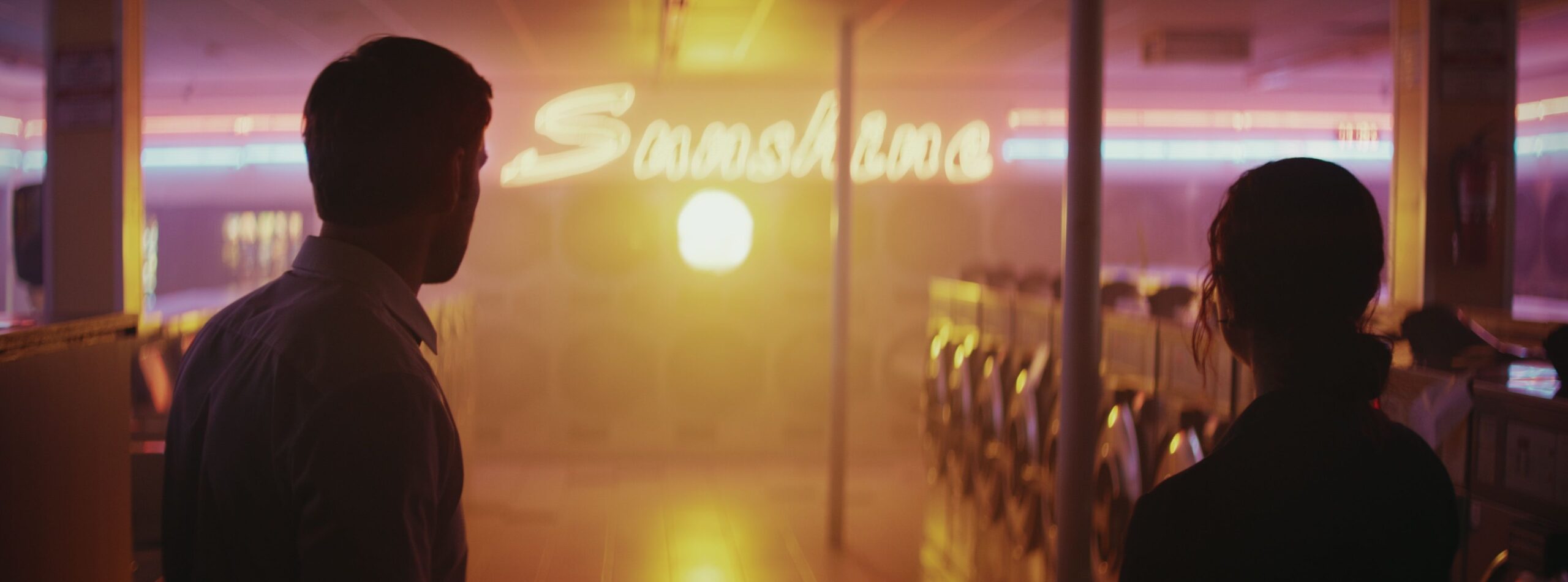
  • Portal to Hell: In this witty, dark comedy, a hangdog bill collector named Dunn (get it?) discovers a portal to hell, replete with hellfire and brimstone, in his local laundromat, and he strikes a bargain with its proprietor. Dunn is too nice for his wretched job, but just what is he capable of? And how about the insipid pop band who sings your least favorite earworm – who wouldn’t want to consign THEM to hell? Portal to Hell considers the question, what is a good person? but never too seriously. This is an imaginative, comic triumph for writer/director/cinematographer Woody Bess. Trey Holland and Romina D’Ugo are excellent as the leads, and Portal to Hell benefits from very rich supporting performances from lauded actors Keith David and Richard Kind. Portal to Hell could be the most sure-fire crowd-pleaser at this year’s Slamdance. World premiere.
  • Banr: The star here is writer/director/editor Erica Xia-Hou’s innovative storytelling – in her first feature film. An elderly husband, is struggling to hold on to his wife as she sinks into Alzheimer’s, with the support of their adult daughter (Xia-Hou herself). That main story is told in a cinéma vérité documentary style, but that’s just what the husband and daughter see in their lucidity. Those segments are interwoven with fragments of the wife’s memory and her delusions and dreams. In depicting the most ordinary daily activities, Xia-Hou keeps us continually off-guard by shifting the points of view between the clear-eyed and the muddled. Banr is an immersive film, filled with humanity. World premiere.
  • FOUL EVIL DEEDS: This deadpan anthology depicts a range of aberrant human behavior, most of it darkly funny. The deeds themselves arise from a variety of root causes: inner rage, social clumsiness, youthful stupidity, an uncommon sexual need, entitlement – and one from deep-seated evil. It’s a wry, clever and very cynical movie that veers to the misanthropic. Richard Hunter’s debut feature is consciously an art film; Hunter says he is influenced by the work of Ulrich Seidl, Michael Haneke and Roy Andersson, and it shows. It’s a slow burn, and the audience wonders, why is that guy checking out the remote wooded wetland? Alexander Perkins is excellent as a man grinding his teeth through workaday drudgery as a consequence of anger management issues that he can’t shake, and there’s an unexpectedly riveting performance by Oengus MacNamara in a minor role. The segment about a neighbor’s cat could have been written by Larry David about George Costanza. I think that FOUL EVIL DEEDS is likely to secure US arthouse distribution. North American premiere.
  • Twin Fences: Director Yana Osman starts us out with a droll, absurdist doc on a ridiculously obscure subject, then hits us with a pivotal family tragedy, and finishes, with her own grandfather, in a sweet and heartbreaking ending.  Only then, do we realize that we’ve just watched a clear-eyed comment on contemporary Russia.  Audiences who hang with this first feature by Osman will be rewarded. Osman is an idiosyncratic, and I think, pretty brilliant filmmaker. North American premiere.
  • Memories of Love Returned: On a 2002 trip to his native Uganda, actor Ntare Guma Mbaho Mwine (Treme, The Chi, The Lincoln Lawyer) happened upon a rural studio portrait photographer named Kibaate. Over a span of decades, Kibaate had documented everyday people over decades in thousands of portrait, many of them stunningly evocative. Mwine helped Kibaate preserve his body of work, and after Kibaate’s death 20 years later, organized a public showcase of Kibaate’s collection. The revelation of the unknown Kibaate as an artistic genius, is a compelling enough story, but the exhibition prompts a complicated and sometimes awkward exploration of Kibaate’s siring a prodigious number of children with a bevy of surviving mothers. The filmmaker’s own health and family story takes Memories of Love Returned seamlessly into another direction, topped off by Kibaate’s documentation of Ugandan LGBTQ culture. The second documentary feature directed by Mwine, Memories of Love Returned has been piling up awards from film festivals.
  • FISHMONGER (short): I rarely write about short films, but this is such a very funny gross-out horror comedy, that I can’t resist. The story is about a pudgy Irish fishmonger who must mate with a sea monster to save the soul of his dying mother. Lots of bursting lesions and vomited objects.  Beautifully photographed in Gothic horror black and white.

I’ll start rolling out full reviews of some Slamdance films on February 24th. Remember, even if you don’t get to the fest in LA, you can sample these films on the Slamdance Channel from February 24 thru March 7.

Filmmaker Yana Osman (right) in TWIN FENCES. Courtesy of Slamdance.

THE COMPLEX FORMS: what did he bargain for?

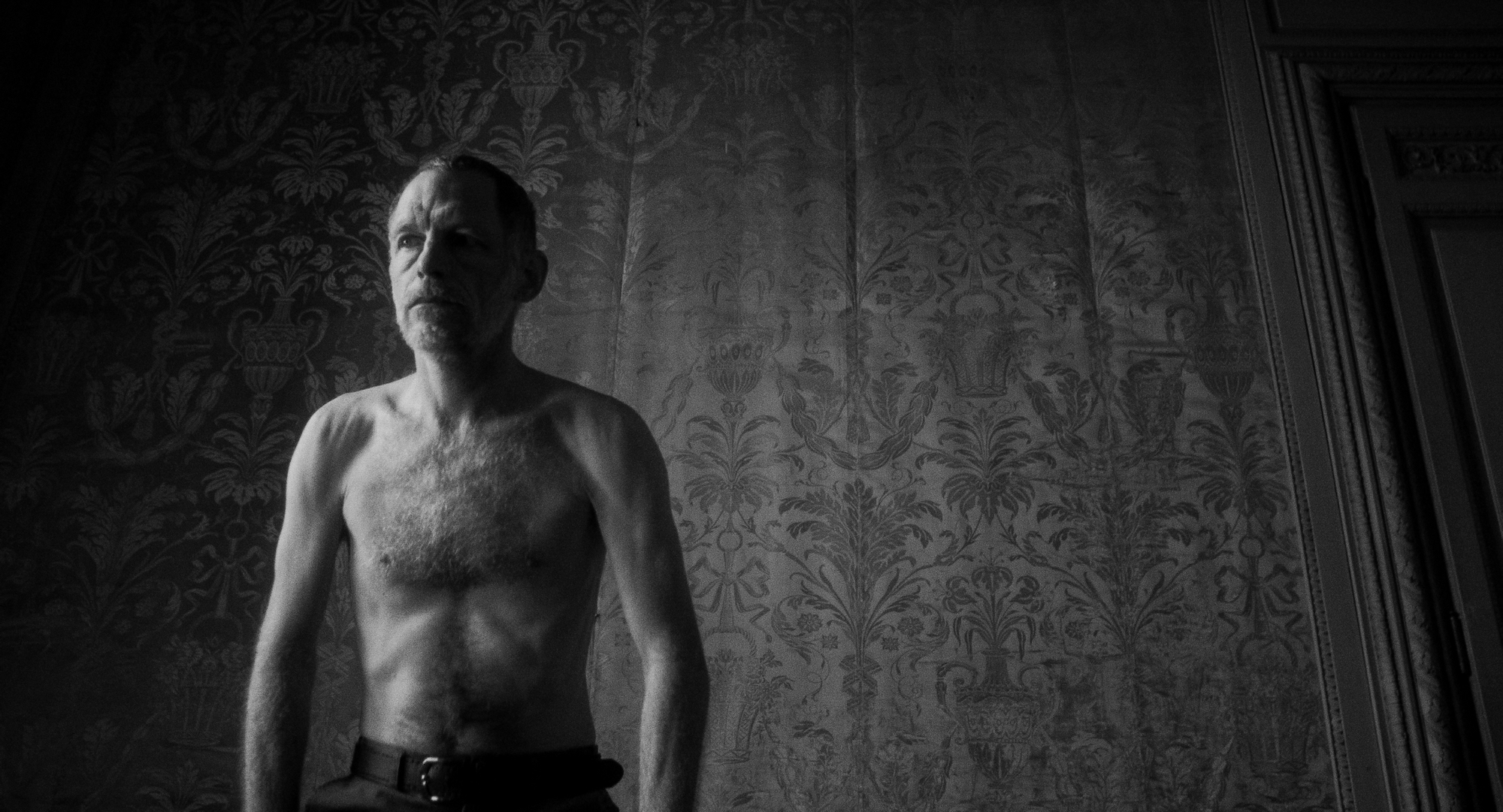
David Allen White in Fabio D’Orta’s THE COMPLEX FORMS. Courtesy of Slamdance.

The visually striking atmospheric The Complex Forms is set in a centuries-old Italian villa, where Christian (David Allen White) and other down-on-their-luck middle-aged men sell their bodies for a period of days to be “possessed”. Possessed how? By who or by what? As the dread builds, Christian resolves to pry the answers from the secretive masters of the villa.

Director Fabio D’Orta unspools the story with remarkably crisp black-and-white cinematography, a brooding soundtrack and impeccable editing. In his astonishingly impressive filmmaking debut, D’Orta wrote, directed, shot and edited The Complex Form.

David Allen White is excellent as Christian, who begins resigned to endure whatever process that he has committed to, but becomes increasingly uneasy as his probing questions are deflected. So are Michael Venni as Christian’s talkative roommate Luh and Cesare Bonomelli as the impassive roommate simply called The Giant.

Like his countrymen Fellini and Leona, D’Orta has a gift for using faces to heighten interest and tell the story. He makes especially effective use of Bonomelli’s Mt. Rushmore-like countenance.

Slamdance is hosting the United States premiere of The Complex Forms. The Complex Forms is the my favorite among the dozen or so films I screened in covering this year’s Slamdance. The Complex Forms won Slamdance’s Honorable Mention for Narrative Feature.

THE ACCIDENT: she’s too nice, until…

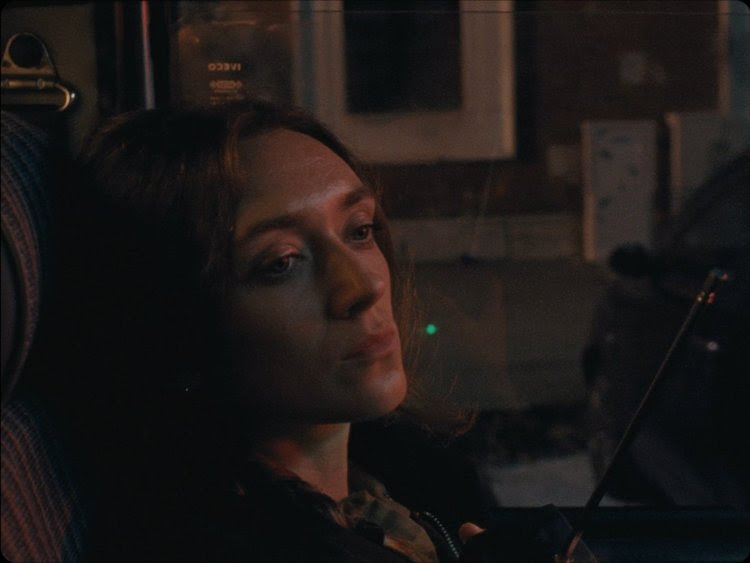
Giulia Mazzarino in THE ACCIDENT. Courtesy of Slamdnce.

In The Accident (L’Incidente), Marcella (Giulia Mazzarino) is a meek, good-hearted young woman who in quick succession, loses her partner, custody of their daughter, her car and her job. Desperate for financial survival , she buys a tow truck, but she is utterly unsuited for the cutthroat Italian towing industry, where no good deed goes unpunished. Marcella is trapped into a downward spiral of an increasingly disadvantageous situations, until she happens on a logical, but outrageously amoral, solution.

Marcella is empathetic and kind, which are qualities we all should aspire to have. But she’s the type of person destined to always be pushed around, exploited and bullied by those more venal and ruthless. The Accident is acid social commentary on how society rewards selfishness, an allegory which could have been titled The Parable of Marcella.

The Accident is the first full-length narrative feature for documentarian Giuseppe Garau, who describes it as an “experimental film” because virtually the entire movie is shot from a camera in the front passenger seat of Marcella’s vehicle. That may be an experiment, but it’s not a gimmick because it drives our attention to Marcella’s incentives and disincentives.

Giulia Mazzarino is very good as Marcella. Anna Coppola is hilarious as Anna, the deliciously shameless owner of the towing company.

Slamdance hosted the North American premiere of The Accident where it won the Narrative Feature Grand Jury Prize.

DEMON MINERAL: environmental justice, indigenous voices

DEMON MINERAL. Courtesy of Slamdance.

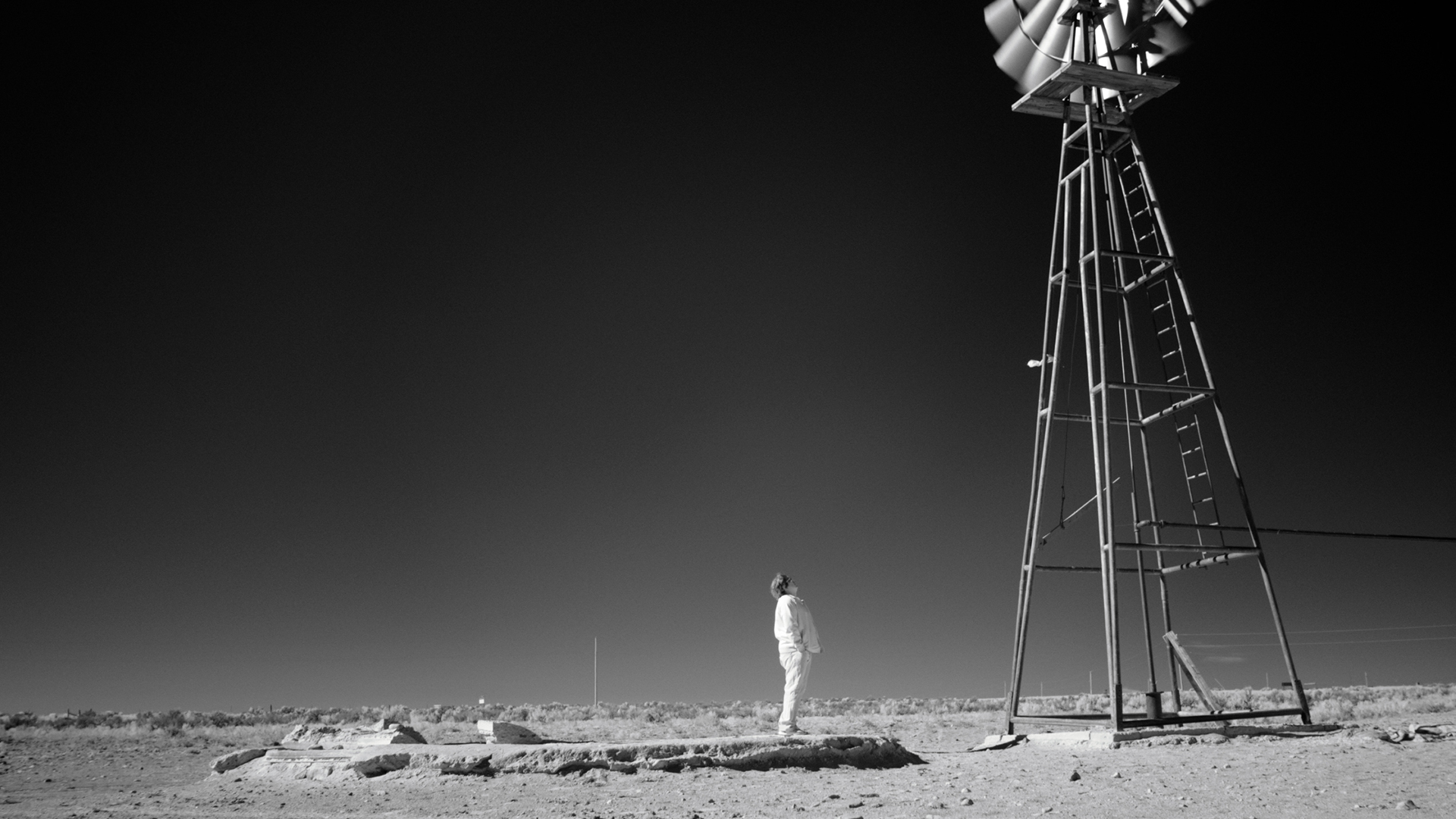
The environmental justice documentary Demon Mineral explores the impact of uranium mining on the Navajo people. In her first feature, director and co-writer Hadley Austin uses indigenous voices to tell the story, including her co-writer, environmental scientist Dr. Tommy Rock. It’s the testimony of Navajo people themselves that traces the history of uranium mining, subsequent health problems and the science connecting the dots. Some of the first-person narratives are heart-breaking.

This real life story takes place in one of the most iconic locations in American cinema – Arizona’s Monument Valley. (The Navajo themselves have complicated feelings about the legacy of John Ford Westerns made in their homeland.) Cinematographer Yoni Goldstein’s black-and-white photography soars, bringing out the majesty of the harsh landscape and imparting a gravitas to the story.

There’s even a cameo by hard right Congressman Paul Gosar, who is so stupid that he doesn’t comprehend just how stupid he is.

Demon Mineral has enjoyed a robust film festival run and won the Audience Award for Documentary Feature at the 2024 Slamdance.

SLAMDANCE: discovering new filmmakers

Photo caption: David Allen White in Fabio D’Orta’s THE COMPLEX FORMS. Courtesy of Slamdance.

It’s time for the 30th Slamdance Film Festival, which is all about discovering new filmmakers and unveiling their work. It’s a hybrid festival with events in Park City and Salt Lake City, Utah from January 19th to 25th and online on the Slamdance Channel from January 22nd to 28th. All Slamdance feature films selected in the competition categories are directorial debuts without U.S. distribution, with budgets of less than $1 million. The 125 films in this year’s program were selected from 9,004 submissions.

Slamdance was founded in 1995 by filmmakers reacting to the gatekeeper role and growing marketplace focus of a nearby film festival with a similar name. Whenever I cover a film festival, I’m on the lookout for first films and world premieres – and here’s a festival essentially entirely made up of first films and world premieres.

Slamdance alumni include: Christopher Nolan (Oppenheimer, Memento, Dunkirk), Bong Joon-ho (Parasite), Benh Zeitlin (Beasts of the Southern Wild), Jeremy Saulnier (Blue RuinGreen Room), Lynn Shelton (Outside In, Sword of Truth), Sean Baker (The Florida ProjectTangerine), Rian Johnson (Knives Out, Brick), Benny & Josh Safdie (Uncut Gems) and the Russo Brothers (Avengers: Infinity War).

MUST SEE

Here are three films from the 2024 Slamdance program that you shouldn’t miss. Each features at least one original and fresh element:

  • The Complex Forms: This visually striking atmospheric is set in a centuries-old Italian villa, where Christian (David Allen White) and other down-on-their-luck middle-aged men sell their bodies for a period of days to be “possessed”. Possessed how? By who or by what? As the dread builds, Christian resolves to pry the answers from the secretive masters of the villa. Director Fabio D’Orta unspools the story with remarkably crisp black-and-white cinematography, a brooding soundtrack and impeccable editing. In his astonishingly impressive filmmaking debut, D’Orta wrote, directed, shot and edited The Complex Form. US premiere. (Full review goes live on January 22.)
  • The Accident: Marcella (Giulia Mazzarino) is a meek, good-hearted young woman who, in quick succession, loses her partner, custody of their daughter, her car and her job. Desperate for financial survival , she buys a tow truck, but she is utterly unsuited for the cutthroat Italian towing industry, where no good deed goes unpunished. Marcella is trapped into a downward spiral of increasingly disadvantageous situations, until she happens on a logical, but outrageously amoral, solution. The Accident is the first full-length narrative feature for documentarian Giuseppe Garau, who describes it as an “experimental film” because virtually the entire movie is shot from a camera in the front passenger side of Marcella’s vehicle. That may be an experiment, but it’s not a gimmick, because it drives our attention to Marcella’s incentives and disincentives in this allegory, an acid parable of social criticism. North American Premiere. (Full review goes live on January 22.)
  • Demon Mineral: This environmental justice documentary explores the impact of uranium mining on the Navajo people. This real life story takes place in one of the most iconic locations in American cinema – Arizona’s Monument Valley, and cinematographer Yoni Goldstein’s black-and-white photography soars. The story is told by indigenous voices, one of whom, environmental scientist Dr. Tommy Rock, co-wrote Demon Mineral with director Hadley Austin. First feature for Austin. (Full review goes live on January 22.)

And here’s a bonus recommendation: Slide is a firehose-in-the-face of anarchic cynicism from the veteran animator Bill Plympton. Set in a 1940s backwater town hoping to become a location for a Hollywood movie, Plympton harnesses all the tropes of movie Westerns to send up human corruption. The music by Maureen McElheron and Hank Bones is pretty cool, too. Here’s a taste of the fun.

Remember, even if you don’t travel to Utah, you can sample these films on the Slamdance Channel from January 22nd to 28th.

Here’s the trailer for The Complex Forms.

WAITING FOR THE LIGHT TO CHANGE: friendship tested

WAITING FOR THE LIGHT TO CHANGE. Courtesy of Slamdance.

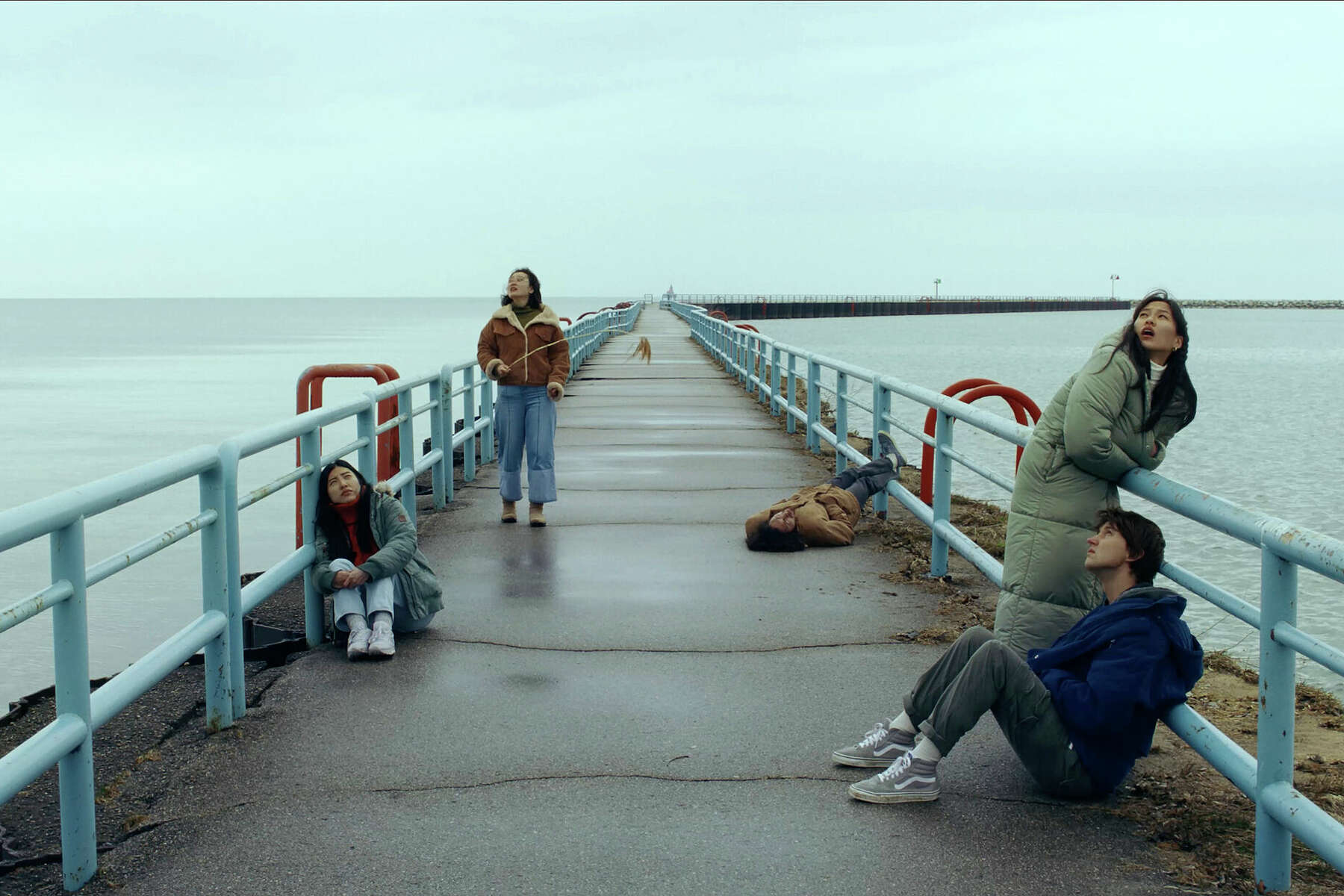
In the reflective and contemplative indie drama Waiting for the Light to Change, five twenty-somethings meet for a long weekend at a secluded lakeside vacation rental – decidedly off-season. Two of the women, Amy (Jin Park) and Kim (Joyce Ma), were originally very close friends, but their lives (jobs in different cities and Kim’s new boyfriend) have moved them apart in recent years.

The three other friends (Sam Straley, Erik Barrientos, Qun Chi) impact the story, but mainly to reflect what is going on between Amy and Kim. I very much appreciated this fresh dynamic in the screenplay – Amy has recently lost a lot of weight and consequently is now much more attractive to men that she has previously been during her friendship with Kim.

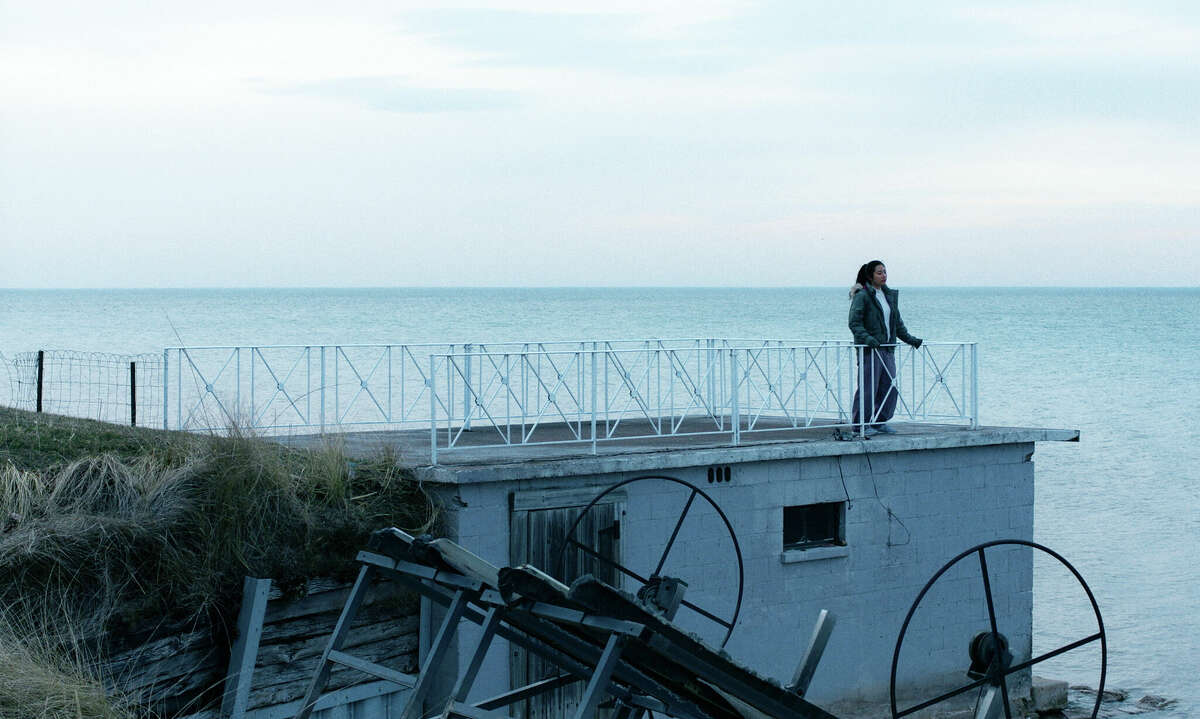
The film was shot near Port Austin where Michigan’s Thumb juts into Lake Huron. There’s a boathouse, a dock, some woods to hike in and not much to do when the weather is bleak and chilly. The five, mostly in combinations of two, take measure of their lives, and they already have a lot of regrets for people so young. Waiting for the Light to Change has been pitched as an Asian-American The Big Chill, but the talky tone is more like Whit Stilman’s early films (albeit not about preppy slackers with inherited wealth).

As Amy and Kim probe and spar, and we wait to see how and whether their relationship will survive, Waiting for the Light to Change is a slow, slow burn. So slow that, twice, I thought that I had accidently paused the screener.

Waiting for the Light to Change is the directing debut for Linh Tran, who also co-wrote the screenplay. Tran shows a gift for framing shots, and the audience can’t tell that the film was made for just $20,000.

Waiting for the Light to Change won Slamdance’s Narrative Feature Grand Jury prize.

WAITING FOR THE LIGHT TO CHANGE. Courtesy of Slamdance.

MOTEL DRIVE: where you don’t want children to be

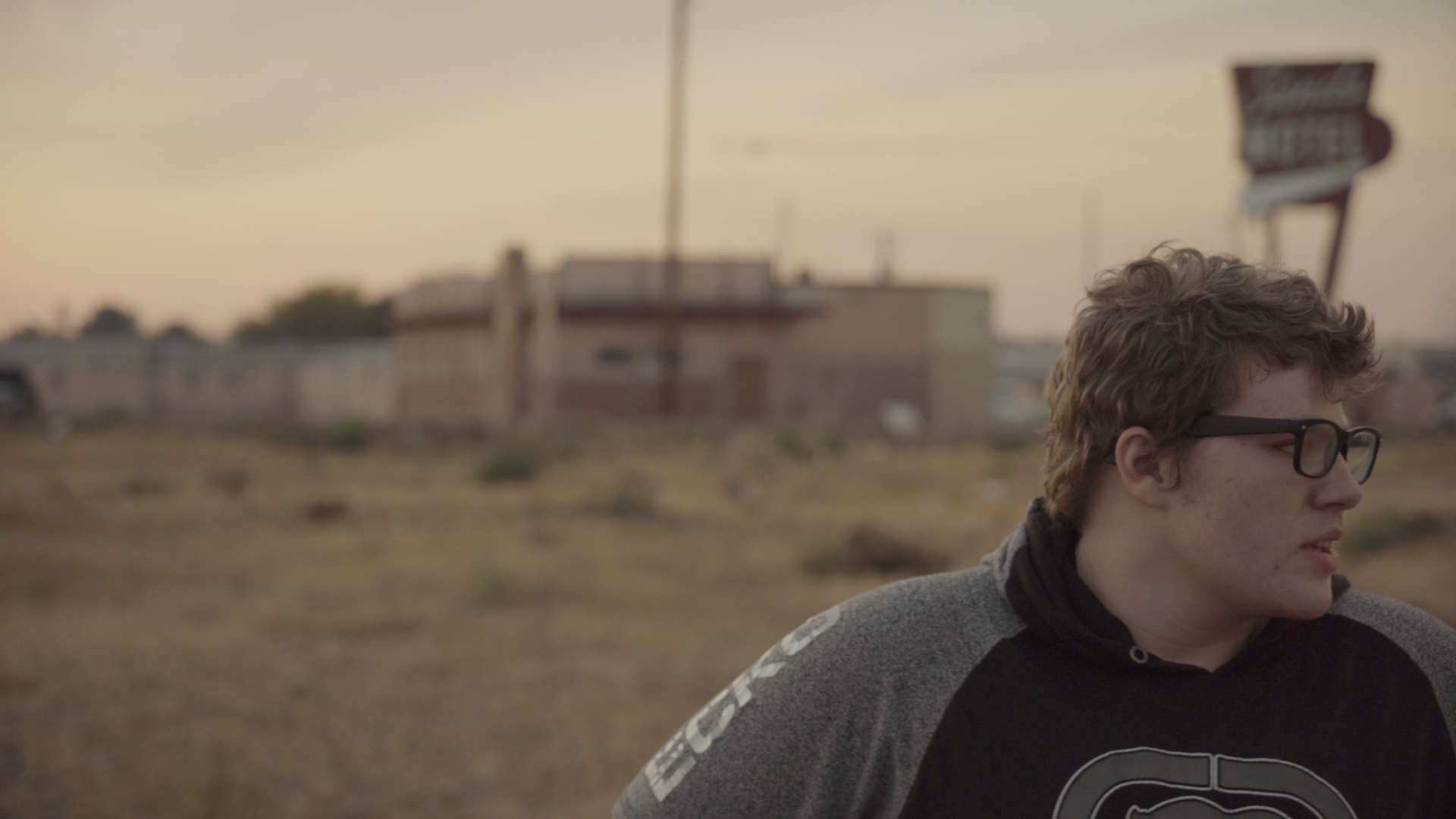
A scene in Brendan Geraghty’s MOTEL DRIVE. Courtesy of Slamdance.

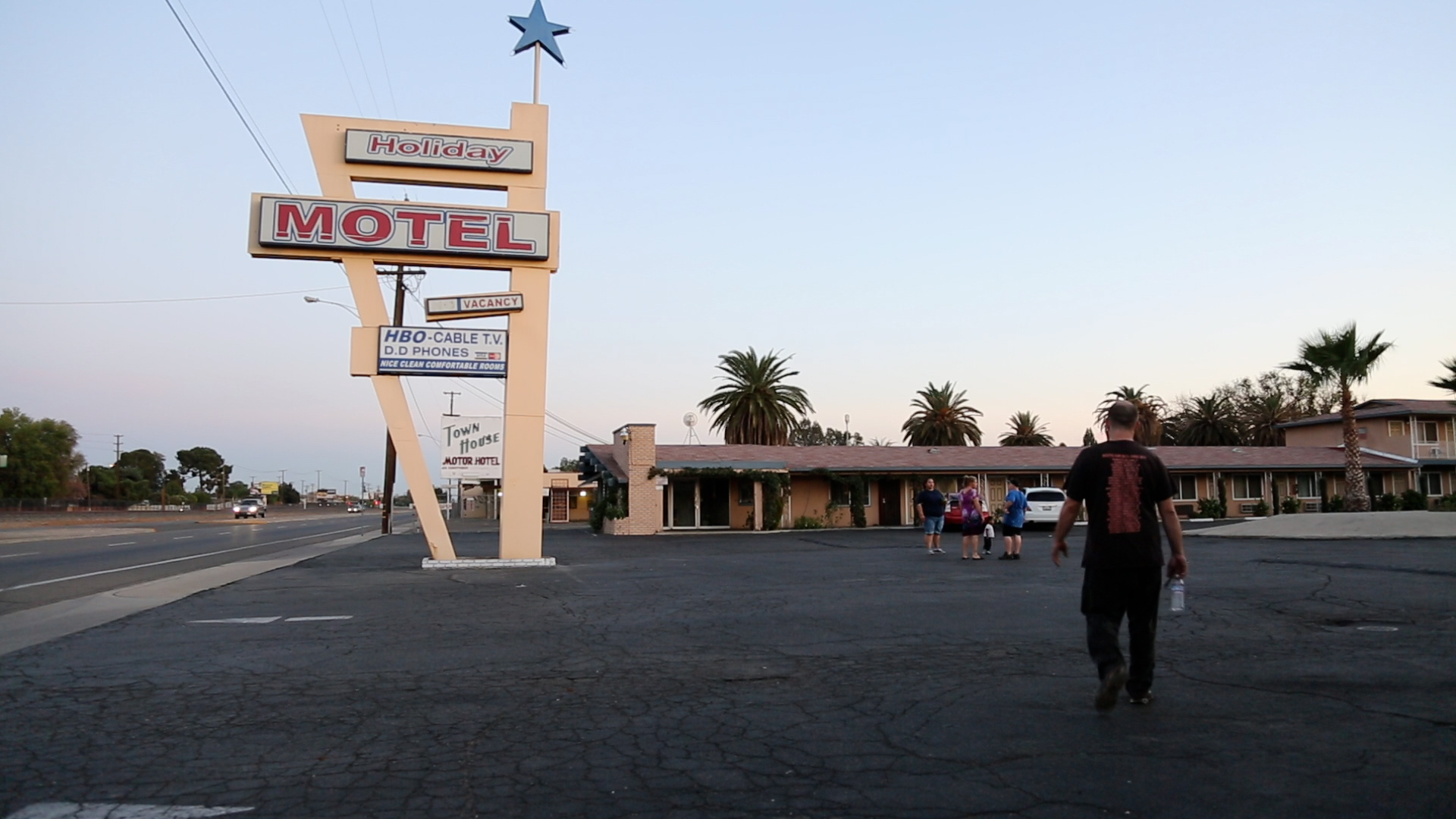
The searing documentary Motel Drive is set in a place none of us would want to be – a clump of three downtrodden motels on a single block in Fresno. The motels have become de facto brothels, emporiums of drug sales and housing-of-last-resort for the otherwise homeless. Registered sex offenders, who are barred from living elsewhere, have been placed in one of the motels. Early in Motel Drive, we learn that over 150 children live there, too, with their mostly meth-addicted parents.

Documentarian Brendan Geraghty has spent seven years following the area’s residents, especially focusing on the Shaw family and their son Justin. The Shaws’ journey is a compelling story, a roller coaster ride of poverty, recovery and relapse with a major stroke of good luck and a shocking consequence to relapse. Addiction is a family disease, and we get a closeup look at the impact on Justin of his parents’ addiction and persistent homelessness.

Justin Shaw in MOTEL DRIVE. Courtesy of Slamdance.

The neighborhood itself is another character in the film, with its own arc driven by neglect and underinvestment, the California High Speed Rail project and changes in government programs on homelessness. We meet saintly do-gooders along with the prostitutes, druggies and the impoverished human flotsam.

Motel Drive is Geraghty’s first feature as a director, and it’s a promising debut; he’s clearly mastered cinéma vérité. Slamdance hosts Motel Drive’s world premiere. As I said in my festival preview, Slamdance: discovering new filmmakers, Justin Shaw was slated to appear on the Slamdance red carpet for Motel Drive’s world premiere, and I couldn’t be happier that this young man could have this experience.

https://vimeo.com/569971235/33229b677c

STARRING JERRY AS HIMSELF: more than an exposé

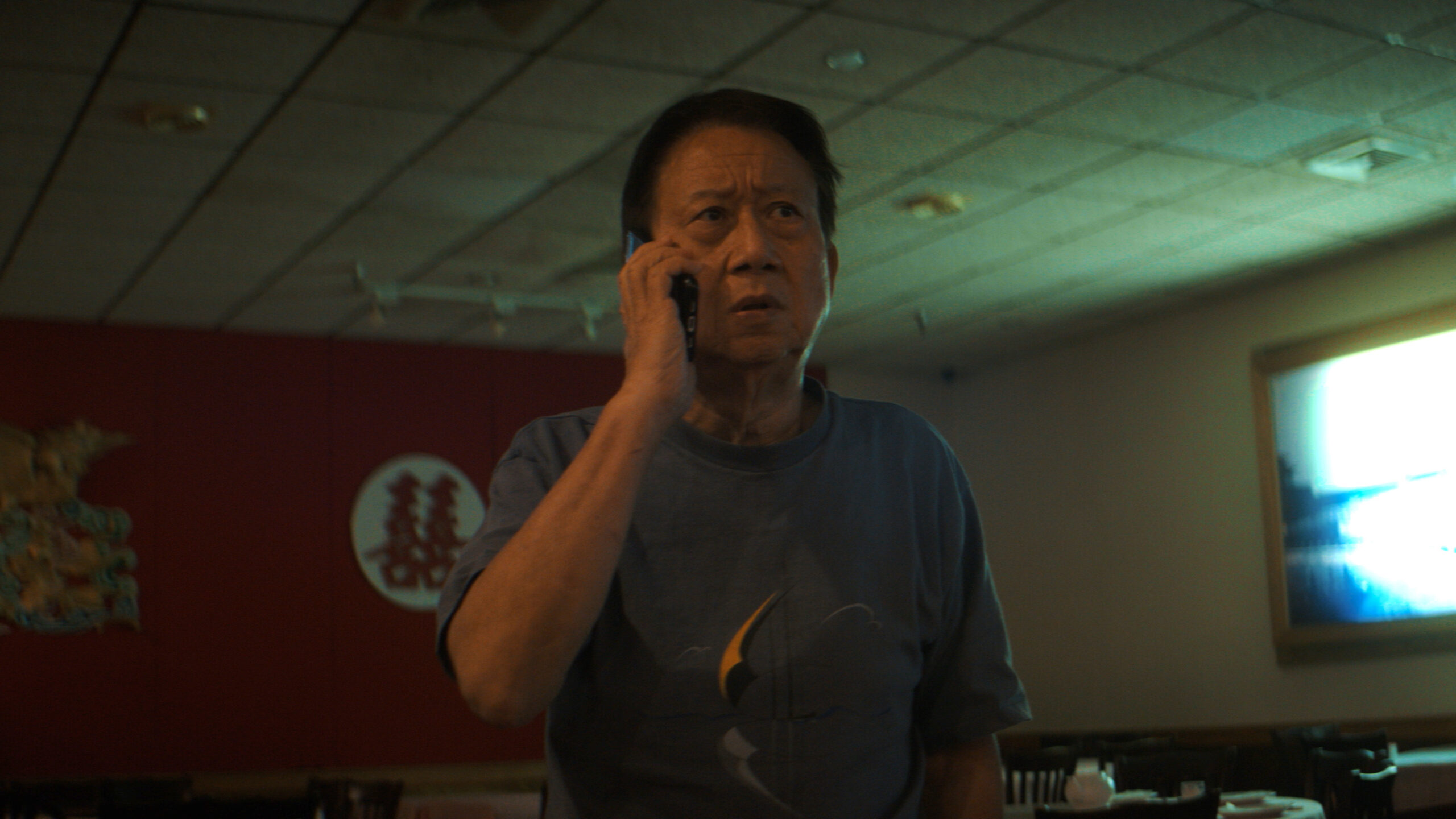
In the documentary Starring Jerry as Himself, a Florida senior sees himself recruited as an operative by Chinese police. The story is told in a re-enactment with the subject playing himself. We later learn why the filmmakers chose re-enactment, and what could have been a conventional true crime exposé or a weeper, is illuminated by the subject family’s humanity.

Starring Jerry as Himself is the first feature for director Law Chen, who also edited, co-produced and shot some of the footage. Law Chen and his co-producer and subject Jonathan Hsu were responsible for the decision on how to structure the film. That decision turned what could have been a heartbreaking downer into an engaging and satisfying family story, albeit a cautionary one.

I highlighted Starring Jerry as Himself as a MUST SEE in my Slamdance: discovering new filmmakers, and it won Slamdance’s Documentary Feature Grand Jury Prize.