Ennio Morricone

Ennio Morricone, one of the greatest movie music composers (and perhaps the most iconic) has died. Among his 519 composing credits, he is most known for his groundbreaking scores in the Sergio Leone/Clint Eastwood Spaghetti Western trilogy: A Fistful of Dollars, For a Few Dollars More and The Good, the Bad and the Ugly.

He won an Oscar for The Hateful 8 in 2015. Although his score was excellent, it referred to his earlier, entirely original work, and this was probably a well-deserved “career achievement” award.

Morricone’s work was ever aspirational, seemingly seeking to become iconic. It takes fearlessness to incorporate whistling, gunshots, chanting men’s choirs, the Jew’s Harp, and what the New York Times calls the “bizarre, wailing “ah-ee-ah-ee-ah,” played on a sweet potato-shaped wind instrument called an ocarina“. Morricone didn’t believe in understatement.

Leone earned his first credit in 1960 and wrote the startlingly original Fistful in 1964 at age 36. His music defined the genre of Spaghetti Western as much as did Sergio Leone’s grotesques and closeups. Along with Leone’s great The Man with No Name trilogy, Leona composed for Once Upon a Time in the West and 2 Mules for Sister Sara. His trademark music elevated well over ten Spaghetti Westerns, including the lesser Seven Guns for theMacGregors, Navajo Joe, The Great Silence, My Name Is Nobody, and Duck You Sucker (and I’ve seem ’em all).

Besides the spaghetti westerns, Morricone composed the scores of The Battle of Algiers, 1900 Once Upon a Time in America, La Cage aux Folles and Cinema Paradiso. He was still working in 2020 at age 91.

I particularly admire his score for the 1986 historical drama The Mission. In the video below, Morricone himself conducts a symphony orchestra playing the theme from The Mission. In the story, an 18th Century Jesuit (Robert DeNiro) tries to Christianize an indigenous tribe in Paraguay (and it doesn’t end well). At 3:15, a flute reflects the indigenous culture and, at 5:30, a massive choir brings in the gravitas.
Movies to See Right Now (at home)

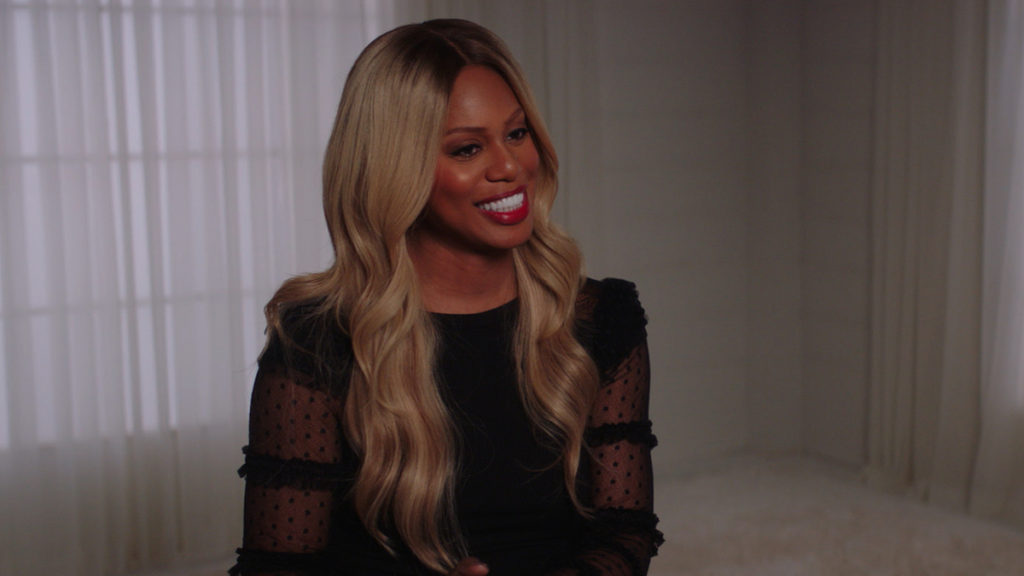
Laverne Cox in DISCLOSURE. Photo courtesy of NETFLIX.

This week: four new 2020 films – The Traitor, Shooting the Mafia, Mae West: Dirty Blonde, The Ghost of Peter Sellers. Last week: five new 2020 films – Da 5 Bloods, Disclosure, Yourself and Yours, Ella Fitzgerald: Just One of Those Things and You Don’t Nomi. As a tribute to Carl Reiner, it’s time to revisit The Russians Are Coming! The Russians Are Coming! Plus a great classic Western on TV.

ON VIDEO

The Traitor: A true life epic spanning four decades and three continents, The Traitor introduces us to the first and most important Sicilian Cosa Nostra informer. The Traitor can be rented from all the major streaming services.

Shooting the Mafia: Another movie about the Sicilian Mafia, this is the biodoc of Letizia Battaglia, whose photojournalistic specialty became photographing murder victims and also documented the grief, trauma and outrage of the Sicilian population. Shooting the Mafia can be streamed on iTunes, YouTube and Google Play.

Disclosure: This insightful (and even revelatory) documentary about the depiction of trans people on screen is moving and thought-provoking. Disclosure is streaming on Netflix.

Mae West: Dirty Blonde: I learned a lot from this excellent biopic: Mae West was more than a drop-in risque caricature – starting a movie career after age 40, she was an uncredited writer and producer of her films. And she did it in a prudish era when women’s aspirations were not encouraged (intentional understatement). Available on demand from PBS stations. Trailer.

The Ghost of Peter Sellers: This documentary tells the story of an uncompleted early 1970s pirate movie parody, Ghost in the Noonday Sun, sabotaged by its star, Peter Sellers. The doc is from the fraught perspective of the director, Peter Medak, whose career was harmed by the fiasco. The 2002 documentary Lost in La Mancha (Amazon, iTunes) which chronicles Terry Gilliam’s disastrous attempt to film Don Quixote, is a much better and more entertaining movie than this one.

The Russians Are Coming! The Russians Are Coming!: Appreciate Carl Reiner, the best Straight Man in American comedy, in this goodhearted and very, very funny Cold War parody.

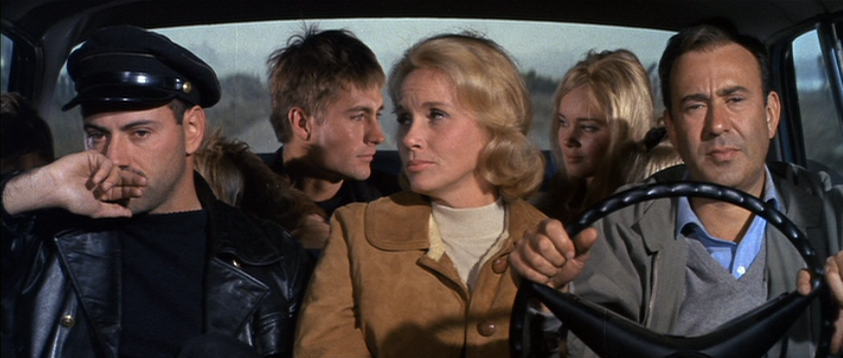
Alan Arkin, Eva Marie Saint and Carl Reiner in THE RUSSIANS ARE COMING! THE RUSSIANS ARE COMING!

The most eclectic watch-at-home recommendations you’ll find ANYWHERE:

ON TV

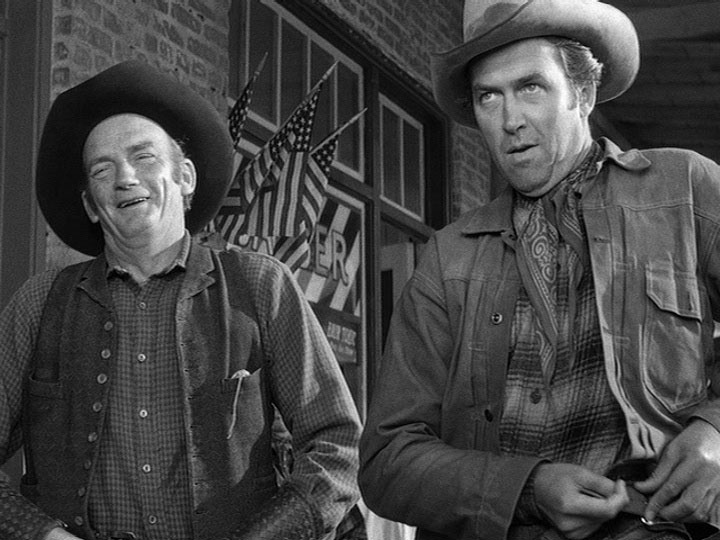
Millard Mitchell and James Stewart in WINCHESTER ’73

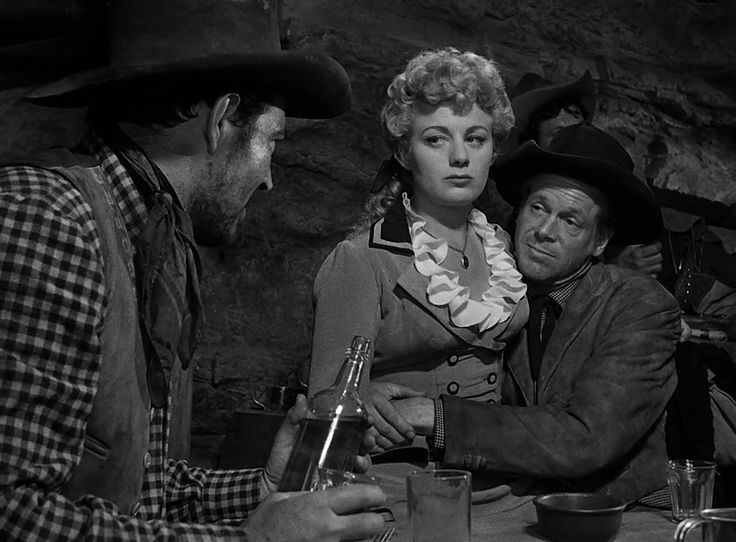
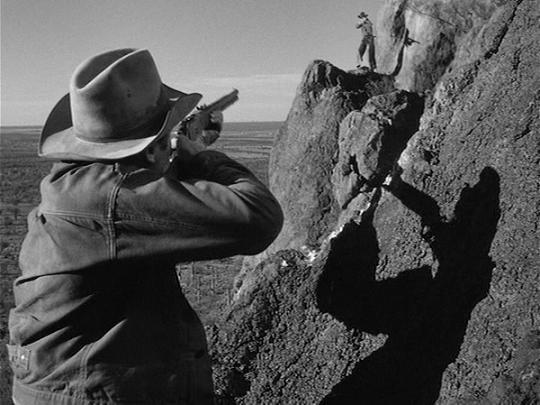
On July 6, Turner Classic Movies presents what is perhaps the best of director Anthony Mann’s “psychological Westerns”, Winchester ’73 (1950) with James Stewart. Winchester ’73 taps the quest and revenge genres, and it has the Western’s requisite Indian battle and climactic shootout.  Westerns were oft about Good versus Bad, but Mann makes Jimmy Stewart’s character in Winchester ’73 much more complex and morally ambiguous – and he has what we now call “unresolved issues”.  The bad guys are Dan Duryea at his oiliest and Stephen McNally at his most brutish.  The 29-year-old Shelly Winters finds herself as the object of several characters’ desires.  Millard Mitchell is perfect as Jimmy’s sidekick. One of my favorite character actors, Jay C. Flippen, shows up as a cavalry sergeant.

Stephen McNally, Shelly Winters and Dan Duryea in WINCHESTER ’73
WINCHESTER ’73

REMEMBRANCES

Carl Reiner, from earlier this week.

Director Joel Schumacher had been a department store window dresser when he broke into movies as a set designer. Then he wrote the screenplay for the wonderful guilty pleasure Car Wash, which led to directing the similar DC Cab. His career took off when he launched the Brat Pack with St Elmo’s Fire, and followed that with Batman and Robin. My favorite Schumacher film is the 2002 thriller Phone Booth, in which an Everyman – or is he? – (Colin Farrell) is trapped in a phone booth by a sniper villain (Kiefer Sutherland); Phone Booth can be streamed from all the usual sources.

a tribute to Carl Reiner: THE RUSSIANS ARE COMING! THE RUSSIANS ARE COMING!

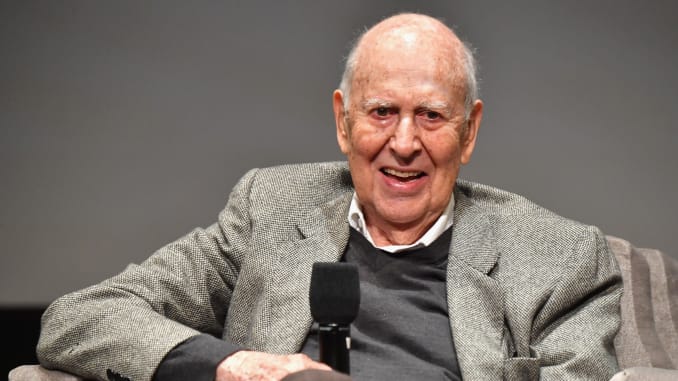
comedy legend Carl Reiner

No one has been more important in the evolution of American comedy than Carl Reiner, who has died at age 98. Reiner was a writer and performer on Sid Caesar’s seminal Your Show of Shows. He created one of the greatest and most influential TV sitcoms, The Dick Van Dyke Show. Reiner was the comedy partner who helped Mel Brooks form his work. And he directed four Steve Martin comedies. Reiner was the third person awarded the Mark Twain Prize for American Humor.

Active to the end, Reiner was playing Saul Bloom in the Ocean’s 11 franchise into his late eighties and voiced Carl Reineroceros in last year’s Toy Story 4. In recent years, he also Tweeted some pointed and wickedly funny anti-Trump video commentaries.

Alan Arkin, Eva Marie Saint and Carl Reiner in THE RUSSIANS ARE COMING! THE RUSSIANS ARE COMING!

Reiner starred in one of my favorite movie comedies – the still timely satire on the Duck and Cover Era, the 1966 The Russians Are Coming! The Russians Are Coming!.  At the height of the Cold War, a Soviet nuclear submarine runs aground and is trapped just off a tiny New England coastal village, and the crew sends a party ashore to heist a boat. The landing party encounters a vacationing American family and the two groups must work together to find a solution to help the sub escape without igniting World War III.

The superb cast includes Carl Reiner, Eva Marie Saint, Jonathan Winters and Alan Arkin in his breakthrough performance. Although it primarily satirizes the paranoia of the Cold War, there are plenty of laughs sparked by small town New England, family dynamics, teen love and the recurring joke of the town drunk with his reluctant horse.

The message that demonizing “Others” leads to no good, especially resonates in this moment of American and human history.

I rewatch The Russians Are Coming! every other year or so, and it still holds up.  Besides showing regularly on Turner Classic Movies, The Russians Are Coming! The Russians Are Coming! is also available streaming from Amazon and Vudu (and on DVD from Netflix).

a Sicilian Mafia double bill: THE TRAITOR and SHOOTING THE MAFIA

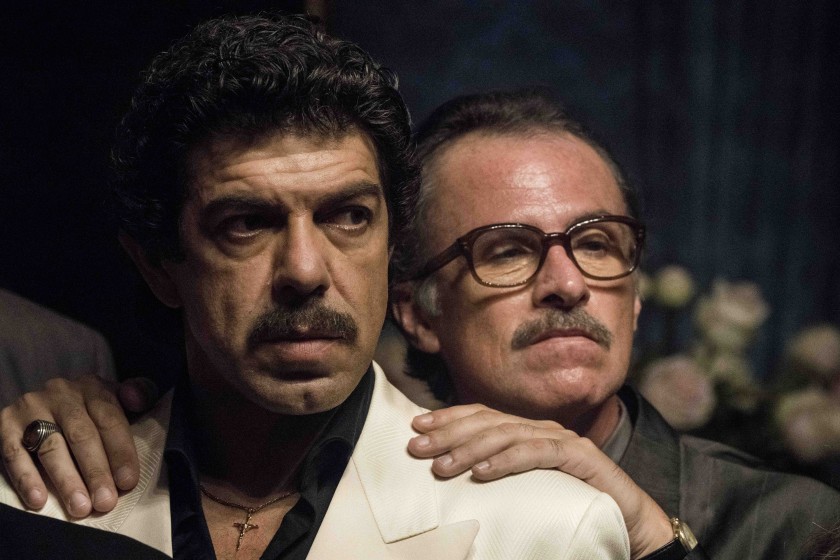
Pierfrancesco Favino and Totò Riina in THE TRAITOR, Photo courtesy of Sony Pictures Classics

Mafia movies have long been a cinematic staple and two current films explore the original Sicilian Mafia, the Cosa Nostra. The true life epic The Traitor and the documentary Shooting the Mafia cover the same territory – the Cosa Nostra‘s utter domination of Sicily until prosecuting judges Giovanni Falcone and Paolo Borsellini convicted almost 400 mafiosi in the bizarre Maxi Trial in 1986-87, the Mafia War on the State and assassination of the judges, leading to public outrage and arrests which have somewhat tamed the Cosa Nostra. Both films even feature the real village of Corleone, the home village of the fictional Godfather.

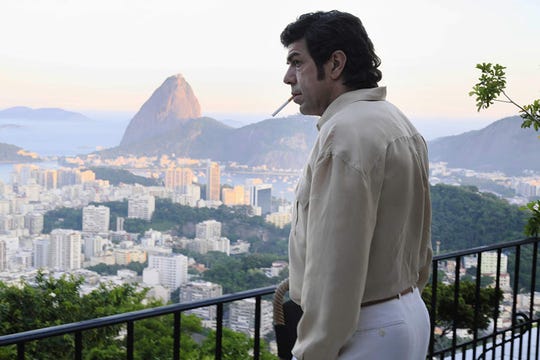
Pierfrancesco Favino in THE TRAITOR, Photo courtesy of Sony Pictures Classics.

The Traitor chronicles the career of Tommaso Buscetta, a mafia figure who traded in billions of dollars worth of heroin. Then, an internal gangland power grab led to the murders of his sons and to his arrest by very harsh Brazilian authorities. Buscetta retaliated by turning state’s evidence and testifying against his former Mafiosi, becoming the first and most important Sicilian Cosa Nostra informer.

The Traitor opens at a Mafia party where Buscetta (Pierfrancesco Favino) is sniffing out betrayal by his colleagues. It’s poker wisdom that, if you can’t spot the player who is :”the fish”, then it’s you. Or, as Victor Mature said in Gambling House, “You know what I think, Willie? I think I’m the fall guy.

Written and directed by Marco Bellocchio, The Traitor is a two-and-a-half hour epic that spans decades and three continents. The highlight is the Maxi Trial, held in a super-secure fortified arnea, ringed by over 400 defendants caged around the top.

Pierfrancesco Favino is very, very good as Buscetta, a guy who is firmly devoted to his personal code. Luigi Lo Cascio from The Best of Youth also appears as a Buscetta friend.

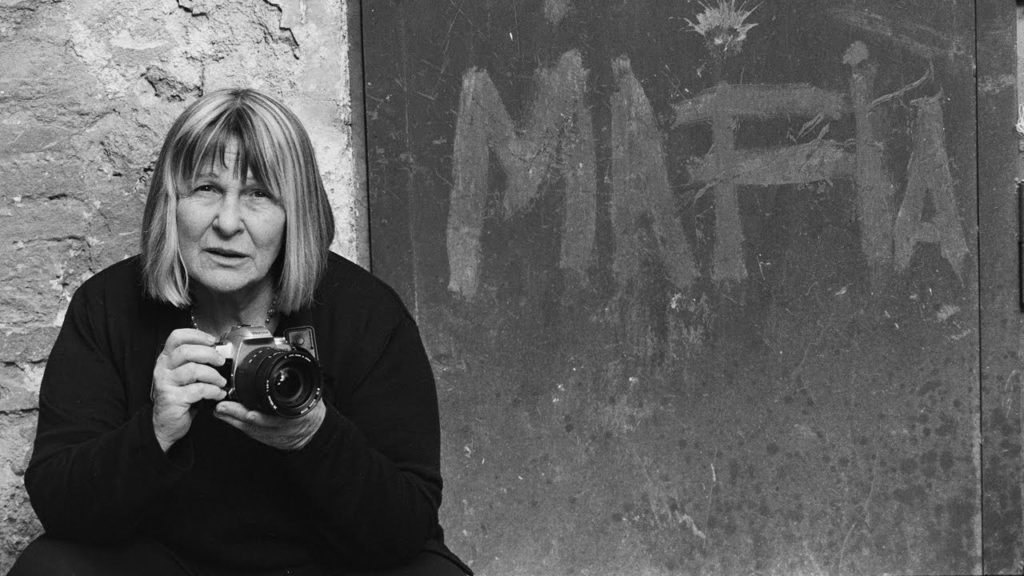
Letizia Battaglia in SHOOTING THE MAFIA

The documentary Shooting the Mafia introduces us to Letizia Battaglia, a talented Palermo photographer, whose photojournalistic specialty became photographing murder victims – scores, perhaps hundreds of corpses, bullet-riddled and bomb-mangled, in pools of blood. Her work also documented the grief. trauma and outrage of the Sicilian population.

Battaglia is open and unapologetic about her lusty personal appetites – and she over-shares. She would be an interesting subject for a biodoc even if she photographed ears of corn.

A Letizia Battaglia photograph in SHOOTING THE MAFIA

Shooting the Mafia, an Irish and US production, is directed by Kim Longinotto.

The Traitor can be rented from all the major streaming services. Shooting the Mafia can be streamed on iTunes, YouTube and Google Play.

Movies to See Right Now

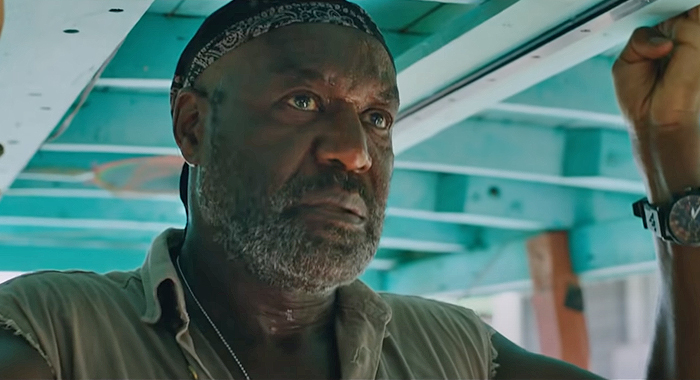
Delroy Lindo in DA 5 BLOODS. Photo courtesy of Netflix.

This week: an absurdist comedy from Korea, a doc that gives voice to trans creatives, an insightful jazz biodoc, a movie about a really bad movie and Spike Lee’s latest.

REMEMBRANCE

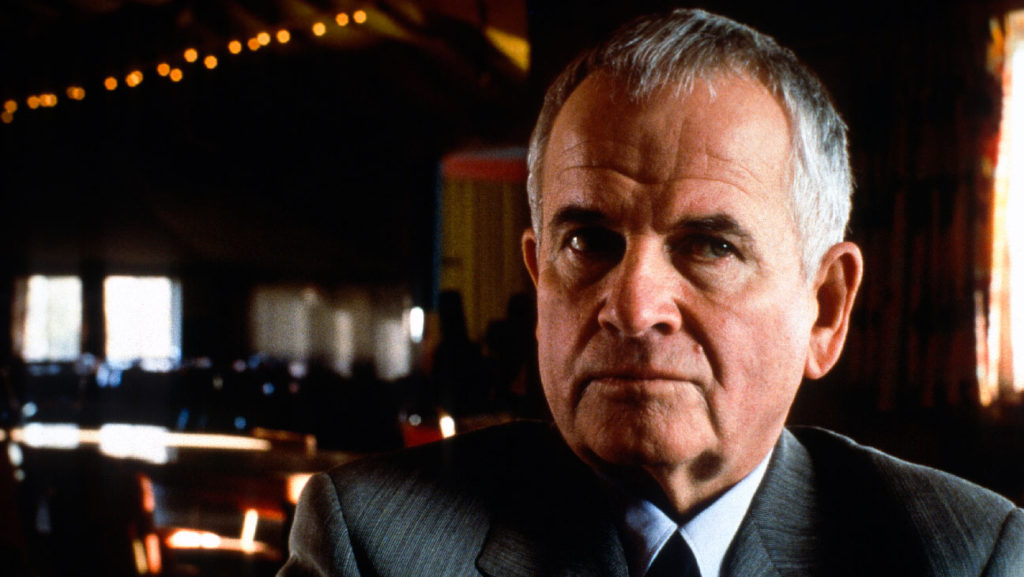
Ian Holm in THE SWEET HEREAFTER

The 5’5″ Ian Holm was a giant of the stage, where he created a definitive King Lear, and is most well-known in movies for playing Bilbo Baggins in the Lord of the Rings franchise. I remember Holm’s heartrending performance in Atom Egoyan’s The Sweet Hereafter, my choice as the most profoundly sad movie ever. He also appeared in supporting roles in some of my favorite movies: Young Winston, Jesus of Nazareth and the Branagh Henry V.

ON VIDEO

YOURSELF AND YOURS. Photo courtesy of SFFILM.

Yourself and Yours: The absurdism of Luis Buñuel meets the social awkwardness of Seinfeld in Hong Sang-soo’s Korean comedy. During its Bay Area virtual run at the Roxie, you can stream Yourself and Yours at Roxie Virtual Cinema.

Disclosure: This insightful (and even revelatory) documentary about the depiction of trans people on screen is moving and thought-provoking. Disclosure is streaming on Netflix.

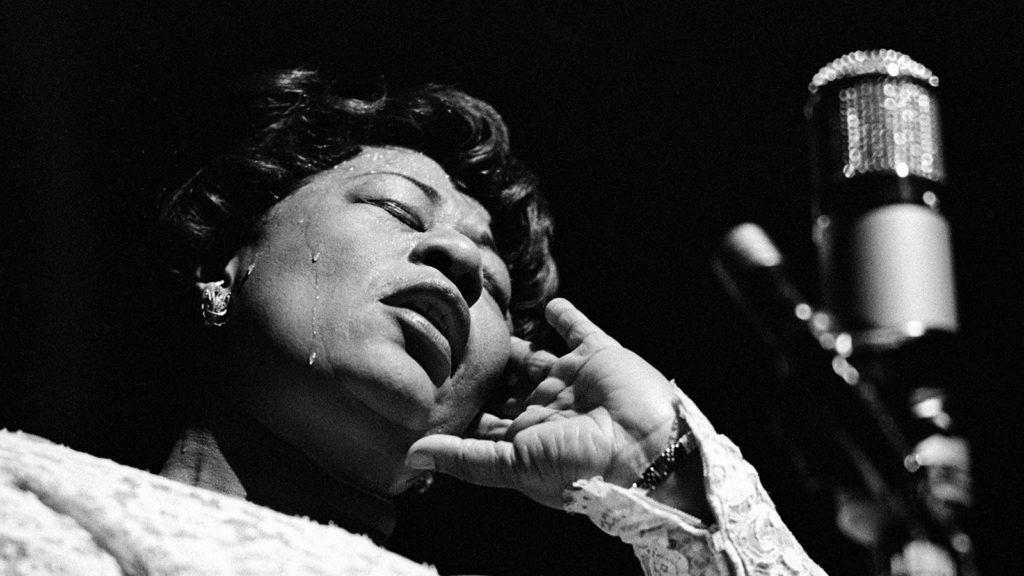
Ella Fitzgerald: Just One of Those Things: A Must See for jazz fans, this well-sourced biodoc brings insights into the juvenile delinquent who became an innovative genius, Includes a never-broadcast interview in which Ella makes clear her views on race. It opens today in the Roxie Virtual Cinema.

Da 5 Bloods: Spike Lee’s latest features a great performance by Delroy Lindo and a couple other compelling elements, but it’s too long and drags. How Spike reflects on the Vietnam War and on the Black experience in America is far more evocative than is the story itself. Da 5 Bloods is streaming on Netflix.

You Don’t Nomi: A deep dive into the making and cult film aftermath of a terrible big Hollywood movie, Showgirls. I don’t find Showgirls, campy as it is, that entertaining on a so-bad-it’s-good basis, but You Don’t Nomi does contain many of its funniest, most awful clips. I watched it on Roxie Virtual Cinema, but it’s available to stream on all major platforms. There are much better movies about bad movies: Ed Wood (about Plan 9 from Outer Space), The Disaster Artist (about The Room), Best Bad Movie (about Troll 2)

The most eclectic watch-at-home recommendations you’ll find ANYWHERE:

ON TV

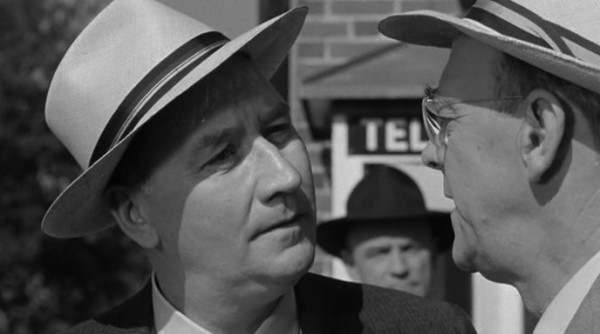
Edward Andrews and John McIntyre in THE PHENIX CITY STORY

On June 30, Turner Classic Movies will broadcast The Phenix City Story; gritty, crisp and unvarnished, it’s a jarring contrast to 1950s Ozzie and Harriett American culture. It’s impossible to imagine a film noir that is more “ripped from the headlines”. The Phenix City Story is one of my Overlooked Noir; it’s hard to find to stream, so set your DVR for TCM this week.

John Larch in THE PHENIX CITY STORY

DISCLOSURE: giving voice to the trans perspective

Laverne Cox in DISCLOSURE. Courtesy of NETFLIX.

I very much admired Disclosure, the insightful – and even revelatory – documentary about the depiction of trans people in film and television and the impacts of that depiction.

The best thing about Disclosure is the unfiltered trans voice – near as I can tell, 100% of the subjects and talking heads are trans or non-binary people, and it’s an uncommonly articulate bunch. I found the most compelling to be Emmy-winning actress Laverne Cox (Orange Is the New Black), actress/writer Jen Richards (Tales of the City), producer Zackary Drucker (Transparent) and actress Candis Cayne (Dirty Sexy Money).

The first 25 minutes – tracing depiction of trans people in film since D.W. Griffin’s silents – is not riveting. But stay with it – Disclosure pays off big time with these moving personal stories. Near the end, Jen Richards comments on an accepting parent that she saw in another documentary – get out the Kleenex for this moment.

I had always thought of Jaye Davidson’s Oscar nomination for her performance as Dil in The Crying Game as a step forward for trans people. It’s complicated. I had always viewed Stephen Rea’s reaction in the Big Reveal scene from my straight male perspective (cis, if you insist); Disclosure made me consider the trans woman’s lens, too.

Disclosure is streaming on Netflix.

ELLA FITZGERALD: JUST ONE OF THOSE THINGS: gentle genius of jazz

The revelatory biodoc Ella Fitzgerald: Just One of Those Things traces the life of the jazz icon.

It opens with the Harlem teenage dancer who was an eyewitness to Ella’s 17-year-old public debut at the Apollo Theater’s Amateur Night in 1934. We learn of Ella’s rocky childhood, with the traumas that led her to being incarcerated as a juvenile delinquent and becoming homeless in Harlem. We see the arc of her career, with the initial mentorship of bandleader Chick Webb and the later guidance of producer Norman Grantz.

Her son, Ray Brown, Jr., is on hand to reveal Ella’s family side (with photos of mom pitching to son, both in Dodgers gear).

One of the Ella Fitzgerald: Just One of Those Things‘ highlights is a never-broadcast interview in which Ella makes clear her views on race, American racism and civil rights. Markedly clear-eyed, it’s all the more powerful because of Ella’s gentle demeanor.

A Must See for jazz fans, Ella Fitzgerald: Just One of Those Things is reverential and by-the-numbers, but it is well-sourced and insightful. It opens June 26 in the Roxie Virtual Cinema.

DA 5 BLOODS: a few compelling elements

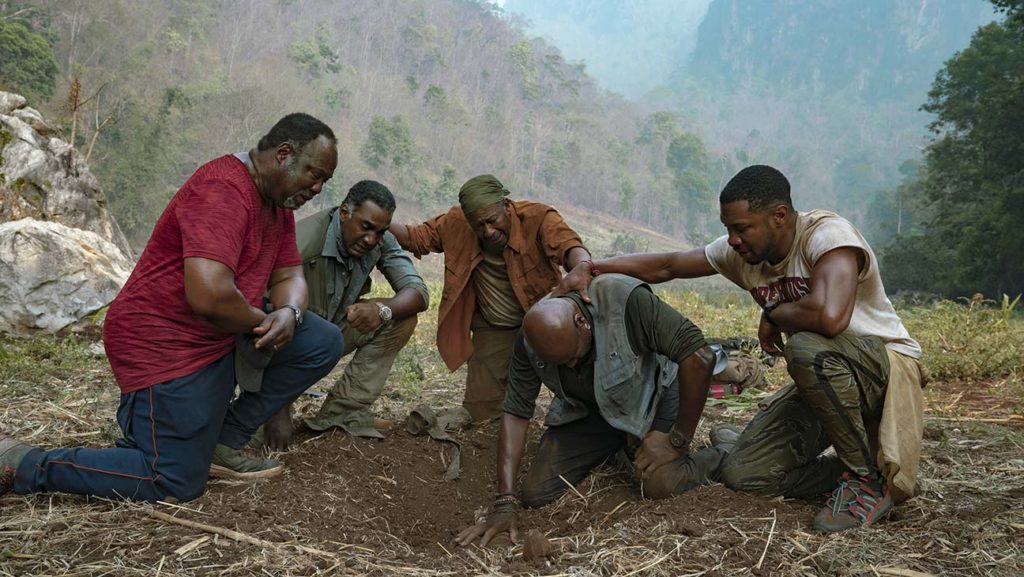
Isiah Whitlock Jr., Norm Lewis, Clarke Peters, Delroy Lindo and Jonathan Majors in in DA 5 BLOODS. Cr. DAVID LEE/NETFLIX © 2020

Spike Lee’s latest film, Da 5 Bloods has some compelling elements, but the movie isn’t compelling as a whole. It’s too long and drags in places. The Wife and I stopped watching after the first hour. I finished it a couple days later.

Da 5 Bloods works best as a reflection on the Vietnam War and on the Black experience in America; how Spike handles those themes is far more evocative than is the story itself.

The story: four African-American vets return to Vietnam fifty years after their service. They are seeking to recover the remains of their beloved commanding officer. What they keep to themselves, is that he is buried with a fortune in gold bars. This quest is remarkably similar to Treasure of the Sierra Madre (and Spike even throws in the most famous quote from Sierra Madre).

Delroy Lindo in DA 5 BLOODS. Photo courtesy of NETFLIX.

The best reason to watch Da 5 Bloods are the performances of Delroy Lindo and Clarke Peters. Lindo has the best role of his craeer – as a man who is tormented by PTSD from wartime guilt and a family tragedy back home.

The old actors play themselves in the fifty-years-before flashback scenes. I suspended disbelief, but it decidedly did not work for The Wife.

Besides Delroy Lindo’s searing monologues, the highlights of the movie are an unexpected family reunion for the Clarke Peters character and a gripping sequence in a minefield.

The supporting cast is excellent, especially Melanie Thierry, Paul Walter Hauser, Jean Reno, Le Y Tan and first time actress Sandy Huong Pham, Jonathan Majors, so great in The Last Black Man in San Francisco, is fine but wasted in an underwritten role.

Da 5 Bloods does showcase an impressive selection of soul shakes. Spike also drops in has signature double dolly shot in the epilogue, to effetively cap the Clarke Peters story line.

One of the best things about Da 5 Bloods is the soundtrack; I can’t get enough of Marvin Gaye’s What’s Going On, and neither can Spike. Time Has Come Today by the Chambers Brothers is underused in the movie, but dominates the great trailer embedded below (and the trailer is better than the movie).

Da 5 Bloods is streaming on Netflix.

YOURSELF AND YOURS: Buñuel meets Seinfeld

YOURSELF AND YOURS
YOURSELF AND YOURS
photo courtesy of SFFILM

The absurdism of Luis Buñuel meets the social awkwardness of Seinfeld in Hong Sang-soo’s Koran comedy Yourself and Yours.

In Yourself and Yours, Minjung (Lee You-young) dumps her boyfriend (Kim Joo-hyuck) after he objects to her heavy drinking (“I’ve stopped drinking – now I stop after only five rounds“). Then another man thinks that he meets Minjung, but she claims that she is Minjung’s identical twin. We’re not so sure about that. And then she meets ANOTHER man, and her identity remains in question. Her original boyfriend is comically bereft, and he’s on the lookout for her, too.

One character says “You men are all pathetic“, and Minjung proves that point at every opportunity. In a deliberate homage to Buñuel’s That Obscure Object of Desire, Lee You-young plays the role of Minjung and her multiple doppelgängers (unless they are all really Minjung herself).  There are plenty of LOL moments as Yourself and Yours winds its way full circle to a satisfyingly sly finale.

I saw Yourself and Yours (Dangsinjasingwa dangsinui geot) at the San Francisco International Film Festival (SFFILM).  In an Only-At-SFFILM moment, I (a Hong Sang-soo newbie) was surrounded in the audience by devoted Hong Sang-soo fans. During its Bay Area virtual run at the Roxie, you can stream Yourself and Yours at Roxie Virtual Cinema.

Movies to See Right Now (at home)

Julia Garner in ELECTRICK CHILDREN

This week: The most original teen coming of age movie you’ll ever see, and a historical documentary with insights on two forgotten years of MLK’s life. Plus the most eclectic watch-at-home recommendations you’ll find anywhere.

ON VIDEO

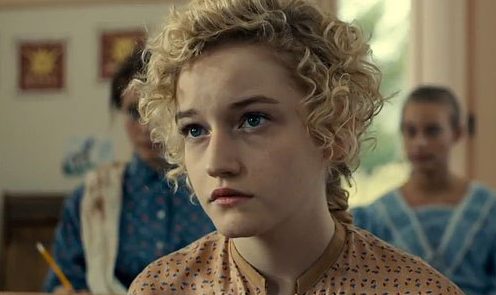
Electrick Children: A female filmmaker, in her first faeture, has created an entirely unique teen coming of age story – a magical tale of Mormon runaways in Vegas. Julia Garner, currently the best thing about the Netflix series show Ozark, stars. Electrick Children can be streamed from Amazon (included in Amazon Prime) and can be purchased from several other VOD platforms.

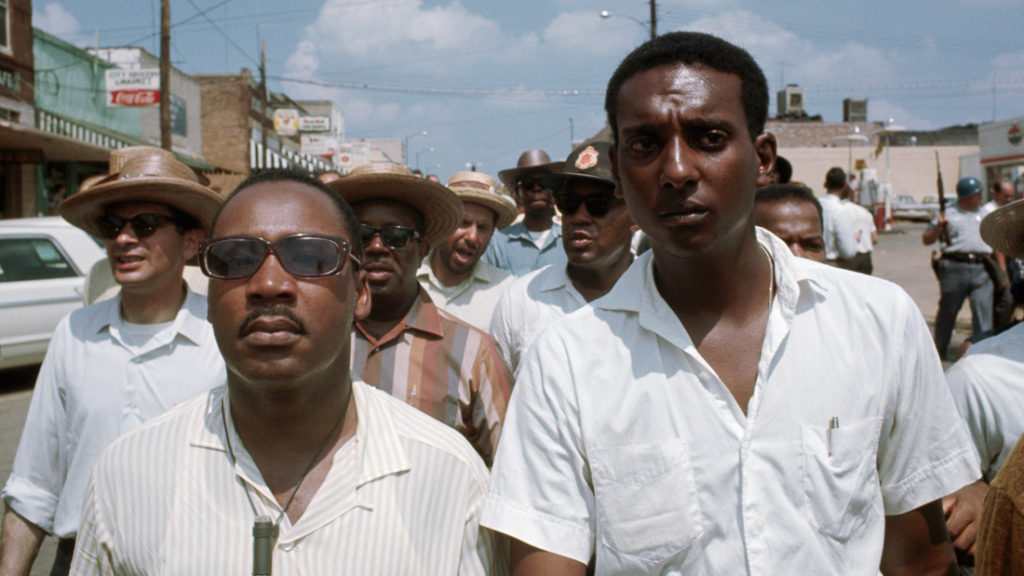
King in the Wilderness: This superb documentary follows Martin Luther King, Jr., through his turbulent final two years, when he was facing a big fat case of What Have You Done For Me Lately? It originally aired on HBO and won an Emmy for best historical documentary. King in the Wilderness is now widely available on streaming platforms.

Dr. Martin Luther King Jr. and Stokely Carmichael in KING IN THE WILDERNESS. Photo by Flip Schulke Archives – ©. Courtesy of Sundance Institute.

The most eclectic watch-at-home recommendations you’ll find ANYWHERE:

Hong Chau in DRIVEWAYS
  • Driveways: I can’t think of a more authentic movie about intergenerational relationships than this charming, character-driven indie.
  • The Lovebirds: A rom com with a playful plot and a truthful relationship.
  • The Bandit: A Hollywood buddy documentary that features some amazing movie stunts.
  • Wind River: “This isn’t the land of backup, Jane. This is the land of you’re on your own.”
  • Unfriended: Teenagers find horror on their own webcams.
  • Touching the Void: the gripping true life story of a mountaineer who had to cut his climbing partner’s rope.
  • Searching: A ticking clock thriller that captures the Silicon Valley vibe.
  • Outside In: A story of self-discovery with an astonishing performance by Edie Falco.
  • The T.A.M.I. Show: The first concert film, featuring eight future Rock and Roll Hall of Famers.
  • Cold Case Hammarskjöld: An investigatory documentary that sends-up the genre.
  • Spaceship Earth: A visionary scientific experiment, unraveled from human foibles.
  • Night on Earth: This indie has the funniest vignette and the saddest – all in one movie.
  • Very Semi-Serious: glorious The New Yorker cartoons.
  • The Whistlers: a shady cop and a mysterious woman walk a tightrope of treachery.
  • The Wild Goose Lake: vivid nights in the Chinese underworld.
  • The Handmaiden: gorgeous, erotic and a helluva plot.
  • Recorder: The Marion Stokes Project: it seemed crazy at the time…
  • Radio Dreams: stranger in a strange and funny land.

ON TV

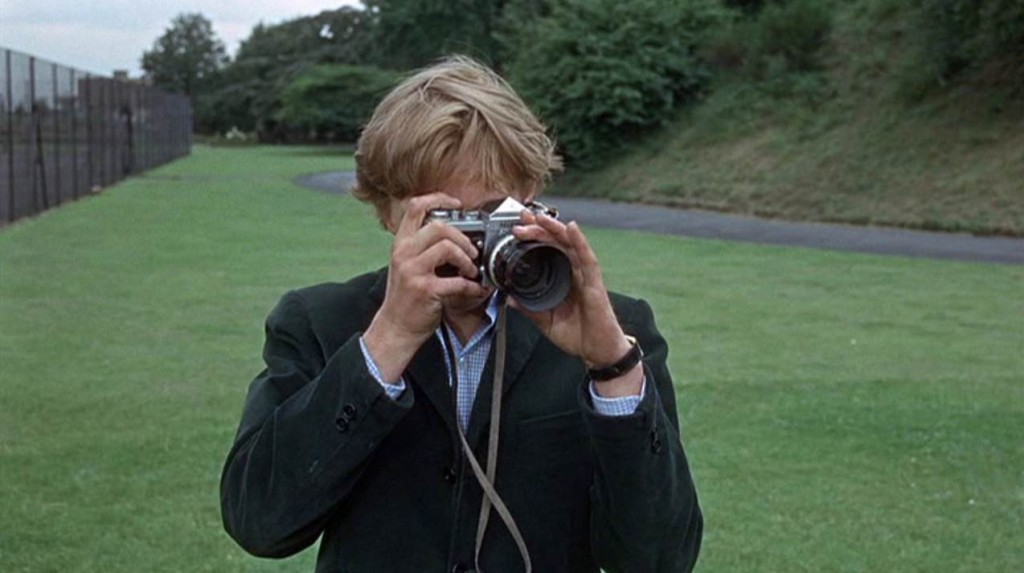
David Hemmings in BLOW-UP

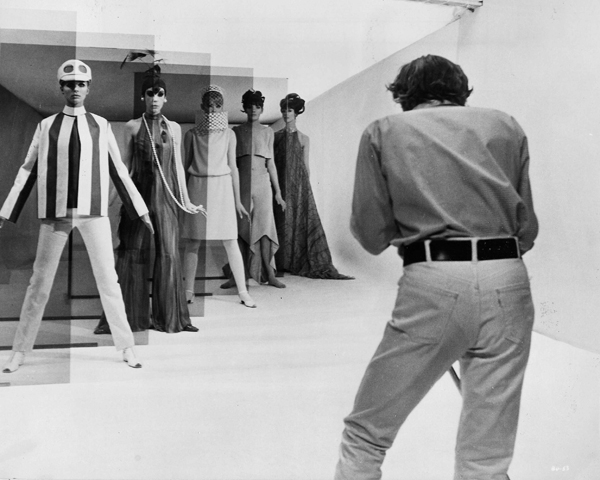
On June 22, Turner Classic Movies will air one of my personal favorites from the 1960s, Blow-up. Set in the Mod London of the mid-60s, a fashion photographer (David Hemmings) is living a fun, but shallow, life filled with sports cars, discos and scoring with supermodels (think Jane Birkin, Sarah Miles and Verushka). Then he discovers that his random photograph of a landscape may contain a clue in a murder and meets a mystery woman (Vanessa Redgrave). After taking us into a vivid depiction of the Mod world, director Michelangelo Antonioni brilliantly turns the story into a suspenseful story of spiraling obsession. His L’Avventura, La Notte and L’Eclisse made Antonioni an icon of cinema, but Blow-up is his most accessible and enjoyable masterwork. There’s also a cameo performance by the Jeff Beck/Jimmy Page version of the Yardbirds and a quick sighting of Monty Python’s Michael Palin in a nightclub.

BLOW-UP