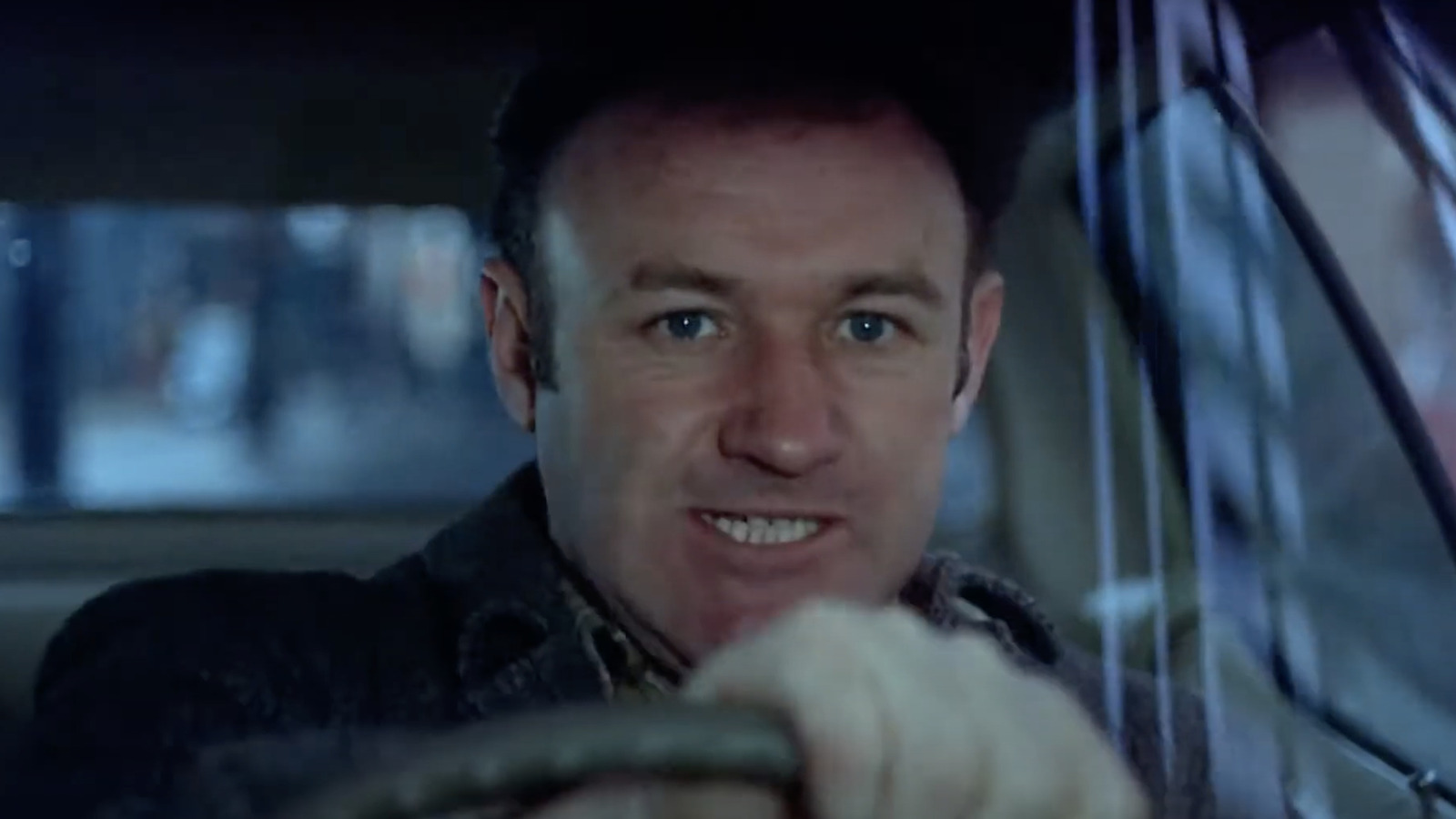
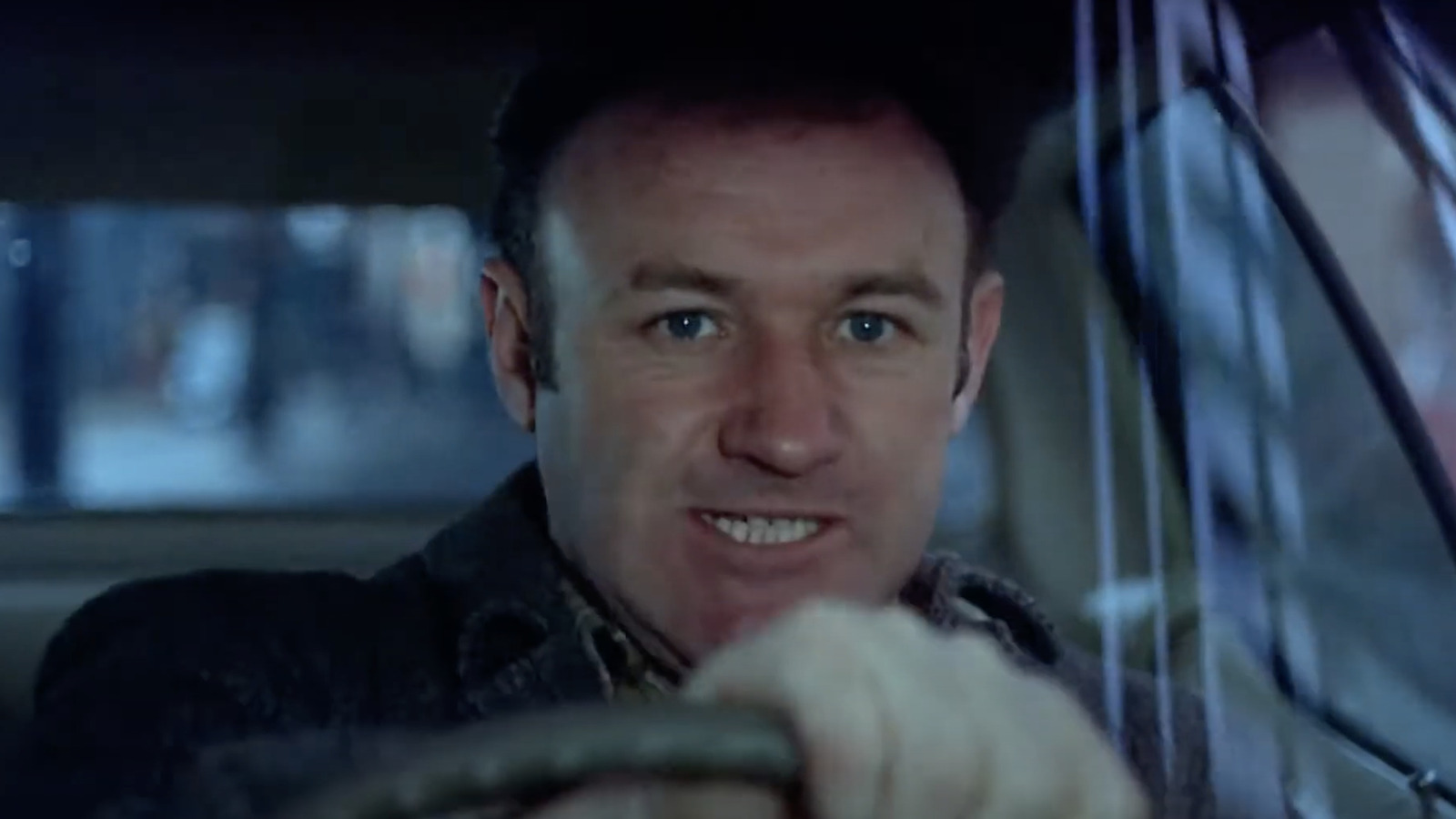
Gene Hackman in the car chase in William Friedkin’s THE FRENCH CONNECTION.
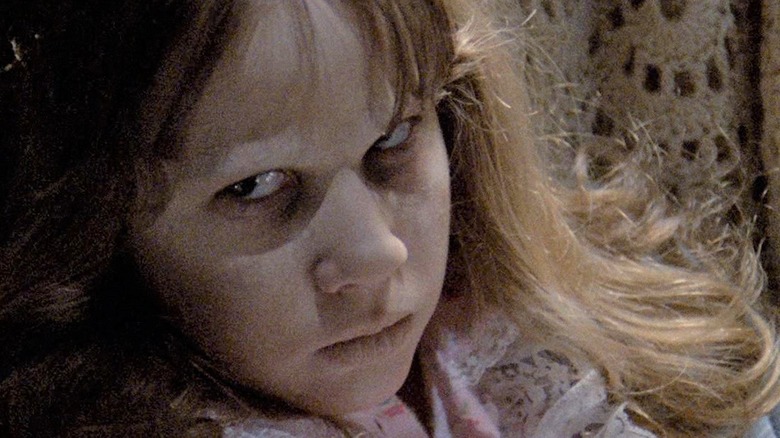
Director William Friedkin, one of the most significant filmmakers of the past 50 years, has died at 87. Friedkin is best known for his two great films, The French Connection and The Exorcist, each groundbreaking in its own way. The French Connection, despite an anti-hero with off-putting characteristics and a setting in NYC at its grimiest, had audiences on the the edge of their seats, and its car chase (before CGI) is still the gold standard. The Exorcist was the first horror movie to be nominated for Oscar (a recognition previously unthinkable).
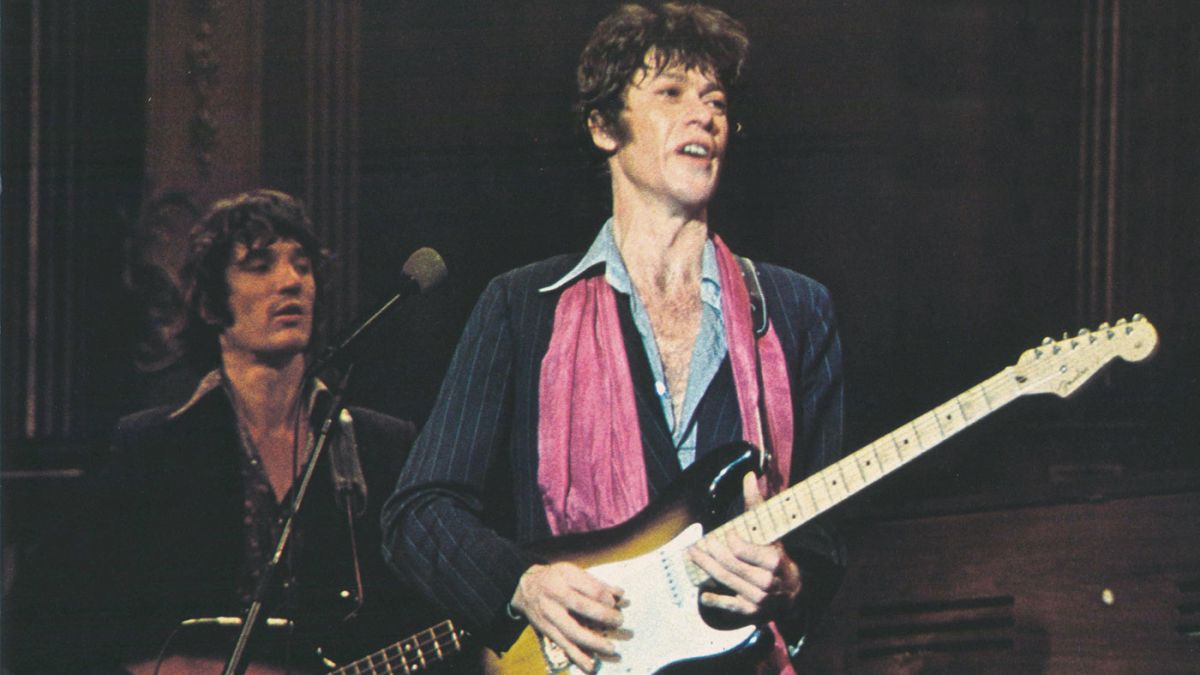
Robbie Robertson (front center) in THE LAST WATZ.
Robbie Robertson was justifiably famous as a musician and a songwriter, fronting The Band with its many hits and backing Bob Dylan’s transition from acoustic to electric. In fact, I was introduced to Robertson on-screen as a subject of Martin Scorsese’s documentary The Last Waltz, still one of the greatest concert films. But Robertson also became a significant force in the music of cinema, amassing almost 300 screen credits on IMDb as a composer, music supervisor or contributor to the soundtrack. Robertson’s behind the screen work included many collaborations with Scorsese, the last being the heralded Killers of the Flower Moon. Robertson identified as an indigenous Canadian, whose mother was Cayuga and Mohawk from the Six Nations Reserve.
Director Hugh Hudson’s FIRST FEATURE won the Best Picture Oscar – Chariots of Fire. He never approached that level of achievement with feature films again, although he had a successful career directing commercials. He was one of the very few directors to attempt to make a movie about the American Revolution, Revolution.
Writer Bo Goldman won an adapted screenplay Oscar for One Flew Over the Cuckoo’s Nest and an original screenplay Oscar for Melvin and Howard.
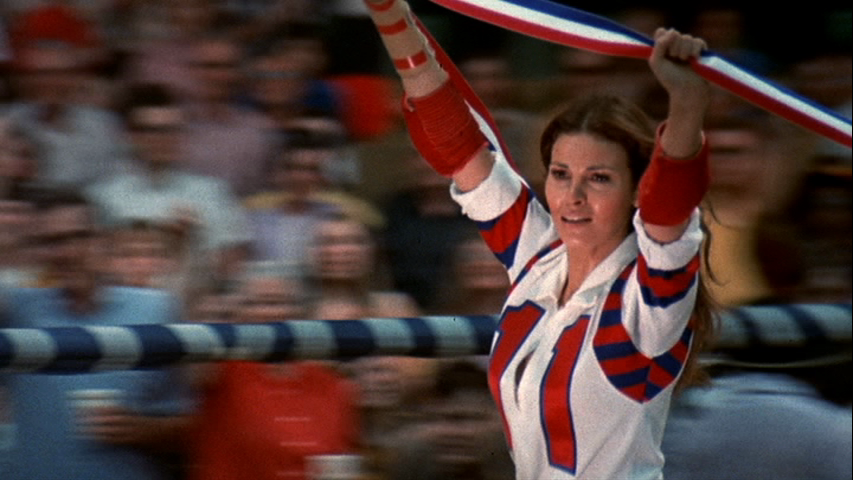
Early on, Raquel Welch was thought of more as a novelty movie star than as an actress. She had become instantly recognizable for displaying her spectacular figure in a skintight spacesuit (Fantastic Voyage), a doe-skin bikini (One Billion Years B.C.), a star spangled bikini (Myra Breckenridge), and flimsy undergarments (100 Rifles). In 1972, she proved that she could act in Kansas City Bomber. Welch nailed the character of a hard scrabble single mom committed to raising her kid while facing one indignity and bad choice after another. (Welch herself had two kids by the time she was 21 and was divorced at 24.) In 1973, she demonstrated brilliant comic acting chops in The Three Musketeers,
Her birth surname was Tejada; she took Welch from her first husband. Welch’s father was Bolivian, and her cousin was the first female president of Bolivia.
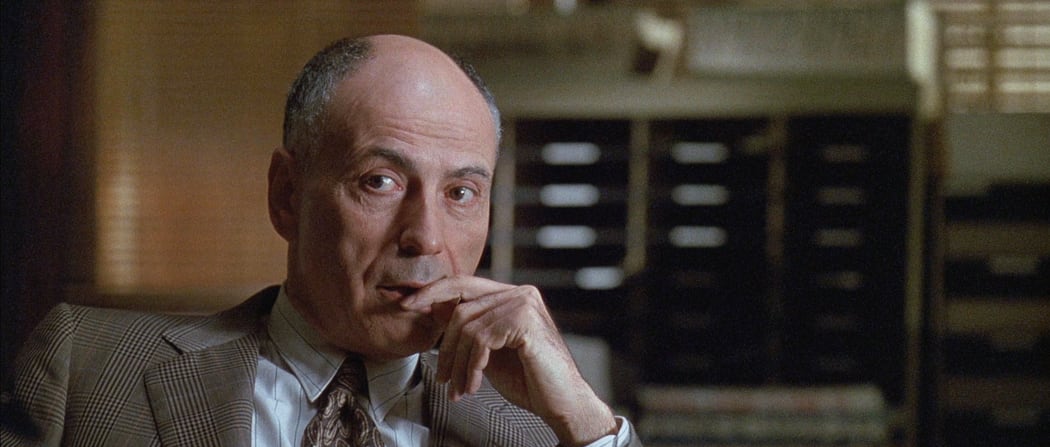
Alan Arkin in GLENGARRY GLEN ROSS.
His NYT obit notes that Alan Arkin “won a Tony Award for his first lead role on Broadway (and) received an Academy Award nomination for his first feature film”. Arkin soared in comic roles, especially in The Russians are Coming! The Russians are Coming! and Little Miss Sunshine and as a chilling villain in Wait Until Dark. For my money, his greatest performance as as the desperate and life-worn salesman in Glengarry Glen Ross, a puddle of vulnerability.
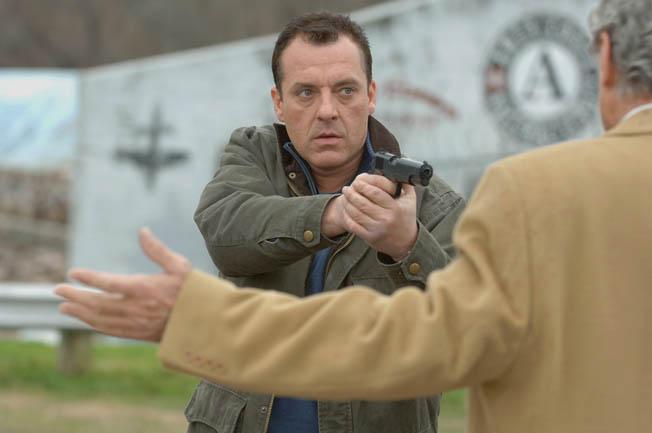
Tom Sizemore in THE LAST LULLABY
Actor Tom Sizemore is most remembered for his Oscar-nominated performance as Tom Hank’s sergeant in Saving Private Ryan. Sizemore was intense and charismatic and hugely talented, but his longtime cocaine addiction kept him off the screen and in the tabloids, rehab and jail. In a rare leading role, Sizemore carried an excellent little neo-noir, The Last Lullaby; see it on Amazon (included with Prime), Vudu and redbox.
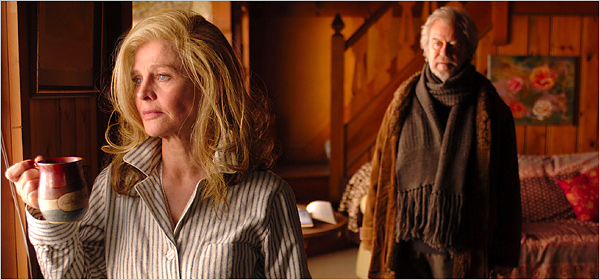
Julie Christie and Gordon Pinsent in AWAY FROM HER.
Prolific Canadian actor Gordon Pinsent was unforgettable in Away from Her, Sarah Polley’s Alzheimer’s movie with Julie Christie (my choice for the best movie of 2007). Pinsent piled up 152 screen credits, much of it lesser material on TV. He played a bad guy in one of my favorite neo-noirs, Chandler with Warren Oates.
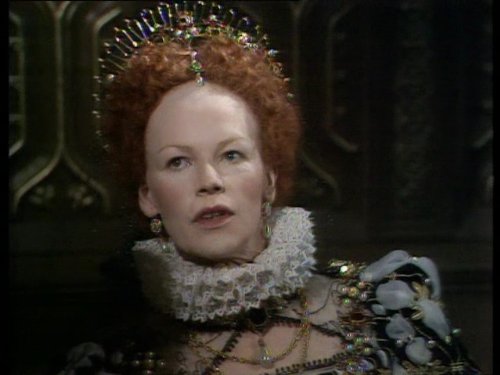
Glenda Jackson in Elizabeth R.
Glenda Jackson won Oscars for Women in Love and a A Touch of Class. I most admired her as the fierce Queen Bess in the 1971 miniseries Elizabeth R. Many actors have tried on politics in real life, but Jackson took off 23 years from her acting career to serve as a hard Left Labor Party MP, before returning to the stage as an acclaimed King Lear.
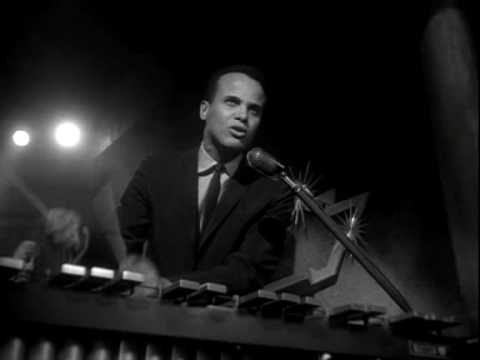
Harry Belafonte in ODDS AGAINST TOMORROW.
Already a big musical star, Harry Belafonte burst on screen with searing performances in the 1950s – Carmen Jones, Island in the Sun, Odds Against Tomorrow. He only made a few movies after 1959, but they were good ones: Sidney Poitier’s Buck and the Preacher, Robert Altman’s Kansas City and The Player, Spike Lee’s BlacKKKlansman. Belafonte could have had an even bigger film career, but, early on, he refused roles that he found demeaning and then devoted the last six decades of his life to civil rights work, where he made immense contributions.
Gina Lollibrigida has died at 95. Her very solid mainly, European body of film work was overshadowed by her image in the US as a sex symbol (Solomon and Sheba). Check her out in John Huston’s sly Beat the Devil. Lollibrigida was the first five-syllable Italian word that I learned to pronounce.
Richard Roundtree’s FIRST MOVIE role was as the iconic John Shaft in Shaft. He went on to over 250 more screen credits, including four more as John Shaft. Although in my mind, the biggest star of Shaft was Isaac Hayes’ music, Richard Roundtree was, along with Pam Grier, the most significant on-screen force in Blaxploitation cinema.
Michael Gambon, the venerated actor of the British stage, ended his career famously as Dumbledore in several Harry Potter movies. He had also played LBJ in Path to War, the lord of the manor in Gosford Park and the king in The King’s Speech, and elevated smaller movies like Page Eight, Quartet and Layer Cake.
Melinda Dillon was Oscar-nominated for Close Encounters of the Third Kind and Absence of Malice. But my favorite Dillon performance will also be that of another mom, who is worried her son will shoot his eye out in A Christmas Story. She also shared an intimate scene with Paul Newman in Slapshot, and said, “I spent 10 and a half hours naked in bed with Paul and absolutely loved it.”
Cindy Williams, before her TV success in Laverne and Shirley, made two of the 50Greatest Movies of All Time. George Lucas’ American Graffiti is about that moment in 1962 when the innocence of the 1950s was months away from being replaced by the turbulence of the 1960s, for which nobody in America was prepared; she played the girlfriend of Ron Howard’s Steve, whose willfulness got her in a situation that was more than she could handle. Williams’ apparent sweet innocence was also perfect for Francis Ford Coppola’s The Conversation, where it is revealed that her character was not so threatened after all.
Sadly, the actor Robert Blake will be remembered for the horrific childhood and sordid post-career detailed in his NYT obit, a hit TV show with a parrot and an absence of boundaries on TV talk shows. He was a child star, exploited by an abusive parent, in Our Gang and even The Treasure of the Sierra Madre. But he proved his underlying talent in In Cold Blood.
From 1974 to 1979, Frederic Forrest was making unforgettable movies (The Conversation, Apocalypse Now, The Rose), but those led to a passel of forgettable ones in the 80s. He did sparkle as the villainous Blue Duck in Lonesome Dove.
Treat Williams began his career with a string of interesting movies from 1976 through 1981: The Ritz, Hair, and the highly acclaimed Prince of the City. He continued a prolific and respectable career for four more decades, but his films never matched his early ones.
Julian Sands earned 156 screen credits and will be best remembered for A Room with a View.
Ryan O’Neal became a movie star when he starred in the disgustingly saccharine Love Story. He later was eclipsed by his own daughter’s Oscar-winning performance in Paper Moon. He was a good sport, mocking Love Story with his final line in What’s Up, Doc?.
Jim Brown is justifiably best known for being voted the best NFL player of the 20th Century, but the reason he left NFL was to star in Hollywood movies, where he was an African-American trailblazer. In 1969’s 100 Rifles, he played the first African-American male character in a major Hollywood movie to be shown having sex with a white woman (Raquel Welch). Although Brown displayed a range of emotion onscreen described by James Wolcott as “no wider than a mail slot”, he was a pretty convincing action star, perhaps best in The Dirty Dozen.
Paul Reubens was the star of and the creative force behind the goodihearted and gloriously weird Pee-wee’s Big Adventure.
Joss Ackland was one of those stage-trained British actors who could elevate a role in any film, as he did in Lethal Weapon 2, The Hunt for Red October, White Mischief and over 200 other screen credits.
Lance Reddick earned over 100 screen credits, appearing in several movie franchises and 60 episodes of The Wire. His final performance, in The Caine Mutiny Court-Martial, is one of his best.
Jane Birkin is remembered as a model, fashion icon, pop singer and a celebrity jet setter in the Mod 60s. She appeared in an extraordinarily good movie, Michelangelo Antonioni’s Blow-up, but in a cameo playing a Mod Era jet set model. She was the mother of a very gifted screen actress, Charlotte Gainsbourg.
Raymond David Taylor in CATERPILLAR. Courtesy of NashFilm.
While the Nashville Film Festival has its share of high-profile movies, don’t miss the gems that are screening under the radar. These movies are why we go to film festivals. Here are my top picks.
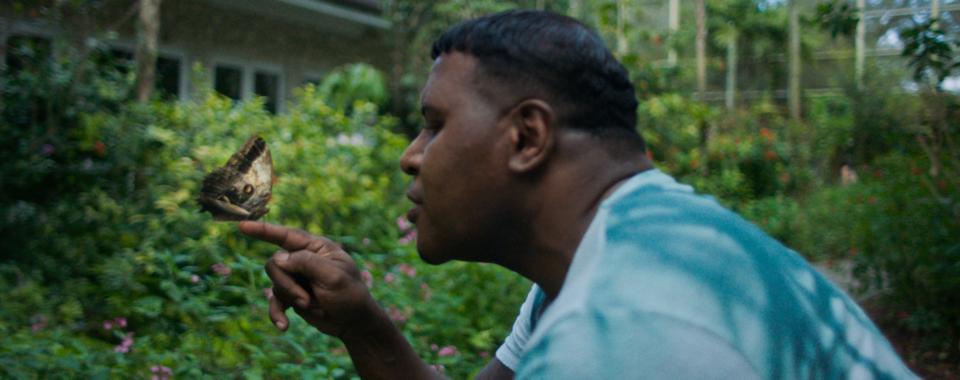
Caterpillar: In this riveting documentary, we meet David, an engaging man who is consumed by changing one aspect of his appearance – the color of his eyes. He decides to seek cosmetic iris implant surgery at a shady clinic in India. Is his problem the color of his eyes, or that he is obsessed with the color of his eyes? David’s loving but unfiltered mother is very important to him, but she is damaged herself and ill-equipped to communicate with or support him emotionally. In India, David meets other patients, who seem to have more superficial rationales for the surgery than does David. They have all been enticed by commercials on YouTube, and neither David or his fellow patients have asked the question – why is this procedure not legal in the US or any developed nation? Caterpillar becomes a profound exploration of body image, swirling amid issues of race, sexuality and gender identity. David is easy to root for, right through a series of MOG moments. David’s intensely personal and harrowing journey is expertly told by director Lisa Mandelup in her second feature. NashFilm hosts what is only the second screening for Caterpillar, which premiered at SXSW.
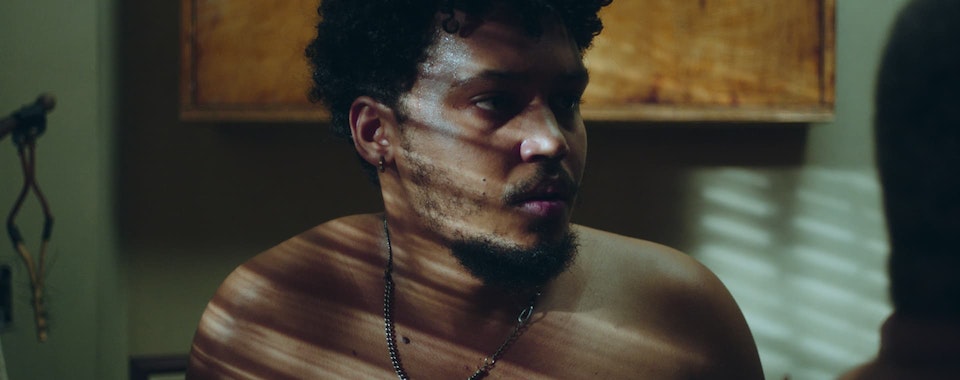
A Strange Path: With a trippy beginning, writer-director Guto Parente lets us know that we’re in for a bizarre, often absurd, but ultimately redemptive experience. After growing up with his mother in Portugal, the twenty-something filmmaker David (Lucas Limeira) returns to his native Brazil to premiere his first feature at a film festival. It’s the very onset of the COVID pandemic, and the festival is postponed, his flights are canceled, his hotel closes, and David finds himself marooned in the lockdown. He shows up on the doorstep of his long-estranged father, and has increasingly surreal interactions with him. It turns out that David is on a strange path to a destination that he does not, and the audience cannot, anticipate. A Strange Path, which swept the international film awards at Tribeca, is like a COVID fever dream. In a good way.
Cypher: Filmmaker Chris Moukarbel toys with us in this ingenious narrative in the form of pseudo documentary about rapper Tierra Whack. As in any music doc, we meet Whack (smart, genuine and naturally charming) and trace her artistic emergence. Whack’s real life team and Moukarbel’s real-life crew play themselves. Fifteen minutes in, they meet a fawning fan in a diner, an interesting woman who soon veers into conspiracy talk. Whack continues with a world tour, on the road to shooting a music video. Whack and Moukarbel are unsettled when secretly-filmed video of them shows up on social media. Moukarbel is hounded by the unbalanced daughter (Biona Bradley – perfect) of the woman in the diner. The intrusions become increasingly menacing, and are tied to the same conspiracy theory. Reeling, the film crew visits the daughter, but the threats only escalate, all the way to a showdown on a video shooting set. It’s hard to tell when the story dips in and out of fiction, and this is definitely not a movie you’ve seen before.
Dusty and Stones: For an unadulterated Feel Good movie, it’s hard to beat this little documentary that layers on the improbabilities. It’s about a Country Western duo from Swaziland (since renamed Eswatini) who get a chance to visit Nashville and compete in a Texas country music festival. Who knew there was a Country Western music scene in Swaziland, complete with line dancing and Stetsons? There are plenty of nuggets here., beginning with the guys’ unbounded joy at hearing their music recorded with the very best Nashville studio equipment and session musicians. And they explain to the denizens of an African-American barbershop that they are headed for a country music festival in a small East Texas town. And, sitting in a Nashville motel, they contemplate their first Taco Bell cuisine. It’s a little movie, but it’s a hoot. Dusty and Stone will appear in person at NashFilm.
Shere Hite in THE DISAPPEARANCE OF SHERE HITE. Courtesy of NashFilm.
The Nashville Film Festival opens tomorrows and runs through October 4. Overall, it’s a strong program, but here are two films that you shouldn’t miss.
The Disappearance of Shere Hite: This film, a triumph for director Nicole Newnham (Crip Camp), explores the life and times of the groundbreaking sex researcher and best-selling author. A woman of uncommon confidence, determination and resourcefulness, Hite sailed into the face of the patriarchy. Denied resources and respect by the academic establishment, her guerilla research uncovered pivotal truths of female sexuality and spoke them for the first time. The resulting sensation brought fame, acclaim and notoriety to Hite, accompanied by both financial success and a vicious backlash. The persistence of that backlash, and its personal toll, caused Hite to essentially revoke her own celebrity. Hite did not suffer fools, and was fearless until she wasn’t. We meet a slew of Hite’s intimates in this superbly sourced film and gain insight into her personality. Shere Hite speaks to us directly in file footage and in her writings, voiced by Dakota Johnson. For those of us who were roaming the earth in the 1970s, it’s still jarring to see the cultural resistance to what we now accept as biological fact. For those experiencing this story for the first time, it’s astonishing and powerful. I understand that women under age forty-five, having missed Shere Hite’s moment of ubiquitous media presence, are responding strongly to this film.
Caterpillar: In this riveting documentary, we meet David, an engaging man who is consumed by changing one aspect of his appearance – the color of his eyes. He decides to seek cosmetic iris implant surgery at a shady clinic in India. Is his problem the color of his eyes, or that he is obsessed with the color of his eyes? David’s loving but unfiltered mother is very important to him, but she is damaged herself and ill-equipped to communicate with or support him emotionally. In India, David meets other patients, who seem to have more superficial rationales for the surgery than does David. They have all been enticed by commercials on YouTube, and neither David or his fellow patients have asked the question – why is this procedure not legal in the US or any developed nation? Caterpillar becomes a profound exploration of body image, swirling amid issues of race, sexuality and gender identity. David is easy to root for, right through a series of MOG moments. David’s intensely personal and harrowing journey is expertly told by director Lisa Mandelup in her second feature. NashFilm hosts what is only the second screening for Caterpillar, which premiered at SXSW.
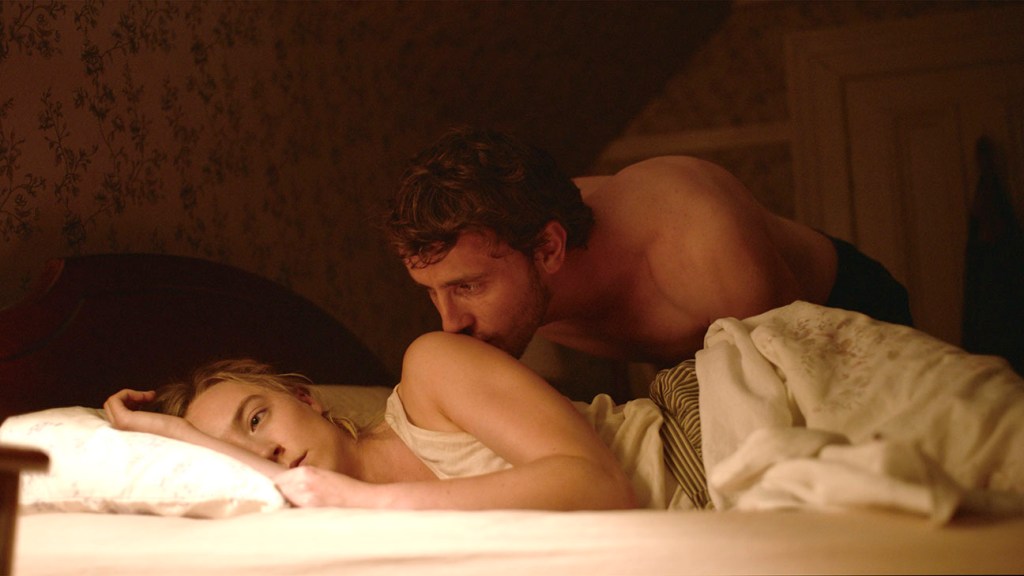
Photo caption: Saoirse Ronan and Paul Mescal in Raoul Peck’s FOE, screening at the Nashville Film Festival. Courtesy of Amazon Studios.
The Nashville Film Festival opens on Thursday, September 28 and runs through October 4 with a diverse menu of cinema. The Nashville Film Festival is the oldest running film festival in the South (this is the 54th!) and is an Academy Award qualifying festival. The program includes a mix of indies, docs and international cinema, including world and North American premieres.
The closing night feature is Foe, a drama from Oscar nominated director Raoul Peck (I Am Not a Negro) that stars fellow Oscar nominees Saoirse Ronan and Paul Mescal.
See it here first: several films in the program have already secured distribution and will be available to theater and/or watch-at-home audiences. Before just anybody can watch them, you can get your personal preview at the Nashville Film Festival: Foe, La Chimera, All Dirt Roads Taste of Salt, Fingernails, Flora and Son, Eileen, The Taste of Things, Silver Dollar Road and The Disappearance of Shere Hite.
I love covering Nashfilm in person, but I’ll be covering remotely this year; that just leaves more pig-forward delicacies from Peg Leg Porker and Martin’s Bar-B-Que Joint for you.
Check out the program and buy tickets at the festival’s Film Guide. Watch this space for Nashville Film Festival recommendations. I’ll be back in a couple days with my recommendations.
Gene Hackman in the car chase in William Friedkin’s THE FRENCH CONNECTION.
Director William Friedkin, one of the most significant filmmakers of the past 50 years, has died at 87. Friedkin is best known for his two great films, The French Connection and The Exorcist, each groundbreaking in its own way. The French Connection, despite an anti-hero with off-putting characteristics and a setting in NYC at its grimiest, had audiences on the the edge of their seats, and its car chase (before CGI) is still the gold standard. The Exorcist was the first horror movie to be nominated for Oscar (a recognition previously unthinkable).
Friedkin also made two LGBTQ-themed films well before other Hollywood mainstreamers – The Boys in the Band and Cruising (the latter controversial in the LGBTQ community).
Friedkin also had a gift for neo-noir, and his To Live and Die in L.A. has become a noir cult favorite. Perhaps burdened by the outrageousness of writer Tracy Letts’ perverse and taboo-centric story, the delicious neo-noir Killer Joe has never received its due. Less colorful than those two, The Brink’s Job is a solid and entertaining crime film.
And The Exorcist wasn’t Friedkin’s only foray into foray. The grievously overlooked Bug still stands up today.
For some reason, Friedkin’s own favorite work was the disappointing slog Sorcerer (although it doesn’t deserve to be reviled as much as Jade, the only really bad Friedkin movie I’ve seen.)
At 87, Friedkin just completed his final film, The Caine Mutiny Court Martial.
Like another of my favorite directors, Sam Fuller, Friedkin was never too high-minded to embrace the lurid, which was manifested in The Exorcist, Bug, Cruising and Killer Joe. He enjoyed seeing himself as a bit of a rascal, and claimed to have bribed a NYC transit official $40,000 to permit staging the The French Connection car chase.
Friedkin was also a delightfully irascible raconteur, which I got to appreciate in-person at a San Francisco preview screening of Killer Joe in 2011.
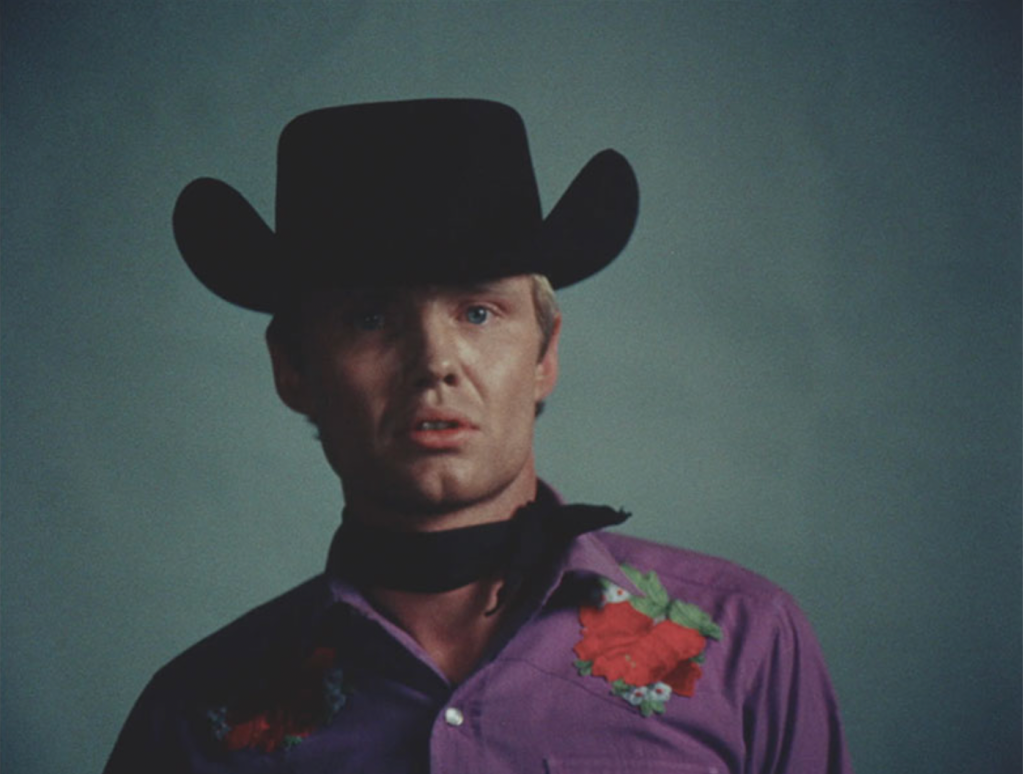
Jon Voight in his screen test for Midnight Cowboy from DESPERATE SOULS, DARK CITY AND THE LEGEND OF MIDNIGHT COWBOY. Courtesy of Kino Lorber.
One of the Bay Area’s top cinema events is back – the San Francisco Jewish Film Festival (SFJFF) , running through August 6 at the Castro, the Piedmont and the Vogue. The SFJFF is the world’s oldest and largest Jewish film festival, and the program offers 68 films from 18 countries. Here are four movies to seek out:
Desperate Souls, Dark City and the Legend of Midnight Cowboy: This remarkably insightful documentary explores the making of Midnight Cowboy and its place both in cinema and in American culture. Midnight Cowboy won Oscars for Best Picture, Director and Adapted Screenplay, all with an X-rating. Sure, we know Midnight Cowboy as a groundbreaking film, but Desperate Souls argues that it both reflected the zeitgeist of the moment and opened new possibilities in American filmmaking. Filmmaker Nancy Buirski builds her case with superb sourcing, including the unique perspective of Jennifer Salt who observed her father, screenwriter Waldo Salt, and director John Schlesinger birth the film; she also acted in the movie and came to date its star, Jon Voight. Voight himself bookends the film with emotionally powerful reflections.
Erica Jong: Breaking the Wall: Erica Jong, celebrity author of bestsellers and popularizer of feminist and erotic writing, has led a fascinating life, and documentarian Kaspar Kasics has the good sense to let a great storyteller unspool her own story. We get a full dose of Erica Jong, both in contemporary footage and in archival television interviews. For all her notoriety, Jong has consistently served as what we used to call a public intellectual (and now call a thought leader). Jong is remarkably prescient in her 20th century television interviews (and faced some cringeworthy sexism from the likes of David Susskind and Merv Griffin). Kasics also lets us hear Jong and her sister recalling their unusual childhood and gives us a glimpse inside Jong’s current marriage.
My Neighbor Adolph: In this wry fable from Russian-born Israeli filmmaker Leon Prudovsky, chess master Polsky (David Hayman) has lost all his family in the Holocaust. Consumed by grief and bitterness, he lives the life of a misanthropic recluse in a remote South American countryside. Polsky is rocked when the long-vacant house next door becomes occupied by a mysterious German (the piercing-eyed Ugo Kier), who Polsky becomes convinced is Adolph Hitler himself. To convince skeptical authorities of his theory, Polsky must get past his terror and loathing to personally engage with the neighbor. A battle of wits between two strong-willed men ensues, and Hayman and Kier are superb.
The Secret of Human Flight: Always expect something we’ve never seen before from director H.P. Mendoza, this time working from a screenplay by Jesse Orenshein. Ben (Grant Rodenmeyer) is shocked by the sudden death of his wife and writing partner (Rena Hardesty). His grief plunges the neurotic Ben into psychosis and he is vulnerable enough to embrace a self-help guru (Paul Raci – Oscar-nominated for his unforgettable performance in The Sound of Metal as a tough rehab counselor for the hearing-impaired). Everyone except Ben can see red flags blaring that this purported mystic is really a con man – he has only one handwritten copy of the book that he hawks on infomercial videos, he lives in an RV with New Mexico plates and his name is Mealworm. H.P. Mendoza is a Bay Area treasure, having written and directed the rollicking and refreshing comedy Colma: The Musical, the genre-bending art film I Am a Ghost and the topical dark comedy Bitter Melon. (Watch for a cameo by L.A. Renigen, star of Colma: A Musical.) Check out bits of Raci’s performance in the irresistible trailer below.
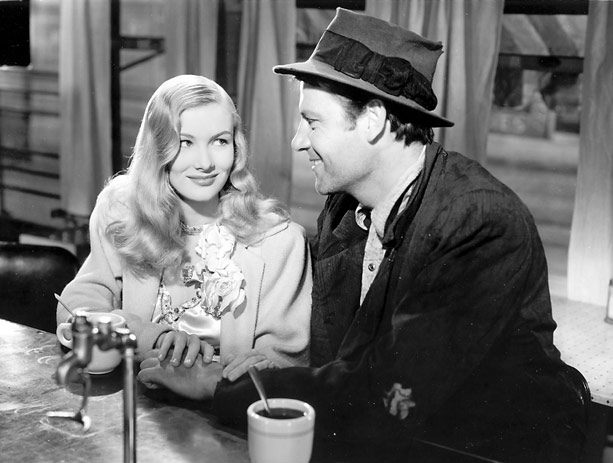
Veronica Lake and Joel McCrea in SULLIVAN’S TRAVELS
On May 9, Turner Classic Movies will be presenting the best work of Preston Sturges, the first workaday Hollywood screenwriter to transition into a major writer-director. TCM will be screening The Lady Eve, The Palm Beach Story, Sullivan’s Travels, Hail the Conquering Hero and The Great McGinty, an impressive body of work that Sturges churned out between the ages of 42 and 46. Unfortunately, his turbulent personality led to conflict in his business affairs, which exacerbated his drinking. He burned out and was dead at age 60, but he left behind some of the very, very smartest and funniest movie comedies.
Preston Sturges’ masterpiece is Sullivan’s Travels, a fast-paced and cynical comedy about a pretentious movie director who goes on the road to be inspired by The Average Man – and gets more of an adventure than he expects. There has never been a better movie about Hollywood. (See the clip below.) It’s on my A Classic American Movie Primer – 5 to Start With.
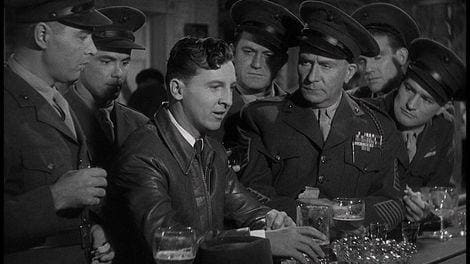
And don’t miss the brilliantly funny Hail the Conquering Hero. It’s one of Preston Sturges’ less well known great comedies. Eddie Bracken plays a would-be soldier discharged for hay fever – but his hometown mistakenly thinks that he is being sent home a war hero. Hilarity ensues. All the funnier when you realize that this film was made in 1944 amid our nation’s most culturally patriotic period.
Eddie Bracken surrounded by his new Marine pals in HAIL THE CONQUERING HERO.
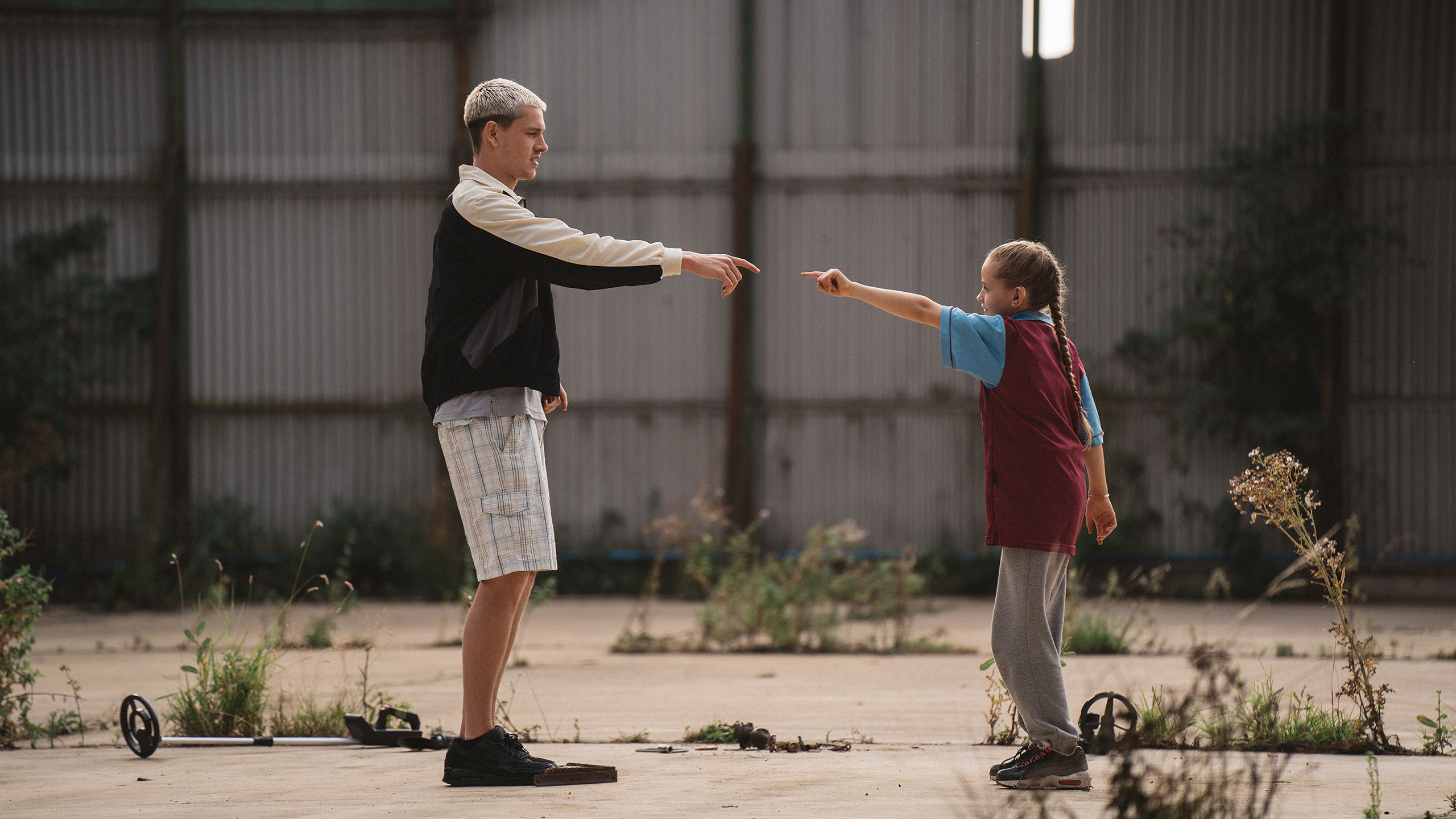
Harris Dickinson and Lola Campbell in Charlotte Regan’s SCRAPPER at the SLO Film Fest. Courtesy of Kino Lorber.
The 2023 SLO Film Fest has opened. I’ve screened over a dozen of the features, and here are eight that you shouldn’t miss:
Scrapper: Georgie, a precocious 12-year-old girl, thinks that she is independently living her best life, until the unexpected appearance of the dad she hasn’t known. In her first feature, British writer-director Charlotte Regan has created a deliciously charming character, played to roguish perfection by Lola Campbell. Harris Dickinson (Triangle of Sadness) is very good as the dad. The screenplay, about loss, connection and second chances, is brimming with humanity. Won the Grand Jury Prize for World Cinema/Dramatic at Sundance.
BlackBerry: This is the funny true story of Canadian geeks who find themselves suddenly dominating the nascent smartphone market…but only for a while. It’s an odd couple pairing of co-CEOs – a shy and brilliant engineer (Jay Baruchal) and brutally obnoxious master of the pitch (Glenn Howerton). Engineering and marketing genius, paired with breathtaking audacity, take them to the top. Unfortunately, hubris is generated, too. BlackBerry is a a surefire audience-pleaser. Make sure you watch the end credits to see what happened to the real guys.
Rodeo: A remarkably fierce young woman invites herself into a crew of dirt riders, Rodeo is set with remarkable verisimilitude in a subculture of young bikers from France’s hardscrabble immigrant communities. First feature for French director Lola Quivoron, who is the real star of this ever kinetic, roller coaster of a movie. If she wants to, Quivoron will be making big Hollywood action films like The Fast and the Furious. Won the Un Certain Regard coup de coeur prize at Cannes.
The Grab: This exposé is an important documentary at the level of An Inconvenient Truth. The Grab documents and clearly explains the global grab for food and water resources by corporations and nations. Impressively researched, The Grab is engrossing and sobering.
Mediterranean Fever: A depressive writer becomes friends with his shady neighbor and the two embark on a dark journey. Second feature for Palestinian director Maha Haj. I don’t want to describe the tone of Mediterranean Fever, like I do many films, as “darkly funny” because the tone is singular. Haj has written a story about that unfunniest of topics, depression, and keeps us watching with subtle, observational humor. Won the Un Certain Regard screenplay prize at Cannes.
Everybody Wants to Be Loved: This German dramedy is a triumph of the harried mom genre. As a psychotherapist, Ina (Anne Ratte-Polle) spends her workdays listening to whining and naval-gazing. Then she goes home to her self-absorbed boyfriend and her teen daughter – and the job of teenagers is to be self-absorbed. Nobody is more narcissistic and entitled than Ina’s mom. It’s the mom’s birthday, and she is rampaging with demands. The daughter is threatening to move in with Ina’s ex, and the boyfriend wants to move the family to Finland for his career. As Ina is swirling around this vortex of egotism, she gets some sobering news about her own health. As everyone converges on the birthday party, what could possibly go wrong? First feature for director and co-writer Katharina Woll.
Searching for Sugar Man: Great choice for a retrospective by SLO Film Fest programmers. This doc is about a modest guy who didn’t know that he was a rock star. For real. Won the 2013 Oscar for Best Feature Documentary.
Dusty and Stones: For an unadulterated Feel Good movie, it’s hard to beat this little documentary that layers on the improbabilities. It’s about a Country Western duo from Swaziland (since renamed Eswatini) who get a chance to visit Nashville and compete in a Texas country music festival. Who knew there was a Country Western music scene in Swaziland, complete with line dancing and Stetsons? There are plenty of nuggets here., beginning with the guys’ unbounded joy at hearing their music recorded with the very best Nashville studio equipment and session musicians. And they explain to the denizens of an African-American barbershop that they are headed for a country music festival in a small East Texas town. And, sitting in a Nashville motel, they contemplate their first Taco Bell cuisine. It’s a little movie, but it’s a hoot.
The SLO Film Fest runs in-person through April 30 in San Luis Obispo. The encore week, from April 30 through May 7, will feature both live screenings in Paso Robles and much of the program being available virtually. Peruse the program and get your tickets at SLO Film Fest. Here’s a teaser for BlackBerry.
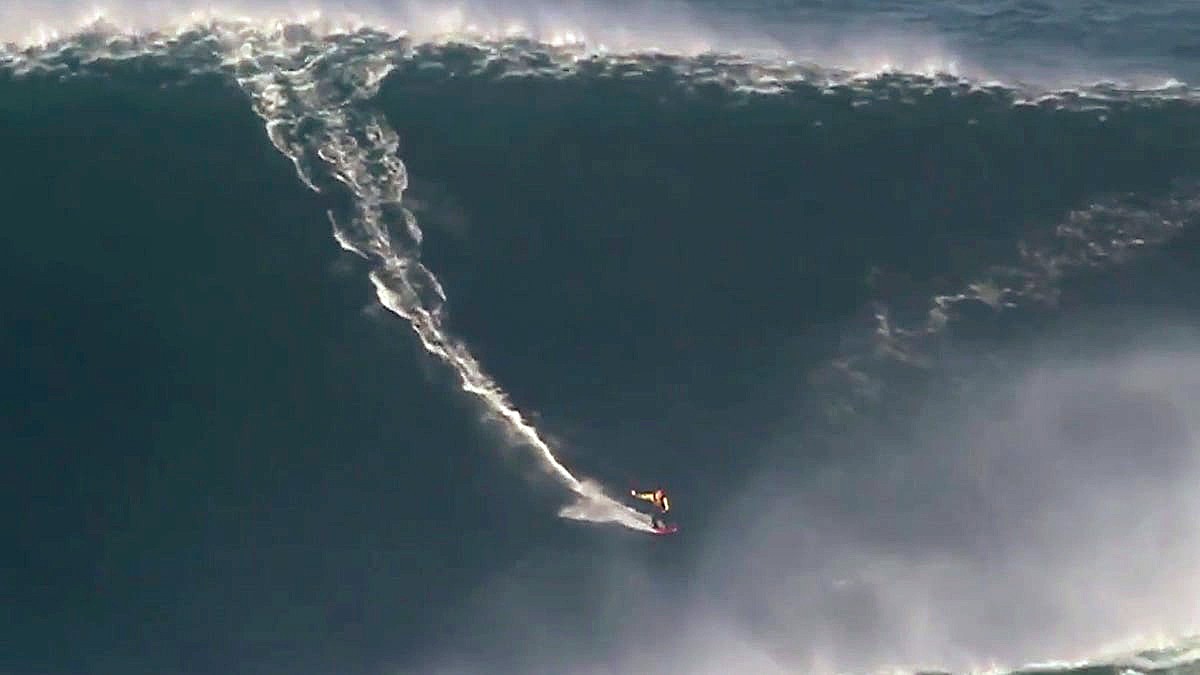
Photo caption: 100 FOOT WAVE at SLO Film Fest’s Surf Nite. Courtesy of HBO.
The 2023 SLO Film Fest opens on April 25 with its characteristic mix of aspirational cinema and sheer fun. The tagline is Let’s Go Back to the Movies, and it’s hard to guess which event figures to be the most exuberant. Here are some contenders:
Opening night: Highlighted with a screening of BlackBerry, the funny true story of Canadian geeks who find themselves suddenly dominating the nascent smartphone market…but not for long. SLO Film Fest Executive Director Skye McLennan calls out BlackBerry as especially fun to see with an audience because of its mix of humor and nostalgia. Popular so far with critics and film festival audiences, this movie should be a surefire audience-pleaser.
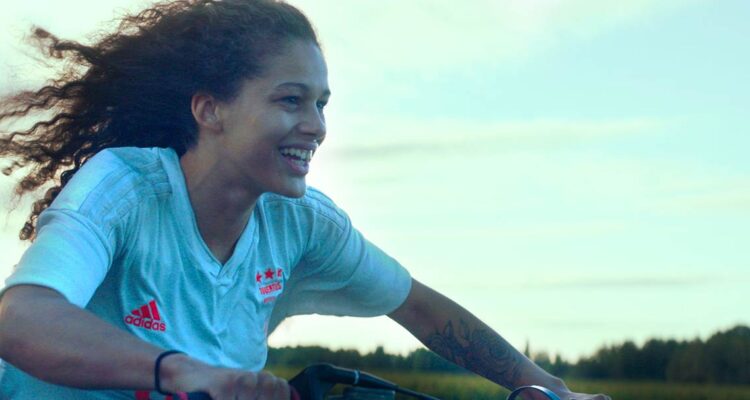
E.T. at the drive-in: Your opportunity to introduce a carload of kids to E.T.: The Extra-Terrestrial at the Sunset Drive-In. It’s a 4K restoration, and this year you can bike in, just like Elliott and his pal in the basket.
Surf Nite: In what McLennan calls “the Rocky Horror Picture Show for surfers”, an episode of HBO’s 100 Foot Wave will presented by Big Wave legend Garret McNamara (who set a world record for surfing 78-foot wave at Nazaré, Portugal). With drinks in the lobby and music from the Boomer Surf Band, the Fremont Theater audience should be stoked.
Cinephiles will be drawn to an impressive cohort of international films, each written and directed by a new female director – and each already an award-winner. Any film festival would be proud to present these four films. As McLennan says, this program “brings the world to SLO.”
Scrapper: A precocious 12-year-old girl thinks that she is independently living her best life, until the unexpected appearance of the dad she hasn’t known. Won the Grand Jury Prize for World Cinema/Dramatic at Sundance. First feature for British director Charlotte Regan.
Our Father, the Devil: An African immigrant in France is rocked when an African priest shows up in her workplace – and he could actually be the savage warlord who traumatized her in her homeland. Nominated for an Independent Spirit Award and has won the best picture award at 13 film festivals so far. First feature for Cameroon-born, American director Ellie Foumbi.
Mediterranean Fever: A depressive writer becomes friends with his shady neighbor and the two embark on a dark journey. Won the Un Certain Regard screenplay prize at Cannes. Second feature for Palestinian director Maha Haj.
Rodeo: A remarkably fierce young woman invites herself into a crew of dirt riders, Won the Un Certain Regard coup de coeur prize at Cannes. First feature for French director Lola Quivoron.
There’s plenty more, with over 40 features, workshops and over ten programs of shorts. I’m screening my way through the program, and will post my MUST SEE recommendations before the fest opens.
The SLO Film Fest will be in-person from April 25-30 in San Luis Obispo. The encore week, from April 30 through May 7, will feature both live screenings in Paso Robles and much of the program being available virtually. Peruse the program and get your tickets at SLO Film Fest.