GASLIGHT, GASLIGHT and gaslighting in domestic violence

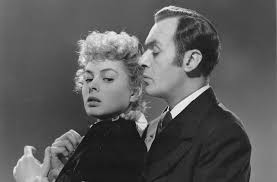
Ingrid Bergman and Charles Boyer in GASLIGHT

On September 10, Turner Classic Movies will air Gaslight (1944), a classic suspense thriller that still has a lot to say about domestic violence and abusive power in relationships.

In Gaslight, an evil husband (Charles Boyer) isolates his wife (Ingrid Bergman) and uses manipulation to convince her that she’s going crazy. He’s seeking to conceal his crimes and gain unfettered control of her house and fortune. He’s also dallying with the maid (a nubile 18-year-old Angela Lansbury). Fortunately, the wife’s longtime admirer (Joseph Cotton) works for Scotland Yard and starts to investigate…

Domestic Violence is abuse of a partner, generally characterized by asserting power and control over the partner. Not all domestic violence is physical, and this phenomenon of abuse by manipulation takes it name – gaslighting – from this movie.

The Film Noir Foundation recently screened Gaslight to an audience of domestic violence survivors and support professionals. I recommend Noir Talk, the Film Noir Foundation’s excellent podcast on iTunes. Search for Gaslight and domestic violence in Episode 10. Here’s one of the tidbits from the podcast: Ingrid Bergman thought she was too vibrant and healthy-looking for the part; but that works to show how the manipulation can work on a woman who doesn’t look like a victim.

This famous Gaslight is actually a remake of the original 1940 version, which is also especially well-acted. Anton Walbrook is suave and evil as the hubbie and Dyana Wyngard is unforgettably haunting as the wife. Only 19 minutes in, we see his duplicity, manipulation and control. Frank Pettingell is very good as the detective, and the cast includes Robert Newton (Long John Silver in the 1950 Treasure Island). Cathleen Cordell plays the oversexed maid Nancy in a less nuanced performance than Angela Lansbury’s. This film version is reportedly the most faithful to the stage play source material. (Oddly, there’s a very good can-can dance in this 1940 movie, too.)
TOWN WITHOUT PITY – the song, not the movie

Turner Classic Movies is airing Town Without Pity (1961) on Saturday – and I don’t think much of it.  It’s a postwar drama in which Kirk Douglas defends four GIs from rape charges in an Allied-occupied German town.  But the great Dimitri Tiomkin wrote the score, and, like he did with his Oscar-winning High Noon, he came up with a pretty good title song.  The song became a Top 40 hit for Gene Pitney.  Here’s Pitney performing the song on TV.

(For a total change of pace, the song was also featured in John Waters’ 1988 Hairspray.)

Peter Fonda

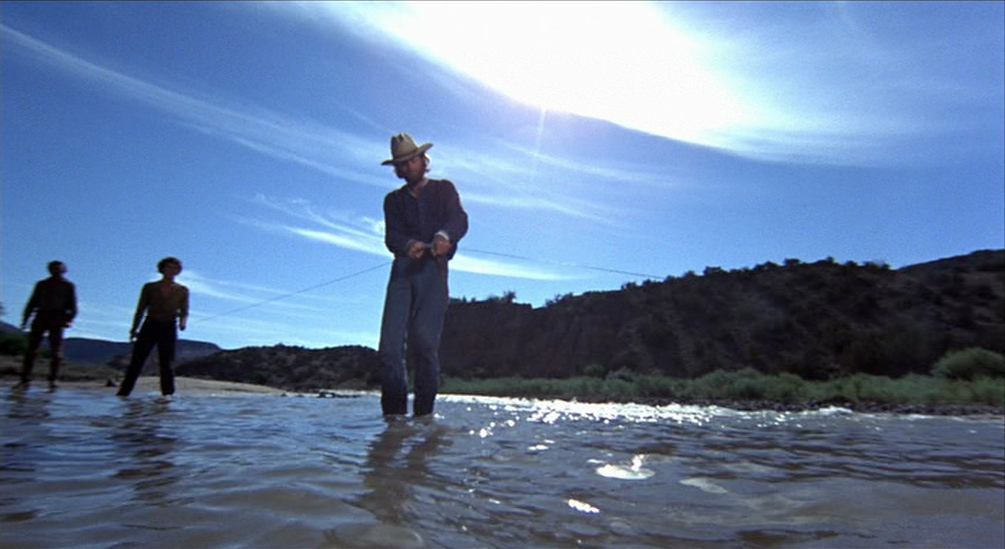
Peter Fonda in his THE HIRED HAND

Peter Fonda has died at age 79. Fonda, well-known as a son and brother of film mega-stars, had a prolific career (116 screen credits) dotted with some spectacular successes.

Fonda’s most eternal legacy will be Easy Rider, a film he wrote and starred in, which was the seminal film of the Counter-culture. Most importantly, Easy Rider propelled the staggering movie studios into empowering a new generation of auteur filmmakers.

Before Easy Rider, Fonda had moved from traditional Hollywood male ingenue roles into a couple of Roger Corman exploitation films, The Trip and Wild Angels. In a rich third act, Fonda was deservedly Oscar-nominated for his starring role in the 1997 indie Ulee’s Gold. He also delivered fine supporting performances in The Limey (1999) and 3:10 to Yuma (2007).

Fonda also directed three films, including his grievously underrated Western The Hired Hand (1971). Verna Bloom, who also died this year, plays a woman abandoned on her hardscrabble ranch by her roaming husband (Fonda). When he returns with his trail buddy (Warren Oates), she will only allow him back as a hired hand. It’s a moody and captivating film, beautifully shot by Vilmos ZsigmondThe Hired Hand is available on DVD from Netflix; the DVD is also available for purchase.

D.A. PENNEBAKER – giant of documentary cinema

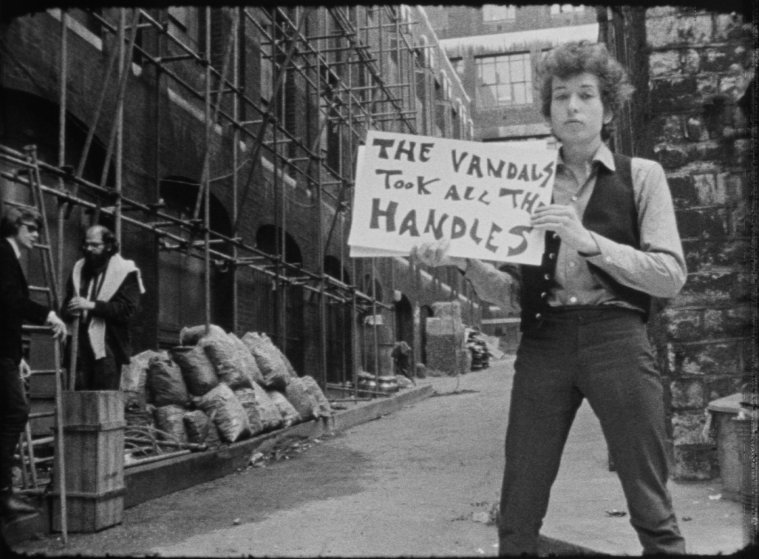
D.A> Pennebaker invents the music video in BOB DYAN: DON’T LOOK BACK

The influential filmmaker D.A. Pennebaker has died at age 94. Among Pennebaker’s innovative achievements:

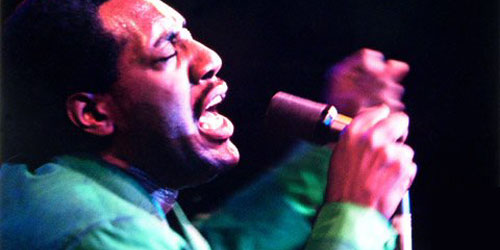
  • His 1968 Monterey Pop is in the conversation as the best ever concert film, and it undeniably influenced the other great concert movies that have followed (Woodstock, The Last Waltz, Stop Making Sense). This is one of the few DVDs that I still own, for the performances by Mamas and the Papas, Jimi Hendrix, Janis Joplin, Otis Redding, Canned Heat, Simon and Garfunkle, Jefferson Airplane, Eric Burdon and the Animals, Country Joe and the Fish and The Who.   Pete Townsend and Jimi Hendrix had a guitar-destroying competition, which Hendrix, aided by lighter fluid, undeniably won. The Otis Redding set is epic.
  • Pennebaker’s 1993 The War Room, about the 1992 Bill Clinton campaign, sets the standard for the insider political campaign documentary.
  • Pennebaker directed Bob Dylan: Don’t Look Back (1967), the story of Bob Dylan’s 1965 tour of England, when he was transitioning from an acoustic to an electric artist.  In the film’s opening, Pennebaker invented the music video, as Dylan holds up cards with the lyrics for Subterranean Homesick Blues.
    The pump don’t work
    ‘Cause the vandals took the handles
Otis Redding in MONTEREY POP

SAN FRANCISCO JEWISH FILM FESTIVAL is here.

WHAT SHE SAID: THE ART OF PAULINE KAEL

It’s time for one of the Bay Area’s top cinema events: the 39th annual San Francisco Jewish Film Festival (SFJFF), which opens this Thursday, July 18, and runs through August 4 at five locations throughout the Bay Area. As usual, the fest presents a broad range of feature films from 17 countries (but mostly from the US and Israel), plus 2 programs of short films (Jews in Shorts).

My top recommendation is Rob Garver’s What She Said: The Art of Pauline Kael, a remarkably thorough and insightful biodoc of the iconic film critic and her drive for relevance. It’s illustrated with clips of the movies that she loved and hated. I’ll publish my long form review when What She Said is released in the Bay Area.

Two more SFJFF entries about the movies are Curtiz, a narrative film about the prolific director Michael Curtiz and Carl Laemmle, a documentary about the pioneering movie impresario

SFJFF always presents an excellent slate of docs. This year’s batch includes Golda, with footage from Golda Meir’s last interview.

There are also comedies. The sibling roadtrip comedy Dancing Dogs of Dombrova looks promising. I’ve seen the comedy of manners How About Adolf? – a family provocateur trying to get under his brother-in-law’s skin unintentionally ignites an eruption of family resentments and revelations.

I haven’t seen it, but my favorite SFJFF title this year is the animated film Seder-Masochism.

One of the most appealing features of the SFJFF39 is that, wherever you live in the Bay Area, the fest comes to you. SFJFF39 will present films at the Castro in San Francisco, CIneArts in Palo Alto, the Albany Twin in Albany, the Rafael in San Rafael and the Piedmont in Oakland. You can peruse the entire program and buy tickets and passes at San Francisco Jewish Film Festival.

Jut for fun, here’s the delightful trailer from the 2016 version of SFJFF.

WES STUDI gets an Oscar

Wes Studi in THE LAST OF THE MOHICANS

Wes Studi is getting an honorary Oscar, and I’m all for it. Slated for a Governors Award, Studi is being honored, along with David Lynch, Geena Davis and Lina Wertmuller by the Academy of Motion Picture Arts & Sciences.

Wes Studi has an uncommon gift of being compelling. I first noticed him in Dances with Wolves, but he’s compiled 97 screen credits from Geronimo: An American Legend to The New World to Heat to Avatar.

Undoubtedly, Studi’s greatest (and most searing) performance was as Magua in The Last of the Mohicans, a movie that he absolutely stole from the likes of Daniel Day-Lewis, Madeleine Stowe and Russell Means.

Studi, of Cherokee descent, is the first Native American actor to receive an Oscar.

Wes Studi with Al Pacino in HEAT

FRAMELINE: New Directors

Marius Olteanu’s MONSTERS.

Frameline, the San Francisco International LGBTQ+ Film Festival, is underway and showcasing a spate of promising new filmmakers.

Romanian writer-director Marius Olteanu‘s innovative drama Monsters., may be Frameline’s most cinematically ambitious film. A dynamic aspect ratio and a figure-it-out-yourself story structure make it clear that Oltenau is an aspirational filmmaker.

Leon Le‘s groundbreaking romance Song Lang takes us into the vivid world of cải lương, the Vietnamese folk opera, for an operatic love story. More than just “the Vietnamese Brokeback Mountain“.

Leon Le’s SONG LANG

The first feature for Spanish director Arantxa Echevarria, Carmen y Lola, is a sexual coming of age story set among urban Romani people in contemporary Spain.

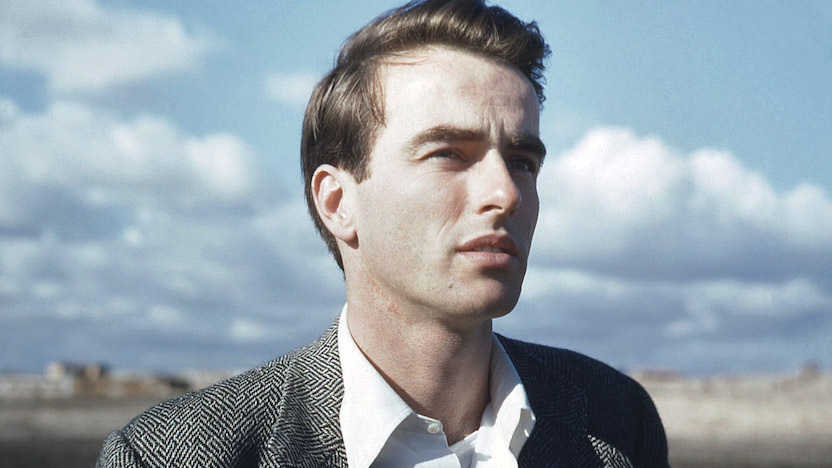
Making Montgomery Clift, the first feature-length documentary for Robert Anderson Clift and Hilary Demmon, is an unexpectedly insightful and nuanced probe into the life of Clift’s uncle, the movie star Montgomery Clift. Demmon also masterfully edited the film.

Frameline’s closing night film, the emotionally powerful documentary, Gay Chorus Deep South, is the first film for director David Charles Rodrigues. It tracks the San Francisco Gay Men’s Chorus concert tour through the Deep South in the aftermath of the Trump election.

Through the Windows, the first feature for directors Petey Barma and Bret “Brook” Parker, tells the story of the famed bar Twin Peaks – the first San Francisco gay bar set up to let patrons and passers-by obdsrve each other directly. And, playing before Through the Windows, the documentary short Dressing Up Like Mrs. Doubtfire, about movie depictions of cross-dressing and the impact of the Robin Williams performance, is one of several shorts by director Will Zang, and could be developed into a future feature.

MAKING MONTGOMERY CLIFT, directed by Robert Anderson Clift and Hilary Demmon

Who is this guy Don McGahn?

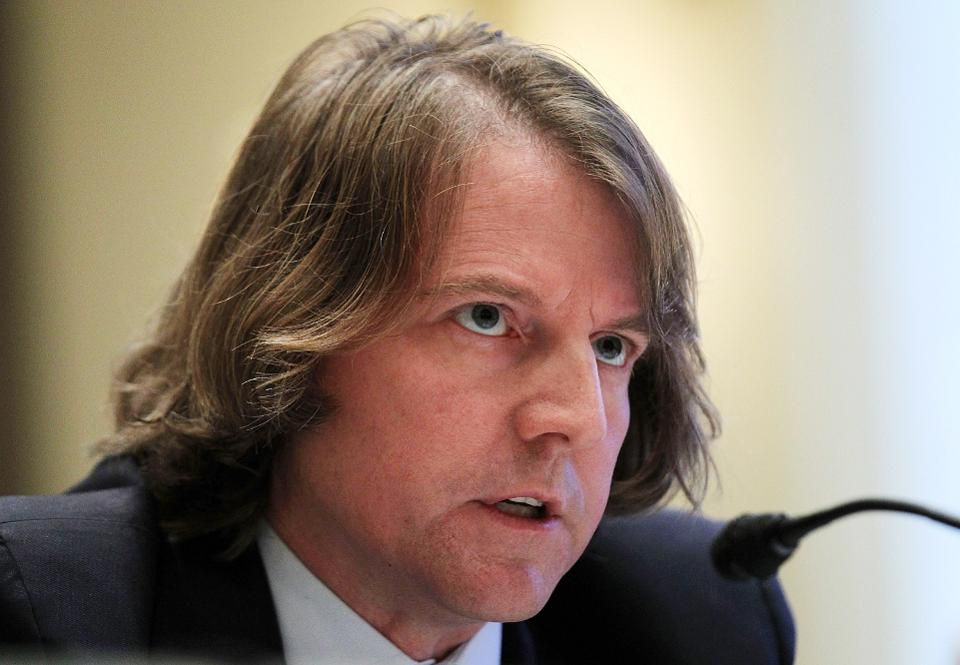
former FEC Commissioner Don McGahn

The Mueller Report has brought former White Counsel Don McGahn into semi-celebrity. McGahn was a major source for the Mueller Report, which portrays McGahn as one of the Trump Administration officials who, by disobeying and thwarting Trump’s orders, saved Trump from criminal charges of obstruction of justice. McGahn was the VILLAIN in last year’s
gripping documentary Dark Money, an expose of our new political environment, with unlimited secret money unleashed by the Supreme Court’s Citizens United ruling.

The Mueller Report recounts an episode where Trump advised a note-taking McGahn that Trump’s lawyers never take notes; McGahn memorably replied “But I’m a real lawyer.” But McGahn worked his way up as a Republican Party operative, and was a GOP appointee to the Federal Elections Commission (when he wore longish preppy hair). In one particularly nasty segment of Dark Money, we witness Commissioner McGahn unashamedly grinding the FEC’s gears of enforcement to a stop.  After the FEC, McGahn went on to serve as the Trump White House Counsel, with major responsibility for the Supreme Court nomination of Brett Kavanagh.

Dark Money’s writer-director Kimberly Reed takes us to her native Montana as conservative (but independent) Republican legislators find themselves deluged by massive and monstrous attacks from some even more conservative out-of-state sources. Intrepid small-town reporter John S. Adams and the understaffed state regulators follow the money and try to hunt down who is pulling the strings.

As the mystery unfolds, Dark Money also takes us to Wisconsin, where dark money has assaulted an unexpected branch of government. And we go to Washington, DC, to the Federal Elections Commission, where Ann Ravel, the Obama-appointed chair of the FEC, has resigned in disgust after Republican commissioners have blocked all enforcement of federal campaign finance regulation. (Disclosure: I have worked with Silicon Valley native Ravel in my day job.)

Here are some of Dark Money’s most disturbing revelations:

  • While it’s bad enough that we don’t know the extent of wealthy Americans like the Koch Brothers trying to buy elections, neither do we know about the secret election participation of FOREIGN players.
  • Dark Money sources are not stopping at trying to buy legislators and governors, but are also trying to take over state supreme courts!

And just when we need MORE scrutiny of the attempts to buy the legislative and judicial branches of state governments, we are witnessing the death of statehouse journalism.

Dark Money keeps us on the edges of our seats throughout and culminates in a real-life courtroom drama

I attended the sold-out Bay Area premiere of Dark Money, co-sponsored by Silicon Valley’s Cinema Club and by Santa Clara County. Both Ann Ravel and John S. Adams appeared at the post-screening Q&A. You can stream Dark Money from Amazon (free with Prime), iTunes, Vudu, YouTube and Google Play.

Streaming the best of Cinequest

Brooke Purdy in QUALITY PROBLEMS

These 2012-2018 Cinequest favorites are available to stream now:

FEEL GOODS AND COMEDIES

  • Quality Problems: A screwball comedy for the sandwich generation. Amazon, iTunes, Vudu, YouTube, Google Play.
  • Venus: Meeting your kid for the first time while transitioning. Amazon, iTunes.
  • The Sapphires: Here’s a crowd pleaser – Motown meets Aborigines. Amazon, iTunes, Vudu, Google Play.
  • Threesomething: Original and cheeky. Amazon, iTunes, Vudu, YouTube, Google Play.
  • The Grand Seduction: An entire tiny hamlet is enlisted in an absurdly elaborate and risky ruse in this Canadian knee-slapper.  Amazon (included with Prime), Vudu, YouTube, Google Play.
  • Hunting Elephants: Apparently, Israelis see just as little generosity, fair-mindedness and decency in their bankers as we do in ours. iTunes.

Andrew Jenkins in Chris Scheuerman’s brilliant debut LOST SOLACE

INDIE DRAMAS

  • The Center: Sliding into a cult. Amazon (included with Prime), Vudu, YouTube, Google Play.
  • Lost Solace: a psychopath afflicted by empathy. Amazon, iTunes, Vudu, YouTube, Google Play.
  • Dose of Reality: You won’t predict this ending. For SURE. Amazon.
  • The House on Pine Street: Does she see a ghost? Amazon, iTunes, Vudu, YouTube, Google Play.
  • Prodigy: She doesn’t LOOK like a monster. Amazon, iTunes, Vudu, YouTube, Google Play.


THERE WILL BE NO STAY

DOCS

  • The Brainwashing of My Dad: When TV changes not just opinions, but mood and personality, too. Amazon, Vudu, YouTube, Google Play.
  • Meet the Hitlers: Wouldn’t you change YOUR name? Amazon, iTunes, Vudu.
  • There Will Be No Stay: In a society with capital punishment, someone must perform the executions. iTunes, Vudu, YouTube, Google Play.


Mads Mikkelson in THE HUNT

WORLD CINEMA

  • Ida (Oscar winner): Identity rocked at a pivotal time. Amazon, Netflix, YouTube, Google Play.
  • The Hunt (Oscar-nominated): Terrifyingly plausible. Amazon, iTunes, Vudu, YouTube, Google Play (and Netflix DVD).
  • Wild Tales (Oscar-nominated): Hilariously dark tales of revenge. Amazon, iTunes, Vudu (and Netflix DVD).
  • The Teacher: A peek into Communist dread. Amazon, iTunes, Vudu.
  • Revenge: The web is spun. Amazon, iTunes, Vudu, YouTube, Google Play.
  • Fever at Dawn: Romance, identity and a moral choice. Hoopla.
  • The Wave: Everything you want in a disaster movie. Amazon, iTunes, Vudu, YouTube, Google Play.
  • Magallanes: Some wrongs cannot be righted. iTunes, YouTube, Google Play.
  • The Memory of Water: Grief, exquisitely explored. Netflix.
  • Los Hamsters: Riotously dysfunctional. Amazon, iTunes, YouTube, Google Play.

The Movie Gourmet’s 2019 Oscar Dinner

ROMA

Every year, we watch the Oscars while enjoying a meal inspired by the Best Picture nominees. For example, we had sushi for Lost in Translation, cowboy campfire beans for Brokeback Mountain and Grandma Ethel’s Brisket for A Serious Man – you get the idea. The high point has been the Severed Hands Ice Sculpture in 2011 for 127 Hours and Winter’s Bone (photo below). Here’s last year’s menu, centered on Reynolds Woodcock’s (Daniel Day-Lewis) comically elaborate breakfast order from Phantom Thread.

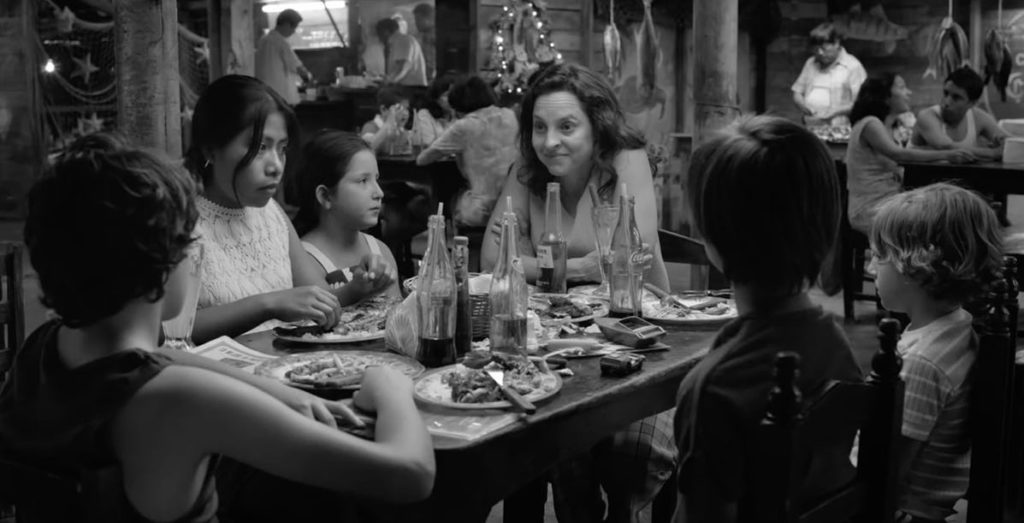
This year’s dinner will be built around Mexican cuisine as a tribute to Roma, the Oscar-nominated movie that we most admire.  We’ll have some shrimp (the family dines at the beach resort restaurant with the giant octopus sculpture outside) and The Movie Gourmet’s famous elote (street corn). The table will be adorned with references to the other Best Picture nominees.

So here is this year’s menu:

Gambas al ajillo, elote, frijoles y arroz from Roma.

Jack Daniels from A Star Is Born. A fifth of JD Black, just like the one drained by Jack (Bradley Cooper) in his limo.

Fried chicken from Green Book: Tony Lip (Viggo Mortensen) lights up with Kentucky Fried Chicken! In Kentucky! When’s that ever gonna happen!.

Cake with blue icing from The Favourite: In one of the least appetizing food scenes in recent cinema, Queen Anne (Olivia Colman), gout and all, battles this cake.

Almond croissant from Vice:  Offered some food at a meeting, Dick Cheney (Christian Bale) mumbles, “Nah, I’m eating healthy” – and then scarfs something from the pastry tray.

Coors from BlacKkKlansman: Something for all those Colorado Springs white supremacists.

Purple potion from Black Panther: Not having any real superhero potion, The Wife and I faked it with a sports drink.

Novelty false teeth for Bohemian Rhapsody. As a table decoration, we chose novelty false teeth to represent the horrible prosthetic teeth that Rami Malek had to wear as Freddie Mercury. The real Freddie was a very handsome guy with prominent teeth; the movie Freddie is downright horse-faced – and it’s a terrible distraction from Malek’s fine performance.  Speaking of which, on YouTube, you can find a side-by-side of the actual Queen performance at LiveAid and the Bohemian Rhapsody version – great stuff.  Still, why is this movie nominated for Best Picture?

My thanks to The Wife, who has been the real driving force behind this meal in the past few years.

The Movie Gourmet’s culinary tribute to 127 HOURS and WINTER’S BONE